shutterstock

Top 6 Traditional Desserts
in the Metropolitan City of Genoa

Last updated on May 15, 2026

Best Metropolitan City of Genoa Desserts
01

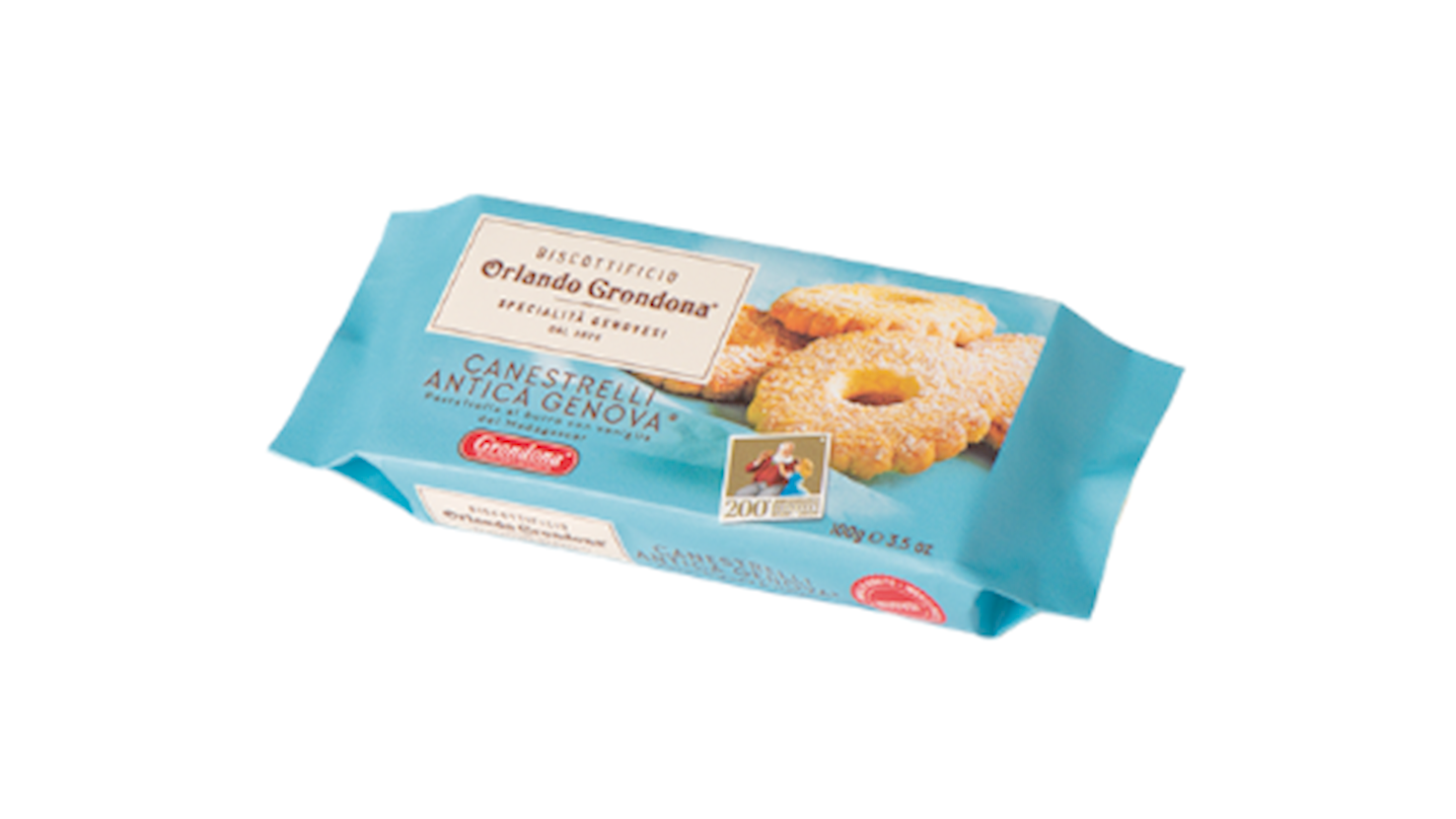
Grondona

4.5 ·
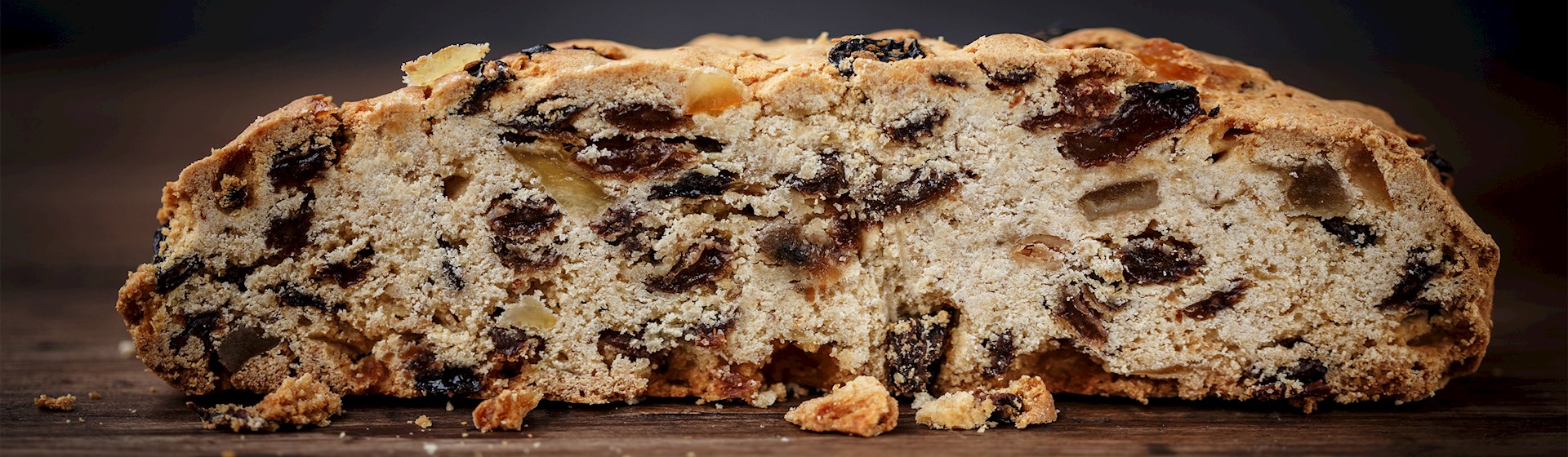
Grondona is a historic Italian bakery brand based in Genoa, with origins dating back to 1820 when Giuseppe Grondona established a small artisanal flour mill and bakery that gradually developed into a specialized producer of biscuits and traditional Ligurian baked goods. Over time, the company shifted its focus from pasta production to biscuits, building its identity on regional recipes and techniques that have been preserved and passed down through generations, often rooted in the founder’s original notes. Today, Grondona remains a family-run business with more than two centuries of continuous activity, emphasizing natural ingredients, sourdough-based processes, and artisanal methods adapted to modern production standards. Its portfolio includes a wide range of products such as traditional biscuits, cakes, pandolce, and seasonal specialties, all closely linked to the culinary heritage of Liguria. Despite its international distribution, the brand maintains a strong connection to its place of origin and a consistent focus on quality and authenticity. It is positioned as a representative example of Italian baking tradition sustained through continuity, technical knowledge, and careful adaptation to contemporary markets.

Best Traditional Desserts in the Metropolitan City of Genoa
01

Pan di Spagna

3.3 ·

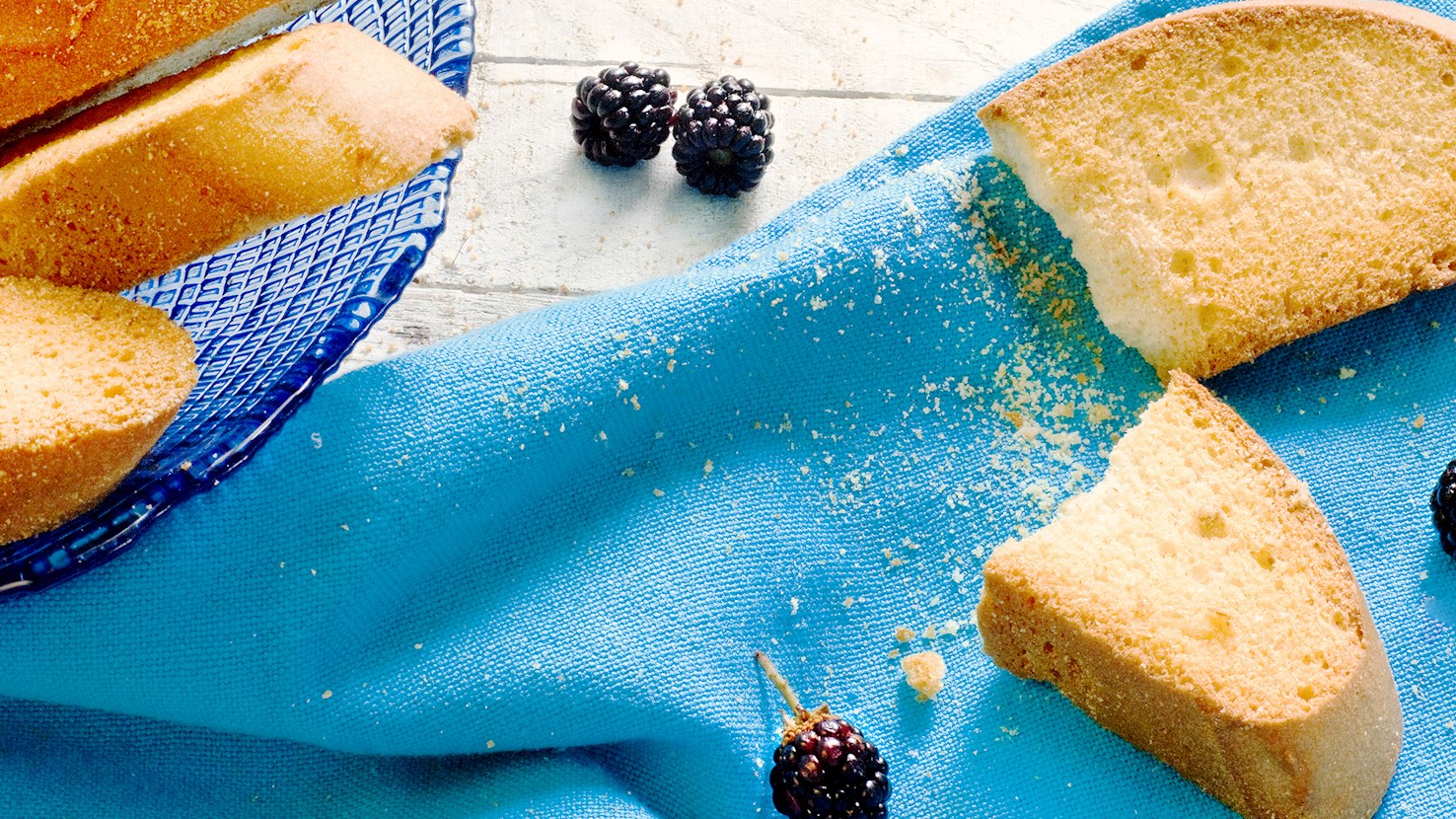
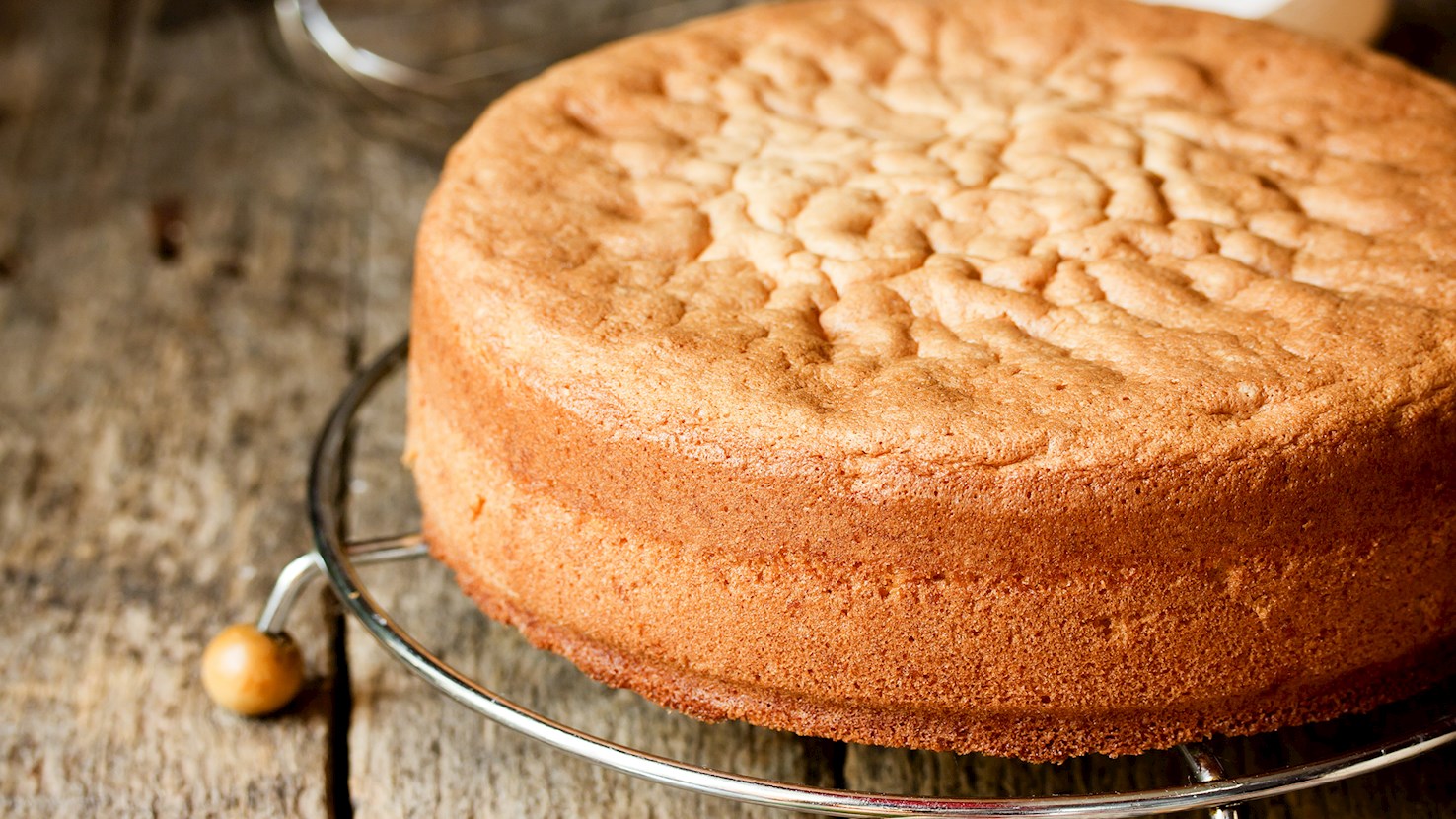
Pan di Spagna is a classic Italian cake that is widely used in confectionery as a base for many elaborate sweets, such as zuccoto or cassata. Fragrant and soft, this simple sponge cake is made with only a few ingredients: eggs, sugar, flour, and flavorings such as vanilla or lemon zest. The origins of pan di Spagna can be traced back to the 18th century and a young Genovese pasticcere Giovan Battista Cabona. Allegedly, during his visit to Spain in the service of the ambassador of Genoa, Marquis Domenico Pallavicini, he prepared this airy, golden cake for a royal banquet at the court of the King of Spain. His sweet creation, served under the name génoise, was an instant success. Later on, the Italian name changed to pan di Spagna, or Spanish bread, in honor of the Spanish court where it was first served. Pan di Spagna as we know it today is actually a simplified version of the original génoise – both recipes call for the same ingredients, but for génoise they are combined while hot, and for pan di Spagna while cold. Similar desserts can be found in many Mediterranean countries - bizcocho in Spain, or pandišpanja in Croatia.

02

Pandolce

3.1 ·

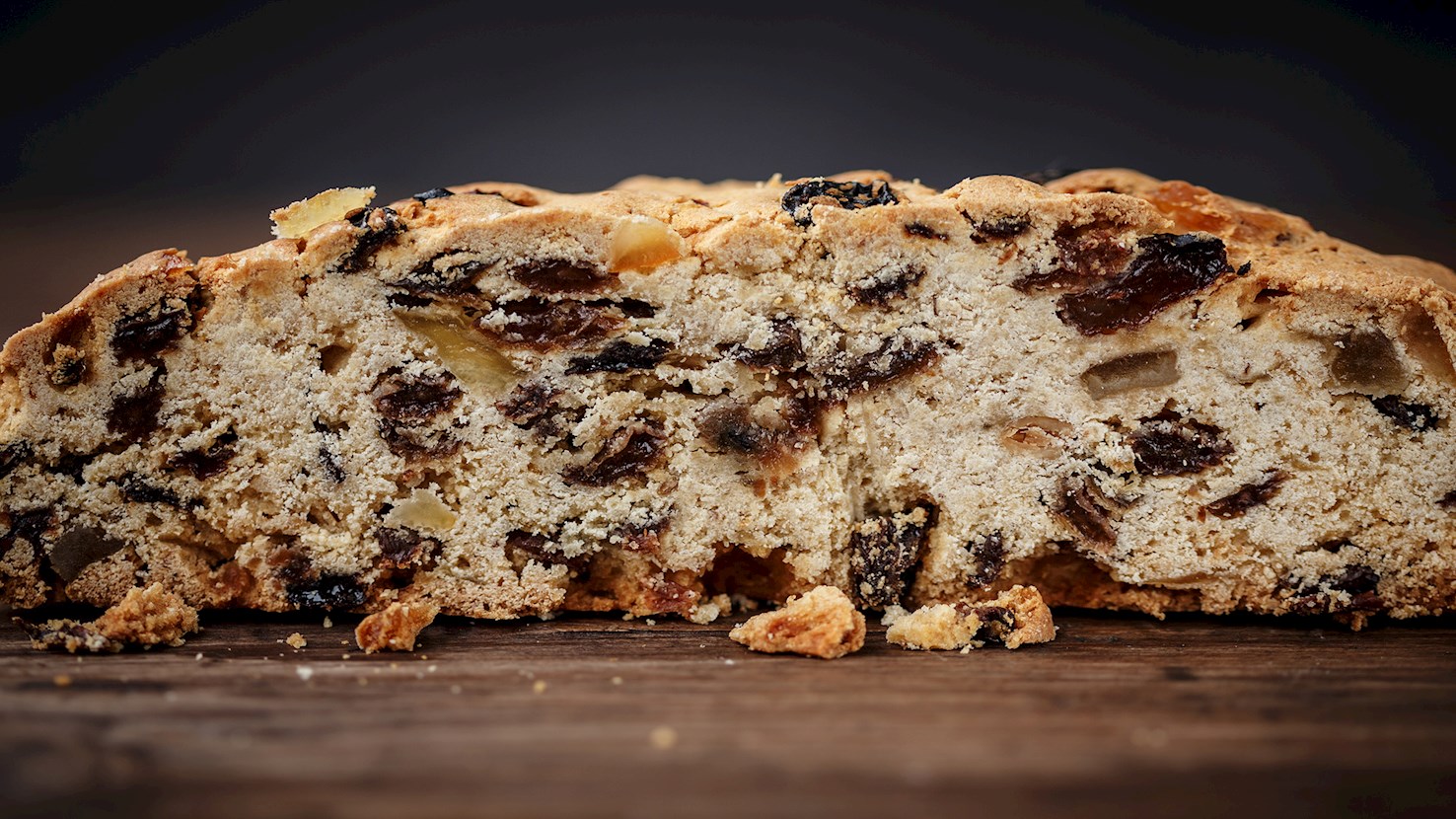
Pandolce is a sweet Italian Christmas bread from Genoa consisting of flour, sugar, butter, milk, raisins, eggs, lemon juice, and pine nuts. Its texture is both delicate and tough, dry and moist. Originally, whole families participated in the preparation of pandolce: the women made the cake, the youngest carried it to the table, and the oldest family member would slice it after everyone had kissed the cake. The first slice was always saved for the first beggar who would knock on the door. Today, it can be found in shops throughout Genoa from the 1st of December, and it is recommended to pair it with a glass of chilled prosecco.

03

Biscotti del Lagaccio

3.1 ·

Categorized somewhere between a cookie and a rusk, biscotti del Lagaccio are named after a Genovese quarter where they were allegedly invented around 1593. In the beginning, they were simple double-baked biscuits made only with flour, butter, yeast, and sugar, but over time, the basic recipe was changed with the addition of wild fennel seeds and a few drops of anise liqueur, giving them their typical flavor. Delicately sweet, biscotti del Lagaccio make a perfect breakfast or an afternoon snack, especially if paired with a cup of caffè latte or tea.

04

Sacripantina

n/a ·

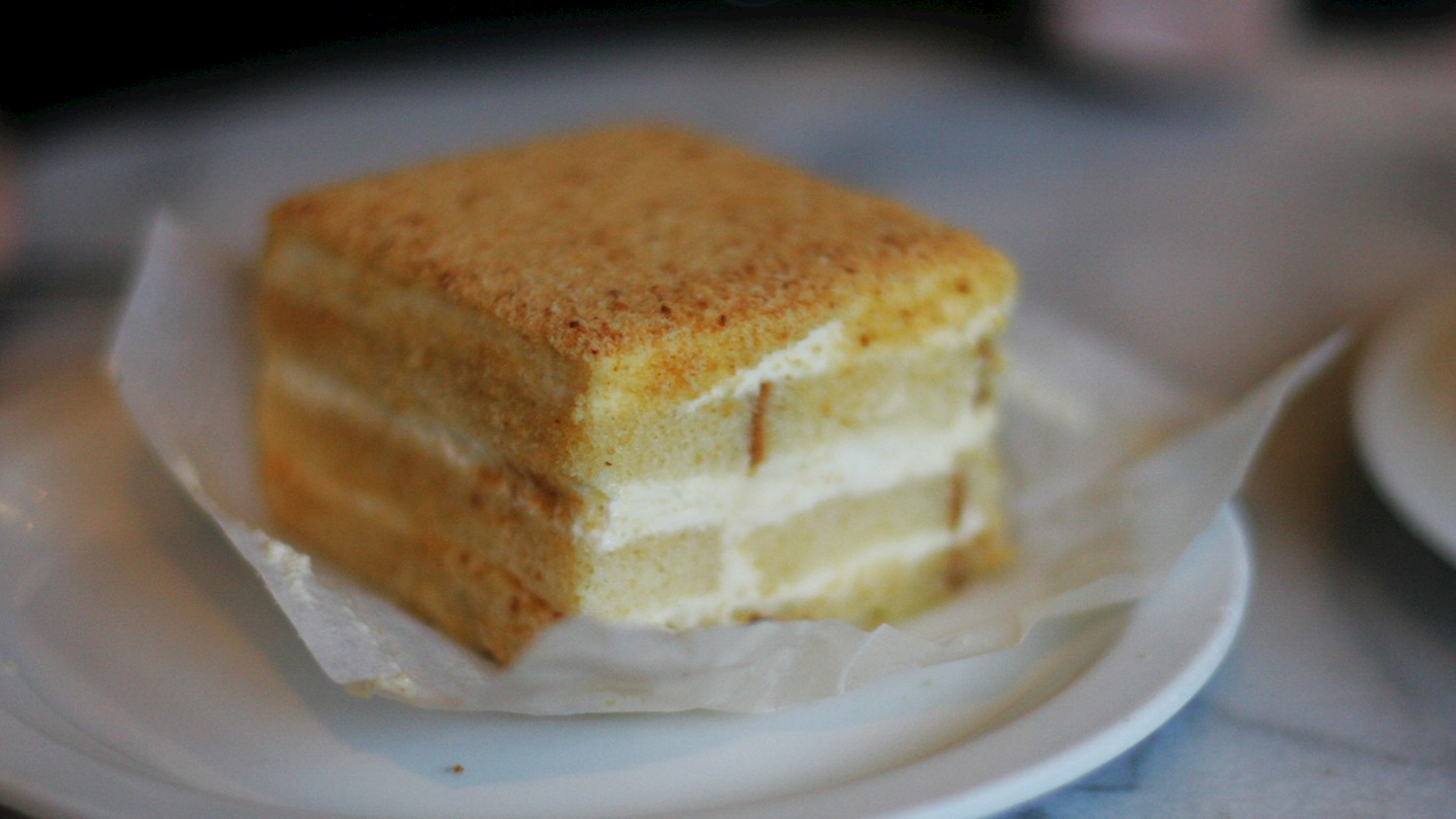
Sacripantina is a delicious dome-shaped cake from Genoa, created by Giovanni Preti in 1851. Allegedly named after Sacripante, one of the characters in the chivalric poems of the famous Italian Renaissance poet Ludovico Ariosto, this creamy treat consists of soft layers of pan di Spagna soaked in sweet Marsala wine, covered with two different, but equally delicious creams: one flavored with zabaione, and the other one with cocoa. Sacripantina is best enjoyed well-chilled, sprinkled with extra crumbs of pan di Spagna.

05

Canestrelli di Avosso

n/a ·

With a texture somewhere between a cookie and a pastry, canestrello di Avosso is a crunchy, golden brown treat traditionally prepared in Avosso di Casella near Genoa. The dough is made with wheat flour, butter, and sugar, and it must be kneaded by hand, rolled and cut with a cookie stamp, then brushed with milk and tossed in sugar before baking. Although nowadays they might seem as a simple sweet, in the eastern part of Liguria, they used to be a symbol of abundance, prepared for religious feasts such as Palm Sunday: together with hazelnut necklaces, apples, and dried fruit, canestrelli di Avosso were used to decorate olive branches that people would take to church for a blessing.

06

Rotelle di Borzonasca

n/a ·

Rotelle di Borzonasca are traditional shortbread cookies produced in Liguria ever since the 19th century. They are round, with serrated edges and a hole in the middle, and due to their shape, which is reminiscent of small wheels, they got the name rotelle, or in dialect ruëtta. Made with chestnut flour, they are firm but flaky, baked until golden, and then served generously sprinkled with powdered sugar.

About this ranking

TasteAtlas food rankings are based on the ratings of the TasteAtlas audience, with a series of mechanisms that recognize real users and that ignore bot, nationalist or local patriotic ratings, and give additional value to the ratings of users that the system recognizes as knowledgeable. For the “Top 6 Traditional Desserts in the Metropolitan City of Genoa” list until May 15, 2026, 85 ratings were recorded, of which 63 were recognized by the system as legitimate. TasteAtlas Rankings should not be seen as the final global conclusion about food. Their purpose is to promote excellent local foods, instill pride in traditional dishes, and arouse curiosity about dishes you haven’t tried.

The initial list of top producers was compiled based on available reviews, awards, local recommendations, media and blog coverage, and consumer reviews. The list will be updated with ratings from TasteAtlas local ambassadors and TasteAtlas users.

Similar lists