dreamtimes

Top 55 Baden-Württemberg Foods

Last updated on July 16, 2026

Best Baden-Württemberg foods

01
Noodle Dish

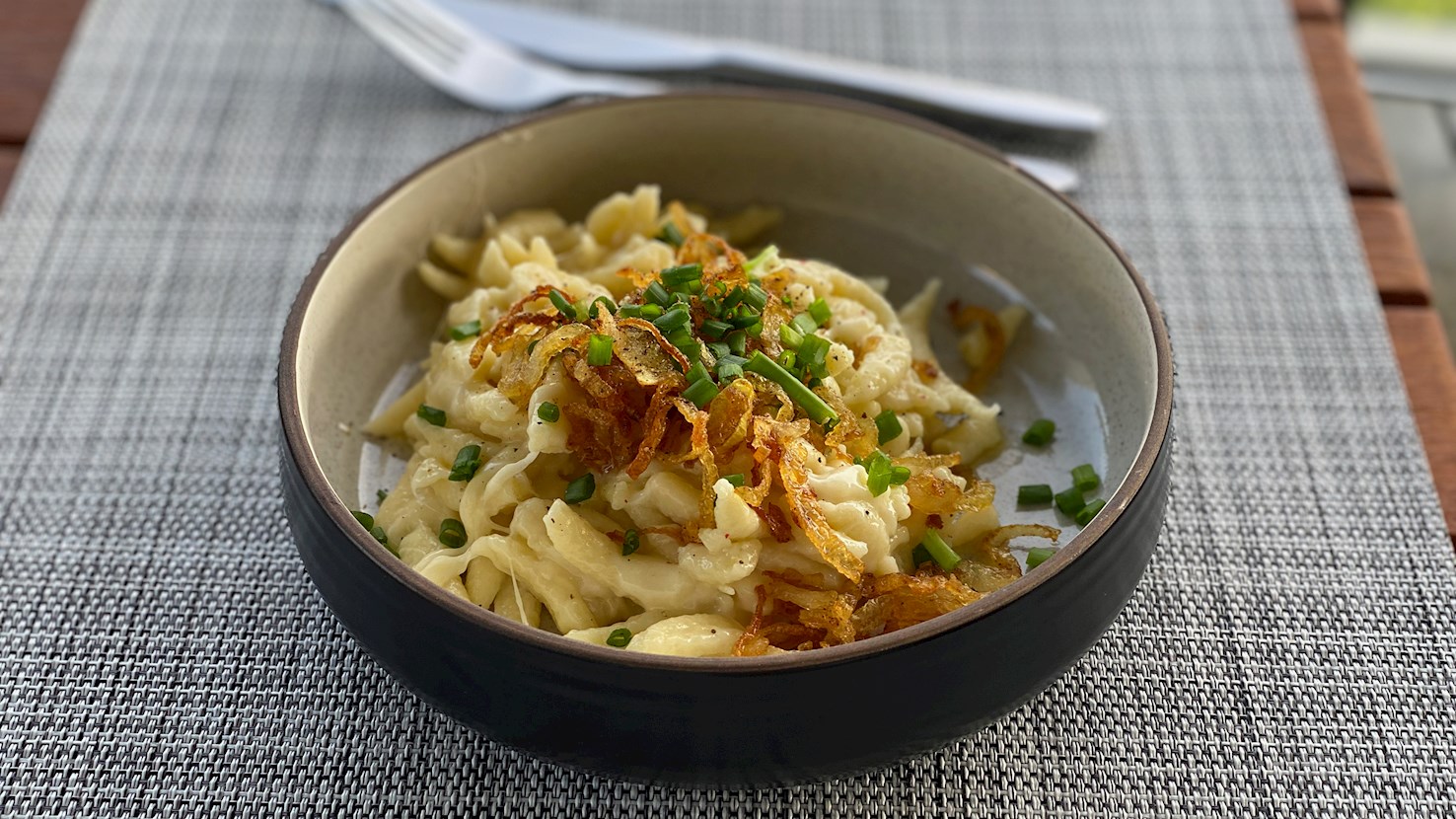
Käsespätzle

4.1 ·

Käsespätzle is a simple noodle dish that combines spätzle noodles with a creamy mixture of melted cheese. The noodles are also called knöpfle, meaning little buttons, and are made with eggs, flour, milk or water, and seasonings such as salt, pepper and (sometimes) nutmeg, while käse refers to the melted cheese mixture, which is usually a combination of two or more types of cheese such as Edam, Gouda, Fontina, Gruyère, Appenzeller, or Emmental cheese. The noodle mixture is typically pressed through a specially designed spoon or colander directly into boiling salted water and cooked until done before it is mixed with the melted cheese. Also referred to as käsknöpfle, the dish is typically enjoyed with additional grated cheese and caramelized onions on top, and typical accompaniments include apple sauce, potato salad, and fresh green salads. Versions of this dish are traditionally consumed in Southern Germany, Swabia, Austria, and Liechtenstein, and it's also a typical dish in Switzerland, Hungary, Alsace, Moselle, and South Tyrol.

02
Dumplings

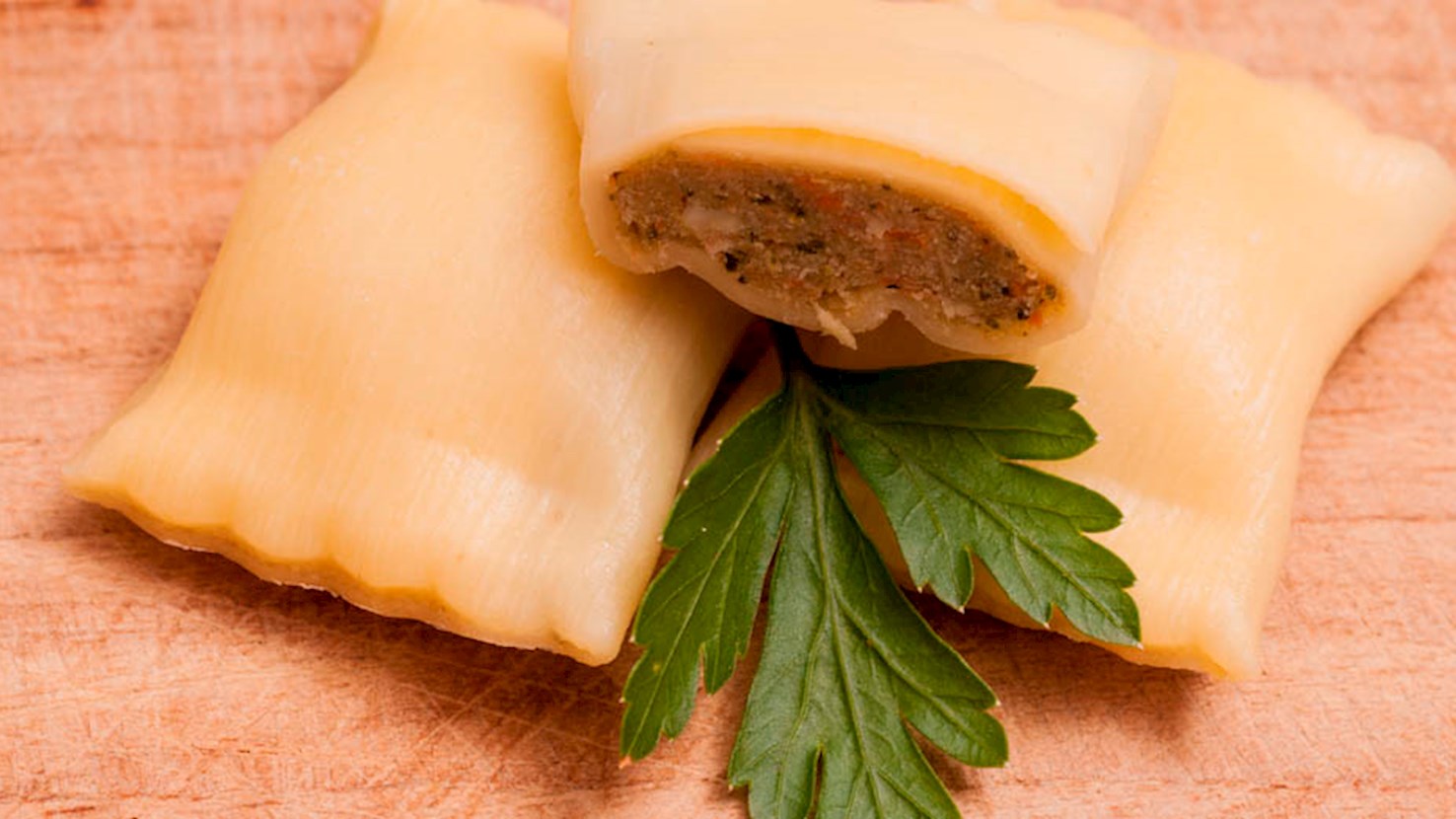
Schwäbische Maultaschen

4.0 ·

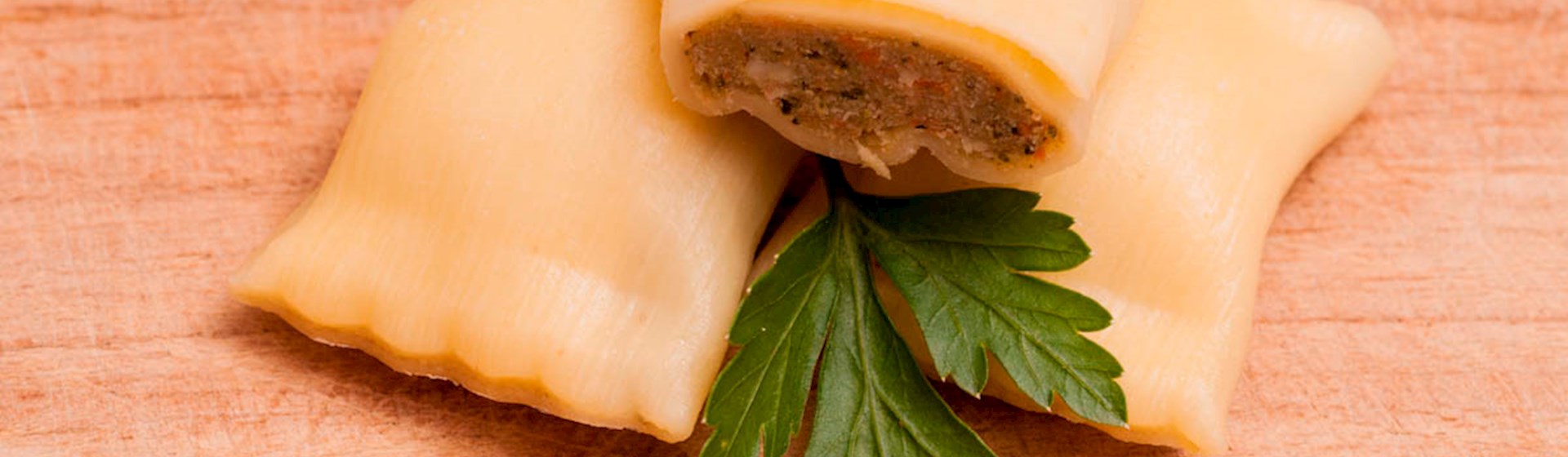
Originating from Swabia in eastern Baden-Württemberg, Schwäbische Maultaschen are traditional, savory dumplings filled with ground meat, onions, spinach, and bread. This hearty dish is ideal for cold winter months and can be prepared in three ways: sliced and fried with eggs, simmered in broth, or topped with onions and butter. Originally, the dish was invented by Cistercian monks from the Maulbronn Monastery in the 1600s. Since meat was forbidden during Lent, the monks chopped the meat and combined it with spinach and herbs to hide it, while the dough was used as another layer of disguise for the meat. Today, the dish is so popular that there is an annual Maultaschen Festival held every autumn in Freiberg am Neckar.

03
Chocolate Cake

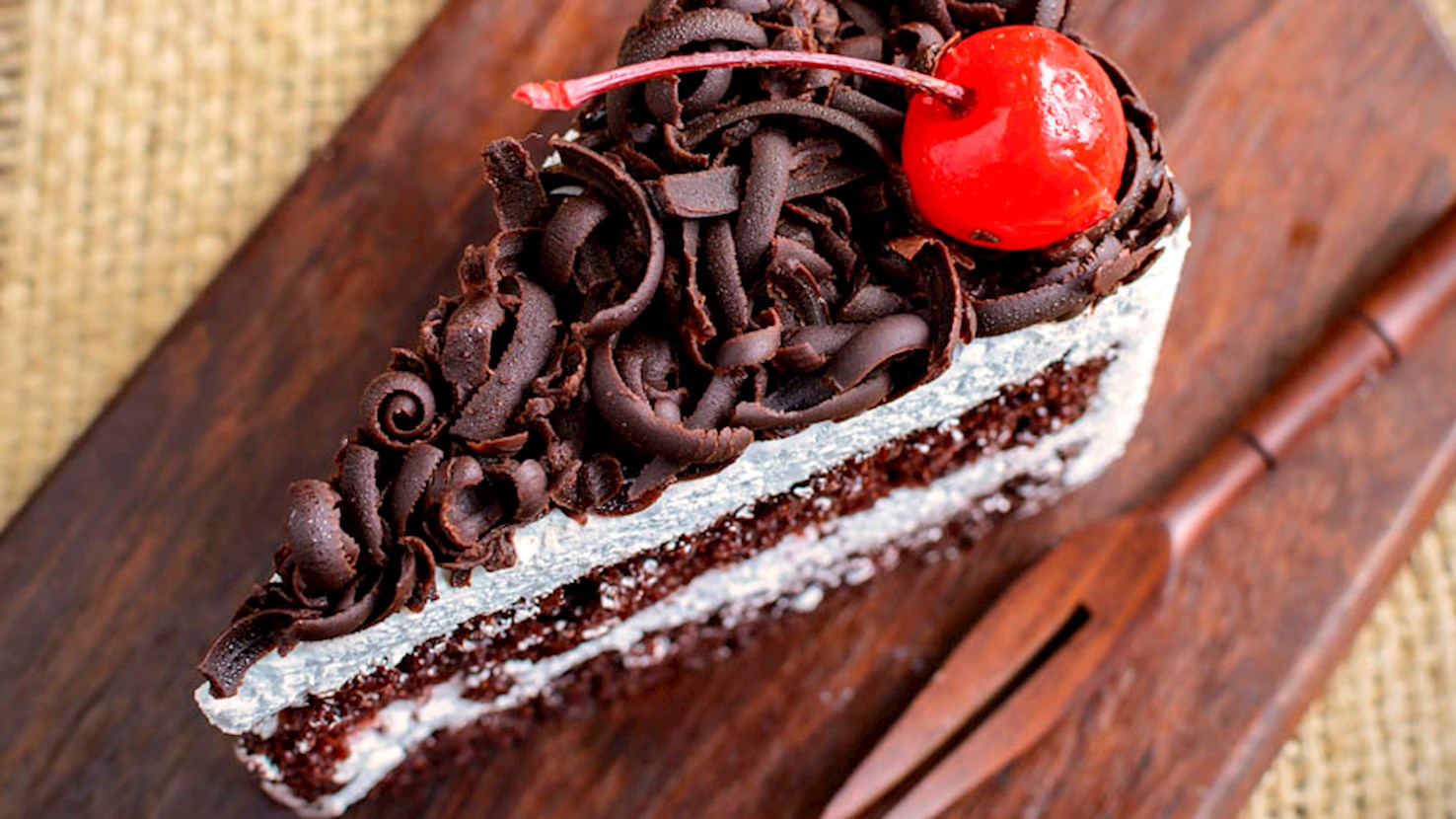
Schwarzwälder Kirschtorte

4.0 ·

Black Forest cherry cake is a popular German dessert consisting of chocolate sponges that are coated in whipped cream and dotted with kirschwasser-infused cherries. Some varieties use the kirschwasser brandy to soak the chocolate layers or to lightly flavor the whipped cream. When assembled, the cake is lavishly decorated with whipped cream, chocolate shavings, and cherries. Among the numerous theories about its invention, it is still debated whether the cake was created by confectioner Josef Keller or pastry chef Erwin Hildenbrand. What is certain is that Schwarzwälder Kirschtorte originated in the Black Forest area and was in all likelihood modeled on the colors of the regional folk dresses. Since its first appearance in written form in 1934, it has become a well-known German dessert that is enjoyed throughout the country.

04
Dry-cured Ham

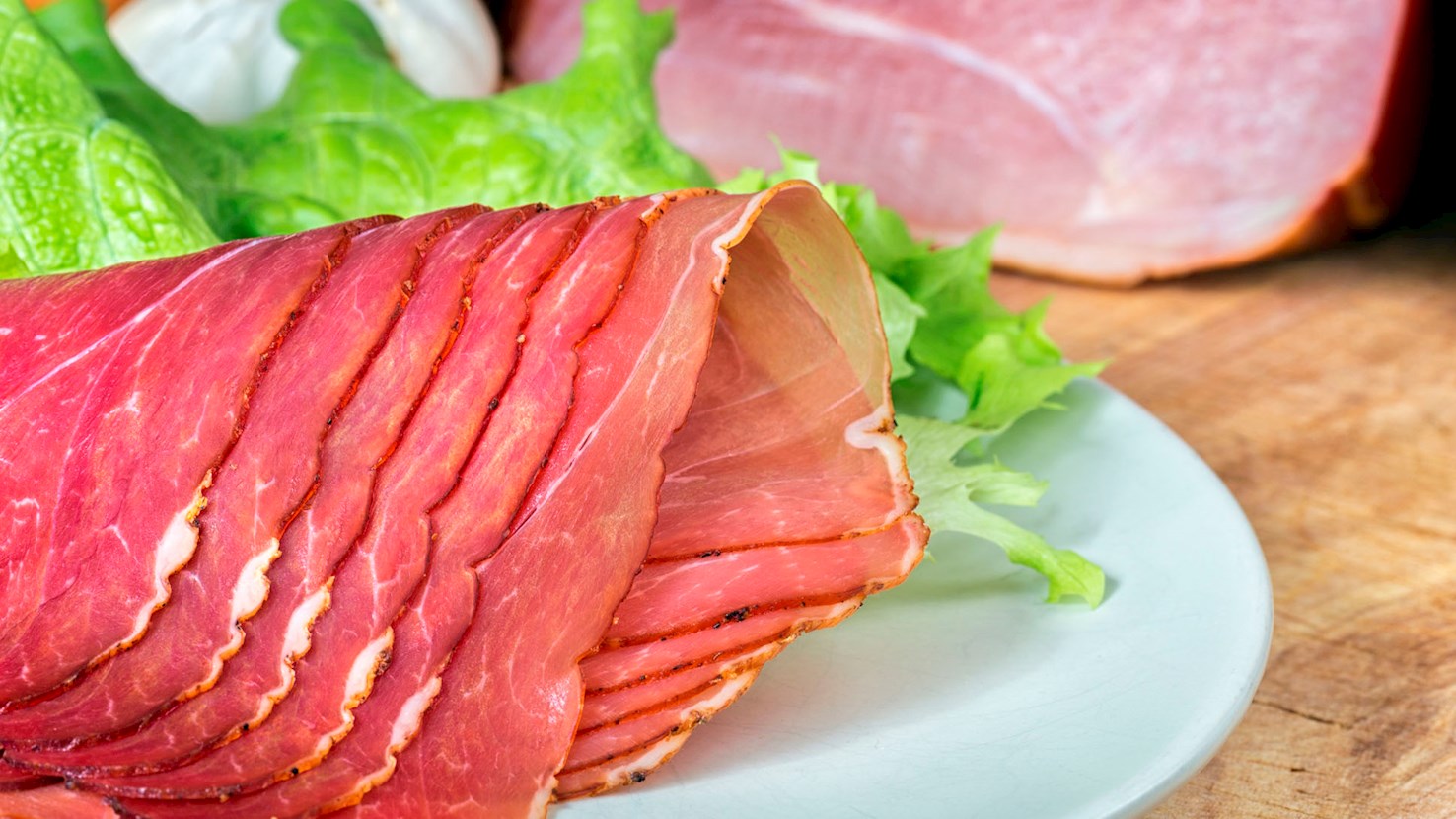
Schwarzwälder Schinken

3.9 ·

Black Forest ham is the best-selling smoked ham in Europe. It is made from the hind leg of the pig, spiced according to producers' own traditional recipes, and cold smoked using fir wood from the Black Forest. The spices used are salt, garlic, coriander, pepper, and juniper berries. As a result, the ham has a dark layer of meat on the outside but a vibrant red color on the inside with a typical smoky aroma. Black Forest ham is boneless and always contains about 20% fat, and it has a nutty and spicy flavor. This ham is easily found in many restaurants, and may be eaten raw or used as an ingredient in cooked dishes.

05
Savory Pie

Zwiebelkuchen

3.9 ·

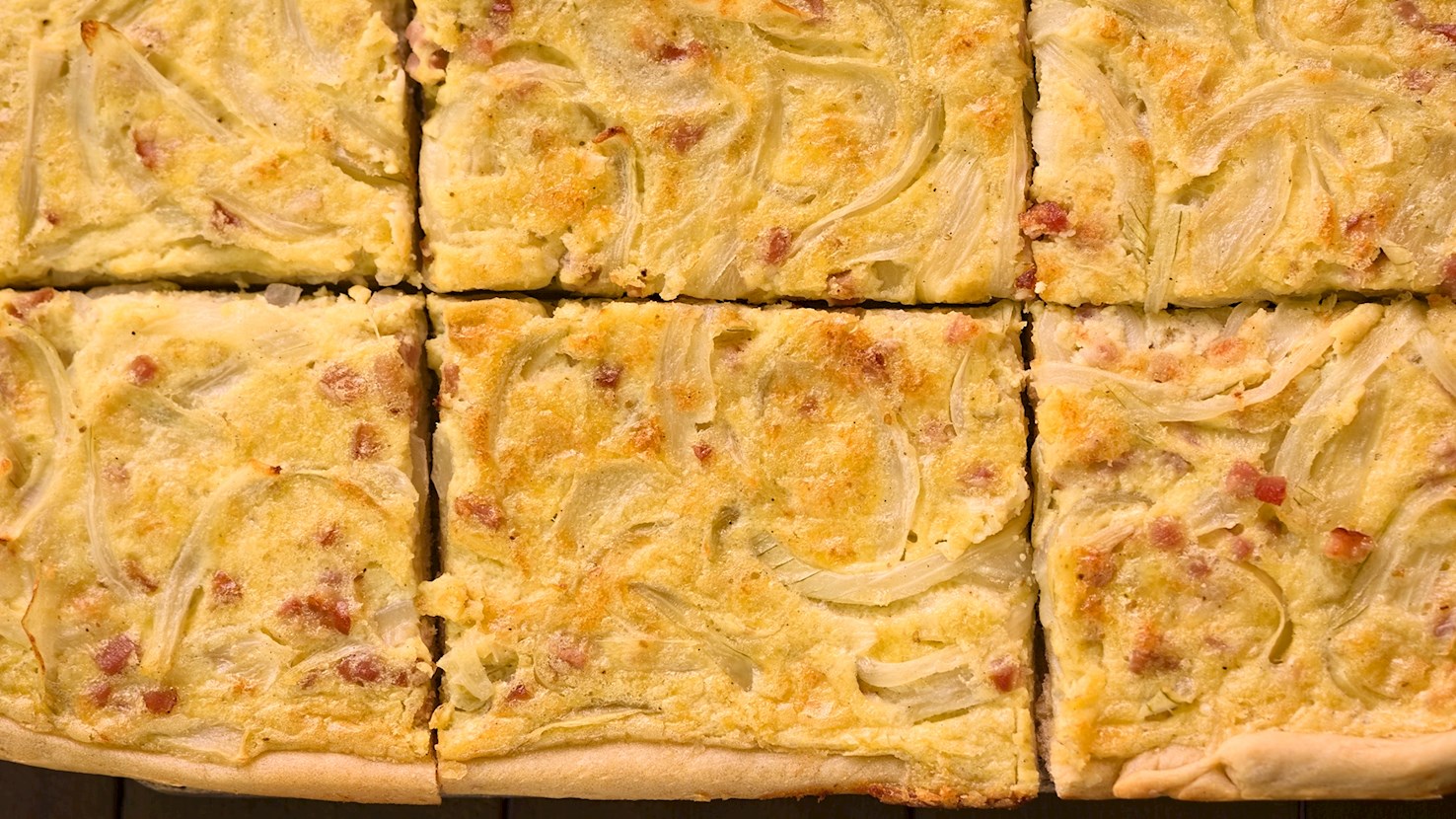
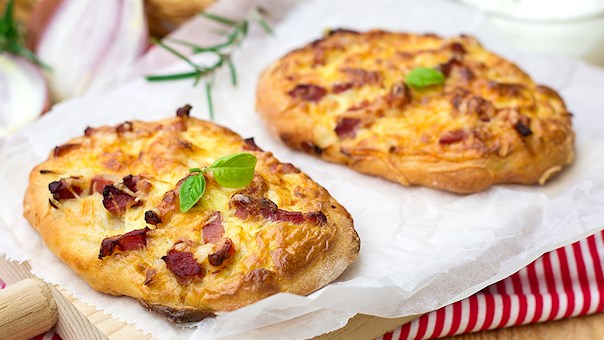
Although it translates to onion cake, German zwiebelkuchen is better described as a savory onion pie. The base of the dish is a thin, buttery crust that is usually made with yeasted dough. The center of the pie is filled with a combination of caramelized onions, smoky bacon, and a creamy mixture of eggs and sour cream. The pie is usually spiced with salt, pepper, and caraway seeds, which give the dish a deep and earthy flavor. Even though there are several varieties of zwiebelkuchen, it is traditionally baked as a round deep-dish pie. In the past, this savory delicacy was made with sour milk and plain bread dough–common staples in many German households. Today it comes in many shapes, including the usual flat, rectangular form, and can be adapted with many ingredients such as leeks and cottage cheese. It is commonly prepared at home but can be found in many German restaurants across the country. Zwiebelkuchen is commonly consumed during the annual grape harvest, and it is recommended to pair it with traditional young wines.

06
Dessert

Spaghettieis

3.8 ·

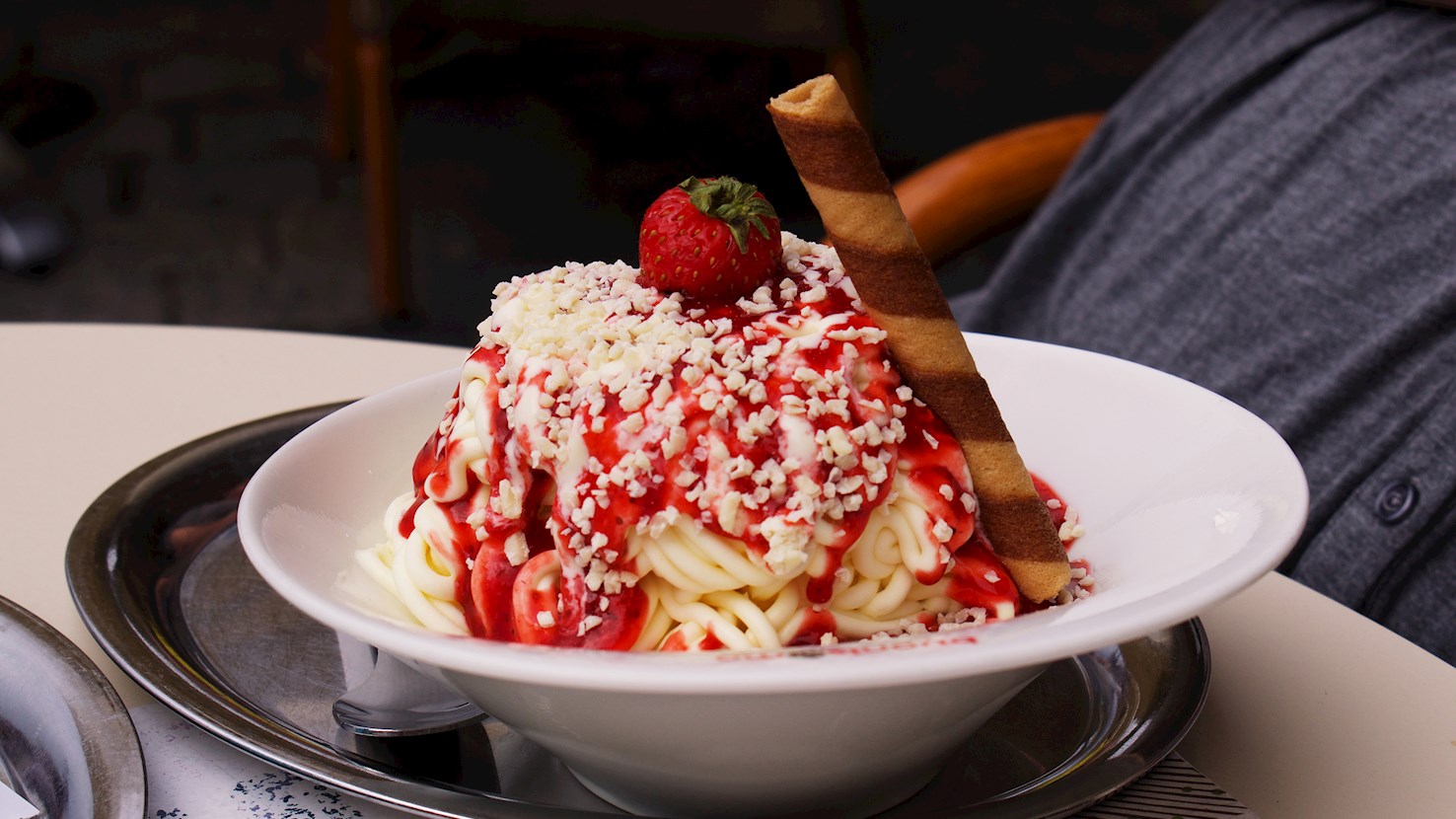
Spaghettieis is a traditional ice cream that’s made to look like a bowl of spaghetti with tomato sauce and grated parmesan cheese. This dessert was invented in Mannheim, Germany in 1969 by Dario Fontanella, the son of an ice cream making Italian immigrant. In order to prepare it, he pushed vanilla gelato through a spaetzle press on a dollop of whipped cream, then topped it with strawberry syrup and white chocolate shavings. A cookie or wafer is often placed on the side to mimic a piece of Italian bread. Nowadays, spaghettieis can be bought at almost every ice cream parlor, known as eisdiele, because Fontanella didn’t patent his invention. Today, there are different spaghettieis flavors such as banana, chocolate, kiwi, or melon.

Best restaurants
07
Vegetable Soup

Kartoffelsuppe

3.8 ·

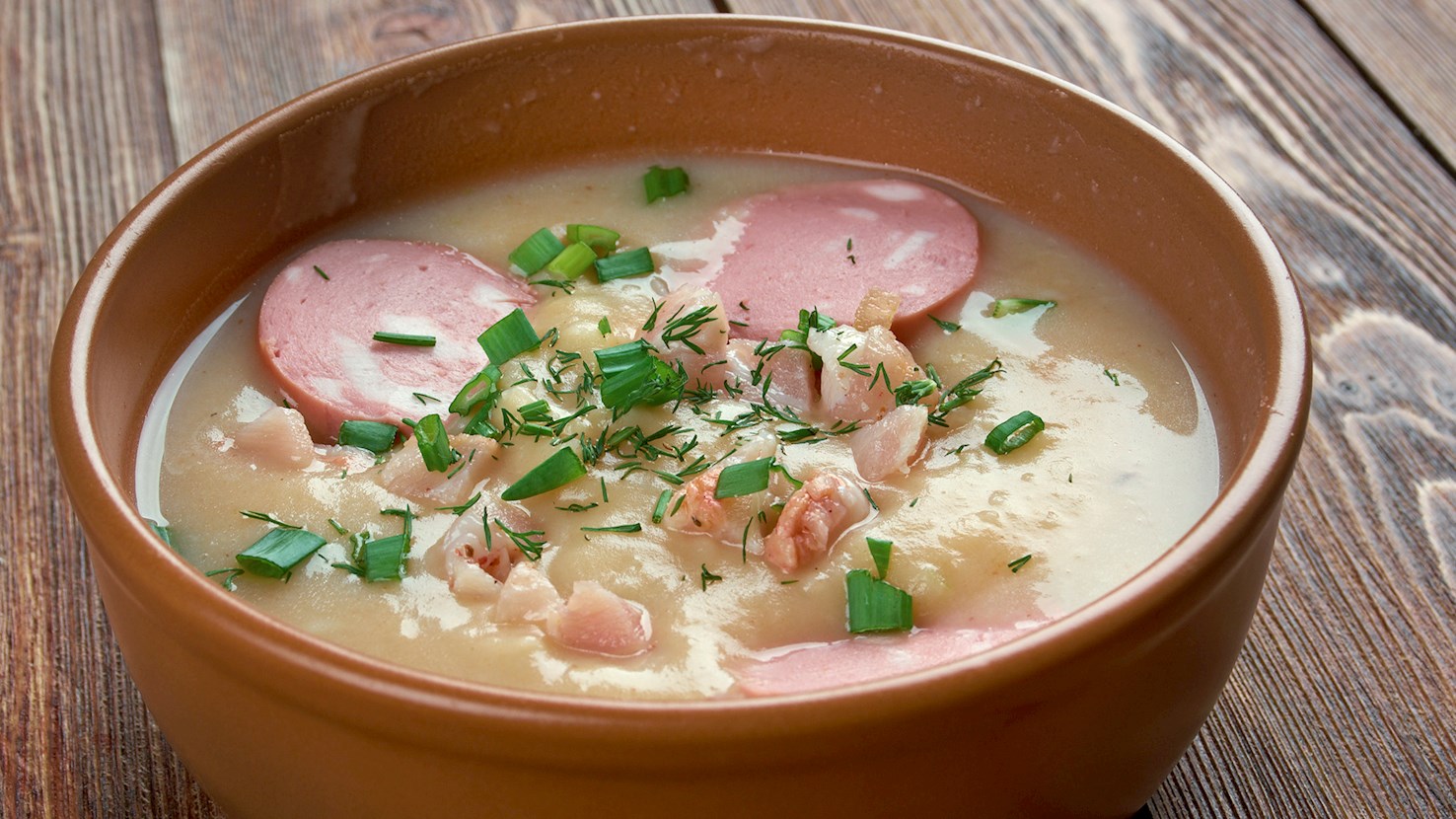
Kartoffelsuppe is a popular German soup made with potatoes as its key ingredient. The soup is usually cooked with the addition of onions, celery, butter, and milk. It is characterized by a very thick consistency. This soup is a specialty of the Baden region, traditionally served at harvest time, when it is often accompanied by plum cake. In other German regions, Kartoffelsuppe is often consumed with steamed dumplings. In some varieties of the soup, such as the Berlin Kartoffelsuppe, it is recommended to garnish the dish with croutons and parsley.

08
Soup

Flädlesuppe

3.8 ·

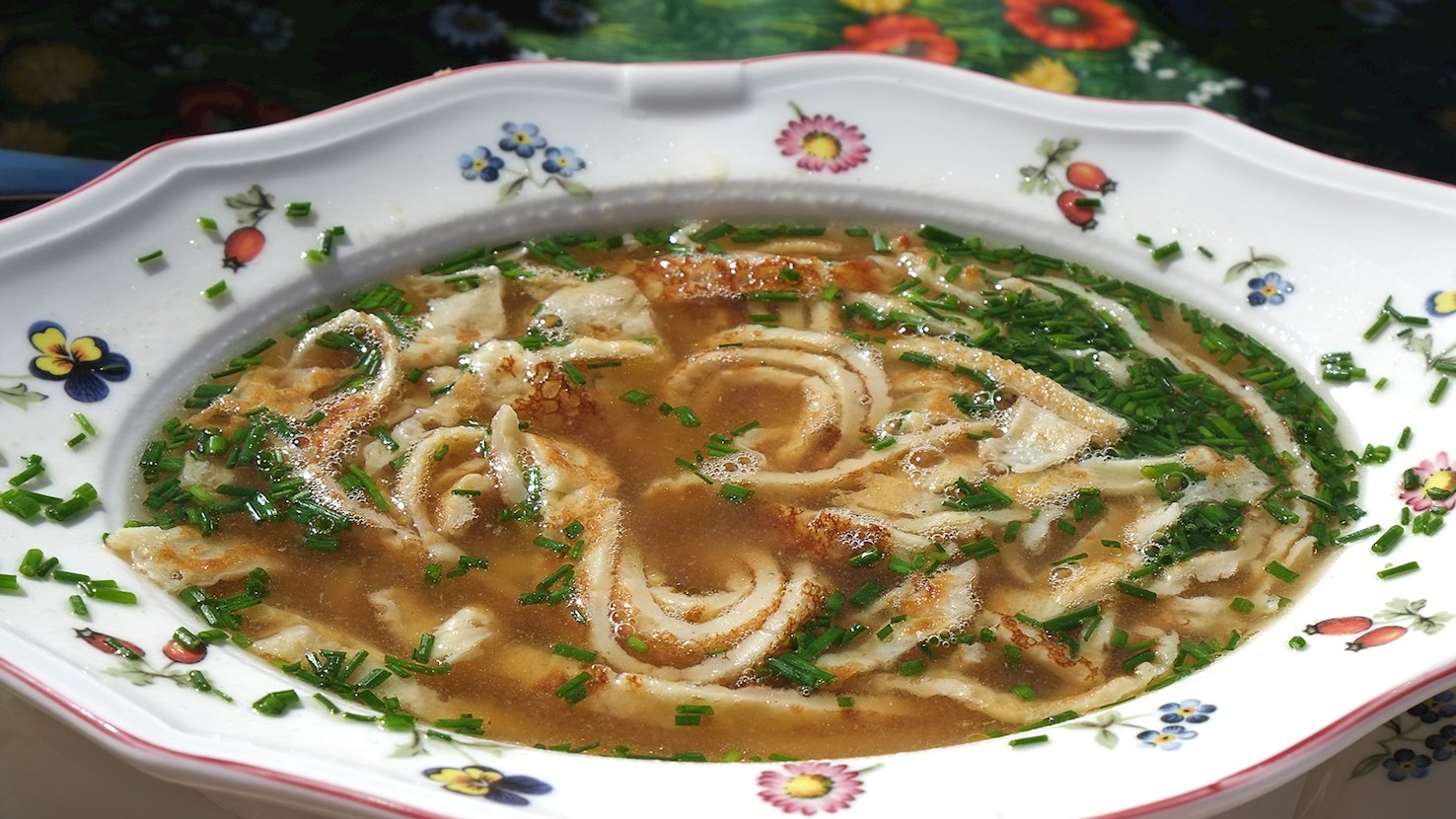
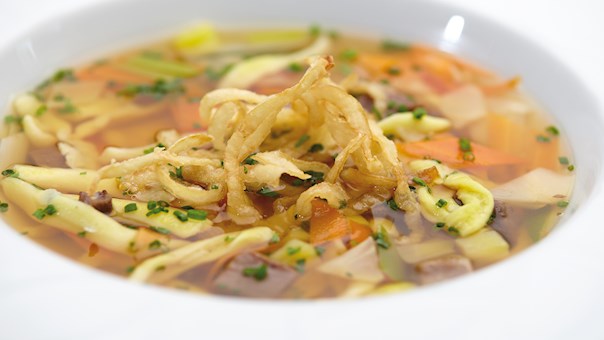
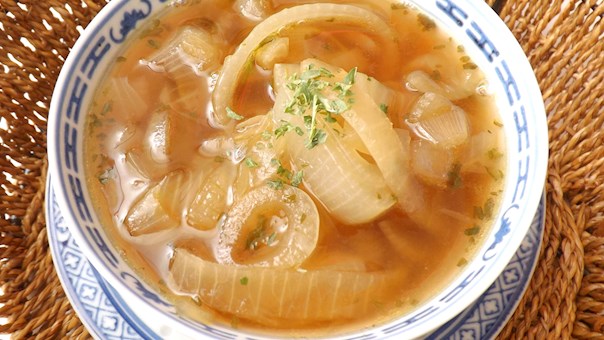
Flädlesuppe or frittatensuppe (as it is known in Austria) is a traditional and Austrian soup that consists of a rich broth with thin strips of flädle (frittaten) pancakes, hence the name of the soup. Although the traditional version calls for beef broth as the base, chicken or vegetable stock may be used as well. The soup is often enhanced with chunks of steamed or sautéed vegetables such as leeks, carrots, celery, and green onions. After assembling the sliced and rolled strips in each serving bowl, this piping hot soup is poured over them and the whole thing is finished with a handful of freshly chopped herbs such as parsley, chives, or celery leaves on top.

09
Stew

Linsen mit Spätzle

3.6 ·

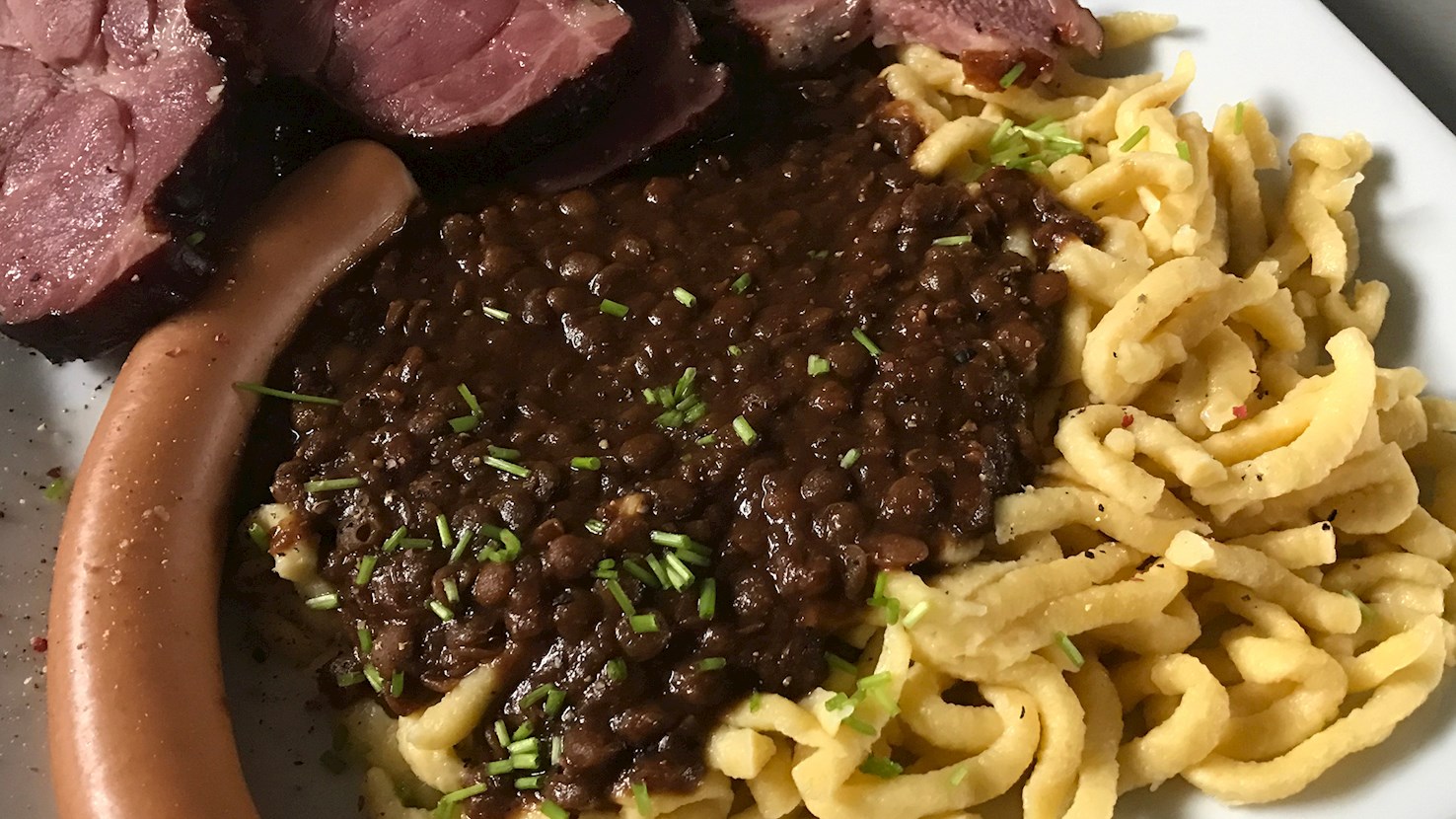
One of the staples of traditional Swabian cuisine, linsen mit spätzle combines a thick and creamy stew of brown lentils (linsen) with soft egg noodles (spätzle). Lentils are braised with bacon and vegetables and then simmered until soft and fully cooked in meat or vegetable broth, which is usually thickened with roux. The broth is typically enhanced with tomato paste and seasoned with vinegar, salt, pepper, and nutmeg. Warm and filling, the lentil stew is then transferred to a plate of boiled spätzle noodles, and it is usually enjoyed with a side of saitenwurst sausages (German string sausages) and a cold beer. This hearty combination makes a frequent appearance in restaurants and university cafeterias in the region, but it is also a beloved home-cooked dish in numerous Swabian households.

Best restaurants
10
Cookie

Wibele

3.5 ·

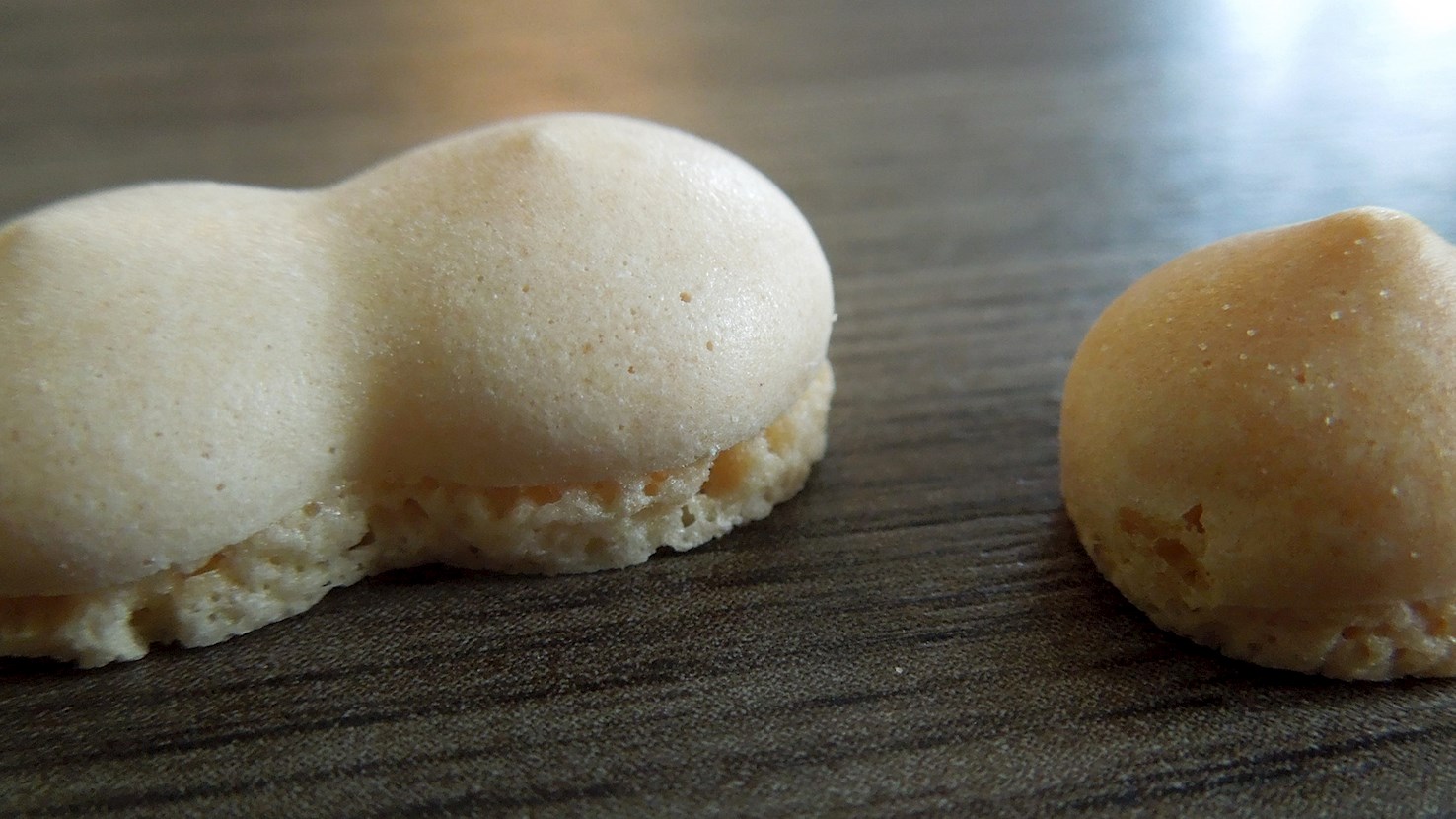
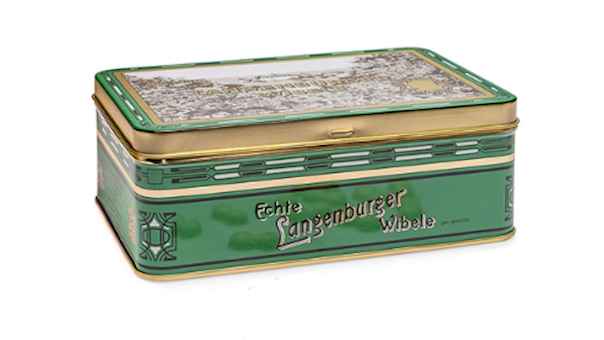
Wibele is a tiny, sweet biscuits made by combining flour, powdered sugar, egg whites, vanilla sugar, and vanilla flavorings. The biscuits or cookies are baked until golden in color and are recognized for their distinctive shape of a figure-eight or a shoe sole. These tiny pastries are believed to date back to 1763, in Langenburg, and they are most commonly attributed to Jakob Christian Carl Wibel, who is thought to have been a court confectioner to the Prince of Hohenlohe-Langenburg and created wibele in the Prince’s honor. These sweet treats are available in bakeries, confectioner’s shops, and delicatessen stores. Wibele are often enjoyed as dessert cookies and are usually accompanied by a glass of hot mulled wine.

Best Baden-Württemberg food products

01
Praline

Pralilinen

5.0 ·

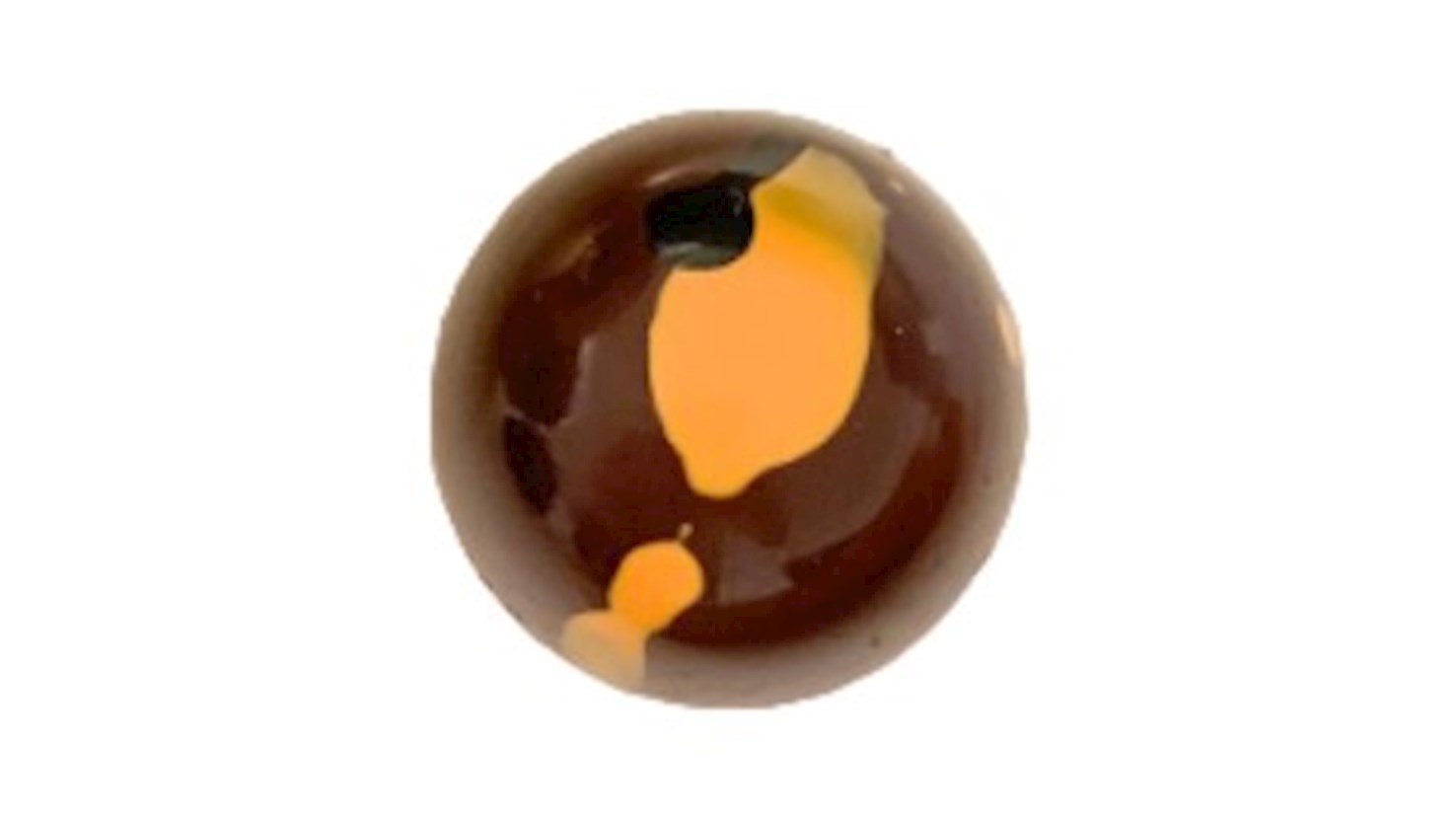
Pralilinen is a German chocolatier specializing in hand-crafted pralines. Their creations emphasize premium ingredients, careful craftsmanship, and personalized touches for a refined chocolate experience.

The founder, Liliane, combines traditional chocolate-making techniques with creative flavors, producing unique, high-quality pralines that appeal to chocolate connoisseurs.

Awards
Academy of Chocolate - Gold (2023, 2022)
Academy of Chocolate - Silver (2024, 2023)
02
Spirit

Porky46

5.0 ·
Awards
The Gin Masters - Master (2022)
03
Spirit

Ziegler Distillery

5.0 ·

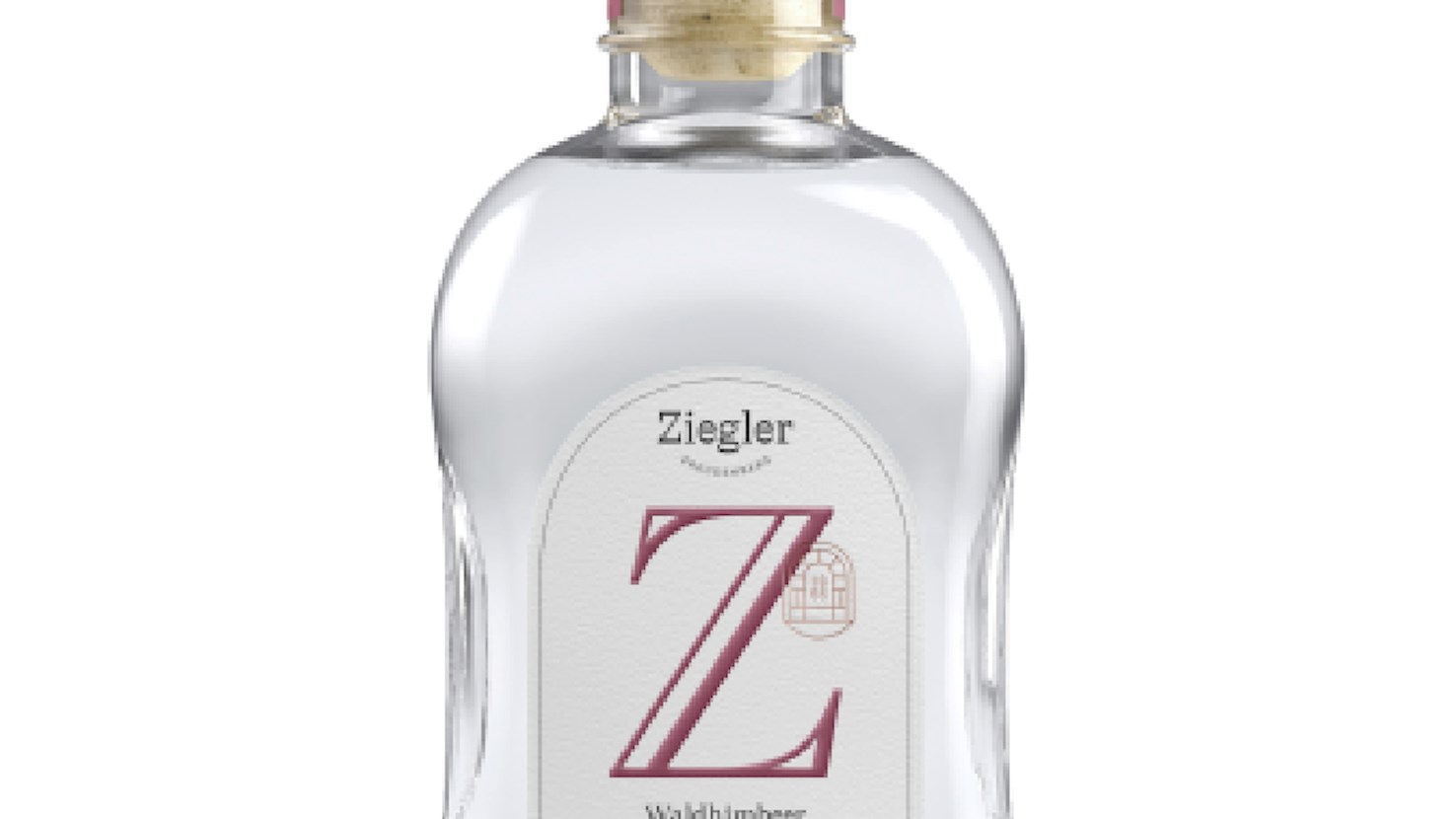
Brennerei Ziegler, founded in 1865 in Freudenberg am Main, Germany, is renowned for its high-quality fruit brandies, spirits, liqueurs, and whisky. The distillery emphasizes traditional craftsmanship, with experienced artisans overseeing every step from fruit harvesting to bottle labeling.

This dedication to quality has established Ziegler as a leading name in the industry.

Awards
IWSC- International wine & spirit competition - Spirit Gold (2024)
IWSC- International wine & spirit competition - Spirit Gold Outstanding (2024)
04
Liqueur

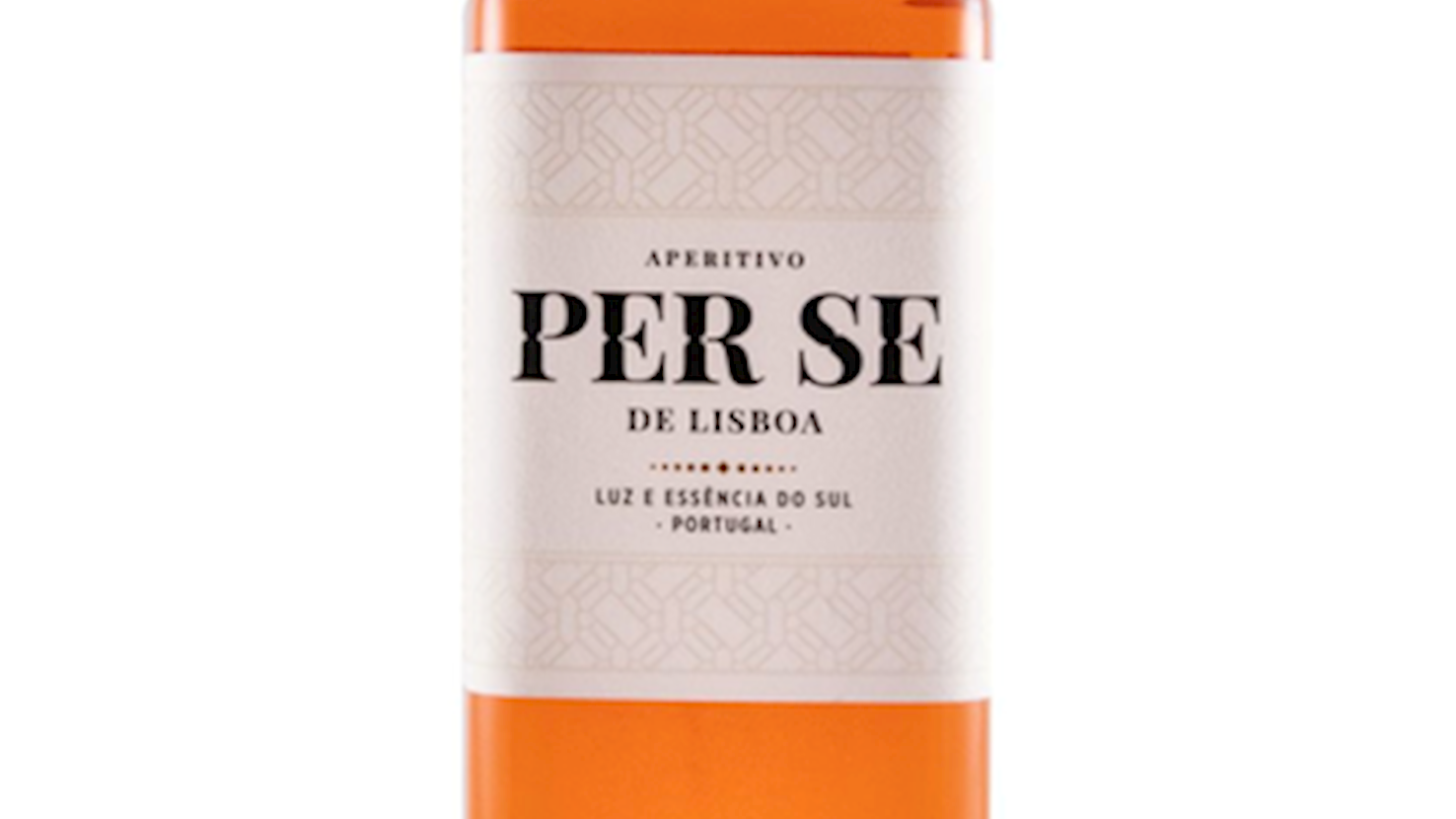
Per Se

5.0 ·
Awards
USC- Ultimate Spirits Challenge - Chairman's Trophy (2021)
05
Wine

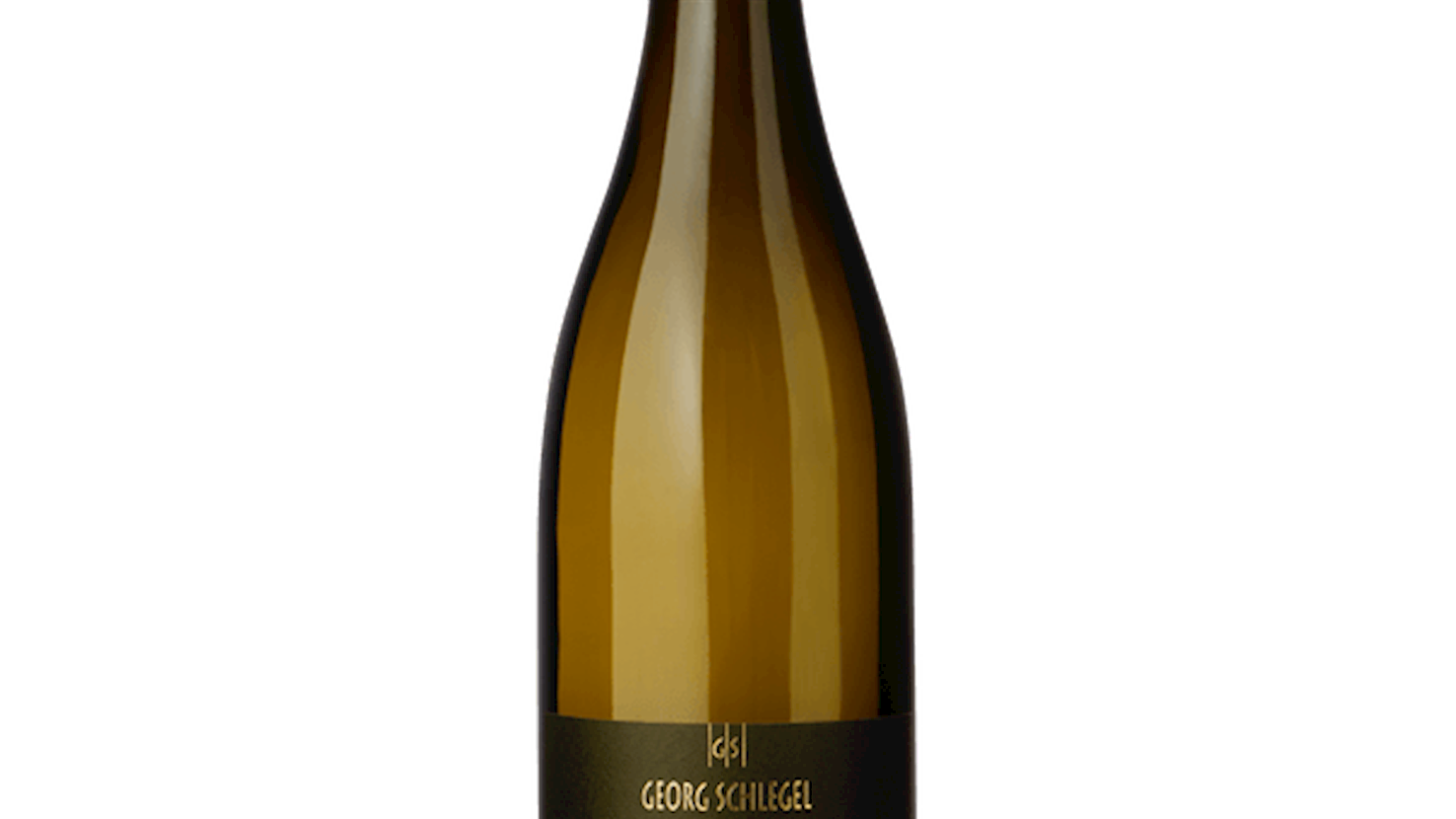
Georg Schlegel

4.9 ·
Awards
Decanter World Wine Awards - Platinum (2020)
06
Wine

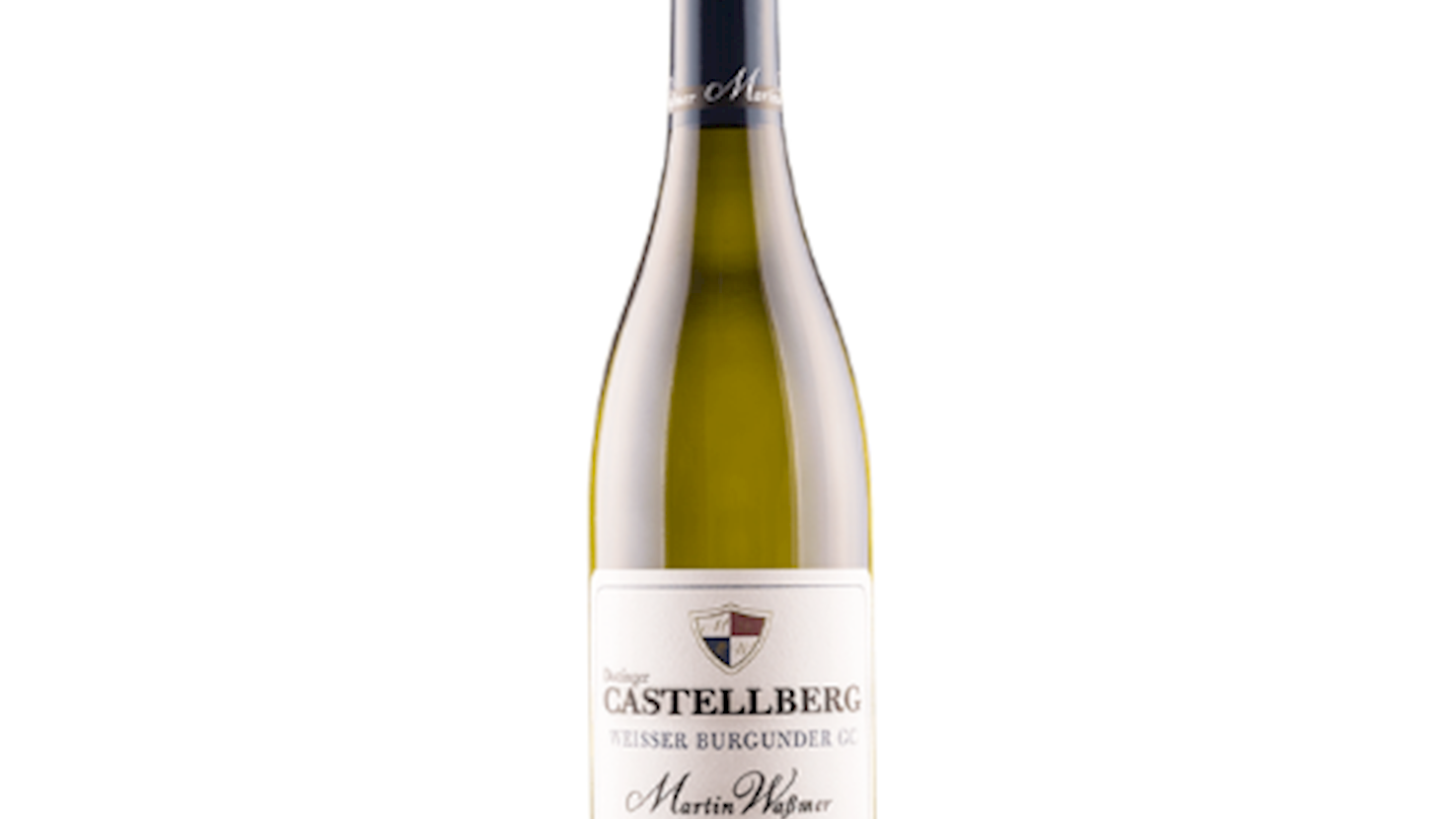
Weingut Martin Waßmer

4.8 ·

Weingut Martin Waßmer is a family-owned winery located in Bad Krozingen-Schlatt in the Baden region, specifically within Markgräflerland in southwestern Germany. Established in its modern form in 1997, the estate quickly gained recognition for its strong focus on Burgundian grape varieties and winemaking philosophy.

The vineyards are situated on high-quality sites such as Dottinger Castellberg and Schlatter Maltesergarten, where low yields and careful vineyard management ensure concentration and precision. The winery is particularly known for its Spätburgunder, alongside Chardonnay and other Burgundy-inspired varieties.

Winemaking emphasizes minimal intervention, often using natural fermentation and aging in French oak barriques to enhance complexity and structure. The wines are defined by elegance, balance, and clear expression of terroir, rather than power.

Today, Weingut Martin Waßmer is considered one of the leading producers in Baden, especially noted for its refined and internationally respected Pinot Noir wines.

Awards
Decanter World Wine Awards - Platinum (2022, 2020)
Decanter World Wine Awards - Best in Show (2017)
07
Spirit

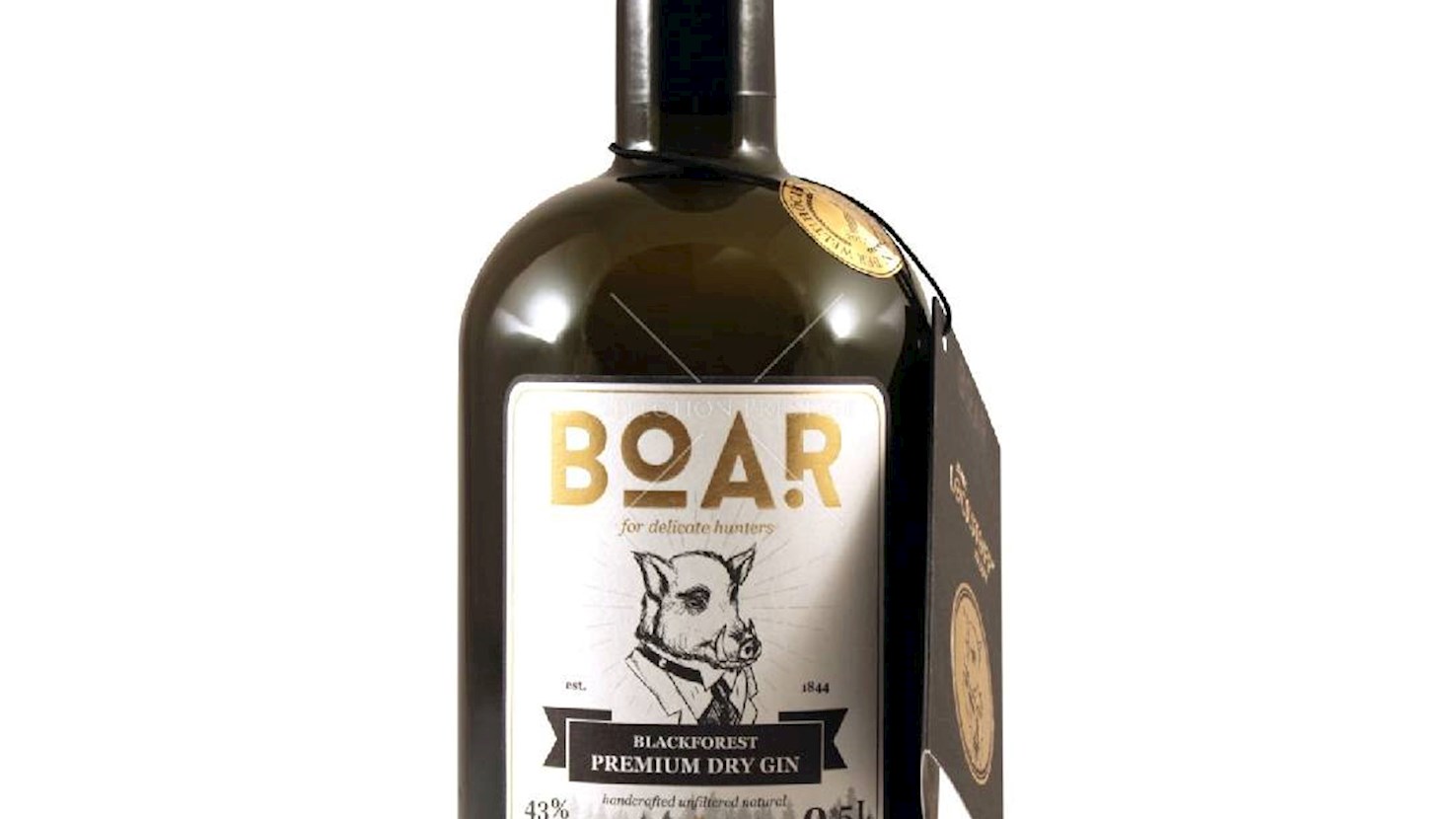
Boar Distillery

4.8 ·

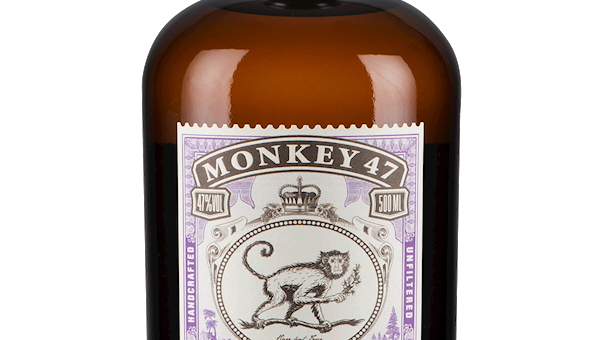
BOAR Gin is crafted by a family-owned distillery located in the heart of the Black Forest region in Germany. This distillery combines tradition with innovation to produce a premium gin known for its exceptional quality.

The name "BOAR" reflects the local heritage, as wild boars are native to the surrounding Black Forest. What sets BOAR Gin apart is its unique infusion with Black Forest Burgundy truffle, a rare and valuable ingredient that harmonizes the flavors and gives the gin its distinctive complexity.

The gin is also made with pure mineral-rich spring water sourced directly from the family’s estate, ensuring a natural and smooth taste. The production process is meticulous, with small-batch distillation ensuring attention to detail and consistency in quality.

Each step, from selecting botanicals to bottling, is done by hand to maintain the highest standards. BOAR Gin has gained international recognition, earning numerous awards, including the title of "World's Best Gin" and "Best Clear Spirit" at the Global Spirit Awards in Las Vegas.

Awards
European Spirits Challenge - Gold (2024, 2023)
IWSC- International wine & spirit competition - Silver (2024)
08
Cheese

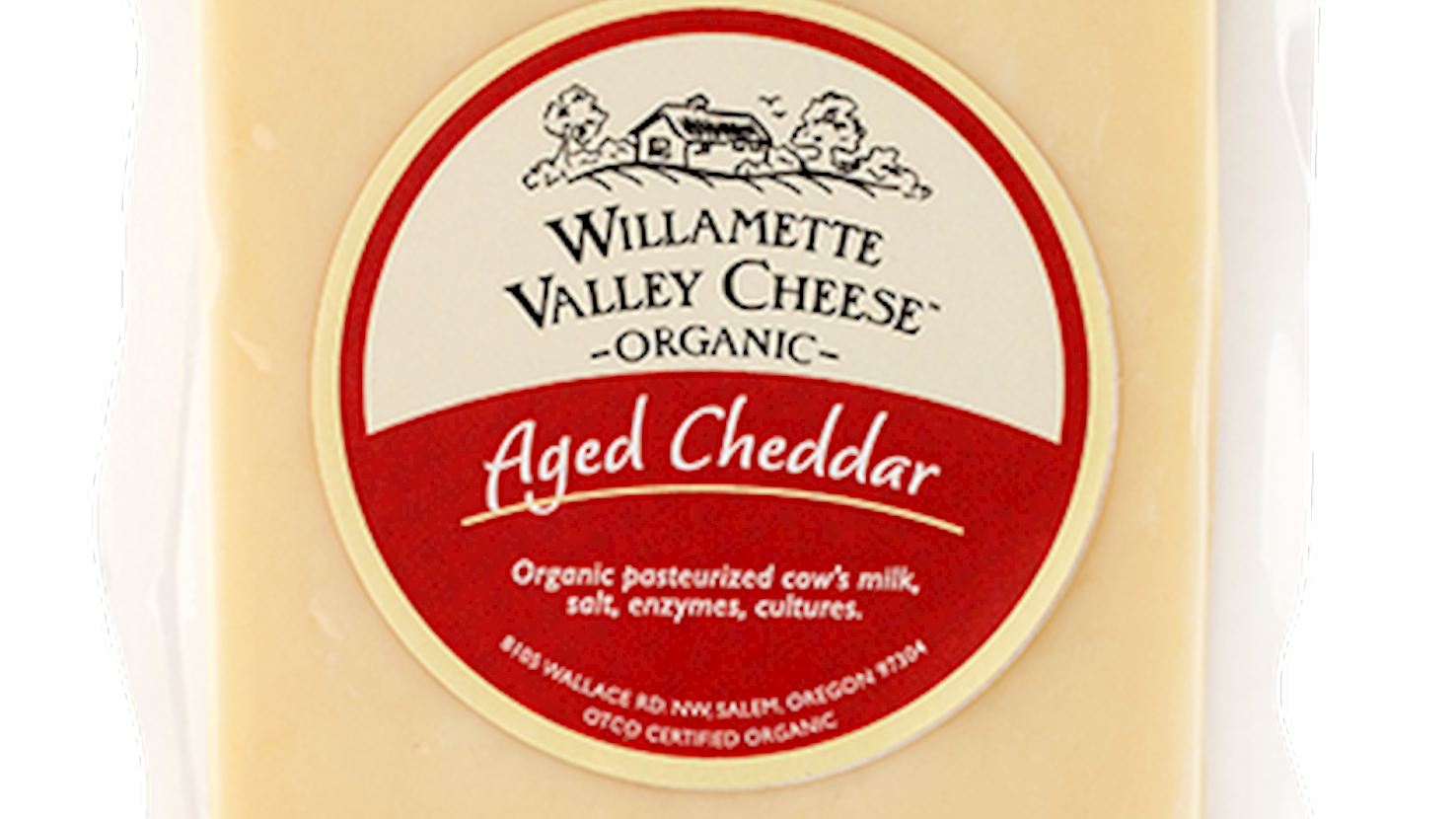
Willamette Valley Cheese

4.8 ·

Willamette Valley Cheese is a company located in Salem, Oregon, that specializes in producing organic, handmade cheeses. The company is a family-owned business and operates as part of the larger Volbeda Dairy Farm.

They offer a variety of cheese types, including gouda, havarti, and jack cheeses, all made from the milk of pastured cows.

Awards
American Cheese Society Judging & Competition Awards - 1st Place (2015, 2010, 2009, 2007, 2006, 2005)
09
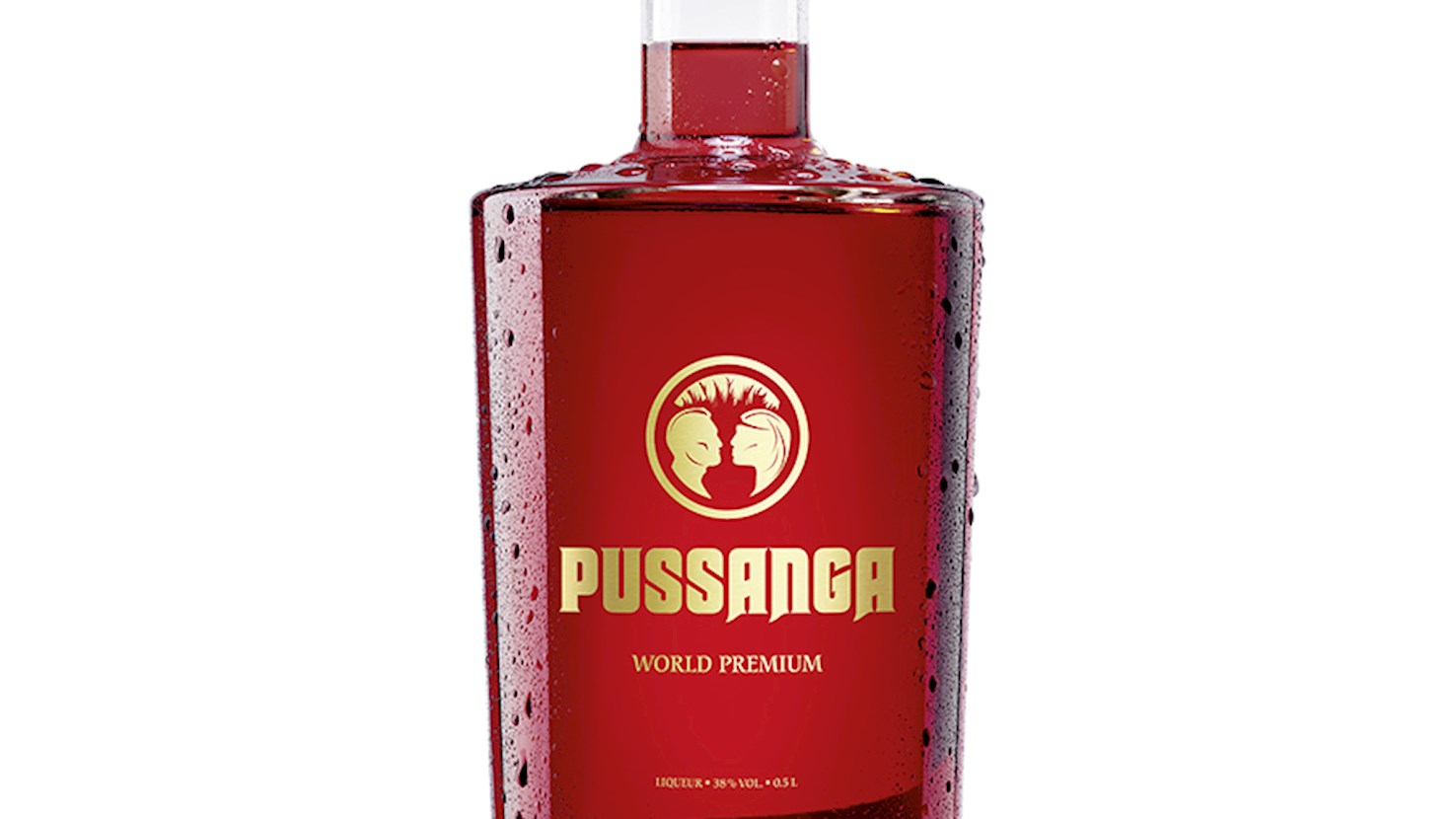
Liqueur

HS Heidelberg Spirits

4.8 ·
Awards
IWSC- International wine & spirit competition - Spirit Gold (2024)
10
Liqueur

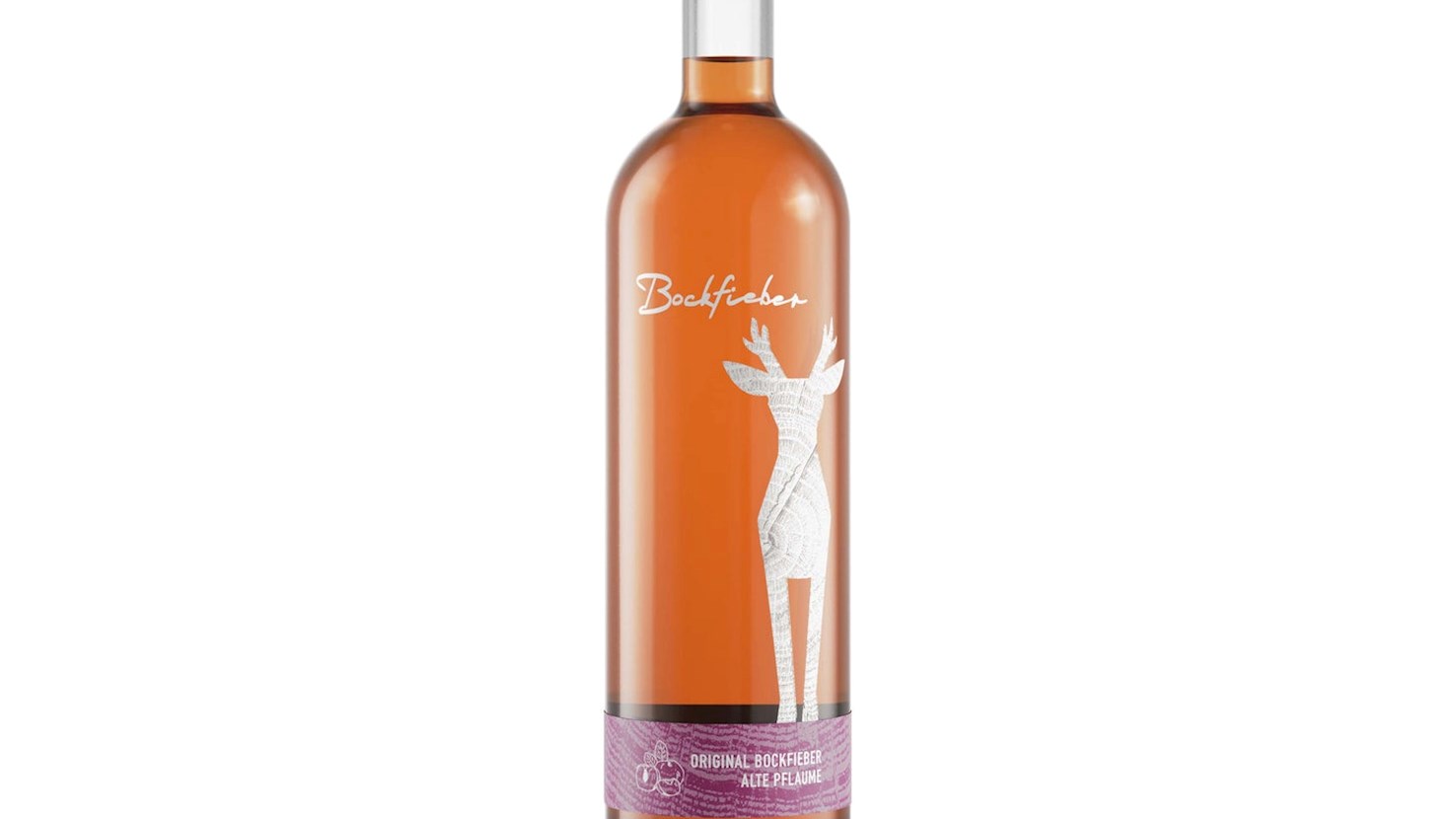
Bockfieber

4.8 ·

Bockfieber is a German producer of premium liqueurs, renowned for its handcrafted, high-quality products. The company was founded by Holger P.

Härter, a passionate hunter, who drew inspiration for his first creation while staying in a hunting lodge. Unable to find the perfect herbal liqueur to suit his taste, he decided to craft it himself, leading to the establishment of Bockfieber in 2016. Bockfieber prides itself on using only natural ingredients and traditional production methods.

Their liqueurs are aged for a minimum of six months in old stone containers, allowing the flavors to fully develop. The products are bottled in small batches, limited to no more than 500 bottles per series, to ensure freshness and quality. The product range includes more than ten different liqueurs, featuring herbal, fruity, and nutty varieties.

All products are crafted using a carefully selected blend of over 32 different herbs and roots, which are macerated and distilled following traditional methods.

Awards
London Spirits Competition - Gold (2024)
IWSC- International wine & spirit competition - Spirit Gold (2021)
Read more
View all
View map
About this ranking

TasteAtlas food rankings are based on the ratings of the TasteAtlas audience, with a series of mechanisms that recognize real users and that ignore bot, nationalist or local patriotic ratings, and give additional value to the ratings of users that the system recognizes as knowledgeable. For the “Top 55 Baden-Württemberg Foods” list until July 16, 2026, 1,471 ratings were recorded, of which 1,274 were recognized by the system as legitimate. TasteAtlas Rankings should not be seen as the final global conclusion about food. Their purpose is to promote excellent local foods, instill pride in traditional dishes, and arouse curiosity about dishes you haven’t tried.

The initial list of top producers was compiled based on available reviews, awards, local recommendations, media and blog coverage, and consumer reviews. The list will be updated with ratings from TasteAtlas local ambassadors and TasteAtlas users.

Similar lists