

shutterstock

Top 30 Breton Foods

Last updated on June 02, 2026

Best Breton foods

01
Pancake

Galette de Bretagne

4.3 ·

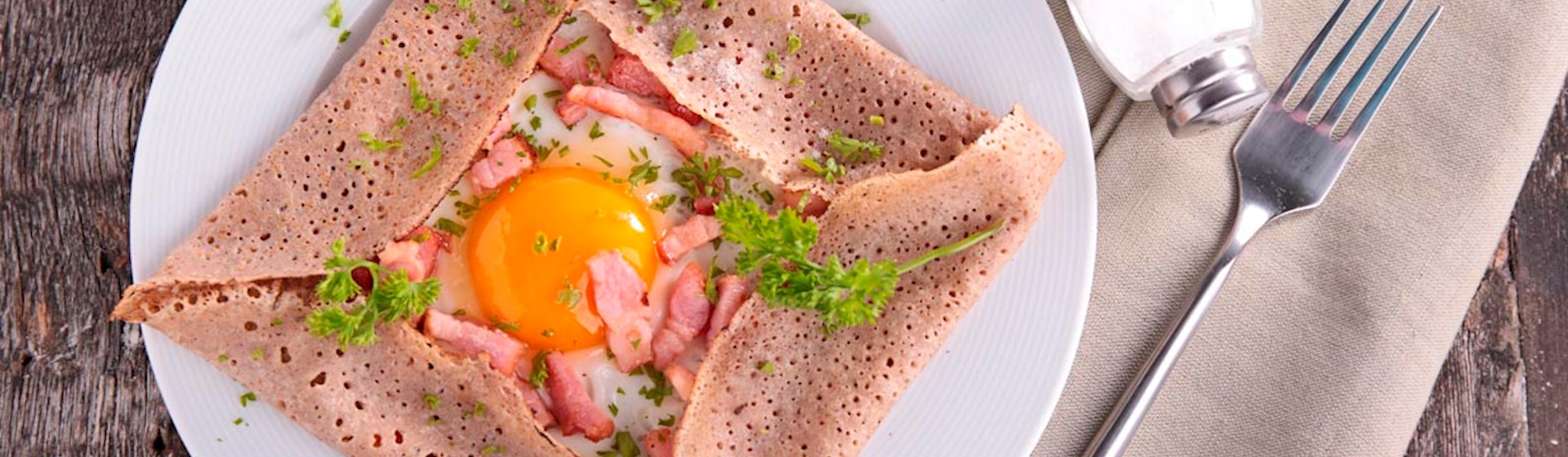
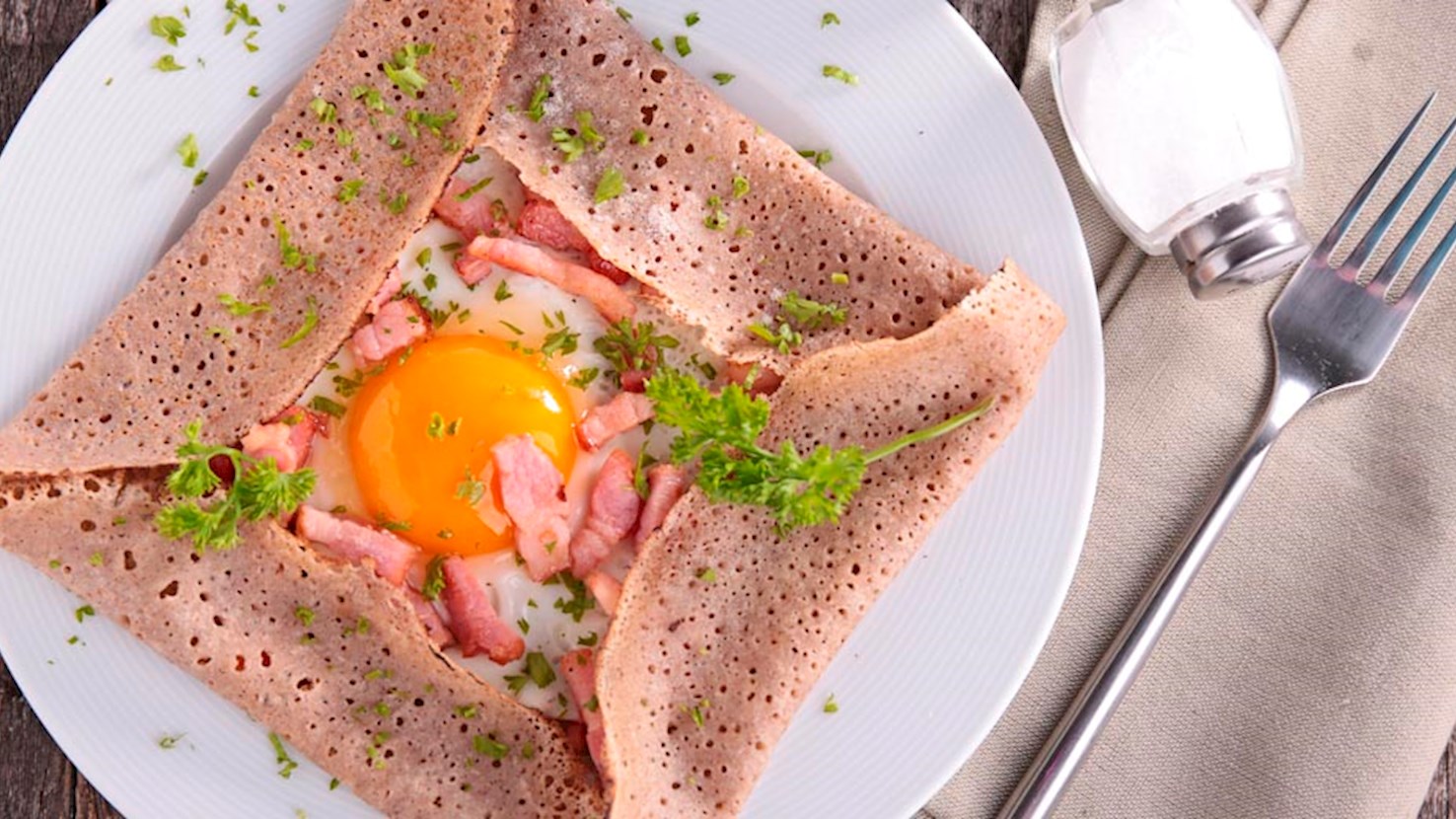
Galettes de Bretagne are generally known as thin buckwheat crépes from Brittany, often filled with ingredients such as eggs, ham, mushrooms, and bacon. However, galettes mean different things in different parts of Brittany. In Lower Brittany, a galette is a thicker crepe made with any kind of flour, while in Upper Brittany, it refers to a crépe made exclusively with buckwheat flour. Also, what is known as galette in Upper Brittany is known in Lower Brittany as crêpes de blé noir (sarrasin) or buckwheat crepes. In Brittany, créperies are so popular that they outnumber cafés, and people regularly use them to eat their galettes with a bit of salted butter. Traditionally, the pancakes are paired with a glass of local cider. According to legend, the Bretagne galette was invented by accident when a farmer spilled buckwheat porridge onto a hot surface. Although people usually associate buckwheat flour with a salty taste, buckwheat crépes are extremely nutritious and contain vitamins B1 and B2, as well as fiber that helps prevent high blood pressure. Buckwheat came to Brittany from the east in the 12th century, so thick, moist, and flavorful galletes were ready to win over even the pickiest palates.

02
Sweet Pastry

Kouign-amann

4.2 ·

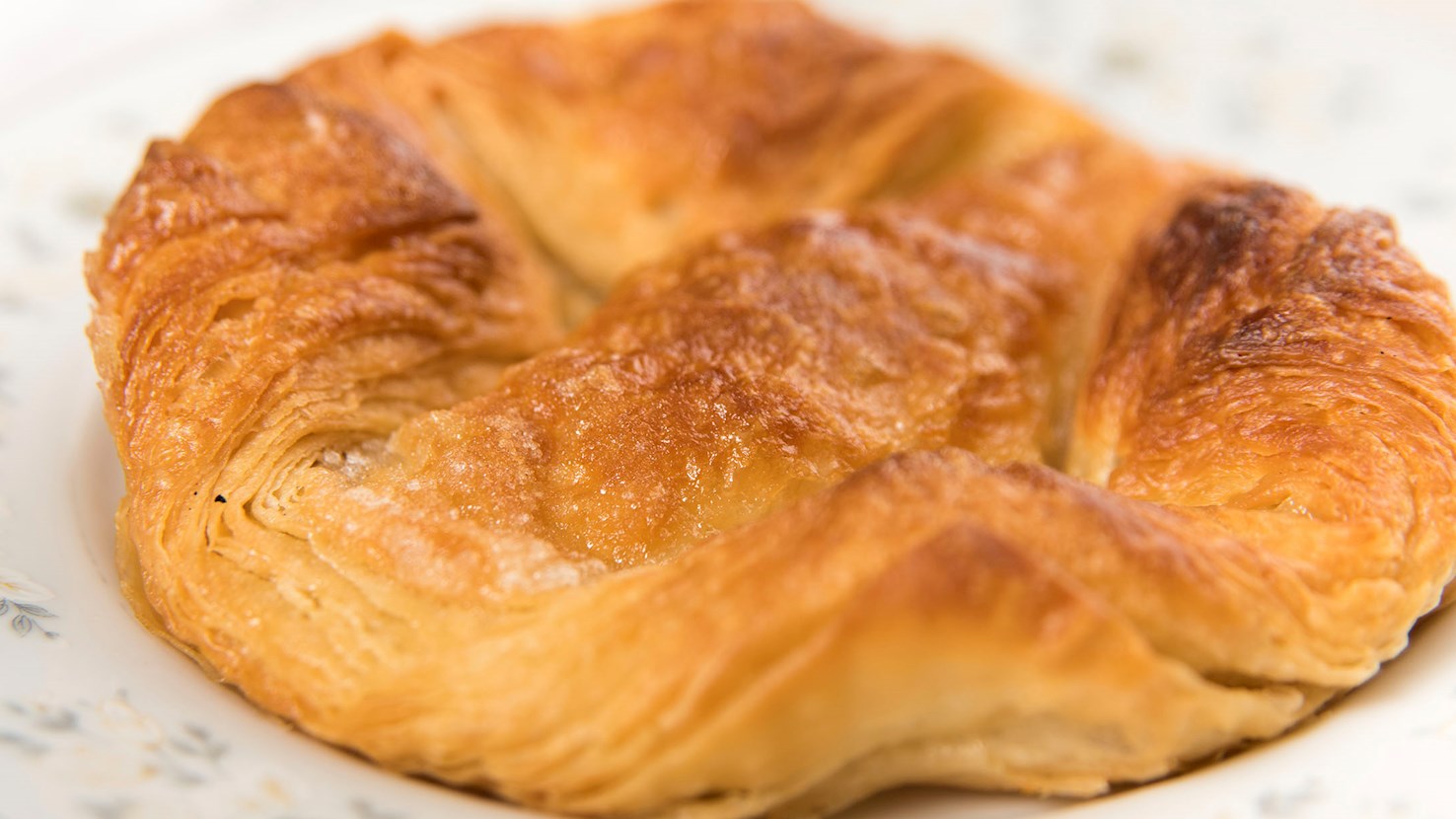
Kouign-amann is a cake that originated in the 1800s in the French region of Bretagne. Its name is derived from the Breton words for cake (kouign) and butter (amann). The cake consists of layers of butter and sugar that are folded into a dough. Bretons claim that the cake is "the fattiest pastry in the world", due to its flaky yellow dough that is mixed with large amounts of sugar and butter. Although there are many theories about the origin of the cake, the most popular one says that it was invented by accident, when a 19th-century baker from Douarnenez wanted to save a failed batch of dough, so he added butter and sugar to the mix, creating the delicacy that we know today.

03
Cheese

Saint-Paulin

3.8 ·

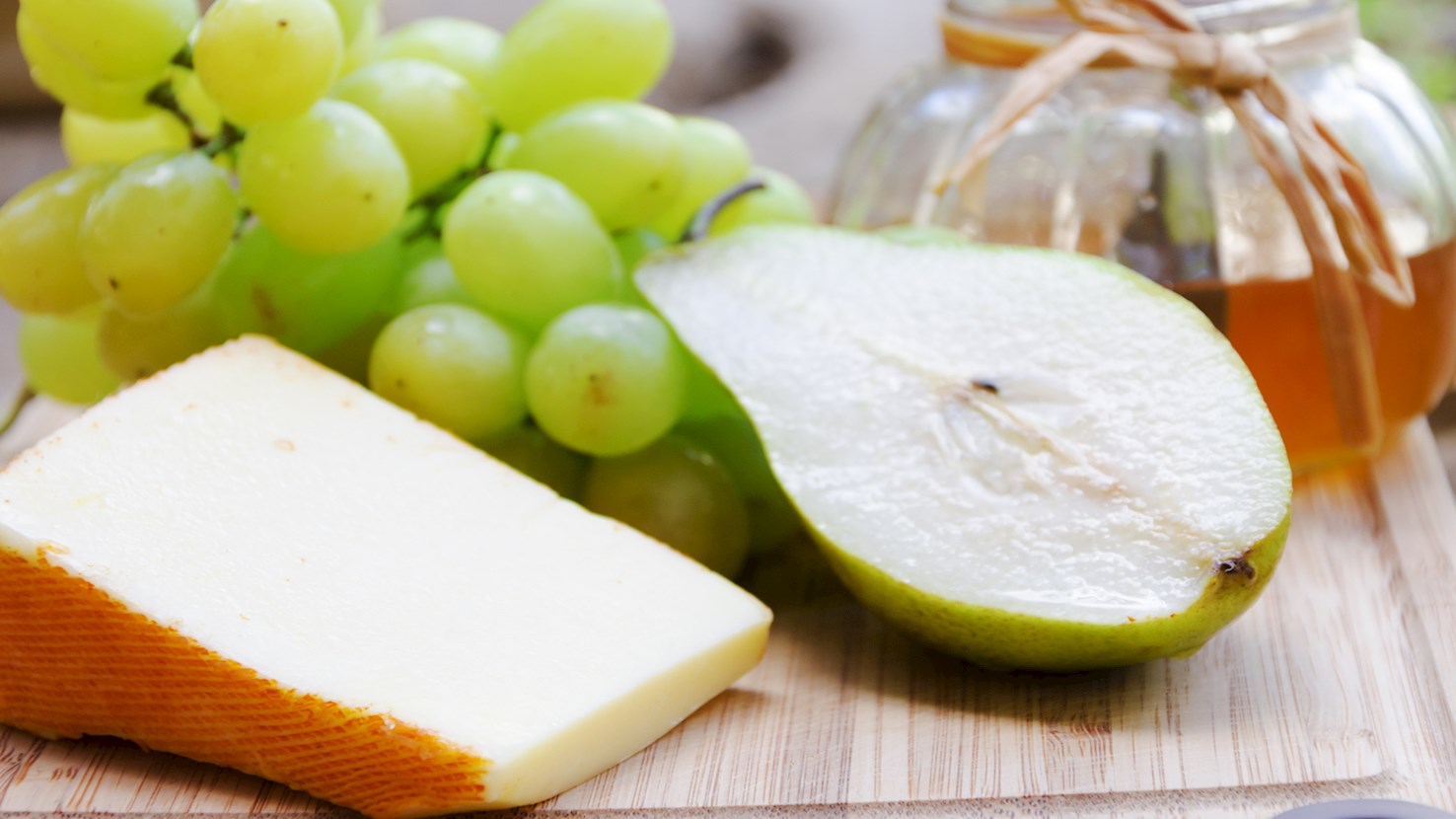
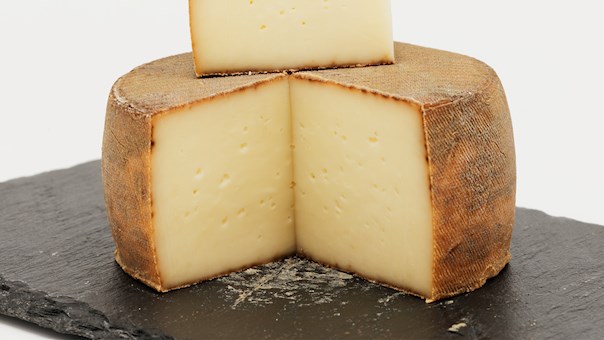
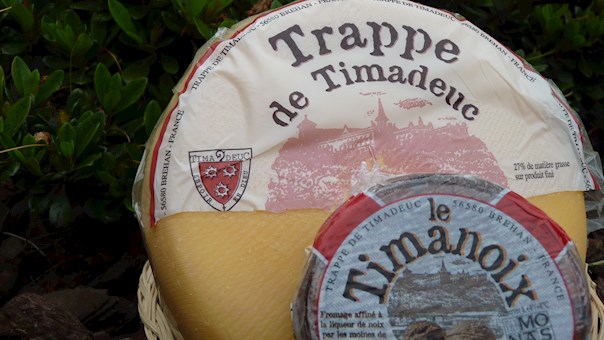
Saint-Paulin is a French semi-soft cheese made from cow’s milk, originating from the region of Bretagne. It was originally produced by Trappist monks. Underneath its washed rind, there is a white-colored body with a creamy and firm texture and milky aromas. Its flavor is best described as nutty and buttery. Although the rind is edible, most people don’t consume it because it is quite dry and rough. It is recommended to pair Saint-Paulin with a glass of Riesling or Beaujolais.

04
Cake

Far Breton

3.7 ·

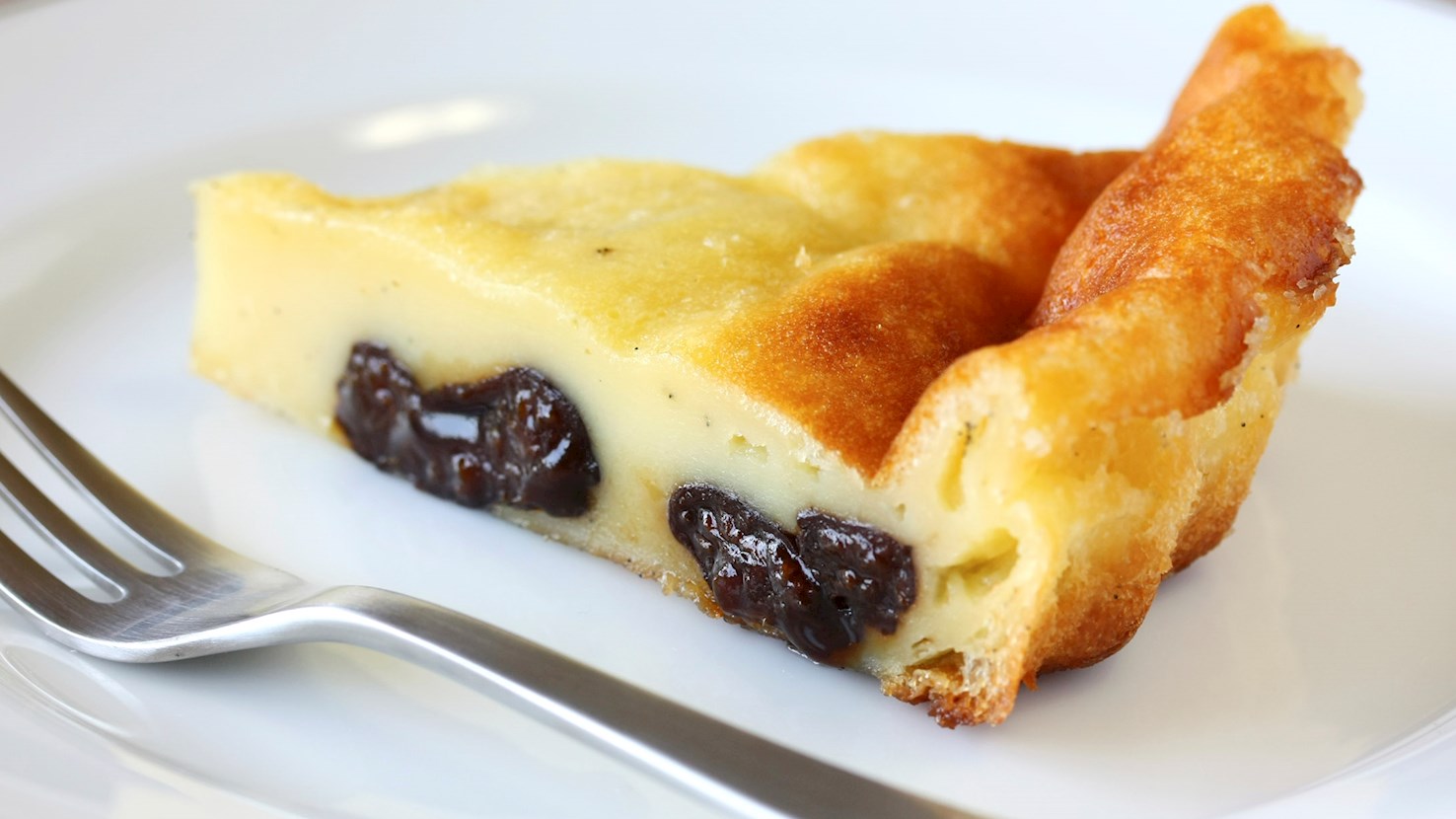
Far Breton is a traditional dessert: a custard flan cake similar to clafoutis, consisting of milk, eggs, flour, prunes, and raisins. The cake is a specialty of the Brittany region, and the original recipe dates back to the 18th century, when it was made in a savory version and was used to accompany meat dishes. Over time, more butter and eggs were added to the combination, making far Breton an expensive dessert which was mostly consumed by the upper classes at the time. Today, the cake remains one of the most loved French family desserts.

05
Meat Product

Pâté de Campagne Breton

3.7 ·

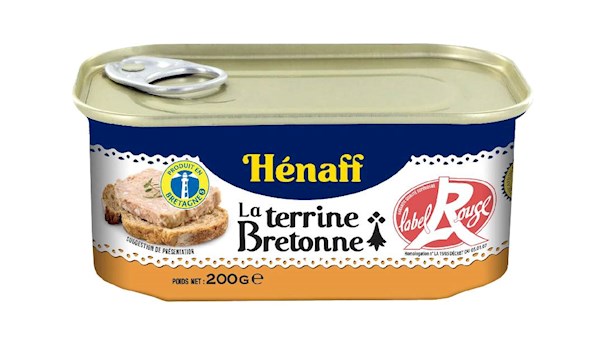
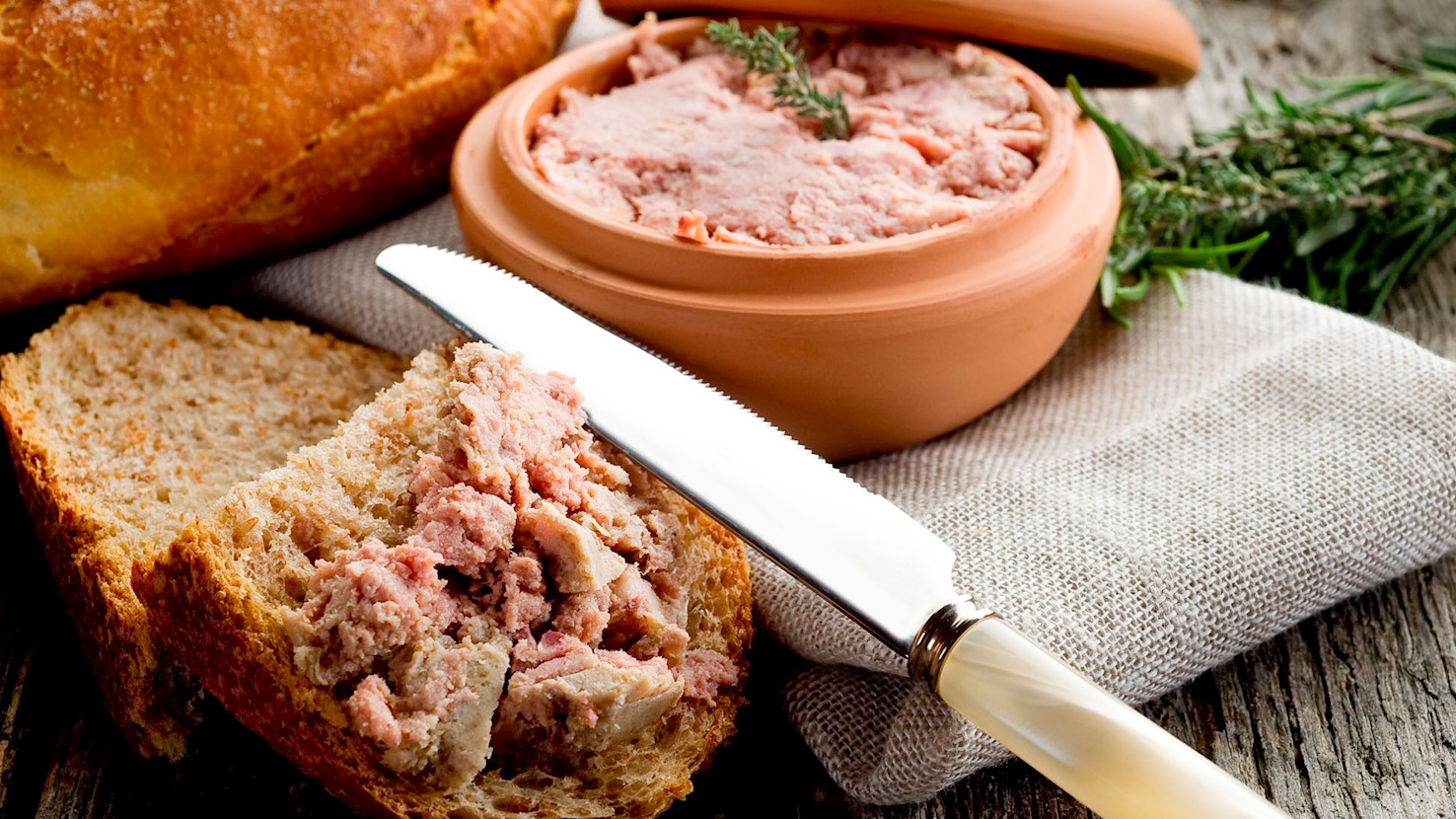
Pâté de Campagne Breton is a pâté made in the French region of Brittany from local pork meat and fat, containing freshly skinned throats, liver, cooked rinds and onions. The roughly minced pieces of pork are distributed evenly throughout the pâté, with its dark color, firm and coarse texture and flavors of liver, onions and meat. Spices such as nutmeg, garlic, pepper, thyme and parsley can also be added. It is cooked in the oven to develop its specific crust, where plain caramel can be used for browning the exterior. Serve it cold and eat it on bread with pickles as a tasty snack or pair it with wild mushrooms.

Best producers
06
Pancake

Galette-saucisse

3.6 ·

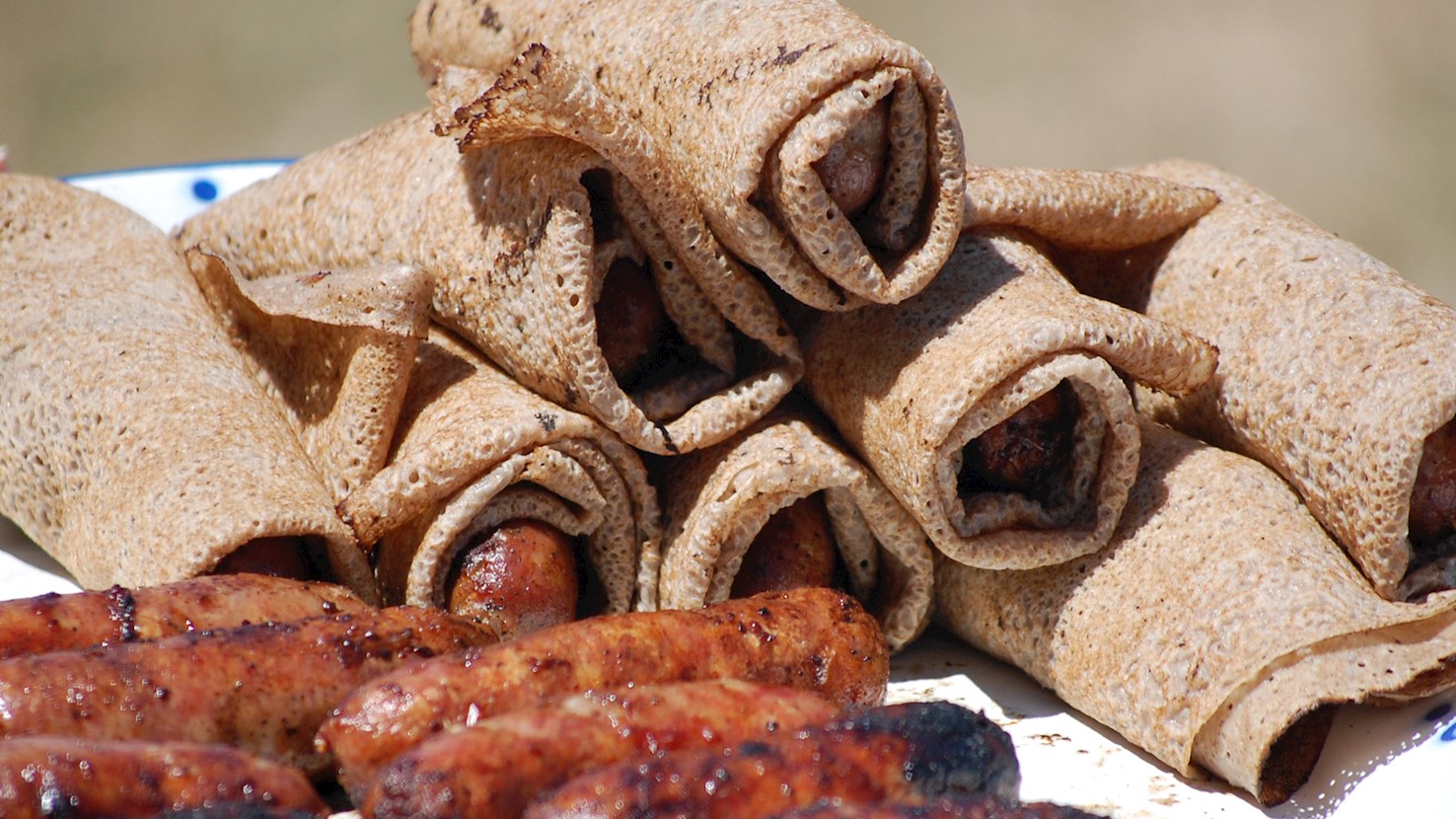
This classic street food item hails from French Brittany, more precisely from the department of Ille-et-Vilaine. Usually sold at food trucks, galette saucisse consists of a cold buckwheat crêpe that is wrapped around a warm grilled pork sausage. The combination can be complemented by mustard, but other options may also include mayonnaise or ketchup, cheese, or other garnishes. The dish is believed to have originated as early as the 15th century, and it is said that the first versions were prepared with pork offal. It is best enjoyed with a glass of Breton cider on the side.

07
Cheese

Madame Loïk

3.4 ·

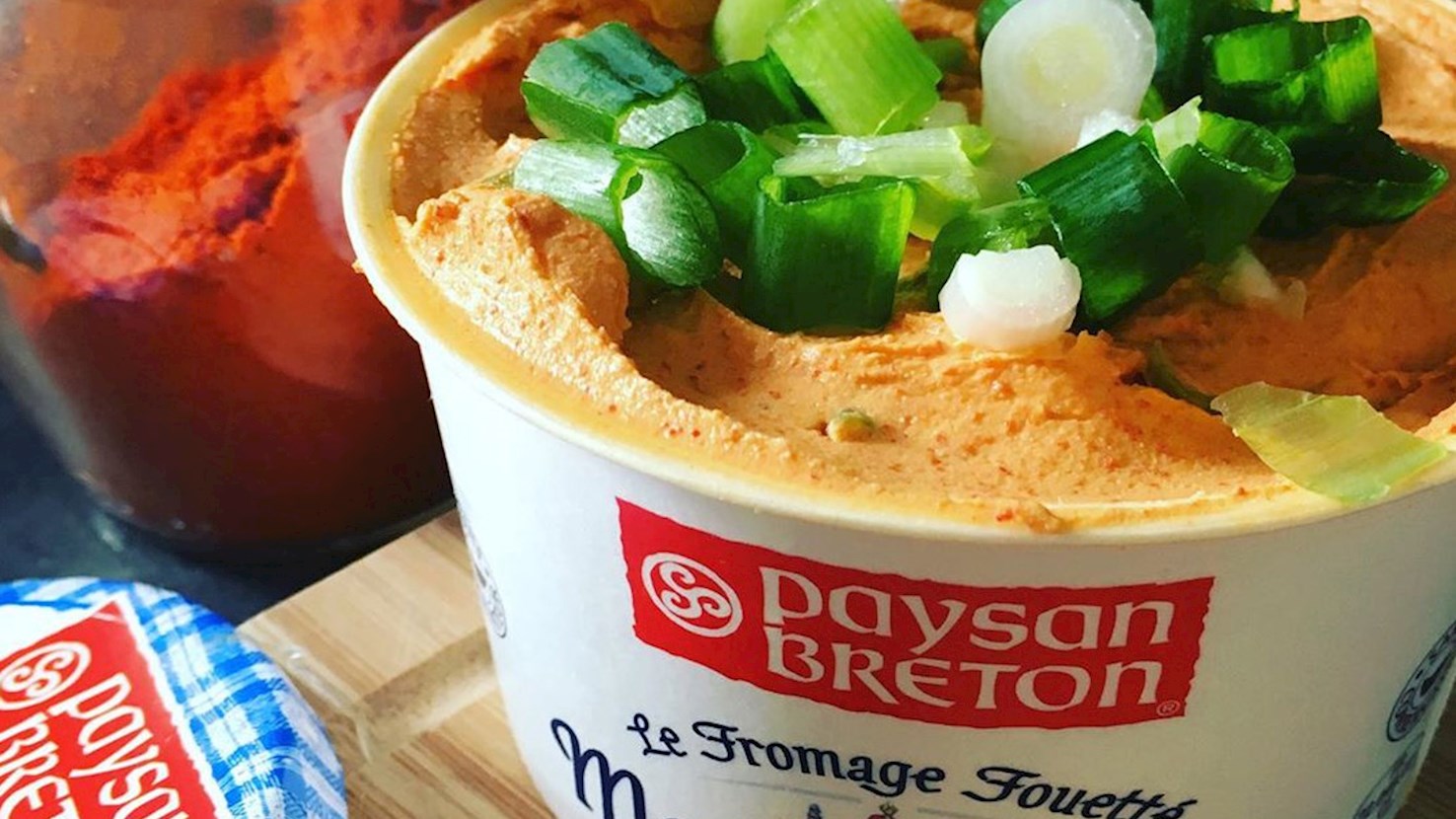
Madame Loïk is a French cheese made from cow's milk. It's a type of fromage fouetté, meaning whipped cheese. Its texture is creamy, fluffy, and light, while the flavors are mild and fresh. There are a few versions of this cheese, and the most common one is lightly seasoned with Guérande sea salt. Other varieties include honey and nuts, shallots and chives, and red pepper purée. It is recommended to serve it with honey or spread it over a baguette, then sprinkle it with chopped herbs. Madame Loïk can also be used in a variety of cooked dishes.

08
Meat Dish

Kig ha farz

3.3 ·

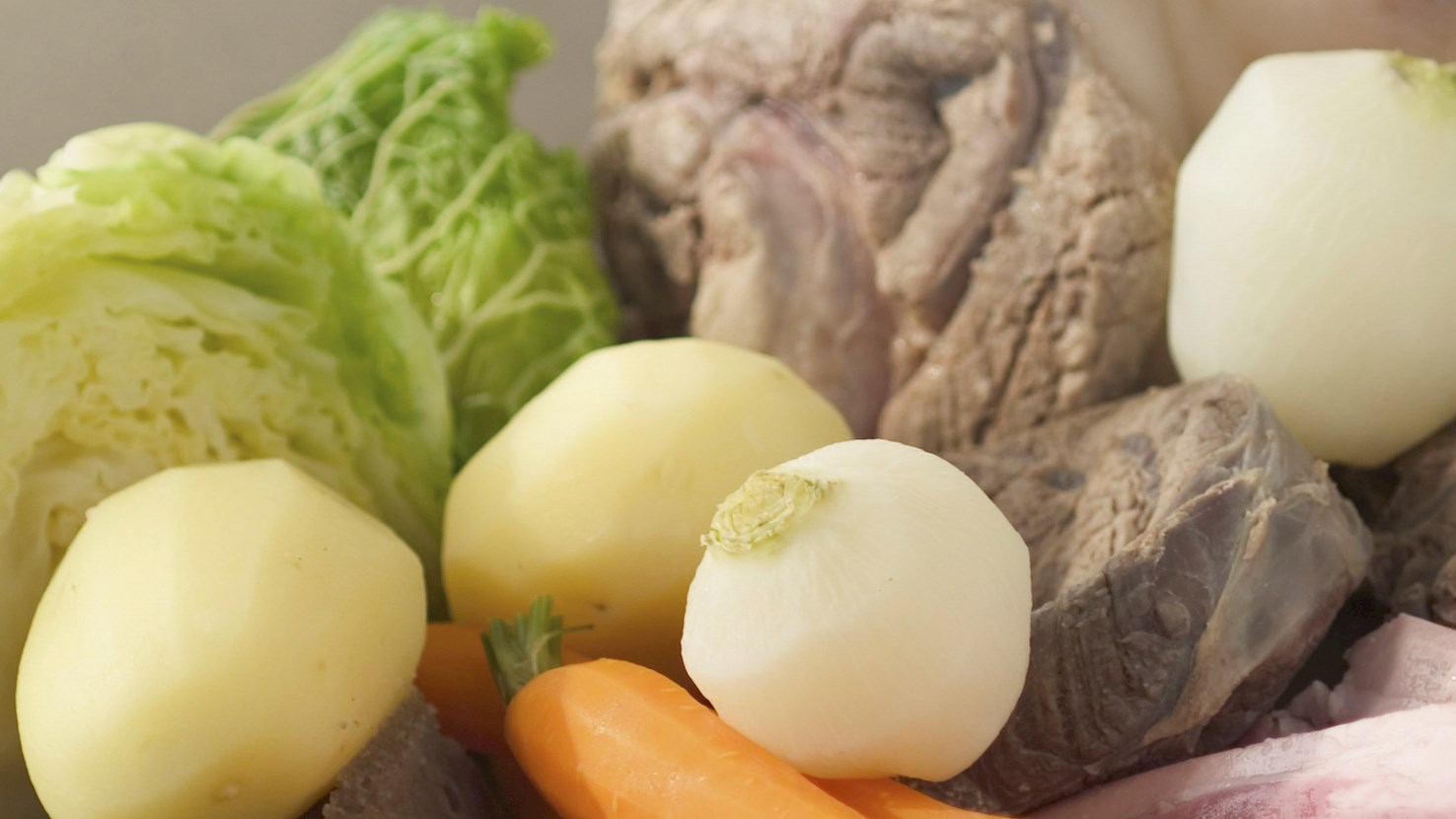
Kig ha farz is a traditional peasant's dish from the French region of Brittany, and its origin is mostly associated with the ancient region of Léon. When translated into English from the Breton language, the name of this dish means meat and stuffing. It consists of various types of meat that are slowly simmered in a broth together with buckwheat flour. Traditionally, the peasants would prepare the dish in the morning, go to work, and then come back home to a complete, one-pot meal. Since it is not an attractive-looking dish, it is uncommon to find it in many French restaurants, although there is still a rising demand for it in the region.

09
Sausage

Andouille de Guémené

3.2 ·

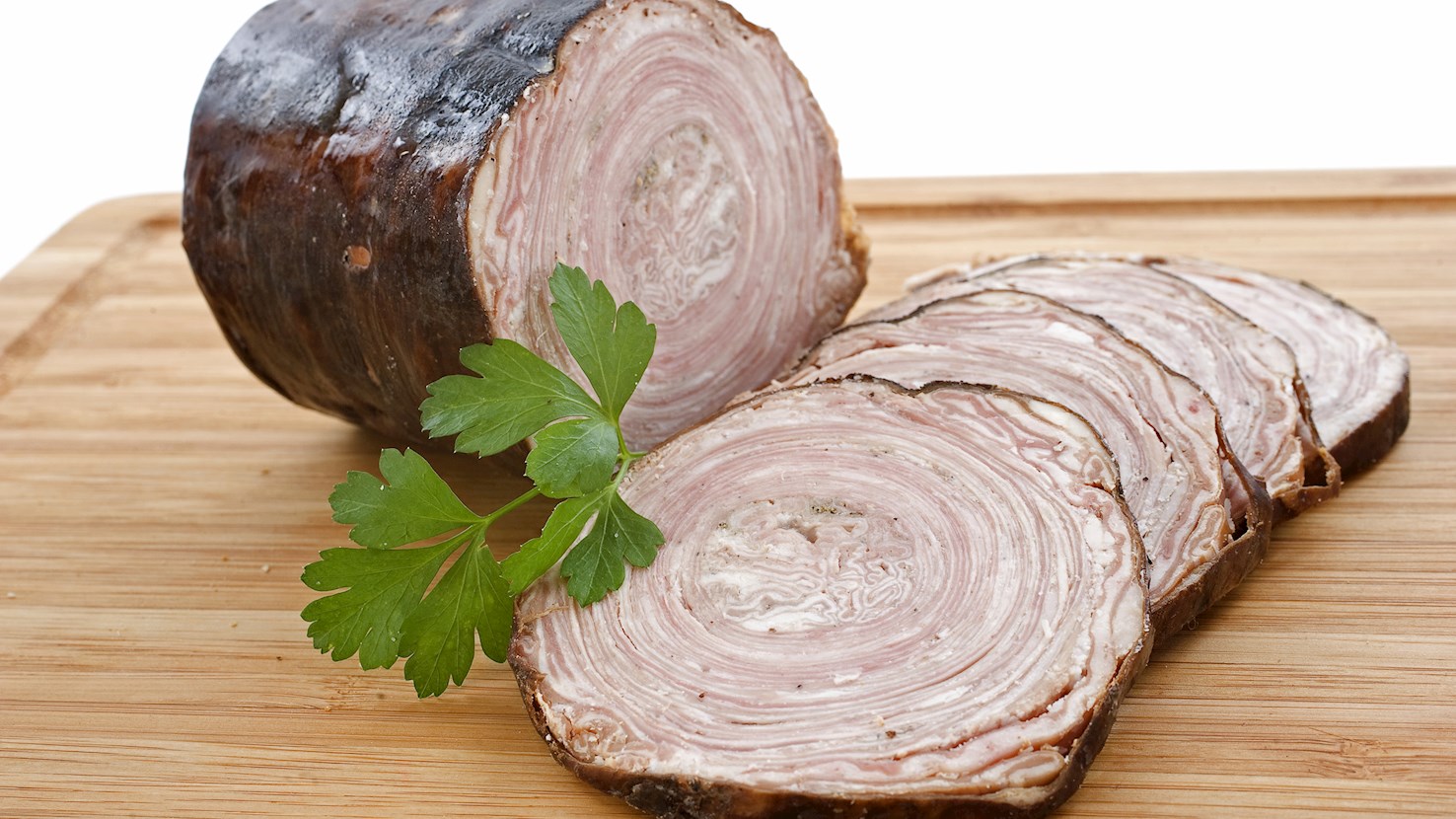
Andouille de Guémené is a smoked pork sausage from Guemene-sur-Scorff in northwest France. It is made with chitterlings (pig intestines and stomach), about 20-25 to be precise, that are pulled over one another, making for a 60 cm (24") long sausage about 6-8 cm (2-3") in diameter. Making the sausage has several stages: salting and sorting, assembling (emptying and degreasing), smoking over beech wood, drying (from several weeks to up to nine months), and cooking in a hay-flavored stock. It was created in 1930 by Joseph Quidu, the son of a local farmer, and has a characteristic appearance of concentric rings when cut. It is cut into slices for serving and eaten as is, cold, or grilled or cooked and served with mashed potatoes, buckwheat crepes, and fish.

10
Chicken Dish

Poulet à la bretonne

n/a ·

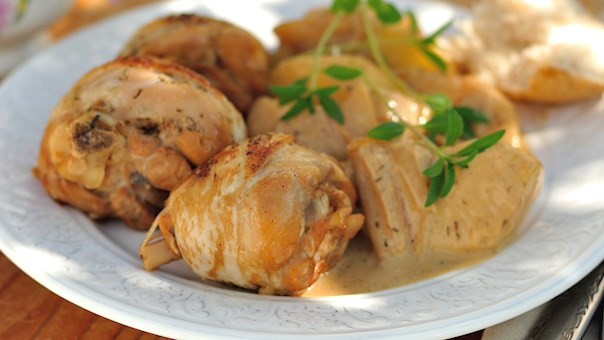
Poulet à la bretonne is a traditional chicken dish originating from Brittany. The dish is usually made with a combination of chicken, leeks, onions, carrots, flour, cider, crème fraîche, Dijon mustard, oil, butter, salt, pepper, parsley, and thyme. The chicken is cut into pieces, seasoned with salt and pepper, and then browned in oil over low heat. Butter and thyme are added to the pan and the chicken is basted a few times before it's removed from the pan. The leeks, onions, and carrots are sautéed until soft and mixed with flour, cider, mustard, and crème fraîche in order to make the sauce. The chicken pieces are arranged on top and the dish is baked in the oven until the chicken is fully cooked. The dish is garnished with parsley and served hot, often with roasted potatoes on the side.

Best Breton food products

01
Butter

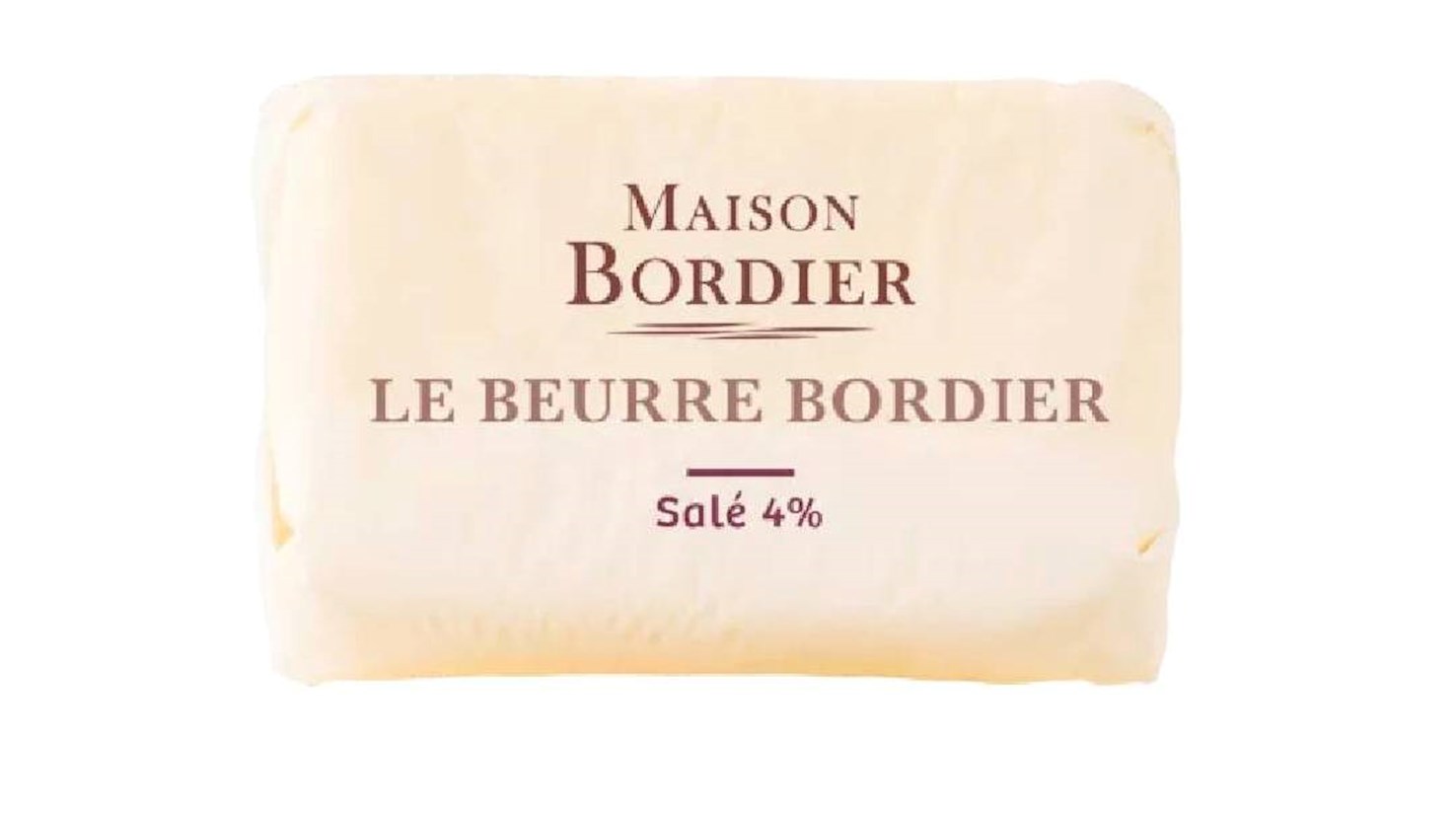
Maison Bordier

5 ·
Maison Bordier is a French company specializing in artisanal butter production and cheese aging, founded in 1985 by Jean-Yves Bordier. Based in Saint-Malo, the company is known for its traditional butter-making methods, including hand-kneading on wooden boards, resulting in a smooth texture and rich flavor. In addition to classic butter, Maison Bordier offers various flavored varieties, such as butter with seaweed, lemon and olive oil, and Roscoff onion. Their products are highly valued by top chefs and gourmet enthusiasts worldwide. Beyond butter, the company is also involved in the aging of select cheeses, emphasizing high-quality raw ingredients and respect for traditional techniques. Maison Bordier also operates several stores and restaurants in France, where customers can enjoy their products and learn more about the production process.
02
Spirit

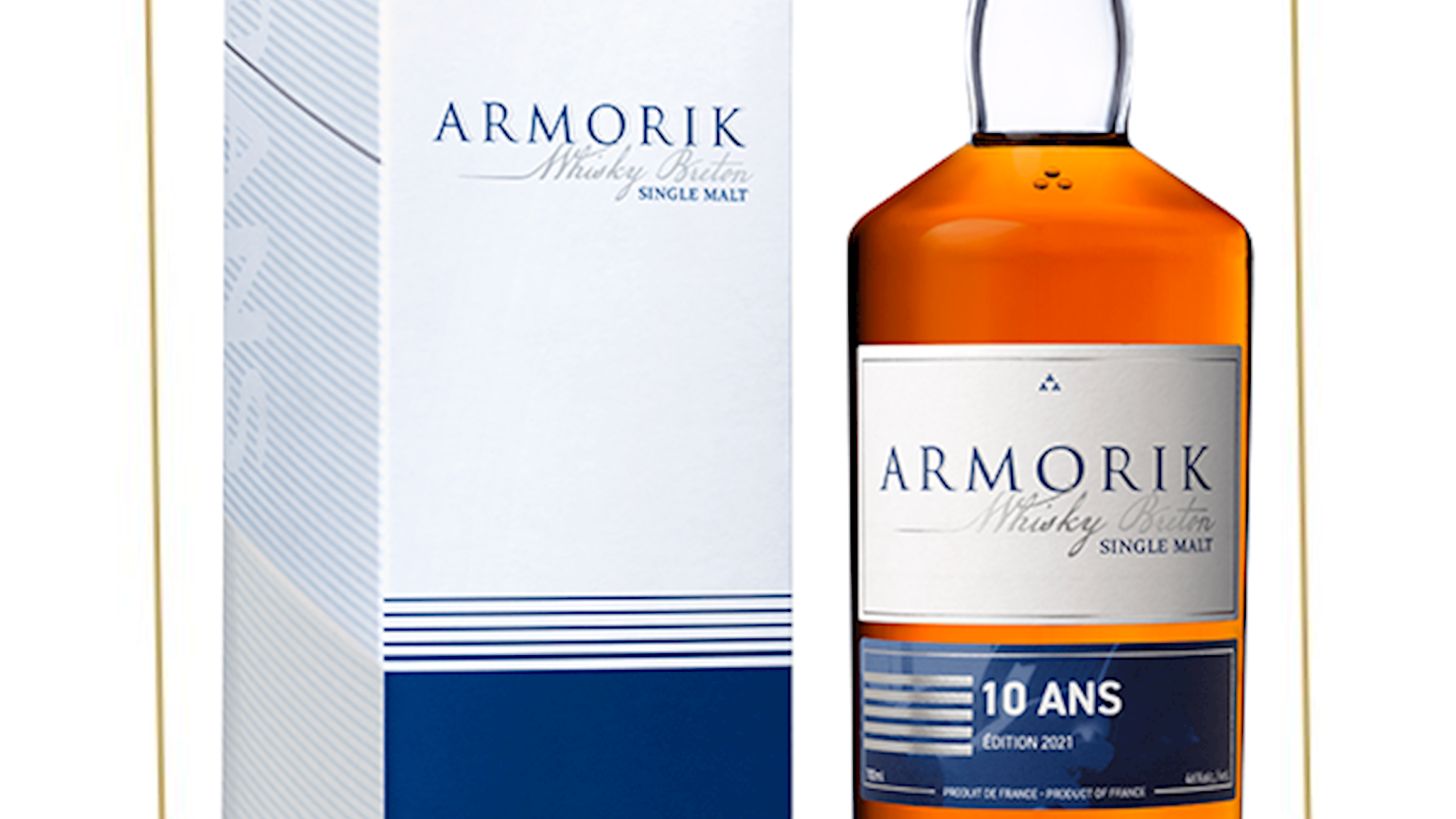
Distillerie Warenghem

5 ·
Awards
ISC-International Spirits Challenge - Gold (2024)
IWSC- International wine & spirit competition - Spirit Gold (2022)
03
Butter

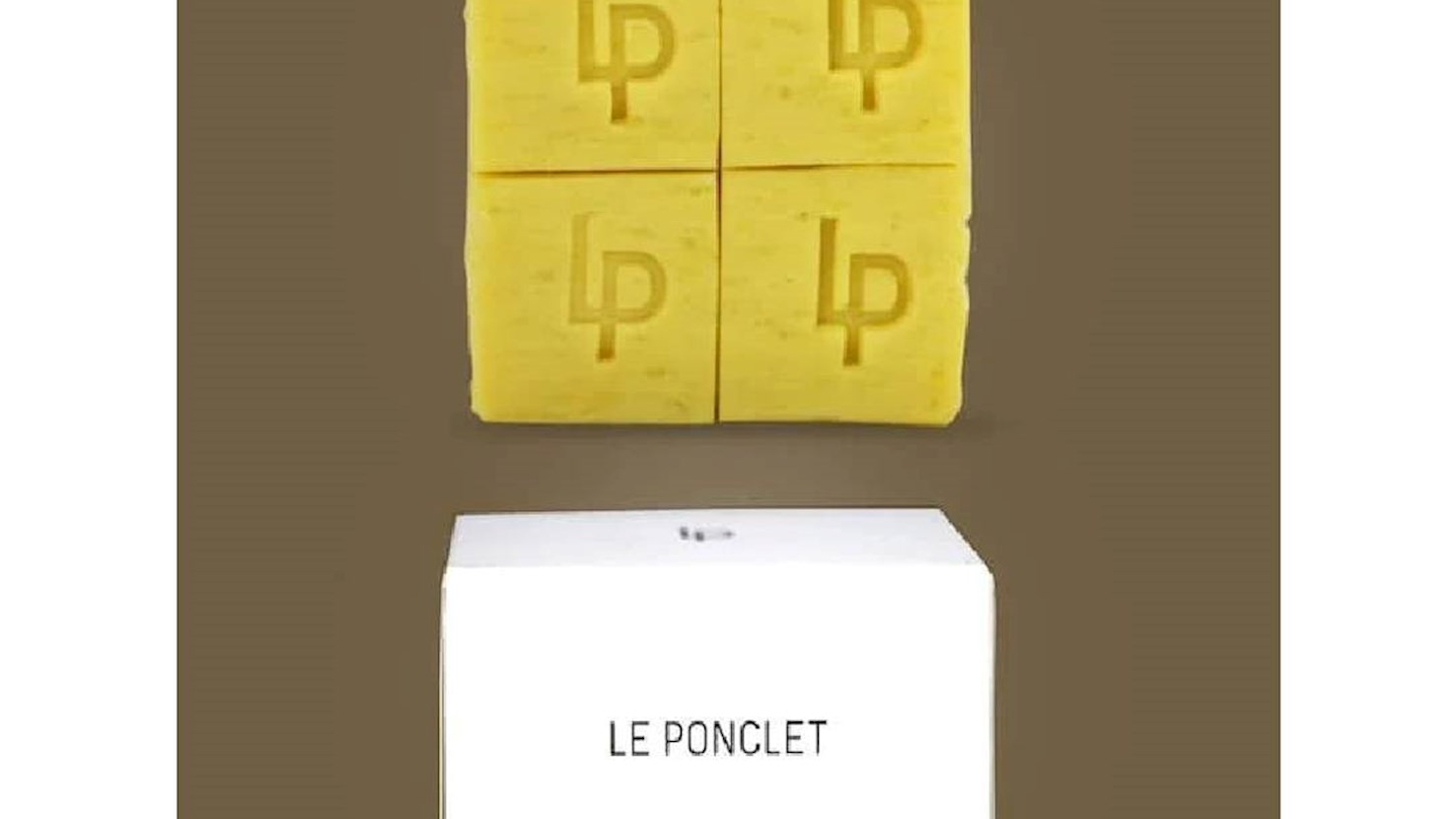
Le Ponclet

5 ·
Le Ponclet is an esteemed artisanal dairy producer located in Locmélar, Brittany, France. Founded by David Akpamagbo, the farm is renowned for its exceptional raw milk butter, Beurre le Ponclet, which has garnered acclaim from top chefs and fine dining establishments worldwide.
04
Herb/Spice

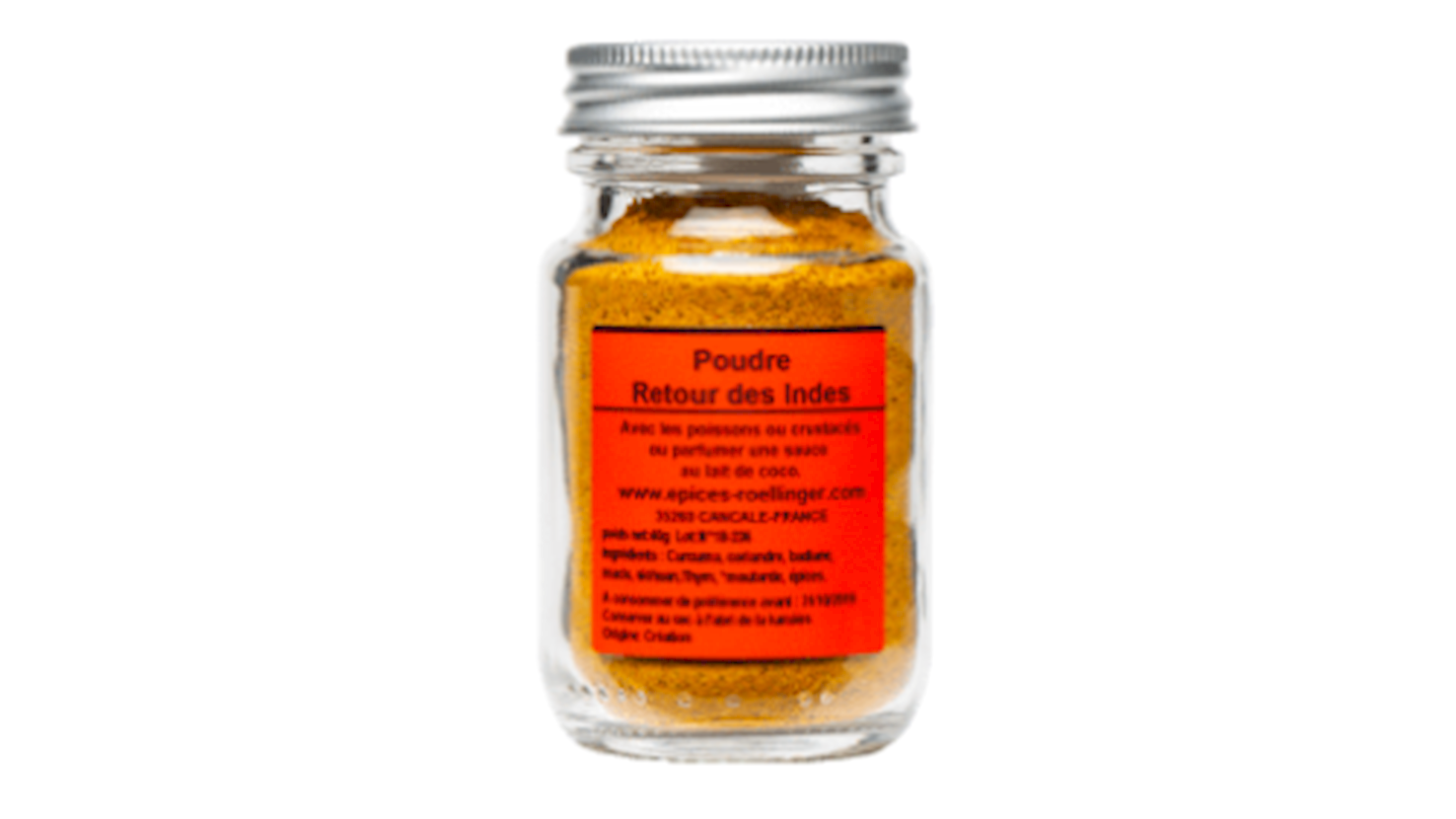
Épices Roellinger

4.9 ·

Épices Roellinger is a French gourmet spice house founded by chef Olivier Roellinger, closely linked to the maritime heritage of Saint-Malo and Cancale in Brittany. The brand grew out of Roellinger’s culinary work, where he began using spices as an aromatic language in 1984, inspired by the historic spice routes and the old trading culture of Saint-Malo. Today, Épices Roellinger offers rare spices, peppers, salts, oils, vinegars, vanilla, seaweeds and original spice blends created with a distinctly French culinary sensibility. Its philosophy is based on direct sourcing from selected producers, freshness of harvest, and a strong preference for organic, sustainable, wild or agroecological ingredients. The house is especially known for its original spice blends, designed not as generic seasonings but as precise culinary compositions connected to memories, journeys, places and dishes. Production and blending are associated with the Maison du Voyageur in Cancale, while the brand also operates boutiques in Cancale, Saint-Malo and Paris. Épices Roellinger is regarded as one of the reference names in the French gourmet spice world, valued for traceability, craftsmanship and its ability to translate the history of spices into contemporary cuisine.

05
Seafood

Phare d'Eckmühl

4.8 ·
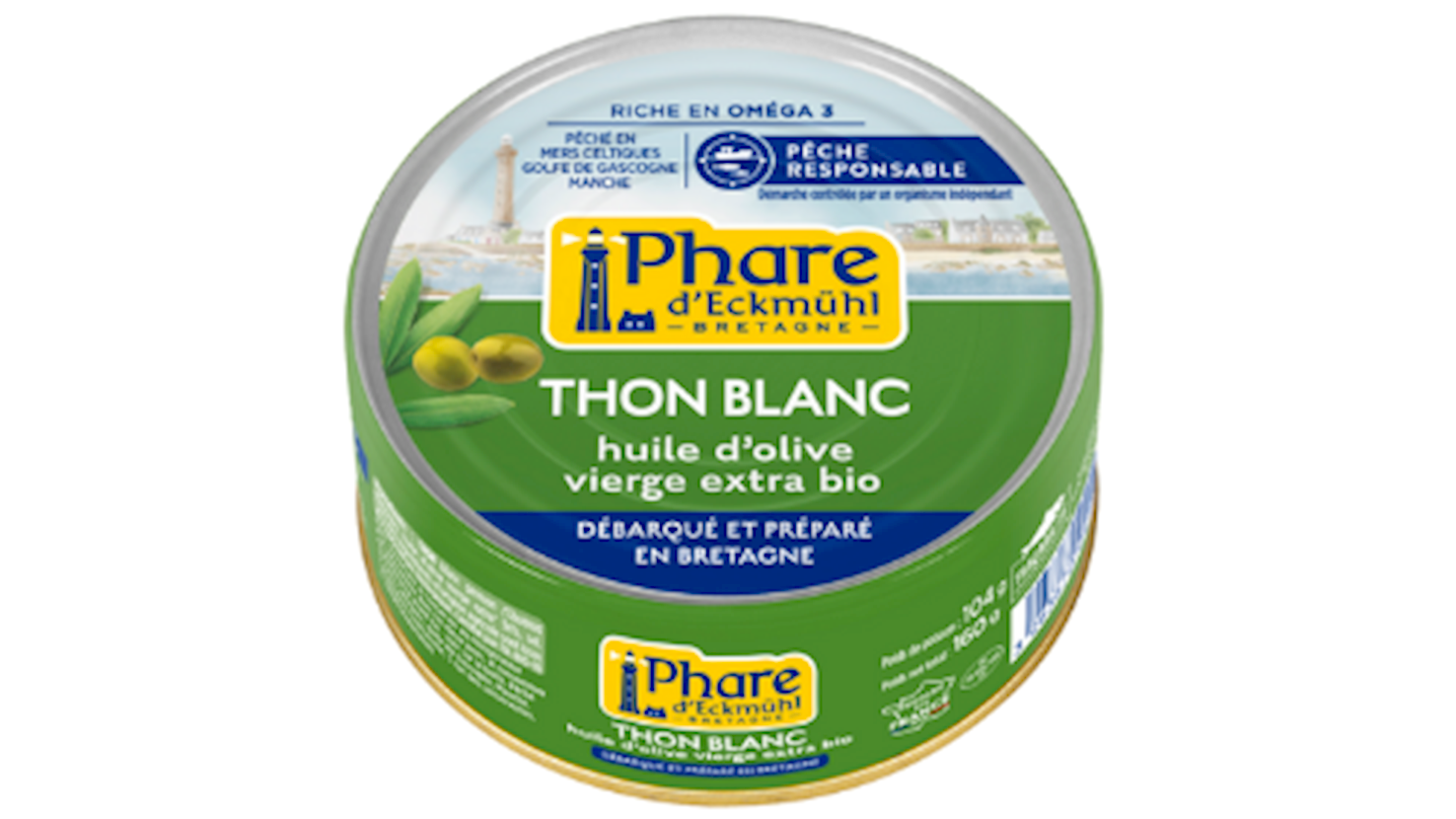
Phare d’Eckmühl is a French premium canned-fish brand based in Brittany, in the town of Douarnenez - a region famous for one of the longest canning traditions in Europe. The brand is part of Conserverie Chancerelle, the oldest active sardine cannery in the world, founded in 1853, which gives additional historical credibility to its products. Phare d’Eckmühl positions itself in the high-quality and organic segment, as a large part of its range uses certified organic ingredients. The fish is caught in the Northeast Atlantic and off the coast of Brittany, with strict respect for seasonality and sustainable fishing methods. Production is based on manual processing, where fish are cleaned and packed by hand in small batches. The products are intended for consumers who seek delicacy-level canned fish but also care about origin, transparency and sustainability. In gastronomy, they are used in salads, pasta dishes, bruschetta or served on their own. The brand emphasizes full traceability of origin and complete transparency of production. Their approach makes every can feel like a small, carefully crafted gastronomic product rather than an industrial commodity.
06
Seafood

La Belle-Iloise

4.8 ·
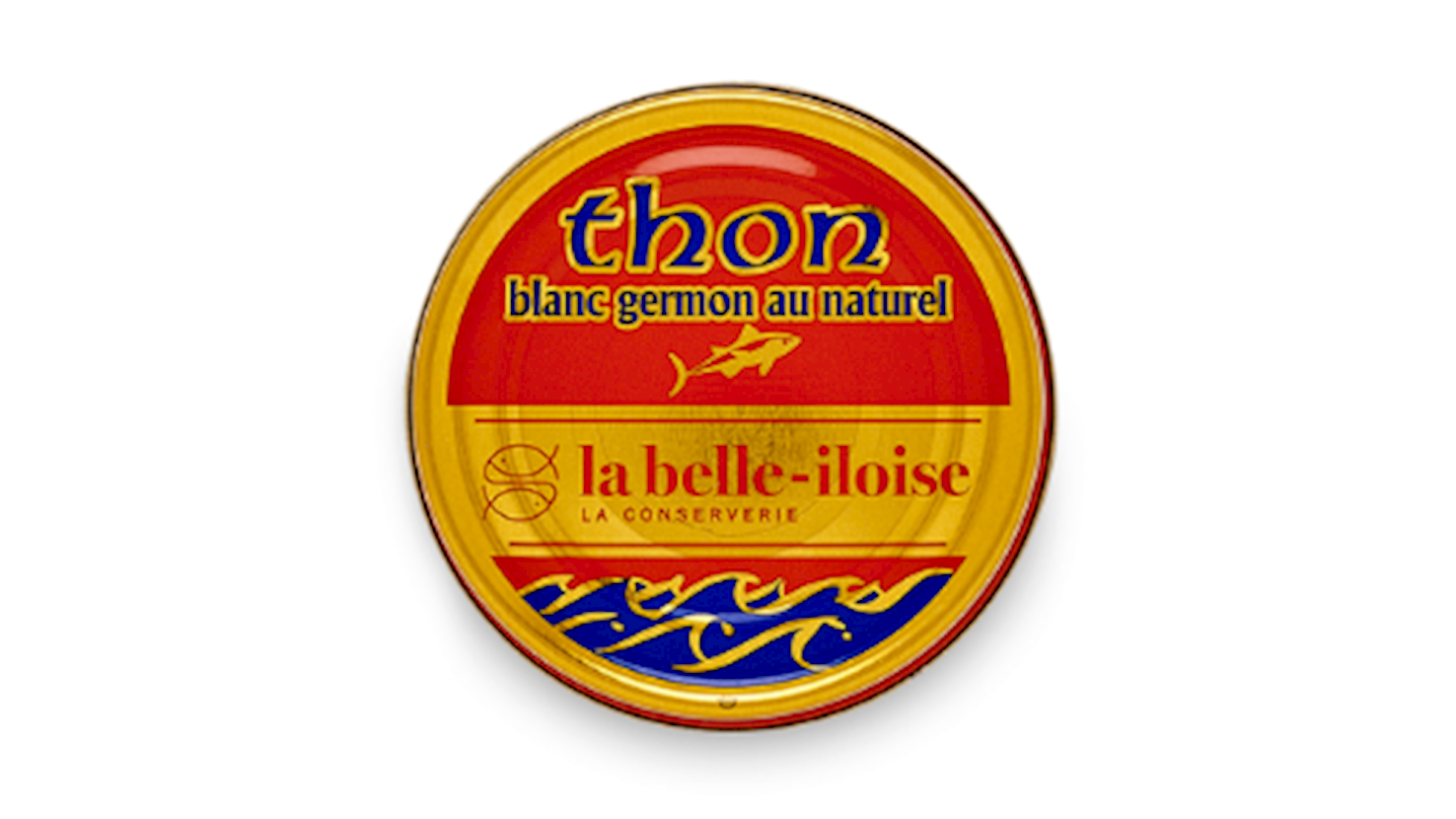
La Belle-Iloise is a renowned French brand specializing in premium canned seafood. Known for its artisanal methods, the company produces a variety of gourmet products, including tuna, sardines, and other fish delicacies. Each product is made with care, following traditional recipes and using high-quality ingredients sourced sustainably from the Atlantic. La Belle-Iloise offers an exceptional taste experience, with many of their recipes featuring Mediterranean flavors enhanced with olive oil, herbs, and spices. The brand is committed to sustainability and responsible fishing practices, ensuring both quality and environmental responsibility. Their products reflect a dedication to preserving both tradition and the pleasures of fine dining.
07
Fruit Product

La Cour d’Orgères

4.7 ·
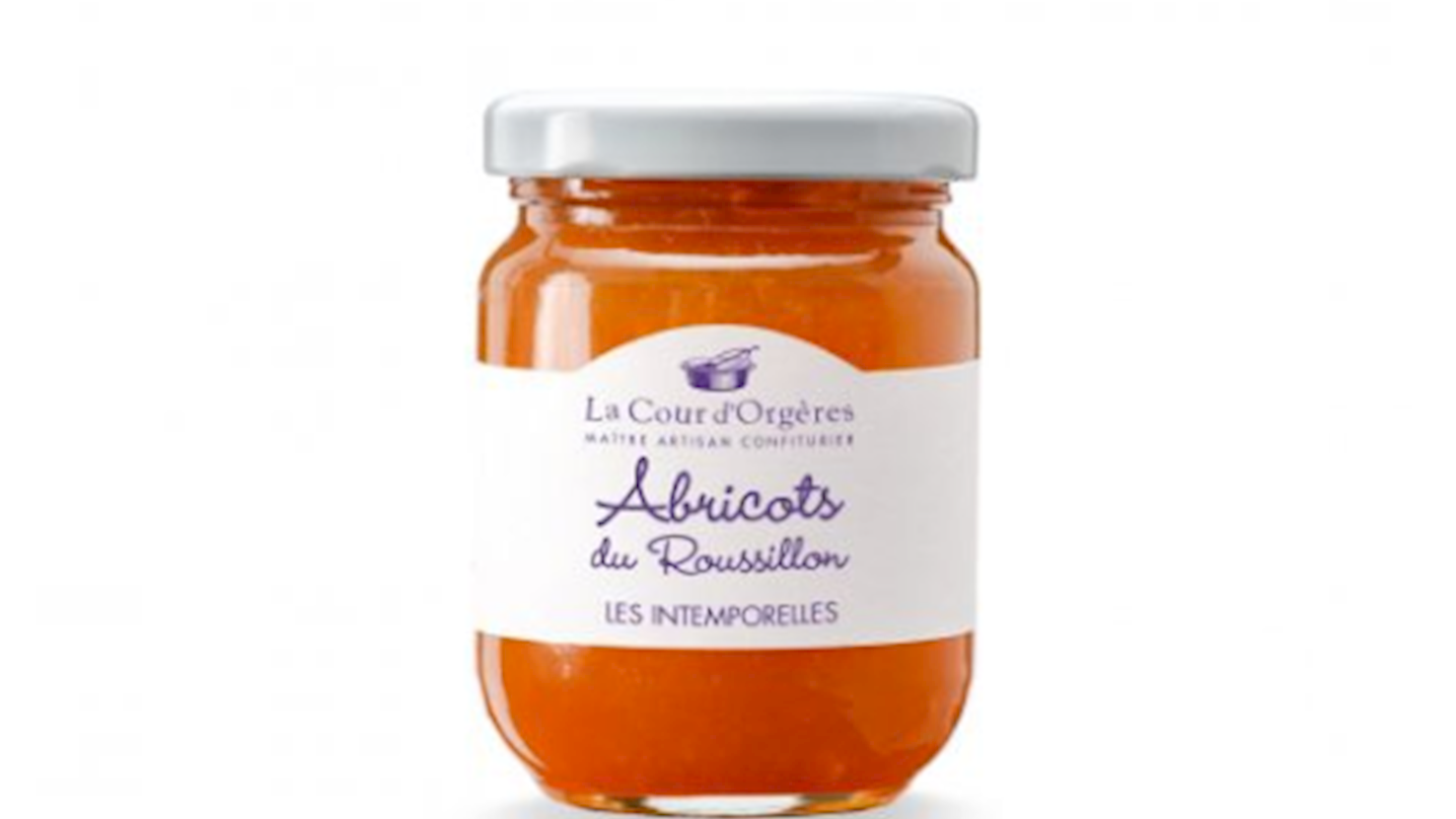
La Cour d’Orgères is a family-run artisan producer from Brittany, based on the Quiberon peninsula, known for its high-quality jams made in small batches and cooked in traditional copper kettles. Their approach is rooted in selecting premium, seasonal fruit and using a traditional process that preserves the natural texture, aroma, and color of the ingredients. The assortment ranges from classic single-fruit jams to creative, contemporary flavor combinations and limited editions designed for gourmet and gift segments. The brand emphasizes authenticity, craftsmanship, and family tradition, which has earned it recognition in France as a maker of “haute couture” jams. This profile makes La Cour d’Orgères especially appealing to consumers seeking premium, artisan products in delicatessens and specialty food shops.
08
Chocolate

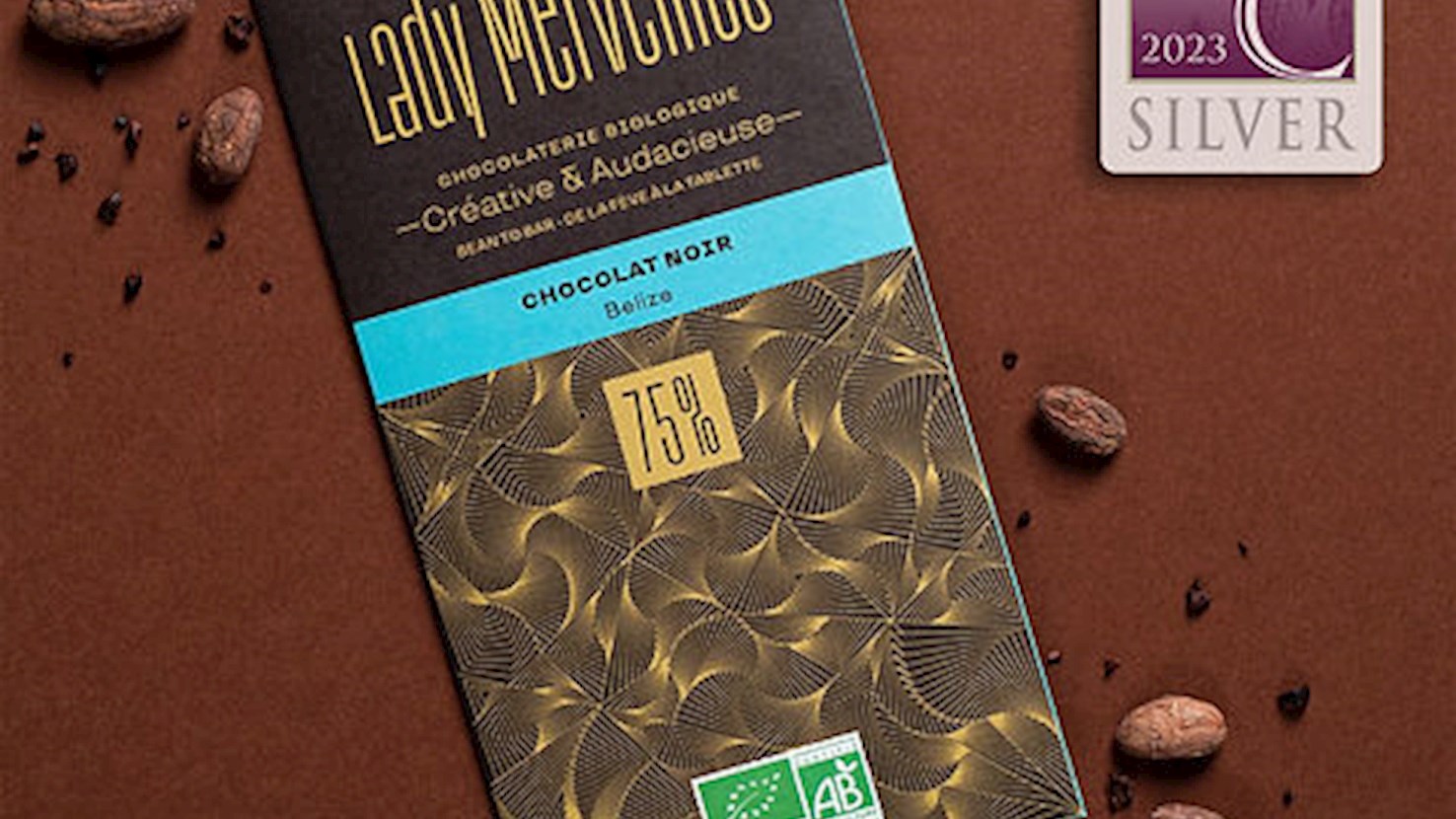
Lady Merveilles

4.7 ·
Awards
Academy of Chocolate - Silver (2023)
Academy of Chocolate - Bronze (2023)
09
Butter

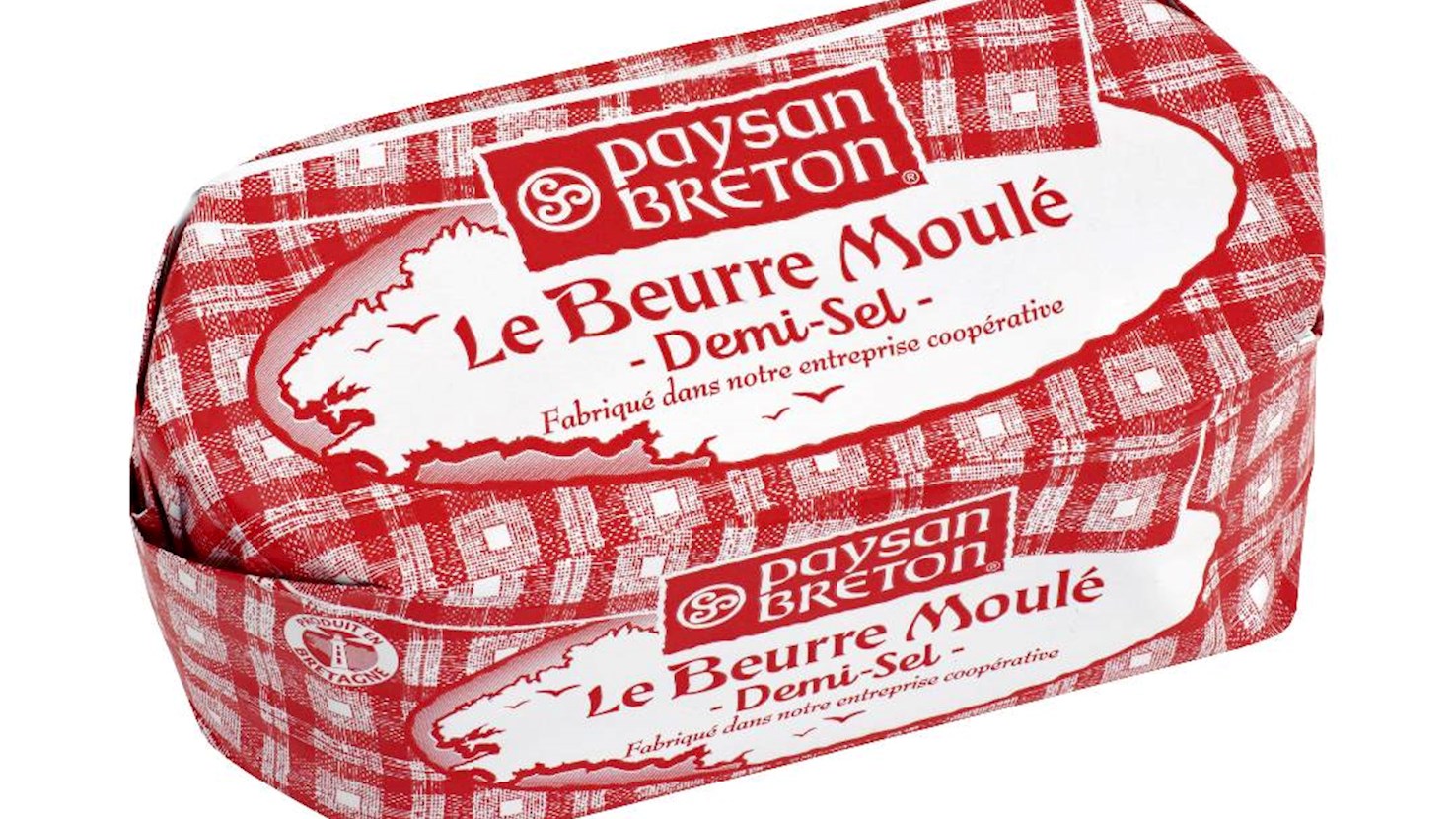
Paysan Breton

4.6 ·
Paysan Breton is a brand with over 50 years of tradition, founded in 1969 by a group of farmers in Brittany, France. Their goal was to improve dairy production and ensure better conditions for their farms through collective effort. As part of the Laïta cooperative, Paysan Breton takes pride in producing high-quality dairy products using milk from family farms located in Brittany and Pays de la Loire. Their product range includes traditional butters, Madame Loïk cheese spreads, fermented milk, cheeses, grated cheeses, and Breton pancakes. One of their most renowned products is their traditional butter, recognized for its unique taste and distinctive ridged packaging. Available in salted and unsalted varieties, as well as with Guérande sea salt crystals, it delivers the authentic taste of Brittany. Paysan Breton is committed to supporting the local economy and the well-being of its 4,800 member farmers, ensuring the long-term sustainability of their farms through the promotion of high-quality dairy products. All products are made without artificial preservatives or colors, reflecting the brand’s dedication to natural ingredients and traditional production methods. Over the decades, Paysan Breton has become synonymous with the authentic flavors of Brittany, bringing the best of French dairy tradition to tables worldwide.
Read more
View all
View map
About this ranking

TasteAtlas food rankings are based on the ratings of the TasteAtlas audience, with a series of mechanisms that recognize real users and that ignore bot, nationalist or local patriotic ratings, and give additional value to the ratings of users that the system recognizes as knowledgeable. For the “Top 30 Breton Foods” list until June 02, 2026, 1,399 ratings were recorded, of which 1,235 were recognized by the system as legitimate. TasteAtlas Rankings should not be seen as the final global conclusion about food. Their purpose is to promote excellent local foods, instill pride in traditional dishes, and arouse curiosity about dishes you haven’t tried.

The initial list of top producers was compiled based on available reviews, awards, local recommendations, media and blog coverage, and consumer reviews. The list will be updated with ratings from TasteAtlas local ambassadors and TasteAtlas users.

Similar lists