Top 42 Traditional Foods
in Burgenland

Last updated on June 02, 2026

Best Burgenland food products

01
Wine

Weingut Scheiblhofer

5 ·
Weingut Scheiblhofer is a modern family-owned winery located in Andau, within the Burgenland, an area known for its warm climate and ideal conditions for producing rich, full-bodied wines. Founded by Johann Scheiblhofer in the 1980s, the estate gained international recognition under the leadership of his son, Erich Scheiblhofer, who took over in 2000. The winery cultivates around 85–100 hectares of vineyards, focusing primarily on red varieties such as Zweigelt, Blaufränkisch, Cabernet Sauvignon, and Merlot. Its style is characterized by ripe fruit, concentration, and frequent oak aging, resulting in structured and approachable wines. One of its most recognizable labels is “Big John,” which reflects the winery’s bold and modern identity. Scheiblhofer also stands out for its investment in innovation and sustainability, including energy-efficient production supported by solar power. In addition to winemaking, the estate has developed a strong enotourism offering, combining wine experiences with hospitality and events. Overall, it represents a contemporary approach to Austrian winemaking, balancing scale, quality, and a clear market-oriented style.
Awards
Falstaff - 100
Falstaff - 99
02
Wine

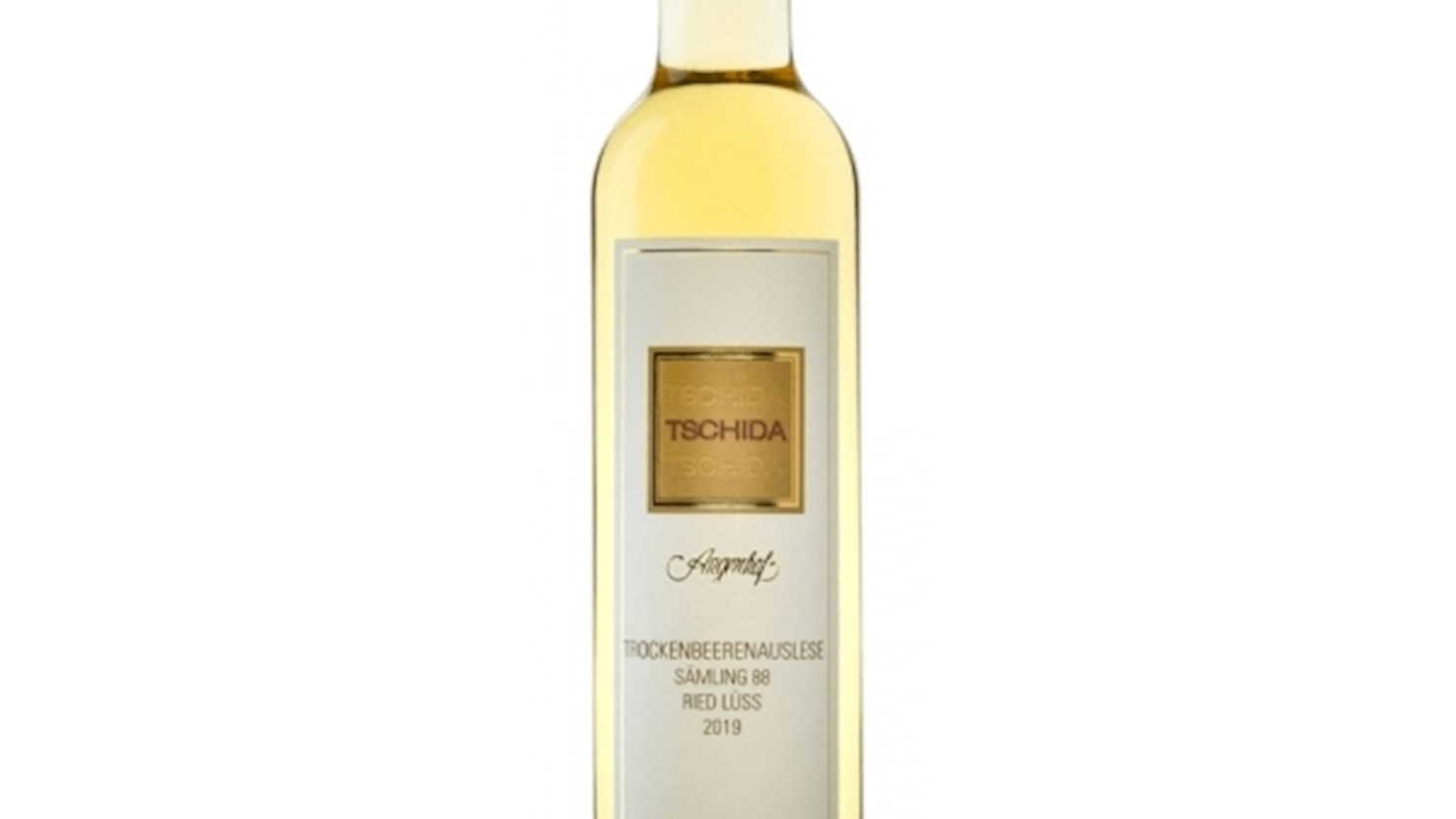
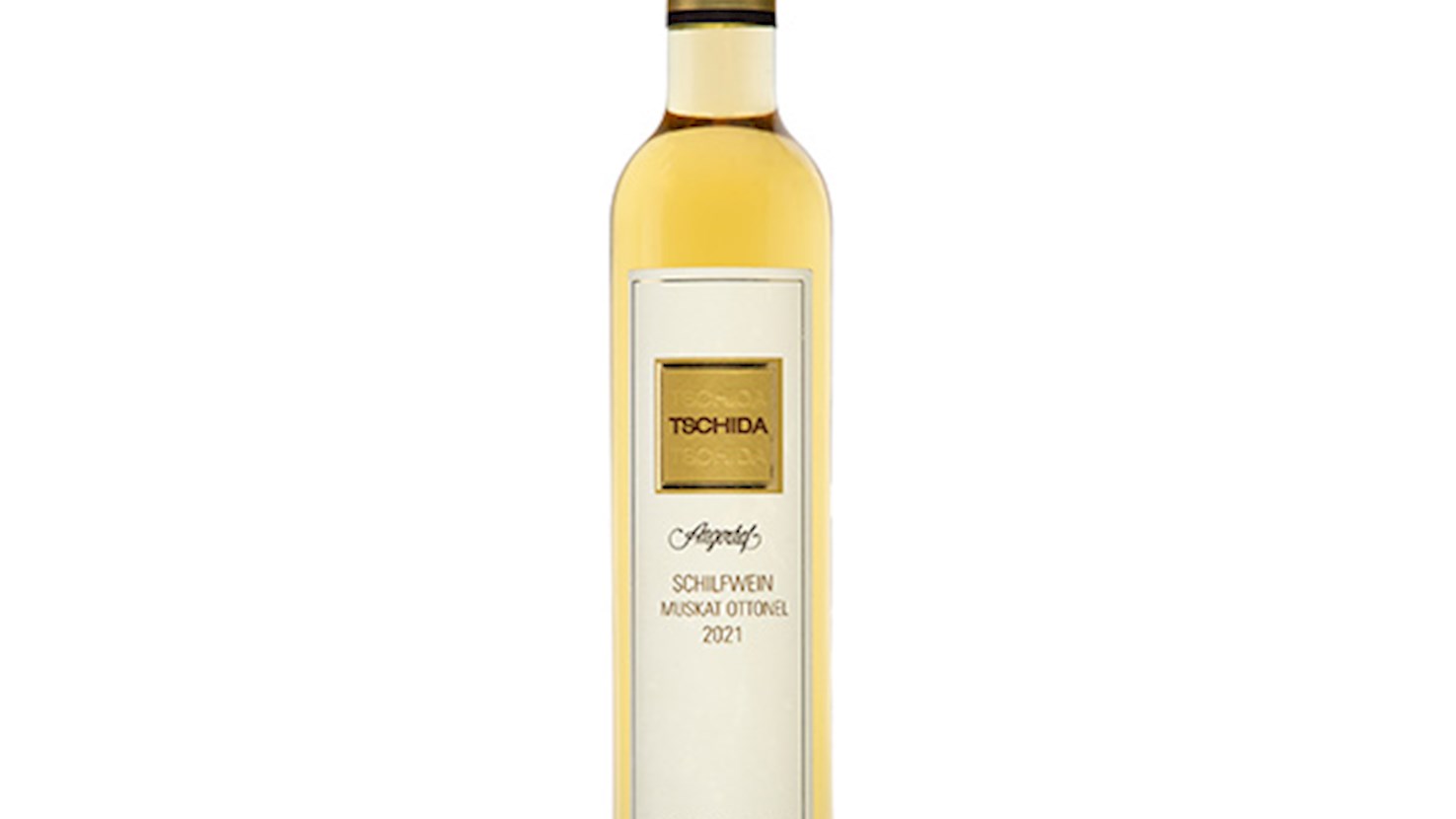
Hans Tschida

4.9 ·
Awards
IWSC- International wine & spirit competition - Gold (2023)
03
Wine

Weinlaubenhof Kracher

4.9 ·
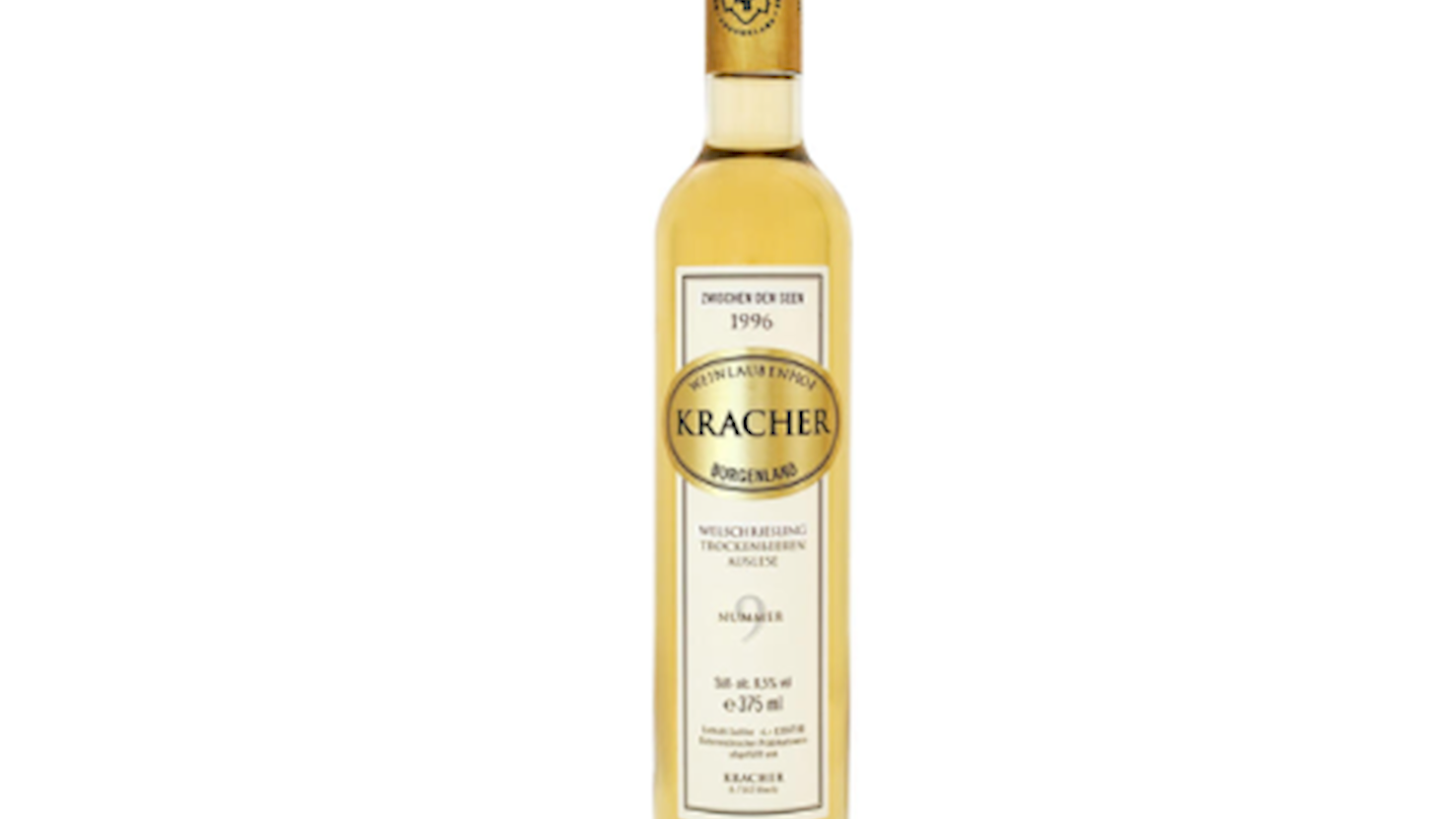
Weinlaubenhof Kracher is a family-owned winery located in the Seewinkel area on the eastern shore of Lake Neusiedlersee in Austria’s Burgenland, known for producing some of the world’s most prestigious sweet wines. The specific microclimate of the lake, together with early morning humidity and fog, enables the natural development of noble rot, essential for creating Trockenbeerenauslese (TBA) wines. The winery’s philosophy is based on extremely selective harvesting, using only naturally concentrated, botrytized berries, which results in a dense, intensely flavored must with high natural sugar and vibrant acidity. Kracher wines are characterized by complex aromas of honey, apricot, peach, dried fruit, citrus, saffron, and caramel, balanced by a distinctive freshness that prevents the sweetness from becoming heavy. Weinlaubenhof Kracher combines the tradition of hand harvesting with a modern approach to vinification, achieving wines that are luxurious, precise, and built for longevity. Due to their structure and balance, these wines have exceptional aging potential - often lasting for several decades. Kracher is regarded as one of the most important sweet-wine producers in the world and has become synonymous with Austria’s highest expression of botrytized dessert wines.
Awards
Decanter World Wine Awards - Platinum (2020)
Falstaff - 100
04
Wine

Weingut Silvia Heinrich

4.9 ·
Awards
Falstaff - 99
Vivino - 4.4
05
Wine

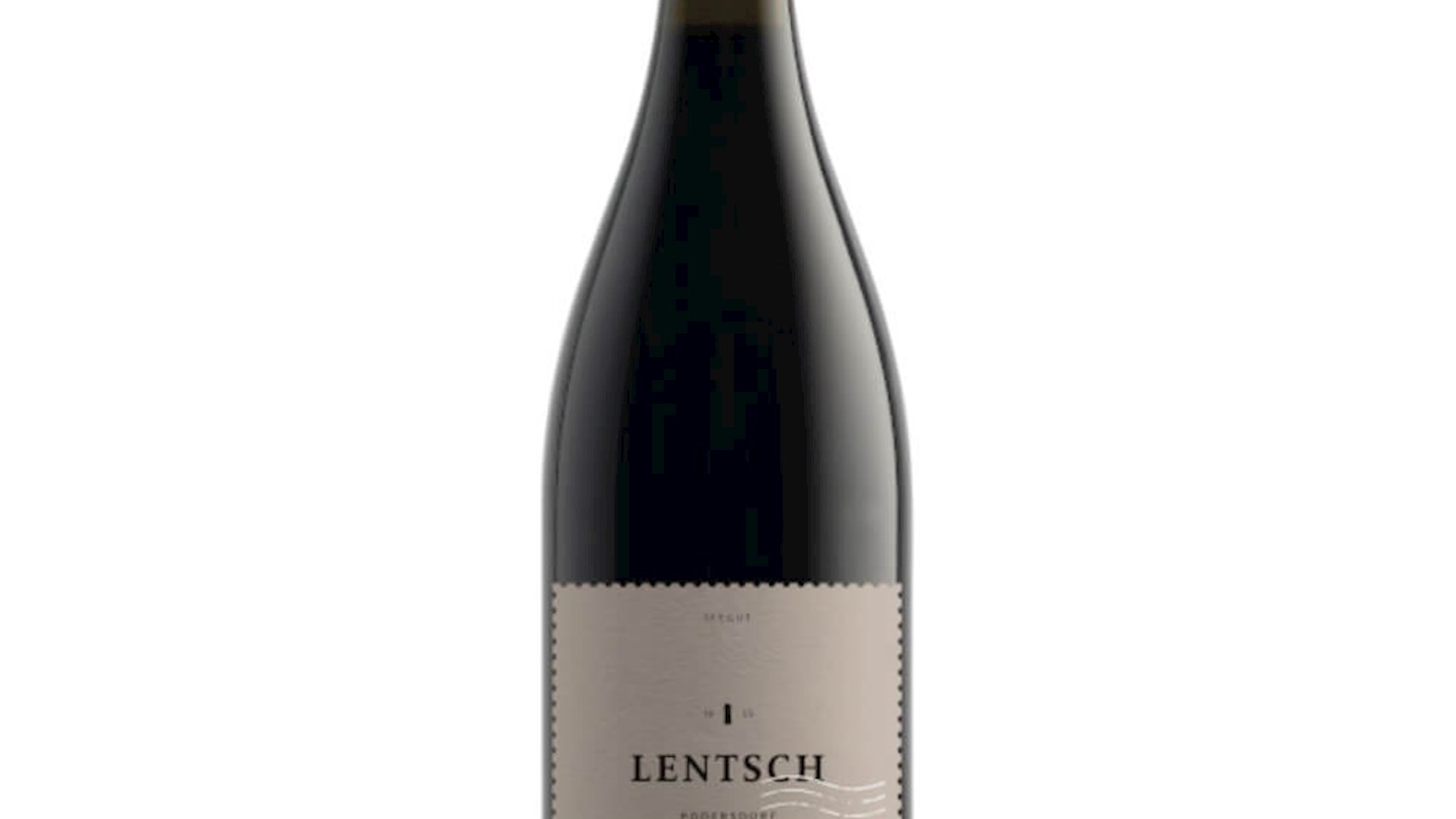
Seegut Lentsch

4.9 ·
Awards
IWSC- International wine & spirit competition - Gold (2023)
06
Wine

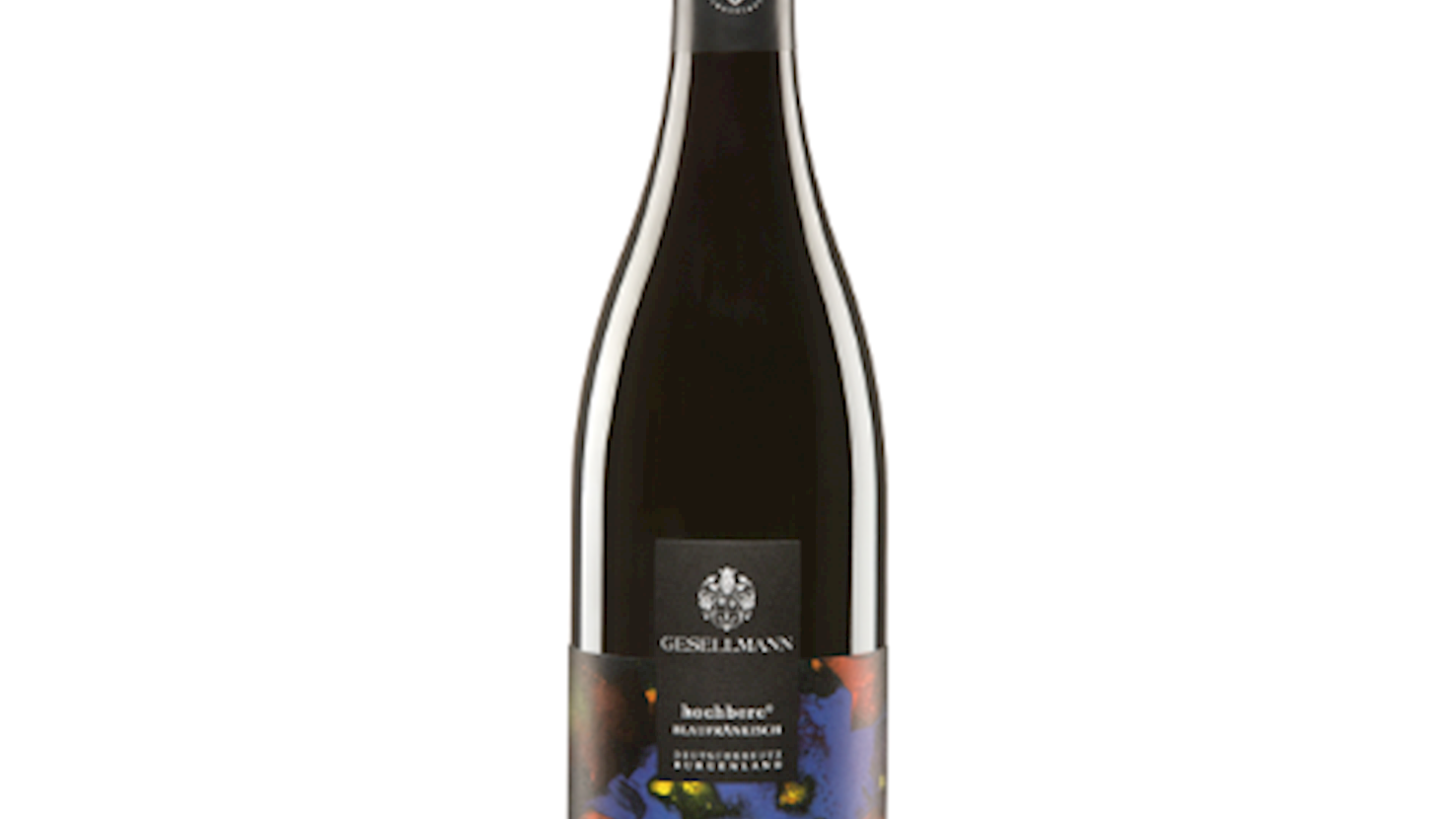
Weingut Gesellmann

4.8 ·
Weingut Gesellmann is a family-owned winery located in Deutschkreutz, in the heart of Mittelburgenland, a region widely recognized for its exceptional Blaufränkisch wines. The estate’s documented history dates back to 1719, while the Gesellmann family has been involved in viticulture for generations, steadily building its reputation. Today, the winery is led by Albert Gesellmann, who has played a key role in shaping its modern identity by combining respect for tradition with a forward-looking approach. The estate cultivates around 50 hectares of vineyards, predominantly planted with red grape varieties, reflecting the regional focus and expertise. A strong emphasis is placed on meticulous vineyard work, including manual harvesting and careful grape selection, often from old vines that contribute to the depth and character of the wines. Since 2015, the vineyards have been fully certified organic, underscoring a commitment to sustainability and terroir expression. The wines are typically structured, full-bodied, and built for aging, with a clear balance between concentration and elegance. Signature labels such as Opus Eximium, Bela Rex, and Cuvée G have helped establish the winery’s international recognition. Today, Weingut Gesellmann stands as a representative example of the evolution of Austrian winemaking, where heritage and innovation coexist in a refined and consistent style.
Awards
Falstaff - 99
Vivino - 4.3
07
Wine

Weingut Moric

4.8 ·
Weingut Moric is an Austrian winery located in Großhöflein, in the Burgenland region, at Kirchengasse 3, 7051 Großhöflein, Austria. The winery specializes in the Blaufränkisch grape variety, aiming to showcase its full potential through wines that reflect the unique characteristics of Burgenland's soil and climate. The winemaking philosophy at Moric focuses on minimal intervention, allowing the wines to naturally develop their character and complexity. Moric wines have gained international acclaim, including high ratings from renowned wine critics and publications.
Awards
James Suckling - 99 points (2024)
08
Wine

Tschida Angerhof

4.8 ·
Awards
Decanter World Wine Awards - Best in Show (2023)
Vivino - 4.3
09
Wine

Sommer

4.7 ·
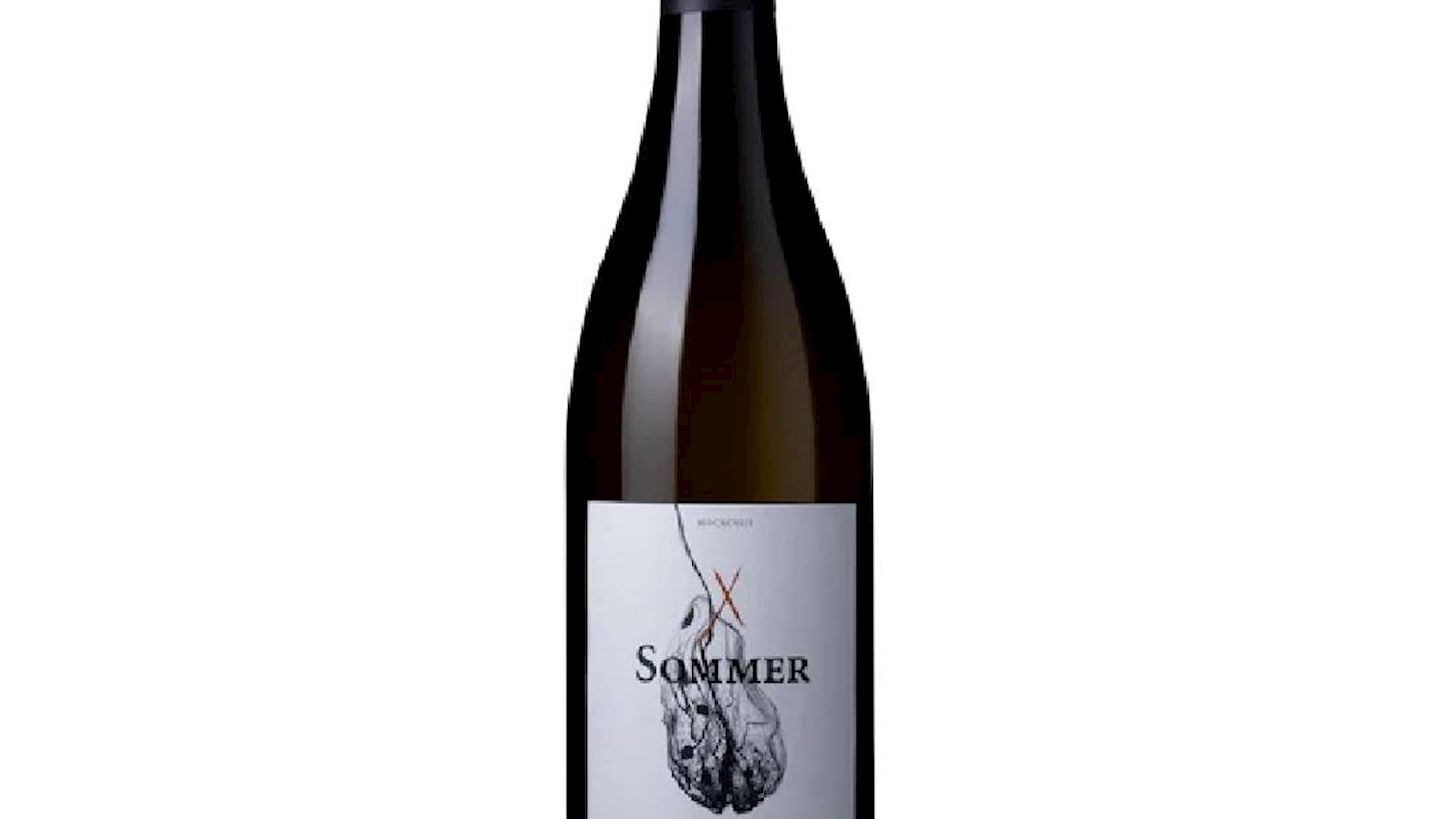
Weingut Sommer is a family-owned winery located in Donnerskirchen, Burgenland, Austria. The Sommer family has been cultivating vineyards since 1698, making them one of the longstanding winemaking families in the region. The estate spans 20 hectares of vineyards, with 75% dedicated to white grape varieties such as Grüner Veltliner, Welschriesling, Riesling, Chardonnay, Sauvignon Blanc, Muskat-Ottonel, Gewürztraminer, and Rivaner. The remaining 25% is planted with red varieties including Blaufränkisch, Zweigelt, Cabernet Sauvignon, St. Laurent, and Merlot. The winery emphasizes a harmonious relationship with their vineyards, combining traditional practices with modern techniques to produce wines that reflect the unique terroir of the Leithaberg region.
Awards
James Suckling - 96 points (2023)

Best Burgenland foods

01
Vegetable Soup

Kürbis Suppe

4.2 ·

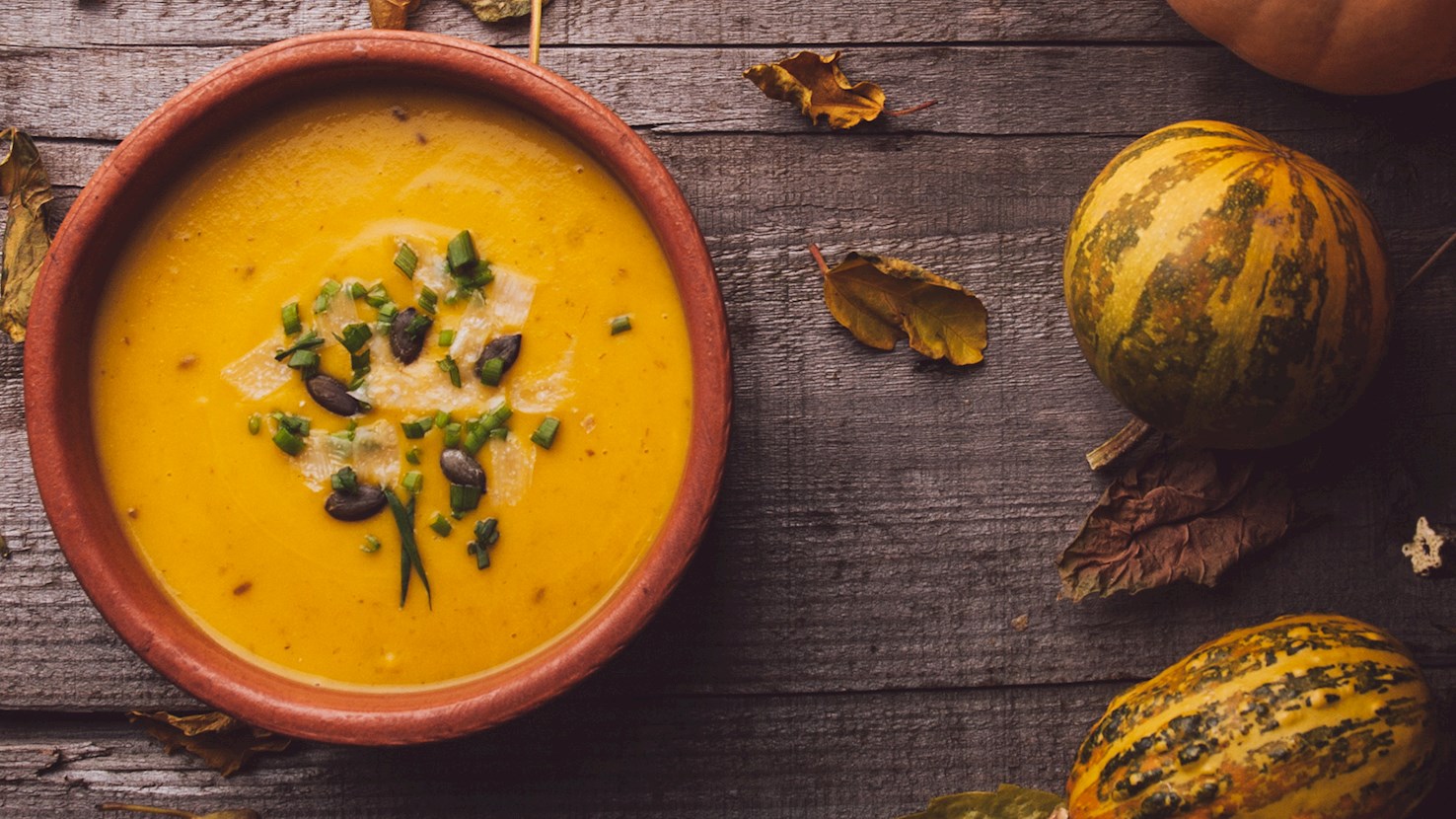
Kürbis suppe or pumpkin soup is a simple dish typical of the traditional Burgenland cuisine. The soup is usually made with diced or grated pumpkin flesh that is lightly sautéed with vegetables before it is simmered in water, chicken stock, or beef broth until all the ingredients are tender. Typical vegetables used in the soup include onions, garlic, potatoes, carrots, leeks, and celery, while the selection of spices and seasonings usually includes salt, pepper, paprika, nutmeg, cumin, dill, and vinegar. The soup is commonly thickened with flour or cornstarch, and once cooked, it is usually combined with cream and puréed until it gets a smooth or porridge-like consistency. A bowl of this creamy pumpkin soup is typically enjoyed while it's still hot as an appetizer. Traditionally, the soup is served with crispy croutons and a dollop of sour cream drizzled with pumpkin seed oil on top.

02
Goose Dish

Martinigans

3.7 ·

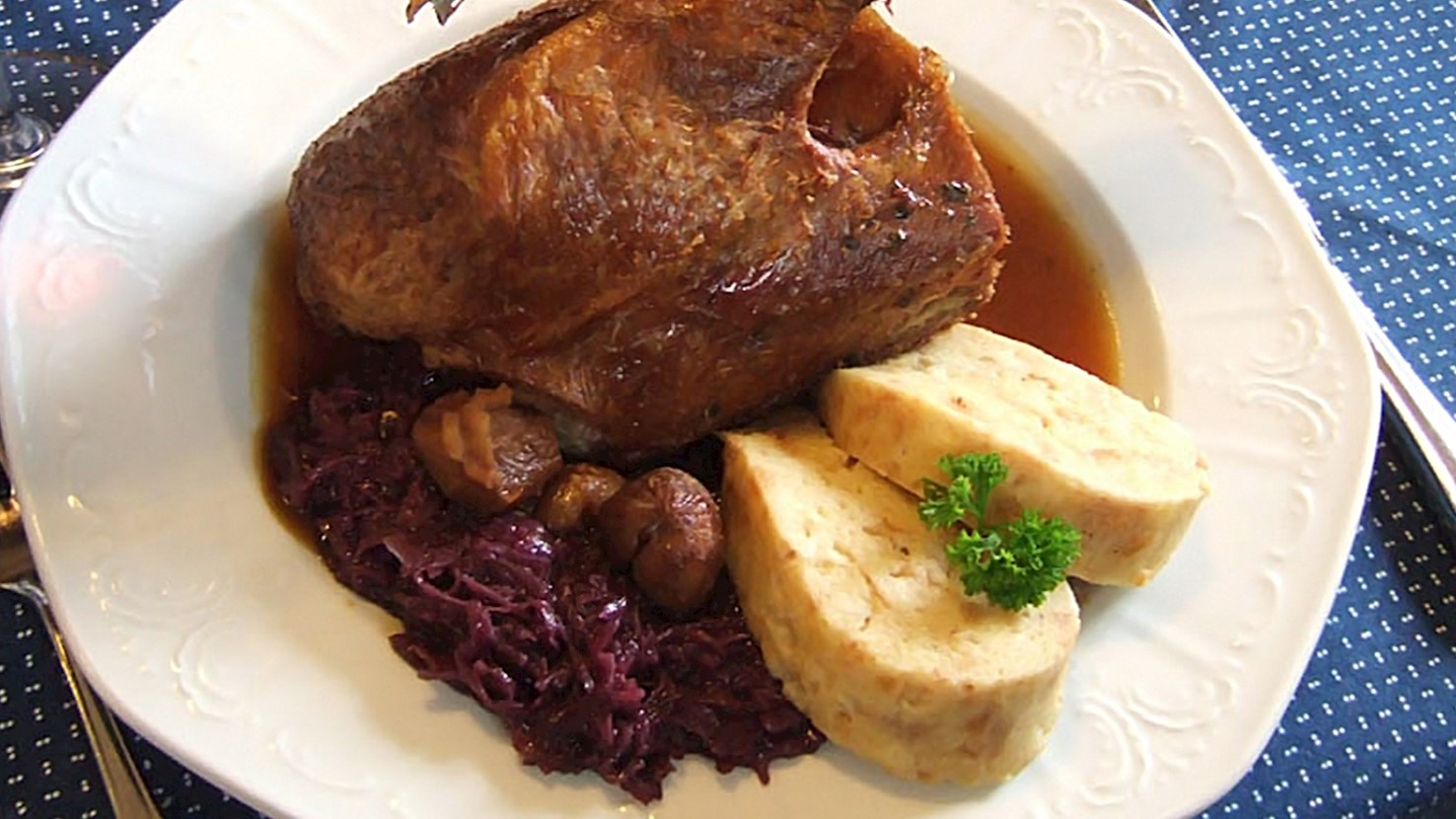
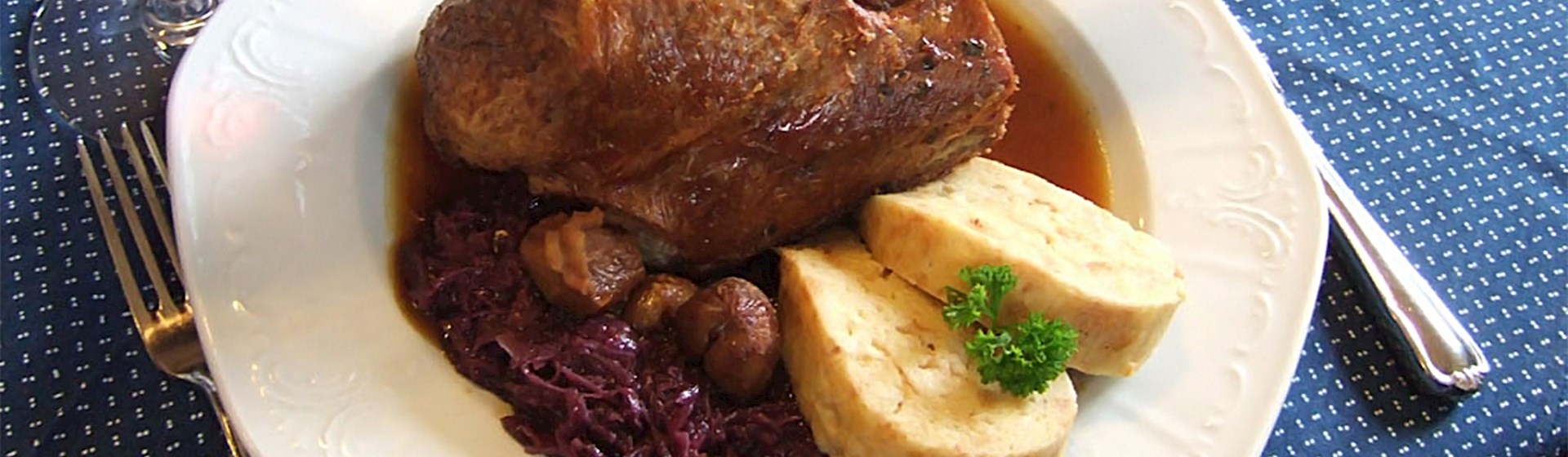
On St. Martin’s Day, November 11, stuffed goose is prepared as a traditional dish throughout Austria. The dish has many variations, but the goose is typically stuffed with chestnuts and dried plums, then roasted. When served, it is traditionally accompanied by red cabbage, potatoes, or knödel dumplings. Martinigans is sometimes drizzled over with a gravy made with a combination of stock (made from giblets) and pan drippings.

03
Savory Pastry

Grammelpogatscherl

n/a ·

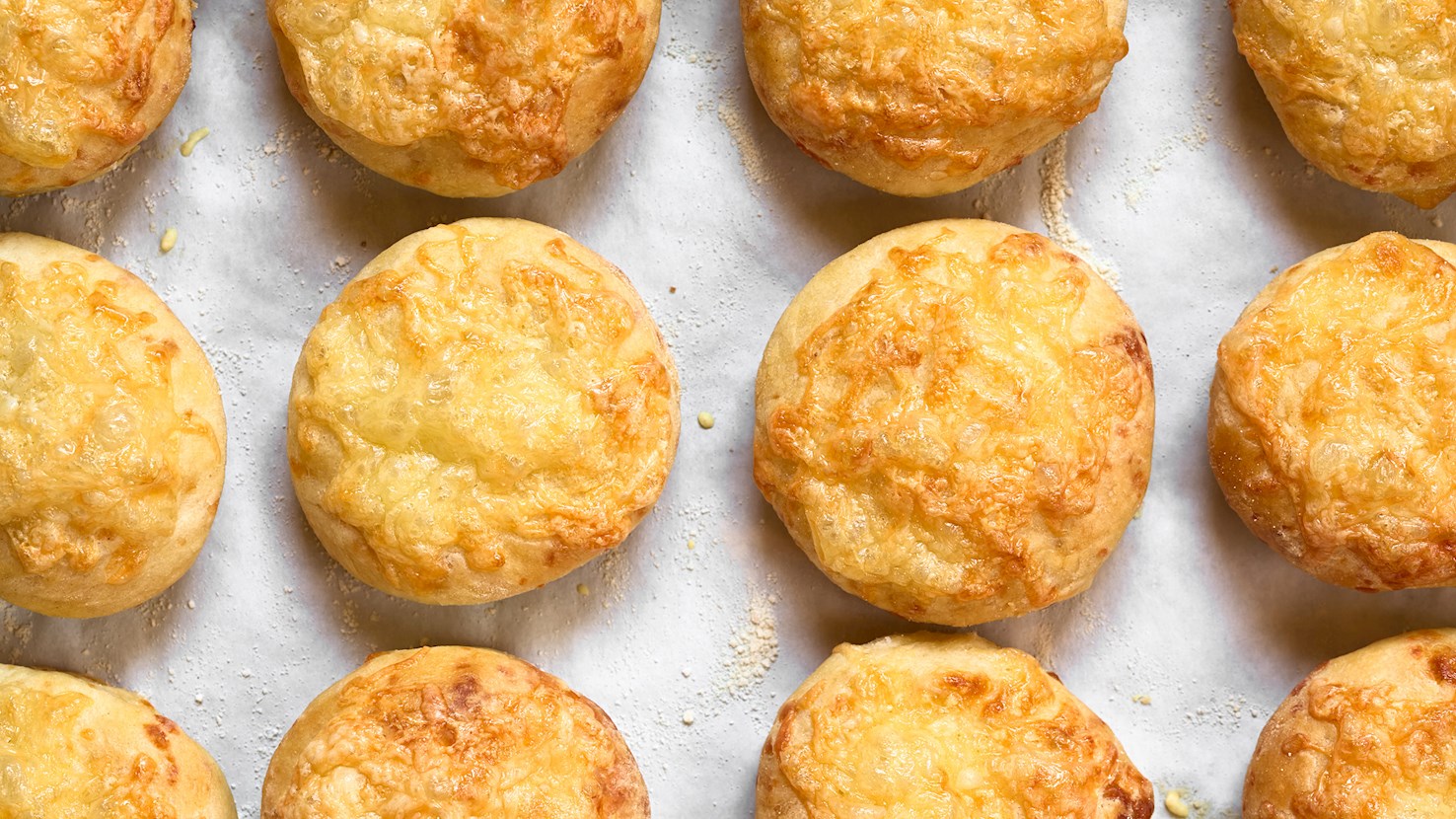
A savory delicacy from Burgenland, grammelpogatscherl is a small, bite-sized pastry containing finely chopped cubes of fried pork fat (grammeln) in the dough. Although the ingredients for its preparation vary from place to place, the pastry is typically made with a combination of flour, eggs, yeast, milk, salt, and fried pork fat. Other common ingredients contained in the dough include lard, sugar, sour cream, white wine, and spices such as pepper, caraway, or cumin. These small pastries are usually made into round shapes and their top is traditionally scored with a knife, giving them a characteristic pattern that varies from family to family. It is recommended to enjoy grammelpogatscherl while they’re still warm, accompanied by sour cream and a glass of wine on the side. These savory pastries are often served as snacks at wine tastings, and they’re commonly prepared for holidays and celebrations.

04
Savory Pastry

Burgenländischer Krautstrudel

n/a ·

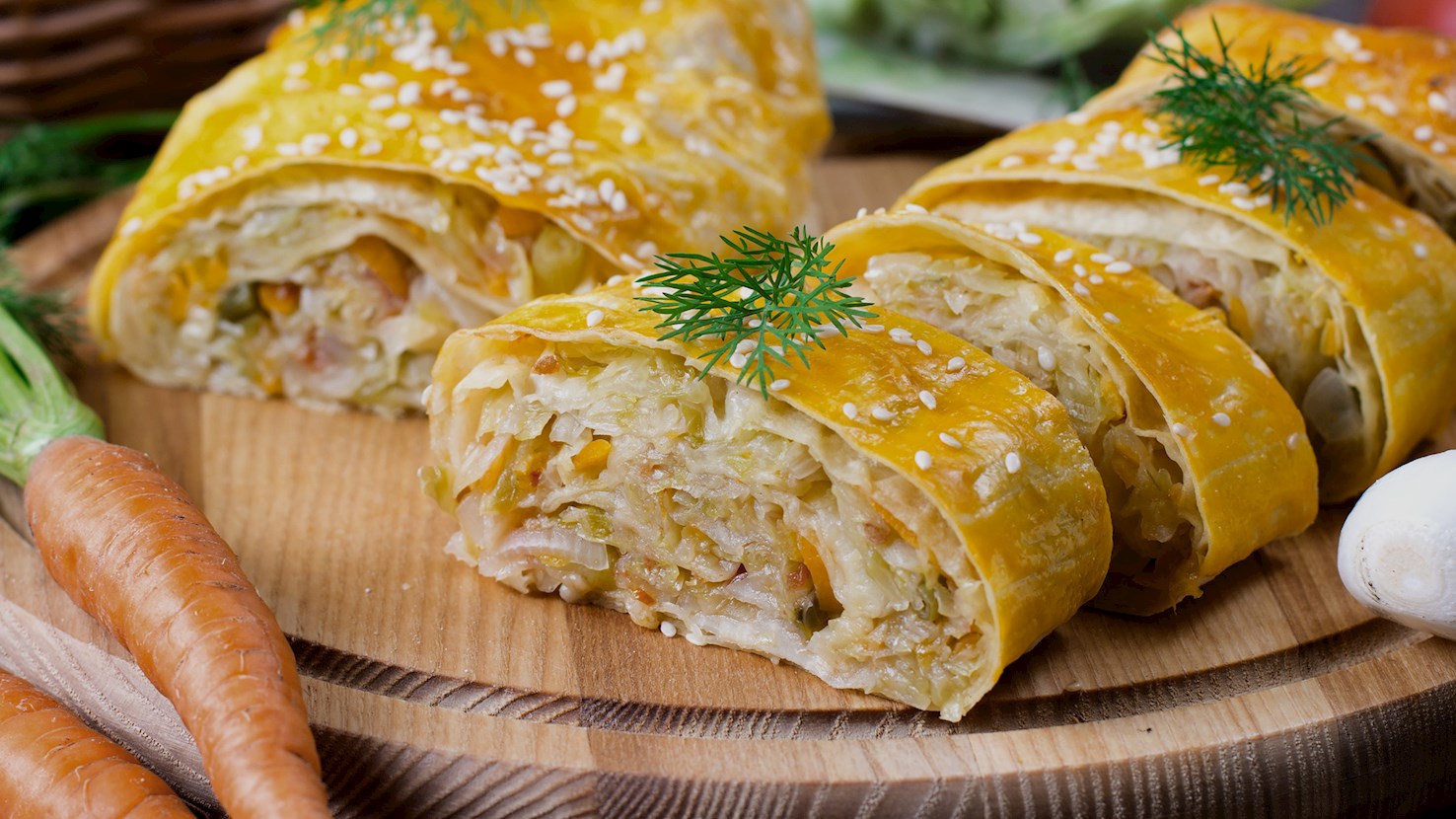
Burgenländischer krautstrudel is a variety of savory strudel from Burgenland, consisting of a thin strudel dough filled with a cabbage filling. The filling is typically prepared with a combination of finely chopped white cabbage, sugar, fat, salt, and spices such as pepper, caraway, and nutmeg. Once stuffed, the cabbage strudel is rolled up, brushed with eggwash, and baked until nicely colored. This specialty is usually enjoyed warm, often topped with coarse pepper and chopped parsley. Strudels stuffed with a cabbage filling - be it savory or sweet - are part of traditional Central European cuisine, and therefore, numerous variations of this specialty can be found in other parts of Austria, Hungary, Croatia, and Germany.

05
Cake

Nuss Schnitten

n/a ·

Hailing from southern Burgenland, this traditional dessert is also called Burgenländer schnitten, which translates as Burgenland slices. It usually consists of two layers: a nut-infused dough base and a snowy-white meringue. The dough is typically made by combining butter with sugar, egg yolks, flour, and ground nuts (such as walnuts or almonds). Once baked, the nut mixture is covered with a frosting of beaten egg whites, sugar, and water before it is sent back in the oven to get a nice, golden finish. A layer of fruit jam (usually apricot or raspberry jam) is often spread over the dough before it is topped with the egg white frosting, while some versions may also include chocolate glaze, chocolate sprinkles, or coffee cream for additional flavor. There's another version of nuss schnitten that calls for ground nuts in the egg white mixture instead of being in the dough base.

06
Vegetable Dish

Paradeiskraut

n/a ·

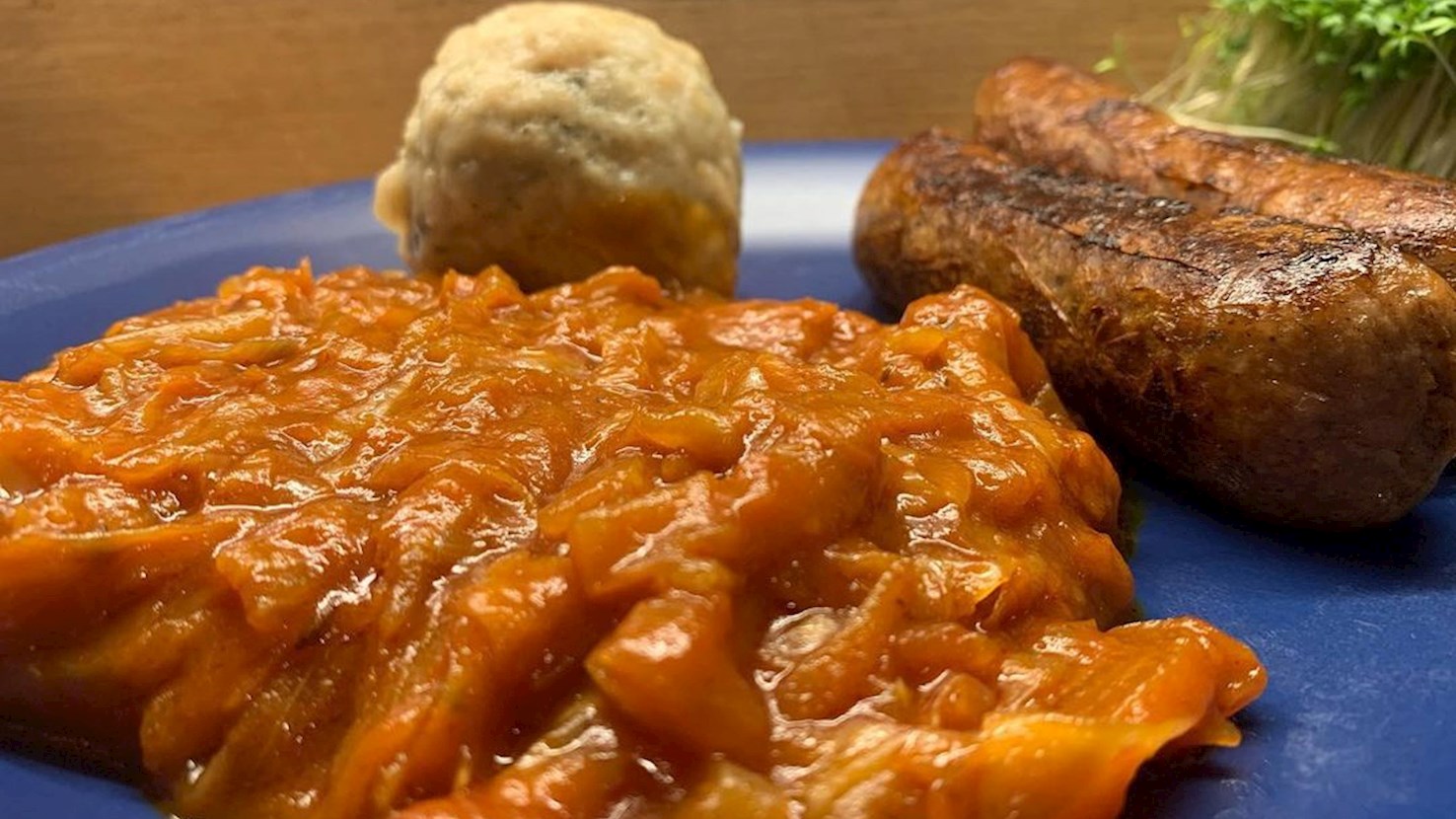
Paradeiskraut is a specialty of Burgenland cuisine, consisting of, as the name suggests, tomatoes (paradeis) and cabbage (kraut). This traditional dish is typically made by sautéing chopped white cabbage with caramelized onions and a handful of spices before the cabbage mixture is simmered with tomato paste (paradeismark) and tomato sauce. The dish is usually seasoned with salt, pepper, and cumin, while the use of schmalz (lard) and einbrenn (flour browned in fat) contribute to its unique flavor. Often referred to as Apetloner paradeiskraut, this flavor-packed cabbage-and-tomato stew is particularly associated with Apetlon, where no feast or celebration is complete without a serving of warm paradeiskraut. Typical accompaniments served with this stew include fleischlaibchen (fried meat patties or rissoles), boiled beef (usually from the local gray steppe cattle), and boiled potatoes with parsley.

07
Porridge

Sterz

n/a ·

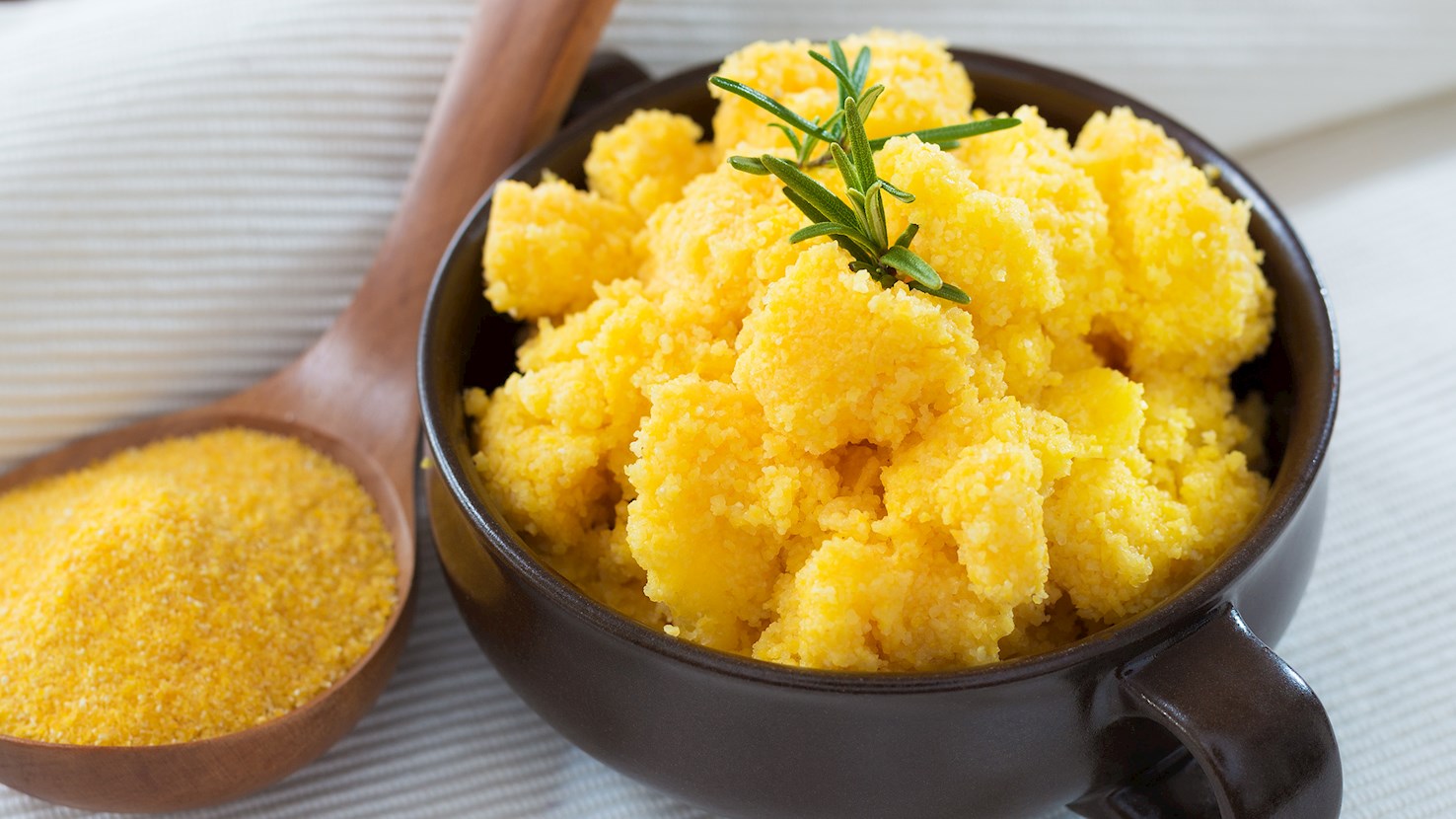
Sterz is a traditional peasant dish that consists of simple, everyday ingredients, typically a combination of flour, fat, water, and salt. It is mostly associated with the Austrian regions of Burgenland and Styria, although different varieties of this flour mash are also found in other parts of Austria, Slovenia, Bavaria, and Croatia. The dish can be made with various types of flour such as wheat flour, rye flour, buckwheat flour, spelt flour, or a combination of any of these flour kinds. To make sterz, the flour is typically lightly browned before it is cooked in boiling salted water and stir-fried with fat (traditionally with lard). Other common ingredients contained in this dish include eggs, milk, pork cracklings, bacon bits, beans, and onions. Depending on the addition to the basic flour mixture, there are numerous types of sterz, including eiersterz (egg sterz), mehlsterz (flour sterz), grammelsterz (with pork cracklings), kukuruzsterz (also called turkensterz, a cornmeal sterz), riebelsterz (potato sterz), and blutsterz (with pig blood). A popular variety of sterz in both Burgenland and Styria is heidensterz, a type of buckwheat flour-based sterz, which is considered a national dish in Styria. Traditionally, sterz dishes are enjoyed with soups or used as an einladen (filling) for soups, although they are also commonly eaten for breakfast with milk.

About this ranking

TasteAtlas food rankings are based on the ratings of the TasteAtlas audience, with a series of mechanisms that recognize real users and that ignore bot, nationalist or local patriotic ratings, and give additional value to the ratings of users that the system recognizes as knowledgeable. For the “Top 42 Traditional Foods in Burgenland” list until June 02, 2026, 154 ratings were recorded, of which 126 were recognized by the system as legitimate. TasteAtlas Rankings should not be seen as the final global conclusion about food. Their purpose is to promote excellent local foods, instill pride in traditional dishes, and arouse curiosity about dishes you haven’t tried.

The initial list of top producers was compiled based on available reviews, awards, local recommendations, media and blog coverage, and consumer reviews. The list will be updated with ratings from TasteAtlas local ambassadors and TasteAtlas users.

Similar lists