shutterstock

Top 100 Caribbean Foods

Last updated on October 21, 2026

Best Caribbean Foods
01
Pudding

Tembleque

4.4 ·

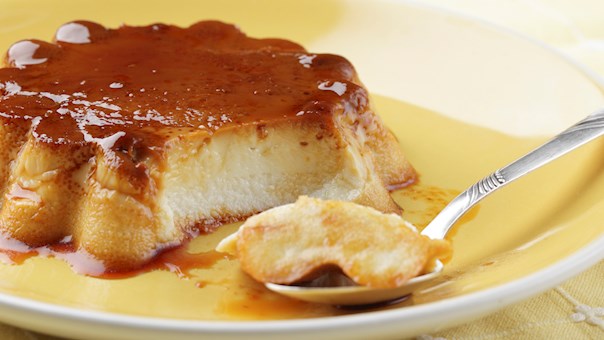
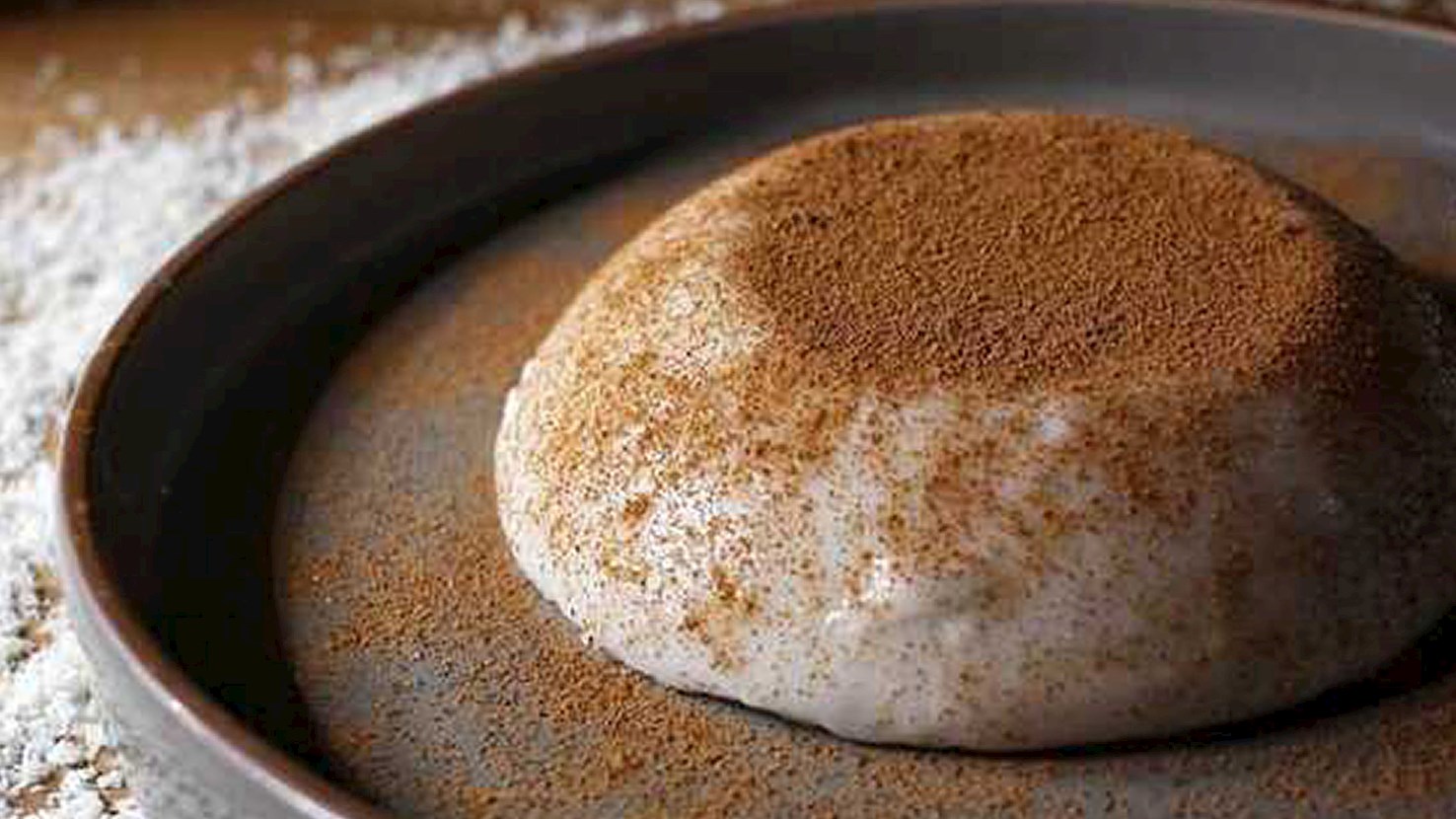
This creamy pudding is one of Puerto Rico’s specialties, made by cooking coconut milk with cornstarch and sugar, then topping the concoction with cinnamon. The end result is a slightly firm pudding with a smooth custard-like texture, and it is typically served cold. The name tembleque means wiggly, referring to a slight wiggle when the pudding is shaken. This rich dessert can also be flavored with vanilla, nutmeg, or rum, if desired. It is especially popular at birthday parties and similar festive occasions.

02
Bread Roll

Almojábana

4.4 ·

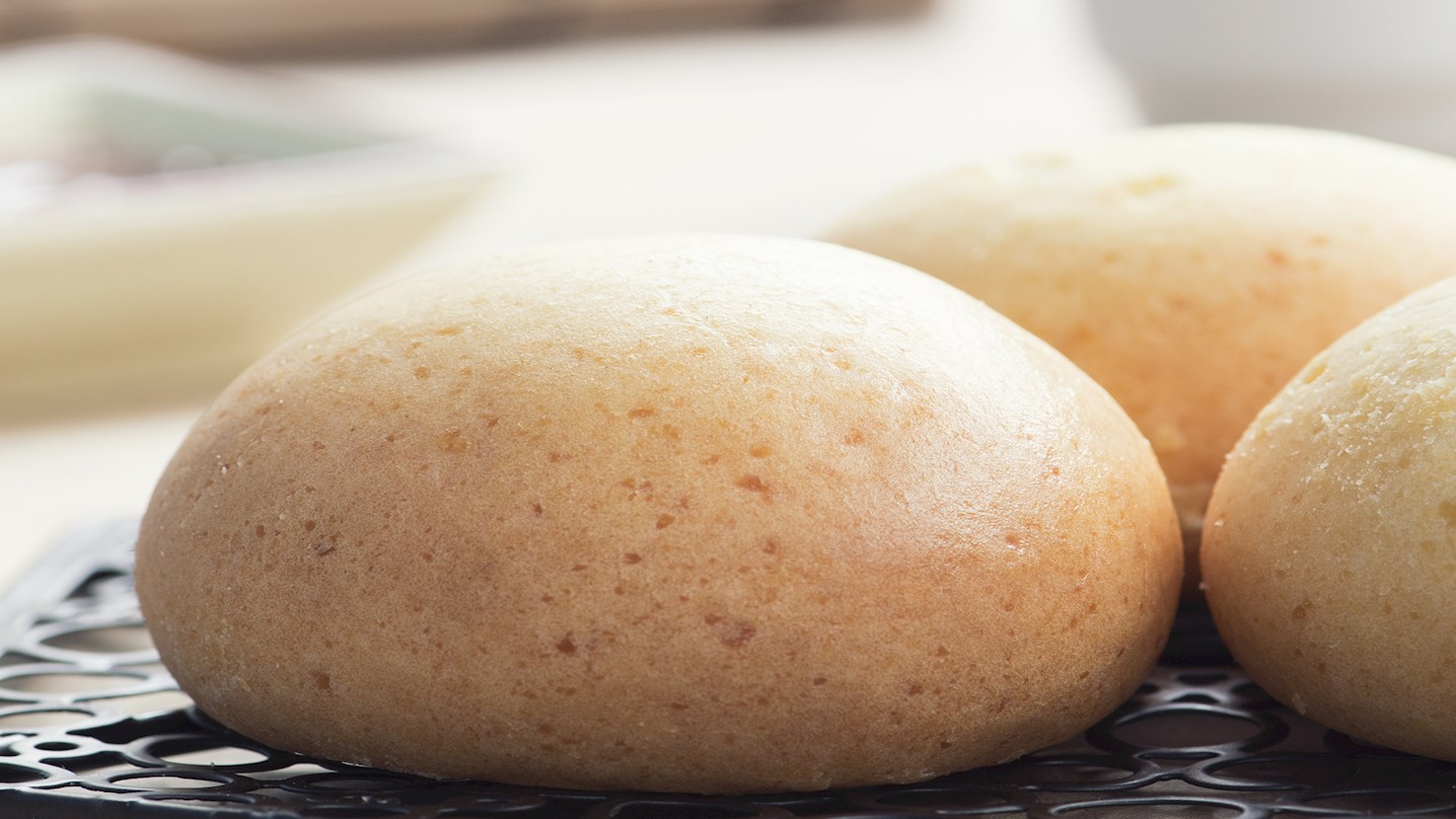
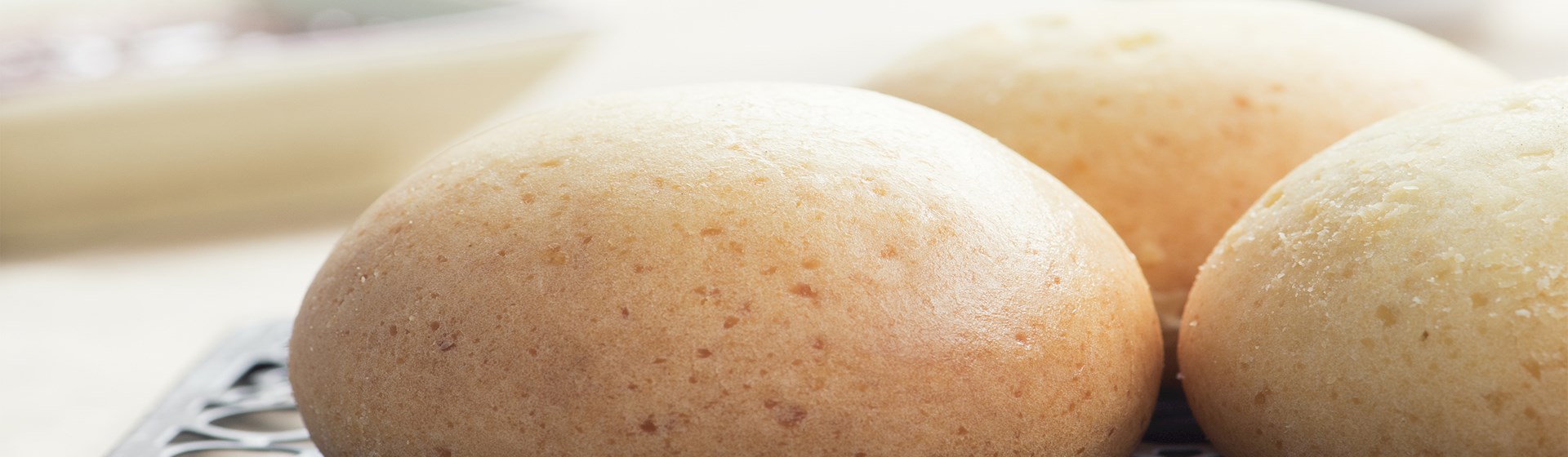
Almojábana is a traditional and Puerto Rican bread (although it is also popular in other countries of Latin America) that is very similar to pandebono. Pandebono is usually made with yuca flour and costeño cheese, while almojábanas are made with cuajada white cheese and cornmeal flour. Almojábanas are baked until they develop a spongy texture and a golden brown color of the exterior. This small, round bread is traditionally served warm.

03
Pork Dish

Pernil

4.4 ·

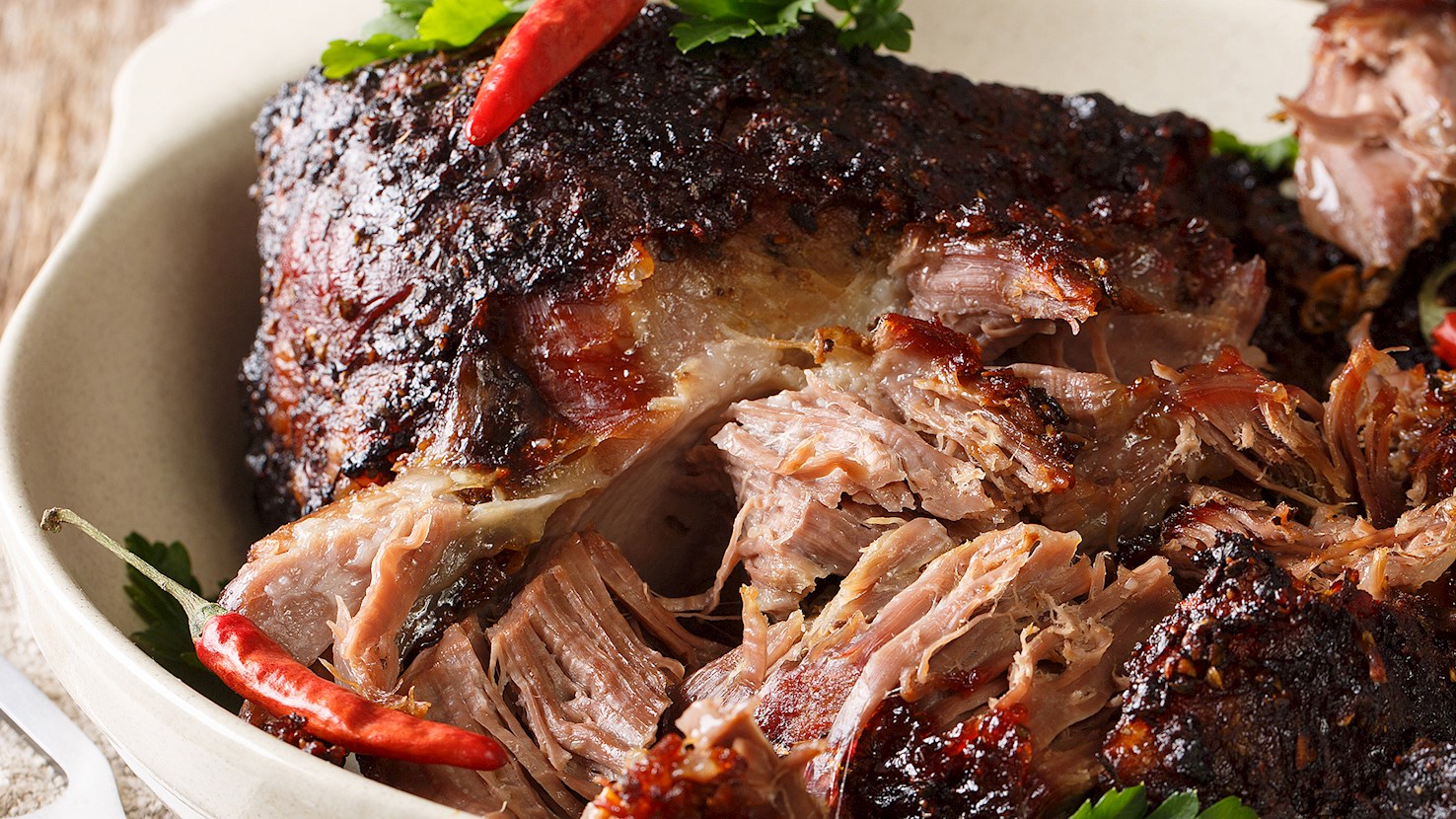
Pernil is one of Puerto Rico's most famous dishes, a succulent roasted pork shoulder that is traditionally seasoned in a marinade called adobo mojado, consisting of paprika, salt, vinegar, garlic, and oregano. The name of the dish is derived from the Spanish word pierna, meaning leg, but it is also a Catalan word for ham, referring to the traditional recipe that calls for fresh ham. Because pork shoulder is more available and costs less than ham, it has become a key ingredient in pernil. Many people prefer it since it is believed to be much more flavorful than ham. The dish is a staple at numerous Puerto Rican festivities such as birthdays or weddings, where many people feast on the crunchy skin and tender meat that falls off the bone.

04
Sandwich

Jibarito

4.3 ·

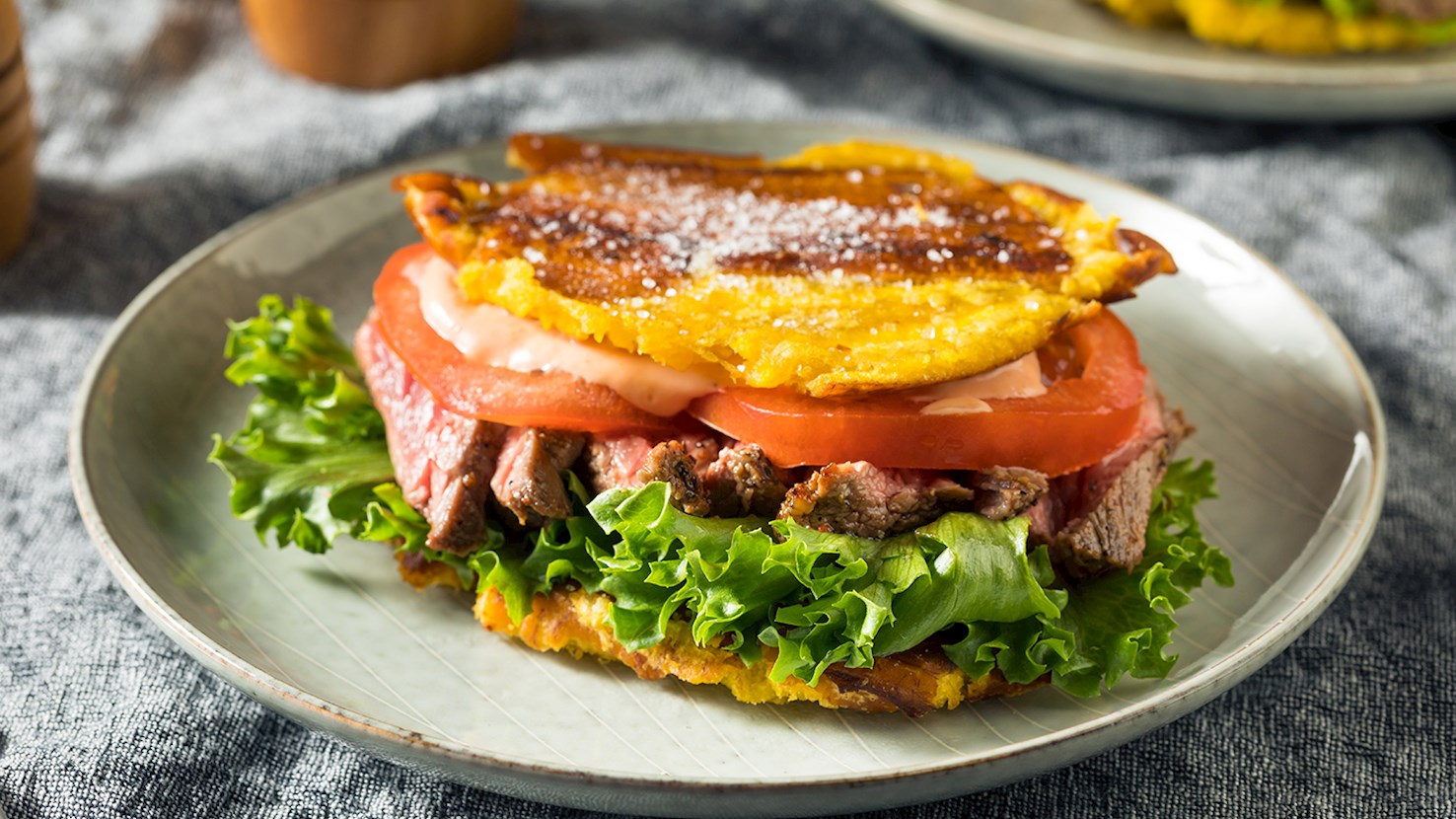
Jibarito is a unique Puerto Rican sandwich made with smashed, fried plantains instead of bread. The sandwich is typically filled with garlic mayonnaise, meat, lettuce, tomatoes, and cheese. The origins of jibarito are somewhat hard to untangle, as some claim that the sandwich is originally a Puerto Rican invention, while others claim that it was created by Juan Figueroa at the Borinquen Restaurant in Chicago in 1996. The most probable theory says that the sandwich was invented by Coquí Feliciano and Jorge Muñoz at Plátano Loco restaurant in Aguada, Puerto Rico, and Figueroa probably read about it, which inspired him to make another version in Chicago.

05
Meat Dish

Jamaican jerk

4.2 ·

In the past, jerk was used to refer to a pig that was slowly grilled over a fire of pimento wood. Today, the main ingredient is typically chicken, pork, or beef. Jerk refers to a unique Jamaican cooking method where pork, chicken, beef, seafood, and even fruits and vegetables are cooked over a fire pit or on a grill. Regardless of the meat, the key ingredient to real jerk is a unique, spicy seasoning - a blend of onions, green onions, thyme, Jamaican allspice (also known as pimento), chilies, salt, nutmeg and cinnamon - perfectly encapsulating Jamaica: spicy, hot, and sweet. These heavy seasonings were originally used to keep the meat from spoiling. There are various theories about the name - it could be the Incan word for dried meat, charqui, or maybe the process that involves jerking the meat as it cooks over the fire. Regardless of these theories, all that matters in the end is the flavor and the delicacy of the meat. Jerk huts and shacks can be found all over Jamaica, with its patrons shouting out and advocating their meat in a battle to win the most customers. The meat is extremely tender and falls off the bone due to the marinade and the slow-cooking process. Locally, it is served on paper plates or wrapped in aluminum foil, and it's commonly eaten with fingers. In order to cut the spiciness, jerk meat is accompanied by something sweet, some bread, Jamaican beer, or a rum cocktail. Today, pork jerk is not on the throne anymore because chicken jerk is the most popular variety, but since it is greasier and juicier than other meats, a few napkins will probably come in handy.

06
Sea Snail Dish

Cracked Conch

4.2 ·

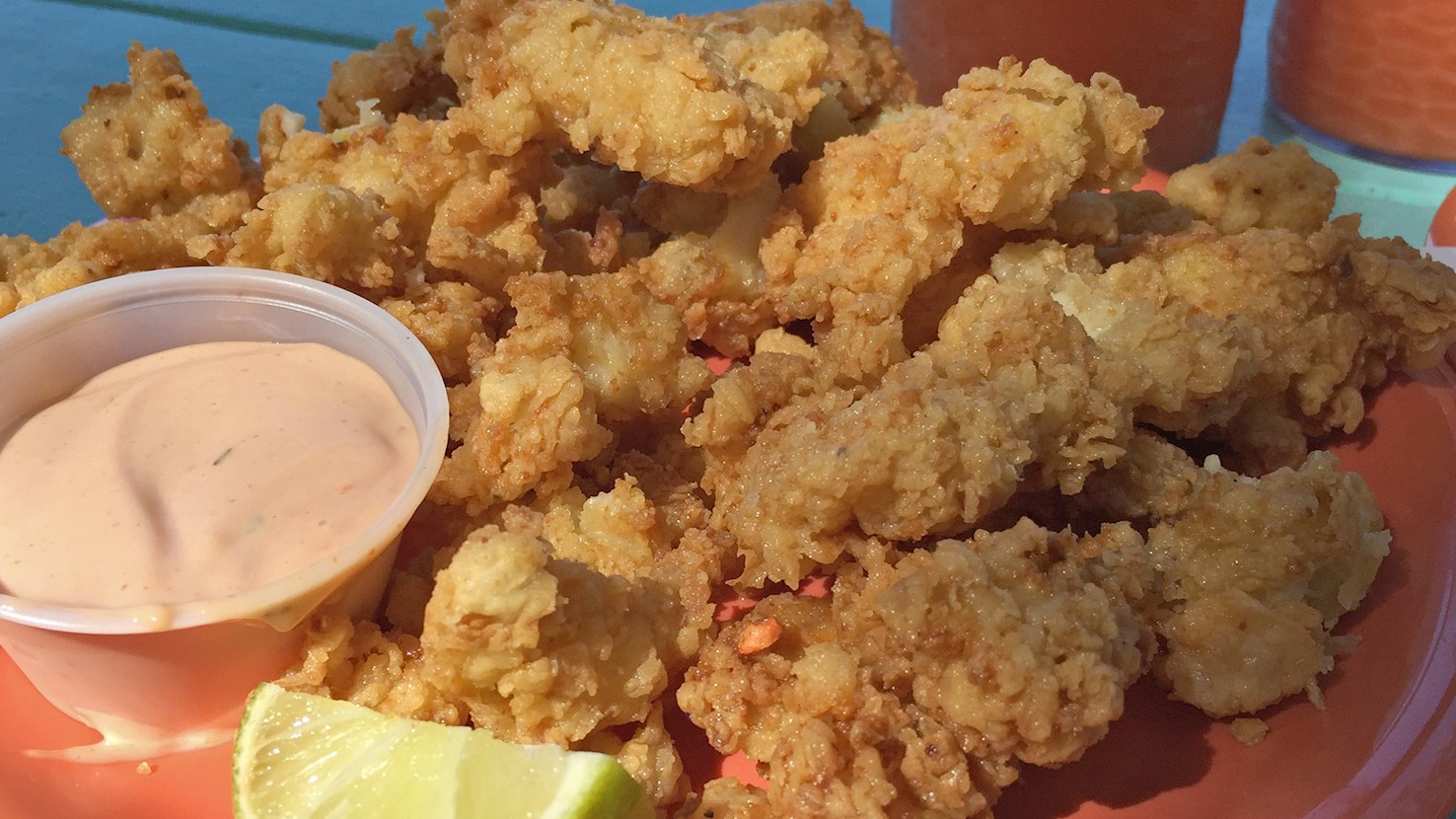
Cracked conch is one of the most popular Bahamian dishes – conch meat is breaded in a batter made with flour, then deep-fried until golden and crispy. The name of this dish refers to a method of tenderizing the tough, chewy meat with a meat mallet or a frying pan. These golden conch nuggets are typically paired with french fries or peas and rice. When paired with french fries, the dish is usually served on a sweet bread roll with ketchup or hot sauce on the side. It can also be consumed as an appetizer, when it is served with fresh lime juice and goat pepper sauce.

07
Street Food

Doubles

4.2 ·

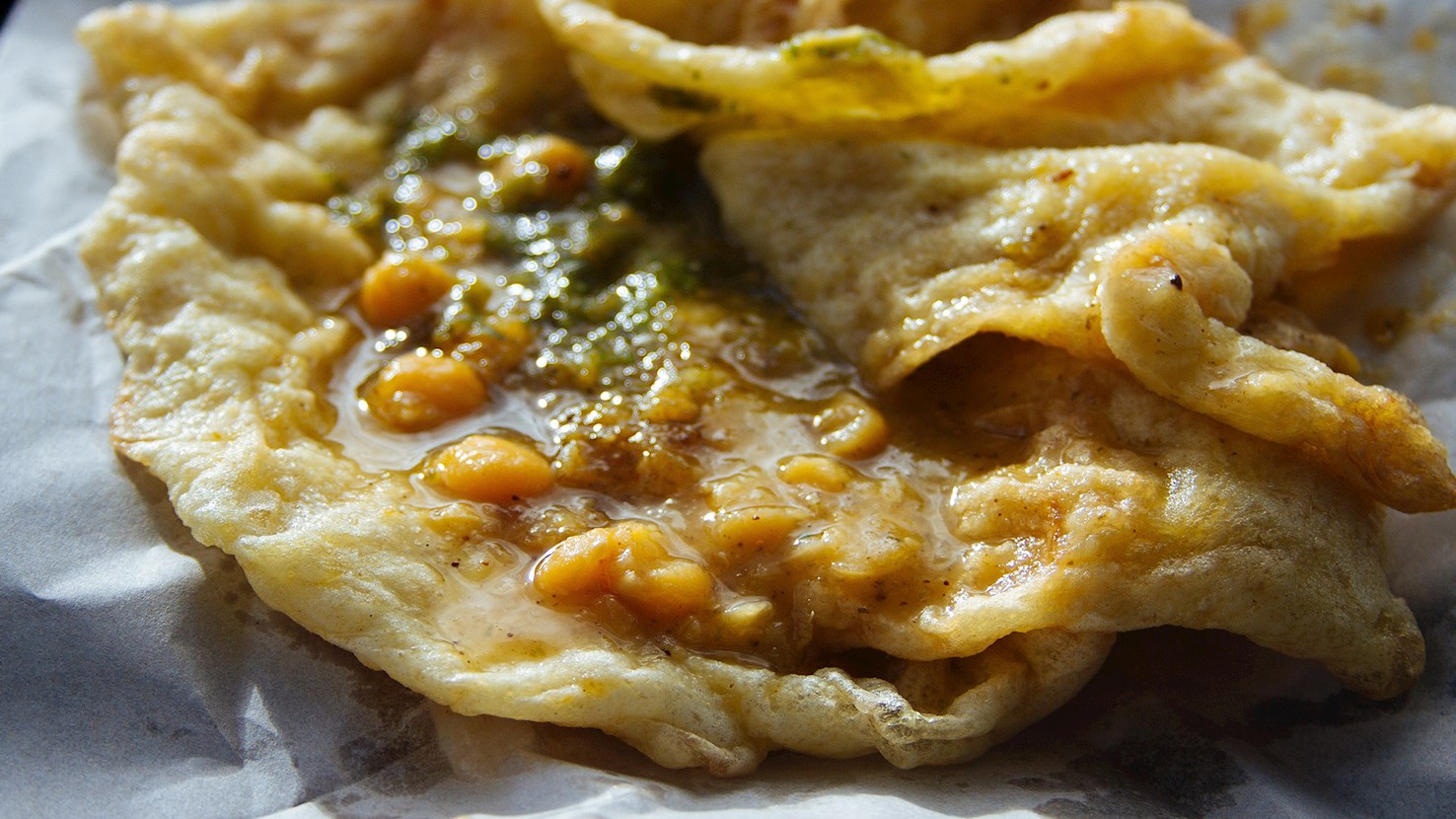
Doubles is a staple of Trini street food, a sandwich that consists of two fried flatbreads (bara) filled with curried chickpeas (curry channa). It is believed that doubles were invented in 1936 in Princes Town, and nowadays they are consumed for breakfast or as a late-night snack. The dish can be additionally enriched with ingredients such as pepper sauce, tamarind sauce, or green mango pickle with amchar masala, known as kuchela. In Trinidad and Tobago, doubles are typically sold wrapped in paper.

08
Casserole

Pastelón

4.1 ·

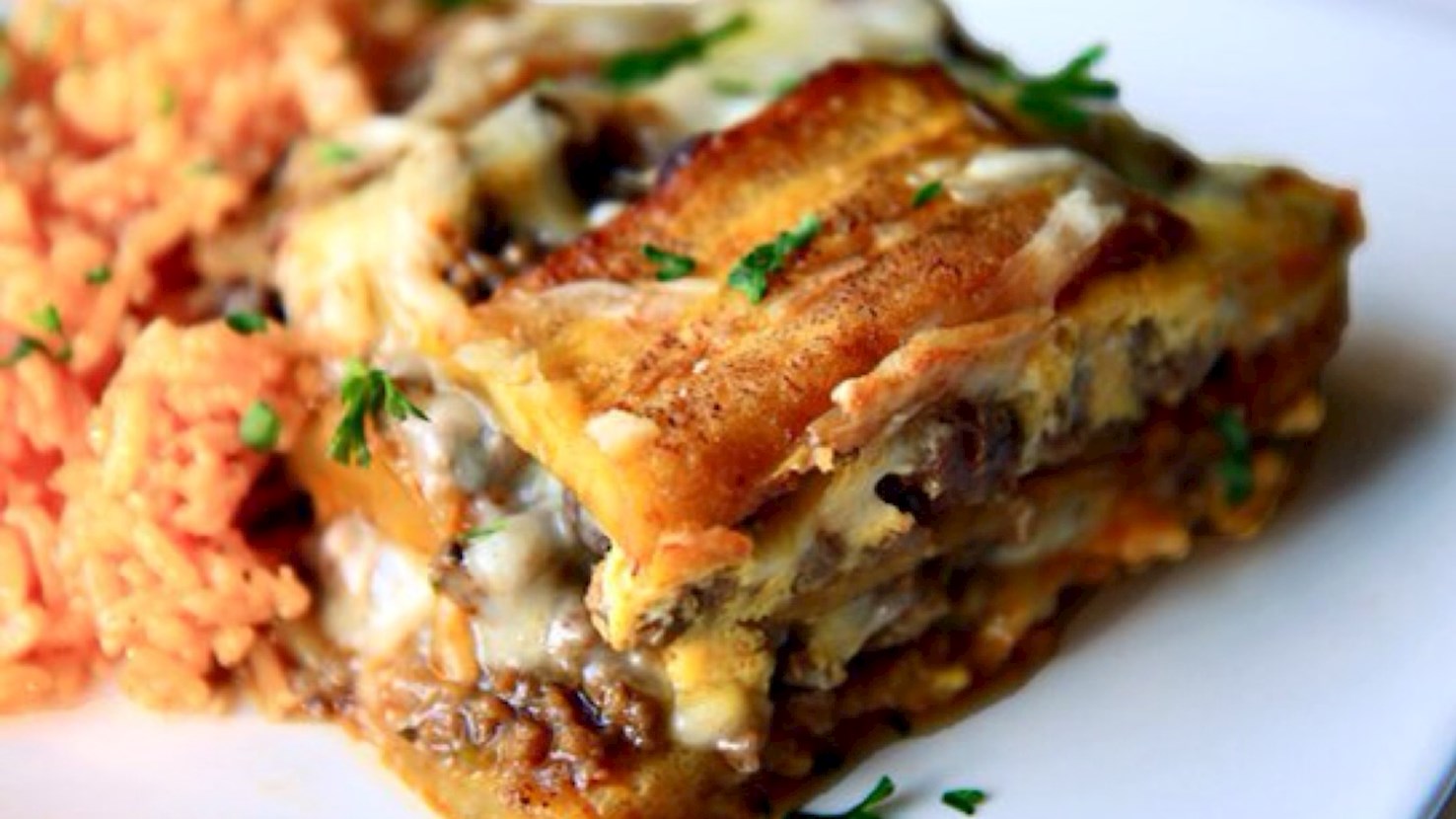
Pastelón is a Caribbean baked casserole most strongly associated with Puerto Rico and the Dominican Republic, where it is made by layering ripe plantains with seasoned ground meat, cheese, and eggs before baking until set. The dish belongs to a broader Caribbean way of combining sweet ripe plantain with savory meat, and while Puerto Rican and Dominican versions differ in method and seasoning, both rely on that contrast as the central idea. In Puerto Rico, pastelón is commonly made with long slices of fried ripe plantain arranged in layers around a picadillo-style filling of ground beef cooked with onion, peppers, garlic, tomato, olives, capers, and seasonings such as oregano and adobo, while beaten egg is often poured over the assembled casserole to help bind the layers. Dominican pastelón is more likely to use boiled or baked ripe plantains mashed into a smooth layer, with the meat and cheese placed between portions of the mash, producing a softer, more uniform texture. In both cases, the plantains need to be fully ripe, with darkened skins and pronounced sweetness, because underripe fruit would make the finished casserole too starchy and firm. Cheese varies by household and country, with mozzarella, cheddar, or local melting cheeses all used, and some versions include raisins or extra olives in the meat filling. Once assembled, the dish is baked until the cheese melts, the egg sets, and the edges begin to brown. Pastelón is served hot in square or rectangular portions and is substantial enough to work as a main course, especially at family lunches, holidays, and larger gatherings. It is commonly paired with white rice, beans, avocado, or a simple green salad, while cold fruit drinks, beer, or light-bodied red wine work well alongside the sweet plantain and savory meat.

09
Goat Dish

Tassot

4.1 ·

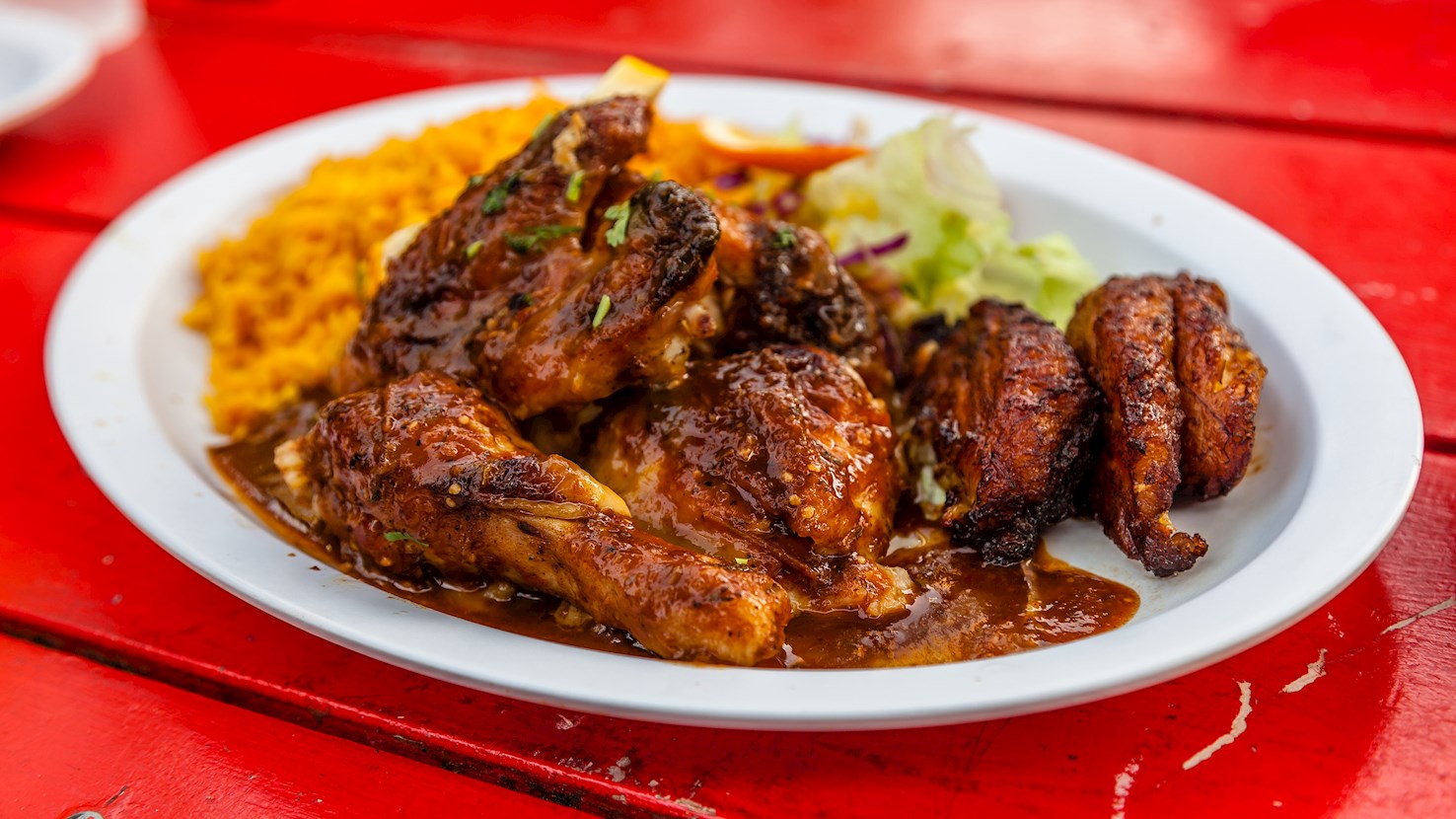
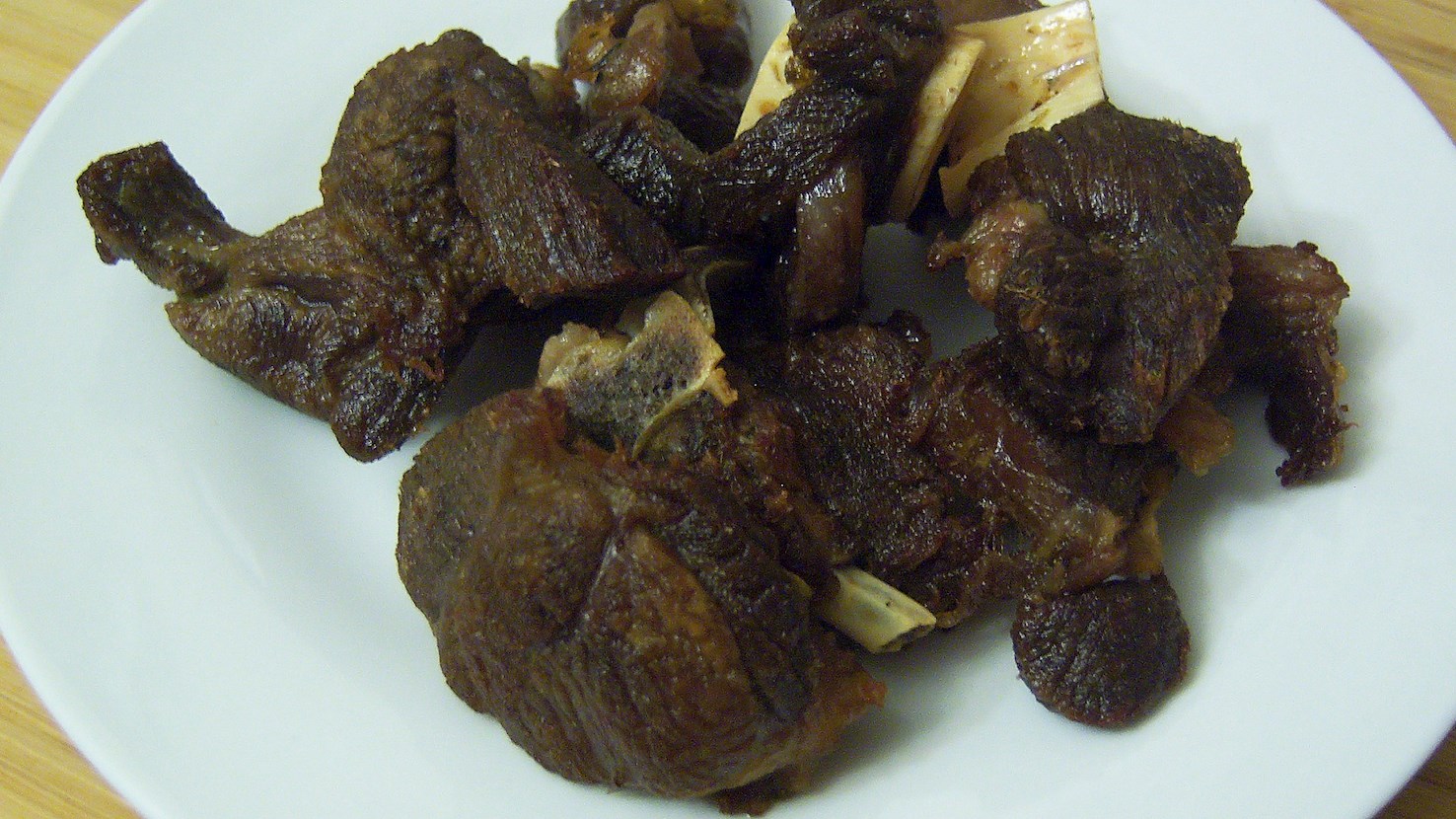
Tassot is a traditional dish made with goat meat or beef as the main ingredient. Cubed meat is usually marinated in a combination of onions, orange juice, and lemon juice. It is then fried until it develops a crispy, brownish exterior. The dish is typically served with fried plantains, rice and beans or mushroom rice, and a spicy sauce known as ti malice on the side.

10
Sandwich

Medianoche

4.1 ·

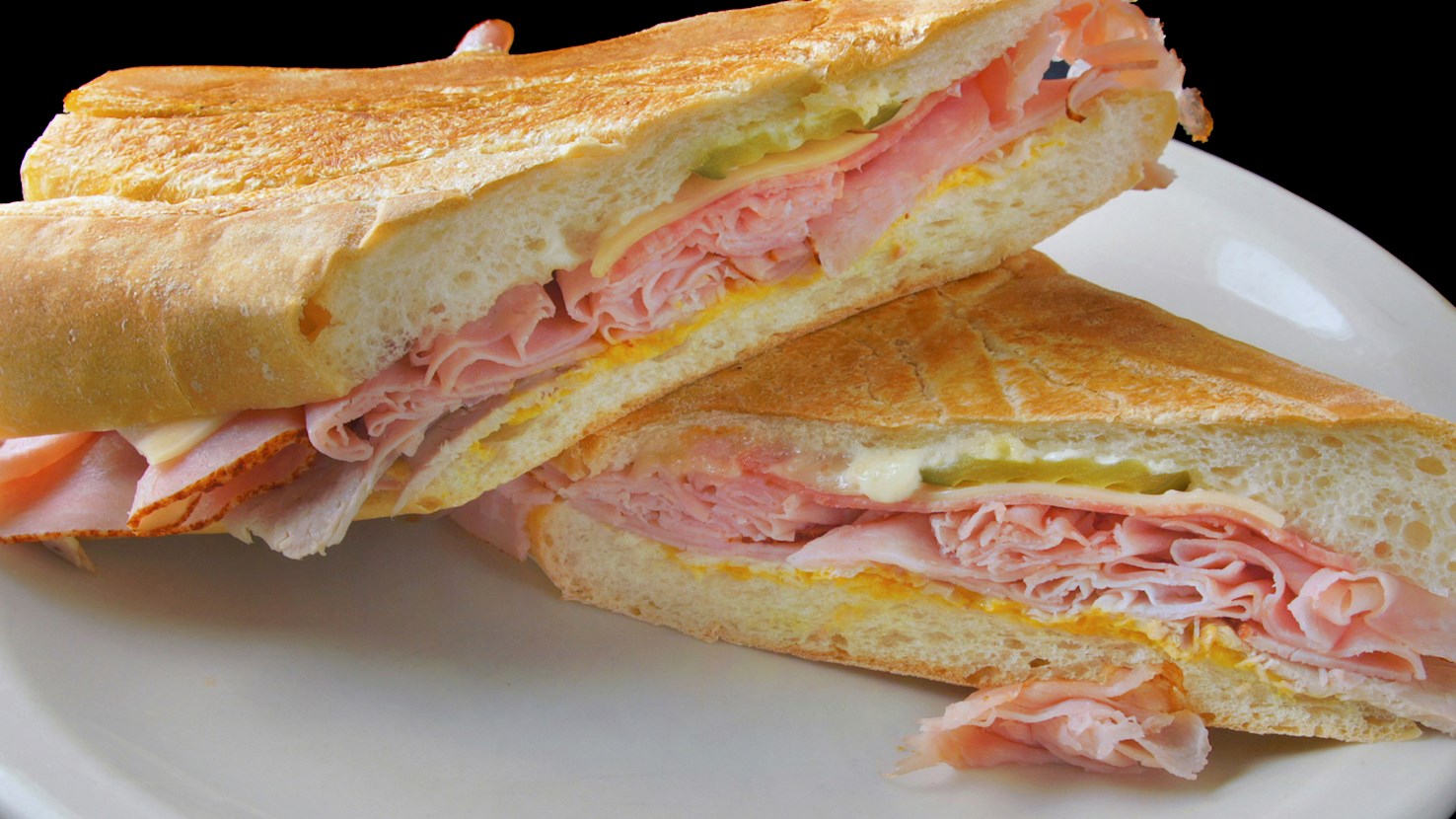
Medianoche is a tasty Cuban sandwich filled with roasted pork, ham, Swiss cheese, and pickles. The bread is made with a sweet and soft egg dough which is very similar to the Jewish challah. The name of the sandwich means midnight, referring to the fact that it is traditionally consumed late at night, mostly after a big night of partying in dance clubs. Medianoche is closely linked to the popular Cubano sandwich, the only difference being the type of bread used in its preparation. Originally, the sandwich was always prepared in a press, and it is believed that the first medianoche was invented in Havana around the year 1900 by late-night workers.

Best Caribbean Food Products

01
Chocolate

Definite Chocolate

5.0 ·

Definite Chocolate is a bean-to-bar producer from the Dominican Republic distinguished by its precision, ethics, and deep respect for the origin of cacao. The brand was founded by Jens Kamin, a German engineer who shifted his career path to pursue a mission of creating chocolate made entirely in the country of origin.

Every stage of production - from bean selection to packaging - takes place in Santo Domingo, reinforcing Definite’s commitment to full transparency and local value creation. Their chocolates are crafted in small batches, using cacao sourced exclusively from different regions of the Dominican Republic.

The process involves careful roasting and long conching to extract the fullest aromatic complexity. The resulting chocolates are rich yet balanced, often revealing notes of tropical fruit, nuts, and honey.

Through this approach, Definite Chocolate has become a symbol of authentic, sustainable, and high-quality chocolate production that celebrates the identity of the Dominican Republic.

Awards
Academy of Chocolate - Silver (2023, 2020)
Academy of Chocolate - Bronze (2023, 2020, 2019, 2018)
02
Chocolate

Choco Punto by Mabel

5.0 ·

Choco Punto by Mabel is a chocolate producer based in La Romana, Dominican Republic. They specialize in crafting artisanal chocolates using locally sourced cocoa beans.

Their product line includes a variety of chocolate bars and confections that emphasize high-quality ingredients and traditional methods. The company places a strong emphasis on sustainability and supporting local farmers.

Awards
Academy of Chocolate - Gold (2023, 2022)
Academy of Chocolate - Top Gold (2022)
03
Spirit

Renegade

5.0 ·
Awards
SFWSC - San Francisco World Spirits Competition - Double Gold (2024, 2023)
NYWSC - New York World Spirits Competition - Double Gold (2023)
04
Spirit

Angostura Limited

5.0 ·

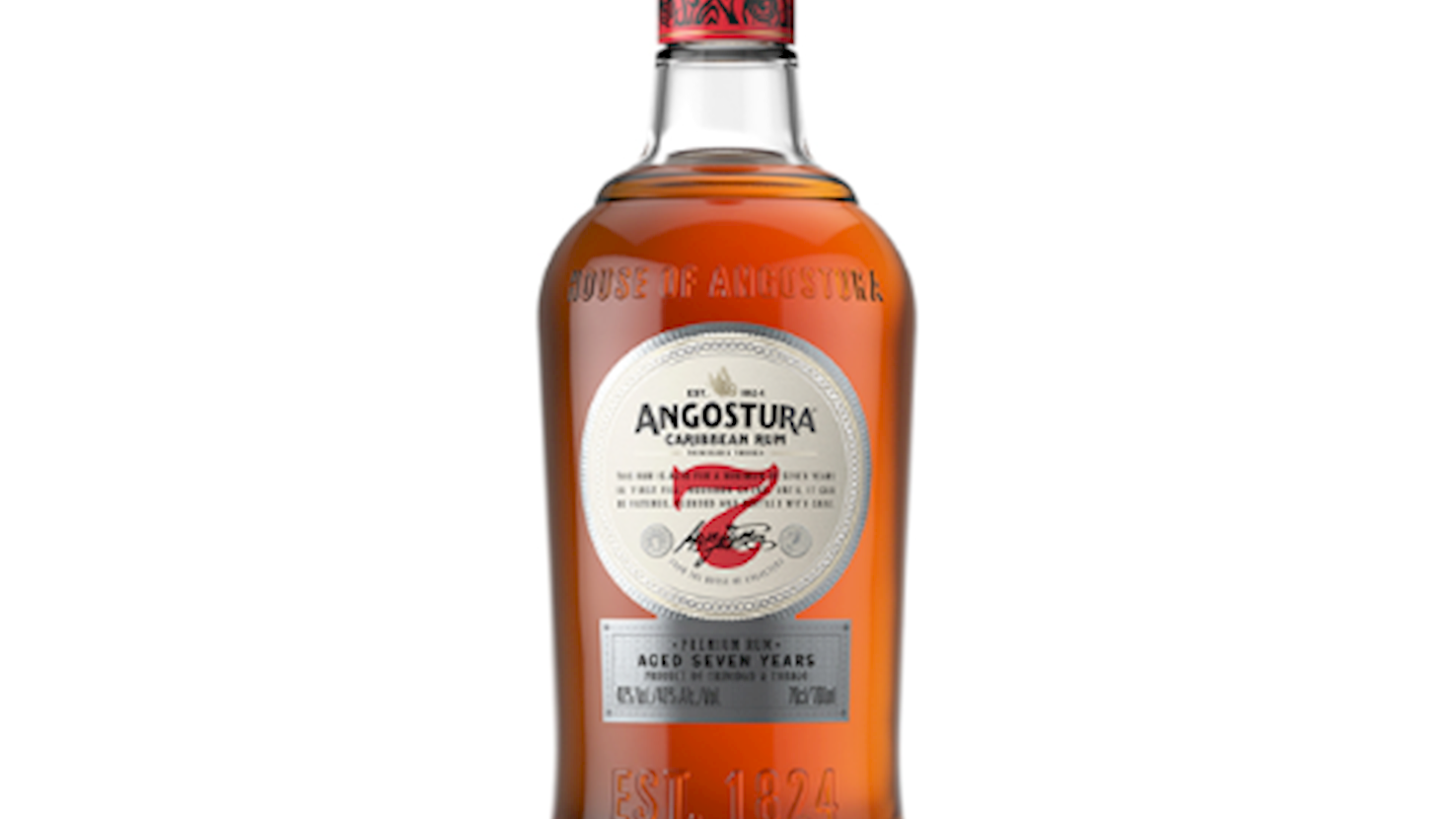
Angostura Limited, also known as the House of Angostura, is one of the world’s most renowned producers of aromatic bitters and premium rum. The brand dates back to 1824, when German doctor Johann Gottlieb Benjamin Siegert created his bitters as a digestive elixir for the military in the town of Angostura (now Ciudad Bolívar, Venezuela).

Production was later moved to Trinidad, where it continues today according to a closely guarded secret recipe known only to a select few. Angostura bitters have become a global standard in mixology, instantly recognizable by their distinctive packaging featuring a yellow cap and an intentionally oversized label.

Over the years, the company has expanded its portfolio to include a wide range of premium rums, celebrated for their long aging process and rich flavor. The brand’s offerings also include liqueurs, carbonated beverages, and innovative rum-based products, and it has become an important export ambassador for Trinidad and Tobago.

Angostura blends tradition with innovation, building on two centuries of heritage while embracing modern trends in cocktail culture. Its products have won awards at international competitions, and its bitters are an essential staple in bars around the world.

Awards
SFWSC - San Francisco World Spirits Competition - Double Gold (2024)
The Liqueur Masters - Gold (2023)
05
Spirit

Foursquare Rum Distillery

5.0 ·
Awards
ISC-International Spirits Challenge - Double Gold (2021, 2020, 2019)
ISC-International Spirits Challenge - Gold trophy (2022, 2021, 2020, 2018)
06
Spirit

Mount Gay Distilleries Ltd

5.0 ·
Awards
SFWSC - San Francisco World Spirits Competition - Double Gold (2024)
IWSC- International wine & spirit competition - Spirit Gold (2023, 2021)
07
Spirit

Eminente

5.0 ·

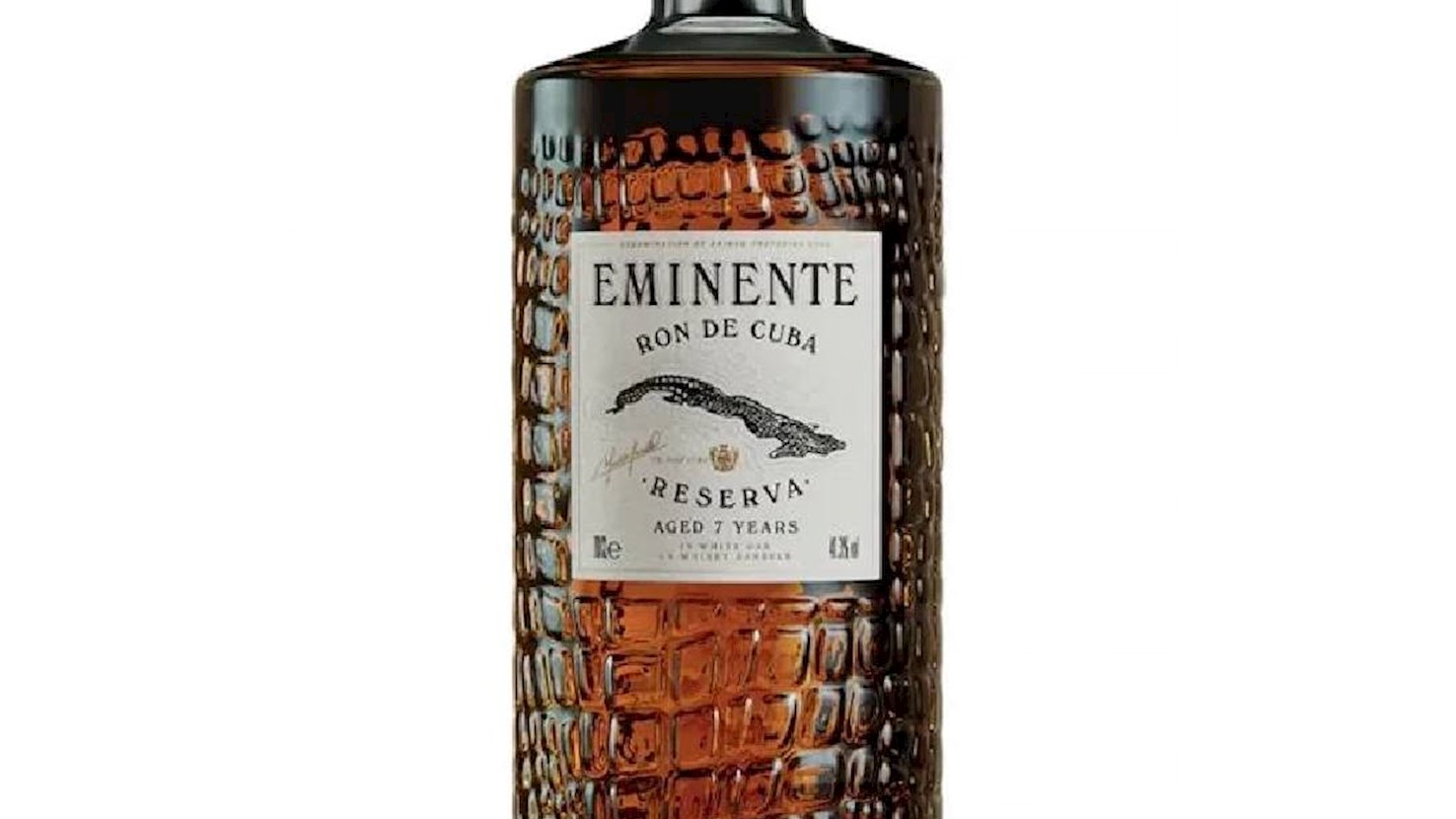
Eminente is a distinguished Cuban rum brand that embodies the revival of 19th-century Cuban rum-making traditions. Founded in 2020, the brand was conceived by César Martí, Cuba's youngest Maestro Ronero (master rum distiller), who has been honored with the prestigious title of Primer Maestro del Ron Cubano.

Eminente's rums are crafted using a significant proportion of aguardiente, a Cuban molasses eau-de-vie, which imparts rich aromatic complexity. The flagship product, Eminente Reserva, is made with 70% aged aguardiente and is aged for a minimum of seven years in white oak ex-whisky barrels.

This process results in a rich, full-bodied rum that combines the aesthetics of traditional Cuban light rum with the depth and complexity of older spirits.

Awards
European Spirits Challenge - Gold (2024)
London Spirits Competition - Gold (2024)
08
Spirit

Planteray

5.0 ·

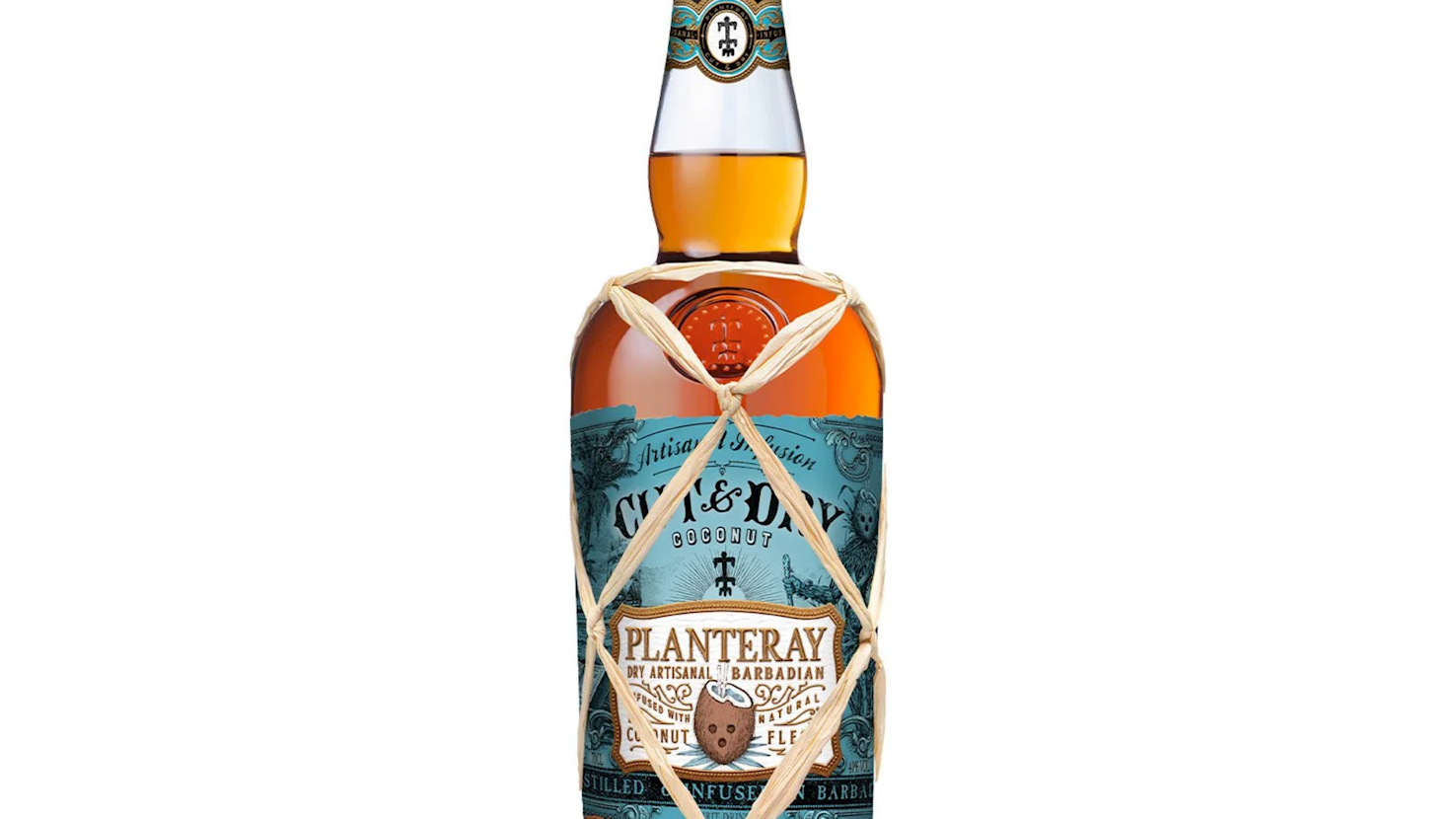
Planteray is an international rum brand owned by the French spirits house Maison Ferrand and founded by Master Blender Alexandre Gabriel in 1999 under its original name, Plantation Rum. The brand was renamed Planteray in 2024, a name combining the words plant and ray to symbolize sugarcane and the sunlight essential to its growth. Planteray collaborates with distilleries and rum producers in Barbados, Jamaica, Fiji, and other parts of the Caribbean, Latin America, and the Indian and Pacific Ocean regions, seeking to express the distinctive characteristics of each rum’s origin. Its signature technique is double ageing: the rum first matures in the tropical climate of its country of production, usually in American oak barrels, before being transported by sea to southwestern France, where it undergoes further maturation in used Ferrand French oak casks. Certain expressions also receive a third maturation or finish in barrels that previously held wine, sherry, whisky, or tequila. The portfolio includes single-origin rums, blends, and limited editions. Today, Planteray is available across numerous international markets and is recognized for its raffia-wrapped bottles, diverse rum origins, and distinctive double-ageing process.

Awards
SFWSC - San Francisco World Spirits Competition - Double Gold (2025)
09
Spirit

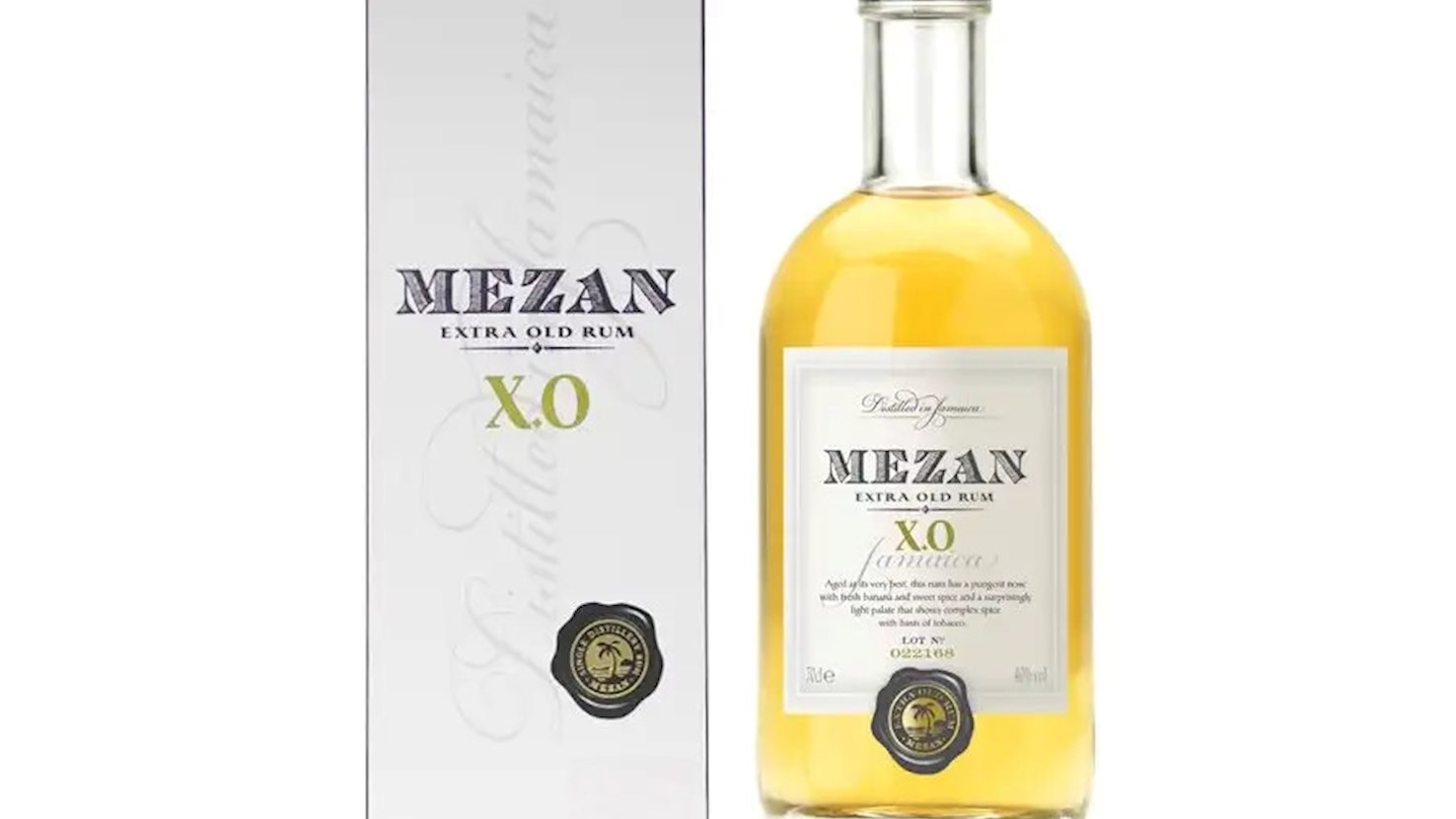
MEZAN

5.0 ·
Awards
USC- Ultimate Spirits Challenge - Top 100 (2023)
10
Spirit

Destilería Serrallés

5.0 ·
Awards
The Rum & Cachaça Masters - Master (2022)
About this Ranking

TasteAtlas food rankings are based on the ratings of the TasteAtlas audience, with a series of mechanisms that recognize real users and that ignore bot, nationalist or local patriotic ratings, and give additional value to the ratings of users that the system recognizes as knowledgeable. For the “Top 100 Caribbean Foods” list until October 21, 2026, 6,207 ratings were recorded, of which 3,728 were recognized by the system as legitimate.

TasteAtlas Rankings should not be seen as the final global conclusion about food. Their purpose is to promote excellent local foods, instill pride in traditional dishes, and arouse curiosity about dishes you haven’t tried.

The initial list of top producers was compiled based on available reviews, awards, local recommendations, media and blog coverage, and consumer reviews. The list will be updated with ratings from TasteAtlas local ambassadors and TasteAtlas users.

What People Say

Similar Lists