Top 67 Champardennais Foods

Last updated on June 07, 2026

Best Champardennais food products
01
Wine

Champagne Krug

5 ·
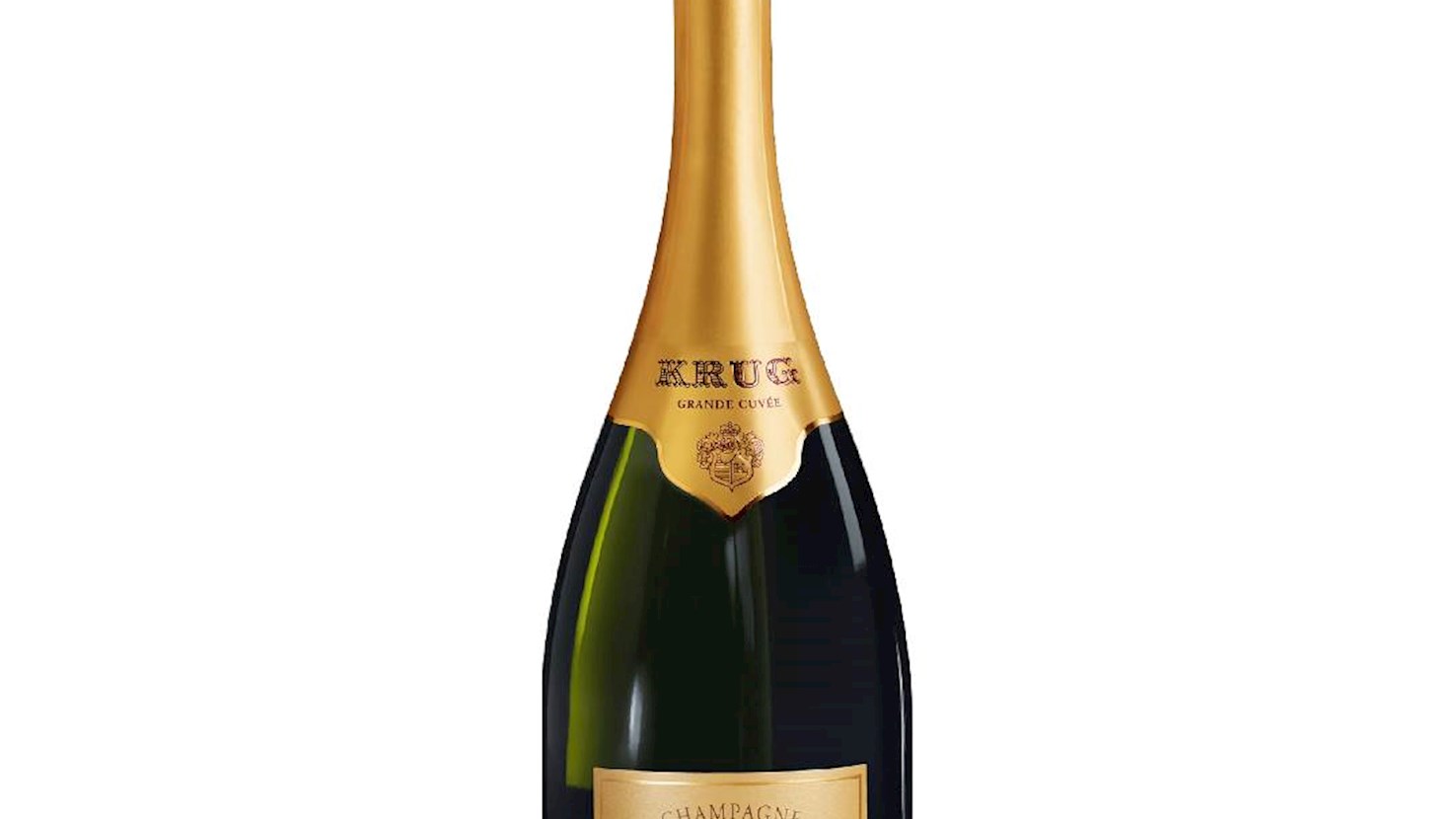
Champagne Krug is one of the most prestigious and revered Champagne houses, renowned for its unwavering commitment to excellence and the artistry of champagne-making. Founded in 1843 by Johann Joseph Krug, this family-run house has always adhered to a philosophy of uncompromising quality, emphasizing the individuality of each vintage and terroir. Krug stands apart with its unique approach - each bottle of champagne is crafted from meticulously selected wines from different years and vineyards, creating unparalleled depth, complexity, and richness. Their most iconic champagne, Krug Grande Cuvée, embodies this philosophy, blending up to 200 wines from over 10 different vintages to achieve perfect harmony and sophistication in every edition. Additionally, Krug is renowned for its exclusive vintage champagnes, Krug Rosé, and rare single-vineyard expressions like Clos du Mesnil and Clos d'Ambonnay, which originate from exceptional, limited-production plots. Each bottle undergoes an extended aging process in Krug’s cellars, allowing the champagnes to develop profound aromas, refined textures, and remarkable elegance. With an uncompromising dedication to quality, a deep respect for tradition, and an innovative spirit, Krug remains synonymous with luxury, refinement, and the ultimate champagne experience.
Awards
Wine Spectator - 99 (2021)
Falstaff - 100
02
Wine

Louis Roederer

5 ·
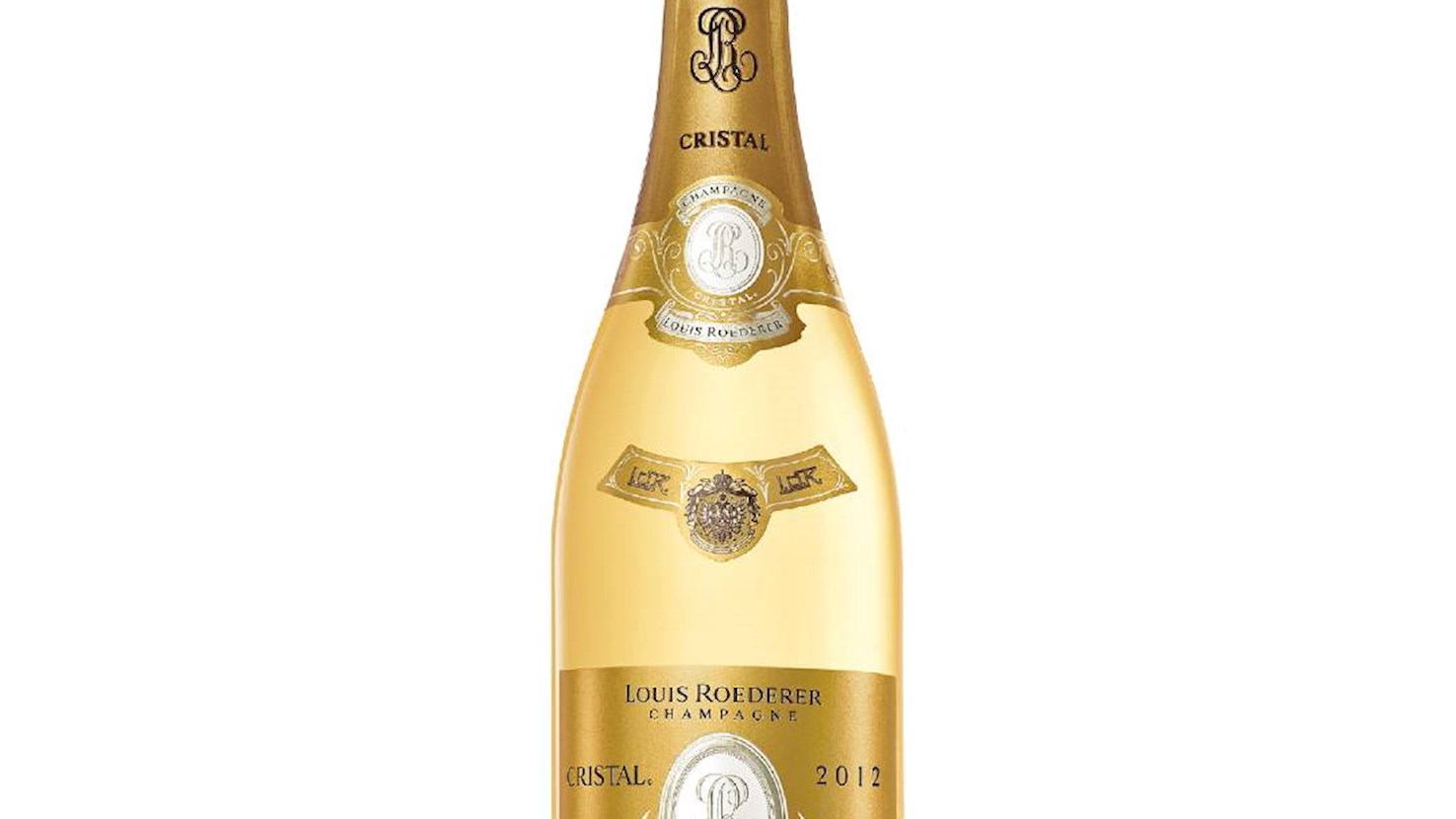
Louis Roederer is one of the most prestigious and oldest independent Champagne houses, synonymous with luxury, tradition, and innovation. Founded in 1776 in the heart of Champagne, in the city of Reims, this family-run house has been nurturing the art of producing exceptional Champagnes for centuries, captivating connoisseurs worldwide. The true rise of the house began in 1833, when Louis Roederer took over the family business and introduced a revolutionary approach - unlike other producers who purchased grapes, he decided to own and cultivate his own vineyards. This decision allowed him complete control over quality, terroir, and the unique style of his Champagnes, establishing the Louis Roederer brand’s distinctive signature. Thanks to its passion, expertise, and unwavering commitment to excellence, Louis Roederer remains one of the most respected Champagne producers in the world, cherished by collectors, sommeliers, and lovers of fine wines.
Awards
Wine Spectator - 98 (2022)
Falstaff - 100
03
Wine

Champagne Billecart-Salmon

5 ·
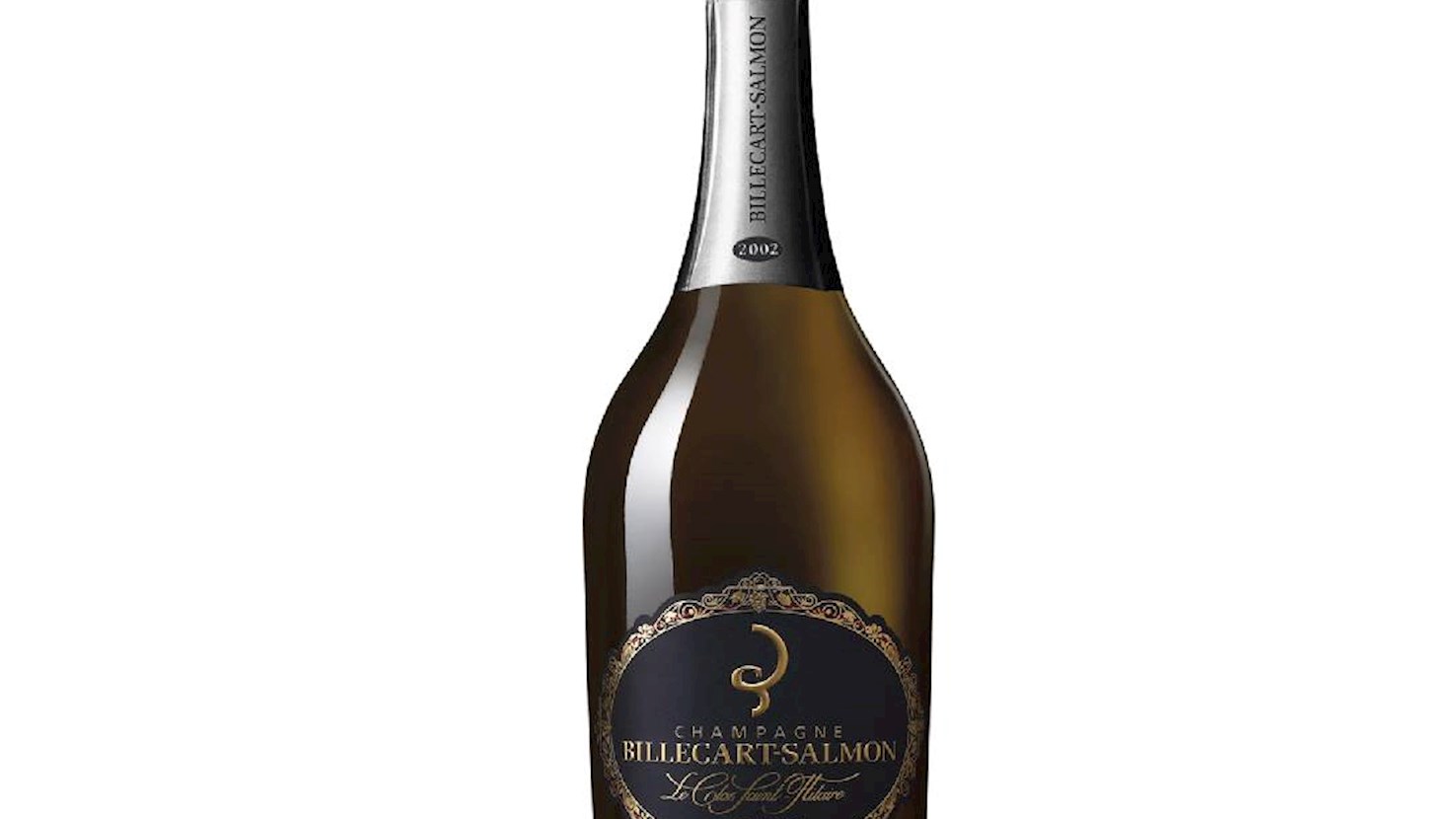
Champagne Billecart-Salmon is a renowned Champagne house with a rich history and a strong commitment to quality. Founded in 1818 in the village of Mareuil-sur-Aÿ, France, by Nicolas François Billecart and Élisabeth Salmon, Billecart-Salmon is one of the few Champagne houses that has remained family-owned for seven generations. Today, it is led by Mathieu Roland-Billecart, who continues the tradition of combining innovation with deep respect for the terroir. Billecart-Salmon sources its grapes from some of the finest locations in the Champagne region, including Montagne de Reims, Vallée de la Marne, and Côte des Blancs. The house is known for its meticulous vinification at low temperatures, which helps preserve the freshness and aromatic complexity of its wines. Visits to the Billecart-Salmon estate in Mareuil-sur-Aÿ are available by appointment. Guests can enjoy cellar tours, tastings, and learn about the house's rich history and philosophy.
Awards
James Suckling - 99 points (2024)
Falstaff - 99
04
Wine

Bollinger

5 ·
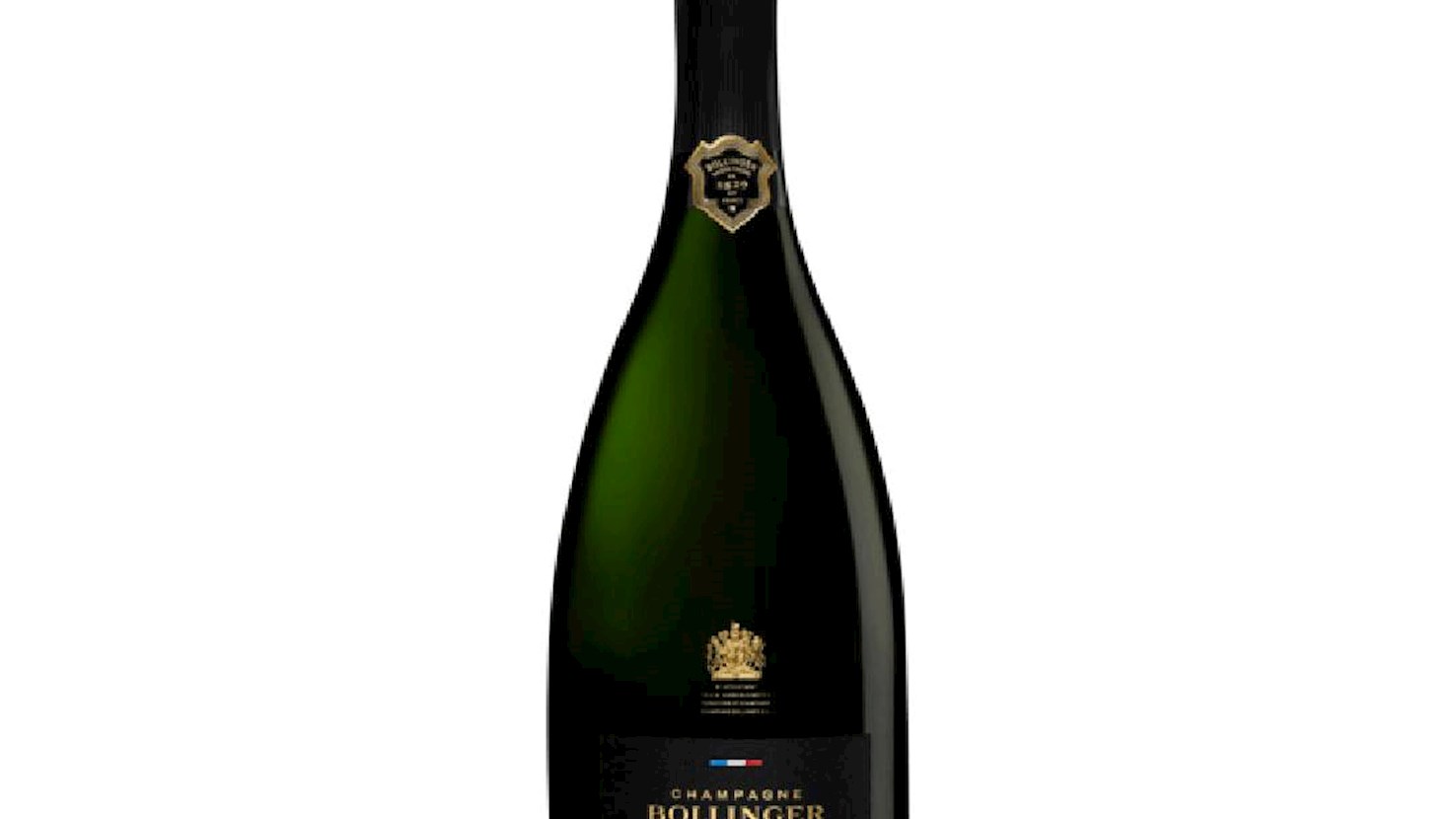
The Champagne house Bollinger, founded in 1829 in Aÿ, France, stands as a symbol of excellence and tradition in the world of champagne. Bollinger is distinguished by its unique style that blends power, refinement, and complexity, allowing fruity aromas to fully express themselves. Their wines, such as the iconic Special Cuvée, reflect richness and depth of flavor, thanks to a careful selection of grapes and traditional winemaking methods. For nearly two centuries, Bollinger has remained true to its family values and independence, which has enabled the house to preserve authenticity and consistent quality in its champagnes. Their commitment to sustainability and environmental preservation further highlights a responsible approach to production and care for future generations. Today, Bollinger continues to captivate champagne lovers around the world, combining a rich heritage with innovation, always striving for perfection in every bottle.
Awards
Falstaff - 100
Falstaff - 99
05
Wine

Dom Pérignon

5 ·
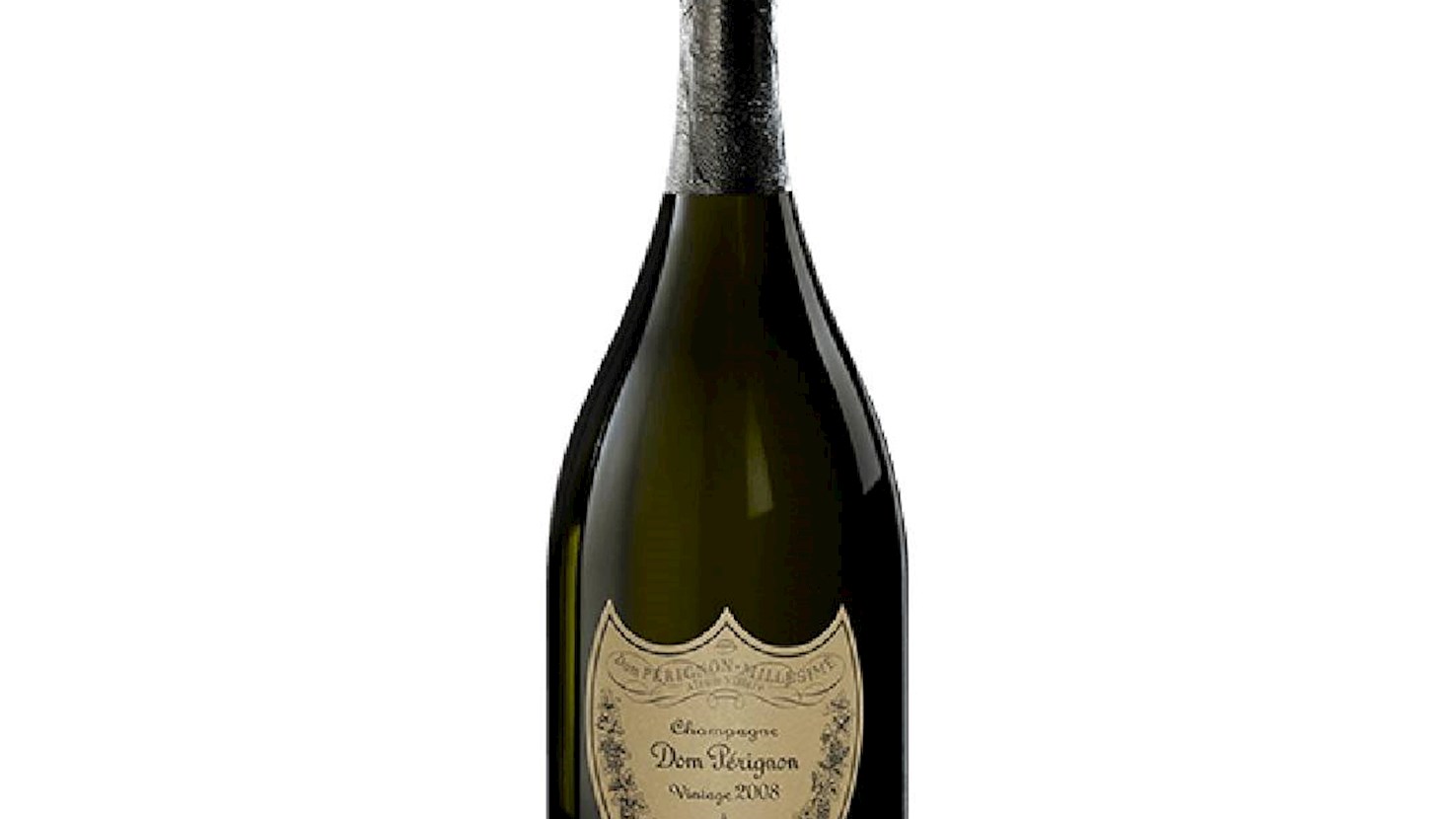
Dom Pérignon is more than a name – it is a symbol of prestige, artistry, and an unrelenting pursuit of harmony between intensity and elegance. Inspired by the legendary Benedictine monk who helped shape the future of champagne in the 17th century, the house today embodies innovation, legacy, and timeless luxury. Every bottle of Dom Pérignon is millésimé – made exclusively from a single vintage. It is only produced in years when nature offers grapes of truly exceptional quality, and each vintage is a unique expression of that year’s character and energy. Dom Pérignon champagnes are known for their layered aromas, precise structure, creamy texture, and seamlessly integrated freshness. This is not a wine that simply ages – it evolves, revealing more with each moment. For those who seek more than flavor in a glass, Dom Pérignon offers a rare experience of emotion, energy, and the pinnacle of winemaking vision.
Awards
Falstaff - 100
Vivino - 4.6
06
Wine

Pol Roger

5 ·
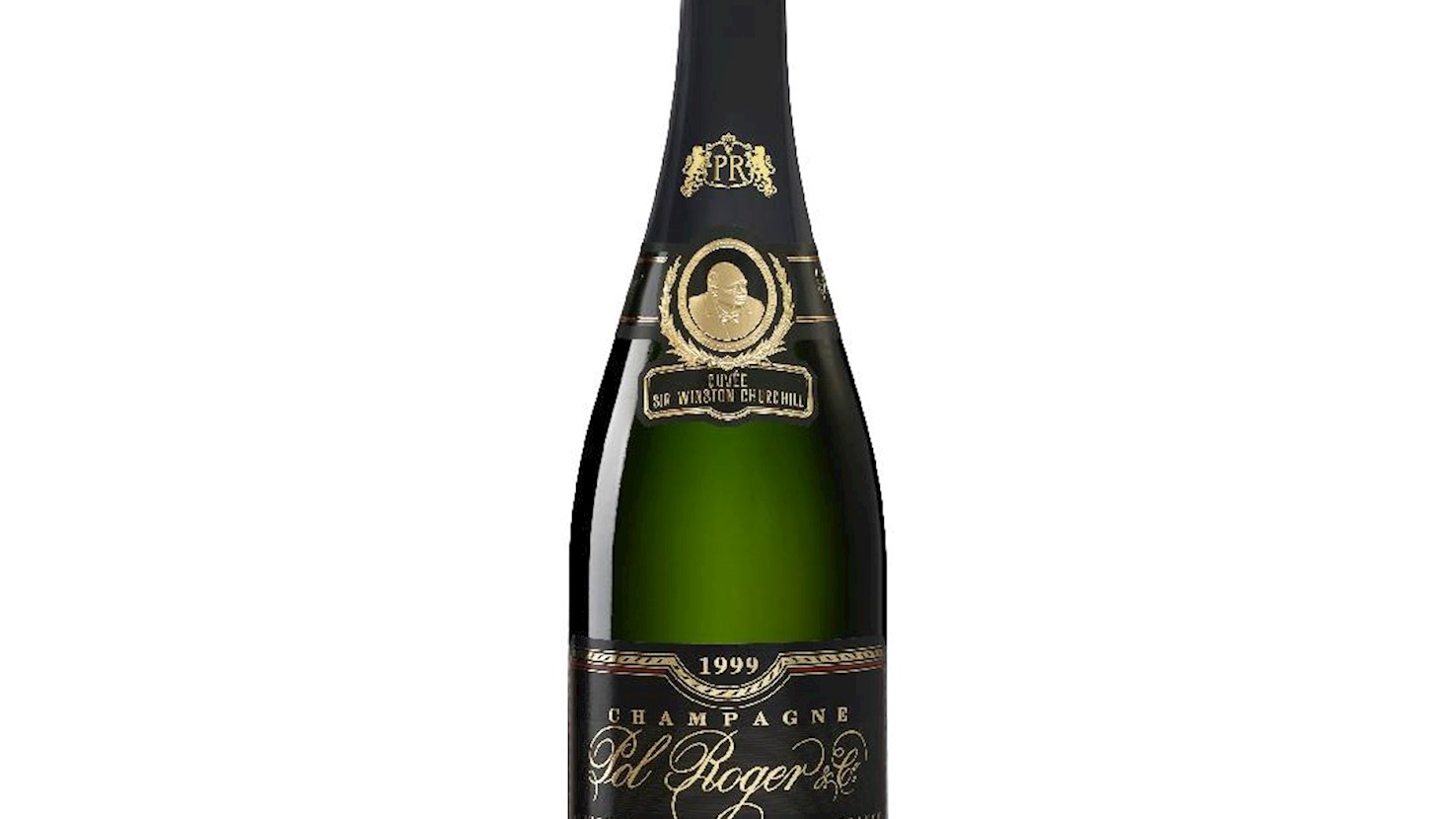
For over 175 years, Pol Roger has stood as a symbol of uncompromising quality, refined craftsmanship, and understated sophistication in the world of champagne. Remaining proudly family-owned through five generations, the house is celebrated for its consistent style - fresh, balanced, and remarkably elegant. Every bottle is produced and aged in Pol Roger’s own deep chalk cellars, where ideal conditions allow the wines to mature slowly and gracefully. Known for their fine bubbles, purity of structure, and vibrant freshness, Pol Roger champagnes are equally at home in grand celebrations or quiet moments of indulgence. What sets Pol Roger apart is the harmony between technical precision and artisanal intuition - a meticulous process guided by deep respect for the wine itself. Each cuvée reflects the house’s commitment to excellence, delivering complexity, finesse, and lasting charm.
Awards
Falstaff - 100
Vivino - 4.6
07
Wine

Egly-Ouriet

5 ·
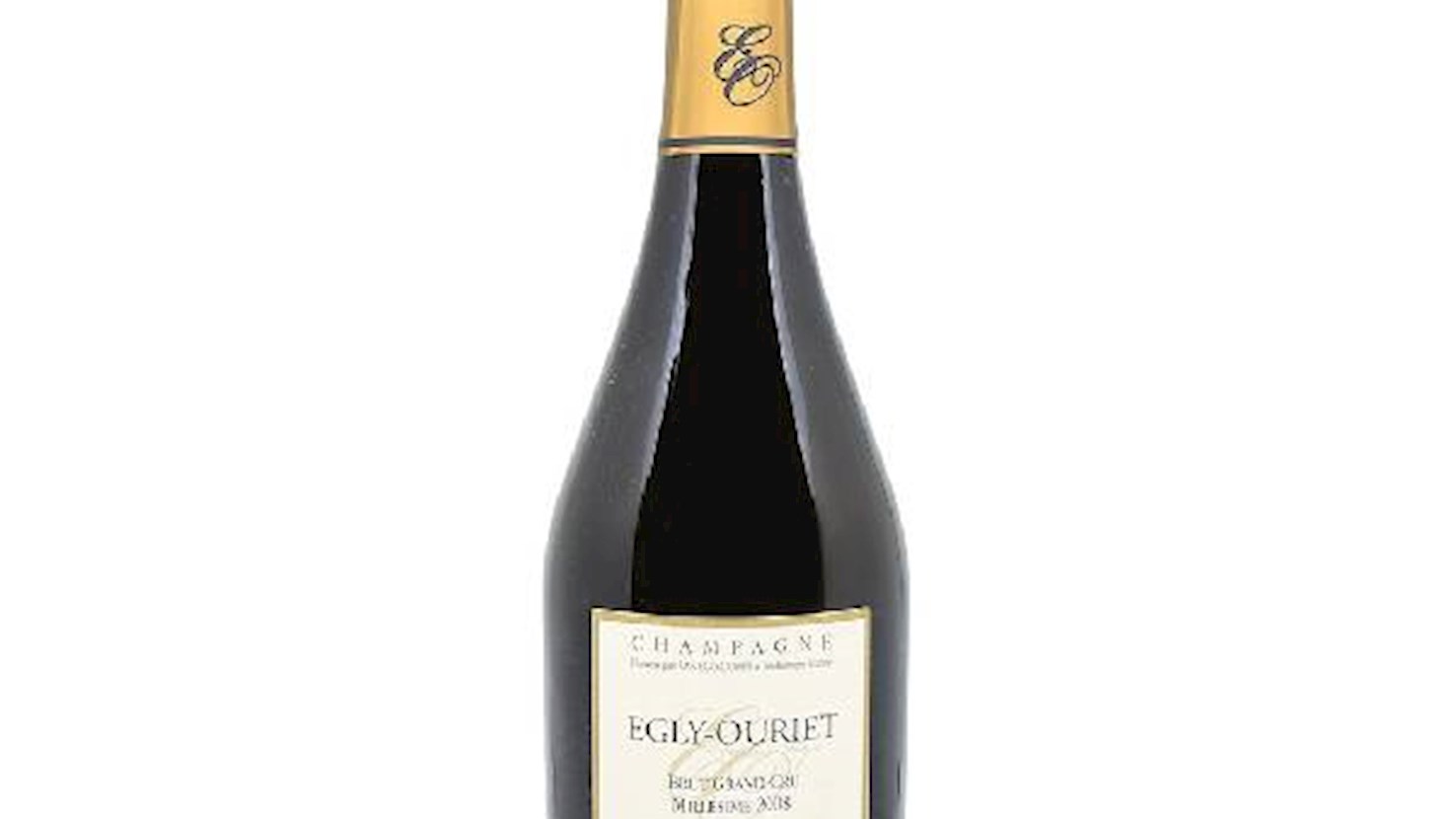
Champagne Egly-Ouriet is a renowned Champagne house celebrated for its commitment to biodynamic and organic farming practices. With a focus on producing wines that express the true character of their terroir, the house has become a pioneer in the natural Champagne movement. Founded by the Egly family, this boutique winery produces wines from some of the finest Grand Cru vineyards, ensuring that only the highest quality fruit is used. The house is known for its low yields, long maturation periods, and minimal intervention during fermentation. Wines are fermented with natural yeasts and aged on lees for extended periods, resulting in Champagne that is rich, complex, and full-bodied. Champagne Egly-Ouriet is particularly famous for its Pinot Noir-based cuvées, which are robust, concentrated, and elegant. With a style that combines power and finesse, their cuvées, such as the Egly-Ouriet Brut Tradition, Egly-Ouriet Grand Cru Ambonnay, and Egly-Ouriet Les Vignes de Vrigny, have earned widespread acclaim for their remarkable depth and complexity. This focus on quality and craftsmanship has helped Champagne Egly-Ouriet build a loyal following among Champagne enthusiasts worldwide.
Awards
Vivino - 4.7
Vivino - 4.4
08
Wine

Domaine Jacques Selosse

5 ·
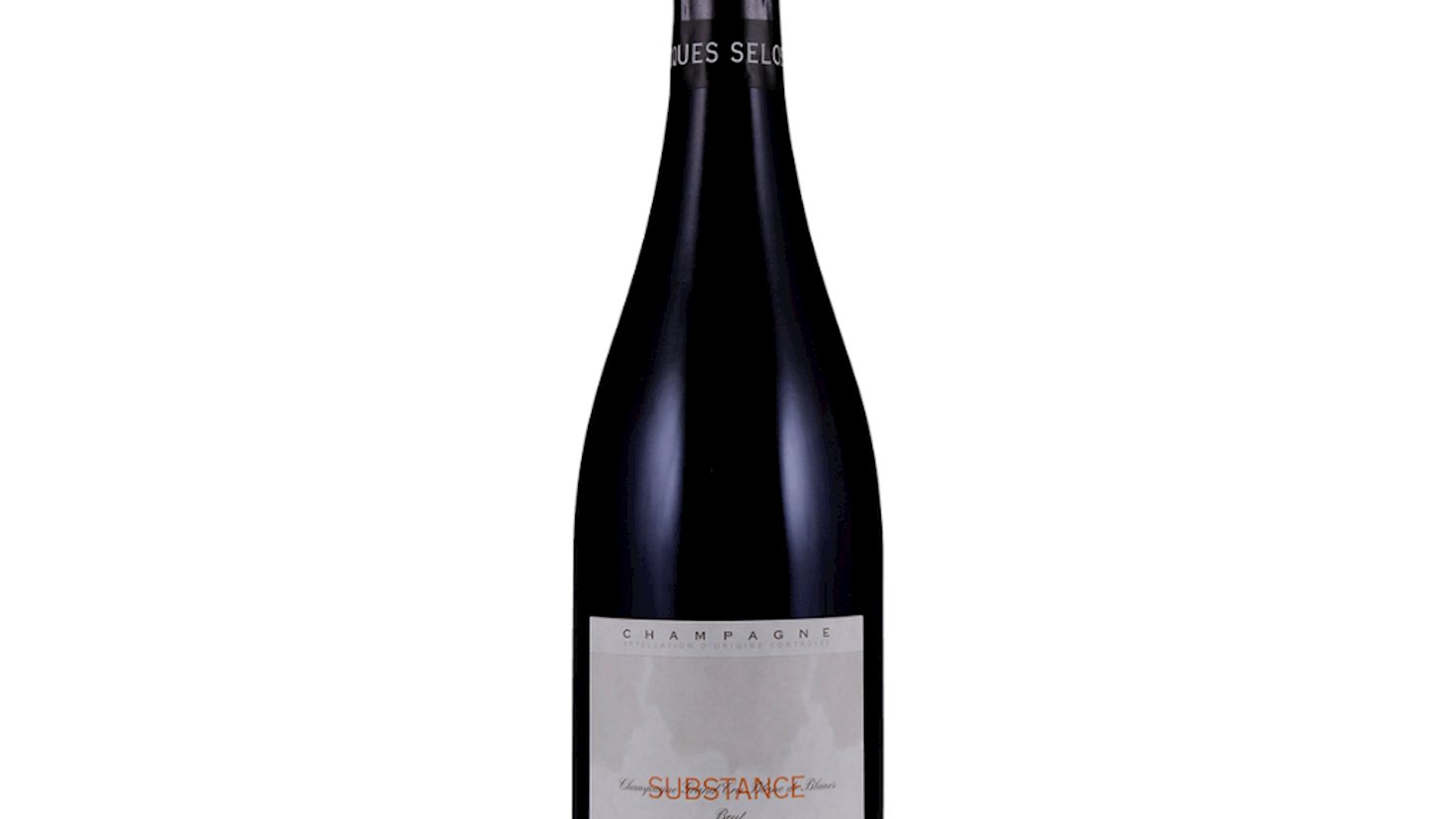
Domaine Jacques Selosse is a prestigious Champagne house located in the village of Avize, in the Champagne region of France, renowned for its innovative approach to viticulture and winemaking. It was founded by Jacques Selosse in 1949, and the first Champagne under the estate’s own name was produced in 1964. The winery introduced Burgundian techniques into Champagne production, including fermentation and aging in oak barrels - an unusual practice for the region at the time. Today, the estate covers approximately 8 hectares of vineyards spread across 54 parcels, mostly classified as Grand Cru, with Chardonnay and Pinot Noir as the dominant grape varieties. The annual production is limited to around 55,000 bottles, which adds to the exclusivity and high demand for their wines.
Awards
Vivino - 4.6
Vivino - 4.7
09
Wine

Salon

5 ·
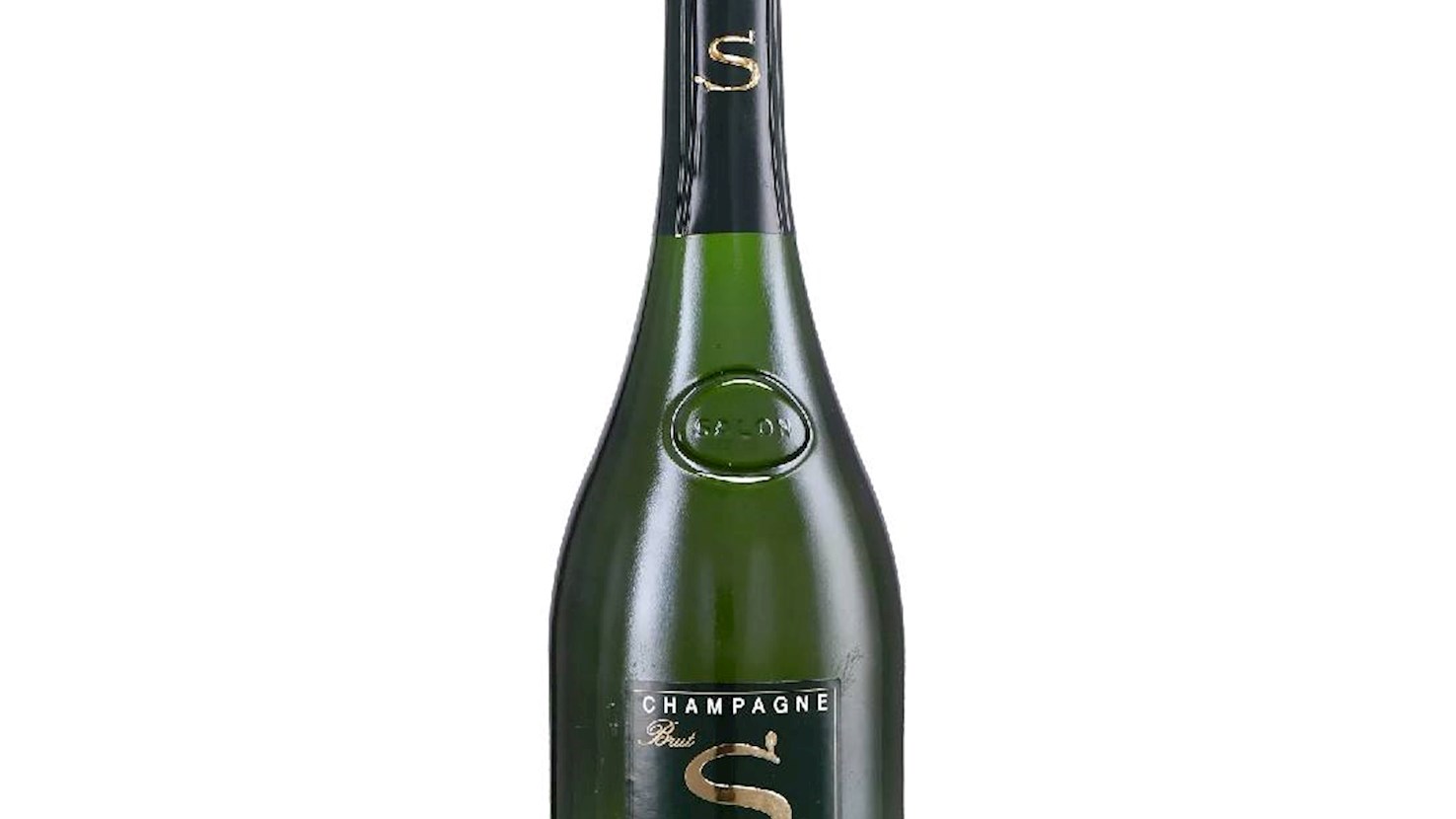
Champagne House Salon stands as a true icon in the world of wine – a symbol of prestige, rarity, and unwavering dedication to quality. Founded in the early 20th century by visionary Eugène-Aimé Salon, the house established a clear philosophy: to create the perfect Champagne using only Chardonnay grapes, from a single vineyard, a single village, and a single vintage. Salon is produced only in the most exceptional years, with an average of just four vintages per decade. Over the entire 20th century, only 37 vintages were released, making it one of the rarest and most sought-after Champagnes in the world. After fermentation in stainless steel tanks, the wine is aged on the lees for around ten years in Salon’s cellars before release – resulting in a Champagne of remarkable complexity, elegance, and depth. Salon is not just a Champagne – it is a philosophy, an art form, and a tradition bottled with precision. With every vintage, the house reaffirms its reputation as a producer of uncompromising quality, creating wines that captivate both connoisseurs and the most discerning collectors.
Awards
Vivino - 4.7
10
Cheese

Fromagerie Germain
5 ·
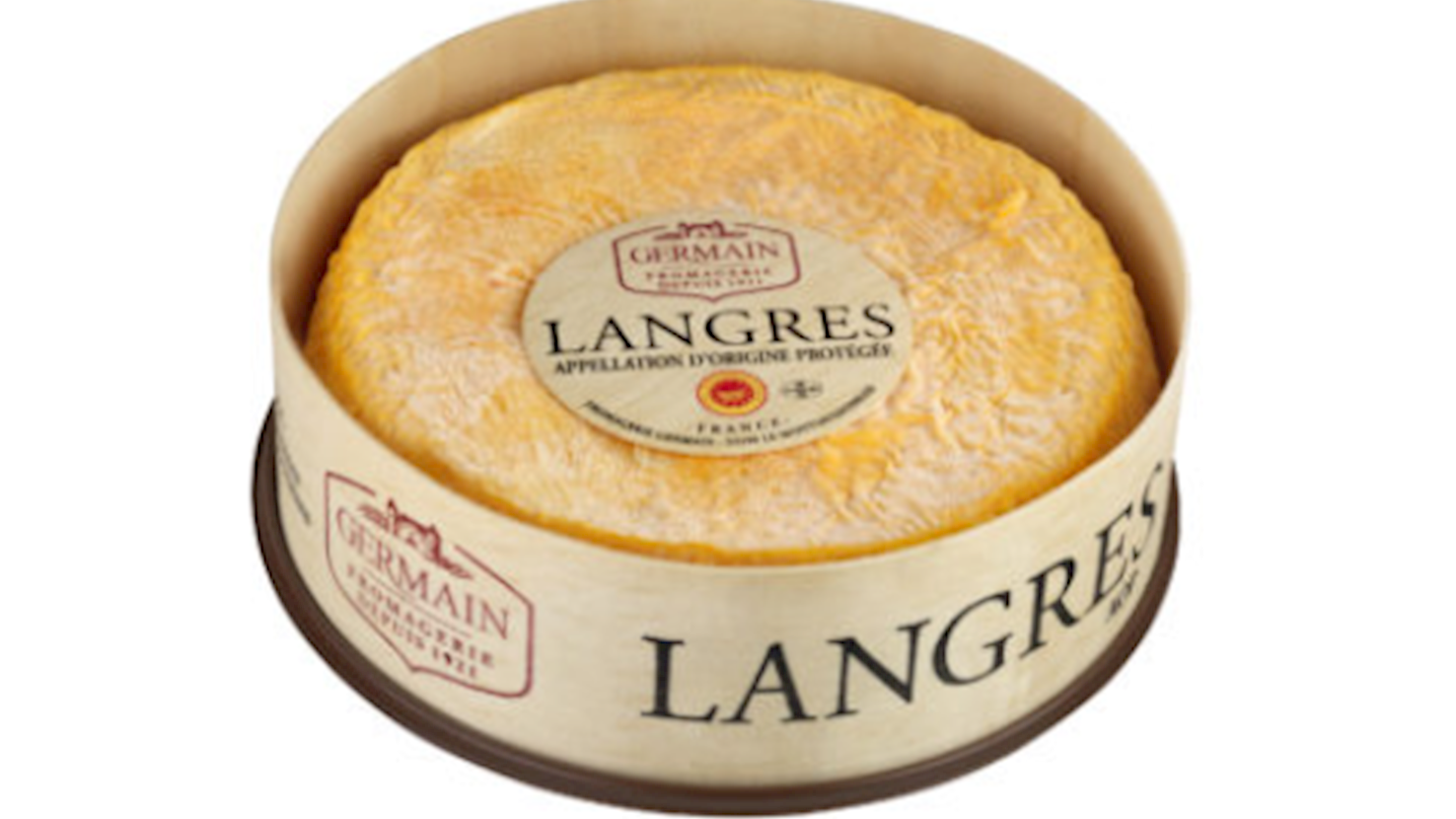
Fromagerie Germain is a renowned French creamery with a rich tradition dating back to 1921, when Henri Germain established the dairy in Chalancey, in eastern France. Over more than a century, this family-owned company has become synonymous with premium cheeses bearing Protected Designation of Origin (PDO) labels. Their cheeses are crafted from carefully selected milk, adhering to traditional methods of aging and processing. For instance, Époisses AOP is known for its creamy texture and intense flavor, while Langres AOP features a distinctive hollow top traditionally filled with Champagne or Marc de Bourgogne before serving. Despite modernization, Fromagerie Germain remains true to its roots, collaborating with local farmers and using milk from rare cow breeds to ensure the authenticity and quality of its products.
Awards
Culture Cheese Magazine Best Cheeses issue - Best (2023)
World Cheese Awards - Super Gold (2023, 2022, 2021)

Best Champardennais foods
01
Cheese

Langres

4.1 ·

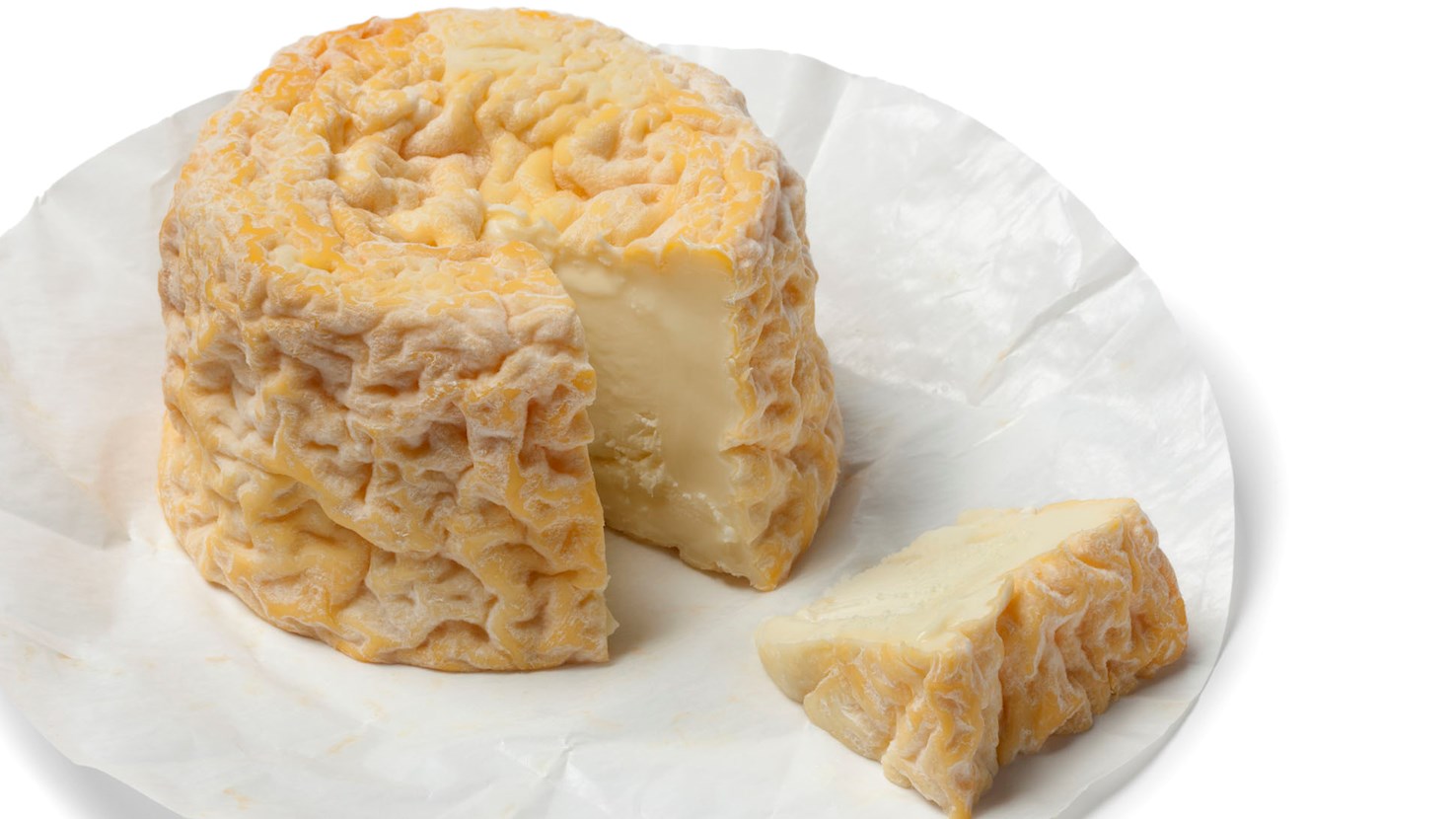
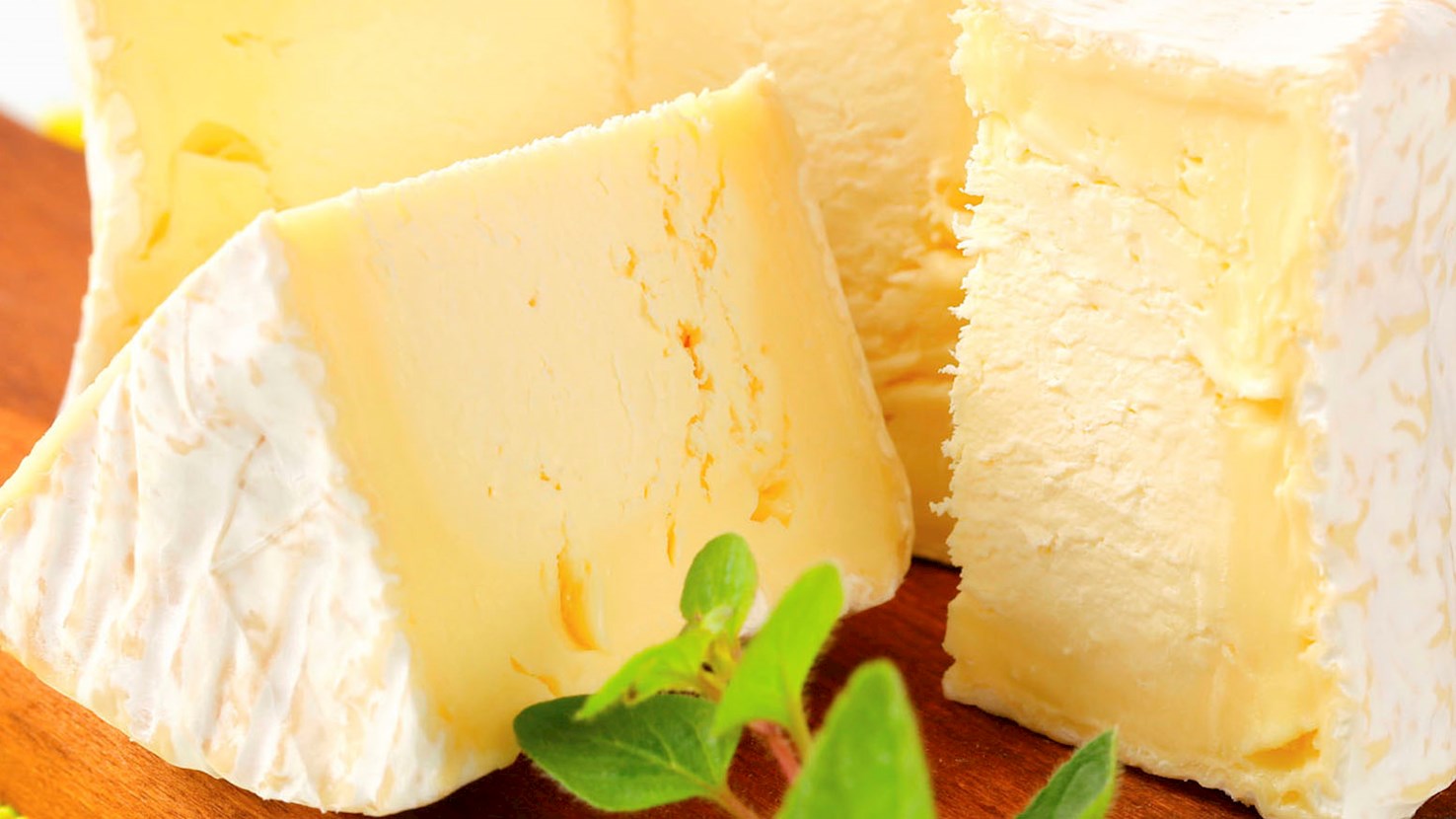
Langres is a soft cheese made exclusively from cow's milk on the Langres plateau and the Bassigny pastures in the Champagne-Ardenne region. It has a long maturation period of at least 21 days, during which the cheeses are often rubbed with brine. On the exterior it has a white, moldy, wrinkled rind, while on the inside it is slightly soft and crumbly. The aroma of Langres is intense, the flavor is salty, and the cheese melts in the mouth when consumed. What's so special about Langres is its concave top (fontaine in French) which was originally designed to hold a small bit of sparkling wine. Langres can be used in a variety of salads, and it's recommended to pair it with sparkling wines and red wines.

02
Cheese

Caprice des Dieux

3.8 ·

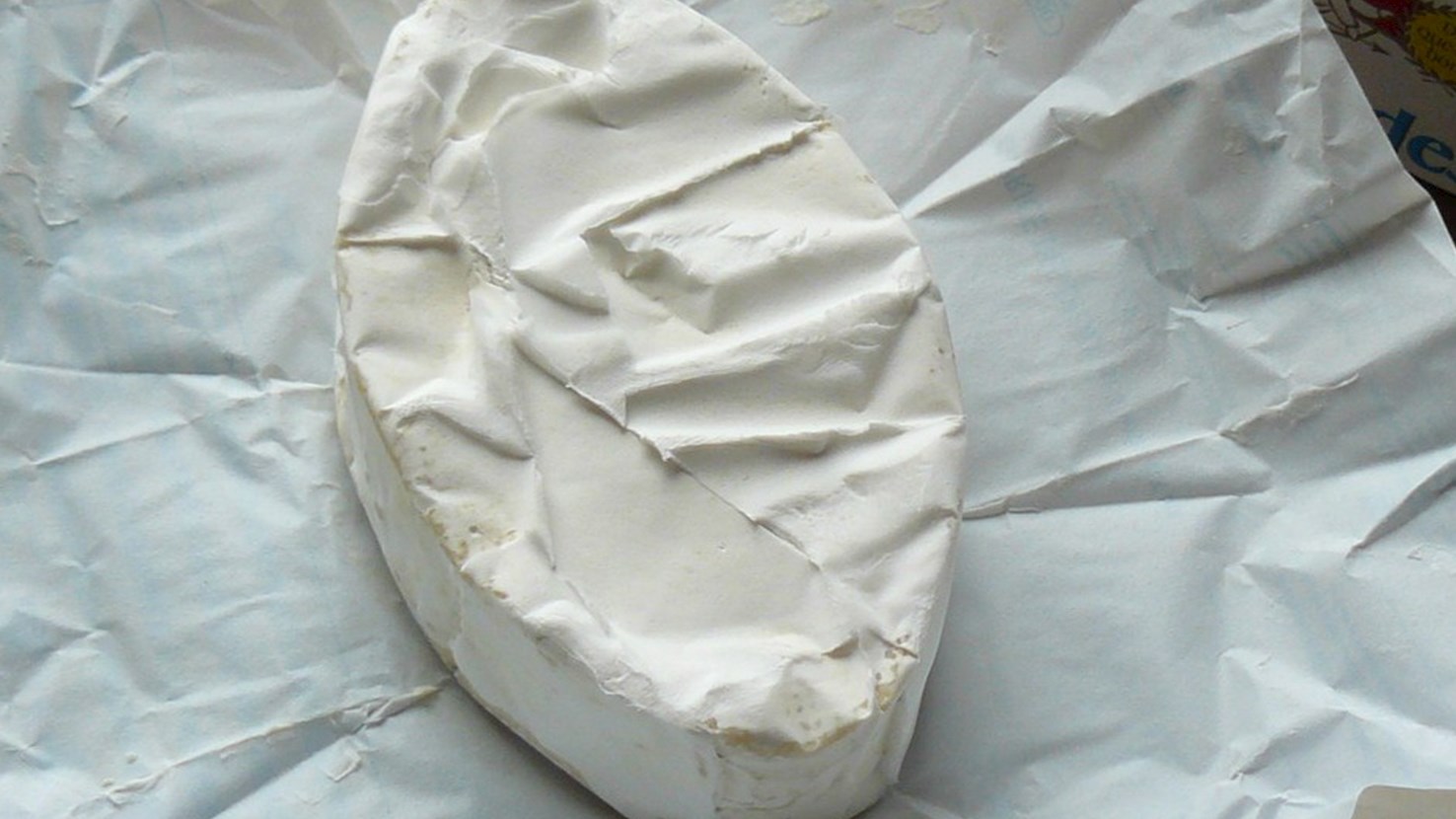
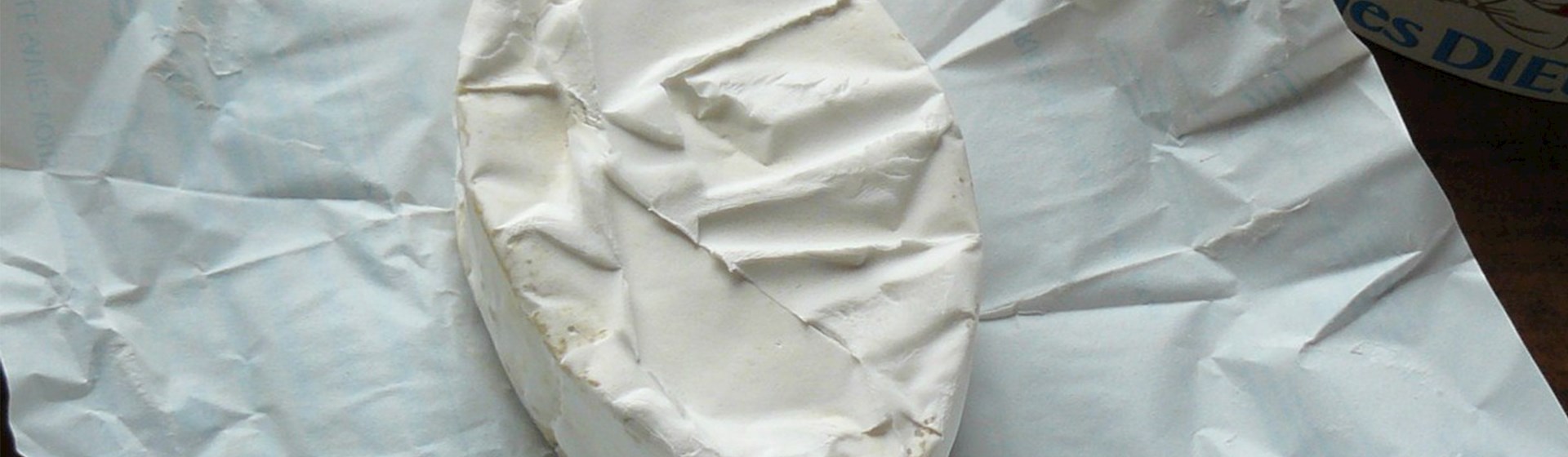
Caprice des Dieux is a French cheese originating from the micro-region of Bassigny. This soft-ripened cheese is made with pasteurized cow's milk and fully matures in about two weeks. It hides a creamy and smooth texture underneath its bloomy rind. The aroma is fresh, while the flavors are nutty and buttery. Caprice des dieux is oval-shaped, inspired by calisson – a popular French sweet treat, and it always comes in an iconic blue packaging. The cheese was developed by Jean-Noël Bongrain in 1956.

03
Cheese

Chaource

3.7 ·

Chaource is a tall, soft cheese made from cow's milk in the Aube region in France. It is made by the process of slow draining, and the cheese must mature for at least 14 days before it can be consumed, either young, when almost no rind has formed, or mature (2-3 months). Its flavor is salty, fruity, mild, buttery, slightly acidic, and mushroom-like. When sold, it comes wrapped in greased paper and packed in a wooden box. It's best to eat it at room temperature because it ripens from the outside in, and the inside becomes runny when the cheese gets sliced. Pair it with a dry white wine or light sparkling wines.

04
Sweet Bread

Pain d’épices

3.6 ·

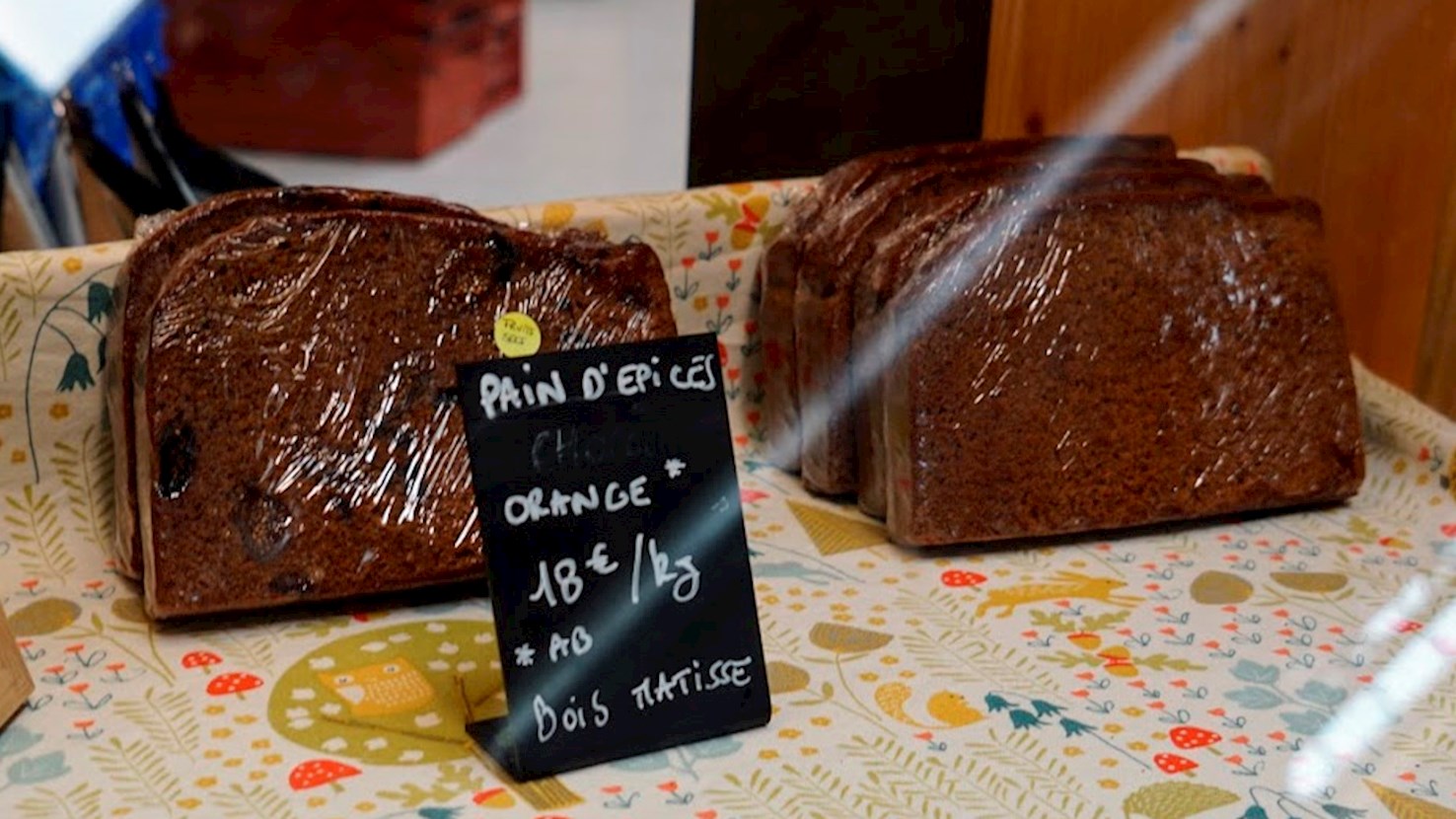
This classic French honey cake is often described as a cross between bread and a dessert. It is a Dijon specialty, believed to have its origins in China, where a similar spice cake was made in the 10th century. In France, it first appeared in 1711 and was particularly popular in Reims and Dijon. In the aftermath of World War II it was rarely found in French cuisine, but soon it regained its popularity. Pain d'épices can be made with honey, rye or wheat flour (depending on the region), and spices such as cardamom, anise, cinnamon, nutmeg, and cloves. It is usually baked into a loaf and served with savory dishes, such as foie grass or gourmet cheeses. However, it is also often incorporated into or served alongside classic French desserts. Pain d'épices can be found at traditional markets, where it is usually sold by honey merchants, or in classic French patisseries.

05
Cookie

Biscuit rose de Reims

3.4 ·

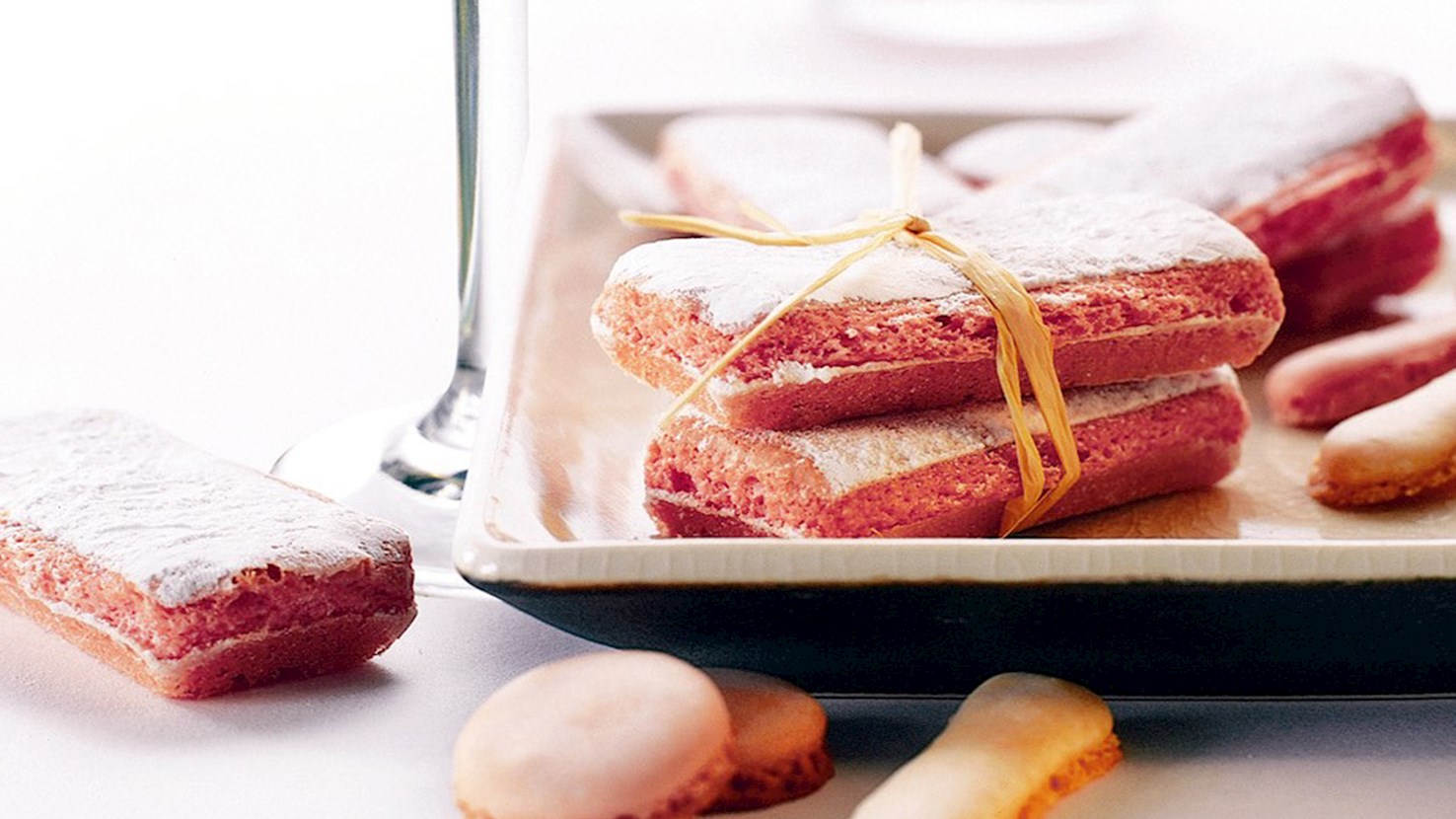
Biscuit rose de Reims or rose biscuit is a traditional dessert that has been produced in Reims, France since 1691. Rose in the name of the dessert refers to its color, not its flavor. Since it is baked twice, the process gives it a characteristical crunchy consistency, making it an ideal accompaniment for champagne. Today, the biscuits are enjoyed with a cup of tea, or used as a key ingredient in the preparation of Charlotte cake. For a traditional touch, the biscuits are often dipped into a glass of champagne or local red wines. The original recipe is still a mystery, kept by Fossier's confectioners, who first started making these delicious treats. Although the biscuits consist only of eggs, flour, sugar, and vanilla flavoring, the preparation requires special expertise.

06
Cooked Sausage

Andouillette

2.9 ·

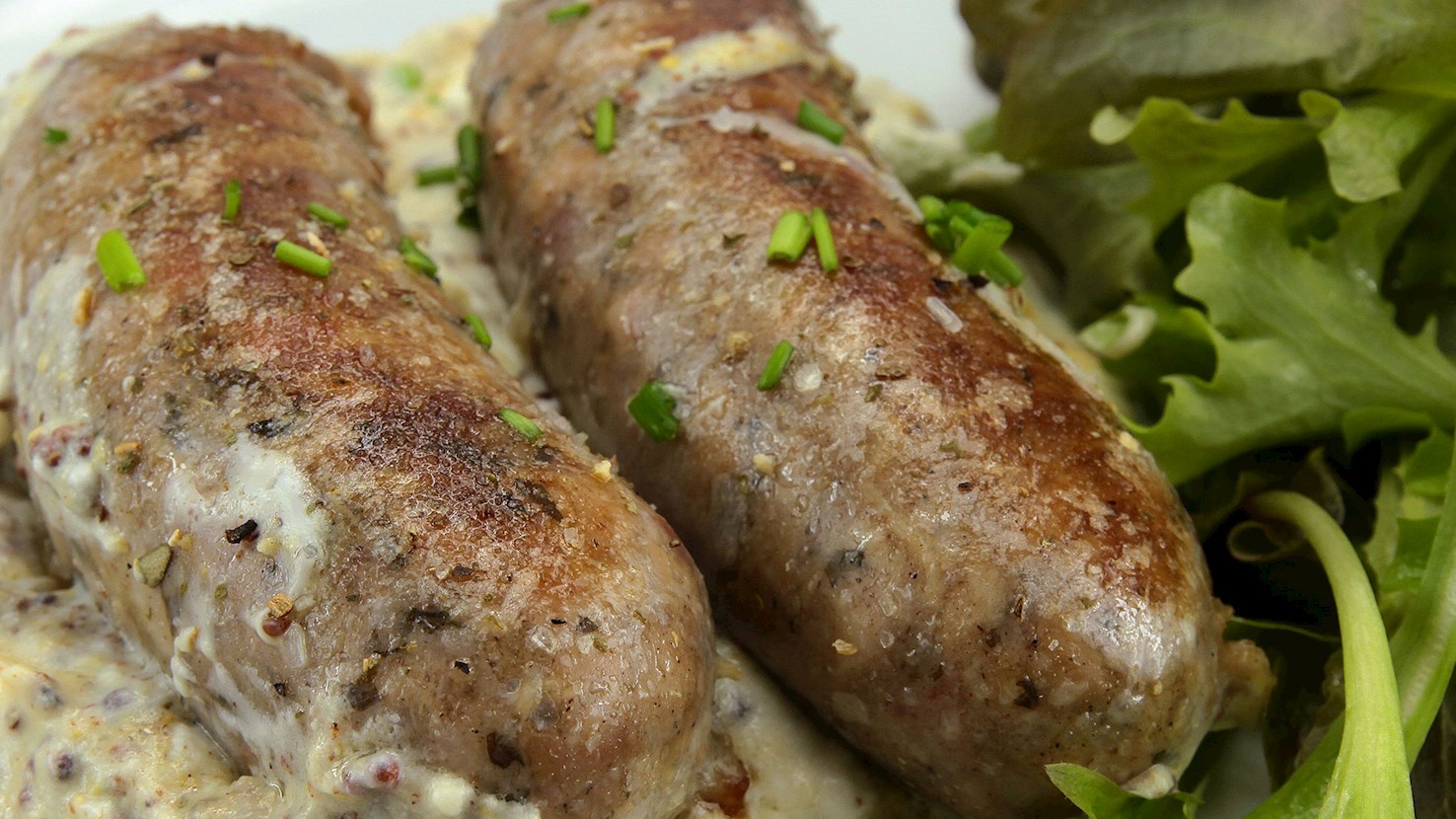
Andouillette is a French specialty sausage made with pork meat and intestines, onions, wine, pepper, and other seasonings. The sausage contains parts of pig's colon, which is the reason why it is considered to be an acquired taste, as it has an intense, unusual smell which is described by some people as reminiscent of urine. The sausage can be served hot or cold, and it can be barbecued, boiled, or pan-fried. It is traditionally accompanied by vegetables in red wine sauce or roasted potatoes with a fresh salad on the side.

Best restaurants
07
Dry-cured Ham

Jambon sec des Ardennes

4 ·

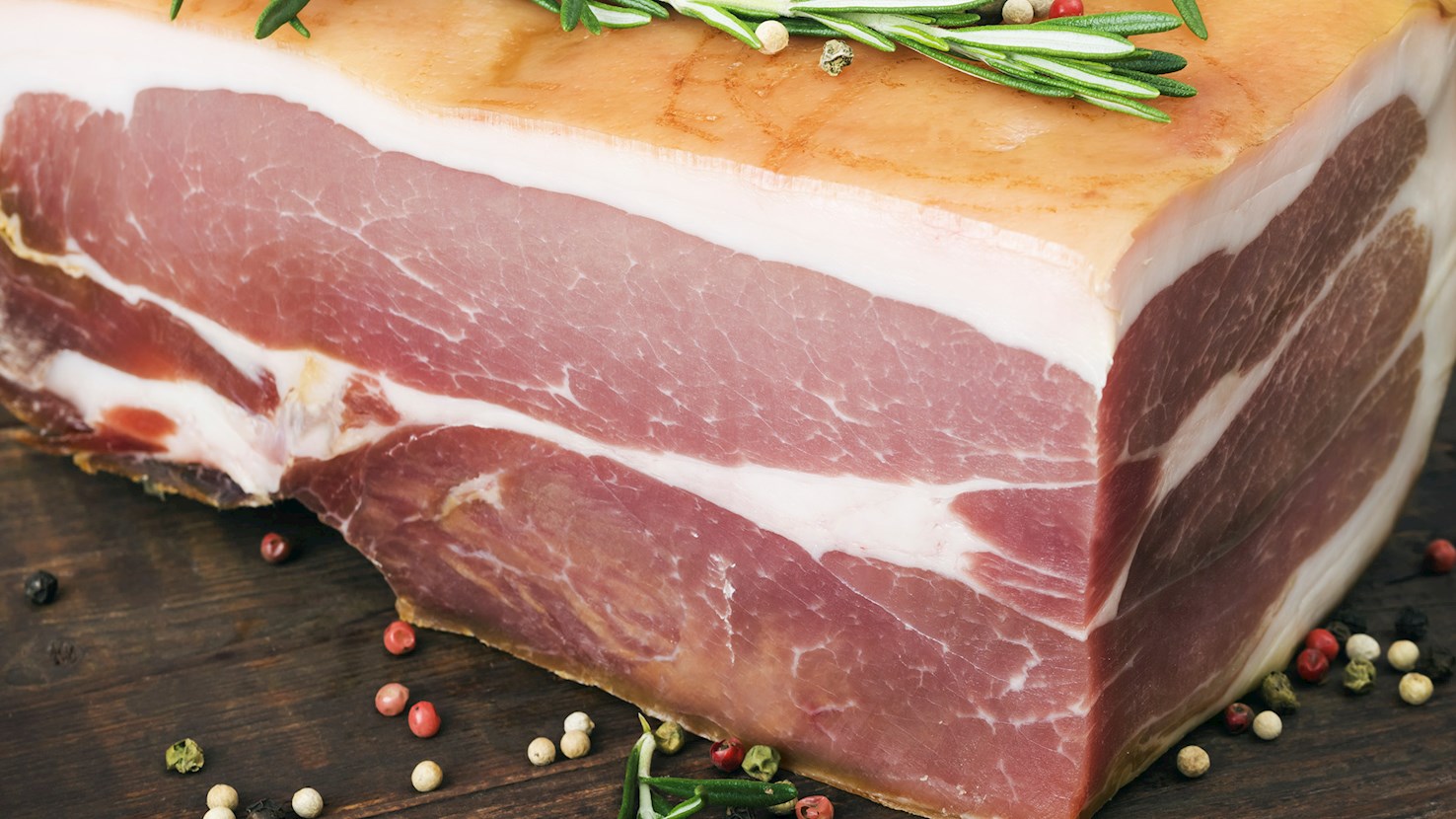
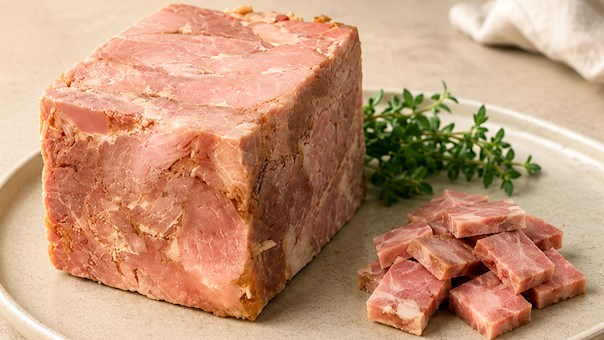
Jambon sec des Ardennes and Noix de Jambon sec des Ardennes are pig's meat hams that are dried and rubbed with salt containing special flavorings, spices (including juniper berries) and sugar, produced in the French region of Ardennes. The fat in the hams is white and its texture is firm, with a nice, pleasant smell. The hams are dry at the end of the production process, but not hard to the touch or bloated. They are usually sold whole, halved or sliced, with their fruity aroma and dried meat, melon fruit and salty flavor developed fully. As they are springy, yet firm in texture, the hams are easily sliceable, juicy and tender, with a melt-in-the-mouth quality. Slice it thinly and put it in sandwiches or pair it with a nice cheese platter.

08
Cheese

Pave d'Auge

n/a ·

Pave d'Auge is a French cheese produced in the north of Auge in France. The cheese is made from pasteurized or raw cow's milk. Its texture is smooth and supple, with numerous eyes dispersed throughout the body. It has a washed rind, and the flavors are buttery, smooth, and rich, with a hint of grassy pastures. Pave d'Auge is aged from 2 to 4 months, but there are also smaller versions of the cheese that are aged for only 1 month. It's recommended to pair Pave d'Auge with Fronsac wine.

09
Cooked Sausage

Andouillette de Troyes

n/a ·

Andouillette de Troyes is a cooked sausage made exclusively from pork intestines and stomach, cut into strips, seasoned, stuffed into natural casings, and slowly cooked. Its origins reach back to the era of Roman-Gaulish charcuterie, and the first documented mention in Troyes dates to 1590, when soldiers besieging the city abandoned their arms after being captivated by local sausage shops, thus cementing its place in the local food heritage. In production the butcher begins by selecting large intestines (“chaudins”) and stomach trimmings of pork, cutting them lengthwise into ribbons, seasoning them with salt, pepper, fresh onions and a proprietary blend of herbs and spices, then stuffing that mixture by hand into a natural pork casing, “dressée à la main” and “tirée à la ficelle” (hand-drawn by string). The filled sausage is slowly cooked in a court-bouillon until fully set. Variants of andouillette de Troyes include serving it grilled, pan-fried, baked in foil, or cut into rounds and served cold as an aperitif; some producers lightly smoke the sausage or add herbs in the seasoning blend, and some chefs present it gratinéed with Chaource cheese or sautéed with girolles. A unique attribute of this sausage is the strict requirement of pure pork — no veal may be used — under the “5A” (Association Amicale des Amateurs d’Andouillette Authentique) certification, which ensures adherence to exacting artisanal standards. Andouillette de Troyes is eaten hot as a main dish or cold as an appetizer, often accompanied by potatoes, green beans, or a simple salad; common pairings include a dry white wine such as a Chablis, a crisp rosé, or a light beer, and it is frequently served with mustard, shallots, cream, or white-wine sauce.

10
White Sausage

Boudin blanc de Rethel

3.1 ·

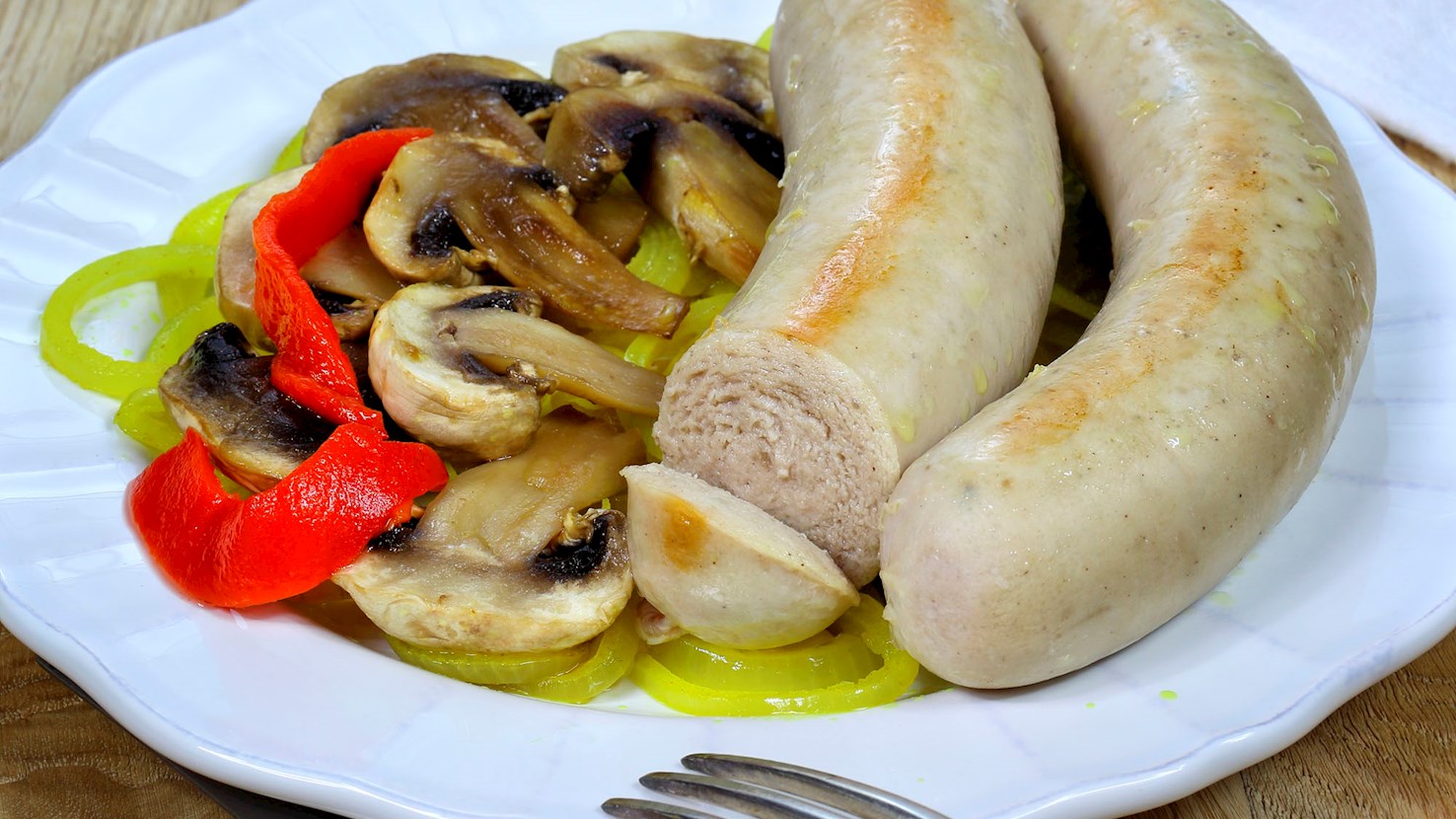
Boudin blanc de Rethel is a white pudding sausage made from prime cuts of pork, pork fat, fresh eggs, milk and a secret blend of seasonings which has been protectively treasured since the 17th century. It is traditionally produced in the Rethel district of the French region of Ardennes. This sausage is light in color and its texture can be either fine or medium-coarse. It is available in several varieties: plain, forest, mushroom, truffle, or truffle juice. Boudin Blanc de Rethel is typically grilled and served with roasted or mashed potatoes and a glass of champagne on the side.

Read more
View all
View map
About this ranking

TasteAtlas food rankings are based on the ratings of the TasteAtlas audience, with a series of mechanisms that recognize real users and that ignore bot, nationalist or local patriotic ratings, and give additional value to the ratings of users that the system recognizes as knowledgeable. For the “Top 67 Champardennais Foods” list until June 07, 2026, 207 ratings were recorded, of which 164 were recognized by the system as legitimate. TasteAtlas Rankings should not be seen as the final global conclusion about food. Their purpose is to promote excellent local foods, instill pride in traditional dishes, and arouse curiosity about dishes you haven’t tried.

The initial list of top producers was compiled based on available reviews, awards, local recommendations, media and blog coverage, and consumer reviews. The list will be updated with ratings from TasteAtlas local ambassadors and TasteAtlas users.

Similar lists