



shutterstock

Top 25 Cycladic Foods

Last updated on July 08, 2026

Best Cycladic foods

01
Cheese

Graviera Naxou

4.6 ·

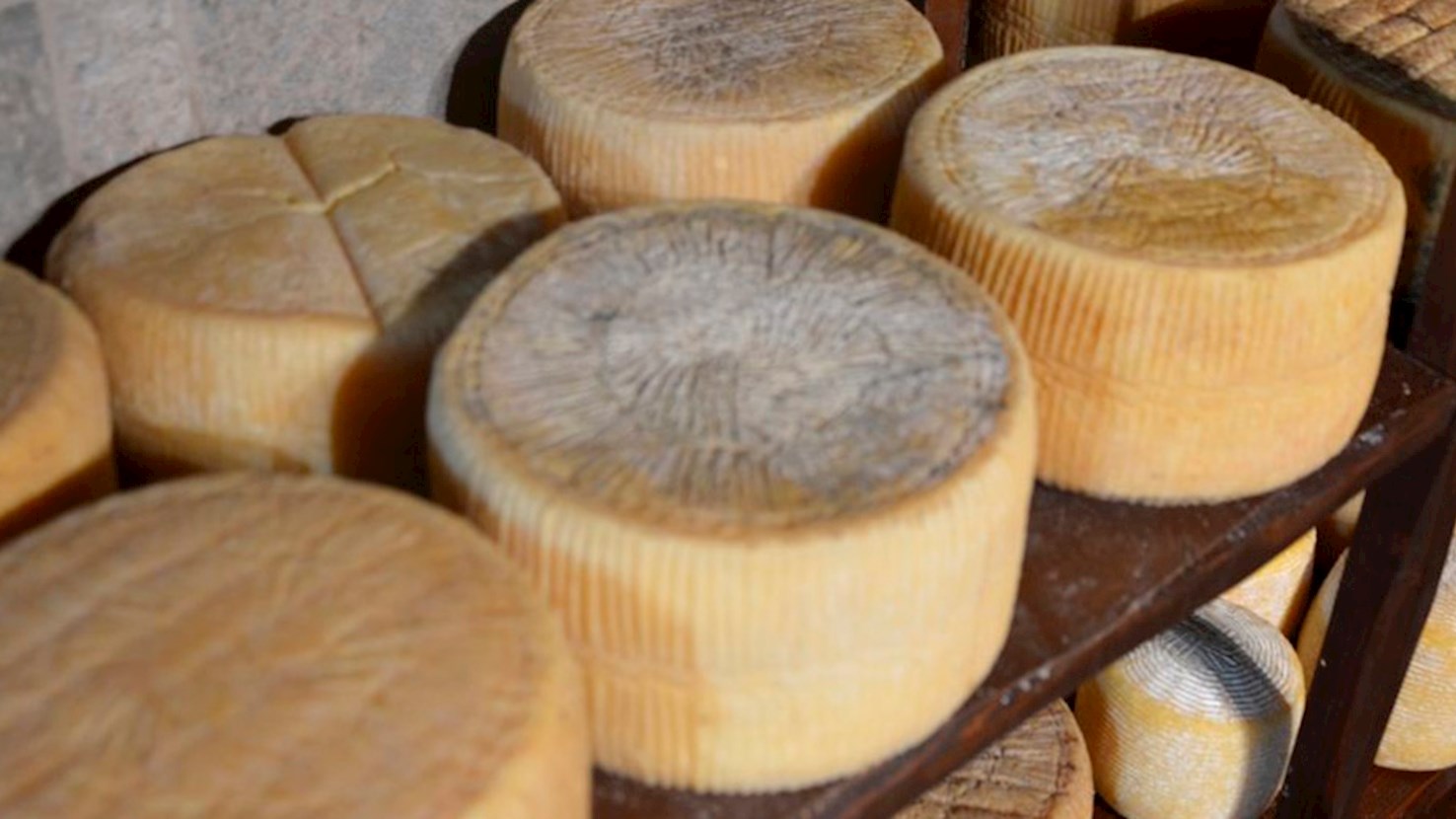
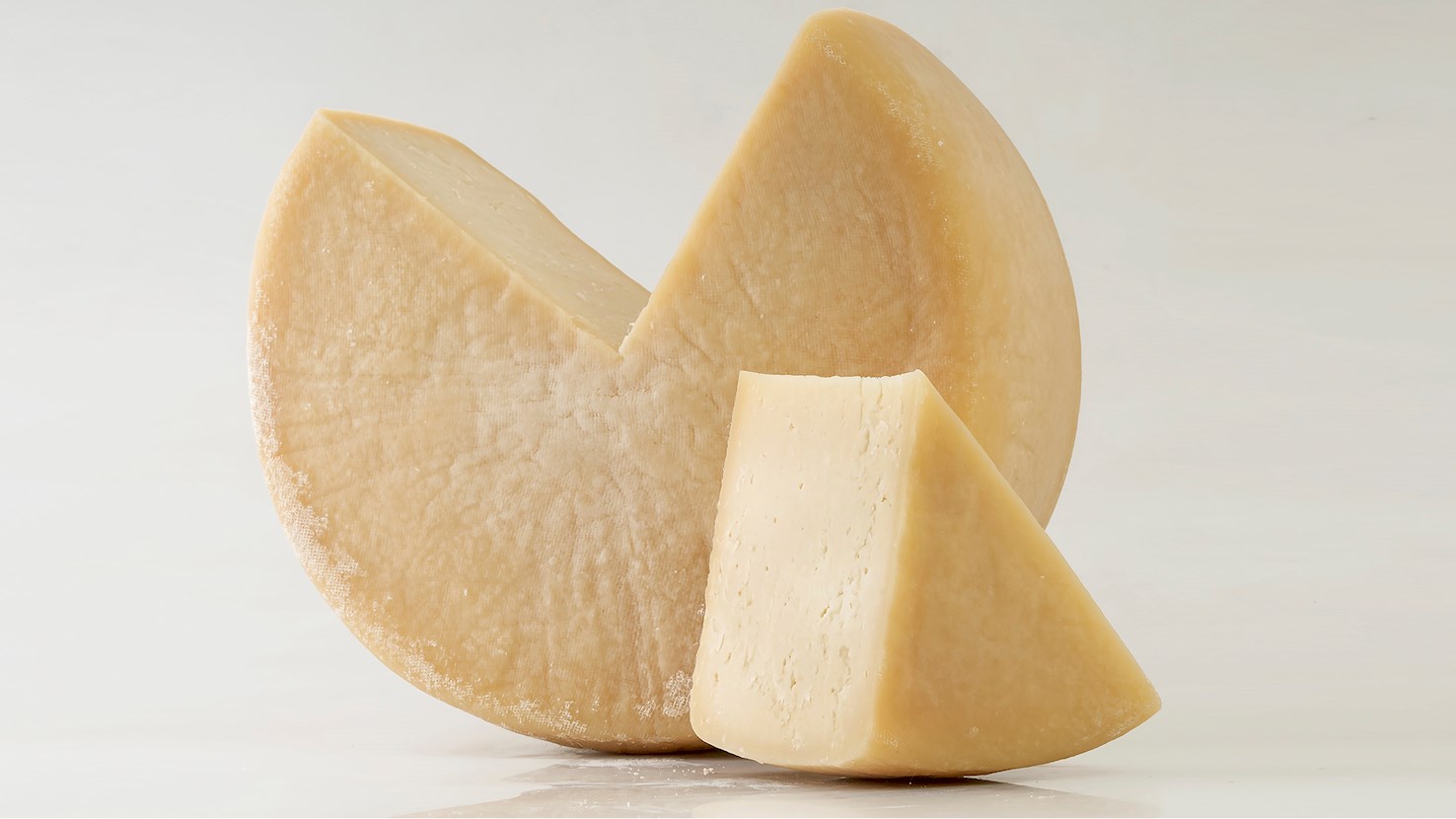
This cheese has been produced on the island of Naxos in the Cyclades for at least a century. Graviera Naxou is made from pasteurised cow milk or a mixture of sheep milk and a maximum of 20% goat milk. It has a thin rind and a light yellow, compact interior filled with small holes. Graviera Naxou is a hard table cheese with a refreshing taste and light aroma. It has a maximum moisture content of 38% and at least 40% fat content. The milk used for its production comes from breeds that are traditionally raised on the island, which feed on a diet of local plants and herbs that give their milk a unique flavor. It can be sliced and served as an appetizer, fried and eaten as a snack, or grated over pasta.

02
Cheese

San Michali

4.4 ·

This hard cheese is obtained exclusively from the milk of cows bred on the island of Syros in the Cyclades archipelago, where this famous cheese has been produced for more than half a century using the same traditional methods. The local cows are fed a diet of aromatic local plants and herbs, which contribute to the buttery scent of this cheese. It is quite hard and compact with many irregular holes. It has a cylindrical shape and a color that varies from light to intense yellow. Its aroma is unique and it has a pleasantly spicy taste with an aftertaste reminiscent of dried fruit. It can be eaten plain as a table cheese, and it is also often used as an ingredient in soufflés or omelettes.

03
Cheese

Arseniko Naxou

4.4 ·

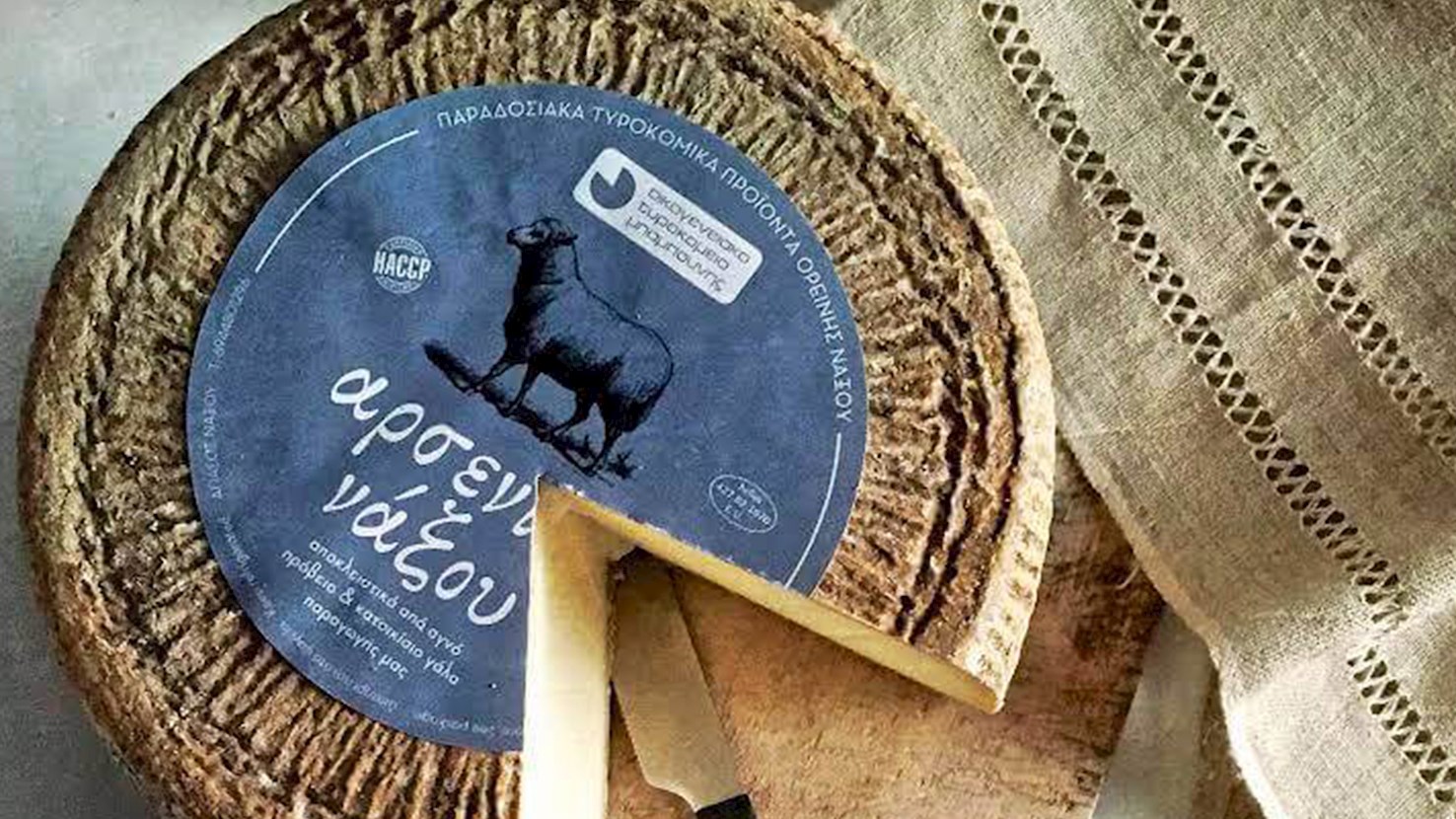
Arseniko Naxou is a Greek cheese originating from the island of Naxos, hence the name. The word arseniko means male or masculine. The cheese is made from raw sheep’s and goat’s milk with the addition of whey. After it thickens, the cheese is drained in specially designed baskets known as tirovola. In the beginning, its flavor is sweet, but after a few months it develops a spicy and aromatic flavor.

04
Egg Dish

Fourtalia

4.2 ·

Fourtalia is a traditional omelet hailing from the island of Andros. Although the ingredients may vary from area to area, the basic recipe always contains eggs, potatoes, and sausages. The cut potatoes are fried in olive oil and pork fat, with the addition of sausage bits just after the potatoes start to turn golden. At this stage, you can add peppers, onions, and bacon, if desired. The final step is the addition of beaten eggs, and the omelet is then fried until fluffy or firm, based on personal preferences. Fourtalia should always be served hot, straight out of the pan. If desired, garnish it with fresh mint on top.

Best restaurants
05
Cheese

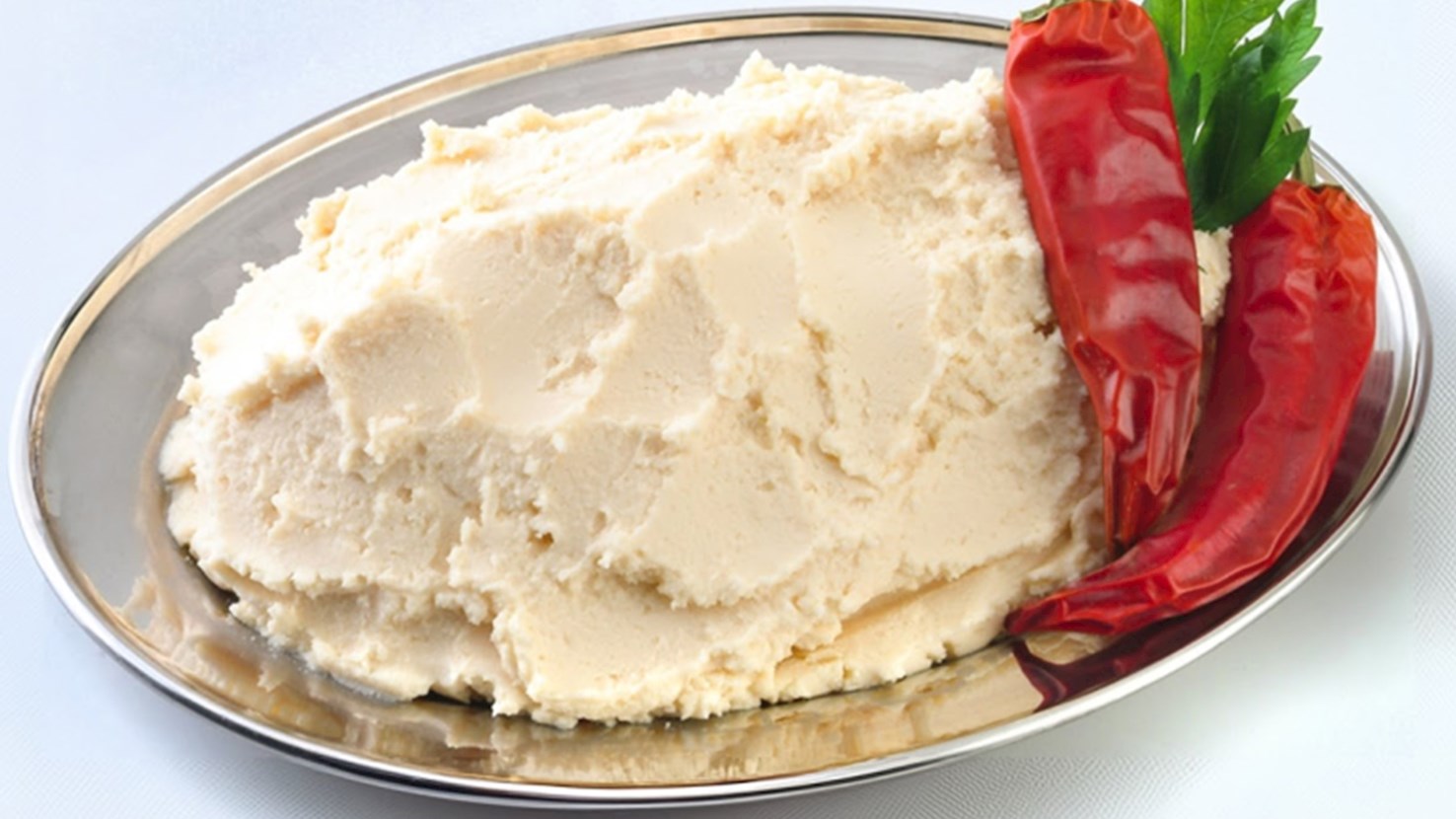
Kopanisti

4.2 ·

This cheese is traditionally produced from goat's or sheep's milk, although some dairies also use cow’s milk or a mixture of the three, taken from breeds reared on the Cyclades in the southern Aegean Sea. The diet of the animals is based on the area's endemic aromatic plants, which affect the flavor of their milk. In recent past, the traditional method of producing this cheese was improved by the addition of fresh butter made from the cream obtained after skimming the milk, but this butter can only amount to 15% of the total weight of the cheese. It increases the fat content and gives Kopanisti an even creamier texture. The flavor of this white to slightly pink cheese is often described as spicy, pungent, peppery, and reminiscent of Roquefort due to fermentation of bacteria such as penicillium and lactobacilli. The best-known types of Kopanisti are from Tinos and Mykonos. The cheese is mainly served as an appetizer alongside a glass of ouzo, retsina, or raki, and is often used in traditional dishes and sandwiches due to its creamy and spreadable texture. One of the most popular ways to use it is in a Myconian variation of ntakos - a barley rusk that's softened in olive oil and water, topped with chopped tomatoes, Kopanisti cheese, olive oil, and oregano.

06
Vegetable Dish

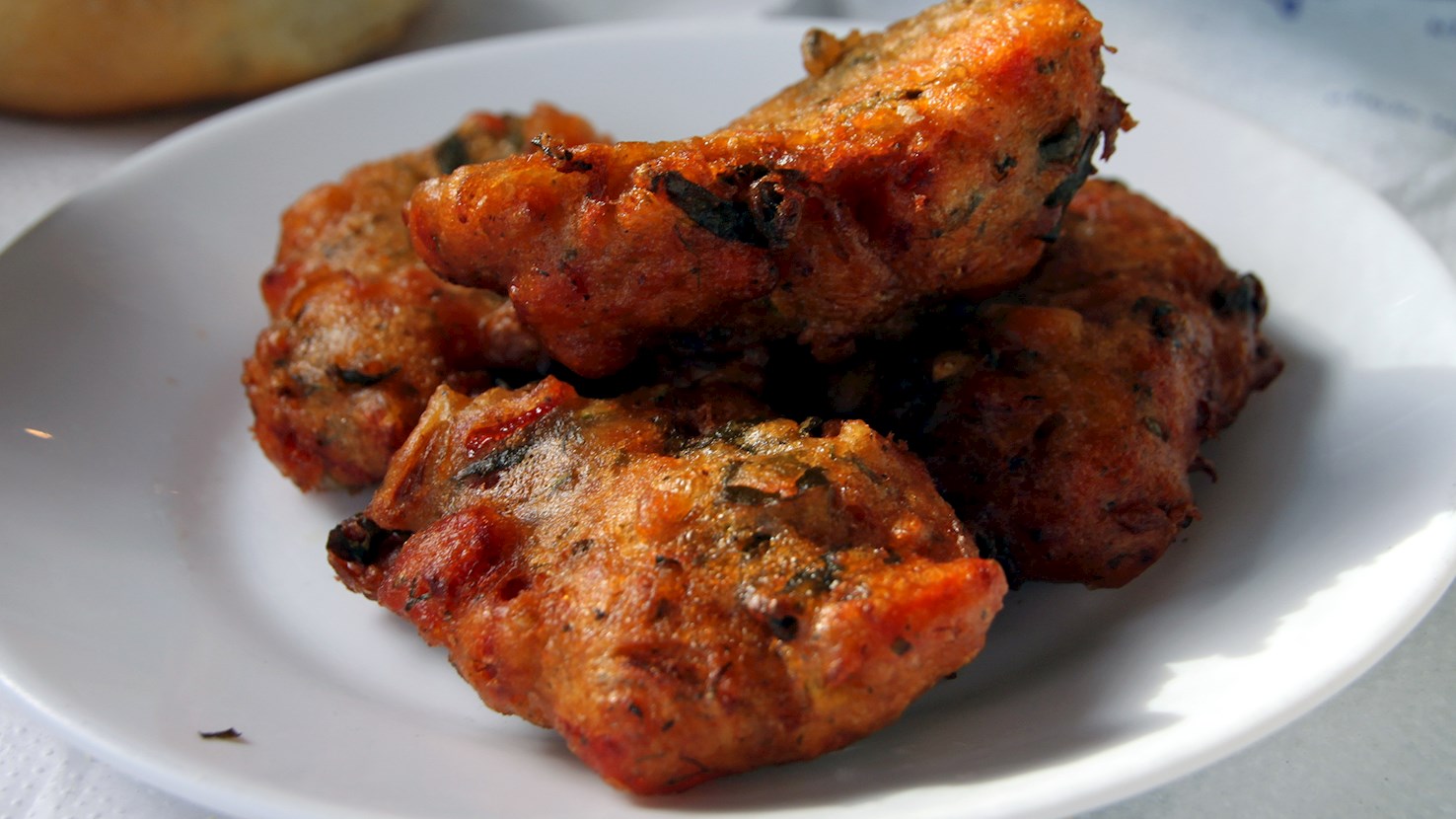
Tomatokeftedes

4.2 ·

These flavorful fritters employ diced tomatoes as their main ingredient, while other additions commonly include onions, fresh herbs, spices, feta cheese and grated zucchinis. The dish is usually associated with Santorini, an island known for the highly prized local tomato variety Tomataki Santorinis. The fritters are typically enjoyed as a light main course, a snack, or a meze dish, and are best paired with creamy fava or tzatziki dips.

Best restaurants
07
Sweet Pie

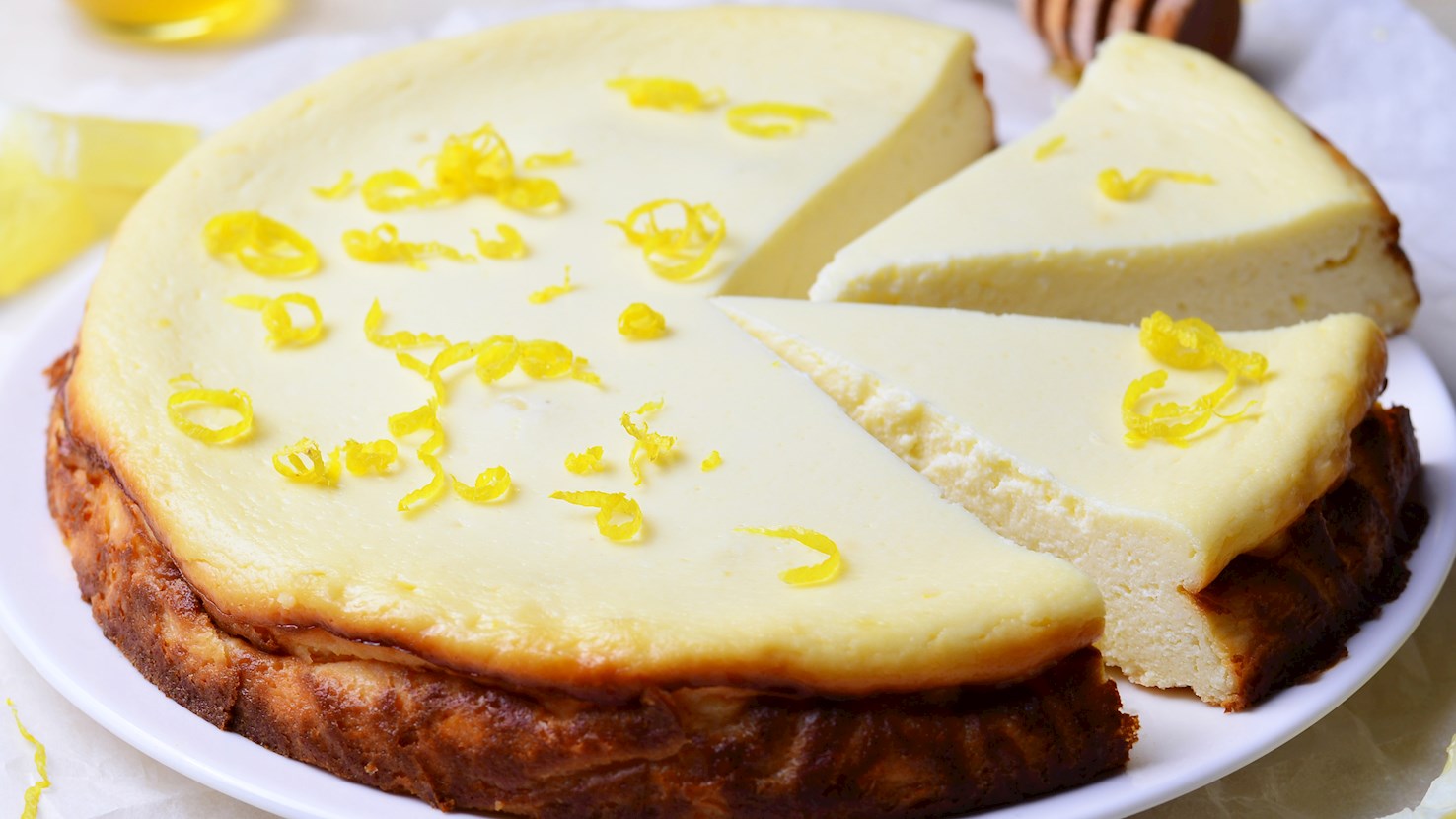
Melopita

4.1 ·

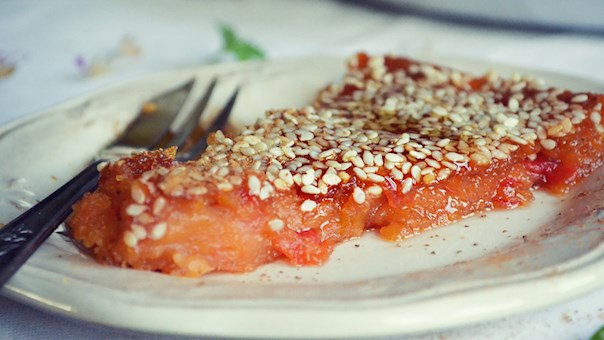
Translated as honey pie, this light Greek dessert is traditionally associated with the island of Sifnos, but its varieties can be found in other Greek regions as well. The pie combines fresh cheese, preferably mizithra based on sheep or goat milk, eggs, and honey, and it is usually baked as a round, crustless cake. It is recommended to garnish melopita with a sprinkle of cinnamon and an additional drizzle of honey.

08
Flatbread

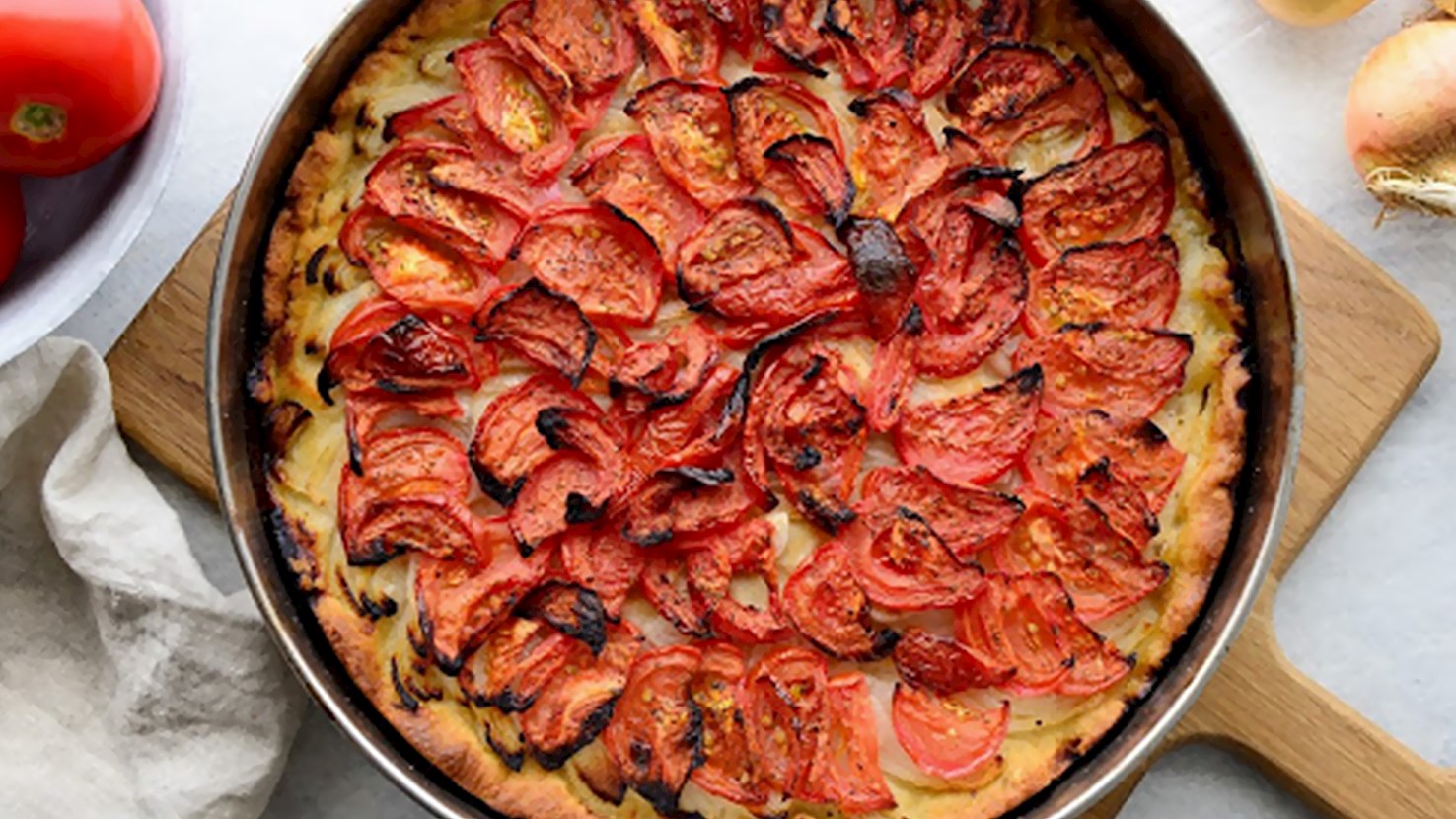
Ladenia

4.1 ·

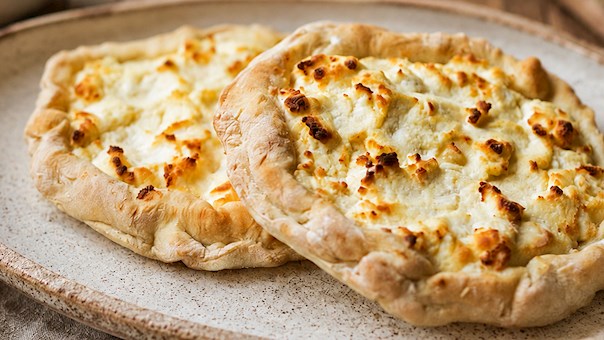
Ladenia is a type of soft flatbread that’s topped with tomato slices, onions, and a generous drizzle of Greek olive oil. Hailing from Kimolos, this savory delicacy is considered to be the Greek take on Italian pizza, and it is believed to date back to the time of the Venetian occupation of the island. The dough is typically made with flour, yeast, water, and salt, although some versions also call for the addition of olive oil to the combination. Homemade tomato paste is often used in case there are no fresh tomatoes, while some people tend to enhance the simple tomato-onion topping with the addition of capers and peppers. The flatbread is usually seasoned with sea salt, black pepper, and dried Greek oregano, and once baked, it is typically enjoyed with an extra drizzle of olive oil on top. Ladenia can be made in a round or rectangular shape, and it is typically eaten for breakfast or as a light lunch, although it can also be served as part of a meze dish.

09
Savory Pastry

Pitarakia

3.7 ·

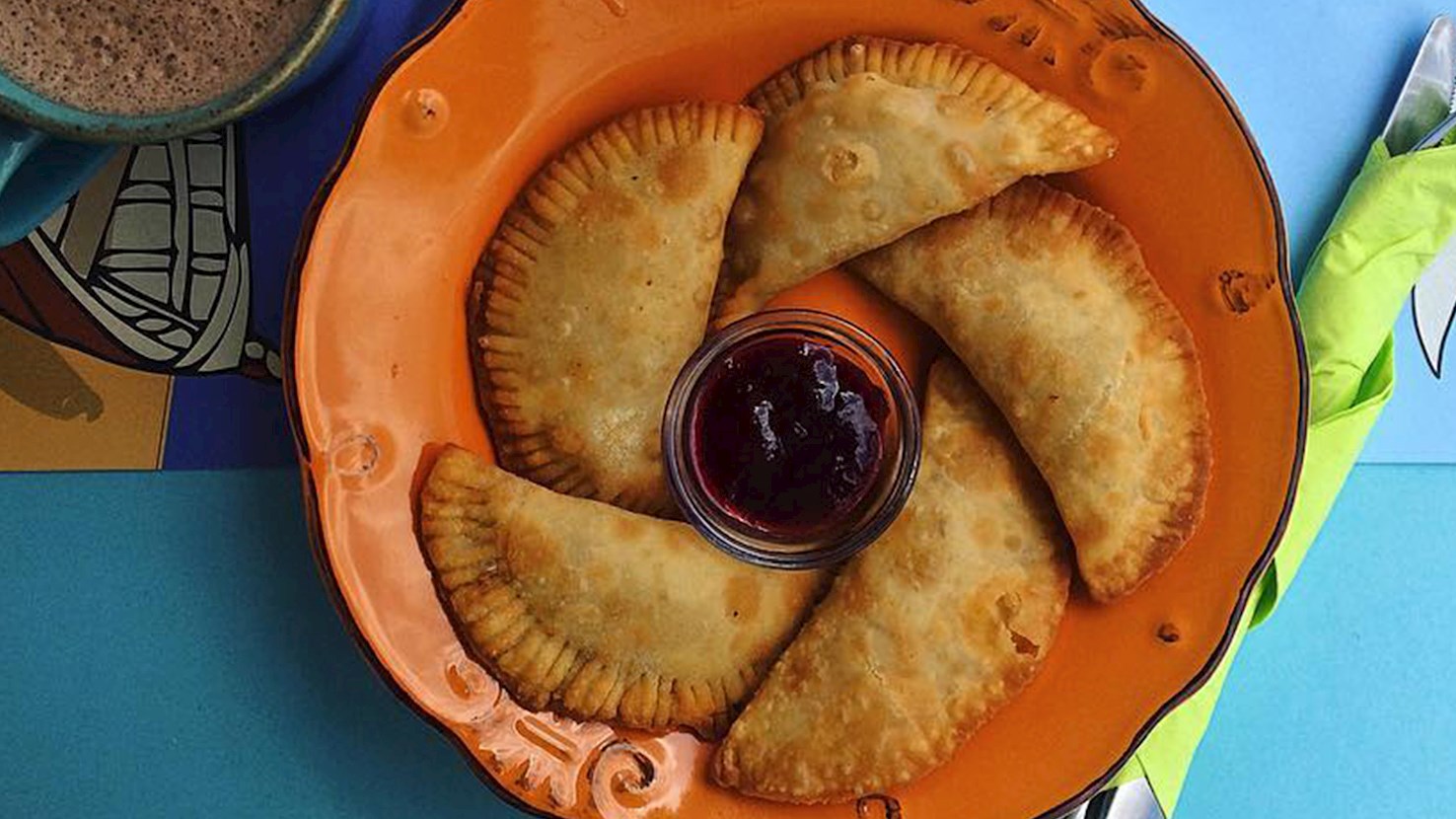
Pitarakia is a specialty of Milos island, consisting of small half-moon-shaped pastries filled with cheese. The pastry dough is typically made with flour, olive oil, onions, herbs, salt, and lukewarm water, while the filling may be as simple as crumbled local cheese (such as feta or manoura) mixed with freshly ground pepper. Other variations of the cheese filling include a mixture of local mizithra cheese, eggs, spearmint, and salt, or a combination of finely chopped red onions with dry Melian cheese. There’s also a sweet version of the pastry which uses a filling of mizithra cheese, sugar, eggs, and cinnamon. Pitarakia pastries are typically fried in hot oil until nicely colored and crispy, and they’re best enjoyed warm as a meze dish or a snack.

10
Cheese

Xynotyro

3.4 ·

Xynotyro is a Greek whey cheese originating from the island of Mykonos. It is made from goat’s or sheep’s milk. The cheese is characterized by its hard, flaky, melt-in-the-mouth texture. Its aroma is pungent, while its flavor is sweet, sour, and reminiscent of burnt caramel. Xynotyro is traditionally drained and cured in reed baskets, then matured in bags made from animal skin. However, it can be consumed fresh or after it has been aged for three months. It is recommended to use it in baked dishes and salads.

Best Cycladic food products

01
Wine

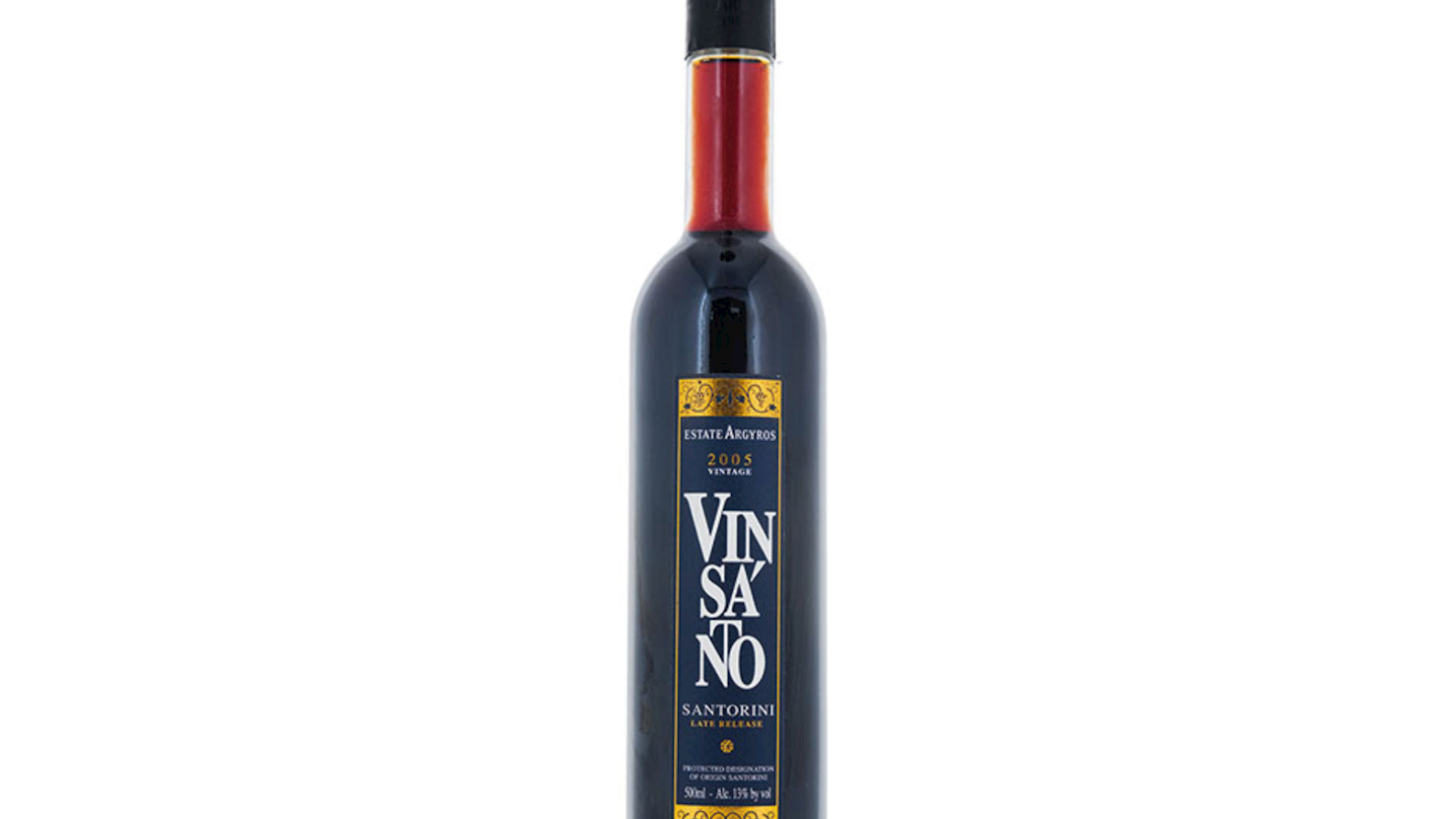
Estate Argyros

5.0 ·

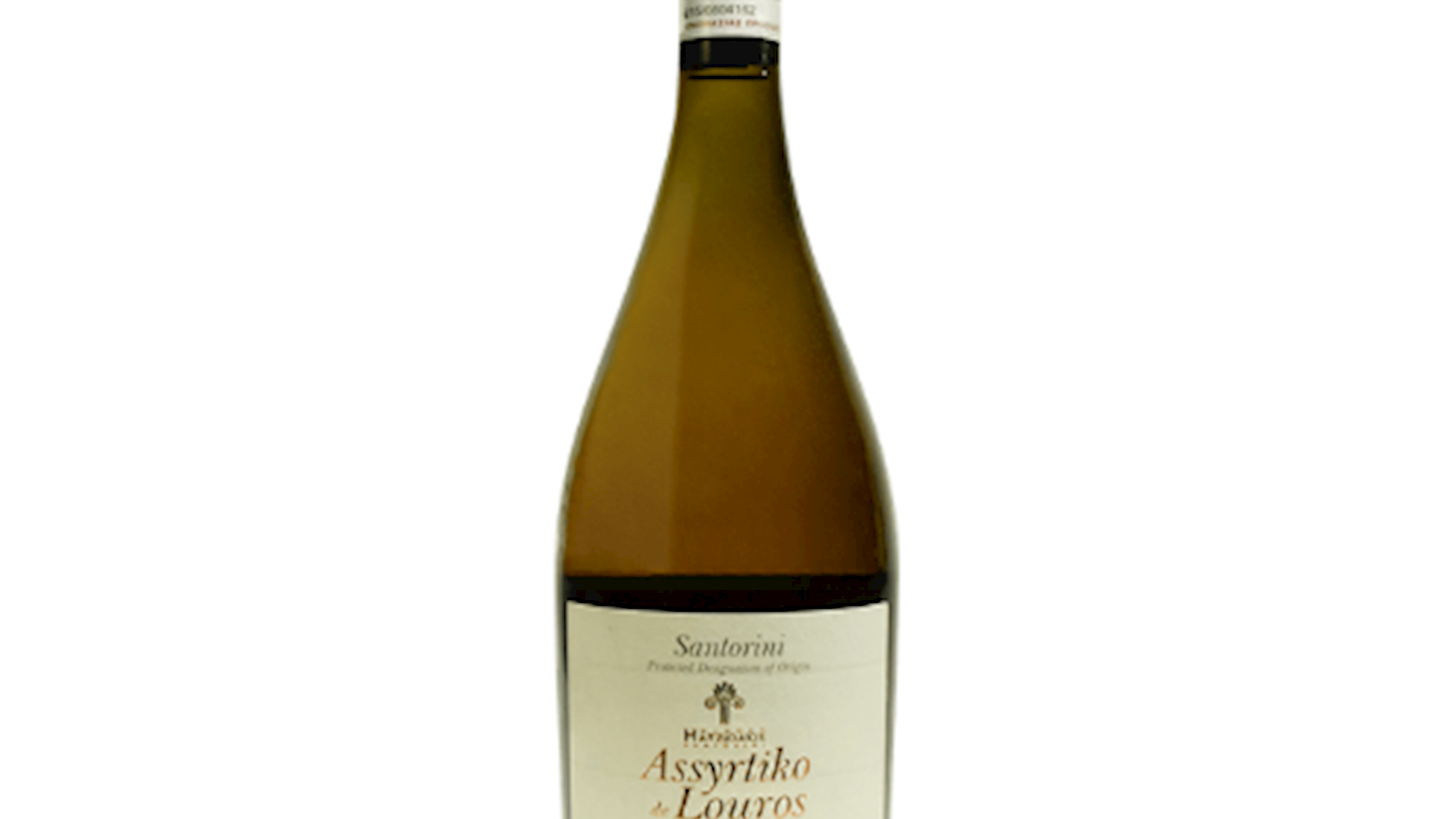
Estate Argyros is a family-owned winery on the island of Santorini, founded in 1903 in the village of Episkopi Gonia, in the heart of the island’s volcanic wine-growing zone. The estate covers more than 120 hectares of vineyards, making Argyros one of the largest private vineyard owners on Santorini.

Most vines are 70-100 years old, while some parcels of Assyrtiko exceed 150-200 years, resulting in extremely low yields but grapes of remarkable concentration and purity. The terroir is harsh and distinctive - volcanic, rocky and sandy soil with almost no organic material, naturally protecting the vines from disease and allowing them to remain ungrafted on their original rootstock.

The traditional training method known as kouloura, where the vine is shaped into a basket, protects the grapes from strong winds and intense sun. The winery is especially devoted to the native variety Assyrtiko, which here expresses a unique combination of salinity, minerality and sharp linear structure.

Argyros combines minimal intervention in the vineyard with precise winemaking, preserving both varietal character and terroir expression. Their dry Assyrtiko wines are known for high acidity, tension and exceptional aging potential.

The estate also produces other indigenous varieties such as Aidani and Mavrotragano. A signature of the winery is Vinsanto, a traditional dessert wine made from sun-dried grapes and aged for years in oak barrels, resulting in deep complexity and richness.

Awards
Decanter World Wine Awards - Best in Show (2026, 2023, 2020)
Decanter World Wine Awards - Platinum (2022, 2021, 2020, 2017, 2016)
02
Wine

Volcanic Slopes Vineyards

4.9 ·

Volcanic Slopes Vineyards is a small, high-quality winery on Santorini operating from a restored 18th-century kanava in the village of Episkopi Gonias, transformed into a modern cellar in 2013. Its philosophy centers on honoring the island’s volcanic terroir, with vineyards rooted in mineral-rich soil that shapes the distinctive character of Assyrtiko.

The winery produces a single wine, Pure Santorini, choosing focus and precision over portfolio expansion. Grapes are hand-harvested from old vines and vinified with a minimal-intervention approach to preserve the natural freshness, pronounced salinity and clarity typical of Santorini whites.

Pure Santorini is defined by marked mineral notes, vibrant acidity, citrus and herbal nuances, and a long, clean finish. The winery’s subterranean architecture carved into volcanic rock provides ideal aging conditions and reinforces its cultural identity.

Visitors can enjoy guided tastings and purchase wine directly on site, in an intimate environment away from mass tourism. VSV represents a synthesis of historical tradition, meticulous viticulture and modern enological precision, resulting in a wine that faithfully expresses the uniqueness of Santorini’s landscape.

Awards
Decanter World Wine Awards - Platinum (2022, 2020)
Vivino - 4.2
03
Cheese

E.A.S. Naxos

4.8 ·

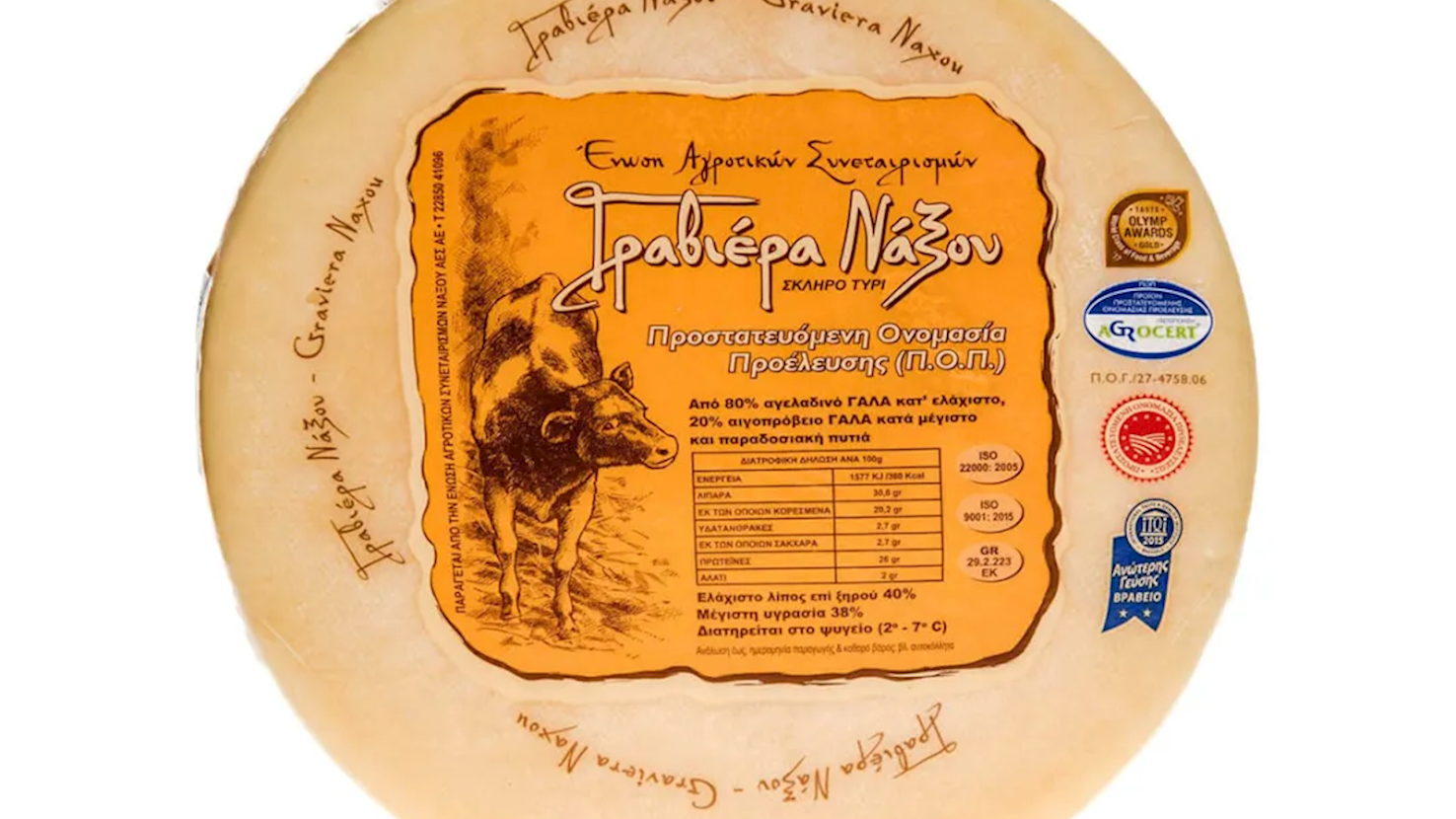
E.A.S. Naxos was founded in 1926 and is a key player in Naxos's agricultural sector, especially known for its dairy and cheese production.

This cooperative is significant for its contributions to the local economy and for supporting the agricultural activities on the island. E.A.S. Naxos has several primary products, with Graviera Naxou P.D.O. cheese being its most famous.

This cheese is protected under the Protected Designation of Origin status, signifying its unique regional characteristics. The cooperative also produces other dairy products and operates a modern milk processing plant. Furthermore, the cooperative has expanded into other agricultural products like the Patata Naxou, which is recognized with a Protected Geographical Indication.

Awards
Taste Olymp Awards - Gold (2017)
04
Cheese

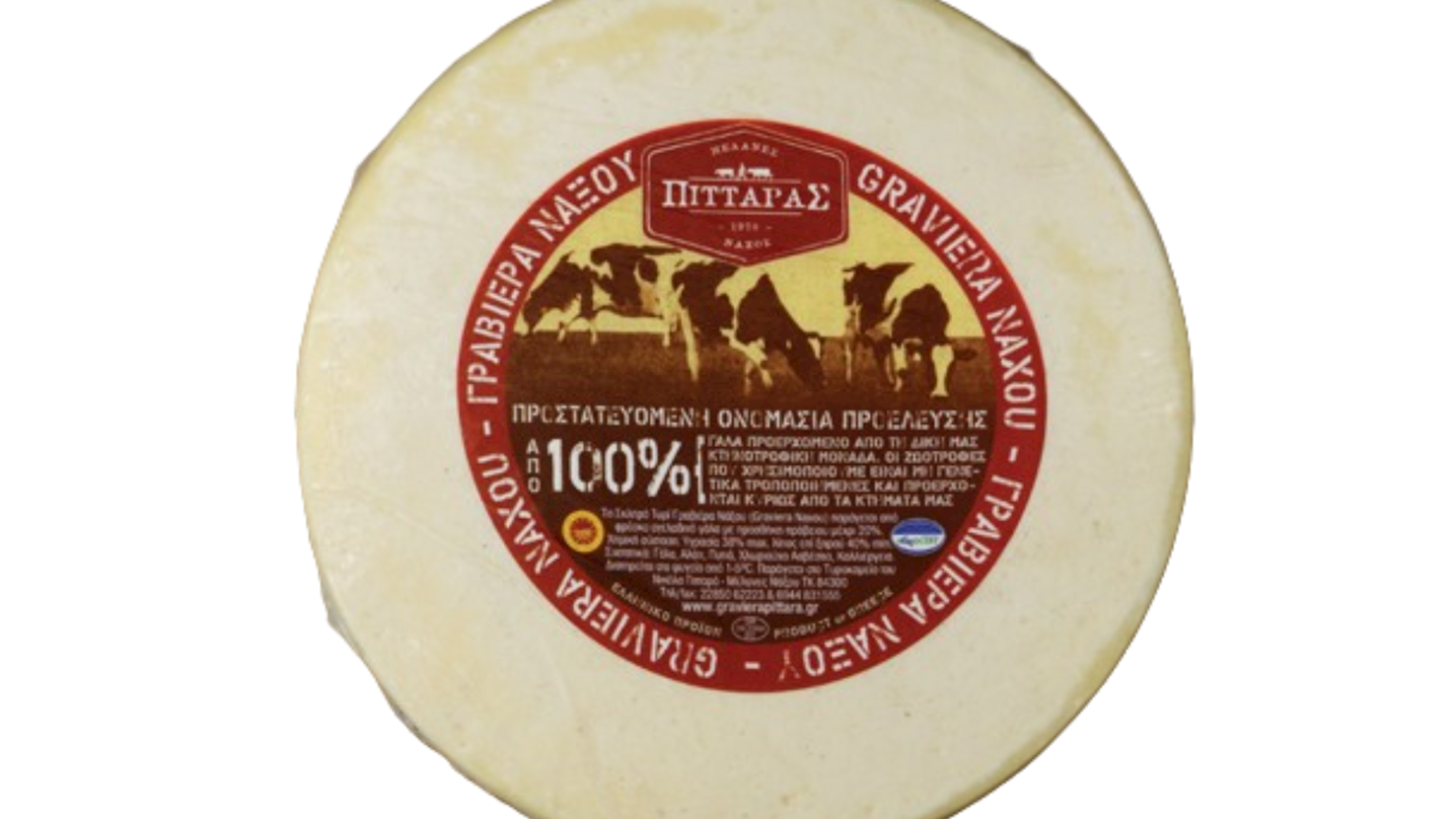
Graviera Pittara

4.7 ·

Graviera Pittara is a family-owned dairy producer located on the picturesque island of Naxos, Greece. Established with a mission to preserve and promote the island's rich cheesemaking traditions, the company specializes in crafting high-quality artisanal cheeses using fresh milk from local farmers.

In addition to Graviera, the company produces other traditional Greek cheeses such as Kefalotyri, Xynotyro, and specialty matured varieties. Graviera Pittara seamlessly combines age-old practices with modern technology, ensuring both quality and authenticity in every product.The dairy has earned numerous accolades at international competitions, highlighting their commitment to excellence and the unique character of their cheeses.

Graviera Pittara's products are celebrated not only in Greece but also internationally, bringing the taste of Naxos to tables worldwide.

Awards
Mediterranean Taste Awards - Platinum (2024, 2023, 2022, 2021)
Superior Taste Awards - 3 stars (2025, 2024)
05
Wine

Domaine Sigalas

4.6 ·

Domaine Sigalas is one of Santorini’s most respected wineries, located in the flatlands near the village of Oia, where the volcanic soil produces wines with a strong sense of place. Founded in 1991 by Paris Sigalas, the estate is known for its research-driven approach and the integration of modern techniques without compromising the island’s tradition.

The vineyards grow on sandy, rocky, mineral-rich terrain, and the vines are trained in the distinctive “kouloura” basket shape to protect them from strong winds and intense sunlight. Assyrtiko is the core variety, and Sigalas is renowned for a minimalist style that highlights its natural acidity, salinity and structure.

The portfolio includes labels such as Santorini Assyrtiko, Barrel-Aged Assyrtiko, Kavalieros, Nychteri, the sweet Vinsanto and reds such as Mavrotragano. The winery’s style is defined by precision, purity of aroma and notable aging potential.

Domaine Sigalas also operates as an eno-gastronomic destination, offering tastings and vineyard tours. Thanks to consistent quality and a strong international reputation, its wines are considered benchmark expressions of the modern Santorini style.

Awards
Vivino - 4.1
IWSC- International wine & spirit competition - Gold (2024)
06
Wine

T-Oinos

4.5 ·

T-Oinos is a boutique winery located on the island of Tinos, recognized as one of the most ambitious modern projects in Greek winemaking. Founded in 1999, with vineyards planted in the early 2000s and first wines released in 2008, the estate aims to revive the island’s historic viticultural identity.

The vineyards are situated at high altitudes, around 400-470 meters, in a harsh environment defined by strong winds, drought conditions, and granite-rich soils. These factors create low yields but contribute to wines of high concentration, pronounced minerality, and natural freshness.

The estate follows organic and biodynamic practices, focusing on indigenous varieties such as Assyrtiko and Mavrotragano, with particular emphasis on its flagship Clos Stegasta wines. In the cellar, a precise and low-intervention approach is used to highlight terroir expression.

The wines are typically structured, with vibrant acidity, saline and stony notes in whites, and depth and aging potential in reds. Overall, T-Oinos plays a key role in positioning Tinos as an emerging high-quality wine region, combining extreme terroir conditions with a refined, contemporary winemaking philosophy.

Awards
Vivino - 4.4
Vivino - 4.3
07
Wine

Artemis Karamolegos

4.5 ·

Artemis Karamolegos is one of Santorini’s most compelling wineries, located in the village of Exo Gonia, where it blends the island’s long winemaking tradition with a modern, detail-driven enological approach. The estate is centered on Assyrtiko, a variety that thrives in the island’s volcanic soils and produces intensely mineral, focused and age-worthy wines.

Vineyard work is meticulous - hand harvesting, strict fruit selection and minimal intervention in the cellar ensure a clean, precise expression of the terroir. The portfolio spans several tiers, from the Terra Nera line that introduces the essential Santorini style, to the Fine Selection and Single Vineyard labels that highlight specific parcels and old vines.

The winery also produces traditional styles such as Nykteri and Vinsanto, bridging the island’s heritage with contemporary craft. Its cellar and tasting room form an important visitor destination, while the on-site restaurant, Aroma Avlis, reinforces the connection between wine and local gastronomy.

Artemis Karamolegos consistently captures the character of Santorini through elegance, precision and deep respect for the volcanic landscape.

Awards
Decanter World Wine Awards - Best in Show (2018)
Vivino - 3.9
08
Wine

Hatzidakis Winery

4.5 ·

Hatzidakis Winery, founded in 1997 by Haridimos Hatzidakis and Konstantina Chryssou, stands as a benchmark producer on Santorini, built on the revival of an abandoned family vineyard in Pyrgos Kallistis and a philosophy rooted in restoring and expressing the island’s volcanic terroir, with a strong focus on organic, low-intervention viticulture and indigenous grape varieties such as Assyrtiko, Aidani, and Mavrotragano, which are cultivated on ancient, often ungrafted vines that can exceed a century in age and are trained in the traditional basket shape to withstand the island’s harsh winds and arid conditions, while the winery itself is uniquely constructed as an underground cave beneath the vineyards to ensure natural temperature stability and minimal environmental impact; beyond production, Hatzidakis played a key role in reviving nearly forgotten local varieties like Mavrotragano, contributing to the broader renewal of Santorini’s wine identity, and today the winery continues to produce limited quantities of wines defined by pronounced minerality, vibrant acidity, and structural precision, maintaining a clear and consistent expression of origin through a minimalist approach that prioritizes authenticity, sustainability, and a direct connection between vineyard and bottle.

Awards
Vivino - 4.4
Vivino - 4.2
09
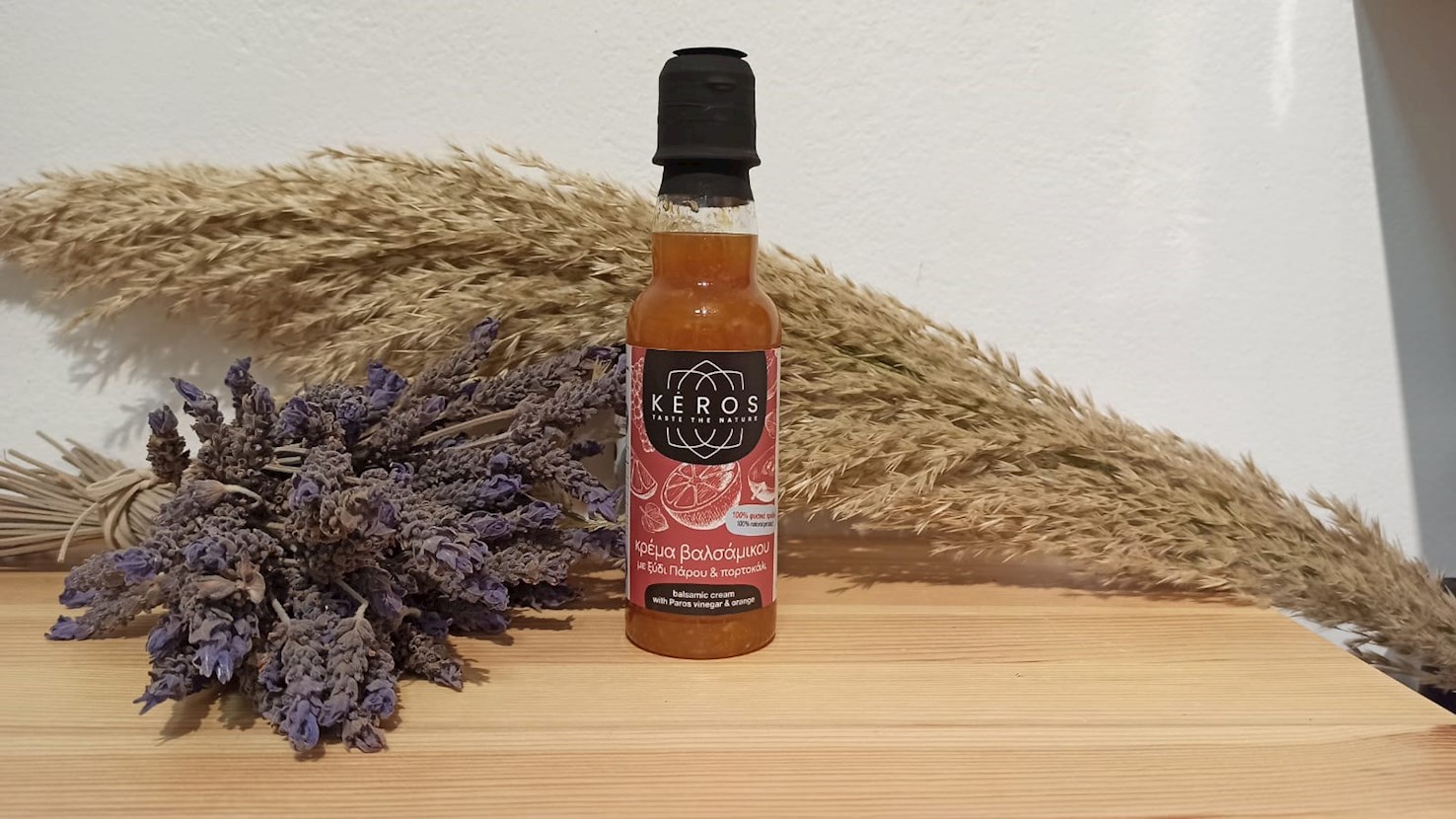
Condiment

Fani I. Roussou

4.5 ·
Awards
Great Taste Awards - 2 Stars (2024, 2023, 2022)
Read more
View all
View map
About this ranking

TasteAtlas food rankings are based on the ratings of the TasteAtlas audience, with a series of mechanisms that recognize real users and that ignore bot, nationalist or local patriotic ratings, and give additional value to the ratings of users that the system recognizes as knowledgeable. For the “Top 25 Cycladic Foods” list until July 08, 2026, 581 ratings were recorded, of which 213 were recognized by the system as legitimate. TasteAtlas Rankings should not be seen as the final global conclusion about food. Their purpose is to promote excellent local foods, instill pride in traditional dishes, and arouse curiosity about dishes you haven’t tried.

The initial list of top producers was compiled based on available reviews, awards, local recommendations, media and blog coverage, and consumer reviews. The list will be updated with ratings from TasteAtlas local ambassadors and TasteAtlas users.

Similar lists