



shutterstock

Top 34 Traditional Foods
in Espace Mittelland

Last updated on June 02, 2026

Best foods

01
Cheese

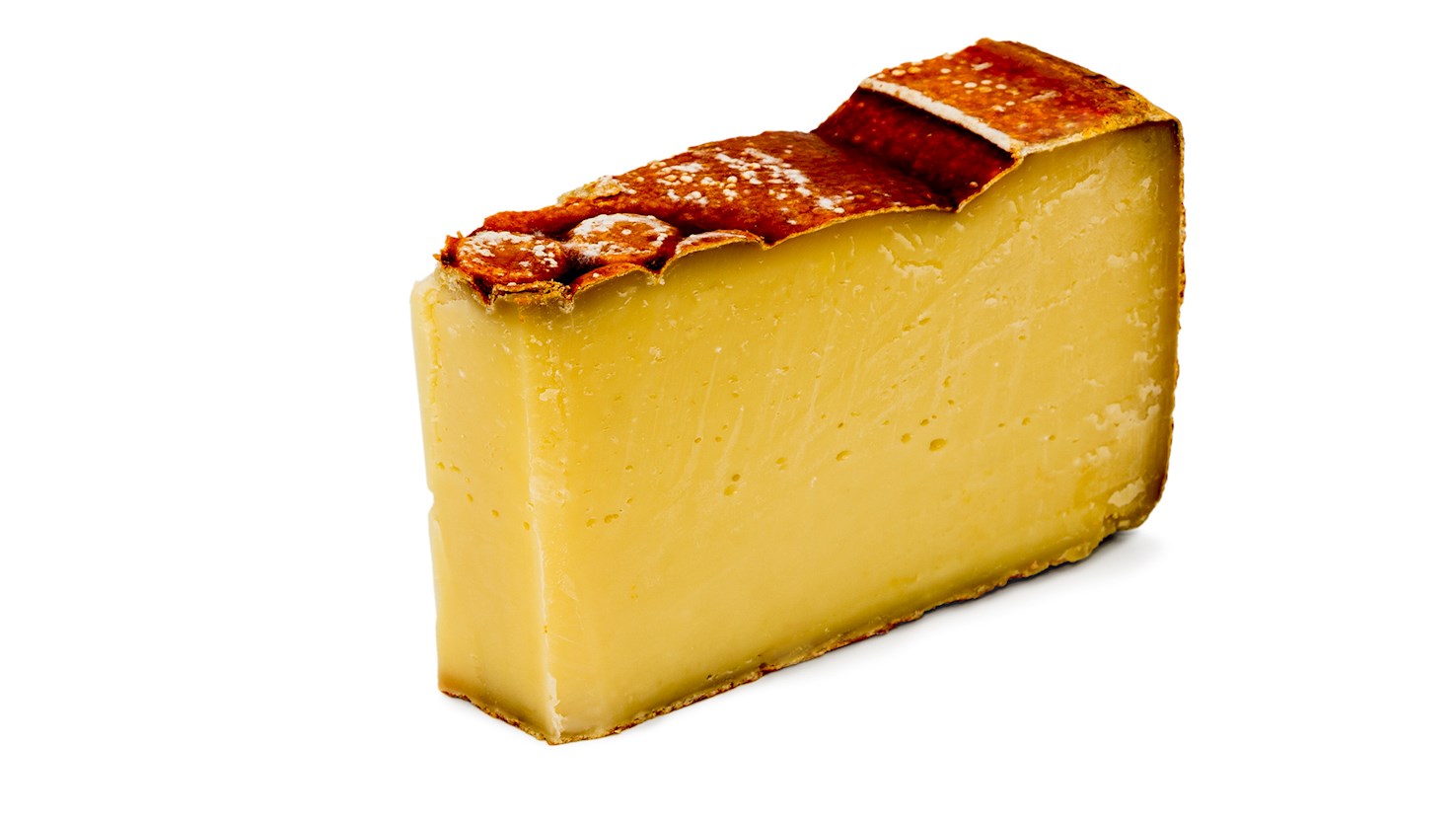
Tête de Moine

4.3 ·

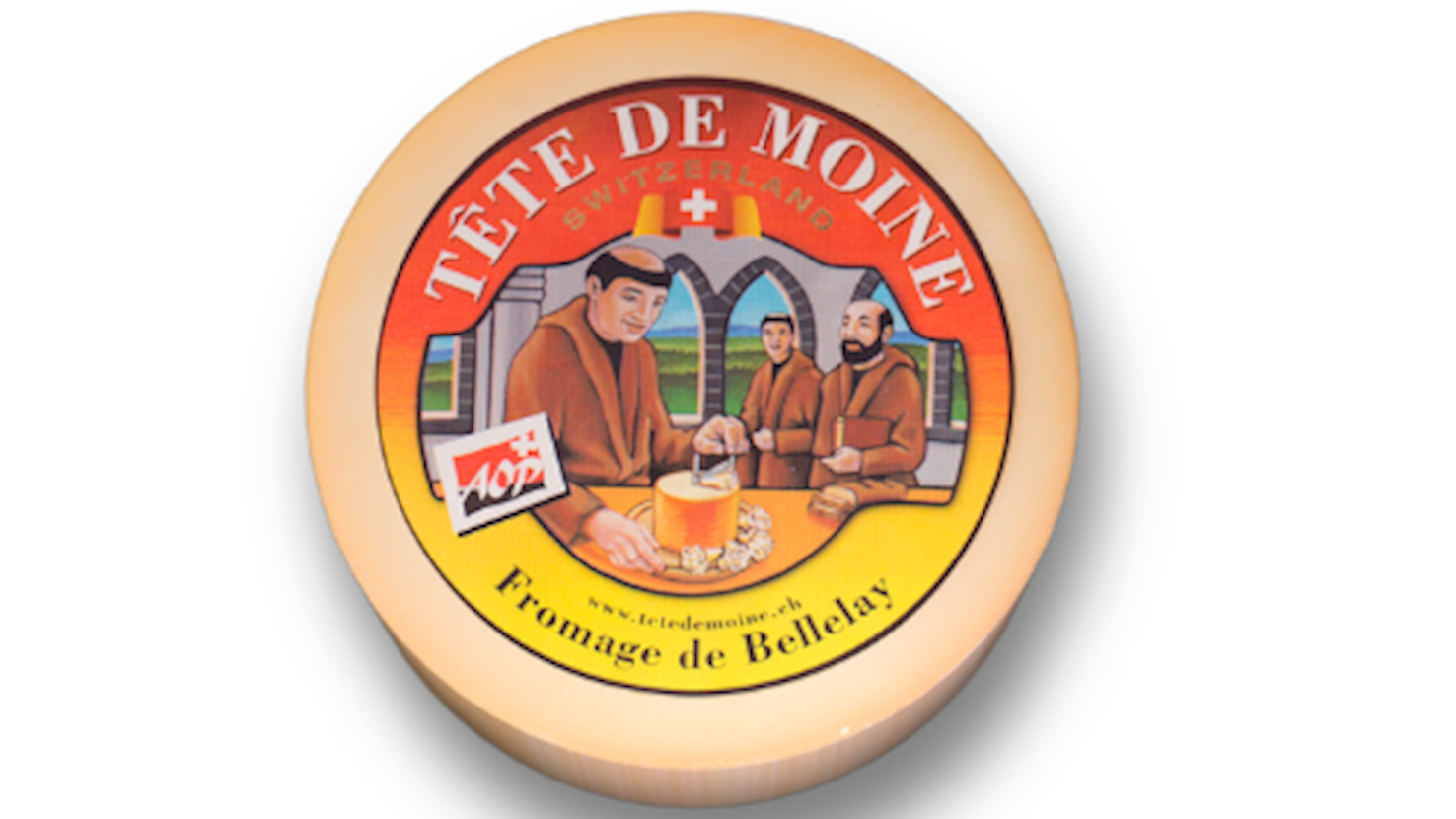
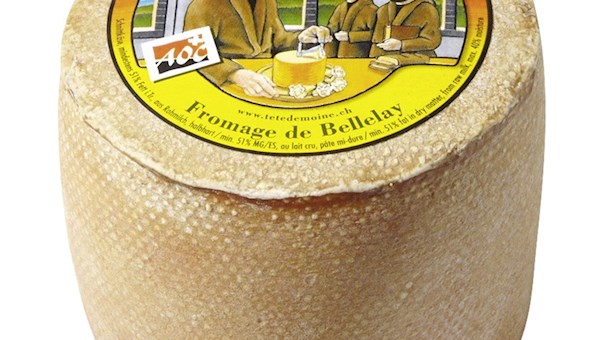
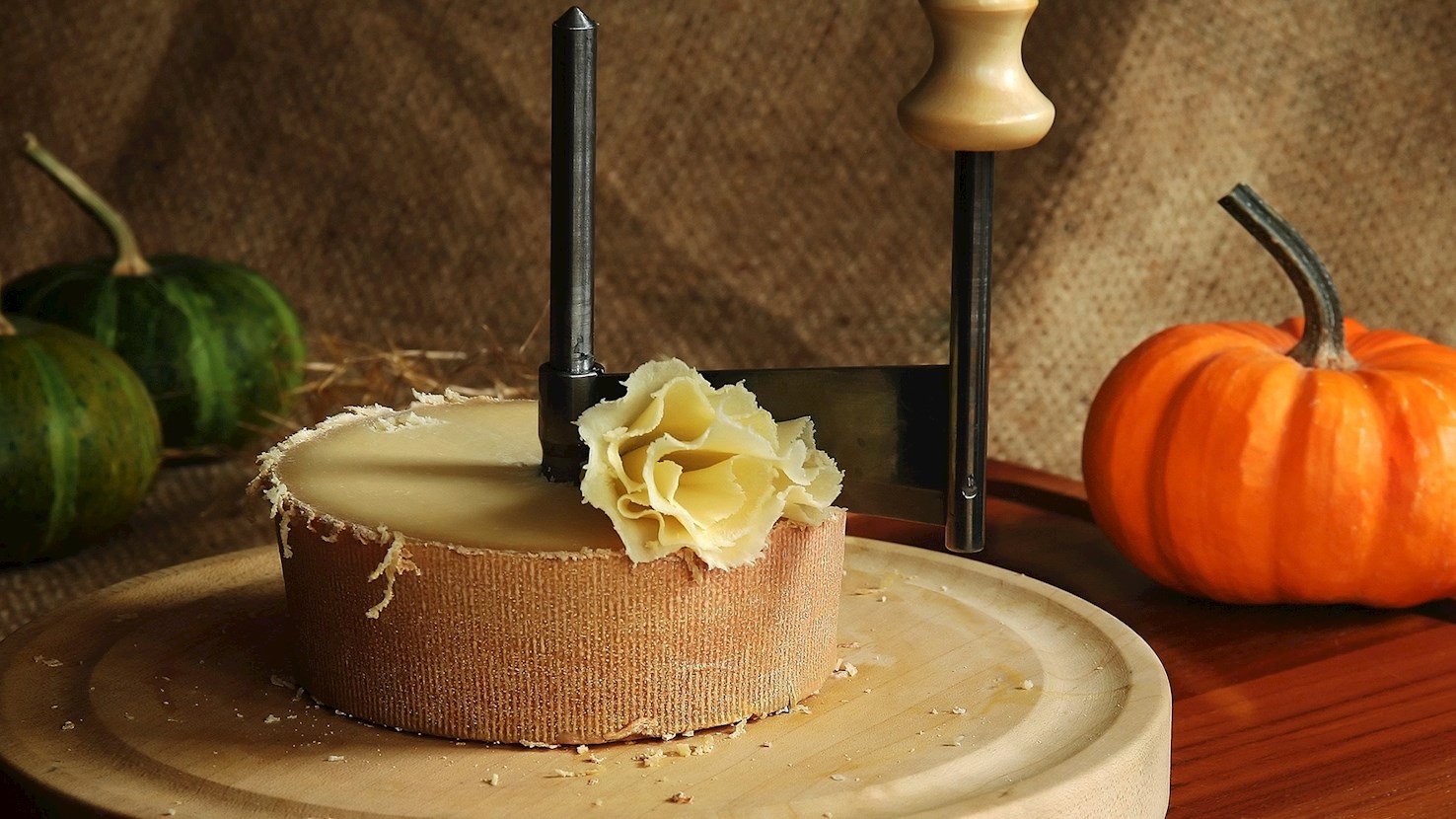
Tête de moine (lit. monk’s head) is a cylindrical, semi-hard Swiss cheese made from cow’s milk. The cheese is kept on spruce wood boards for at least 2,5 months before consumption. It is believed that the cheese was first made by monks in the Bellelay monastery in the community of Saicourt. In the past, they used it as a means of payment. Interestingly, tête de moine is not cut, but scraped or shaved with a special tool called a girolle. During the process, the surface of the cheese comes into direct contact with air, which alters the structure of the paste and helps to release the aromas. Pair it with crisp white wines such as Pinot Grigio.

02
Dipping Sauce

Fondue moitié-moitié (Half-and-Half Fondue)

4.2 ·

Moitié-moitié (lit. half and half) is a traditional cheese fondue originating from Fribourg. The name refers to the fact that the fondue is made with equal amounts of Gruyère and Vacherin Fribourgeois cheese, along with garlic, white wine, potato starch, black pepper, and Kirsch. The fondue pot is rubbed with garlic – the clove is left in the pot and mixed with all the other ingredients except the Kirsch and pepper. The ingredients are stirred until smooth and creamy. The mixture should not come to a boil, but it should be left to lightly simmer. Kirsch and pepper are added near the end, and the fonude is kept warm on a burner while everyone dips a piece of bread into the pot.

03
Cheese

Gruyère

4.2 ·

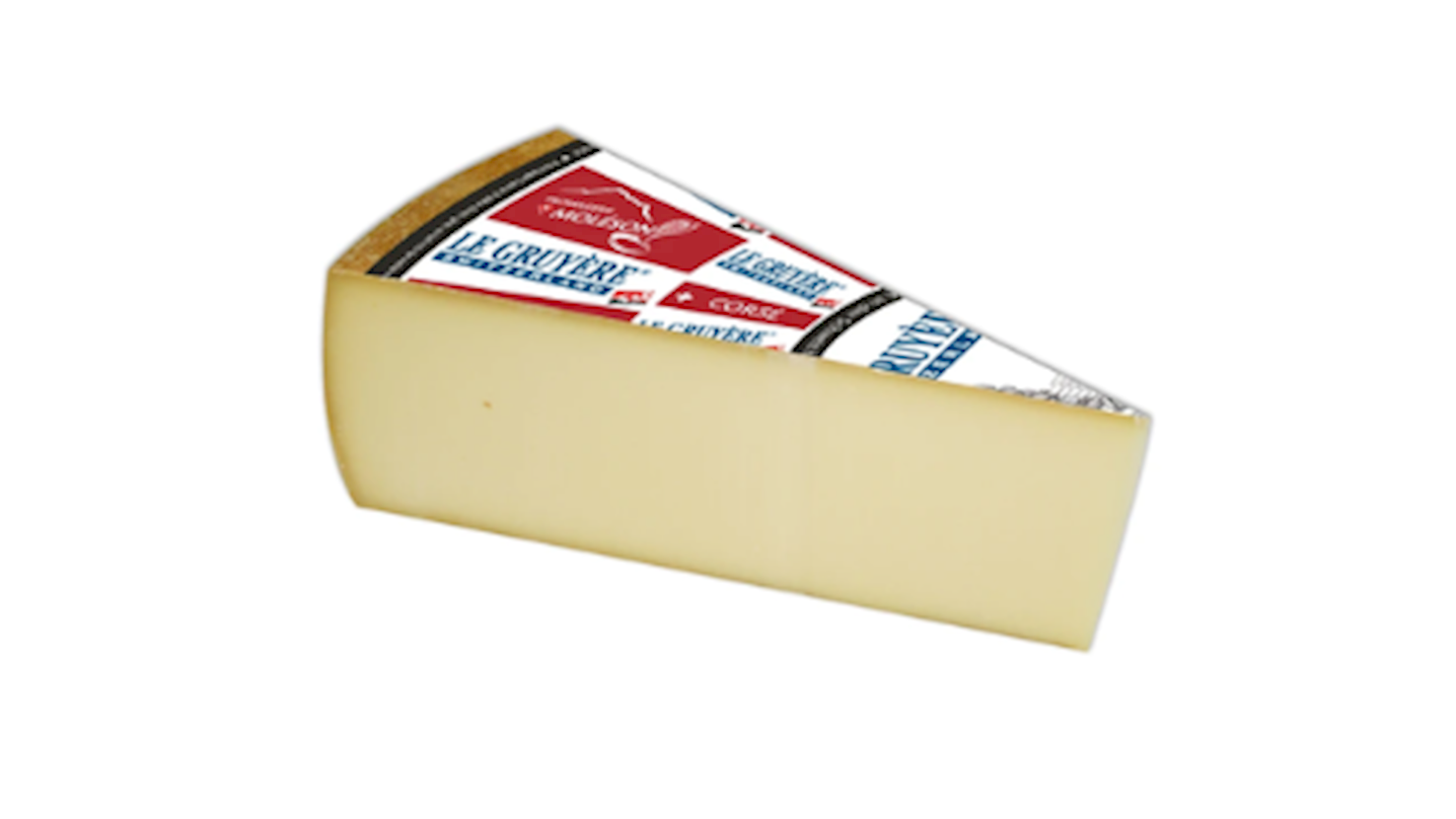
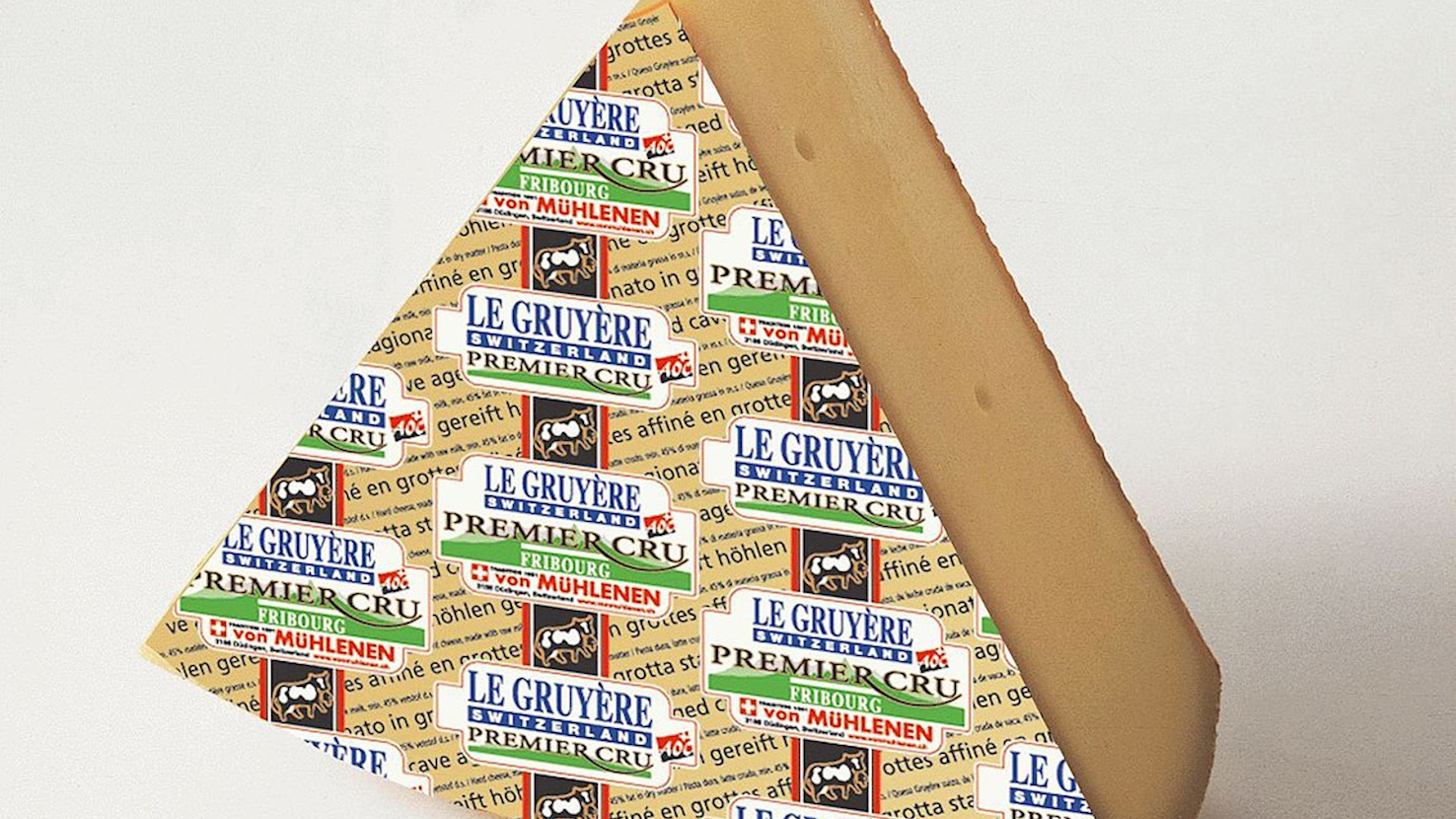
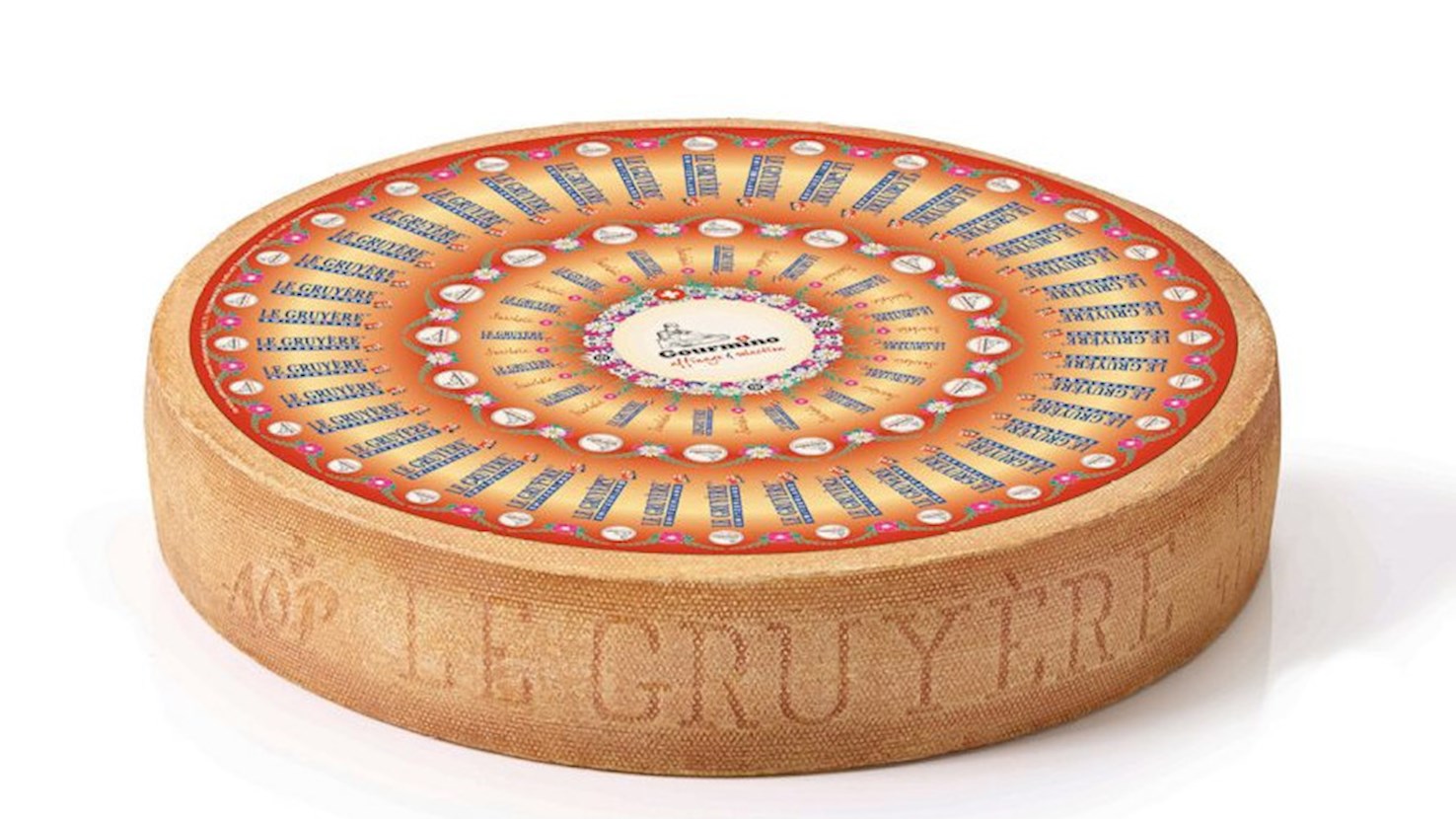
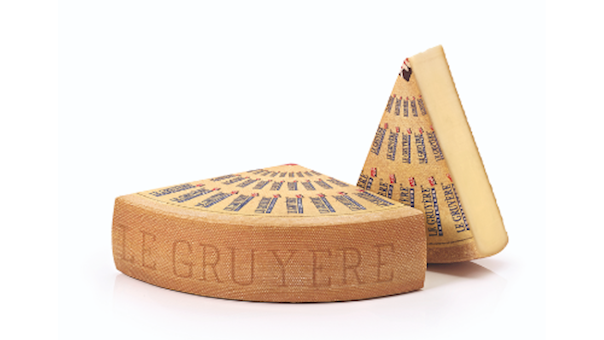
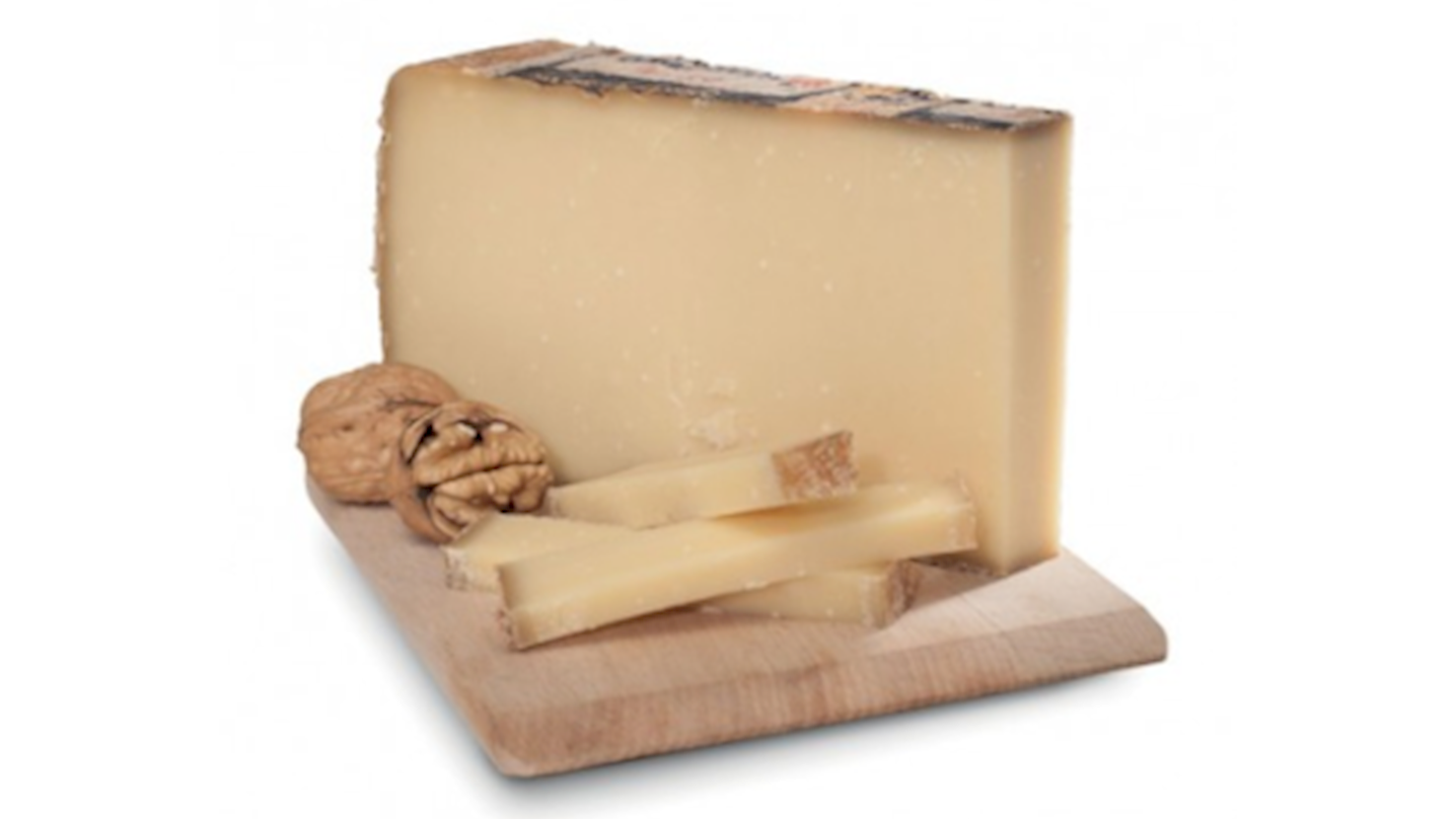
Gruyère is a cooked and pressed cheese made from raw cow's milk. On the exterior, the cheese has a grainy yellow to brown rind, while the interior is ivory to pale yellow in color. The Swiss version (AOP), a hard cheese with a salty and nutty flavor usually has no holes, while the French version (IGP) is required to have them, ranging in size from a pea to a cherry. Gruyère must mature for at least 120 days in cellars so that it develops delicate aromas of caramelized apples, hazelnuts, and brown butter. It melts well, making it ideal for classic fondues, or, alternatively, sliced and consumed on its own and paired with a glass of light red wine. Walnuts and smoky speck also make for great accompaniments.

04
Cheese

Vacherin Fribourgeois

3.9 ·

Vacherin Fribourgeois is a traditional semi-soft cheese. It's made from raw cow's milk in Bulle and Fribourg. The cows graze only on grass and summer hay on the Alpine meadows. The rind is washed and has a pungent aroma. The interior hides an open, firm, and buttery texture. The aromas are grassy and strong, while the flavors are buttery, nutty, milky, and acidic. It's difficult to find the cheese because it's produced only by a handful of local artisanal cheese makers. There are 6 varieties of Vacherin Fribourgeois: Classic (6-12 weeks), Extra (at least 12 weeks), Rustic (at least 12 weeks and up to 25 weeks), Alpage (12-25 weeks), Mountain (9-25 weeks), and Organic (at least 9 weeks). It's recommended to use it in fondues or as a table cheese. Vacherin Fribourgeois altso melts well, so it can be used in sandwiches or served with potatoes. Pair it with bold red wines from France.

05
Side Dish

Berner rösti

3.9 ·

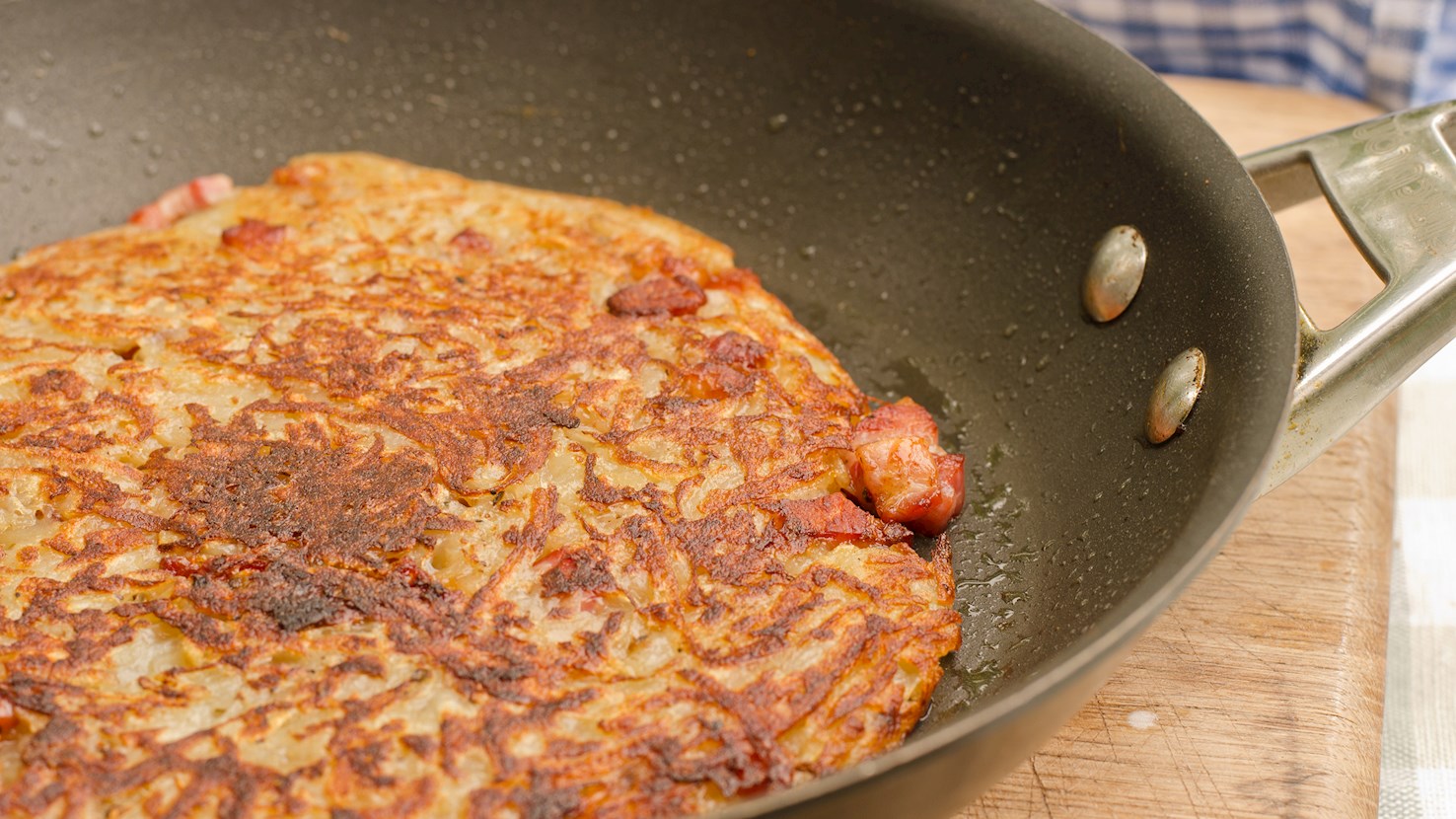
Berner rösti is a traditional variety of rösti originating from Bern. This type of rösti differs from the standard rösti due to the addition of diced bacon, and the potatoes are coarsely grated. It's made with a combination of boiled potatoes, diced bacon, butter, and salt. The potatoes are coarsely grated, seasoned with salt, and mixed with diced bacon. The mixture is fried in butter over medium heat on both sides. In the end, the bottom of the rösti should have a crispy crust. Once done, this rösti is served hot with the crust side up.

06
Cheese

Emmentaler

3.7 ·

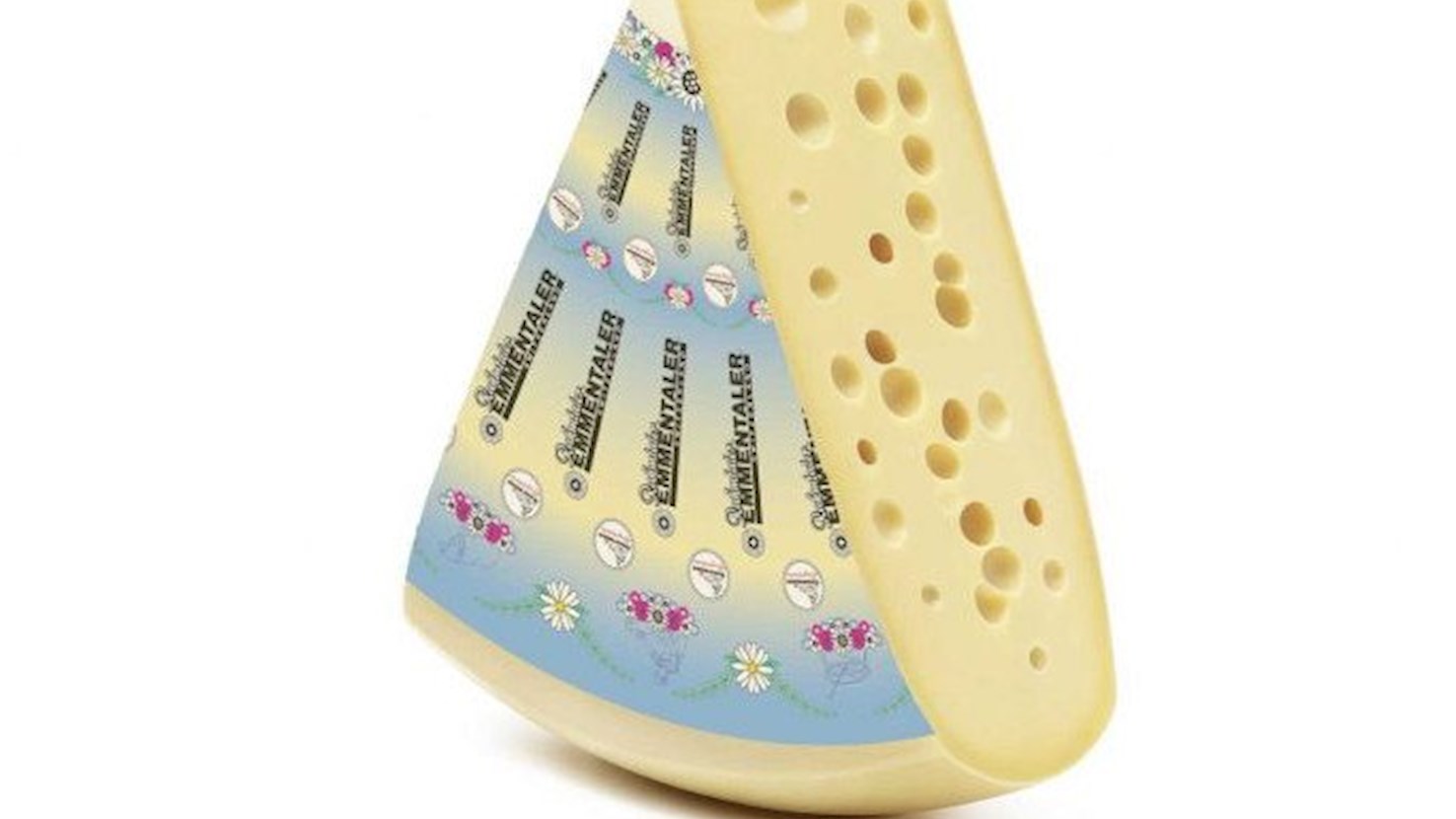
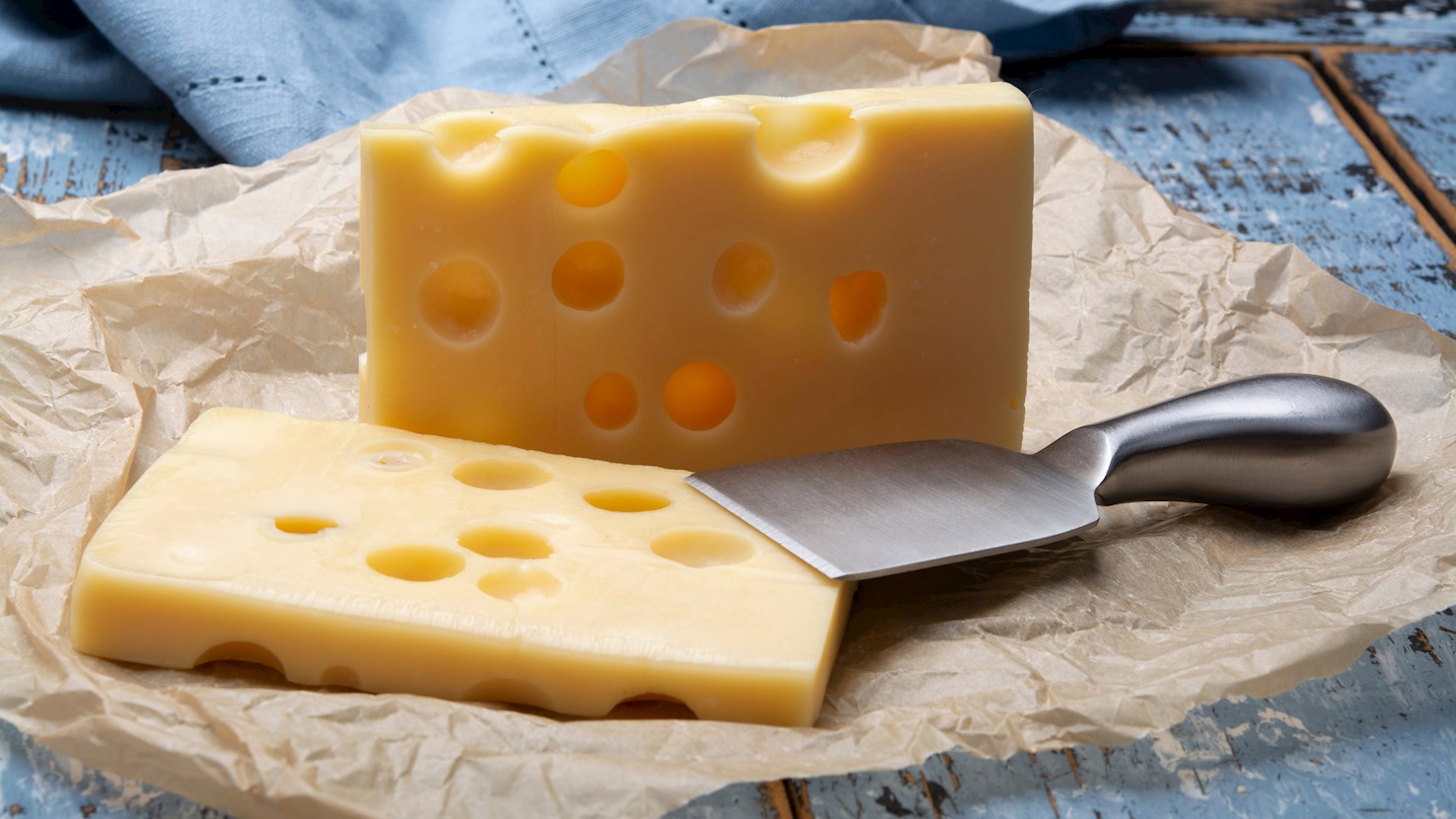
Emmentaler is a semi-hard Swiss cheese made from unpasteurized cow’s milk. It must be matured for a minimum of 4 months, though some varieties can be aged longer. The cheese is characterized by its pale yellow color, smooth texture, and marble-sized holes (eyes), which appear during maturation. Although the final flavor profile depends on maturation, the cheese is usually nutty and tangy, with aromas that are reminiscent of fresh hay. Emmentaler is traditionally served sliced or cut into cubes, but it also incorporates well into various dishes, and it is one of the most common cheese varieties used in fondue. This classic Swiss cheese was named after the river Emme in the canton of Bern, where the cheese-making tradition dates back to the 13th century. Emmentaler can be produced in eleven Swiss cantons.

07
Cheese

Berner Alpkäse

3.6 ·

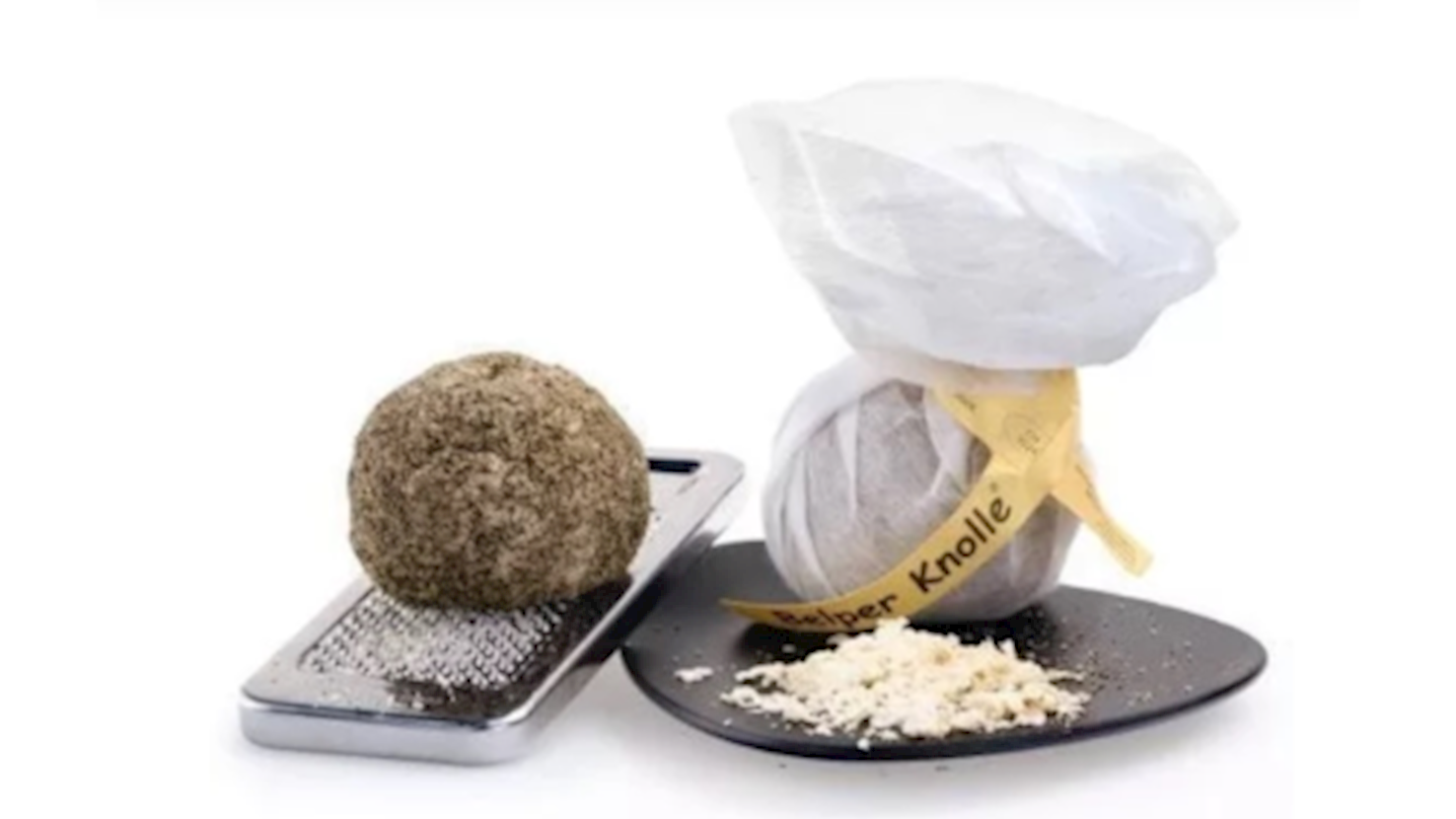
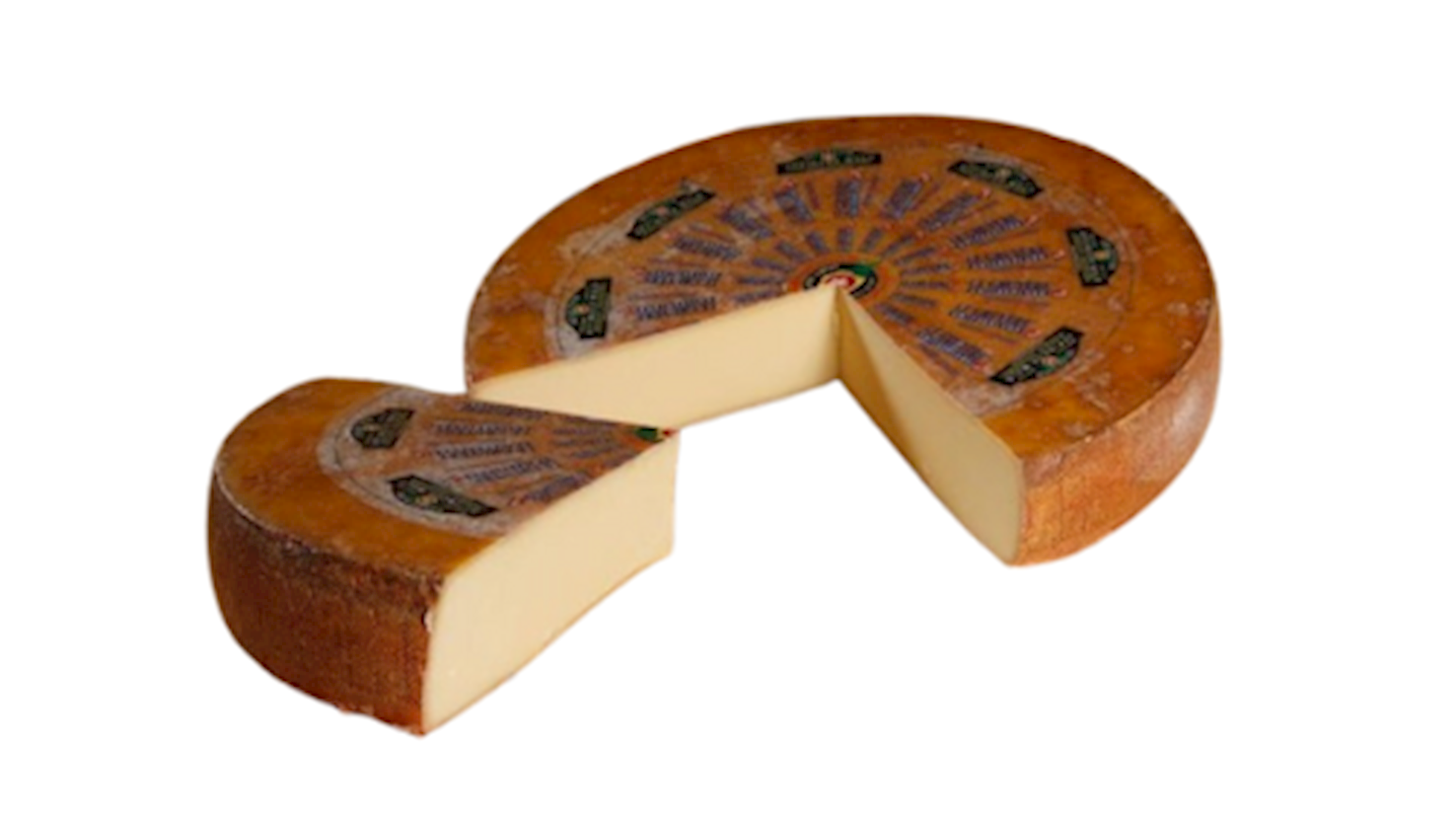
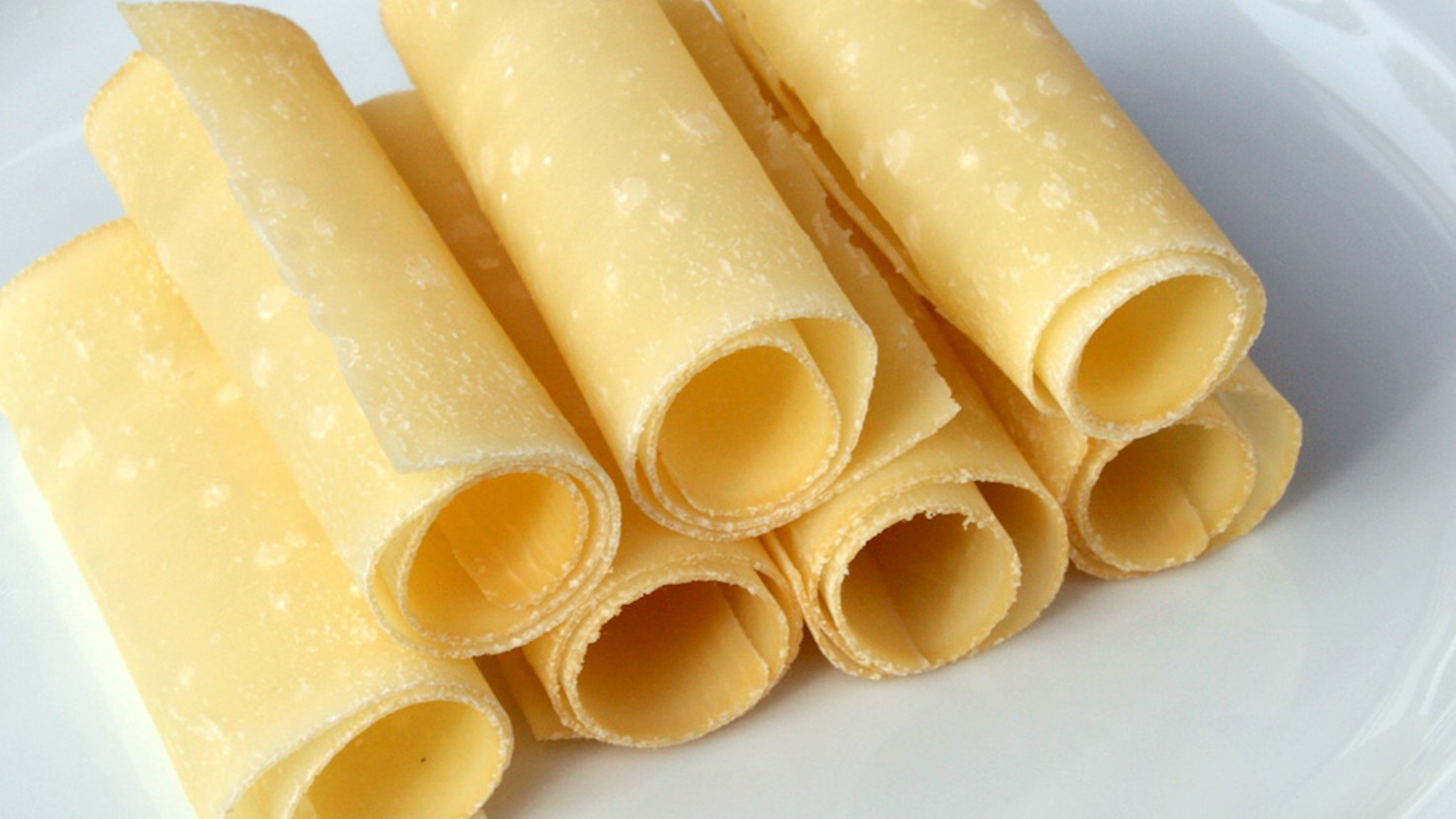
Berner Alpkäse is a traditional cheese originating from the Bernese Oberland. This hard cheese is made during summer from full-fat raw cow's milk that's flavored with Alpine herbs on which the cows graze. It's usually left to age from 6 to 18 months before consumption. Underneath its washed rind, the texture of this cheese is hard, brittle, and with no eyes (holes) that are typical for Swiss cheeses. The flavors can be mild or strong, depending on the maturation period. The cheese is usually planed into thin rolls or crumbled into smaller pieces because its brittle texture makes it unsuitable for cutting with a knife.

08
Cheese

Swiss Tilsit

3.5 ·

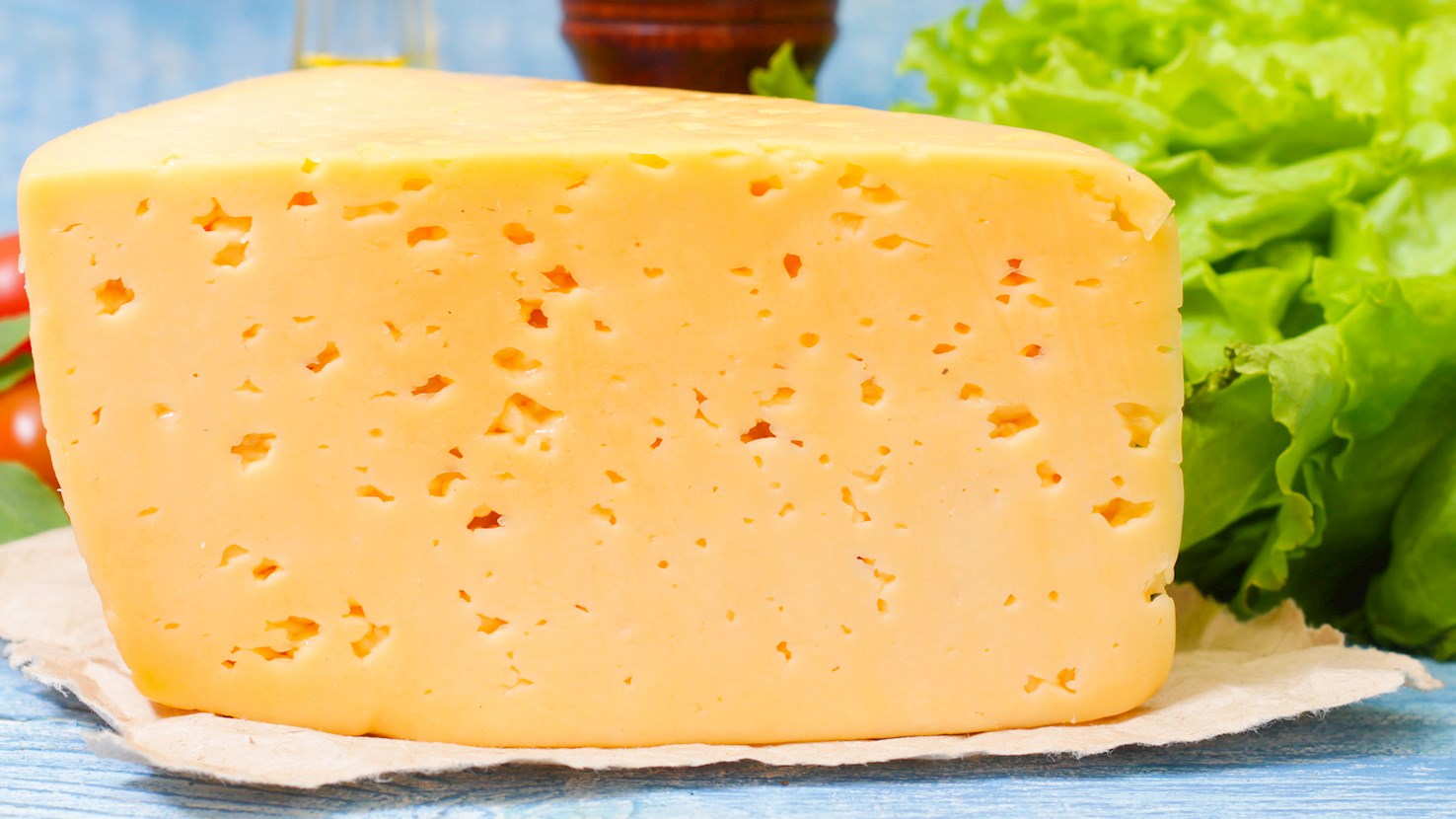
Swiss Tilsit or Royalp Tilsit is a Swiss cheese produced in the Emmental Valley. The cheese is made from pasteurized or raw cow's milk. The pasteurized version is mild, while the raw one has a stronger flavor and it's called Farmhouse Tilsit. The third version is made from pasteurized milk and the addition of cream. The cheese is aged for 5 months, making the aromas strong and pungent. Underneath the washed rind, the texture is firm, springy, elastic, and full of eyes. The flavors range from mild and creamy to piquant and spicy. Use Swiss Tilsit in salads or add it to sauces as the cheese melts exceptionally well.

09
Cheese

Mont Vully

3.3 ·

Mont Vully is a Swiss cheese made from raw cow's milk. It's produced in the Canton of Fribourg. The texture of Mont Vully is semi-soft and delicate, while the flavors are mild, nutty, woodsy, and slightly piquant. As it ages (10 to 20 weeks), the cheese is regularly washed with Pinot Noir from local vineyards, giving it a reddish rind. The cheese can also be recognized by a grape imprint on top of the wheel. The name of this cheese is a reference to Mont Vully, a hill in the Swiss Plateau. It is produced in 3 varieties – Classique (the original), Bio (organic), and Réserve (matured for 25 weeks).

10
Meat Dish

Berner Platte

3.1 ·

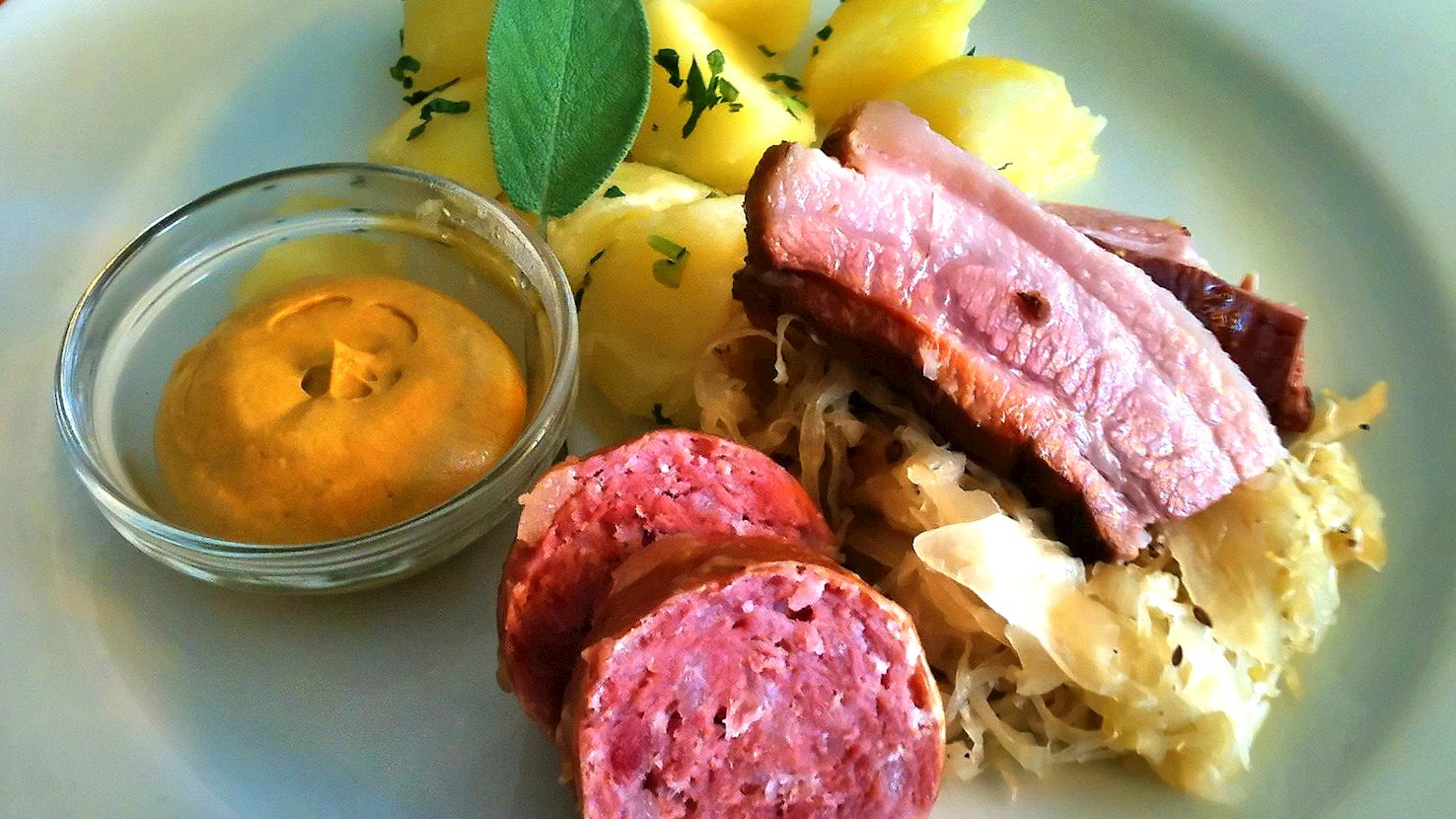
Berner platte is a traditional celebratory dish originating from Bern. It consists of a large plate that's filled with a variety of sauerkraut, meat, offal, potatoes, and green beans. The meat, vegetables, and side dishes are all prepared separately, then served on the same plate – the meat is often boiled with onions and bay leaves, the green beans are sautéed in butter, the potatoes are boiled and fried with butter and chives, and the sauerkraut is typically cooked in white wine with currants and bacon. In some cases, Berner platte is served as an open buffet, so each person can choose the ingredients for their (regular) plate.

Best food products
01
Cheese

Fromage d’Alpage

5 ·
Fromage d’Alpage is an organization based in the canton of Fribourg, Switzerland, that brings together alpine producers involved in the traditional production of mountain cheeses such as Gruyère d’Alpage AOP and Vacherin Fribourgeois AOP. The group represents farmers and cheesemakers who produce cheese during the summer grazing season on high-altitude alpine pastures, where cows feed on diverse mountain herbs and grasses that influence the character of the milk. These cheeses are made directly on alpine farms in small mountain chalets, often using traditional copper vats and time-honored cheesemaking techniques passed down through generations. In this context, the organization plays an active role in the production system by coordinating alpine milk production, cheesemaking practices, and the preservation of traditional methods specific to mountain pastures. The cheeses are typically produced only during the summer months, when the animals graze freely in alpine environments, resulting in products known for their complex aroma and strong expression of terroir. Fromage d’Alpage also supports producers through collective promotion, quality standards, and the marketing of alpine cheeses, helping maintain the economic viability of small mountain farms. In addition, it contributes to the preservation of alpine landscapes and pastoral traditions by promoting sustainable mountain agriculture. Through this cooperative model, the organization connects small-scale producers with wider markets while safeguarding the authenticity and identity of traditional Swiss alpine cheeses.
Awards
World Cheese Awards - Super Gold (2022)
World Cheese Awards - Gold (2022)
02
Cheese

Fromagerie Moléson

5 ·
Fromagerie Moléson is a Swiss dairy and cheesemaking company located in Orsonnens in the canton of Fribourg, a region with a long tradition of alpine cheese production. The company was founded in 1965 by the Grossrieder family and has developed into an important processor of regional milk and dairy products. It works closely with local dairy farmers, collecting milk from numerous farms in the surrounding area and processing several million kilograms of milk each year, primarily cow’s milk but also goat and sheep milk. The company produces a wide range of traditional Swiss cheeses, including Gruyère AOP, Vacherin Fribourgeois AOP, raclette cheeses, tomme-style cheeses, and various fondue blends. Alongside these classic products, the dairy also develops its own specialty cheeses and value-added dairy products that combine regional ingredients with modern production techniques. An important part of its activity includes cheese maturation, as the company operates aging cellars where cheeses are carefully monitored and turned during the affinage process to develop their characteristic flavor and texture. Fromagerie Moléson also distributes its products through its own retail shop and broader distribution network in Switzerland and abroad. Over the years, the company and its cheeses have received recognition at international cheese competitions, particularly for their Gruyère AOP. The business emphasizes a balance between traditional cheesemaking practices and modern production standards while maintaining strong partnerships with regional dairy farmers.
Awards
World Cheese Awards - Super Gold (2022)
World Cheese Awards - Gold (2022)
03
Chocolate

Choba Choba

5 ·
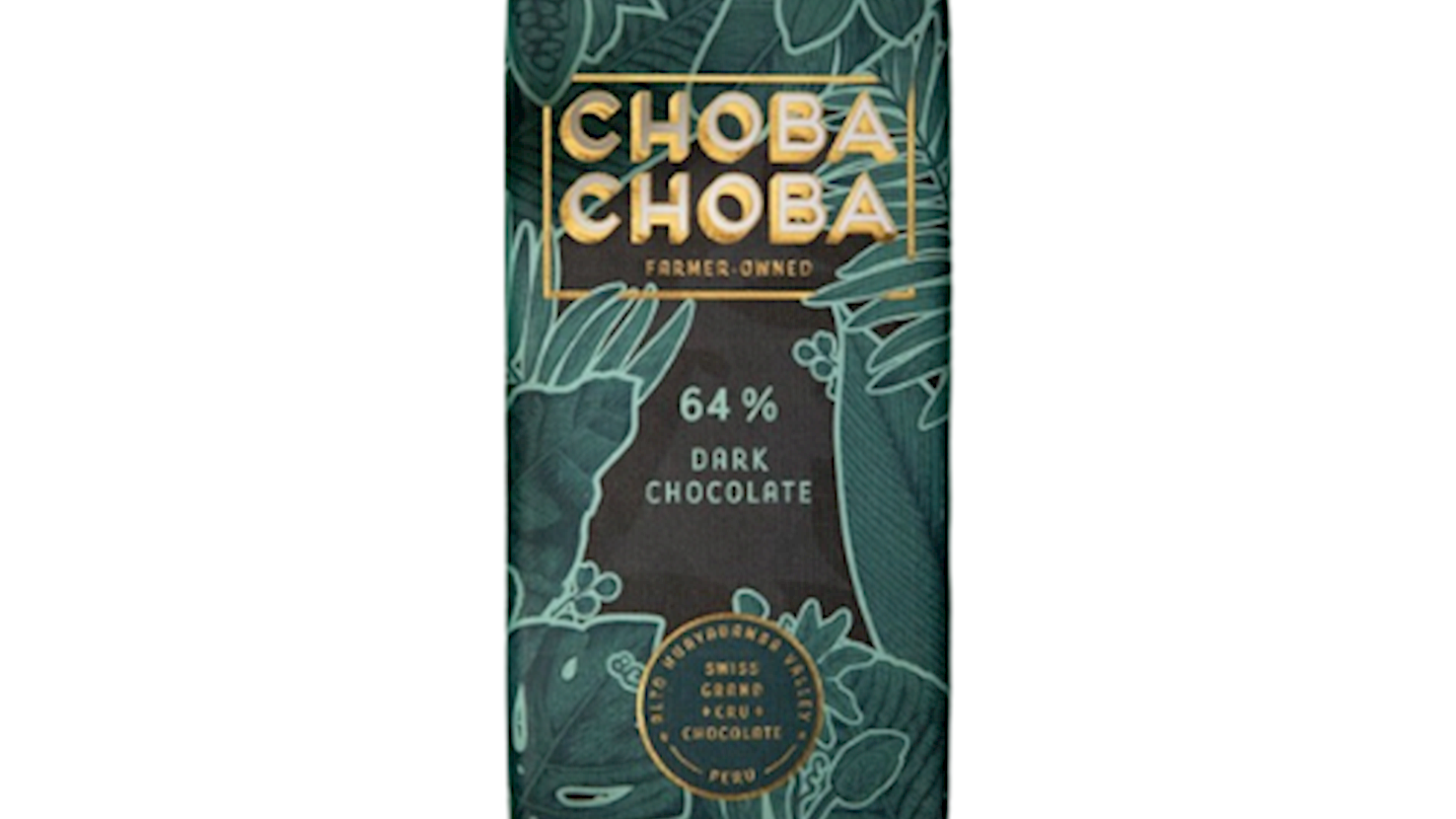
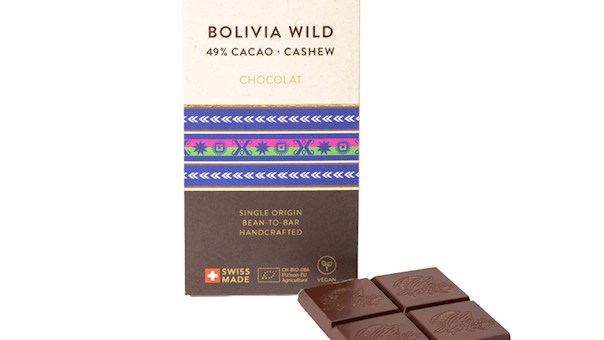
Choba Choba is a Swiss chocolate brand based in Bern, founded in 2015, and unique in that it is partly owned by the cacao farmers themselves in Peru. It was created through a partnership with 36 producers from the Huayabamba Valley in the Peruvian Amazon, who not only cultivate cacao but also actively participate in strategic decision-making. The brand’s mission is to overturn the traditional value chain in the chocolate industry by giving farmers real power and a true partnership role. The cacao is grown on about 120 hectares using agroforestry systems, following organic principles and preserving biodiversity without chemical inputs. This approach protects the soil, promotes sustainability, and strengthens local communities. Chocolate production takes place in Switzerland, where high standards of craftsmanship and strict control are applied throughout the bean-to-bar process. Each bar reflects the authentic character of Peruvian terroir, enriched by the precision and tradition of Swiss chocolate-making. Thanks to its innovative model, Choba Choba has received multiple awards and is recognized as a leading example of sustainable business and fair trade in the cacao industry.
Awards
Academy of Chocolate - Gold (2020)
Great Taste Awards - 2 Stars (2021)
04
Cheese

Jumi

5 ·
Jumi is a renowned Swiss cheese manufacturer based in Vechigen, in the Canton of Bern, Switzerland. The company specializes in producing high-quality cheeses using traditional methods passed down through generations. Jumi is known for its cheeses made from raw milk, preserving the authentic taste and character of its products. Through careful selection of ingredients and aging techniques, Jumi creates cheeses that stand out with rich flavors, textures, and aromas, ranging from soft to hard, including blue cheeses. In addition to premium cheeses, Jumi takes pride in its sustainable production approach, where livestock is fed on natural pastures, and milk is processed according to the highest quality standards. The company is committed to preserving tradition while embracing innovations that allow the creation of cheeses that meet even the most demanding consumer expectations.
05
Cheese

Gourmino

5 ·
Gourmino, based in Langnau im Emmental, Switzerland, is a cooperative formed by a group of Swiss Alpine dairies specializing in the production of Emmental cheese. This producer focuses on traditional cheese-making methods, aging their cheese in natural cave cellars. Gourmino also plays a significant role in supporting local dairy farmers by providing a stable outlet for their milk, while maintaining a commitment to sustainability and quality in their cheese production processes.
Awards
Culture Cheese Magazine Best Cheeses issue - Best (2023)
World Cheese Awards - Super Gold (2023, 2022)
06
Cheese

Fromages Spielhofer

5 ·
Fromages Spielhofer is a cheese producer based in Saint-Imier, Switzerland. It specializes in the production of Swiss cheeses, including the traditional Tête de Moine, which is crafted using methods that are centuries old. The company contributes to the local economy by maintaining artisanal practices specific to the Jura region.
Awards
World Cheese Awards - Super Gold (2024)
World Cheese Awards - Gold (2024, 2023)
07
Liqueur

Langatun Distillery

5 ·
Awards
IWSC- International wine & spirit competition - Gold outstanding (2020)
08
Cheese

Walo Von Mühlenen

5 ·
Walo Von Mühlenen is a Swiss specialist in raw milk cheese, dedicated to the craft of creating exceptional cheese with a rich, Alpine flavor. Based in Switzerland, the company is known for its high-quality cheeses that combine traditional methods with innovative aging techniques. Affineur Walo works closely with nature to produce cheeses that reflect the authenticity and purity of Swiss dairy. Their products highlight their commitment to sustainable practices, using raw milk from cows that graze on rich, natural pastures. Each cheese from Affineur Walo is a unique creation, designed to offer a diverse range of textures and flavors, from creamy to firm, often with a characteristic aromatic finish. Their attention to detail, use of fine ingredients, and respect for the traditional Swiss cheesemaking process have earned them numerous awards and a reputation as a leader in the world of fine cheeses.
Awards
World Cheese Awards - Super Gold (2024, 2023, 2022, 2021)
World Cheese Awards - Super Gold (2019)
09
Cheese

Cremo

4.9 ·
Cremo is a dairy company based in Switzerland, primarily known for producing cheese, milk, and other dairy products. It was established in 1927 and is headquartered in Villars-sur-Glâne. The company operates in the competitive Swiss dairy industry, serving both local and international markets.
Awards
World Cheese Awards - Super Gold (2023, 2022)
World Cheese Awards - Gold (2024, 2023, 2022, 2021)
10
Cheese

Mountain Dairy Fritzenhaus

4.9 ·
Awards
World Championship Cheese Contest - WORLD CHAMPION (2024, 2022, 2020)
World Cheese Awards - Gold (2024)
About this ranking

TasteAtlas food rankings are based on the ratings of the TasteAtlas audience, with a series of mechanisms that recognize real users and that ignore bot, nationalist or local patriotic ratings, and give additional value to the ratings of users that the system recognizes as knowledgeable. For the “Top 34 Traditional Foods in Espace Mittelland” list until June 02, 2026, 354 ratings were recorded, of which 310 were recognized by the system as legitimate. TasteAtlas Rankings should not be seen as the final global conclusion about food. Their purpose is to promote excellent local foods, instill pride in traditional dishes, and arouse curiosity about dishes you haven’t tried.

The initial list of top producers was compiled based on available reviews, awards, local recommendations, media and blog coverage, and consumer reviews. The list will be updated with ratings from TasteAtlas local ambassadors and TasteAtlas users.

Similar lists