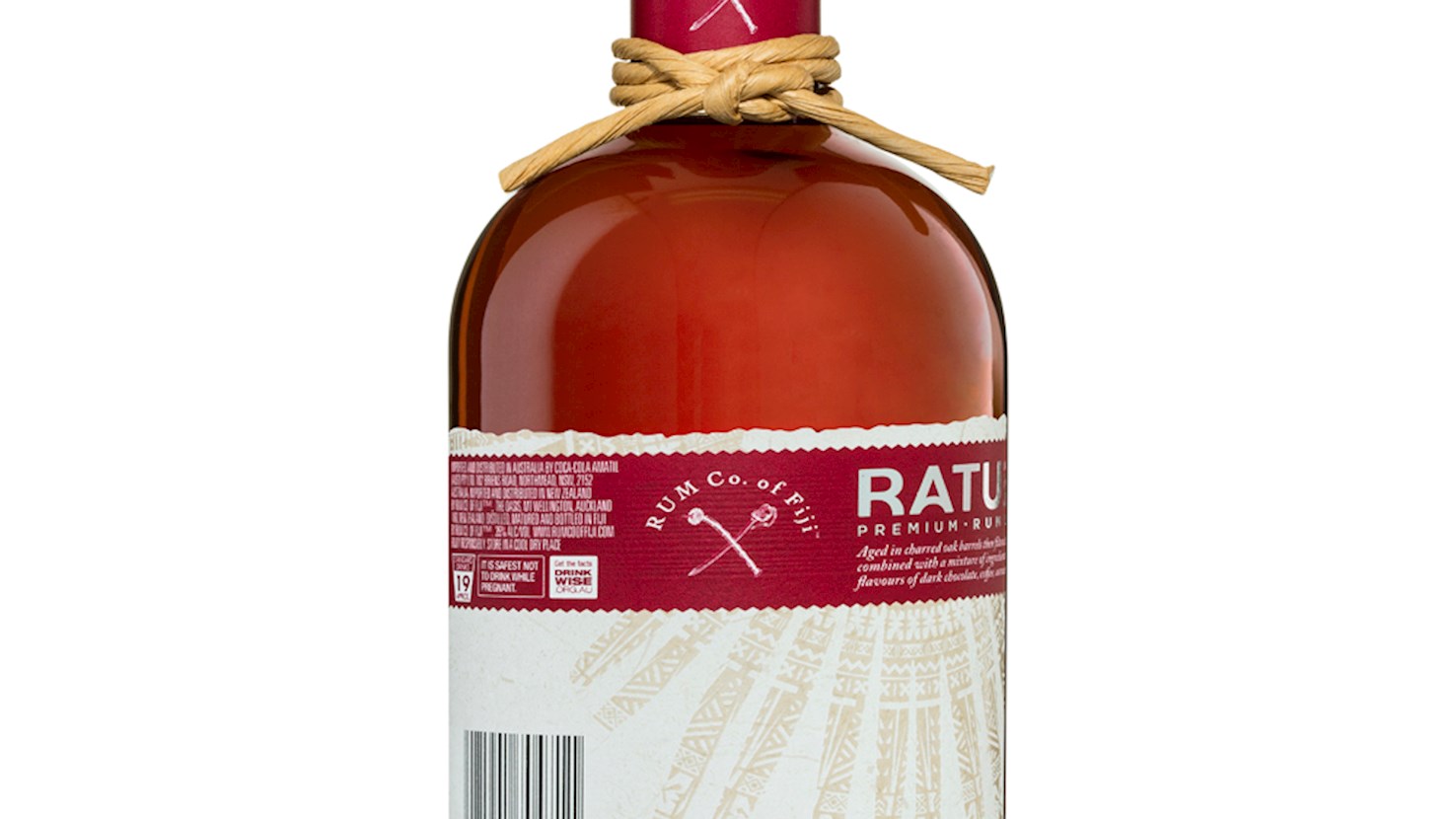
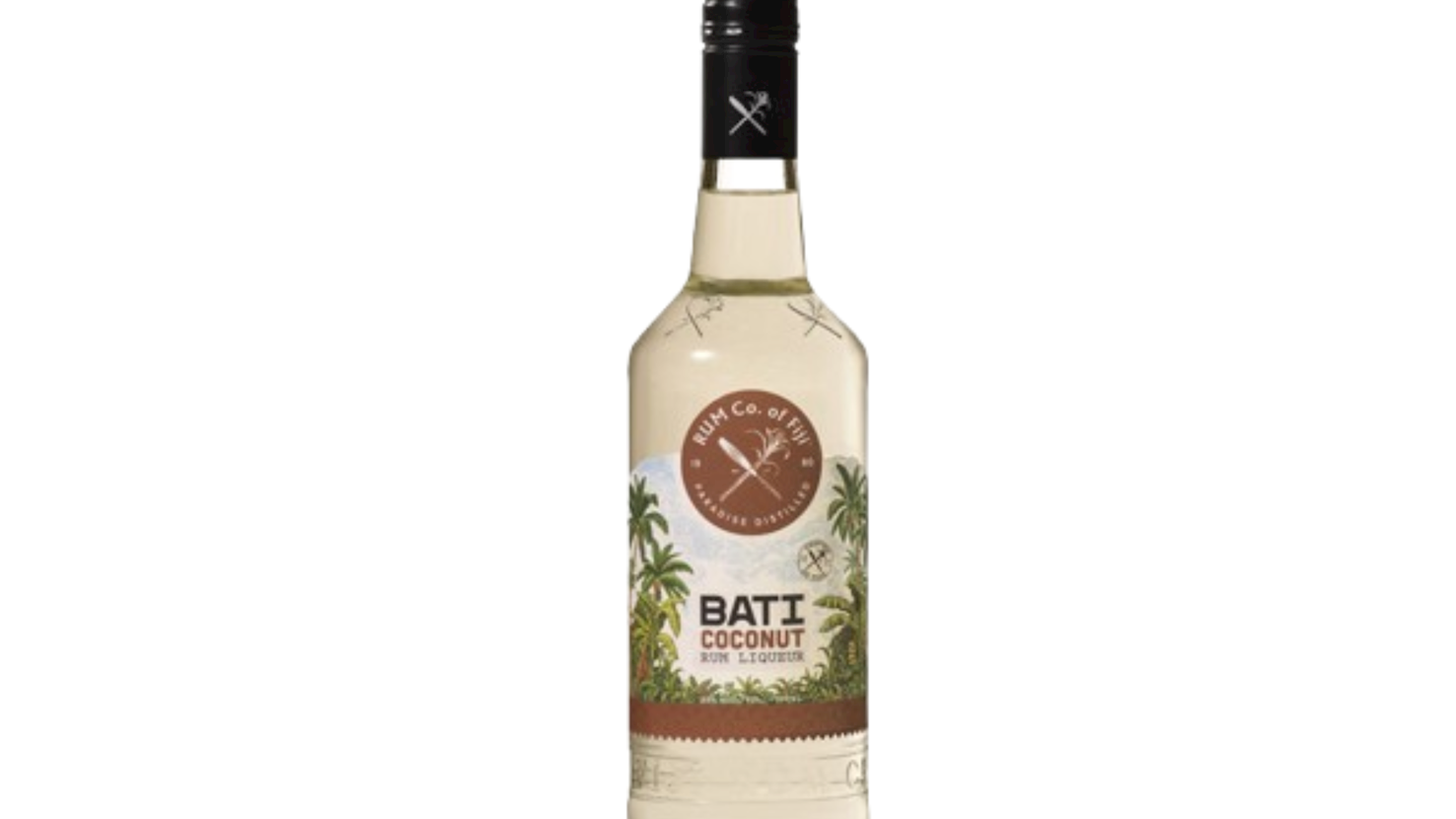
Rum Co. of Fiji is a Fijian rum producer headquartered in Lautoka on the island of Viti Levu, where its distillery is also located. It has been producing rum since 1980 through South Pacific Distilleries and today operates as part of Paradise Beverages, a subsidiary of Coca-Cola Europacific Partners. Production is based on molasses obtained from hand-cut sugarcane grown in Fiji’s fertile volcanic soil, together with locally sourced water. The company uses both column and traditional pot stills, while selected distillates are filtered through coconut-shell charcoal to achieve a softer, more rounded texture. Its rums mature in carefully selected ex-bourbon American oak barrels, with Fiji’s warm and humid tropical climate accelerating the interaction between the spirit and wood and developing intense flavors within a relatively short period. The portfolio consists of two principal ranges: Bati, which includes two-year-old white, dark, and spiced rums, as well as coconut, banana, coffee, and white chocolate liqueurs, and the premium Ratu range, featuring rums aged between five and ten years for sipping neat or mixing into premium cocktails. The company is well established in Fiji, Australia, and other Pacific markets and is using international distribution and industry recognition to expand its presence in North America and other premium rum markets.
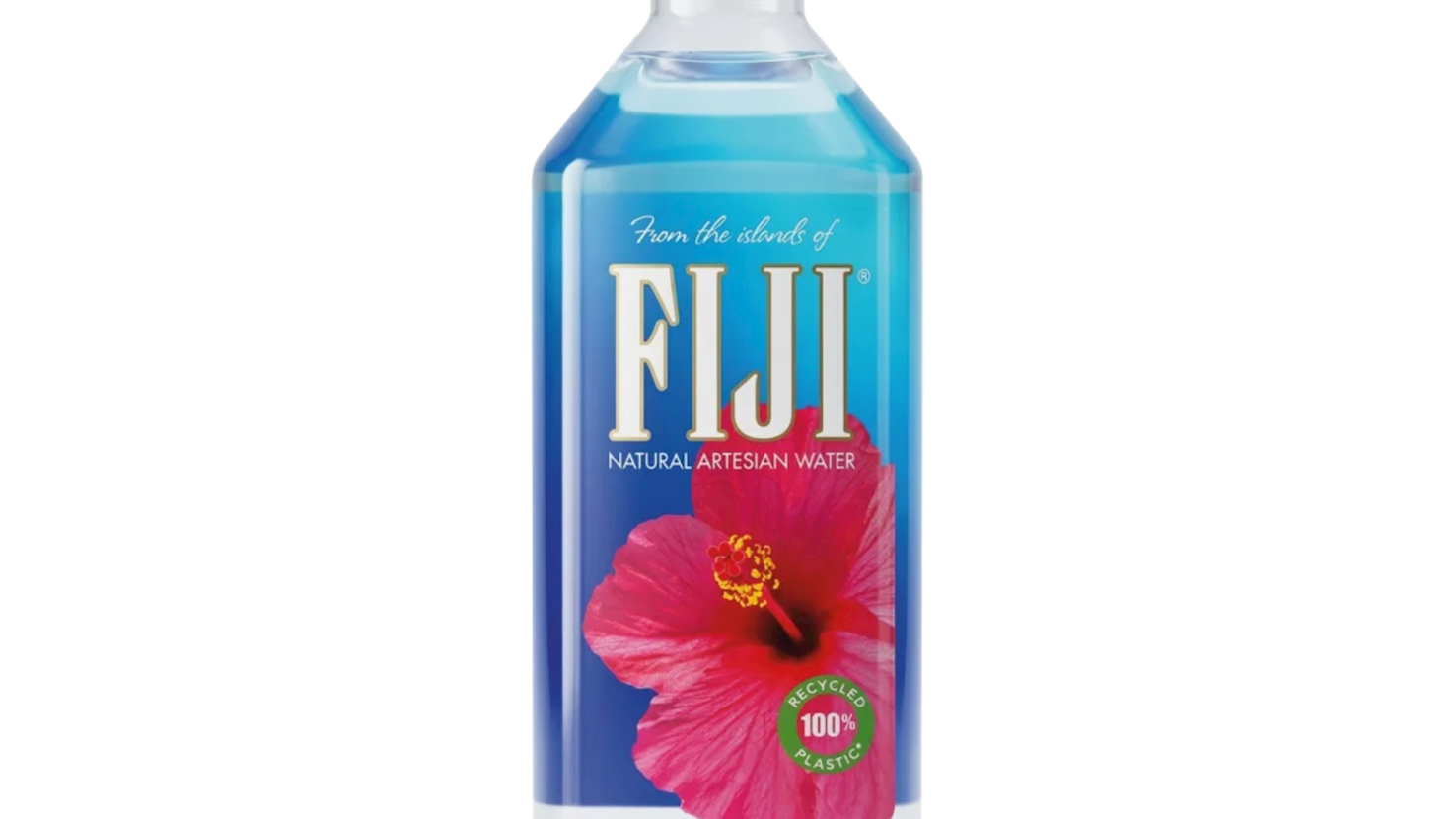
FIJI Water is a bottled natural artesian water brand launched in Fiji in 1996. It was founded by Canadian entrepreneur David Gilmour following the development of a water source and bottling facility on the island of Viti Levu. The water comes from an underground artesian aquifer in the Yaqara Valley on the northern part of the island. Rainwater passes through layers of volcanic rock that act as a natural filter and gradually enrich the water with minerals. It then collects in an aquifer enclosed between impermeable geological formations. Natural underground pressure forces the water toward the surface, from where it is conveyed to the bottling facility through a sealed system. Before bottling, it undergoes particulate filtration, microfiltration, and ultraviolet disinfection. The brand is recognizable for its rectangular plastic bottles decorated with hibiscus flowers and tropical vegetation. Lynda and Stewart Resnick acquired FIJI Water in 2004. The brand currently operates within their American group The Wonderful Company, which is headquartered in Los Angeles. The water continues to be produced and bottled in Fiji, while business operations and international distribution are coordinated from the United States.
Tavioka is a dense, sweet cassava dessert made with grated or cooked cassava, coconut cream, sugar, and often ripe banana. Depending on the method, it can have the texture of a firm cake or a softer, sticky pudding. The mild starchiness of cassava forms the base, while coconut cream provides richness and banana adds sweetness and moisture. The word tavioka is also the Fijian name for cassava, so that it can refer to the root itself as well as foods made from it. In the dessert form, cassava is usually grated finely before being mixed with coconut cream and sugar. Mashed overripe bananas are a common addition and give the mixture a softer texture and stronger fruit flavor. Fresh cassava is peeled thoroughly before grating. The firm white flesh produces a wet, starchy pulp that becomes sticky and slightly chewy once heated. Coconut cream can be made by grating mature coconut flesh and squeezing it to extract the thick liquid, although packaged coconut cream is also widely used. The grated cassava is combined with coconut cream, sugar, and mashed banana until it forms a heavy batter. Some versions add eggs, butter, condensed or evaporated milk, vanilla, or grated coconut, creating a richer and somewhat softer cake. Raisins may also be mixed through the batter. One common version is baked in a greased pan until the cassava sets into a dense cake. The surface becomes lightly browned while the center remains moist, chewy, and almost pudding-like. Once cooled, the starch firms considerably and the cake can be cut into squares or rectangles. The amount of cassava and coconut cream strongly affects the texture. A higher proportion of cassava produces a firmer, chewier cake, while additional coconut cream, milk, banana, or eggs creates a softer and more tender interior. A softer form can be steamed rather than baked. Grated cassava mixed with coconut, sugar, and other flavorings is wrapped in banana leaves and heated until sticky and set. Banana leaves can also be used to line the baking vessel, keeping the cassava moist and adding a mild vegetal aroma. Grated coconut may be mixed into the cassava itself, while additional coconut cream can be poured over the finished cake for a richer texture. Tavioka needs to cool before slicing because cassava starch continues to firm as the temperature drops. Fresh from the oven, it can be very soft and sticky, while a rested cake holds its shape much more easily. It is commonly eaten as a sweet snack or dessert and works particularly well with hot tea. The defining combination is simple: dense cassava, rich coconut cream, sugar, and often ripe banana, producing a moist, chewy sweet with a pronounced coconut flavor.
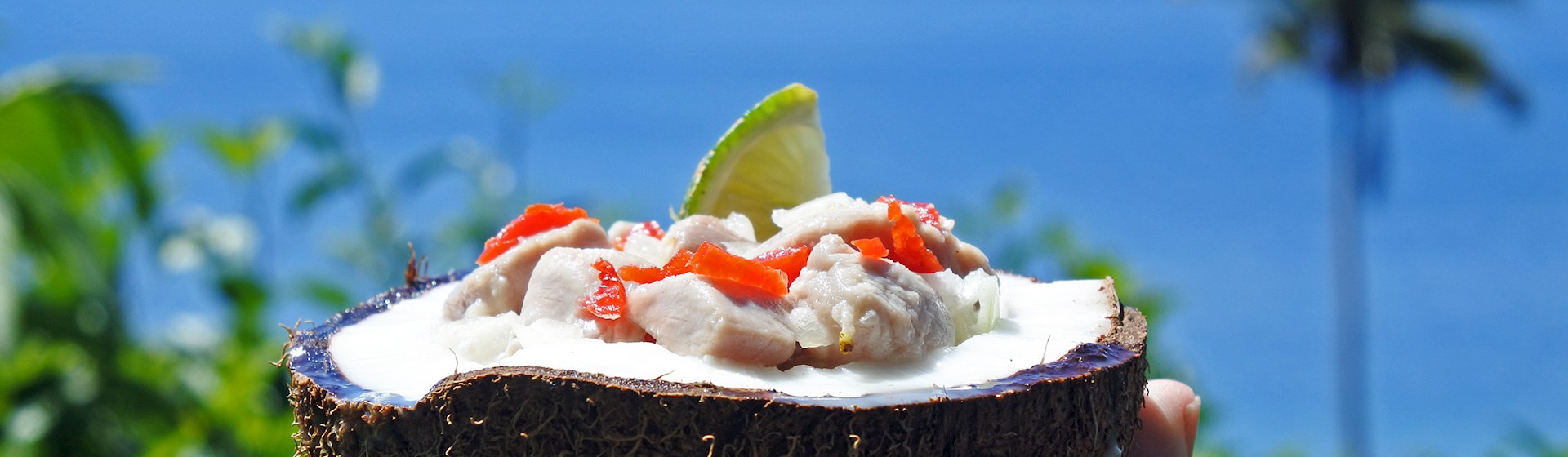
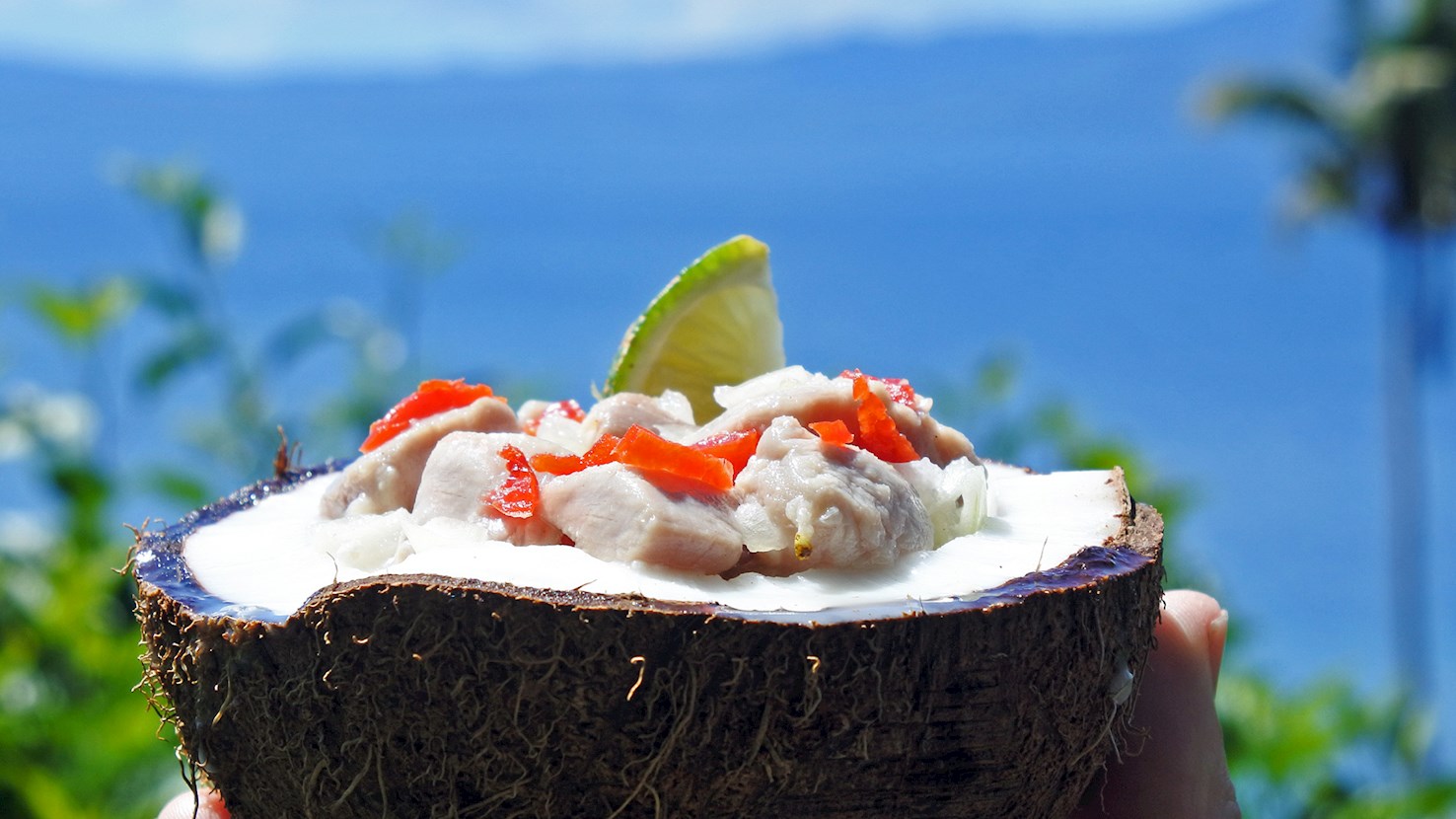
Kokoda is a traditional dish made with fresh, raw fish such as mahi-mahi or snapper that is marinated in a combination of coconut milk and citrus juices such as lemons and limes. The coconut milk is added in order to balance out the acid. Fijian variety of ceviche is often garnished or combined with additional ingredients such as sea salt, minced chilis, finely sliced green onions, and coriander leaves.
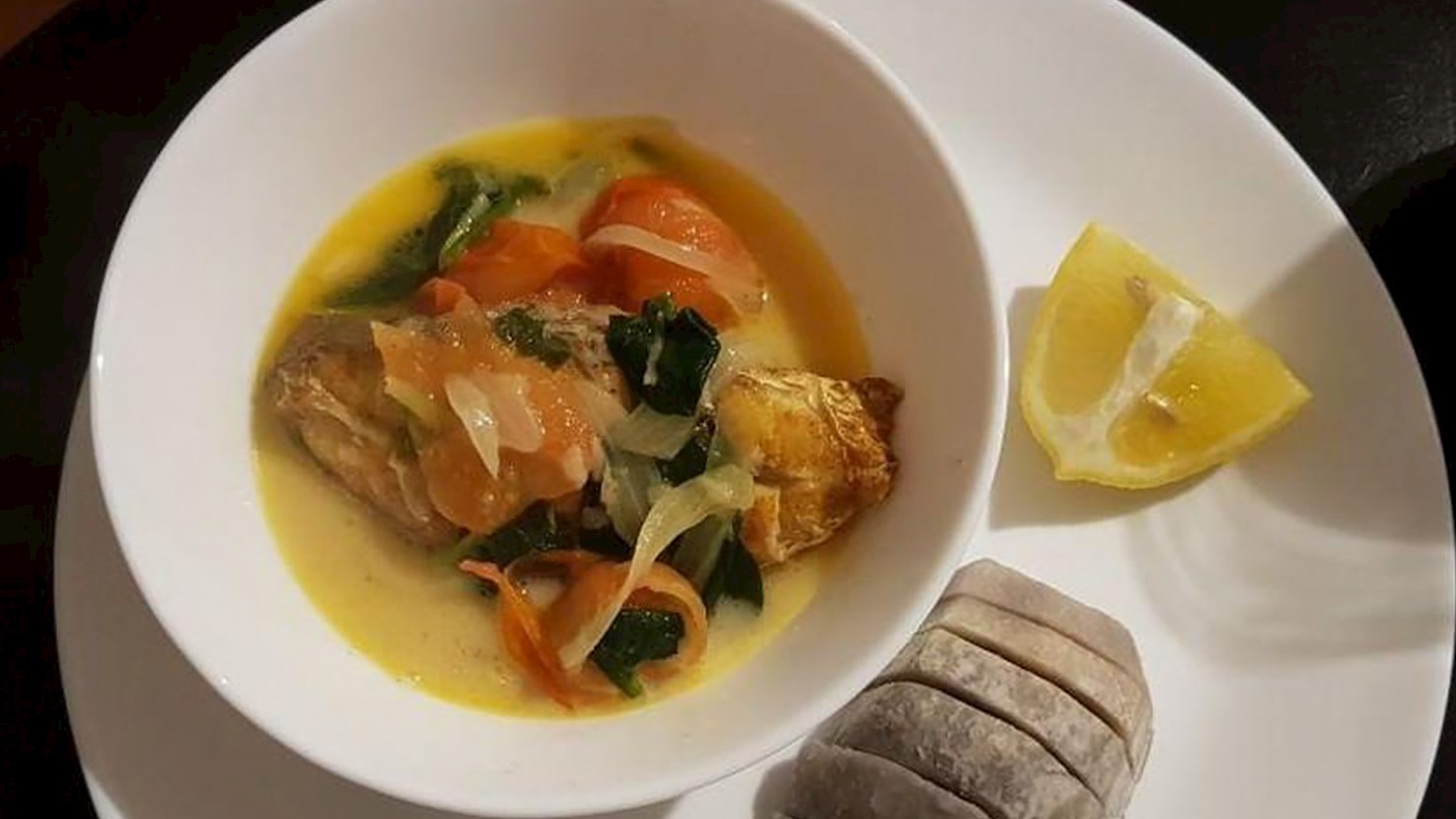
This classic Fijian dish is prepared by simmering meaty white fish such as cod or mahi-mahi in lolo – which is the Fijian word for coconut milk. Sliced onions, ginger, and sometimes even chopped tomatoes are added to this delicious meal in order to enhance its flavors even further. Fish lolo can be accompanied by boiled sweet potatoes, taro root, rice, or lime wedges on the side.
Ura vakalolo is a specialty hailing from Fiji that consists of whole prawns coated with coconut cream sauce. Prawns are known as ura in Fiji and are often cooked in salted water or coconut milk. This dish is a variation of a Fijian delicacy that involves simmering fish, prawns, shrimps, lobsters, or chicken in coconut cream. The cream often contains ingredients such as onions, ginger, tomatoes, garlic, lemon juice, and chili peppers.
Purini is a Fijian steamed dessert made with wheat flour and coconut cream or milk. The dessert is prepared with a mixture of flour, baking powder and baking soda, that is combined with hot coconut cream or milk. The pudding-like mixture is then added to a greased pot or tin and steamed until thoroughly cooked. It is typically flavored with vanilla essence, but it can also be enhanced with cinnamon, nutmeg, or cloves. Mashed bananas or raisins can also be added to the mixture. With a mild sweetness and a moist texture, this steamed pudding is usually accompanied by custard or butter and a cup of tea on the side. Purini is traditionally steamed within a calico cloth sprinkled with flour, which gives the dessert a soft, rubberlike membrane on the exterior. This traditional Fijian dessert is similar to the Samoan puligi and the Tongan puteni.
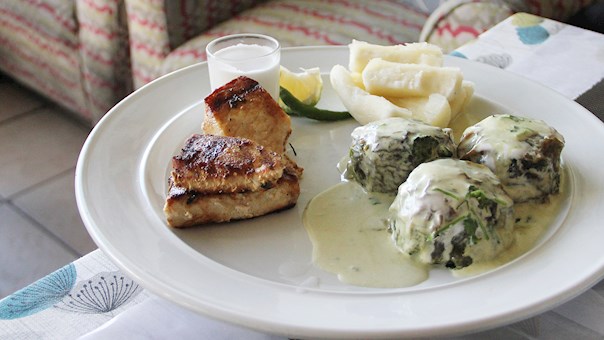
Kovu walu is a traditional fish dish that is infused with coconut milk and spices, then steamed in banana leaves. Walu is locally-sourced Spanish mackerel, while kovu refers to the method of preparation of the fish that involves marinating it in a mixture of coconut milk, ginger, onions, and fresh turmeric, and then cooking it enclosed within fresh banana leaves. This fish specialty is typically served with taro and cassava on the side.
Vakalavalava is a Fijian dessert made with grated fresh cassava, shredded coconut, sugar, and butter. The sweet cassava mixture is baked in a pan, and it can optionally be topped with sweetened condensed milk, custards, creams, or syrups. This cassava-based dessert is often enriched with mashed bananas or coconut milk. Often referred to as cassava cake, this dessert is typically reserved for afternoon and evening tea, but it can also be eaten for breakfast. Vakalavalava is considered a take on vakalolo, a steamed Fijian pudding, both of which are based on cassava, called tavioka in Fiji.
Topoi is a Fijian dumpling made with wheat flour, coconut milk or cream, and sugar. The dough is shaped into balls, which are then simmered in a pot of boiling water until soft and thoroughly cooked. Once boiled, the dumplings are taken out, and the remaining water is further cooked with additional coconut milk until it has thickened to a porridge-like consistency. The dumplings can be consumed either on their own or with the porridge mixture. Topoi is a typical Fijian breakfast that is usually accompanied by butter, jam, and a cup of steaming tea on the side.
Babakau is a light and airy deep-fried dough made with flour, water, yeast, and sugar. The pieces of dough are usually triangular or rectangular, and they can optionally be filled with a variety of ingredients such as coconut shavings, curries, or grated onions. Also known as Fijian pancake or donut, babakau is a typical Fijian breakfast meal that is usually eaten with sugar, jam, butter and some lemon or lime wedges on the side.
Baigan valo is a traditional dish consisting of eggplants that are halved, stuffed with fish, then topped with coconut cream and steamed until ready for consumption. Although the final dish looks a bit messy, the combination of different textures and flavors are said to taste heavenly.
TasteAtlas food rankings are based on the ratings of the TasteAtlas audience, with a series of mechanisms that recognize real users and that ignore bot,
nationalist or local patriotic ratings, and give additional value to the ratings of users that the system recognizes as knowledgeable.
TasteAtlas Rankings should not be seen as the final global conclusion about food. Their purpose is to promote excellent local foods,
instill pride in traditional dishes, and arouse curiosity about dishes you haven’t tried.
The initial list of top producers was compiled based on available reviews, awards, local recommendations, media and blog coverage, and consumer reviews.
The list will be updated with ratings from TasteAtlas local ambassadors and TasteAtlas users.








What People Say