shutterstock

Top 11 Traditional Foods
in Gilan Province

Last updated on July 22, 2026

Best Gilan Province food products

01
Dessert

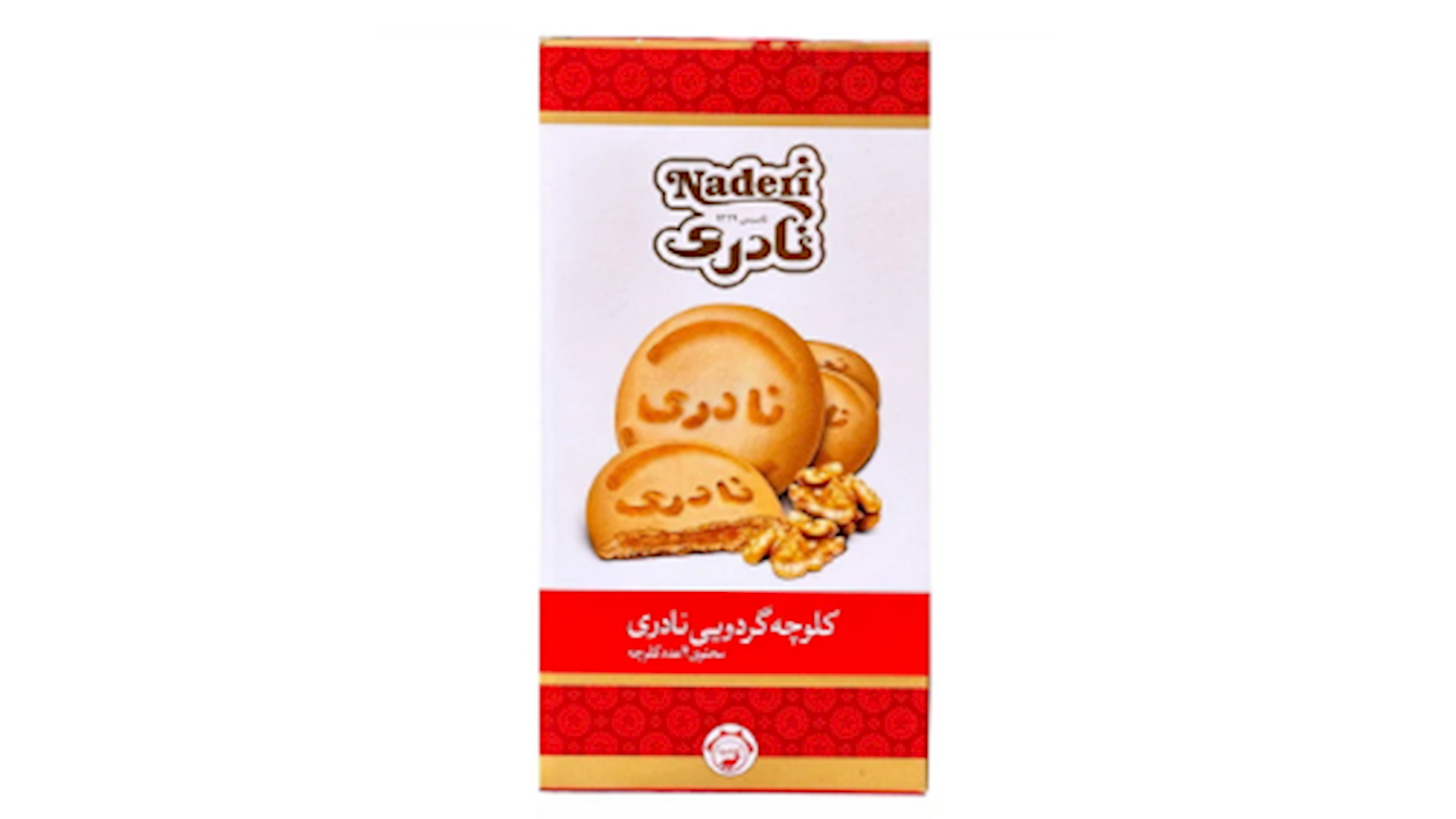
Naderi

4.6 ·

Naderi is an Iranian confectionery producer known for its wide range of biscuits and traditional sweets, with origins dating back to 1950 when it began as a small family-run shop in Lahijan before evolving into a larger-scale manufacturing operation. Today, as part of Naderi Food Industries Group, the company offers a diverse portfolio that includes biscuits, filled cakes, wafers, and snack products, alongside more contemporary cookie-style lines often marketed under names like Cookia.

A defining element of its production is the continuation of traditional Iranian pastries such as koloocheh - soft, filled cookies made with ingredients like walnuts, coconut, or dates - which remain closely tied to local culinary habits and are commonly consumed with tea. At the same time, Naderi has expanded into more modern formats, including chocolate-coated biscuits and cream-filled varieties, balancing heritage recipes with industrial production methods.

The products typically rely on straightforward ingredients such as flour, sugar, vegetable fats, nuts, and dairy components, resulting in a range of textures from soft and cake-like to crisp and compact. While firmly rooted in the domestic market, Naderi products are also distributed internationally through specialty food retailers, where they represent a contemporary interpretation of Persian confectionery traditions.

Best Gilan Province foods

01
Beef Dish

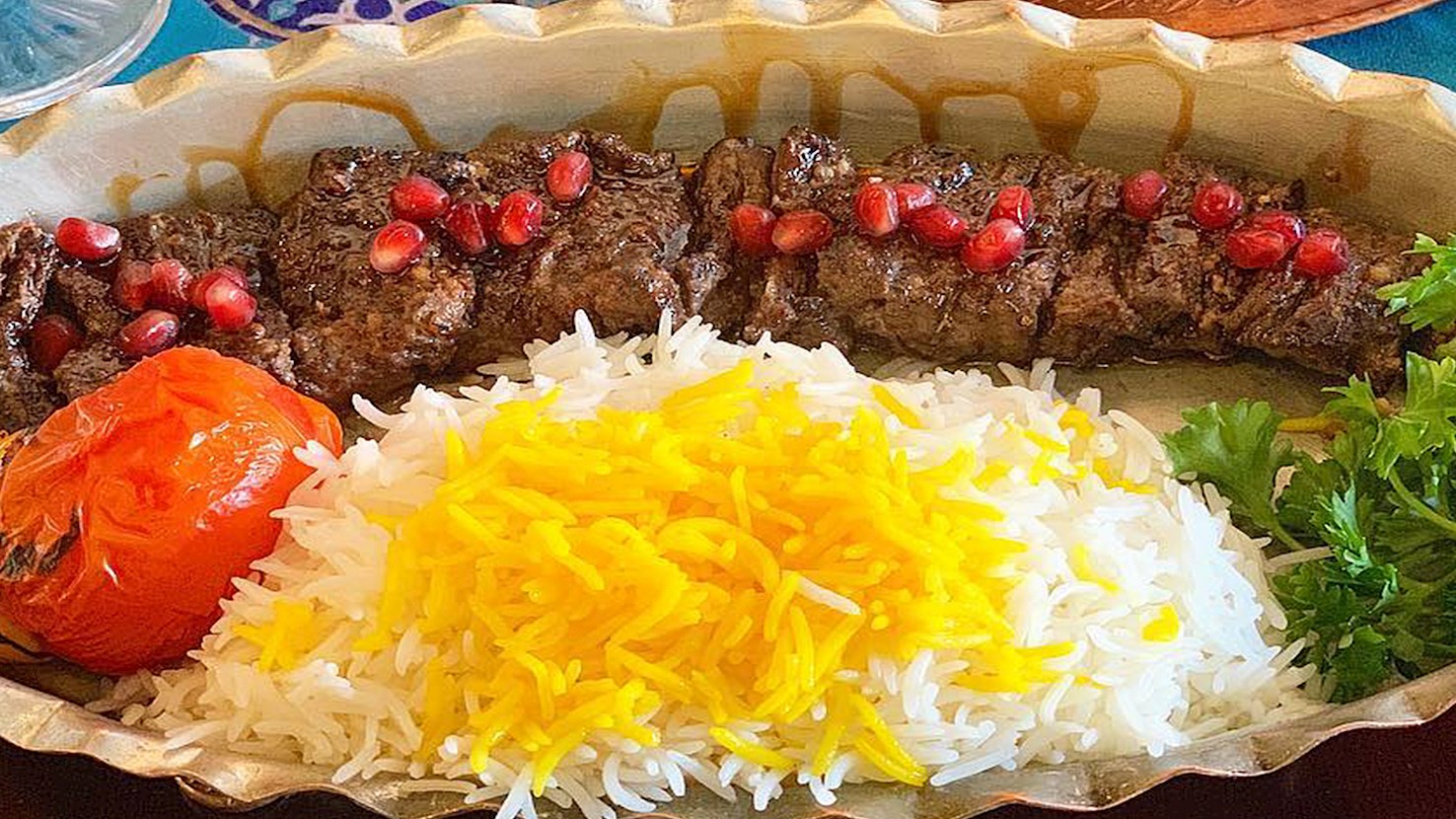
Kabab torsh

4.4 ·

Kabab torsh is a sour marinated kebab originating in Iran’s northern Caspian provinces, especially Gilan and Mazandaran. This dish is made from chunks of beef or lamb that are soaked in a rich marinade featuring crushed walnuts, pomegranate molasses, garlic, and herbs, resulting in a distinctly tangy and earthy flavor profile. The history of kabab torsh reflects the agricultural abundance of northern Iran. Walnuts and pomegranates have been cultivated in the area for centuries, and local cooking frequently uses them to balance richness with acidity. While skewered meat dishes have existed across Persian cuisines for a long time, the specific combination of ground walnut, pomegranate syrup, and fresh herbs became a hallmark of Gilan’s kebabs. Generations of cooks in cities like Rasht and Lahijan adapted this preparation to use regional products, and kabab torsh gradually gained popularity beyond its original home, appearing in restaurants and on family tables throughout Iran. Preparation begins by cutting beef or lamb into medium-sized pieces. The marinade is made by pounding or blending walnuts until coarse, then combining them with pomegranate molasses, chopped garlic, finely chopped parsley, and chopped fresh cilantro or savory. Salt and sometimes a little black pepper are added to enhance the flavors. The meat is thoroughly coated in this thick mixture and left to rest for several hours, or overnight, allowing the marinade to penetrate. To cook, the marinated meat is threaded onto wide metal skewers and grilled over hot coals, turned regularly to ensure even cooking and to lightly char the surface. The grilling process both caramelizes the pomegranate and softens the walnuts, creating a glaze that clings to the kebab. Some cooks baste the meat with more marinade or melted butter during grilling to keep it moist. In Gilan, it is common to accompany the kebab with fresh herbs, raw onions, pickled vegetables, and sometimes grilled tomatoes.

02
Technique

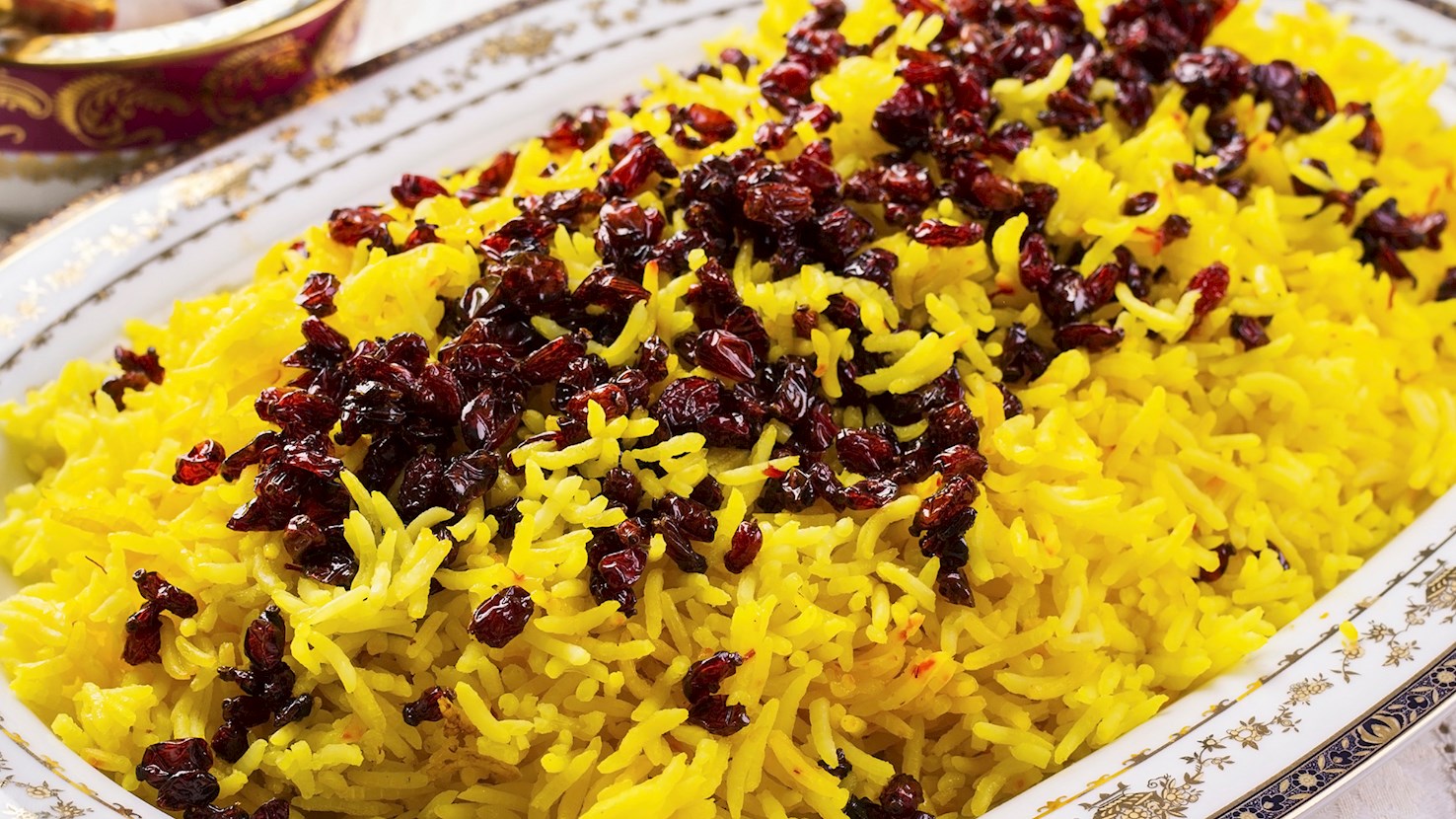
Kateh

4.3 ·

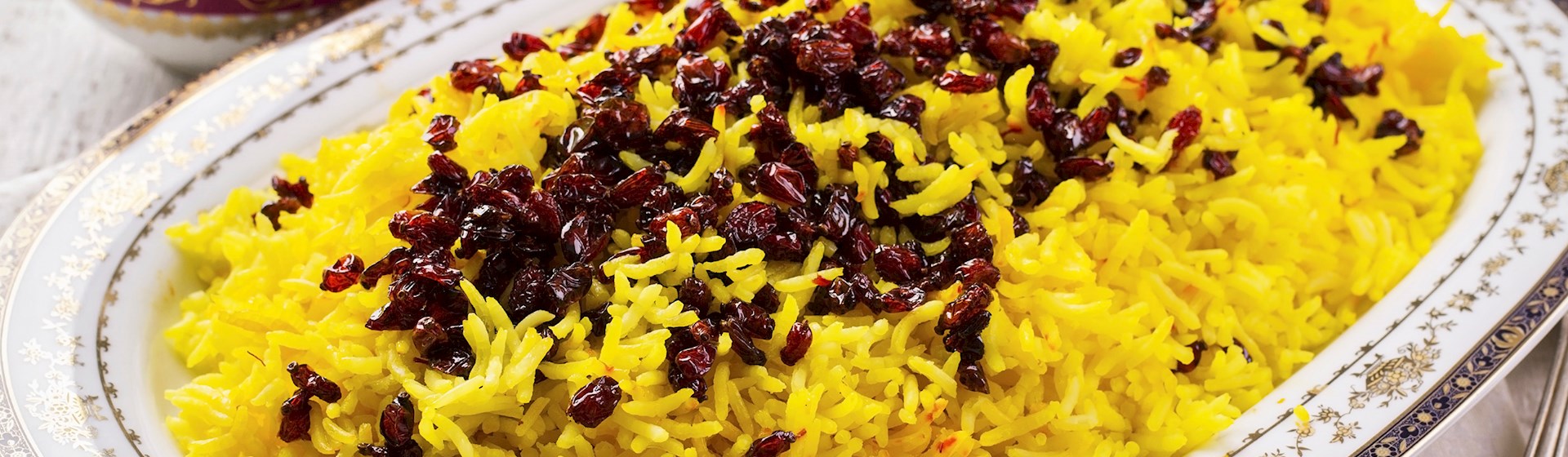
Kateh is an Iranian style of rice preparation that is simpler and faster than the elaborate steamed chelo, known for yielding a soft, cohesive texture with a slightly sticky consistency. This method is particularly associated with the Caspian provinces of northern Iran, such as Gilan and Mazandaran, where it remains the most common everyday rice dish. Unlike chelo, kateh does not require parboiling or draining, making it more convenient for quick meals. The dish is often paired with stews, grilled meats, pickles, and fresh herbs. To prepare kateh, rice is rinsed briefly and then combined in a pot with water, salt, and a generous spoonful of oil or butter. The mixture is brought to a boil over medium heat and then covered and simmered until the water is absorbed. At this stage, the rice forms a soft crust on the bottom known as tahdig, but unlike the crisp tahdig of chelo, kateh’s crust is moist and golden rather than crunchy. Once cooked, the rice is gently fluffed and served directly from the pot, requiring no additional steaming or layering. Kateh’s appeal lies in its simplicity and the mild, comforting flavor of the grains infused with butter or oil. Because the grains are cooked in exactly the amount of water they absorb, the final texture is cohesive and tender, with no need to worry about overcooking or undercooking. This straightforward method makes kateh especially popular in home kitchens, where it is often the first style of rice children learn to prepare. Though less ceremonious than chelo, kateh holds a respected place in Iranian cuisine and is valued for practicality and everyday use. In the northern provinces, it is served with dishes such as mirza ghasemi (smoky eggplant and tomato), fried fish from the Caspian Sea, or simple braised greens. Because kateh is prepared in a single pot without the need for draining, it is also well suited to rural households where cooking fuel and water are used sparingly.

03
Appetizer

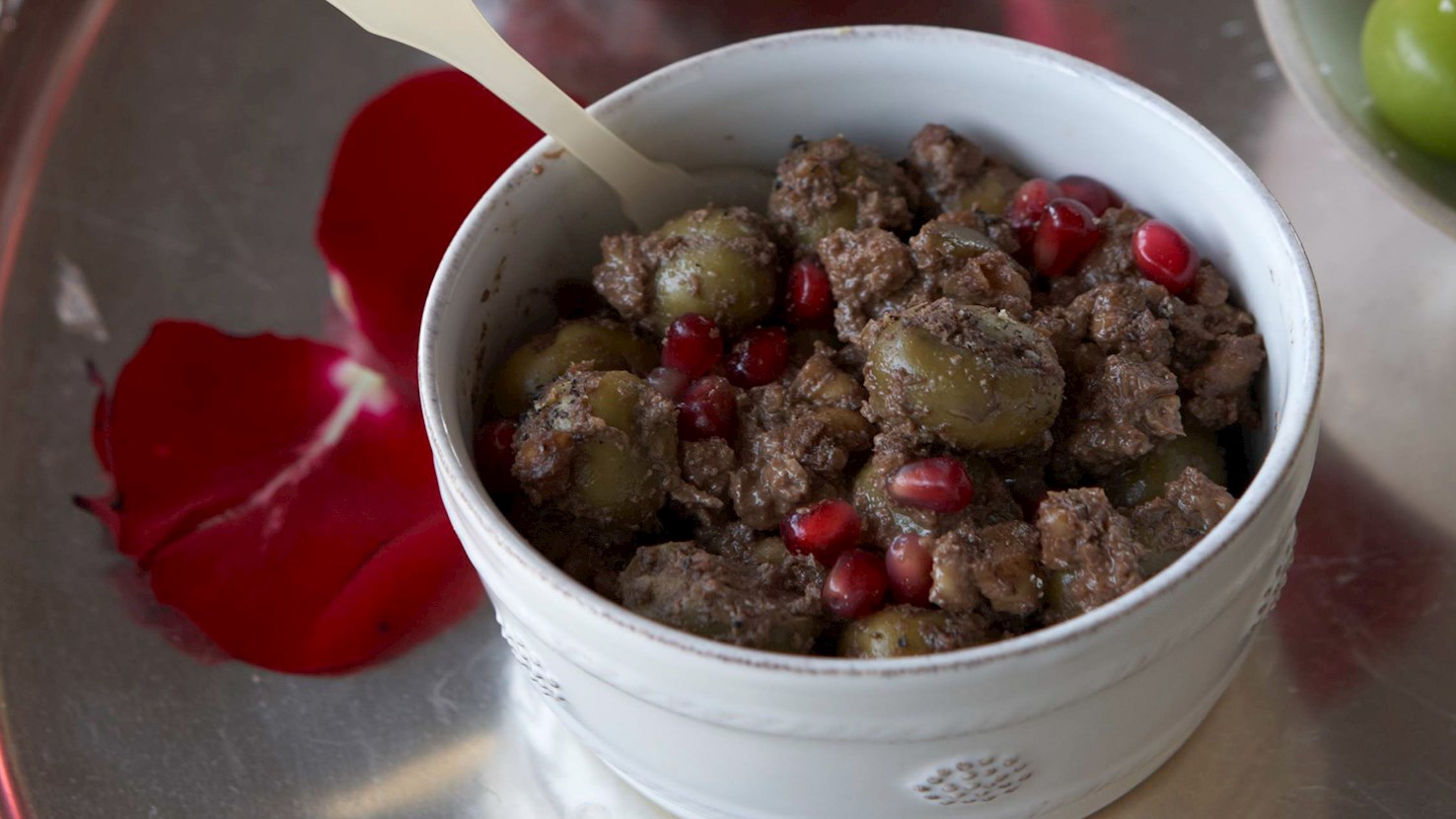
Zeytoon parvardeh

4.2 ·

Zeytoon parvardeh is an olive-based appetizer originating in Iran’s northern Caspian region, particularly the province of Gilan. Known for combining pitted green olives with pomegranate molasses, walnuts, garlic, and herbs, it balances tangy, earthy, and aromatic notes that reflect the diverse agricultural produce of the area. The dish belongs to the group of flavorful mezze and accompaniments that characterize Gilani cuisine, where local olives are cultivated in abundance near the coastal plains. The history of zeytoon parvardeh is tied to the long-standing cultivation of olives and pomegranates in northern Iran. The Caspian provinces have been centers of horticulture for centuries, benefiting from humid subtropical weather and fertile soils. Olives were introduced to the region many generations ago and became a staple crop, integrated into recipes that made use of other locally available ingredients such as walnuts and aromatic herbs. Over time, families developed their own versions of the seasoned olive mixture, often preparing it in small batches to serve with meals or offer to guests. Preparation starts with high-quality green olives that are rinsed, drained, and sometimes pitted, depending on preference. Walnuts are finely ground or chopped to a coarse texture, then mixed with crushed garlic and fresh herbs, usually mint and sometimes savory or cilantro. Pomegranate molasses is stirred in to create a sweet and sour base that clings to the olives. A touch of salt, sometimes a squeeze of fresh lemon juice, and a drizzle of olive oil complete the mixture. The ingredients are combined thoroughly so that the flavors soak into the olives, then the dish is covered and left to rest in the refrigerator for several hours or overnight. In Gilan, zeytoon parvardeh is a common feature of meals served alongside rice dishes, kebabs, or fish. Some households also offer it as an appetizer with flatbread. The dish stands out for its combination of textures: the firmness of the olives, the crunch of walnuts, and the syrupy richness of the pomegranate molasses. Although it is sometimes prepared fresh, many cooks believe it tastes better after sitting for a day so the flavors meld. Today, zeytoon parvardeh remains widely eaten in northern Iran and has gained popularity in other parts of the country as a specialty product often sold in jars at markets or brought home as a souvenir from trips to the Caspian coast. It is enjoyed both at family gatherings and in restaurants that showcase Gilani cooking, where it is valued for its vibrant taste and connection to the region’s agricultural traditions.

04
Vegetable Dish

Mirza Ghassemi

3.8 ·

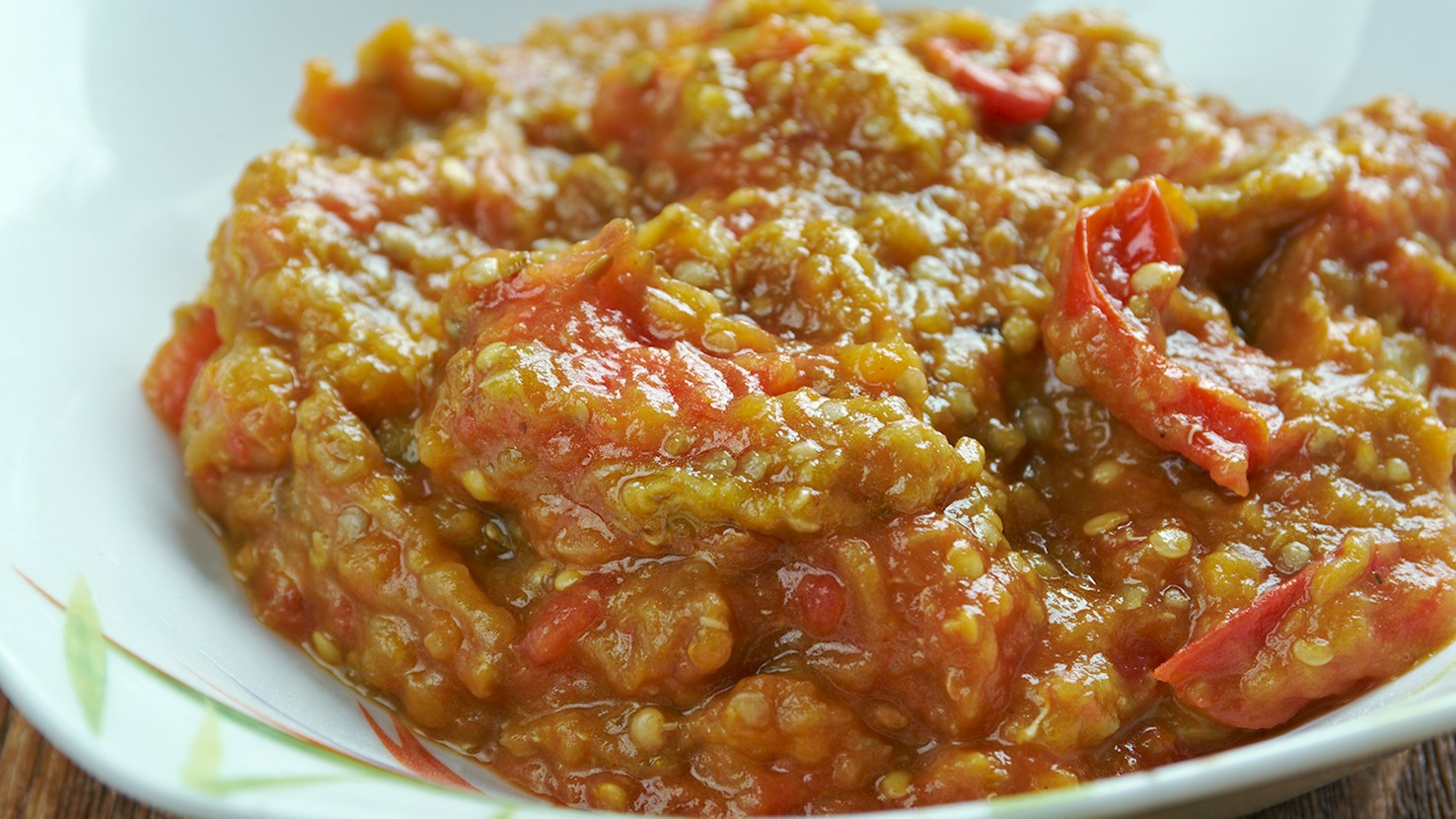
Mirza Ghassemi is a distinctive Iranian dish from Gilan Province on the Caspian Sea coast, known for its combination of smoky grilled eggplants, tomatoes, garlic, and eggs. Its origins are often attributed to Mirza Ali Khan Ghassemi, a 19th-century governor of Rasht, who is said to have introduced the recipe to the local cuisine, though the use of eggplant and garlic in northern Iranian cooking predates his era. Over time, Mirza Ghassemi spread from Gilan to other parts of Iran, becoming a familiar offering in homes and restaurants that serve Gilaki food. To prepare it, large eggplants are first roasted over an open flame or under a broiler until the skins are charred and the flesh softens, imparting the dish’s signature smoky taste. The eggplants are peeled and mashed, then cooked slowly with chopped tomatoes and plenty of finely minced garlic. Once the mixture thickens, eggs are cracked directly into the pan and stirred through until just set, giving the dish a creamy, cohesive texture. The preparation is relatively straightforward, but patience is important to build depth of flavor. Mirza Ghassemi is typically served warm as a main or side dish, often accompanied by flatbread such as lavash or sangak. Some households add turmeric or a pinch of black pepper for extra seasoning, while others prefer it more simply seasoned to highlight the vegetables. A common way of eating it is to tear pieces of bread and scoop up the mixture, sometimes along with pickles or fresh herbs. Though similar eggplant dishes are found across the Middle East, the prominence of garlic and the inclusion of eggs set Mirza Ghassemi apart. Its popularity in Gilan reflects the region’s reliance on fresh produce and smoky, robust flavors that have long shaped the local table. Today, it is frequently offered in Iranian restaurants that highlight northern specialties and is a favorite during casual gatherings and family meals.

05
Egg Dish

Kuku sibzamini

3.6 ·

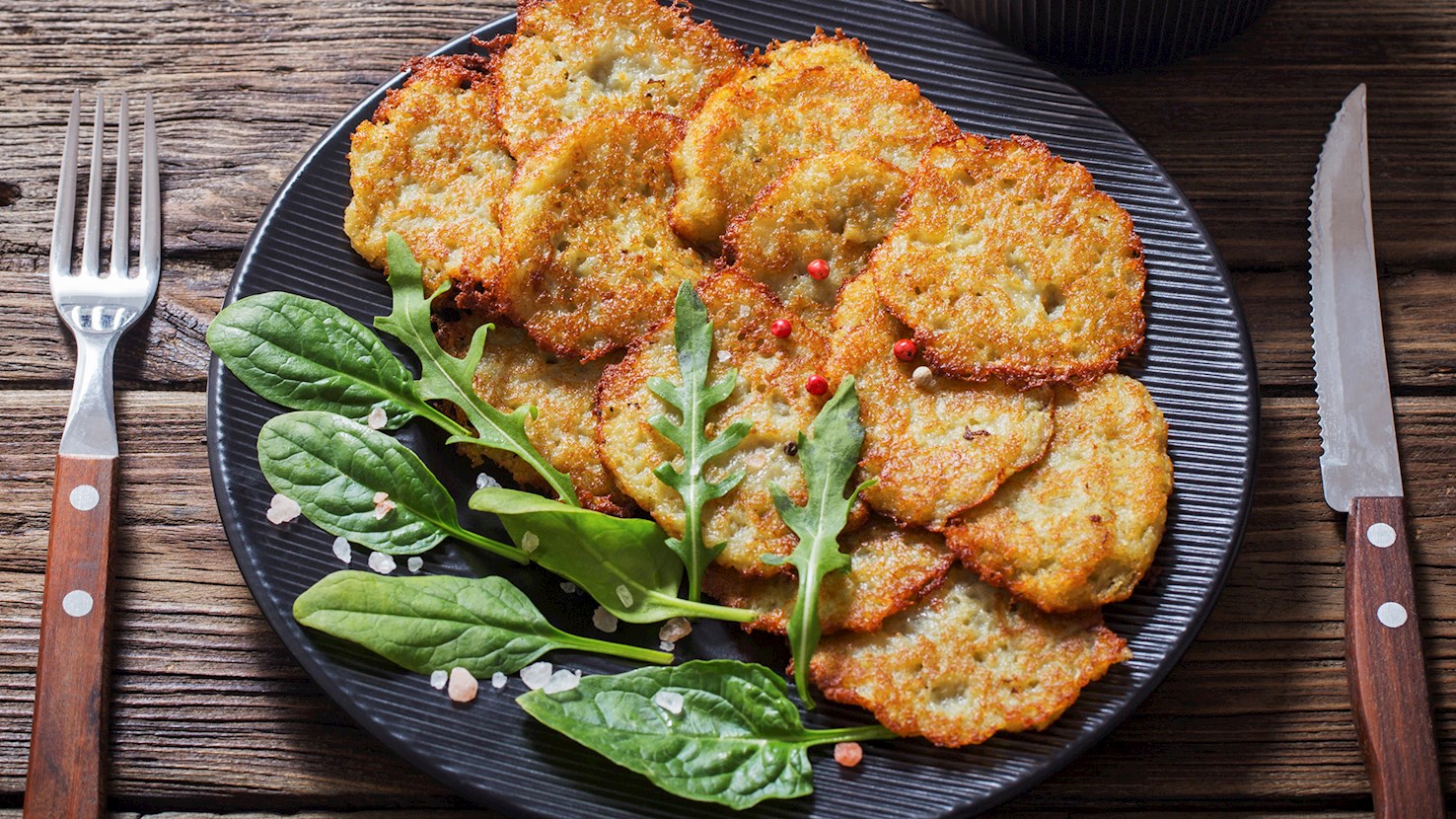
Kuku sibzamini is an Iranian potato-based dish prepared by combining mashed or grated potatoes with eggs, herbs, and spices to create a thick mixture that is gently pan-fried until golden on both sides. The name comes from Persian, where “kuku” refers to an egg-bound dish similar to an omelet or frittata, and “sibzamini” means potato. This style of kuku is popular across Iran as a convenient, satisfying meal that can be served warm or cold, often enjoyed as a light lunch, dinner, or picnic food. Preparation begins by cooking and mashing the potatoes until smooth or grating raw potatoes, depending on the desired texture. The potatoes are mixed with eggs, finely chopped onion, turmeric, salt, and pepper. Some cooks also include baking powder for a fluffier result. Fresh herbs like parsley or cilantro may be added for extra flavor, while a small amount of flour is sometimes incorporated to help bind the mixture. The seasoned batter is spread evenly into an oiled skillet and cooked over moderate heat until the bottom develops a firm, golden crust. It is then carefully inverted onto a plate or flipped in sections to cook the second side until fully set. Kuku sibzamini is served in wedges or squares and accompanied by flatbread, fresh herbs, yogurt, and pickled vegetables. The flavor is mild, with the sweetness of potato balanced by the earthy notes of turmeric and onion. Because the dish is not heavily spiced, it is popular with children and is often prepared as an everyday family meal. Its simplicity and reliance on inexpensive, accessible ingredients have made it a staple in Iranian households. Outside Iran, kuku sibzamini has found a place in Persian restaurants and home kitchens, where it is often introduced as an example of the versatility of kuku recipes. It is sometimes compared to other potato dishes like Spanish tortilla, though the Iranian version typically uses fewer eggs and lighter seasoning. The recipe is adaptable, allowing cooks to adjust the herbs, spices, or even the cooking method, with some opting to bake it rather than fry.

06
Chicken Dish

Morghe torsh

n/a ·

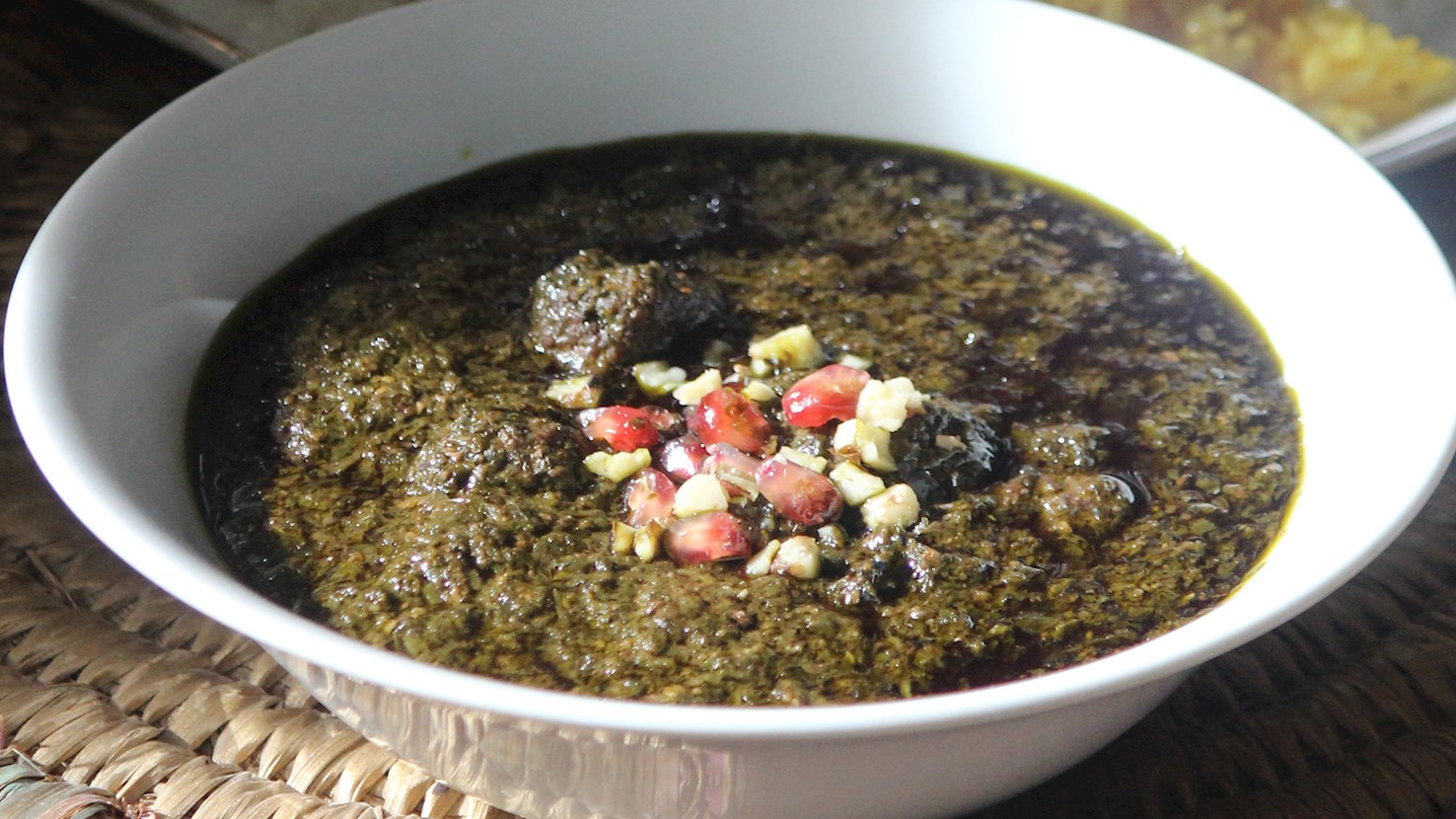
Morghe torsh is a sour and flavorful Persian chicken stew originating from Gilan, known for its distinctive tangy walnut and pomegranate-based sauce. The name translates to “sour chicken,” reflecting the dish’s defining characteristic: a tangy, flavorful marinade made from ingredients such as pomegranate paste, walnuts, herbs, and garlic. Morghe torsh combines the tender texture of slow-cooked chicken with the vibrant, slightly tart taste of the marinade, creating a balanced and aromatic dish emblematic of northern Iranian cuisine. This dish evolved in a region where fresh herbs and nuts are abundant, and where sour flavors are often used to complement rich, fatty foods. It represents the ingenuity of local cooks who transformed accessible ingredients into complex, layered meals. Over generations, morghe torsh became a staple in family kitchens and special occasions alike, celebrated for its ability to showcase the natural flavors of the region while offering a satisfying culinary experience. Preparation of morghe torsh begins with marinating chicken pieces in a blend of crushed walnuts, pomegranate molasses or paste, garlic, and a mix of herbs like cilantro, parsley, and mint. The marinated chicken is then slowly cooked, either simmered on the stove or baked, allowing the flavors to meld and the meat to become tender. The sauce thickens and coats the chicken, infusing it with a rich, sour, and nutty profile. The dish is typically served with steamed rice, which helps balance the intensity of the flavors.

07
Stew

Khoresht-e chaghartameh

n/a ·

Khoresht-e chaghartameh is a specialty from Gilan in northern Iran, prepared with chicken, onions, turmeric, eggs, and oil. It is one of the region’s most distinctive dishes, not resembling the slow-cooked stews common across Iran, but rather a rich, oily preparation that brings together simple ingredients in a satisfying way. Its roots lie in the agrarian life of Gilan, where poultry and eggs were accessible household staples, and oil and onions formed the backbone of many dishes. Chaghartameh emerged as a practical and filling way to combine these ingredients, cooked in a method that emphasized flavor through caramelization and richness through generous use of oil. Over time, it became closely tied to local food culture, known not only in rural kitchens but also in city households where its simple yet distinct character endured. Preparation begins with frying onions slowly in oil until they reach a deep golden color. Pieces of chicken, often on the bone for added flavor, are then added with turmeric, salt, and pepper. Once the chicken is cooked through, eggs are cracked directly into the mixture. They are allowed to set slightly before being stirred gently to bind them with the onions and chicken, creating a thick, savory base enriched with the flavors of the meat. The dish finishes when the eggs are fully cooked and the oil rises to the surface, a hallmark of Gilani cooking. Today khoresht-e chaghartameh is eaten across Gilan, often served with fragrant Persian rice, especially varieties grown locally such as domsiah. It is commonly paired with torshi, the tangy pickled vegetables of Iran, or mast-o-khiar, a yogurt and cucumber mixture that lightens the richness of the dish.

08
Stew

Vavishka

4.1 ·

Vavishka is a hearty Iranian stew originating from the northern regions of Iran, particularly popular in the Gilan province along the Caspian Sea coast. This dish is distinguished by its rich blend of herbs, legumes, and tender meat, usually lamb or beef, simmered together to create a thick, flavorful stew that reflects the agricultural abundance and culinary heritage of the area. Vavishka embodies the region’s preference for fresh, green ingredients and the use of local herbs such as parsley, cilantro, and chives, which impart a distinctive aroma and vibrant character to the dish. The history of vavishka is closely connected to the rural communities of northern Iran, where stews have long been a staple due to their ability to combine available produce and proteins into nourishing meals. The dish developed as a way to utilize the region’s fertile land and diverse herbs, integrating them with pulses like chickpeas or white beans to create a filling and balanced dish. Over generations, vavishka has been passed down through families, adapting slightly with local tastes and ingredient availability, but maintaining its essential qualities of freshness and depth of flavor. Preparation of vavishka involves slow-cooking ground meat with an assortment of finely chopped herbs and legumes in a seasoned broth. The herbs are often sautéed before being added, helping to release their oils and intensify the stew’s fragrance. The legumes contribute to the stew’s texture and nutritional value, thickening the broth as they soften. The cooking process allows the flavors to meld over several hours, resulting in a stew that is rich, aromatic, and comforting. Vavishka is traditionally served with steamed rice, which balances the intensity of the stew and provides a complete meal.

09
Stew

Anar bij

3.3 ·

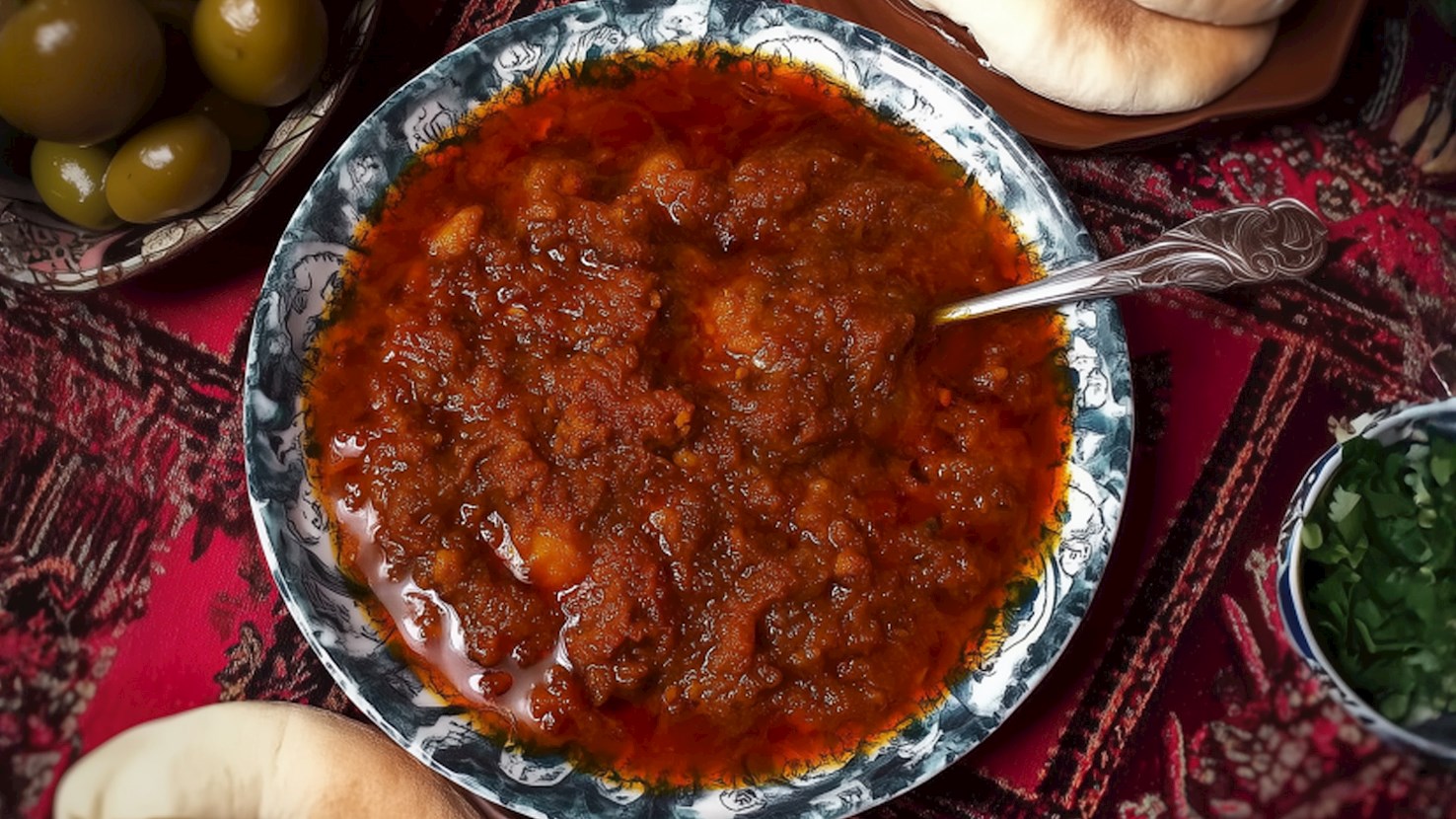
Anar bij is a flavorful Iranian dish originating from the northern regions of Iran, where pomegranates are widely cultivated and used in cooking. This dish combines tender pieces of meat, often lamb or beef, with the sweet and tart juice of pomegranates, resulting in a stew that balances rich, savory flavors with bright, fruity acidity. Anar bij reflects the culinary traditions of northern Iran, where the abundant local produce inspires dishes that are both hearty and refreshingly vibrant. The history of anar bij is closely linked to the agricultural richness of the Caspian Sea region, known for its fertile soil and diverse crops. Pomegranates have been a staple ingredient in this area for centuries, and their incorporation into savory dishes like anar bij showcases the regional preference for combining fruit with meat. The dish evolved as a way to utilize the fresh pomegranate juice during harvest season, highlighting the natural sweetness and complexity it brings to slow-cooked meals. Its recipe has been preserved through generations, adapting slightly with seasonal variations and local tastes. Preparation of anar bij involves marinating ground meat in a mixture of pomegranate juice and spices before slowly simmering them until tender. The cooking process allows the meat to absorb the tangy-sweet flavors of the fruit while developing a rich sauce. Additional ingredients such as onions, garlic, and herbs may be included to enhance depth and aroma. The dish is usually cooked over low heat to meld the flavors thoroughly and achieve a harmonious balance between acidity and savoriness. Anar bij is typically served with steamed rice, which complements the stew’s complex taste and provides a neutral base for the intense flavors. It is enjoyed in homes and local eateries throughout northern Iran, especially during pomegranate season when the fruit is at its freshest.

Best restaurants
10
Stew

Baghali ghatogh

3.2 ·

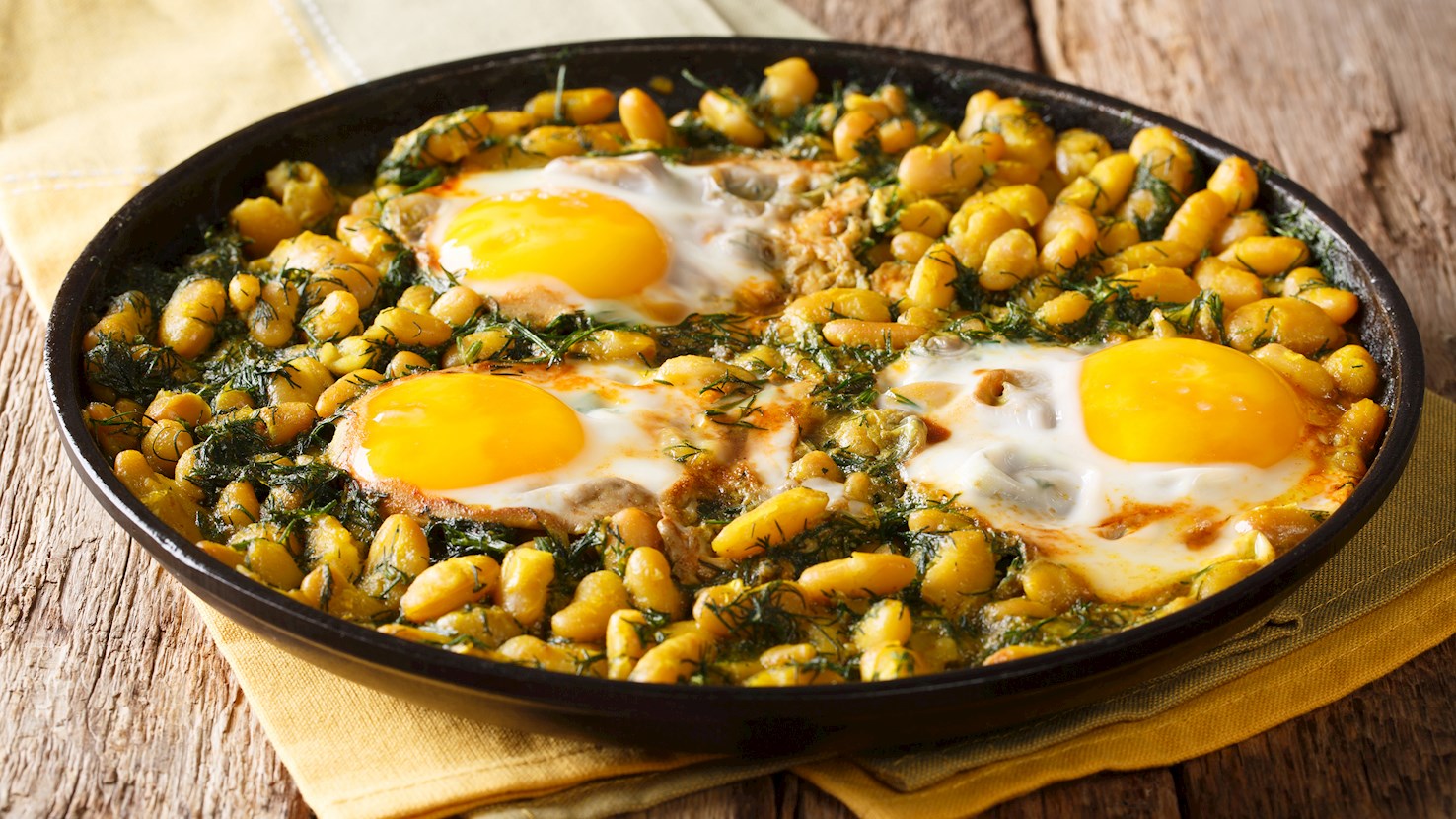
Baghali ghatogh is a classic Iranian stew that hails from the northern region of Gilan, known for its lush landscapes and rich culinary traditions. This dish prominently features fava beans, dill, and eggs, combined to create a hearty and aromatic stew that highlights the simplicity and freshness of regional ingredients. The balance of the earthy fava beans with the bright, herbaceous flavor of dill and the richness of eggs results in a dish that is both nourishing and flavorful, reflective of the coastal and agricultural heritage of northern Iran. The origins of baghali ghatogh are deeply rooted in the agricultural lifestyle of the Gilan province, where the availability of fresh herbs and legumes has shaped local cooking habits for generations. It developed as a way to make use of abundant spring produce, with fava beans harvested at their peak and paired with dill, which grows prolifically in the region’s moist climate. The inclusion of eggs adds protein and texture, making the stew a satisfying meal that sustains through the varying seasons. Over time, this dish has remained a staple in the homes of northern Iran, symbolizing the connection between land and cuisine. Preparation of baghali ghatogh involves first soaking and cooking fresh or dried fava beans until tender. In a separate pan, fresh dill is sautéed lightly in oil to release its aroma before being combined with the beans. Eggs are then cracked directly into the stew and gently cooked, allowing them to poach and mingle with the other ingredients. The stew is seasoned simply with salt, pepper, and sometimes turmeric, emphasizing the natural flavors rather than masking them. The slow cooking process integrates the components, producing a comforting and aromatic dish. Baghali ghatogh is typically served warm, accompanied by steamed rice which balances the richness of the stew and provides a neutral base to highlight its distinctive flavors. It is enjoyed primarily in Gilan and neighboring northern provinces, often prepared in family kitchens and featured in local meals throughout the year.

About this ranking

TasteAtlas food rankings are based on the ratings of the TasteAtlas audience, with a series of mechanisms that recognize real users and that ignore bot, nationalist or local patriotic ratings, and give additional value to the ratings of users that the system recognizes as knowledgeable. For the “Top 11 Traditional Foods in Gilan Province” list until July 22, 2026, 521 ratings were recorded, of which 290 were recognized by the system as legitimate. TasteAtlas Rankings should not be seen as the final global conclusion about food. Their purpose is to promote excellent local foods, instill pride in traditional dishes, and arouse curiosity about dishes you haven’t tried.

The initial list of top producers was compiled based on available reviews, awards, local recommendations, media and blog coverage, and consumer reviews. The list will be updated with ratings from TasteAtlas local ambassadors and TasteAtlas users.

Similar lists