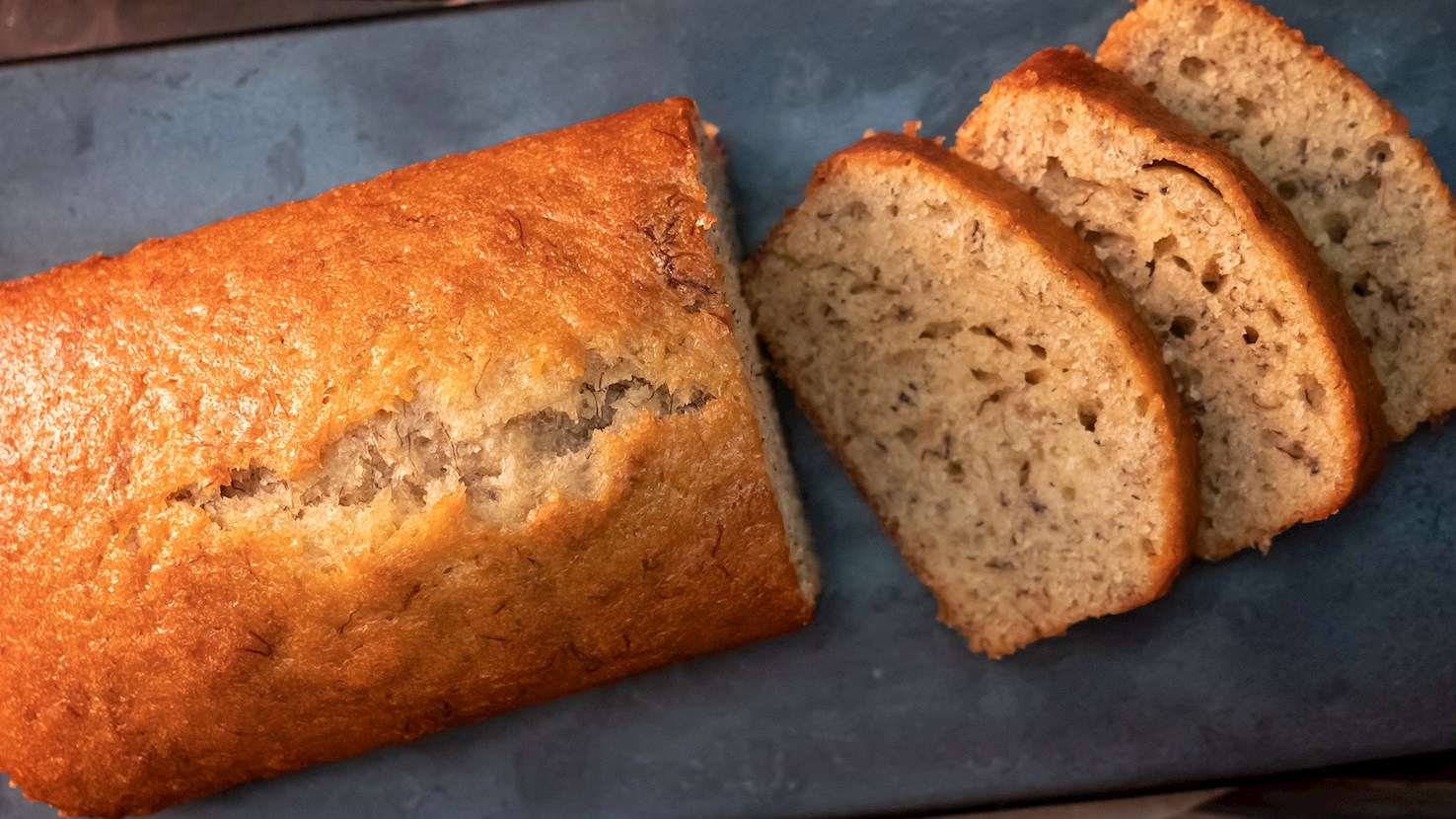
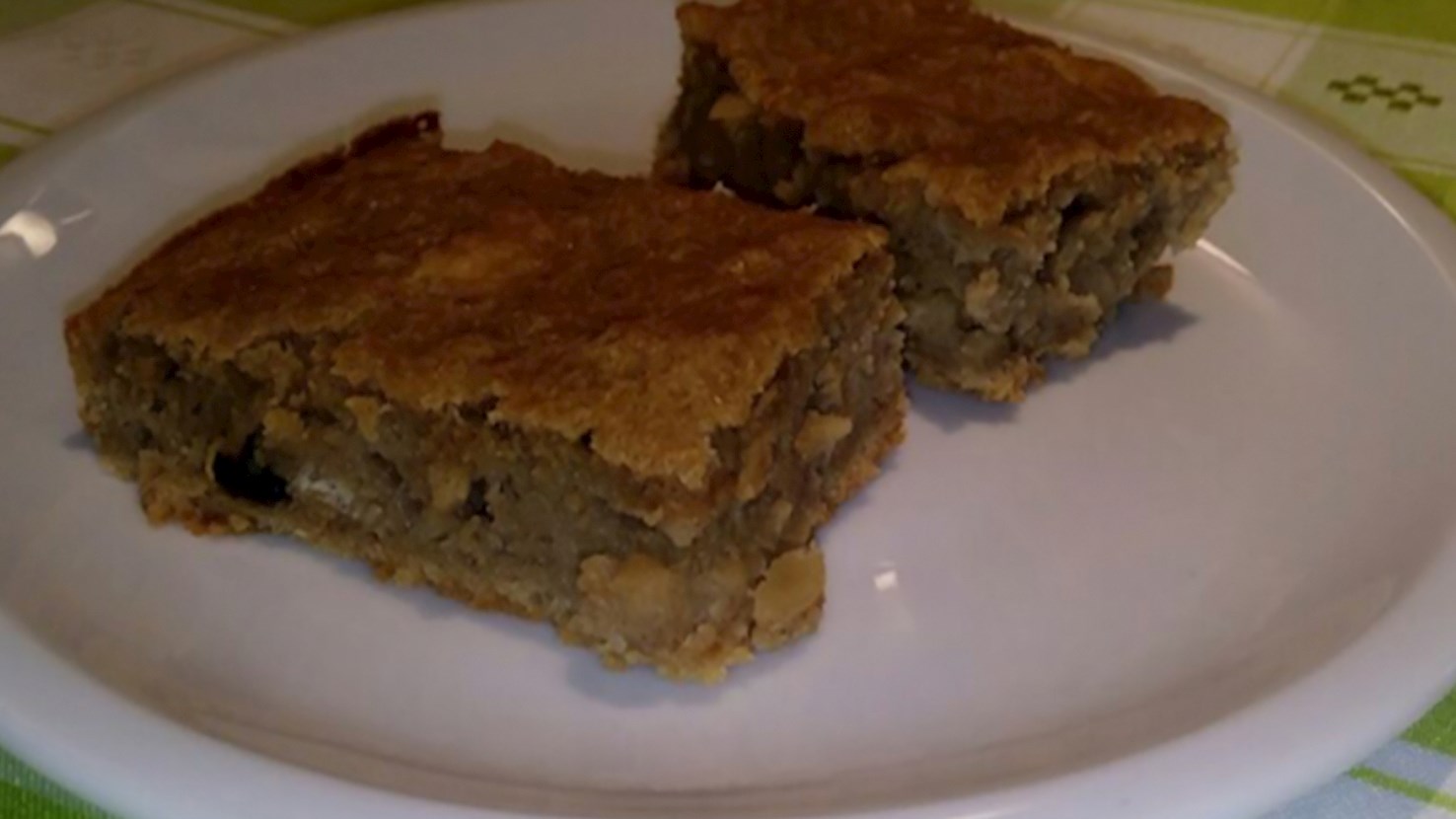
A simple dessert typical of Guatemalan cuisine, pastel de banano is a homemade banana sponge cake. With a mild banana flavor and a subtle sweetness, the cake is typically made with a combination of bananas (both mashed and sliced), flour, eggs, butter, baking soda, sugar, and salt. The mixture is often enhanced with the addition of vanilla essence, although banana essence, chocolate, or even chopped nuts may also be used. Slices of the baked banana cake are usually eaten for dessert or as a sweet snack at any time of the day, and they’re commonly served dusted with icing sugar. Pastel de banano also goes well with yogurt-flavored ice cream.
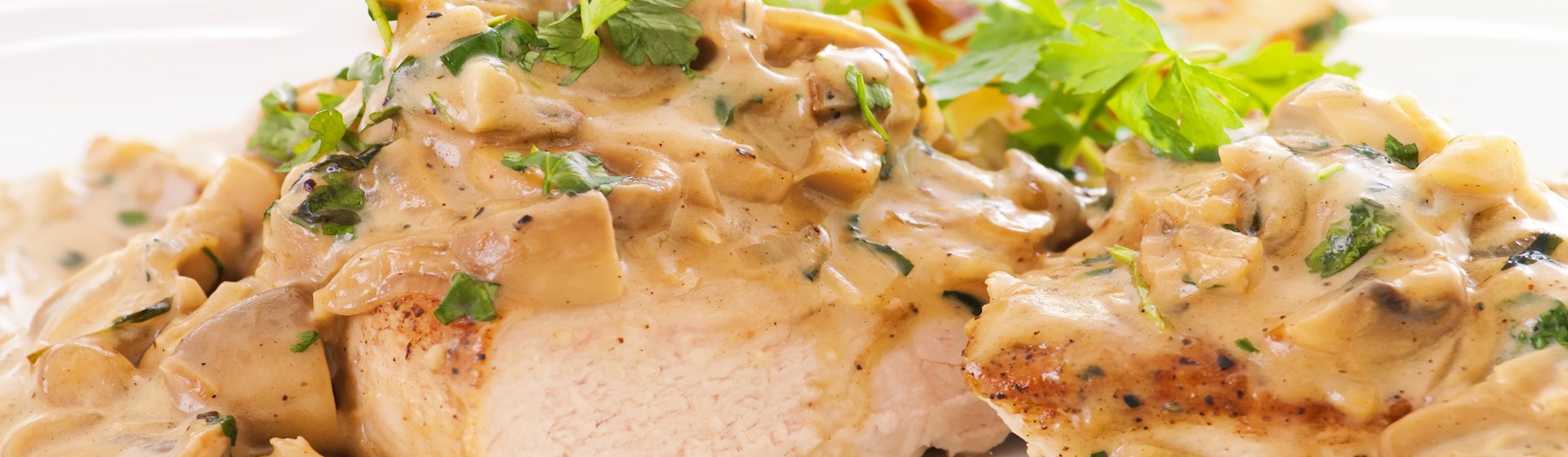
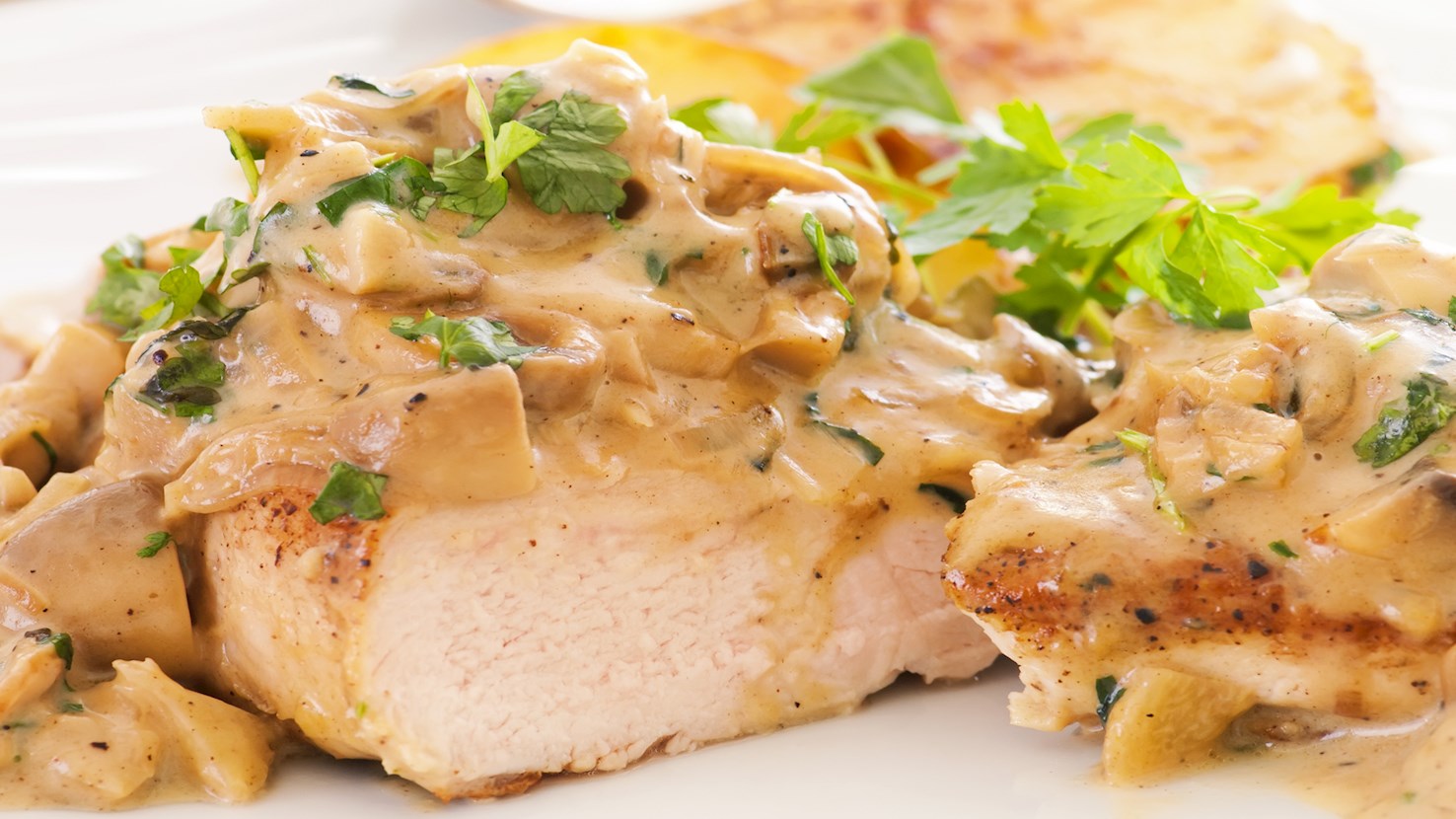
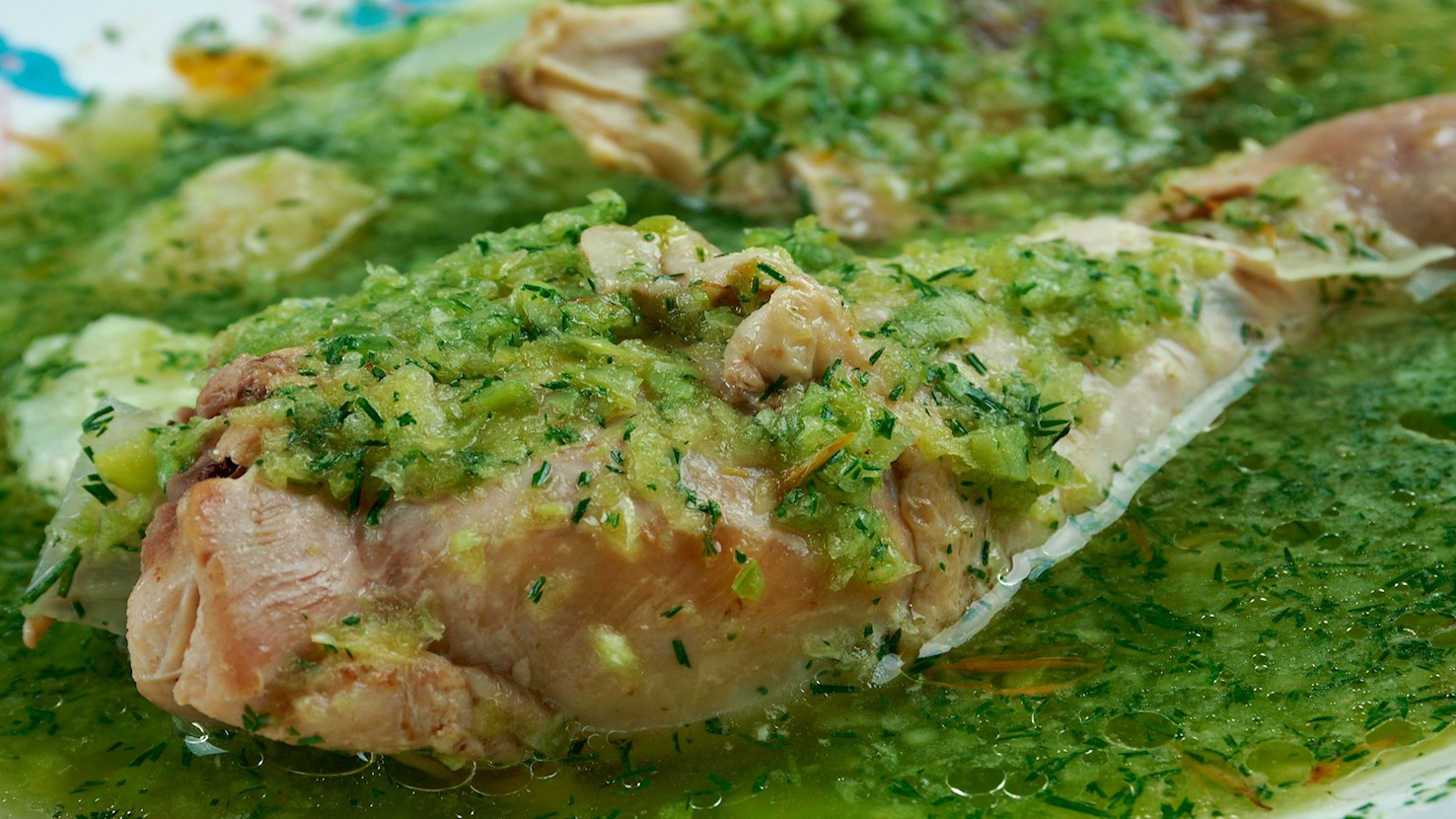
Pollo en crema is a popular Guatemalan dish that is also enjoyed in El Salvador and Mexico. It consists of chicken breasts that are drenched in a rich, creamy sauce made with loroco (edible green flowers), chayote or zucchini, yellow potatoes, green chile peppers, onions, and cream. This comforting, lightly spicy dish is often served with rice and corn tortillas on the side.
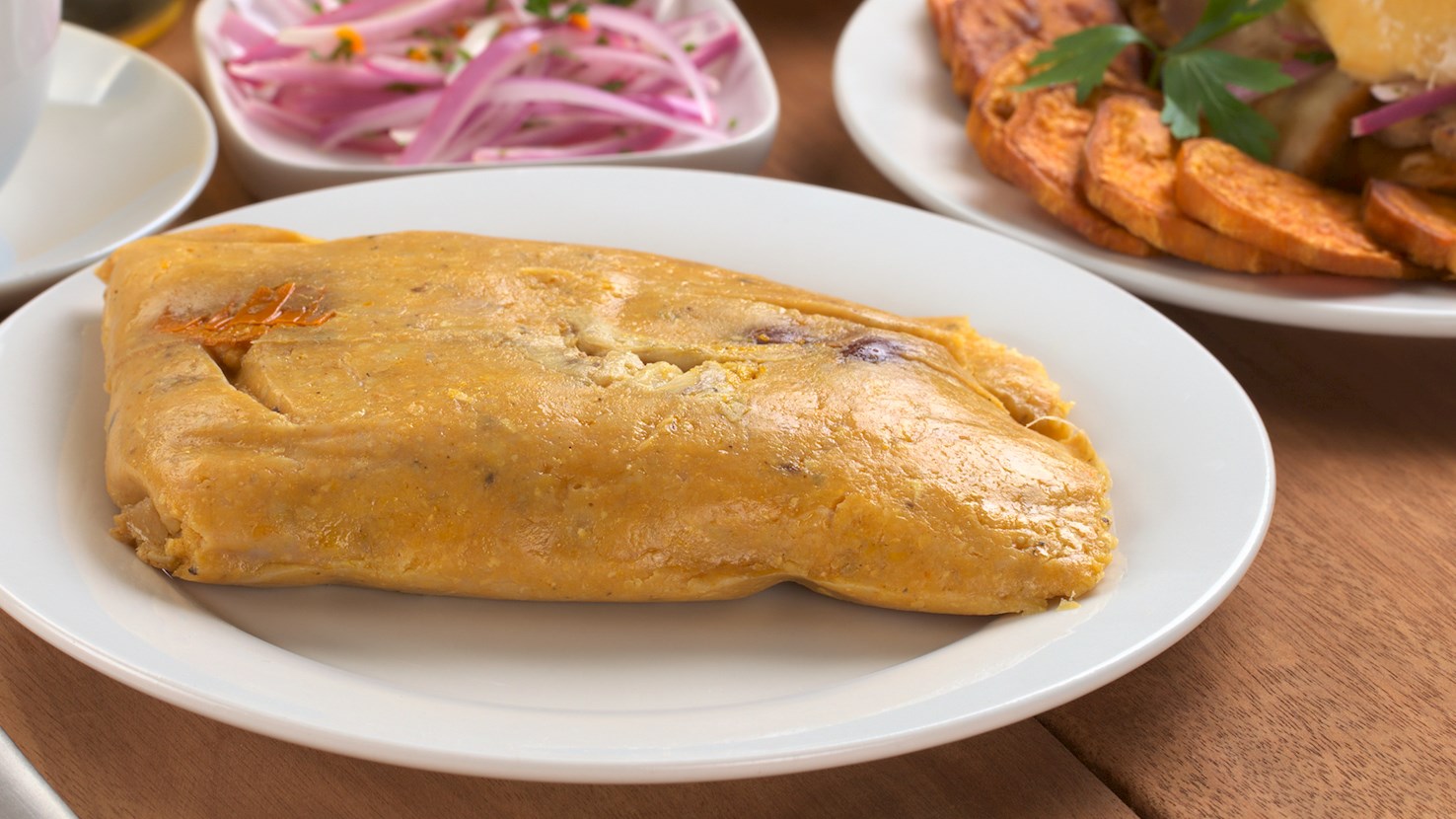
Although tamales are usually made with maize dough, the Guatemalan version called paches uses mashed potatoes, annatto powder, allspice, and lard. These tamales are typically filled with a combination of meat, tomatoes, green onion, garlic, bell peppers, and chile peppers. When the concoction is prepared, it is then wrapped in banana leaves or corn husks and steamed until it is soft and ready for consumption. In Guatemala, paches is traditionally sold by street vendors on Thursdays, while other types of tamales made with maize dough are prepared on other days of the week. It is recommended to serve paches with lots of fresh lemon wedges.
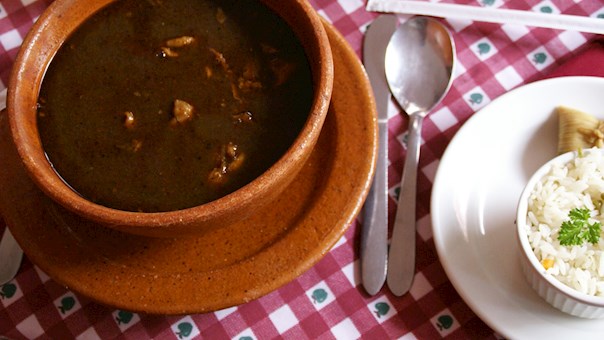
This tasty stew is often referred to as the national dish of Guatemala. It shows a blend of Mayan and Spanish cultures and a taste of both. Pepián is characterized by its thick and rich consistency, and it usually contains meats such as beef, chicken, or pork, along with fruits and vegetables such as carrots, potatoes, corn, pear, and squash. The flavor is slightly bitter because of the roasted spices that are blended together, then added to the stew. It can be found in diners or bought from street food vendors, who often serve pepián with rice and corn tortillas on the side. Pepián is also very popular in Chile.
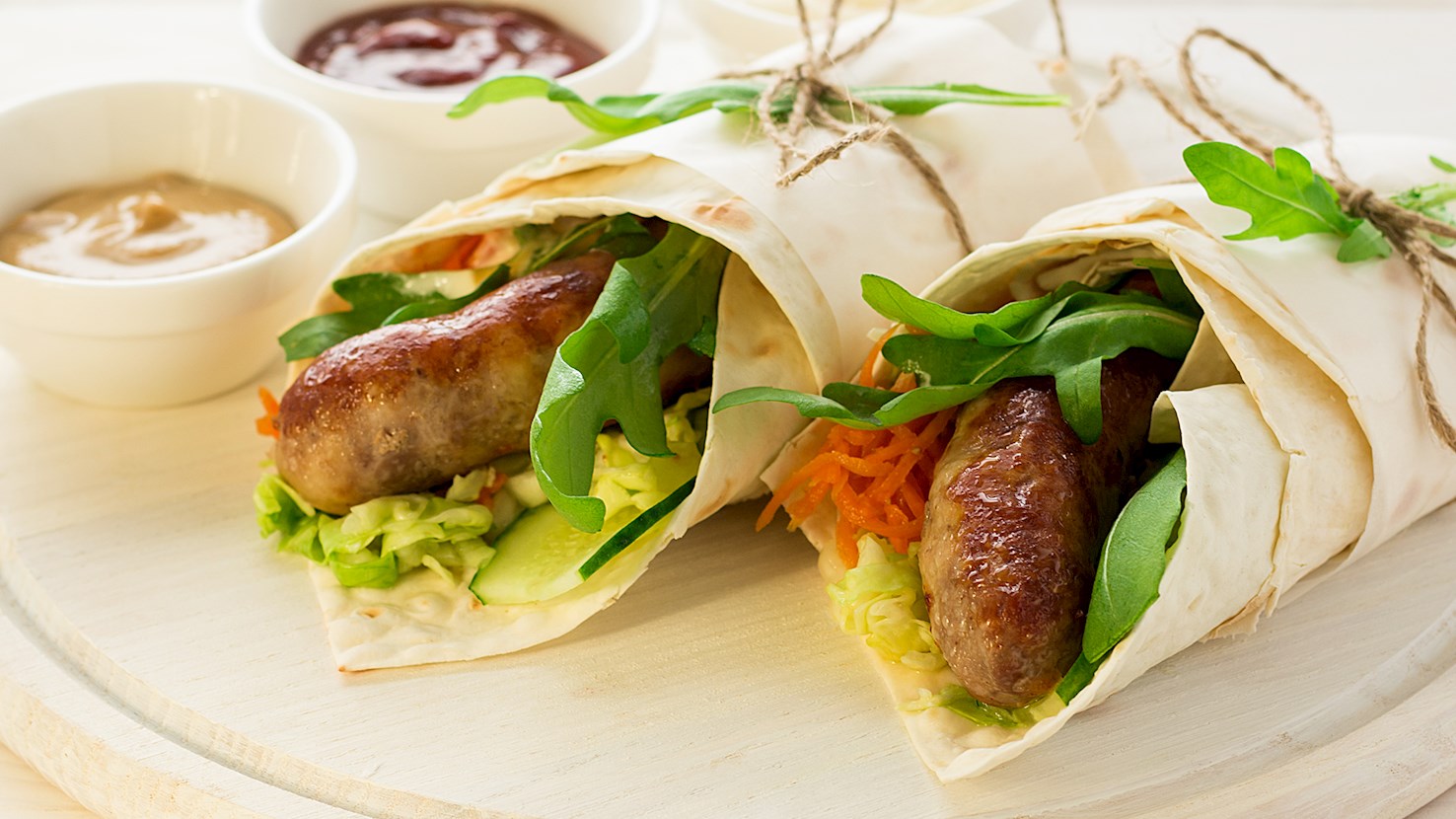
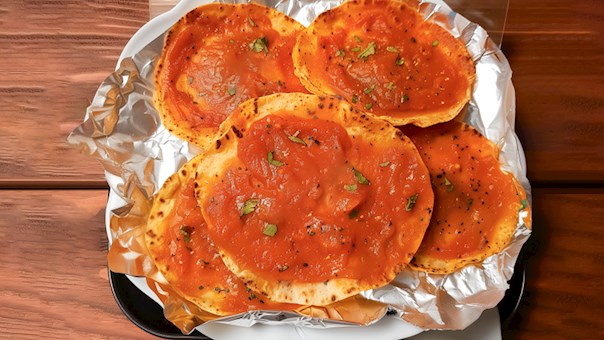
Mixtas are Guatemalan version of hot dogs, sold from numerous food carts throughout the country. What makes mixtas unique is the fact that the sausages are not placed in buns, but in tortillas. The dish is always made with fresh and inexpensive ingredients, so mixtas are usually filled with lime-dressed coleslaw, onions, diced tomatoes, guacamole, and green chiles.
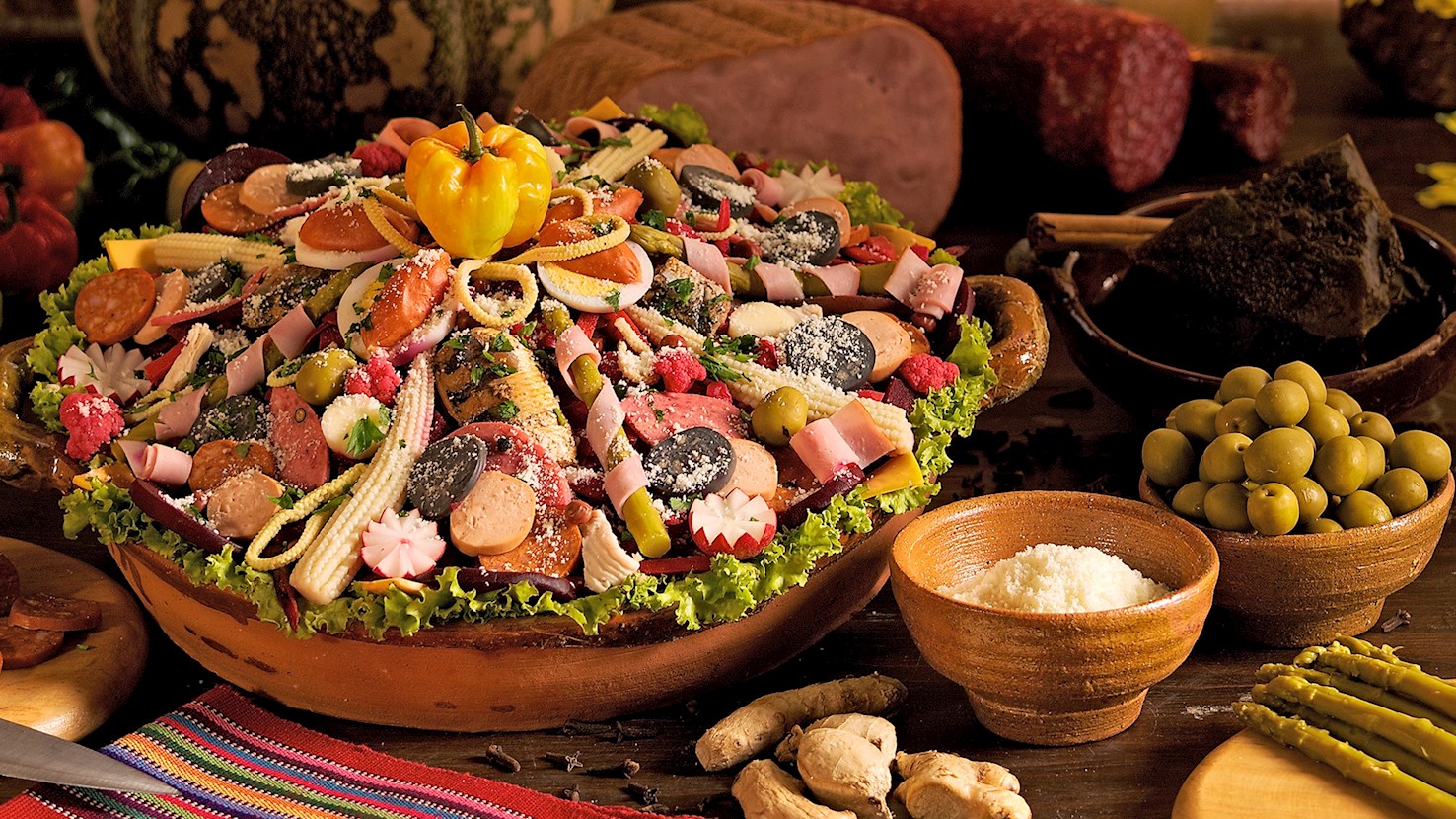
Fiambre is the most famous dish from Guatemala, a large salad that is traditionally prepared for the Day of the Dead and All Saints' Day. It is consumed in memory of the loved ones who have passed away. The salad can have as many as 50 ingredients in it, such as sliced meat, cheese, vegetables, pickles, and hard-boiled eggs. There are numerous varieties of the salad, such as fiambre rojo, made with beets, and fiambre blanco, made without beets. Fiambre verde is a vegetarian version, while fiambre desarmado is prepared in a way to make all of the ingredients separate, allowing the consumers to combine ingredients according to their personal preference.
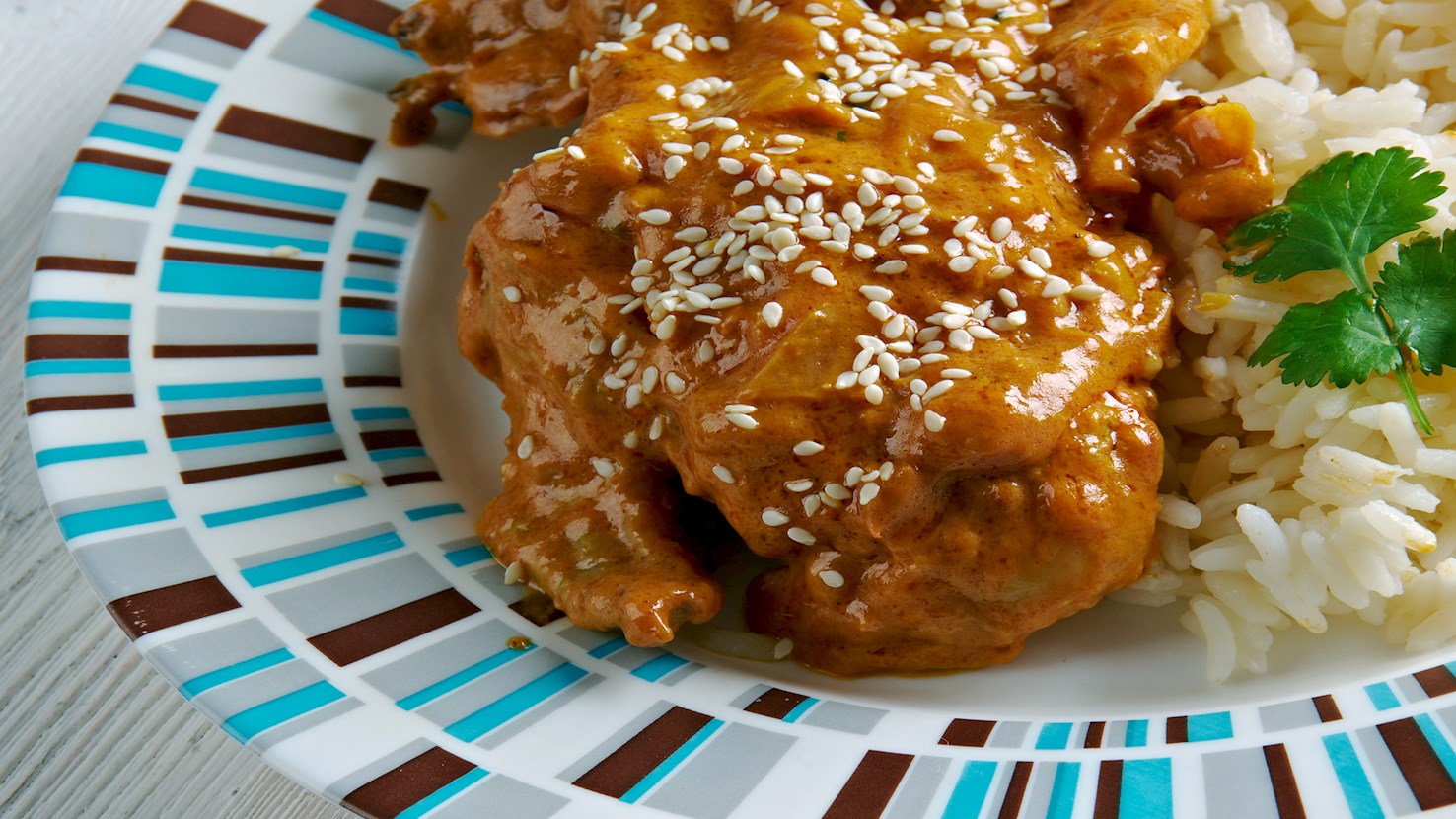
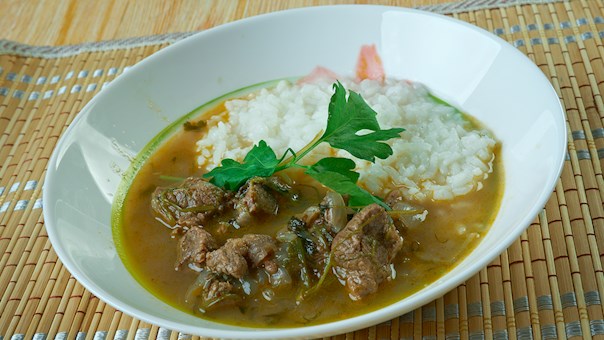
Jocón de pollo is a traditional dish hailing from Huehuetenango. The dish is made with a combination of chicken pieces, pumpkin and sesame seeds, tomatillos, cilantro, scallions, chili peppers, and corn tortillas that are chopped, soaked in water, and drained. The dish is heavily influenced by Mayan culture and it's very popular with the Mayan population. This chicken stew in a green sauce made with cilantro and tomatillos that's thickened with sesame and pumpkin seeds and tortillas is usually served with rice and avocado slices on the side.
Bocado de la reina is a cake-like bread pudding made with leftover bread, condensed milk, eggs, and bananas. It is especially popular in Panama and Guatemala. This cake is typically flavored with cinnamon, while raisins might be added for extra flavor. Although the literal translation of this dish means the bite of a queen or queen's bite, it is still unclear why a cake made with leftover bread would be fit for a queen.
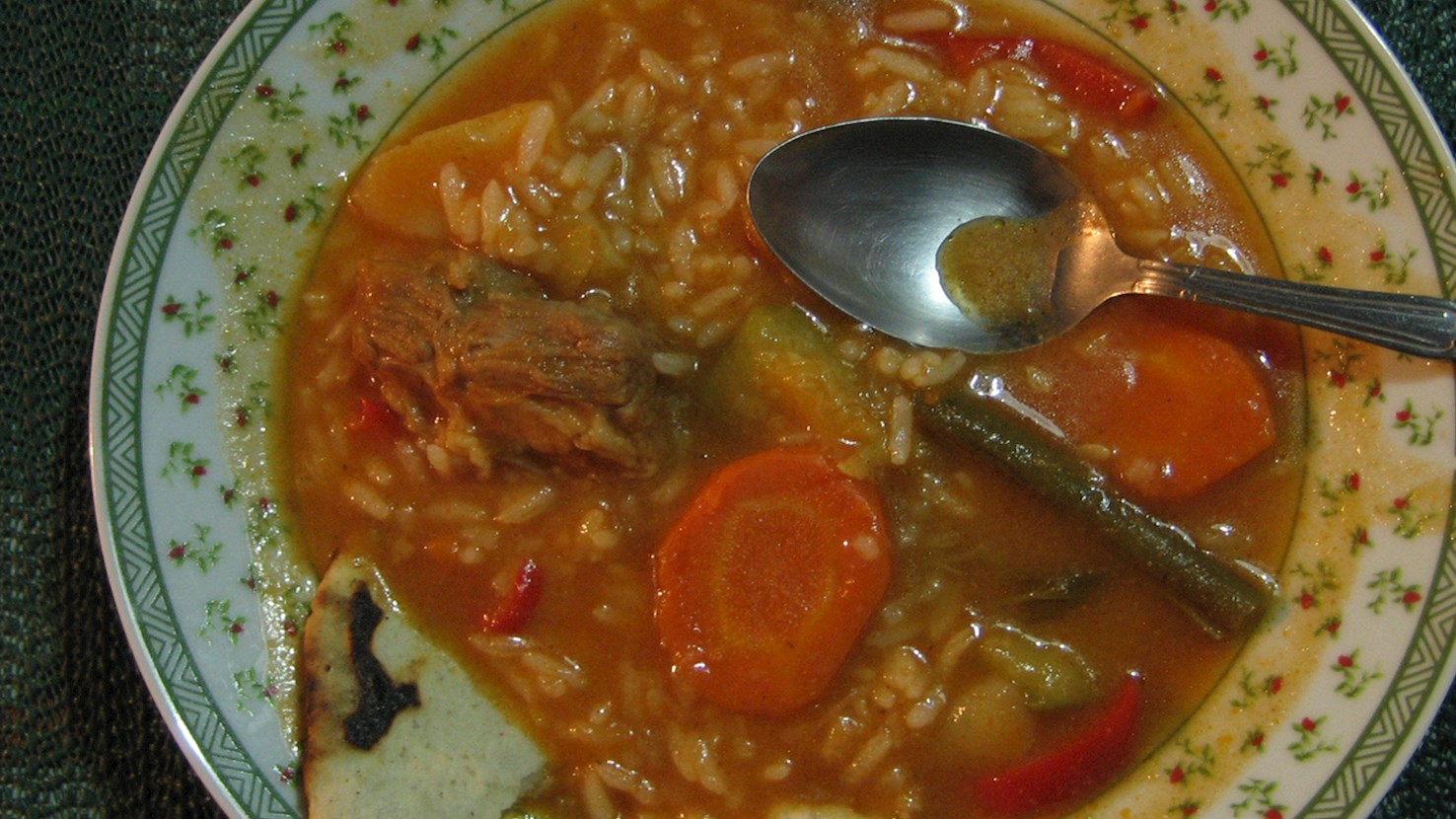
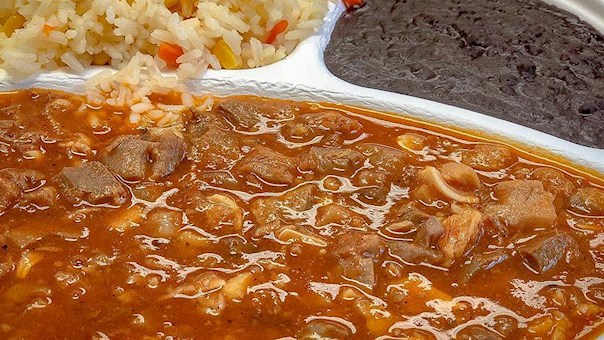
Pulique, also called pulik, is a thick meat-and-vegetable stew particularly associated with Maya communities in the western and central highlands of Guatemala. Chicken, beef, pork, turkey, or combinations of these meats are cooked in a smooth sauce made with tomato, maize, herbs, and achiote. Despite the presence of chile guaque, pulique is generally mild rather than strongly spicy. Pulique has deep roots in Maya food culture and remains strongly associated with ceremonial meals, holidays, weddings, community celebrations, and other large gatherings. Its present form combines pre-Hispanic ingredients and techniques with ingredients introduced after the Spanish conquest. Maize, tomatoes, chiles, and achiote are part of its indigenous foundation, while chicken, beef, pork, onions, and several seasonings entered the region later. It is especially associated with Kaqchikel and other Maya communities in the Guatemalan highlands, including areas of Chimaltenango, Sacatepéquez, Sololá, Quiché, and neighboring departments. Large quantities can be cooked outdoors over wood fires for community celebrations, with the thick sauce requiring regular stirring as it cooks. The meat is usually cooked first in salted water with aromatics, creating the broth that later forms the base of the sauce. Bone-in chicken is especially common, but beef ribs, pork, turkey, and duck also appear. Some versions combine more than one meat in the same pot. The sauce is based on tomatoes and often miltomate, the small Guatemalan tomatillo. Onion, garlic, chile guaque, and achiote are added for flavor and color. Unlike pepián, where vegetables and seeds are characteristically toasted or charred, pulique can be made by simmering the tomatoes, onion, garlic, and chile in water before grinding them. Other household versions roast some of the ingredients, so both methods exist. Chile guaque contributes a mild dried-chile flavor and reddish color without making the stew particularly hot. Achiote is another important coloring ingredient that can shift the sauce toward orange or reddish-orange. The cooked vegetables and seasonings are ground or blended into a smooth mixture and combined with the meat broth. Pulique is generally less heavily spiced than pepián and relies more on the flavor of maize, tomato, herbs, meat broth, and achiote. The characteristic thickening agent is maize masa. Fresh masa or masa harina is mixed with water or broth until smooth, then gradually incorporated into the simmering liquid. As the maize starch cooks, the broth becomes creamy and substantial. Constant stirring prevents the thick mixture from catching on the bottom of the pot. The sauce should be thick enough to coat the meat and vegetables but not become a rigid paste. A well-made pulique remains smooth and spoonable, with a consistency closer to that of a thick soup or a loose recado. Maize is not the only established thickener. Some versions use rice, ground soaked rice, toasted wheat flour, or a combination of these with masa. The choice varies by community and household. A wheat-flour version produces a smoother sauce with less of the characteristic maize flavor. Epazote, known in Guatemala as apazote, is one of the characteristic herbs. It gives the stew a strong herbal aroma that works especially well with the maize and meat broth. Cilantro can be used alongside it or in its place, and some versions also include mint, green onion, or other fresh herbs. Potatoes are among the most common vegetables. Carrots and güisquil, the Guatemalan name for chayote, are also frequently added. The vegetables are kept in fairly large pieces and simmered until tender without completely breaking apart. The vegetables do not always need to cook directly in the thick sauce. In some versions, the meat and vegetables are cooked separately and served beside or beneath the pulique sauce. In others, everything is returned to the same pot for a more unified stew. Pumpkin seeds and sesame seeds should not be treated as defining pulique ingredients. Toasted pepitoria and sesame are much more characteristic of pepián and other Guatemalan seed-thickened recados. They can appear in individual adaptations, but adding substantial quantities moves the flavor and texture closer to those sauces. Pulique is normally served hot in a deep plate or bowl. The meat may remain in large bone-in pieces, surrounded by vegetables and the thick maize-based sauce. White rice is a common accompaniment and can be served beside the stew or underneath part of the sauce, but it is not required. Fresh corn tortillas and small plain maize tamales are also natural accompaniments, particularly at larger meals.
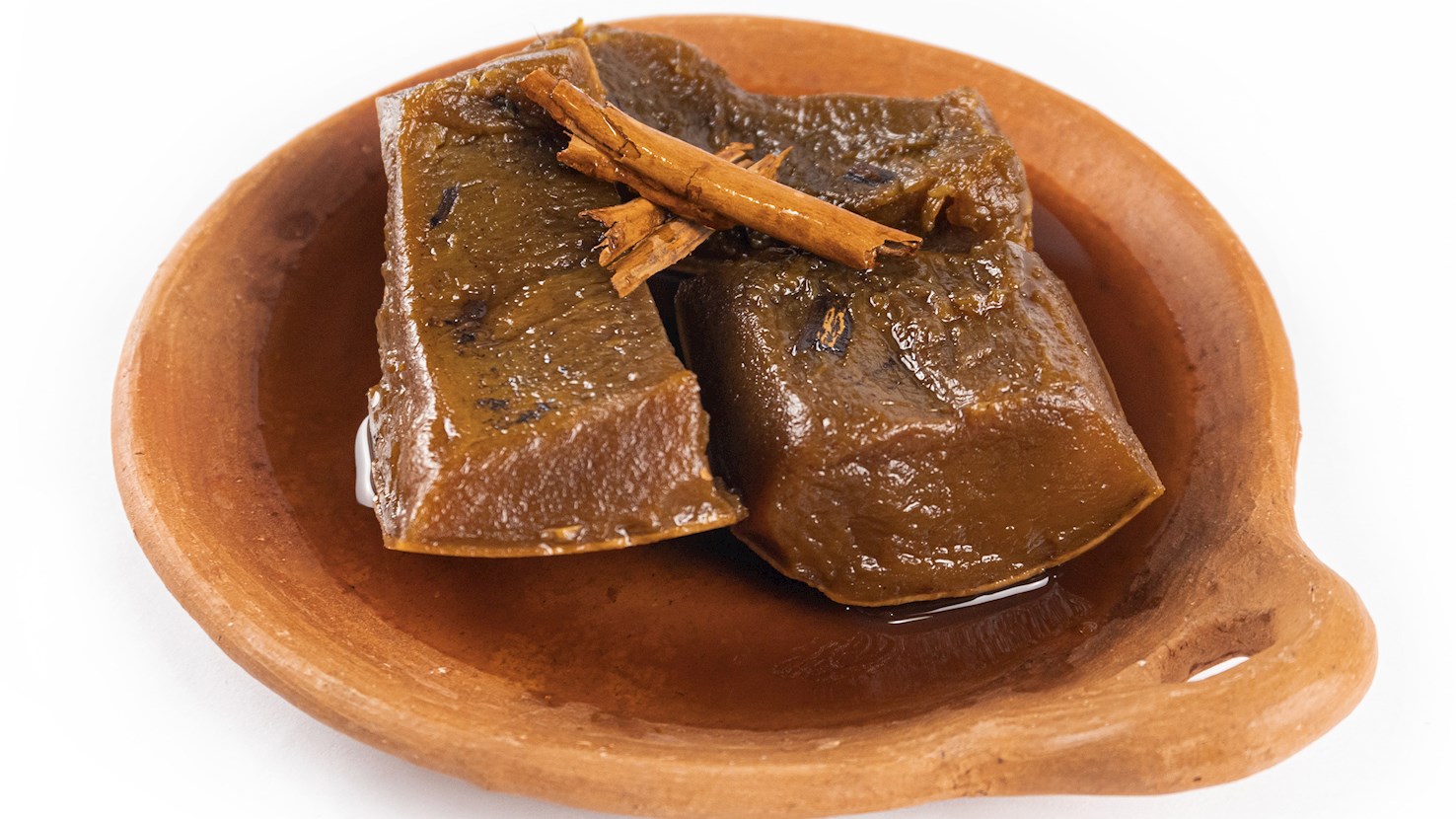
Ayote en miel is a traditional dessert that’s especially popular in Nicaragua and Guatemala. The dessert is usually made with a combination of ayote (squash), sugar, cinnamon, ginger, allspice, and water. The mixture is simmered over medium heat until the squash becomes very tender and absorbs most of the sugary syrup. Once done, ayote en miel can be served warm or left to cool down, and it’s then served cold. This dessert is often accompanied by a scoop of ice cream or a cloud of whipped cream on the side. It’s typically served on occasions such as Christmas or Dia de los muertos on November 1st.
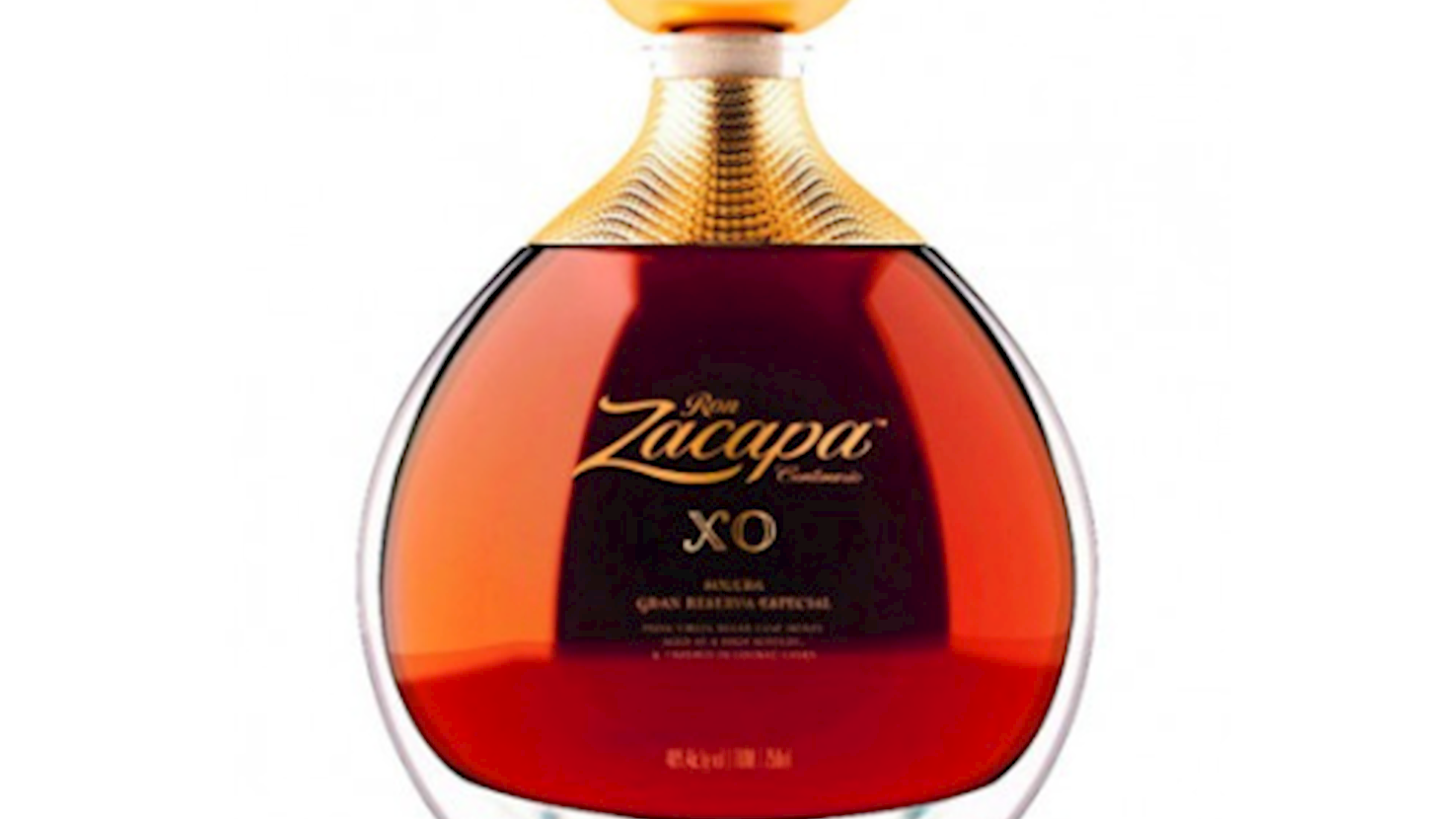
Ron Zacapa Centenario is a premium rum produced in Guatemala by Rum Creation and Products, a subsidiary of Industrias Licoreras de Guatemala, and distributed and marketed by Diageo. Zacapa Centenario was created in 1976 to celebrate the hundredth anniversary of the foundation of Zacapa, a town in eastern Guatemala.
It was the result of the blending, stabilization and maturing processes of long-aged rums by doctor and chemist named Alejandro Burgaleta. Ron Zacapa is distinctive in that it is aged in a facility at an altitude with natural coolness which avoids evaporation resulting in an unusually smooth product.
Awards
SFWSC - San Francisco World Spirits Competition - Double Gold
(2024)
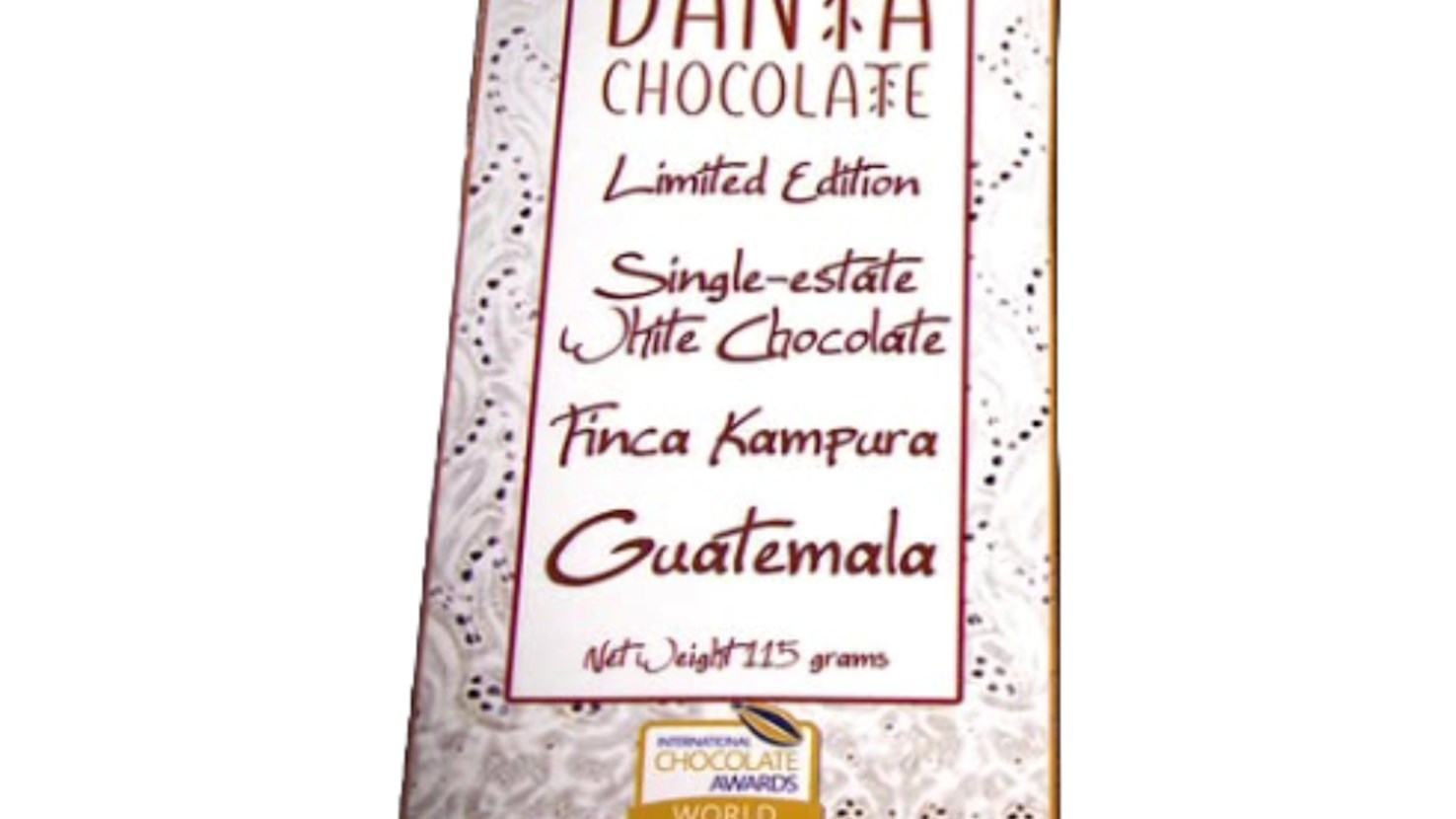
Danta Chocolate focuses on producing single-origin chocolates, emphasizing the unique flavors of the cocoa beans sourced from specific regions. The company utilizes traditional techniques blended with modern practices to enhance the intrinsic qualities of the beans.
Danta Chocolate is also committed to sustainability, ensuring fair trade practices and eco-friendly production methods.
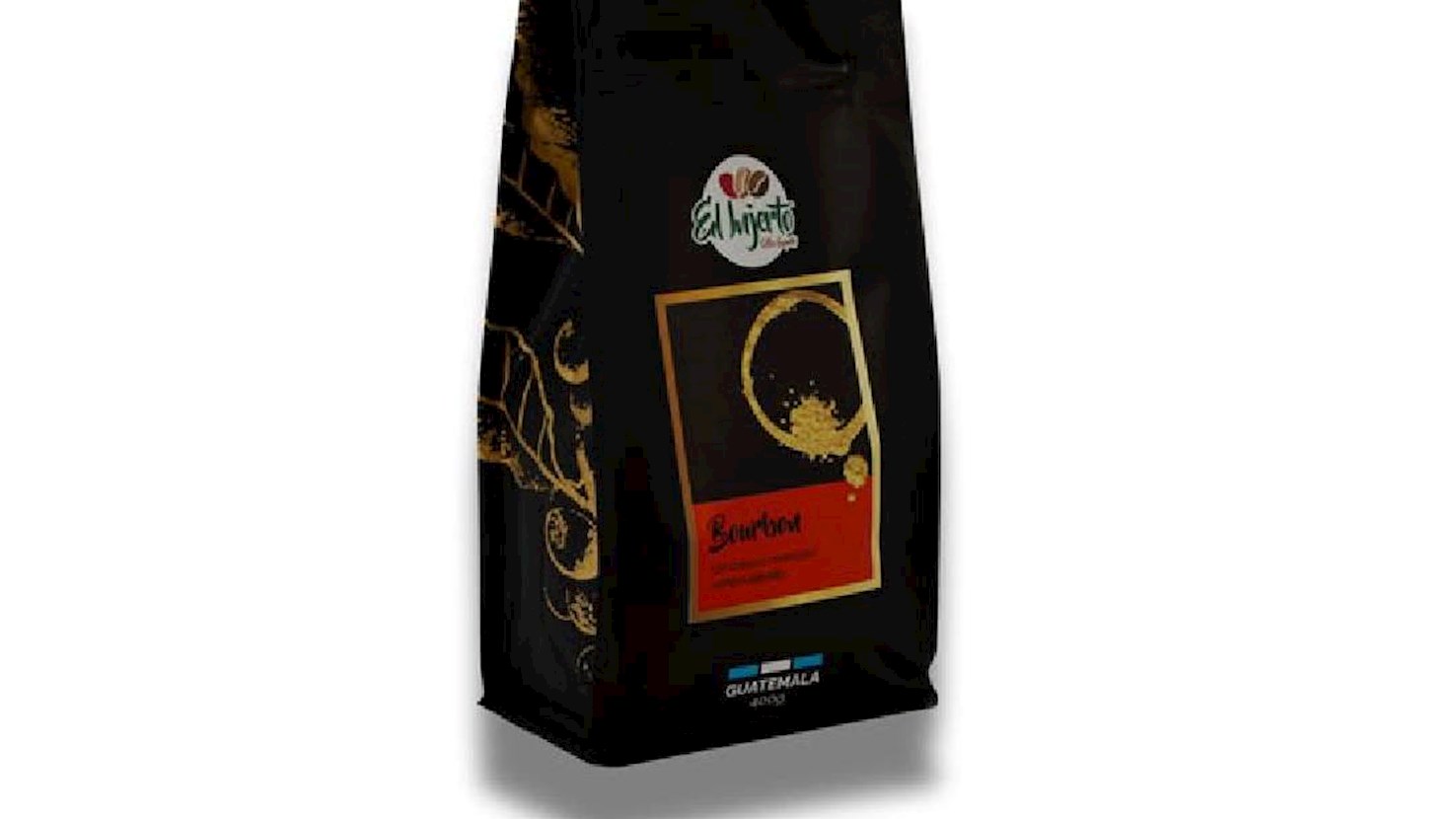
Finca El Injerto is one of the most esteemed coffee plantations in Guatemala, renowned for its exceptional quality and commitment to sustainable production. Nestled in the mountainous region of Huehuetenango, this family-owned farm boasts a legacy spanning more than a century.
Founded in 1874, the farm initially cultivated sugarcane and other agricultural crops, but in the early 20th century, it fully dedicated itself to coffee production.
The name El Injerto originates from a native fruit found in this region, symbolizing the farm’s deep connection to nature and the uniqueness of its terroir.
Today, the third and fourth generations of the Aguirre family manage the farm with a clear mission – to produce the highest-quality specialty coffee, maintaining strict control over every step of the process, from cultivation to final processing. Finca El Injerto does not purchase coffee beans from other producers; instead, it exclusively processes its own harvest, ensuring premium quality and full traceability.
Awards
Cup of Excellence - 1st Place
(2015)
Cup of Excellence - 1st Place
(2013, 2012, 2011, 2006)
TasteAtlas food rankings are based on the ratings of the TasteAtlas audience, with a series of mechanisms that recognize real users and that ignore bot,
nationalist or local patriotic ratings, and give additional value to the ratings of users that the system recognizes as knowledgeable.
TasteAtlas Rankings should not be seen as the final global conclusion about food. Their purpose is to promote excellent local foods,
instill pride in traditional dishes, and arouse curiosity about dishes you haven’t tried.
The initial list of top producers was compiled based on available reviews, awards, local recommendations, media and blog coverage, and consumer reviews.
The list will be updated with ratings from TasteAtlas local ambassadors and TasteAtlas users.





What People Say