Top 7 Traditional Foods
in Hautes-Alpes

Last updated on June 02, 2026

Best Hautes-Alpes food products
01
Chocolate

Beau Cacao

4.7 ·
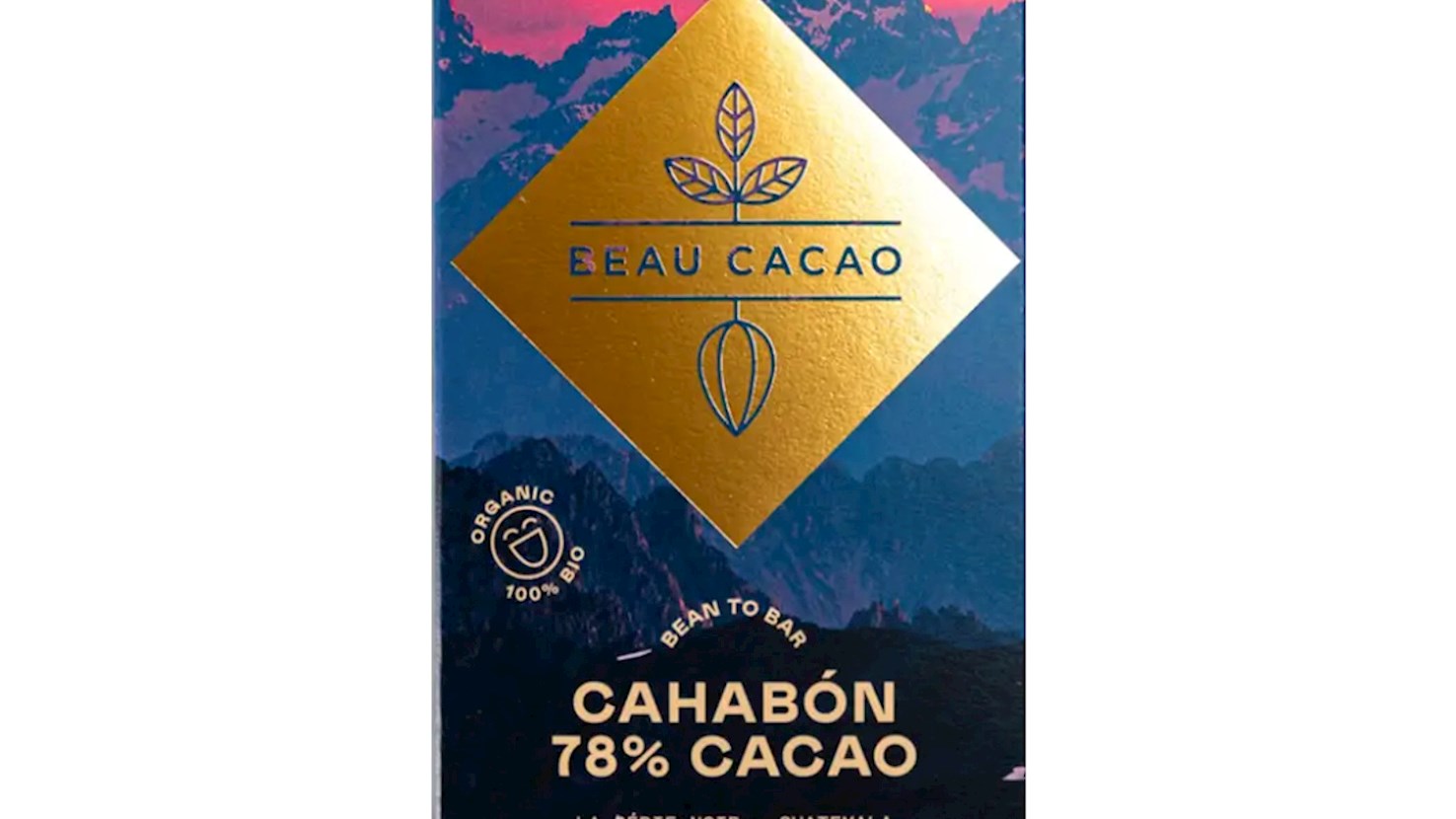
Beau Cacao is a premium bean-to-bar chocolate maker dedicated to crafting high-quality chocolate from carefully sourced cacao beans. With a focus on ethical sourcing and sustainable practices, Beau Cacao transforms single-origin cacao into rich, flavorful chocolate bars that highlight the unique characteristics of each region. Their artisanal approach ensures a smooth texture and deep, complex flavors, making each bite a true chocolate experience.
Awards
Academy of Chocolate - Silver (2024, 2017)
Academy of Chocolate - Bronze (2024, 2017)
02
Cheese

Fromagerie de la Durance

4.6 ·
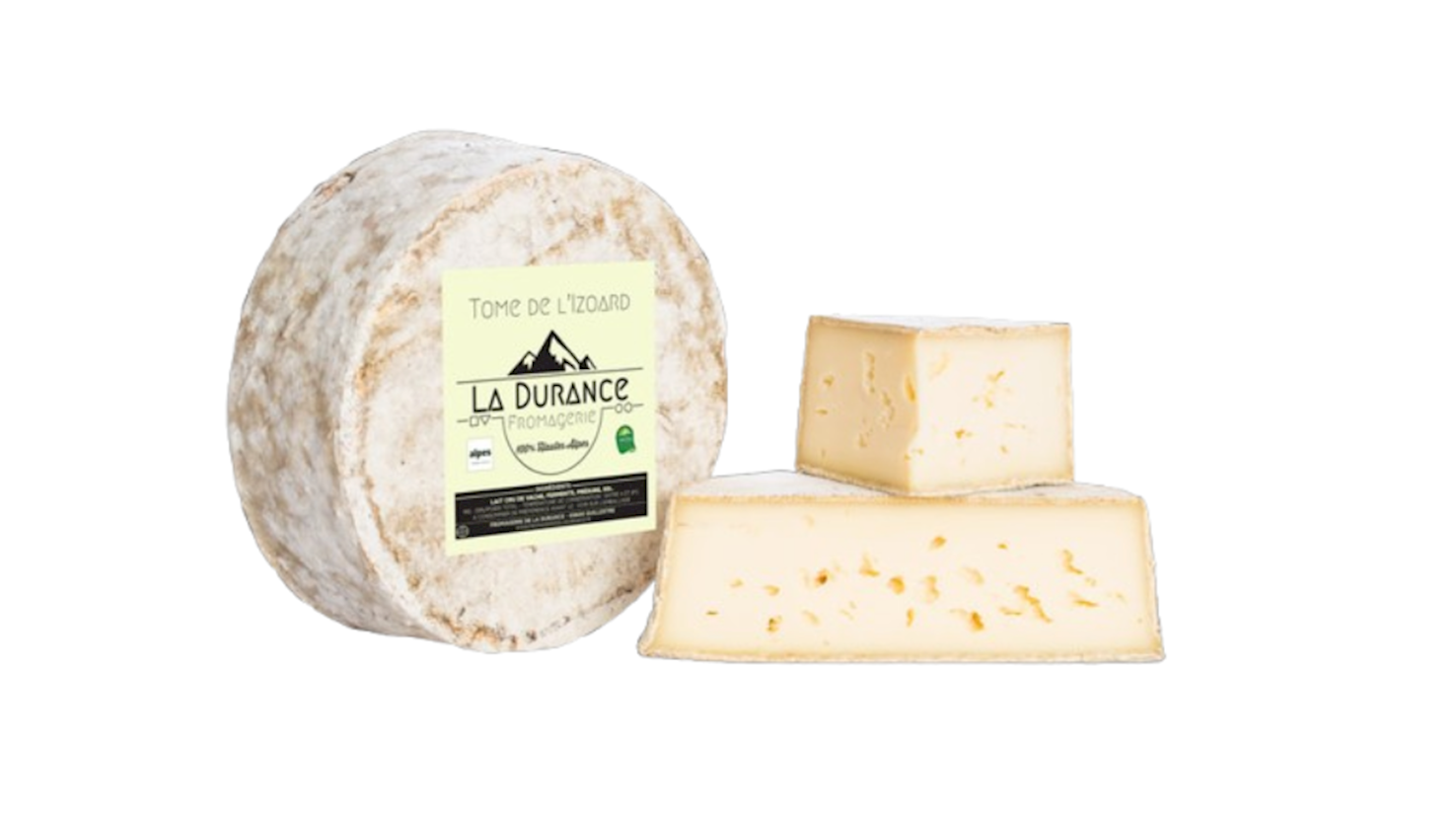
Fromagerie de la Durance is a family-run artisanal cheese dairy located in the town of Guillestre, in the Provence-Alpes-Côte d’Azur region of France, within the Hautes-Alpes department. The dairy is known for its authentic approach to cheese-making, using raw milk from cows, sheep, and goats, sourced exclusively from local farms in the surrounding mountain valleys. Each year, approximately 1.2 million liters of milk are processed, resulting in a rich and diverse selection of over 30 different cheeses. These include hard cheeses, soft cheeses, blue cheeses, and lactic specialties. The dairy is also recognized for its innovative spirit – it was among the first in the region to introduce a 24/7 self-service cheese dispenser, allowing customers to access fresh products at any time. In their shop, visitors can find not only cheese but also a carefully curated range of local products such as honey, jams, wines, cured meats, and other gourmet items. Fromagerie de la Durance also offers educational and tourist tours on specific days of the week, during which guests can learn more about the cheese-making process and sample their specialties.
03
Cheese

La Fromagerie Champsaur

4.5 ·
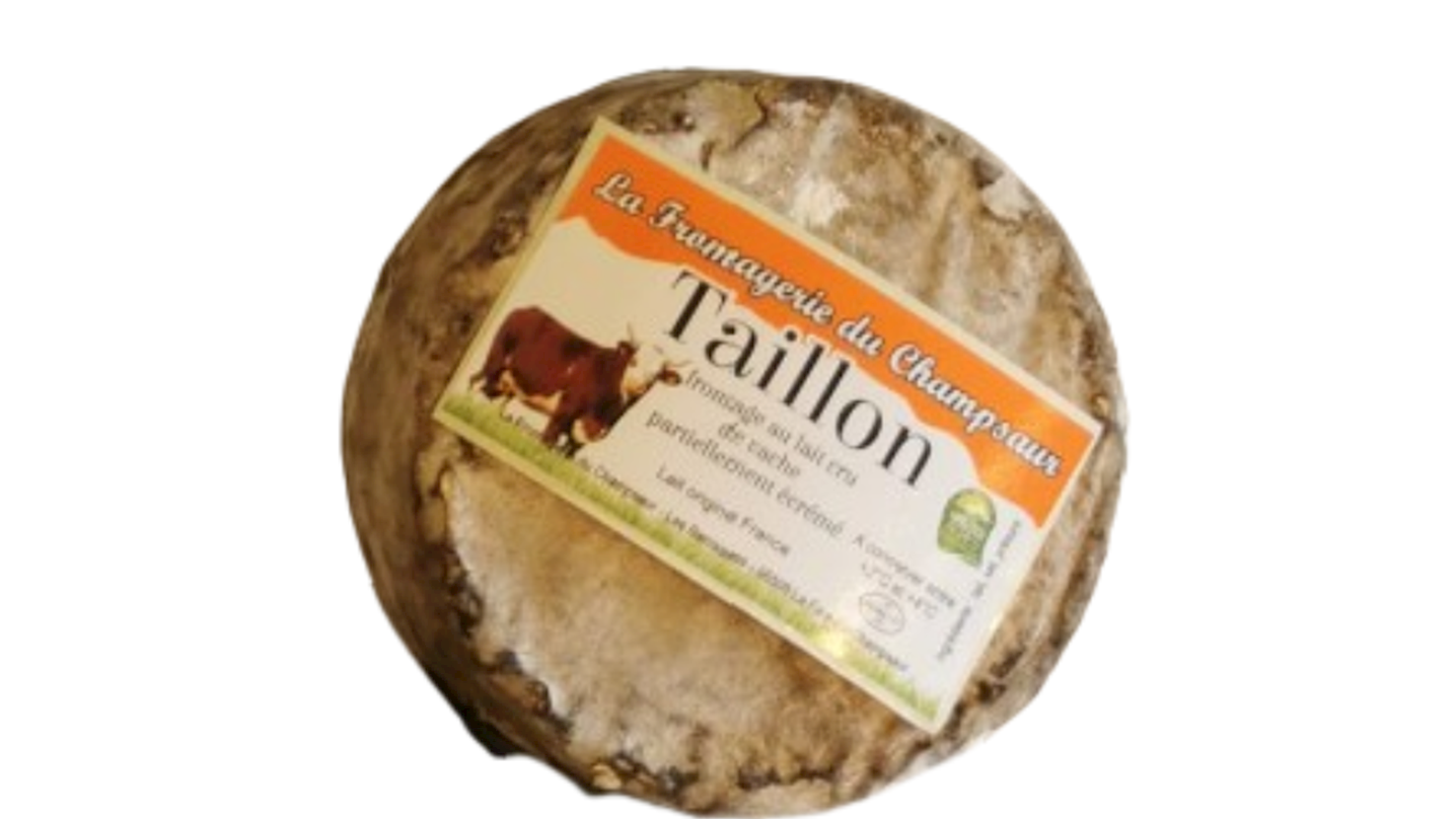
La Fromagerie du Champsaur is an artisanal cheese dairy located in the village of La Fare-en-Champsaur, in the Hautes-Alpes region of France. This dairy is the result of a collaboration between four local farmers and a cheesemaker, who work together to process fresh, local cow's milk into a variety of cheeses through a short supply chain. All products are made from milk that is processed on the same day and then aged in the dairy's cellars. In addition to cheeses, the dairy also offers other local products such as goat and sheep cheeses, cured meats, honey, and traditional cookies. A 24-hour self-service vending machine is available for customers.
05
Beer

Brasserie des Gaillards

4.5 ·
Awards
Concours International de Lyon - Gold (2024)

Best Hautes-Alpes foods

01
Casserole

Gratin dauphinois

4.2 ·

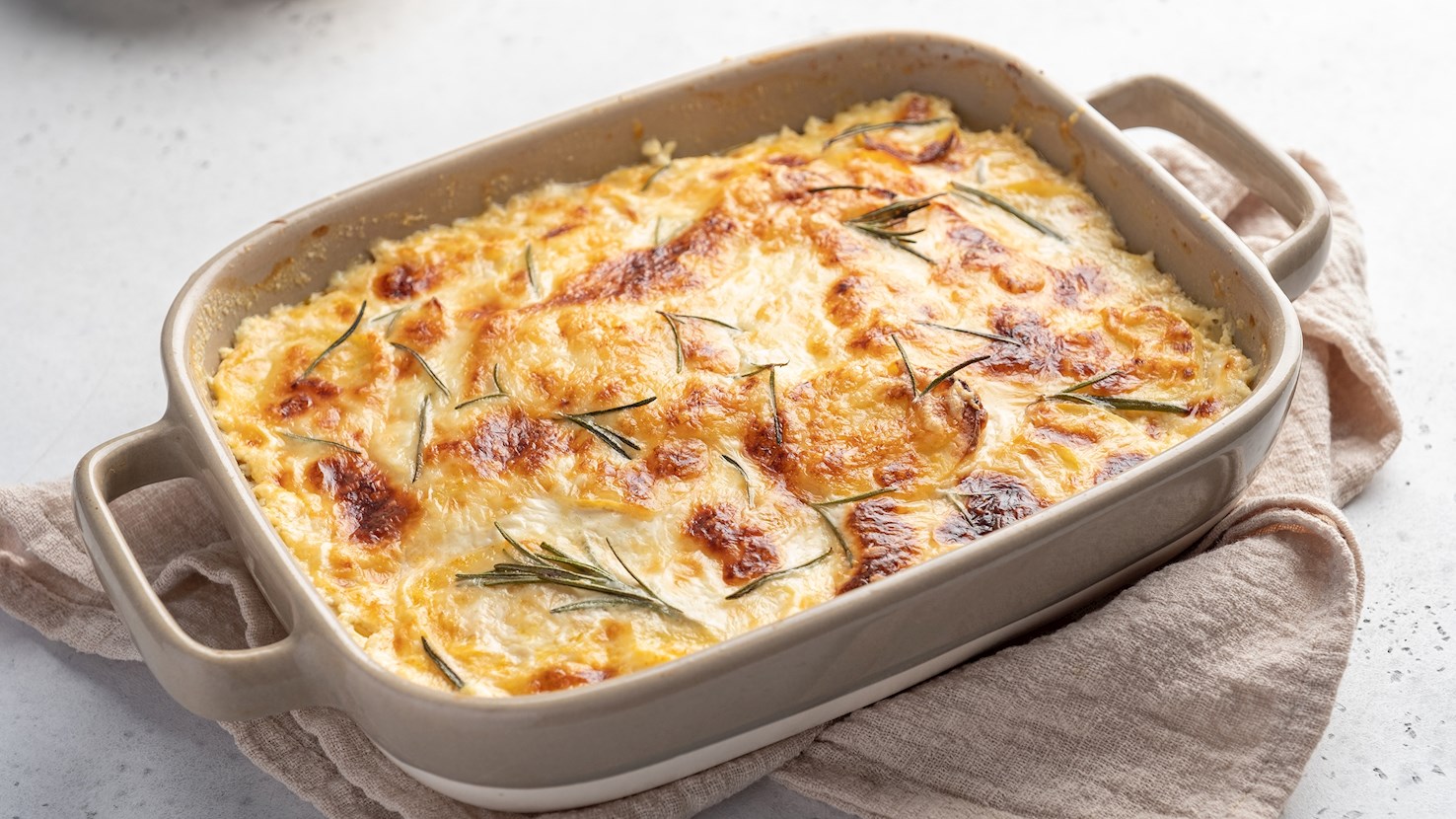
Traditionally consumed by peasants in the historic Dauphiné region in France, gratin dauphinois is a savory dish consisting of thinly sliced potatoes, crème fraîche, and butter baked in a shallow earthenware cooking vessel. The dish can be eaten on its own, preferably with a salad on the side, or as an accompaniment to fish or meat dishes. The term gratin originally referred to the flavorful crust that was left in the pan after the dish was baked. The first mention of the dish dates back to July 12th, 1788, when it was served at a dinner hosted by Charles-Henri, Duke of Clermont-Tonnerre and Lieutenant-General of the Dauphiné, for the officials of the city of Gap in the modern-day Hautes-Alpes region.

02
Sweet Pie

Tarte des Alpes

n/a ·

Tarte des Alpes is a celebrated lattice-topped pastry brimming with rich fruit preserves, originating from the high-altitude valleys of the southern Alps. This dessert was historically developed by mountain communities as a practical, delicious method to utilize homemade summer jams during the harsh winter months, resulting in a baked good specifically engineered for an extended shelf life. The baking process begins by mixing flour, butter, sugar, eggs, a pinch of salt, and a touch of yeast to form a sweet shortcrust pastry. A portion of this dough is rolled out to form the base, which is then generously coated with fruit preserves—most commonly wild blueberry, raspberry, fig, plum, or apricot. The remaining dough is sliced into thin strips, carefully arranged in a cross-hatch pattern over the filling, brushed with an egg or milk wash, and baked until golden brown. Because of its sturdy composition and the jam's high sugar content, the cooled tart can be kept for weeks or even months without losing its robust flavor, a unique characteristic born directly from its rugged alpine heritage. Regional bakers frequently adapt the dessert by incorporating cherry preserves, lemon curd, or almond flour into the crust, and certain villages even substitute the shortcrust with a richer brioche-style base. Widely enjoyed across southern Alpine homes, cafes, and bakeries, this enduring treat is sliced for breakfast, afternoon snacks, or as a post-meal dessert. To complement its sweet, fruity profile, it is typically paired with a steaming cup of coffee, a delicate herbal infusion, or a glass of a sweet regional wine, such as a local Muscat.

03
Salad

Salade dauphinoise

n/a ·

Salade dauphinoise is a composed French salad from the Dauphiné region that combines crisp lettuce, walnut kernels, lardons, and firm Alpine cheese, all tossed in a shallot- or garlic-infused walnut oil vinaigrette. This dish emerged from the local mountain farming culture, which relied heavily on regional walnut harvests, cured pork, and dairy products. Over the years, cooks combined these staple ingredients into a fresh, unified bowl to make use of the area's agricultural products. Assembling the salad begins by washing and drying hearty green lettuce leaves. Next, walnut kernels are briefly toasted to enhance their nutty profile, while cured pork fat is fried until crispy. A firm mountain cheese, such as Comté or Gruyère, is cut into small cubes. The dressing requires whisking together finely minced shallots or garlic, vinegar, salt, pepper, and walnut oil—sometimes blended with a touch of olive oil. Just before eating, the lettuce, nuts, meat, and dairy are mixed in a large bowl and coated with the vinaigrette to keep the greens crisp and the components distinct. Cooks frequently modify the recipe by swapping lardons for standard bacon, selecting different firm alpine cheeses, or adding hard-boiled eggs and garlic-rubbed croutons. Diners enjoy this dish as a starter or a light main course, typically served alongside thick slices of rustic country bread and a platter of cured charcuterie. To complement the rich cheese and savory pork, the salad pairs beautifully with a crisp white wine or a lightly tannic red from the Rhône-Alps vineyards.

04
Potato Dish

Ravioles du champsaur

n/a ·

Ravioles du Champsaur is a dense, dumpling-like potato pasta deeply rooted in the high-altitude valleys of the French Hautes-Alpes. Farming communities residing in the freezing Champsaur and Valgaudemar regions historically relied on their cellar staples—sturdy root vegetables, wheat flour, and local tomme cheese—to prepare nourishing meals for brutal winters. Making these morsels requires boiling the potatoes until completely tender, then thoroughly mashing them and allowing the puree to chill. Once cold, the fluffy starch is vigorously kneaded together with flour, finely shredded mountain cheese, eggs, salt, and black pepper to form a stiff, pliable dough. Certain alpine households even fold in vibrant chopped chard or minced parsley for an earthy pop of color. Instead of stuffing thin sheets of wheat dough with a separate filling—as standard Italian ravioli dictates—the maker rolls this solid mixture into thick, inch-wide cylinders and slices them into bite-sized segments. Two distinct culinary approaches determine how this heavy dish reaches the dining table. One approach involves pan-frying the freshly cut pasta morsels in shimmering oil or clarified butter until they develop a deeply golden, crispy exterior, plating them immediately with an extra pat of rich butter. Alternatively, the pieces are dropped into boiling salted water just until they bob to the surface. These boiled dumplings are then arranged in a greased casserole dish, smothered in fresh heavy cream and extra grated cheese, and baked in a hot oven until the topping bubbles into a beautiful brown crust. Regional tweaks frequently alter the dough's exact composition; adding extra flour creates a much firmer bite ideal for the frying pan, while increasing the dairy ratio, shaving in sharp onions, or dusting the batter with warm nutmeg adds incredible depth to the baked gratin version. Enjoying this rich, hot mountain specialty typically involves pairing it with a crisp green salad or earthy, sautéed wild mushrooms to balance the heavy starches. A bright, high-altitude white wine or a light-bodied Alpine red blend provides the perfect beverage match, as the wine's natural acidity beautifully slices through the rich cream and melted cheese.

05
Cheese

Tomme du Champsaur

n/a ·

Tomme du Champsaur is a cow’s milk cheese from the Champsaur Valley, produced as small cylindrical loaves that mature quickly and show either a natural cellar rind or a white bloomy rind depending on how they are aged. It developed in mountain dairies where local farms pooled milk for soft tommes destined for nearby markets, and later cooperatives expanded output while keeping formats suited to short affinage. Production begins with whole cow’s milk set with rennet; makers in the valley work with different milk treatments—some batches are pasteurized for consistent quality while others are made from minimally treated milk—before cutting a soft curd, draining without heavy pressing, molding, salting, and maturing in cool humid rooms. When the cellar is run moister and cooler the surface blooms white and downy; when drier and longer-aged the rind stays gray-beige and rustic, with the paste tightening from supple and lactic to firmer and more nutty as aging proceeds. Variations include sizes from roughly 15 to 30 cm (6 to 12 inches) in diameter and “two-milk” or “three-milk” blends produced by certain dairies alongside 100% cow’s-milk wheels, as well as a “crayeuse” style sold young with a bright, tangy paste. What marks the cheese is the coexistence of both rind styles and both milk processes within the same named type, reflecting local practice rather than a single rulebook, and a flavor arc that runs from fresh, lactic and creamy when young to a denser paste with more cellar notes after a longer stay on boards. Tomme du Champsaur is eaten at room temperature on a cheese board or melted gently over potatoes and greens, and pairs well with a crisp alpine white whose acidity lifts the lactic notes or a light, low-tannin red that flatters the nutty finish.

06
Cheese

Saint-Laurent

n/a ·

Saint‑laurent is a cheese made from cow’s milk in the Champsaur Valley in the Hautes-Alpes of France. Its origins lie in the mountain dairies of the area where local producers made small loaves of soft cheese designed to mature quickly in cool alpine cellars and meet local demand for fresh, flavorful dairy products. In terms of production it is made by using whole cow’s milk which is thermised, heated gently and allowed to coagulate with rennet; the curd is then ladled or gently cut, placed into molds to drain without heavy pressing, and the young cheeses are transferred to a cellar where they are ripened for roughly two weeks. During this period the loaves develop a thin edible white bloom (“croûte fleurie”) on their surface, the interior becomes supple and creamy, and the salt and microflora work together to shape its mild, slightly salty flavor. Among the common variations one finds a version “fourré à la truffe” where the saint-laurent is filled or layered with truffle pieces, while another version may use a slightly longer ripening time for a firmer-bind texture; some producers may introduce subtle flavoring with herbs or locally gathered mountain plants though the core remains the soft white-rinded cow’s-milk base. What makes saint-laurent distinct is its shape and size typical of small alpine loaves, its very short maturation for a soft cheese with bloom rind, and the fact it emerges from a relatively limited mountain territory rather than from large industrial dairies. Saint-laurent is best served at room temperature on a cheese board, paired with fresh bread and perhaps a light alpine white wine whose crispness complements the creaminess of the cheese, or a light red wine from the region whose subtle tannins match the tender rind and interior.

07
Cheese

Bleu du Queyras

n/a ·

Bleu du Queyras is a blue-veined cow’s-milk cheese produced in the Queyras region of France in the Hautes-Alpes department. It first emerged in alpine farms where milk from local herds was transformed into blue cheeses for local consumption, and by the mid-19th century a network of small cooperatives known as “fruitières” collected milk and distributed the cheese more widely. Its production became quite quiet in the early 20th century but began a revival in the 1980s when dairies relaunched the cheese and it gained recognition. The cheese is made from the milk of Tarine, Abondance and Montbéliarde cows that graze mountain pastures without ensilage, producing high-quality raw milk. The milk is collected morning and evening, and within about sixteen hours the milk is heated to around 34°C / 93°F, rennet and Penicillium roqueforti are added to form the curd. The curd is cut, stirred, allowed to settle, then placed in cylindrical molds (about 18 cm / 7 inches diameter, circa 2.25 kg / 5 lb) without pressing. The molds are turned at least five times to drain, then the cheeses are aged in cellars at 7-12°C / 44-53°F. After a few days both faces are pierced to allow the blue mold to develop. The minimum maturation is about 30 days, during which time the paste develops a cream color with abundant blue-grey marbling; younger cheeses are mild and creamy, longer-aged versions become more assertive with a firmer yellowing paste. Common variations include differences in age: the younger form remains mild and soft while the more mature cheese becomes friable and bold in flavor. Some producers also vary slightly the size and weight of the wheels, or opt for slightly different milk blends or aging durations. What sets the bleu du Queyras apart is its mountain-pasture milk from specific Alpine breeds, the raw-milk method combined with blue-veining, and the fact that it went through a revival after near disappearance, now protected by a Slow Food Presidium. Bleu du Queyras is best enjoyed at room temperature as part of a cheese board, or gently melted over potatoes, in gratins or soups; it pairs well with a robust white wine from the Alps or a light red wine whose acidity complements the blue mold and the rich creaminess of the cheese.

About this ranking

TasteAtlas food rankings are based on the ratings of the TasteAtlas audience, with a series of mechanisms that recognize real users and that ignore bot, nationalist or local patriotic ratings, and give additional value to the ratings of users that the system recognizes as knowledgeable. For the “Top 7 Traditional Foods in Hautes-Alpes” list until June 02, 2026, 262 ratings were recorded, of which 230 were recognized by the system as legitimate. TasteAtlas Rankings should not be seen as the final global conclusion about food. Their purpose is to promote excellent local foods, instill pride in traditional dishes, and arouse curiosity about dishes you haven’t tried.

The initial list of top producers was compiled based on available reviews, awards, local recommendations, media and blog coverage, and consumer reviews. The list will be updated with ratings from TasteAtlas local ambassadors and TasteAtlas users.

Similar lists