Top 10 Traditional Foods
in Hérault

Last updated on June 02, 2026

Best Hérault food products
01
Wine

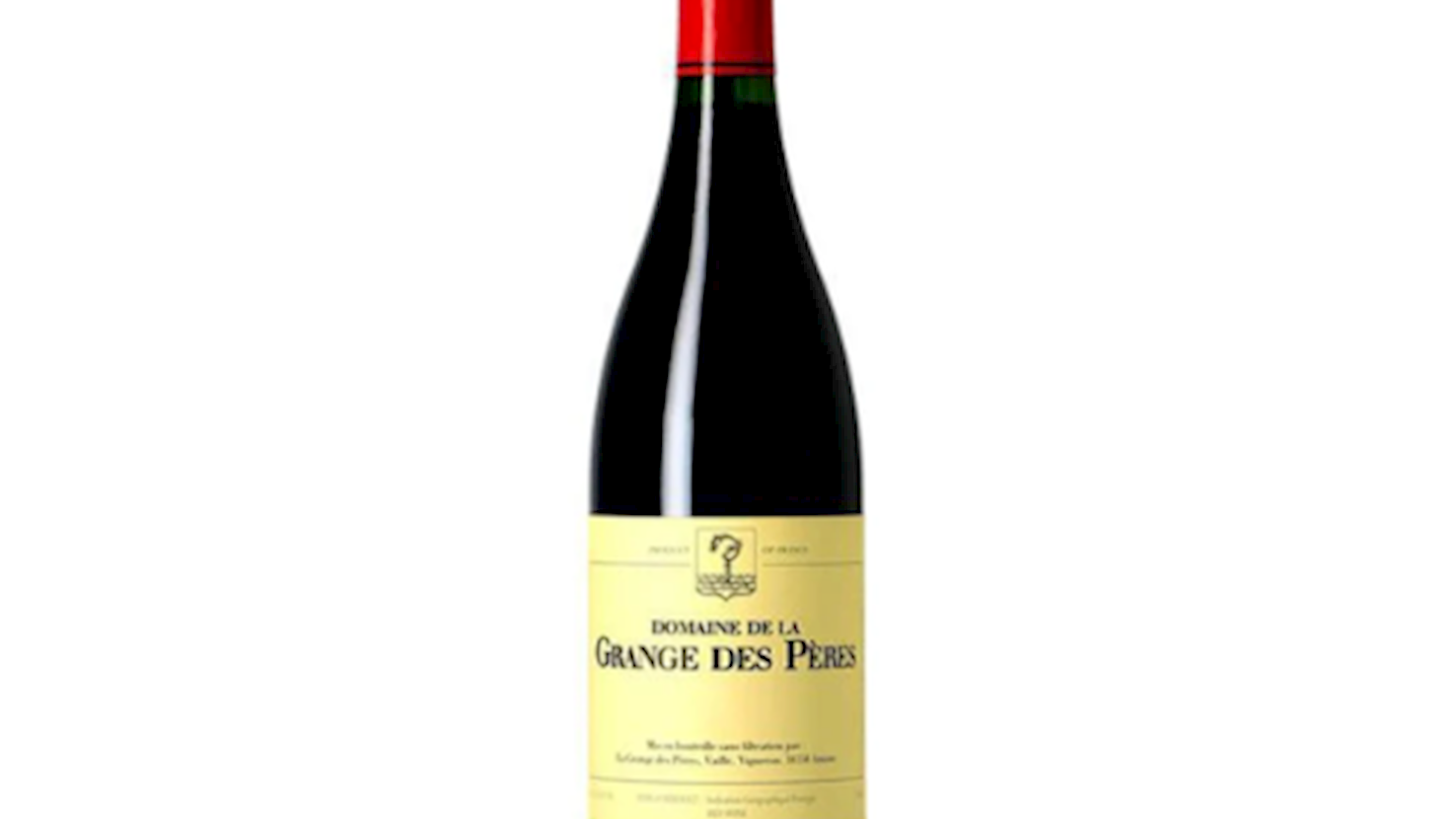
Domaine de la Grange des Pères

4.9 ·
Domaine de la Grange des Pères is one of the most influential and highly regarded estates in Languedoc, located in Aniane on parcels that Laurent Vaillé carefully selected for their stony, limestone-rich soils and naturally cooler conditions. Founded in the early 1990s, the estate has followed a philosophy of low yields, hand harvesting and minimal intervention in the cellar, placing full emphasis on terroir expression. The vineyards cover roughly 11 hectares and are planted with Syrah, Mourvèdre, Cabernet Sauvignon and Counoise for the red wine, while the white cuvée is built around Roussanne, Marsanne and Gros Manseng. The limestone-heavy soils enable slow, even ripening and pronounced minerality, while the site’s elevation and contours contribute to freshness and aromatic precision. Due to limited production and its cult reputation, the wines are allocated strictly and rarely reach the broader market. The estate has thus become a symbol of independent, highly ambitious winemaking that has elevated the standing of the entire region. Domaine de la Grange des Pères remains a rare combination of authenticity, vision and longevity - wines that make a lasting impression and continue to evolve gracefully over many years.
Awards
Vivino - 4.5
02
Wine

Bouchon

4.9 ·
Awards
Decanter World Wine Awards - Platinum (2017)
03
Wine

Fortant

4.9 ·
Awards
Decanter World Wine Awards - Platinum (2018, 2017)
IWSC- International wine & spirit competition - Gold (2020)
04
Wine

Domaine Peyre Rose

4.8 ·
Domaine Peyre Rose is a cult, remarkably secluded estate in the Languedoc region, founded by Marlène Soria in the early 1990s after she left her real-estate career to devote herself to vineyards on isolated parcels around Saint-Pargoire. The vineyards lie on rocky, limestone-rich, arid soils at about 300 meters of elevation, conditions that encourage slow ripening and pronounced mineral expression. The estate covers roughly 20 hectares, yet production remains small because yields are intentionally kept extremely low, while vinification is slow and marked by long aging in stainless steel and oak. The red wines are built primarily on Syrah, Mourvèdre, and Grenache, while Viognier and Roussanne form the backbone of the white cuvées. Signature wines such as Clos des Cistes and Syrah Léone are known for their striking concentration, dark fruit, powerful structure, and long aging potential. Stylistically, Domaine Peyre Rose unites southern richness with surprising freshness and vibrant acidity, giving the wines a distinctive identity compared to the broader Languedoc profile. Marlène Soria insists on minimal intervention, hand harvesting, and slow, natural processes, with some wines released only after more than a decade of maturation. Because of this singular approach, the estate is considered one of the most unusual and authentic producers in southern France.
Awards
Vivino - 4.4
05
Fruit Product

L'Épicurien

4.6 ·
L’Épicurien is a family-run artisanal producer from southern France that has been crafting jams, spreads, and gourmet condiments for more than three decades. Production is still carried out in small batches, using open kettles that allow gentle, controlled cooking and help preserve the natural texture and aromatic profile of the ingredients. The recipes are straightforward, emphasizing a high fruit content and clean formulations without artificial additives, colors, or preservatives. Their portfolio includes around 300 products - from classic fruit jams to savory tartinable spreads and specialties designed for cheese pairing or gourmet boards. What sets the brand apart is its consistent craftsmanship and strong focus on authentic flavor, making L’Épicurien a well-recognized choice in the premium delicatessen segment and a sought-after brand in gourmet and specialty stores across Europe.
06
Wine

Château Grezan

4.6 ·
Awards
Decanter World Wine Awards - Platinum (2019)
07
Wine

Château Puech-Haut

4.6 ·
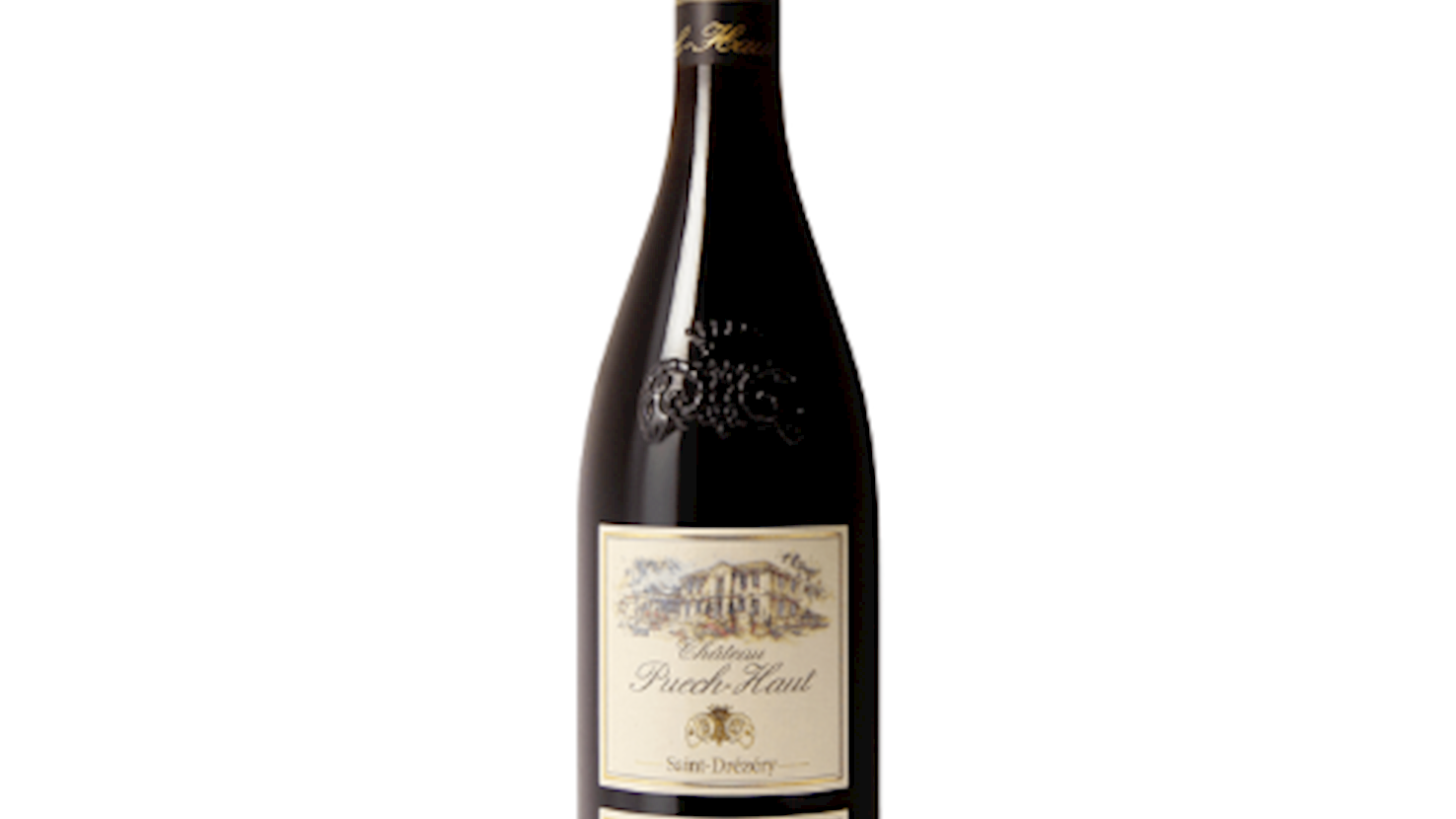
Château Puech-Haut is a prominent wine estate in southern France and is regarded as one of the key producers that have shaped the modern reputation of the region. The estate was founded in the early 1990s by Gérard Bru, with a clear vision of combining the power of Mediterranean terroirs with a precise, contemporary approach to winemaking. The vineyards are planted on limestone and clay soils strongly influenced by the Mediterranean climate, and are cultivated with varieties such as Syrah, Grenache, Mourvèdre, and Carignan, as well as white grapes including Roussanne and Marsanne. The winery is particularly known for its prestigious cuvées, such as Prestige Rouge and Tête de Bélier, which represent the most concentrated and expressive wines of the estate. The style is defined by depth, structure, and an intense aromatic profile of dark fruit, spice, and characteristic garrigue notes, while maintaining freshness and clarity. Vinification is carried out on a parcel-by-parcel basis, with carefully measured use of French oak to enhance complexity without allowing wood to dominate. Today, Château Puech-Haut is considered a benchmark estate of modern Languedoc, recognized for its strong identity and consistent quality.
Awards
Vivino - 4.2
Wine-Searcher - 91/100
08
Wine

Mas de Daumas Gassac

4.5 ·
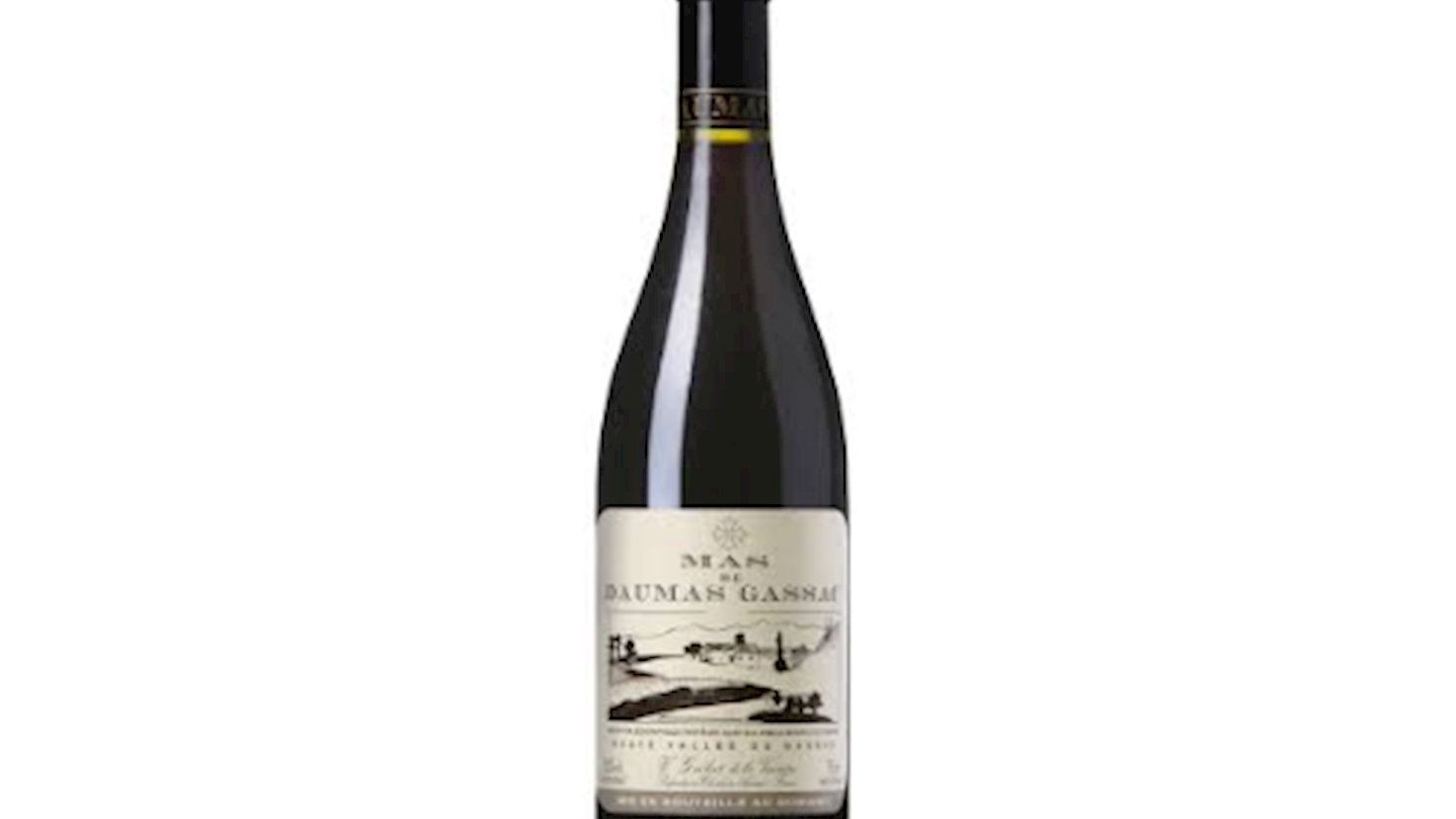
Mas de Daumas Gassac is one of the most influential estates in Languedoc, often described as the “Grand Cru of the Midi” thanks to its unique terroir and the visionary approach of Aimé and Véronique Guibert. The vineyards are located in a secluded valley of the Gassac River, surrounded by forests and fed by cold mountain springs, creating a microclimate with pronounced day-night temperature shifts that are unusual for southern France. The soil consists of glacial gravel and limestone formations reminiscent of Burgundy, allowing for slow ripening and a marked mineral character in the wines. Vinification follows a low-intervention philosophy, with spontaneous fermentations and careful cellar work to preserve the purity of the terroir. The estate’s red wines are known for their elegance, freshness and remarkable aging potential, often reaching their peak after more than a decade. The white wines, though less prominent, offer striking aromatics, mineral tension and a structure rarely seen in Languedoc. The estate remains family-run, with the Guibert children continuing the philosophy of respecting nature and minimizing intervention in the vineyard. Mas de Daumas Gassac stands as a symbol of a different, more ambitious Languedoc - wines that combine the warmth of the south with the finesse and longevity associated with Europe’s greatest terroirs.
Awards
Vivino - 4.1
Wine-Searcher - 91/100
09
Dessert

La Cure Gourmande

4.3 ·

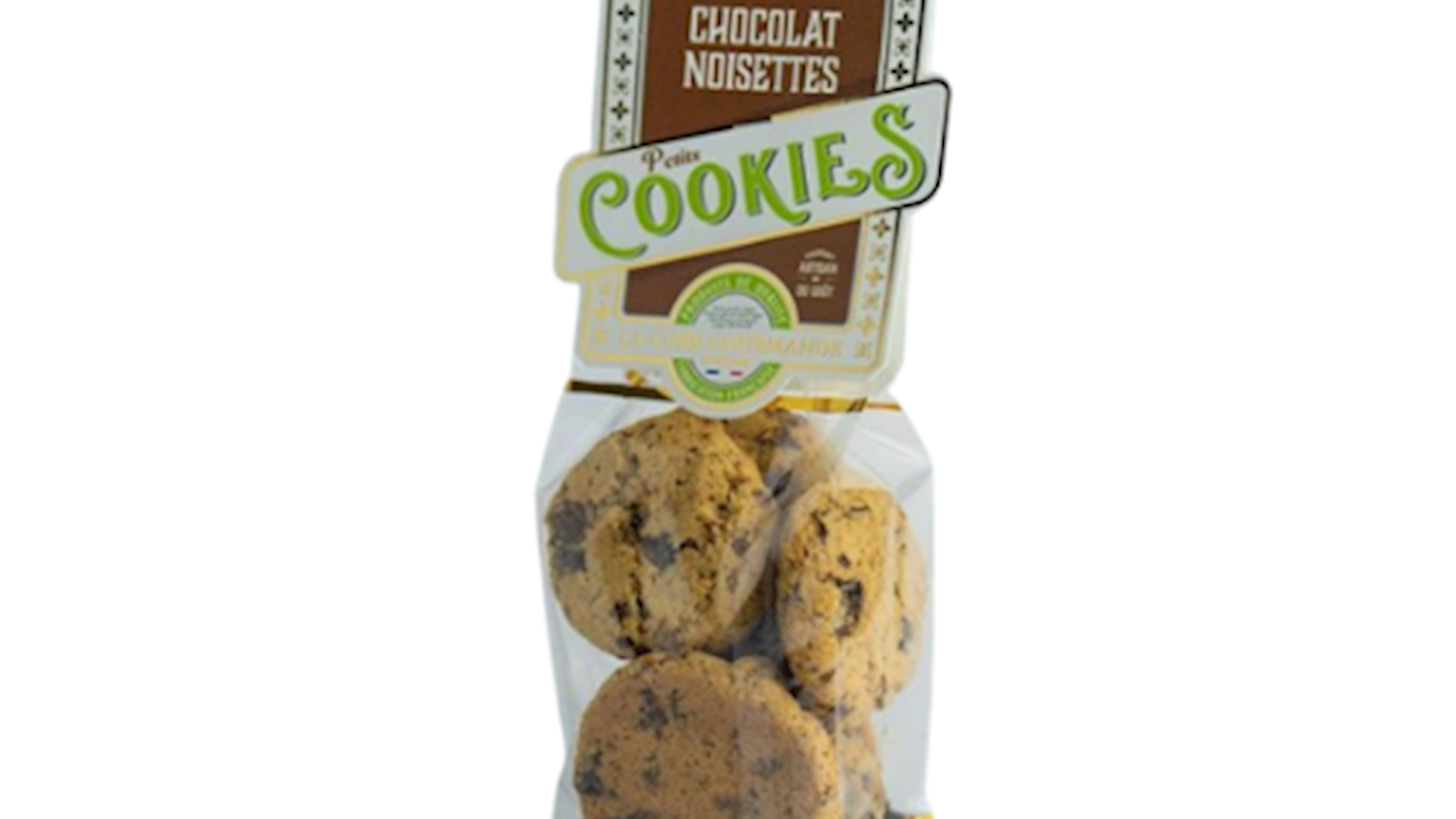
La Cure Gourmande is a French confectionery house founded in 1989 by Christian Berlan and Edouard Hennebert in the south of France, inspired by traditional sweets and nostalgic confectionery culture. The brand specializes in biscuits, chocolates, candies, caramels, nougat, lollipops, and assorted gourmet gift boxes, combining artisanal presentation with a playful retro aesthetic. La Cure Gourmande produces its sweets in its own workshops in southern France, with a strong emphasis on traditional recipes, carefully selected ingredients, and French manufacturing. Its identity is built around recreating the atmosphere of old-fashioned confectionery boutiques, with decorative tins and vintage-inspired packaging becoming a recognizable part of the brand. The company is particularly known for butter biscuits, chocolate-coated treats, praline specialties, fruit candies, and confectionery assortments designed for gifting. While rooted in French confectionery heritage, the brand has developed an international retail presence through boutiques in major tourist destinations. La Cure Gourmande positions itself as an accessible premium confectionery brand that blends traditional French sweet-making with colorful presentation and broad consumer appeal.

10
Wine

Les Domaines Paul Mas

4.2 ·
Les Domaines Paul Mas is a major wine producer from the Languedoc region in southern France, founded in 2000 by Jean-Claude Mas, whose family has been involved in winemaking since 1892. The company has expanded from a small family vineyard into a large network of estates, managing around 850 hectares of its own vineyards and collaborating with growers across a much wider area. Located between Pézenas and Montpellier, near the Mediterranean, it benefits from a diverse range of terroirs that combine coastal and inland influences. The philosophy, known as “Luxe Rural”, blends traditional winemaking with modern techniques, aiming to produce wines that are both expressive and approachable. The portfolio is highly diverse, covering over 40 grape varieties, including both local and international types, and ranges from easy-drinking wines to more structured, premium cuvées. The wines are typically fruit-forward, balanced, and reflective of their origin, with a strong emphasis on consistency and style. Sustainability is a key focus, with many vineyards farmed organically and with environmentally responsible practices. With global distribution and a wide presence on international markets, Les Domaines Paul Mas has become one of the most recognizable names representing modern Languedoc wines.
Awards
Vivino - 4.0
International Wine Challenge - IWC Great Value Champion White 2022 (2022)

Best Hérault foods

01
Stew

Clapassade

n/a ·

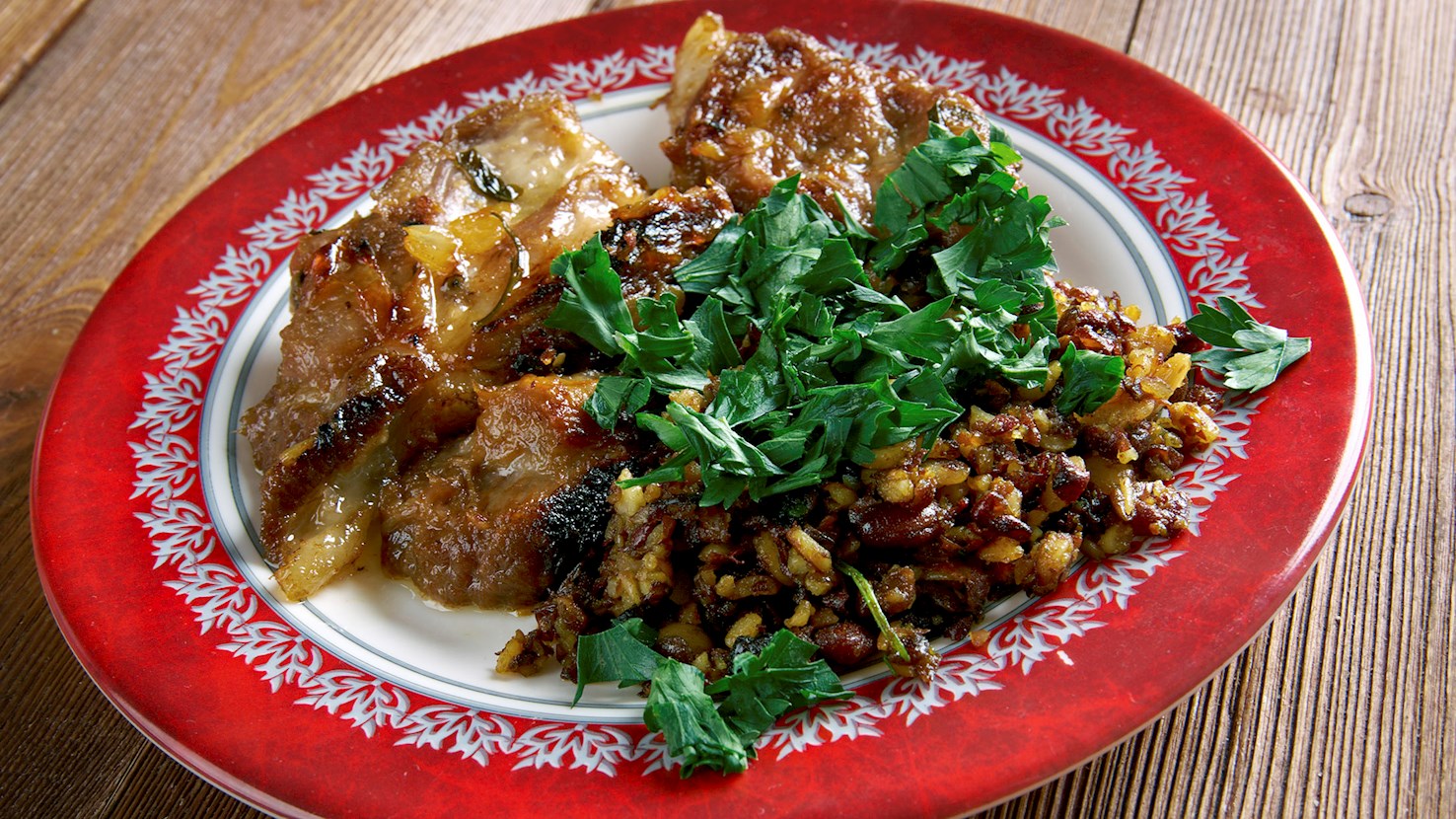
Clapassade is a traditional dish that originated in the region of Languedoc-Roussillon in southern France. This hearty dish can be prepared in many different ways, but all of them contain the same key ingredients: slowly simmered lamb, honey, olives, and star anise. After the roux is made, white wine is usually added as a deglazer. It is recommended to use wines from the region, since all of the other key ingredients are also native to Languedoc-Roussillon. When cooked, clapassade has a licorice undertone with a slight sweetness coming from the honey. In the end, the whole dish is commonly garnished with grated lime.

02
Cuttlefish Dish

Rouille de seiche

n/a ·

This traditional dish consists of pieces of cuttlefish doused in a flavorful tomato-based sauce that is usually enriched with onions, white wine, and garlic. The dish is usually finished off with the addition of aioli, which thickens the sauce and provides the typical velvety texture. Hailing from Sète, the dish was named rouille, meaning rust, referring to the distinctive red hue of the sauce. It is usually served over pasta or alongside rice or polenta, and if aioli is not mixed in the sauce, a dollop is traditionally placed on each serving of rouille.

03
Cake

Frescati

n/a ·

Frescati de Sète is a multi-layered pastry from the town of Sète, constructed from a sweet shortcrust base, a rum-soaked blond-raisin sponge cake, Italian meringue, and a coffee fondant glaze. Pastry makers in this coastal community adapted the grand-pâtisserie style around 1890 to satisfy wealthy merchants and elite clients, transforming the earlier Savarin-style frascati cake into a distinct regional specialty. Creating the dessert requires mixing flour, butter, sugar, an egg, and vanilla into a sweet dough, chilling it, rolling it into a thin disc, and baking it. A separate sponge cake batter is formed by whisking eggs, water, and sugar, then gently folding in flour and stiffly beaten egg whites, along with blond raisins previously macerated in rum, before baking. A glossy Italian meringue is whipped together using egg whites and a boiling sugar-glucose syrup heated to the soft-ball stage. The sweet dough disc serves as the foundation, followed by the rum-raisin sponge layer, and finally, the thick meringue is shaped and smoothed over the top. Once the egg white mixture sets, a heated glaze of fondant flavored with coffee extract is poured over the surface to create a shiny, smooth finish. Alternative versions replace the raisins with candied apricot or orange peel, substitute the coffee glaze with chocolate, caramel, or vanilla, or scale the large cylindrical dessert down into individual portions. The dense meringue and fondant coating successfully insulates the interior cake, allowing the entire dessert to remain stable outside of a refrigerator, a highly functional trait in the warm Mediterranean climate. The pastry is consumed at room temperature as an indulgent dessert course. For drinking, it is matched with a chilled Languedoc Muscat or a light, sweet white wine to complement the rum-soaked fruit and balance the heavy sugar of the meringue.

04
Bread

Pain paillasse de Lodève

n/a ·
Pain paillasse de Lodève is an elongated rustic wheat loaf from the town of Lodève, constructed simply from water, salt, wheat flour, and a natural sourdough starter, with a light and open internal structure. Historical records trace this specific baked good to the local markets and fairs held during the French Wars of Religion, when the city's patron, Saint Fulcran, championed the staple, which was distinctly fermented in large straw baskets known as paillasses. Combining the base ingredients requires only a brief, light kneading phase before the entire dough mass is left to undergo a single, extended fermentation period directly in those signature woven containers. Once the bulk resting phase concludes, the highly hydrated dough is completely spared conventional molding or individual shaping; instead, it is simply sliced into elongated portions and immediately transferred to a high-temperature oven. Baking at high heat transforms the raw dough into finished loaves characterized by a deeply crisp outer crust and a deeply aerated interior crumb. Adjustments to the baseline formula frequently include introducing commercial yeast alongside the natural starter, swapping a portion of the white wheat for whole-grain or rye flours, or increasing the water content even further to achieve larger interior air pockets. Portions are typically consumed either freshly baked or lightly toasted, often accompanied by a heavy drizzle of olive oil and a generous rub of raw garlic.
05
Cookie

Zézettes de Sète

n/a ·

Zézettes de Sète are small, elongated sugar-coated cookies from the port city of Sète, France. They were created by Gaston Bentata in 1997 in his artisanal and family biscuit factory La Belle Epoque , based in Frontignan. The preparation begins by mixing flour, sugar, vanilla sugar, baking powder and a pinch of salt in a bowl, then incorporating either rosé or white wine and olive oil to form a soft dough. This dough is kneaded lightly until smooth and elastic, then shaped into small cylinders, slightly tapered at the ends and about the length of a finger. Each piece is rolled in granulated sugar before baking. The cookies are baked in a moderate oven until they are golden and crisp on the outside while remaining slightly tender within. Once cooled, they are stored in airtight containers, where they keep well for weeks. Variations sometimes include a touch of orange blossom water, lemon zest or vanilla to add aroma, and some bakers replace part of the white wine with muscat for a deeper, more aromatic flavour. They are eaten throughout the year, often served with coffee, tea or dessert wine, and are a staple offering in Sète’s bakeries and markets. They pair naturally with Muscat de Frontignan or other sweet wines from the Languedoc region, and they are also served alongside fruit, ice cream or sorbet as part of a light dessert. Their long shelf life and firm but crumbly texture make them a popular choice for gifts and festive occasions, and they are commonly shared at gatherings, picnics and family meals.

06
Pasta

Macaronade

n/a ·

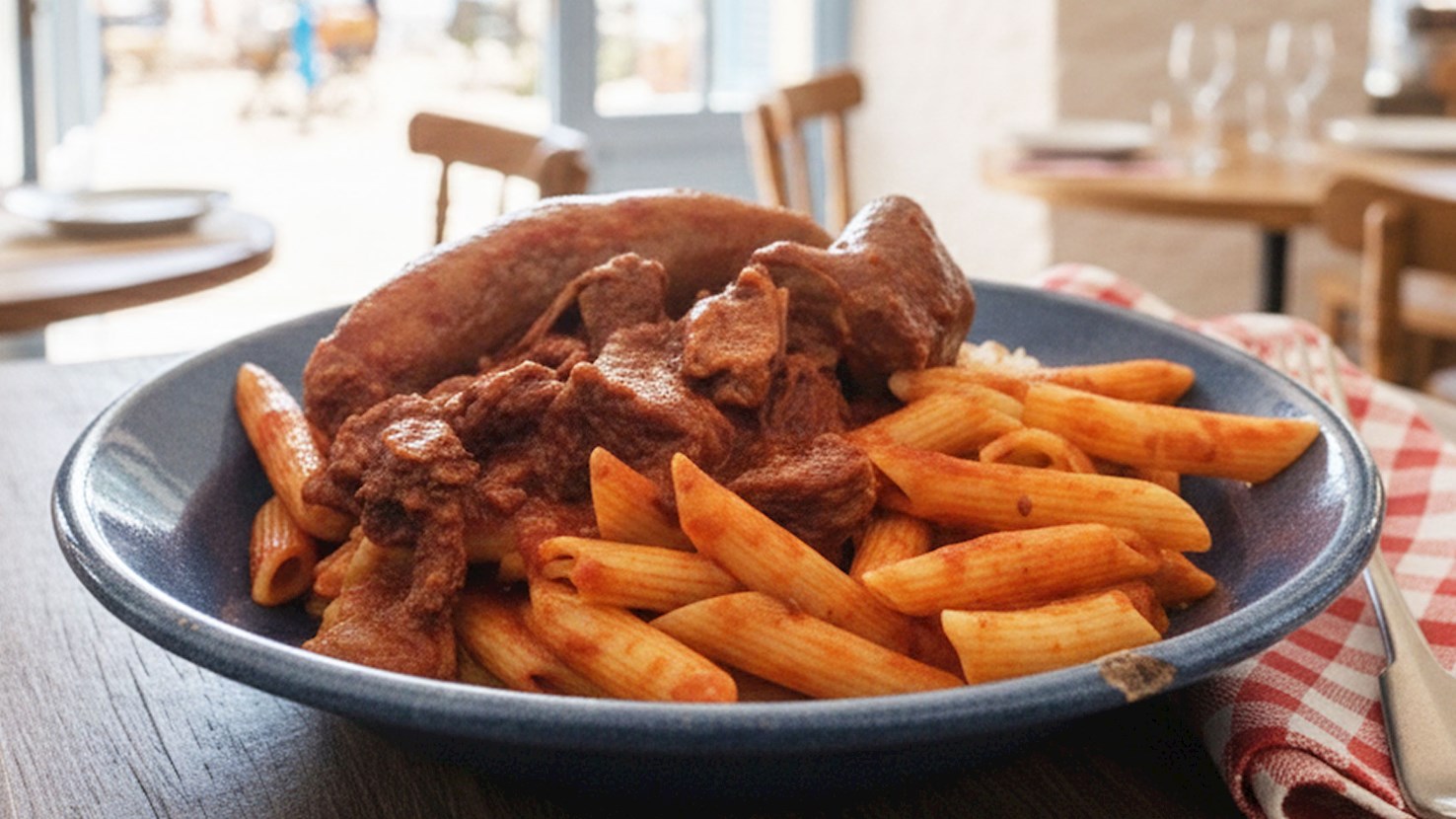
Macaronade is a pasta and meat dish from the port city of Sète in France. Its origins lie in the 18th-century arrival of Italian immigrants who brought their pasta culture into the local cuisine, and over time Sète’s families adapted the new ingredients to local ingredients and tastes, developing a specific recipe that has become emblematic of the city. The preparation starts by rolling thin slices of beef paleron with parsley, garlic and pork belly into brageoles, then browning them with sausages and pork ribs in olive oil. Onions are sautéed in the same pot, then mixed with tomatoes, tomato concentrate, garlic, hot pepper, bouquet garni, red wine and water. The meat is returned and simmered for hours until tender in a rich sauce. Macaroni or penne is cooked al dente, topped with the sauce and meats, and finished with either grated Parmesan, Emmental or Pecorino and black pepper. One strict guideline insists that the pasta must be macaroni-type—if spaghetti are used the dish is no longer considered a true macaronade. It is eaten hot as a main course in homes, restaurants and during family meals in Sète and the Archipel de Thau, often with the pasta and sauce served on one platter and the meat on another; it pairs well with a full-bodied Languedoc red wine whose tannins support the richness of the meat and sauce, and is commonly served with simple green salad and crusty bread to complete the meal.

07
Stew

Ragoût d’escoubilles

n/a ·

Ragoût d’escoubilles is a meat and vegetable stew from Hérault, France. It developed in the rural kitchens of the region as a way to make use of leftover cuts of meat and seasonal vegetables, a meal born from everyday economy and community meals in the villages lining the Hérault. A typical recipe gently browns off poultry offal such as liver and gizzard and sets them aside, then adds minced onions, carrots cut into sticks, cubed potatoes and celery and allows them to soften. Next the olives, dried mushrooms and the reserved offal go into the pot, water is added to cover the ingredients, and the mixture is left to simmer slowly with seasoning of salt and pepper. One variant serves the stew inside a puff pastry shell – avol-au-vent – which turns it into a croustade for more formal presentation. Variations across villages show differing choices of meat—some include sausage, veal or pork instead of poultry offal—and additions of local herbs such as bay leaf or thyme, with one village favouring bitter olives. The name of the dish, “escoubilles,” is an Occitan word meaning scraps or leftovers. It is eaten piping hot as a main course in homes, at communal meals and in local auberges throughout the Hérault valley, often in colder months; it pairs naturally with hearty rustic bread, a green salad and a robust local red wine from the Languedoc appellations that can stand up to the rich, varied flavours of the stew.

08
Savory Pie

Petits pâtés de Pézenas

n/a ·

Petits pâtés de Pézenas are small, sweet-savoury lamb pies from Pézenas in the Hérault, France. Their origins date back to the 18th century. They are closely linked to the presence of British influence in the region, particularly during the visits of Lord Clive of India, who spent time in Pézenas and is said to have inspired local cooks with Anglo-Indian spiced meat recipes. Over time, the pâtés became firmly embedded in local culinary identity. They were prepared by pastry makers in the town as a hallmark of Pézenas’s gastronomy, eventually achieving protected status as a recognised regional speciality. The preparation begins with a shortcrust pastry made from flour, butter, egg yolks, water and salt, which is left to rest before being rolled out and cut into discs of different sizes. The filling is prepared from finely chopped lamb shoulder cooked in lard and mixed with raisins, brown sugar, lemon zest, spices such as nutmeg, cinnamon and cumin, and a beaten egg. Small portions of this mixture are placed on the smaller pastry discs, brushed with egg wash and covered with slightly larger discs to form a sealed case, which is then glazed and topped with a smaller round of pastry. The assembled pies are baked in a hot oven until the pastry is golden and crisp and the filling rich and aromatic. They are usually reheated briefly before serving to bring out their full flavour. Variations are minor and mostly involve slight adjustments to the level of sweetness, the addition of a pinch of cinnamon or allspice for depth, or the use of lamb instead of mutton depending on availability. In some cases, a touch of orange zest is added for aromatic complexity, but the core balance of sugar and meat remains unchanged. What sets Petits pâtés de Pézenas apart is this unusual sweet-savoury profile, which is rare in French meat pastries, and their cylindrical, open-top shape, which makes them instantly recognisable. They are eaten warm or at room temperature and appear most often as an appetiser or as part of a festive meal, though they are also served in bakeries and at regional food markets as a speciality snack. They pair well with local wines from the Languedoc region, particularly a light red or a slightly sweet white that complements the spiced filling, and they are often served with a simple green salad or a small portion of chutney to accentuate their sweet and savoury balance.

09
Pork Dish

Bougnette du Haut-Languedoc

n/a ·

La bougnette du Haut-Languedoc is a deep-fried pork dish from the Haut-Languedoc region. Its origins are deeply connected to rural life and the pig-slaughtering season, when families would preserve and transform every part of the animal into nourishing dishes. Over generations, bougnettes became emblematic of the region’s charcuterie heritage and a highlight of communal events such as the Fête du Cochon (Pig Festival) in Saint-Pons-de-Thomières, where they are still prepared and shared during winter celebrations. To prepare, pork belly is finely chopped or minced and mixed with stale bread that has been soaked in water, along with beaten eggs, salt, pepper, and sometimes finely chopped herbs like parsley. The mixture is then shaped into compact balls or ovals and carefully wrapped in caul fat (crépine), which holds the mixture together during cooking and helps create a crisp outer layer. The bougnettes are gently fried in lard or neutral oil until evenly browned, forming a thin, golden crust while the interior remains soft, rich, and delicately textured. After cooking, they can be served hot straight from the pan, cooled and sliced for later, or even dried slightly for a firmer texture that can be stored longer. There are several regional variations, often reflecting family preferences. Some recipes enrich the mixture with garlic, additional herbs, or spices, while others alter the proportion of bread for a firmer or softer interior. The size and shape can also vary, with smaller bougnettes served as starters and larger ones presented as a main dish. It is usually served hot, sliced, and paired with a green salad, lentils, crusty bread, pickled or seasonal vegetables. However, it is also eaten cold, sometimes reheated briefly in a pan to restore its crispness. It pairs naturally with local wines from the Languedoc, whose freshness and acidity complement the richness of the pork.

10
Savory Pie

Tielle

n/a ·

Tielle is a savory seafood pie from Sète, a coastal town in the Occitanie region of southern France, known for its spicy tomato-octopus filling and vibrant orange crust. This round, hand-sized pie is made from a soft, slightly oiled dough that encases a rich mixture of stewed octopus, tomatoes, garlic, onions, olive oil, white wine, and spices such as paprika or cayenne. The top layer is sealed and crimped over the base, then baked until golden and crisp, producing a contrast between the tender filling and the flaky, flavorful crust. Tielle can be enjoyed hot or cold, making it a popular street food, snack, or light lunch in its hometown and along the Mediterranean coast. The dish is closely tied to the cultural heritage of Sète, which was settled in part by Italian immigrants, especially from Gaeta near Naples, during the 18th and 19th centuries. Tielle likely evolved from southern Italian seafood pies such as the tiella di Gaeta, with the name derived from the Italian word "teglia," meaning baking dish. Over time, the recipe adapted to local ingredients and preferences, integrating the bold, sun-drenched flavors of southern France with the rustic techniques of Italian home cooking. In Sète, tielle is sold in bakeries, markets, and seaside eateries, often alongside other seafood specialties that reflect the town’s maritime identity.

About this ranking

TasteAtlas food rankings are based on the ratings of the TasteAtlas audience, with a series of mechanisms that recognize real users and that ignore bot, nationalist or local patriotic ratings, and give additional value to the ratings of users that the system recognizes as knowledgeable. For the “Top 10 Traditional Foods in Hérault” list until June 02, 2026, 8 ratings were recorded, of which 5 were recognized by the system as legitimate. TasteAtlas Rankings should not be seen as the final global conclusion about food. Their purpose is to promote excellent local foods, instill pride in traditional dishes, and arouse curiosity about dishes you haven’t tried.

The initial list of top producers was compiled based on available reviews, awards, local recommendations, media and blog coverage, and consumer reviews. The list will be updated with ratings from TasteAtlas local ambassadors and TasteAtlas users.

Similar lists