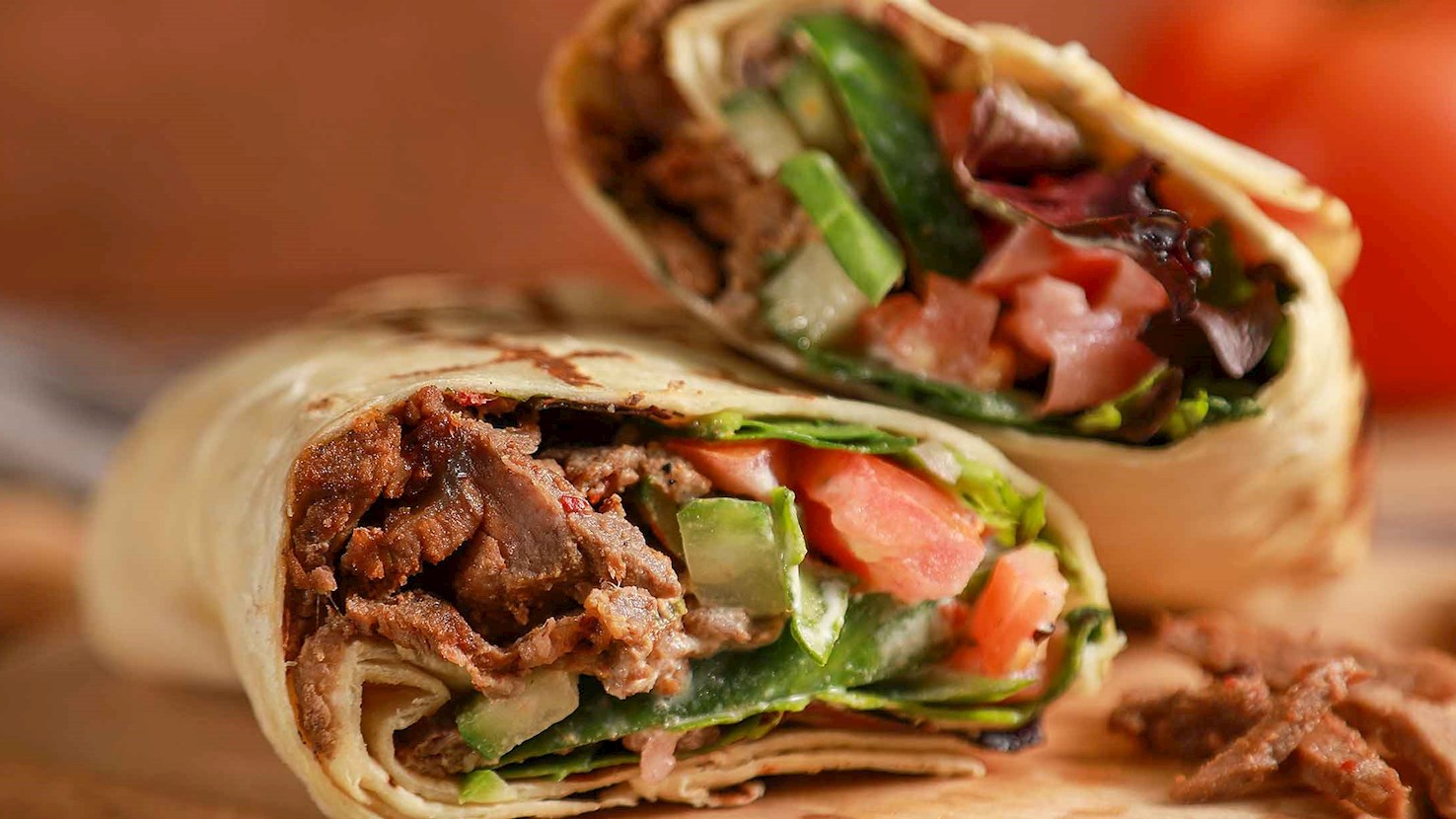
Marinated and spit-roasted, shawarma is a delicious Middle Eastern meat treat whose origins can be traced back to the Ottoman Empire era, while its name stems from the Arabic pronunciation of the Turkish word çevirme (lit. to turn; turning), and refers to the rotating skewer on which the meat is cooked. Shawarmas are made with either lamb, turkey, chicken, beef, or a mix of different meats which are slow-cooked for hours and basted in their own juices and fat, gaining an incomparable succulence, but the real secret to a perfect shawarma is in the marinade. Depending on the variety, the meat must be marinated for at least a day, preferably two, especially when using beef. These marinades are either yogurt or vinegar-based and typically include spices and flavorings such as cinnamon, cloves, cardamom, nutmeg, black pepper, allspice, dried lime, spicy paprika, garlic, ginger, lemon, bay leaf, and sometimes even orange slices. Shawarma is traditionally served either on its own or enjoyed tucked inside a warm flatbread such as pita or lavash. However, what really sets it apart from the Turkish döner kebab, Greek gyros, or other similar foods is the extent of garnishes and condiments offered with it. For example, Israeli shawarmas are typically topped with tahini and come with generous servings of hummus and pickled mango slices, while in other countries, shawarma is often complemented with garlic mayo or a zesty toumaia garlic sauce, both fresh and pickled vegetables, salads like tabbouleh or fattoush, and amba sauce–a tangy chili and mango pickle dip. Once a common staple of the Middle Eastern working man, shawarma has today become the ultimate Arabic street food, found not only in Arabia and Levant but in virtually any nook and corner of the globe.
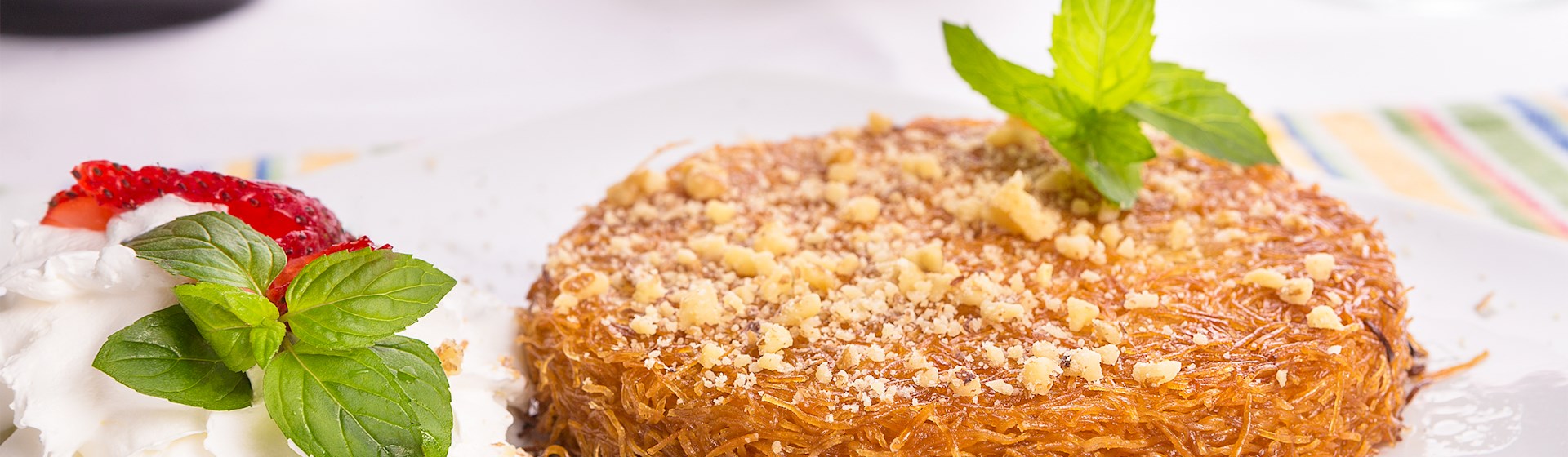
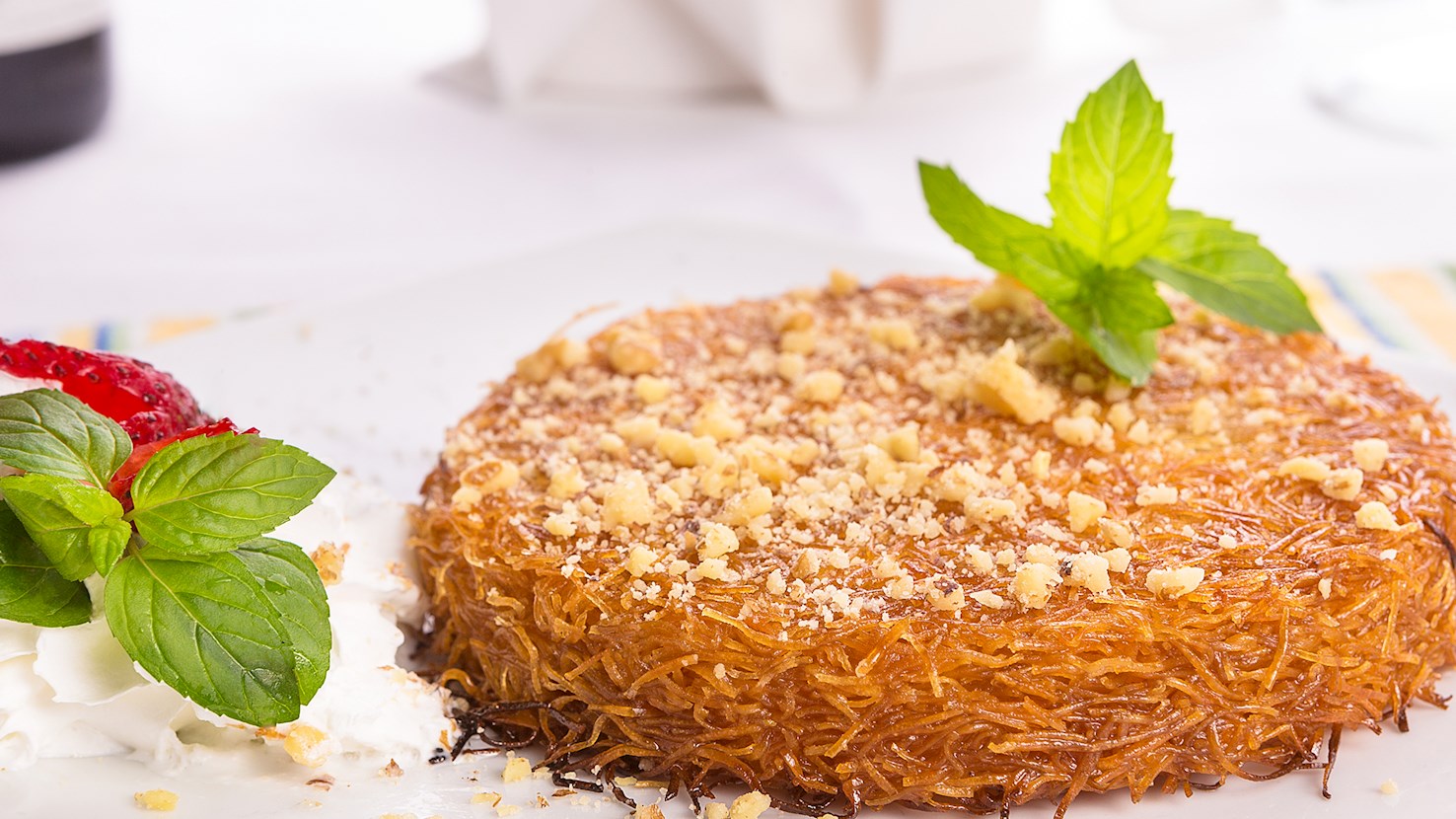
Kunāfah consists of two crunchy layers of shredded and buttered kataifi or knefe dough, filled with a luscious cheese cream that's often flavored with orange zest and cardamom, then drenched in a sugar syrup infused with lemon juice and orange blossom water. Turkish künefe is traditionally made with Hatay, Urfa, or Antep cheese. It is usually topped with pistachios and is best served warm. Elegant and amazingly simple to make, this dessert is nothing short of what cheese-filled pastry dreams are made of. Some authors speculate that it originated from the Fatimid Egypt or pre-Islamic Syria, while others claim that the Palestinian city of Nablus is its birthplace - hence the name kanafeh nabulsieh. Nevertheless, this decadent dessert has been a part of a long culinary tradition in Türkiye and Egypt, and it is listed as one of Egypt's national dishes.
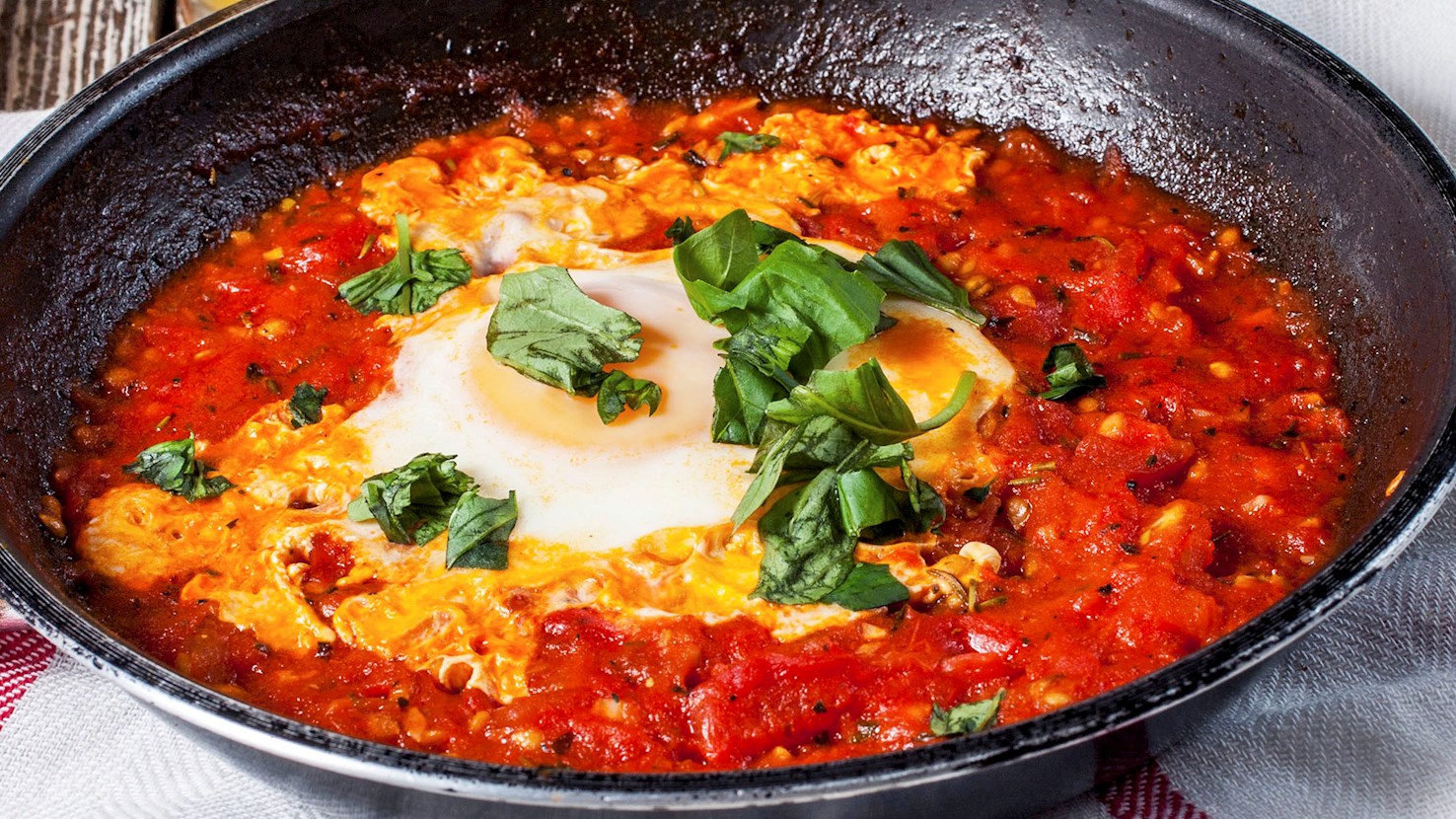
Shakshouka is a delicious combination of eggs poached in a spicy tomato sauce. Although it has an unusual name, the dish is straightforward and easy to make. It is usually made in a skillet in which onions, tomatoes, and spices are cooked until they form a delicious tomato sauce. Eggs are then added directly to the tomato sauce and poached until done. Merguez sausage can also be added to the dish. It is believed that shakshouka originated in Tunisia, but the dish is well-known and commonly eaten throughout North Africa and the Middle East as well. Almost every region has formed their distinctive variety of shakshouka: in Egypt, eggs are usually scrambled and served in a sandwich, and in Israel it is often served with salty feta cheese on top. The consistency of the sauce and eggs is also variable – the sauce can be thinner or thicker, while the eggs can be completely firm or soft. For a more nutritious meal, meat, most commonly sausages, can be included in the dish. Shakshouka is suitable for any meal of the day and is usually served warm or sizzling hot, with bread on the side. Because it is budget-friendly, simple, and easy to prepare, the dish has recently gained popularity both in Europe and North America.
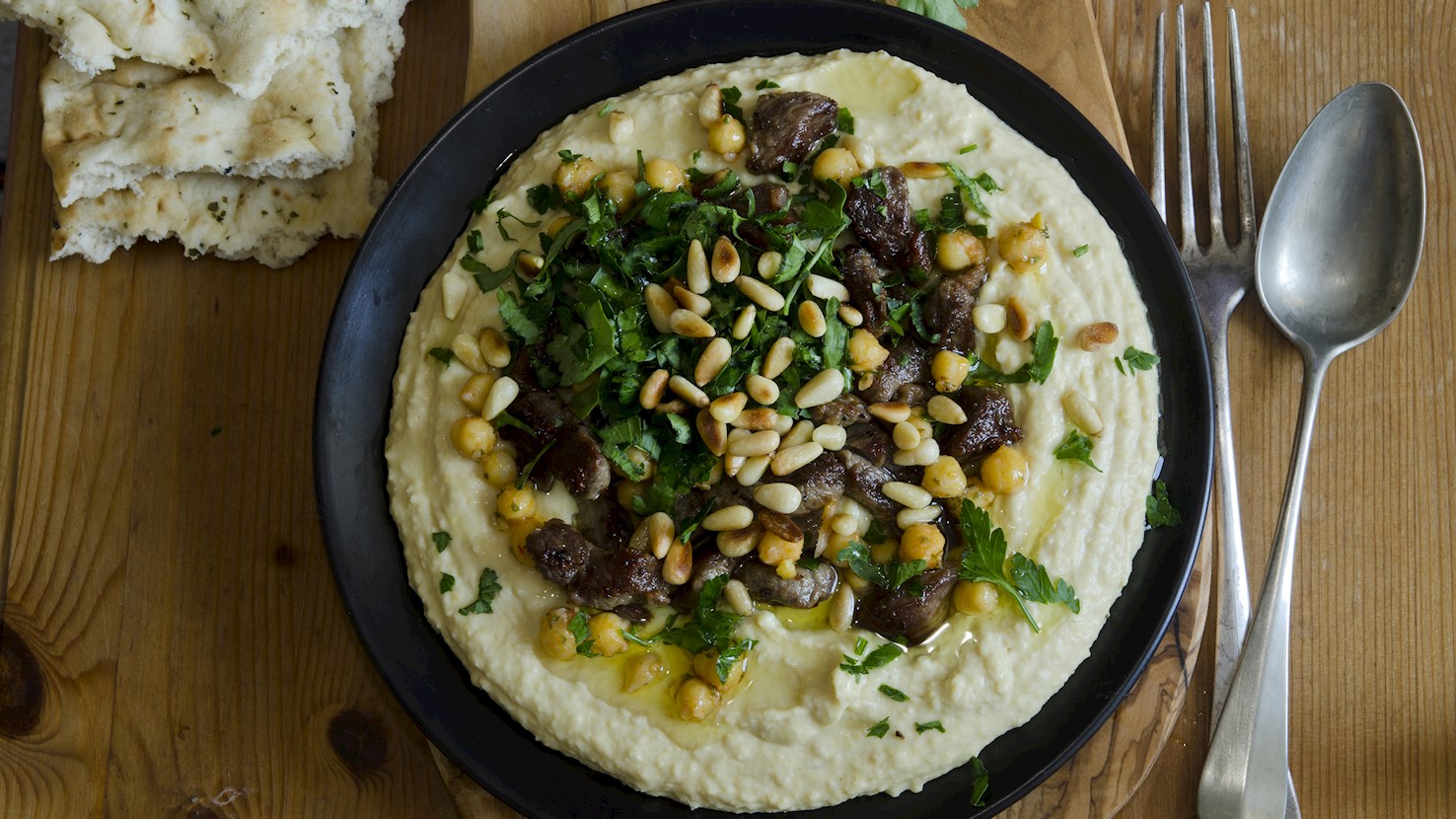
Hummus kawarma is a traditional version of hummus. In order to prepare it, freshly made hummus is topped with fried pieces of lamb. The hummus is made from chickpeas, tahini, lemon juice, crushed garlic, and cold water, while the kawarma consists of chopped lamb, white vinegar, olive oil, and spices such as pepper, allspice, cinnamon, nutmeg, oregano or za’atar, mint, and parsley. Once prepared, hummus kawarma is often garnished with chopped parsley and toasted pine nuts.
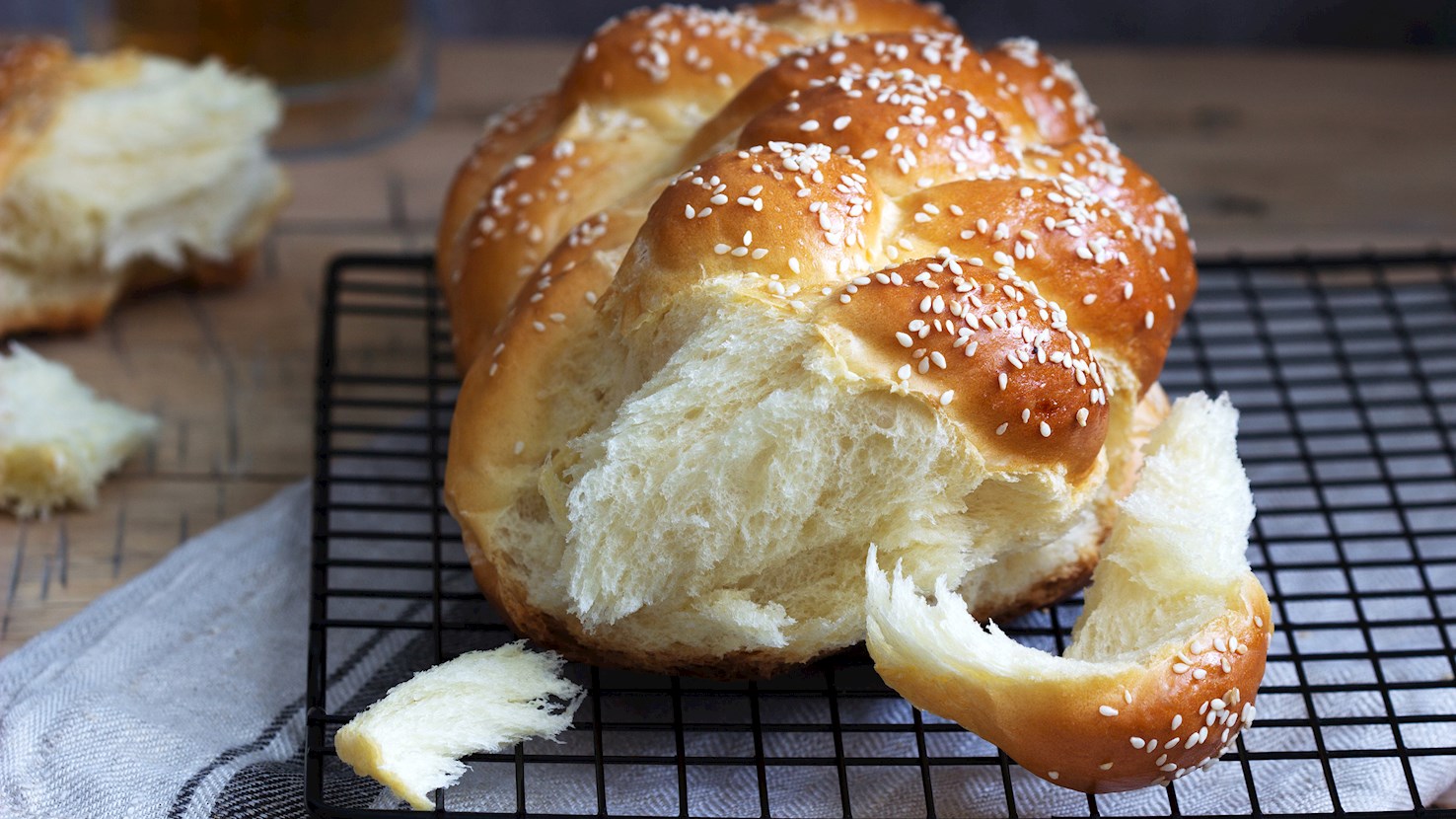
Challah is a type of enriched bread originating from Jewish cuisine, most commonly associated with Ashkenazi communities of Eastern and Central Europe. It is a slightly sweet, egg-based loaf made from wheat flour, water, eggs, sugar, yeast, and oil, characterized by its glossy surface and braided form. The bread is prepared for the Sabbath and Jewish holidays, where it is served as part of ceremonial and family meals. Its name comes from the Hebrew word for a portion of dough that was once set aside as an offering, though the loaf itself has become a central feature of Jewish culinary culture across the world. Challah developed among Jewish communities in Europe who adapted local baking techniques and ingredients to fit dietary laws and religious customs. In regions such as Poland, Ukraine, and Germany, bakers incorporated eggs and oil to create a soft, rich crumb, differing from the denser rye loaves common in local cuisine. The distinctive braid appeared later, symbolizing unity and continuity, and variations in the number of strands or shapes often reflected the specific occasion. With migration and diaspora, challah spread to North America and beyond, where it became an emblem of Jewish home cooking and holiday observance. Preparation begins by combining warm water, yeast, and sugar to activate fermentation, then mixing in flour, eggs, oil, and salt to form a soft, elastic dough. The dough is kneaded thoroughly and left to rise until doubled in volume. It is then divided into strands, which are braided and placed on a baking tray for a second rise. Before baking, the loaf is brushed with egg wash to create its characteristic golden sheen and sometimes sprinkled with poppy or sesame seeds. The bread is baked until the crust turns deep amber while remaining tender inside. When sliced, the crumb is fine and slightly sweet, ideal for both eating plain or accompanying savory dishes. Challah is served at the beginning of Sabbath meals and Jewish holiday dinners, often in pairs to represent abundance. It is typically eaten with wine during the blessing ritual, then served alongside main courses such as roasted meats, fish, or vegetable dishes. Leftover challah is often repurposed into French toast, bread pudding, or sandwiches due to its soft texture and mild sweetness. Its taste pairs well with both sweet and savory spreads, such as honey, jam, or butter, as well as with beverages like tea, coffee, or red wine during festive meals. The bread’s enduring presence in Jewish kitchens is due to its versatility and symbolic significance, combining practical baking techniques with religious and cultural meaning. Its distinctive braided shape, rich flavor, and ceremonial use distinguish it from other loaves, making challah both a staple of weekly observance and a centerpiece of communal and family gatherings.
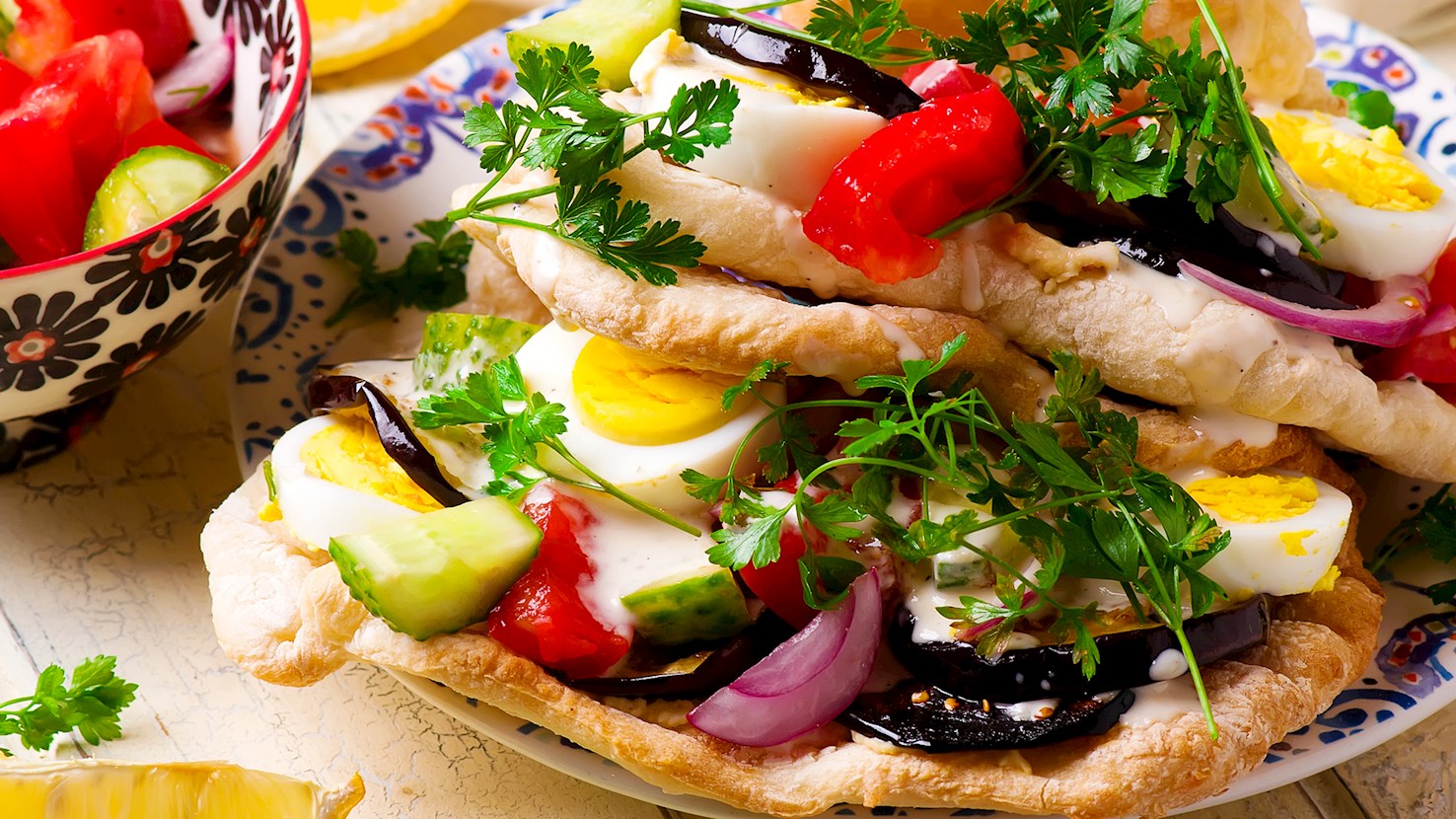
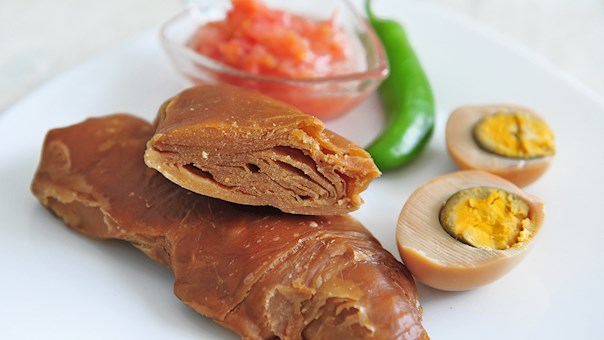
Sabich is an Israeli street food dish consisting of pita bread filled with fried eggplant, hard-boiled eggs, hummus, tahini, Israeli salad, and pickles, often topped with amba, a tangy mango pickle sauce. It is a vegetarian sandwich with Iraqi Jewish origins that has become a well-known part of Israel’s urban food culture, particularly popular as a breakfast or lunch option. The combination of ingredients represents a fusion of Middle Eastern and Iraqi Jewish flavors adapted into the context of Israeli fast food. The dish originated among Iraqi Jews who immigrated to Israel in the mid-20th century. Many of them brought with them their Sabbath morning meal, which included fried eggplant, hard-boiled eggs, and salads served cold due to religious restrictions on cooking during the day of rest. In Israel, these elements were eventually assembled together inside pita bread for convenience, creating a portable meal. The sandwich format emerged in the 1960s in Ramat Gan, where vendors began selling sabich from small stands, and it quickly became associated with the city’s Iraqi Jewish community before spreading throughout the country. To prepare sabich, thin slices of eggplant are salted, dried, and deep-fried or pan-fried until golden and soft. Hard-boiled eggs are peeled and sometimes seasoned with salt or a sprinkle of cumin. Pita bread is slightly warmed or toasted, then spread with hummus and tahini. The fried eggplant and eggs are layered inside, followed by diced tomato and cucumber salad, pickled vegetables, and a drizzle of amba sauce. Some versions include parsley, chopped onion, or boiled potatoes, depending on regional or personal preference. The amba, a key element, adds a sharp and slightly spicy note that balances the richness of the eggplant and sesame sauce. Sabich is usually served as a handheld sandwich, but it can also be presented as a plate with the same components arranged side by side. The flavors are complex but balanced, creamy from the tahini, acidic from the pickles and amba, and earthy from the eggplant and eggs. The sandwich is typically vegetarian, though some modern versions include additions like feta cheese or hot sauce. It is eaten throughout the day, especially as a filling breakfast or quick street lunch. In Israel, sabich is commonly sold alongside falafel and shawarma in similar establishments, though it appeals especially to those looking for a meatless meal. It pairs well with cold drinks such as lemonade, ayran, or mint-infused soda water. Its mix of textures, temperature contrast, and depth of flavor have made sabich one of the defining examples of Israeli street food rooted in diaspora home cooking.
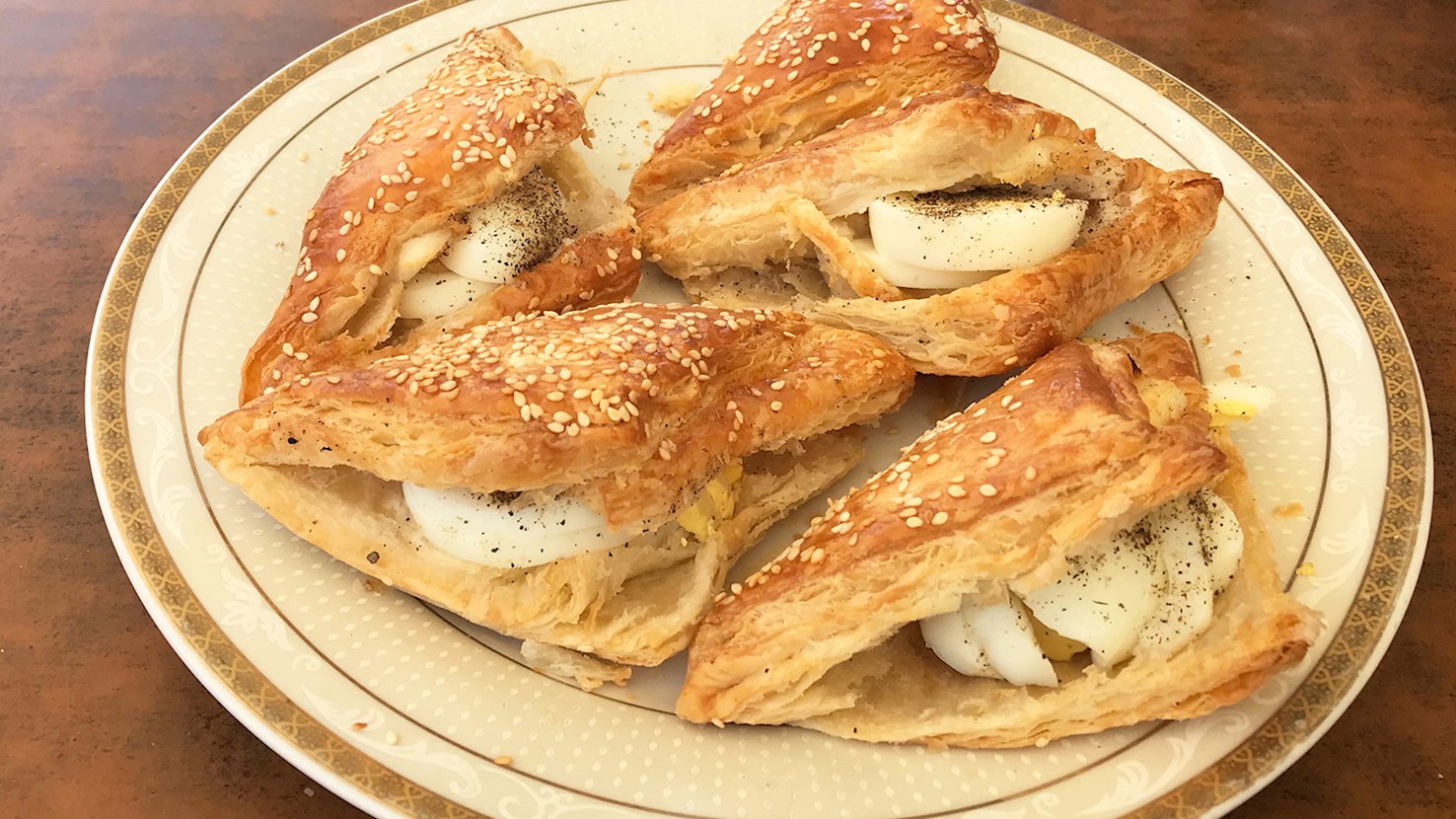
Bourekas are savory pastries popular throughout Israel and other parts of the Middle East, made from thin layers of dough filled with cheese, potatoes, spinach, mushrooms, or meat. They are typically prepared with phyllo or puff pastry, producing a crisp exterior and soft, flavorful filling. Bourekas are found in bakeries, markets, and cafés across Israel, where they are commonly eaten as breakfast, snacks, or light meals. Their name and form trace back to the Ottoman-era pastries known as börek, which spread across the Balkans, North Africa, and the Levant through Turkish influence. The pastry was introduced to Israel primarily by Sephardic and Mizrahi Jewish immigrants from Turkey, the Balkans, and North Africa during the 20th century. Each community brought variations reflecting local ingredients and culinary customs. In Ladino-speaking communities, they were called bourekas, a name derived from the Turkish börek. Over time, these pastries were adapted to Israeli tastes, often made with neutral fillings like cheese or potato and standardized shapes that indicated their contents: triangular for cheese, square for potato, and rectangular for spinach. In Israeli bakeries, bourekas became a familiar and accessible street food, appreciated for their portability and long shelf life. To prepare bourekas, dough is rolled thin or purchased pre-made as phyllo or puff pastry. The filling is typically made by combining ingredients such as mashed potatoes, feta or white cheese, sautéed mushrooms, or spinach seasoned with salt, pepper, and herbs. A small amount of filling is placed on a square or triangle of dough, which is then folded, sealed, and brushed with beaten egg. The pastries are sprinkled with sesame or nigella seeds before baking until golden brown and flaky. Some versions include an egg wash mixed with a touch of yogurt or milk for extra color and sheen. The texture depends on the dough used: phyllo-based bourekas are crisp and layered, while puff pastry versions are lighter and airier. Bourekas are typically served warm or at room temperature, often accompanied by hard-boiled eggs, pickles, and fresh vegetables. In Israeli cafés and convenience stores, they are sold as quick meals, sometimes with a cup of thick yogurt or a glass of ayran-style drink on the side. They also appear in family meals, picnics, and gatherings, reflecting their versatility and ease of preparation. They are eaten throughout the day, from breakfast to late-night snacks. The most common pairings include Turkish coffee, mint tea, or cold soft drinks. In bakeries, bourekas are often displayed alongside other pastries like sambusak and rugelach, forming part of Israel’s broader hybrid baking culture that blends European and Middle Eastern influences.
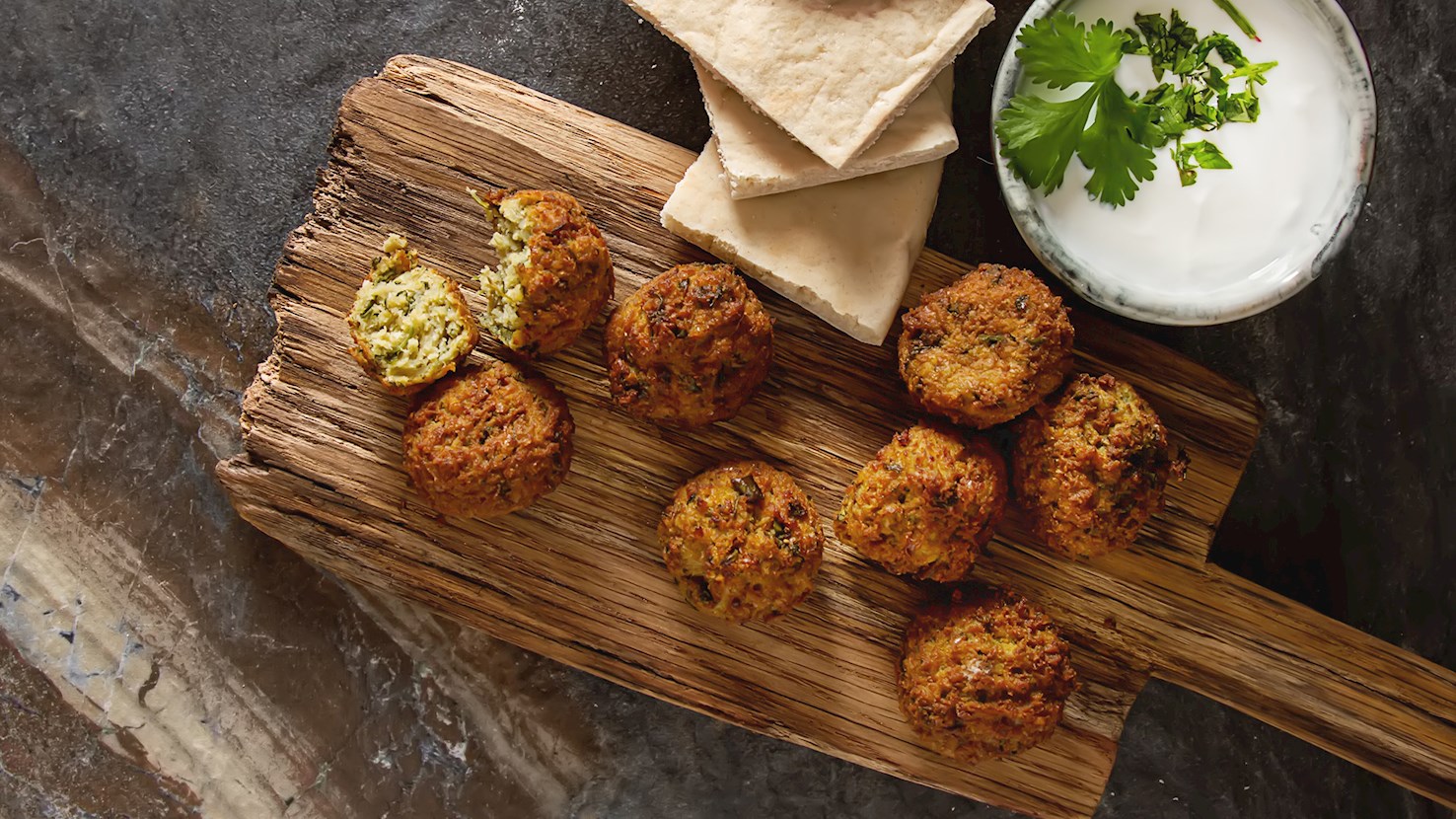
Falafel is a deep-fried food made from ground legumes, most commonly chickpeas or fava beans, and is widely eaten across the Middle East and North Africa. It is shaped into balls or patties and seasoned with herbs, onions, and spices such as cumin, coriander, and garlic. Falafel is recognized as one of the most characteristic foods of Levantine and Egyptian cuisines, commonly served in pita bread or flatbreads with salads, pickles, and tahini-based sauces. Its presence extends beyond the Middle East, having become a common street food and vegetarian option in many parts of the world. Falafel is believed to have originated in Egypt, where it was first made from fava beans and known as ta’amiya. The dish spread north through trade and migration, especially during the 20th century, and chickpeas became the preferred ingredient in Levantine regions such as Lebanon, Syria, and Palestine. Its popularity grew because it was inexpensive, nutritious, and could be prepared in large quantities, making it suitable for both home and commercial cooking. Over time, regional variations developed, with differences in texture, spice levels, and serving style. In Egypt, falafel tends to be greener and softer, while in the Levant, chickpea-based versions are denser and crispier. Preparation begins by soaking dried chickpeas or fava beans overnight, then draining and grinding them with onions, garlic, fresh herbs like parsley or cilantro, and spices. The mixture is formed into small balls or disks, often with a pinch of baking soda to ensure lightness. They are deep-fried in hot oil until golden brown and crisp on the outside while remaining moist inside. The cooking process requires precise oil temperature to achieve the right balance of texture and color without excessive oil absorption. In modern kitchens, falafel may also be baked or air-fried, though frying remains the most common method. It is served in many ways, most often in pita or laffa bread with lettuce, tomato, cucumber, pickled vegetables, tahini sauce, and sometimes hummus or yogurt sauce. In Egypt, it is commonly eaten at breakfast, while in the Levant, it is served throughout the day as a snack or meal. The dish is particularly popular among vegetarians and vegans, as it provides a high-protein option free from animal products. Falafel pairs well with beverages that balance its fried texture and spices, such as mint tea, lemonade, or yogurt drinks like ayran or laban. In Middle Eastern eateries, it is often accompanied by fries, tabbouleh, or baba ghanoush, forming part of a broader mezze spread. Across different regions, falafel maintains its core identity as a flavorful, plant-based dish prepared with skill and precision, reflecting the regional diversity and shared culinary heritage of the Middle East.
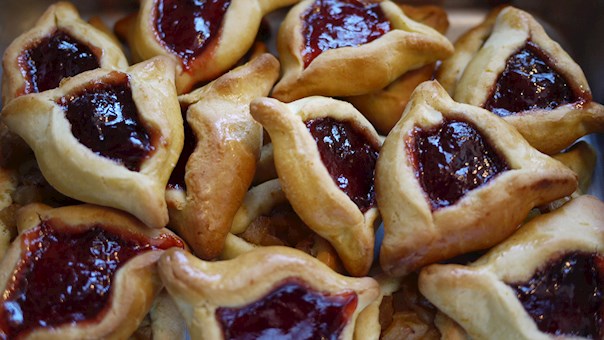
Rugelach is a filled pastry of Ashkenazi Jewish origin, associated primarily with Jewish communities in Central and Eastern Europe and widely popular in Israel and Jewish bakeries around the world. It consists of a rich dough rolled around sweet fillings such as fruit preserves, chocolate, cinnamon, nuts, or poppy seeds, shaped into small crescents or spirals. The name comes from Yiddish, derived from the word “rog” meaning corner or twist, referring to the pastry’s rolled shape. Though similar pastries appear in other European cuisines, rugelach developed a distinct form and flavor profile within Jewish baking, where dairy-based doughs and fruit or nut fillings became characteristic. Rugelach emerged in Jewish households in regions like Poland, Galicia, and Hungary, where sweet pastries were often made for Sabbath and holiday celebrations. The earliest versions were prepared with a yeast-based dough enriched with butter or sour cream. In the 20th century, as the recipe spread to Jewish communities in North America, bakers began using a cream cheese dough, which created a tender, flaky texture and became a defining feature of modern rugelach. The pastry reflects a combination of European influences, including Austrian kipferl and other crescent-shaped pastries, adapted to kosher dietary requirements and available ingredients. To prepare rugelach, flour is combined with butter or margarine, cream cheese or sour cream, sugar, and a pinch of salt to form a soft, pliable dough. The dough is chilled to rest, then rolled into a thin circle or rectangle. A thin layer of filling is spread evenly across the surface, typically apricot or raspberry jam, finely chopped nuts, sugar mixed with cinnamon, or melted chocolate. The dough is cut into wedges or strips, then rolled tightly from the outer edge toward the center to create small crescents. The pieces are brushed with egg wash and sometimes sprinkled with coarse sugar or cinnamon sugar before baking. They are baked until golden brown and slightly crisp, with the filling caramelized inside. In Israel, bakeries often sell yeast-leavened rugelach glazed with syrup, giving them a shiny surface and denser crumb, while American versions tend to be smaller, drier, and made with cream cheese dough. Rugelach is served at room temperature and often accompanies tea or coffee. It is eaten during holidays, festive meals, and casual gatherings, as well as sold year-round in Jewish bakeries and cafés. The pastry pairs well with black tea, espresso, or dessert wine such as Tokaji or sweet sherry, which complements its richness and sweetness. Its lasting popularity lies in the simplicity of its preparation, adaptability of flavors, and its place as a familiar, comforting dessert in Jewish culinary culture.
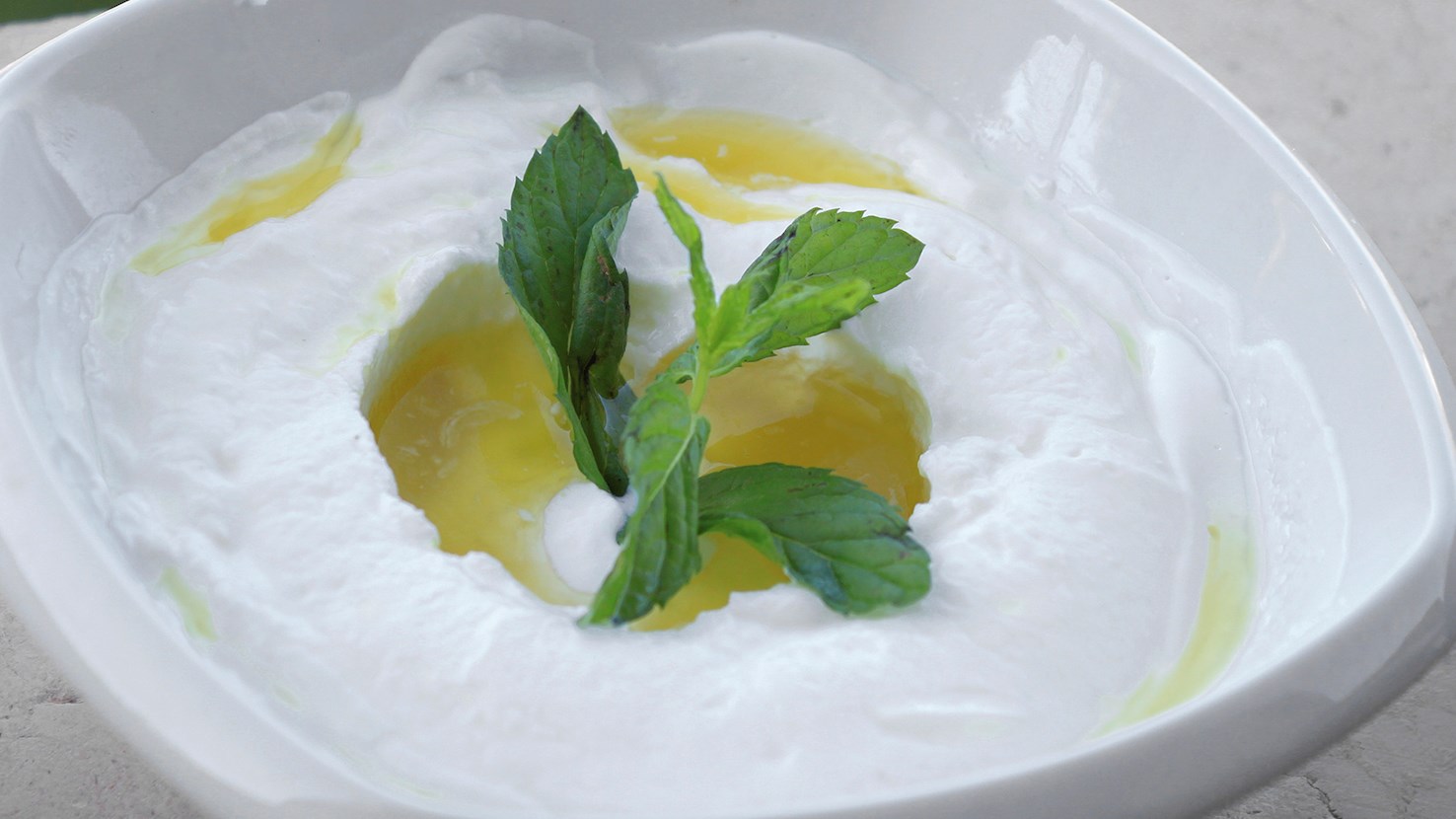
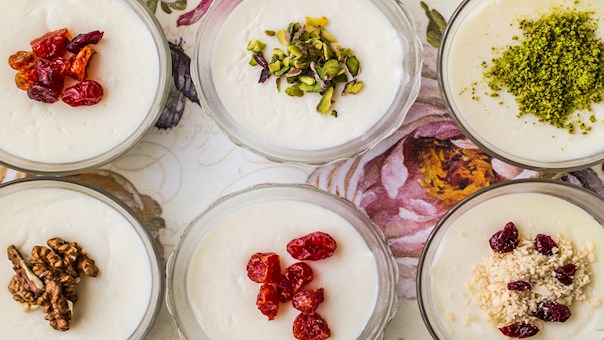
Creamy texture and mild flavor are the main attributes of labneh; a traditional Middle Eastern strained yogurt that is prepared with yogurt and salt. No strict guidelines are used to produce it; plain full-fat yogurt is mixed with salt and left to strain for twelve to twenty-four hours. During straining, the yogurt whey separates, and what is left is a thick and firm cheese-like product. Its texture can vary from creamy to dense, but it always has a relatively mild and slightly salty flavor. The name labneh is native to the Middle East, but strained yogurt varieties are found in numerous other countries and regions such as Greece, Turkey, Cyprus, Central Asia, the United States, Mexico, and the United Kingdom. It usually employs cow milk, but other kinds, such as goat yogurt in Greece, are also common. In many Levantine countries, labneh is enjoyed as a part of a mezze, served alongside flatbreads and other small dishes. It can be eaten plain, garnished with olive oil or chopped mint, but it can also be served as a creamy spread over bread or bagels. It is often incorporated as a condiment in many meat and vegetable dishes. Because of its thick consistency, it can be rolled into balls and preserved in olive oil, or covered in crushed nuts or spices, then served as a decorative appetizer.
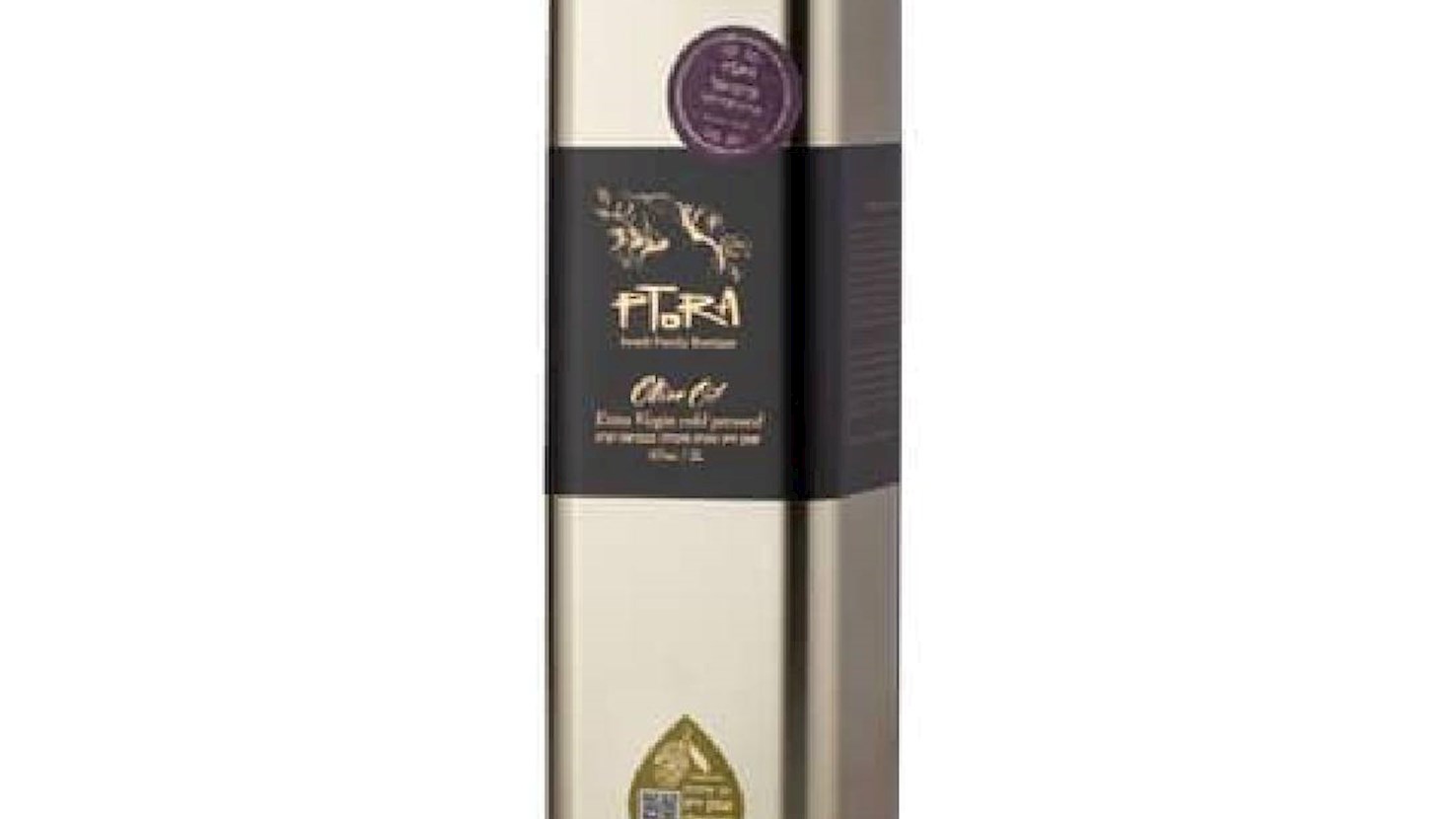
Ptora is a family-owned farm in Israel’s Lachish region that has nurtured a deep love for the land and olives for generations. Its name comes from an ancient Byzantine city discovered beneath their groves—a symbol of their profound connection to history and tradition.
Today, the third generation of the Tamir family leads the estate, blending inherited knowledge with modern practices.
Their olives—both indigenous and international varieties—are hand-harvested and cold-pressed within hours, preserving freshness, rich polyphenols, and a vibrant, authentic flavor.
Ptora’s oils have earned prestigious international recognition, from awards in New York and Japan to gold medals at Mediterranean competitions. What sets them apart is the harmony of tradition, innovation, and respect for nature—each bottle carrying the story of a family, a land, and a passion for creating exceptional olive oil.
Ronen Aflalo is a renowned Israeli chocolatier celebrated for his dedication to creating luxurious, handcrafted chocolates. His work reflects a passion for blending high-quality, locally sourced and international ingredients to craft unique flavor combinations that appeal to both traditional and modern palates.
Aflalo’s creations are known for their innovative design, meticulous attention to detail, and the seamless fusion of classic techniques with contemporary chocolate artistry. Whether through his pralines, truffles, or other confections, his chocolates offer a refined and memorable tasting experience.
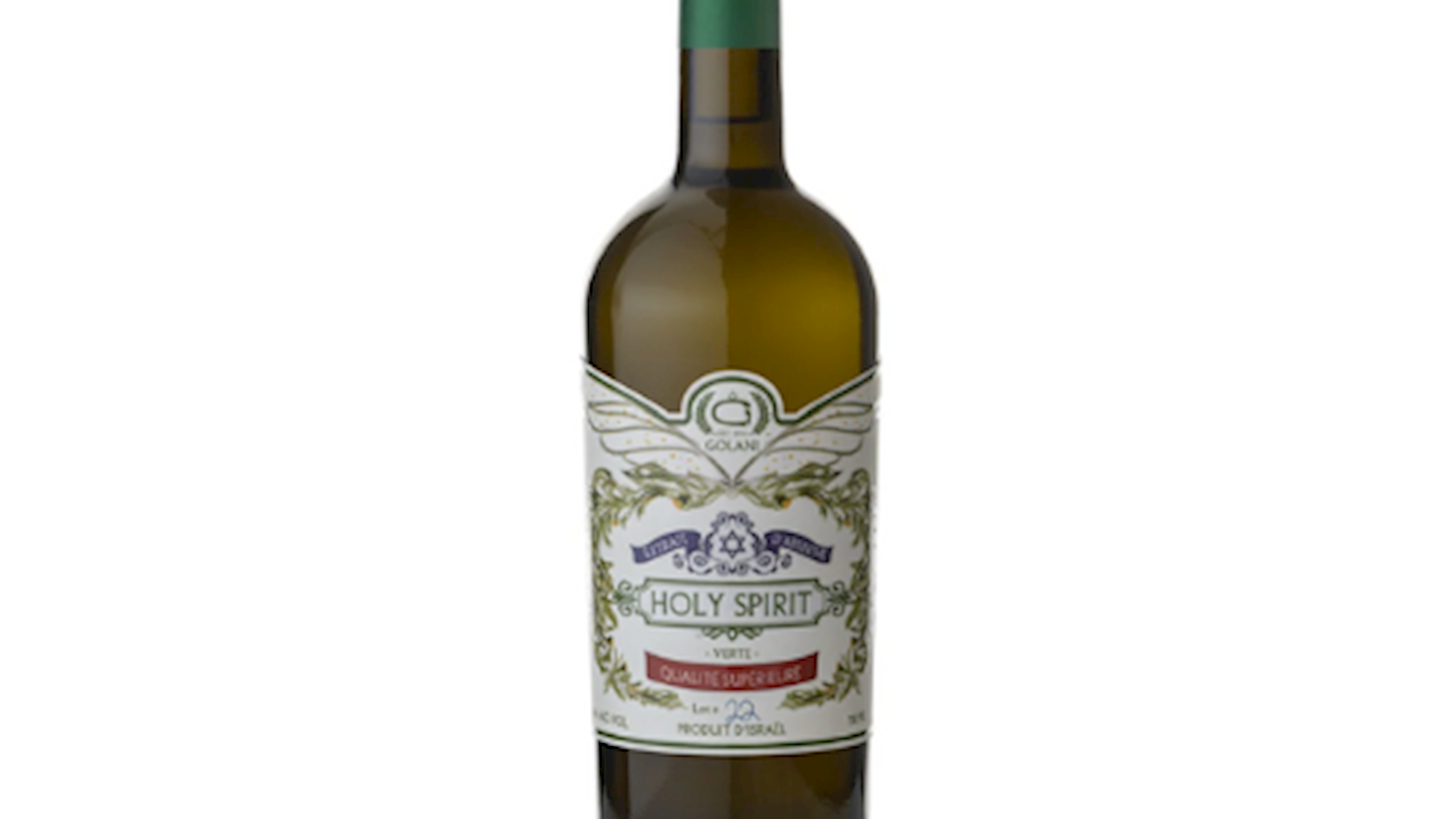
The Golan Heights Distillery, founded in 2014 by David and Alona Zibell in Qatsrin, is the first craft distillery in Israel and today stands as a pioneer of the country’s spirits industry. Located in the Golan Heights, the distillery uses local barley and wheat, along with pure spring water from the plateau, to capture the authenticity of the terroir in its products.
Its portfolio includes a wide range of spirits - from whisky and gin to arak and absinthe, as well as brandy, fruit eaux-de-vie, and grappa. In the production process, it combines traditional distillation techniques with innovation, while emphasizing a philosophy of sustainability and local identity.
The distillery also offers guided tours, tastings, and the opportunity to personalize bottles, further connecting consumers with the brand’s story.
Jerusalem Olive Oil is an Israeli brand dedicated to producing authentic, high-quality extra virgin olive oil sourced from the Judean region, an area steeped in thousands of years of olive-growing tradition. The company blends ancient methods with modern technology to preserve the original character and spiritual significance of olive oil, which has been cultivated in this land since biblical times.
Their oil is made exclusively from local olive varieties, hand-harvested and cold-pressed within hours to maintain their nutritional value, rich aroma, and high polyphenol content. Jerusalem Olive Oil is known for its distinct fruity flavor, golden-green color, and gentle spiciness, making it suitable for both culinary use and traditional purposes.
Their products are available for export, and international customers can order directly through their official website. Jerusalem Olive Oil is more than a food product - it is a blend of history, faith, land, and tradition captured in every bottle.
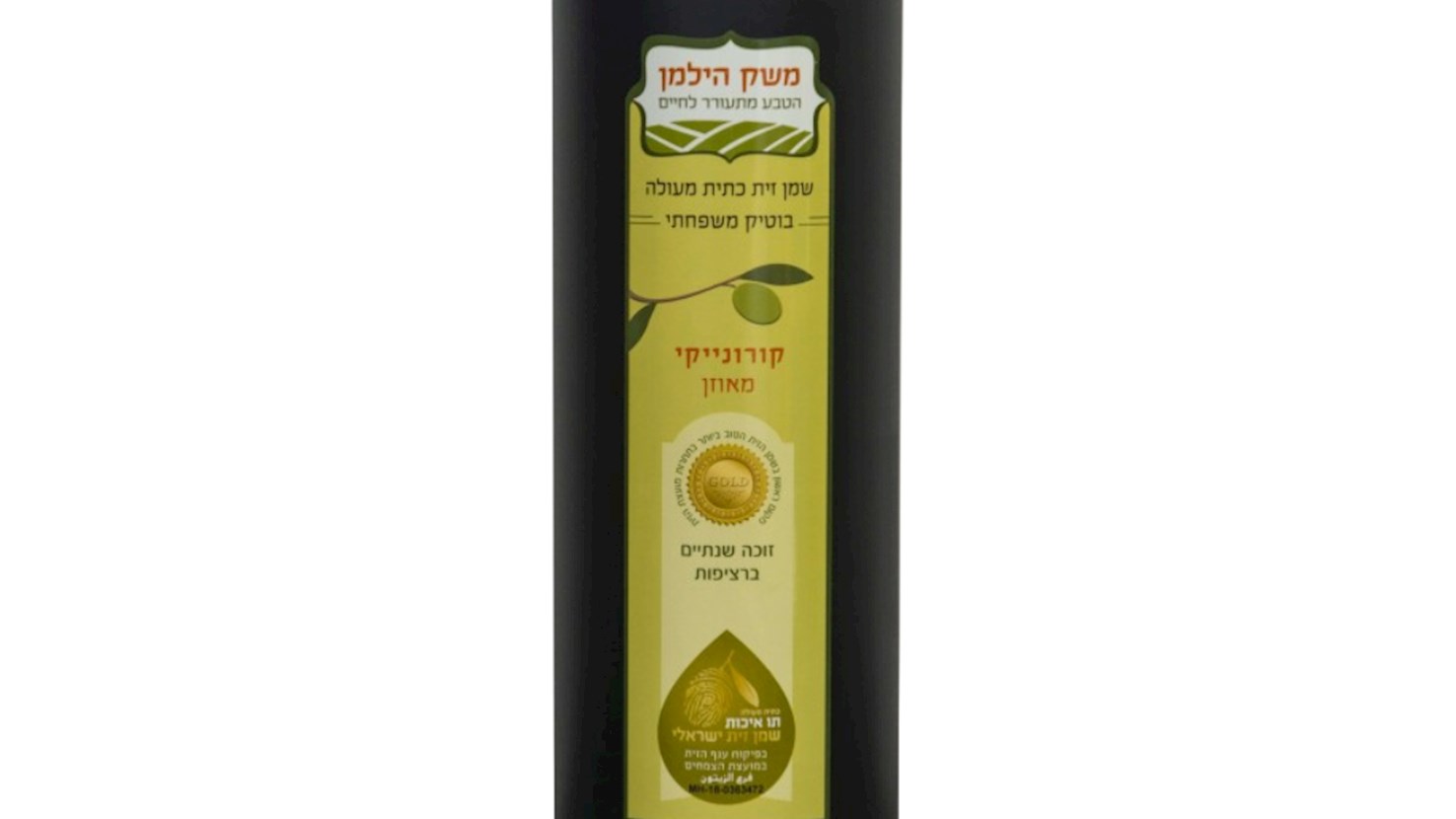
Meshek Hilman is an Israeli producer of olive oil located in the northern region of the country. The farm cultivates various olive varieties, such as Arbequina and Koroneiki, to produce high-quality extra virgin olive oil.
Meshek Hilman employs traditional and sustainable farming practices to ensure the quality and taste of their products. The farm also engages in the direct sale of olive oil to consumers, often through local markets and online platforms.
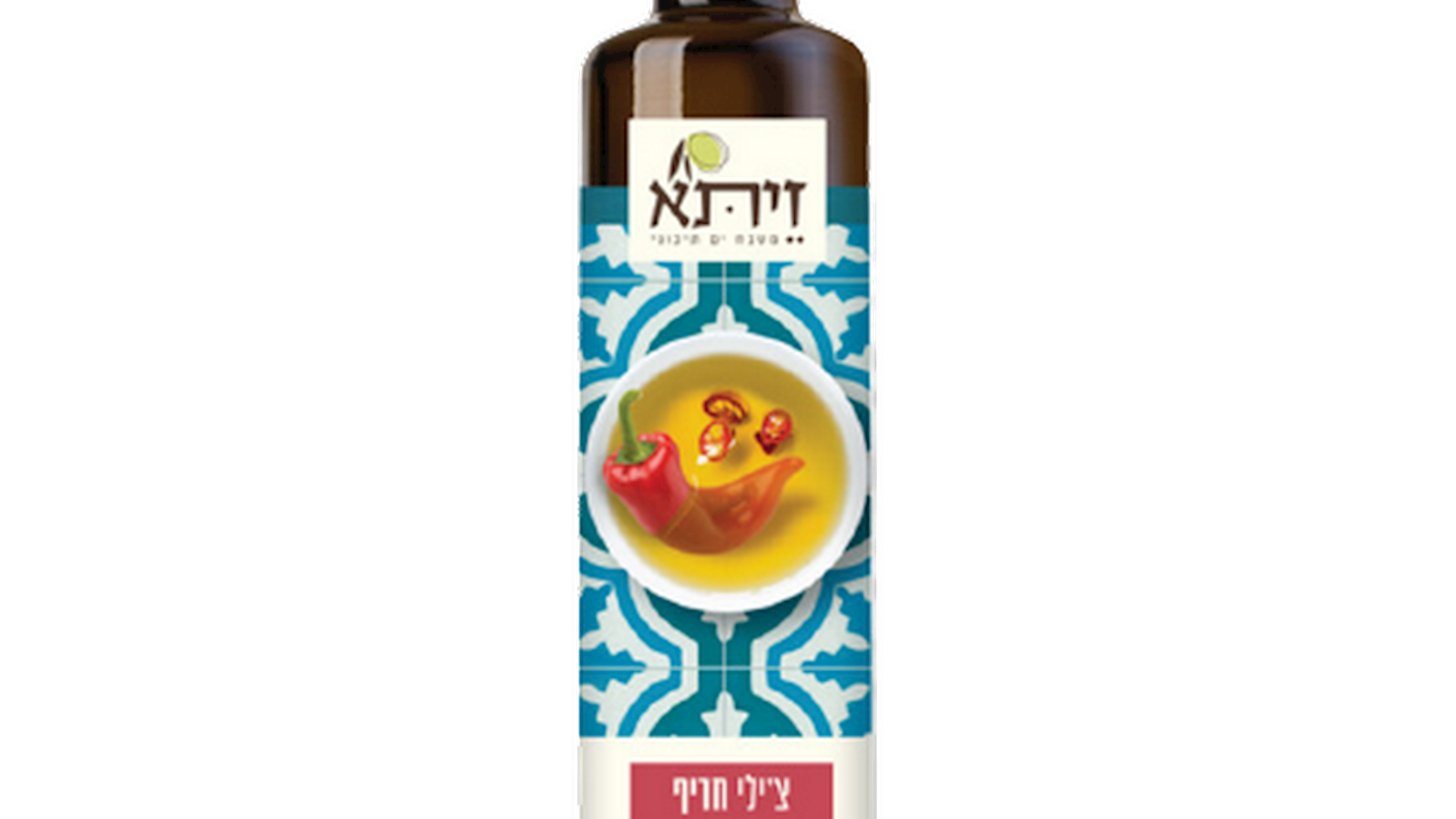
Zeta (Y.T.V. Food Industries Ltd.) is an olive oil producer based in Israel.
The company specializes in the cultivation and production of high-quality olive oils. They employ traditional and modern techniques to ensure the purity and quality of their products.
Zeta's olive oil is often used in both local and international culinary applications.
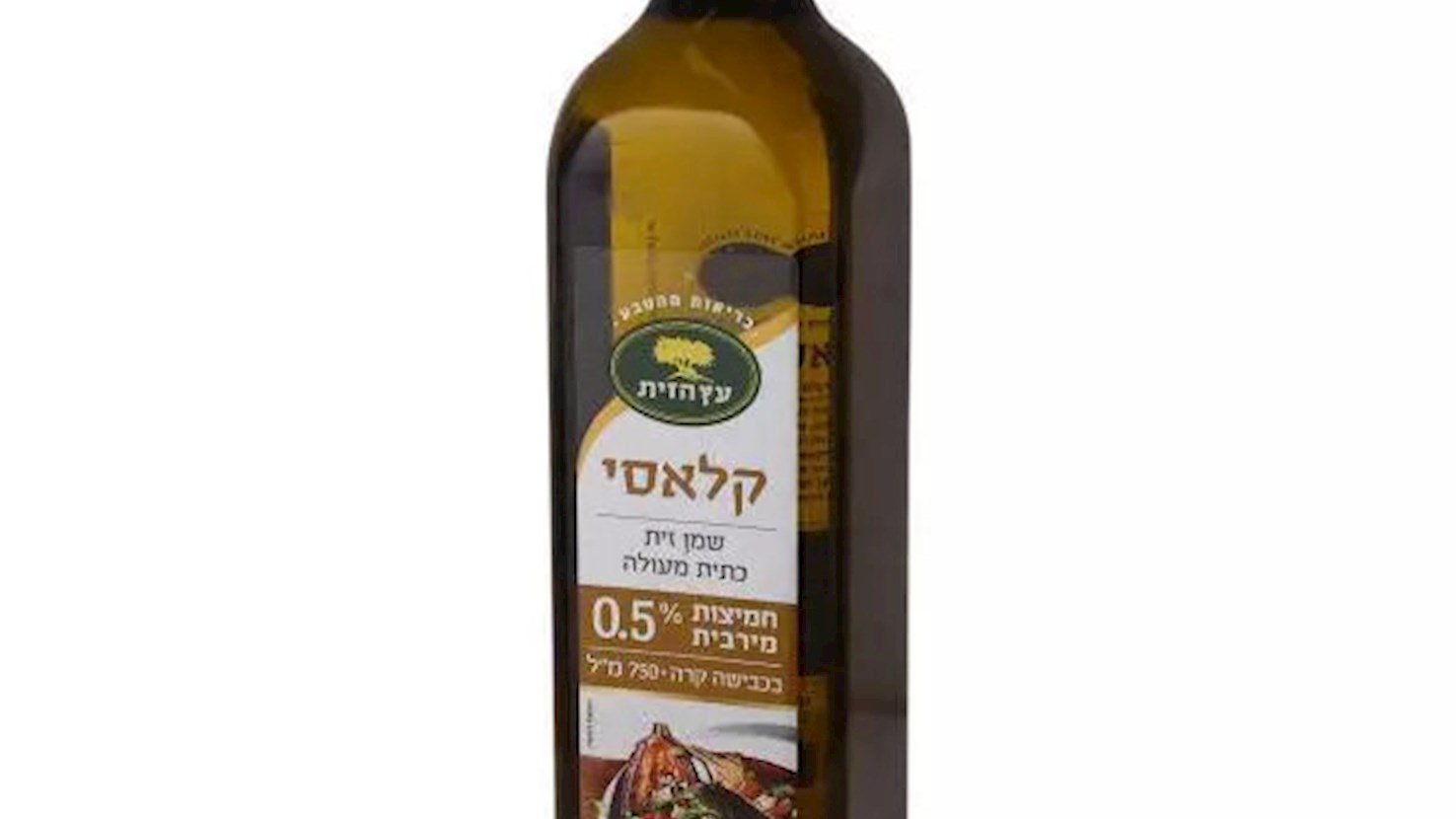
Nes Hazait is an olive oil producer based in Israel. The company is known for cultivating and producing high-quality, cold-pressed extra virgin olive oil.
They source their olives from groves located in the Galilee region. Their production process emphasizes sustainable agricultural practices and traditional methods.
TasteAtlas food rankings are based on the ratings of the TasteAtlas audience, with a series of mechanisms that recognize real users and that ignore bot,
nationalist or local patriotic ratings, and give additional value to the ratings of users that the system recognizes as knowledgeable.
For the “Top 100 Israeli Foods” list until September 30, 2026, 11,010 ratings were recorded, of which 5,441 were recognized by the system as legitimate.
TasteAtlas Rankings should not be seen as the final global conclusion about food. Their purpose is to promote excellent local foods,
instill pride in traditional dishes, and arouse curiosity about dishes you haven’t tried.
The initial list of top producers was compiled based on available reviews, awards, local recommendations, media and blog coverage, and consumer reviews.
The list will be updated with ratings from TasteAtlas local ambassadors and TasteAtlas users.










What People Say