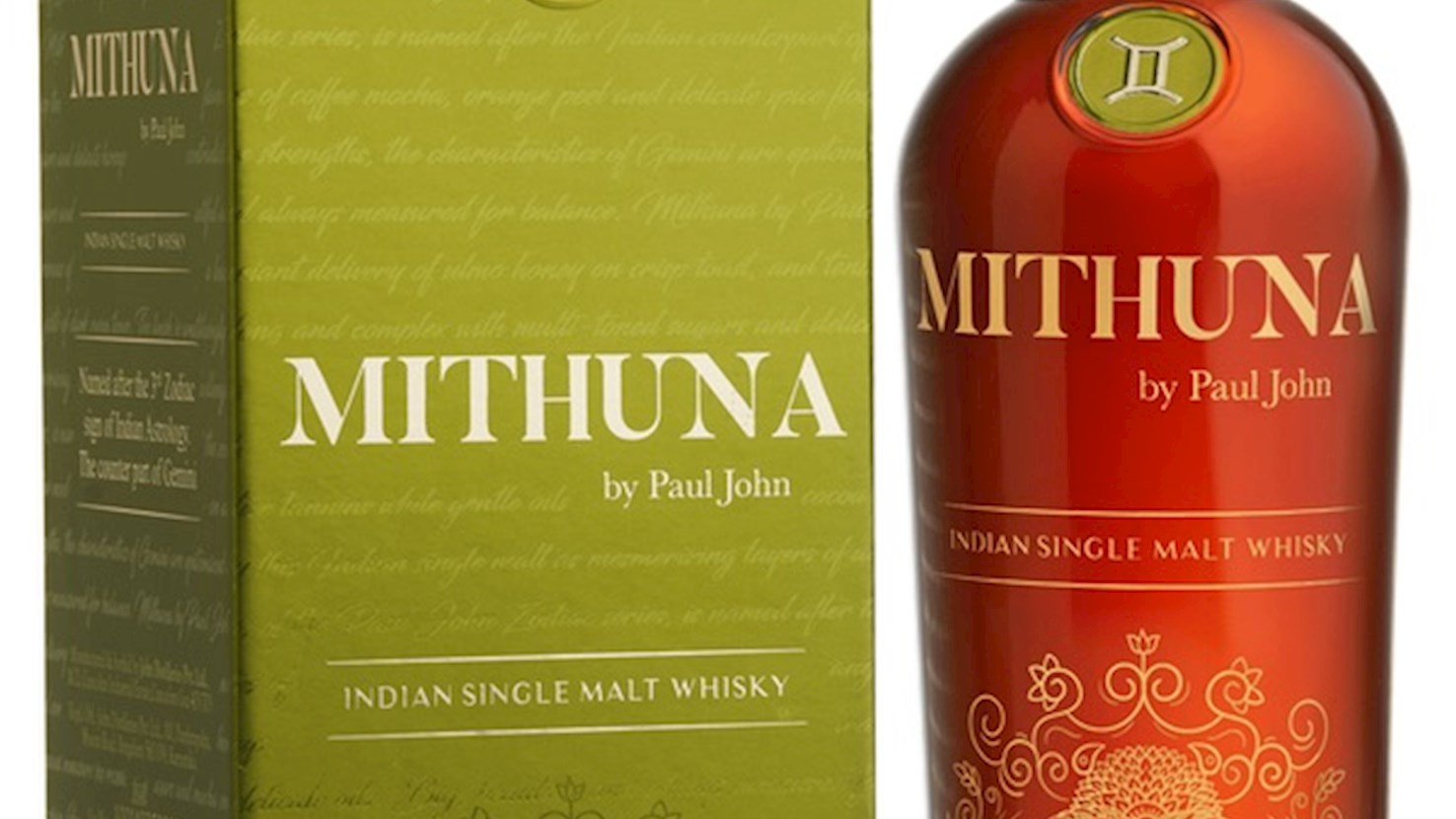
Amrut Distilleries, founded in 1948 and based in Bengaluru, Karnataka, is a pioneering Indian spirits producer. Renowned for introducing India's first single malt whisky, Amrut Indian Single Malt, in 2004, the company has gained international acclaim for its innovation and quality.
Amrut sources indigenous six-row barley and employs traditional distilling methods to craft a diverse range of products, including single malts, rum, brandy, and blended whiskies, earning global recognition as a leader in the Indian spirits industry.
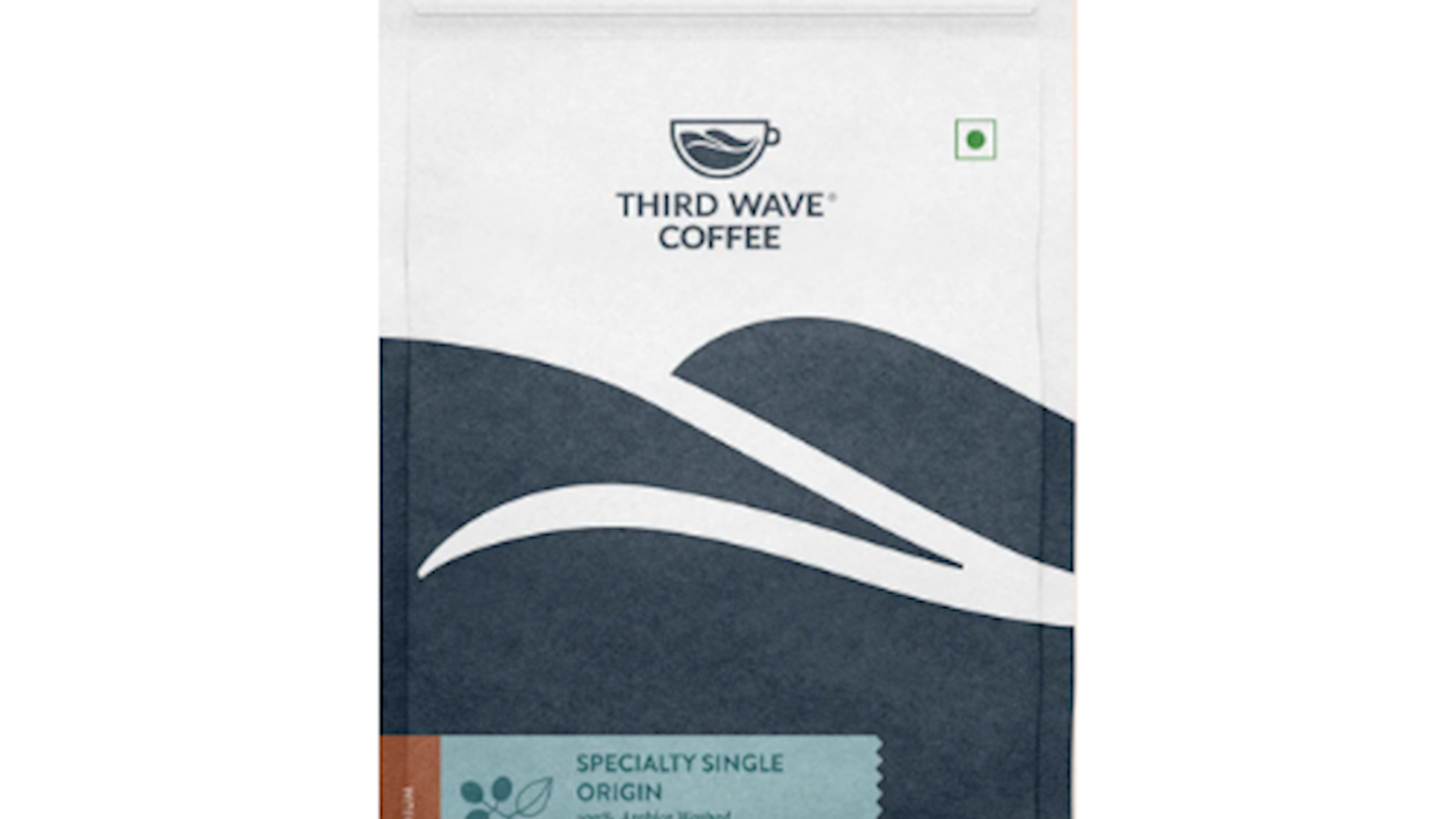
Third Wave Coffee Roasters is an Indian brand specializing in roasting and selling high-quality coffee. They are dedicated to providing freshly roasted 100% Arabica coffee, with an emphasis on ethical and sustainable sourcing of beans.
The brand takes pride in its small-batch roasting process, using state-of-the-art roasters in their facility, allowing for precise control over roasting profiles and highlighting the optimal flavors of each bean. This approach ensures that every customer receives coffee of the highest freshness and quality.
Third Wave Coffee Roasters also operates over 90 cafes across six cities in India, including Bengaluru, New Delhi, Pune, Mumbai, Chandigarh, Gurugram, Hyderabad, and Noida.
Their mission is to ensure that quality coffee is available in every corner of the country, providing coffee lovers with a unique and consistent experience. Their commitment to freshness, quality, and sustainability has made them a recognizable leader in the Indian coffee market.
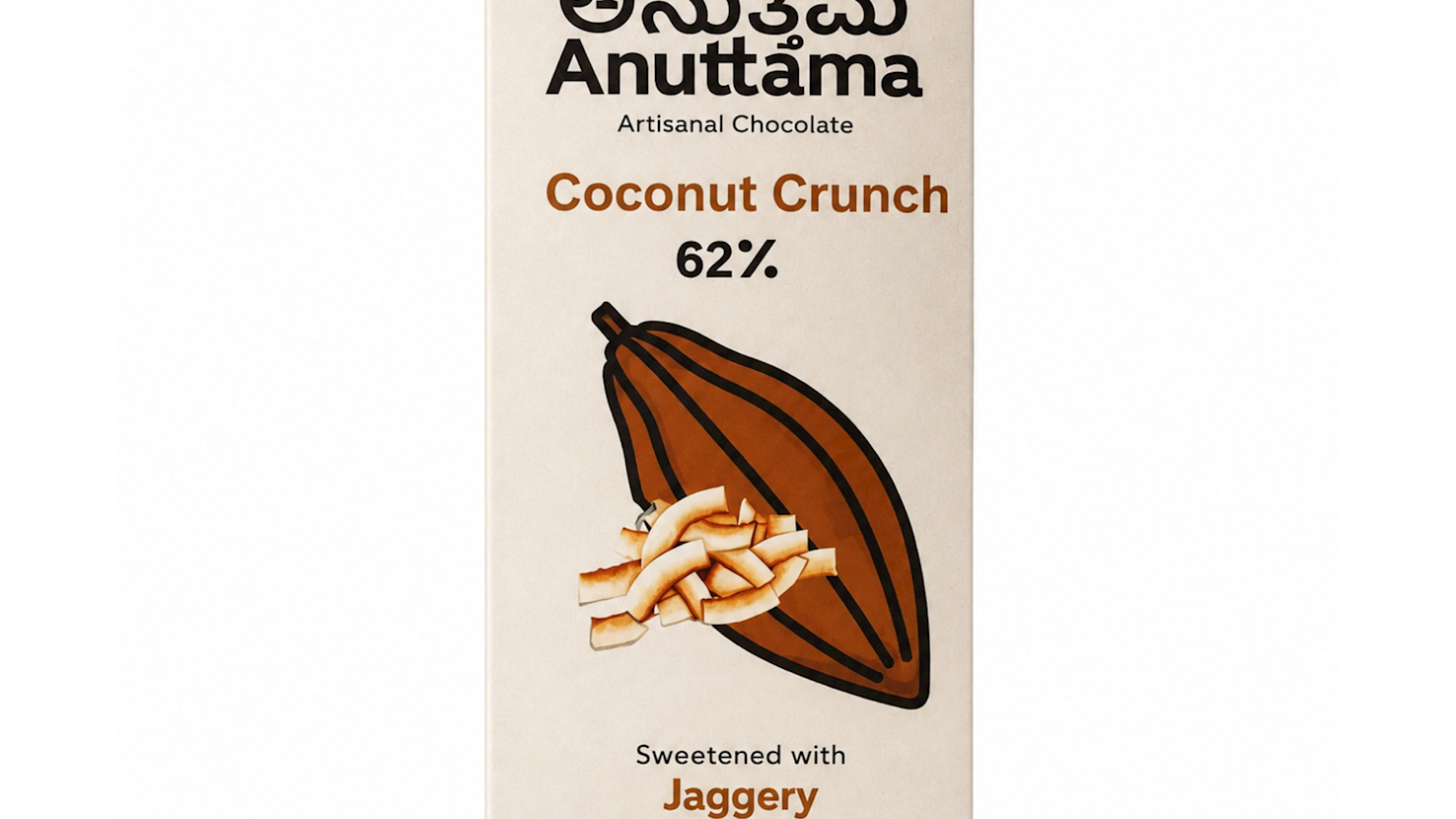
Anuttama is an Indian producer of artisanal farm-to-bar chocolates, founded by Balasubrahmanya P. S. and Swathi Kallegundi in August 2020. The company is based in Bettampady, near Puttur, in the Dakshina Kannada district of Karnataka. The founders come from an agricultural family that has cultivated cacao for several decades, and they began making chocolate during the pandemic following a period of experimentation and professional training.
Anuttama uses cacao grown on its own farm, as well as beans sourced from the neighboring Varanshi Organic Farms and other local producers. The entire process, from selecting and processing the beans to roasting, grinding, tempering, and molding the bars, is carried out in small batches. Its chocolates are sweetened with traditional unrefined cane sugar known as jaggery, dates, or coconut sugar and contain no preservatives, artificial colors or flavors, vegetable fat substitutes for cacao butter, or emulsifiers. The range includes dark, milk, and vegan chocolates, as well as bars containing fruit, nuts, coffee, spices, and other locally sourced ingredients.
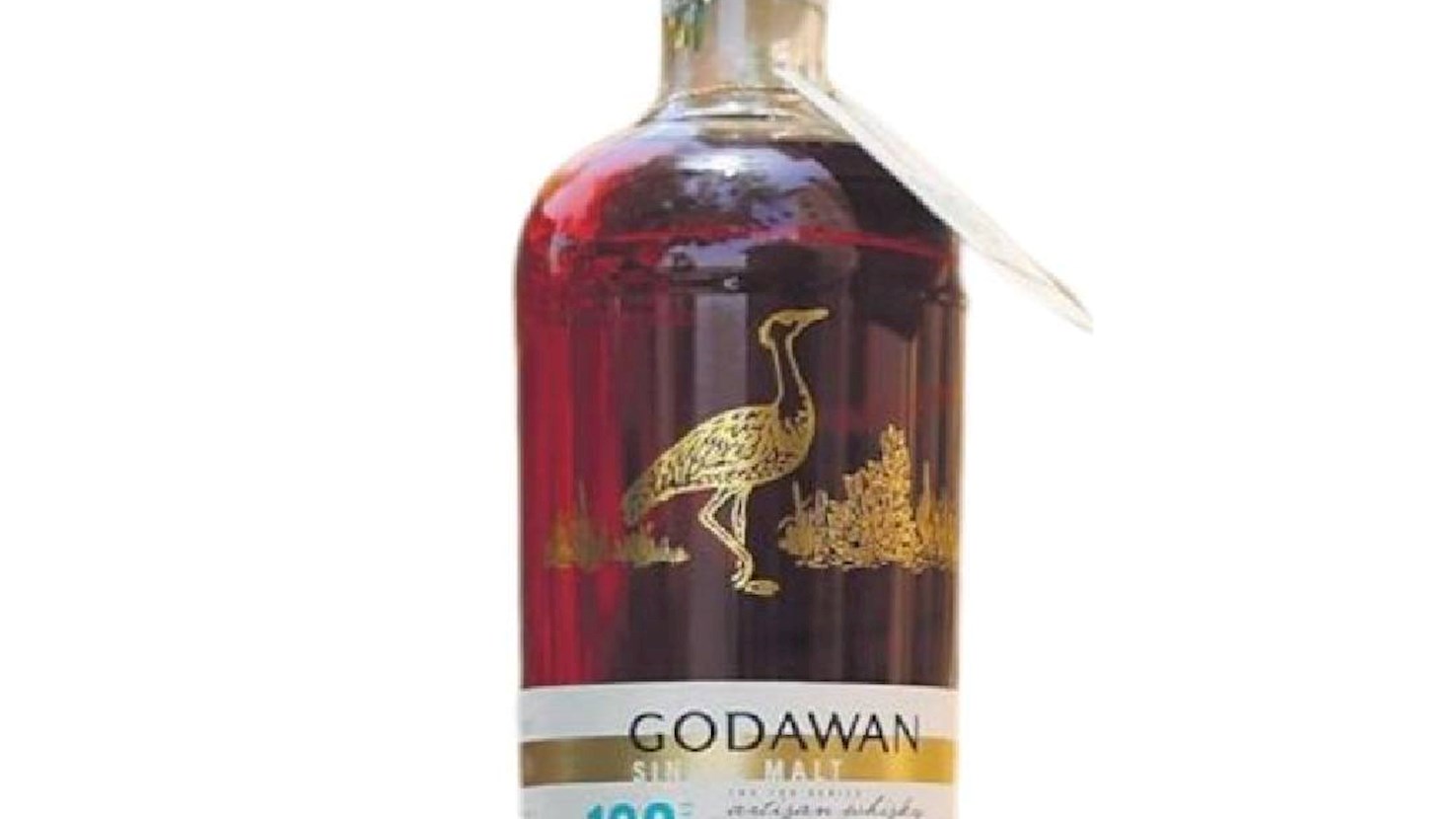
Godawan is a craft single malt whisky from Rajasthan, India, produced by Diageo India. The name "Godawan" is derived from the Great Indian Bustard, a critically endangered bird that holds a special place in Rajasthan's culture.
Diageo India, also known as United Spirits Limited (USL), is one of the leading alcoholic beverage companies in India. Founded in 1826 as McDowell and Company, it became part of the Diageo Group in 2013.
Today, Diageo India is headquartered in Bengaluru, Karnataka, and is listed on the National Stock Exchange (NSE) and the Bombay Stock Exchange (BSE). Recently, the company has focused on a strategy of "premiumization," emphasizing higher-quality and value-driven products.
This strategy is part of a broader transformation plan initiated by CEO Hina Nagarajan, the first woman to lead a major Indian alcoholic beverage company.
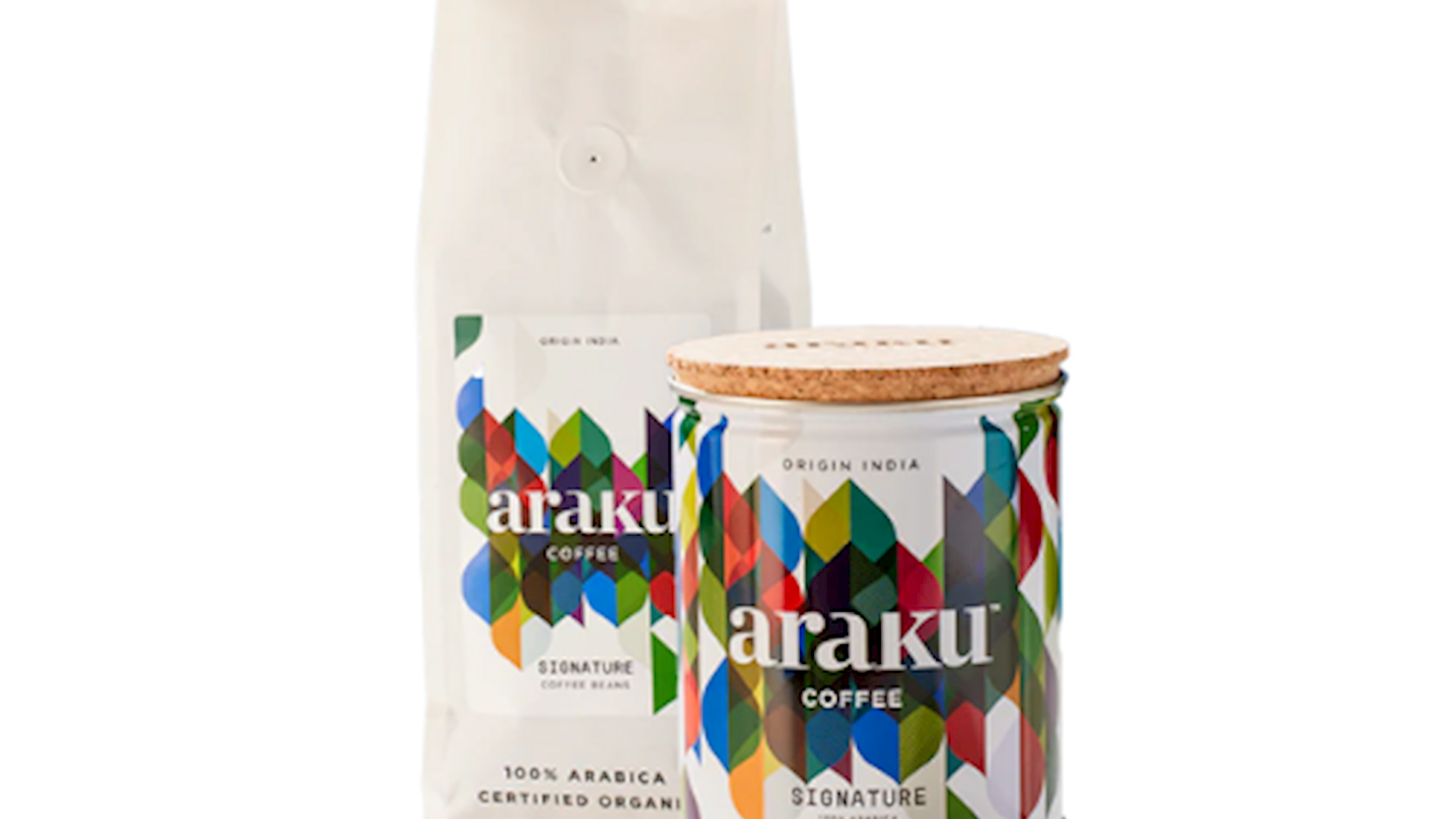
Araku Coffee is a recognizable coffee brand from the heart of India. This brand stands out for its approach to sustainable and ecological farming, using organic cultivation practices and respecting nature, which is the core philosophy behind the brand.
The coffee produced by Araku Coffee is based on high-quality Arabica beans, which are grown at altitudes of up to 1,000 meters. Due to these ideal conditions, Araku coffee is known for its unique depth of flavor and complex aromas.
The beans are carefully selected and processed using a natural drying method, further enhancing the richness and sweetness in every cup. Araku Coffee has become synonymous with premium quality, with distinct notes of fruit, flowers, and spices emerging in its flavor.
Given the high standards in production, Araku Coffee is recognized not only in the Indian market but also internationally.
Tata Coffee is one of the largest integrated coffee cultivation and processing companies in the world and the largest corporate producer of pepper of Indian origin. With a strong focus on sustainability and traceability, they produce high-quality green coffee, pepper, and tea.
Their 25 plantations span over 10,000 hectares in the lush Western Ghats, an area rich in diverse flora and fauna.
They also own tea plantations and factories in the Anamalai region, where they produce certified Orthodox and CTC teas.
Tata Coffee is a part of the Tata Group, a global conglomerate founded in 1868 by Jamsetji Tata. Headquartered in India, the Tata Group comprises over 100 independent companies operating across six continents, with a mission to enhance the quality of life in the communities they serve through long-term value creation, built on trust and leadership.
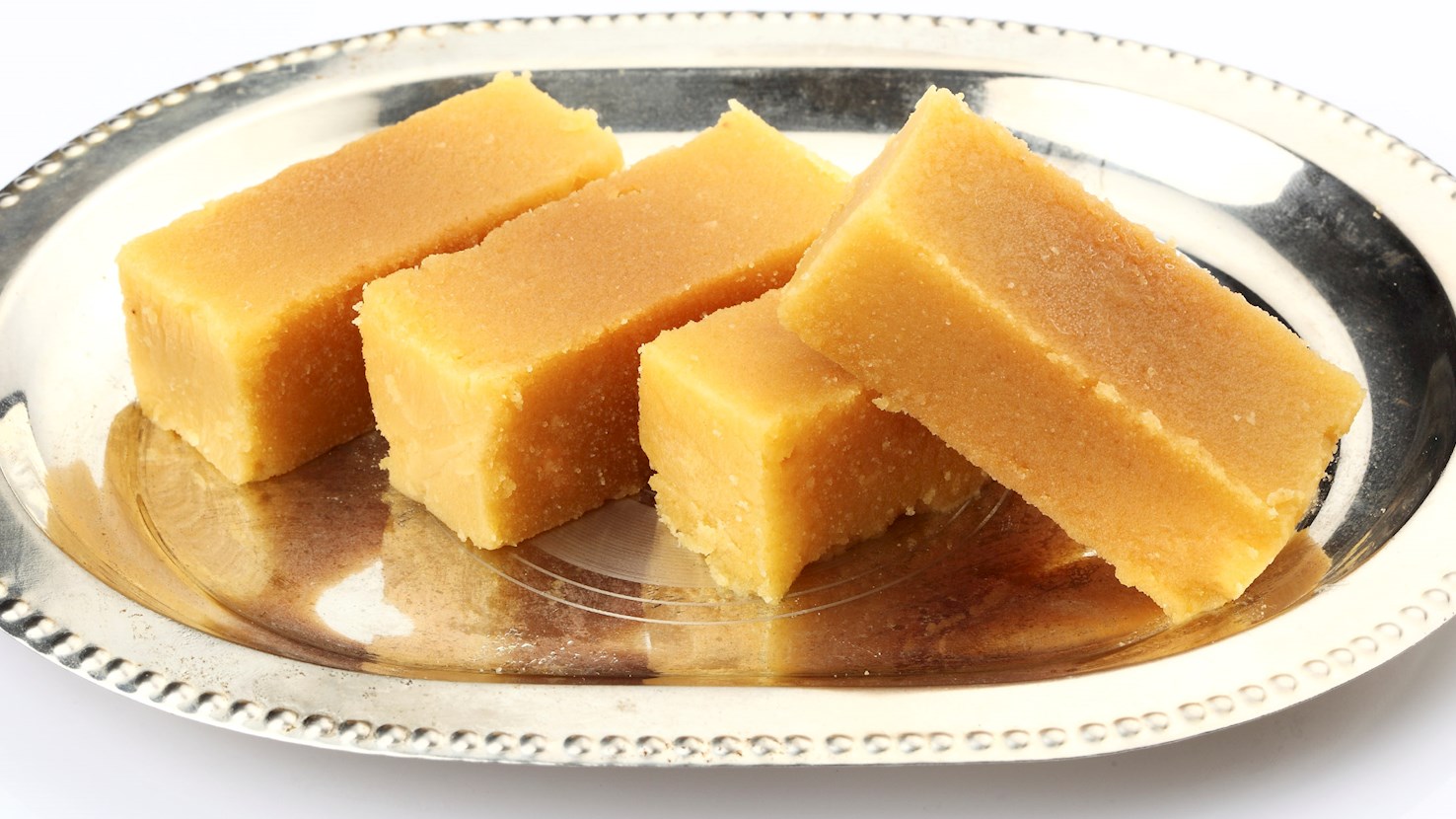
Mysore pak was invented in 1935 at the Mysore Palace by the royal chef Madappa. As the King Krishna Raja Wodeyar was ready to have his lunch, the chef began experimenting with a sweet dish, combining gram flour, ghee butter, and sugar into a syrup. When the King finished his lunch, the sweet cooled down and was served to the King, who loved it. The chef told him it was Mysore paka, the word paka denoting a sweet concoction. Soon, Mysore pak was proclaimed the royal sweet. Today, it is still known as the king of sweets in the South, and it is commonly prepared for numerous Indian festivities and celebrations, although it can also be found throughout India on various street stands.
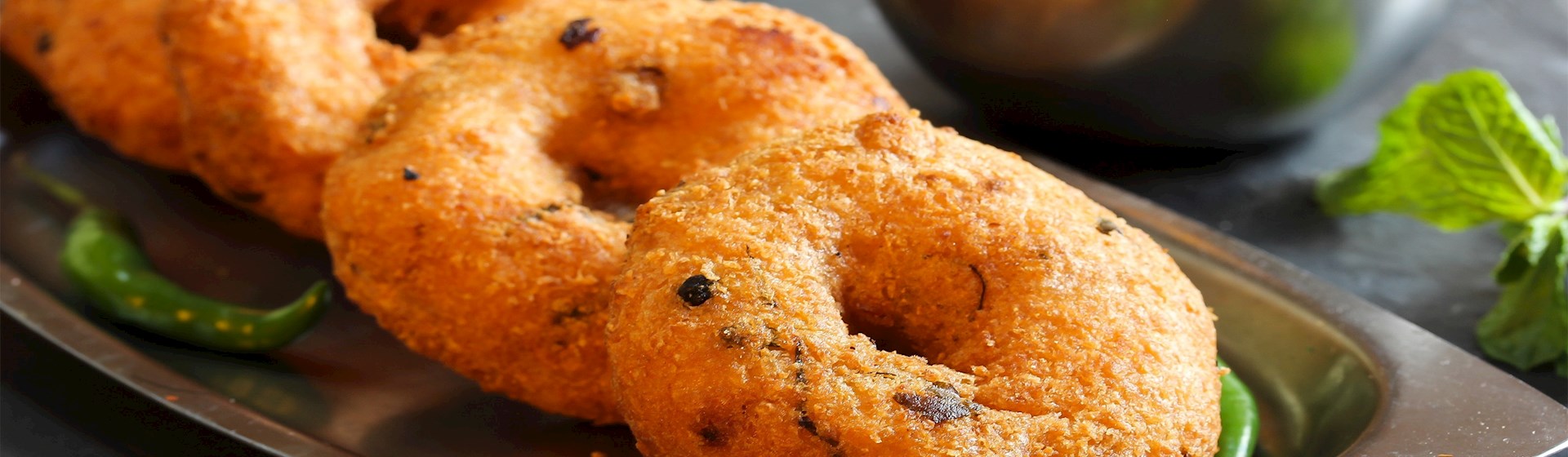
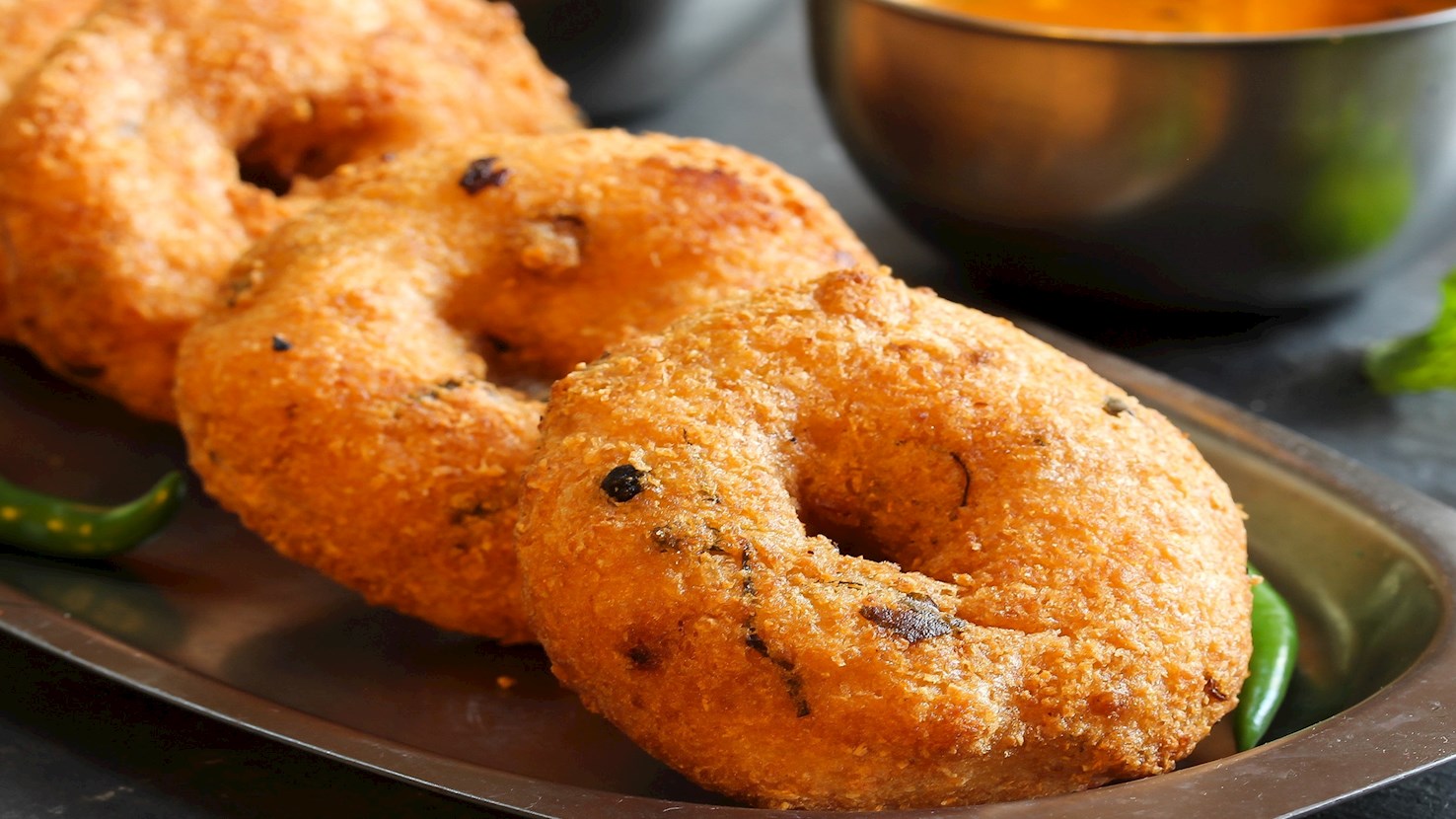
Medu vada is a savory, deep-fried, donut-shaped fritter made from a thick, heavily aerated batter of ground black gram. Creating this crisp snack begins by submerging skinned urad dal in cold water for several hours until the lentils swell and soften completely. The drained legumes go into a heavy wet grinder with a strict, minimal splash of water. The grinding action introduces a large amount of air into the mixture, transforming the dense lentils into a light, fluffy paste. Finely chopped green chilies, minced fresh ginger, crushed black peppercorns, cumin seeds, torn curry leaves, and diced shallots fold directly into the whipped batter to introduce sharp, aromatic heat. Shaping the batter requires wet hands to prevent sticking. A small portion is rolled into a sphere, pierced straight through the center to form a ring, and immediately dropped into a deep vat of hot vegetable oil. The central hole ensures even cooking, allowing the hot oil to crisp the entire exterior while leaving the interior crumb soft and spongy. Medu vada traces back to the southern regions of the Indian subcontinent. Concrete historical records point to the 12th-century Sanskrit encyclopedia Manasollasa, compiled by King Someshvara III, which provides a detailed recipe for "vataka" involving soaking, grinding, and deep-frying black legumes. Over the centuries, it evolved into a staple across Karnataka and Tamil Nadu, serving primarily as a breakfast item. One widespread adaptation replaces the lentil base with coarse semolina and yogurt, yielding an instant, highly brittle fritter. Another variant involves dropping the hot, freshly fried lentil rings directly into a vat of cold, seasoned yogurt, softening the crisp exterior and creating a tart, spongy appetizer. Leafy greens like chopped amaranth, spinach, or grated cabbage are sometimes mixed into the raw batter to introduce extra moisture and an earthy crunch. The medu vada are served hot, arriving stacked on a metal plate. A hot, thin tamarind-and-lentil stew known as sambar, along with a cold, creamy bowl of freshly ground coconut chutney, universally accompanies the fritters. Eating the snack requires tearing the hot ring apart by hand and submerging the spongy interior directly into the hot stew and cold chutney to absorb the heavily spiced liquids.
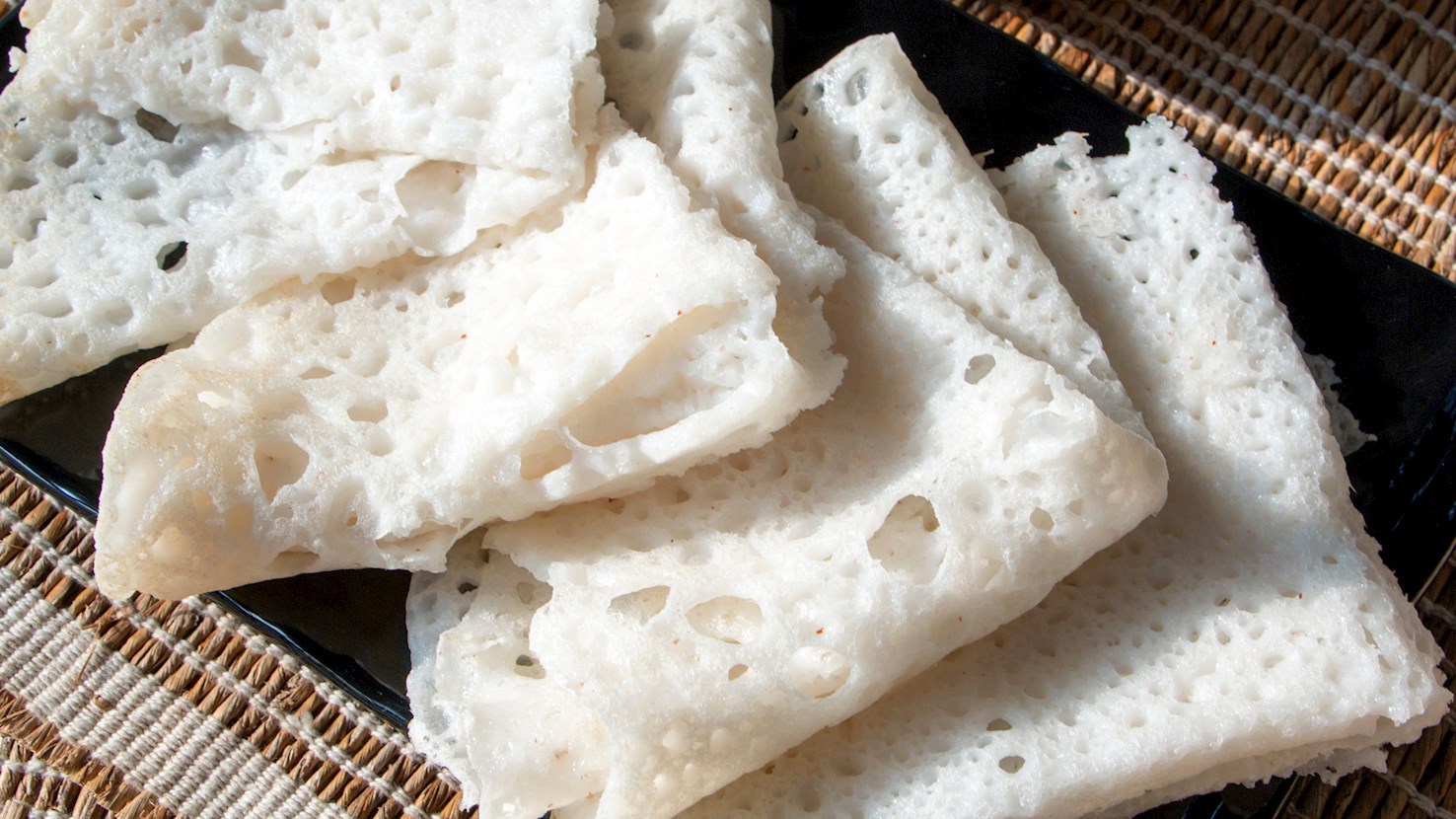
This Indian crêpe is made with a very thin batter of rice flour, water, and salt. Unlike other Indian dosas which call for much thicker, and fermented batter, this version uses an unfermented and runny batter which is spread and cooked on a hot greased griddle, yielding soft and lacy pancakes. The batter can alternatively be enhanced with freshly grated coconut or coconut milk. Neer dosa derives its name from the words neer, meaning water in Tulu, and dosa, referring to a traditional Indian thin pancake. These thin pancakes are a quintessential part of the Tulu Nadu region breakfasts, and they are usually served with chutneys, curries, and vegetable sagu dishes.
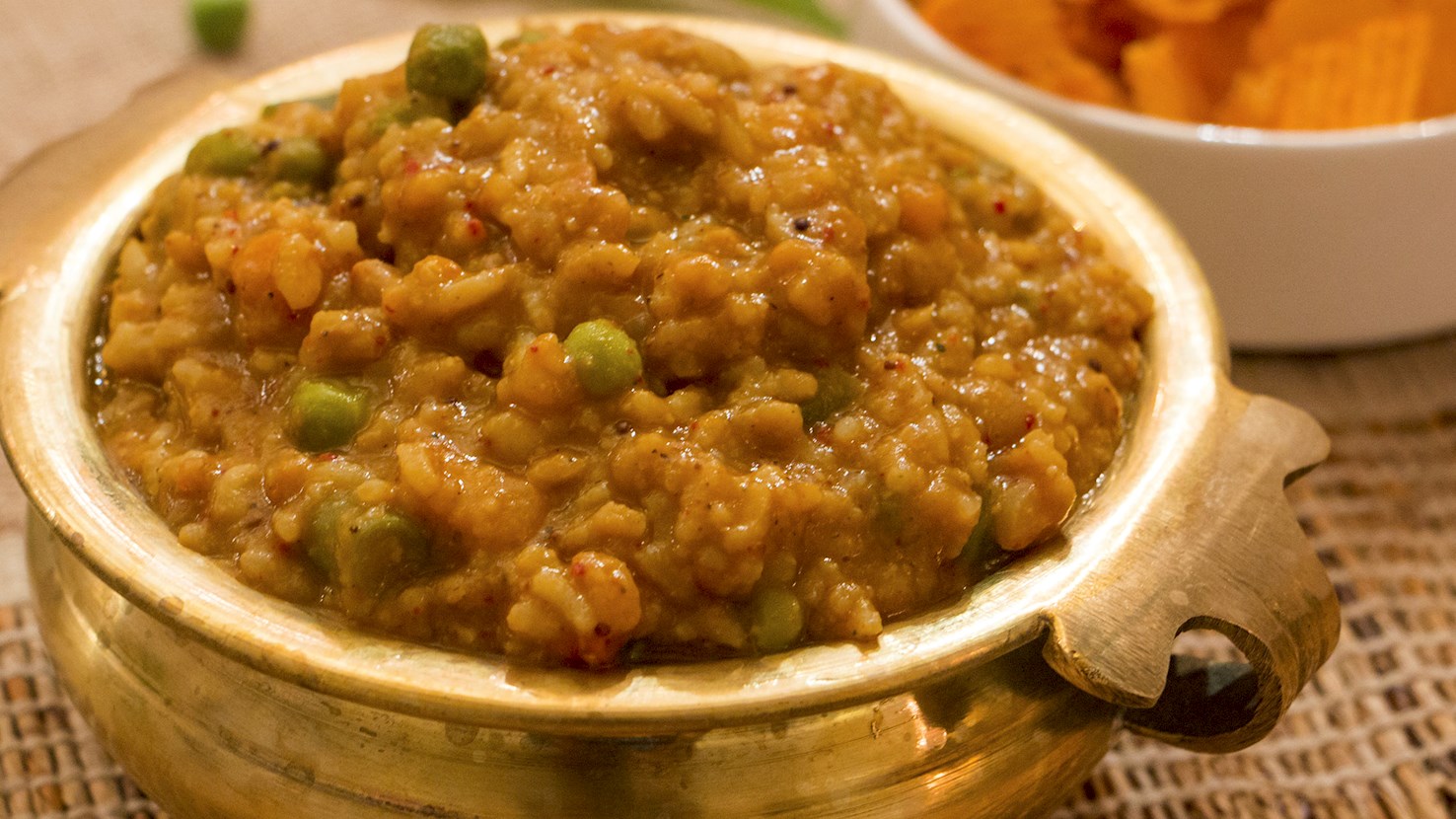
Bisi bele bath, translated to hot lentil rice, is an aromatic and spicy dish originating from the Indian state of Karnataka. Moist rice and lentils are combined with ghee butter, tamarind, curry leaves, nutmeg, and vegetables such as carrots, beans, onions, and green peas. According to K. T. Achaya, a food historian, bisi bele bath is a modern variation of an old dish from the 10th century called kattogara, consisting of rice, ghee, salt, and garlic. However, others disagree and claim that the dish was invented in Mysore Palace, near Bangalore, when it was a typical lunch meal that was additionally flavored with cashews, dried coconut, mustard seeds, and cinnamon. Originally, there were no vegetables in the dish since the royals had access to numerous vegetable-based side dishes. As time went by, bisi bele bath became popular outside of the palace and evolved in a rich farmer's meal that was typically consumed before lunch, after a few hours of hard labor in the fields. Today, the dish is consumed throughout the day, and it is also a popular picnic dish throughout Karnataka.
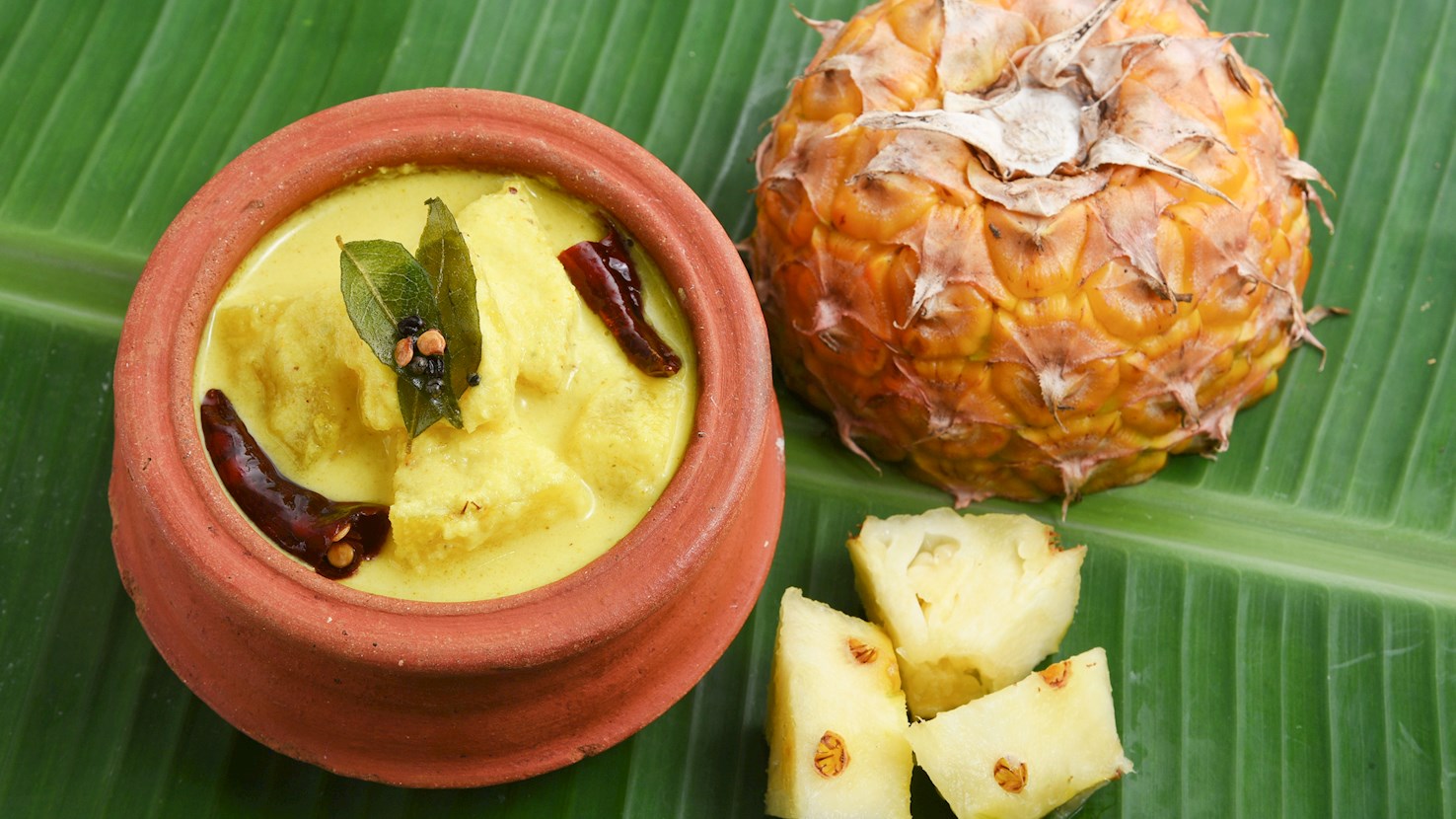
Pineapple gojju is a traditional curry originating from Karnataka. Tangy, sweet, and spicy, the curry is usually made with a combination of chopped pineapple, hot chili peppers, mustard seeds, curry leaves, coconut, white urad dal (split black gram), jaggery, salt, oil, and tamarind. The urad dal is roasted with coconut and chili peppers, and the mixture is then ground into a paste with tamarind and water. The mustard seeds and curry leaves are tempered in oil, and the combination is mixed with chunks of pineapple until they soften and the edges become slightly browned. The ground paste is added to the pan, and the curry is then simmered with salt and jaggery until the consistency becomes thick. Once done, pineapple gojju is typically served with steamed rice or chapatis on the side. This dish is very popular during weddings and similar festivities.
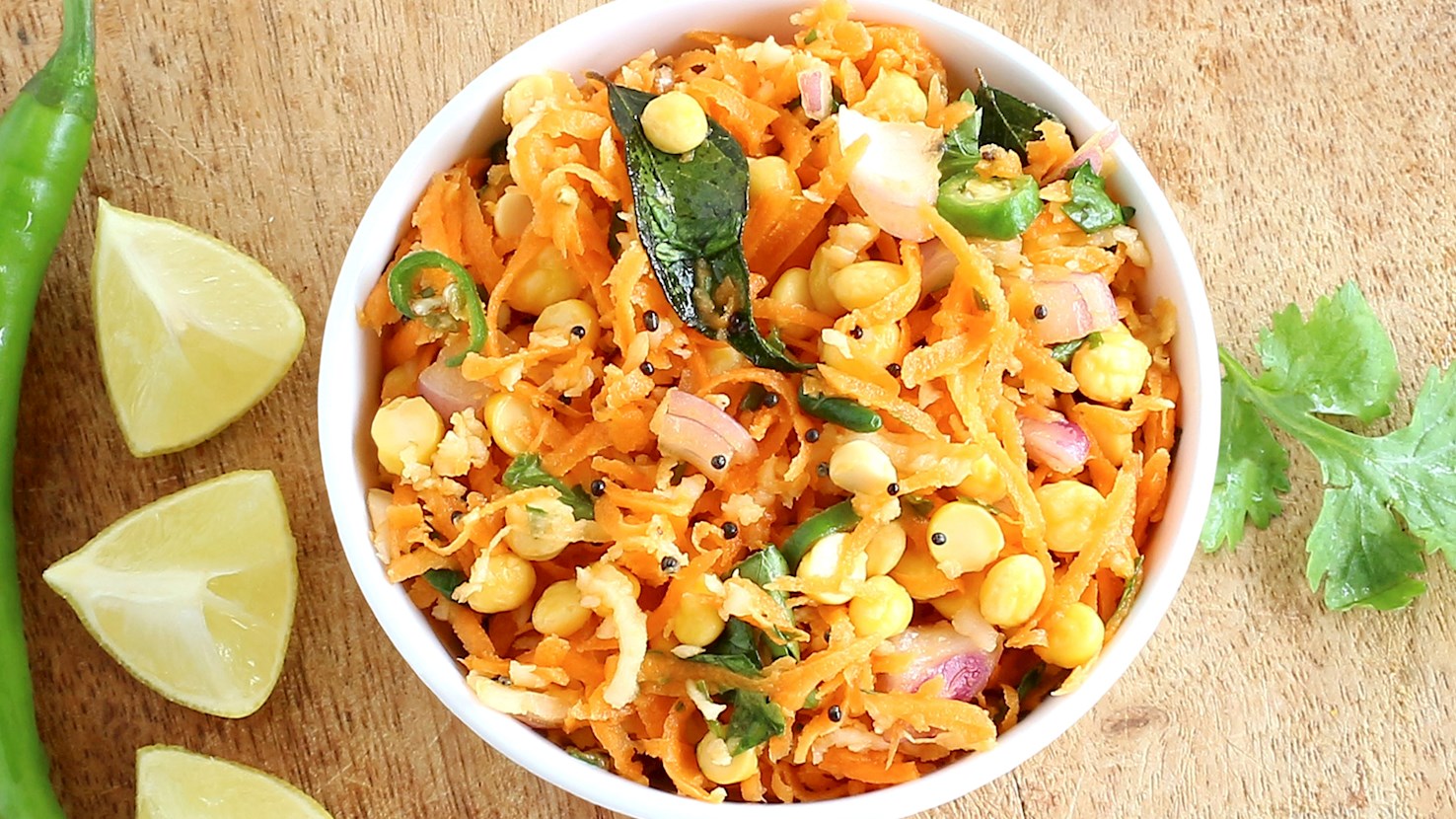
Kosambari is the most popular salad from the Indian state of Karnataka. The salad is made with split legumes such as bengal gram and green gram, and it is additionally seasoned with mustard seeds. The dish is well known for being easy to prepare and for having a high protein count. It is popular as an appetizer at most feasts, celebrations, and festivals, while in most temples it is offered as prasada - a religious offering. Kosambari is often additionally flavored with cucumber slices or rice, and although it is usually served as an appetizer, it is also a healthy main meal or a snack.
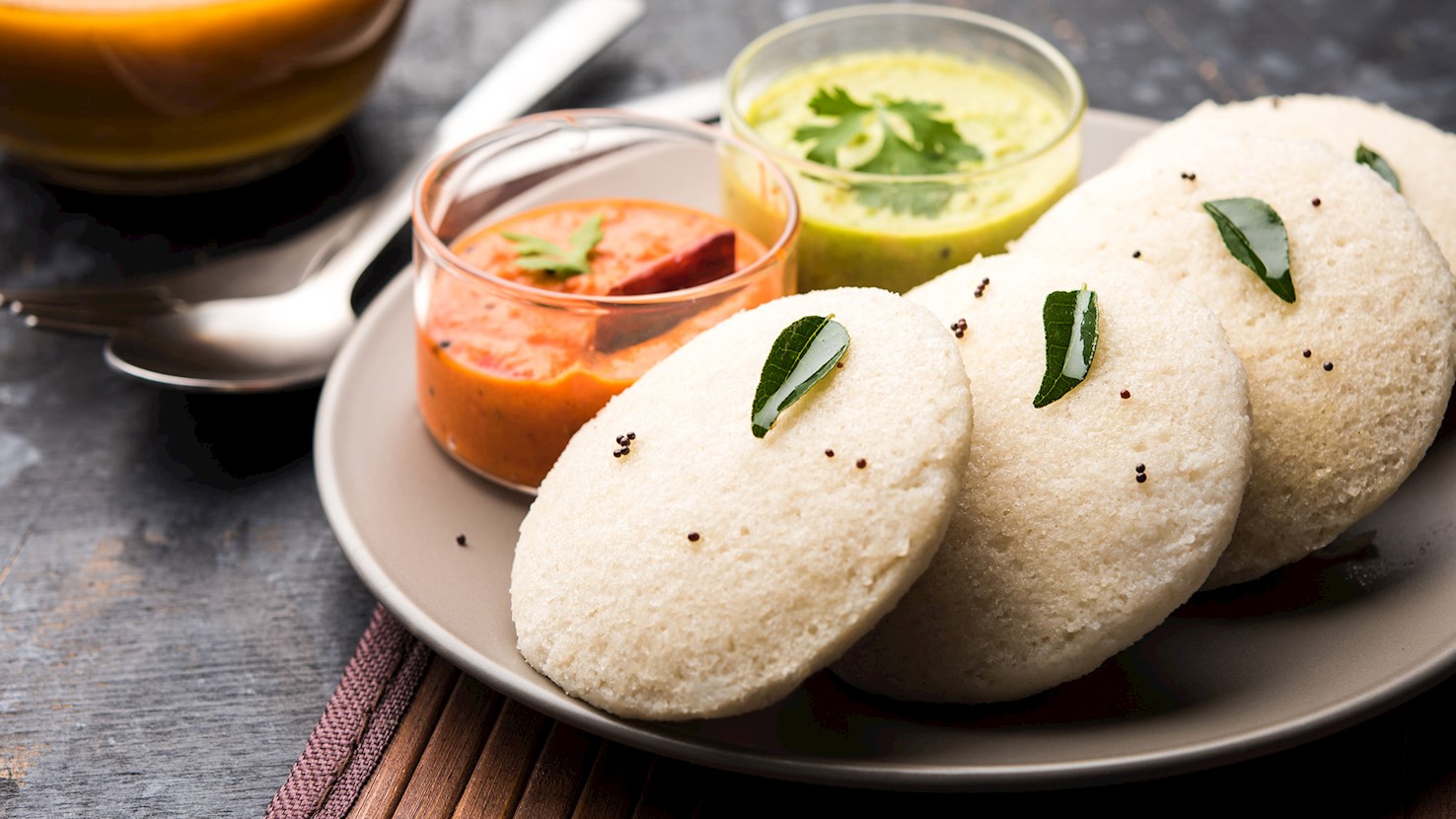
Rava idli is a popular steamed semolina cake invented during World War II by the popular restaurant chain Mavalli Tiffin Rooms (MTR) in Bangalore, India. During the war, there was a shortage of rice, the main ingredient in traditional idli, so MTR decided to use semolina (rava) instead of rice to make idlis. The batter for rava idli is typically made by mixing semolina, curd (dahi), and a leavening agent, which is why idli is light and fluffy. The batter is then allowed to rest for a few minutes before steaming. Apart from the semolina and curd, the batter usually includes ingredients like finely chopped coriander, cashews, mustard seeds, curry leaves, and ginger, which are added for additional flavor. The process involves frying these spices and herbs, called tempering, and then adding them to the semolina batter. Once the batter is ready, it's poured into an idli mold and steamed until cooked. The result is a soft, fluffy, and flavorful dish that's often served with coconut chutney or other sauces.
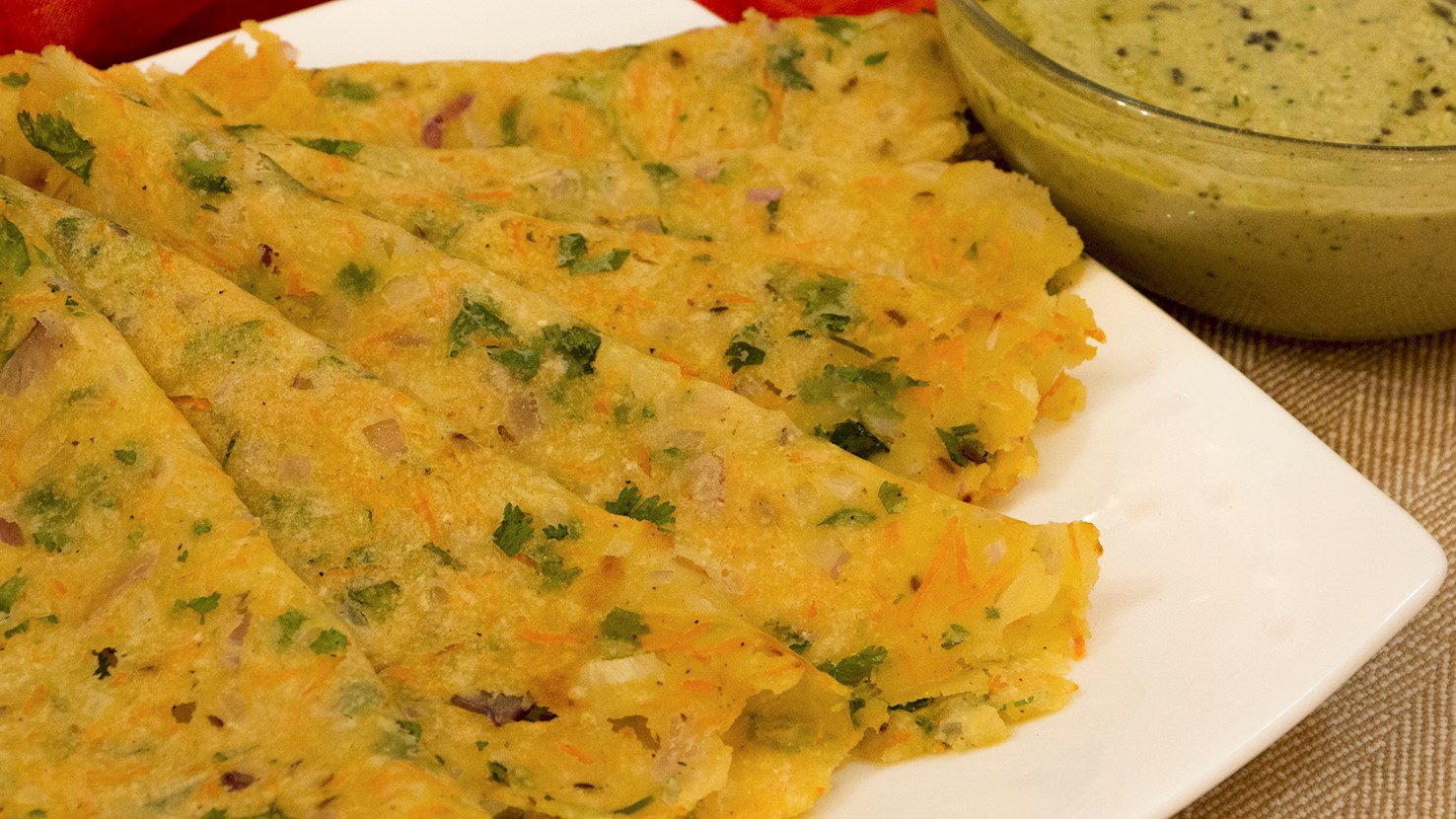
Akki rotti is a dish that is especially popular in the Indian region of Karnataka, consisting of griddle-baked rice flour that is shaped like a pancake or a flatbread. It is commonly consumed either for breakfast or lunch, usually accompanied by various chutneys. Onions, carrots, coriander, cumin, and sesame seeds can also be added to the dough before baking in order to enhance the flavors of the dish. Originally, a housewife had some leftover rice, but decided to make a new dish using the leftovers, so she mashed the rice, added some salt and rice flour, and baked the dough on a tawa, creating a staple dish in the process. For the most authentic akki rotti, the dough should be flattened on a banana leaf and cooked on a tawa, with the leaf on top of the flatbread, helping it to cook evenly and giving the dish a distinctive, unique flavor.
Rava bonda is a traditional snack originating from Karnataka. It's usually prepared with a combination of semolina, sour yogurt, hot chili peppers, asafoetida, ginger, cashews, coriander, oil, and salt. Of course, there are many variations on the snack so the ingredients may vary from one place to another. Once prepared, the batter is shaped into small balls which are fried in oil until golden brown and crisp. Rava bonda is typically drained on kitchen paper and then served as a tasty snack that's often accompanied by chutneys.
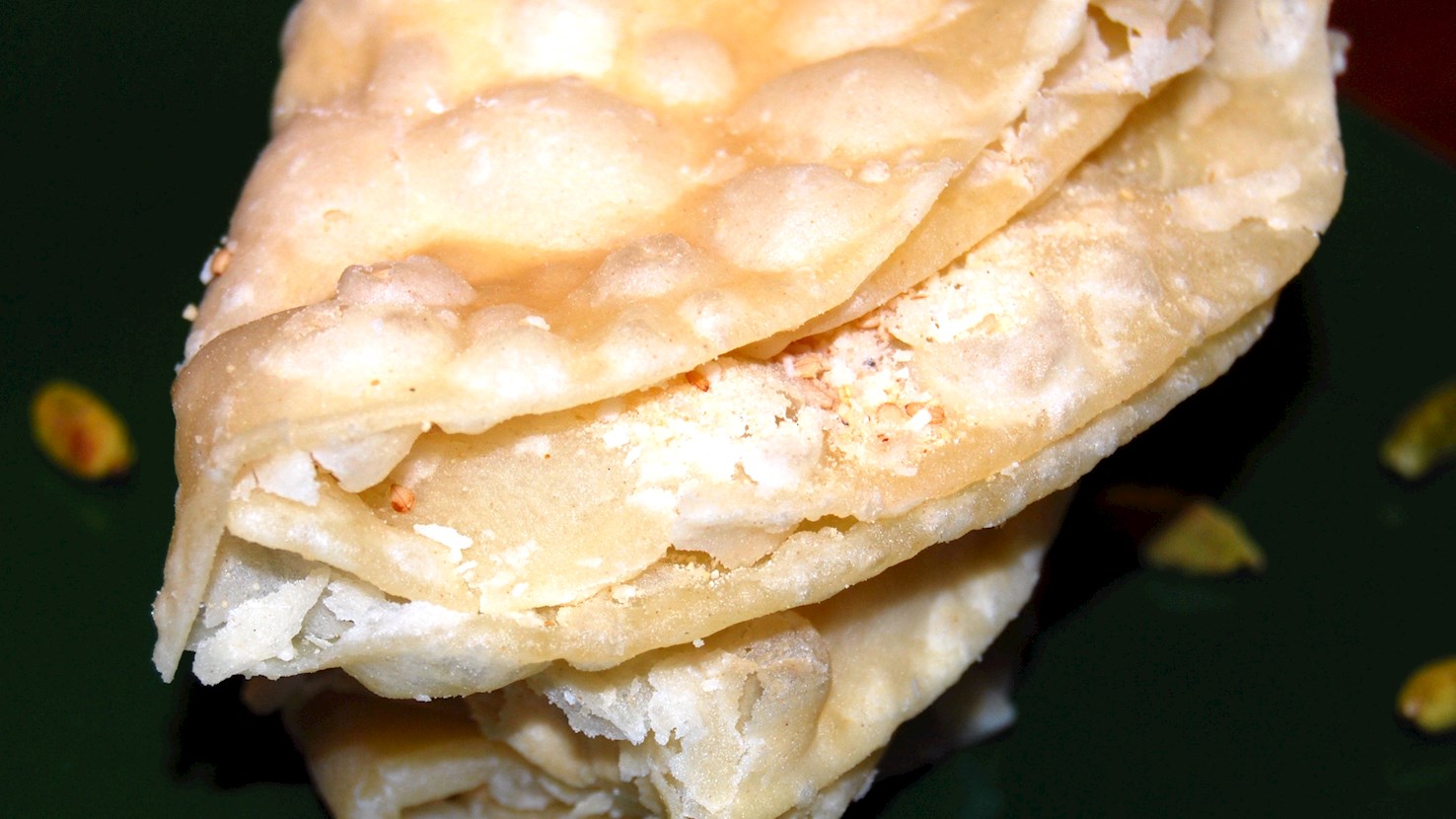
Chavde is a crispy, deep-fried Indian dessert that's traditionally prepared during the festival of Ganesh Chaturthi. It consists of thinly-rolled, round-shaped dough and a fragrant mixture of roasted coconut, cardamom, sesame seeds, and sugar. The dough is fried until it becomes puffy and crispy, and while still warm, it's filled with the coconut mixture. The pastry is then folded and can sometimes be additionally sprinkled with the filling. This specialty is usually associated with the Konkani people and the states of Maharashtra and Karnataka.
TasteAtlas food rankings are based on the ratings of the TasteAtlas audience, with a series of mechanisms that recognize real users and that ignore bot,
nationalist or local patriotic ratings, and give additional value to the ratings of users that the system recognizes as knowledgeable.
TasteAtlas Rankings should not be seen as the final global conclusion about food. Their purpose is to promote excellent local foods,
instill pride in traditional dishes, and arouse curiosity about dishes you haven’t tried.
The initial list of top producers was compiled based on available reviews, awards, local recommendations, media and blog coverage, and consumer reviews.
The list will be updated with ratings from TasteAtlas local ambassadors and TasteAtlas users.








What People Say