shutterstock

Top 3 Kuyavian-Pomeranian Foods

Last updated on June 24, 2026

Best Kuyavian-Pomeranian food products
01
Spirit

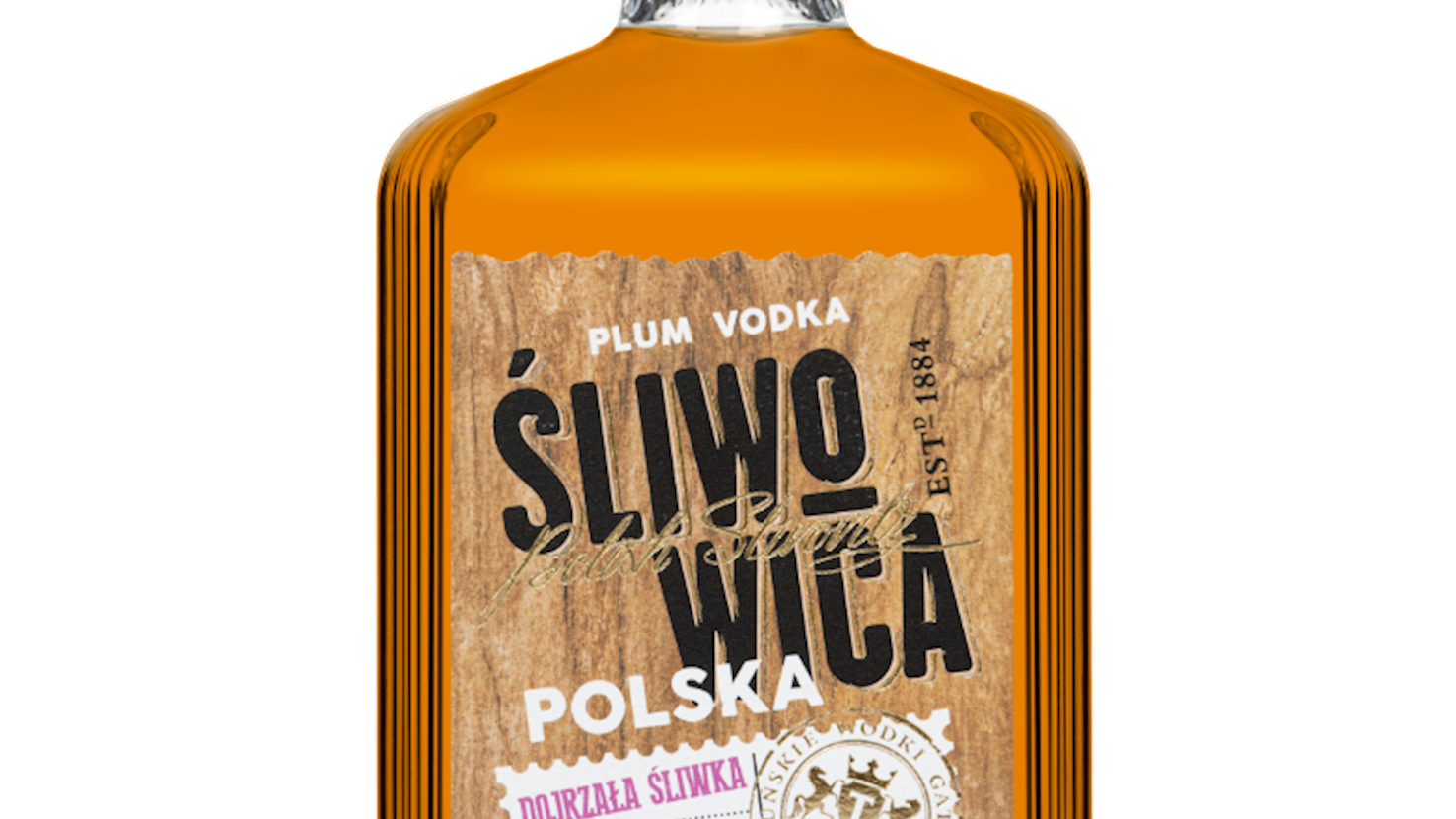
PUH Chemirol Sp. z o.o. - Torunskie Wodki Gatunkowe

5.0 ·
Awards
ISC-International Spirits Challenge - Double Gold (2023)
ISC-International Spirits Challenge - Gold trophy (2023)
02
Cheese

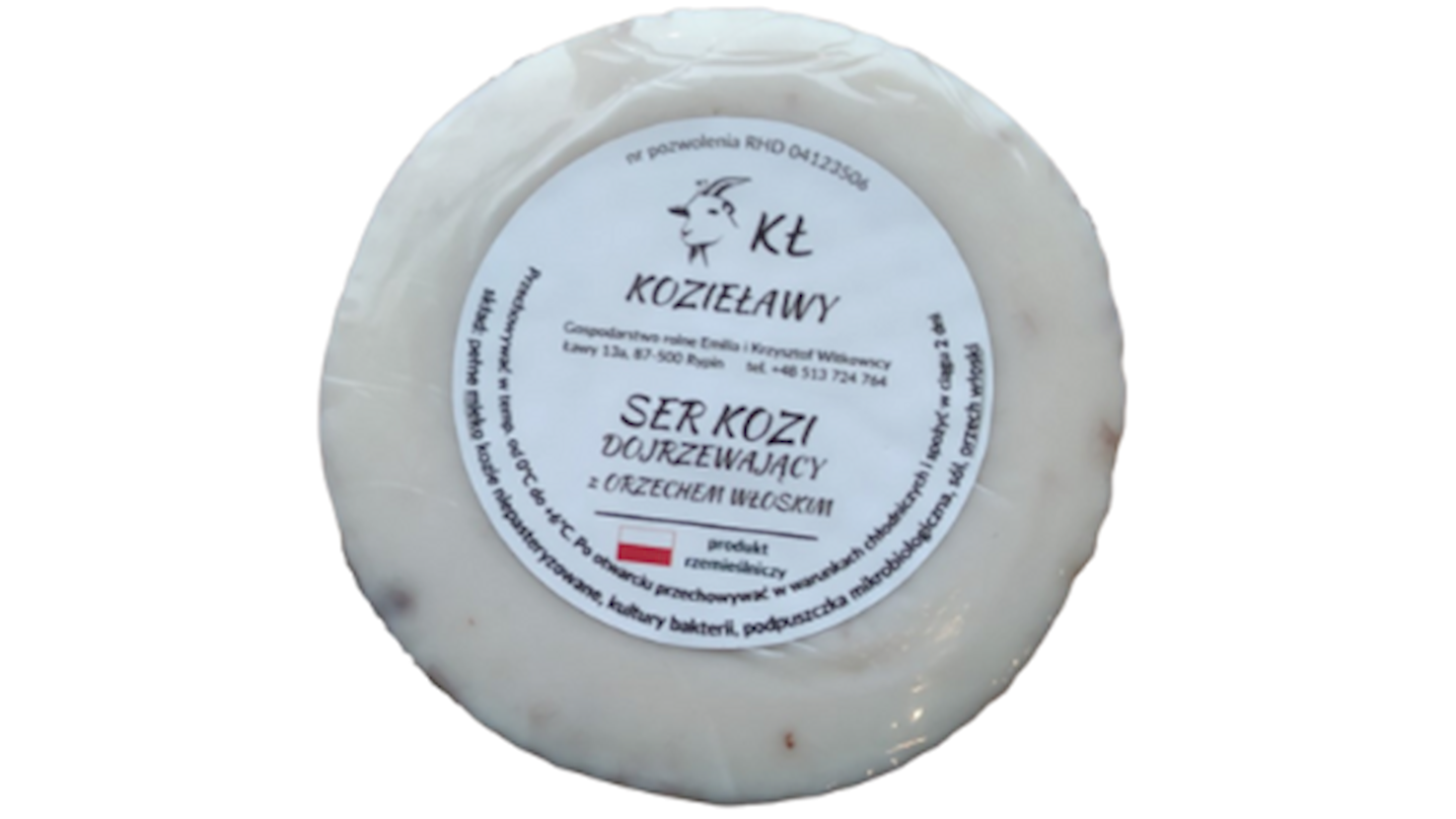
KozieŁawy

4.7 ·
KozieŁawy is a family-run goat farm and small-scale cheesery located in the village of Ławy in Poland, built on a long-term commitment to goat breeding and artisanal milk processing. Production is based entirely on their own herd, allowing full control over quality from animal feeding to the finished cheese. The goat’s milk is processed immediately after milking, while still fresh, without mixing with other types of milk and without industrial additives. KozieŁawy focuses on hand-crafted, small-batch cheesemaking, relying on traditional techniques and natural maturation processes. Their range includes various styles of goat cheeses, from fresh and semi-hard to aged and specialty varieties, all characterized by a clean, mild, and well-balanced flavor profile. The producer’s philosophy emphasizes respect for animals, the local environment, and craftsmanship, positioning KozieŁawy as an authentic example of modern yet deeply rooted Polish goat cheesemaking.

Best Kuyavian-Pomeranian foods

01
Cake

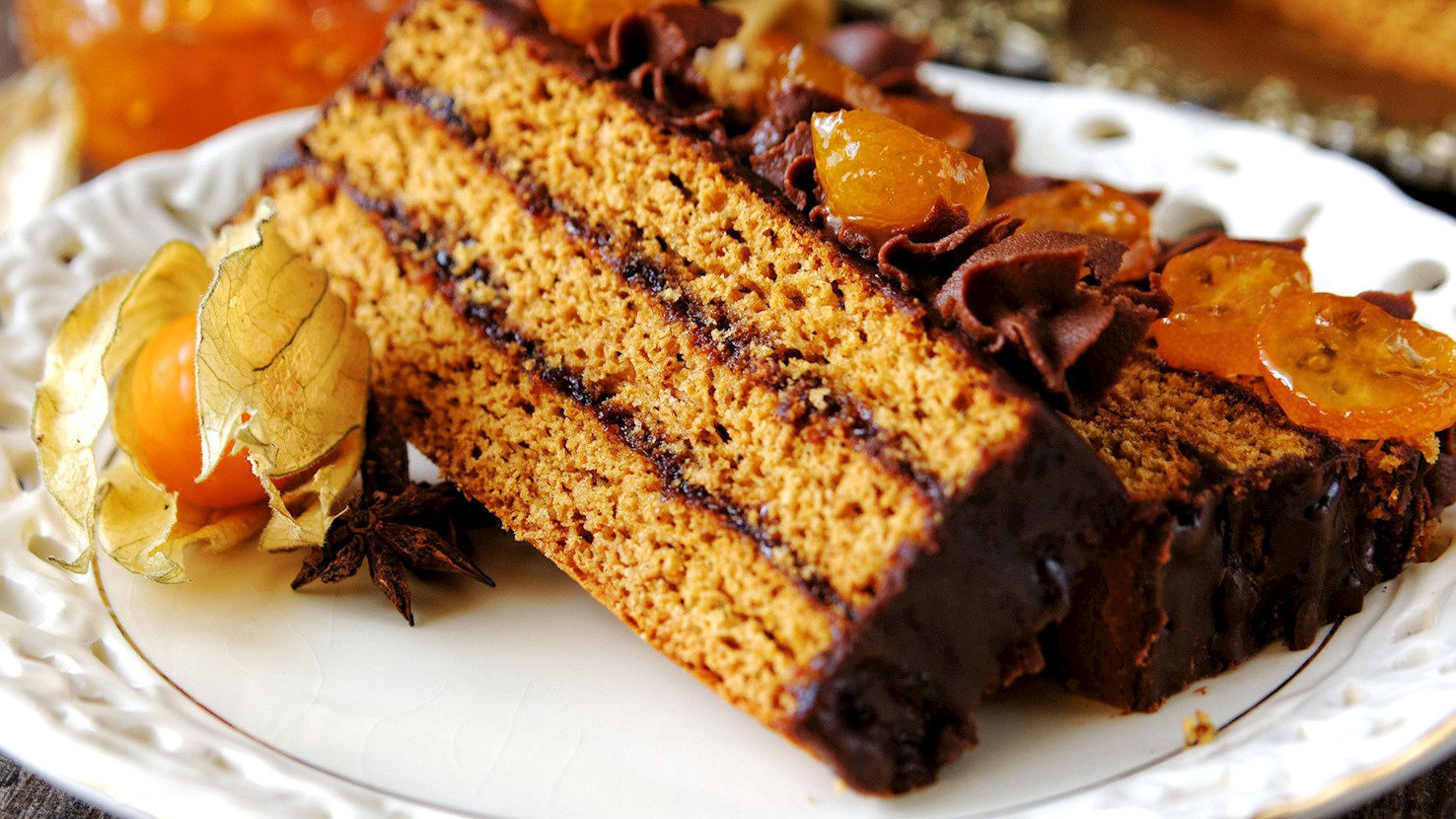
Piernik

4.0 ·

Although it is known as a gingerbread, piernik is better described as a traditional Polish honey-spice cake that is mainly enjoyed as a popular Christmas treat. It appears in numerous varieties, but it usually consists of wheat or rye flour, honey, and hefty amounts of spices, such as cinnamon, cloves, nutmeg, allspice, ginger, and pepper. Traditionally baked in loaf pans, it is occasionally enriched with dry fruits and nuts or served layered with thick plum jam. Piernik is always prepared well in advance, leaving the dough to mature, and the cake to release all the pleasant, pronounced flavors. It is usually associated with Toruń, a city with the centuries-long ginger-making tradition.

02
Cookie

Toruńskie pierniki

4.0 ·

Even though they are often referred as Toruń gingerbread cookies, pierniki derive their name from the Polish word pieprz, meaning pepper. The authentic recipe is still a closely guarded secret, but they are traditionally made with wheat or rye flour, honey, and a blend of spices, such as cinnamon, nutmeg, pepper, and cloves. In the past, pierniki were mostly shaped with the help of intricate wooden molds, but nowadays the dough is often cut into heart or club shapes. Modern day pierniki come in various versions that are often glazed with chocolate or sugar and filled with fruit jams, chocolate or marzipan. They are a traditional Christmas treat as well as a cherished Polish souvenir.

03
Dumplings

Pierogi z kapustą kiszoną i ziemniakami

n/a ·

Pierogi z kapustą kiszoną i ziemniakami are savory, meatless Polish dumplings consisting of an elastic wheat wrapper stuffed with a heavily seasoned blend of boiled potatoes and sauerkraut, deeply woven into the region's Christmas Eve (Wigilia) fasting traditions. While the ingredients might sound ubiquitous across Eastern Europe, this specific iteration comes from the village of Bytkowice, with a profound historical lineage tied directly to the massive post-World War II border shifts. Following the war, displaced Polish citizens from the Eastern Borderlands (Kresy) were resettled in central Poland, bringing with them culinary traditions heavily influenced by Ukrainian varenyky—specifically, the practice of cutting intensely sour cabbage with the starchy bulk of mashed potatoes to stretch limited winter pantry rations. The sauerkraut, the key ingredient, must be aggressively fermented and deeply sour before cooking. Because it is first stewed in a small amount of water to soften it—a process that naturally leaches away some of its tartness—starting with a mild sauerkraut would result in an unacceptably bland filling. Once the stewed sauerkraut is cooled and squeezed dry, it is finely chopped and vigorously folded into hot, freshly mashed potatoes along with deeply caramelized onions, salt, and black pepper. This dense, tangy starch mixture is then enveloped in a remarkably resilient dough made from wheat flour, whole eggs, hot water, and a splash of oil, rolled to a precise 3 millimeters thick (1/8-inch), and cut into 5-centimeter (2-inch) crescents. The dumplings are rapidly boiled in salted water until their creamy-yellow skins float to the surface, though locals frequently take them a step further by heavily pan-frying them in oil the following day until the delicate pastry develops a shattering, deep golden crust.

Read more
View all
View map
About this ranking

TasteAtlas food rankings are based on the ratings of the TasteAtlas audience, with a series of mechanisms that recognize real users and that ignore bot, nationalist or local patriotic ratings, and give additional value to the ratings of users that the system recognizes as knowledgeable. For the “Top 3 Kuyavian-Pomeranian Foods” list until June 24, 2026, 451 ratings were recorded, of which 352 were recognized by the system as legitimate. TasteAtlas Rankings should not be seen as the final global conclusion about food. Their purpose is to promote excellent local foods, instill pride in traditional dishes, and arouse curiosity about dishes you haven’t tried.

The initial list of top producers was compiled based on available reviews, awards, local recommendations, media and blog coverage, and consumer reviews. The list will be updated with ratings from TasteAtlas local ambassadors and TasteAtlas users.

Similar lists