shutterstock

Top 13 Traditional Foods
in Kyoto Prefecture

Last updated on June 10, 2026

Best Kyoto Prefecture food products

01
Spirit

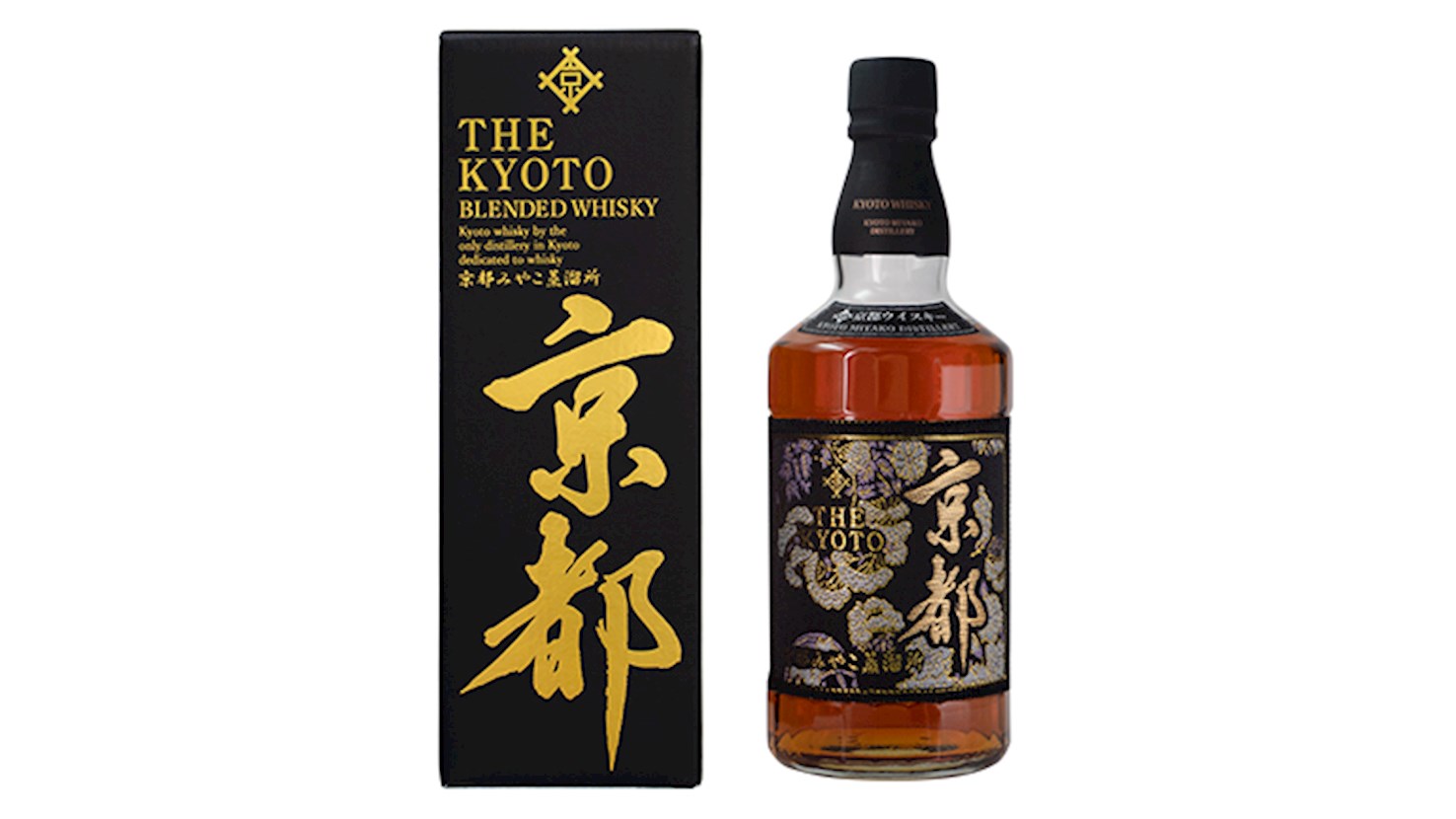
The Kyoto Distillery

5 ·
Awards
NYWSC - New York World Spirits Competition - Double Gold (2023)
SFWSC - San Francisco World Spirits Competition - Double Gold (2023)
02
Spirit

Takara Shuzo Co., Ltd

5 ·
Awards
ISC-International Spirits Challenge - Double Gold (2023)
IWSC- International wine & spirit competition - Spirit Gold (2024)
03
Tea / Infusion

Marukyu Koyamaen

5 ·
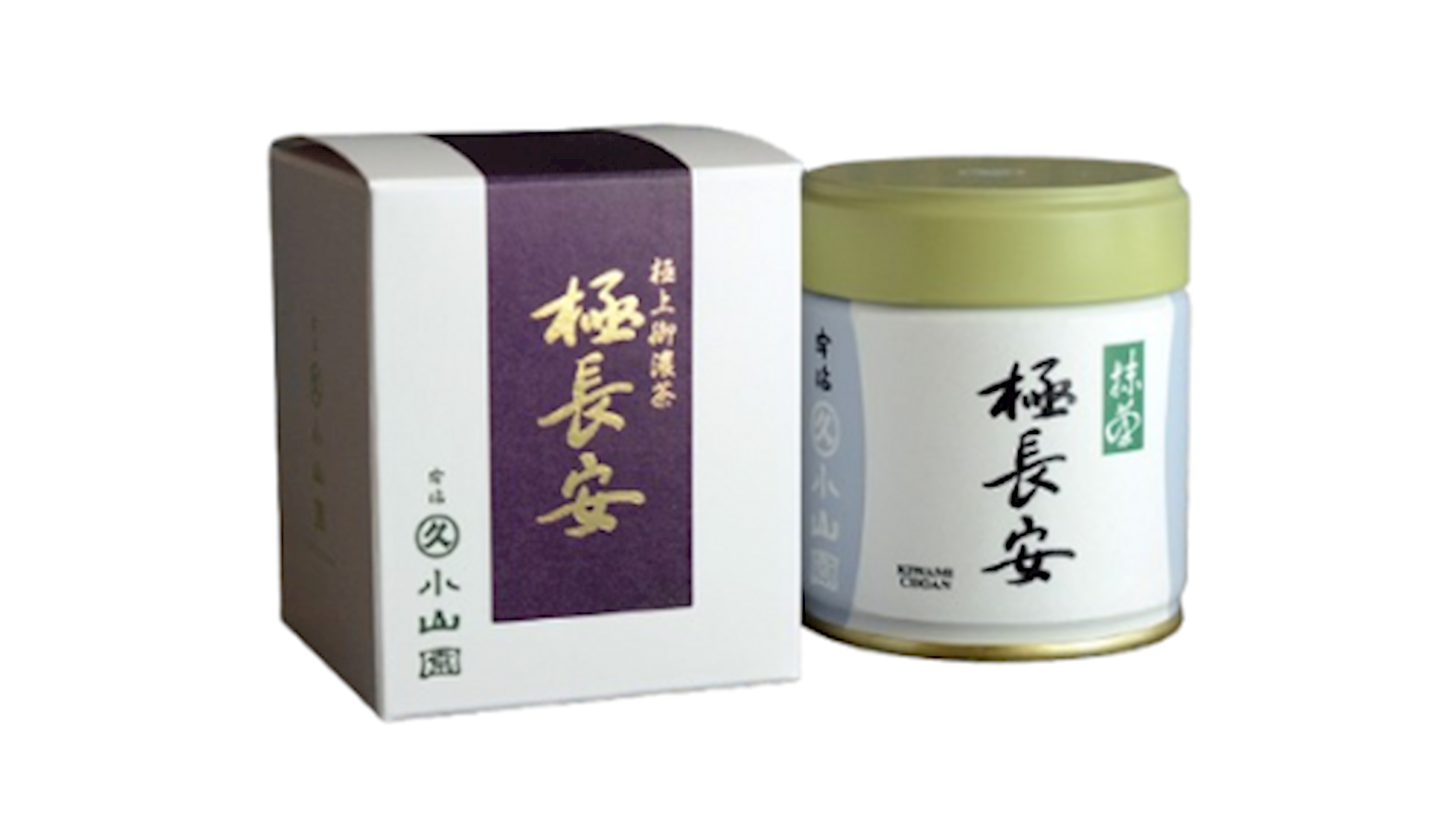
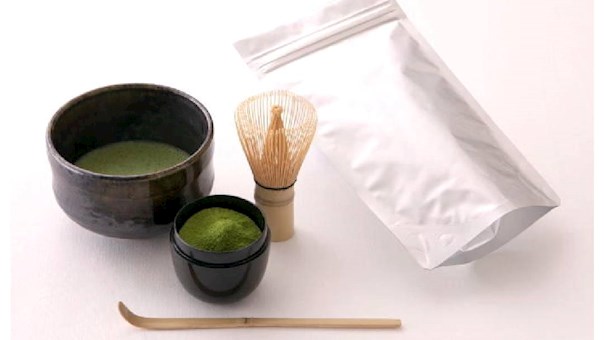
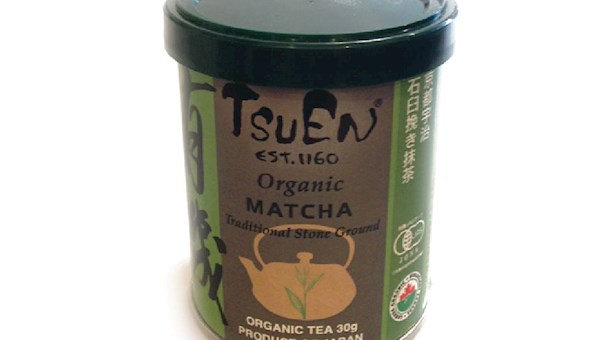
Marukyu Koyamaen is one of Japan’s most respected producers of green tea and matcha, headquartered in Uji, Kyoto Prefecture, a region internationally renowned for its premium tea heritage. The company’s origins trace back to around 1704, when Kyujiro Koyama began cultivating and processing tea in the Ogura area, laying the foundation for what would become a centuries-old tea-making tradition. Over more than 300 years, the Koyama family has refined its expertise in tea cultivation, leaf selection, and processing, establishing Marukyu Koyamaen as a benchmark name in high-quality Uji tea. The company is particularly celebrated for its matcha, produced from shade-grown tencha leaves that are carefully steamed, dried, and traditionally stone-milled into an exceptionally fine powder. Its portfolio includes ceremonial-grade matcha, everyday drinking matcha, and specialized varieties intended for culinary applications and confectionery use. Beyond matcha, Marukyu Koyamaen also produces other classic Japanese green teas, including gyokuro, sencha, hojicha, and genmaicha. The company combines deeply rooted traditional craftsmanship with modern quality control standards, maintaining consistency across its premium tea offerings. Thanks to its longstanding heritage and uncompromising focus on quality, Marukyu Koyamaen remains one of the most recognized and respected names in Japanese tea production.
Awards
The Leafies Awards - Gold (2022)
04
Tea / Infusion

Ippodo Tea

5 ·
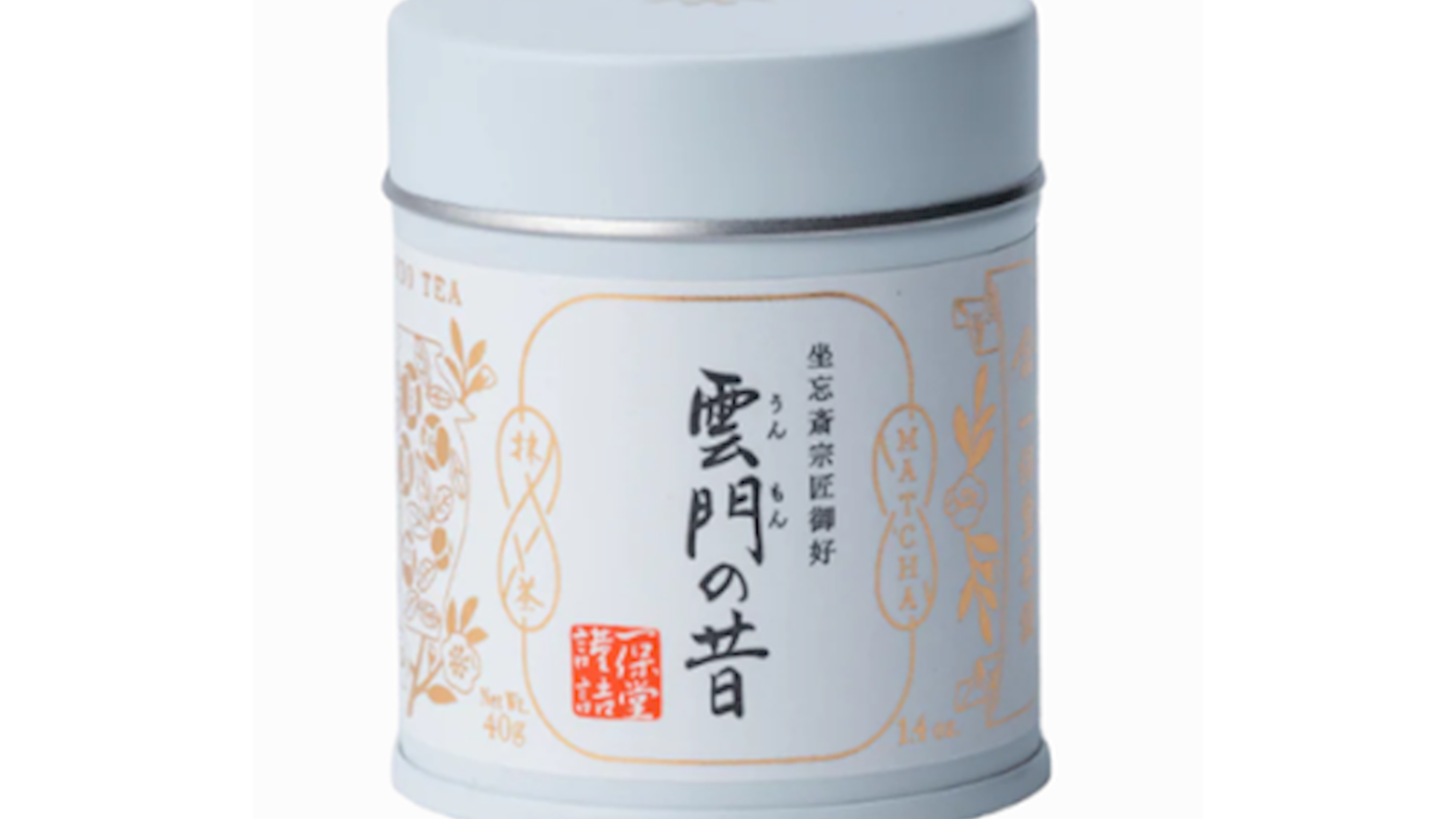
Ippodo Tea is a Japanese family-owned company founded in 1717 in the heart of Kyoto, which has been dedicated to providing the highest quality Japanese green tea for nearly three centuries. Their product range includes a wide variety of teas, such as matcha, gyokuro, sencha, bancha (including hojicha and genmaicha), and tea bags, allowing tea enthusiasts to enjoy premium flavors even when they have limited time. Located in Kyoto, an area known for producing the finest green tea in Japan, Ippodo Tea carefully selects, blends, and processes each of its 30+ varieties to deliver aromatic and well-balanced teas.
05
Chocolate

Coco Kyoto

4.7 ·
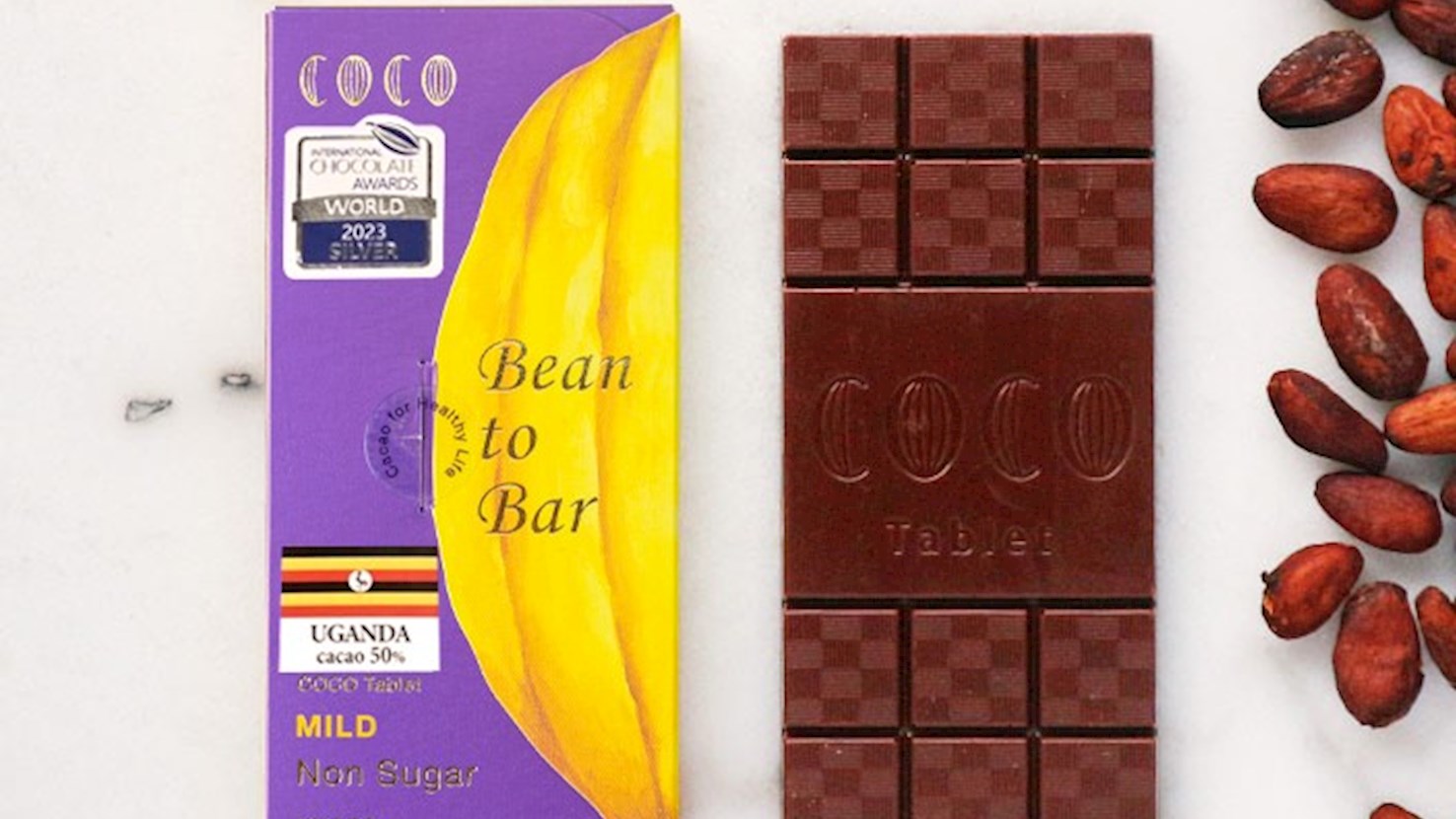
Coco Kyoto is a chocolate producer based in Kyoto, Japan. The company is known for using high-quality, sustainably sourced cacao beans in their products. They emphasize artisanal methods and incorporate local Japanese ingredients into some of their chocolates. Coco Kyoto also offers a variety of vegan and gluten-free options. Their products are available both locally and through online international shipping.
Awards
International Chocolate Awards - Silver (2023, 2022, 2020)
International Chocolate Awards - Bronze (2023, 2020)
06
Chocolate

Yosano Roaster Chocolate

4.7 ·
Yosano Roaster Chocolate is a chocolate producer based in Kyoto, Japan. They specialize in crafting high-quality bean-to-bar chocolate. The company sources cacao beans directly from farmers to ensure premium quality and sustainability. Yosano Roaster Chocolate emphasizes traditional roasting techniques and meticulous attention to detail in their production process.
Awards
International Chocolate Awards - Silver (2022)
07
Beer

Bighand Bros. Beer

4.6 ·
Awards
World Beer Cup - Gold (2024)
08
Olive Oil

武田オリーブ園

4.4 ·
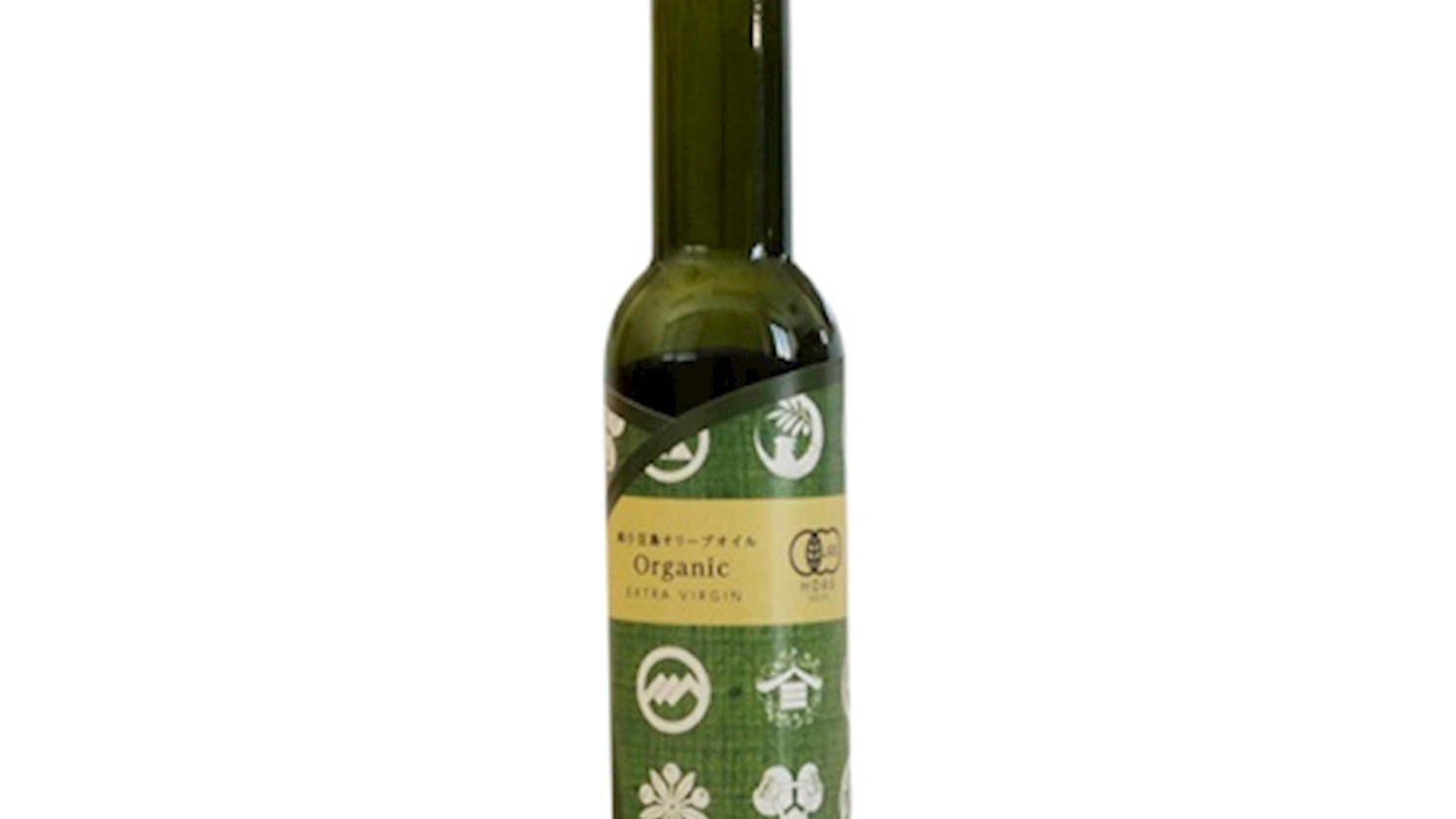
武田オリーブ園 (Takeda Olive Garden) is an olive oil producer based in Kyoto, Japan. They are known for growing their own olives and producing extra virgin olive oil. The company emphasizes sustainable agricultural practices.
Awards
Olive Japan - Gold (2023)
09
Olive Oil

Yamasan Soy Sauce

4.4 ·
Awards
Olive Japan - Gold (2016)
10
Chocolate

Premarche Cacaolate Lab

4.3 ·
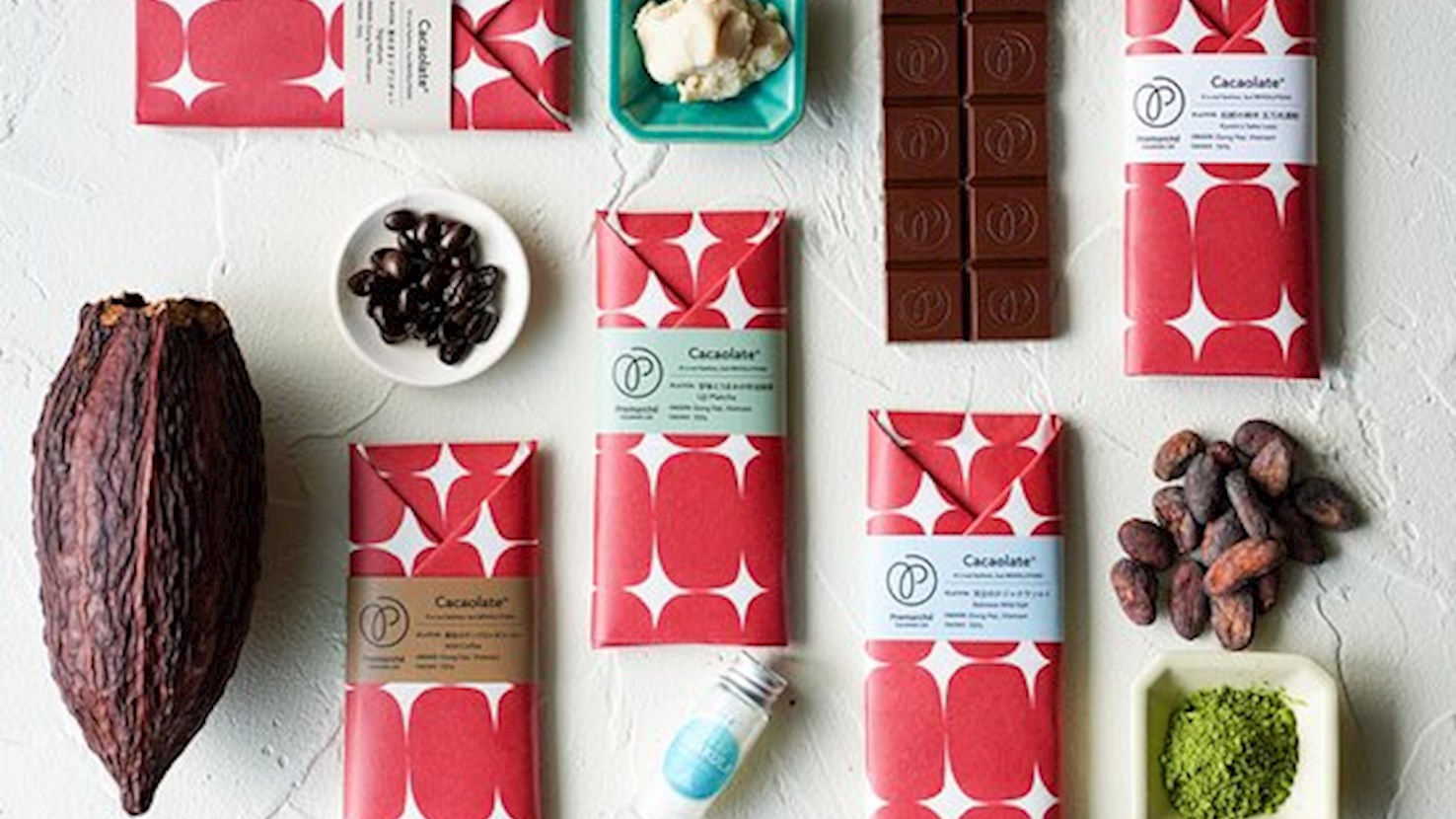
Premarche Gelateria, situated in Kyoto, Japan, expanded to include the Premarche Cacaolate Lab, which specializes in crafting unique chocolate flavors. This chocolate lab not only produces chocolates but actively integrates eco-friendly practices by sourcing organically and employing ethical standards in procurement. Additionally, they focus on minimizing food allergies by avoiding the use of common allergens in their chocolate production.
Awards
Academy of Chocolate - Bronze (2023)

Best Kyoto Prefecture foods

01
Rice Dish

Saba zushi

4 ·

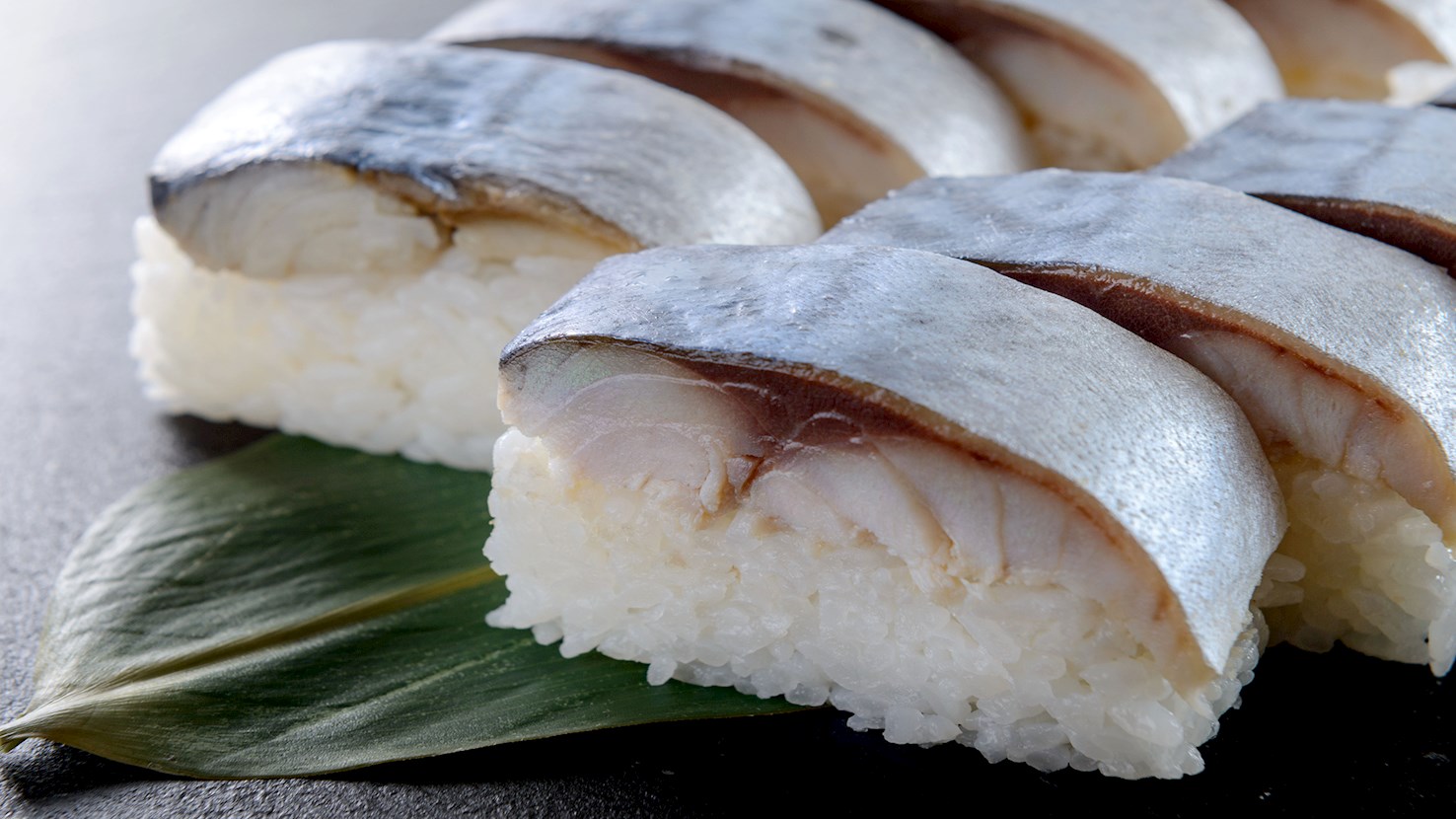
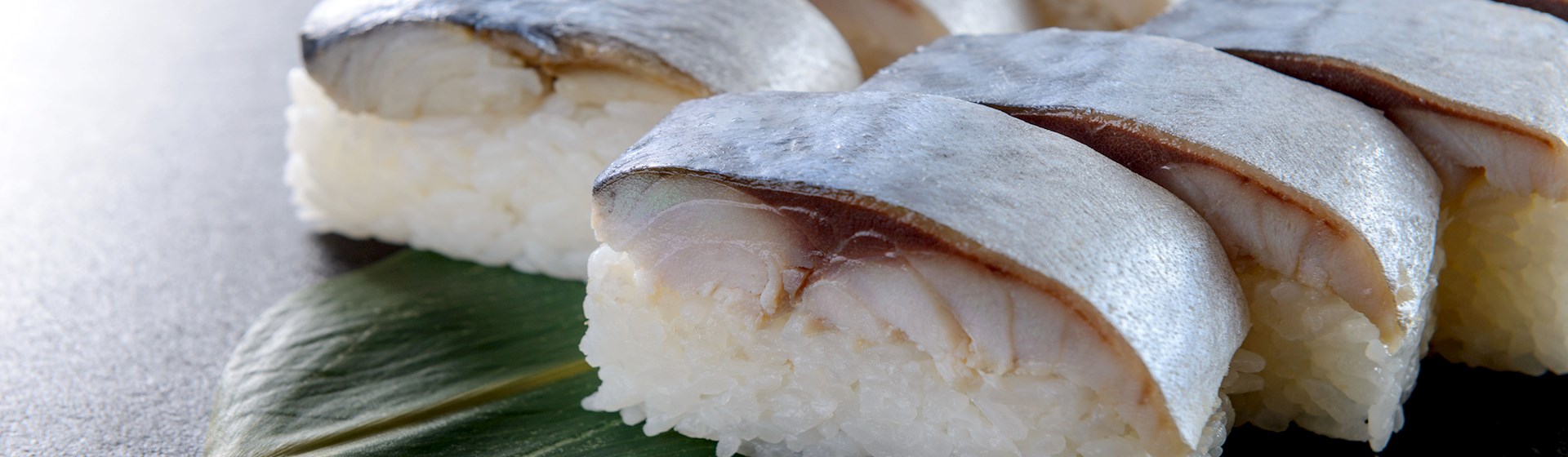
This pressed sushi variety consist of a sushi rice base that is topped with marinated mackerel fillet, which is typically covered with a thin, delicate layer of kelp. Unlike other pressed sushi varieties, saba zushi is not made in traditional wooden appliances, but the whole creation is usually wrapped in bamboo leaves to achieve its distinctive form. Saba zushi is often referred to as Kyoto-style pressed sushi, and is considered to be the city’s signature dish.

02
Dessert

Mitarashi dango

4 ·

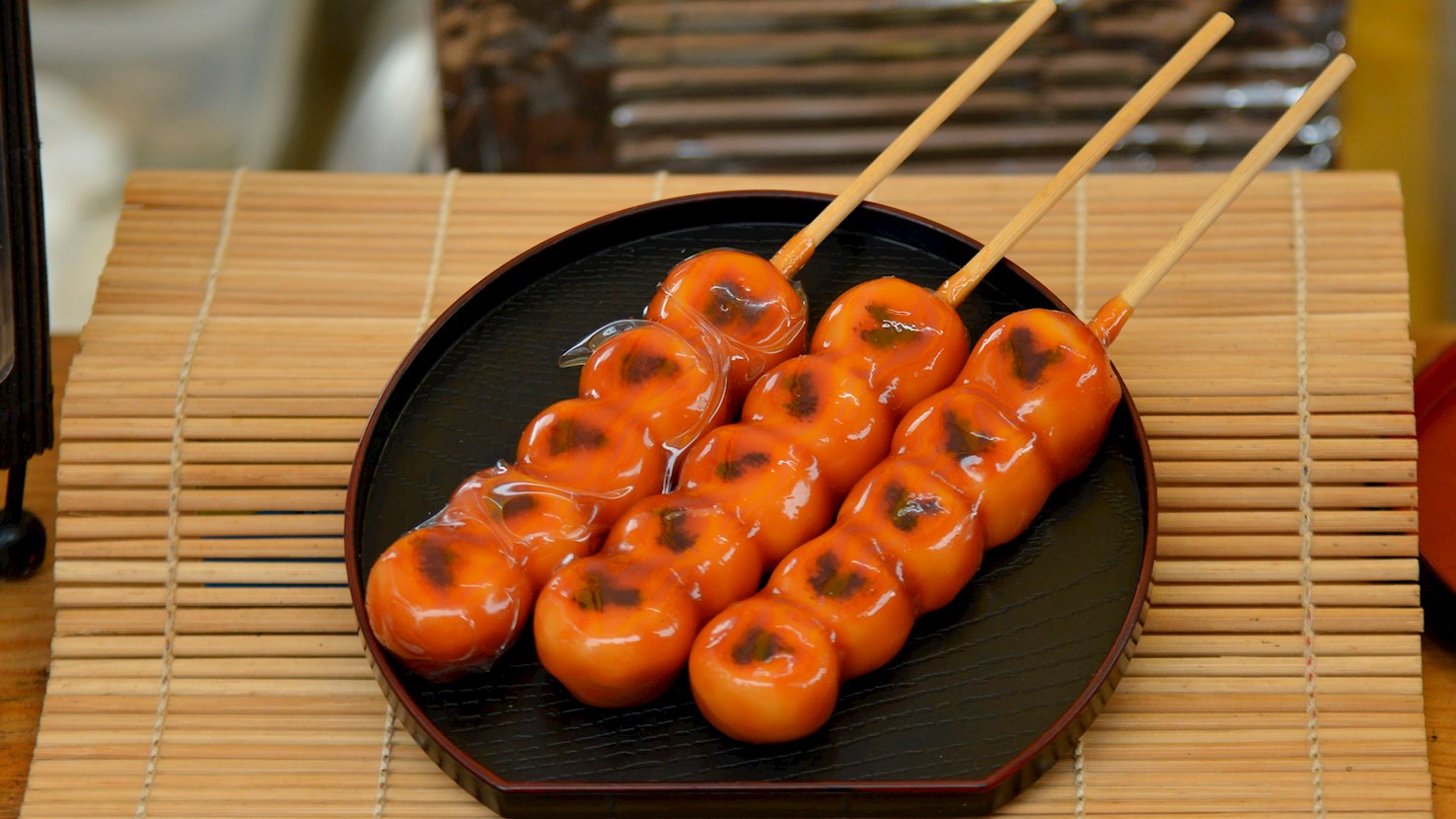
Mitarashi dango is a popular Japanese treat which consists of skewered rice cakes covered in a sweet, sticky soy sauce glaze. They are traditionally made with five round cakes, just like they were initially prepared at the Kamo Mitarashi Tea House in Kyoto. It is believed the name mitarashi stems from their similarity to water bubbles found in the water basins at the entrances of Shinto shrines. Today they are popular throughout the country, readily available at convenience stores and specialized dango shops.

03
Appetizer

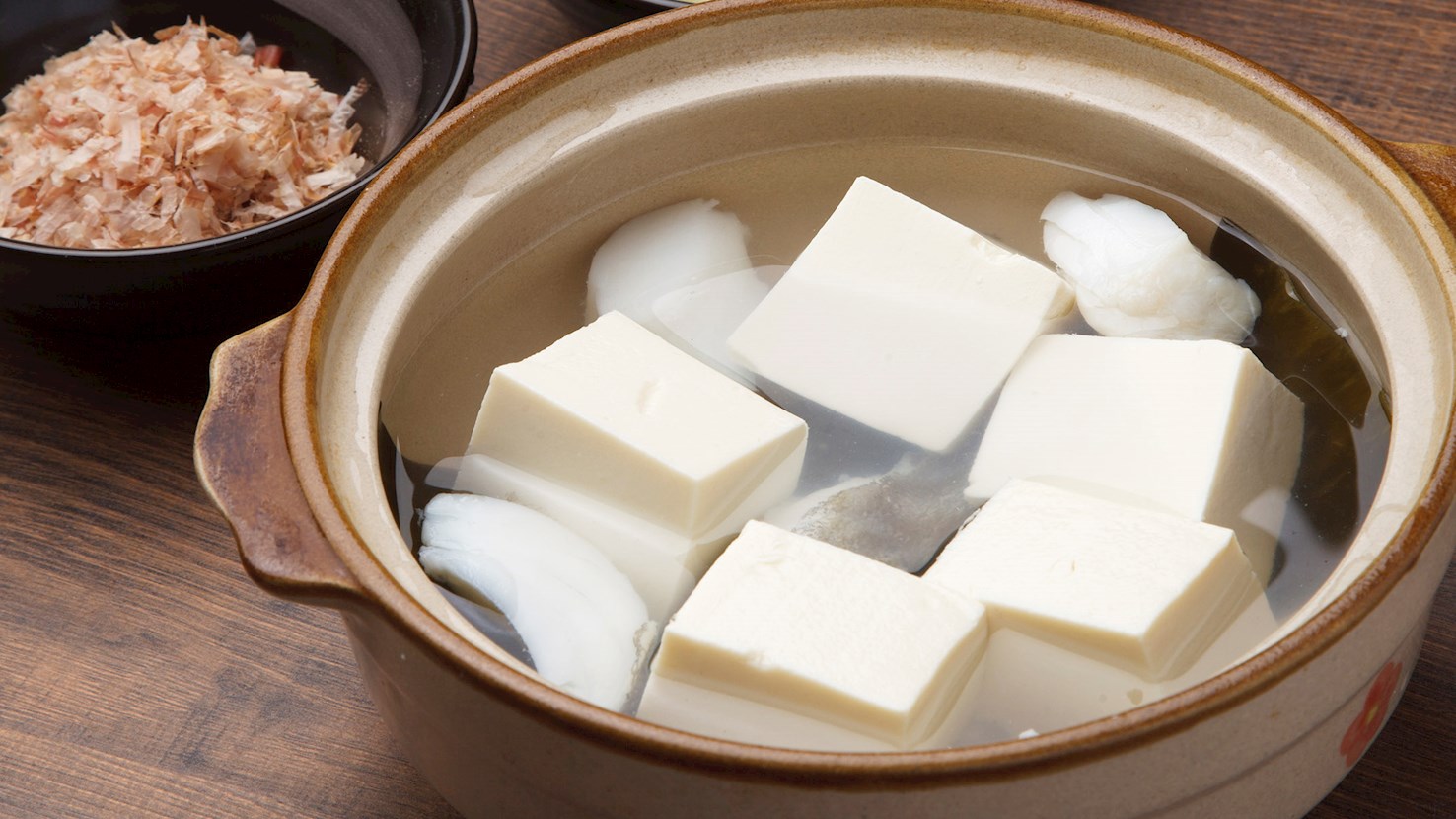
Yudofu

3.9 ·

Yudofu, which translates to hot water tofu, is one the simplest Japanese dishes. As the name suggests, the tofu is merely heated in warm water, which is usually only spiced with dried kelp, a variety of dried seaweed. Yudofu was created by Buddhist monks who live in the Kyoto area and follow a strict diet which does not include any animal produce. The tofu used in yudofu has to be fresh, and restaurants serving the dish usually prepare fresh tofu on a daily basis. Most commonly, the kinugoshi tofu variety is employed in the dish, due to its silky and almost custard-like consistency. Traditionally, the dish is served in a traditional Japanese nabe pot, and the guests usually help themselves by taking a piece of tofu and placing it in their individual bowls. Occasionally, yudofu can be served already portioned, when it is commonly decorated with chopped scallions. This comforting traditional Japanese dish is regarded as a winter meal, and can be found in numerous Japanese restaurants, especially in the Kyoto area. Soy, ponzu, or mentsuyu sauce is typically served alongside the creamy hot water tofu.

04
Noodle Dish

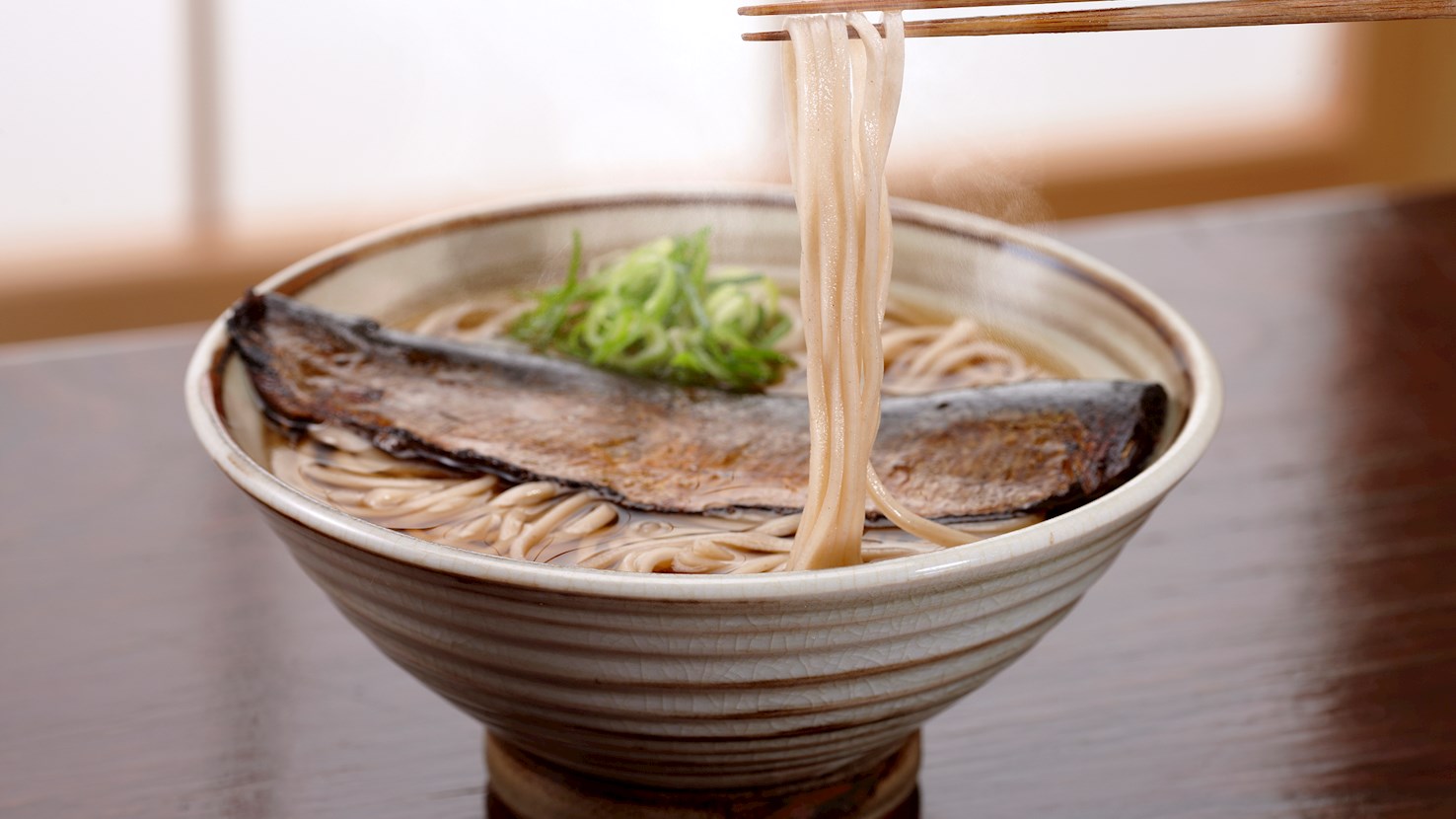
Nishin soba

n/a ·

Nishin soba is a traditional dish made with soba noodles. In order to prepare it, herring is served over buckwheat soba noodles in a hot tsuyu broth. The ingredients include soba noodles, herring filets, shiitake mushrooms, sake, sugar, mirin, soy sauce, and dashi. The noodles are placed into bowls, followed by the tsuyu broth, and the dish is then topped with the fish and shiitake mushrooms. Depending on the weather or season, people eat their local specialty noodles hot (when it’s cold outside) or cold (when it’s hot outside). Nishin soba is usually served hot.

05
Egg Dish

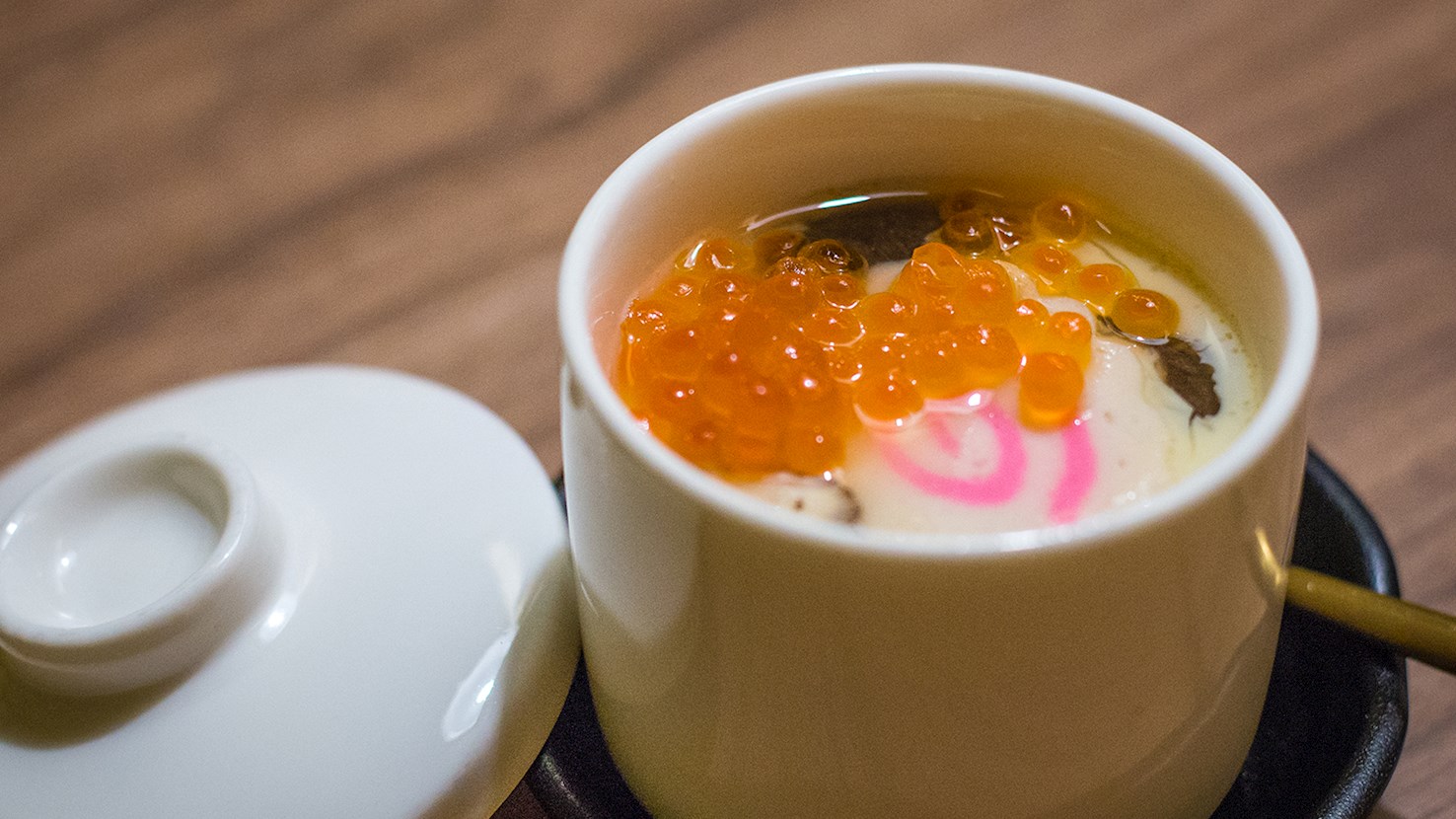
Ikura chawanmushi

3.2 ·

Ikura chawanmushi is a traditional egg-based dish. Chawanmushi is a soft egg custard that's steamed until the texture becomes silky smooth. The eggs are often flavored with dashi, soy sauce, or seafood stock. In this version, chawanmushi is topped with ikura (salmon roe) before serving, providing a salty pop and a nice textural contrast. This delicate dish can be served hot, warm, or cold in a small lidded cup, and since it can't be eaten with chopsticks, it's one of few Japanese dishes that are traditionally consumed with a spoon. Ikura chawanmushi is traditionally served as an appetizer.

06
Noodle Dish

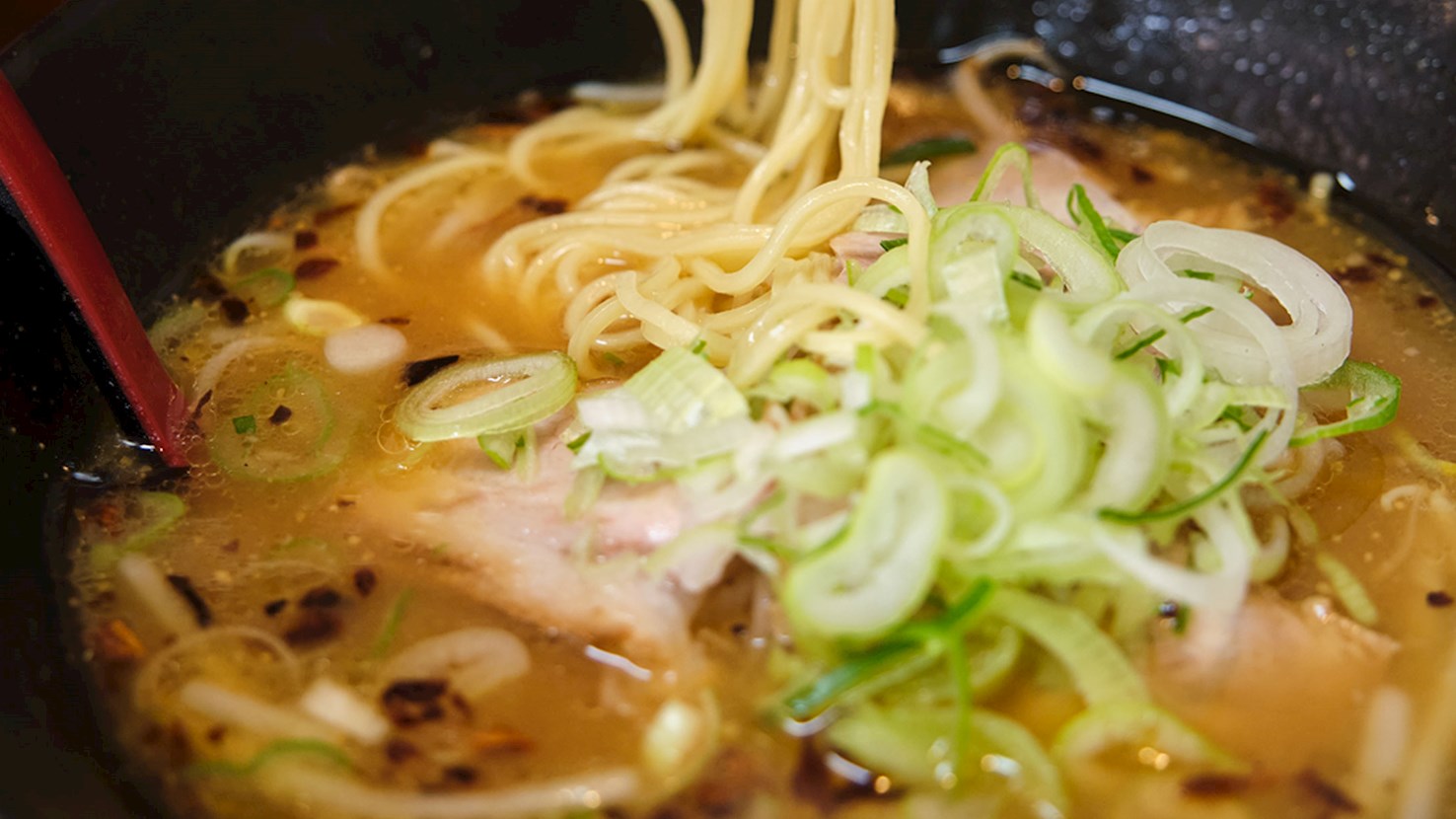
Kyoto ramen

n/a ·

Kyoto ramen is a noodle soup from Kyoto City that comes in three distinct technical styles: a dark soy sauce-based broth (shoyu), a thick chicken-based soup (kotteri), and a soy sauce broth topped with emulsified pork back-fat (seabura). This ramen variety appeared in 1938 when a Chinese immigrant named Xu Yongbang started a mobile food stall near Kyoto Station, which eventually became the permanent shop Shinpuku Saikan. This establishment introduced a characteristic dark-colored broth achieved through a high concentration of locally produced soy sauce, setting a standard that differed from the lighter flavors usually associated with Kyoto’s regional vegetable-based cuisine. In the post-war era, specifically during the late 1940s and 1970s, other varieties emerged, such as the pork fat-laden style from Masutani and the viscous, chicken-bone-reduction soup developed by Tenkaippin in the Kita Shirakawa district. The making of the most common Kyoto-style, seabura-shoyu, involves simmering chicken carcasses and pork bones to create a clear base, which is then combined with a dark soy sauce tare. A unique technical step involves rubbing boiled pork back-fat through a mesh strainer directly over the bowl, creating small, white globules of fat that float on the surface, providing richness without making the underlying soup cloudy. The noodles are typically straight, medium-thin, and made with a lower moisture content to better absorb the dark pigments and salt of the broth. Serving includes specific toppings such as thin slices of braised pork (chashu) that are often saltier than versions found in other cities, fermented bamboo shoots (menma), and a high volume of Kujo negi, a specific variety of Japanese green onion native to Kyoto known for its long, slender green stalks and sweetness. Some shops use a soup base so thick with dissolved collagen from chicken bones that a spoon can nearly stand upright in the liquid, a texture achieved by boiling the ingredients for over ten hours until the proteins are fully broken down. Kyoto ramen is eaten in high-density urban areas, often in shops near Kyoto Station or along "Ramen Street" in the Ichijoji neighborhood. It is standard for diners to eat quickly, using chopsticks to pull the noodles through the layer of fat and drinking the broth directly from the bowl. A common practice in Kyoto is to order "yakimeshi," a fried rice colored dark brown with the same soy sauce used in the ramen broth, as a side dish. Other frequent pairings include gyoza and "karaage" (fried chicken). Because the salt and fat levels are high, it is typically paired with chilled water or hot oolong tea, which contains polyphenols that help cut the heavy mouthfeel of pork fat or concentrated chicken collagen.

About this ranking

TasteAtlas food rankings are based on the ratings of the TasteAtlas audience, with a series of mechanisms that recognize real users and that ignore bot, nationalist or local patriotic ratings, and give additional value to the ratings of users that the system recognizes as knowledgeable. For the “Top 13 Traditional Foods in Kyoto Prefecture” list until June 10, 2026, 325 ratings were recorded, of which 282 were recognized by the system as legitimate. TasteAtlas Rankings should not be seen as the final global conclusion about food. Their purpose is to promote excellent local foods, instill pride in traditional dishes, and arouse curiosity about dishes you haven’t tried.

The initial list of top producers was compiled based on available reviews, awards, local recommendations, media and blog coverage, and consumer reviews. The list will be updated with ratings from TasteAtlas local ambassadors and TasteAtlas users.

Similar lists