shutterstock

Top 10 Lower Saxon Foods

Last updated on June 06, 2026

Best Lower Saxon food products
01
Liqueur

Der Lachs

4.7 ·
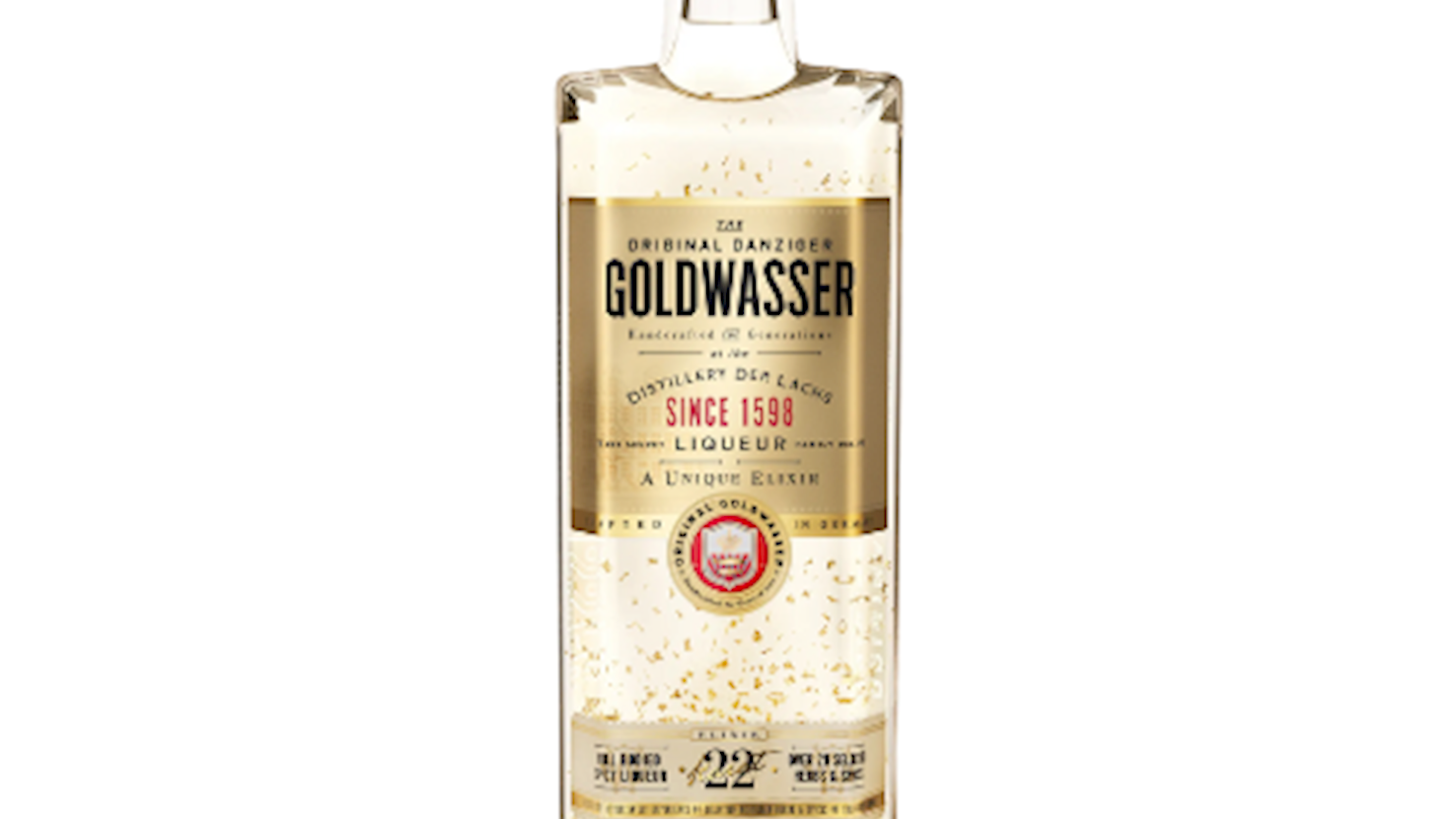
Der Lachs is a historic liqueur producer whose origins date back to the 16th century and is now part of the German distilling group Hardenberg-Wilthen, one of the oldest and most prestigious companies in Germany’s alcoholic beverage industry. The brand is best known for its Original Danziger Goldwasser liqueur, distinguished by 22-carat gold flakes and a unique blend of selected herbs and spices, with an original recipe dating back to 1606. The name “Der Lachs” (the salmon) comes from a house sign in the shape of a salmon that adorned the building of the original workshop of the Vermöllen family, the brand’s founders, and became the emblem of their production. Over the centuries, Der Lachs earned a reputation as a luxurious and symbolic drink, enjoyed at European courts and among high society. Today, as part of the Hardenberg-Wilthen portfolio, the brand preserves its authentic identity, maintaining hand-selected ingredients, traditional production methods, and a distinctive visual style. In addition to Goldwasser, Der Lachs offers other specialty liqueurs that reflect its historical heritage and mastery of distillation, combining centuries-old tradition with modern quality standards.
02
Chocolate

Trüffel Güse

4.7 ·
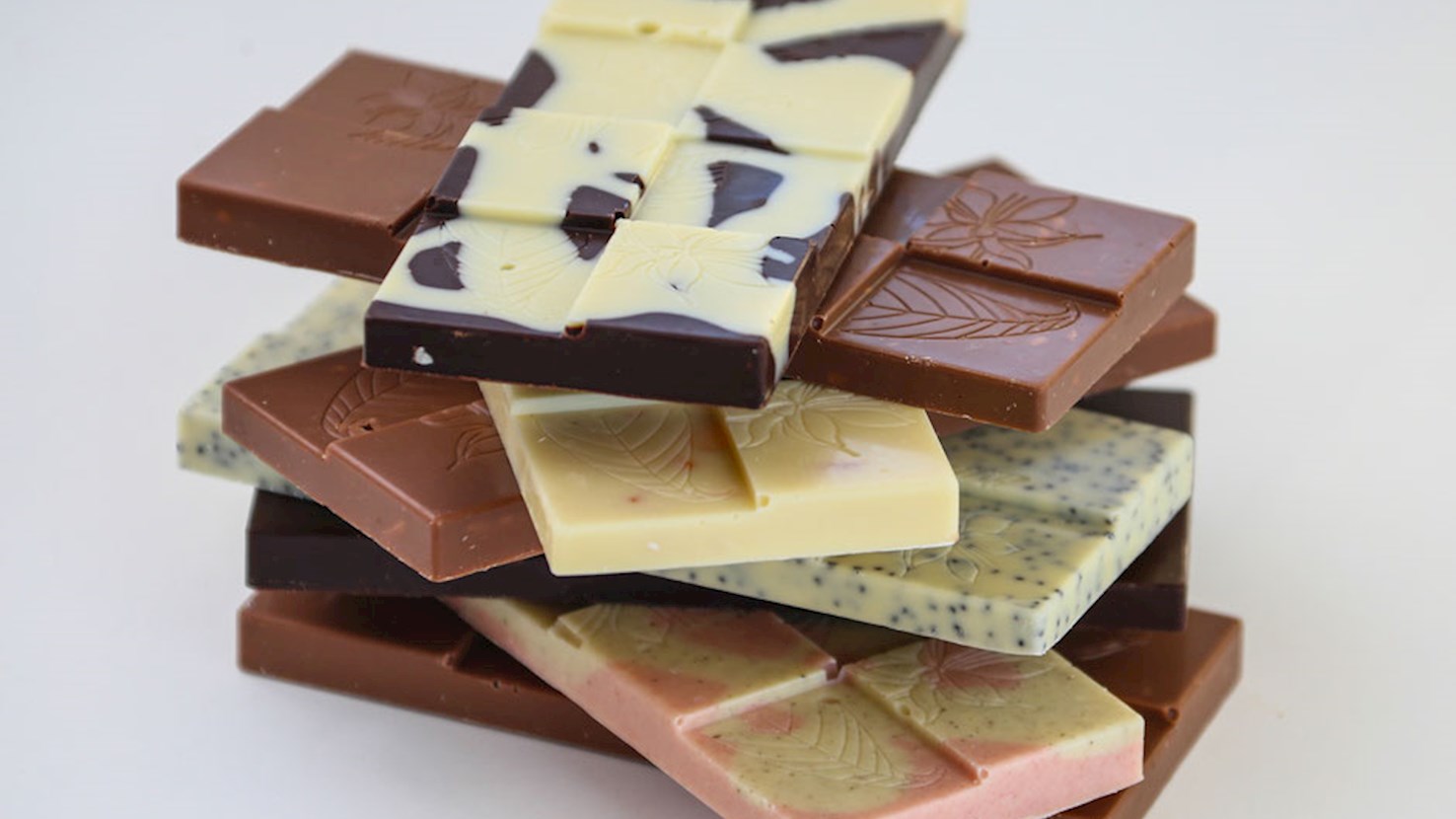
Trüffel Güse is a German chocolate producer specializing in handcrafted truffles and chocolates. Located in Germany, the company focuses on using high-quality, often locally sourced ingredients. Trüffel Güse offers a variety of unique flavors and often incorporates seasonal ingredients into its products.
Awards
International Chocolate Awards - Silver (2016)
03
Condiment

Zeisner Feinkost

4.6 ·
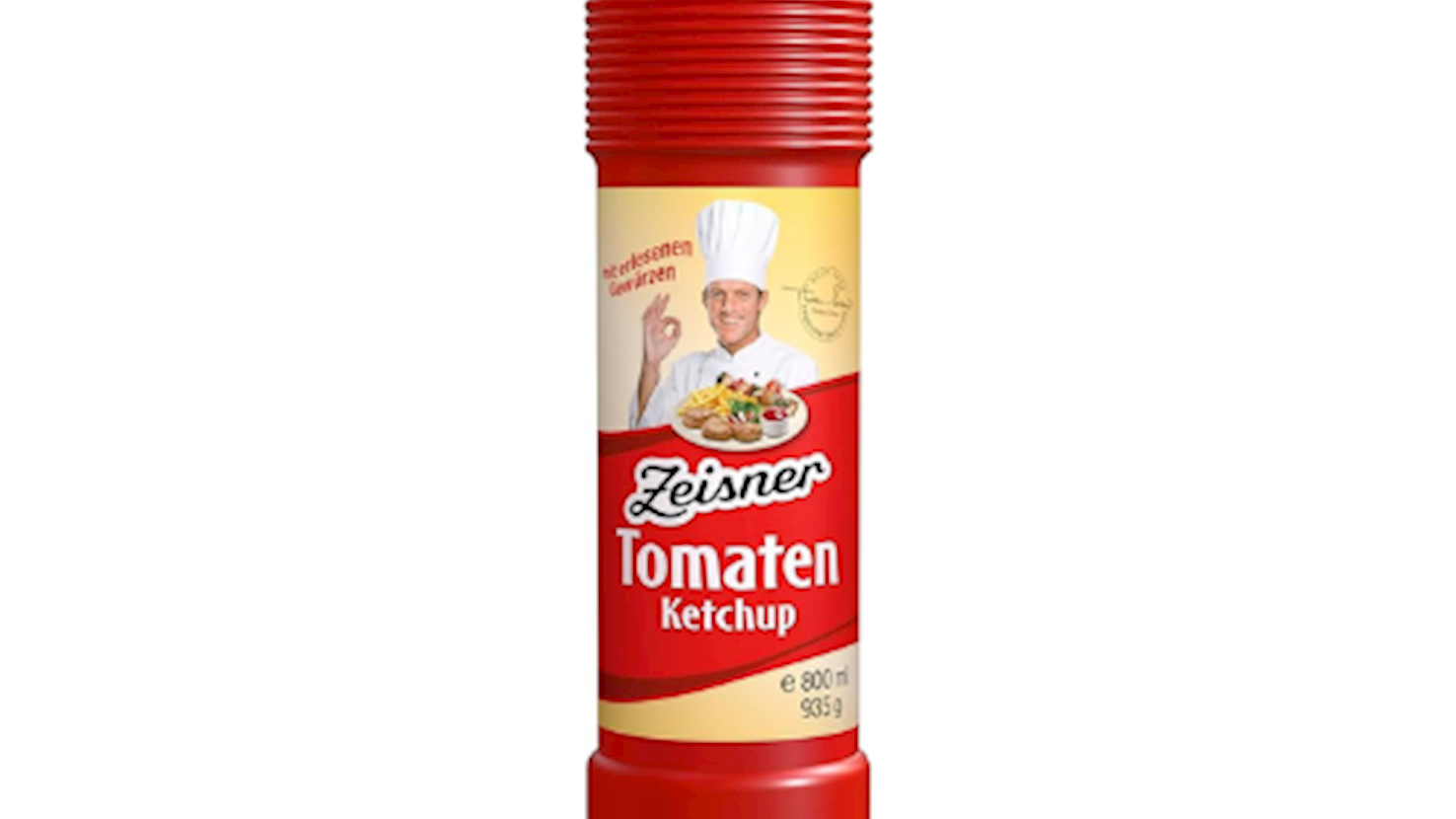
Zeisner Feinkost is a family-owned producer of condiments with a tradition spanning over 120 years, based in Grasberg, Germany. It was founded in 1902 by Waldemar and Juliane Zeisner in Bremen, and in 1967, production was moved to a former farmhouse in Grasberg, where the company is still located today. Their main focus is the production of high-quality ketchups and a variety of savory sauces. They use unique spice blends in their dedicated "gewürzraum" (spice room), recipes that have remained nearly unchanged for generations. Their Tomaten Ketchup, based on a 1937 recipe, is considered the first German ketchup, and the company is one of the pioneers in this product category on the German market. In short, Zeisner Feinkost is a striking example of tradition and family heritage in the German food industry - authentic, quality-driven, and with a stable presence in international markets.
04
Spirit

Strandwetter Destillerie

4.5 ·
Awards
IWSC- International wine & spirit competition - Spirit Gold (2024)
05
Liqueur

Mast-Jaegermeister SE

4.5 ·
Awards
World Liqueur Awards - Country Winner (2024)
06
Wine

Rindchen´s Weinkontor

4.4 ·
Awards
Berlin Wine Trophy - Grand Gold (2022, 2019)
07
Meat Product

Fleischerei Hollmann

4.2 ·
Fleischerei Hollmann is a traditional German butcher shop that specializes in high-quality meats and meat products. With a strong focus on local sourcing, Fleischerei Hollmann is known for offering fresh, hand-crafted sausages, fresh cuts of meat, and other specialties. The butcher shop offers a wide range of products, including traditional German sausages, like bratwurst and other regional favorites, along with fresh beef, pork, and poultry. Fleischerei Hollmann places a strong emphasis on craftsmanship, following long-standing recipes and methods to create their signature products. In addition to fresh meats and sausages, Fleischerei Hollmann often incorporates sustainable and ethical practices in its operations, supporting local farmers and producers. Their personalized approach to customer service, with advice on cooking and meat selection, ensures a positive shopping experience.

Best Lower Saxon foods

01
Cooked Sausage

Braunschweiger

3.8 ·

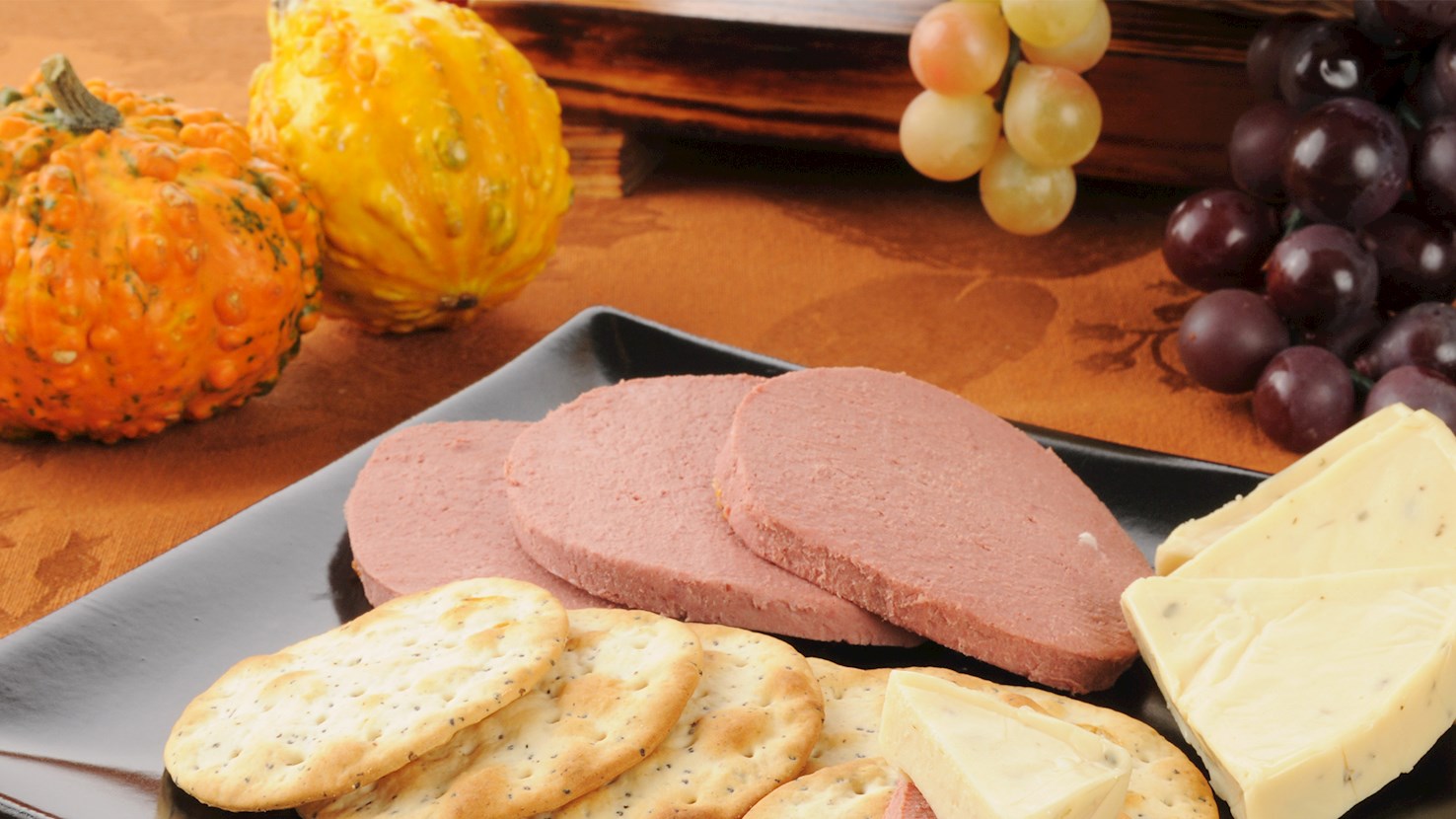
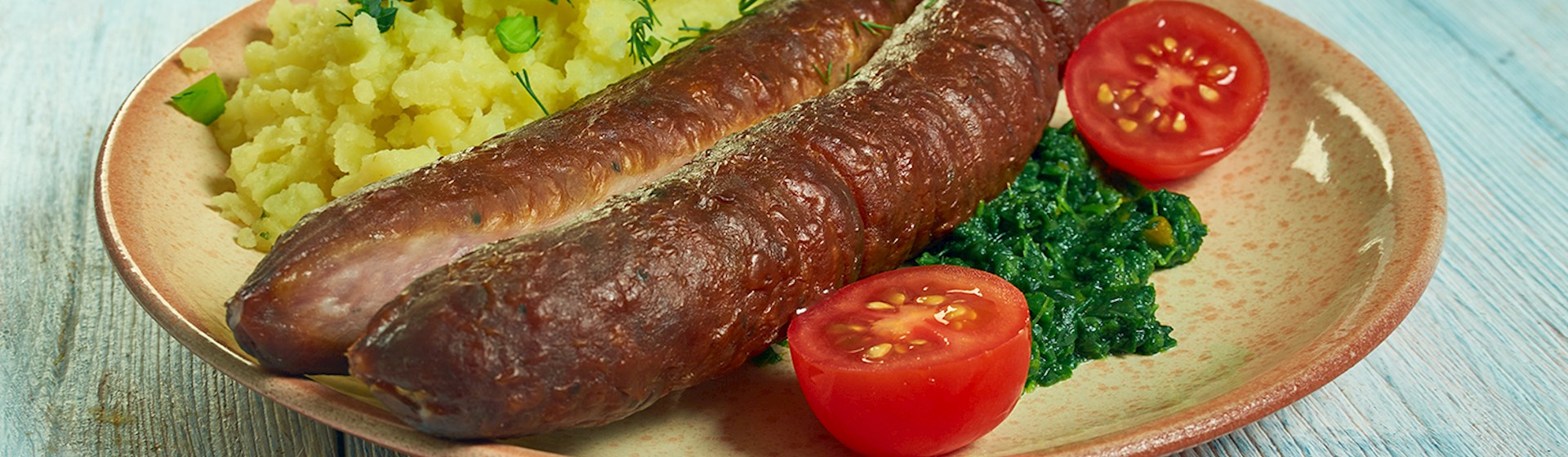
Braunschweiger is a German dish using liverwurst sausage as the main ingredient. The sausage is first sliced into smaller pieces, then combined with smoked meat (such as bacon) in a pan. The two are fried together until they develop a nice, browned color. Braunschweiger is typically served as a main meal, and it is often accompanied by mashed potatoes, vegetables, or pasta.

02
Cheese

Harzer

2.6 ·

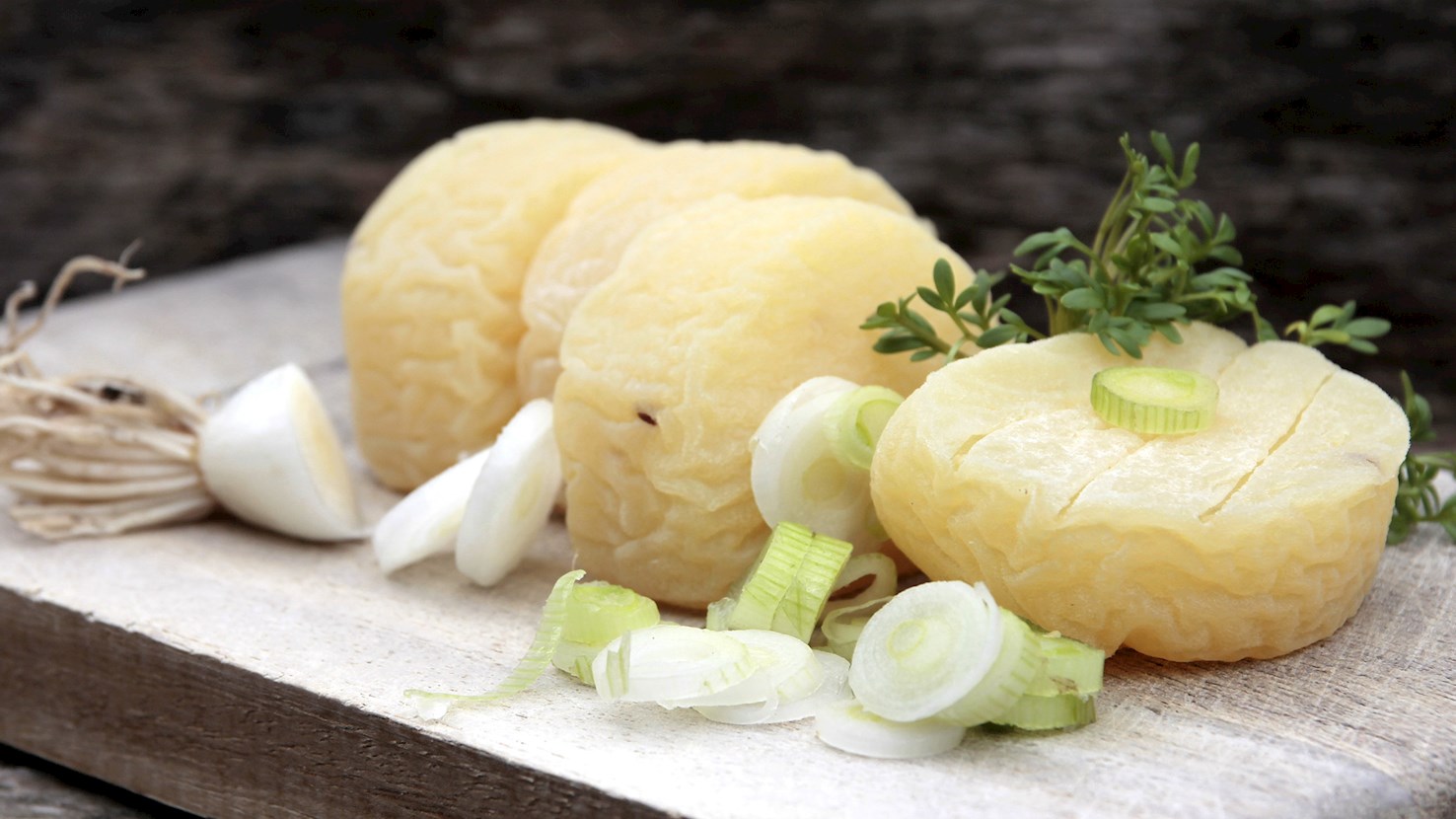
Harzer is a German cheese made from cow's milk. It hails from the Harz mountain region, hence the name. The cheese ripens for a few days up to a week before it's ready for consumption. It contains only 1% fat, which is why it's often used in the world of sport and fitness. Harzer has a strong and pungent aroma, it is often flavored with caraway, and it is usually shaped into small or long logs which are typically wrapped in cellophane before being sold. There are two types of Harzer – one is smeared with yellow bacteria, and the other one with red bacteria, in a version that is spicier than the yellow variety.

03
Sausage

Göttinger Feldkieker

n/a ·

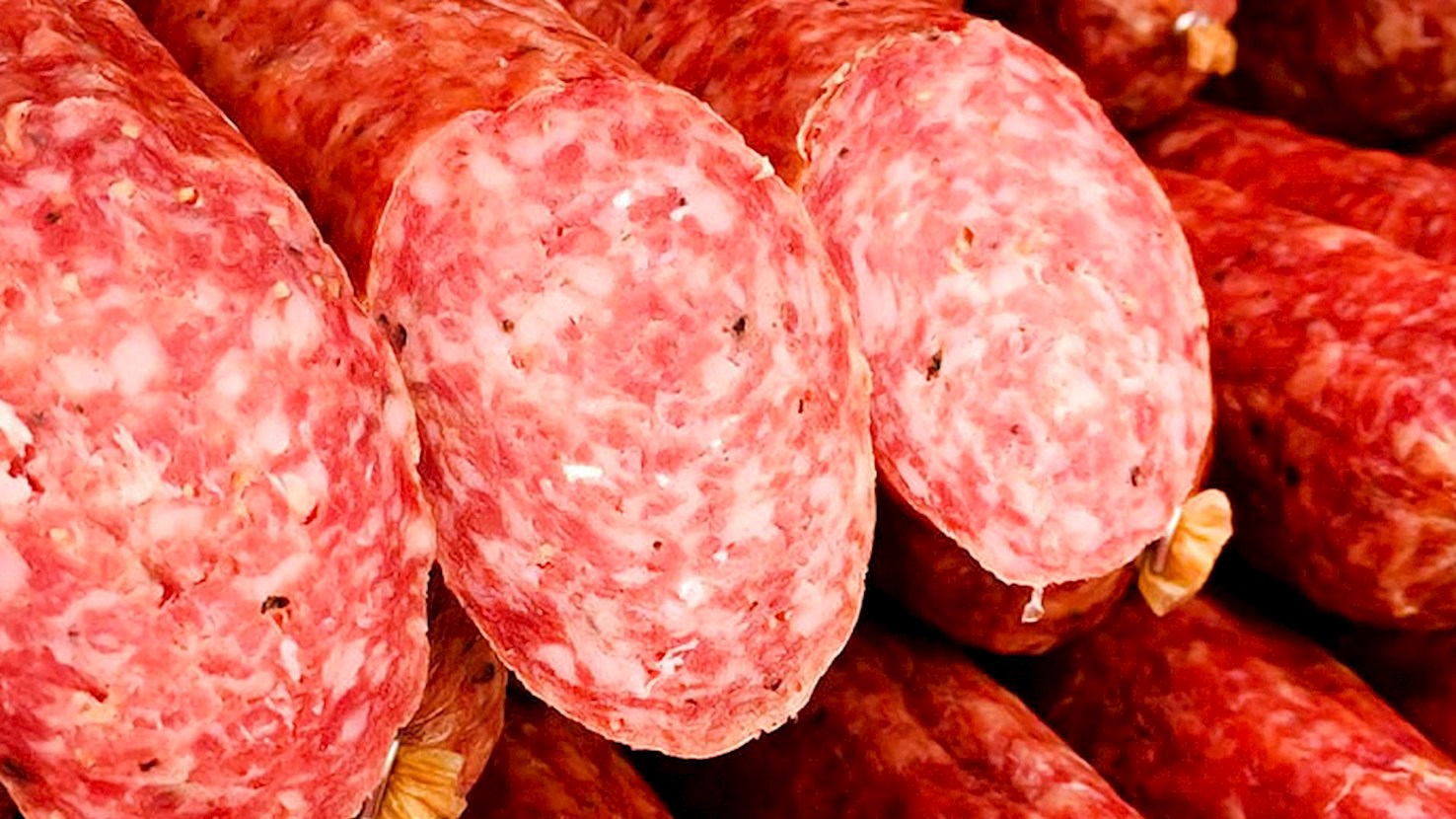
This firm, air-dried raw sausage made from pork hails from the Lower Saxonian city of Göttingen, where it has been produced since the 18th century. Göttinger feldkieker is stuffed into a pig's bladder, and differs from Göttinger Stracke sausage in shape, diameter, and weight, which is a result of a different ripening process and flavor development. Depending on the ingredients used in its production, this aromatic sausage may have hints of rum, pepper, nutmeg, garlic, and coriander.

04
Sausage

Göttinger Stracke

4 ·

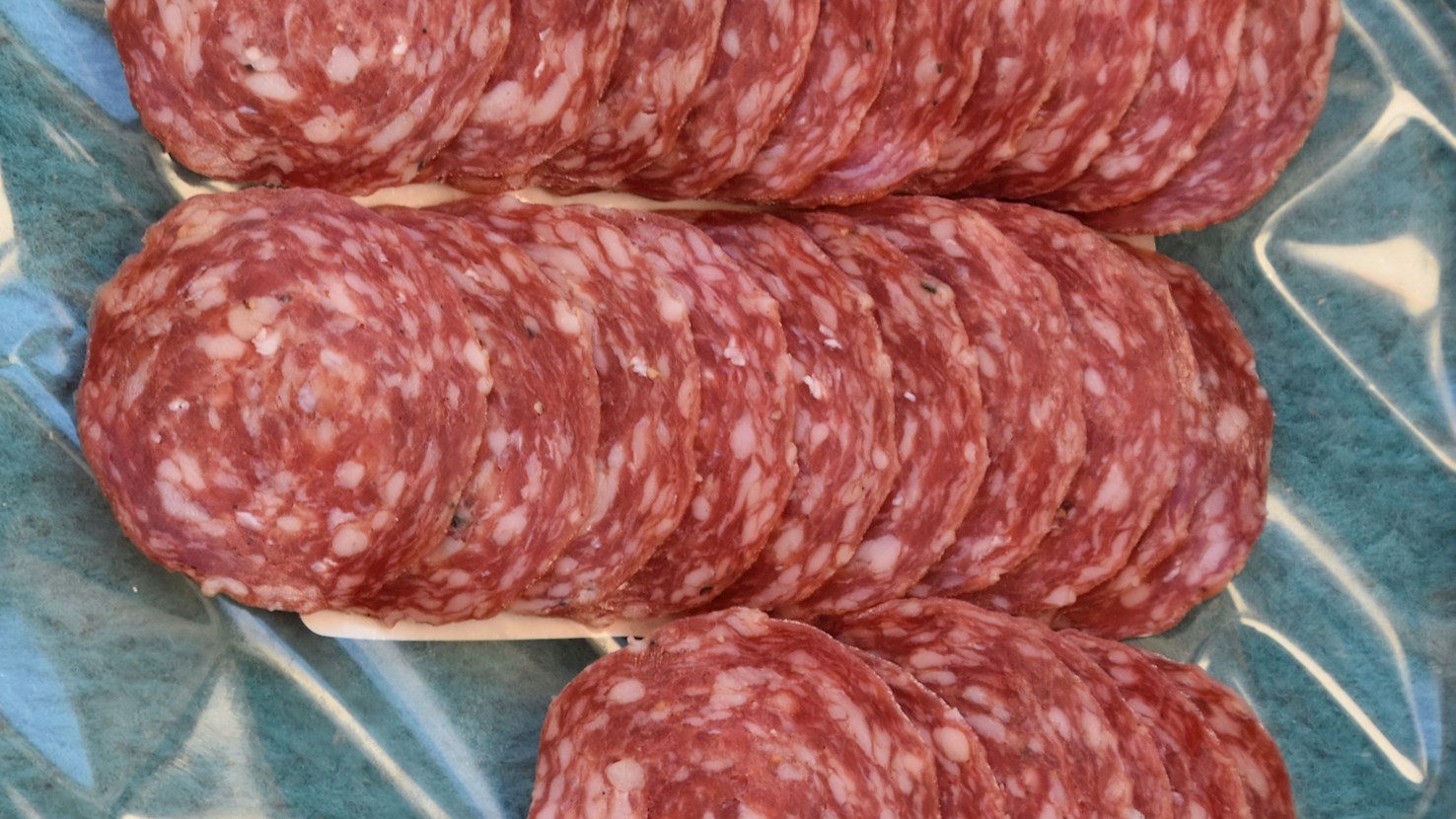
This long, thin cured sausage is similar to Göttinger Feldkieker, but the two differ in shape and weight. To produce Göttinger stracke, fresh pork (shoulder, leg, and belly) is minced and combined with salt, pepper, coriander, nutmeg, and garlic. A small amount of sugar, yeast, and rum is also added to the minced meat. The sugars ensure that the sausage matures long enough, and the pH lowers gradually with aging so the sausage does not taste sour. Göttinger stracke is packaged in thin, straight casings and it's left to mature for about four weeks before consumption. The sausage has an intense aroma and a peppery, spicy flavor. It is usually served as an appetizer.

05
Cake

Ostfriesentorte

3.6 ·

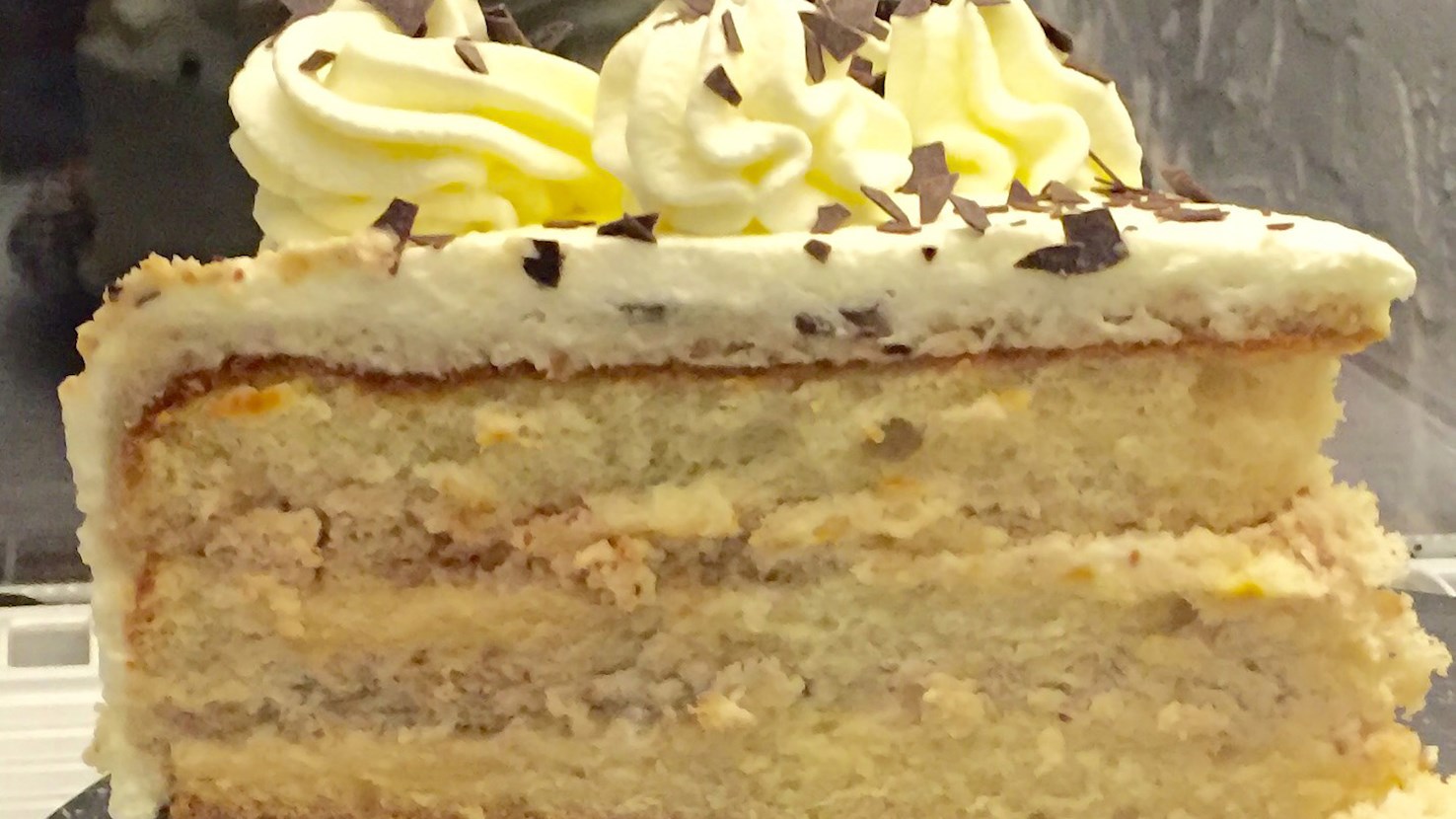
Ostfriesentorte is a traditional cake originating from Ostfriesen. It's made with a combination of sugar, flour, baking powder, eggs, bourbon, vanilla sugar, salt, and a thickening agent. The yolks and whites are separated, and the yolks are then beaten with vanilla sugar, sugar, hot water, flour, thickening agent, baking powder, and salt. The egg whites are then beaten until stiff and folded in with the stock of spirit raisins. The cake is baked, and it's then smeared with a mix of cream, cream stuff, stock of spirit raisins, and spirit raisins in alternating layers. The top is decorated with cream before the cake is served, while the sides can be garnished with chopped almonds.

Best restaurants
06
Dry-cured Ham

Ammerländer Schinken

n/a ·

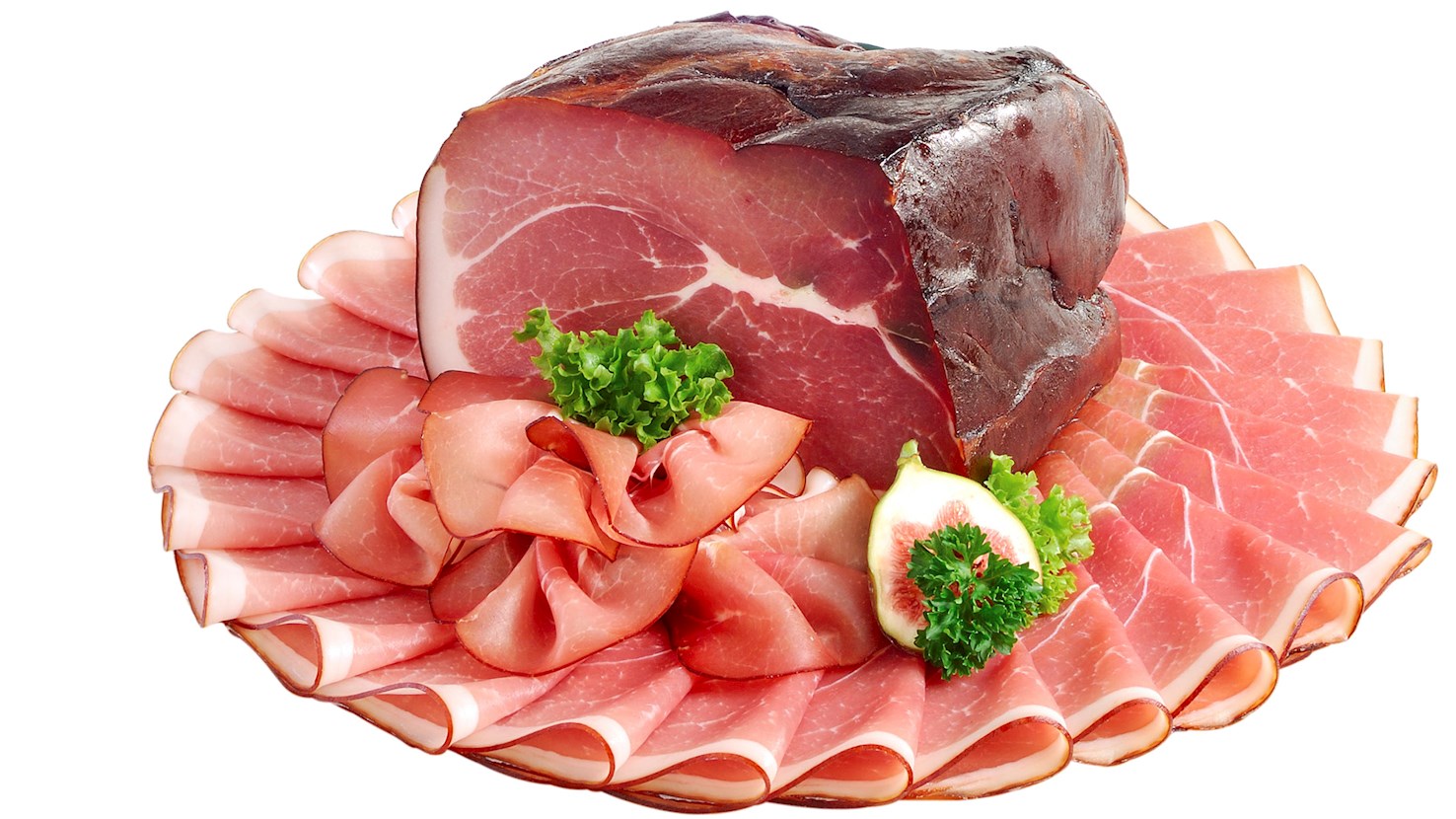
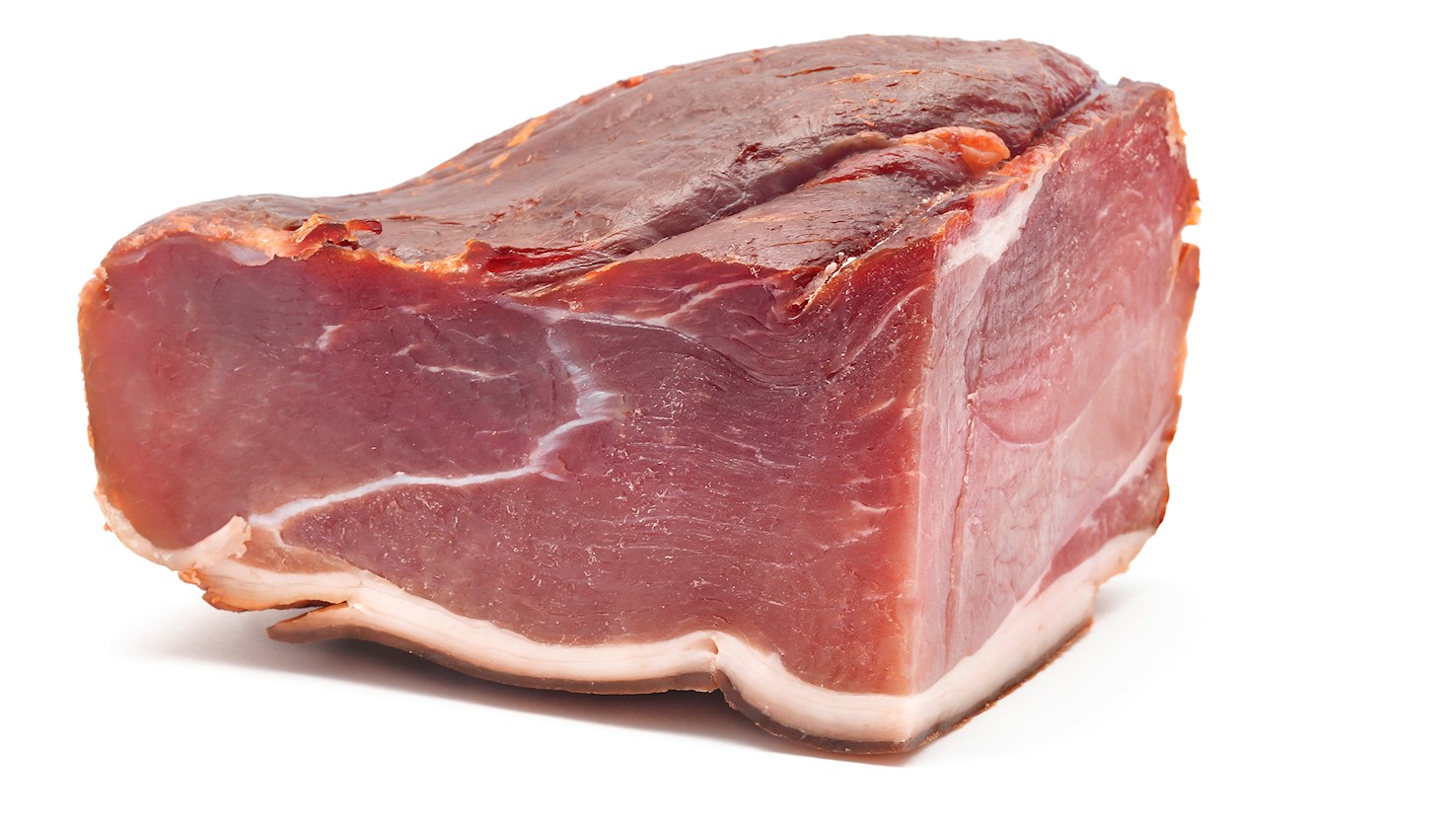
This is a smoked or dry-cured ham from the Ammerland region in Lower Saxony. To prepare this specialty, ham is dry-salted on the bone for weeks using sea salt and brown sugar, and it can also be flavored with pepper, pimento, and juniper. The higher the quality of the meat, the more the ham develops its own individual character without spices. After the ham is salted, it is smoked for a few weeks over beech wood, and the total ripening period ranges from several months to more than two years for top-quality ham. The oldest Ammerländer ham smokehouse, founded in 1748 in Apen, is now home to the Ammerländer Schinken museum.

07
Dessert

Welfenspeise

n/a ·

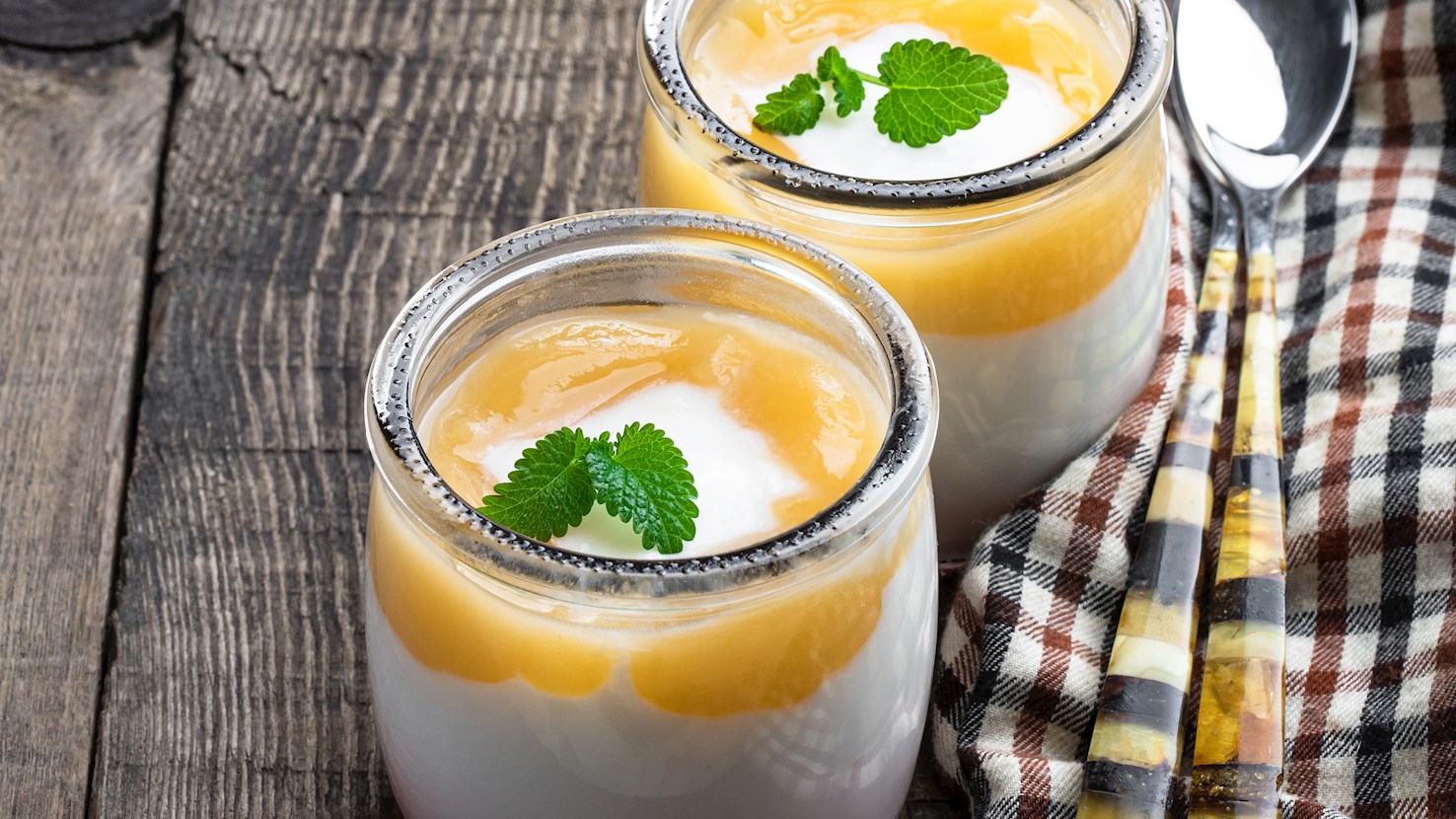
Welfenspeise or Welf pudding is a traditional dessert originating from Hanover. The dessert is named after the Welfen or Guelphs, which were once one of the most powerful dynasties of Europe, and their colors are yellow and white, just like this layered dessert that consists of two parts – one is white, and the other yellow. The white part is made with a combination of egg whites, cornstarch, milk, vanilla, sugar, and salt. The mixture is poured into a glass bowl and it’s left to chill. The yellow part is made with egg yolks, sugar, lemon juice, dry white wine, and cornstarch. The mixture is passed through a sieve and poured on top of the white base.

08
Dry-cured Ham

Ammerländer Dielenrauchschinken

n/a ·

This ham is traditionally produced in the Ammerland region in Lower Saxony. It is lightly smoked and features a distinctive, spicy flavor. The meat used for producing this ham comes from the Ammerländer Edelschwein pig breed, whose meat is particularly firm and strong-flavored. To satisfy the strict guidelines set by the Association for the Protection of Ammerländer Dielenrauchschinken, each ham must exhibit a bright red color with a balanced ratio of fat to lean meat, and it must have a particular level of dryness and a typical smoky aroma. Ammerländer ham is best enjoyed on its own or paired with full-bodied red wines.

09
Rye Bread

Heidebrot

n/a ·
Heidebrot is a hearty, sourdough-leavened bread crafted predominantly from rye flour mixed with a smaller proportion of wheat flour, hailing from the Lüneburg Heath region of Lower Saxony. The creation of this baked good traces back to the specific agricultural constraints in northern Germany, where sandy, nutrient-poor soils were well-suited to growing robust rye rather than demanding wheat. Because rye lacks sufficient gluten to rise on its own, early farming communities in the area relied on natural fermentation processes to produce a digestible and aerated loaf. To make the dough, bakers mix approximately seventy to eighty percent rye flour with twenty to thirty percent wheat flour, water, salt, and an active sourdough culture. The dense mixture is kneaded thoroughly and shaped into an elongated oval. Before entering a high-heat oven, the unbaked loaf is generously coated with a thick layer of dry flour. The intense baking temperature causes this heavily floured surface to tear as the dough rapidly expands, resulting in a naturally fractured, heavily fissured crust that distinctly characterizes the bread's appearance while sealing in the crumb's moisture. Once fully baked and cooled, the loaf is cut into thick slices and served at room temperature. The sturdy, dense slices are eaten open-faced by hand, supporting heavy layers of butter, robust liver sausages, cured Mettwurst, and sharp aged cheeses. The mildly acidic and deeply earthy flavor of the rye combination pairs exceptionally well with strong, malty dark beers, dry apple cider, or a simple cup of black tea to counterbalance the richness of the savory toppings.
10
Dumplings

Hüdel

n/a ·

Hüdel is a steamed yeast dumpling originating from Frisian cuisine. It is made from a soft yeast dough composed of flour, milk, eggs, butter, sugar, and yeast. The dough is cooked gently in steam or a water bath, allowing it to rise into a light, bread-like form with a tender crumb. It possesses a mild sweetness and a neutral base designed to readily absorb accompanying sauces or fruit. The dish developed within Frisian cooking as a practical method for utilizing grain and dairy. It was shaped by the constraints of household kitchens, where steaming allowed doughs to cook evenly without the need for ovens. Furthermore, simple dough-based foods provided a flexible staple that could be easily paired with available seasonal produce. Preparation involves mixing and kneading a yeast dough and allowing it to rise fully. The dough is then shaped into portions and cooked covered over simmering liquid. This technique ensures that heat circulates evenly, allowing the dough to set without browning, resulting in a pale, fluffy structure rather than a crusted exterior. Hüdel is eaten hot and is most often served with cooked pears, plums, or apples. In some settings, it is accompanied by savory ingredients such as bacon or sausage, appearing as a main dish in mixed sweet-salty meals. It serves as a filling component alongside fruit-based sauces that contrast with its soft, neutral character.

Read more
View all
View map
About this ranking

TasteAtlas food rankings are based on the ratings of the TasteAtlas audience, with a series of mechanisms that recognize real users and that ignore bot, nationalist or local patriotic ratings, and give additional value to the ratings of users that the system recognizes as knowledgeable. For the “Top 10 Lower Saxon Foods” list until June 06, 2026, 79 ratings were recorded, of which 67 were recognized by the system as legitimate. TasteAtlas Rankings should not be seen as the final global conclusion about food. Their purpose is to promote excellent local foods, instill pride in traditional dishes, and arouse curiosity about dishes you haven’t tried.

The initial list of top producers was compiled based on available reviews, awards, local recommendations, media and blog coverage, and consumer reviews. The list will be updated with ratings from TasteAtlas local ambassadors and TasteAtlas users.

Similar lists