Top 13 Masovian Foods

Last updated on June 17, 2026

Best Masovian food products

01
Spirit

Wyborowa

5 ·
Wyborowa is a renowned Polish vodka brand with a rich heritage dating back to 1823. Crafted exclusively from pure Polish rye and water, its production process honors nearly 600 years of Polish distilling tradition, resulting in a vodka celebrated for its velvety texture and natural, subtle sweetness. Over the years, Wyborowa has garnered significant international acclaim, securing over 40 awards at various global fairs and competitions. Notably, according to the Drinks International 2020 ranking, it ranked among the top ten best-selling vodkas in the world's most popular bars. In 1999, Wyborowa became part of the Pernod Ricard portfolio, further expanding its global reach. The brand's commitment to quality and authenticity is underscored by the "Made in Poland" inscription on its bottles, emphasizing its origin and the artistry of Polish craftsmanship.
Awards
ISC-International Spirits Challenge - Double Gold (2023)
IWSC- International wine & spirit competition - Spirit Gold (2024, 2019)
02
Spirit

Belvedere

5 ·
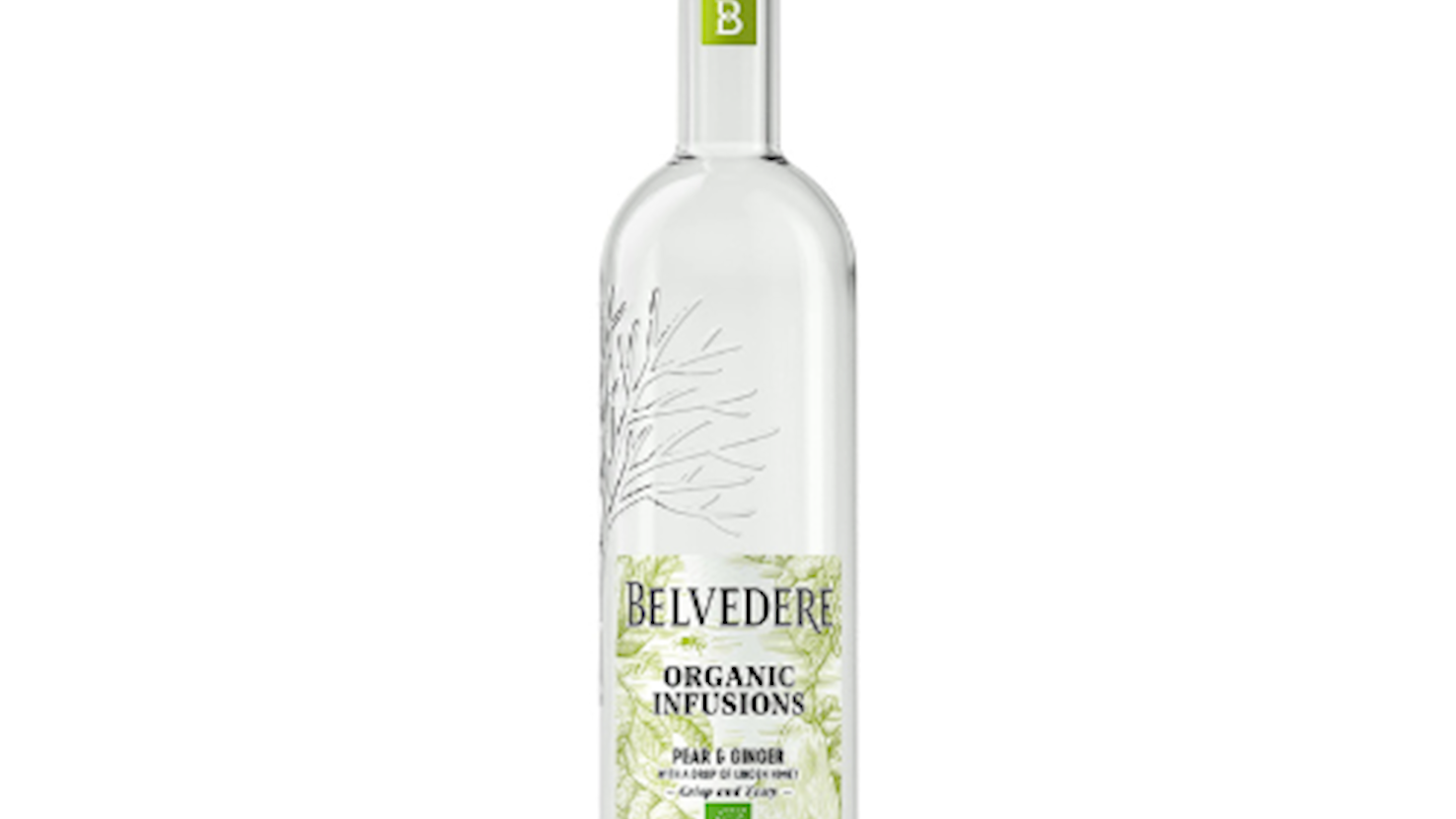
Belvedere is a premium vodka brand crafted in Żyrardów, Poland, by Polmos Żyrardów, with over a century of distilling tradition. It is made from Dankowskie Gold Rye, a heritage grain, and undergoes a meticulous quadruple distillation process for a smooth, velvety taste. Belvedere adheres to the strict standards of Polish Vodka certification, using only natural ingredients with no additives or sugar. The flagship Belvedere Pure is celebrated for its purity, while the brand also offers Single Estate Rye and Organic Infusions. Sustainability is a core focus, with renewable energy and eco-friendly practices in production. The vodka has won numerous international awards for its quality and craftsmanship. Belvedere is globally recognized as a symbol of luxury and Polish heritage, often featured at high-profile events and occasions.
Awards
The Vodka Masters - Gold (2022)
The Vodka Masters - Master & Taste Master (2022)
03
Spirit

Stock Spirits

4.8 ·
Awards
SFWSC - San Francisco World Spirits Competition - Double Gold (2024)
ISC-International Spirits Challenge - Double Gold (2023)
04
Chocolate

Chocolate Story - Manufaktura Czekolady
4.7 ·
Chocolate Story - Manufaktura Czekolady is a Polish artisan chocolate producer established in 2009. They specialize in crafting single-origin and bean-to-bar chocolates, focusing on maintaining the unique flavors of the cocoa beans depending on their origin. The company emphasizes using organic ingredients without added preservatives or artificial flavors.

Awards
Academy of Chocolate - Silver (2022, 2016)
Academy of Chocolate - Bronze (2022, 2018, 2017)
05
Confectionery

E. Wedel

4.7 ·
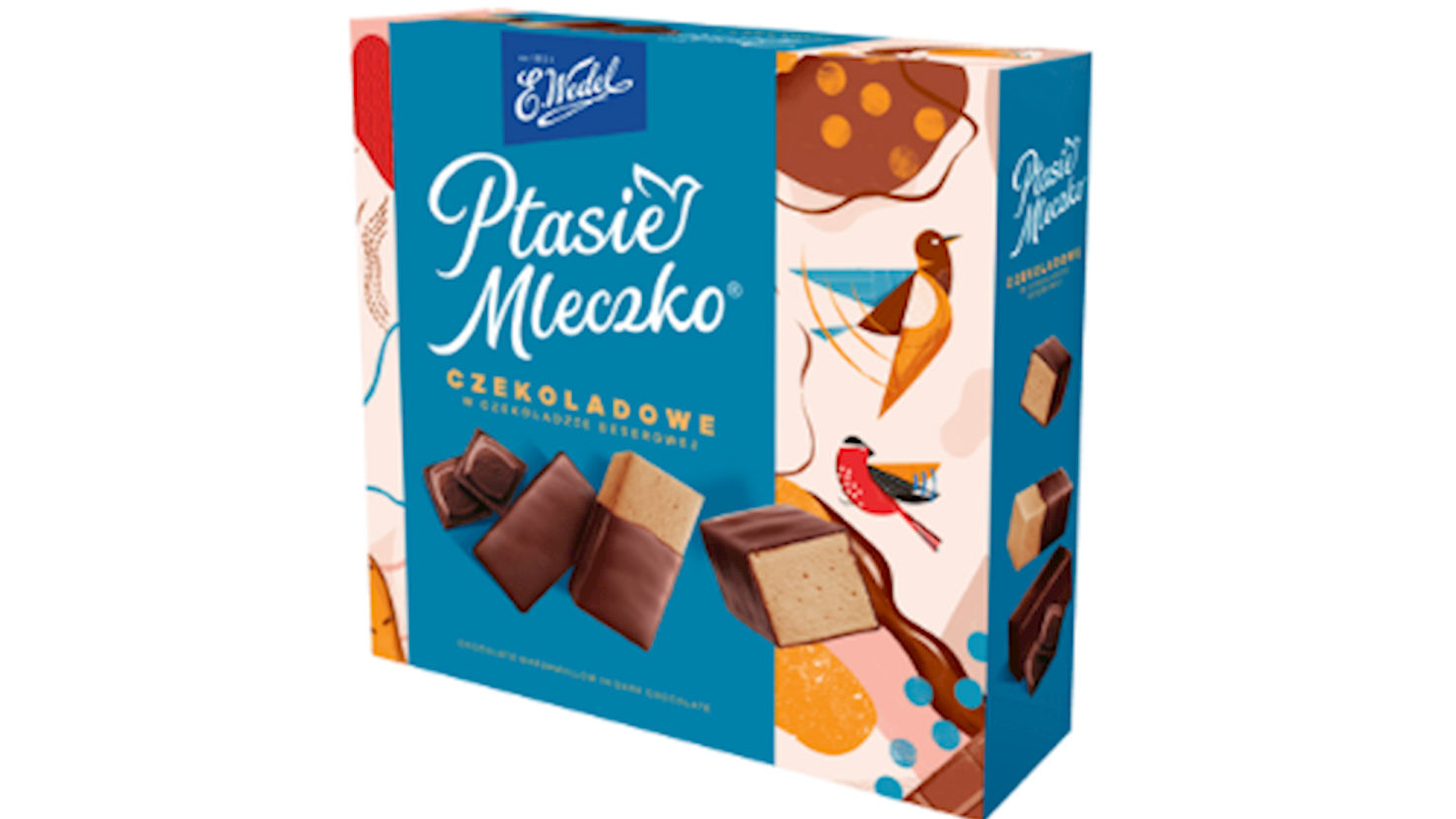
E. Wedel is the oldest and one of the most iconic chocolate and confectionery producers in Poland, founded in 1851 in Warsaw by confectioner Karol Wedel. The brand was strongly shaped by his son Emil Wedel, who introduced the handwritten “E. Wedel” signature on products as a personal guarantee of quality and authenticity, a distinctive mark still used today. Throughout the 20th century, E. Wedel became a symbol of Polish chocolate tradition, with products deeply embedded in everyday culture, most notably Ptasie Mleczko - a chocolate-covered marshmallow confection that remains a national classic. Despite nationalization after World War II, the company maintained its reputation for consistent quality and strong consumer trust. Following privatization and several ownership changes, E. Wedel has operated as part of the Lotte Group since 2010, while continuing chocolate production in Poland. Today, the brand represents a balance between heritage and modern confectionery production, with a clear focus on recognizable flavor profiles, established recipes, and long-term quality continuity.
06
Cooked Sausage

Stara Wędzarnia

4.7 ·
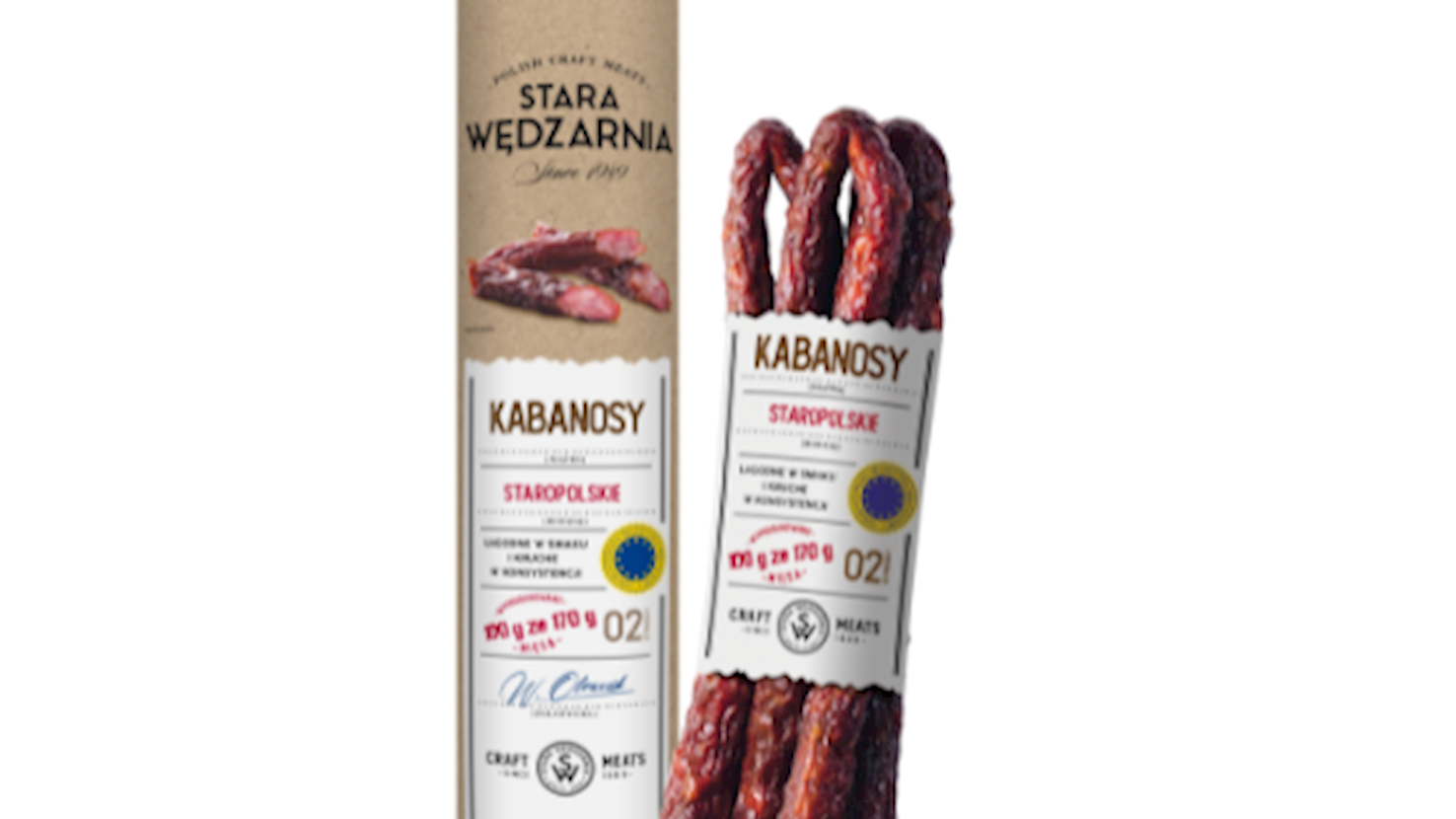
Stara Wędzarnia is a Polish company based in Drobin, in the Mazovia region, specializing in the production of traditional meat delicacies and hospitality services. With over 35 years of experience, the company is renowned for its high-quality meat products, including the famous Kielbasa and Kabanosy Staropolskie. Their products are crafted according to old Polish recipes, using carefully selected meat, natural spices, and traditional smoking methods, without any artificial preservatives or additives - preserving the authentic taste and nutritional value. The assortment includes a wide variety of sausages, hams, and cured meats, available in specialty stores as well as directly from the producer. Lovers of traditional food particularly appreciate the deep, smoky aroma and rustic character of these offerings. In addition to production, Stara Wędzarnia also operates a Grill Bar within its facility in Drobin. This restaurant combines tradition with a modern culinary approach, serving guests authentic Polish dishes made from fresh, locally sourced ingredients. It is a place where craftsmanship, flavor, and hospitality come together to celebrate Poland’s rich gastronomic heritage.
07
Cooked Sausage

Staropolska Masarnia

4.7 ·
Staropolska Masarnia Sp. z o.o. is a Polish company specializing in traditional meat processing. Based in Gostynin, in the Masovian Voivodeship, the company is dedicated to producing high-quality meats and cold cuts, following time-honored recipes and artisanal methods. Staropolska Masarnia places strong emphasis on the authenticity of flavors, sourcing carefully selected meats and using natural spices to maintain the rich culinary heritage of Poland. Their product range typically includes smoked sausages, hams, pâtés, and specialty meats, all crafted to reflect traditional Polish taste. Combining modern technology with old-world techniques, Staropolska Masarnia ensures strict quality control while preserving the characteristic textures and aromas that define their products.
08
Spirit

NEILSON EUROPE sp. z.o.o.

4.5 ·
Awards
IWSC- International wine & spirit competition - Spirit Gold (2019)
09
Fruit Product

Eterno

4.5 ·
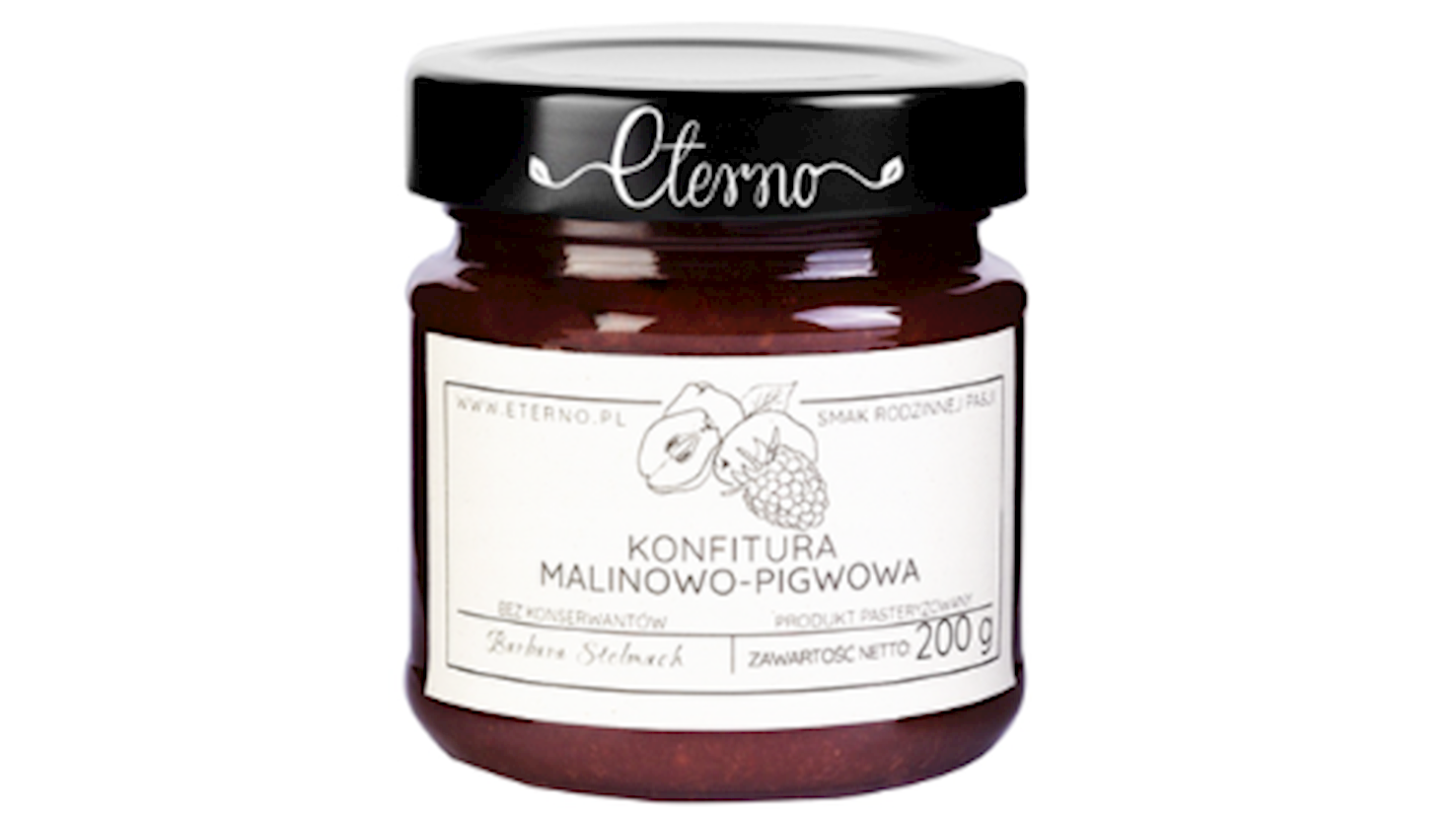
Eterno is a Polish artisanal producer based in Pruszków, crafting natural fruit and vegetable preserves for more than two decades, using exclusively local ingredients and traditional methods. Their range includes syrups, jams and fruit compotes, all focused on pure fruit flavor, minimal processing and the absence of artificial additives. Production combines manual work with modern standards without losing authenticity, resulting in products that retain a clear character of the raw ingredients - from elderflower syrup to raspberries preserved in a rich fruit base. Eterno positions itself as a brand rooted in local preserving traditions, offering products suitable for everyday use as well as gourmet applications in desserts, hot drinks or cocktails. Their philosophy is built around clean ingredients, a sustainable approach and a strong sense of regional identity.
10
Chocolate

Octo Chocolate

4.3 ·
Octo Chocolate is a producer based in Poland that specializes in crafting organic, raw, vegan chocolate. They use ethically sourced cacao and incorporate unique ingredients such as superfoods, making their products both health-oriented and gourmet. Their chocolate selection includes a variety of flavors that cater to diverse dietary preferences and needs.
Awards
Academy of Chocolate - Bronze (2019, 2018, 2017)

Best Masovian foods

01
Beef Dish

Zrazy wołowe zawijane

4.1 ·

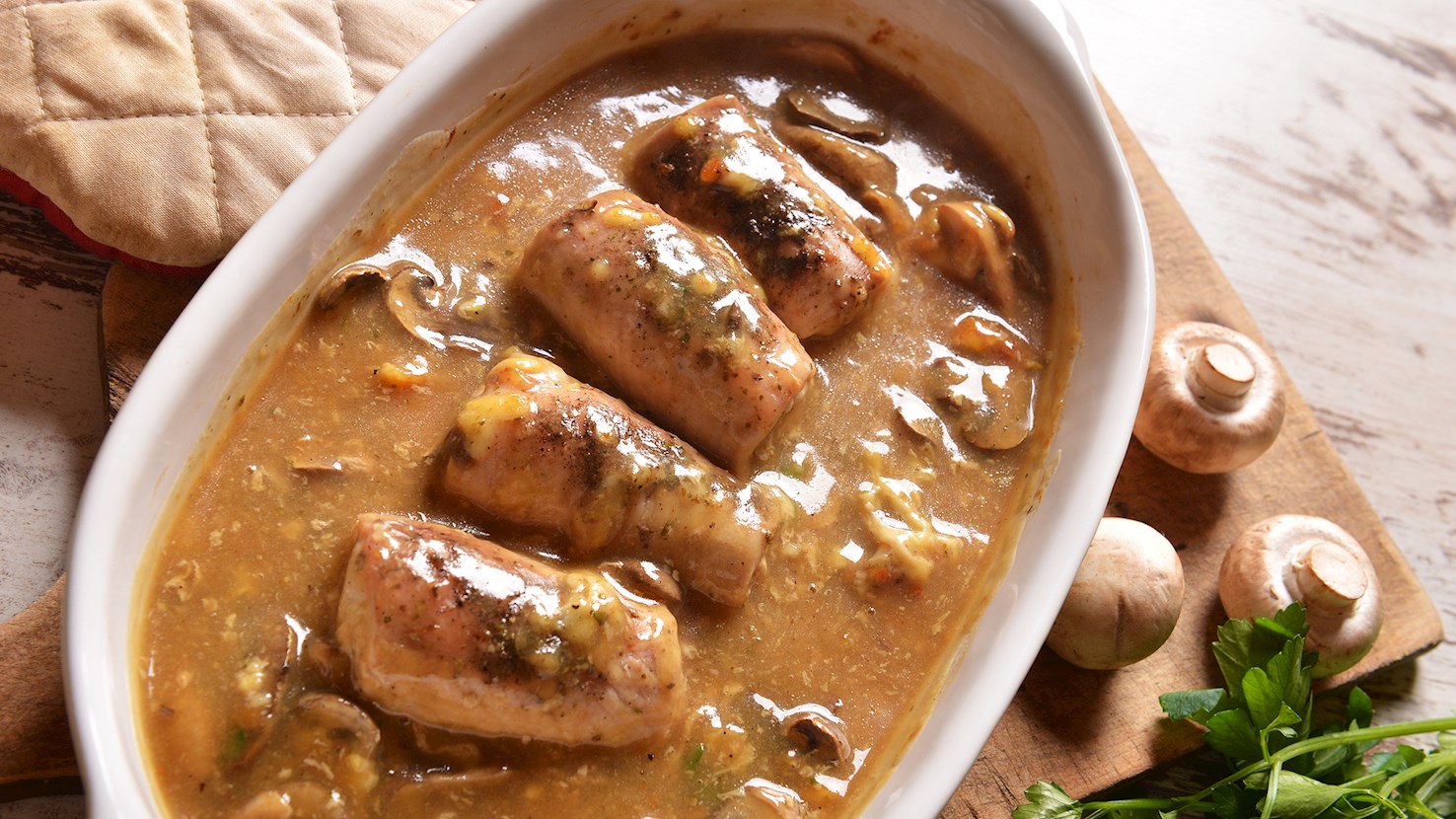
Zrazy wołowe zawijane is a traditional beef roulade consisting of thin beef slices which are wrapped around a filling, and then browned and braised. Although the method of preparation and the filling may vary, the beef slices are usually smeared with mustard and stuffed with bacon, pickles, and onions. Other variants of the dish call for stuffing the beef with sauerkraut, horseradish, breadcrumbs, or herbs, while an old variant of the dish calls for a filling of wild mushrooms and cream. Beef roulades are usually drizzled with the cooking sauce and can be served with a variety of accompaniments, including boiled rice, potatoes, beet salad, cabbage, buckwheat or barley kasha, Polish potato dumplings, or sour cream. Once eaten as a pre-hunting breakfast, this meat specialty is nowadays typically consumed as a main course, usually served for dinner. Reserved only for the Polish nobility in the past, nowadays, meat roulades can be found in almost all Polish restaurants across the country.

02
Street Food

Bułka z pieczarkami

4 ·

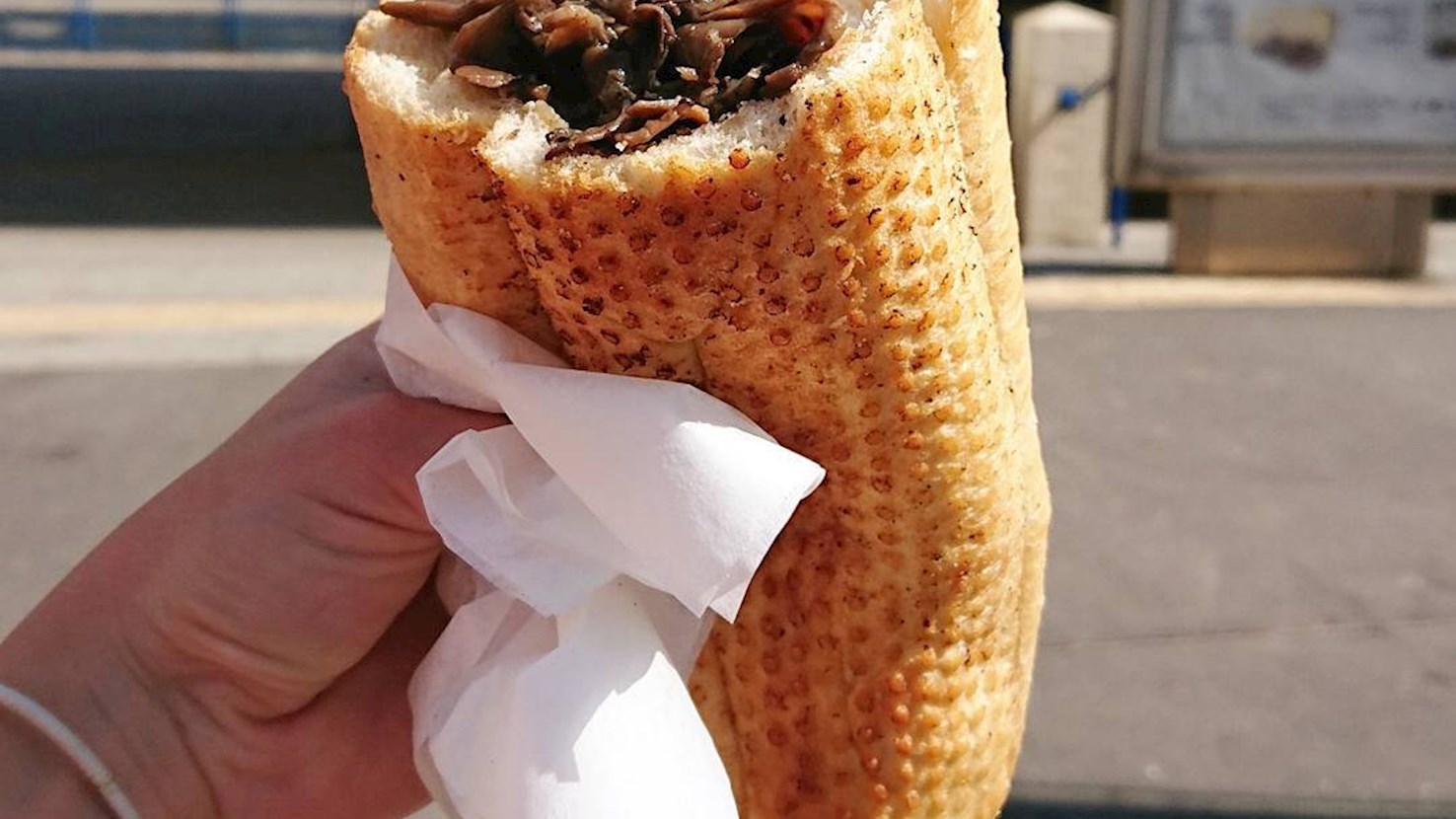
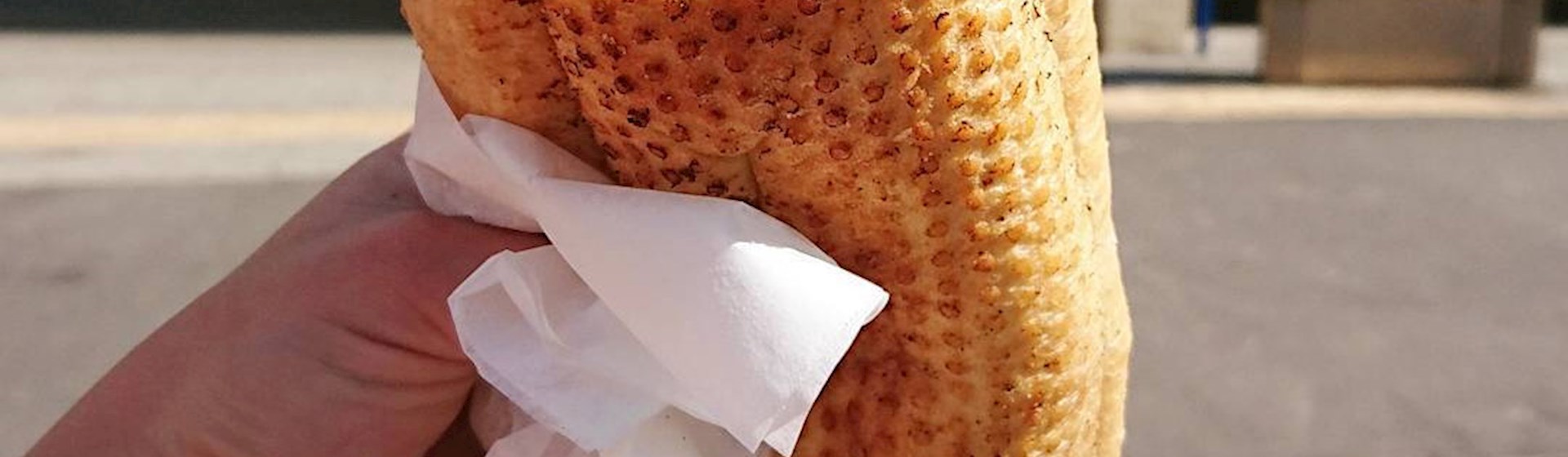
Bułka z pieczarkami is an authentic Polish mushroom roll consisting of a bread roll that is stuffed with mushrooms and onions. Other optional ingredients include grated cheese, sausages, or heavy cream. The rolls are served hot and crunchy, topped with ketchup, mustard, or a combination of both. Although they are somewhat overshadowed by more popular street food fare such as burgers and hot dogs, mushroom rolls are still a typical street food item in Poland, sold at numerous food kiosks and street stalls across the country.

03
Chocolate Cake

Wuzetka

3.6 ·

Wuzetka is a traditional cake originating from Warsaw. The cake consists of chocolate sponge cake that's filled with whipped cream and covered with chocolate icing. It's usually made with a combination of flour, eggs, sugar, butter, cocoa powder, whipping cream, rum, gelatin, and plum jam. The icing is made with a combination of butter, milk, and dark chocolate. Once prepared, the bottom layer is drizzled with jam and rum, the whipped cream mixture is spread over it, and the top sponge layer is placed on top. The chocolate icing is poured over the cake, and when it sets, the wuzetka is cut into cubes. The cake is typically decorated with a dollop of cream and a single cherry. Although the origin of the name is still murky, it is believed that the cake was named after the East-West route (Wschód-Zachód), shortened to W-Z.

04
Offal Soup

Flaki po warszawsku

3 ·

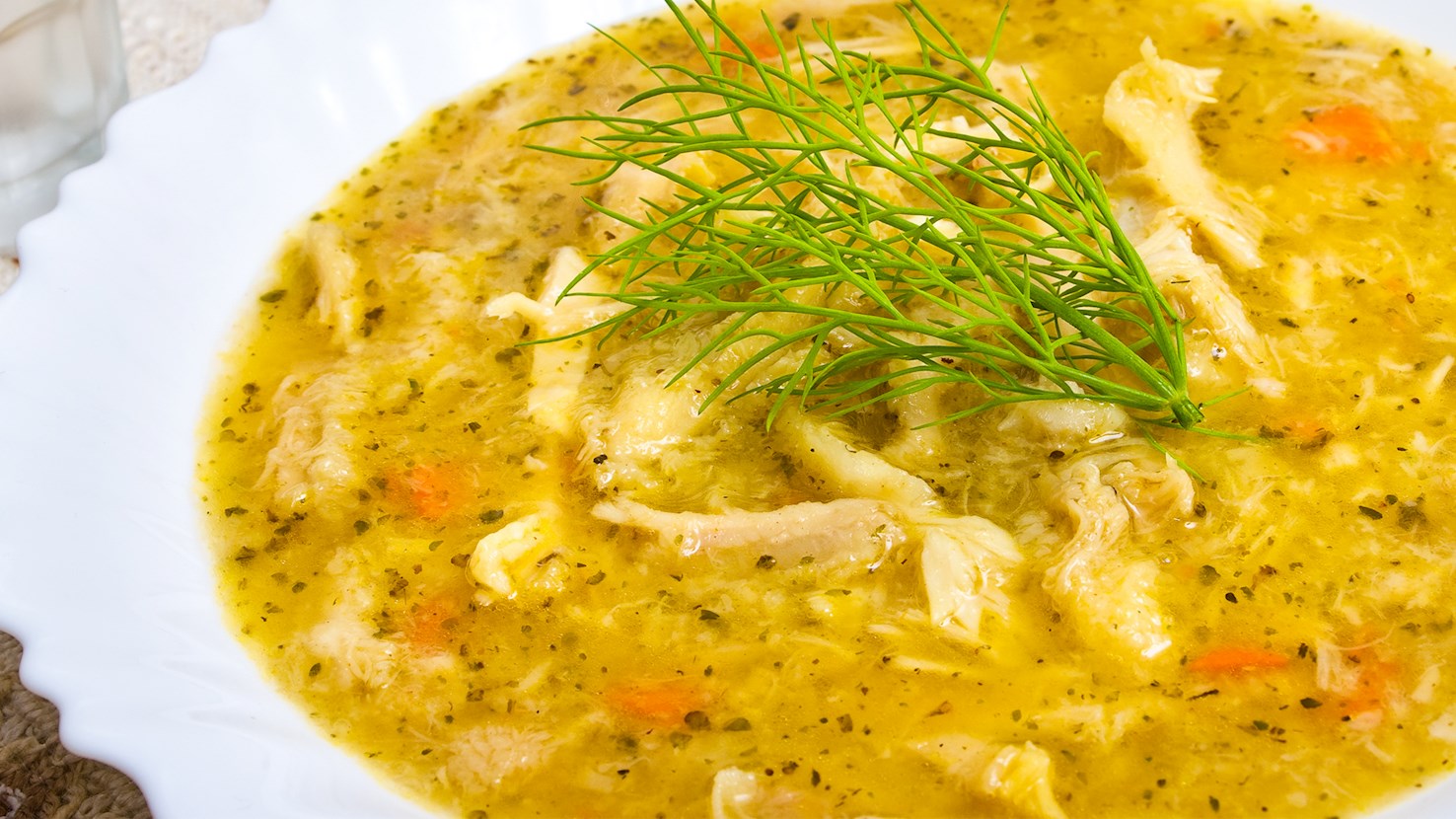
Flaczki z pulpetami, also known as flaczki po warszawsku, is a regional variant of the authentic Polish tripe soup that calls for pulpetami, or beef tallow meatballs, to be served with the soup. It is based on flaczki, literally translated to guts in Polish, which are thin strips of cleaned tripe, cooked in a spicy broth with vegetables and roux. Apart from meatballs, the soup is usually accompanied by slices of rye bread or bread rolls. Traditional beef tripe soup is quite pungent and seasoned with aromatic spices such as marjoram, ginger, nutmeg, allspice, bay leaves, paprika powder, pepper, and parsley. It reflects the influences of other cuisines intertwined with traditional Polish food in its use of ginger and nutmeg, and the addition of meatballs, typical of German cuisine. Said to be an excellent hangover cure, the dish can be traced back to the 14th century and is widely believed to have been one of King Władysław II Jagiełło’s most beloved dishes.

05
Cake

Zygmuntówka

n/a ·

Zygmuntówka is a modern Polish cake originating from Warsaw. It's made with a combination of chocolate mousse, almond pastry, cranberry jam, meringue, and whipped cream. This decadent cake is named after King Sigismund III Vasa and the city's monument, the King Zygmunt Column. The base is an almond pastry that's filled with the mousse, cranberry jam, and whipped cream, then adorned with meringue on top. Interestingly, Zygmuntówka won a contest for the official dessert of Warsaw.

06
Offal Dish

Kawior po żydowsku

n/a ·

Kawior po żydowsku, also known as Jewish caviar, is a Masovian specialty consisting of finely chopped and fried chicken or calf livers, onions, garlic, and hard-boiled eggs. Sometimes the caviar mixture is ground instead of chopped, and it is usually flavored with ground cumin. This common Polish snack is typically topped with chopped dill and used as a spread on Jewish matzah or a slice of sourdough rye bread. This specialty should not be accompanied by any dairy products as Jewish cuisine strictly prohibits combining milk with meat products. Just like any other Jewish dish that is in one way or another associated with a specific holiday or a special celebration, this one is traditionally reserved as an appetizer for Shabbat. In Poland, the dish is often a part of the holiday tables in many households. It is also commonly found on the menus of restaurants that serve dishes of Ashkenazi Jewish cuisine.

07
Dumplings

Pierogi niemojskie

n/a ·

Pierogi niemojskie are highly distinctive, herb-flecked Polish dumplings originating from the rural village of Niemojki in the eastern Masovian Voivodeship, defined by a nutrient-dense, meatless filling of green lentils and raw grated potatoes encased in a yeast-leavened nettle dough. Historically, this ingenious dish served as a crucial survival food for the impoverished peasantry of southern Podlasie during the early 20th century, born of an unforgiving agricultural landscape where poor, sandy soils forced locals to rely on hardy crops and wild foraging. The foundation begins with the dough, which is a combination of wheat flour, hot water, a touch of oil, and active yeast to create a soft, pillowy texture, vigorously kneading in handfuls of freshly chopped wild stinging nettle or lamb's quarters so that the pale pastry becomes heavily speckled with vibrant green flecks. The interior relies on a painstakingly prepared, earthy mixture: green or brown lentils—traditionally harvested slightly unripe and threshed by hand—are soaked, boiled until tender but structurally intact, and ground into a heavy paste. The lentil is then aggressively folded into a skillet of finely grated raw potatoes and caramelized onions, creating a dense, starchy binder that historically compensated for the complete absence of meat. Seasoned strictly with coarse salt, black pepper, and crushed dried marjoram and oregano, the savory filling is portioned into the green-speckled dough, tightly sealed with a decorative crimped edge, and briefly boiled in salted water until the yeast causes the parcels to swell. Unapologetically heavy and incredibly filling, these visually striking dumplings are pulled steaming from the pot and traditionally served smothered under a massive, pooling spoonful of hot oil and darkly fried onions.

Read more
View all
View map
About this ranking

TasteAtlas food rankings are based on the ratings of the TasteAtlas audience, with a series of mechanisms that recognize real users and that ignore bot, nationalist or local patriotic ratings, and give additional value to the ratings of users that the system recognizes as knowledgeable. For the “Top 13 Masovian Foods” list until June 17, 2026, 335 ratings were recorded, of which 265 were recognized by the system as legitimate. TasteAtlas Rankings should not be seen as the final global conclusion about food. Their purpose is to promote excellent local foods, instill pride in traditional dishes, and arouse curiosity about dishes you haven’t tried.

The initial list of top producers was compiled based on available reviews, awards, local recommendations, media and blog coverage, and consumer reviews. The list will be updated with ratings from TasteAtlas local ambassadors and TasteAtlas users.

Similar lists