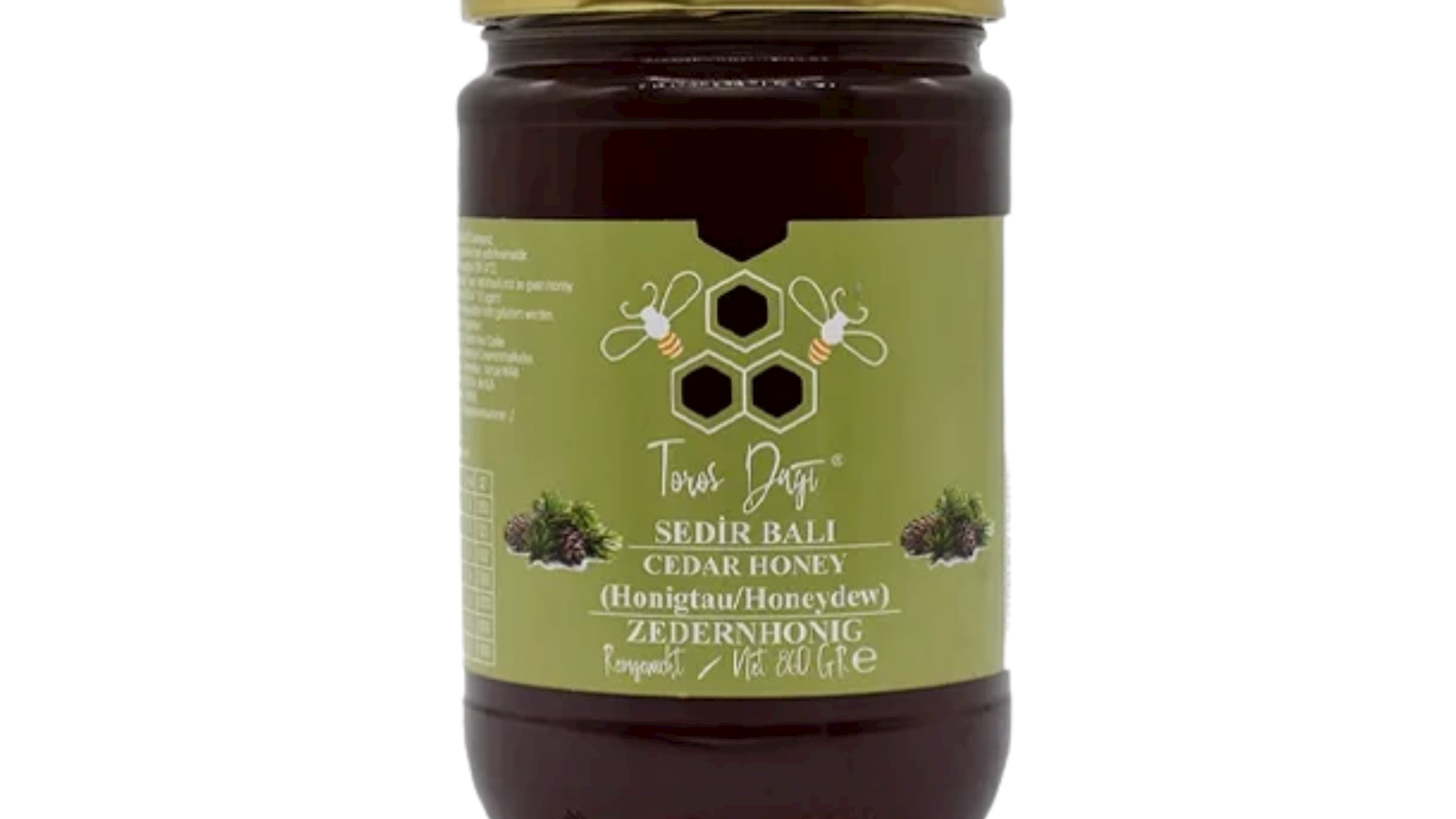
Toros Dağı Bal is a Turkish brand of honey and other bee products based in the Toroslar district of Mersin. Its main activities include beekeeping, honey processing and the packaging of various hive products. According to the producer, some of its beehives are placed on plateaus in the Taurus Mountains at elevations ranging from 2,000 to 2,500 meters. These locations are selected for their distance from large settlements and agricultural areas, as well as their diverse mountain flora. After harvesting, the honey is strained to remove pieces of wax and other solid particles. The company states that its products undergo laboratory testing and publishes analyses of selected honey varieties and valid food safety certificates on its website. The range includes strained honey, comb honey and honey produced in traditional hives. Available varieties include flower, pine, cedar, chestnut, thyme, citrus blossom, lavender and highland honey. The product range also includes pollen, propolis, bee bread, blends containing royal jelly and other bee-derived products.
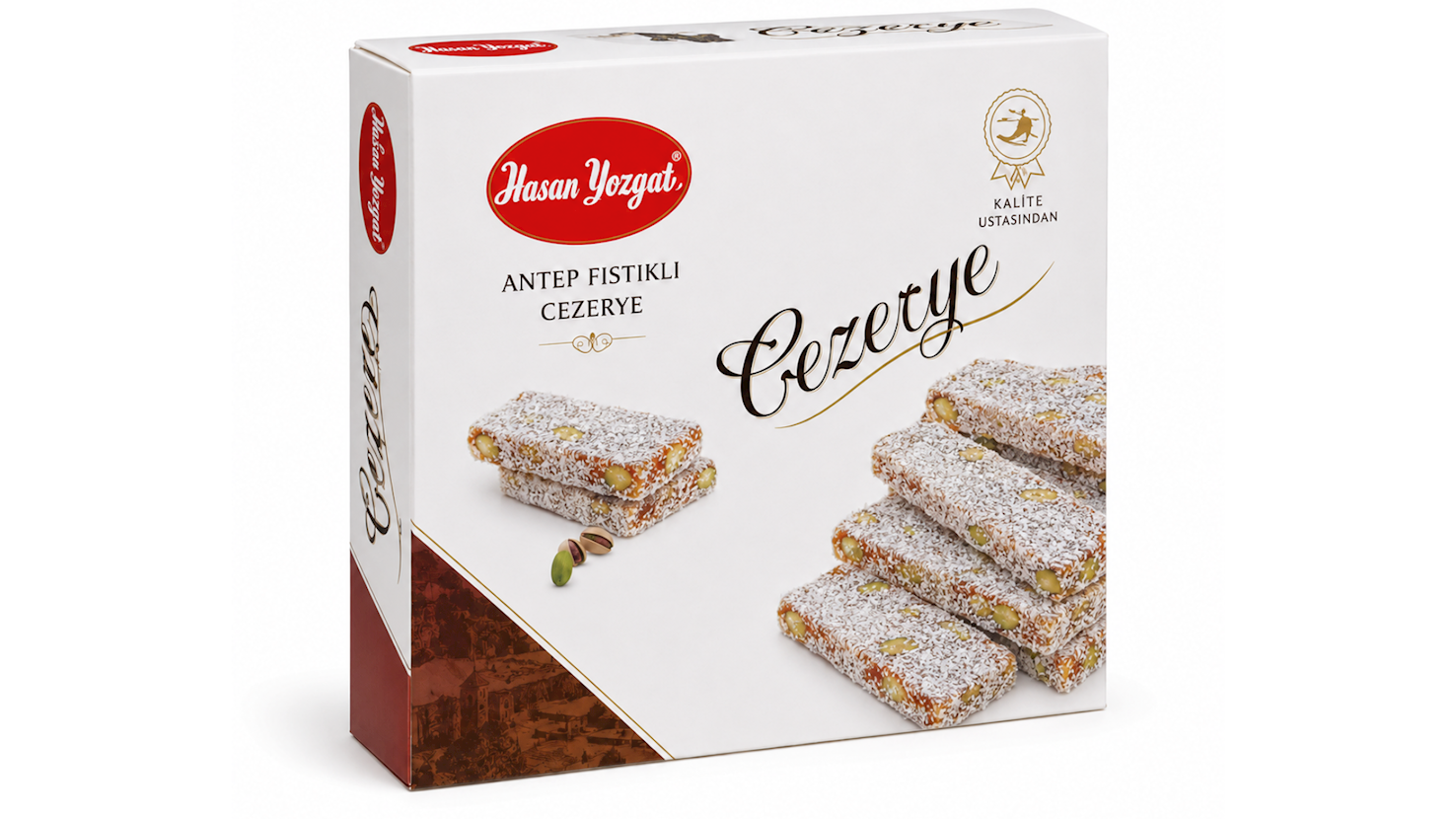
Şekerci Hasan Yozgat is a Turkish producer of traditional confectionery founded in Mersin in 1963. The brand was established by Hasan Yozgat, who began production in a small workshop using traditional methods. Today, it operates under the company Şeksan Pazarlama. Its best-known product is Mersin cezeryesi, a regional confection made from cooked carrots, sugar, spices and nuts and usually coated with coconut. Hasan Yozgat produces cezerye with pistachios, hazelnuts and walnuts, including classic, mini, extra and nut-rich atom varieties. Turkish delight represents another important part of the range and is available in plain, rose-flavored, fruit-flavored, hazelnut and pistachio varieties, as well as double-roasted and sultan-style versions. Growing demand eventually led the company to transfer production from its original workshop to a larger facility in the organized industrial zone in Tarsus.
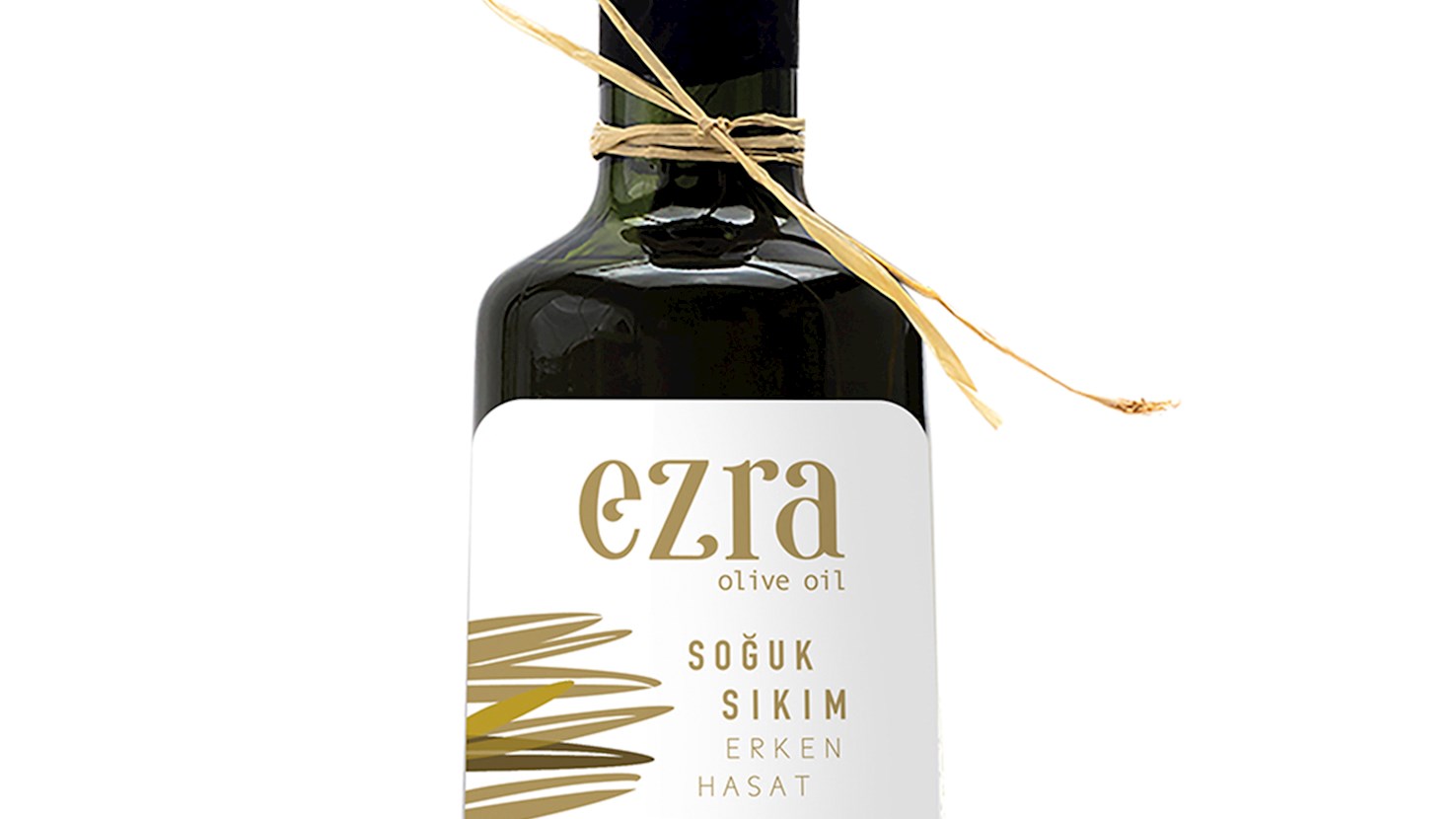
Ezra Olive Oil is a producer based in Mersin, Turkey. The company specializes in the production of high-quality extra virgin olive oil.
They utilize traditional methods combined with modern technology to ensure the purity and flavor of their olive oil. The olives are sourced from local groves, and the production process emphasizes sustainability and environmental responsibility.
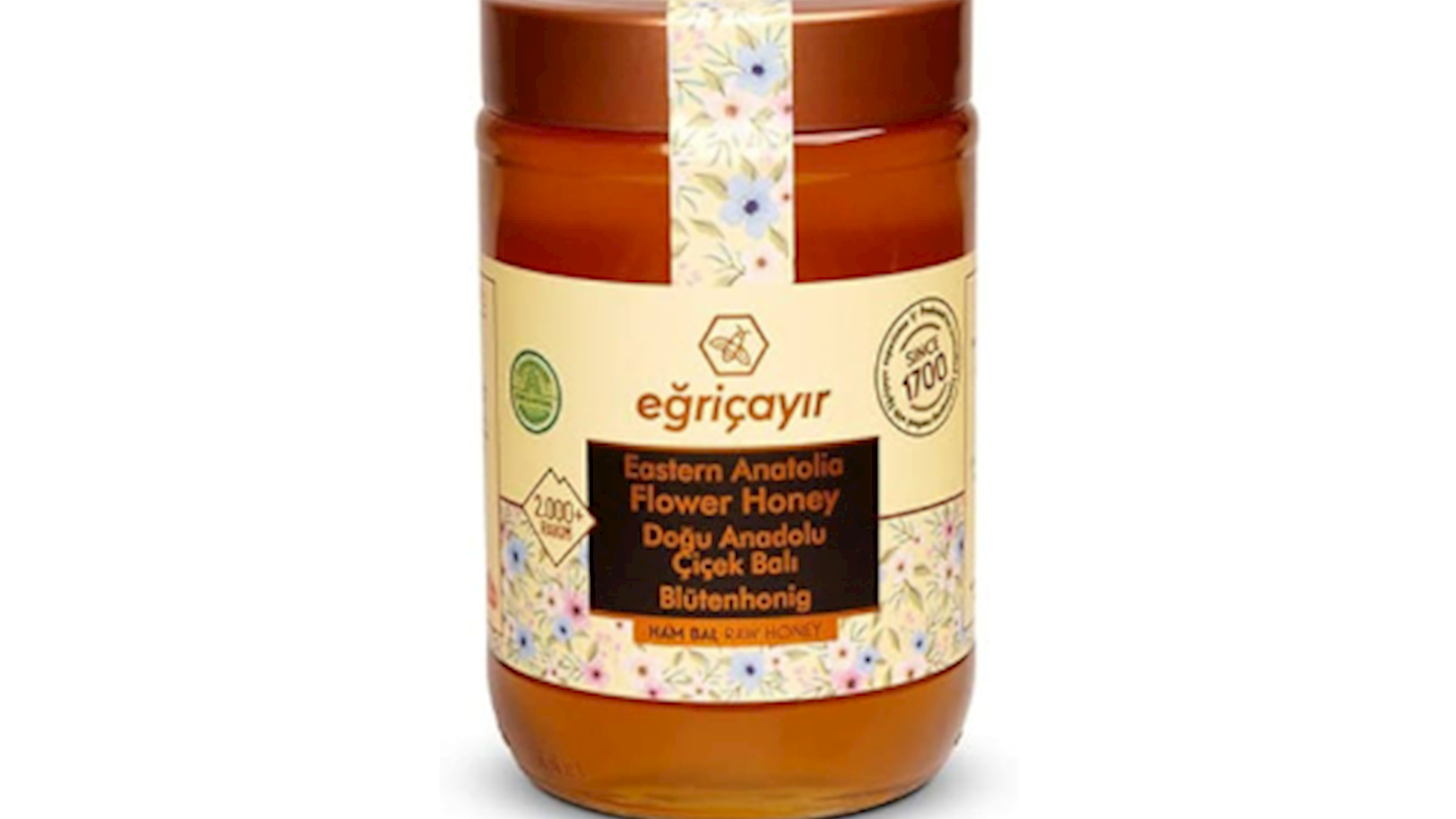
The company prides itself on producing high-quality, natural honey sourced from the rich, biodiverse landscapes of Turkey. Their honey is known for its purity and rich taste, harvested from the flowers of various plants found in the local region.
Eğriçayır follows sustainable practices to ensure that the honey is of the highest quality, preserving the natural flavors and health benefits. With a commitment to natural products, their honey is popular for its unrefined, raw state, offering a taste of the region’s diverse flora.
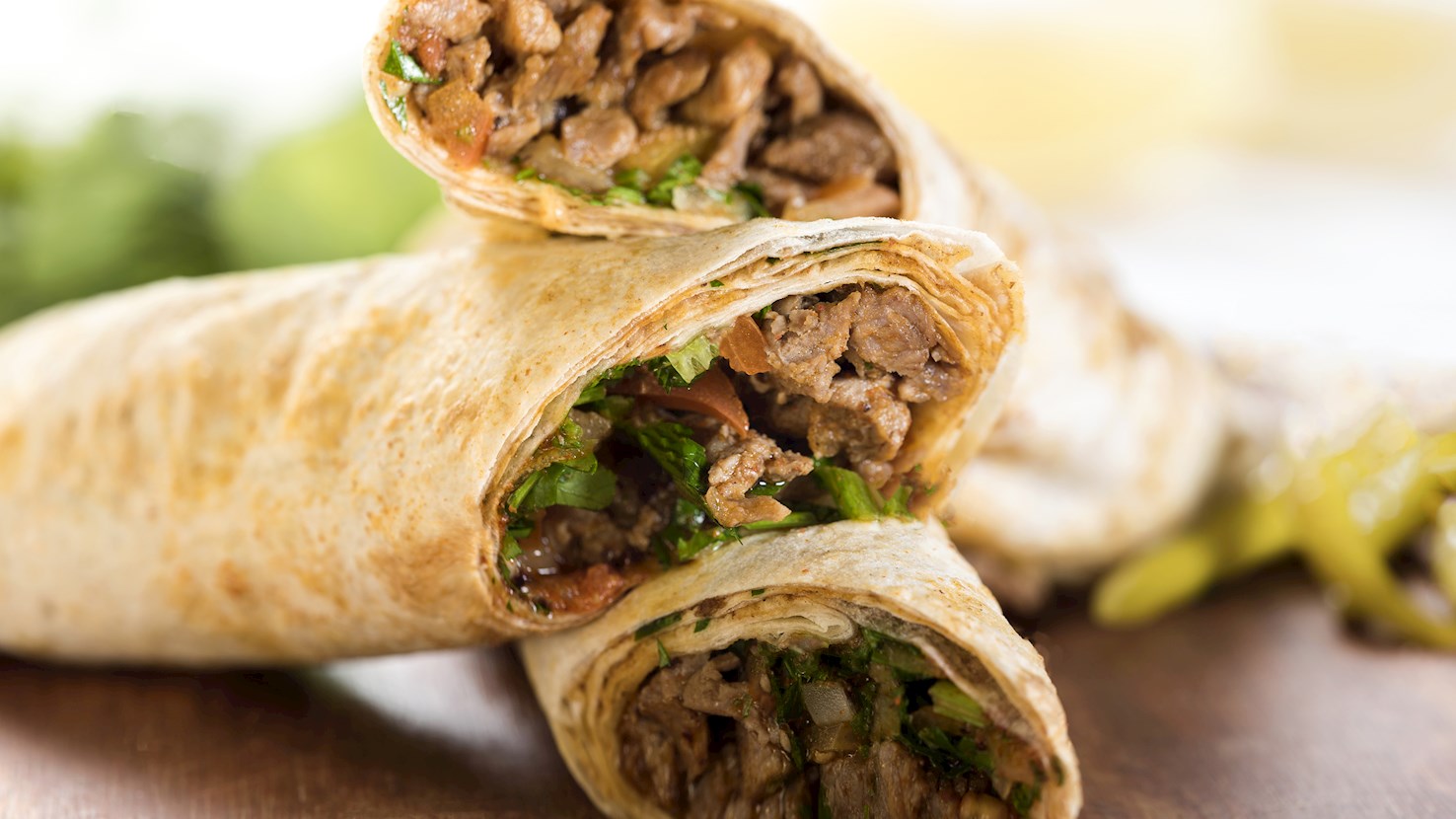
Tantuni is a traditional street food dish from Mersin, consisting of thinly sliced beef or lamb that is seasoned with Turkish spices and herbs, usually cooked with onions and tomatoes. The combination is cooked in specially designed tantuni pans. Traditionally, the dish is served rolled in lavash, with ground sumac and a lemon wedge on the side. Since every tantuni chef has his own method and secret technique of preparing the dish, it is said that the flavors of tantuni are never the same. Tantuni was originally created as a poor man's dish - it's very nutritious because it consists of meat with a lot of fat stuffed into bread. Some believe that the name of the dish refers to the sound that the meat and spices make when they are brought from the rim of the pan to its center.
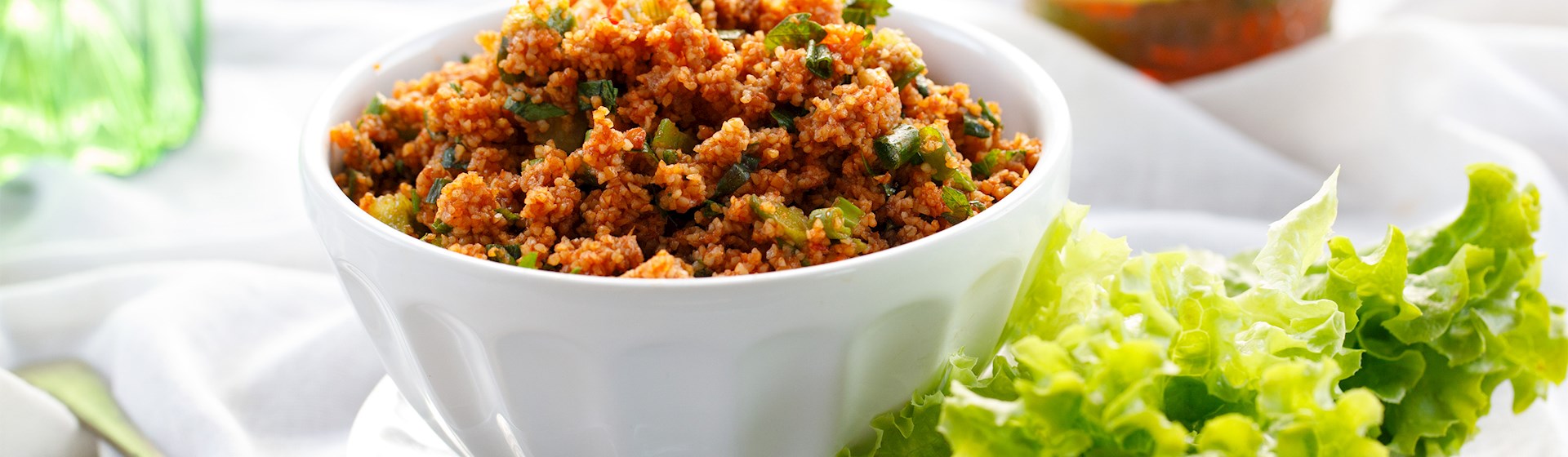
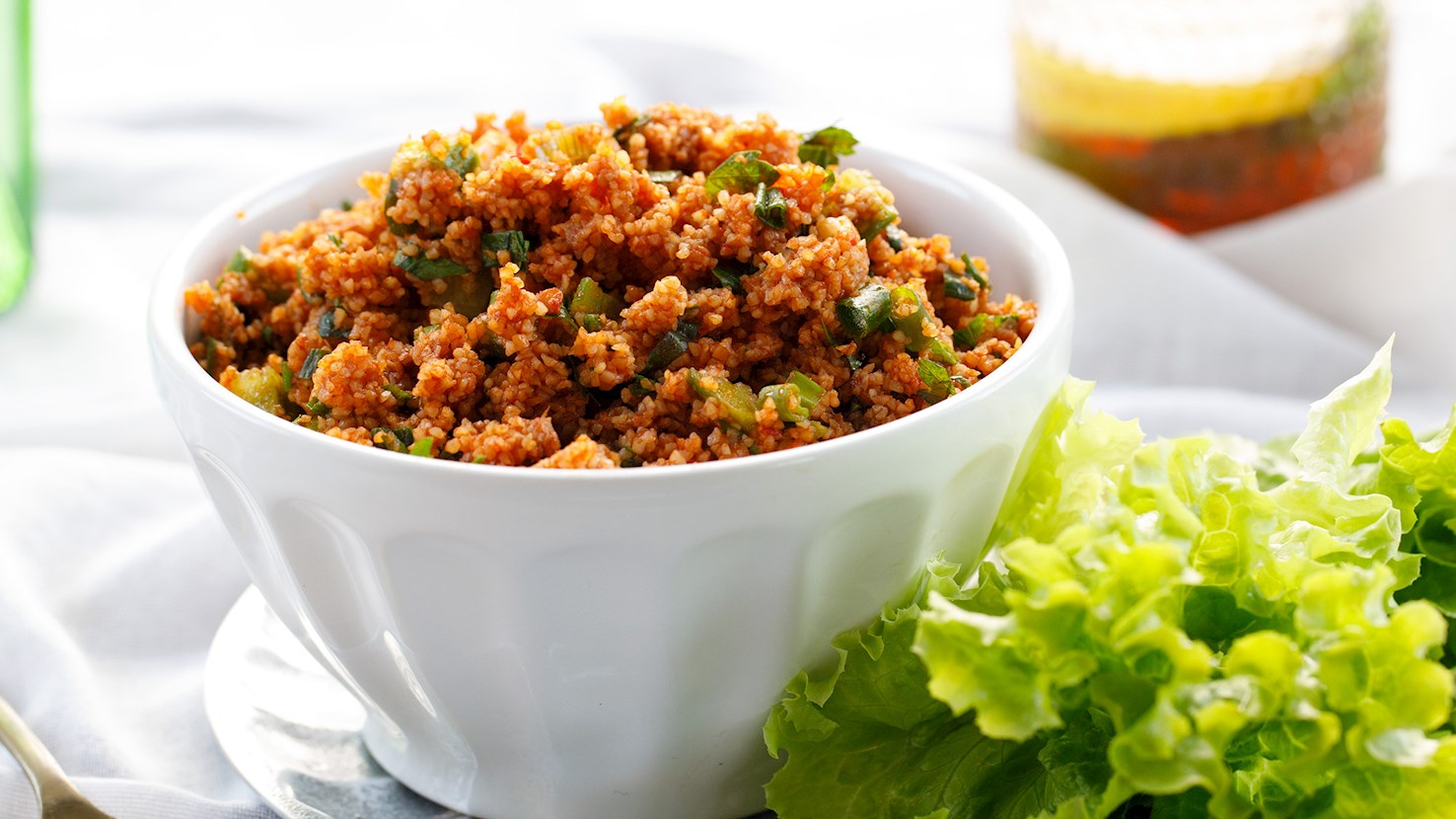
Kısır is a classic Turkish salad made with thin bulgur wheat, tomatoes, mint, garlic, parsley, and either lemon juice or sour pomegranate molasses. Red pepper flakes are often added to the salad to make it spicier. Lemon juice is typically used in northwestern Türkiye, while pomegranate molasses is more commonly used in the southeast of the country. The salad is ideal for buffets and meze, but it is also often used as a side dish for a variety of barbecued meat dishes. It is traditionally served cold or at room temperature.
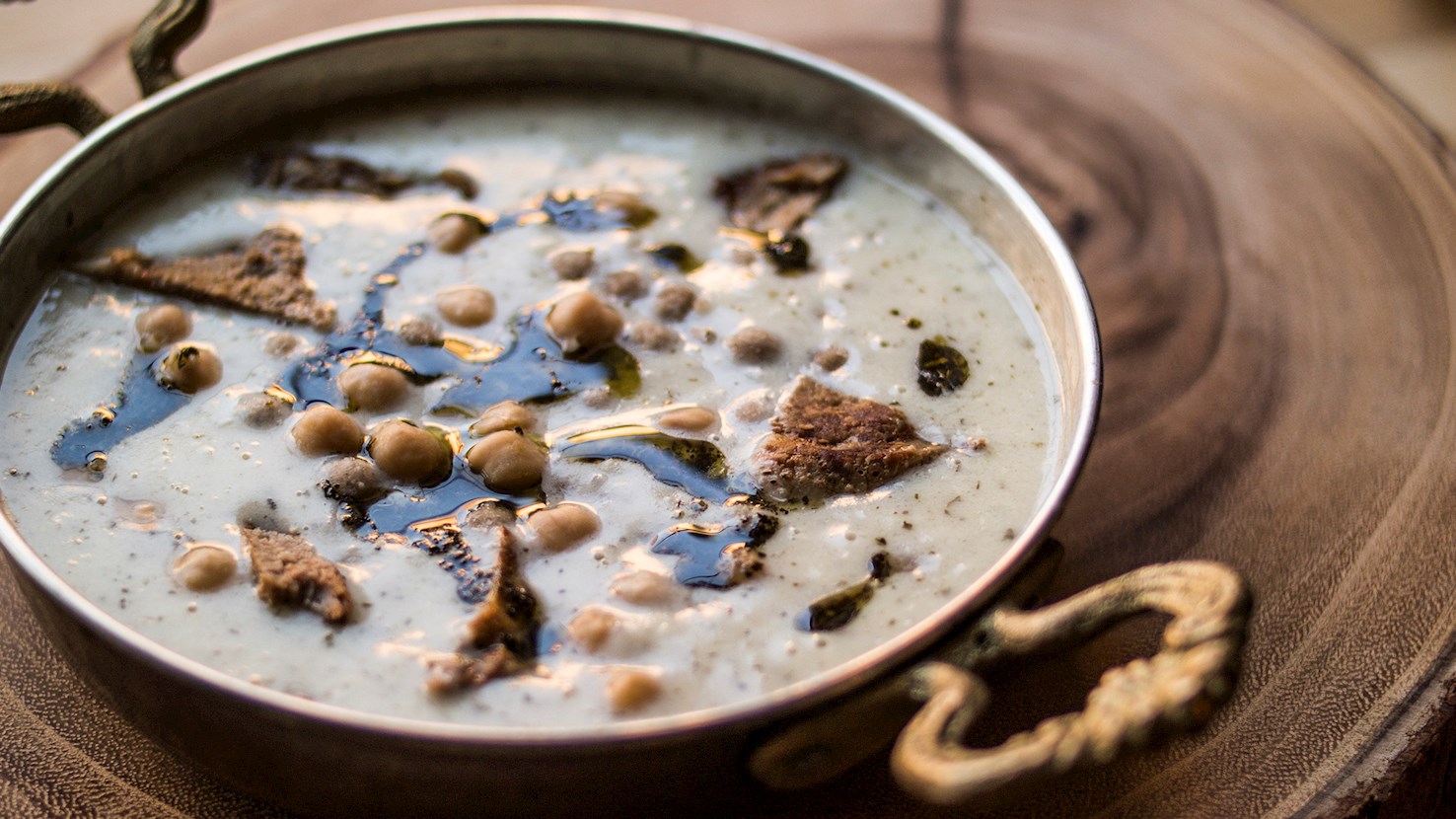
Arguably the most laborious Turkish soup and one of Gaziantep's favorites, yuvarlama çorbası is made with spiced meatballs, chickpeas, yogurt broth, olive oil, and other optional ingredients. The soup is traditionally prepared for the three-day celebration of the fast-breaking Ramazan Bayramı, and it is served in virtually every Anatolian home. The preparation of this festive soup is a time-consuming process, and everyone is involved, as often both family members and neighbors get together to share the work and joy of rolling hundreds of tiny yuvarlama köfte. These spiced meatballs are typically made with lean beef mince, and either rice or bulgur flour, but they can also be made without meat. Köfte are then steamed and, together with pre-cooked chickpeas, added to the warm süzme or strained yogurt broth drizzled with minty olive oil. Yuvarlama soup can even include stewed chunks of beef, lamb, or chicken, and it is most often accompanied by rice pilaf, which altogether makes not only for quite a nutritious meal but also an amazing combination of different flavors and textures.
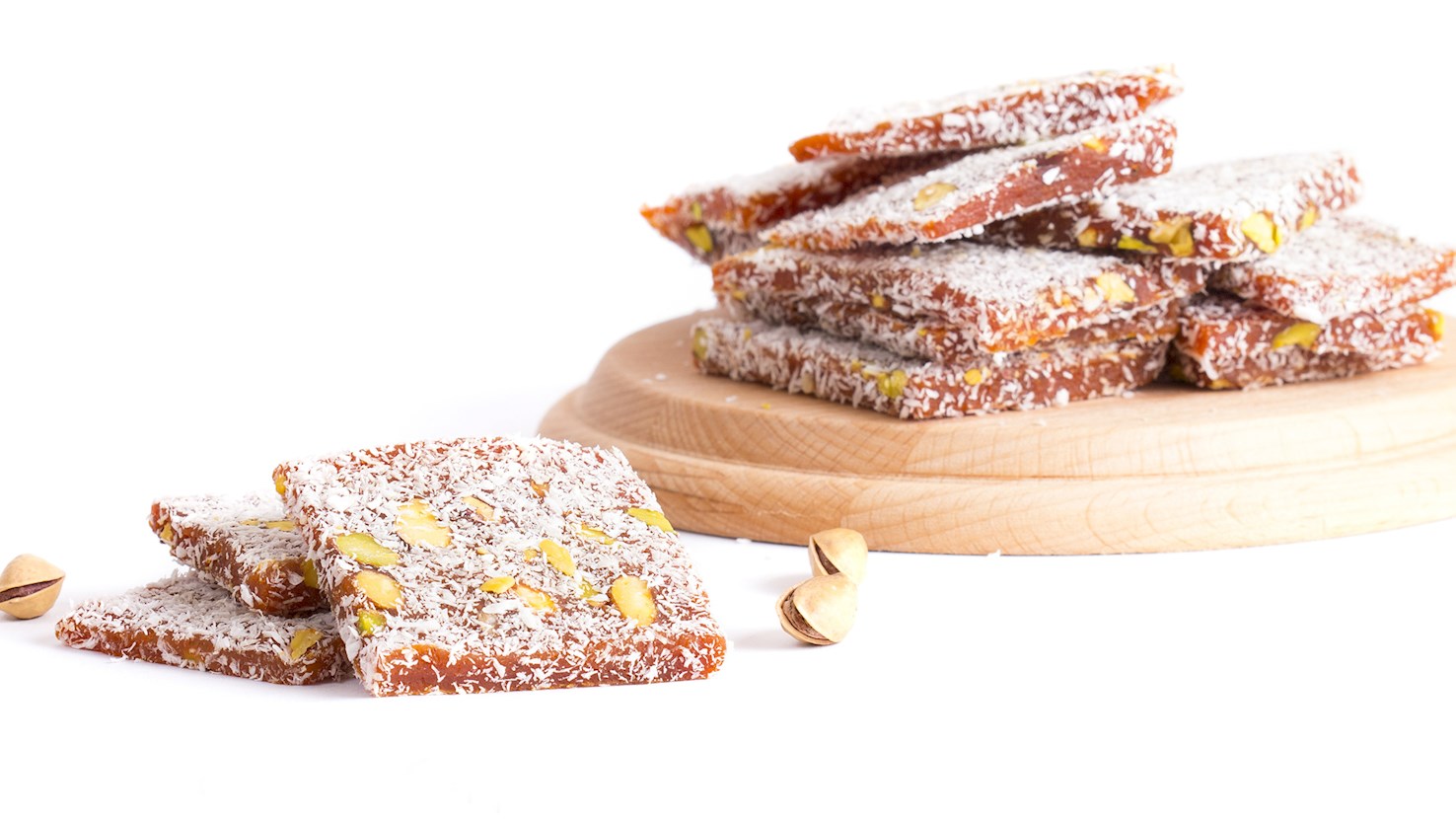
Cezerye is a dessert made by slowly cooking carrots with sugar until they form a thick, chewy paste, usually enriched with nuts and coated with shredded coconut. It originates from Mersin on Türkiye’s Mediterranean coast, where it is one of the city’s best-known sweets. The name is Arabic in origin and relates to the Arabic word jazar, meaning carrot. Cezerye belongs to a broader Eastern Mediterranean tradition of dense fruit and vegetable confections, but its exact place and date of origin are not documented. Mersin became particularly famous for its production, and Mersin Cezeryesi has had protected geographical indication status in Türkiye since 2003. The traditional preparation begins with carrots that are cleaned, boiled until completely tender, and then finely ground or puréed. The carrot pulp is cooked with sugar over steady heat, stirring constantly, until much of the moisture evaporates and the mixture becomes very thick and sticky. A small amount of citric acid or lemon can balance the sweetness, and cinnamon is a characteristic flavoring. Once the carrot mixture reaches the right consistency, roasted walnuts, hazelnuts, or pistachios are mixed through it. The hot mixture is spread onto trays and left to cool and set. Once firm, it is cut into rectangular pieces or other shapes and commonly rolled in finely shredded coconut, which prevents the sticky pieces from adhering to one another and adds another layer of flavor and texture. Proper cezerye is dense and chewy, not gelatinous. The carrot should provide natural sweetness and a subtle earthy flavor, while the nuts give the confection a noticeable crunch. Its texture comes largely from concentrating the carrot and sugar through prolonged cooking, not from gelatin. Cezerye keeps well at room temperature when properly prepared and stored, making it particularly suitable as a confection that can be produced in batches and kept for extended periods. Confectioners in Mersin commonly sell it in boxes or by weight, and people often buy it as a local specialty to take home. Different nuts and shapes are used, but the traditional character remains straightforward: carrots are cooked with sugar until thick, flavored lightly with cinnamon, combined with nuts, allowed to set, and usually finished with a coating of coconut. Cezerye is eaten in small pieces as a sweet snack or dessert and is commonly served with Turkish tea or coffee. Its concentrated sweetness and chewy texture mean that only a few pieces are usually served at a time.
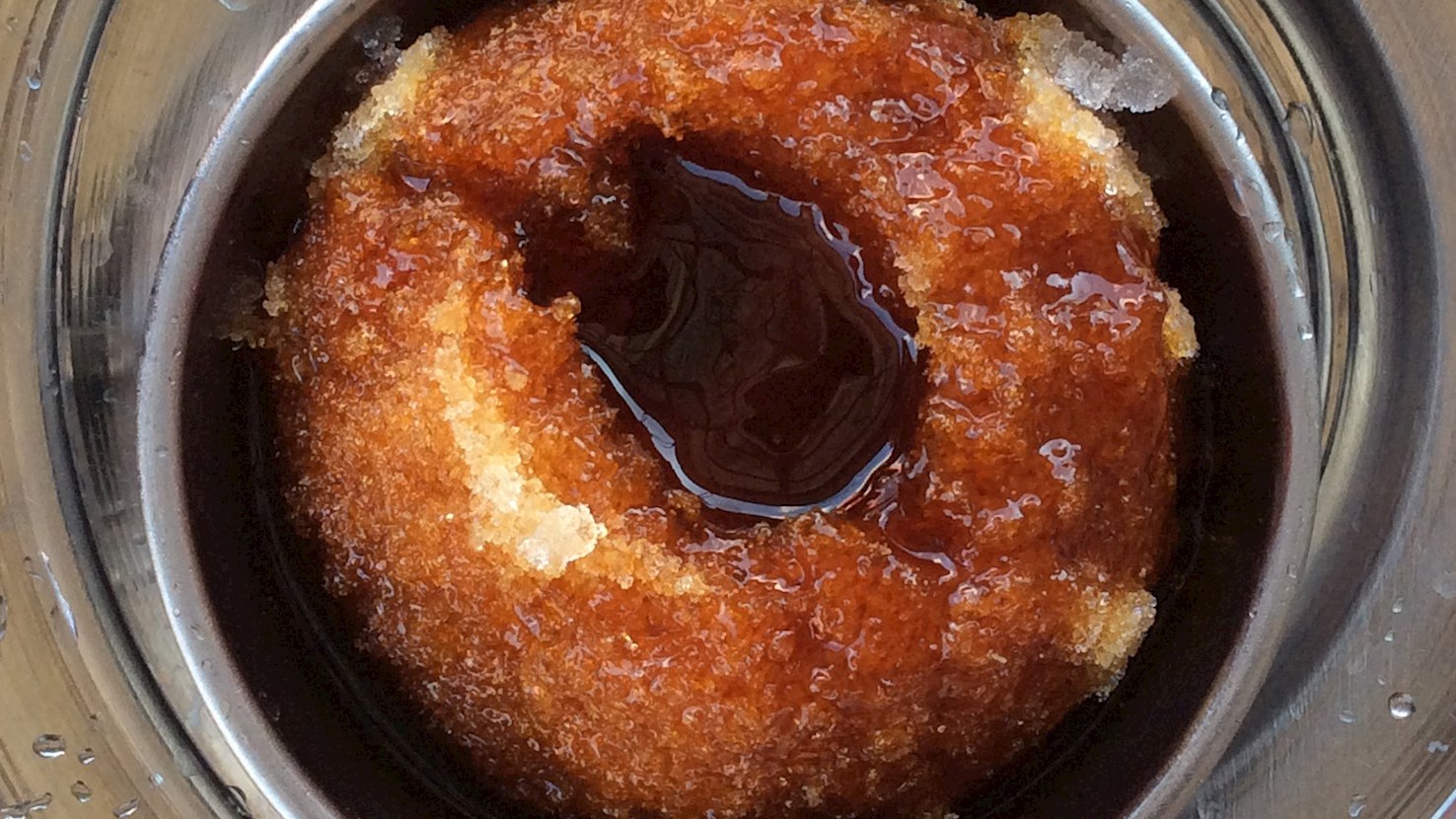
Karsambaç is a traditional dessert originating from the highlands of Mersin, most noteably the town of Çamlıyayla. This unique dessert is made with a combination of clean mountain snow and a sweet syrup such as honey, sugar syrup, or molasses. The blocks of snow are taken from the mountains with a pickaxe, and once brought to the city, the snow is grated with a knife before it's mixed with the sweet syrup. This dessert is often sold on street corners as a refreshing summer treat. It's considered to be a natural ancestor to granitas and snow cones.
TasteAtlas food rankings are based on the ratings of the TasteAtlas audience, with a series of mechanisms that recognize real users and that ignore bot,
nationalist or local patriotic ratings, and give additional value to the ratings of users that the system recognizes as knowledgeable.
TasteAtlas Rankings should not be seen as the final global conclusion about food. Their purpose is to promote excellent local foods,
instill pride in traditional dishes, and arouse curiosity about dishes you haven’t tried.
The initial list of top producers was compiled based on available reviews, awards, local recommendations, media and blog coverage, and consumer reviews.
The list will be updated with ratings from TasteAtlas local ambassadors and TasteAtlas users.



What People Say