pljevlja.travel

Top 15 Montenegrin Foods

Last updated on July 08, 2026

Best Montenegrin food products

01
Meat Product

Njeguška Pršuta - Gazdinstvo Martinović

4.7 ·

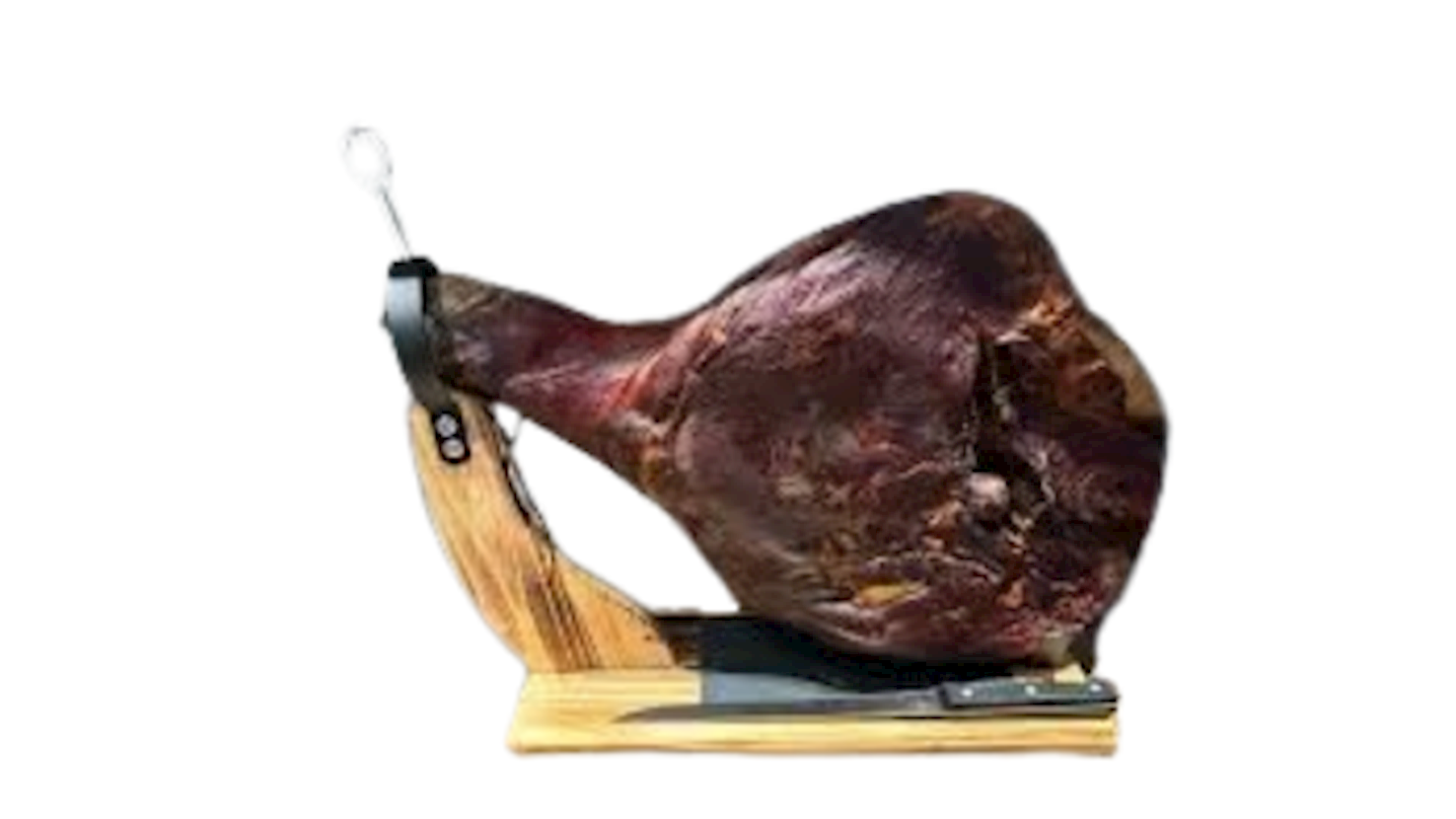
Njeguška Pršuta - Gazdinstvo Martinović from the village of Bajice near Cetinje produces traditional Njeguši prosciutto and Njeguši cheese, relying on methods that have been passed down through generations in this region. The pork legs for the pršuta are cured exclusively with sea salt, then pressed and smoked over cold beechwood smoke, after which the meat matures for about a year in the mountain air beneath Lovćen.

This process creates its distinctive aroma and firm yet juicy texture. Alongside pršuta, the household is also known for Njeguški sir, made from cow’s milk, lightly salted, and aged under controlled conditions to develop a semi-firm texture, gentle buttery notes, and subtle hints of maturation.

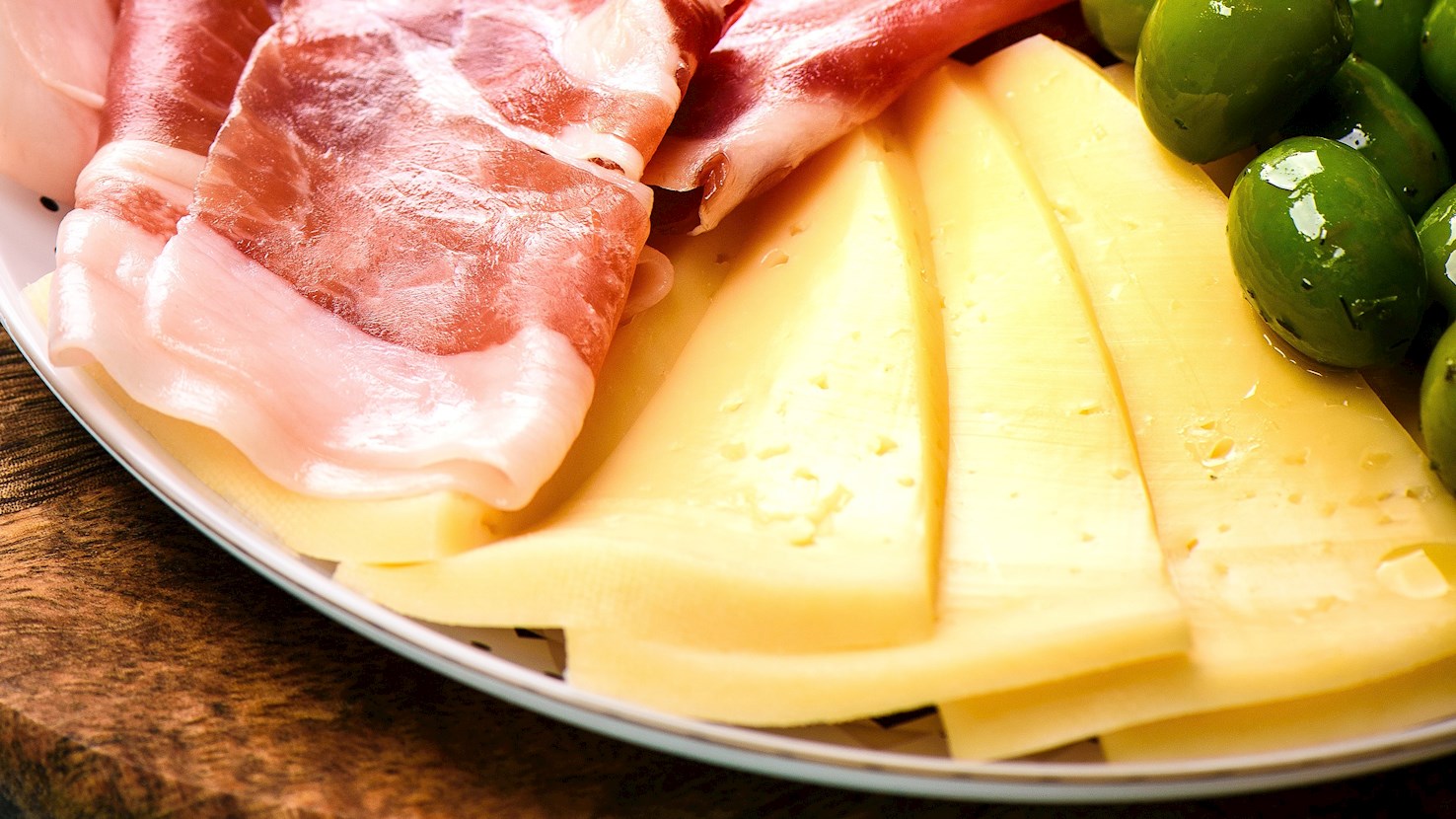
The cheese is traditionally served with the pršuta, as their flavors complement each other naturally and form the foundation of the Njeguška culinary tradition. Martinović offers their products in various formats, including vacuum-sealed packaging, ensuring freshness and wider availability of this renowned Montenegrin delicacy duo.

02
Olive Oil

Barsko Zlato

4.6 ·

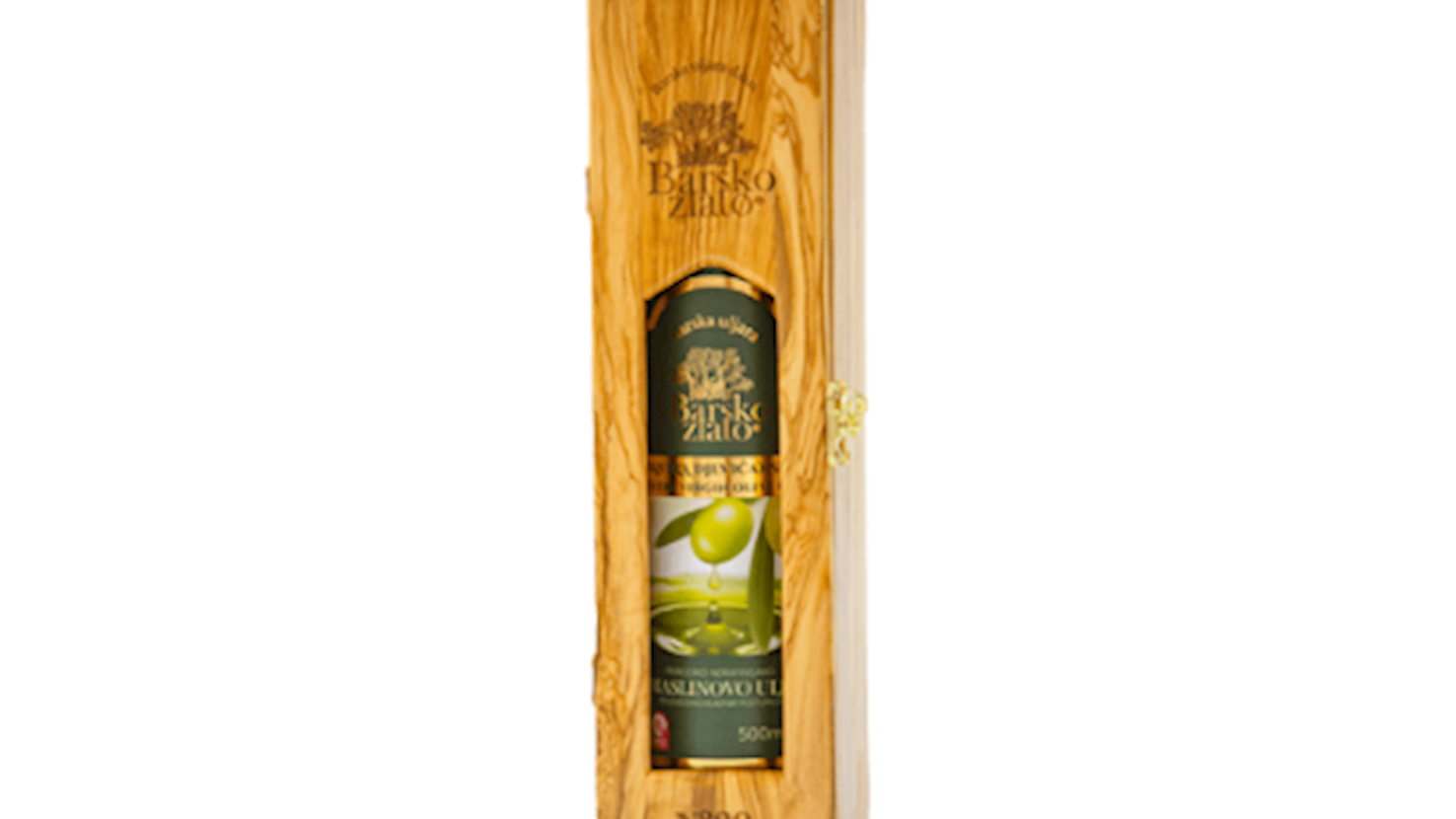
Barsko Zlato is the largest and most technologically advanced olive oil producer in Montenegro, recognized for maintaining complete control over the entire production process - from olive cultivation to bottling. The company relies on the indigenous Žutica variety, which has been grown in the Bar region for centuries and is known for producing oil with distinctive aromatic complexity and stability.

Production is based on mechanical cold pressing and modern centrifugation techniques, supported by rigorous chemical and organoleptic quality checks. The facility includes a state-of-the-art mill, storage units, and packaging lines, ensuring consistency and adherence to high standards.

As the first Montenegrin producer of extra-virgin olive oil with a protected brand and one of the most awarded in the region, Barsko Zlato exemplifies the blend of tradition, innovation, and strong local identity in its products.

03
Olive Oil

Uljara Lučka

4.6 ·

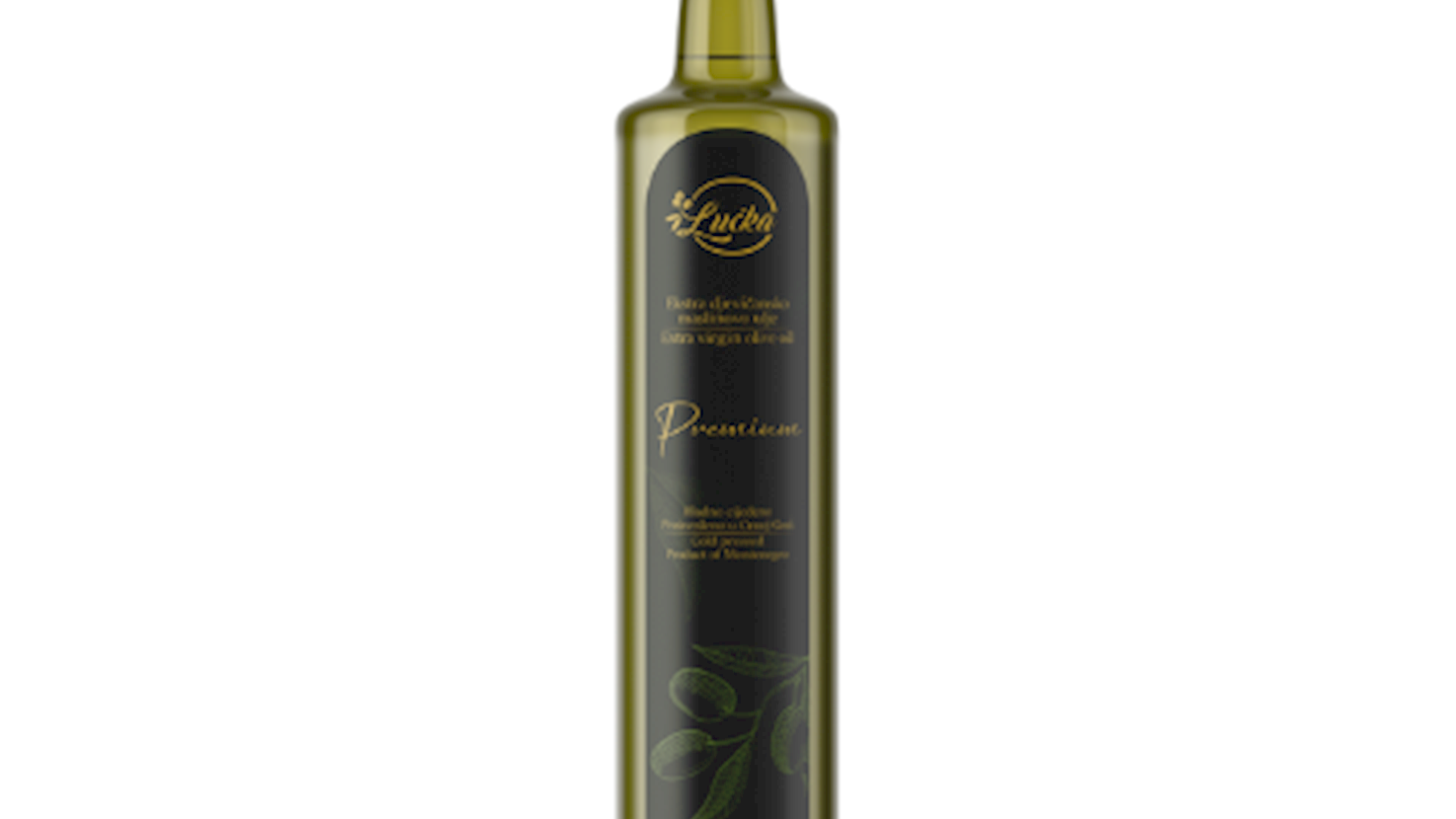
Uljara Lučka is a family-run estate from the municipality of Tuzi, producing high-quality extra virgin olive oil built on a combination of traditional practices and modern technology. The olives are sourced from their groves at the foot of Dečić hill, where they are hand-picked and carefully selected before being processed in a modern mill equipped with Pieralisi technology, with strict temperature and process control.

Production is carried out in small batches with a strong focus on freshness, aroma, and nutritional value. Their portfolio includes several lines of extra virgin olive oil, and the brand has quickly gained regional and international recognition, earning multiple gold medals at agricultural fairs.

Today, Uljara Lučka stands as one of Montenegro’s most promising olive oil producers, embodying consistency, quality, and a strong sense of local identity.

04
Wine

Plantaže

4.5 ·

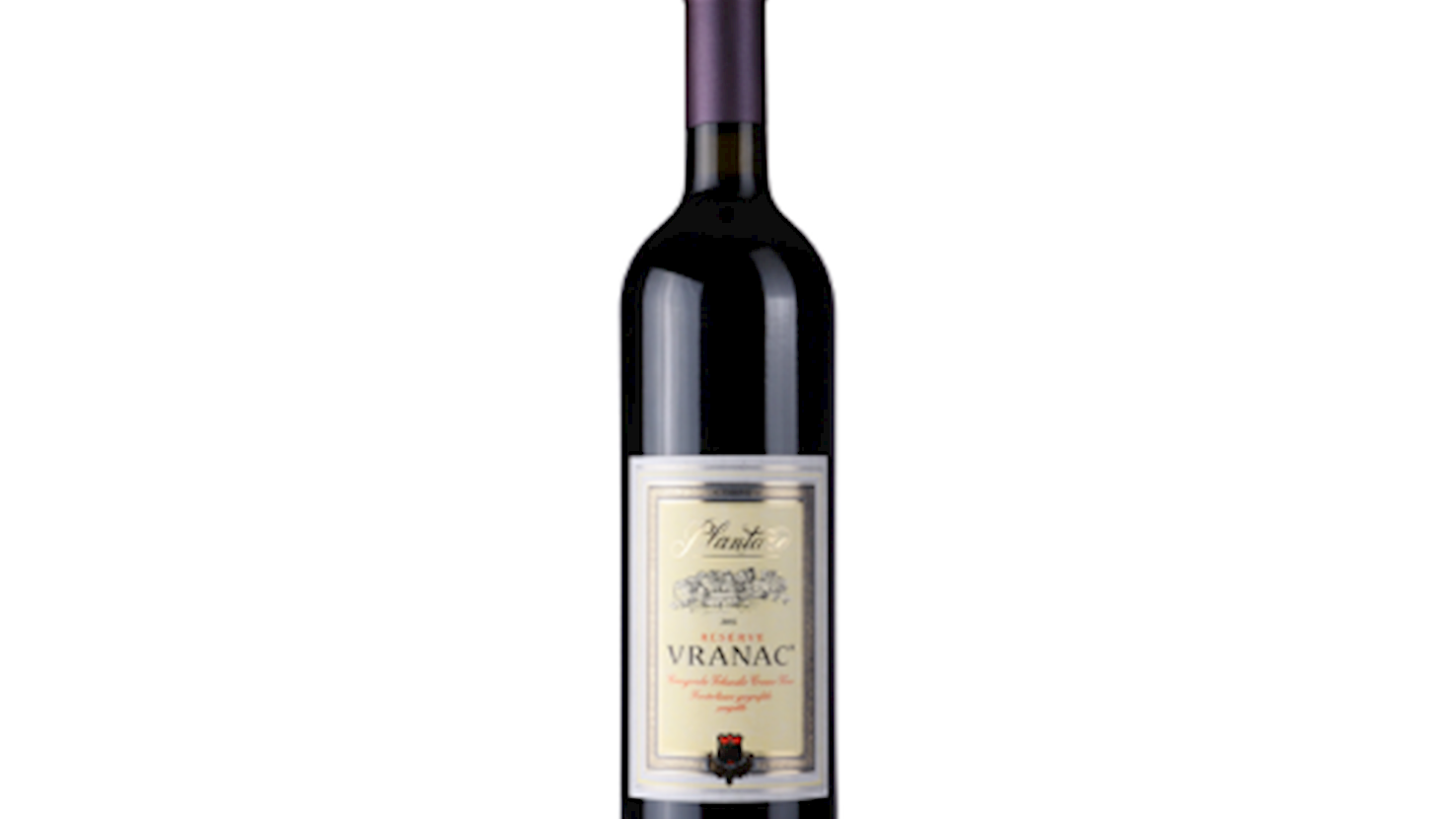
Plantaže is Montenegro’s largest winery and one of the most significant viticultural enterprises in the region, founded in 1963 and best known for its vast vineyard at Ćemovsko Polje, one of the largest single-site vineyards in Europe. Spanning more than 2,300 hectares and home to over ten million vines, the estate is dominated by the indigenous variety Vranac, alongside Krstač and a range of international grapes.

The company processes over 22 million kilograms of grapes annually and exports its wines to more than 40 countries, supported by three major cellars, including the impressive underground Šipčanik cellar. Its portfolio covers a wide spectrum of styles - from fresh whites and aromatic rosés to complex red blends and premium barrel-aged wines.

Plantaže also cultivates a strong wine tourism program, offering tastings, cellar tours, and gastronomy rooted in local ingredients. The combination of tradition, modern practices, and the unique Podgorica terroir has established Plantaže as a key ambassador of Montenegrin winemaking.

Awards
Vivino - 4.1
Vivino - 4.0

Best Montenegrin foods

01
Dry-cured Ham

Njeguška pršuta

4.4 ·

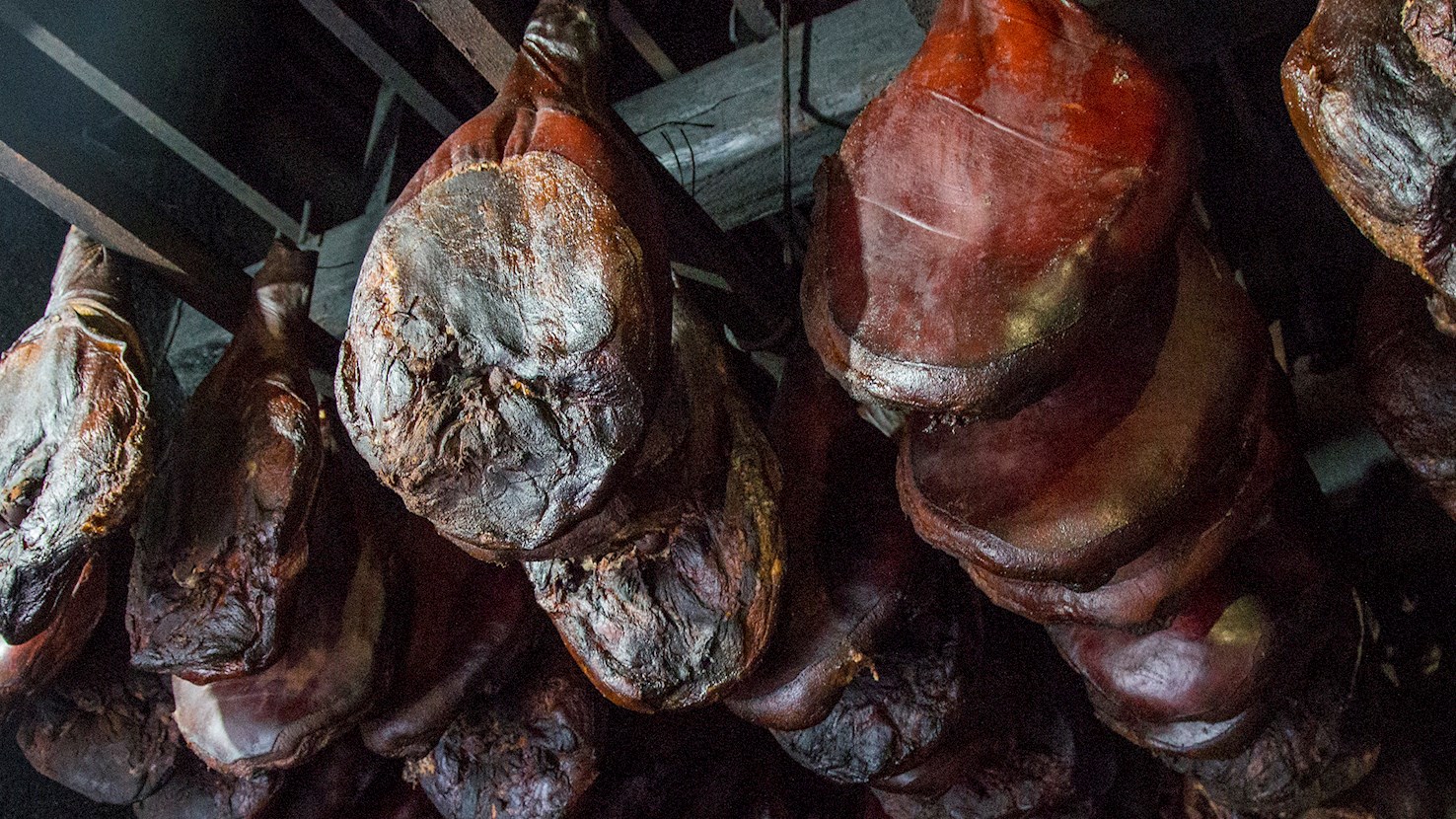
Njeguška pršuta is a prosciutto variety originating from the area of Njeguši in Montenegro, hence the name. Pork ham is traditionally salted with sea salt, pressed in order to remove excess liquid, then smoked and dried in the cool mountain air, after which it is left to mature, so the whole process typically takes about a year. The meat is smoked over beech wood, imparting a unique flavor and aroma to this delicacy. When fully matured, this meat product is thinly sliced and can be paired with anything from cheese and bread to salads and pasta dishes.

02
Cheese

Pljevaljski Sir

4.0 ·

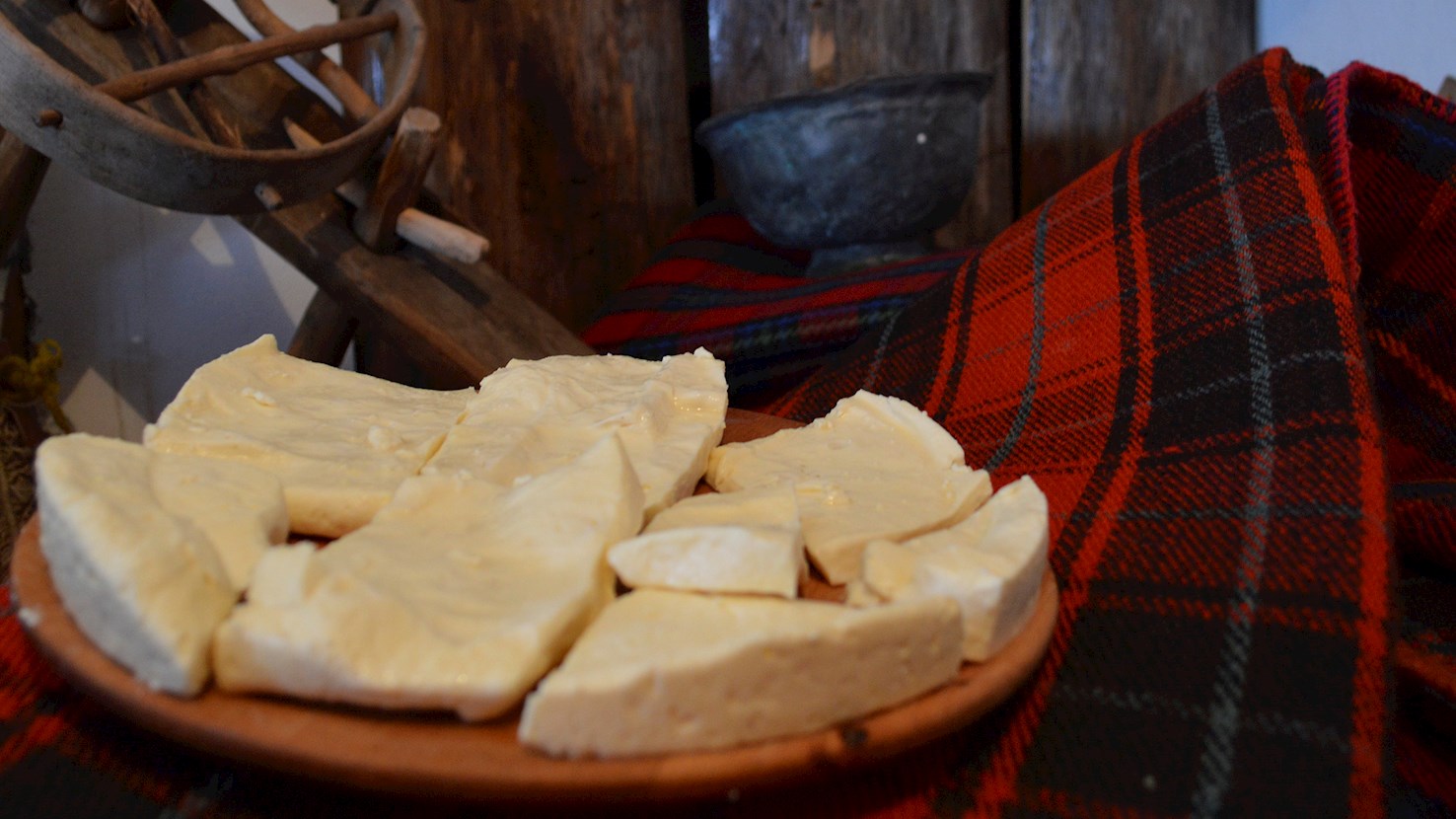
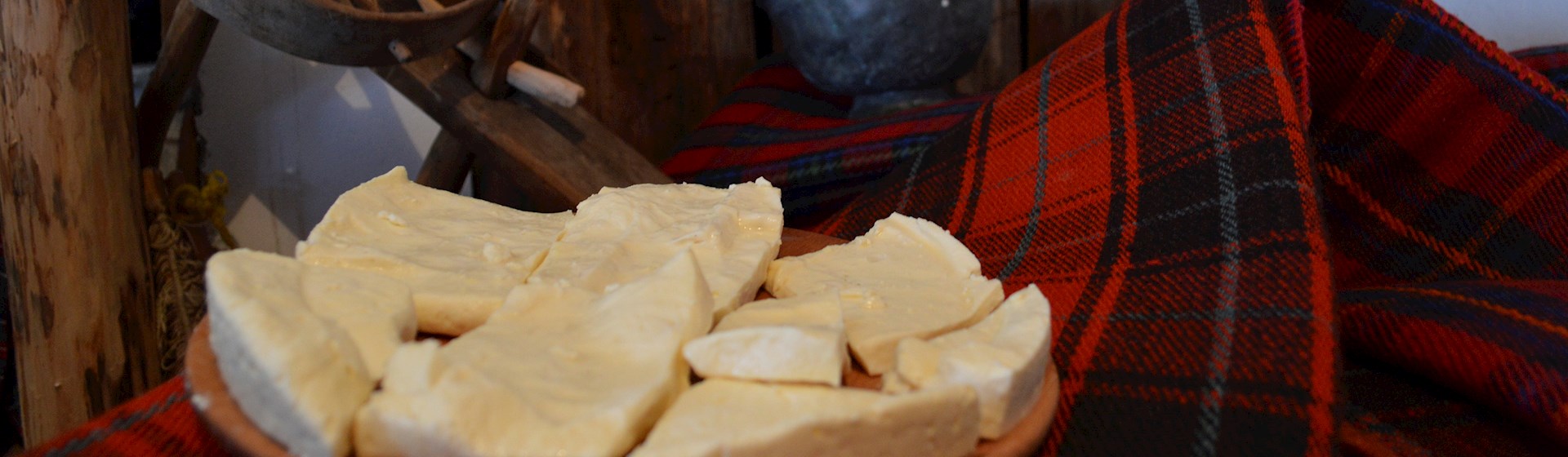
Pljevaljski sir is a staple of many Montenegrin meals. This white cheese is traditionally produced from raw cow's milk. The cheese is characterized by its strong flavor and creamy texture. Its unique aromas are a result of the maturation process which takes place in specially designed wooden barrels - the sliced cheese is salted, placed into wooden barrels, then immersed in brine. Pljevaljski sir should mature for 15 days before it is ready for consumption. The cheese is so popular that there is even an annual event called Dani Pljevaljskog Sira, where numerous producers from the Pljevalj region present their cheeses.

03
Cheese

Njeguški Sir

3.9 ·

Njeguški sir is a Montenegrin full-fat hard cheese produced from sheep's milk. The curd is first placed in a cheesecloth, then in a cheese mold, and finally, it is pressed with a wooden plank which is topped with a stone. After one day, the cheese is salted and placed in a wooden box for two days, and it is then left to mature for at least four weeks until the cheese is ready for consumption. The final product has a golden-yellow crust and a milky-sour, salty flavor.

04
Meat Dish

Ražnjići (Skewers)

3.8 ·

Ražnjići are a popular type of grilled meat skewer from the Balkan region, particularly in countries like Serbia, Croatia, Bosnia and Herzegovina, and Montenegro. The word "ražnjići" translates to "skewers" in English. These skewers typically consist of chunks of marinated meat—commonly pork, chicken, beef, or lamb—that are threaded onto sticks and then grilled. The marinades vary but often include a blend of herbs, spices, garlic, and sometimes vinegar or lemon juice to enhance the flavor of the meat. Ražnjići are a staple at barbecues and family gatherings and are also commonly found at local eateries and street food stalls. They are usually served with sides such as bread, fresh salad, and various condiments.

05
Soup

Čorba od koprive

n/a ·

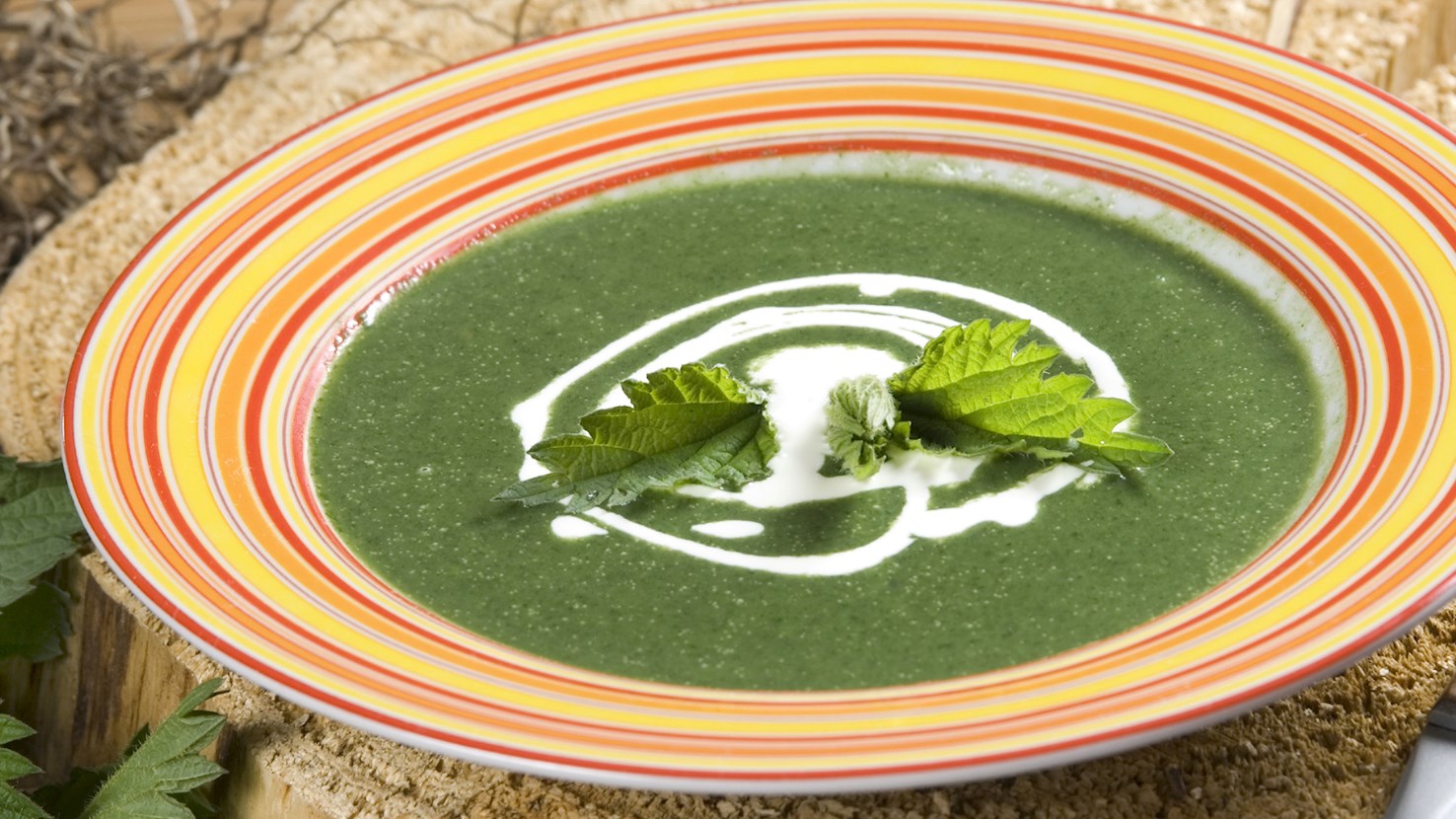
Čorba od koprive is a flavorful and healthy Montenegrin soup made with young top shoots of nettles as the main ingredient. Apart from nettles, the soup is made with butter, salt, rice, potatoes, spring onions, and water. Dried meat is sometimes added to the soup in order to give it a fuller flavor. It is recommended to wear rubber gloves while picking the nettles due to their stingy properties. The nettles are pounded into a paste or puréed before being combined with other ingredients. Once prepared, this nourishing soup should be served with a dollop of clotted cream on top.

06
Bread

Crnogorska pogača

n/a ·

Crnogorska pogača is a traditional peasant bread originating from Montenegro. This yeastless bread is usually made with a combination of flour, water, salt, baking soda, and oil or butter for greasing the baking dish. Once prepared, the dough for this pogača should be somewhat harder than regular bread dough. It's placed into a greased baking dish, covered with the lid (sač – which is then topped with ash and hot coals), and the bread is baked for about half an hour. Once done, the bread is sprinkled with cold water, wrapped into a kitchen cloth, then left to rest for a while before it's served. Crnogorska pogača is usually enjoyed with cheese and cold cuts.

07
Fried Dough

Priganice

4.0 ·

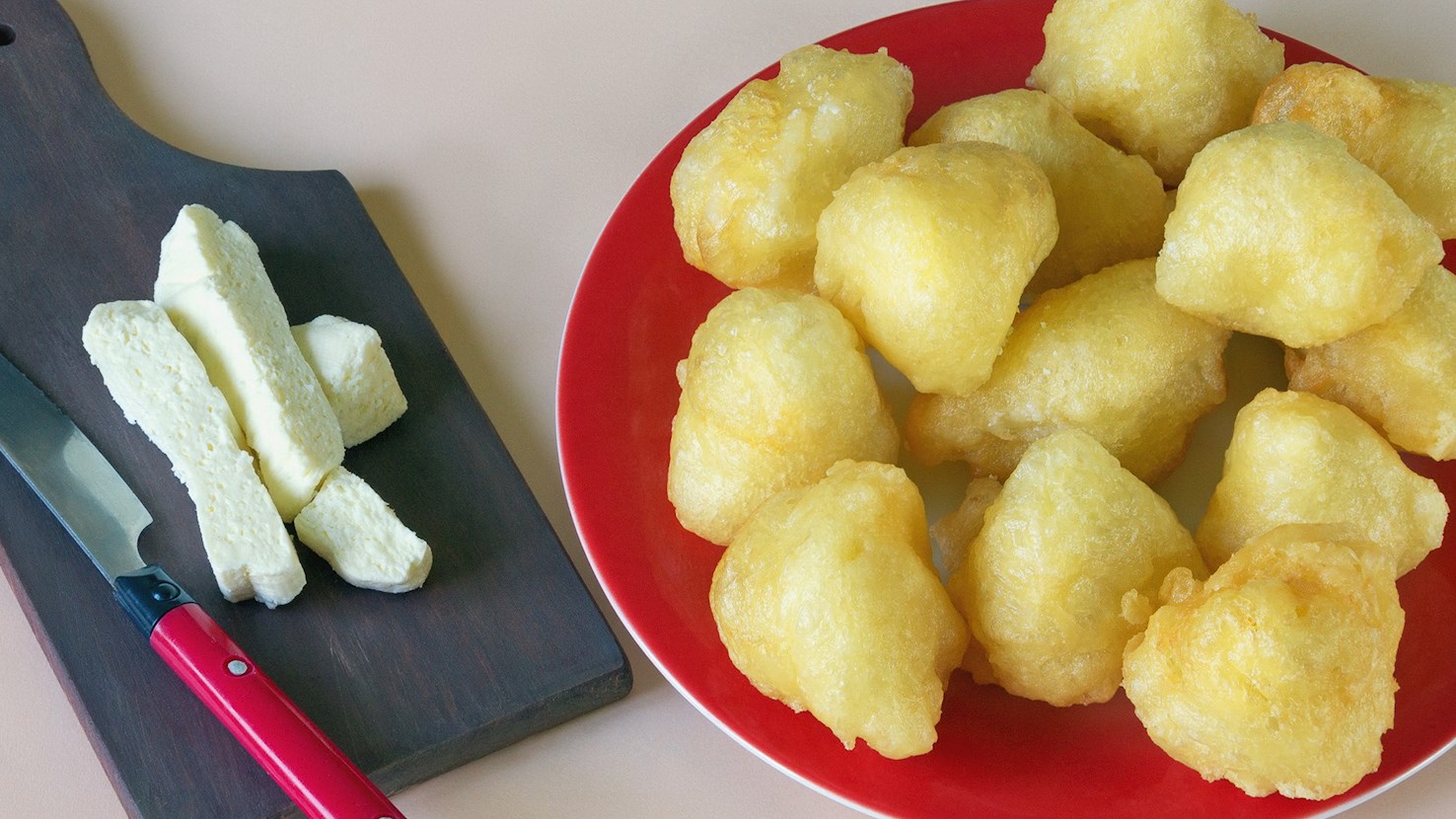
Priganice is a popular snack originating from Montenegro. The dough is made with flour, water, oil, salt, yeast, and sugar. Yogurt or rakija are sometimes added to the dough so that it doesn't soak up much oil during the frying process. Priganice can be made in savory or sweet versions, and it is recommended to serve them warm, then pair them with fresh cheese, honey, fruit jams, or sugar.

08
Porridge

Cicvara

3.4 ·

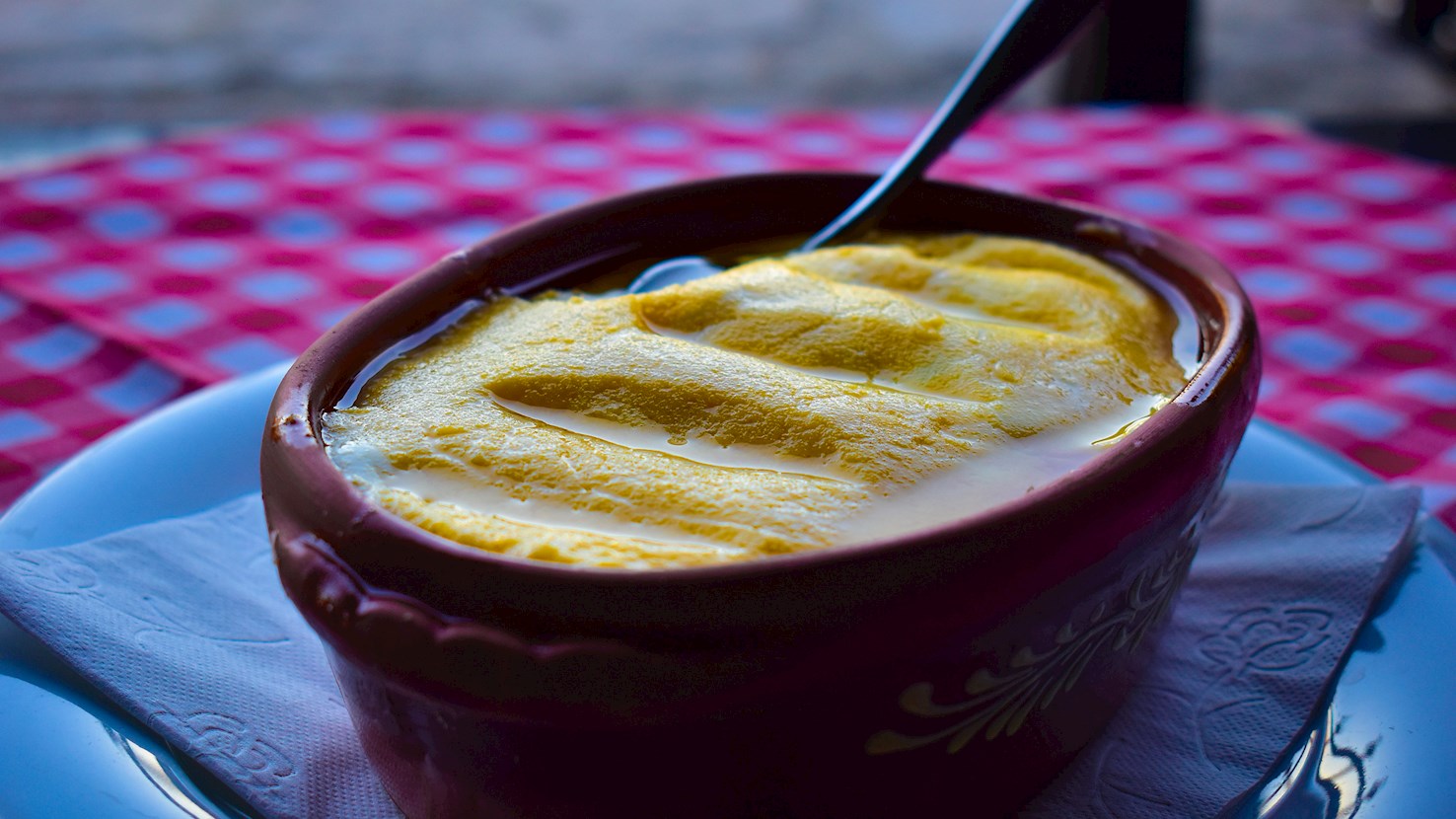
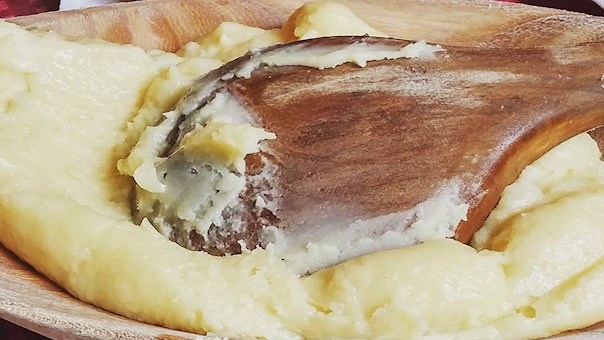
Cicvara is a traditional peasant dish originating from Montenegro and some areas in Herzegovina. The dish is usually made with a combination of corn flour, fresh cottage cheese or semi-hard cheese, milk, water, salt, and matured kaymak. The cheese is melted in water and milk, and when the flour is added, the mixture should be vigorously stirred until done. Regardless of the name and numerous variations (almost every family has their own way of preparation), cicvara started out as peasant dishes that provided the much-needed calories for a full day of work in the fields. It's recommended to serve the porridge in wooden bowls. If desired, top it with herbs, bacon bits, sour cream, or honey.

09
Cheese

Kolašinski lisnati sir

n/a ·

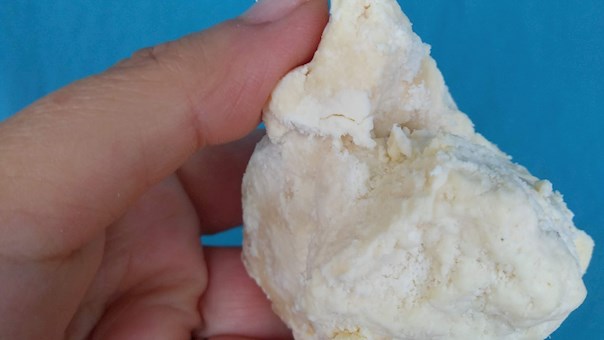
Kolašinski lisnati sir is a semi-hard, medium-fat cow's milk curd cheese unique for the fact that it consists of thin, translucent layers, hence the name leafy (lit. lisnati) cheese. It's produced in the area around Kolašin and Mojkovac town, in the Central North region of Montenegro. Kolašinski lisnati sir can be classified as pasta filata cheese and is made with skimmed and whole milk, to which rennet is added to make a curd that is drained, pressed, turned and folded multiple times to create layers, and then salted. The end result is a stretchy cheese that tears into shreds, consisting of multiple translucent sheets of cheese, with an intense milky-sour smell and a milky-sour taste. It is assumed it was first created in the 19th century, but its production significantly grew from the mid-20th century onward. Today, Kolašinski lisnati sir is protected nationally with a PDO certificate, and it is said that the quality of the cheese can be judged by the number of layers it has, the more, the better. As far as serving is concerned, Kolašinski lisnati sir is typically served as an appetizer, accompanied by cold cuts.

10
Potato Dish

Kuvana krtola

n/a ·

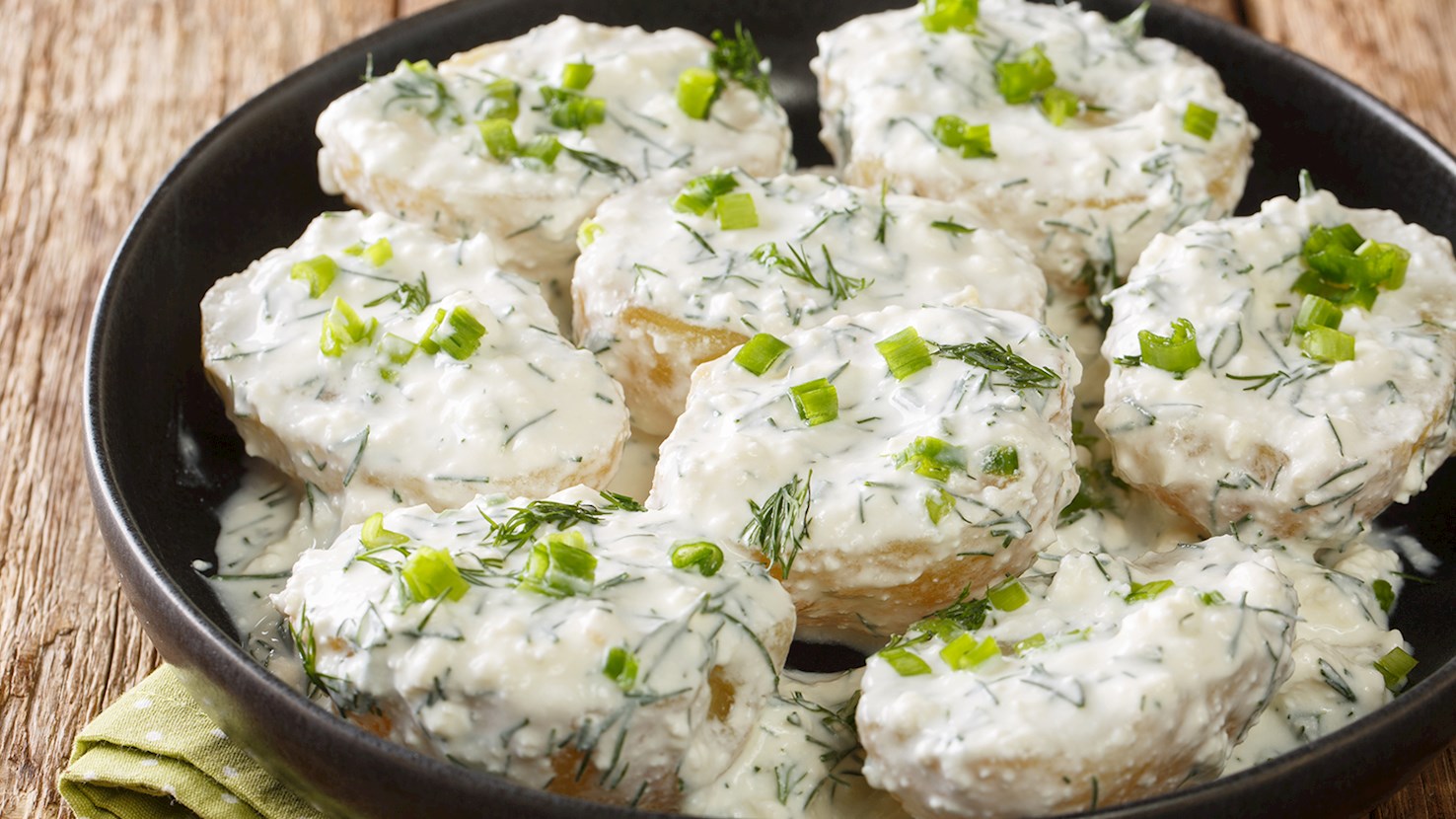
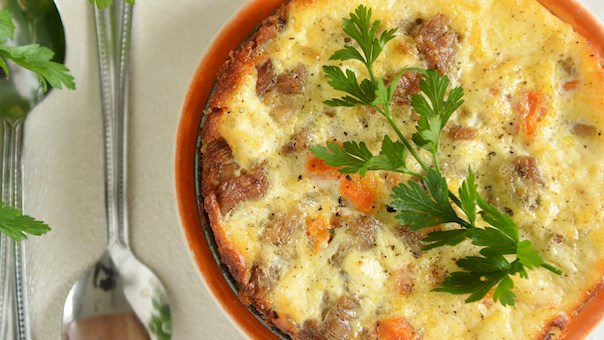
Kuvana krtola is a traditional potato-based dish originating from Montenegro. The dish is made with a combination of potatoes, yogurt, fresh cheese, salt, and black pepper. The potatoes are baked (or sometimes boiled) until tender. They are peeled and cut into halves, then arranged on a plate. The yogurt is mixed with fresh cheese and seasonings, and the mixture is then spooned on the potato halves. This simple meal is typically enjoyed while still warm and it's served on its own or as an accompaniment to other dishes.

Read more
View all
View map
About this ranking

TasteAtlas food rankings are based on the ratings of the TasteAtlas audience, with a series of mechanisms that recognize real users and that ignore bot, nationalist or local patriotic ratings, and give additional value to the ratings of users that the system recognizes as knowledgeable. For the “Top 15 Montenegrin Foods” list until July 08, 2026, 149 ratings were recorded, of which 75 were recognized by the system as legitimate. TasteAtlas Rankings should not be seen as the final global conclusion about food. Their purpose is to promote excellent local foods, instill pride in traditional dishes, and arouse curiosity about dishes you haven’t tried.

The initial list of top producers was compiled based on available reviews, awards, local recommendations, media and blog coverage, and consumer reviews. The list will be updated with ratings from TasteAtlas local ambassadors and TasteAtlas users.

Similar lists