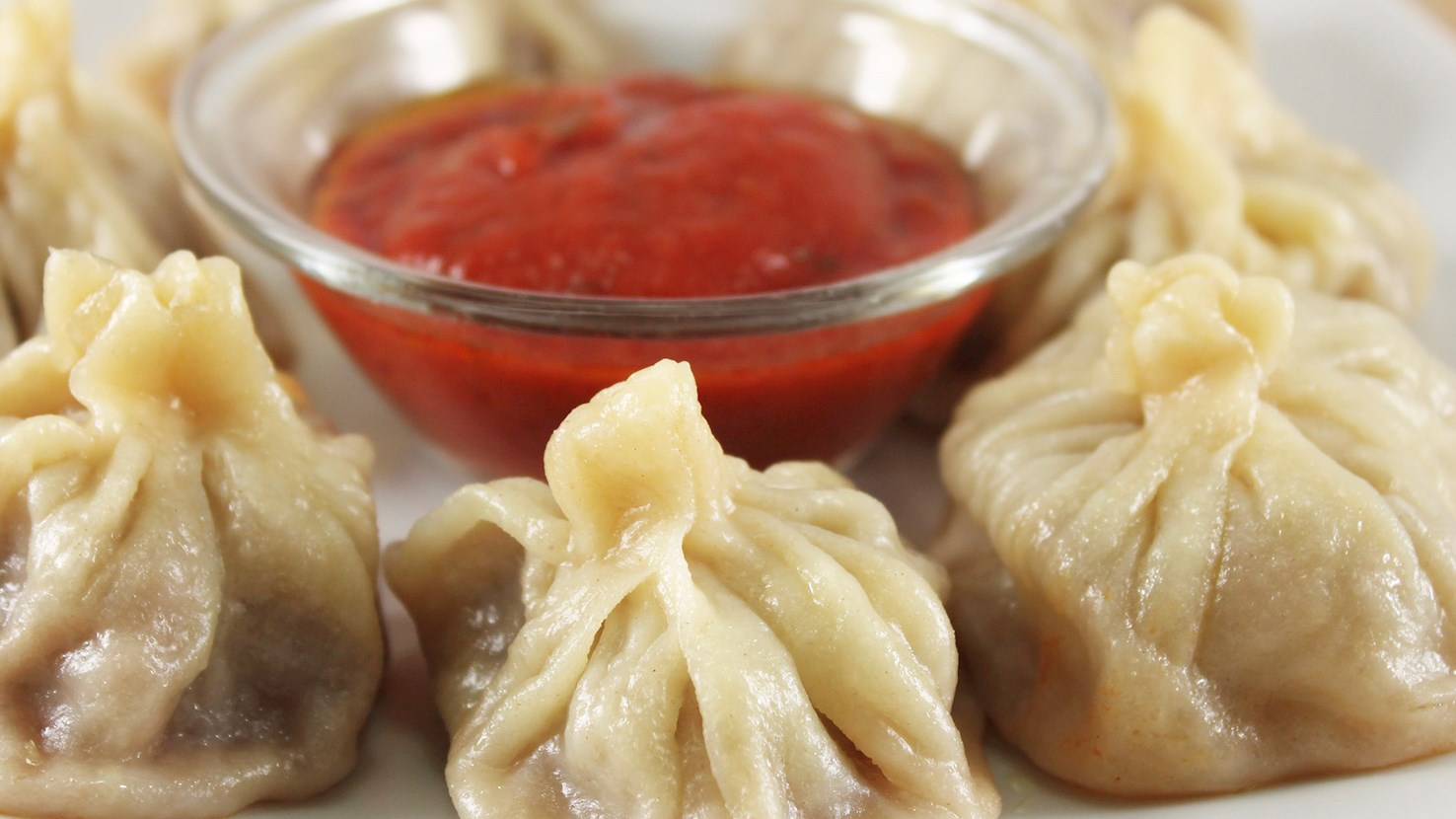
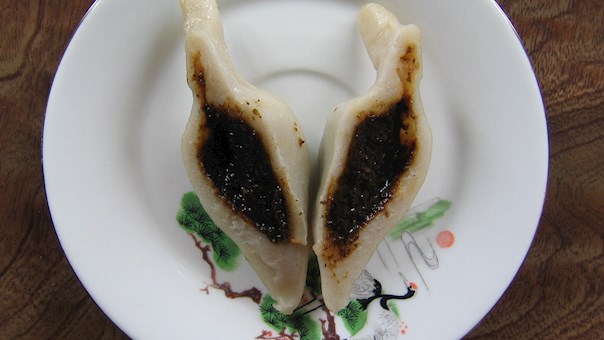
Momo dumplings were traditionally only filled with minced meat, but nowadays, the fillings have diversified to include vegetables, dairy, or a combination of both. They are native to Tibet and have been brought to the Kathmandu Valley by traveling Newar merchants, and thus Nepal, where they consider them as their own. Thanks to Tibetan diaspora, momos are also today hugely popular in India. Momo dumplings are typically steamed, but they can also be fried. They are usually shaped either into purses or into half-moons (other shapes also exist). The best-known varieties include buff momos made with water buffalo meat, sha momos made with beef or yak meat, and khasi momos with lamb or mutton filling, while both jhol momos and C-momos come served in a spicy, hot sauce. Other noted types of momo dumplings include open momos, tarkari momos that have a vegetable filling, potato-filled momos, and cheese-filled momos. These dumplings are very versatile and can be eaten either as a snack or an appetizer. However, they are typically served as a main course with a dipping sauce on the side.
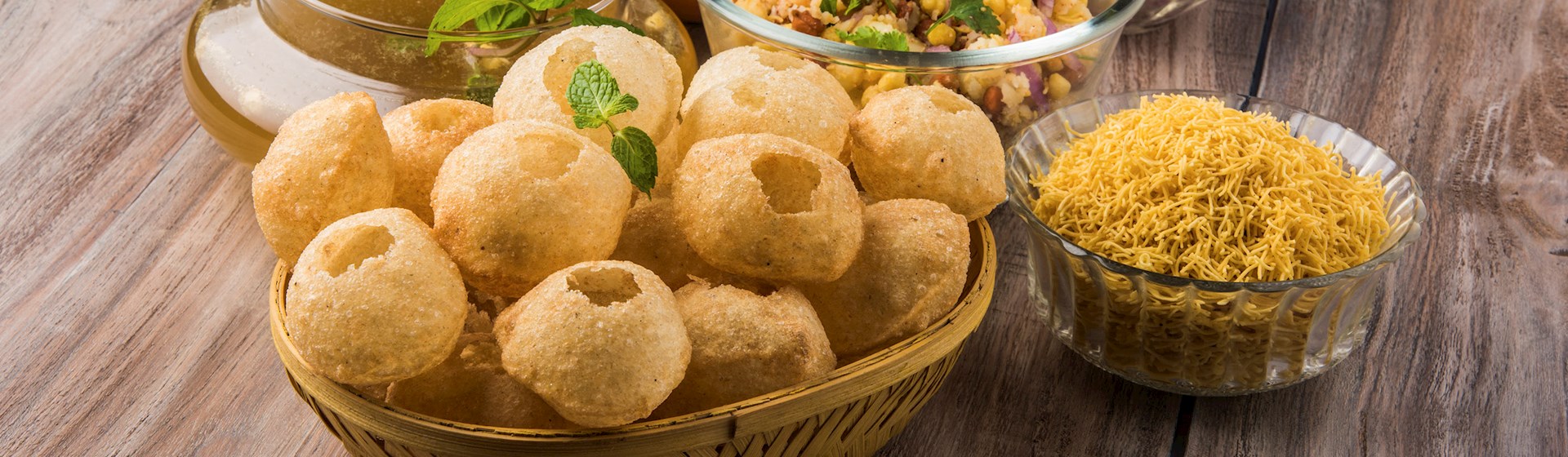
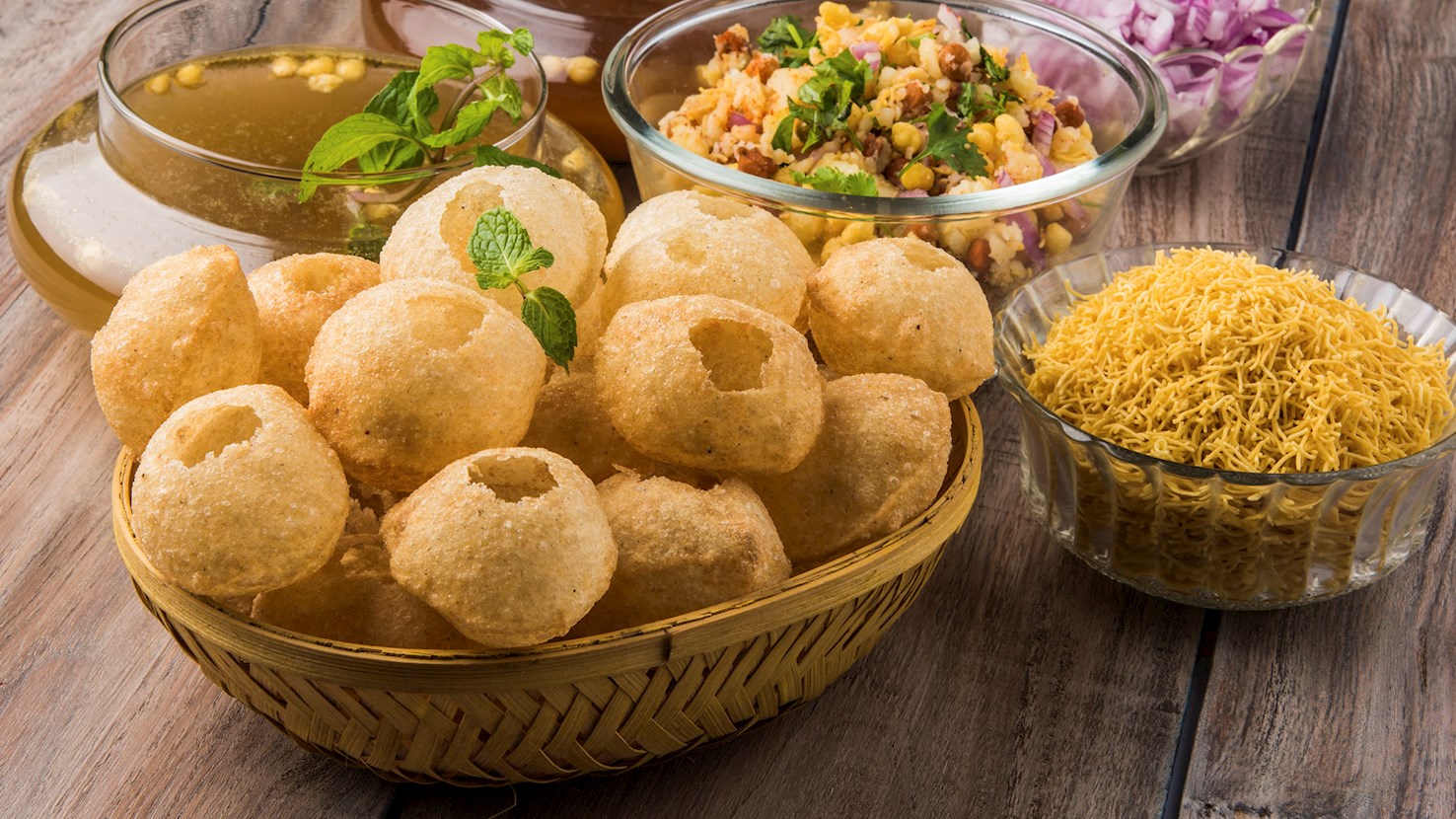
Panipuri is a street snack that is extremely popular in India, Bangladesh, Pakistan, and Nepal. Small in size, it consists of a hollow puri that is fried until crispy, then stuffed with a combination of flavored water called pani, tamarind chutney, chaat masala, potatoes, onions, hot chillis, and chickpeas. In North India, panipuri is known as golgappa, gol referring to the crispy shell, and gappa referring to the eating process, since these small snacks are typically eaten one at a time. It is believed that panipuri originated in Uttar Pradesh and gradually spread in popularity throughout the country and outside of it. Today, panipuri stalls are a staple at most fairs, festivals, or weddings in India.
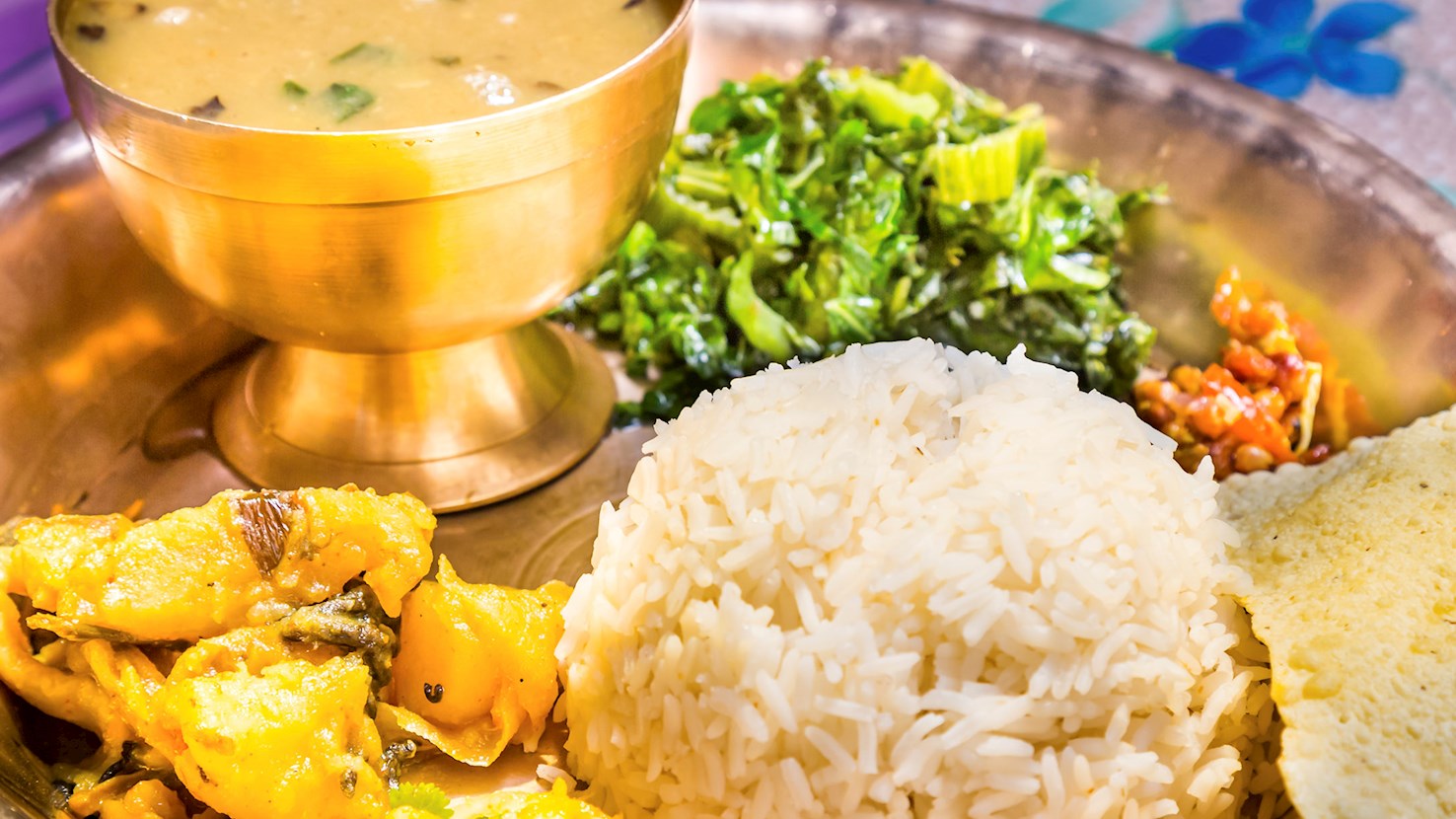
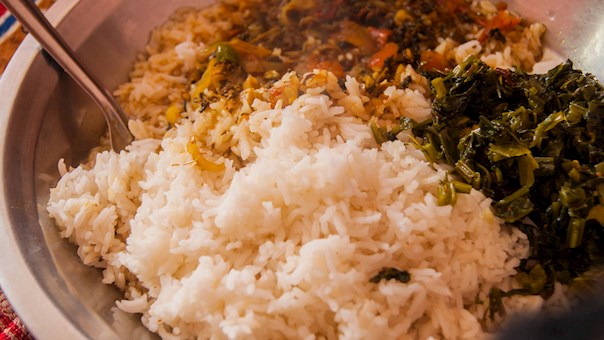
Dal bhat, a staple of Nepalese diet, is a combination of rice (bhat) and lentil soup (dal) served with a variety of side dishes. Depending on the type of lentils used, the dal can be either yellow or black in color, whereas barley, maize, buckwheat, and unleavened bread roti are often used as a substitute for rice. Most common side dishes include a vegetable curry called tarkari, spicy chutneys, a crisp flatbread called papadamu, South Asian achaar pickles, stir-fried greens, and slices of tomatoes, cucumbers, and onions. Dal bhat is considered to be a typical vegetarian dish, although it can also be prepared with meat and fish.
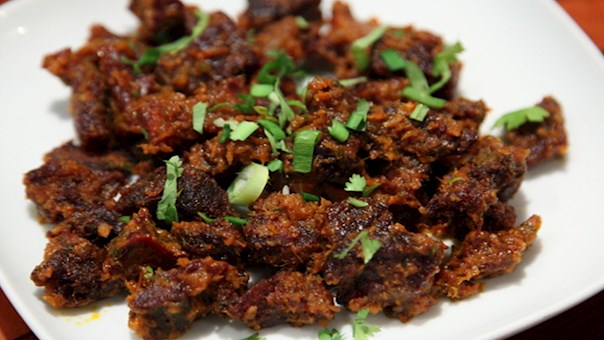
Chunla is a traditional meat dish originating from the Kathmandu Valley in Nepal. The meat (usually water buffalo's meat) is finely chopped with a meat grinder or a knife. The spices are kneaded into the meat, and it's then fried in oil and simmered in water. Once done, the meat is topped with a combination of fenugreek seeds and oil. Chunla can also be shaped into meatballs or meat patties for certain ceremonies. The meat is also often used as a filling for momos or a topping for rice flour pancakes known as chatanmari.
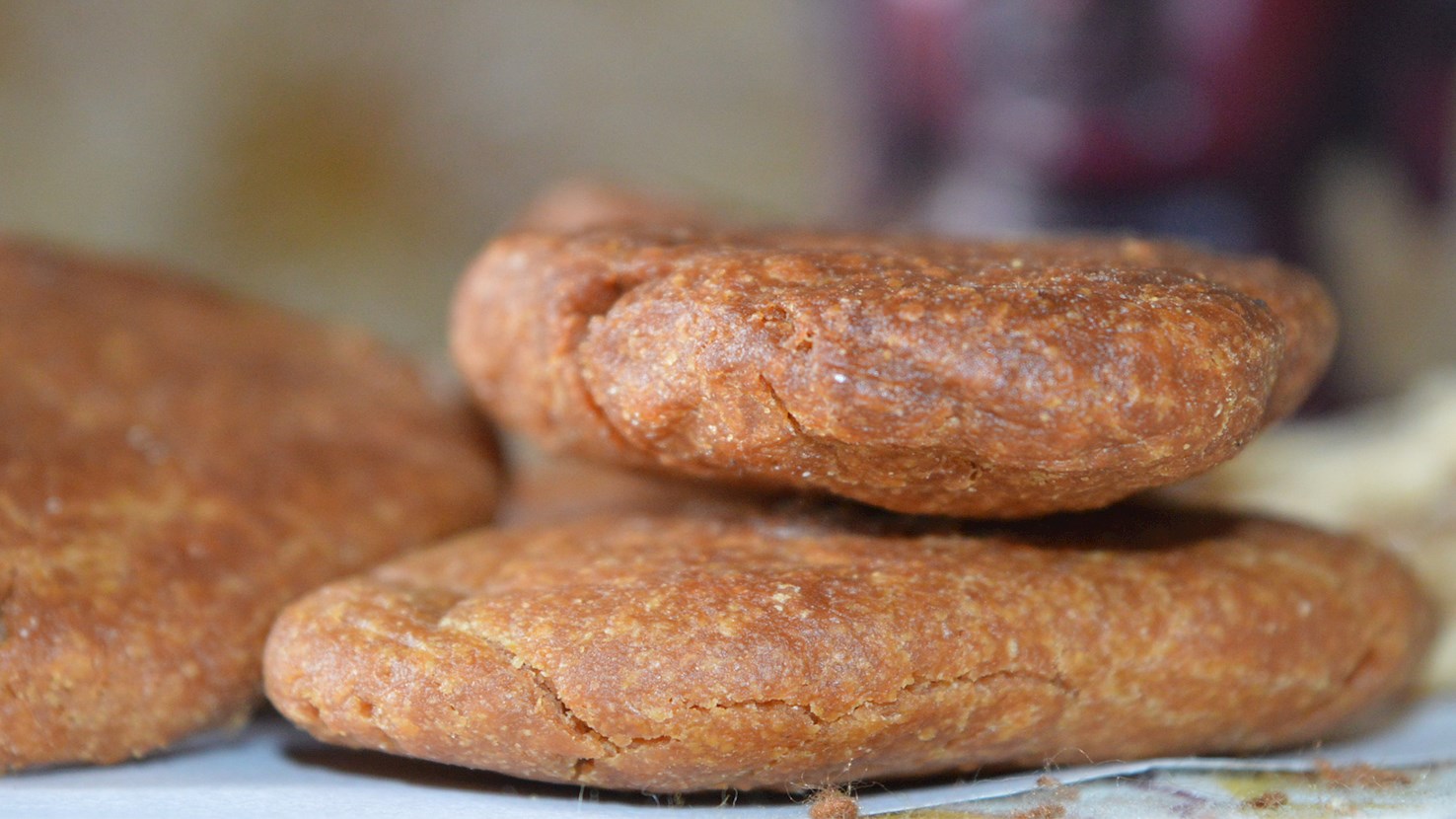
Thekua is a flavorful, crispy Nepalese dessert consisting of whole wheat flour, jaggery, and grated coconut. The dough is traditionally deep-fried in ghee until it develops a reddish-brown color. This unique treat is especially popular during the Chhath Puja festival, when it is prepared as an offering to God. Apart from Nepal, thekua is very popular in Bihar and Uttar Pradesh, and some claim that the true origin of thekua is actually in Bihar.
Khasi ko masu is a flavorful Nepalese curry made with goat meat. Although the meat has its own rich flavor and doesn't need many spices to enhance the flavors of the dish, it is combined with flavorings such as garam masala, chili, turmeric, cloves, and cinnamon. The dish is especially popular during the largest Nepalese festival called Dashain. It is recommended to pair the curry with rice and roti bread.
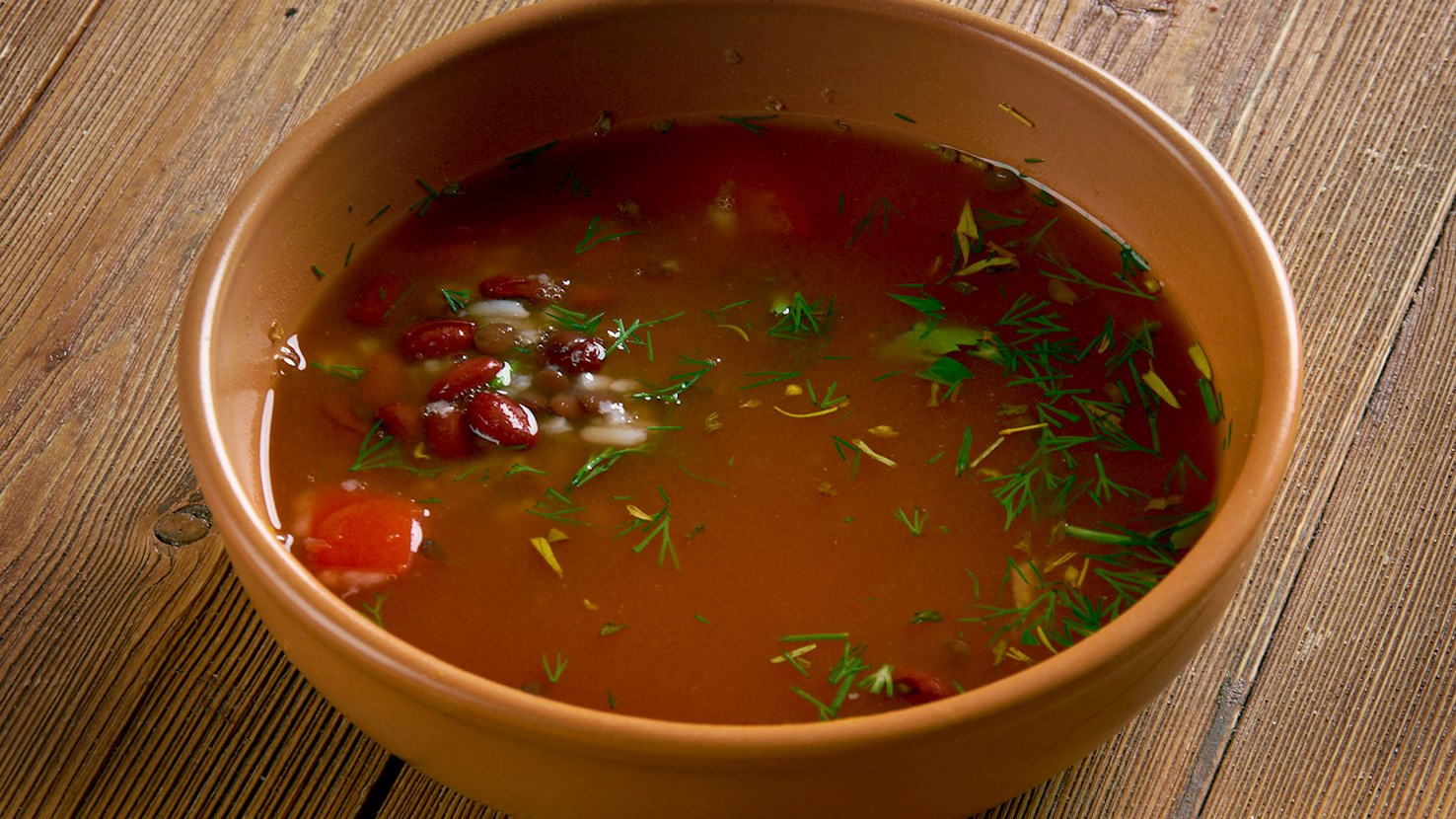
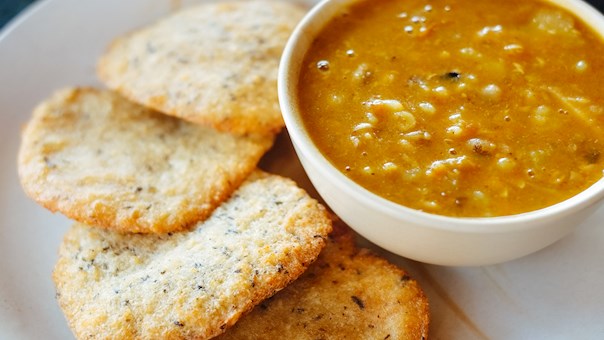
Kwati is a traditional Nepalese stew consisting of different types of beans such as white peas, chickpeas, soya beans, mung beans, kidney beans, and black-eyed peas. The stew is additionally flavored with turmeric, ginger, salt, and ajwain lovage seeds. It is especially popular on the day of Janai Purnima, and it is recommended to serve it with any kind of flatbread on the side.
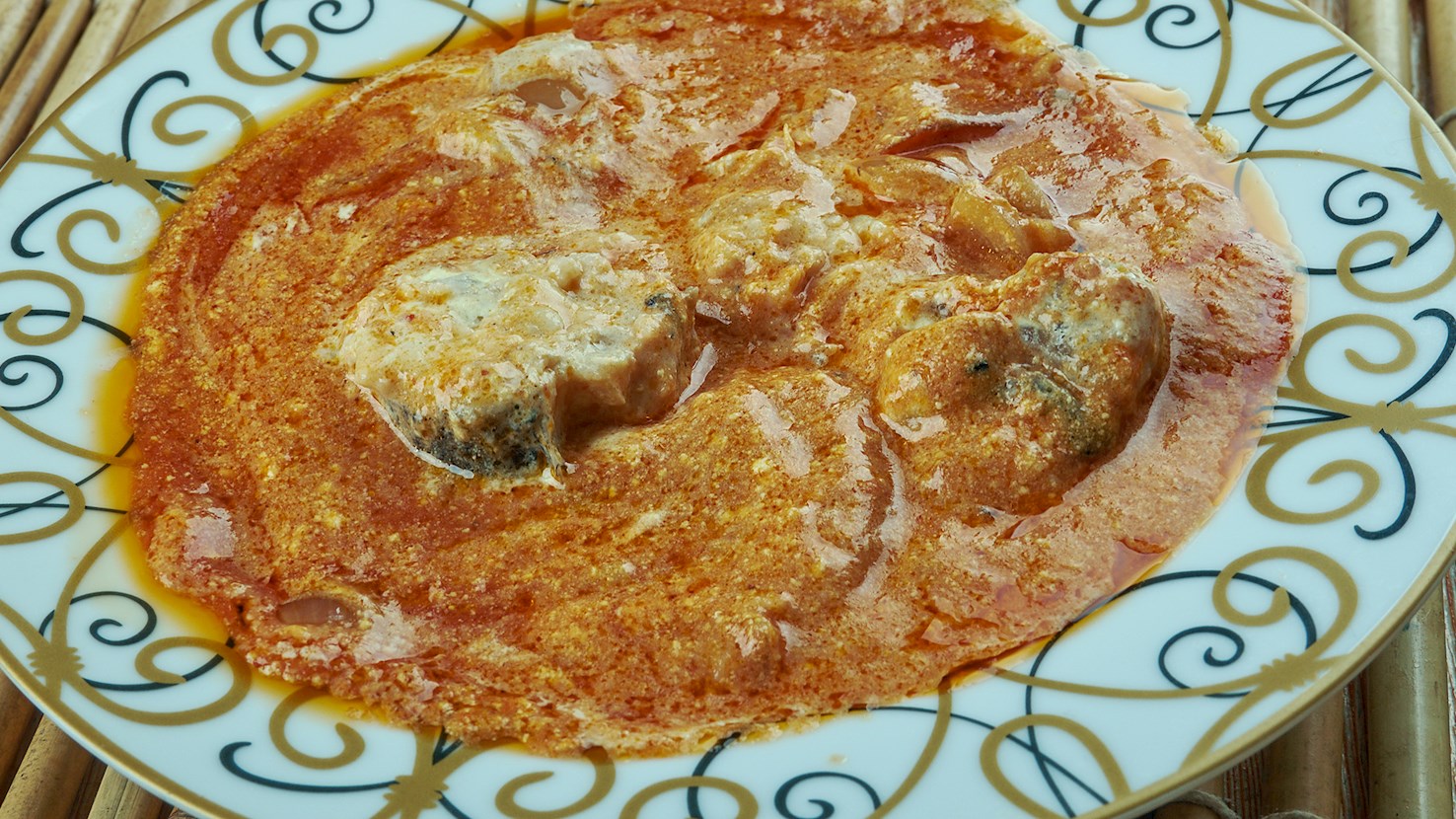
Macher jhol is a Bengali and Odia spicy fish stew, similar to curry. It consists of chunks or slices of fish that are slowly simmered in a flavorful broth that is usually enriched with onions, turmeric, chili peppers, ginger-garlic paste, coriander, nigella seeds, cumin, and mustard seeds. The most common fish varieties used in the dish include ilish (hilsa), rohu, and bhakura (catla), and the dish often incorporates potatoes, as well as tomatoes or tomato purée. Macher jhol is usually served with rice, and it is occasionally garnished with coriander leaves.
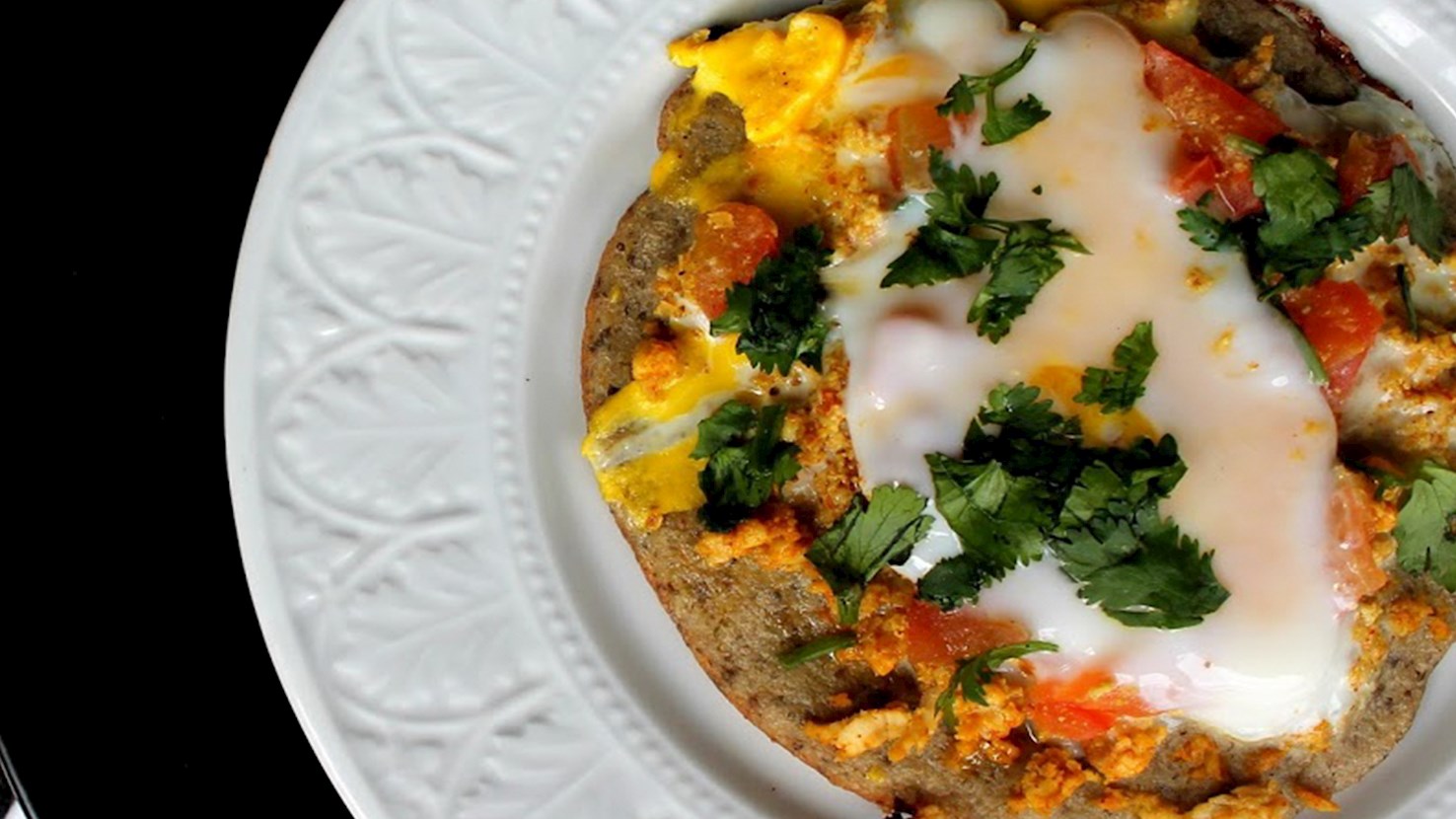
Chatmari is a thin, savory crepe made from a smooth batter of milled rice flour and water, baked on a flat iron griddle until the bottom crisps while the top remains soft enough to support savory toppings. This flatbread originated within the Kathmandu Valley during the Malla dynasty, which ruled from the 12th to the 18th centuries. Agrarian communities across the valley made the bread as a ceremonial food for Dewali, an annual religious event focused on worshipping ancestral family deities. Written records from medieval Guthi land trust systems outline its role as a feast component distributed during autumn rice harvest festivals. Soaking raw white rice overnight is mandatory before grinding it into a highly fine, powdery flour. This flour whisks together with cold water to form a completely loose, pourable white liquid. A heavy cast-iron pan, locally known as a tawa, is heated over an open flame and coated with a thin layer of mustard oil. A ladle drops a precise volume of the wet batter directly onto the hot metal, spreading instantly into a wide, uniform circle. Unlike standard pancakes, the batter never flips. Instead, a heavy metal lid is dropped over the pan, trapping the escaping steam and cooking the upper surface completely, while the intense heat at the bottom creates a brittle, scorched crust. Because it’s often topped with eggs, cheese, meat, or vegetables, chatmari is often called Nepali pizza. A common variation adds heavily spiced minced water buffalo meat, mixed with crushed cumin, fresh ginger, and raw garlic, directly onto the wet batter before the lid goes on. The trapped steam forces the meat fats into the porous rice base. Other variations crack a whole chicken egg over the surface, breaking the yolk and spreading it edge to edge, or use vegetarian toppings like boiled black-eyed peas and finely chopped green onions. The flatbread slides completely intact off the hot iron pan straight onto a wide brass plate. Slicing the large circle into triangular wedges makes it easier to handle, as eating it requires using bare fingers to fold the brittle edges inward to trap the loose toppings. A small bowl of heavily fermented radish achaar or an intensely acidic roasted tomato and sesame seed paste sits adjacent to the hot crepe, providing a sharp contrast to cut through the rendered animal fats and dense rice starches.
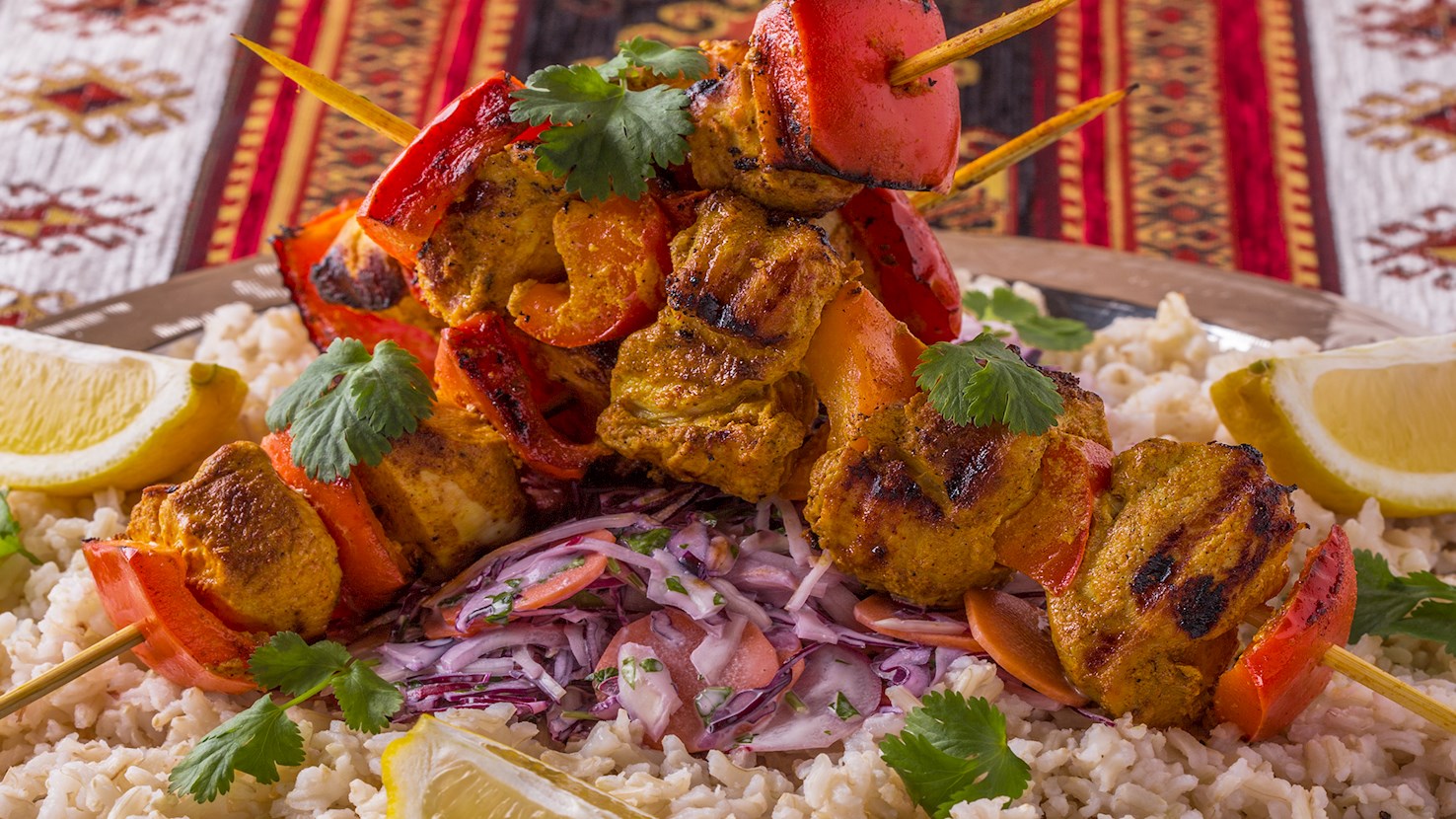
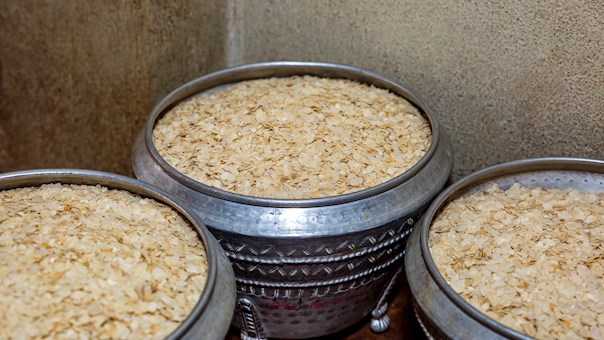
Sekuwa is a heavily spiced charcoal-grilled meat skewer known for its intense smoky flavor and sharp, numbing marinade. The raw meat, usually water buffalo, pork, mutton, or chicken, is cut into bite-sized cubes and coated in a thick, pungent wet rub. Cold-pressed mustard oil forms the base of the marinade, binding minced garlic, fresh ginger, red chili powder, turmeric, and crushed timur, a high-altitude mountain pepper with a distinctly citrusy bite. The coated meat rests overnight in a cold place, allowing the spices to penetrate the muscle fibers. After marinating, the meat cubes are tightly threaded onto flat-iron skewers or soaked bamboo skewers. The loaded skewers are placed directly over an open pit of glowing wood charcoal. The intense heat quickly caramelizes the exterior, while animal fat drips onto the hot coals below. This creates thick clouds of aromatic smoke that rise back up and coat the meat with a charred, smoky crust. The origins of this grilling method are tied to the indigenous Kirat communities, especially the Rai and Limbu tribes of the eastern Sunsari district. It began as a practical way for hunters to cook freshly caught wild game directly over open campfires in dense forest areas. Over time, the eastern city of Dharan became the major commercial center of sekuwa. Sekuwa gained prominence in Kathmandu's urban landscape during the 1970s, when a vendor named Dinanath Bhandari opened a successful stall near the international airport. His single cart grew into the large commercial brand Bajeko Sekuwa, helping establish the grilled meat as a permanent feature of city food culture. Different kinds of meat give different results and are preferred in different regions of Nepal. Water buffalo, commonly called buff, dominates the capital region and gives the skewers a dark, lean, and robust flavor. In eastern hubs such as Dharan, vendors often use fatty pork belly, which creates large flare-ups on the grill and produces a richer, more heavily charred bite. Smaller spice adjustments are also common. Thick yogurt may be added to the marinade to tenderize older cuts of mutton, while dry red chilies may be replaced entirely with a bright green chili paste. The blistering hot meat is slid directly from the skewers onto a wide, shallow metal plate. A large mound of dry flattened rice, known as chiura, is almost always served beside the charred pieces. The chiura acts as a crunchy, neutral carbohydrate that absorbs the remaining mustard oil. A fiercely acidic tomato and fresh coriander chutney is served on the side, adding a sharp contrast to the rich animal fat. Sliced raw red onions and a wedge of fresh lime usually complete the meal, bringing a burst of acidity that cuts through the heavy charcoal smoke.
Jun Chiyabari is a family-run tea garden in Nepal, established in 2000, located at high altitudes between 1650 and 2200 meters above sea level. The garden spans 90 hectares and is known for producing premium organic teas.
They have been practicing organic farming since 2001, with formal organic certification achieved in 2012. Jun Chiyabari specializes in crafting teas from a variety of cultivars grown in small, carefully tended plots, ensuring a unique mix of flavors in each batch.
The estate focuses on sustainability, quality, and preserving the integrity of the natural environment. This tea garden offers a range of exquisite teas that highlight the essence of the region's terroir.
Kanchanjangha Tea is a tea brand that comes from the Ilam region in Nepal, specifically from the Kangchenjunga area, which is known for its high elevation and rich tradition of tea cultivation. Named after the third highest mountain in the world, Kangchenjunga, this tea reflects the unique climatic and geographical conditions that contribute to its distinctive flavor.
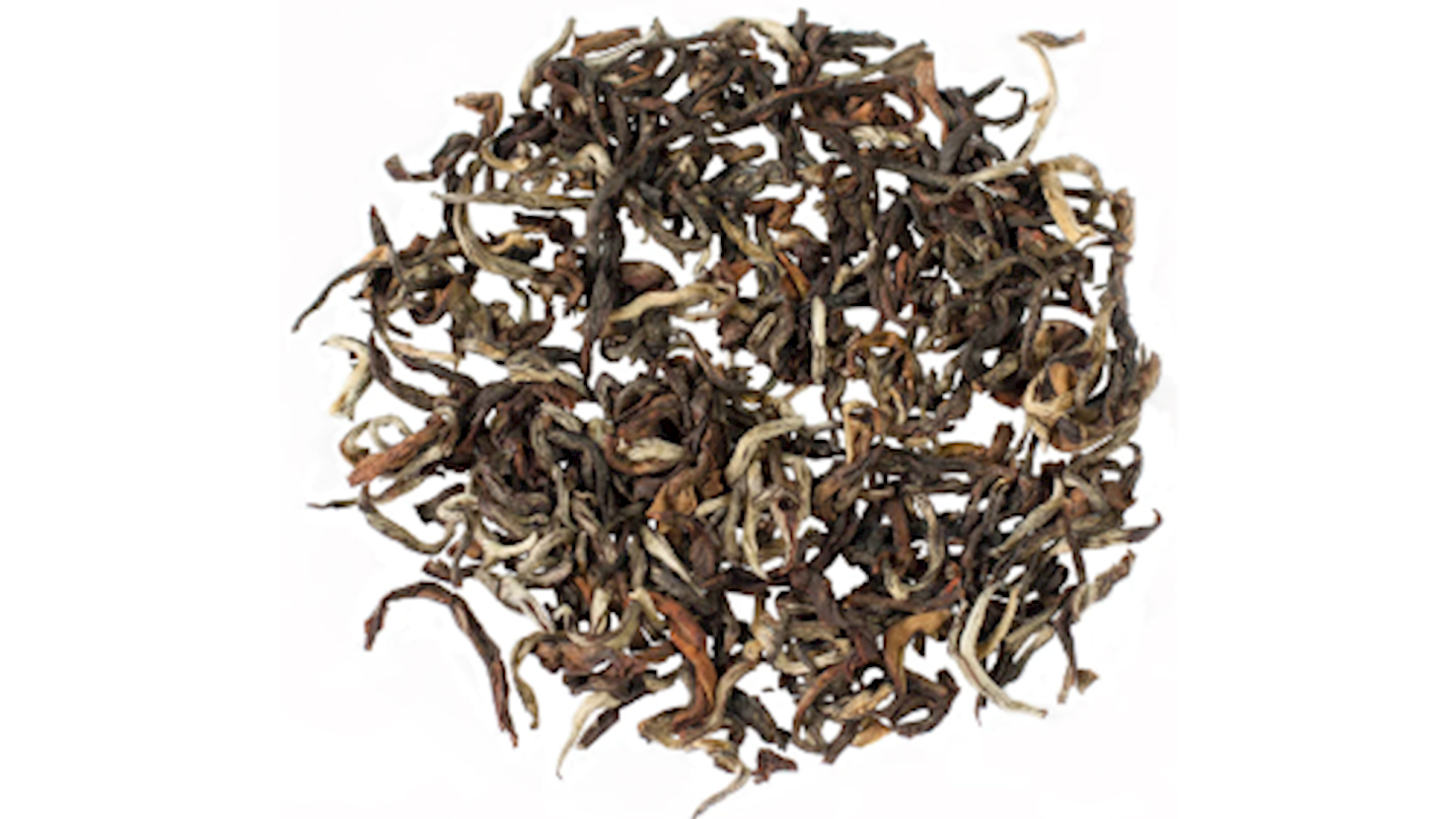
Kanchanjangha Tea produces high-quality tea, including black, green, and white teas, which are valued for their rich, fruity, and floral flavors, with a gentle and complex aroma.
The tea is handpicked, which adds to its quality and freshness. Due to the special climatic conditions of the region, tea from the Kanchanjangha plantations is known for its delicacy, richness of taste, and aromas that reflect the natural beauty and high altitudes of the area.
TasteAtlas food rankings are based on the ratings of the TasteAtlas audience, with a series of mechanisms that recognize real users and that ignore bot,
nationalist or local patriotic ratings, and give additional value to the ratings of users that the system recognizes as knowledgeable.
For the “Top 33 Nepali Foods” list until September 09, 2026, 679 ratings were recorded, of which 537 were recognized by the system as legitimate.
TasteAtlas Rankings should not be seen as the final global conclusion about food. Their purpose is to promote excellent local foods,
instill pride in traditional dishes, and arouse curiosity about dishes you haven’t tried.
The initial list of top producers was compiled based on available reviews, awards, local recommendations, media and blog coverage, and consumer reviews.
The list will be updated with ratings from TasteAtlas local ambassadors and TasteAtlas users.






What People Say