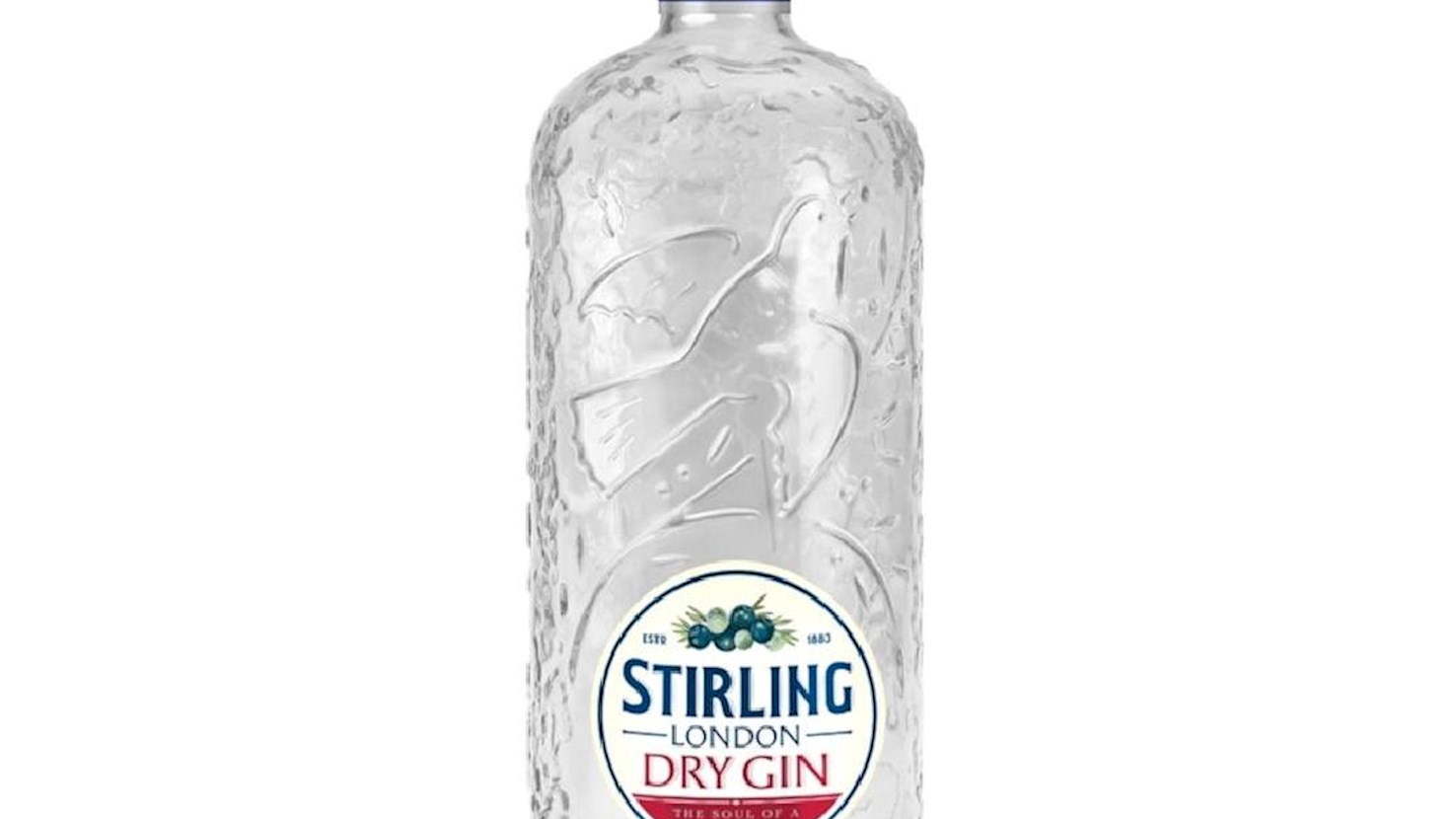
Boomsma Distillery, founded in 1883 by Dirk Boomsma in Leeuwarden, Netherlands, began as a supplier of groceries and distilled beverages to local shops and pubs. Over time, it has evolved into an independent, family-owned distillery, now managed by the fifth generation of the Boomsma family.
The distillery is renowned for its traditional Dutch spirits, including genevers, Beerenburger, and liqueurs, all produced according to age-old recipes. Their portfolio also features international spirits such as Glen Talloch Whisky, Esbjaerg Vodka, and Old Captain Rum. A notable product is the Boomsma Claerkampster Clooster Bitter Liqueur, a herbal bitter based on a 16th-century recipe originally crafted by monks in the Claerkamp monastery.
This liqueur offers a unique taste of history with notes of anise, cinnamon, and citrus peel, making it an intriguing addition to classic cocktails or enjoyed neat as a digestif.
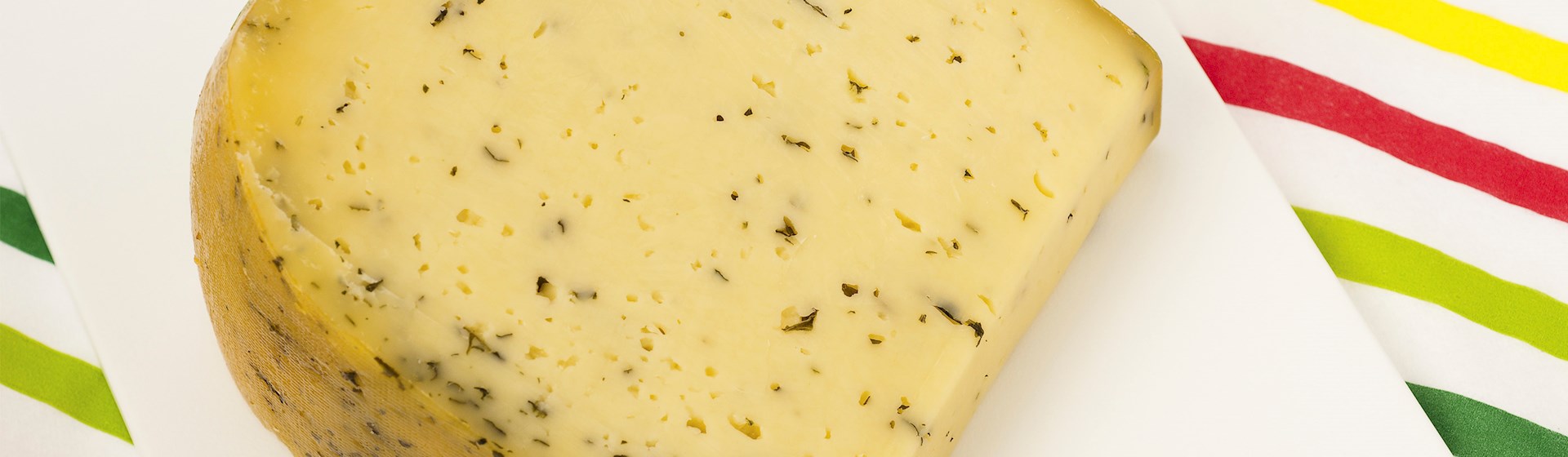
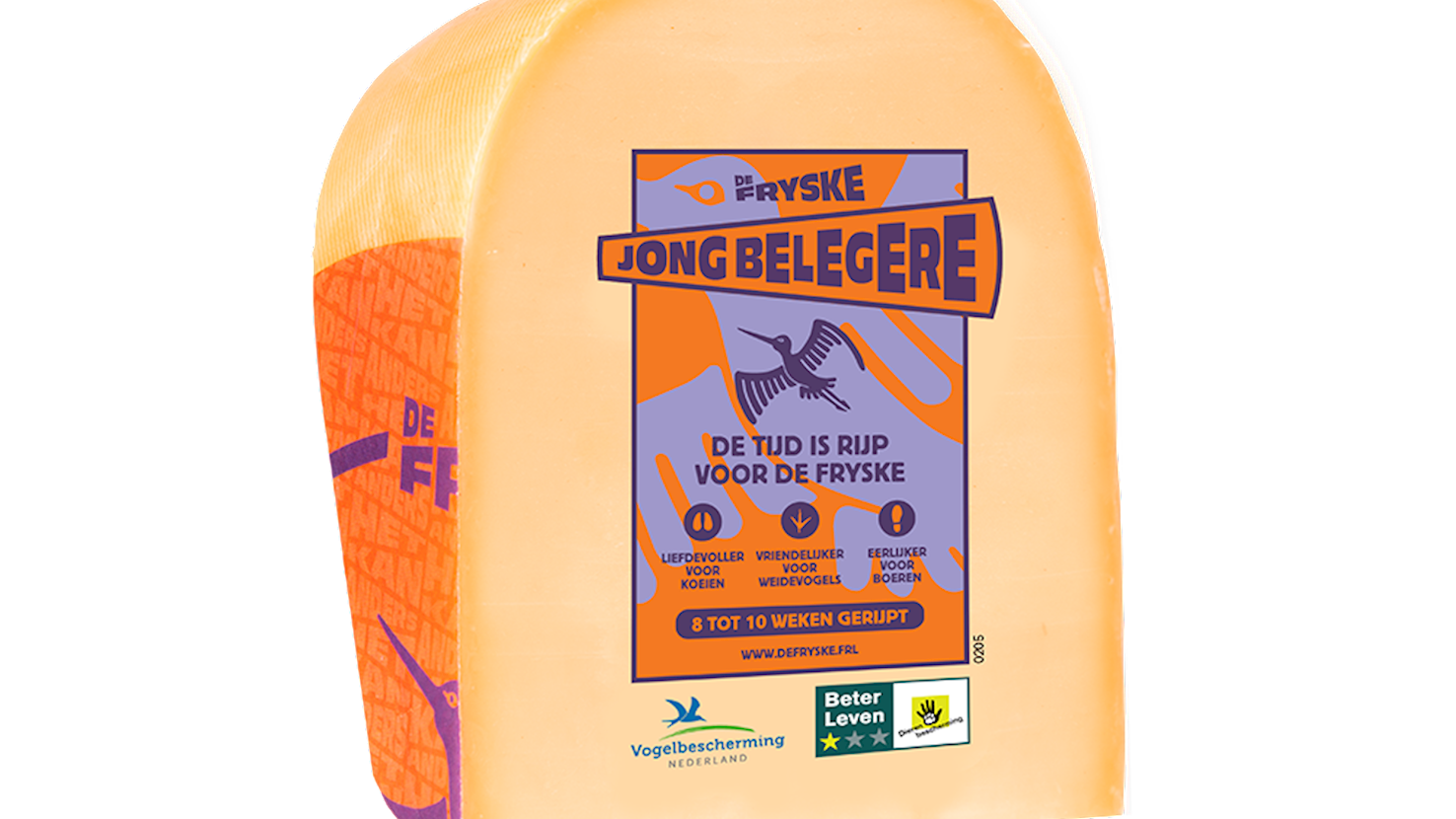
De Fryske is a cheese producer located in the Netherlands, specifically in the province of Friesland. The company focuses on producing organic cheese made from the milk of local Frisian cows, adhering to sustainable practices.
De Fryske is committed to maintaining biodiversity and minimizing its environmental footprint, using only natural ingredients in the cheese-making process.
Awards
Culture Cheese Magazine Best Cheeses issue - Best
(2023)
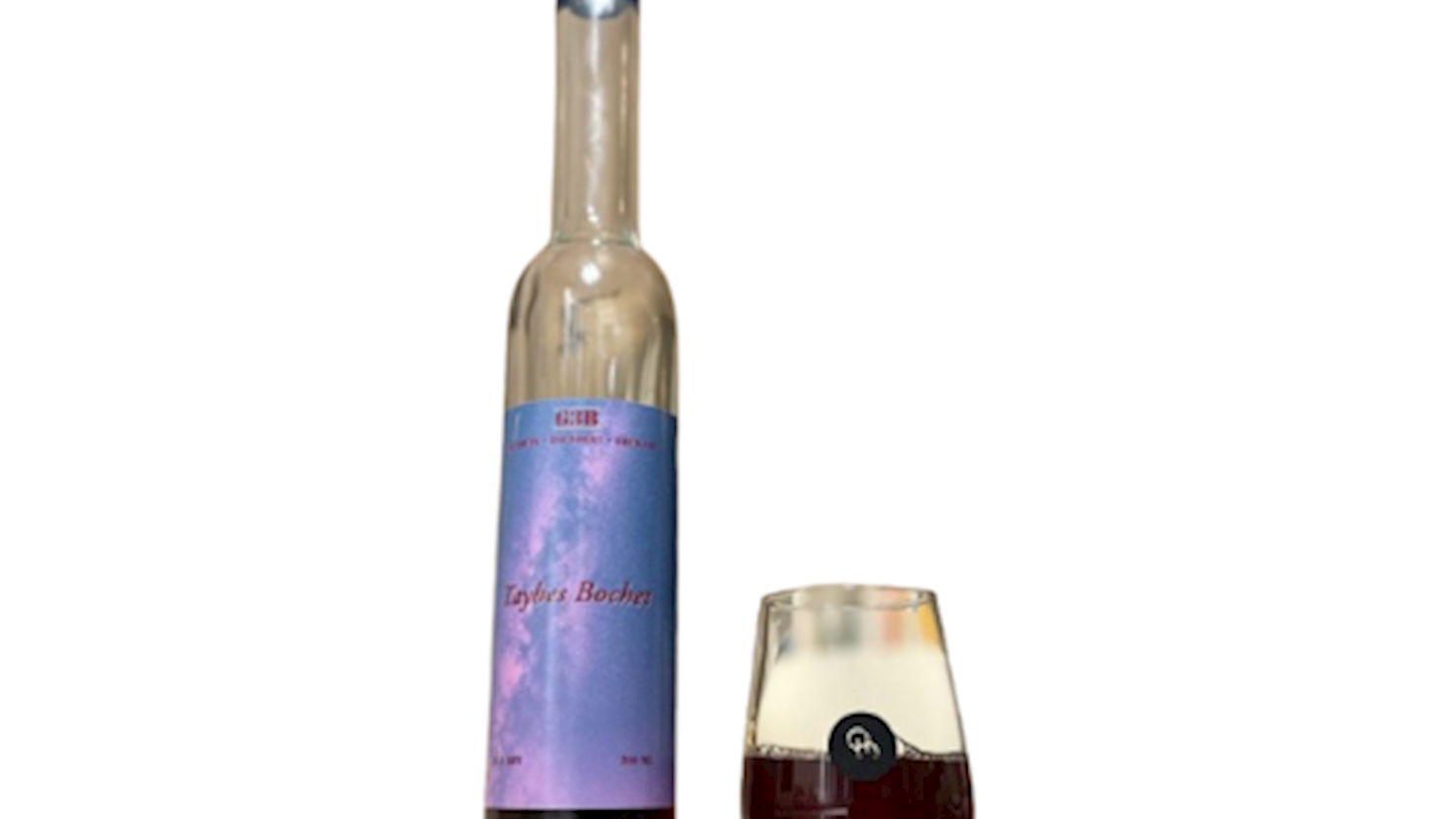
G3B Meadery & Blendery from Grootegast, the Netherlands, is a small and unconventional producer that combines a passion for beekeeping with an experimental approach to fermentation. Their production is based on the use of local honey and fruit from their own farm, emphasizing authenticity and a close connection to the surrounding environment.
They are particularly recognized for working with tayberries, a hybrid of raspberries and blackberries, which provides intense fruity notes and a distinctive tart freshness. Their portfolio includes traditional meads, melomels, as well as bochet styles where honey is caramelized beforehand to achieve deeper and warmer flavors.
Production is carried out on a small scale, which makes their bottles hard to find outside the local circle. This very limitation creates a special sense of exclusivity and value for connoisseurs.
The brand’s aesthetics and storytelling are rooted in the fusion of nature, experimentation, and craftsmanship. Their meads are marked by high alcohol content and layered complexity, making them closer to dessert wines than light beverages.
G3B Meadery & Blendery stands as an example of how a small, independent production can push the boundaries of craft mead and bring a new dimension to this ancient tradition.
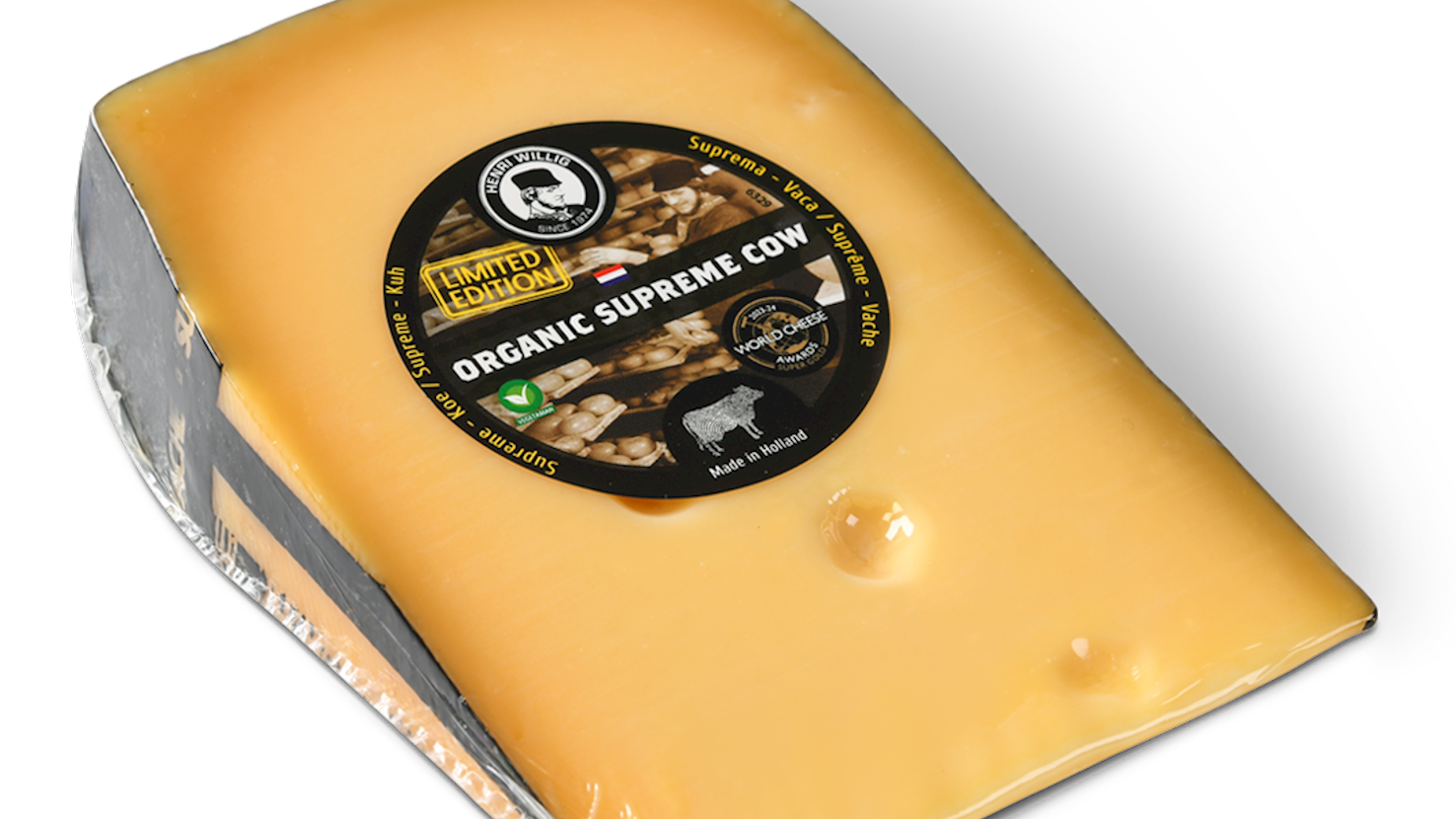
Kaasmakerij Henri Willig is a cheese producer based in the Netherlands, specifically in the region of North Holland. The company was founded in 1974 and specializes in the production of Gouda, Edam, and other Dutch cheeses.
Kaasmakerij Henri Willig also operates several cheese farms where tourists can learn about traditional Dutch cheese-making processes. The company produces both organic and conventional cheeses, catering to various dietary and culinary preferences.
Awards
World Cheese Awards - Super Gold
(2023)
World Championship Cheese Contest - Best of Class
(2024)
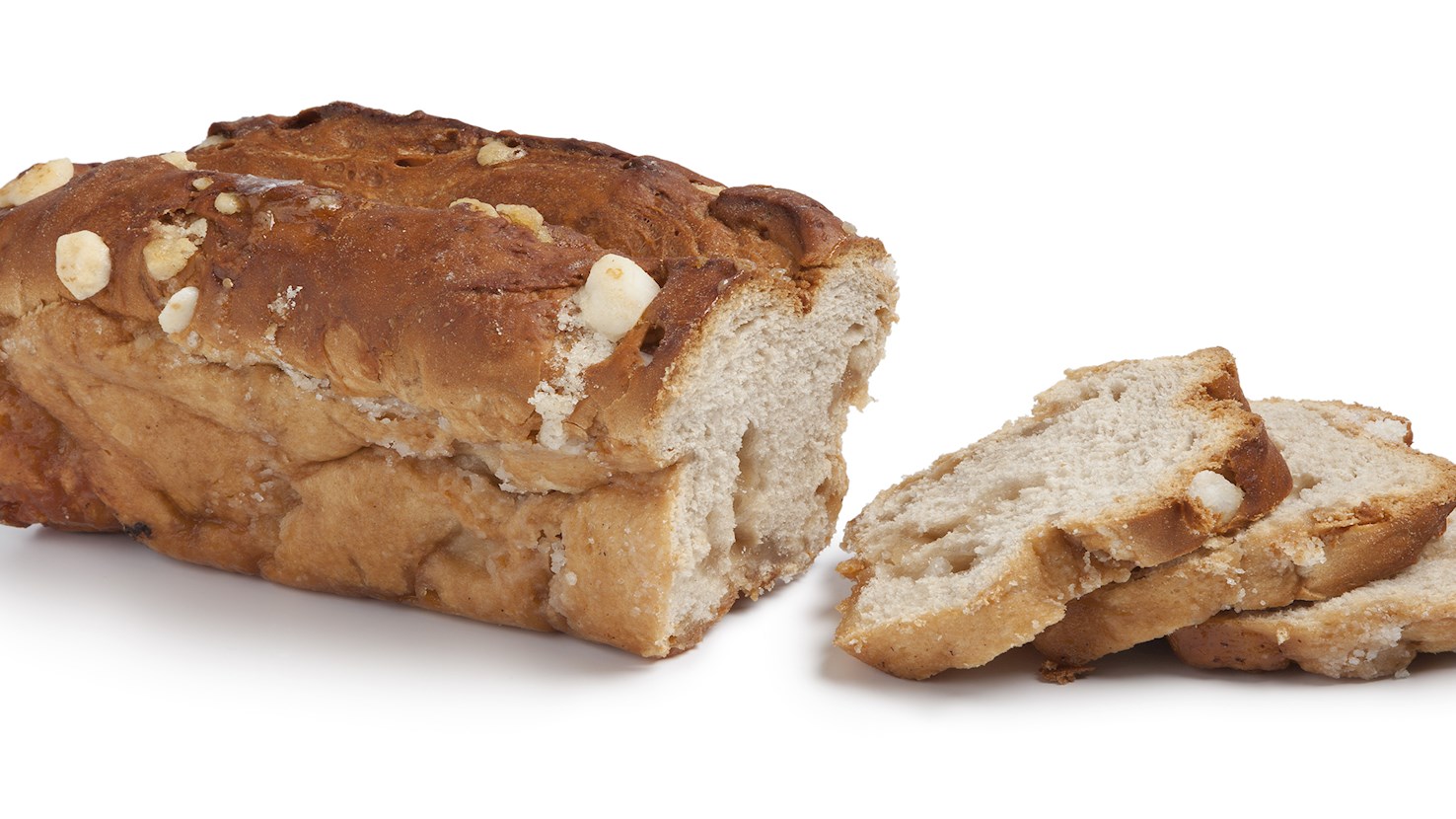
Suikerbrood is a sweet, sticky Dutch bread that is traditionally prepared during the Easter festivities in the country. The dough is made with flour, yeast, and water, with large amounts of sugar added into it. The bread can be flavored with ingredients such as cinnamon or ginger, and it is often sliced and consumed with butter. Suikerbrood is also often gifted to parents after a baby's birth.
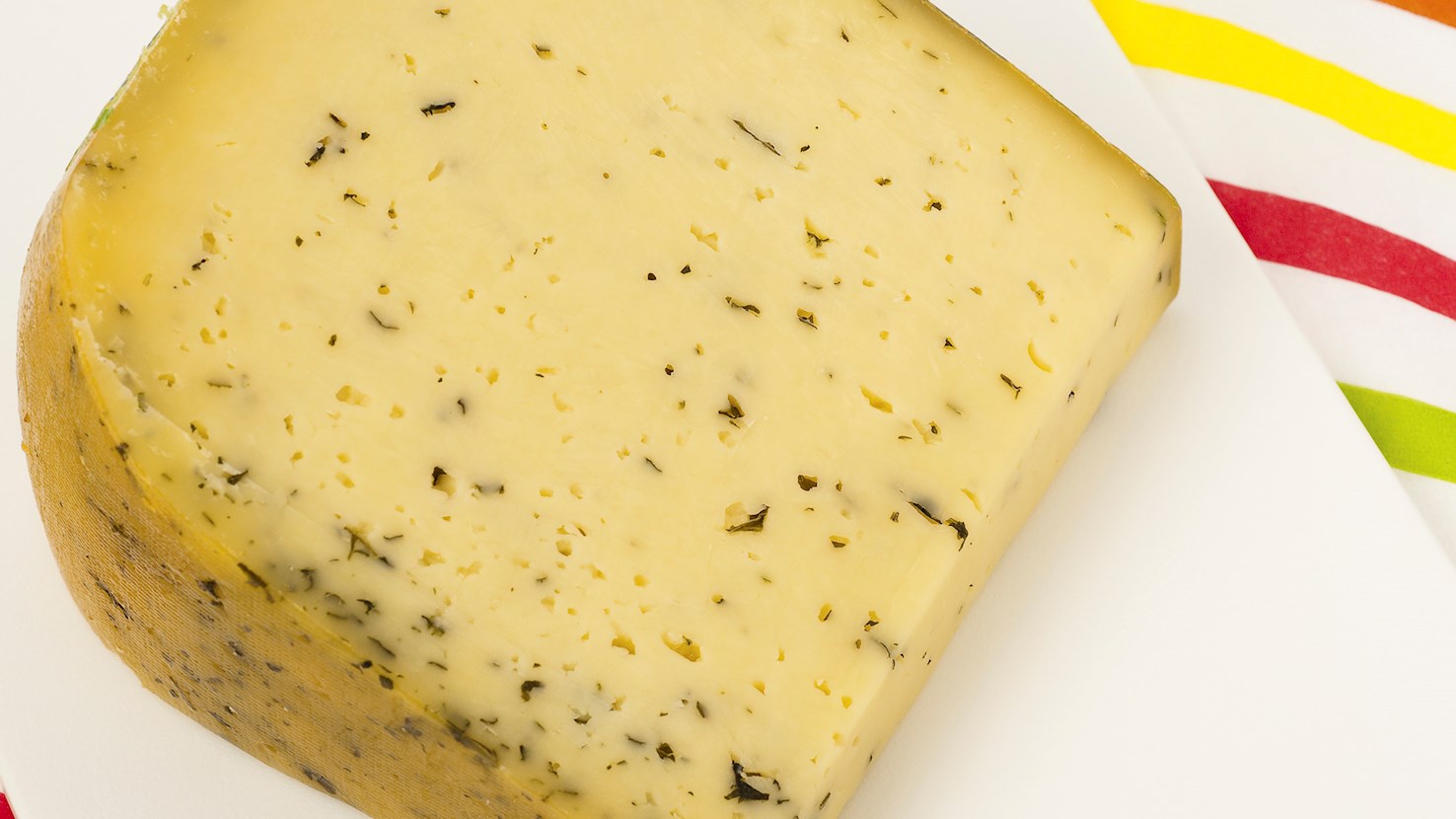
Also known as Friesian, Dutch Kanterkaas is a hard, cylindrical cheese that can be additionally flavored with cloves; in which case it's called Kanternagelkaas, or with cumin in which case it's called Kanterkomijnekaas. The Dutch word kanter, meaning 'edge', gives the cheese its name, because there is a sharp corner at the bottom of the cheese, and it is rounded off at the top. The rinds of these cheeses differ from one another, so Kanterkaas and Kanternagelkaas have a transparent or yellow rind, while Kanterkomijnekaas may be either transparent, yellow, or red. It's made in two fat categories, 20+ and 40+, with minimum 20-25 and 40-44 percent fat content, respectively. The flavor of the cheeses changes a lot with aging. Kanterkaas tastes spicy to tangy, Kanterkomijnekaas tastes spicy, fragrant, mild to strong, and Kanternagelkaas varies in flavor from spicy, warm and spicy to tangy. As it ages, its texture becomes more suitable for grating, and the cloves and cumin are spread evenly throughout the cheese. Its orange color comes from added annatto (a natural dye), providing a great contrast to the dark cloves. Since it has a hot, spicy and aromatic taste, it should be used sparingly, and goes great with salads, hot dishes, and beer.
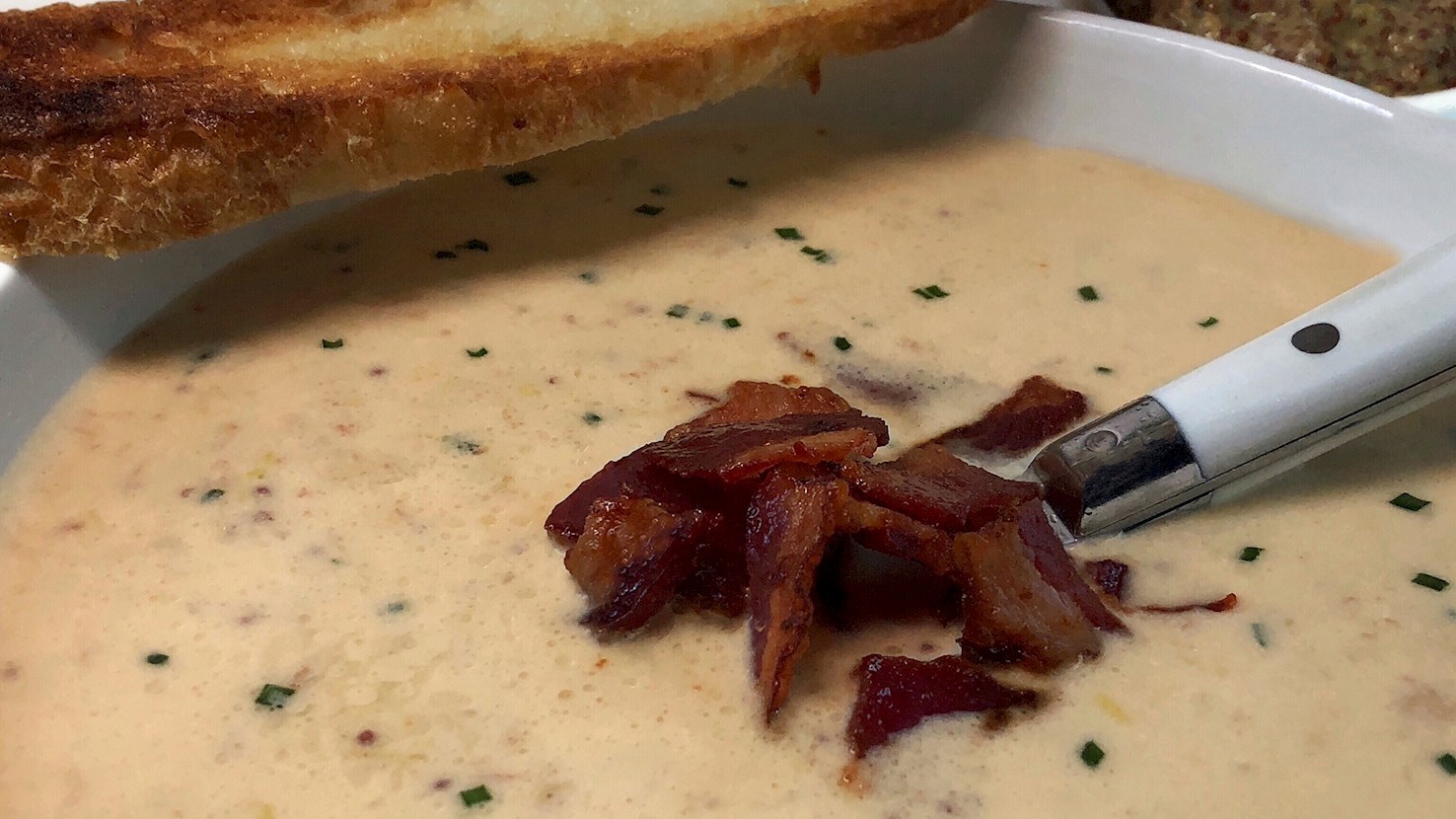
Mosterdsoep is a traditional soup made with a combination of flour, butter, stock, cream, leeks, and coarse grain mustard (preferably Groningse or Zaanse mosterd). This soup is a specialty of Groningen. If desired, bacon and white wine can be added to the soup for extra flavor. Once cooked, the soup is traditionally ladled into bowls or soup plates and garnished with chopped chives or bacon bits. This velvety, creamy soup is especially popular during the winter.
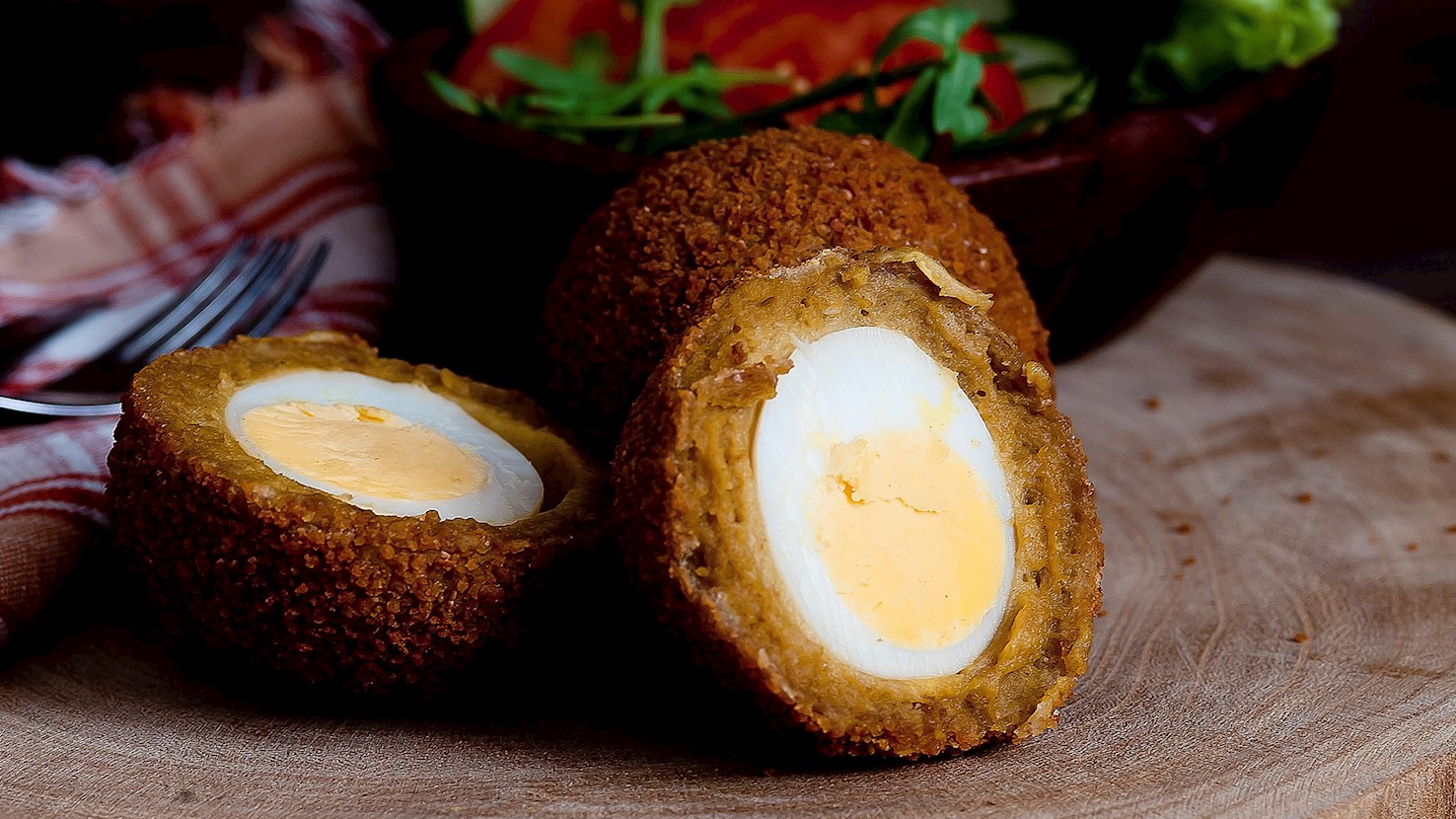
Popular throughout the eastern and northern parts of the Netherlands, although it is a Groningen specialty, eierbal is a popular Dutch snack that is quite similar to the popular Scotch eggs. It consists of a hard-boiled egg that is surrounded by meat ragù (often with the addition of curry powder). The combination is then breaded and deep-fried until it develops a golden-brown color of the exterior. It can be bought at numerous snack bars throughout the province. Interestingly, the largest eierbal in the world with a diameter of 44 cm was made in 2015 in a snack bar called Friet van Piet.
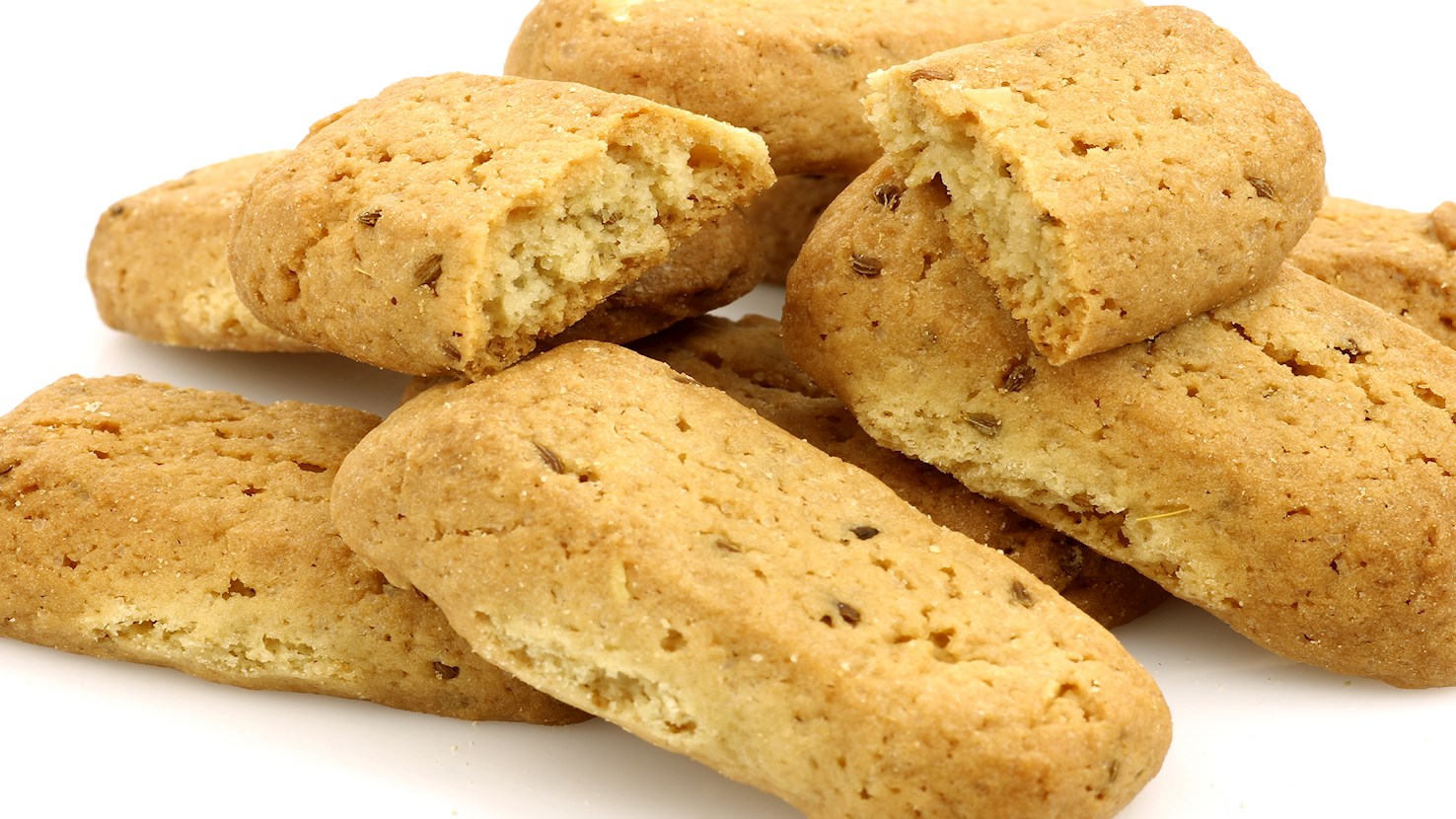
Fryske dúmkes are a popular wintertime treat in the Netherlands. These cookies are a specialty of the province of Friesland, hence the name that can be translated as Frisian thumbs. They consist of flour, milk, salt, sugar, butter, chopped hazelnuts, and warming spices such as aniseed, ginger, and cinnamon. It is believed that the cookies got their name because their size and shape is that of a children's thumb. Another theory suggests that it is because bakers push their thumbs into the cookies when taken out of the oven to check if they are still soft. Regardless of the correct theory, Fryske dúmkes remain a comforting staple of numerous Dutch wintertime activities.
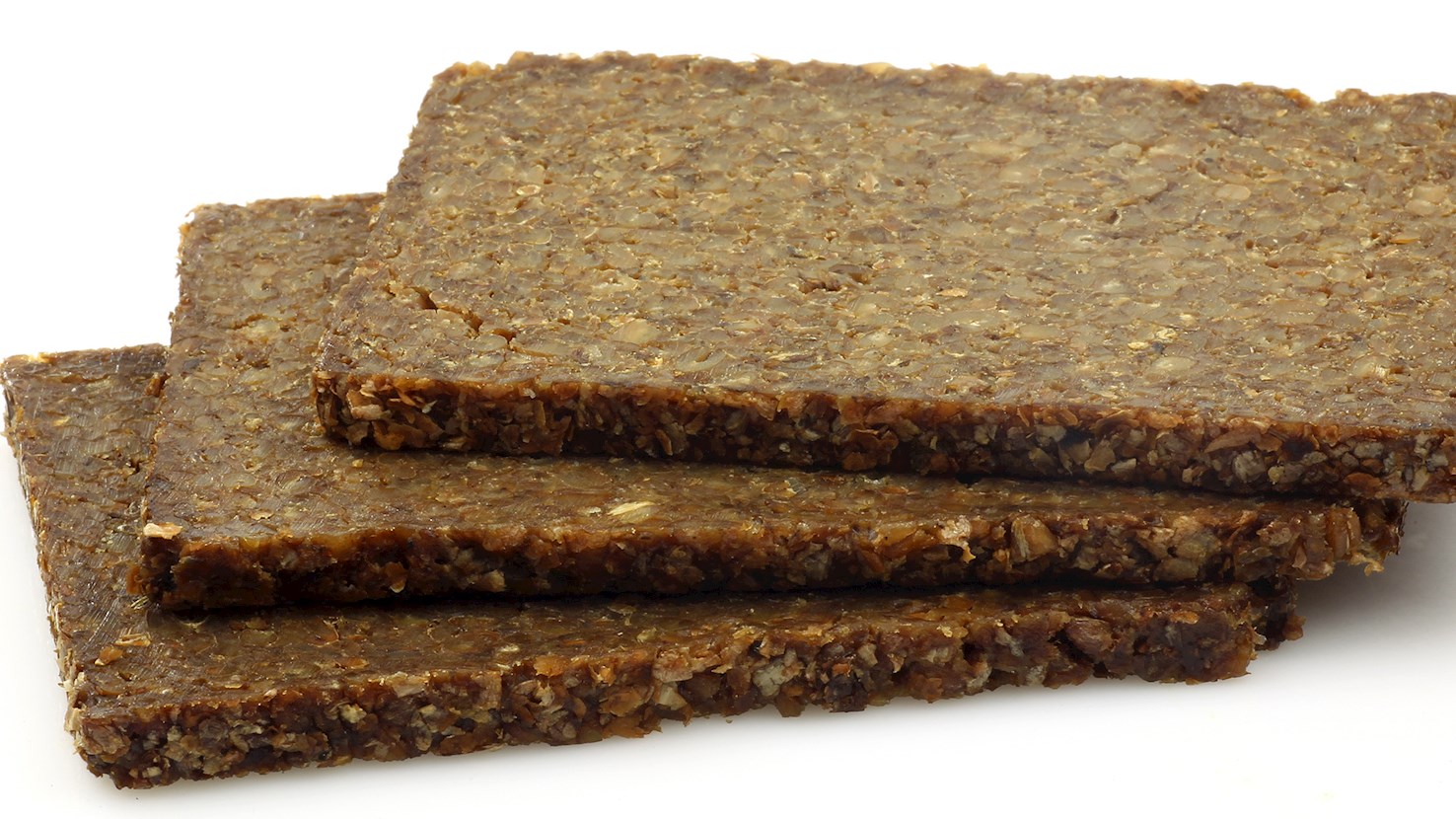
Fries roggebrood is a popular rye bread that is a specialty of the Dutch province of Friesland. Its flavor is slightly sweet and sour, similar to pumpernickel bread, while the texture is moist and dense, and its color is dark brown, almost black. Traditionally, Frisian rye bread is sliced very thinly, and in the past, it used to be paired with cheese, butter, or sugar. Today, it is typically paired with the famous Dutch pea soup called snert. It is said that the bread will keep almost indefinitely if wrapped in plastic, but it can also be sliced and frozen for even further use.
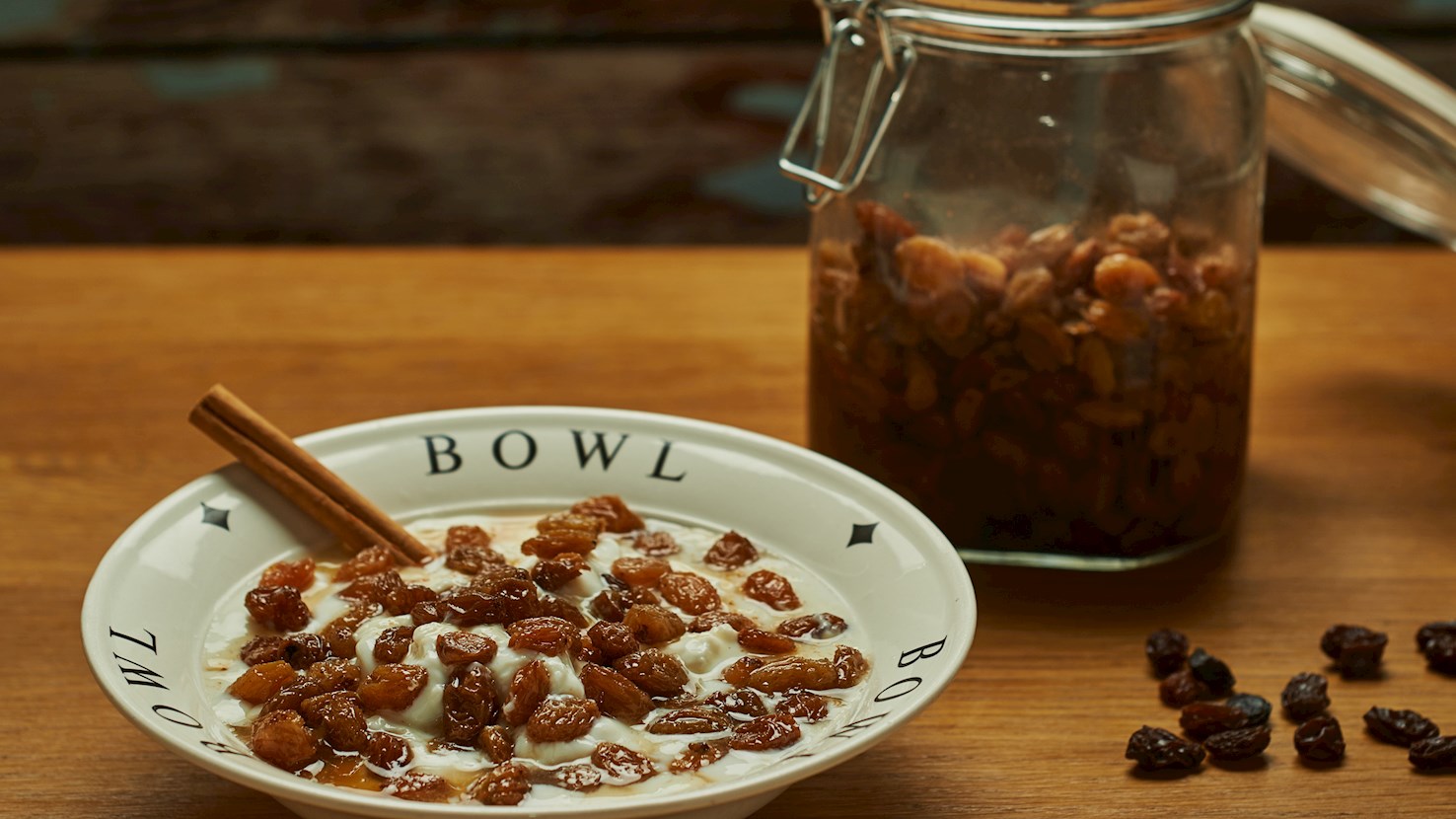
Boerenjongens is a sweet alcoholic preserve served as a dish, consisting of plump raisins soaked in brandewijn, sugar syrup, and warm spices. The raisins become soft and swollen as they absorb the alcohol and syrup, while the liquid develops concentrated notes of dried fruit, cinnamon, and caramelized sugar. The name literally means “farm boys.” Boerenjongens is especially associated with Groningen, Friesland, and the northeastern Netherlands. Raisins preserved in brandy were closely linked with celebrations, particularly weddings, birthdays, and winter holidays. Seventeenth-century silver brandewijnkommen, or brandy bowls, survive from Groningen and Friesland and show that brandy with raisins was already being served ceremonially at festive gatherings at that time. Small silver spoons were used to lift the alcohol-soaked raisins from the communal bowl. The term boerenjongens itself is documented by 1885, when it was defined as raisins in brandewijn. An 1899 dictionary described it as especially popular at rural weddings in the northeastern part of the country. The recipe begins with raisins, often pale sultanas, which are washed and drained. Sugar and water are heated into a syrup with cinnamon and cloves. Brown sugar gives the syrup a deeper caramel flavor, while white sugar produces a cleaner sweetness. Lemon peel, vanilla, star anise, or a small amount of honey may also be added. The raisins are briefly simmered in the syrup until they soften and begin to swell without falling apart. The mixture is then left to cool before the brandewijn is added. Adding the alcohol after cooling preserves more of its aroma and strength. The raisins, syrup, and alcohol are transferred to clean glass jars and sealed tightly. They need several weeks to mature before serving. Six weeks is a common minimum, although some versions rest for two or three months. During this period, the raisins absorb the alcohol and spices while releasing concentrated fruit flavor into the surrounding liquid. The jars are kept in a cool, dark place while the flavors develop. Boerenjongens is commonly served in a small glass or bowl with enough syrup to surround the fruit. A teaspoon or small silver spoon is used to eat the raisins, followed by small sips of the aromatic brandy syrup. This serving style has a particularly strong historical association with weddings and other celebrations. Boerenjongens is also widely used as a topping. Spoonfuls of raisins and syrup work well over vanilla ice cream, pancakes, crêpes, custard, pudding, pound cake, or other cakes. The concentrated fruit and alcohol provide a strong contrast to creamy or buttery desserts. Boerenjongens can also be folded into cake fillings, served alongside cheese, or used to flavor ice cream. A closely related dish is boerenmeisjes, meaning “farm girls.” Instead of raisins, it uses dried apricots soaked in brandewijn with sugar and spices. The larger fruit gives it a softer, more substantial texture, while the basic method remains the same. The alcohol can also vary. Brandewijn remains the defining choice, but some modern versions use dark rum, which adds deeper molasses, vanilla, and caramel notes. Rum-based versions are variations rather than the standard form.
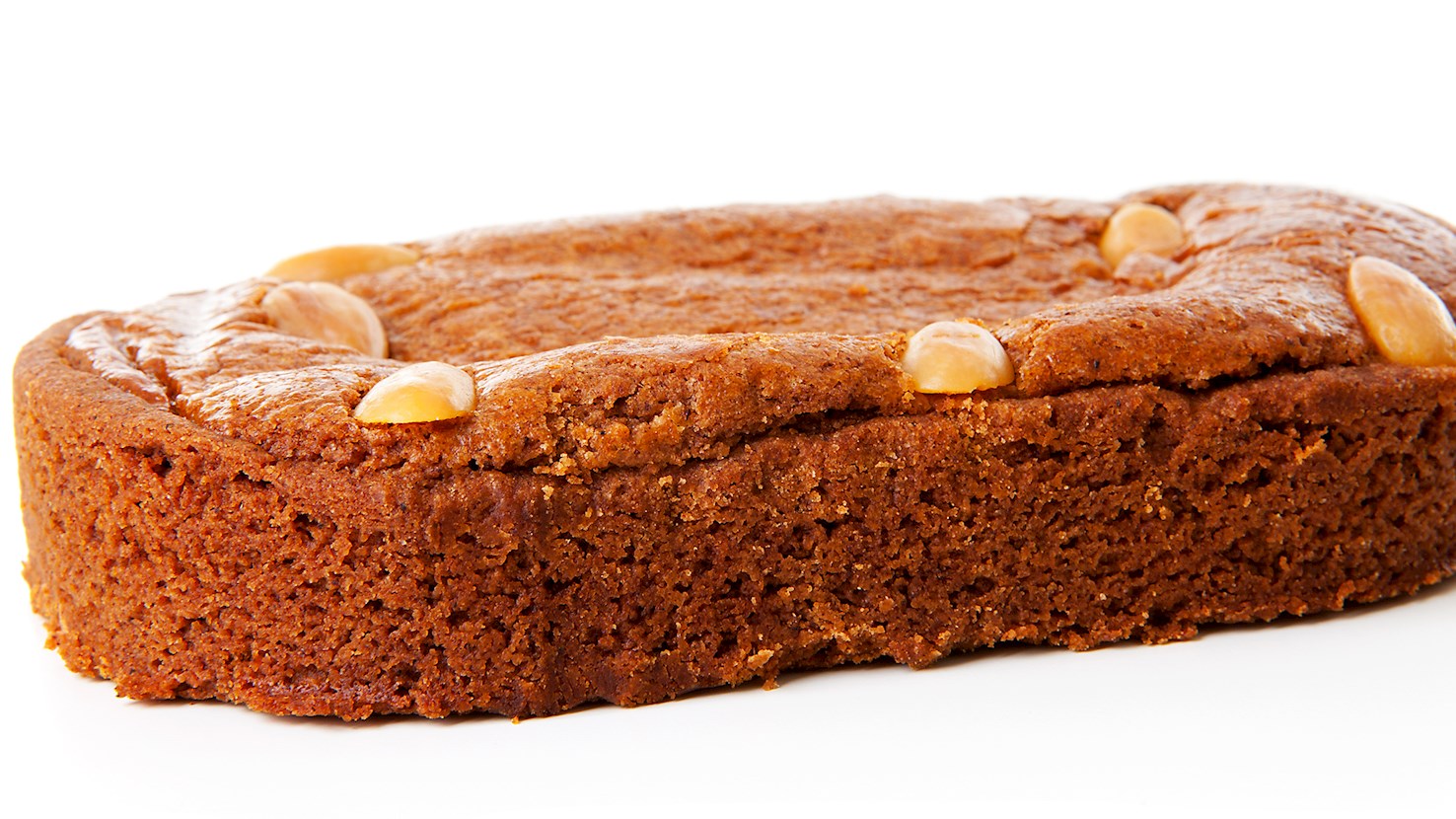
Traditionally served for breakfast, Groninger koek is a popular Dutch rye gingerbread. This sweet bread can best be described as a cross between a loaf of dark bread and a cake. It consists of rye flour, wheat flour, sugar, salt, and spices such as ginger, cinnamon, cloves, nutmeg, and allspice, making it as aromatic as possible. Groninger koek is typically baked in a rectangular shape, and it is recommended to go fully Dutch and serve it sliced for breakfast, with butter on the side.
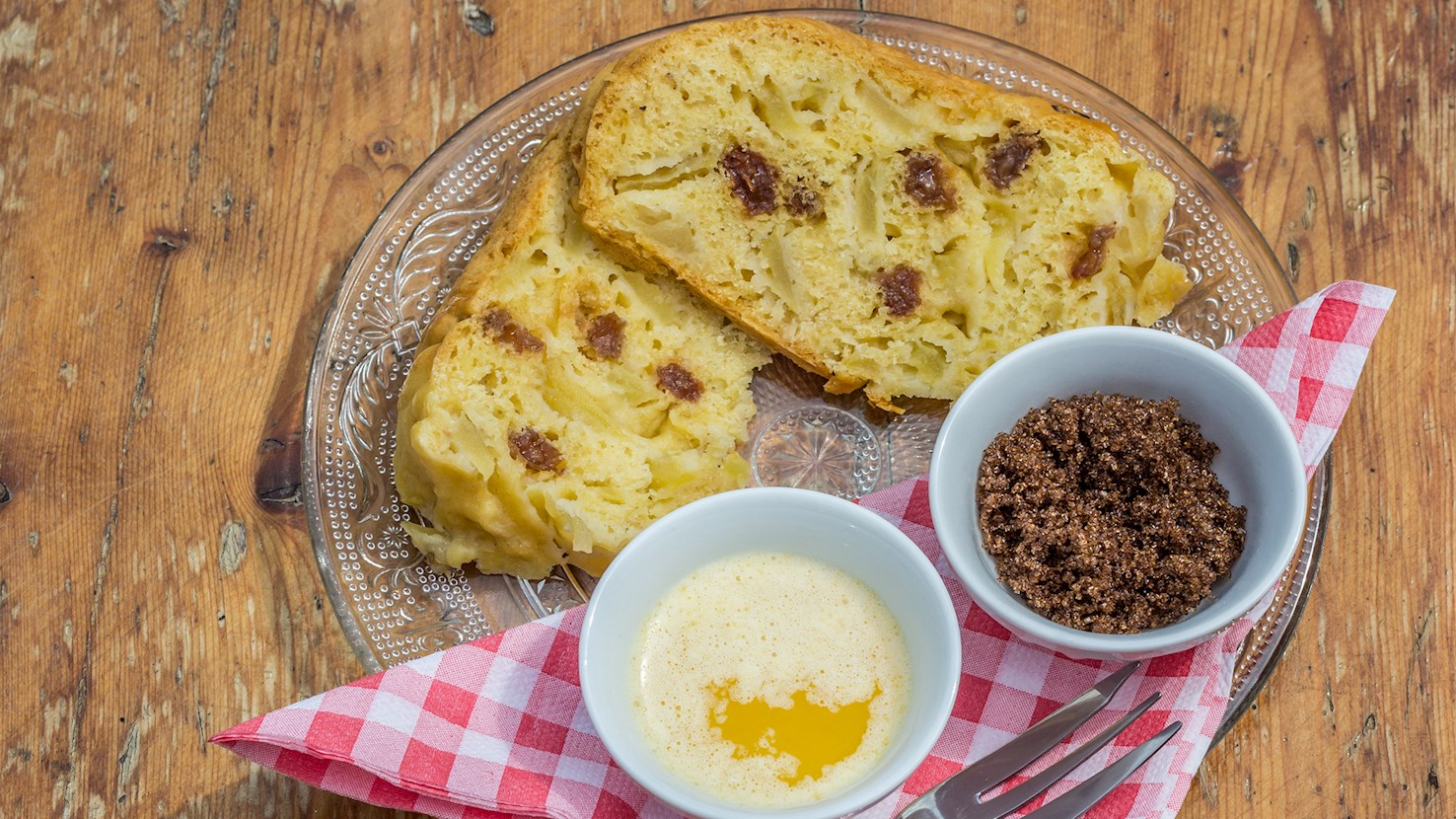
Heavy, dense, and thick, poffert is a Groningen specialty cake consisting of flour, eggs, milk, and butter. It is typically stuffed with raisins, apricots, figs, and preserved ginger. The cake is meant to be consumed as a meal in itself, not as a dessert, and especially not as a coffee cake. Although there is no sugar in the batter, when sliced, the cake is sometimes served with sweet syrup or butter. It is said that poffert tastes even better when consumed the next day.
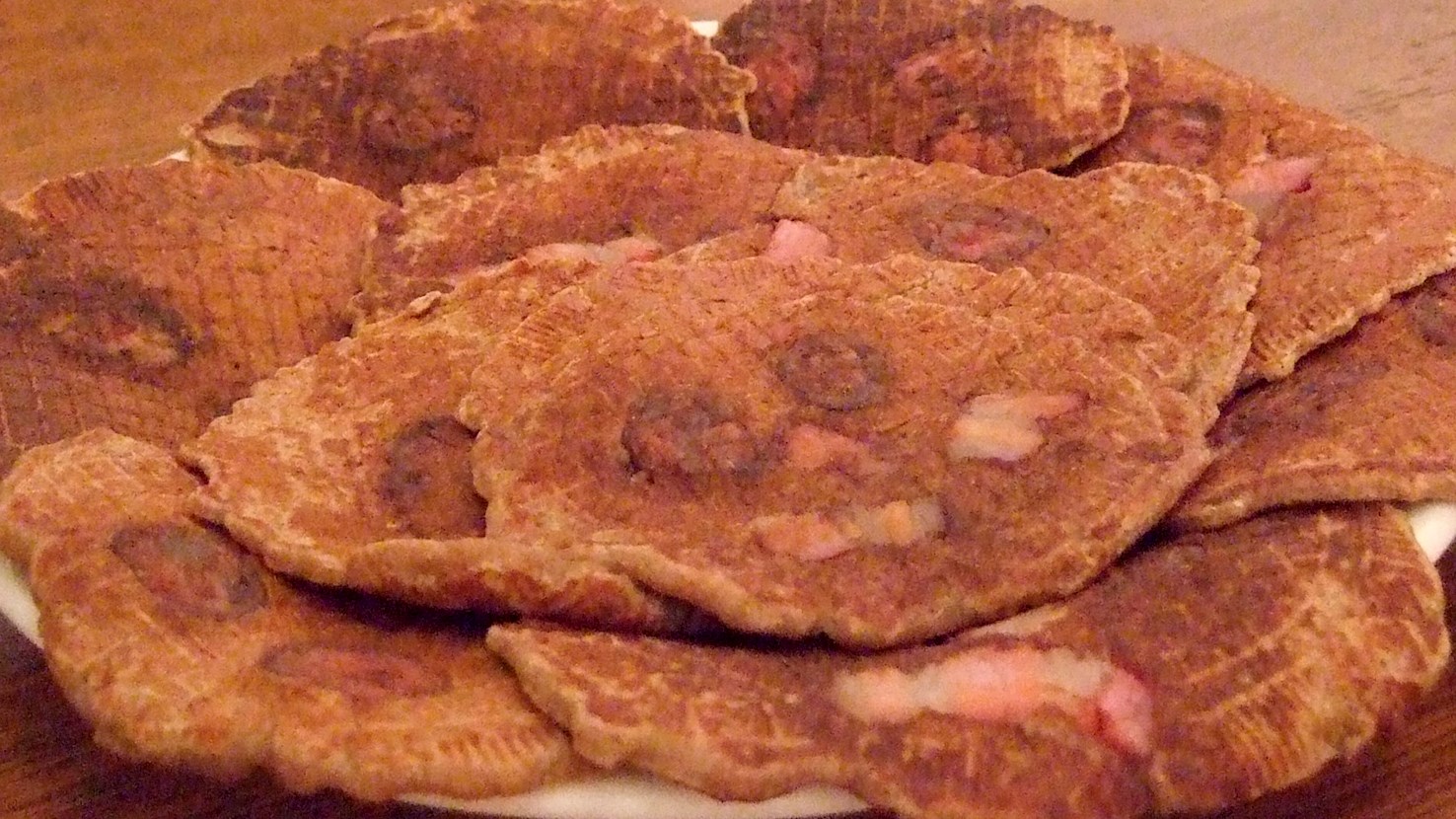
Spekdikken are savory Dutch pancakes that are traditionally cooked in a waffle iron. They are characterized by their small size and bits of bacon that are pressed through them. These pancakes are typically prepared with rye flour, butter, stroop, milk, and eggs.
TasteAtlas food rankings are based on the ratings of the TasteAtlas audience, with a series of mechanisms that recognize real users and that ignore bot,
nationalist or local patriotic ratings, and give additional value to the ratings of users that the system recognizes as knowledgeable.
TasteAtlas Rankings should not be seen as the final global conclusion about food. Their purpose is to promote excellent local foods,
instill pride in traditional dishes, and arouse curiosity about dishes you haven’t tried.
The initial list of top producers was compiled based on available reviews, awards, local recommendations, media and blog coverage, and consumer reviews.
The list will be updated with ratings from TasteAtlas local ambassadors and TasteAtlas users.






What People Say