


shutterstock

Top 22 Traditional Foods
in Northern Mexico

Last updated on September 02, 2026

Best Foods

01
Street Food

Tacos gobernador

4.4 ·

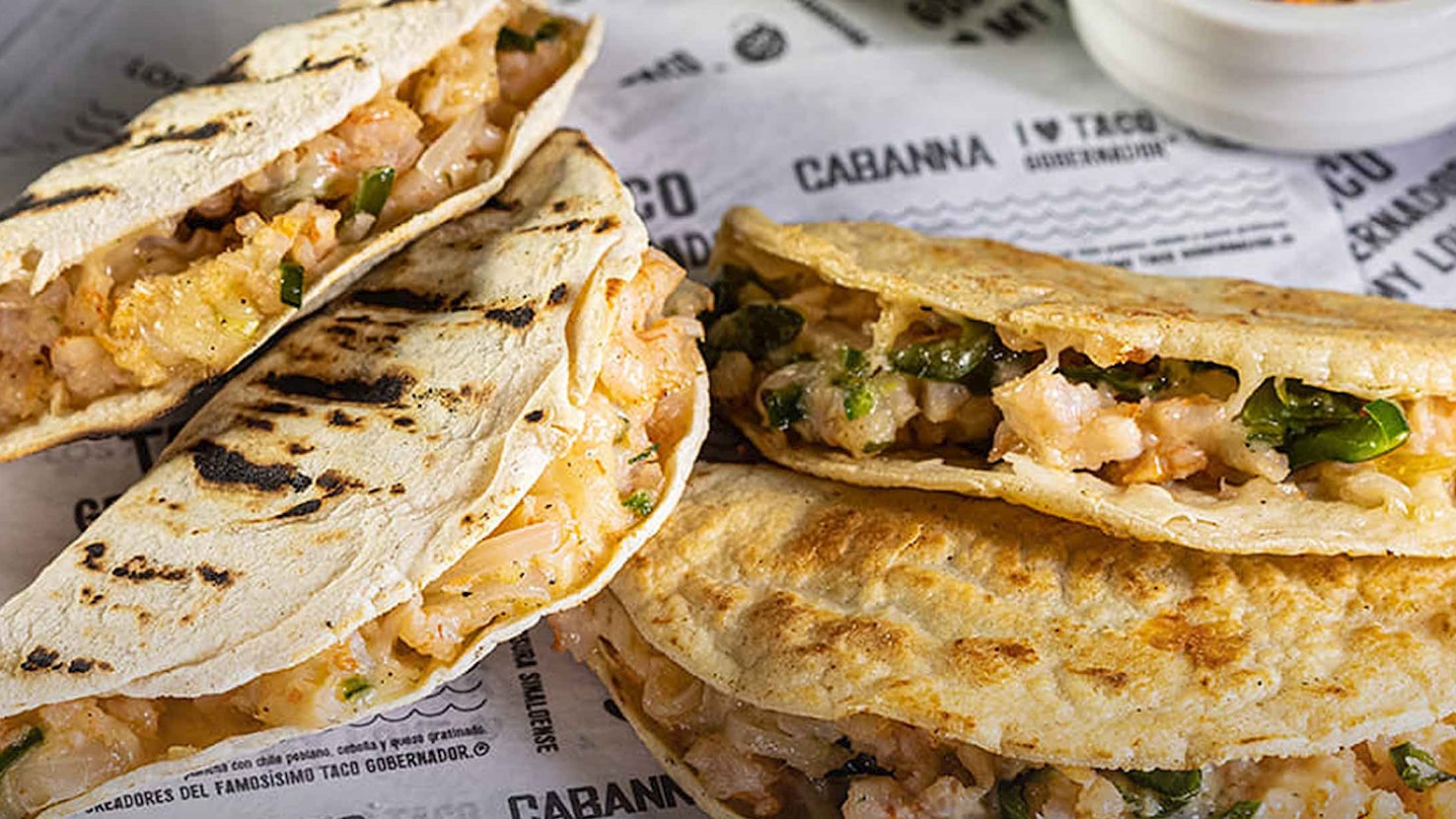
Tacos gobernador (lit. governor's tacos) are Mexican tacos named after a Sinaloan governor. In order to prepare the dish, warm tortillas are filled with a combination of shrimps, grated cheese, coriander, onions, and tomatoes. The tortillas are then folded in half, brushed with butter, and cooked on a griddle over medium heat. When served, tacos gobernador are often accompanied by lime wedges and hot chili sauce. Apart from Sinaloa, these tacos are also quite popular in Baja California.

02
Soup

Caldo de queso

4.4 ·

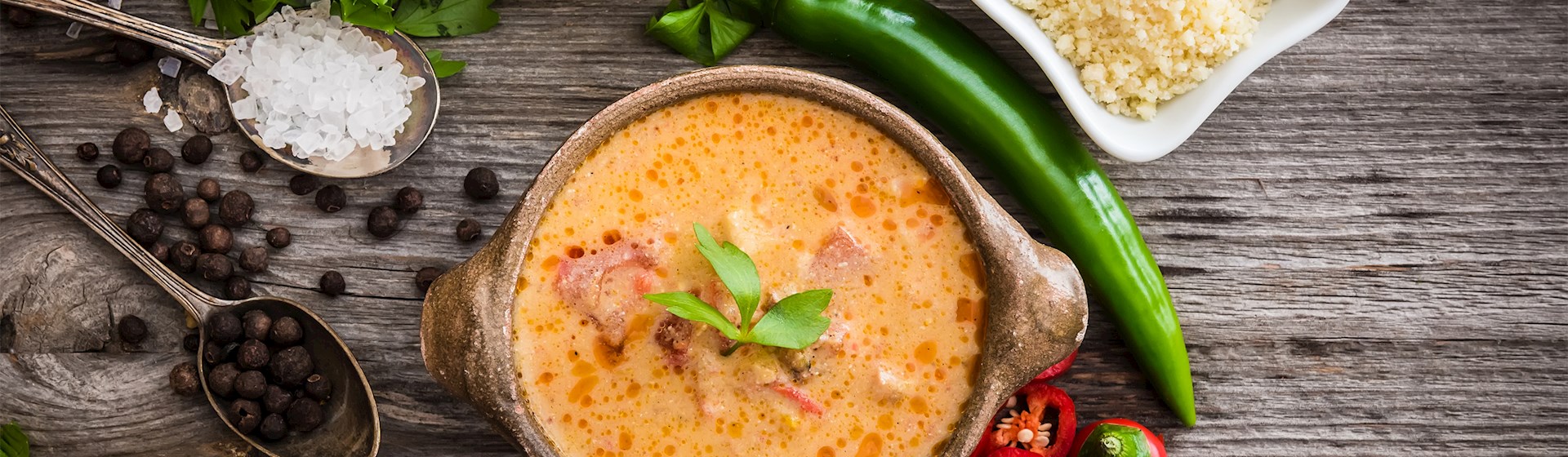
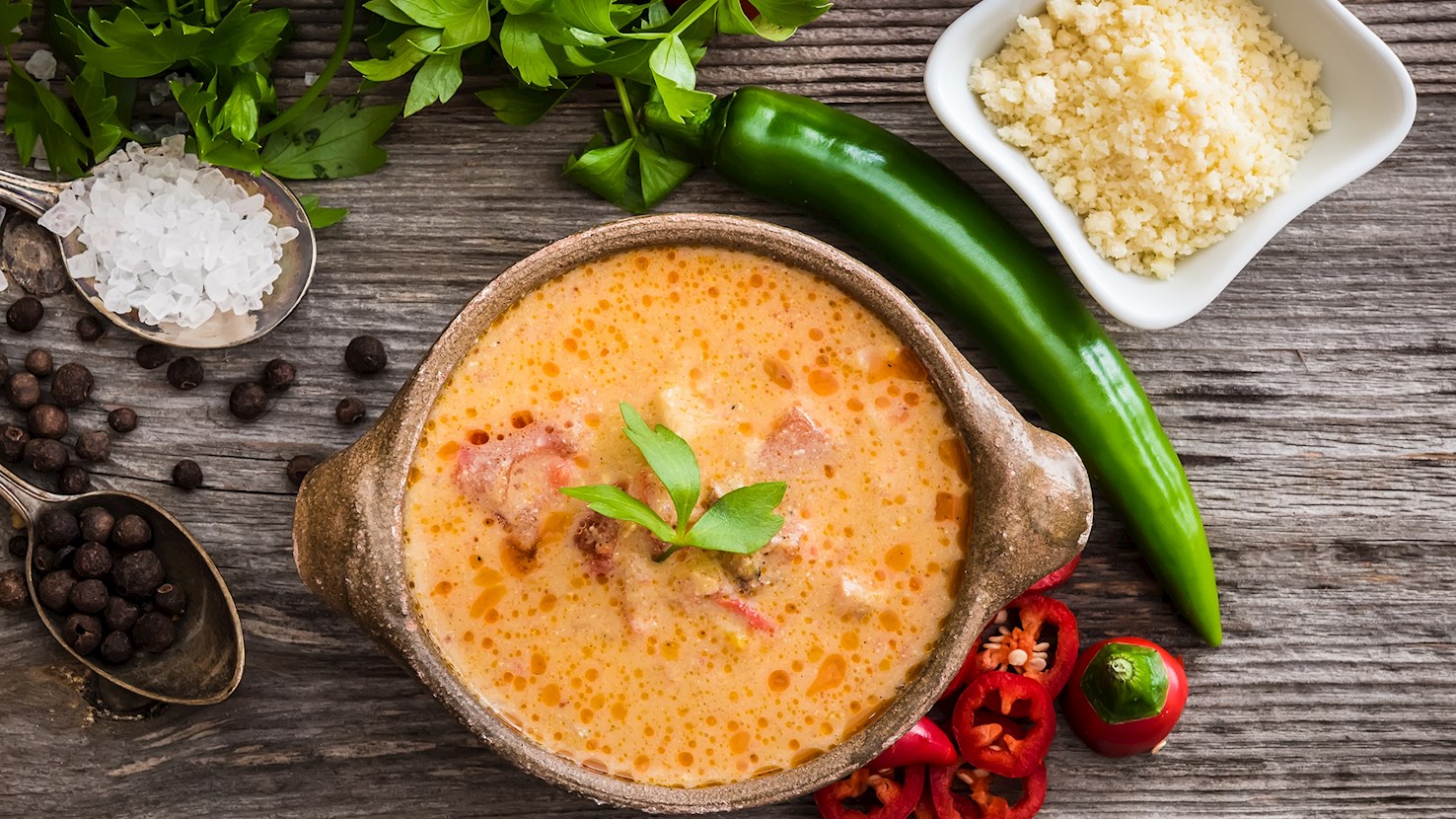
Caldo de queso is a simple Mexican soup featuring potatoes, green chilies, chicken broth, and cheese. It is important to add the cheese last in order for it to turn the soup creamy without producing large mounds of cheese in the liquid. The soup is traditionally served with fried corn tortilla chips on the side.

Best restaurants
03
Appetizer

Aguachile

4.2 ·

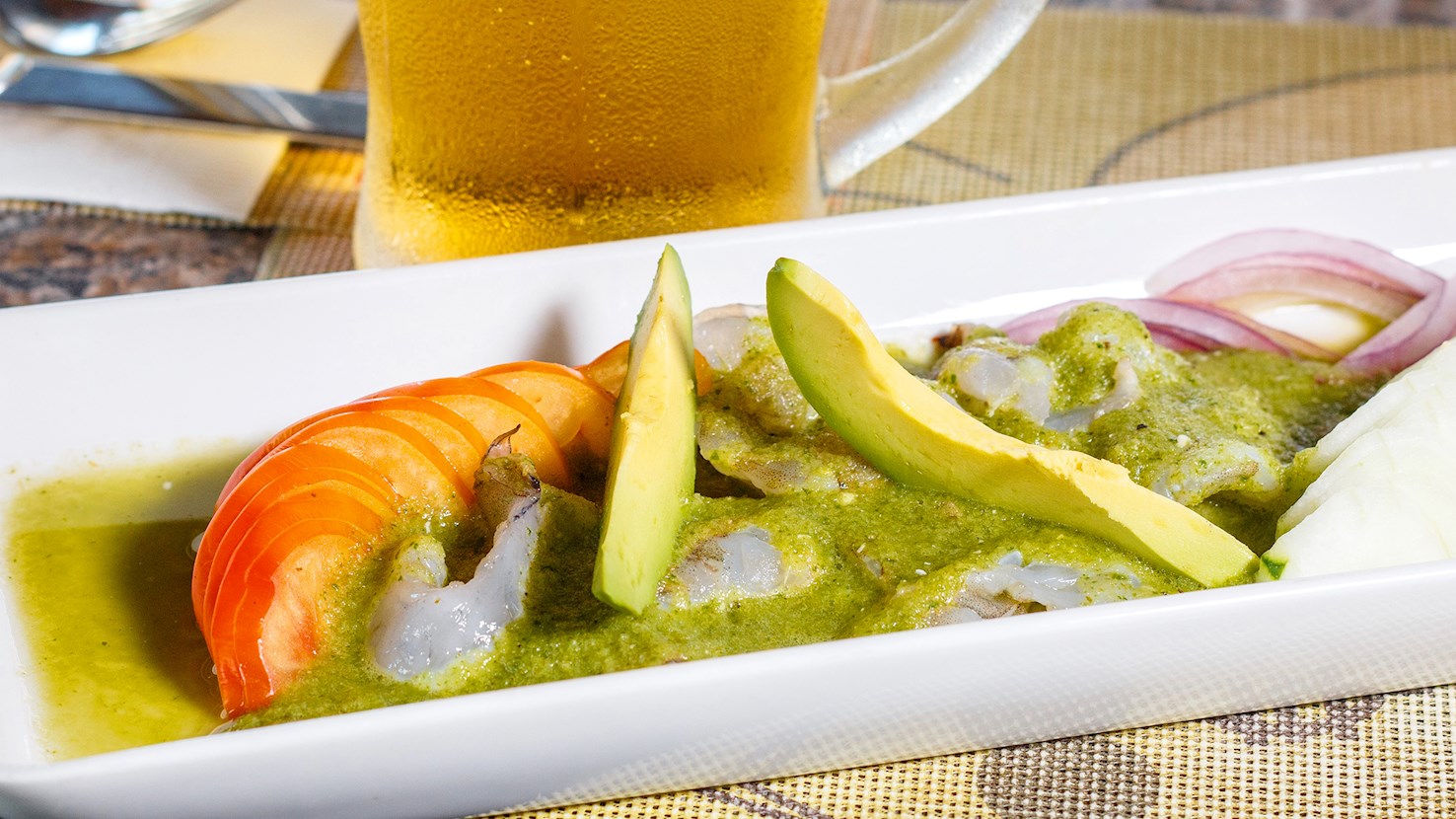
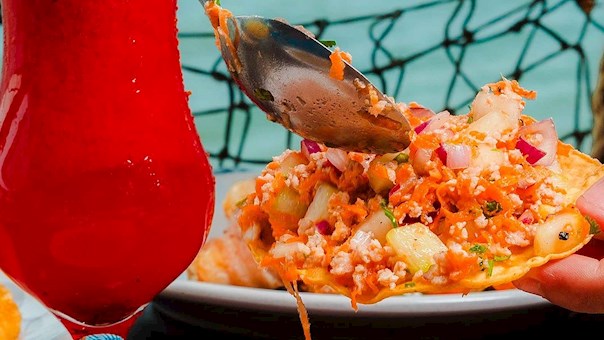
Aguachile is a simple dish originating from the Mexican state of Sinaloa. It is a type of Mexican ceviche that (in its most classic version) consists of fresh raw shrimp, cucumber, red onion, lime juice, and water-pulverized chilis, giving the dish its name. Unlike most ceviches, aguachile is served immediately after coating the shrimp in lime juice, so it is very important that the shrimp is as fresh as it can be. Aguachile is commonly accompanied by avocado and tostadas, while the beverage of choice is usually beer or tequila. There are also versions of aguachile prepared with octopus and scallops, but those versions are not traditional.

04
Wrap

Burrito

4.1 ·

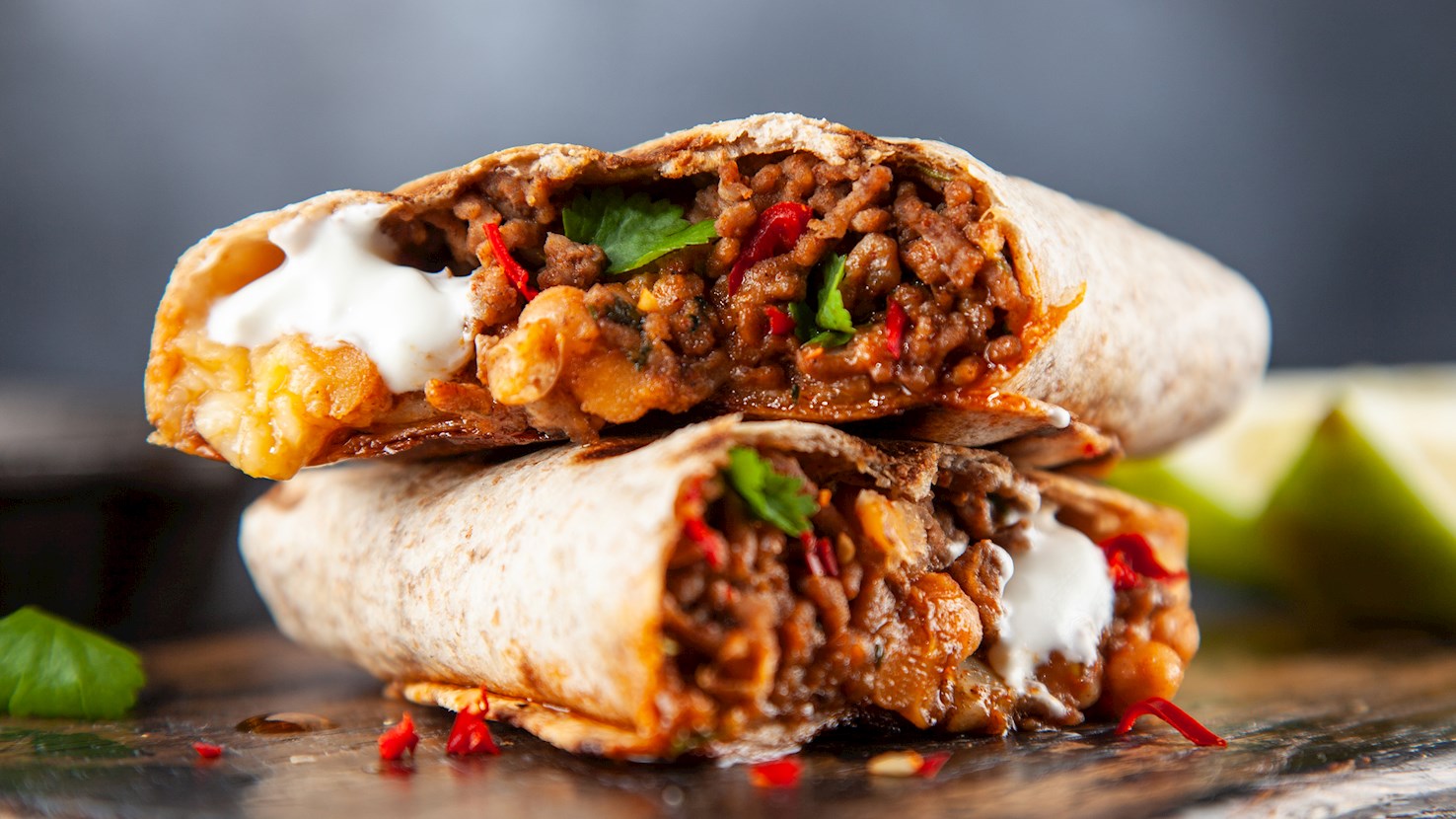
Burrito is a dish consisting of a wheat flour tortilla that is wrapped in such a way that it is possible to fully enclose the flavorful filling on the interior. The filling consists of a combination of various ingredients such as meat, beans, rice, lettuce, guacamole, and cheese, among others. Its name means little donkey in Spanish, and a popular theory suggests that it stems from the way the bedrolls and packs appeared on the donkeys that carried them. Some claim that the dish originated in the 19th century by either the vaqueros in Northern Mexico, farmers in California, or the miners from Sonora. The first appearance of burrito in American restaurants was recorded in the early 1920s in Los Angeles, when the owner Alejandro Borquez opened the Sonora Café and started serving the dish. He changed the name of the restaurant to El Cholo Spanish Café, and it's still in business. Once it became popular across the United States, numerous variations of the dish started appearing, such as Thai chicken burrito, Chinese pork burrito, and breakfast burrito.

05
Pork Dish

Chilorio

4.1 ·

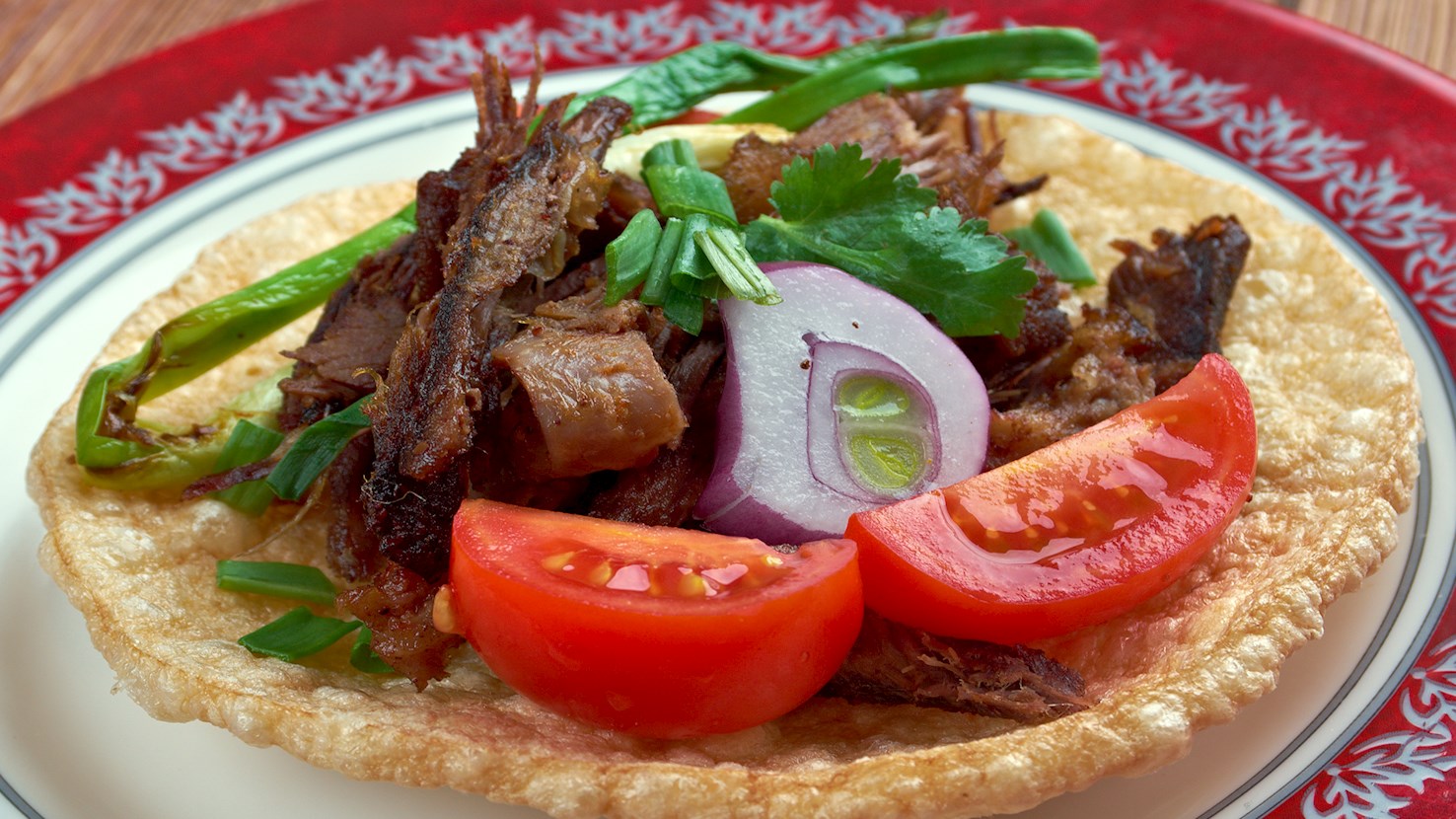
Chilorio is a Sinaloan dish consisting of fried pulled pork meat that is cooked in chili sauce and spices such oregano, garlic, and cumin. Originally, it was used as a way to preserve meat, but today it is usually used as a filling for numerous Mexican specialties such as tacos or enchiladas. If chilorio is served as a main dish, it is traditionally accompanied by salsa, guacamole, Mexican rice, or refried beans on the side.

06
Cheese

Queso Chihuahua

4.1 ·

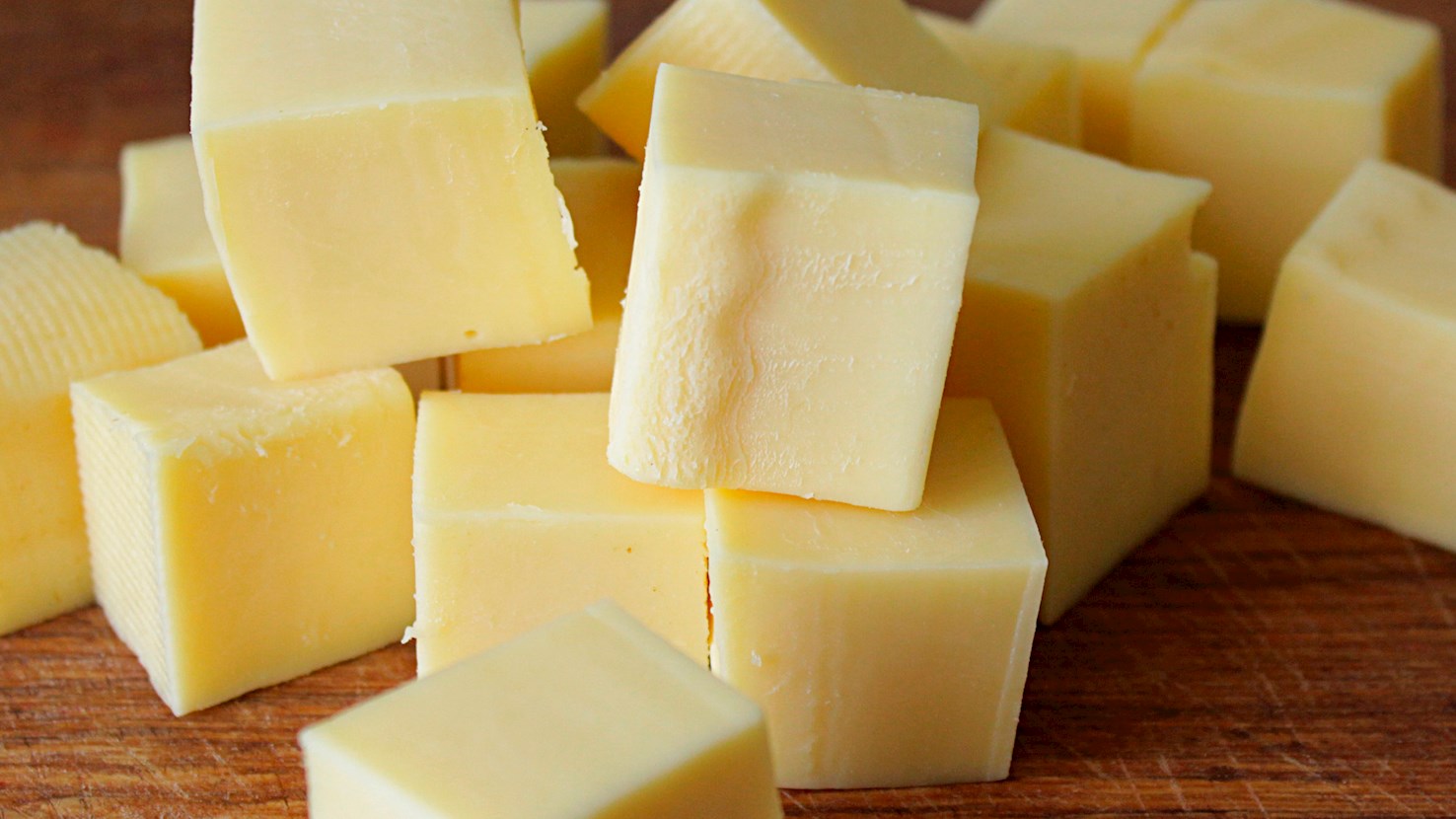
Queso Chihuahua is a traditional cheese made from cow's milk. The texture of this cheese is supple and firm. It has a natural rind and a pale yellow color. In flavor, it is mild and buttery, with a slight sharpness. The cheese is also called Menonita, referring to the Mennonite communities in Chihuahua that first produced it. Queso Chihuahua melts exceptionally well, so it's often used in baked dishes such as casseroles, but it's also used for cheese sauces, as a table cheese for snacking, or it can be added to quesadillas, queso fundido, or chilaquiles.

07
Snack

Sope

4.0 ·

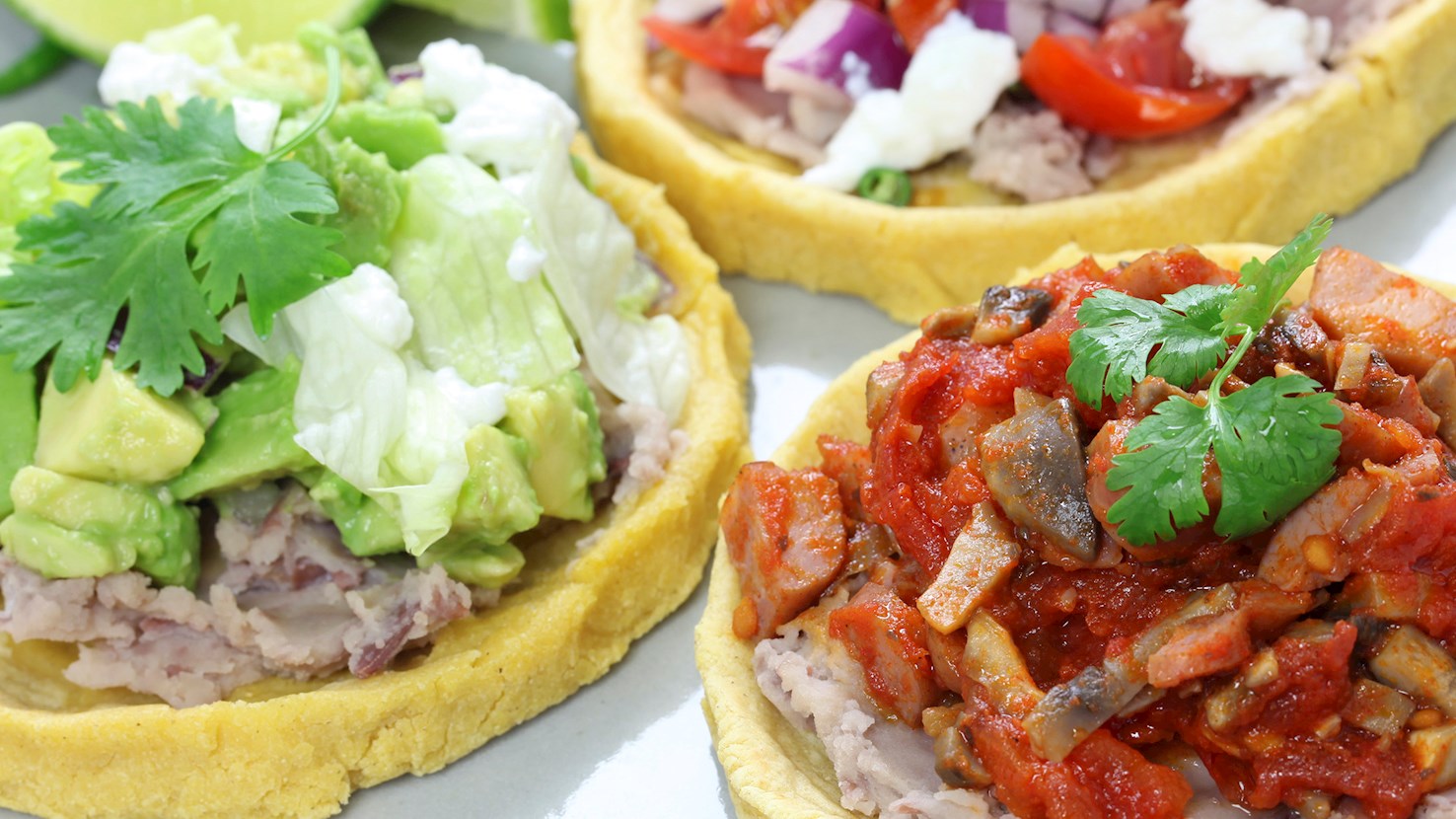
Sopes are small, thick disks of fried corn dough under a topping that usually consists of beans, meat, cheese, and a sauce. Every state in Mexico makes its own version of the dish and calls it differently. In Puebla, it's pellizcada (from pellizcar, meaning to pinch), in Veracruz a picada, in Yucatán a panucho, and in Oaxaca, a sope is called memela or garnacha. It is characterized by its pinched edges that form a border which holds the toppings. The dish is sometimes referred to as the Mexican pizza, as the simplest form of explanation about what sope really is. These savory snacks are served either as an appetizer, as a main dish, for lunch or for dinner.

08
Snack

Nachos

4.0 ·

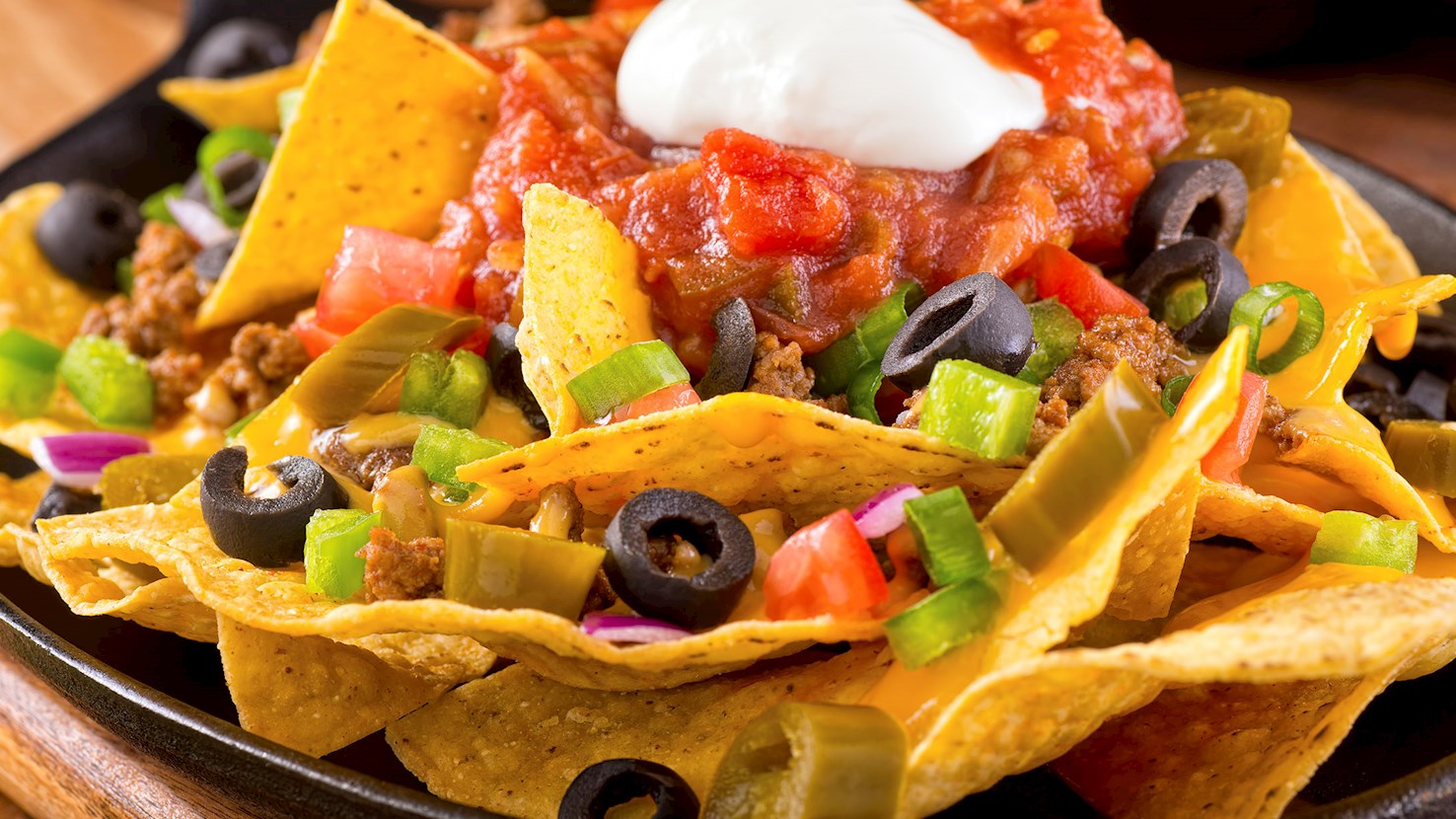
The first, original plate of nachos consisting of tortilla chips, melted cheese, and jalapeños was made for a group of military officers' wives in 1943 in Piedras Negras, Mexico. The ladies of the US Army Air Force base went over to a restaurant in the city, called the Victory Club. Its maitre d', Ignacio "Nacho" Anaya couldn't find the cook, so he combined some readily available ingredients for the ladies and presented them with canapes of tortilla chips, cheese, and jalapeño peppers. Nachos were created, and Anaya became the restaurant's head chef a few years later. The dish was named after his nickname, and was advertised on both sides of the border as Nacho Specials. The combination of chips and melted cheese quickly gained popularity, so by the 1960s, it became a staple of Tex-Mex cuisine. Some people credit a man named Frank Liberto for turning the nachos into a global phenomenon, since he is the one who turned the dish into stadium food in the United States, greatly increasing the sales of nachos and boosting their popularity even more. Today, common toppings include ingredients such as beans, elote corn, guacamole, lettuce, onions, tomatoes, and meat, and there is even a special event called the International Nacho Festival, held every October in Piedras Negras.

09
Hot Dog

Danger Dog

3.9 ·

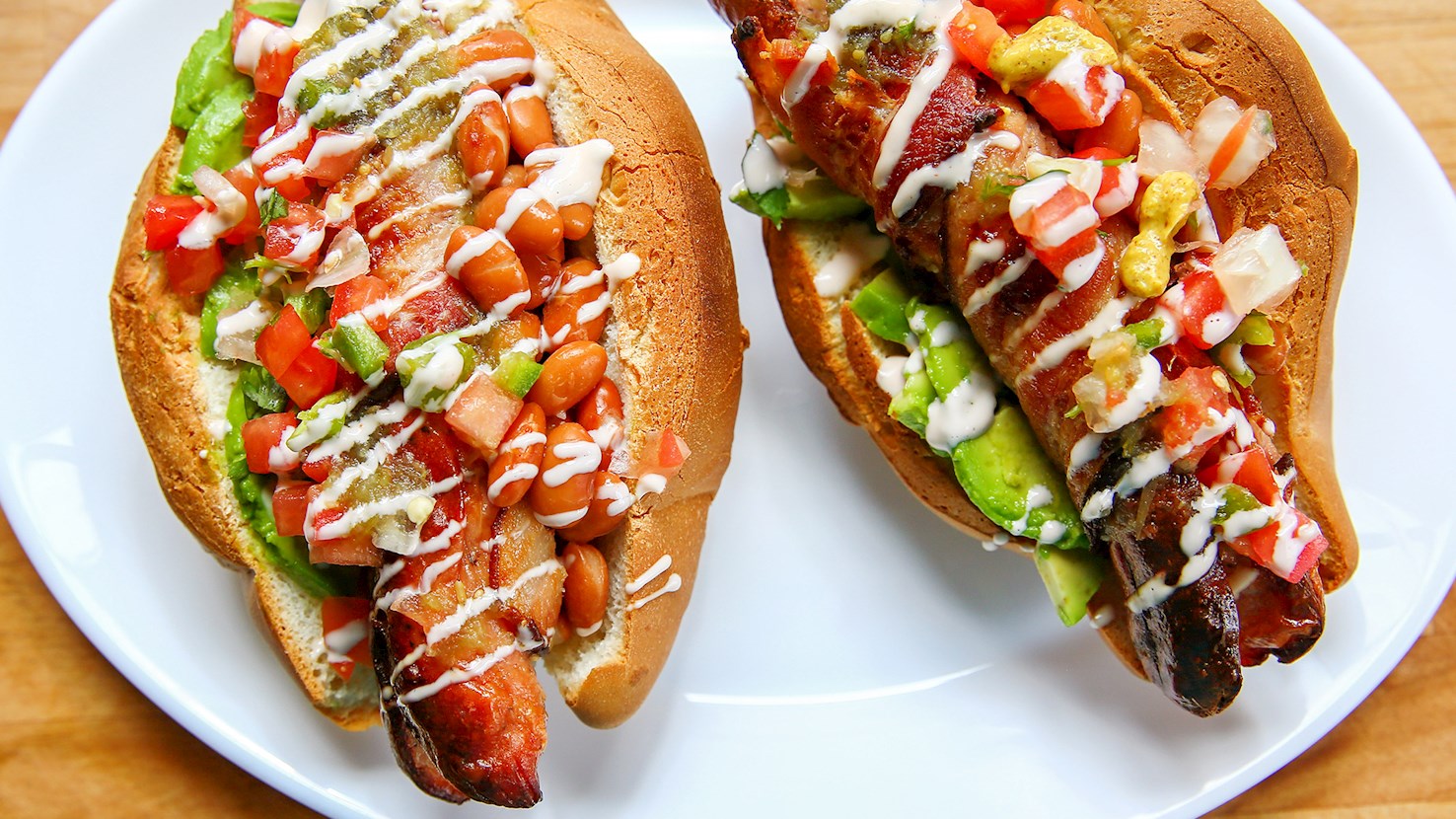
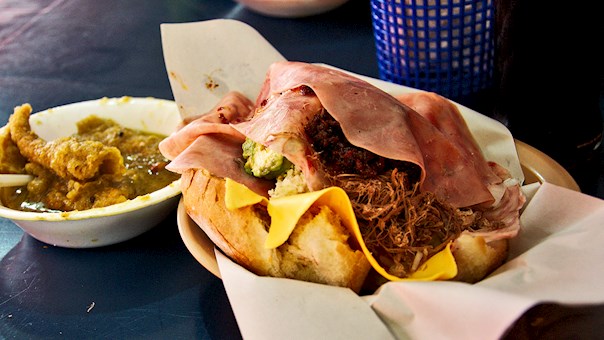
Danger dog consists of a bacon-wrapped sausage that is grilled until crispy, then stuffed into a bolillo roll and topped with a variety of ingredients such as beans, tomatoes, onions, jalapeño salsa, mayonnaise, and mustard. This unique variety of hot dog originated in Hermosillo in the 1980s, and were sold from the street carts by the vendors called dogueros. This behemoth of a hot dog is traditionally served with a roasted chile güero on the side. Today, apart from Mexico, danger dog is also extremely popular in the United States, especially in Tucson and Phoenix, Arizona.

10
Goat Dish

Cabrito

3.9 ·

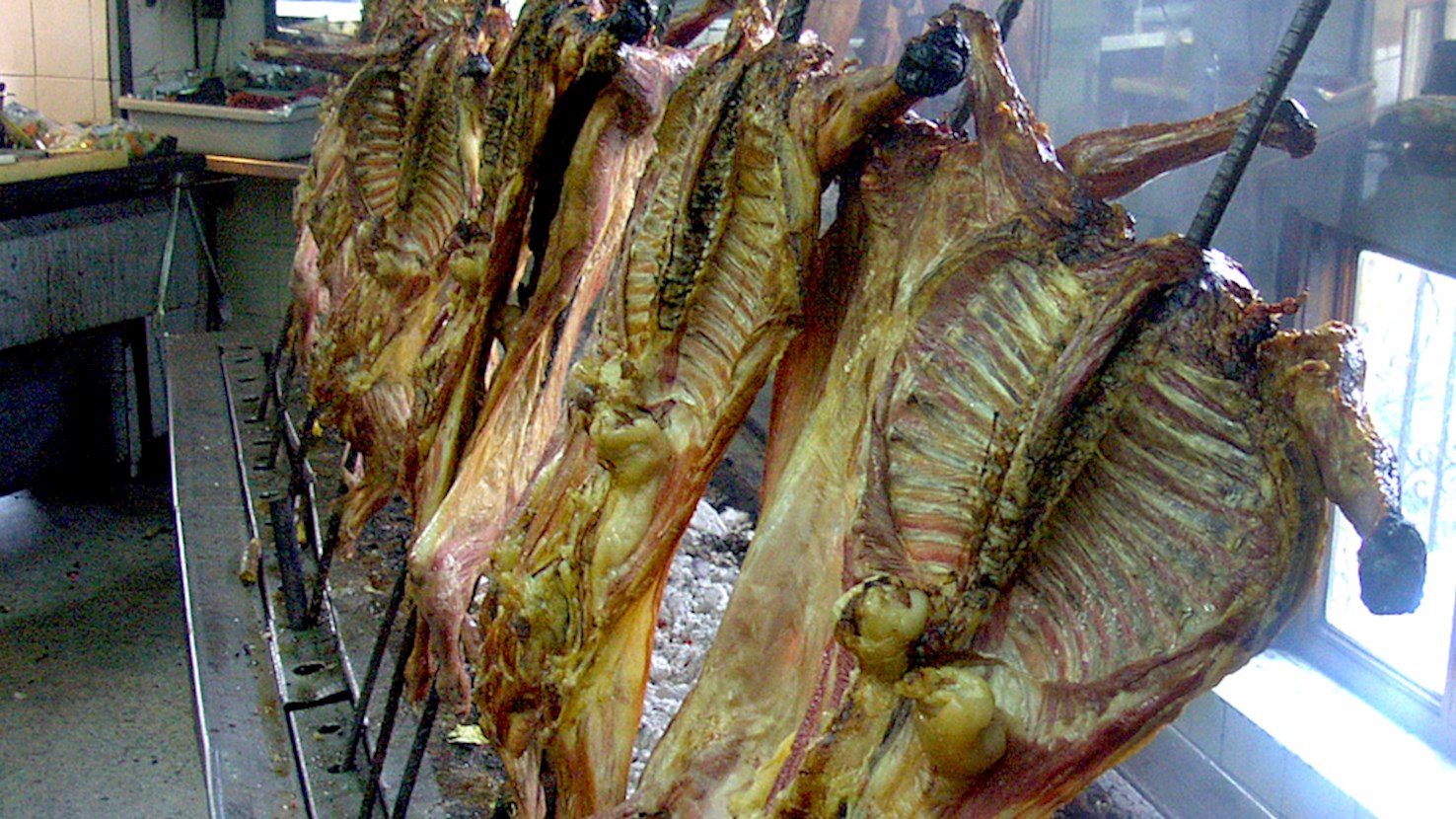
Cabrito is roasted goat kid, a specialty of the Mexican city of Monterrey. Apart from Mexico, the dish is also popular in Brazil, Argentina, Spain, and Portugal. Traditionally, goat kid should be no more than three weeks of age and it should never have been fed anything other than mother's milk. Those predispositions are crucial for developing good flavors in the dish. There are numerous styles of cooking cabrito, such as cabrito al pastor (spit-roasted, no seasonings), cabrito al horno (oven-roasted), cabrito en sangre (braised in blood with offal and seasonings), and cabrito en salsa (braised in tomatoes with garlic, onions, and chilis).

Best Food Products
01
Chocolate Confectionery

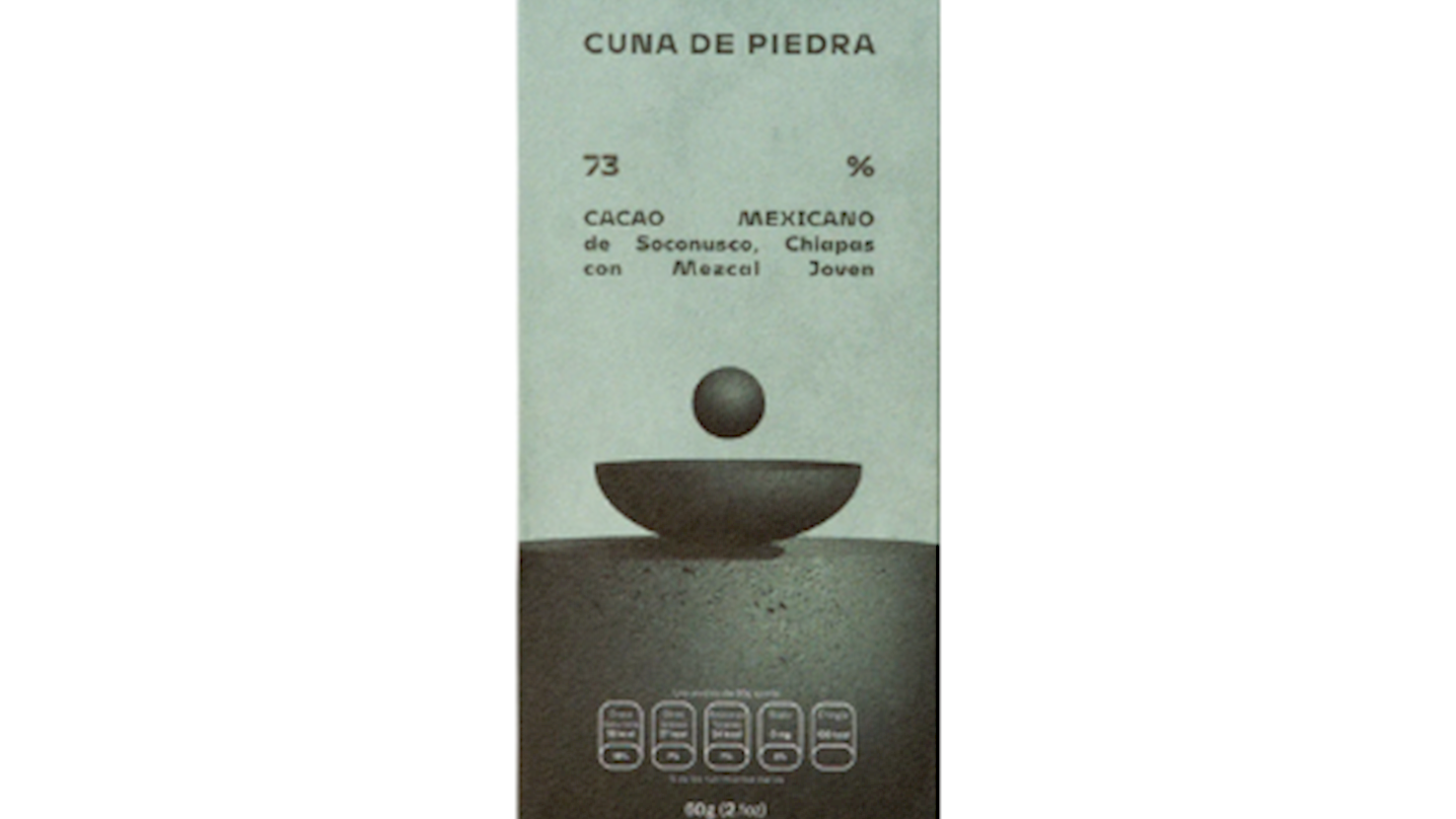
Cuna de Piedra

5.0 ·

Cuna de Piedra is a Mexican bean-to-bar brand that unites tradition, art, and terroir through authentic chocolate crafted entirely in Mexico. The name, meaning “Cradle of Stone” symbolically connects the birthplace of cacao with the traditional stone tool metate, used for centuries to grind cocoa beans.

Founded in 2019 by Enrique Pérez and Vicky González, the brand’s mission is to restore cacao to its cultural and geographical roots. Cuna de Piedra works directly with Mexican farmers from the regions of Soconusco, Tabasco, and Oaxaca, ensuring fair compensation and support for sustainable fermentation and processing practices.

Their chocolates are organic, handmade creations that reflect the diversity of Mexico’s cacao-growing regions. The brand stands out for its single-origin dark chocolates as well as its innovative combinations with local ingredients such as mezcal, hibiscus, sea salt, and smoky notes.

Each bar is carefully balanced, preserving the bean’s natural complexity and character. Their chocolates are frequently recognized for their balanced flavor, refined texture, and distinctive sense of origin.

The bars are defined by a persistent, natural taste, with notable depth and a clean finish, making them stand out on the global bean-to-bar scene. At the core of Cuna de Piedra’s philosophy lies respect for the land, the farmers, and tradition - alongside a desire to showcase the contemporary face of Mexican chocolate craftsmanship.

02
Spirit

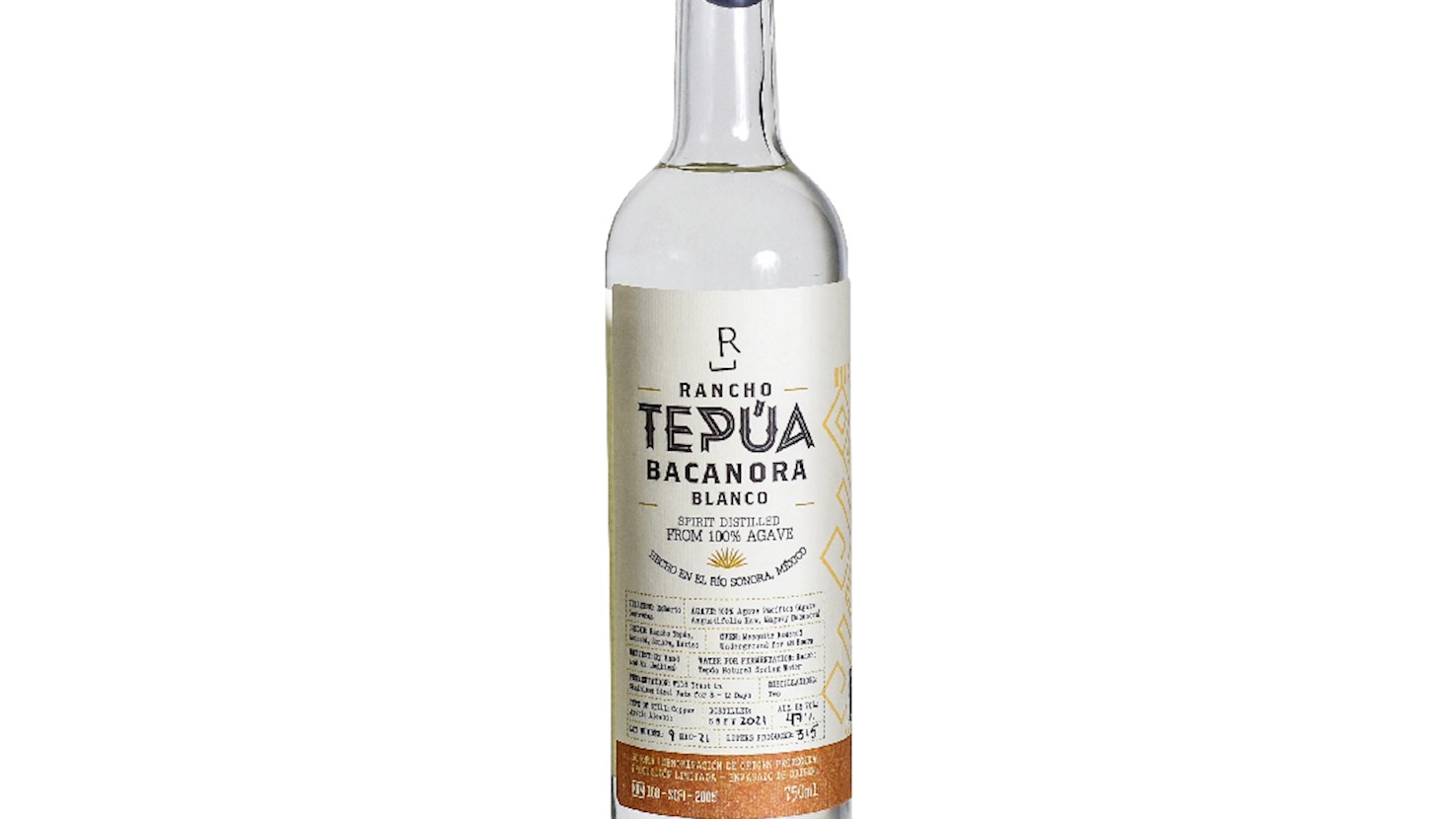
Rancho Tepua

5.0 ·

Rancho Tepúa, run by the Contreras family, has been producing Bacanora in Sonora, Mexico, for over a century. Established formally in 2006, Rancho Tepúa preserves traditional Bacanora-making methods, including harvesting agave with a "Jaíbica" ax, honoring the heritage of the Ópata indigenous people.

Despite Bacanora's 77-year prohibition in Sonora, the Contreras family maintained production, creating a legacy of artisanal Bacanora known for its earthy, herbaceous flavors that reflect Sonora's rich cultural and natural landscape.

Awards
NYWSC - New York World Spirits Competition - Double Gold (2024)
03
Spirit

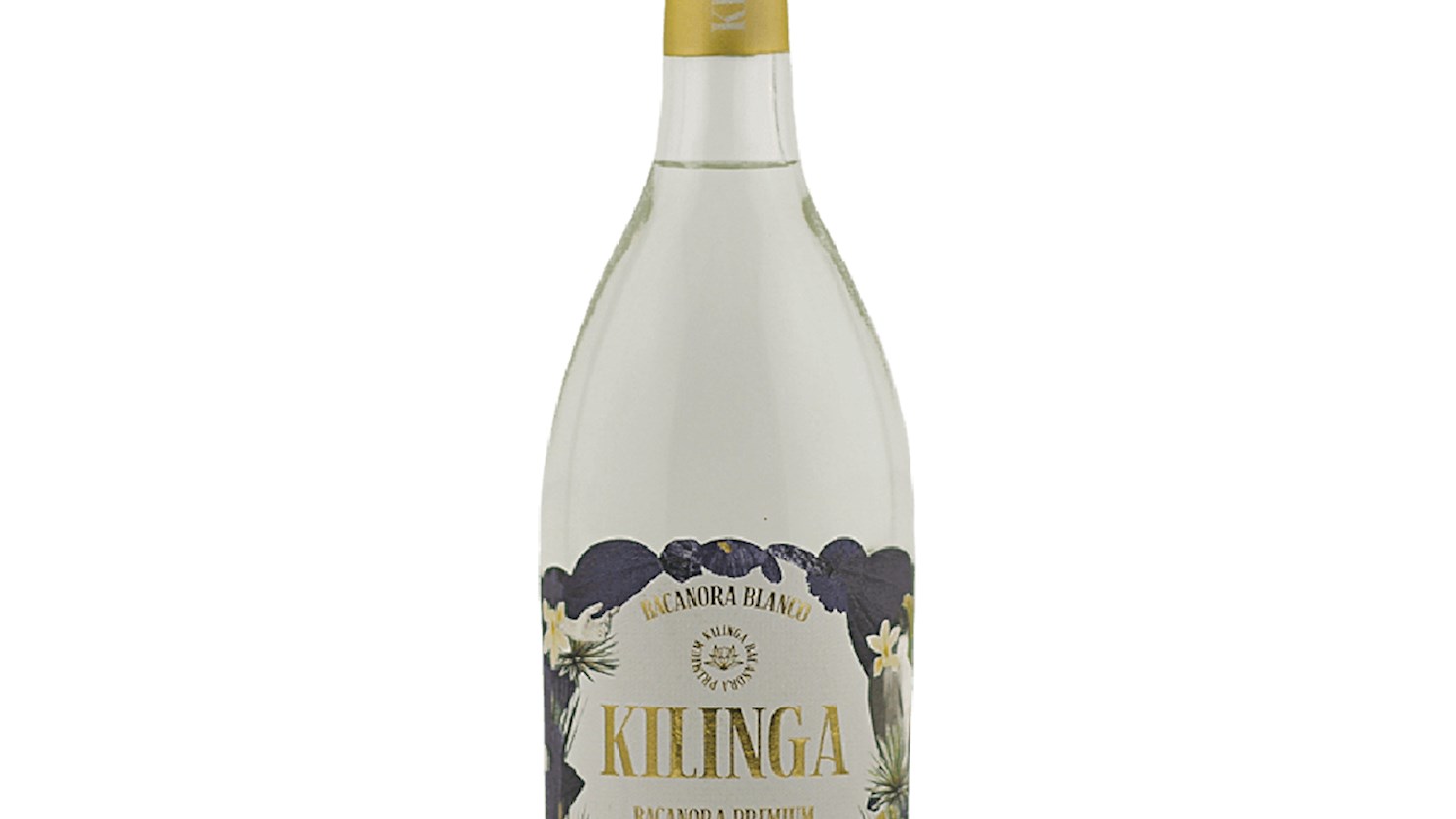
Kilinga

5.0 ·

Kilinga Bacanora is a family-owned distillery founded in 2018 in Álamos, in the Mexican state of Sonora, by Rodrigo Bojórquez Bours. Named after his mother, Kilinga produces authentic bacanora, a traditional agave distillate unique to the Sonora region.

The distillery uses agaves grown on their own family farm, employing sustainable and environmentally friendly farming methods. Kilinga is the first officially registered bacanora available in the United States, reflecting its quality and commitment to preserving Sonora’s cultural heritage.

Awards
NYWSC - New York World Spirits Competition - Double Gold (2024)
04
Spirit

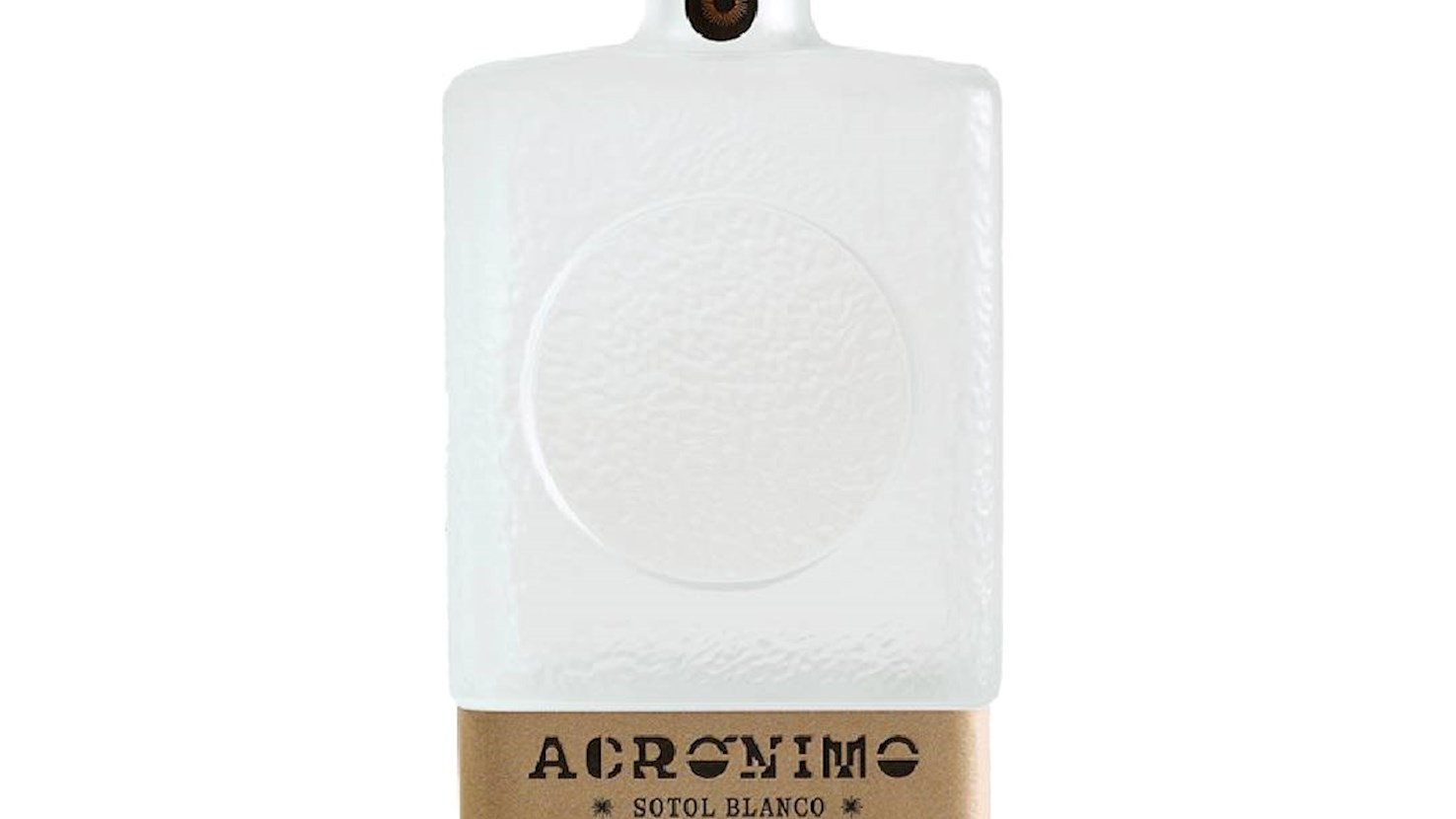
Acronimo Spirits

4.8 ·

Acrónimo is a premium spirits brand based in Chihuahua, Mexico, dedicated to crafting authentic beverages that honor the region's rich heritage while embracing innovation. Founded by siblings Alessandra and Jose Luis, along with their mother Denise, the brand emerged from their family-owned Central Hotel Boutique, driven by a passion for gin and a desire to share Chihuahua's traditions with the world. Acrónimo is a premium spirits brand based in Chihuahua, Mexico, dedicated to crafting authentic beverages that honor the region's rich heritage while embracing innovation.

Founded by siblings Alessandra and Jose Luis, along with their mother Denise, the brand emerged from their family-owned Central Hotel Boutique, driven by a passion for gin and a desire to share Chihuahua's traditions with the world. In addition to Sotol, Acrónimo has pioneered a distinctive gin crafted from Sotol, blending ten locally sourced botanicals, including juniper from the Sierra Tarahumara, citrus zest, peppercorns, lavender, anise, and cardamom. This innovative spirit seamlessly merges tradition with modernity, offering a unique flavor profile that reflects the terroir of Chihuahua.

Awards
IWSC- International wine & spirit competition - Spirit Gold (2024)
SFWSC - San Francisco World Spirits Competition - Gold (2024)
05
Chocolate

Le Caméléon

4.7 ·

Le Caméléon is an artisanal chocolate brand that specializes in producing premium chocolates. With a focus on sustainability and quality, they offer a wide range of products made from carefully sourced cacao, often from regions renowned for their fine beans.

Their chocolates blend traditional craftsmanship with innovative flavors, providing a unique and rich taste experience.

Awards
Academy of Chocolate - Silver (2021, 2019)
Academy of Chocolate - Bronze (2024, 2021)
06
Spirit

Vulpis SA de CV

4.7 ·
Awards
IWSC- International wine & spirit competition - Spirit Gold (2019)
IWSC- International wine & spirit competition - Mezcal Gold Trophy (2019)
07
Beer

Buqui Bichi Brewing

4.6 ·
Awards
World Beer Cup - Gold (2024)
08
Wine

Vinicola Solar Fortun

4.4 ·
Awards
Concours Mondial de Bruxelles - Grande Médaille d'or (2024)
09
Wine

Vinicola Parvada

4.4 ·
Awards
Concours Mondial de Bruxelles - Grande Médaille d'or (2022)
10
Wine

Vinícola Tres Raíces

4.4 ·
Awards
Concours Mondial de Bruxelles - Grande Médaille d'or (2023)
About this Ranking

TasteAtlas food rankings are based on the ratings of the TasteAtlas audience, with a series of mechanisms that recognize real users and that ignore bot, nationalist or local patriotic ratings, and give additional value to the ratings of users that the system recognizes as knowledgeable. For the “Top 22 Traditional Foods in Northern Mexico” list until September 02, 2026, 4,568 ratings were recorded, of which 2,554 were recognized by the system as legitimate.

TasteAtlas Rankings should not be seen as the final global conclusion about food. Their purpose is to promote excellent local foods, instill pride in traditional dishes, and arouse curiosity about dishes you haven’t tried.

The initial list of top producers was compiled based on available reviews, awards, local recommendations, media and blog coverage, and consumer reviews. The list will be updated with ratings from TasteAtlas local ambassadors and TasteAtlas users.

What People Say

Similar Lists