shutterstock

Top 6 Podlaskie Foods

Last updated on June 02, 2026

Best Podlaskie food products

01
Cheese

Ser Koryciński

4.8 ·
Ser Koryciński is a family-run dairy located in the Korycin area of the Podlaskie Voivodeship in northeastern Poland, a region known for its preserved natural environment and long-standing pastoral traditions. Their production is based on fresh cow’s milk sourced from local farms, processed shortly after milking and without industrial additives, which allows the natural character of the milk to remain evident in the final cheese. The dairy follows a largely manual, small-scale approach, relying on traditional methods that have been passed down locally, while meeting modern hygiene and veterinary standards. The producer’s core focus is the preservation of Ser Koryciński as a cheese with Protected Geographical Indication (PGI), emphasizing its strong connection to place, community, and regional identity. Alongside the classic natural version, they also produce variations enriched with herbs, spices, seeds, or dried fruit, always maintaining the base structure and identity of the cheese. This approach reflects a balance between tradition and controlled innovation, positioning the producer as an important custodian of Podlasie’s regional cheesemaking heritage.
02
Spirit

Żubrówka

4.7 ·
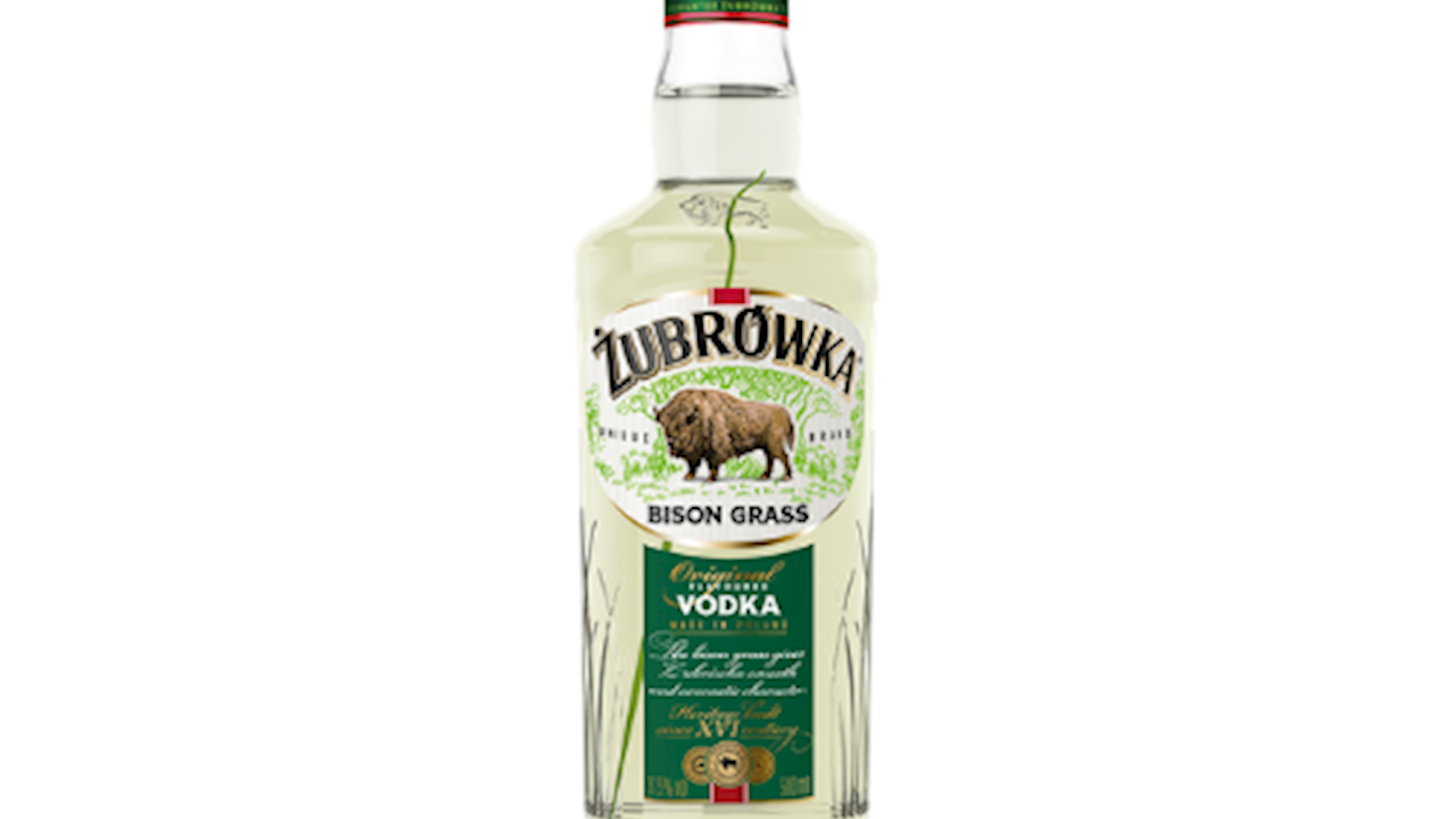
Żubrówka is a Polish brand of flavored vodka distinguished by its unique ingredient - bison grass sourced from the Białowieża Forest - which sets it apart from standard neutral vodkas. It is produced from rye and, after distillation, infused with this aromatic grass, giving the spirit a recognizable profile of herbal, lightly sweet, and spicy notes, with hints of vanilla, almond, and hay. A signature element of the brand is the blade of grass placed in each bottle, emphasizing authenticity and a direct connection to its natural origin. While its roots date back several centuries, modern production is associated with the Polmos Białystok distillery, and today the brand is owned by the Maspex Group. Żubrówka is widely distributed globally, yet it remains strongly tied to Polish tradition and terroir. It is most commonly enjoyed chilled or mixed with apple juice in the classic “szarlotka” cocktail, where its aromatic character is fully expressed, making it one of the more distinctive products within the spirits category.
Awards
ISC-International Spirits Challenge - Gold trophy (2022, 2019)
IWSC- International wine & spirit competition - Spirit Gold (2021, 2019)
03
Cheese

Podlasie Na Wypasie

4.7 ·
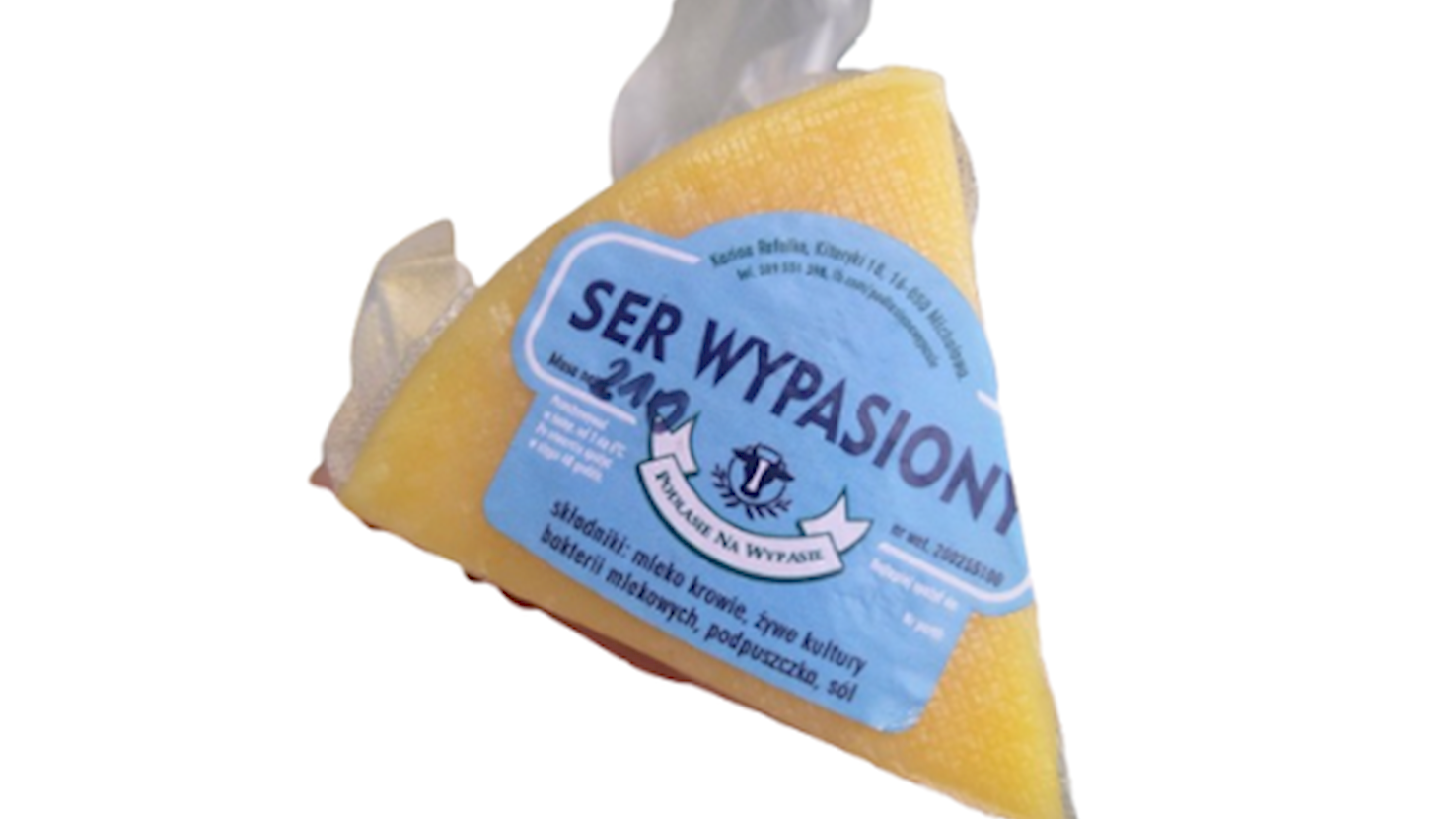
Podlasie Na Wypasie is a regional initiative and brand associated with the Podlasie Voivodeship in northeastern Poland, an area recognized for its preserved natural landscapes, open pastures, and strong dairy-farming traditions. The concept is based on pasture grazing as the foundation of milk production, emphasizing cows that spend a significant part of the year grazing outdoors, which directly affects the quality and composition of the milk. Podlasie Na Wypasie promotes local farmers, short supply chains, and clear traceability of raw materials, positioning itself in contrast to large-scale industrial production. A strong focus is placed on animal welfare, natural feeding, and minimal technological intervention. This approach highlights the authentic taste of milk shaped by local grasslands, climate, and the specific terroir of Podlasie. The initiative connects traditional agricultural practices with modern consumers seeking products with a clear origin, regional identity, and a more sustainable production model.
04
Butter

Mlekpol

4.6 ·
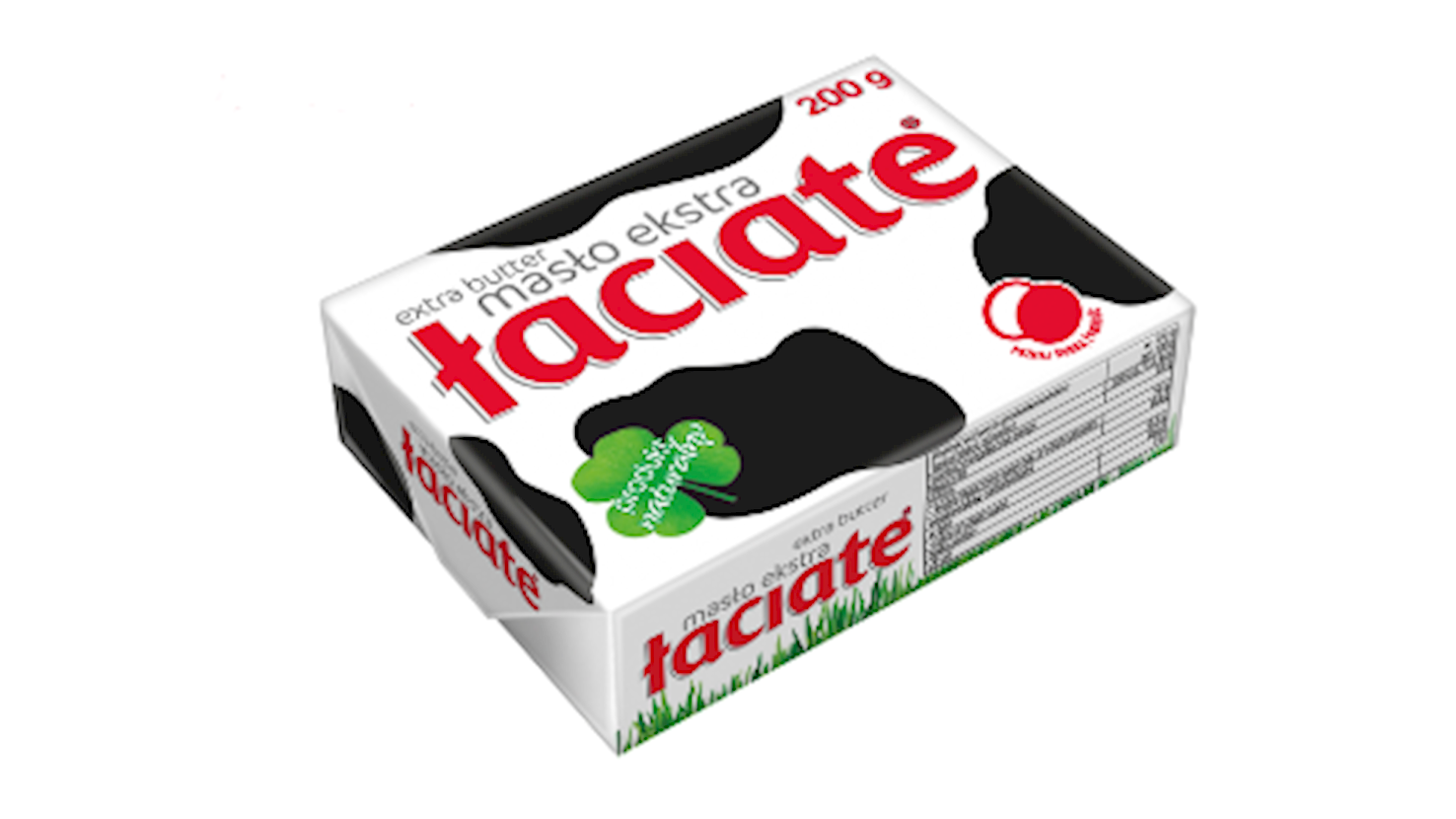
Mlekpol is one of the largest and most respected dairy producers in Poland, headquartered in the town of Grajewo, located in a region known for its unspoiled nature and rich livestock farming traditions. The company prides itself on using only fresh milk sourced from carefully selected Polish farms, ensuring the highest standards of quality, freshness, and food safety. Its wide range of products—including milk, yoghurts, cheeses, butter, cream, and dairy drinks—is marketed under the Łaciate brand, which has become a symbol of trust and authentic dairy taste in households across the country. Combining long-standing tradition with modern technologies, Mlekpol successfully meets the needs of today’s consumers while preserving the natural values and simplicity of dairy products. The company is committed to sustainable production, with a strong focus on environmental protection, animal welfare, and supporting local communities. Today, Mlekpol stands as a synonym for quality, responsibility, and dedication to the art of dairy making, with its products exported to dozens of countries around the world, proudly representing top-quality Polish dairy on the global market.
05
Butter

Mlekovita

4.3 ·
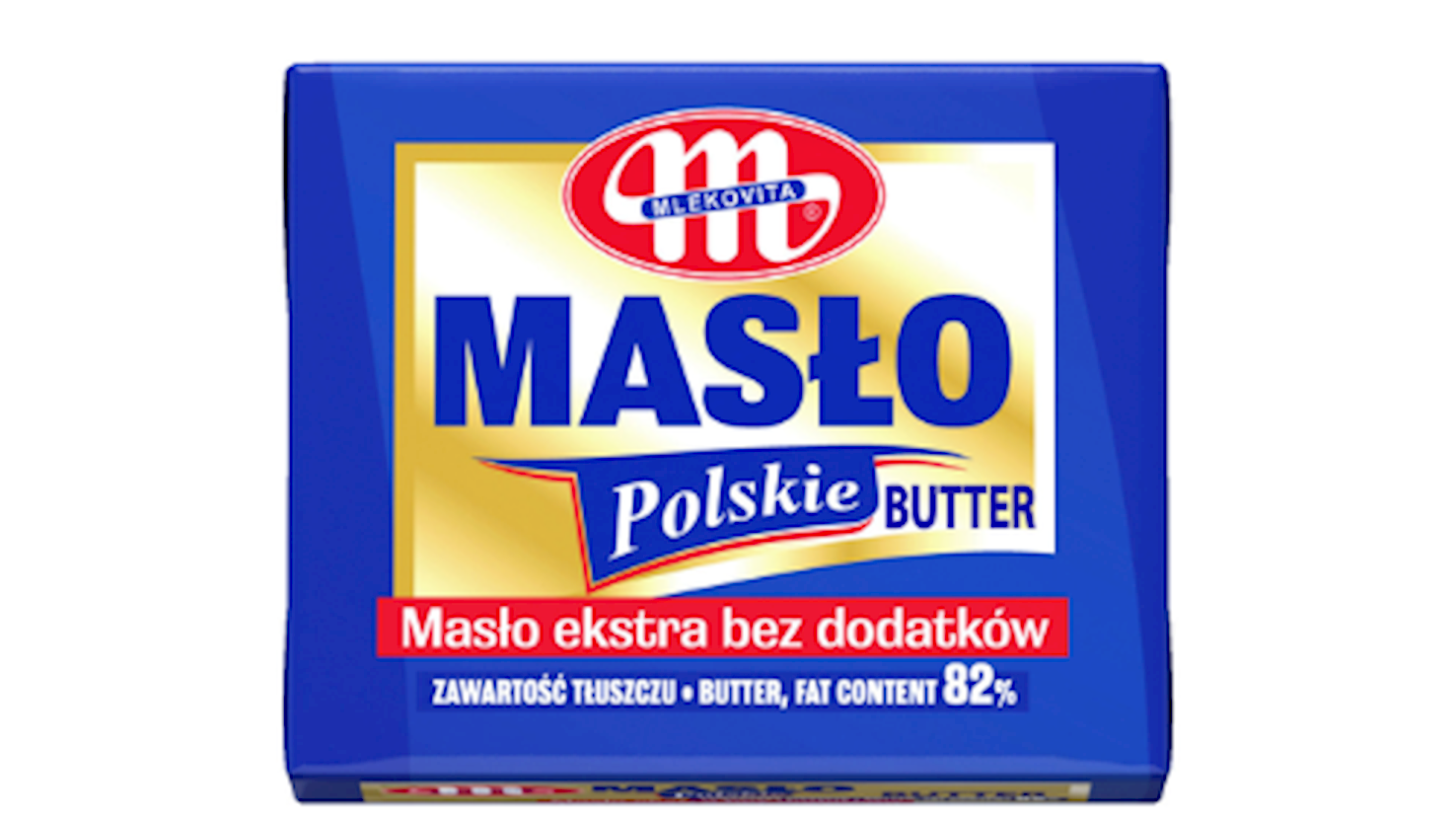
Mlekovita is the largest producer of milk and dairy products in Poland and one of the leading companies in Central and Eastern Europe. With more than 90 years of tradition, the company stands out for its comprehensive approach to quality, innovation, and responsibility toward consumers. Its headquarters are located in Wysokie Mazowieckie, while its network of production facilities, milk collection centers, and distribution units spans the entire country, ensuring a strong presence in the domestic market and exports to over 100 countries worldwide. Mlekovita's product range includes more than 1,000 items – from milk, yogurt, cheese, and butter to protein drinks and specialized dairy ingredients for industrial use. Particular emphasis is placed on products with high nutritional value, including lactose-free and protein-enriched lines, allowing Mlekovita to meet modern dietary trends and consumer needs.

Best Podlaskie foods

01
Cake

Marcinek

4.3 ·

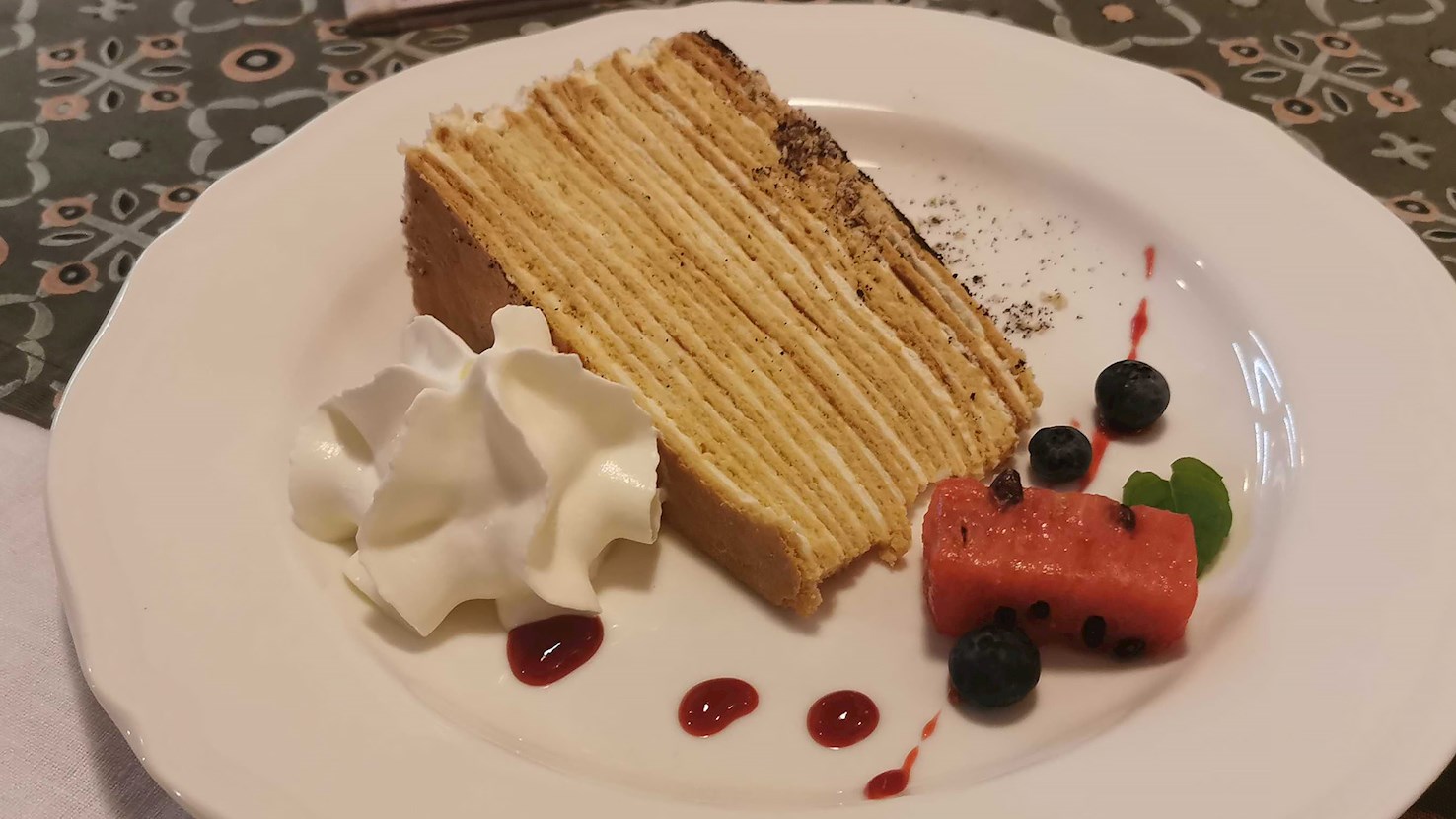
Hailing from Podlaskie region, marcinek is a dessert consisting of layers of dough, usually around twenty thin layers, which are coated with cream and stacked to form a cake-like dessert. Similar to a shortcrust pastry, the dough for the cake is made from a combination of butter, flour, sugar, and eggs, while the coating cream typically incorporates sweetened sour cream, whipping cream and flavorings such as lemon zest, almond extract, or vanilla. The preparation of marcinek is a time-consuming process since each layer is rolled into a circle and baked separately. When the cake is layered and coated, the remaining cream is usually used to cover and decorate the sides and the top of the cake. Optionally, it can be garnished with cookie crumbs, coconut flakes, or cocoa. Marcinek is prepared and enjoyed throughout Podlaskie region and the area of Białowieża Forest, but it is usually associated with the city of Hajnówka. In 2018, the dessert was included on the list of traditional products from the Podlaskie region (listę produktów tradycyjnych). It is assumed that marcinek has a tradition that dates back to the beginning of the 20th century.

02
Dumplings

Kartacze

4 ·

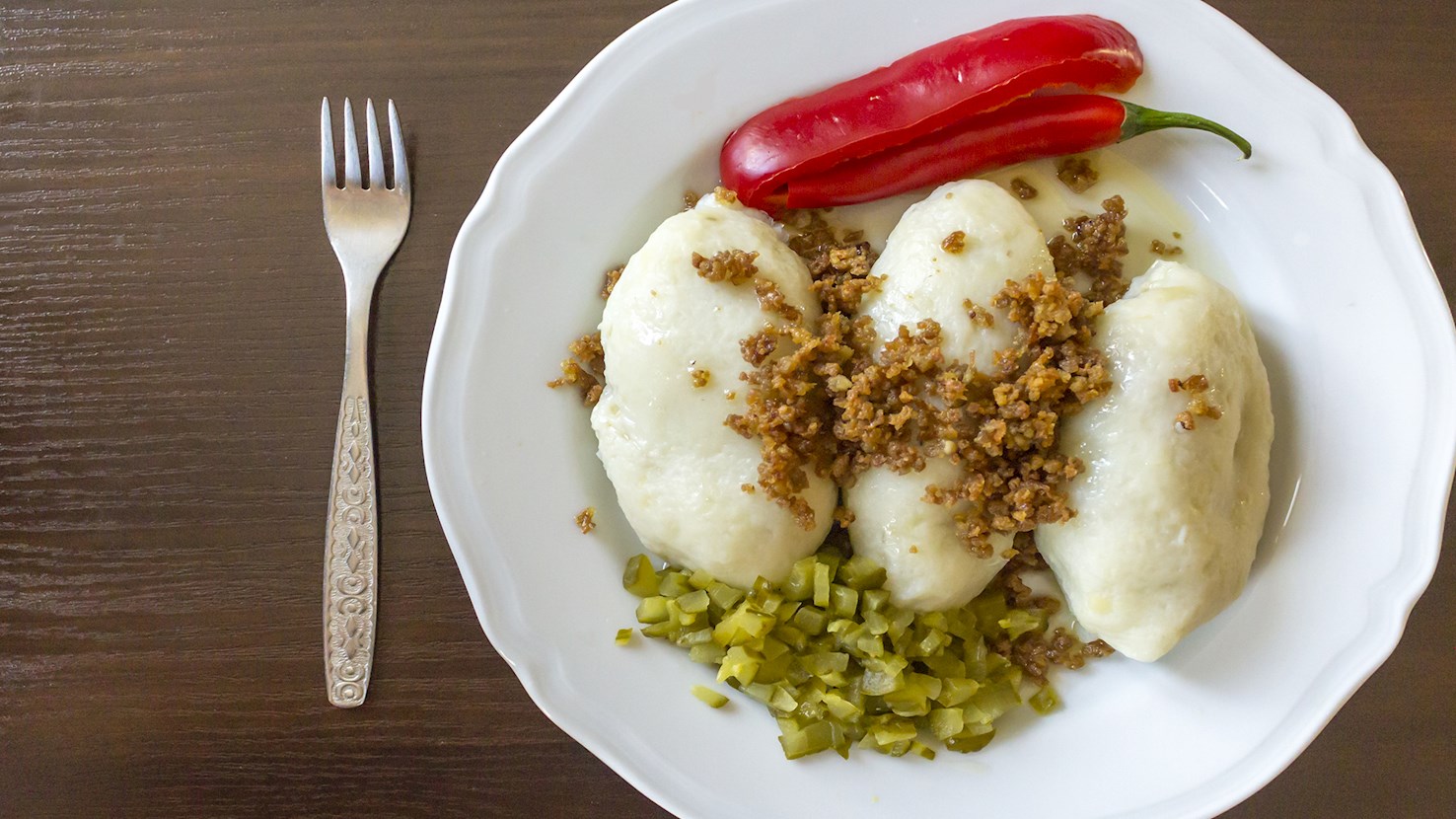
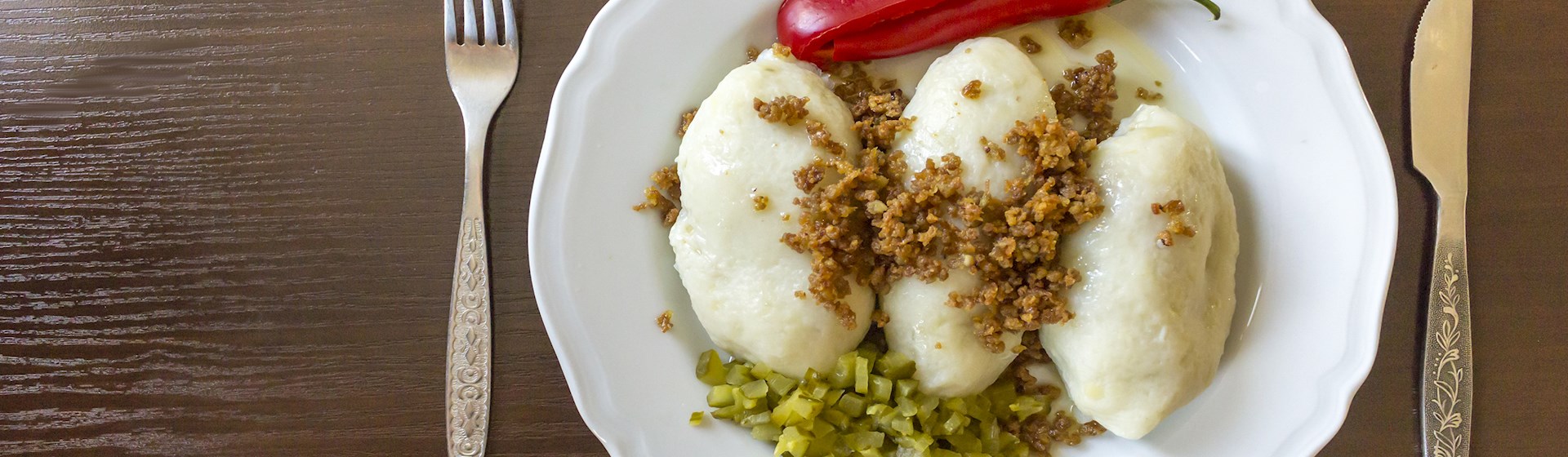
These large, oval-shaped potato dumplings are traditionally filled with a combination of sautéed onions and ground meat, while some versions occasionally employ mushrooms, sauerkraut, or cheese. They are usually associated with the northeastern regions and are believed to have been influenced by a similar Lithuanian dish that goes under the name cepelinai. Kartacze dumplings are usually served accompanied by sautéed onions and crispy bacon bits, and are typically enjoyed as a filling main course.

Best restaurants
03
Cheese

Ser Koryciński Swojski

4 ·

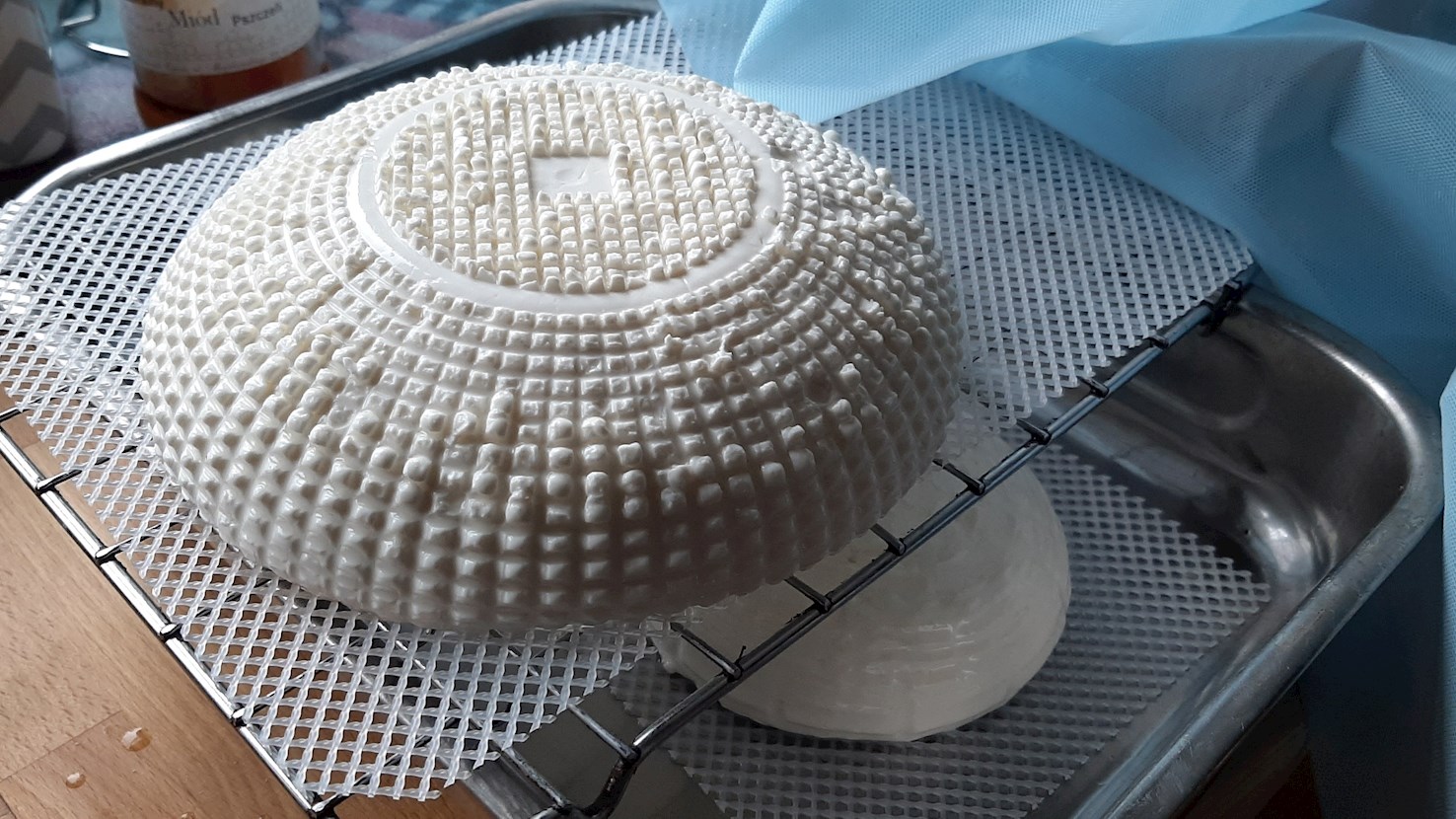
Ser koryciński swojski (Rustic, or Local cheese from Korycin) is a unique ripened and salted cheese produced from unpasteurized, full-fat cow's milk in Sokólski County, Podlaskie Province in Poland. The cheese has a specific shape due to the strainers in which it is made - it is flattened and spherical with an elliptical cross-section. It weighs from 2,5 to 5 kilograms, and on the interior, it has numerous small holes of different sizes dispersed throughout its creamy yellow body. The flavor or Ser koryciński swojski is mild and creamy when fresh, and salty and nutty if matured, and dry, salty and nutty if fully ripe. Also, the cheese has a delicate scent of fresh butter. Additionally, fresh herbs and spices may be added to the cheese, such as garlic, basil, dill, chives, mint, paprika, olives and marjoram.

Best producers
04
Savory Pastry

Pierekaczewnik

n/a ·

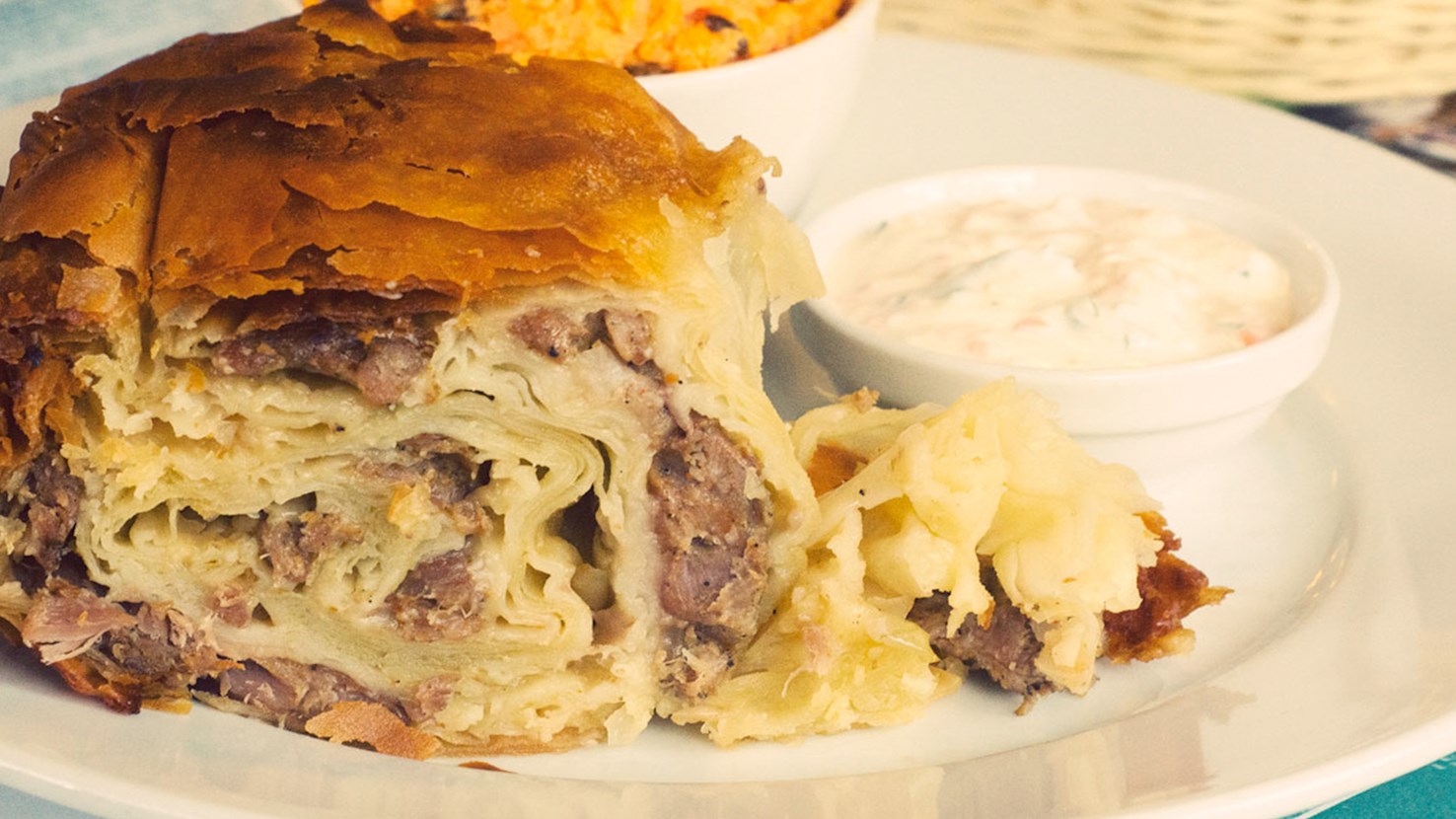
The iconic Polish pierekaczewnik originated in the old eastern borderlands of Poland, a melting pot of many different peoples: Poles, Lithuanians, Russians, Belarussians, Ukrainians, Jews, and Tatars. The dish was brought to Poland by Tatar settlers who arrived as early as the 14th century, bringing with them their rich oriental cuisine. Pierekaczewnik—or Tatarski pieróg, in its other name—is made with six layers of thinly rolled dough, each brushed with melted butter and spread with a savory filling of ground lamb, rolled into a snail shape, then baked until the crust crisps. The dish is regarded as a delicacy across the country, especially in the Podlaskie region, but because of the lengthy preparation time, pierekaczewnik is seldom made, except in Tatar households where it represents a staple of Bayram celebrations.

05
Spread

Kawior z bakłażana

n/a ·

Kawior z bakłażana is a Polish eggplant paste that is served as an appetizer, usually accompanied by vodka. It consists of finely chopped baked eggplants combined with fried onions, garlic cloves, olive oil, lemon juice, salt, and pepper. It is usually spread on slices of bread or buckwheat pancakes, served as an appetizer or a snack, but it can also be used as an accompaniment to meat and fish dishes. Eggplants were scarce in communist Poland, but nowadays this versatile vegetable is available in street markets across the country, typically near the end of summer. This garlicky dish is also a favorite appetizer in Russia and Ukraine, where it is called baklazhannaya ikra and kaviar z baklazhanyu, respectively.

06
Dumplings

Pierogi wigierskie

n/a ·

Pierogi wigierskie are exceptionally large, deep-fried fruit dumplings hailing from the dense, pine-forested Suwalszczyzna region in Podlaskie Voivodeship, characterized by a fragile, shortcrust-like pastry and a bursting core of raw, seasonal fruit. Unlike the soft, boiled dough used in standard Polish pierogi, here it is made with a rich, crumbly dough heavily enriched with eggs, thick sour cream, baking powder, and a deliberate splash of vinegar, which physically prevents the pastry from absorbing excess grease when it is subsequently submerged in a vat of hot oil. This highly localized tradition dates back to the early 20th century and was originally a fleeting, late-summer indulgence entirely dependent on the harvest of wild European blueberries (czarne jagody). Local foragers insisted that these berries be painstakingly hand-picked from pristine groves near villages like Mikołajewo, strictly forbidding bruised or aggressively harvested fruit, as the berries must remain entirely intact when sealed into the dough. Once kneaded, the pastry is rolled out thin, cut into generous sections, and piled with the whole fruit into the center, tossing it only with sugar and a heavy dusting of potato starch—a critical step that instantly binds the vigorously bubbling fruit juices into a thick, molten jam as the dumpling fries. Pinched shut into massive, 14-centimeter (8-inch) half-moons and meticulously crimped along the edges to prevent the filling from seeping into the oil, they are fried until deeply golden and blistered. While the wild blueberry version remains the undisputed cultural standard, the brief foraging window has prompted local cooks to adapt the massive dumplings for broader consumption, heavily stuffing the crisp pastry with chopped local orchard apples, wild woodland strawberries, or late-season pears, always serving them scorching hot straight from the fryer.

Read more
View all
View map
About this ranking

TasteAtlas food rankings are based on the ratings of the TasteAtlas audience, with a series of mechanisms that recognize real users and that ignore bot, nationalist or local patriotic ratings, and give additional value to the ratings of users that the system recognizes as knowledgeable. For the “Top 6 Podlaskie Foods” list until June 02, 2026, 228 ratings were recorded, of which 158 were recognized by the system as legitimate. TasteAtlas Rankings should not be seen as the final global conclusion about food. Their purpose is to promote excellent local foods, instill pride in traditional dishes, and arouse curiosity about dishes you haven’t tried.

The initial list of top producers was compiled based on available reviews, awards, local recommendations, media and blog coverage, and consumer reviews. The list will be updated with ratings from TasteAtlas local ambassadors and TasteAtlas users.

Similar lists