Top 13 Traditional Foods
in the Province of Lucca

Last updated on July 22, 2026

Best Province of Lucca food products

01
Olive Oil

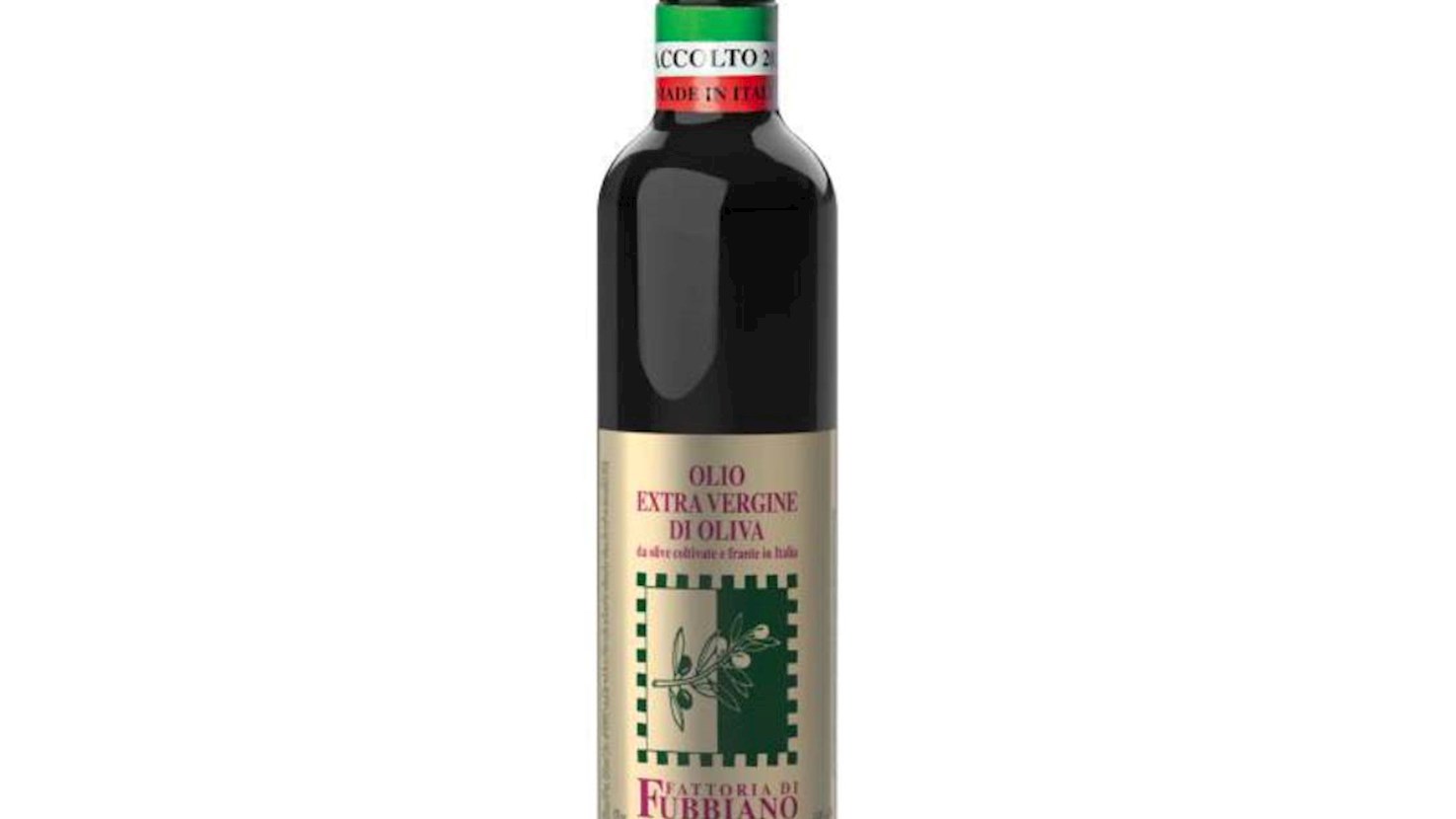
Fattoria di Fubbiano

5.0 ·

Fattoria di Fubbiano is a historic Tuscan estate located in the rolling hills of Capannori, near Lucca, where centuries of tradition meet a deep respect for nature. Surrounded by vineyards, olive groves, and woodlands, the estate has long been dedicated to producing fine wines and extra virgin olive oil, crafted with care and authenticity. The restored 17th-century villa and rural buildings preserve the timeless charm of Luccan architecture, while modern facilities blend seamlessly into the landscape.

Guided by sustainable farming principles, Fubbiano relies on natural cultivation methods, avoiding chemicals and preserving the rich biodiversity of the land. Visitors are welcomed to discover the estate through guided tours, tastings, and warm hospitality, experiencing the flavors of Tuscany in an authentic setting. Beyond winemaking and olive oil production, Fattoria di Fubbiano also serves as a place for gatherings, weddings, and celebrations, offering panoramic views and a unique atmosphere that reflects the essence of the Tuscan countryside.

Awards
Flos Olei - Hall of Fame (2025)
Flos Olei - The Best (2025)
02
Sauce

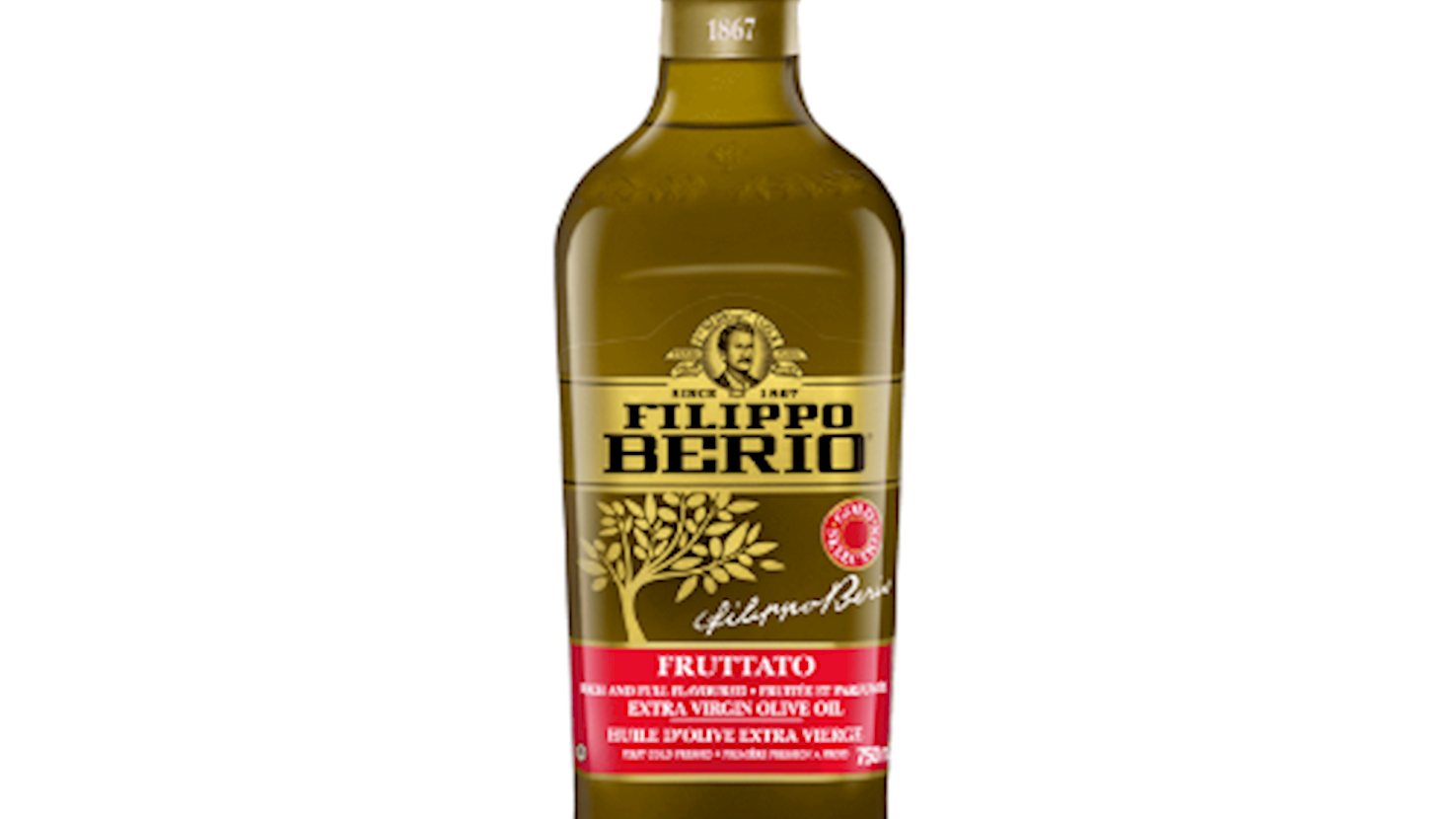
Filippo Berio

4.9 ·

Filippo Berio is one of the most renowned Italian olive oil brands, with a tradition dating back to 1867 when Filippo Berio first registered his mark of quality. From the very beginning, the company built its reputation on authentic flavor and strict quality control, and today it operates under the Salov Group, established in 1919 in Lucca.

Their portfolio includes a wide range of products - from extra virgin and classic olive oils to mild and specialty lines, as well as flavored oils, pestos, vinegars, and glazes. The brand is recognized for combining traditional Italian craftsmanship with modern technologies and the demands of a global market.

Throughout its history, Filippo Berio has been synonymous with accessible and consistent oil that has become part of the everyday kitchen for consumers around the world. It is also acknowledged as an ambassador of Italian gastronomy, linking its products to the Mediterranean diet and lifestyle.

At the same time, the brand has sought to maintain a balance between large-scale production and preserving its original identity. The strength of Filippo Berio lies in its recognizable name, worldwide distribution, and ability to connect tradition with modern consumer culture.

Today, it stands as a symbol of olive oil that unites Italian heritage, broad accessibility, and culinary enjoyment, making it a staple on the international stage.

Awards
London IOOC - Gold (2023)
Terraolivo IOOC - Grand Prestige Gold (2019, 2018)
03
Wine

Tenuta del Buonamico

4.6 ·
Awards
IWSC- International wine & spirit competition - Gold (2022)
04
Beer

Birrificio del Forte

4.6 ·
Awards
Barcelona Beer Challenge - Gold (2022)
World Beer Cup - Gold (2018)
05
Olive Oil

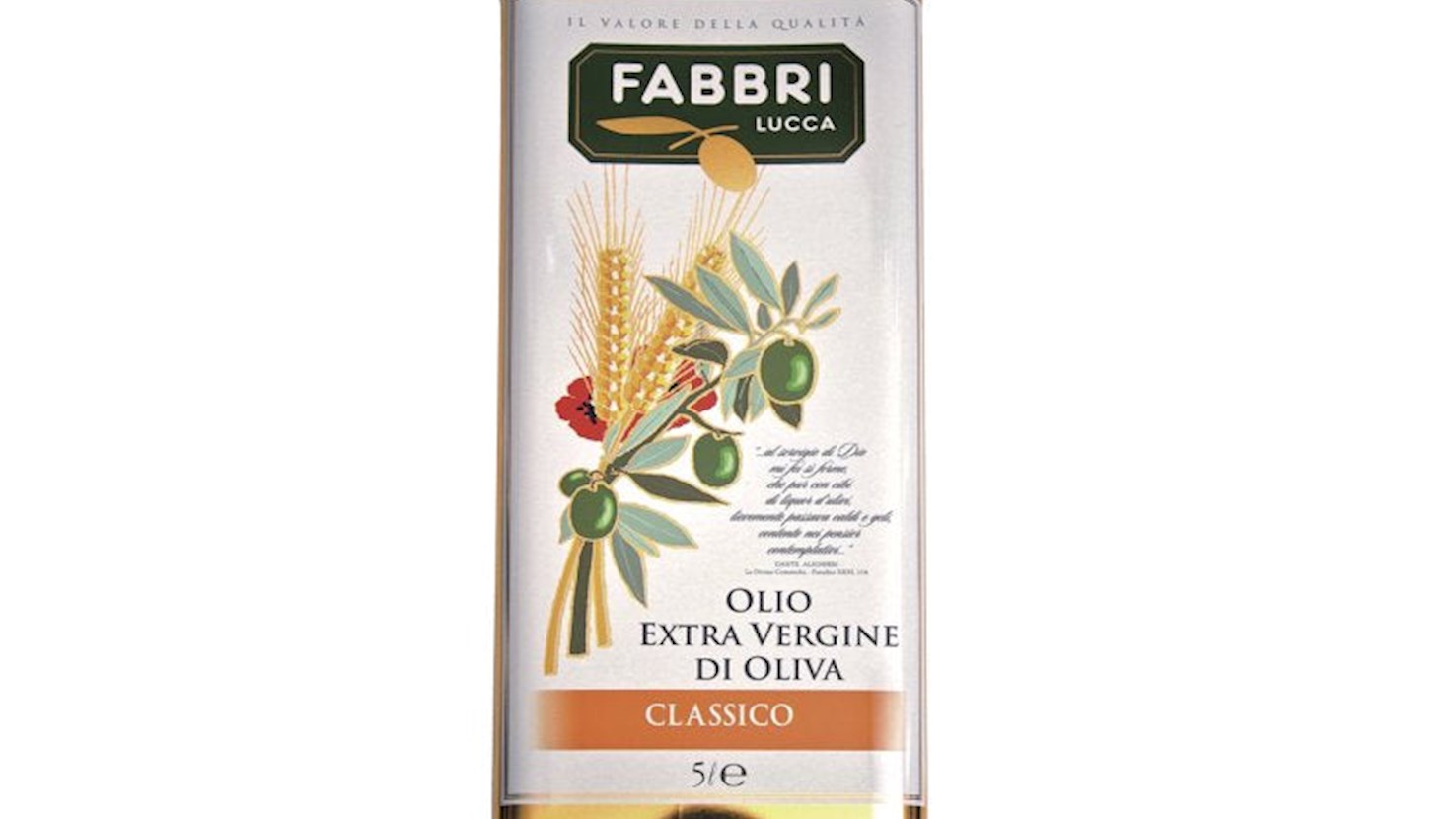
Oleificio Fabbri S.p.a

4.4 ·

Oleificio Fabbri S.P.A is an olive oil producer based in Lucca, Italy. The company specializes in the production of high-quality extra virgin olive oil.

They utilize traditional methods combined with modern technology to ensure the purity and quality of their olive oil. The company sources olives primarily from local groves in the Tuscany region.

Awards
Olive Japan - Gold (2014, 2013)

Best Province of Lucca foods

01
Cake

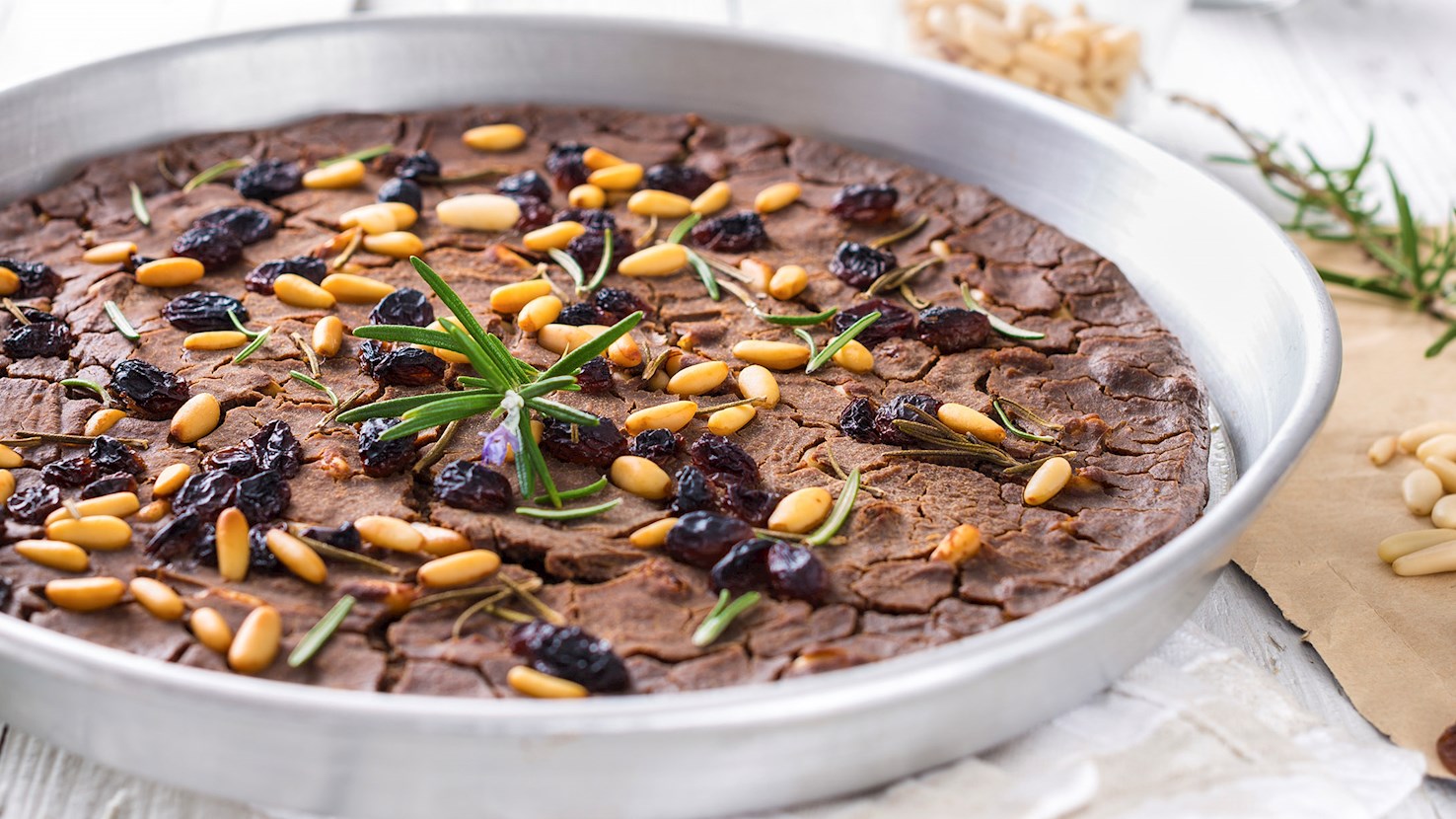
Castagnaccio

3.3 ·

This traditional Italian chestnut cake is prepared with chestnut flour, olive oil, rosemary, raisins, and (occasionally) pine nuts. The recipe does not call for any other type of flour or sugar, making this cake a gluten-free and sugar-free delicacy. Some varieties may use other dried fruits, but the traditional version only includes raisins. All the ingredients used in castagnaccio create a dense, not overly sweet cake with a crunchy exterior and chewy interior. Originally, the cake was created as a poor man's dessert and was prepared seasonally, most commonly in winter months, when chestnuts are at their peak. Castagnaccio has been present in Italian culinary history since Roman times, with Tuscany believed to be the place of its origin. The cake is best when made with local ingredients, and it is typically paired with Italian dessert wines.

02
Pasta

Tordelli Lucchese

n/a ·

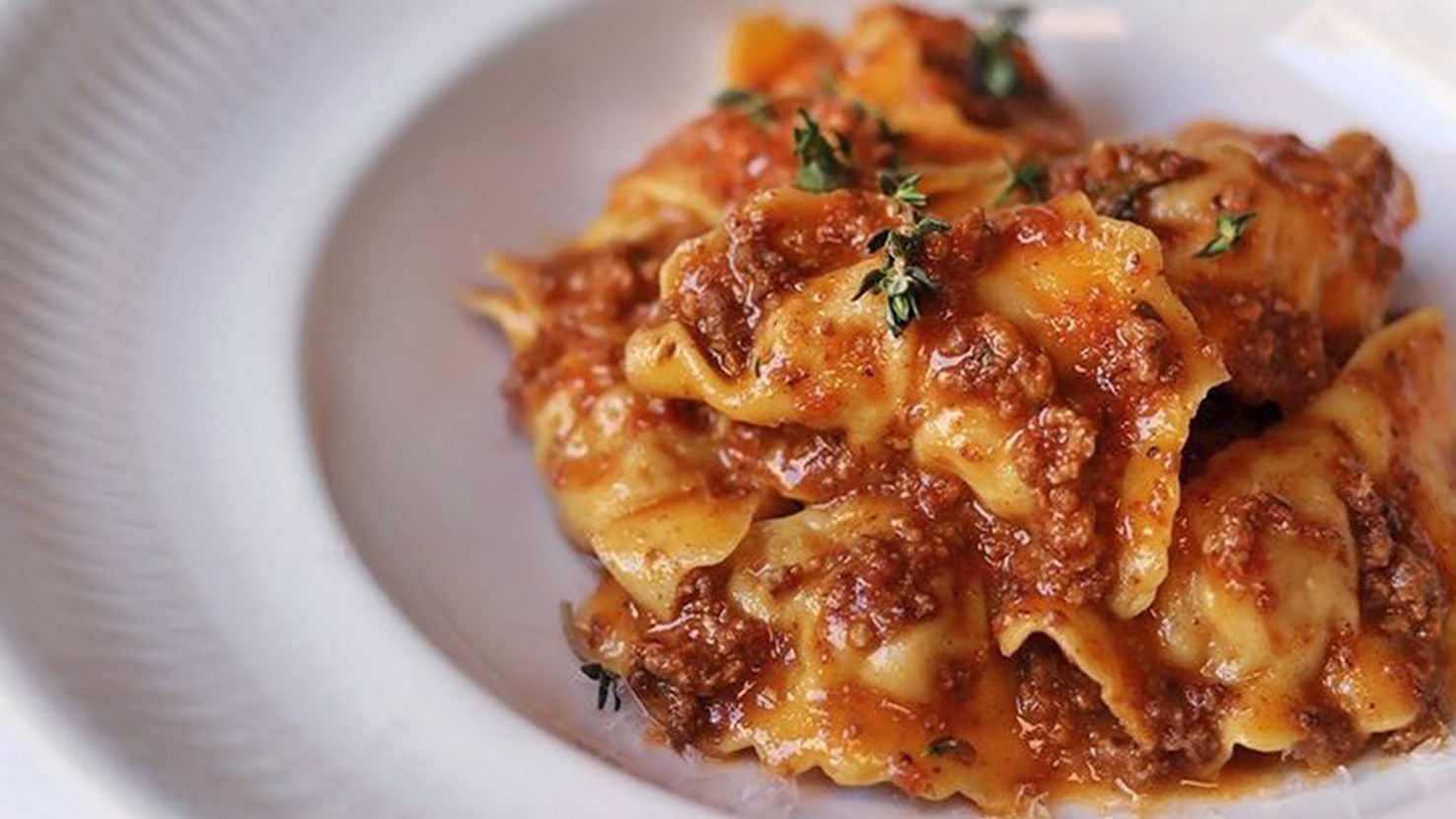
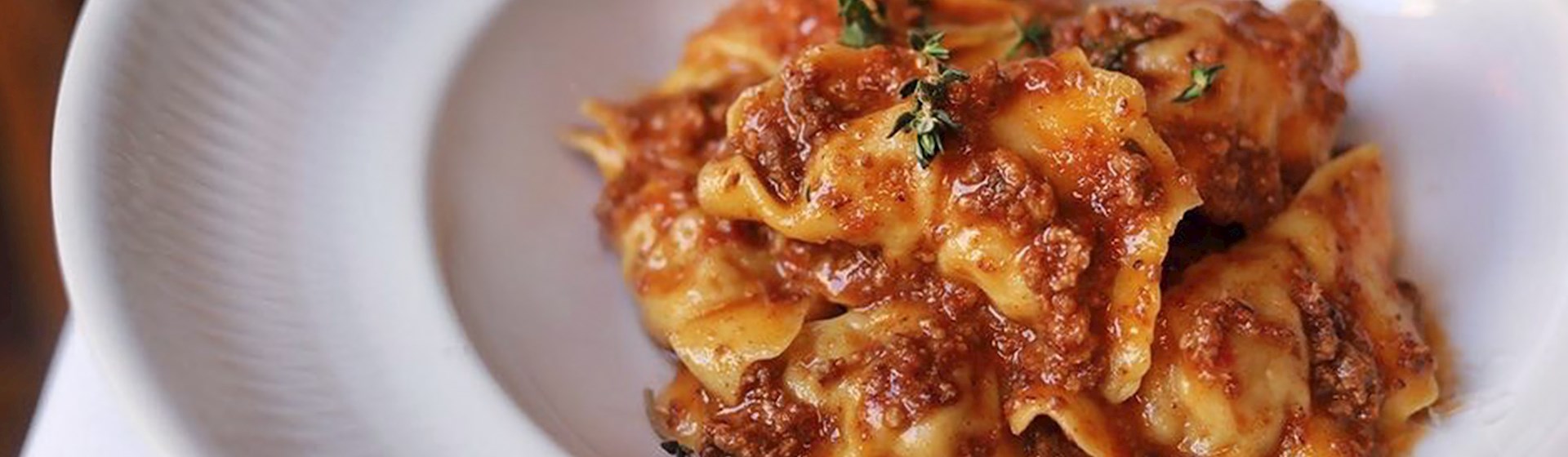
Tordelli Lucchese is a traditional pasta dish hailing from Lucca, Tuscany. The pasta is made from flour and eggs and it's similar to ravioli. It's filled with beef or pork, Swiss chard, pine nuts, raisins, bread, spices, and grated cheese. In Lucca, the tordelli are semi-circular in shape, and once prepared, they are combined with a rich and hearty meat sauce made with onions, carrots, celery, beef, pork, garlic, pancetta, sage, cinnamon, nutmeg, red wine, tomatoes, and olive oil. When served, tordelli Lucchese are traditionally sprinkled with grated parmesan cheese on top. The dish should always be served hot, and it can be found in most local restaurants.

03
Flatbread

Scarpaccia

n/a ·

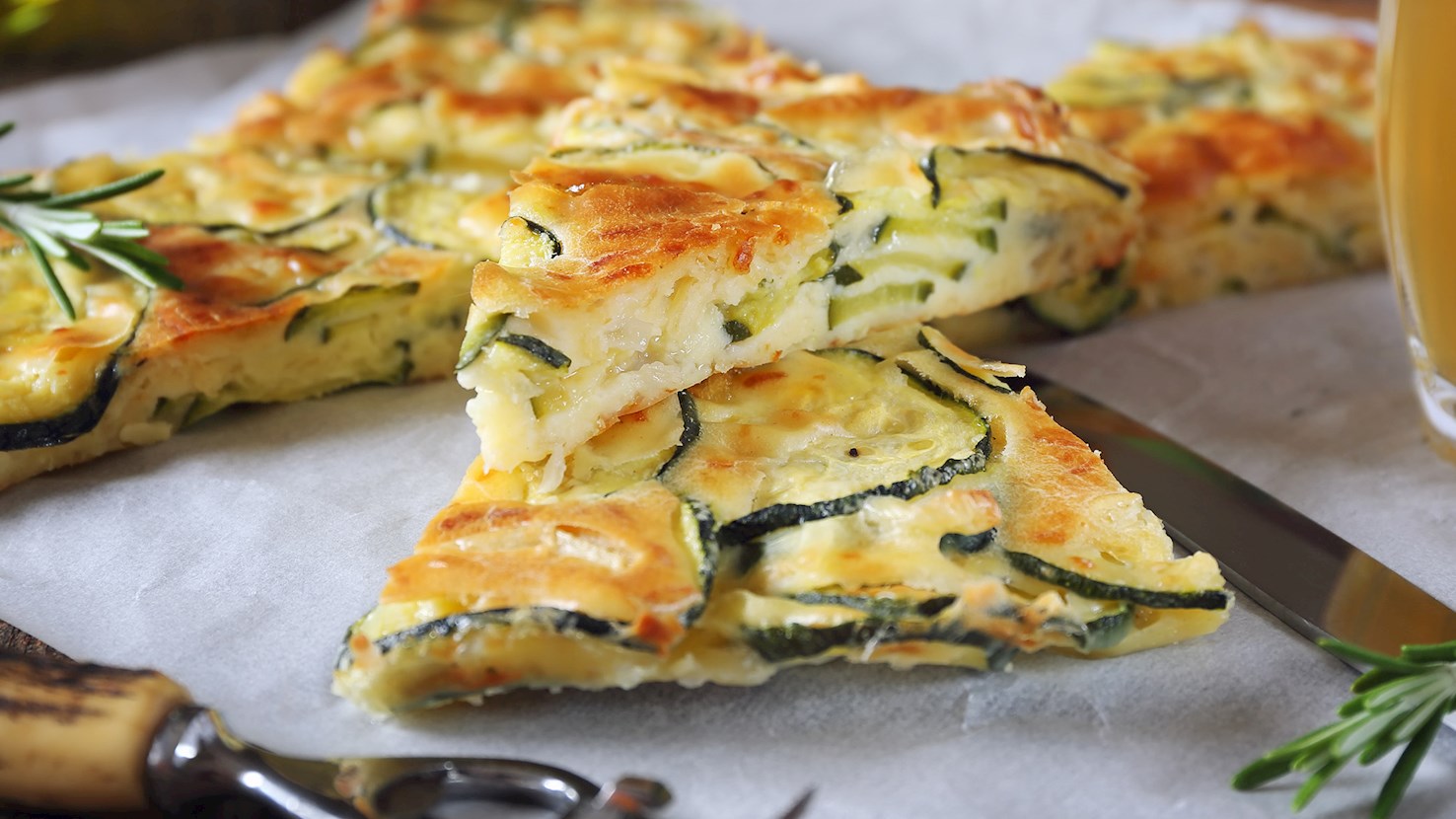
Scarpaccia is a traditional flatbread that can be prepared in savory or sweet versions. It consists of ingredients such as flour, eggs, butter, zucchini, zucchini flowers (if available), milk, vanilla powder, olive oil, and either salt or sugar. The dough is simply topped with grated zucchini, and it is then baked in the oven. In the past, scarpaccia was baked during the zucchini season by retired sailors who used the vegetables from their gardens. The name of the dish means old shoe, because scarpaccia is usually thin just like the soles of old shoes.

04
Bread

Pane Altopascio

n/a ·

Altopascio bread is a traditional saltless bread from Tuscany. It's made from type 0 wheat flour, natural yeast, and water, which gives it a unique flavor. The dough, called sconcia, is left to rise while covered with hemp cloths. Sconcia is formed into rectangular or elongated shapes, and it's then baked for one hour. The bread has a crunchy golden crust and a soft texture of the interior.

05
Sweet Bread

Buccellato di Lucca

n/a ·

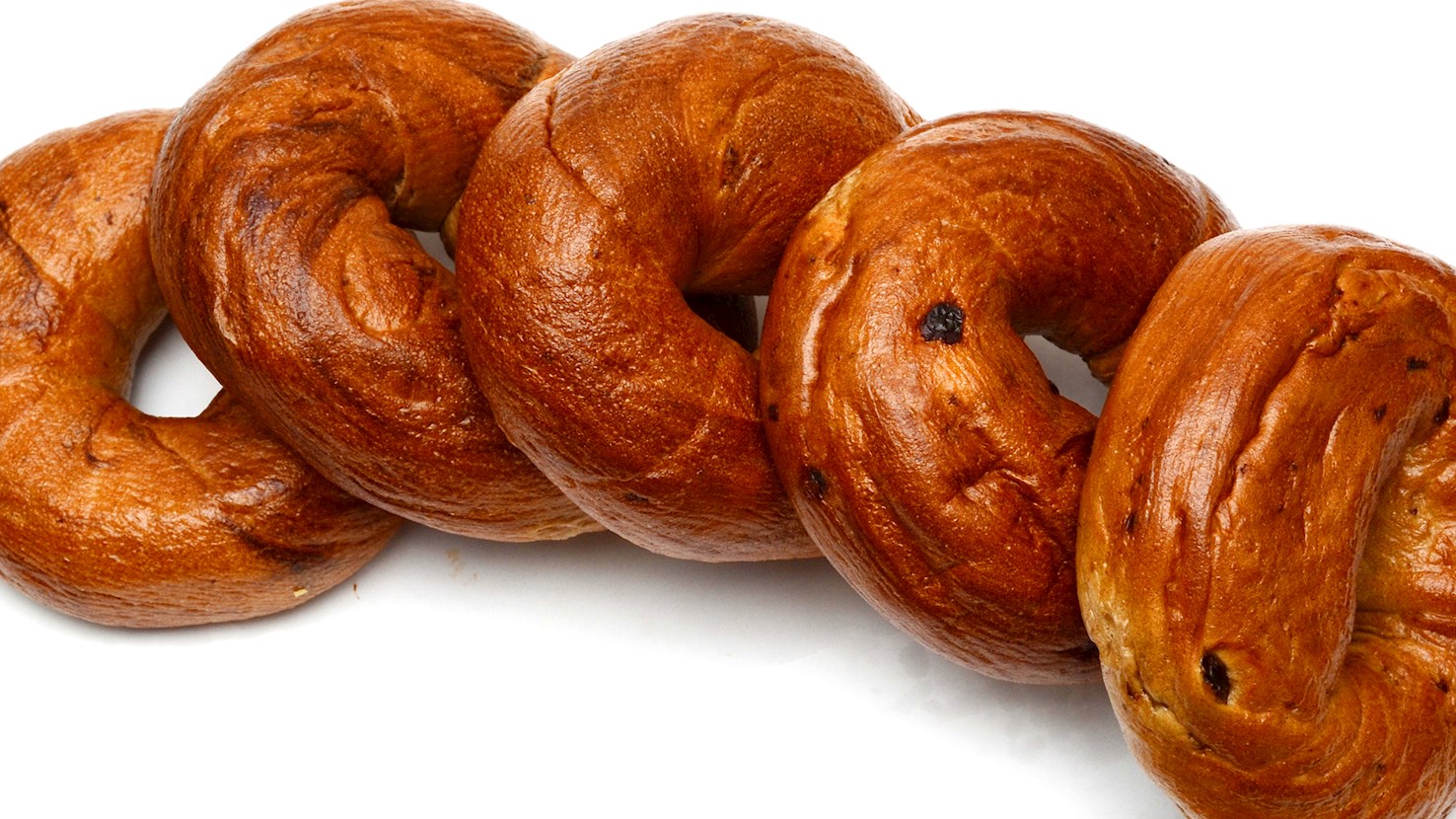
Buccellato is a popular Tuscan sweet bread that is a specialty of the province of Lucca. It was invented in 1450 by the local confectioners for the well-off people. Although it was mostly prepared for church confirmations in the past, today it is an everyday food staple in the region. Simple, yet flavorful, the modern buccellato is usually prepared in the shape of a ring, its interior tender, sweet, and filled with raisins and aniseed, while the exterior is coated with a combination of sugar and eggs, giving it a nice glistening sheen.

06
Sausage

Biroldo della Garfagnana

n/a ·

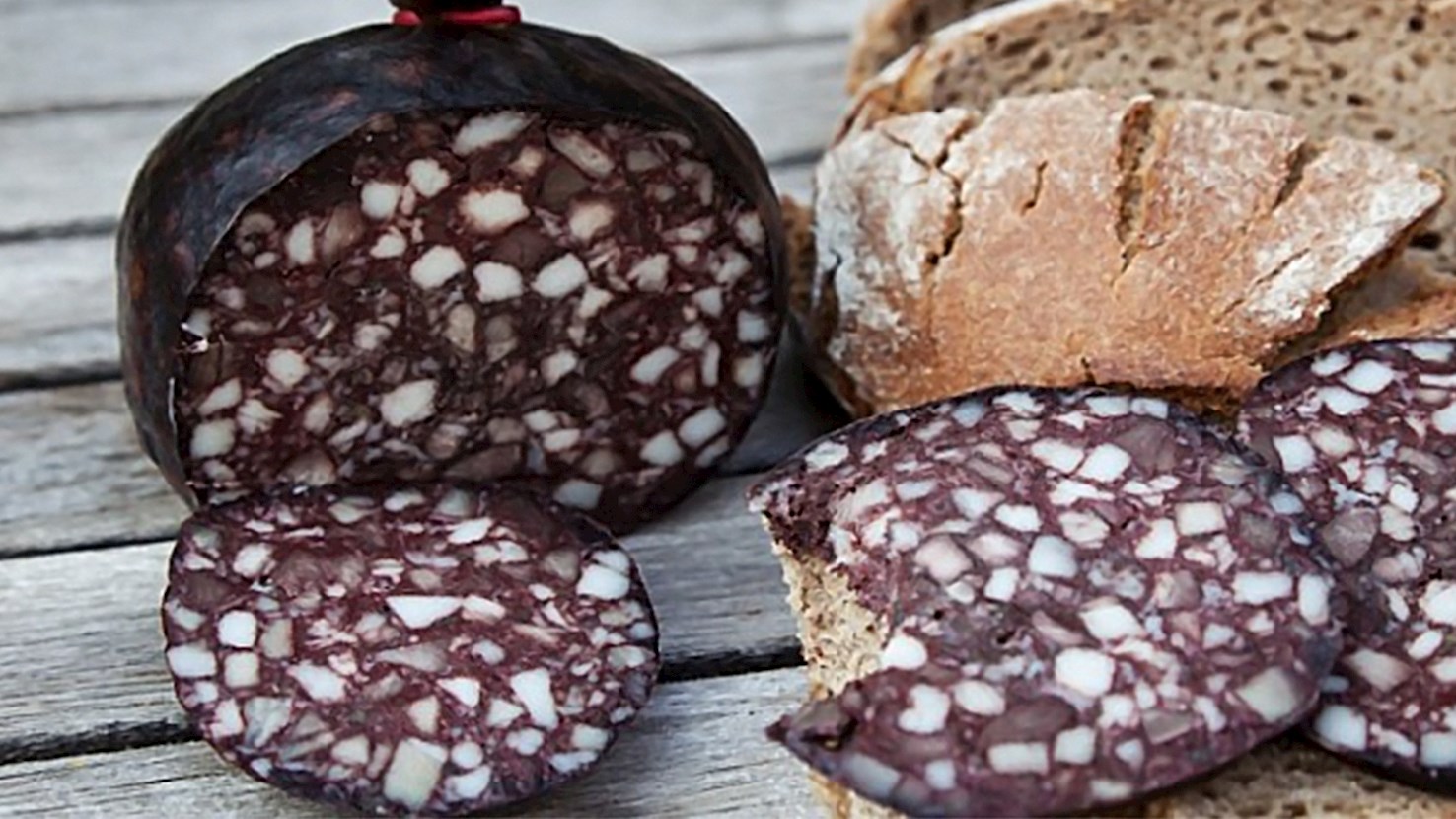
Biroldo is an Italian dark brown blood sausage, spotted with lighter-colored chunks of meat and fat. The Tuscan biroldo is traditionally made with parts of pig offal that wouldn't be used for other sausages, such as heart, lungs, and tongue, but the version from Garfagnana is different from those prepared throughout the rest of the province because the pig's head is also used – to be more precise, it is the main ingredient. Boiled offals are chopped, flavored with cloves, star anise, cinnamon, nutmeg, fennel, and garlic, combined with pig's blood and formed into a sausage, using the pig's bladder or stomach as a casing. Biroldo can be enjoyed fresh or preserved in lard. Despite the fact that it represents one of the most ancient flavors of the region, nowadays biroldo is not widely enjoyed - in an attempt to change that, a local association of producers teamed up to protect and promote it as a traditional product from Garfagnana.

07
Sweet Bread

Pasimata

n/a ·

Pasimata is a sweet Easter bread from the province of Lucca in Tuscany, known for its long leavening and fragrant character. In the countryside around Lucca, it was once considered a simple bread to bring to church on Holy Saturday for blessing. Still, over time, richer ingredients like lard (or butter), sugar, and anise have been added, transforming it into a dessert that retains cultural significance. According to the local account, in former times, families would prepare it at home and then deliver the loaves to communal ovens for baking, and occasional friendly rivalry would grow over whose version would rise best. In the plains of Lucca, the dough is made from flour, sugar, milk, yeast, lard (or butter), and aniseed, shaped into a loaf and subjected to multiple rises over up to two days. In Garfagnana and Camaiore, the recipe becomes more opulent: the dough is enriched with eggs, raisins, and often a dash of Vin Santo, producing a round loaf with a golden, softly spiced interior. The process requires five distinct rising phases, progressively adding ingredients in small increments, until the final dough with aniseed and raisins is formed and baked. The result is a loaf with a soft texture, aromatic fragrance, and sufficient density to last through Easter. What distinguishes pasimata is the coexistence of these two regionally distinct forms—one subtle and bread-like, the other richer and more festive—each under the same name yet reflecting the character of its locality. Because of its slow, artisanal method, it develops depth of flavor and longevity beyond what rapid breads achieve. Pasimata is eaten during Easter, often for breakfast, dessert, or as a snack, and is sometimes served alongside a glass of Vin Santo or spread with jam. It appears on family tables across Lucca and in the mountains of Garfagnana during the celebration, and its aromatic crumb, enlivened by anise and sometimes raisins, pairs well with wine or sweet wines that harmonize with its gentle sweetness.

08
Savory Pie

Torta di pepe di Camaiore (Camaoire Pepper Pie)

n/a ·

Torta di pepe di Camaiore is a traditional savory pie originating from Camaiore. The base is usually made with a combination of flour, salt, olive oil, and water, while the filling is made with a mixture of rice, eggs, ricotta, chard, milk, Parmigiano-Reggiano, nutmeg, salt, and black pepper. Heated milk and ricotta are mixed with cooked rice, chopped chard, cheese, nutmeg, eggs, salt, and a generous amount of black pepper. The pie is baked in the oven, sprinkled with more black pepper, and it’s then enjoyed, either cold or lukewarm.

09
Veal Dish

Rovelline lucchesi

n/a ·

Rovelline lucchesi is a traditional dish hailing from the Lucca area in Tuscany. The dish consists of veal escalopes that are sautéed with tomato sauce, garlic (or a soffritto of onions, celery, and carrots), and capers. Originally, rovelline lucchesi was made using the leftovers from Sunday lunch. In order to prepare the dish, veal slices are seasoned, dipped into eggs, covered with flour, then coated with breadcrumbs and fried in olive oil. The sauce is made from other ingredients and it's served on top of the meat.

10
Egg Dish

Frittata di vitalba

n/a ·

Frittata di vitalba is a traditional springtime dish that's a specialty of Garfagnana. It's made with eggs, garlic, olive oil, and vitalba or young clematis, which grows wild in the Tuscan woods. The tips of clematis (vitarbini) are washed, chopped, blanched, and floured, then cooked with olive oil, garlic, and eggs. In order to make sure that the frittata will be soft, the egg whites need to be beaten separately, then mixed with the yolks, salt, and pepper.

About this ranking

TasteAtlas food rankings are based on the ratings of the TasteAtlas audience, with a series of mechanisms that recognize real users and that ignore bot, nationalist or local patriotic ratings, and give additional value to the ratings of users that the system recognizes as knowledgeable. For the “Top 13 Traditional Foods in the Province of Lucca” list until July 22, 2026, 57 ratings were recorded, of which 38 were recognized by the system as legitimate. TasteAtlas Rankings should not be seen as the final global conclusion about food. Their purpose is to promote excellent local foods, instill pride in traditional dishes, and arouse curiosity about dishes you haven’t tried.

The initial list of top producers was compiled based on available reviews, awards, local recommendations, media and blog coverage, and consumer reviews. The list will be updated with ratings from TasteAtlas local ambassadors and TasteAtlas users.

Similar lists