shutterstock

Top 7 Traditional Foods
in the Province of Potenza

Last updated on June 07, 2026

Best Province of Potenza food products
01
Cheese

Azienda Agricola E Zootecnica Posticchia Sabelli

4.9 ·
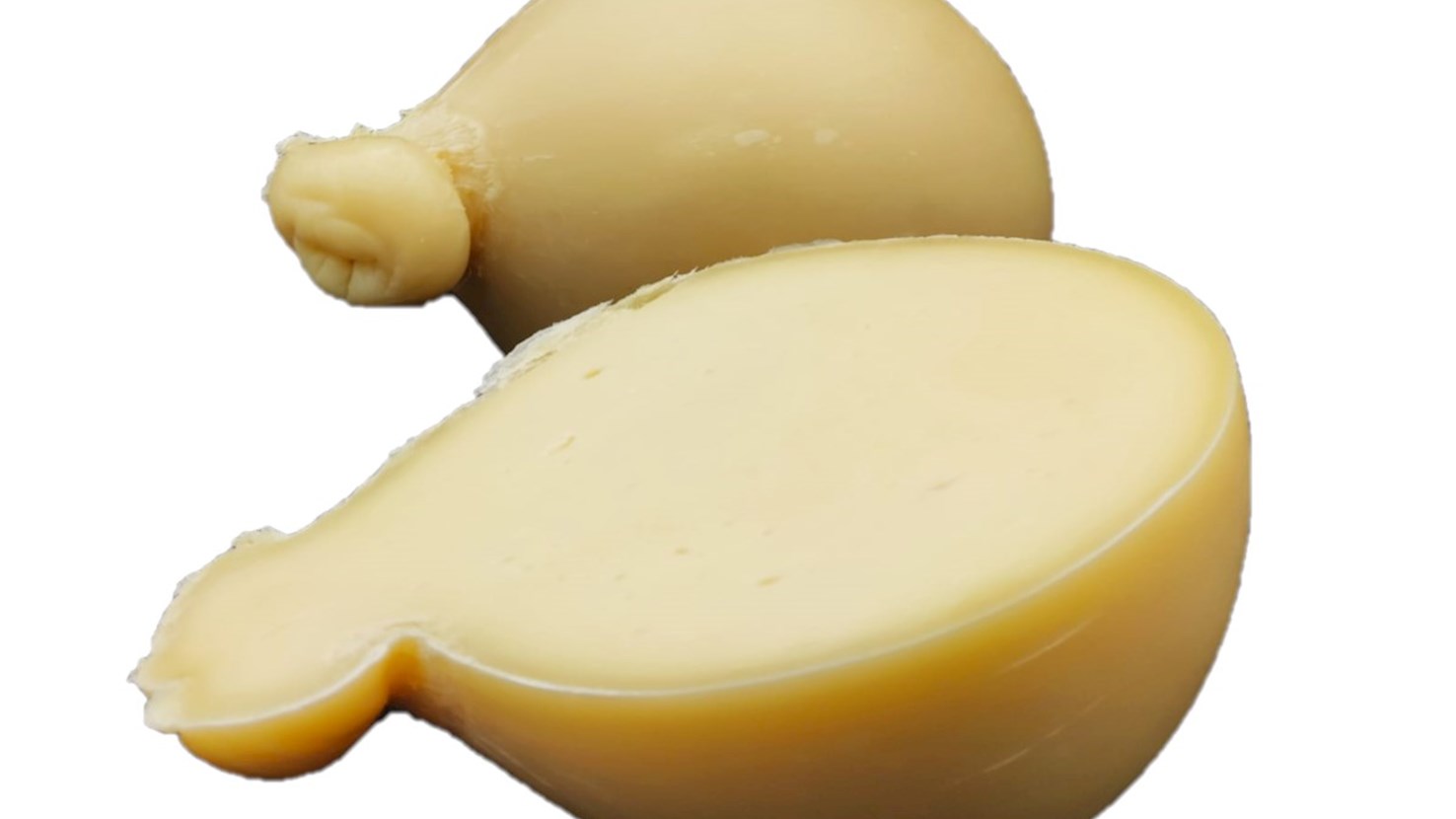
Azienda Agricola e Zootecnica Posticchia Sabelli is a cheese producer located in Lavello, Italy. The company specializes in dairy products, particularly traditional Italian cheeses. Their production process includes the use of locally sourced milk, ensuring high-quality and authentic flavors. They maintain a commitment to sustainable farming practices.
Awards
World Cheese Awards - Super Gold (2021)
World Cheese Awards - Gold (2023, 2022)
02
Wine

Cantina il Passo

4.7 ·
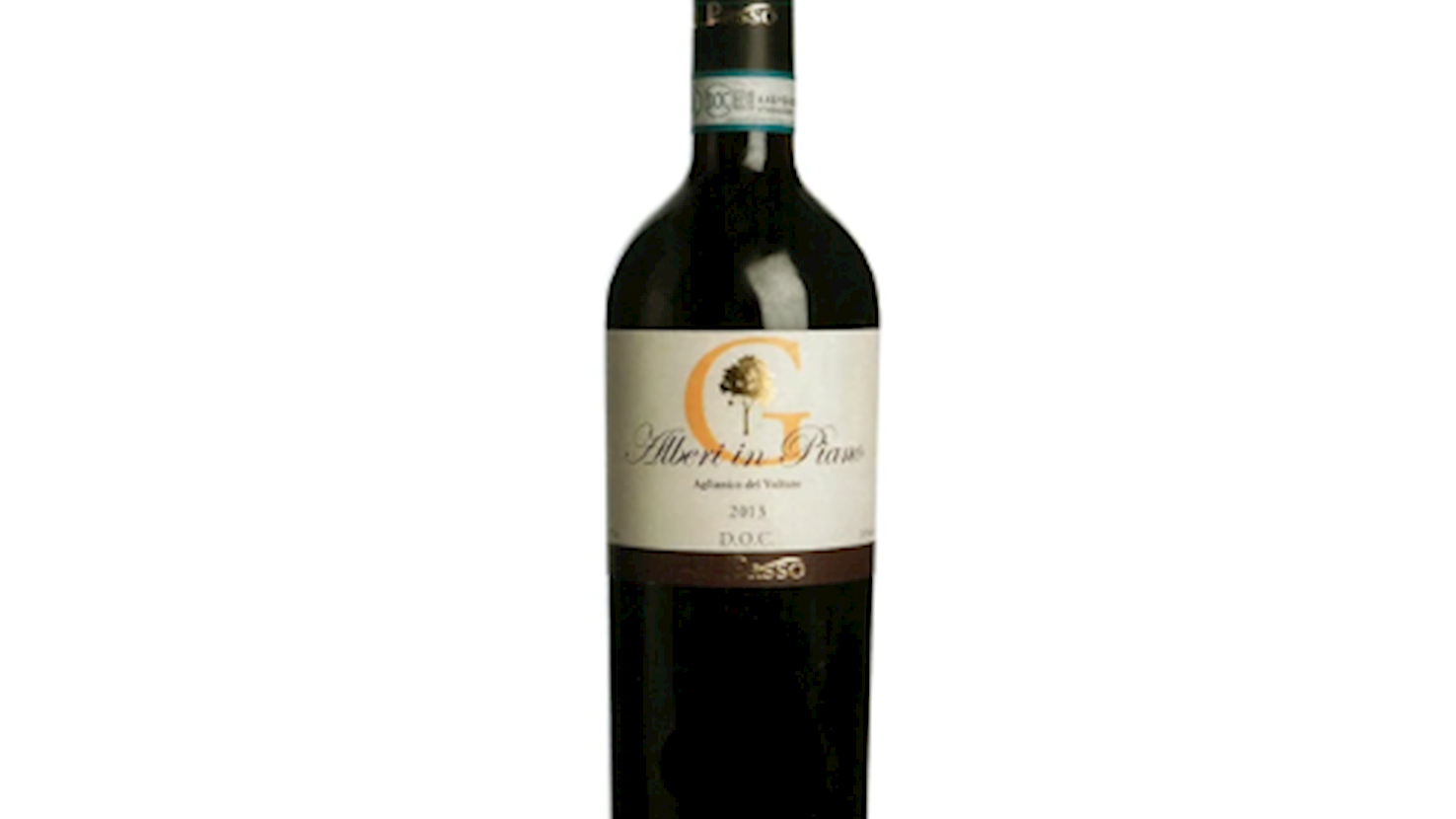
Cantina il Passo is a family-owned winery located in the heart of the Vulture wine area in the Basilicata region of southern Italy, with its estate based in the village of Barile. The winery is rooted in a historic family property whose origins date back to the late 19th century, when Francesco Grimolizzi acquired the estate known as Contrada Alberi in Piano, which remains the core of the family’s landholdings and gives its name to the winery’s sole label, Alberi in Piano. Modern winemaking under the Cantina il Passo name began in the early 2010s, when the family started bottling wine from their own vineyards. Production is closely tied to the traditional underground cellars carved into volcanic tuff that are characteristic of Barile, providing naturally stable conditions particularly well suited for aging. The winery focuses exclusively on Aglianico del Vulture, an indigenous red grape variety that thrives on the volcanic soils of Monte Vulture and is known for its structure, longevity, and expressive aromatic profile. Alberi in Piano is made from hand-harvested grapes and vinified with a careful, restrained approach aimed at faithfully expressing terroir rather than stylistic excess. The wine has received international recognition and strong critical evaluations, reinforcing its reputation within the context of high-quality Aglianico del Vulture wines. Annual production is limited to a few thousand bottles, reflecting the estate’s emphasis on precision, consistency, and quality across vintages. While the family estate also includes olive groves and other agricultural land, Aglianico del Vulture remains the defining element of Cantina il Passo’s identity and production philosophy.
Awards
Decanter World Wine Awards - Platinum (2017)
Vivino - 4.2
03
Olive Oil

Francesco Cillo® Evo Oils

4.4 ·
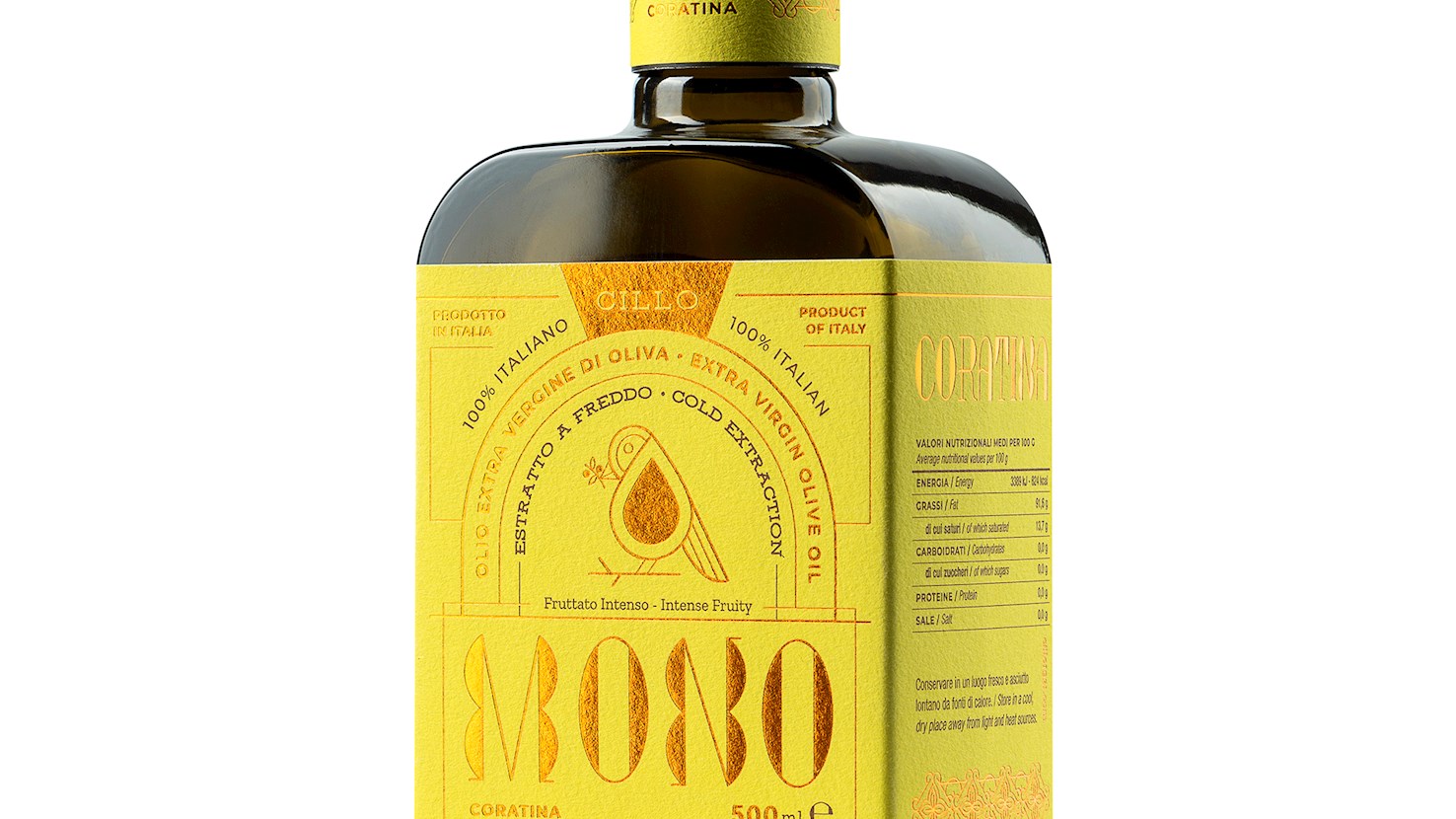
Francesco Cillo® EVO Oils is an olive oil producer based in Potenza, Italy. They focus on producing extra virgin olive oil from locally sourced olives. The brand places an emphasis on traditional methods and high-quality standards in their production process.
Awards
Olive Japan - Gold (2021)
NYIOOC - Gold (2023)
04
Wine

Vigneti del Vulture

4.4 ·
Awards
Berlin Wine Trophy - Grand Gold (2018)
05
Pasta Variety

Pasta Alica

4.3 ·
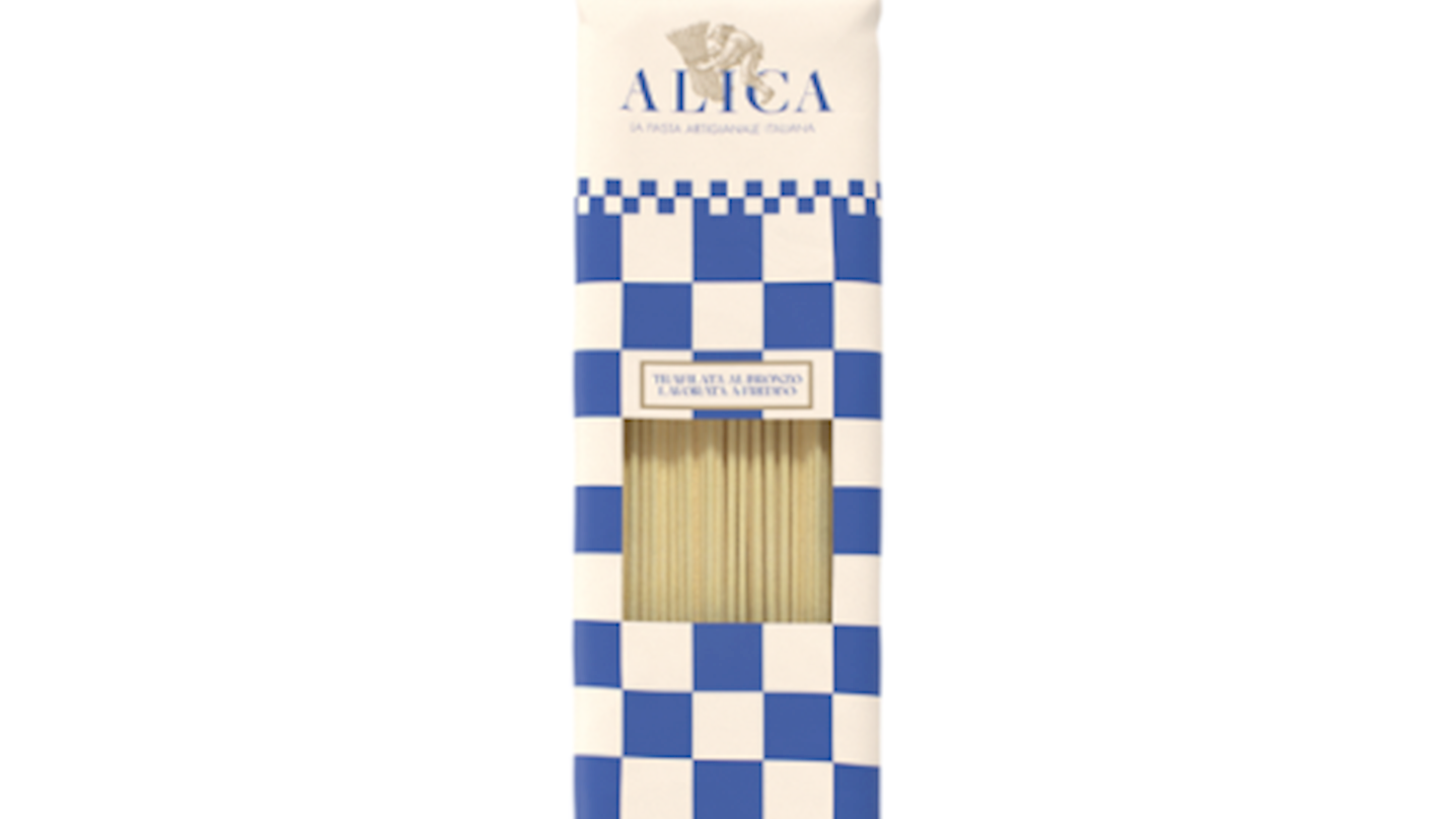
Pasta Alica is a high-quality Italian pasta produced in southern Italy, in the regions of Basilicata and Tavoliere delle Puglie, by the family-owned company M&C Fabbrica Alimentare based in Tito. The pasta is made exclusively from carefully selected 100% Italian semolina, including special varieties such as Senatore Cappelli, spelt, and whole wheat. The production process involves cold processing that never exceeds 25 °C, preserving the natural gluten, nutritional value, and full flavor of the wheat. The dough is shaped using bronze dies, which give the pasta a rough surface ideal for holding sauces, and it is then slowly dried at low temperatures for up to 40 hours. Pasta Alica embraces a traditional artisanal approach, with minimal use of machinery and manual supervision at every stage of production. Through the combination of tradition, innovation, and respect for natural ingredients, Pasta Alica stands out as an authentic representative of premium Italian gastronomy.
06
Cheese

Masseria Posticchia Sabelli

4.2 ·
Masseria Posticchia Sabelli is located in Lavello, Italy, specializing in the production of traditional Italian cheeses. They are committed to using sustainable, local ingredients and methods in their cheese-making process. Their products reflect the rich culinary heritage of the region.
Awards
International Cheese & Dairy Awards - Gold (2019)

Best Province of Potenza foods

01
Cheese

Canestrato di Moliterno

4.3 ·

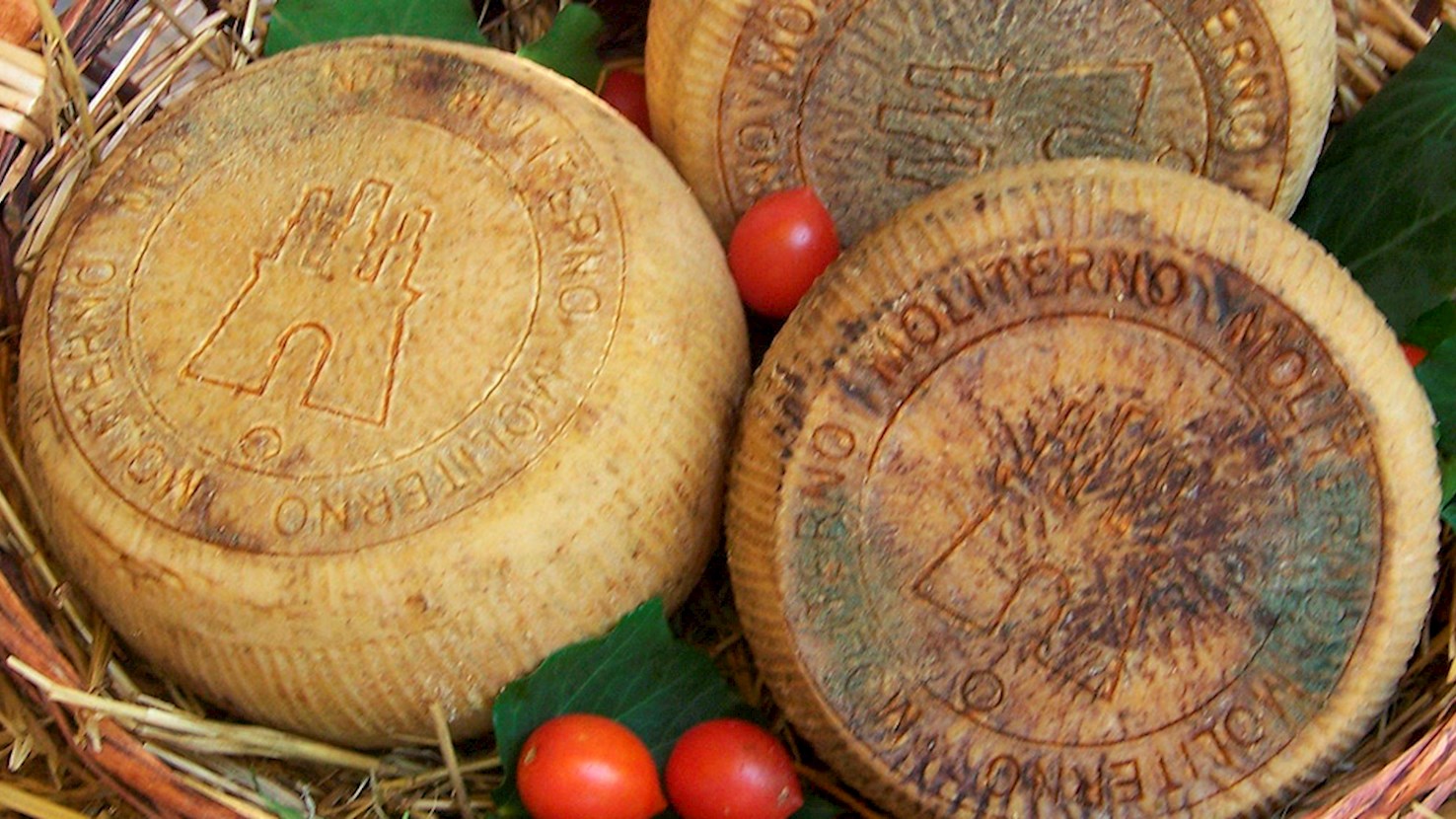
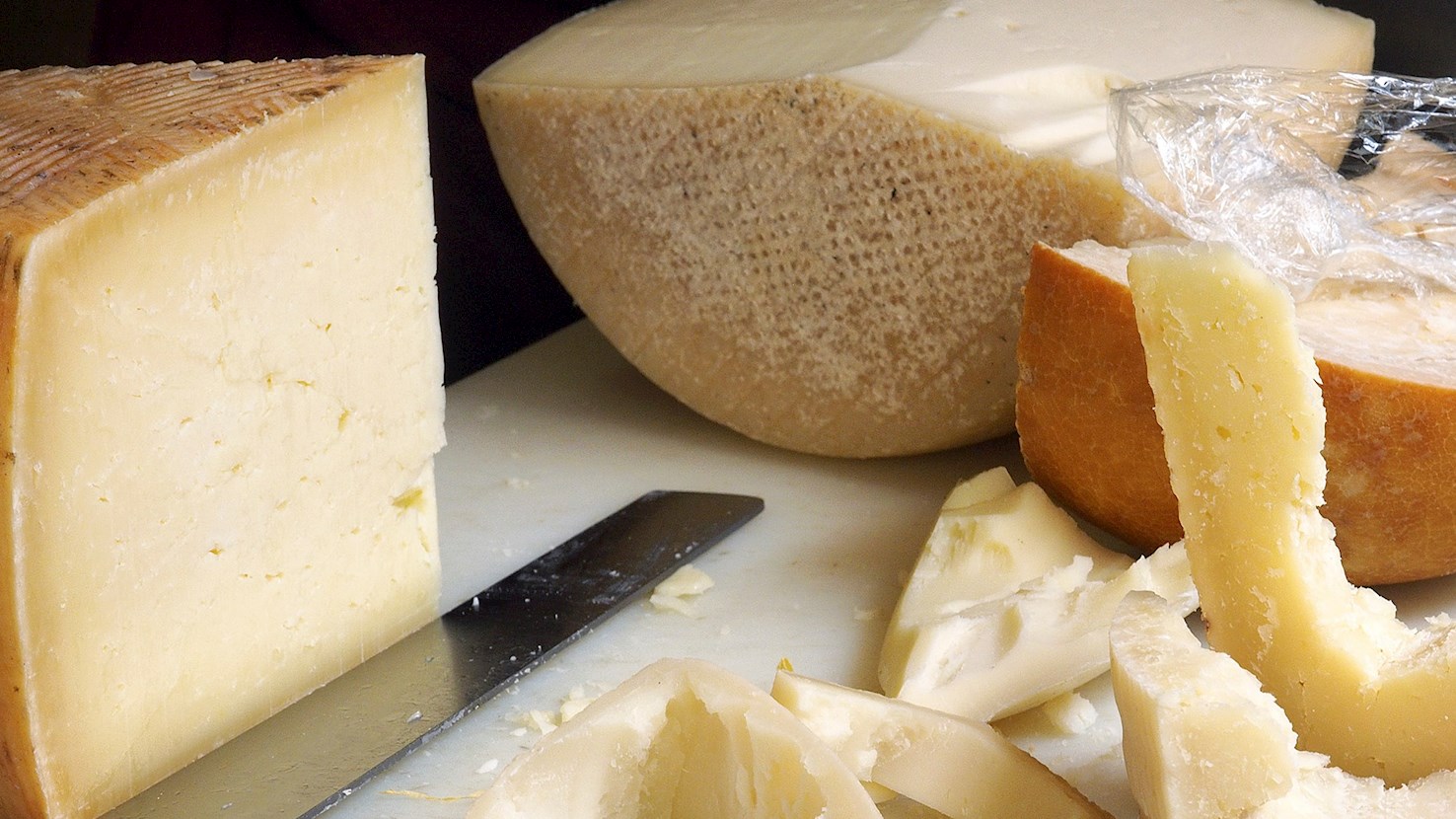
Produced in the region of Basilicata, Canestrato di Moliterno is made from whole goat's and sheep's milk. It is matured in the so-called fondaci, a type of dry, cold, but well-ventilated semi-underground warehouse typical for the Moliterno area. Depending on the length of maturation, this hard Italian cheese can be either quite sweet or piquant in flavor, and it can be found marketed in three different varieties: Primitivo, ripened for up to 6 months; Stagionato, ripened for up to 12 months, and Stravecchio, ripened for over a year.

02
Cheese

Pecorino di Filiano

n/a ·

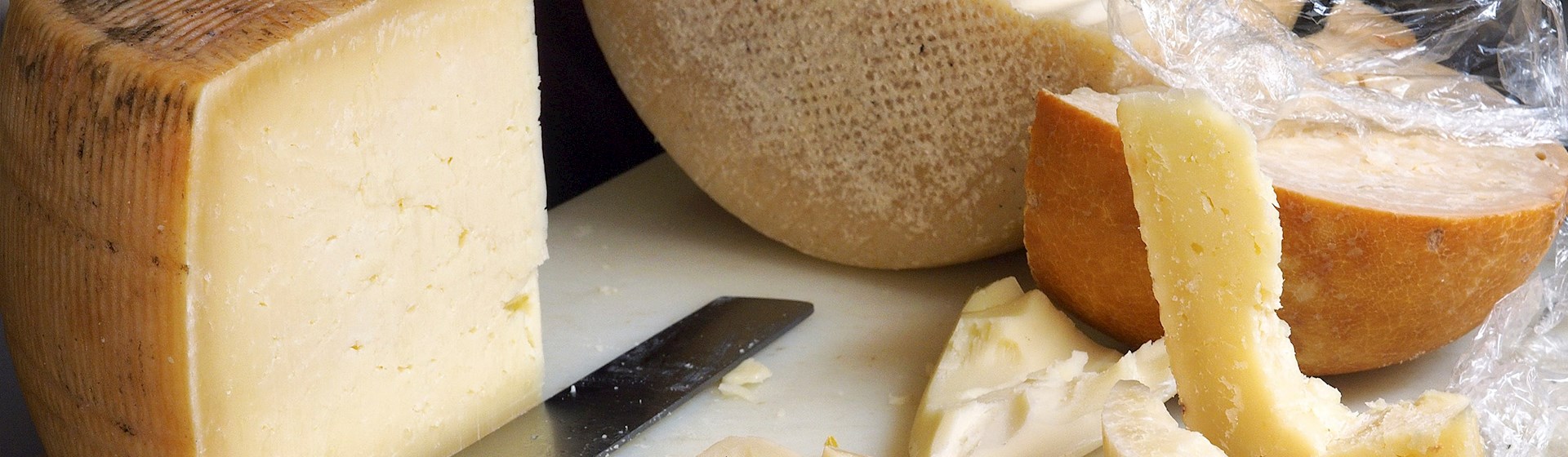
Named after Filiano, a town settled in the province of Potenza in northern Basilicata, this variety of a semi-cooked hard cheese is made with fresh raw sheep milk obtained only from local breeds: Gentile di Puglia and Lucania, Leccese, Comisana, Sarda and their crosses. The production of this cheese peaks in spring and early summer, when the sheep are moved from the Ofanto river plains to highlands of the Vitalba valley where they can feed on the abundance of wild aromatic plants in the natural pastureland of the Apennines. Unique to Pecorino di Filiano is the method of pressing the curd into woven basket molds by hand, which results in a firm but soft-textured cheese. Early in the aging process, the wheels are washed with red wine vinegar and olive oil and then left to ripen in the Tufa caverns or other suitable underground chambers at a constant temperature of 12-14°C and a relative humidity of 70-85% for at least 180 days.

03
Flatbread

Strazzata

n/a ·

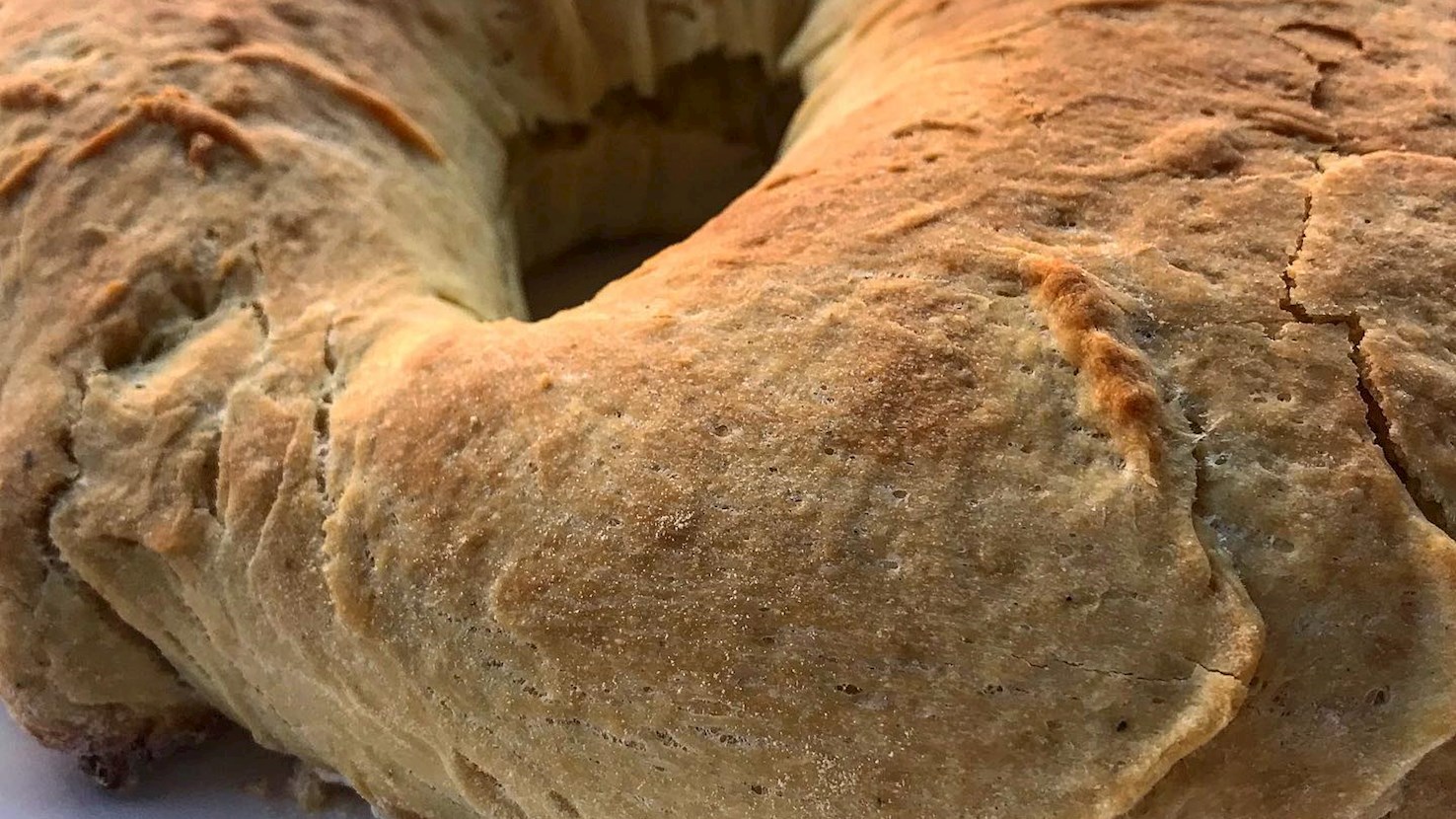
Strazzata is a traditional focaccia originating from Basilicata, or more precisely the Avigliano area. It's made with a combination of flour, yeast, water, oregano, and black pepper, while ingredients such as pieces of bacon or lard are also sometimes added to the dough. In the past, strazzata was a staple at feasts and weddings, where it would always be served with wine, and often with vegetables, ham, and cheese. The more pepper the focaccia contained, the more wine the people would drink at the wedding. The name of this classic bread is derived from the word strazzat, meaning ripped or torn, referring to the traditional way of tearing chunks of bread with your hands instead of a knife. Nowadays, strazzata is a staple at the Sagra della Strazzata, a festival held each August in Avigliano.

04
Chicken Dish

Pollo alla Potentina

n/a ·

Pollo alla Potentina is a traditional dish originating from Potenza. It's made with a combination of chicken pieces, lard, onions, white wine, chili flakes, tomato purée, parsley, and basil. The chicken pieces and onions are browned on lard and olive oil with the addition of wine and chili. The other ingredients are added once the wine has evaporated. The dish is then seasoned and the chicken is cooked in the sauce over low heat until done. If necessary, a bit of water can be added to the pot while the dish is cooking. It's recommended to serve this dish with a side of roast potatoes. Regarding the wine used in the preparation, Fiano or Cirò are the top choices.

05
Pasta

Strascinati con la menta

n/a ·

Strascinati con la menta is a traditional pasta dish that originates from Basilicata and is a specialty of Tito. It consists of strascinati pasta (similar to orecchiette, but larger) and a sauce made with olive oil, butter, lardo, garlic, and fresh mint leaves. The mint leaves are sprinkled over pasta just before the sauce is added. Optionally, you can use chili pepper flakes. That's the white version of the dish, but there's also a red one, made by adding a few dried sweet peppers to the sauce.

06
Sausage/Salami

Salame pezzente

n/a ·

Salame pezzente is a rustic offal sausage from southern Italy, made with fatty pork trimmings and organ meats like liver, spleen, and lungs, and boldly flavored with wild fennel seeds, dried chili pepper, garlic, and sometimes red wine or coriander. Deeply rooted in the peasant food traditions of Lucania—today’s Basilicata and parts of Campania—this intensely savory sausage was historically made by farming families using the least prized cuts of the pig, which gave rise to its name: pezzente, meaning "poor" or "pauper." Rather than being eaten as a cured delicacy, salame pezzente was primarily used as a cooking ingredient, prized for its ability to lend rich, meaty depth to stews, soups, and sauces. It is essential in dishes like the hearty minestra maritata and 'ndrupp'c, a ragù specialty from Potenza. Once a necessity of poverty, today it’s a celebrated symbol of Lucanian culinary resilience and flavor-driven frugality. Today, salame pezzente has shed its "lowly" status and is recognized as a symbol of Lucanian culinary heritage, bearing a PAT designation.

07
Sausage

Lucanica di Picerno

n/a ·

Lucanica di Picerno is a traditional sausage from the Basilicata region of southern Italy, made from select cuts of pork, including shoulder, neck, belly, and ham trimmings. It is seasoned with a distinct blend of wild fennel seeds, black pepper, and chili pepper (sweet or spicy, depending on the variant), giving it a characteristic aroma and flavor profile with the wild fennel being the dominant note. Additional ingredients like dextrose and sucrose are used in small quantities to balance the seasoning, along with minimal amounts of approved preservatives. The sausage is crafted in a U-shaped form, with dimensions varying between 20 to 35 cm in length and 3.0 to 3.6 cm in diameter, weighing between 250 to 350 grams. Larger variants, intended for slicing, can measure up to 70 cm in length and weigh up to 1.2 kg. Only natural pork casings are used for stuffing. Lucanica di Picerno is produced using traditional methods. The pork is cleaned to remove excess fat and connective tissue, then coarsely ground to a medium texture. The meat is seasoned and allowed to rest for 4 to 24 hours to absorb the flavors fully before being stuffed into casings. The sausage undergoes a drying phase lasting 3 to 7 days at controlled temperatures and humidity, followed by a curing period of no less than 18 days. During curing, the sausage achieves its compact, ruby-red interior with visible white fat. Widely appreciated for its intense flavor, Lucanica di Picerno is enjoyed as part of antipasto platters, grilled, or incorporated into traditional Italian dishes. Its distinct taste, shaped by the wild fennel seeds, makes it a sought-after specialty that reflects the rich culinary heritage of the Picerno area.

About this ranking

TasteAtlas food rankings are based on the ratings of the TasteAtlas audience, with a series of mechanisms that recognize real users and that ignore bot, nationalist or local patriotic ratings, and give additional value to the ratings of users that the system recognizes as knowledgeable. For the “Top 7 Traditional Foods in the Province of Potenza” list until June 07, 2026, 12 ratings were recorded, of which 1 were recognized by the system as legitimate. TasteAtlas Rankings should not be seen as the final global conclusion about food. Their purpose is to promote excellent local foods, instill pride in traditional dishes, and arouse curiosity about dishes you haven’t tried.

The initial list of top producers was compiled based on available reviews, awards, local recommendations, media and blog coverage, and consumer reviews. The list will be updated with ratings from TasteAtlas local ambassadors and TasteAtlas users.

Similar lists