Top 8 Traditional Foods
in the Province of Prato

Last updated on June 07, 2026

Best Province of Prato food products
01
Wine

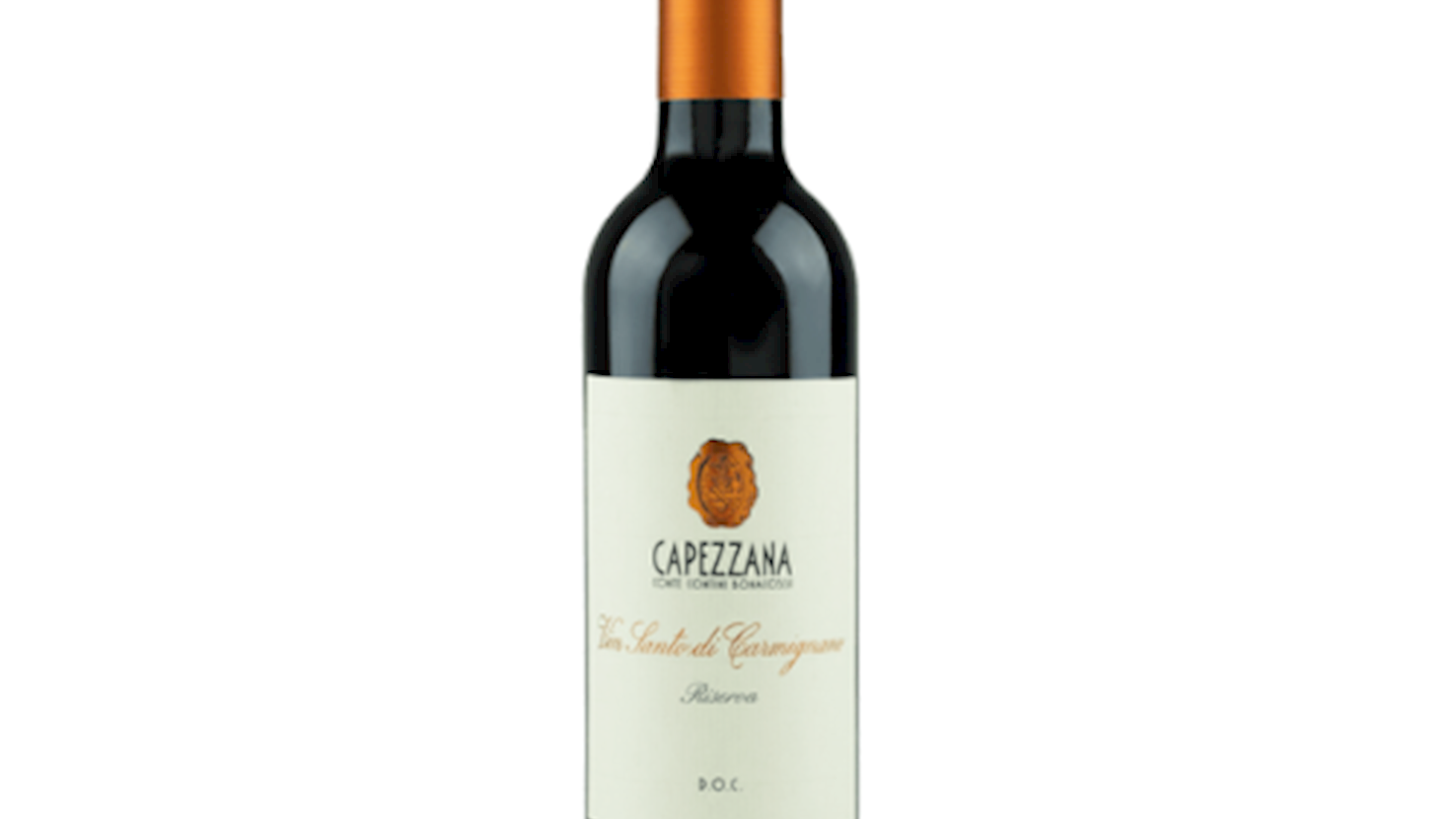
Tenuta di Capezzana

5 ·
Tenuta di Capezzana is a historic wine estate located in Carmignano, with viticultural roots dating back to the Etruscan era and documented wine production spanning many centuries. The estate covers approximately 650 hectares, including vineyards, olive groves and natural woodland that supports biodiversity and a balanced ecosystem. Since 1926, it has been owned and managed by the Contini Bonacossi family, who have played a key role in shaping its modern identity while preserving tradition. The winery focuses primarily on Sangiovese, complemented by Cabernet Sauvignon and Cabernet Franc, a combination that reflects the long-standing history of these varieties in Carmignano since the time of the Medici. Its wines are known for their balance, structure and elegance, with notes of red fruit, spice and subtle earthy undertones that express the local terroir. A central role is played by Carmignano DOCG wines, which embody both regional identity and historical continuity. In addition to wine, the estate produces extra virgin olive oil, reinforcing its agricultural heritage. The production philosophy emphasizes sustainability, minimal intervention and respect for natural cycles. Capezzana is also notable for its historical wine archives, preserving bottles that demonstrate the ageing potential and consistency of its wines over decades. Today, it is regarded as one of the benchmark producers of Carmignano, combining heritage with a refined, terroir-driven style.
Awards
Decanter World Wine Awards - Platinum (2024, 2022, 2019, 2018)
Decanter World Wine Awards - Best in Show (2021)
02
Chocolate

Pasticceria Mannori Luca

5 ·
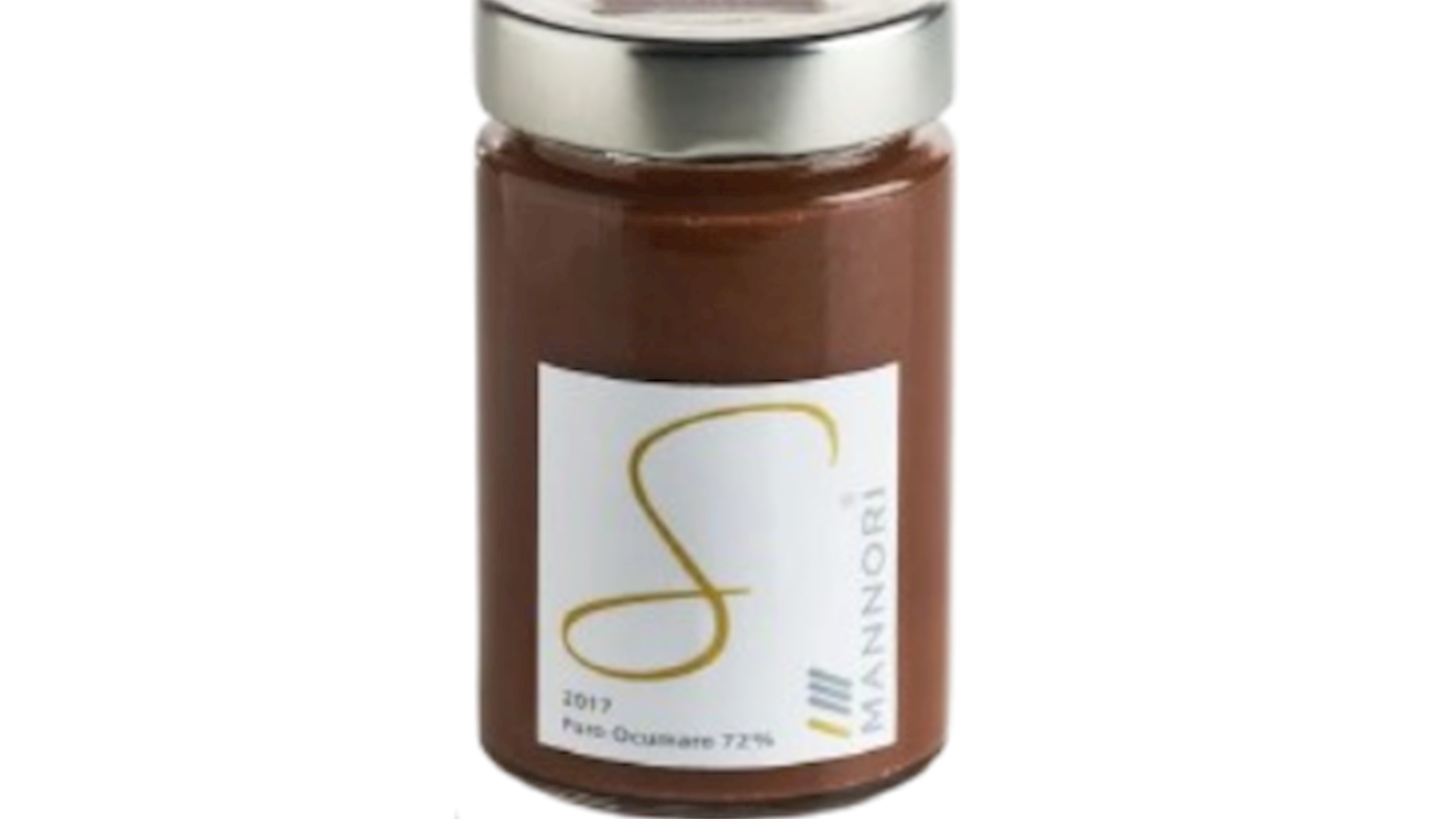
The Luca Mannori brand is one of the most esteemed artisan names in the Italian world of chocolate and pastry. Founded and led by Luca Mannori - world pastry champion - this brand is guided by his personal vision, combining technical precision, aesthetic clarity, and a deep dedication to craftsmanship. The product range is wide and refined, encompassing bean-to-bar chocolates, pralines, spreads, handcrafted cakes, long-format desserts, and seasonal gelato. Mannori sources carefully selected ingredients: high-quality cocoa from plantations in Madagascar, Nicaragua, and Honduras; Italian hazelnuts; Bronte pistachios; Sicilian citrus fruits; and local dairy products. These elements are harmoniously blended to create products that bridge tradition and contemporary culinary sensitivity. Through his products, educational initiatives, and ongoing innovation, Luca Mannori builds a bridge between Italian culinary heritage and modern chocolate artistry.
Awards
Tavoletta D'Oro - The best in category (2003)
International Chocolate Awards - Gold (2017)
03
Dessert

Antonio Mattei

4.7 ·
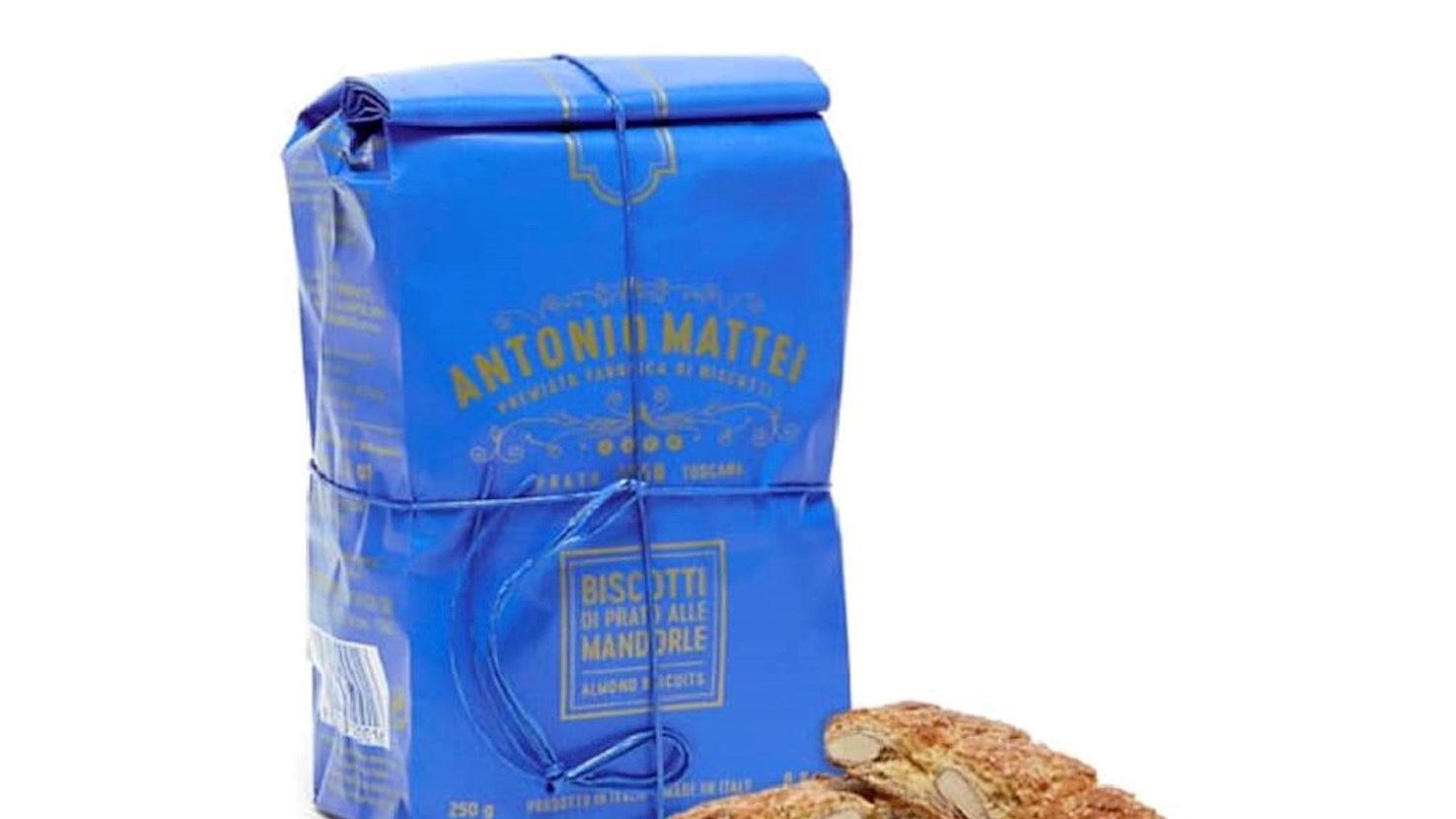
Antonio Mattei is a legendary name in Italian pastry tradition, world-renowned for its original cantuccini—crunchy almond biscuits from Prato, typically enjoyed with a glass of Vin Santo. Since 1858, this family-run company has preserved the authenticity of its recipes and the artisanal methods that define its production. Crafted in the historic workshop in Prato, their biscuits are made using only a few high-quality ingredients, resulting in a simple yet distinctive flavor that has delighted generations. The iconic blue packaging has become a symbol of the brand and a mark of quality recognized across the globe. While the classic almond cantuccini remains their signature product, the range has expanded to include modern variations with hazelnuts, pistachios, and chocolate. Antonio Mattei continues to honor its rich heritage while offering a refined take on Italy’s most beloved traditional sweets.
04
Wine

Piaggia

4.7 ·
Piaggia is a family-owned winery located in Poggio a Caiano, in the heart of the Carmignano DOCG area in Tuscany, founded in the mid-1970s by Mauro Vannucci, who recognized the exceptional potential of the local terroir. The estate gained wider recognition with the release of its first Carmignano Riserva in 1991 and is today run by his daughter, Silvia Vannucci, who continues to shape its identity with a strong focus on balance and precision. Piaggia farms around 15–20 hectares of vineyards characterized by clay-rich soils and favorable exposure, planted mainly with Sangiovese alongside Cabernet Sauvignon, Cabernet Franc, and Merlot, reflecting the historic Bordeaux influence typical of Carmignano. The wines are known for their elegance, structure, and depth rather than overt power, with a clear expression of place. Flagship labels such as Carmignano Riserva, Il Sasso, Pietranera, and Poggio de’ Colli showcase different interpretations of the estate’s terroir. Winemaking follows a restrained, detail-oriented approach, using oak to support rather than dominate the fruit. Over time, Piaggia has built a strong international reputation for consistency, aging potential, and a refined interpretation of one of Tuscany’s most historic appellations.
Awards
Vivino - 4.3
Wine-Searcher - 92/100
05
Olive Oil

Tenuta Di Artimino Soc. Agr. Srl

4.6 ·
Tenuta di Artimino Soc. Agr. Srl is located in Carmignano, Tuscany. The estate produces high-quality extra virgin olive oil using traditional methods. The olives are typically hand-picked to ensure the best quality. The estate also engages in sustainable farming practices to preserve the natural environment.
Awards
EVO IOOC - Gold Medal (2021)

Best Province of Prato foods
01
Meat Dish

Sedano alla pratese

n/a ·

Sedano alla pratese is a traditional dish originating from Prato. The dish consists of stuffed celery and it's usually made with a combination of celery, ground beef, parmesan, parsley, mortadella, garlic, eggs, flour, olive oil, nutmeg, salt, pepper, and meat ragù. The celery is cut into pieces, blanched, and drained. The celery ribs are then filled with ground beef, mortadella, parsley, parmesan, eggs, salt, pepper, garlic, and nutmeg. Another celery rib is placed on top in order to form a cylinder, and the stuffed celery is dipped in beaten eggs and coated with flour before it's fried in olive oil. The meat ragù is simmered and the fried celery is placed into the same pan. It's simmered over low heat and then served hot. It's recommended to pair the dish with a glass of red wine.

02
Dessert

Pesche di Prato

n/a ·

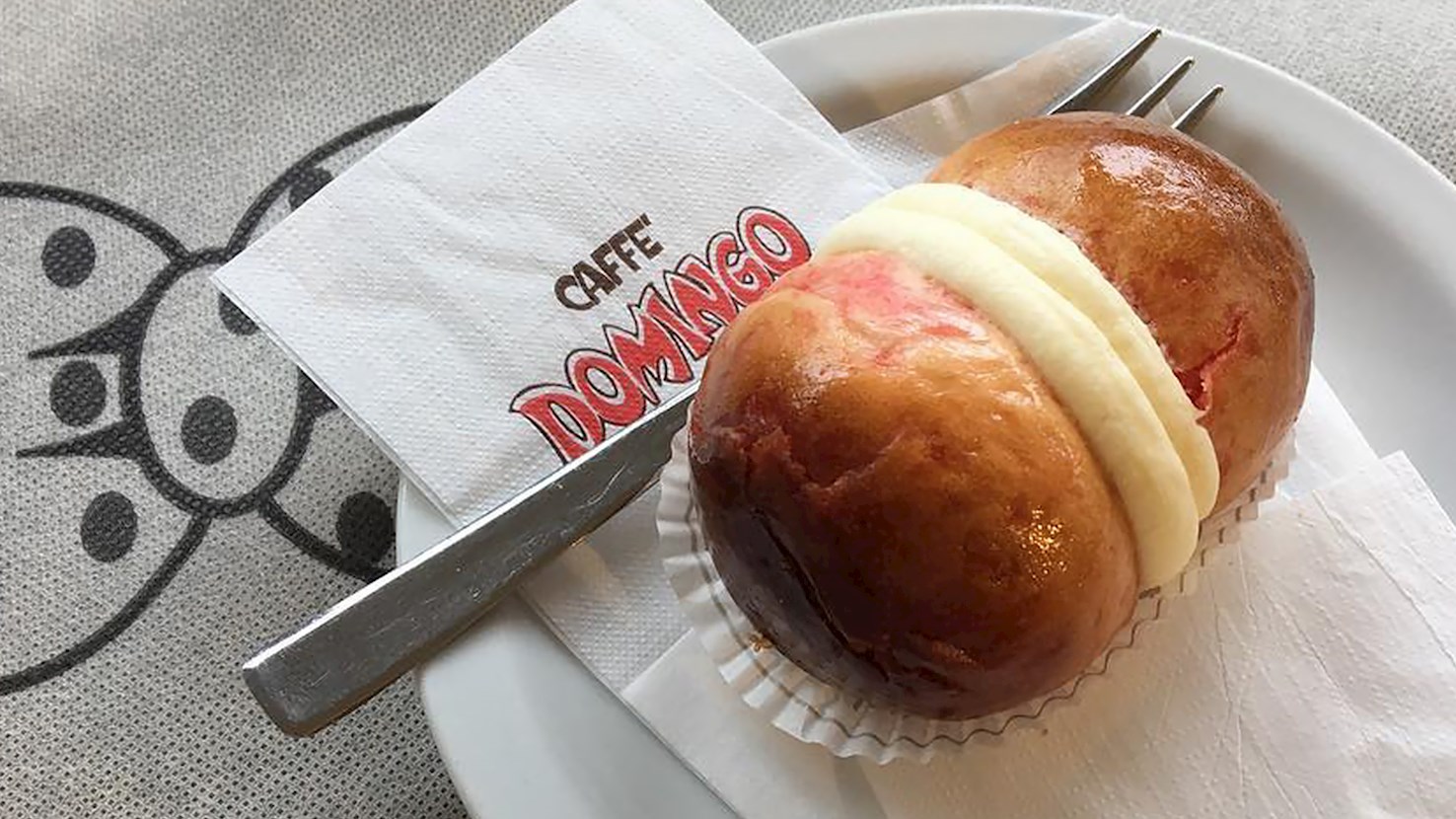
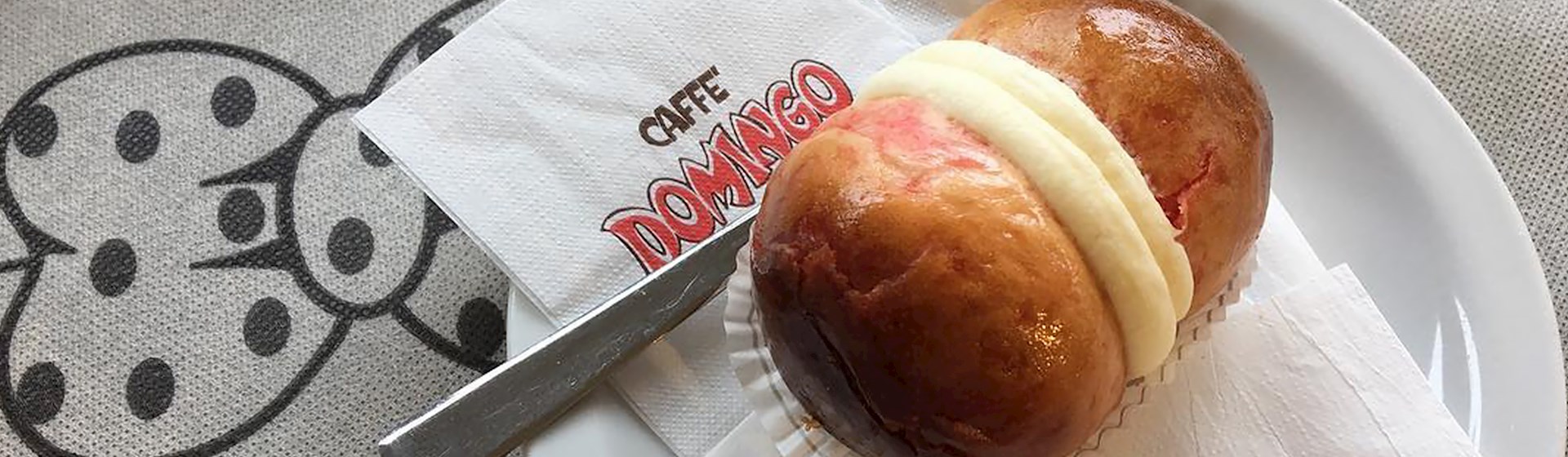
Pesche di Prato, meaning peaches from Prato are sweet treats consisting of two small, round, brioche-dough cakes soaked in Alchermes liqueur, paired in two with vanilla custard, and finished with a generous dusting of powdered sugar. Allegedly, they were created in 1861 during a party in Prato’s Piazza del Duomo while celebrating the Italian unification. These sugar-coated confectioners' peaches were an instant success, and they have been around ever since. Due to the elaborate, time-consuming preparation, pesce di Prato are traditionally reserved for celebrations such as birthdays or weddings.

03
Bread

Bozza Pratese

n/a ·

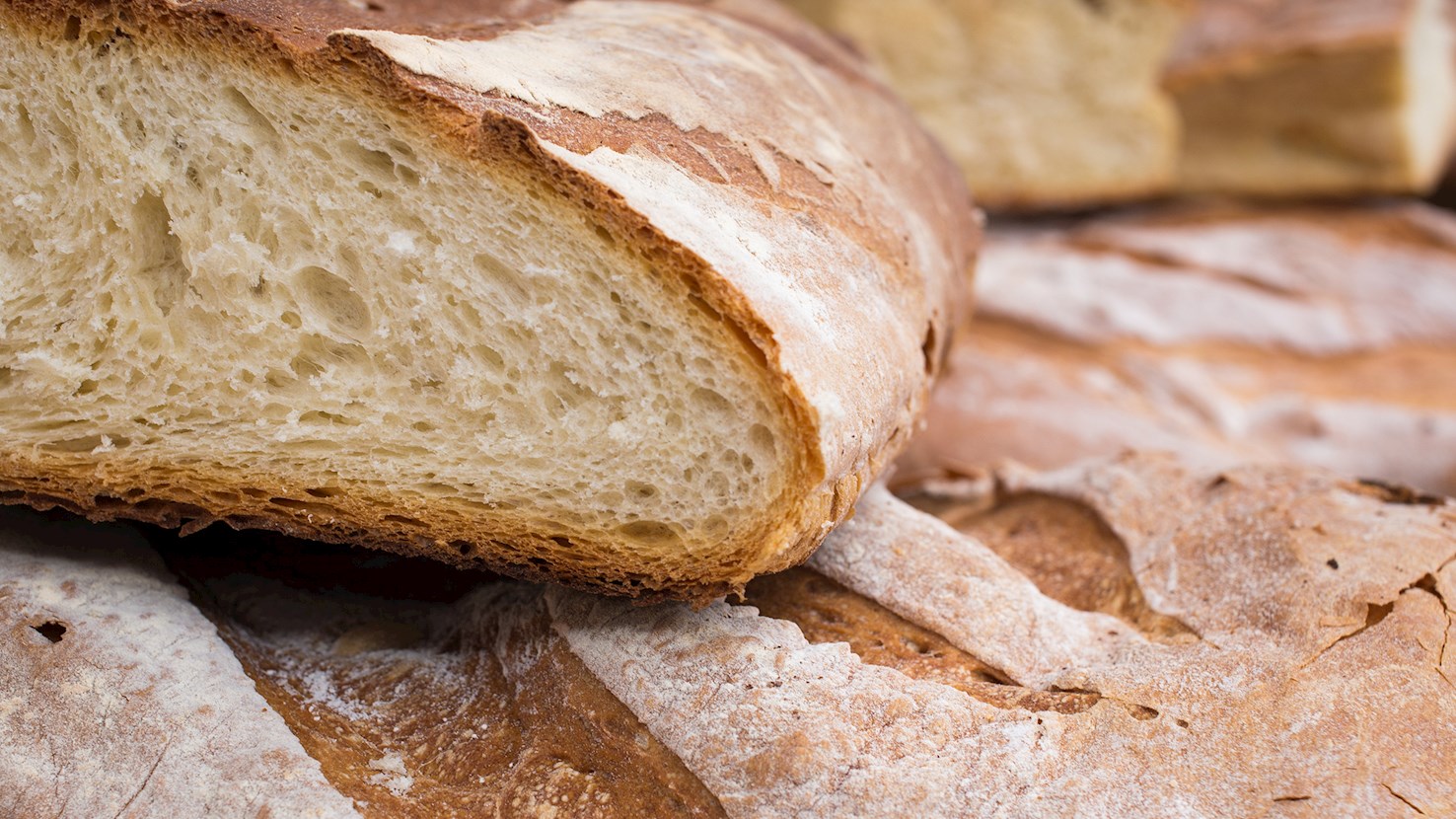
Bozza pratese is a typical Tuscan bread made with yeast, flour, and water. Interestingly, the bread does not contain any salt. Bozza is extremely versatile, so it can be consumed at any time of the day – it is eaten daily as an accompaniment to meat, fish, and vegetable dishes, but when it becomes stale, it is a key ingredient in the famous tomato soup known as pappa con il pomodoro.

04
Sausage

Mortadella di Prato

n/a ·

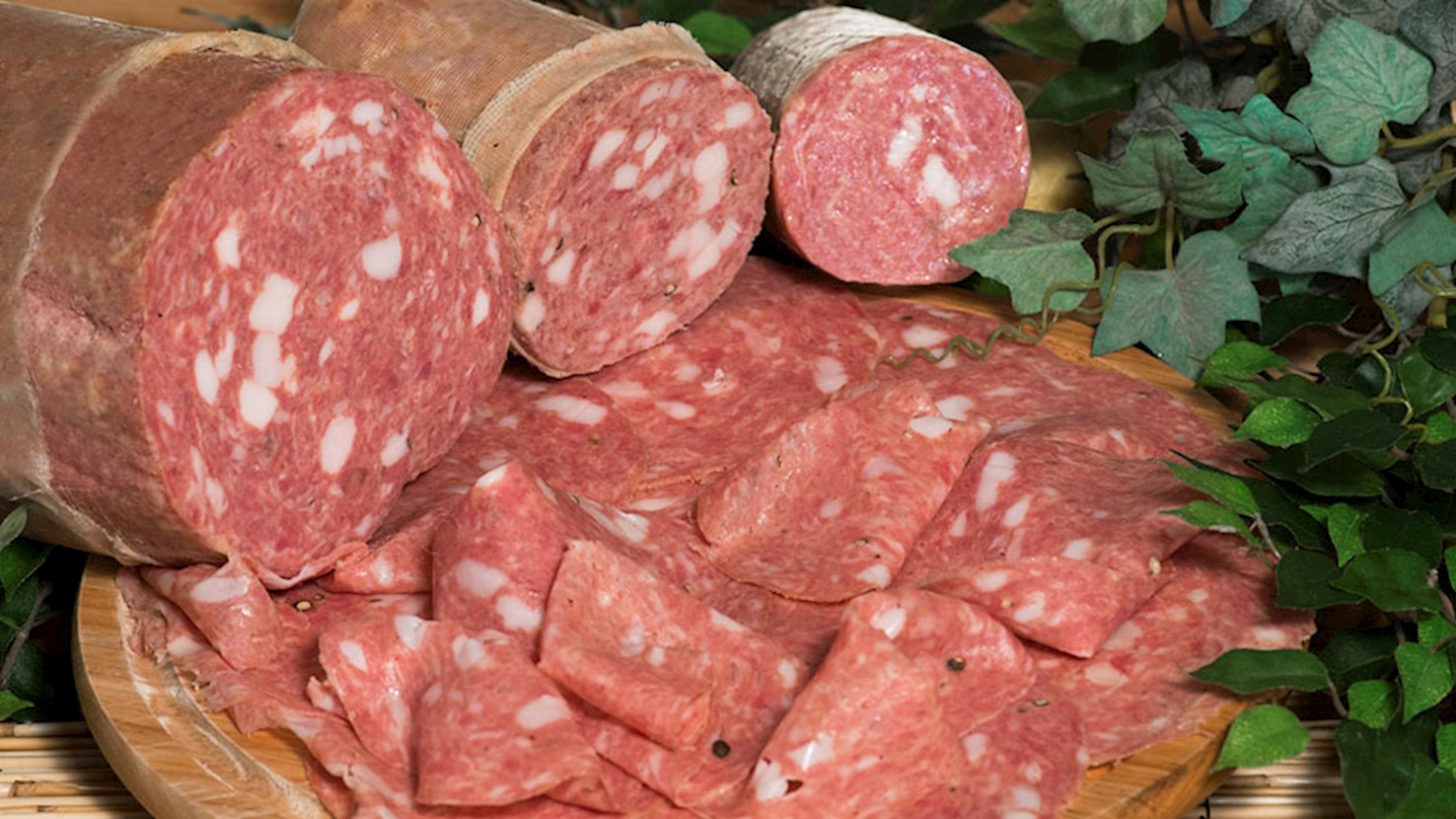
Mortadella di Prato is a traditional sausage made from pork and selected spices and flavorings. Made in Tuscany since the 16th century, mortadella was first introduced as a way to make use of pork cuts of lesser quality and meat scraps left over from the making of other salami products. Later, in the early 20th century in the provinces of Prato and Pistoia, these less popular meat cuts were typically seasoned with spices and liqueurs, formed into sausages and boiled. This particular kind of sausage is still produced according to an old recipe: mortadella di Prato is a refined and cooked meat product, flavored with garlic, mace, pepper, coriander, cinnamon, and cloves, all stuffed into a natural casing. It has quite a unique sweet to spicy flavor and a distinct rosy color due to adding Alchermes liqueur to the meat mixture. Mortadella di Prato is one of the basic ingredients for the filling of Christmas tortellini, as well as being one of the most widely consumed sausages. It is traditionally served at room temperature, in slices or chunks, accompanied by slices of bozza pratese, a local variety of sourdough bread.

05
Cake

Torta Mantovana

n/a ·

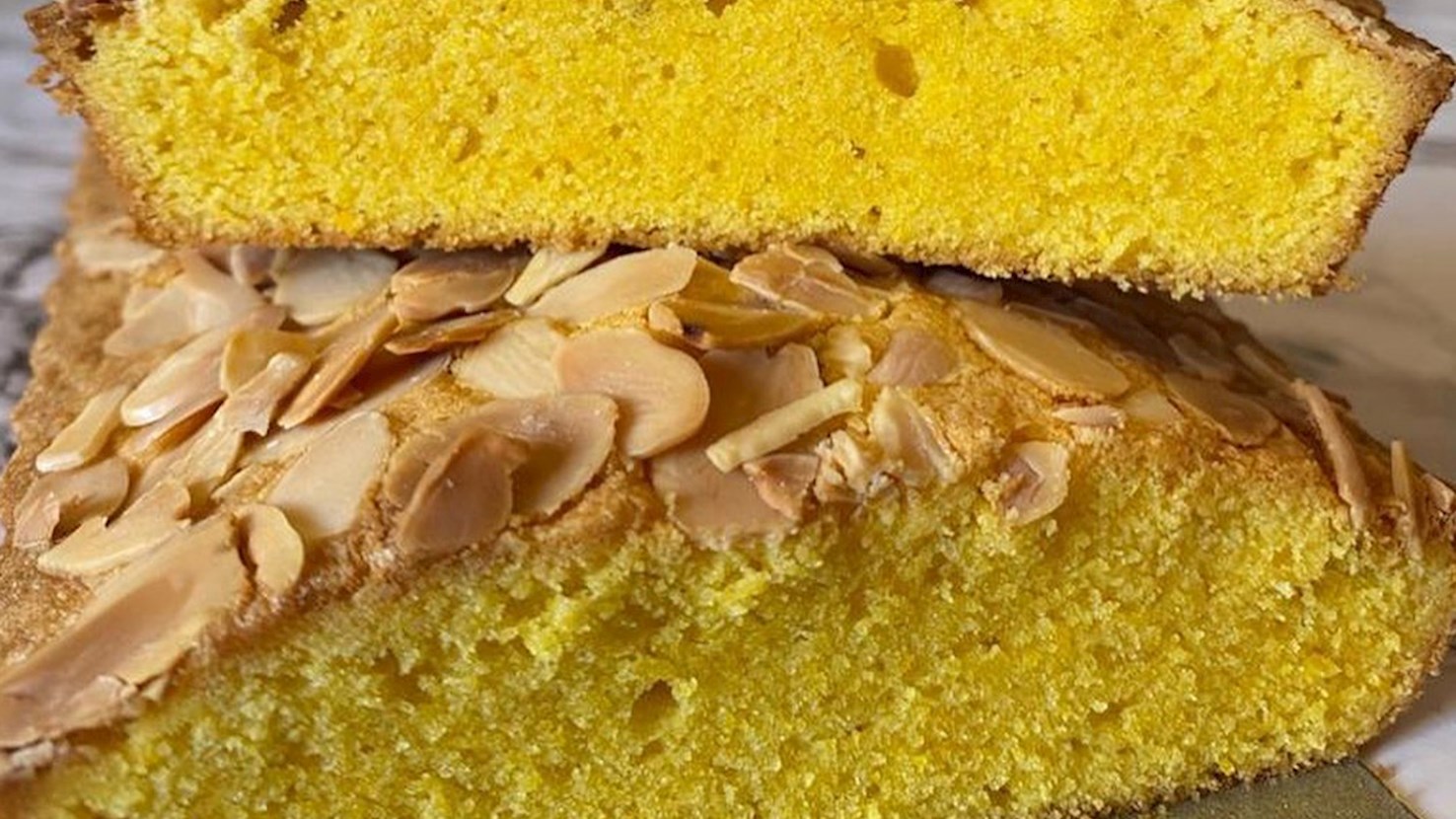
Torta Mantovana is a traditional cake originating from Prato. It's made with a combination of eggs, egg yolks, butter, sugar, lemon rind, flour, almonds, and pine nuts. The eggs are mixed with sugar, flour, and butter in order to make a base. The base is then topped with pieces of almonds and pine nuts. After it has been baked, torta Mantovana is traditionally decorated with icing sugar. It's recommended to serve it with a glass of dessert wine on the side.

06
Cookie

Zuccherini di Vernio

n/a ·

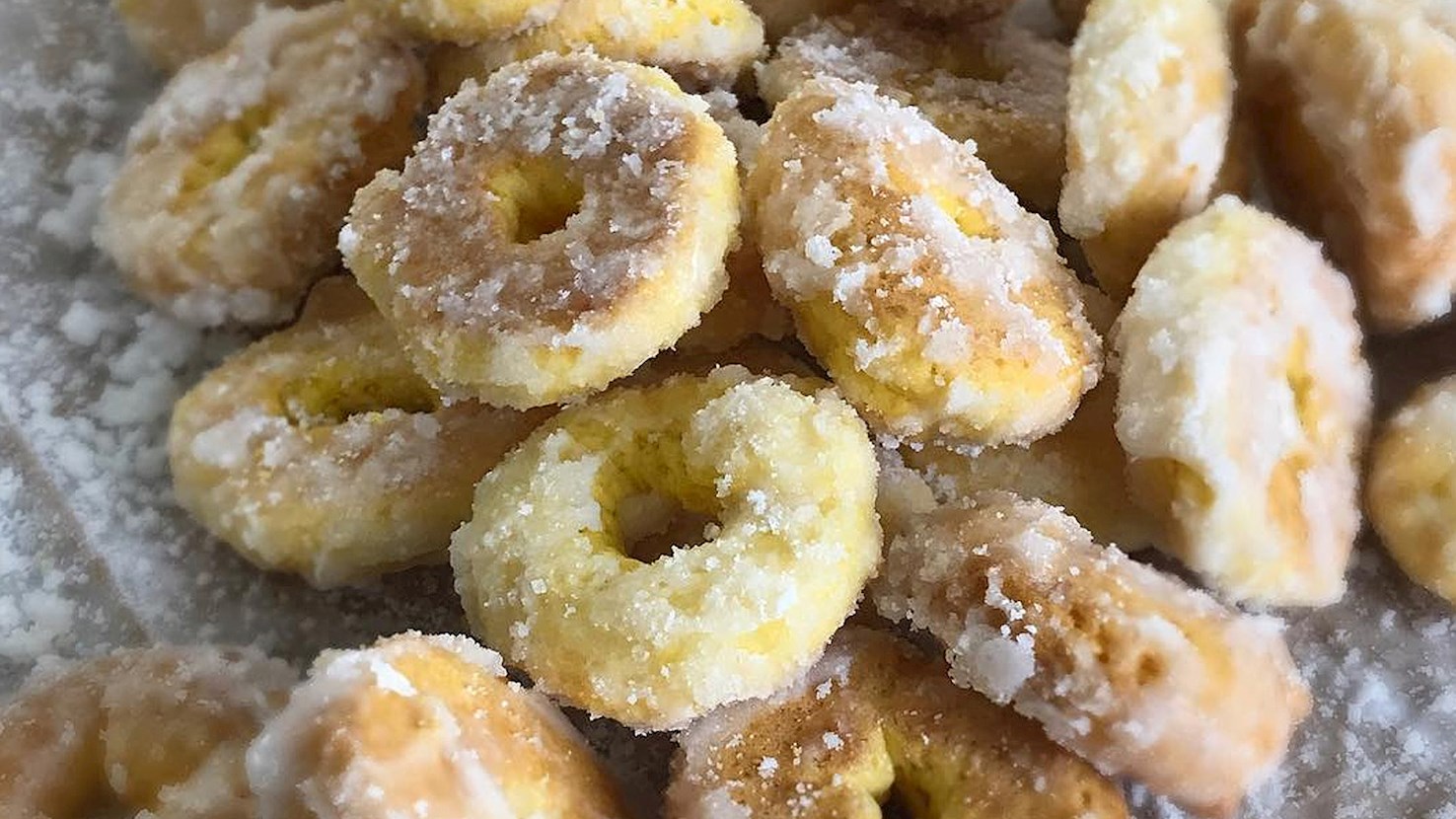
Zuccherini di Vernio are traditional dry cookies originating from the city of Vernio in Prato, Tuscany. The dough is made with flour, eggs, butter, sugar, yeast, and aniseed seeds, with the addition of a drop of aniseed liqueur. It is shaped into rings or small doughnuts, then baked in the oven. After they have been baked, the cookies are dipped into a glaze of sugar and water, and they are then left to cool. Zuccherini di Vernio are typically eaten for breakfast or as a snack that's often dipped into milk, coffee, vermouth, or Vin Santo. In the city, they're also traditionally eaten at weddings because their shape is reminiscent of a wedding ring.

07
Bread

Mangia e bei

n/a ·

Mangia e bei are traditional Italian focaccia bread rolls originating from Prato. These small and soft rolls are made with flour, eggs, sugar, fat, and yeast. The dough is left to slowly rise on strips of soaked cotton. It's then divided into small mounds and cooked in a wood-fired oven. Once the rolls have cooled, a hole is indented in the top, which is then filled with mint or citrus syrup, so you can eat (mangia) and drink (bere) at the same time. These rolls were traditionally produced for the Prato Fair in September, but nowadays they are only prepared for special occasions and national holidays.

08
Cookie

Amaretti di Carmignano

n/a ·

Amaretti, the famous Italian almond cookies are so popular in their homeland that almost every region has their version of the recipe, using different proportions and combinations of the basic ingredients: sweet and bitter almonds, apricot kernels, eggs, and sugar. Tuscany's version is known as amaretti di Carmigiano, also known as amaretti di Fochi (which is the name of the bakery in the town's main square where they can be bought). Made with egg whites, sugar, and both sweet and bitter almonds, they are soft, imperfectly shaped, and smaller than other varieties, with a typical amber color and strong almond aroma.

About this ranking

TasteAtlas food rankings are based on the ratings of the TasteAtlas audience, with a series of mechanisms that recognize real users and that ignore bot, nationalist or local patriotic ratings, and give additional value to the ratings of users that the system recognizes as knowledgeable. For the “Top 8 Traditional Foods in the Province of Prato” list until June 07, 2026, 85 ratings were recorded, of which 58 were recognized by the system as legitimate. TasteAtlas Rankings should not be seen as the final global conclusion about food. Their purpose is to promote excellent local foods, instill pride in traditional dishes, and arouse curiosity about dishes you haven’t tried.

The initial list of top producers was compiled based on available reviews, awards, local recommendations, media and blog coverage, and consumer reviews. The list will be updated with ratings from TasteAtlas local ambassadors and TasteAtlas users.

Similar lists