shutterstock

Top 7 Saxon Foods

Last updated on July 16, 2026

Best Saxon food products

01
Spirit

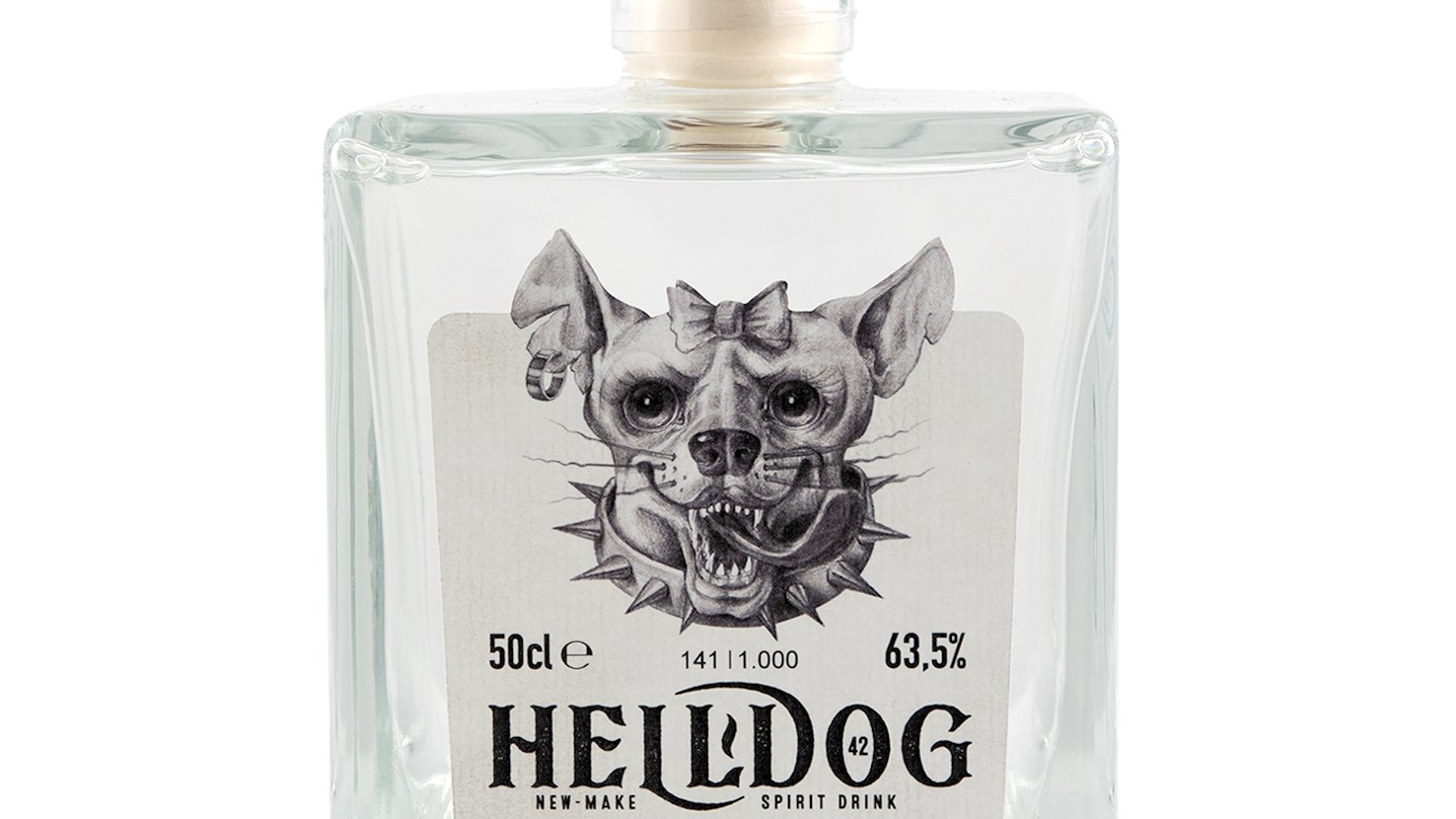
Dresdner Whisky Manufaktur

4.8 ·
Awards
IWSC- International wine & spirit competition - Spirit Gold (2024)
03
Chocolate

Chocolatier Praetsch

4.3 ·

Chocolatier Praetsch is a German chocolate production company specializing in handmade chocolates. The company focuses on using high-quality, locally-sourced ingredients and traditional manufacturing techniques passed down through generations.

Chocolatier Praetsch KG offers a variety of chocolate products, including truffles, bars, and seasonal specialties.

Awards
Academy of Chocolate - Bronze (2015)

Best Saxon foods

01
Pancake

Quarkkeulchen

3.9 ·

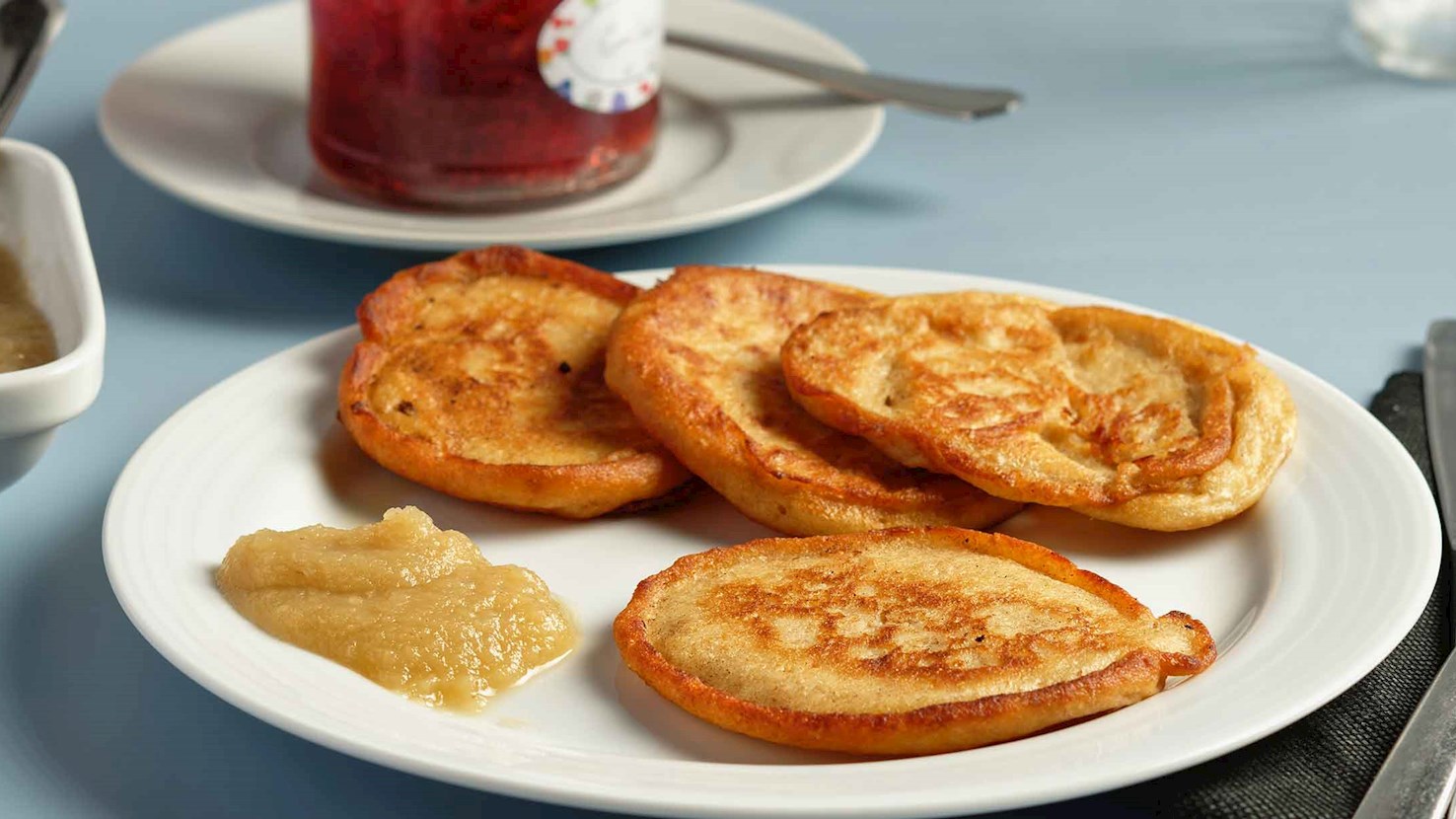
Originating in Saxony, quarkkeulchen is made by combining quark, mashed potatoes, eggs, flour, and milk or water, and then shaping the mixture into flat cakes which are fried in hot oil or butter until nicely browned on both sides. This sweet specialty is usually flavored with lemon juice or lemon zest, and it is often enhanced with raisins or currants for extra flavor and texture. Qarkkeulchen can be enjoyed warm or chilled, and it is usually topped with powdered sugar and cinnamon. Applesauce or stewed fruit such as plums and a cup of fresh coffee typically accompany this simple German dessert.

02
Sweet Bread

Dresdner Stollen

3.8 ·

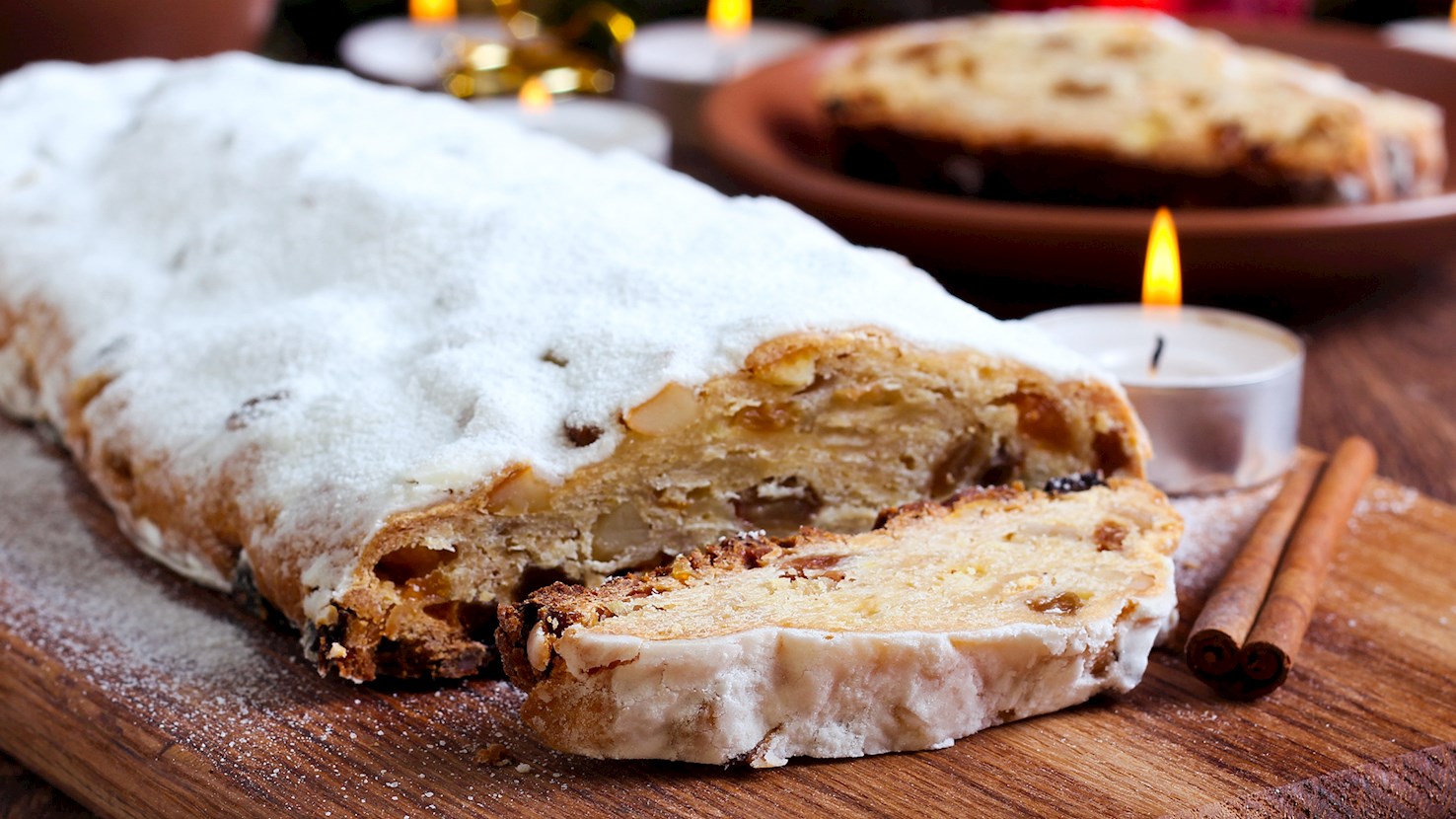
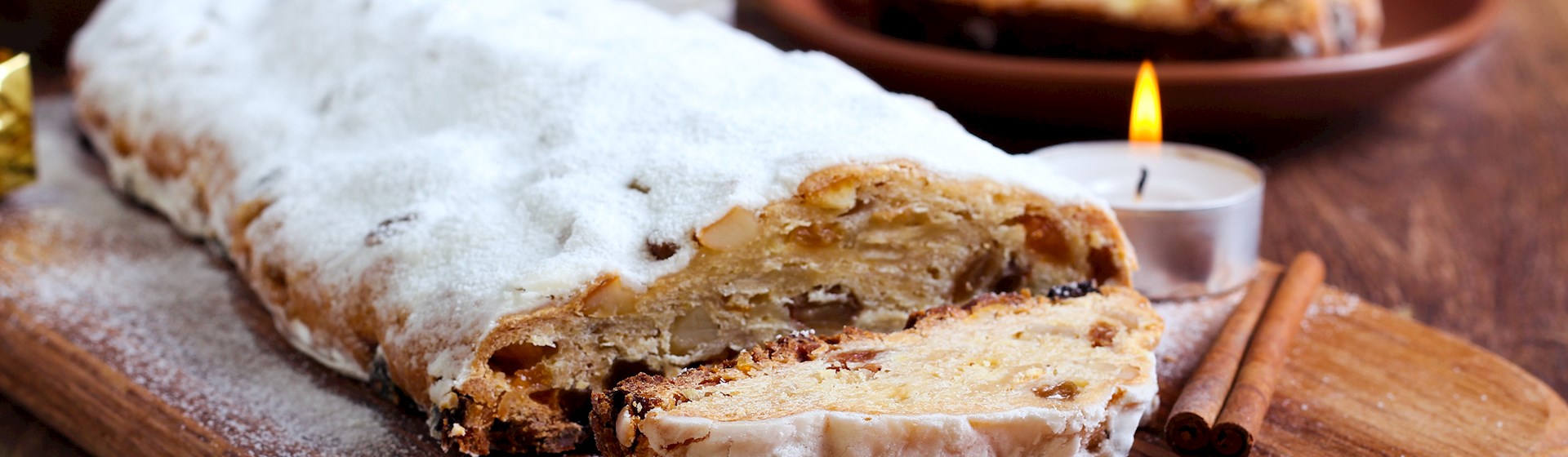
Dresdner stollen is an aromatic German fruit bread that has been closely associated with Christmas. It consists of buttery yeast dough that is spiced and usually studded with candied orange, lemon peel, sultanas, sweet and bitter almonds, and lemon zest. It is formed in large loafs, and when baked, the bread is brushed with butter and generously dusted with powdered sugar. Originally referred to as striezel, it is believed that the first stollen was not as rich as today’s versions, following the tradition of fasting during Advent. In 1490, the Pope Innocent VIII lifted the ban on baking with butter during Advent for Dresden bakers, allowing them to create more elaborate stollen versions. Because of its long history and cultural significance, this German classic has been awarded the Protected Geographical Indication status by the European Commission in 2010, which restricts the production of Dresdner stollen to the state capital Dresden and twelve municipalities in the greater Dresden area.

03
Cake

Eierschecke

3.5 ·

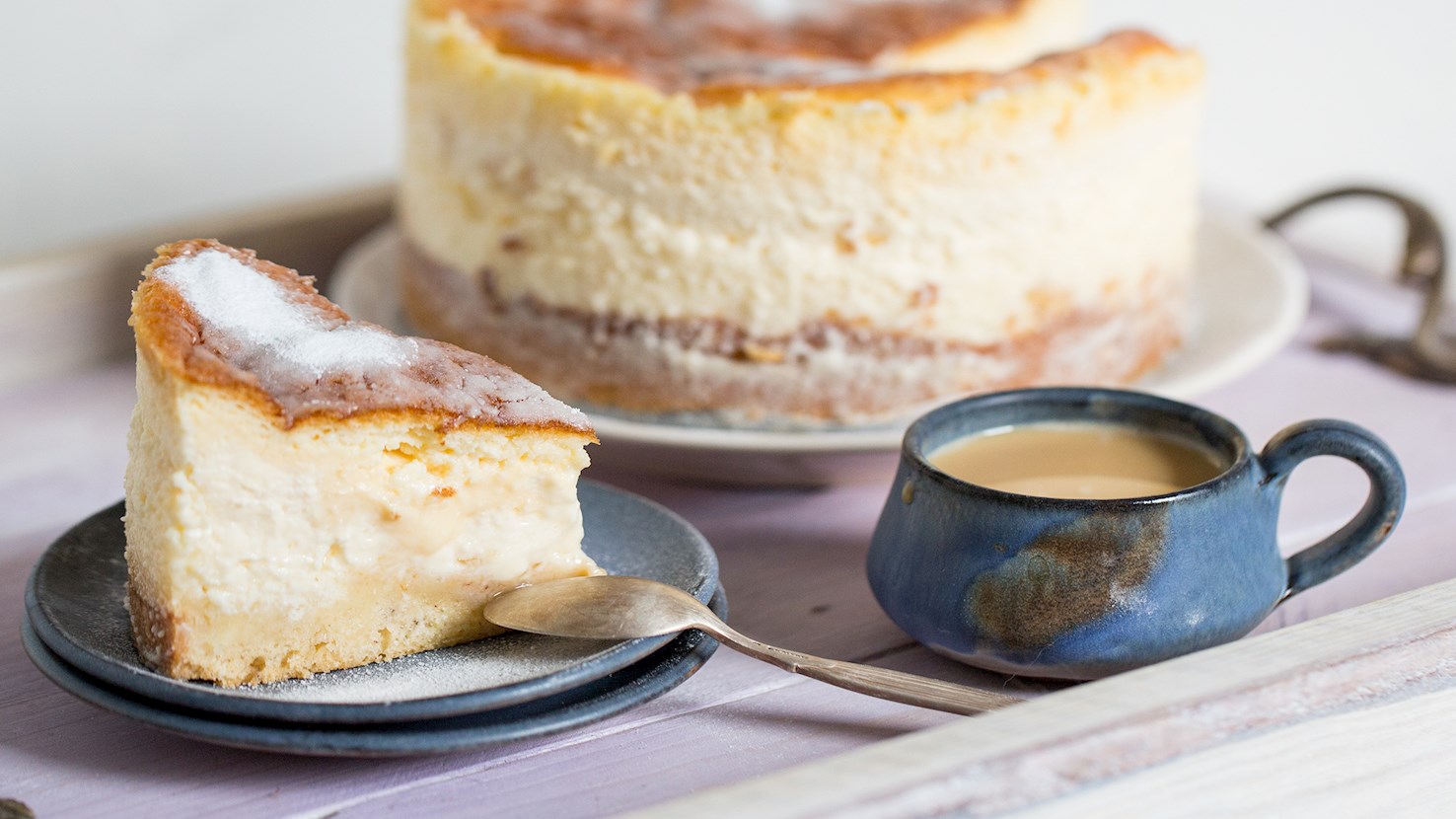
This specialty dessert from Saxony is a sheet cake consisting of three individual layers. Yeast dough is commonly used for the base layer, but a thin sponge cake or a pie crust can be used instead. The middle layer consists of a type of custard which contains quark in addition to butter, milk, eggs, and sugar. The top layer consists of another type of custard which is mixed with vanilla pudding. After these three layers have been assembled, the cake is baked and then cut into rectangular pieces. Eierschecke is traditionally served with a hot cup of coffee and is therefore easily found in most German coffeehouses.

04
Vegetable Dish

Leipziger Allerlei

3.2 ·

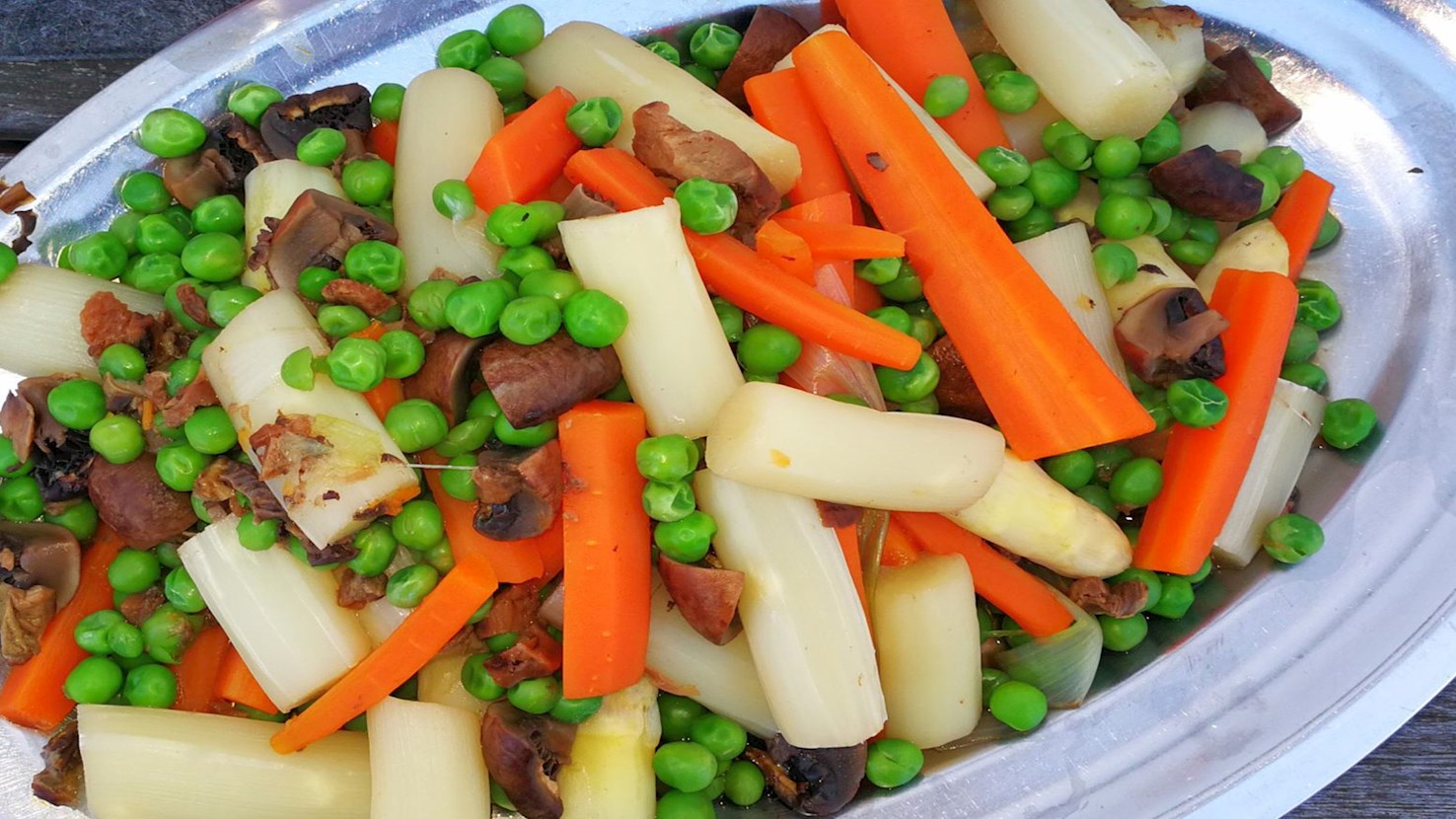
As the name suggests, this German specialty hails from Leipzig, and it is typically based on a mix of vegetables. The dish usually consists of a combination of young vegetables, crayfish tails, morel mushrooms, and bread dumplings which are doused in a creamy, buttery sauce. Typical vegetables used in the preparation of this regional dish include carrots, asparagus, kohlrabi, cauliflower, and peas. Leipziger allerlei is traditionally enjoyed in May and June, either as a main course or a side, and it is often sprinkled with freshly chopped parsley or chervil on top. It is believed that this humble dish originated in the aftermath of the Napoleonic Wars as a protective measure against thieves, beggars, and tax collectors, when the citizens were asked to offer only vegetable-based dishes in order to create a false image of impoverishment.

05
Pork Dish

Schlesisches Himmelreich

n/a ·

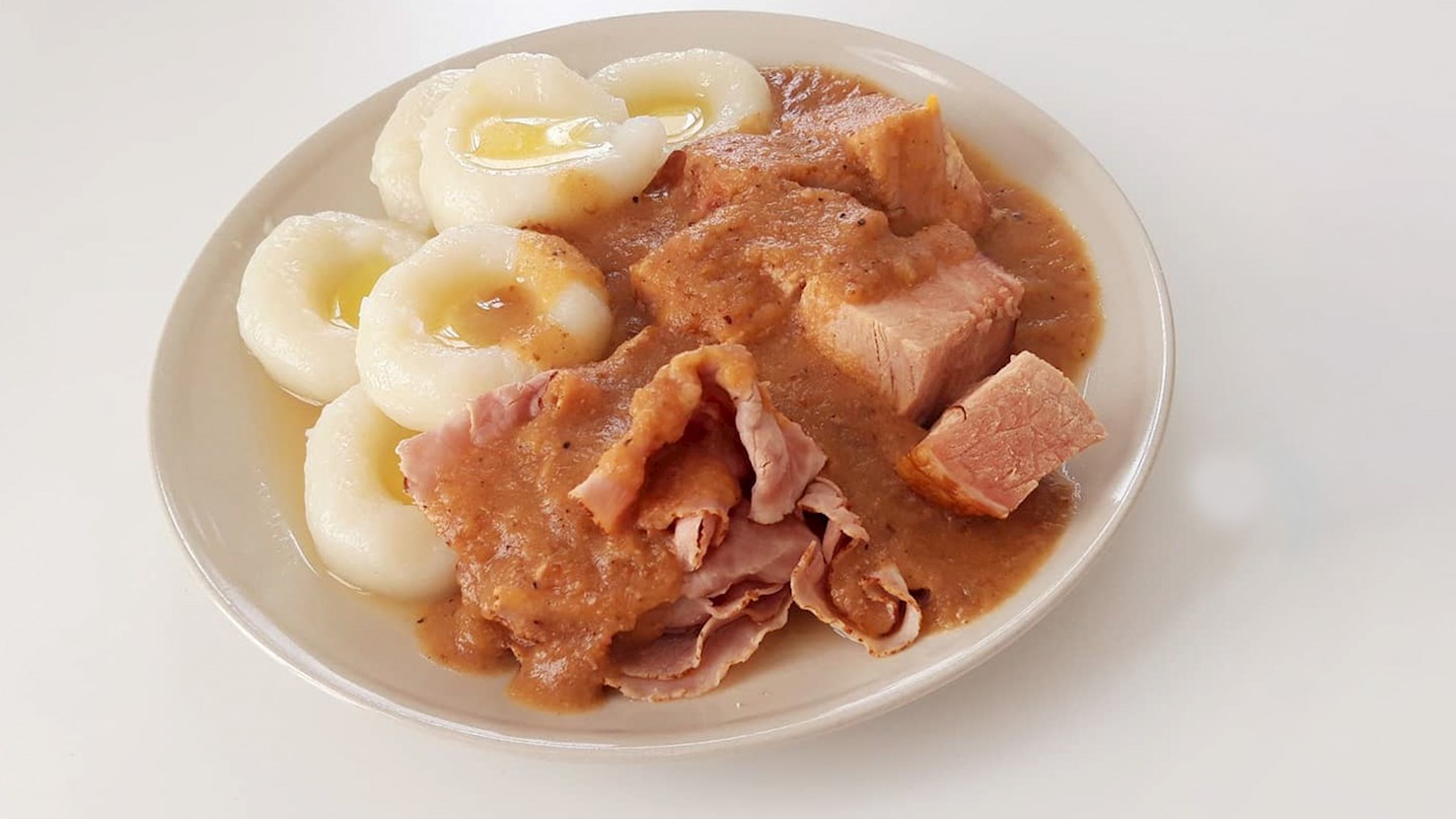
Schlesisches Himmelreich or Silesian heaven is a traditional dish originating from Silesia. It consists of smoked pork that is gently simmered with dried fruits such as pears, apples, and prunes. It's traditionally accompanied by kartoffelklöße potato dumplings that are simmered in the same pot until they float on top. The combination of smoky meats and tart, sweet-sour fruits was beloved in the past with the early Silesian settlers, but nowadays the dish is made just occasionally in very few households. There are a few variations on the dish – one uses stewed pie melon flavored with cinnamon, currants, and lemon rind instead of the stewed dried fruits, and another one served the pork with sweetened stewed quinces.

06
Sweet Pastry

Meißner Fummel

n/a ·

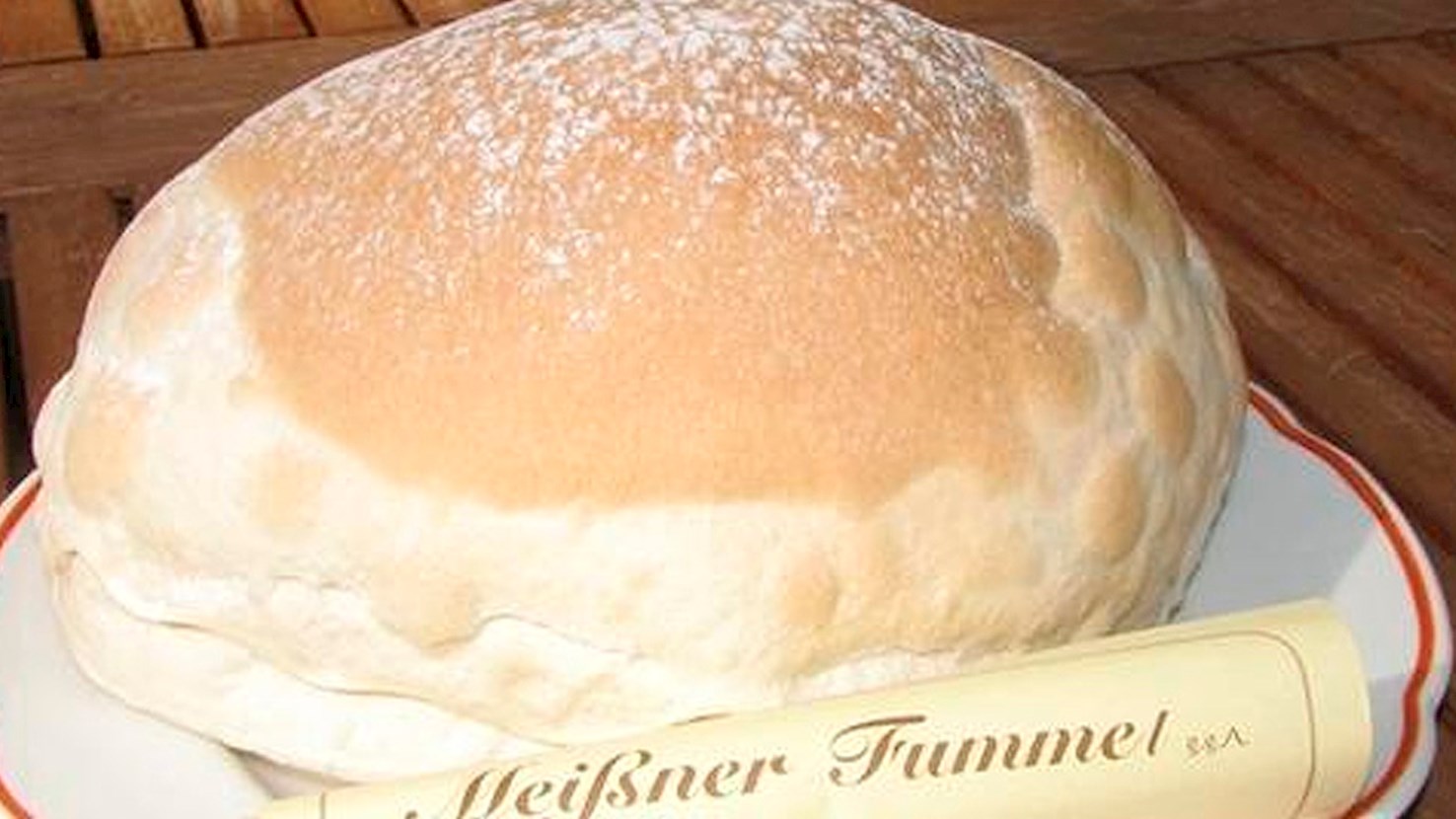
Legend has it that, in the 18th century, a messenger of the Electorate of Saxony regularly frequented Dresden and Meissen. The courier was a bit too fond of the famous Meissen wine, and he would drink so much that he would be unable to carry out his duties. The Elector then ordered the bakers of Meissner to invent a cake that was so fragile it would break at the slightest vibration, and the Fummel was created. Meissner Fummel is an elongated, tapered, hollow, and extremely fragile pastry. The pastry is paper-thin and extremely brittle with no specific flavor, and therefore it has no appreciable nutritional value. However, it's often dusted with powdered sugar, and the flakes are then enjoyed as a sweet treat with a cup of coffee. This legendary pastry is especially popular as a souvenir.

07
Salad

Sächsischer kartoffelsalat

n/a ·

Sächsischer kartoffelsalat is a potato salad from Saxony, where cooked potatoes are combined with a creamy dressing and mixed with vegetables and savory additions common to Saxon home cooking. Potatoes became a central part of Saxon cuisine in the eighteenth and nineteenth centuries as industrialization and urban growth shaped everyday meals that needed to be filling, affordable, and suitable for advance preparation, and the potato salad evolved within this context as a reliable dish for households and gatherings. Preparation commonly begins with boiling waxy potatoes in their skins, cooling them, peeling and cutting them into slices or cubes, then mixing them with finely diced onions, chopped pickles, and sliced hard-boiled eggs, followed by a dressing made from mayonnaise blended with mustard, pickle liquid, salt, and pepper, which is folded through the potatoes and allowed to rest so the flavors combine evenly. Common variations include the addition of diced cooked sausage or bacon, adjustments to the ratio of mayonnaise to mustard, the inclusion of herbs such as parsley or chives, and occasional use of a small amount of yogurt or sour cream to lighten the dressing, while vinegar-only dressings are uncommon in this regional style. The salad is eaten cold or at room temperature and is served in homes, bakeries, and at family celebrations, most often alongside cold cuts, sausages, fried meats, or bread, and it is frequently part of buffet-style meals and festive spreads.

Read more
View all
View map
About this ranking

TasteAtlas food rankings are based on the ratings of the TasteAtlas audience, with a series of mechanisms that recognize real users and that ignore bot, nationalist or local patriotic ratings, and give additional value to the ratings of users that the system recognizes as knowledgeable. For the “Top 7 Saxon Foods” list until July 16, 2026, 502 ratings were recorded, of which 428 were recognized by the system as legitimate. TasteAtlas Rankings should not be seen as the final global conclusion about food. Their purpose is to promote excellent local foods, instill pride in traditional dishes, and arouse curiosity about dishes you haven’t tried.

The initial list of top producers was compiled based on available reviews, awards, local recommendations, media and blog coverage, and consumer reviews. The list will be updated with ratings from TasteAtlas local ambassadors and TasteAtlas users.

Similar lists