shutterstock

Top 13 Schleswig-Holsteiner Foods

Last updated on June 24, 2026

Best Schleswig-Holsteiner food products

01
Cheese

Rohmilchkäserei Backensholz

5.0 ·
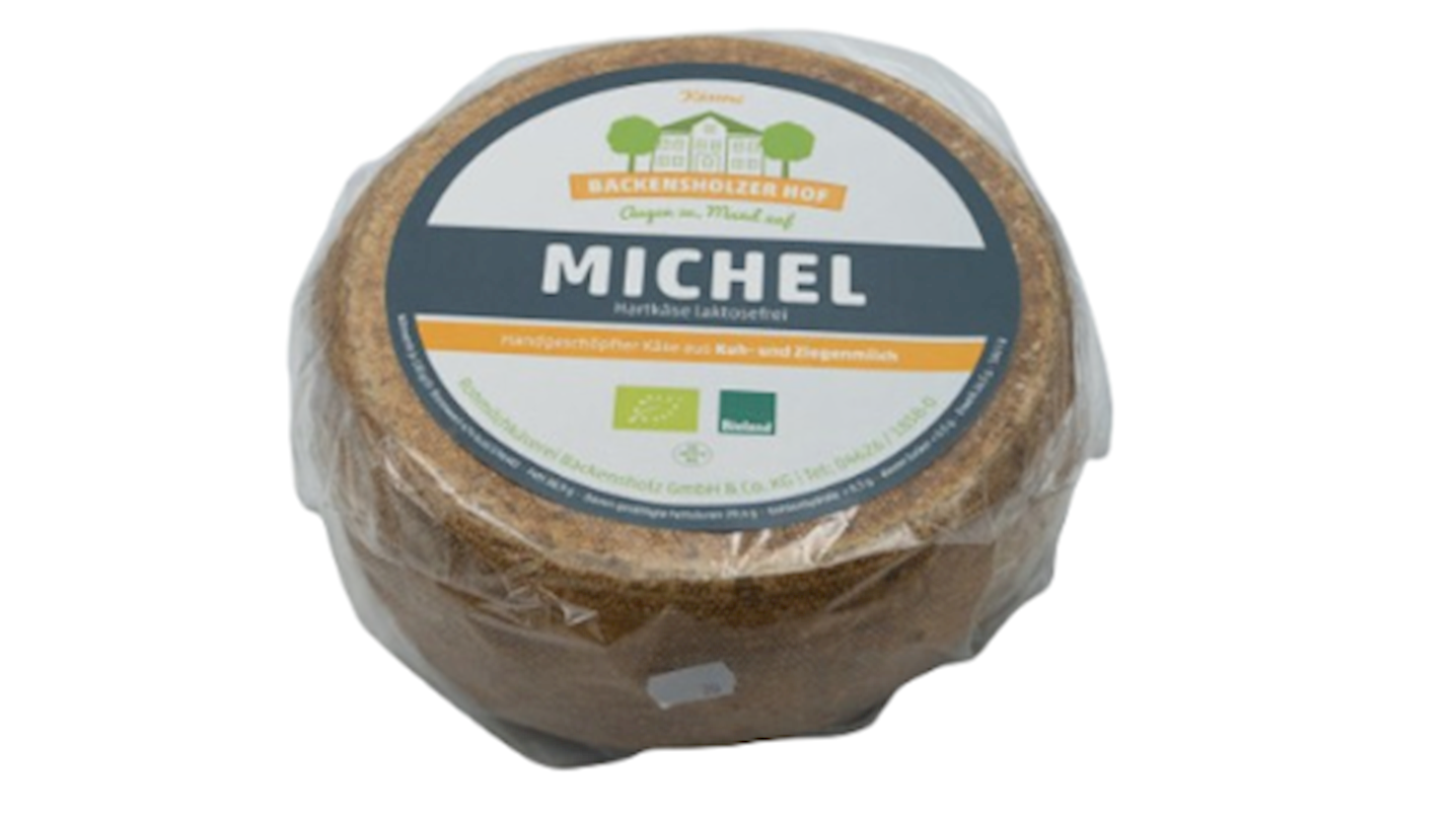
Rohmilchkäserei Backensholz is a cheese producer located in Germany, specializing in organic cheeses made from raw milk. The company is situated in Oster-Ohrstedt, Schleswig-Holstein, and operates with a focus on sustainability and natural cheese production methods. They offer a variety of cheeses, including both cow's milk and goat's milk options, manufactured under strict organic standards.
Awards
World Cheese Awards - Super Gold (2024, 2023, 2022)
World Cheese Awards - Gold (2024, 2023, 2022)
02
Liqueur

Spitzmund

4.8 ·
Awards
World's Best Dairy/Egg - Winner (2024)
World Liqueur Awards - Country Winner (2024)
03
Chocolate

Evers & Tochter Manufaktur

4.7 ·
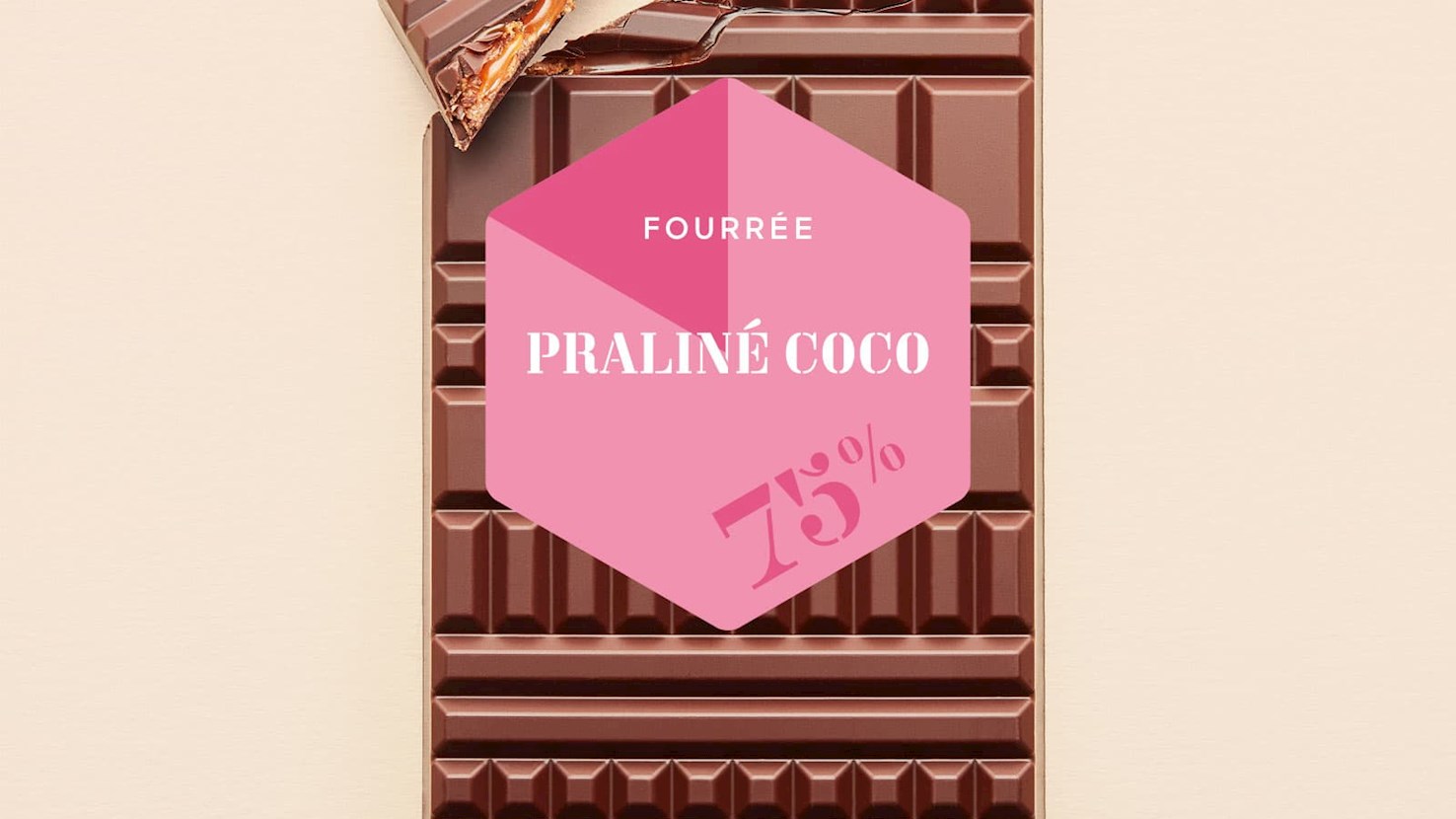
Evers & Tochter Manufaktur is a chocolate producer located in Lübeck, Germany. The company specializes in handcrafted chocolates and prides itself on using high-quality, often organic ingredients. Their product range includes a variety of unique flavors and types of chocolate, catering to diverse tastes and preferences.
Awards
International Chocolate Awards - Silver (2018, 2016, 2015)
04
Fruit Product

FrüchteMeer Konfitüren

4.7 ·
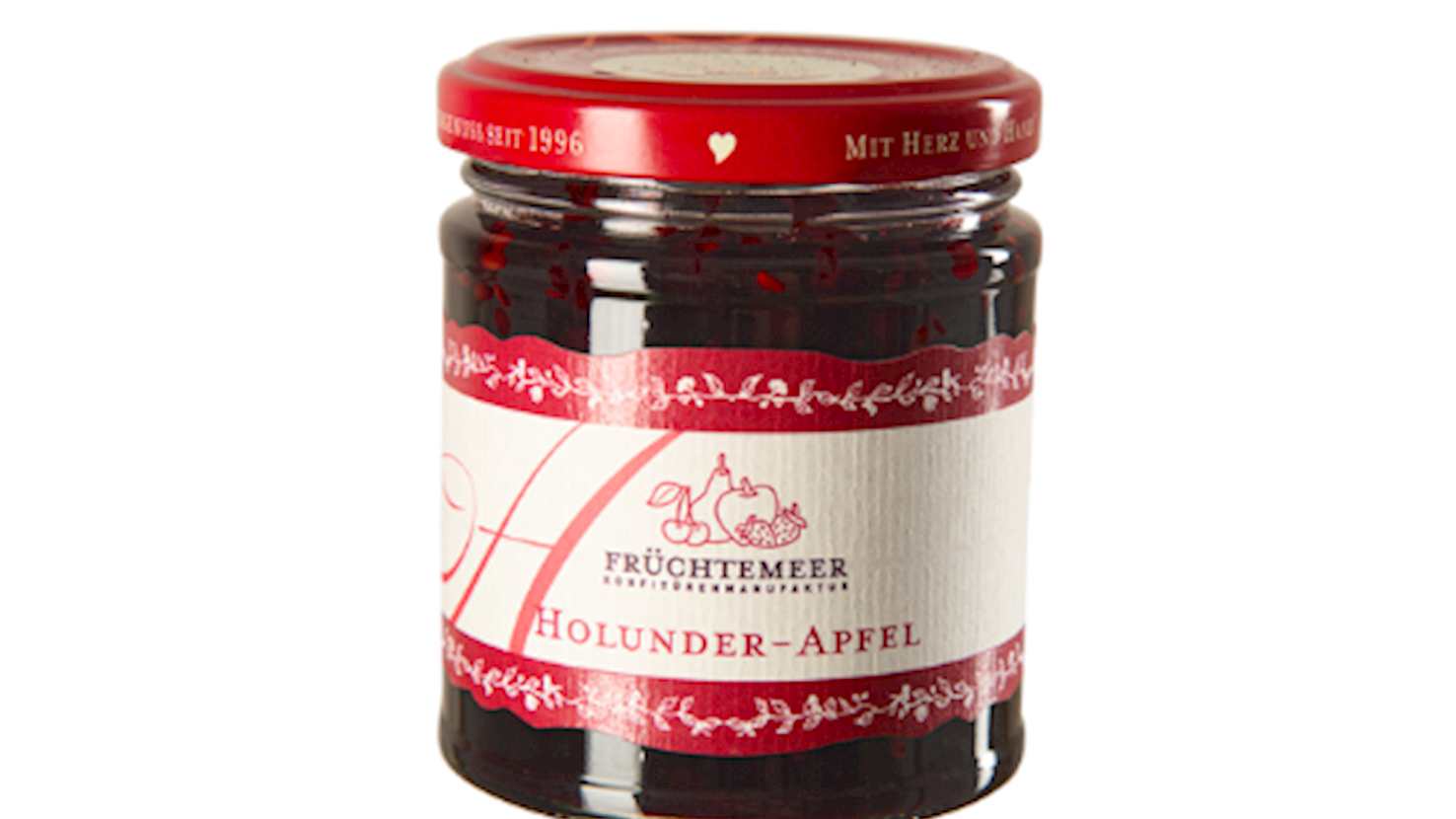
FrüchteMeer Konfitüren is a small German fruit spread manufactory based in northern Germany, in the state of Schleswig-Holstein, building its identity around handmade production and creative flavor combinations. The brand was founded on the idea that classic jams can gain a more contemporary expression through carefully selected ingredients and unconventional aromatic pairings. Their portfolio includes traditional fruit spreads made from strawberry, raspberry, currant, and plum, as well as more modern varieties with mango, passion fruit, or citrus, often enhanced with notes of vanilla, mint, rum, or white chocolate. Production takes place in small batches, allowing for greater control over texture and flavor intensity. Special emphasis is placed on seasonal editions and themed lines, including so-called “maritime” combinations that reflect northern Germany’s coastal culture. In addition to standard jars, FrüchteMeer also offers mini jars designed for tasting and gift sets. Their products are commonly enjoyed as classic breakfast spreads, but also as accompaniments to desserts, pastries, and cheeses.
05
Chocolate

Daja Chocolate

4.7 ·
Awards
International Chocolate Awards - Silver (2014)
International Chocolate Awards - Bronze (2019, 2017)
06
Beer

Sudden Death Brewing

4.7 ·
Sudden Death Brewing is an independent craft brewery from the German city of Lübeck, known for its energetic and modern approach to brewing. It was founded by Oliver Schmökel and Jan Eric Nagel, longtime friends and hockey enthusiasts, who developed their first recipes at home after traveling through the United States and discovering the American IPA scene. The brewery focuses on highly hopped and aromatic styles, primarily IPA, Double IPA and DDH IPA, though their portfolio regularly includes sour ales, stouts and lagers as well. Their beers are often intensely fruity, juicy and packed with tropical hop aromas, setting them apart from the classic German brewing tradition. In the Werftquartier Gollan industrial area, they opened a taproom and brewpub - a space that combines beer, food and music, with around twenty rotating taps. Limited releases and collaborations with other breweries are a key part of their approach and have significantly contributed to their popularity on the European craft scene. Sudden Death does not chase mass production; instead, they release small-batch beers where they experiment with different hops and fermentation techniques. Despite that, their beers are now available in several countries and frequently appear at craft beer festivals. The brewery positions itself between German precision and American creativity, making it attractive for beer enthusiasts who seek modern and intense styles. Sudden Death Brewing exemplifies how a hobby and experimentation can evolve into a brewery with a clear identity and a loyal following. The result is a brand that brings energy, humor and strong character to every beer.
Awards
Untappd - 4.0
07
Cheese

Meierei Barmstedt

4.5 ·
Meierei Barmstedt is one of the leading dairy cooperatives in the German federal state of Schleswig-Holstein, headquartered in the town of Barmstedt. Founded as a cooperative, this dairy brings together numerous regional milk producers and is dedicated to processing high-quality raw milk into a wide range of dairy products. Their product portfolio includes both classic and specialty cheeses. Special emphasis is placed on quality, sustainability, and the regional origin of raw materials, with strict adherence to safety and freshness standards. Their commitment to the local community, modern technologies, and traditional values makes them a reliable partner on both the national and international markets.

Best Schleswig-Holsteiner foods

01
Dry-cured Ham

Holsteiner Katenschinken

4.0 ·

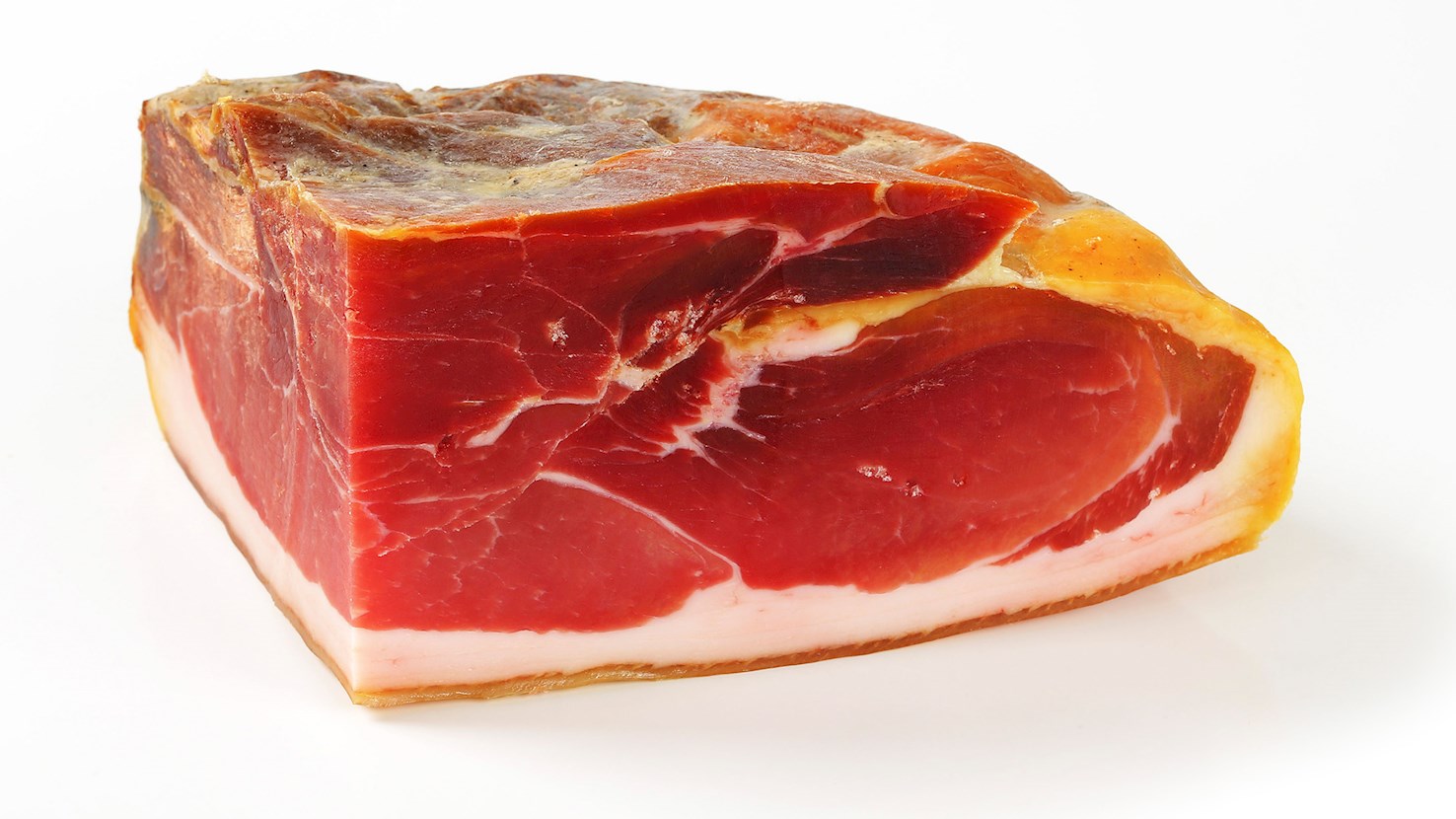
This North German ham is a specialty of the Schleswig-Holstein region. To produce this cured ham, pork meat is smoked for up to eight weeks over an open fire. With the introduction of closed fireplaces, the smoking process shifted to special smoking chambers or barns. The aroma of Katenschinken is strong and intense, however its consistency is very delicate and its flavor is mild. The ham has a mahogany-colored appearance, and it should not be black, sooty, or brown. The original, mildly flavored Holstein ham is suitable for making sandwiches, bread rolls, and other various appetizers. In addition, it is popular as an addition to boiled potatoes and many vegetable dishes, especially asparagus. The ham is often seasoned with freshly ground white pepper and fresh parsley to enhance its flavor. Holsteiner Katenschinken is typically paired with draft beer or a dry white wine, preferably from the same region.

02
Sandwich

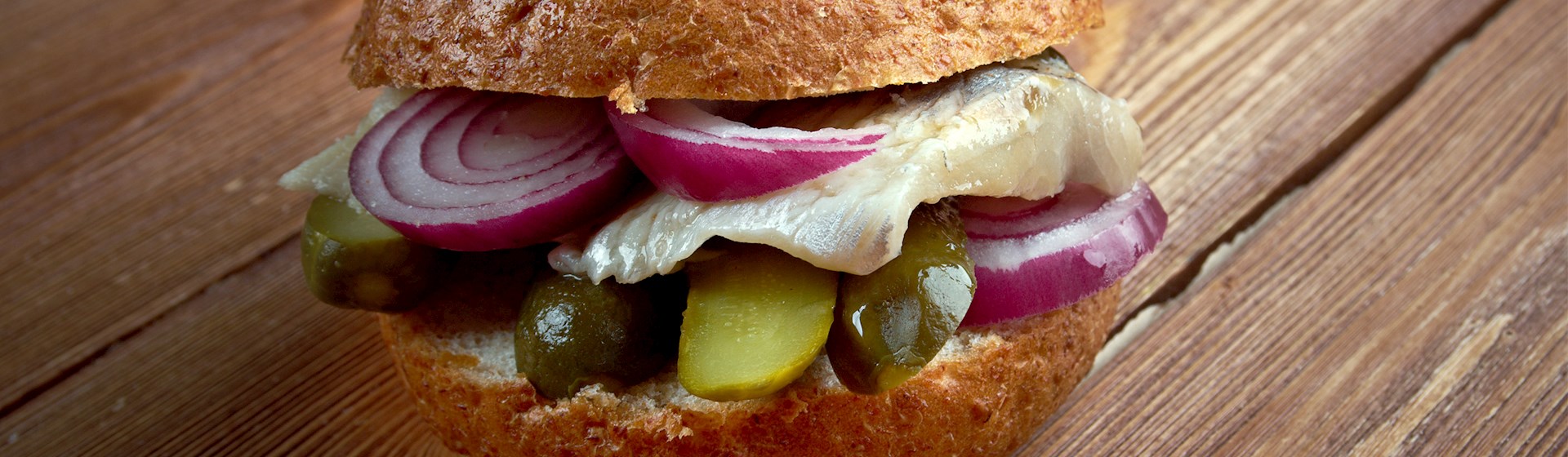
Fischbrötchen

3.8 ·

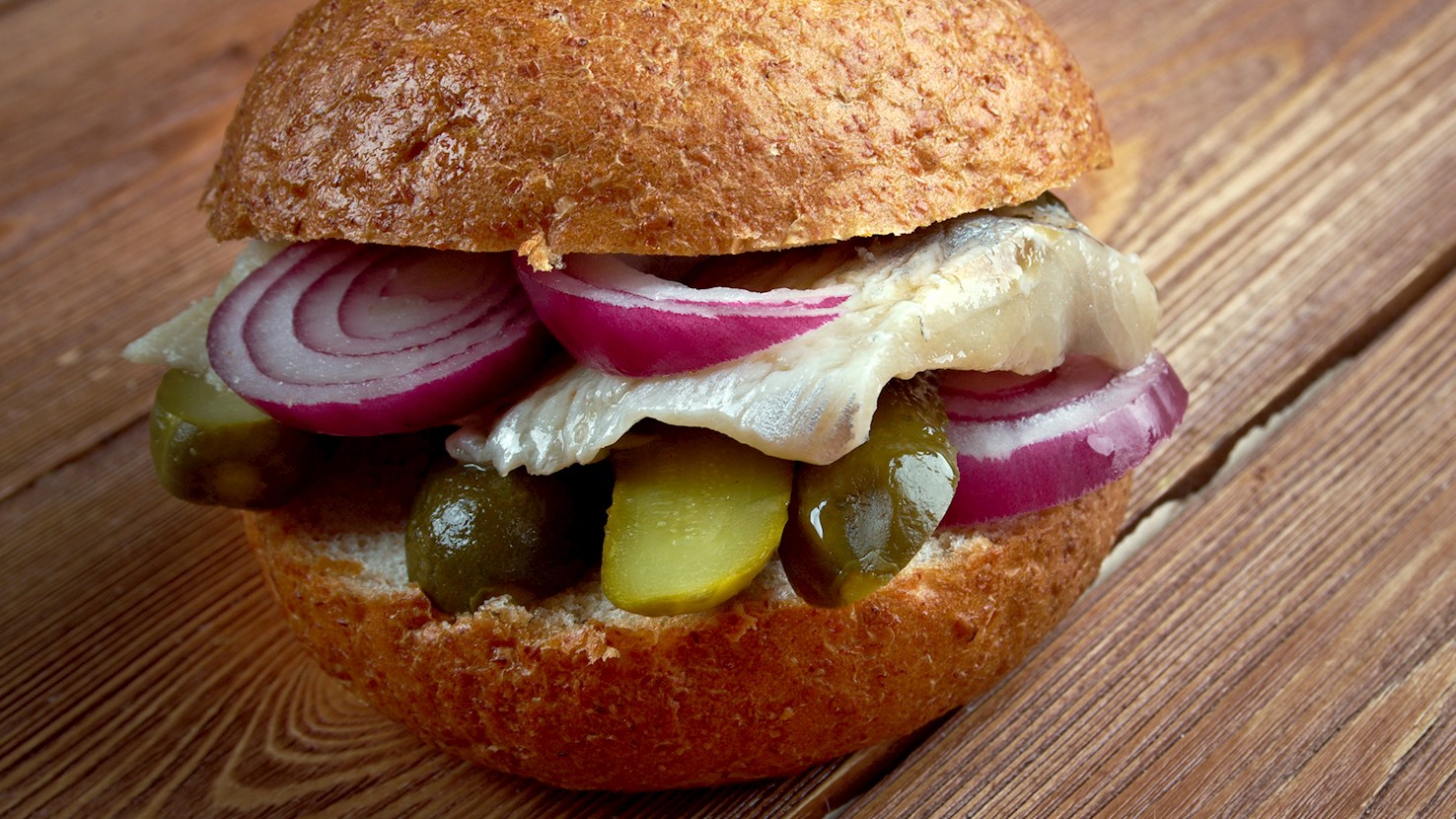
Fischbrötchen is a commonly consumed sandwich in Northern Germany, made with fish and a variety of other ingredients such as pickles, remoulade, onions, lettuce, or horseradish. The ingredients are typically placed in round or elongated bread buns, while the type of fish used in the sandwich is variable – herring, sprat, salmon, and mackerel are among the most common fish used in the preparation of this sandwich, which is commonly served at fast-food stands in the region.

03
Cheese

Holsteiner Tilsiter

3.5 ·

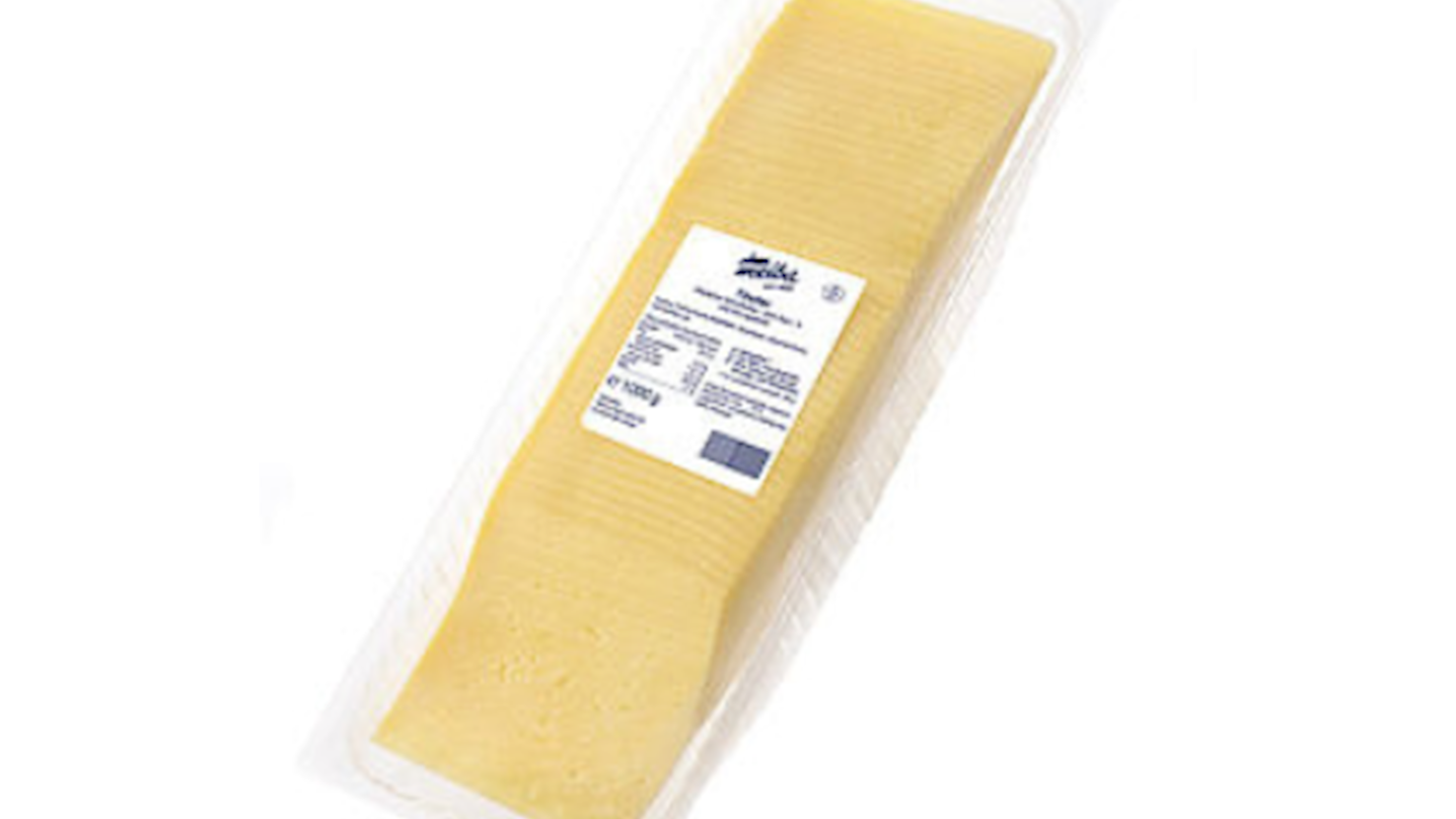
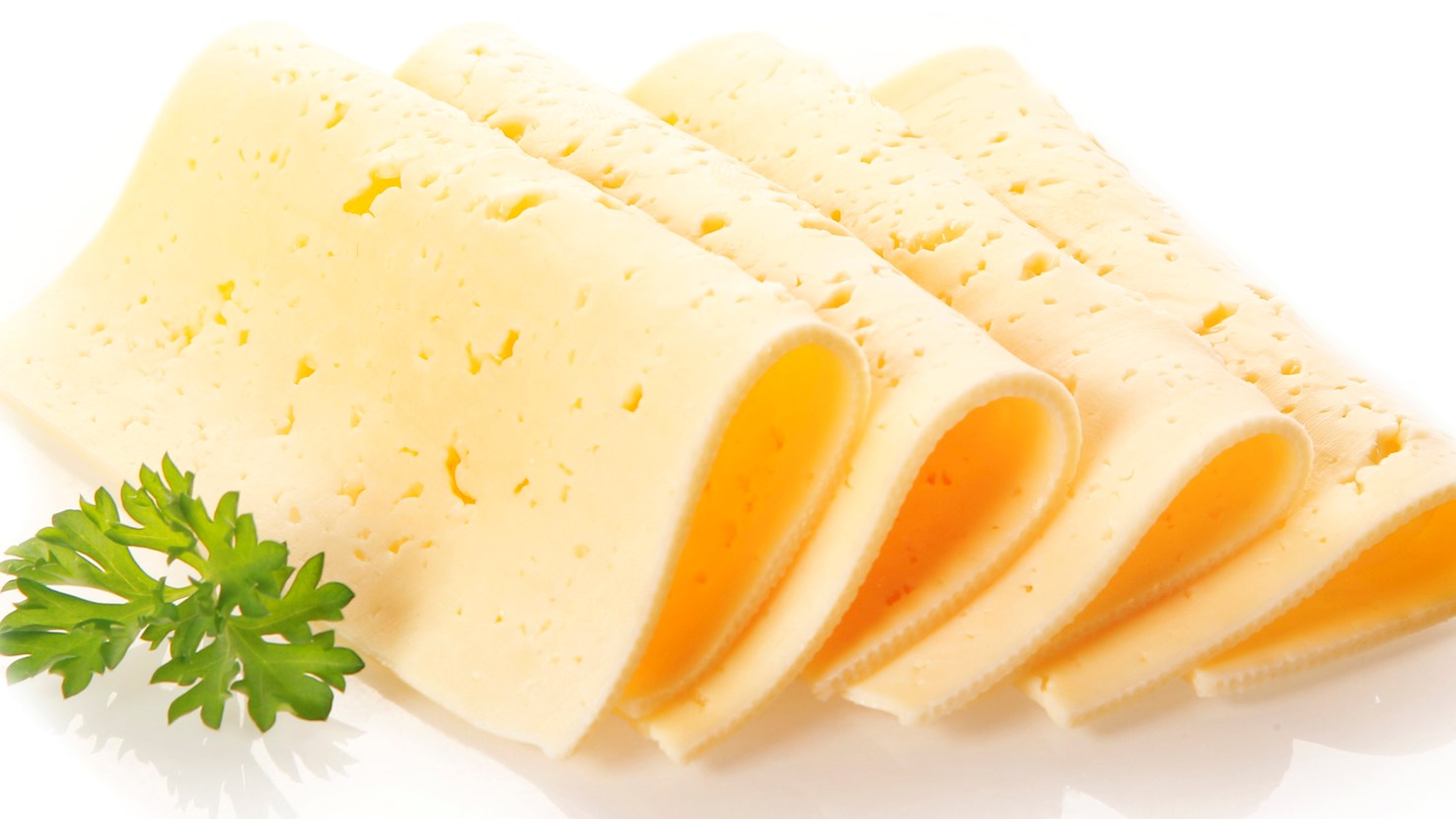
This semi-hard cheese is produced from either raw or pasteurized cow’s milk. It is shaped into a wheel or a loaf with a thin, yellow-brown rind, and it can only be spiced with caraway. The body of the cheese is light-yellow in color, while its texture is supple and springy and features eyes and cracks. Depending on the aging, the flavor of the cheese ranges from mild and aromatic to sharp and spicy. The production of Holsteiner Tilsiter started in the late 19th century in the Schleswig-Holstein region, and all steps in the production process must take place in the same geographical area. The combination of geographical location, climate, and soil has helped to create a unique, high-quality local specialty that is distinguished from other Tilsit cheese varieties. It is paired with cold cuts or used in salads, sandwiches, and casseroles, but it can also be enjoyed as a dessert cheese.

04
Crab Dish

Helgoländer knieper

n/a ·

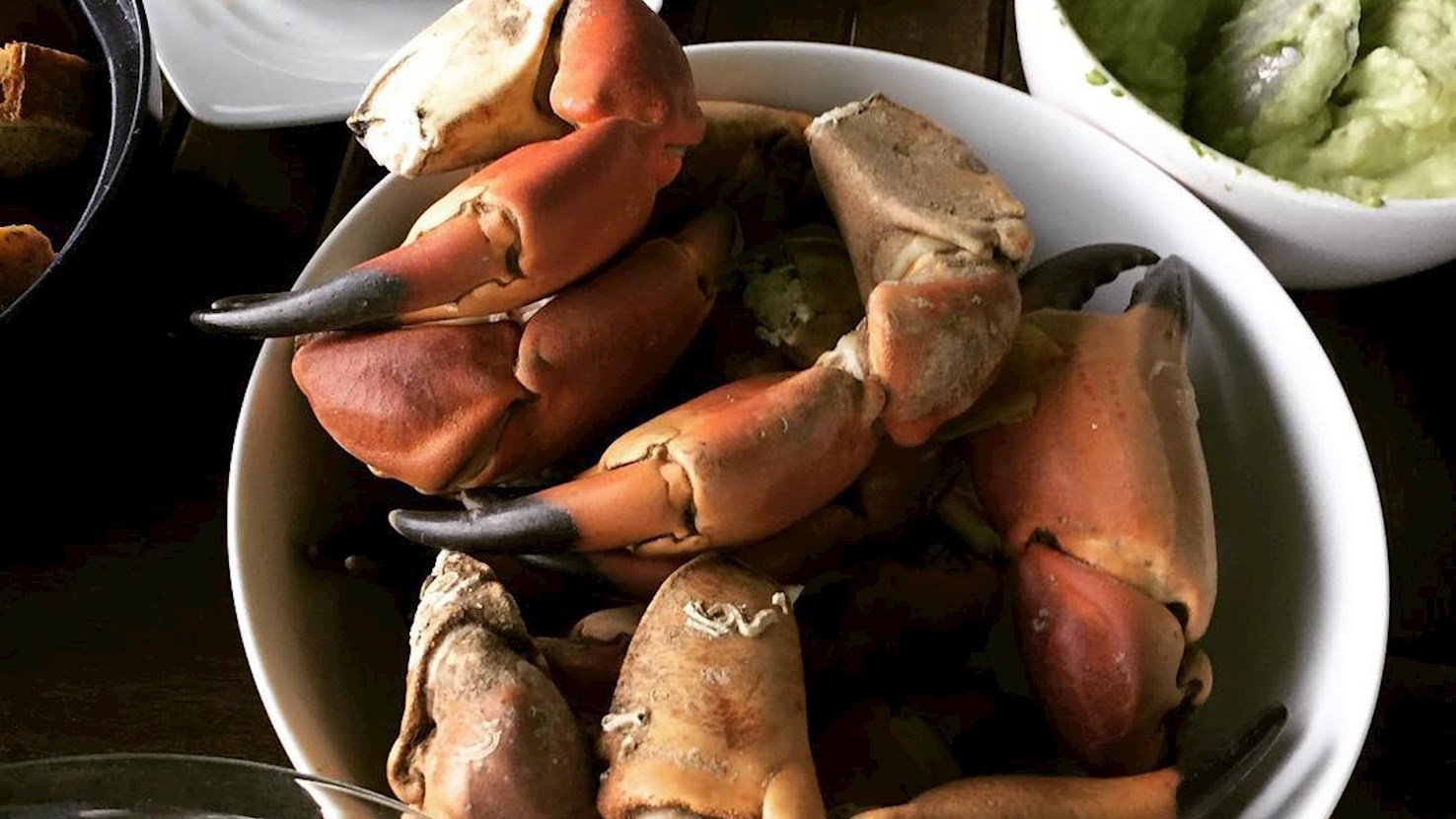
Helgoländer knieper are cooked claws of the brown crab, a specialty of Helgoland, a tiny German island in the North Sea located some 70 km off the coast of Germany. This barren and rocky patch of land has been most famous for lobster fishing, but lobster has all but disappeared since World War II. In contrast, the population of brown crabs (or edible crabs) has been steadily rising, so nowadays, this crustacean is one of the island's main exports. While still on the boat, fishermen remove the claws and use the body for bait. The claws are later cooked in seawater, a traditional method of preparing kniepers (which literally means claws). Once done, the claws are either smashed with a hammer or a crab leg cracker, and a special seafood fork is used to scrape the meat out of the shell. Helgoländer knieper are usually paired with some fresh bread, butter, and various dips, like curry, garlic sauce, or dill and cognac.

05
Dumplings

Kluten

n/a ·

Kluten is a German dumpling that is made with flour, milk, eggs, and butter. The batter is dropped into boiling water or soup using a spoon, and it is then cooked until done, yielding small and soft dumplings. These dumplings have a very mild flavor, so they pair well with both sweet and savory specialties. Kluten are often featured in dishes such as sweet buttermilk vanilla pudding (buttermilksuppe) and sour cherry soup (kirschsuppe).

06
Cooked Sausage

Kohlwurst

n/a ·

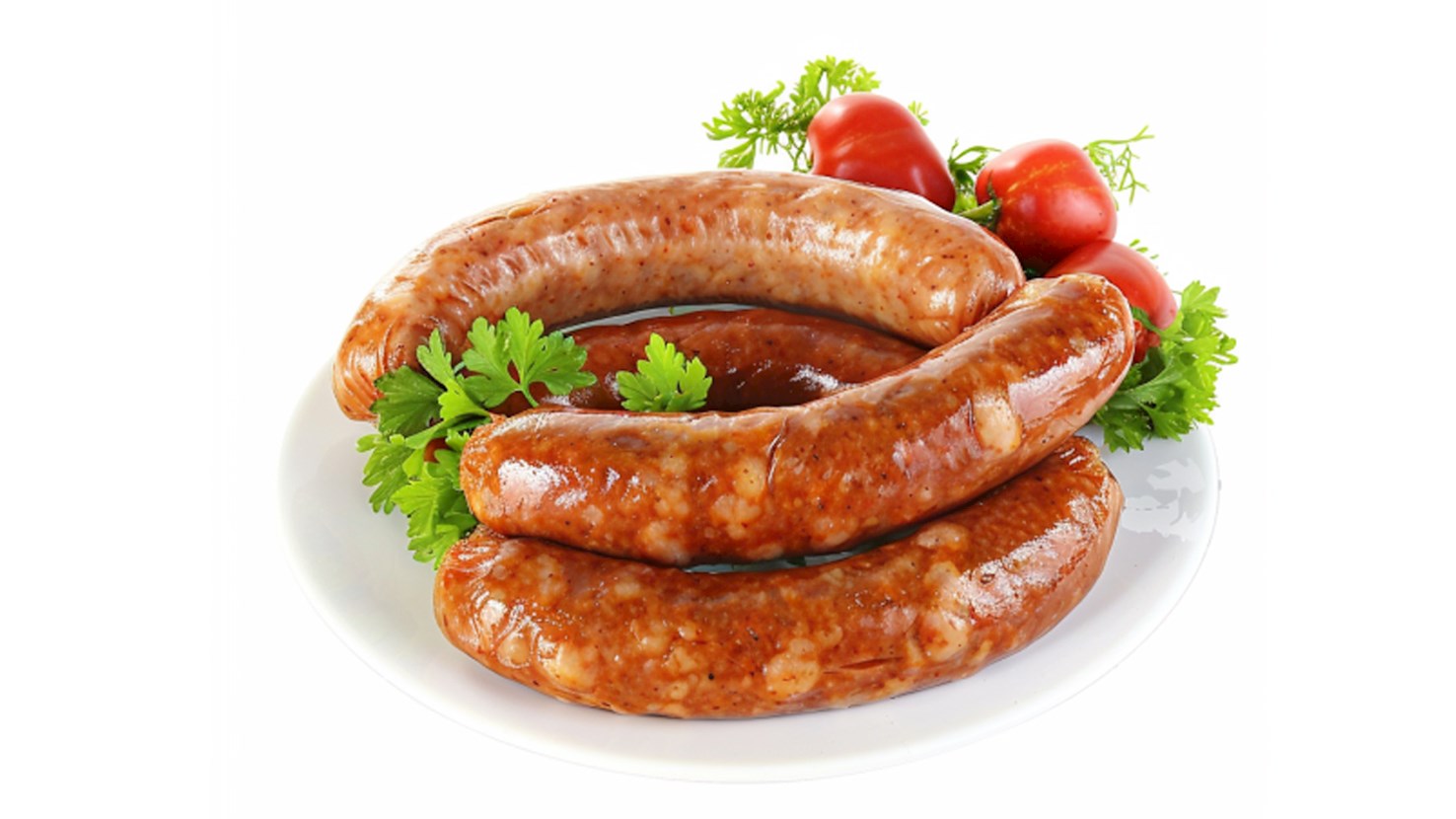
Kohlwurst is a traditional sausage that is particularly popular in northern Germany, especially in regions like Schleswig-Holstein and Lower Saxony. Its name translates to "cabbage sausage", as it is often served with kale (Grünkohl) or other cabbage-based dishes. Kohlwurst is typically made from pork, including fattier cuts, and is seasoned with salt, pepper, marjoram, and other spices. The sausage is usually smoked, giving it a rich and robust smoky flavor. It has a coarse texture due to the use of chunky pork cuts. The sausage is usually boiled or simmered before serving, often in stews or as a standalone dish with vegetables. The most common traditional use of Kohlwurst is in the dish "Grünkohl mit Pinkel," where the sausage is boiled alongside kale and potatoes, allowing it to absorb the flavors of the vegetables and broth. It is typically served with boiled potatoes or kale and sometimes alongside other sausages like Pinkel or Bregenwurst. Kohlwurst is mostly enjoyed during the colder months, especially when kale is in season, making it part of hearty, warming winter meals.

07
Cake

Lübecker Marzipantorte

3.3 ·

Lübecker marzipantorte is a traditional cake made with a rich combination of marzipan, sponge cake, and often fruit preserves or chocolate. Originating from the city of Lübeck, which is renowned for its high-quality marzipan, this cake is a luxurious dessert that showcases the region's confectionery expertise. The sponge cake layers are typically sandwiched with a generous spread of marzipan and sometimes a layer of jam or mousse to enhance the flavor. The entire cake is usually covered in a smooth layer of marzipan, often decorated with intricate designs or toasted almonds. Lübecker marzipantorte is a popular treat during festive occasions, particularly around Christmas and Easter. Its delicate almond flavor and decadent texture make it a favorite among marzipan lovers.

08
Stew

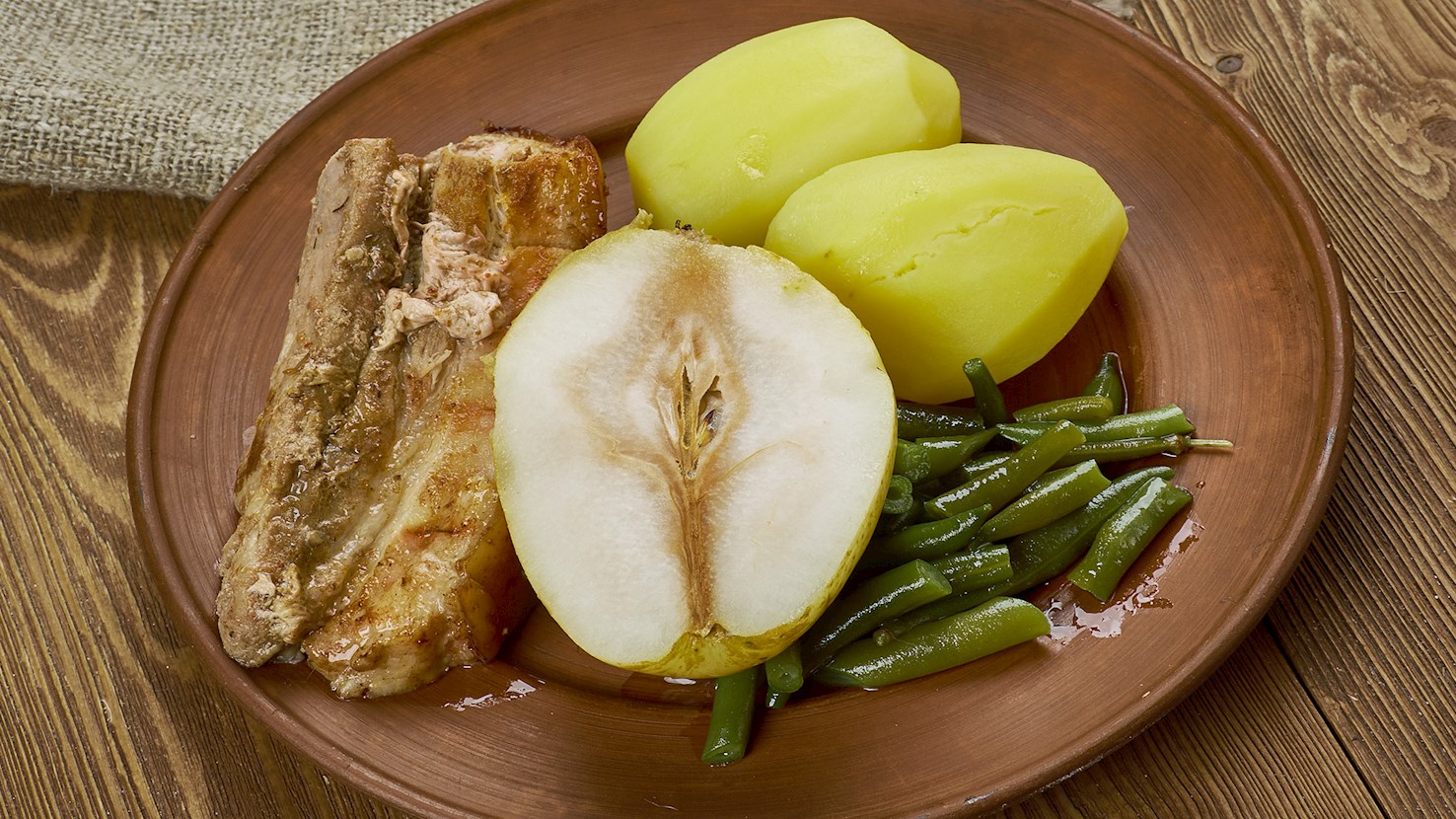
Birnen, Bohnen und Speck

n/a ·

This traditional North German specialty uses a combination of pears, green beans, and bacon (birnen, bohnen und speck in German), yielding a uniquely flavored dish. Peeled and cored cooking pears (kochbirnen) are simmered with French beans or string beans along with pieces of smoked streaky bacon until tender. They're cooked in an aromatic broth which is seasoned with summer savory, thyme, parsley, salt, and pepper. Sweet, savory, and smoky, the dish has been traditionally prepared from late summer through early fall, and it is typically enjoyed with a side of potatoes or German dumplings (klößen).

09
Offal Soup

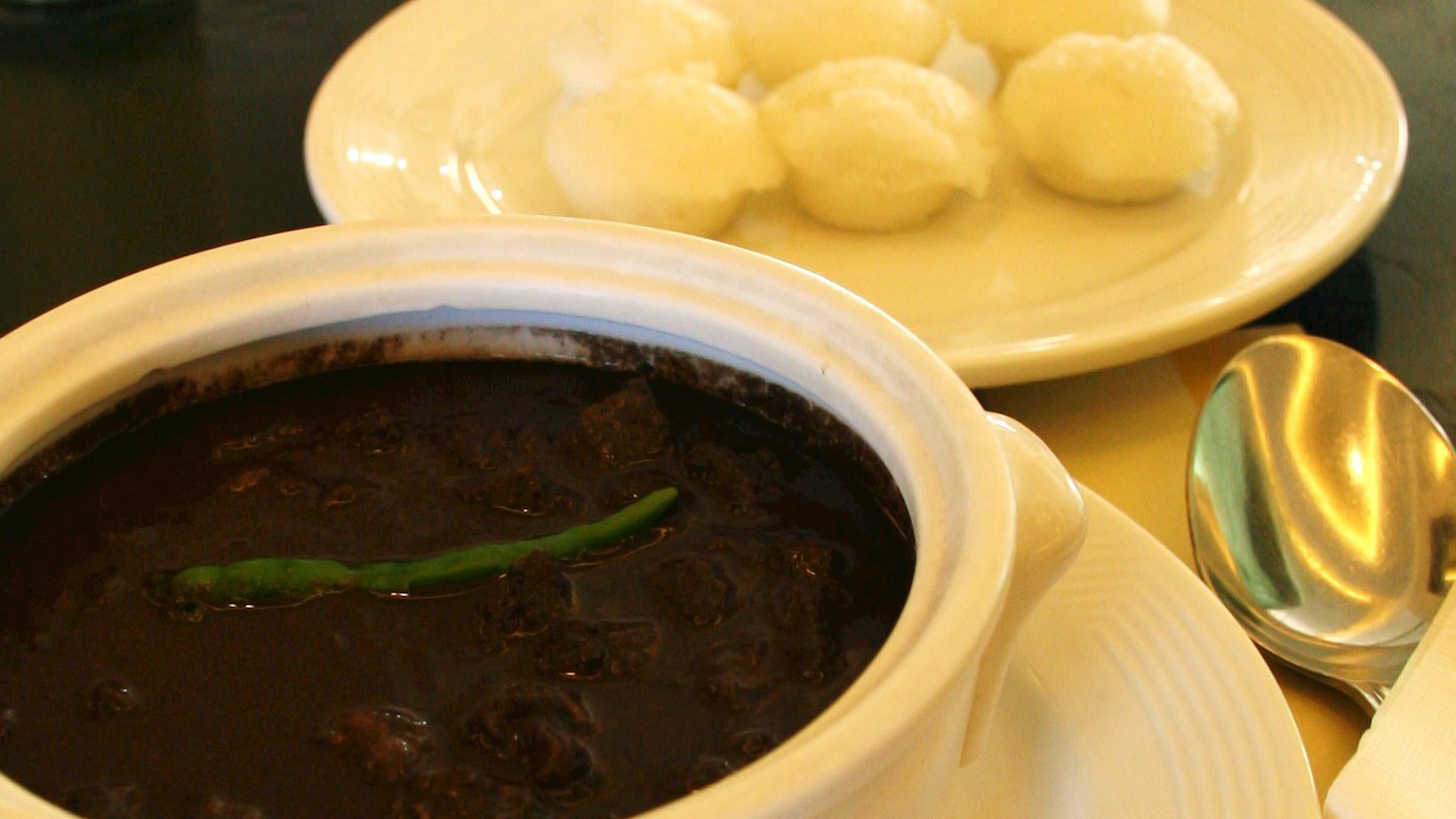
Schwarzsauer

n/a ·

This traditional German blood soup has its origins in the northern parts of the country and is typically associated with the Schleswig-Holstein region. It was mainly prepared during pig slaughter, when fresh blood was collected and cooked with pork, vinegar, onions, and spices such as bay leaves, peppercorns, and cloves. Though it is rarely found on restaurant menus, it is considered a delicacy that usually comes served alongside potatoes or dumplings.

10
Saltwater Fish Dish

Scholle Büsumer Art

n/a ·

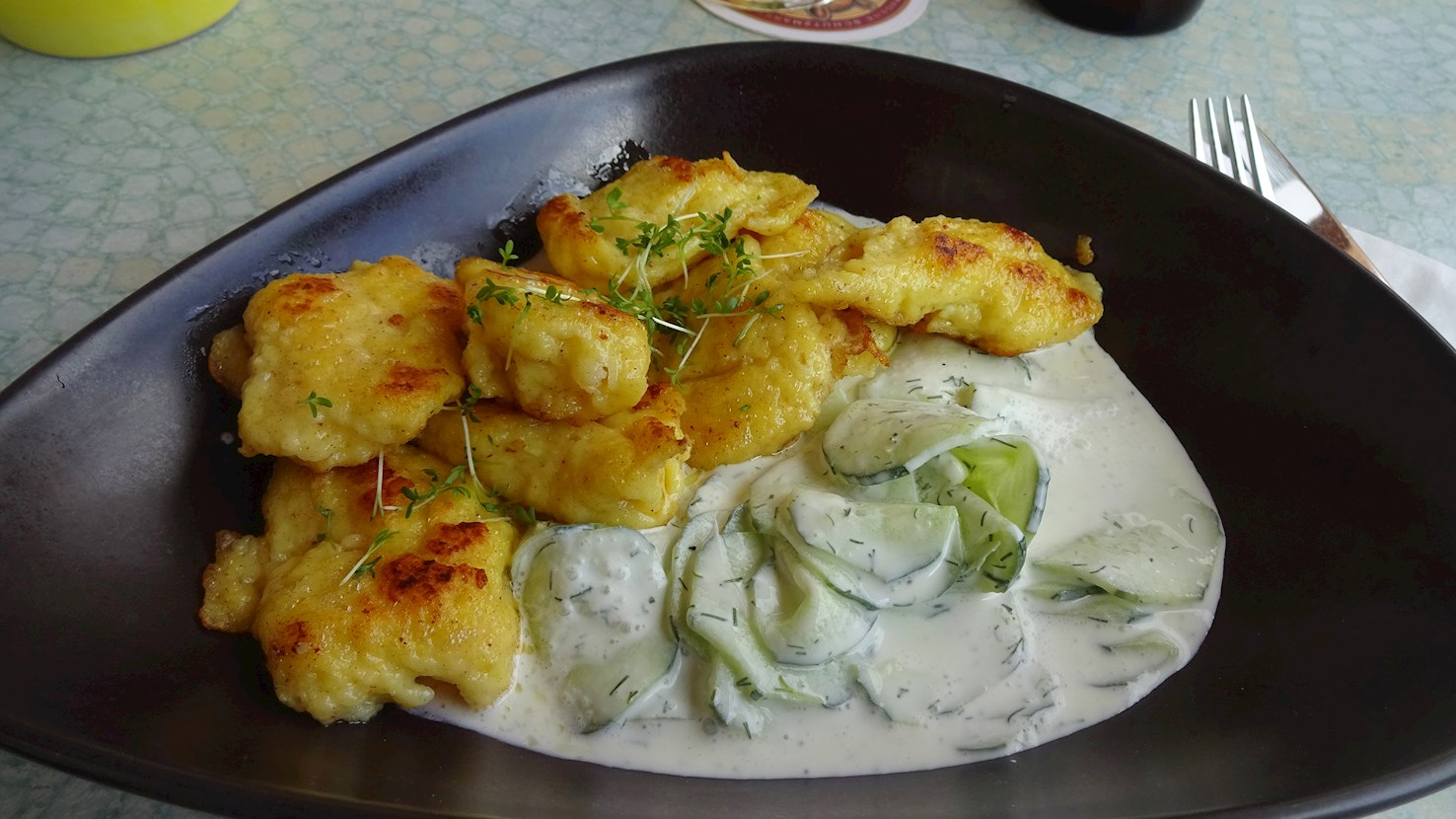
Scholle Büsumer Art is a plaice dish from Büsum prepared with plaice, North Sea shrimp, and butter and served as a main course. The dish developed in Büsum as part of local coastal cooking, shaped by flatfish fishing and shrimp harvesting, where fresh catches were simply combined to highlight their natural flavors and served directly in fishing households and seaside inns. To prepare, the plaice is cleaned and lightly seasoned, then pan-fried in butter or gently baked until just cooked through; the shrimp are warmed separately in butter without browning, and the shrimp and butter are spooned over the fish at the end, so the flesh remains soft and aromatic. Common variations include using fillets instead of whole fish, choosing pan-frying or oven baking as the cooking method, and adjusting the amount of butter or lemon. The dish is eaten hot and is served in homes and restaurants along the North Sea coast, most often accompanied by boiled potatoes, parsley potatoes, or cucumber salad, and it is commonly paired with dry white wine, pilsner beer, or mineral water.

Read more
View all
View map
About this ranking

TasteAtlas food rankings are based on the ratings of the TasteAtlas audience, with a series of mechanisms that recognize real users and that ignore bot, nationalist or local patriotic ratings, and give additional value to the ratings of users that the system recognizes as knowledgeable. For the “Top 13 Schleswig-Holsteiner Foods” list until June 24, 2026, 168 ratings were recorded, of which 138 were recognized by the system as legitimate. TasteAtlas Rankings should not be seen as the final global conclusion about food. Their purpose is to promote excellent local foods, instill pride in traditional dishes, and arouse curiosity about dishes you haven’t tried.

The initial list of top producers was compiled based on available reviews, awards, local recommendations, media and blog coverage, and consumer reviews. The list will be updated with ratings from TasteAtlas local ambassadors and TasteAtlas users.

Similar lists