Top 9 Setúbal Foods

Last updated on June 02, 2026

Best Setúbal food products
01
Cheese

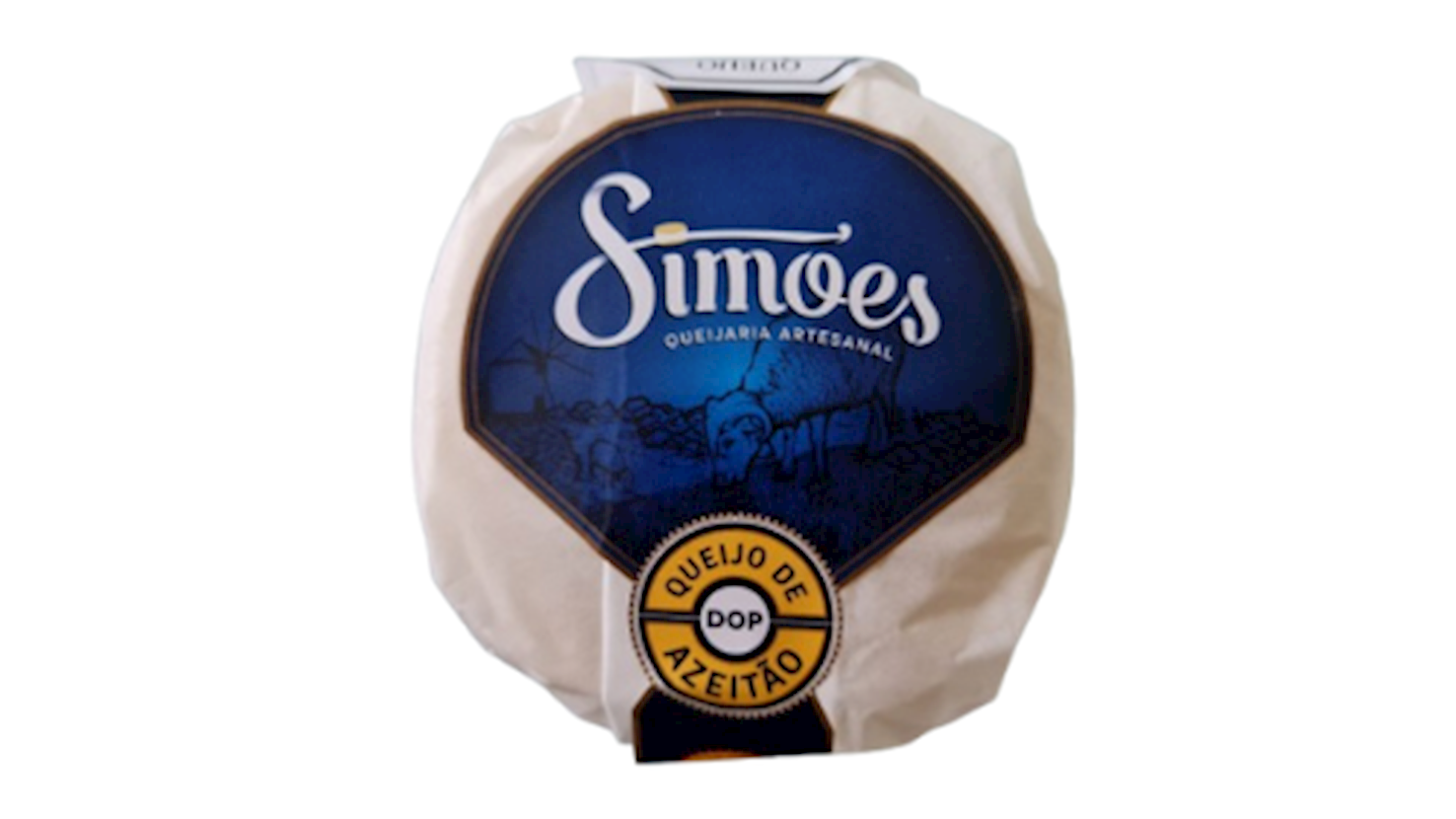
Fernando & Simões - Queijaria Artesanal

5 ·
Fernando & Simões - Queijaria Artesanal is a family-run cheesemaker from Quinta do Anjo in the Setúbal region, recognized for its traditional, handcrafted production of Queijo de Azeitão DOP. The cheese is made from raw or partially pasteurized sheep’s milk, using natural vegetable rennet that contributes to its characteristic creaminess and aromatic depth. It is shaped in small molds and aged for at least ten days in humidity-controlled rooms, where it develops a soft rind and a rich, evolving aroma. During maturation, it acquires pronounced notes of sheep’s milk, herbal nuances and a gentle spiciness that becomes more evident toward the rind. The texture is soft and almost spoonable near the surface, while the center remains firmer and more compact. Its flavor balances saltiness, milky richness and earthy tones, with a subtle herbal finish typical of this regional style. The producer is known for strict adherence to traditional methods, resulting in consistent quality and an authentic sensory profile. Fernando & Simões regularly receives awards at international competitions, reinforcing the reputation of its Azeitão as one of Portugal’s most distinctive cheeses and an essential choice in gourmet selections focused on local identity and artisanal craftsmanship.
02
Cheese

Vitor Fernandes - Queijaria Artesanal

4.9 ·
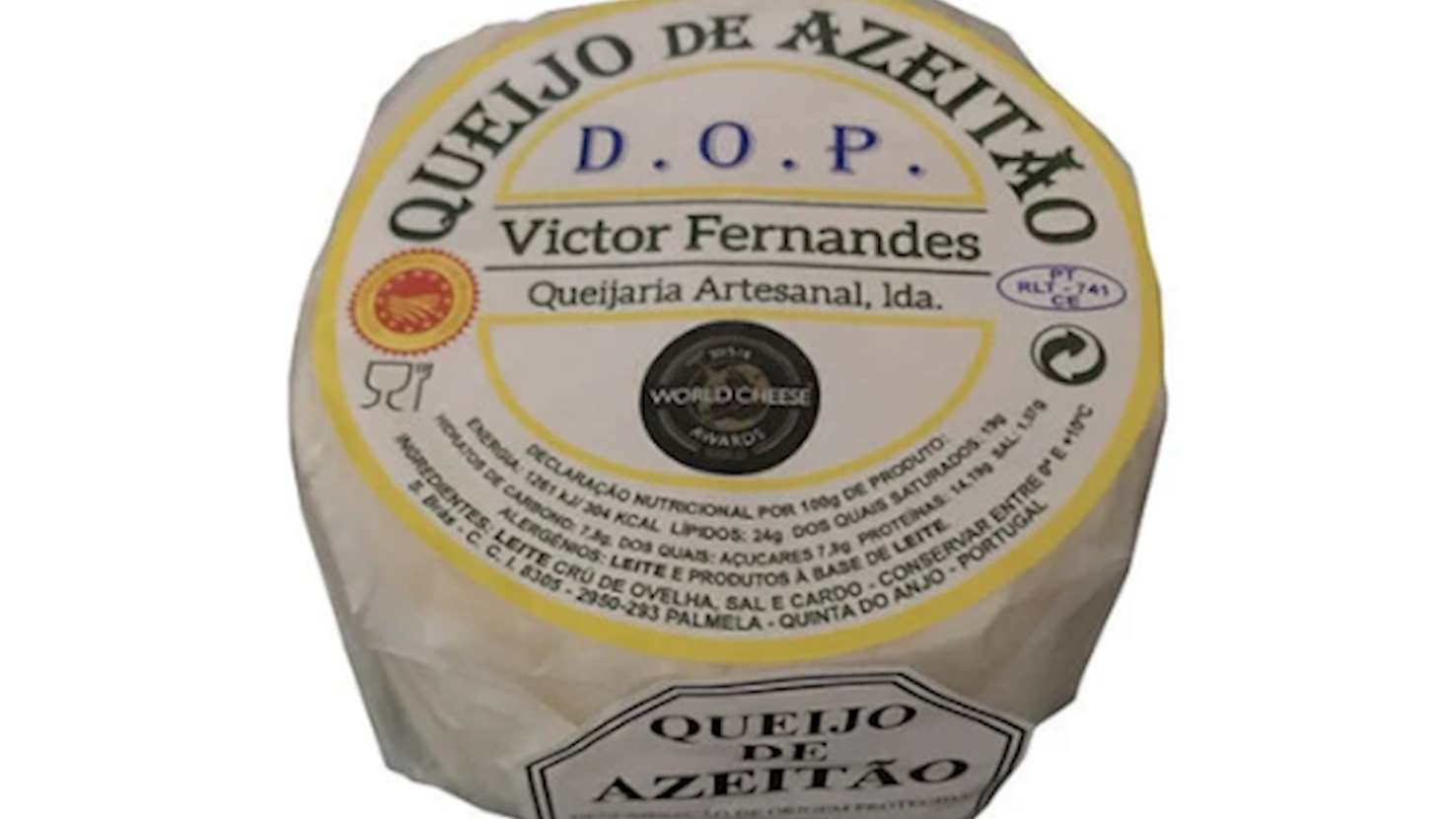
Queijaria Artesanal Víctor Fernandes is a small family-run cheesemaker from Palmela in the Setúbal region, specializing in traditional Queijo de Azeitão DOP since 1988. Production is based on fresh sheep’s milk sourced from pastures at the foothills of the Serra da Arrábida, where the local flora strongly influences the intensity and aromatic character of the milk. The cheese is crafted entirely by hand, using natural vegetable rennet and a carefully controlled process of coagulation, molding and maturation. During aging it develops a soft, delicate rind and an exceptionally creamy layer beneath it, while the center remains firm yet supple. The aromatic profile combines milky and herbal notes, gentle spiciness and subtle earthy nuances that become more pronounced with longer ripening. Víctor Fernandes follows the traditional techniques passed down from the renowned “Migalheiro” of Quinta Velha, which explains the finesse and consistent quality of his cheeses. The dairy has earned multiple awards at international competitions, and its products are regarded as an authentic expression of the Azeitão terroir.
Awards
Great Taste Awards - 3 Stars (2014)
03
Olive Oil

Quinta De São Braz

4.9 ·
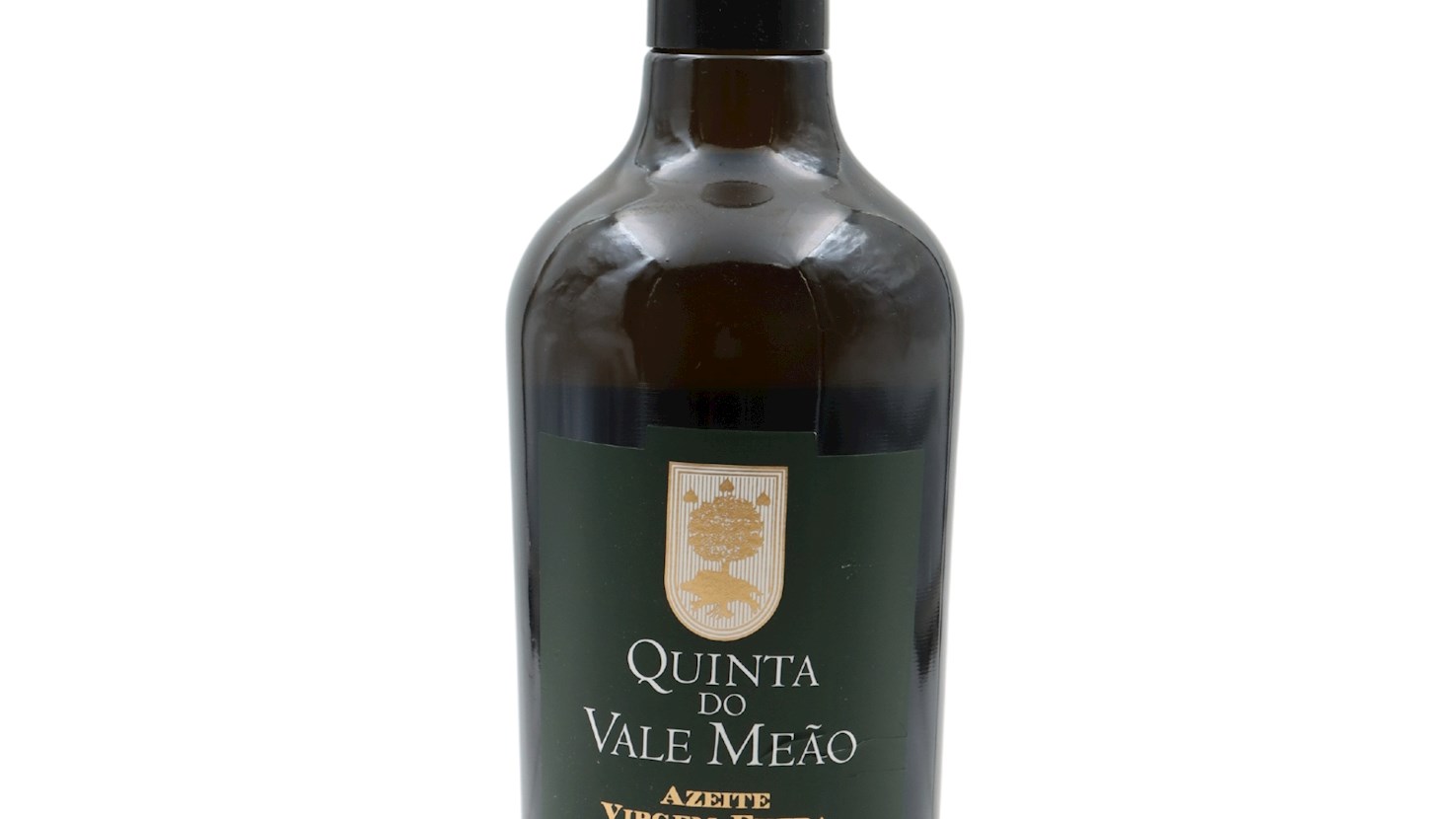
Quinta de São Braz is an olive oil producer located in Setúbal, Portugal. They are known for producing high-quality extra virgin olive oil. Their olive groves are cultivated using traditional methods, which ensures the preservation of both the environment and local biodiversity. The olive oils from Quinta de São Braz have distinct organoleptic characteristics, often featuring fruity and aromatic profiles.
Awards
Terraolivo IOOC - Prestige Gold (2016)
04
Wine

Bacalhôa

4.9 ·
Bacalhôa is one of the most important and innovative wine producers in Portugal, with roots dating back to 1922 and vineyards and cellars spread across several key regions, including Alentejo, Setúbal, Dão and Douro. The group manages around 1,200 hectares of vineyards and works with a wide range of native and international grape varieties, which enables a diverse and comprehensive portfolio. At the core of its identity is the historic Quinta da Bacalhôa estate in Azeitão, renowned for its Renaissance palace, gardens and cultural heritage that reflects the company’s philosophy of “Art, Wine & Passion”. Bacalhôa played a central role in modernizing Portugal’s wine industry in the late 20th century, shifting from bulk production toward premium, technologically refined winemaking. Its wines are characterized by balance, clarity of expression and strong regional identity, while visits to its estates offer a distinctive enotourism experience that blends wine, architecture and art.
Awards
Decanter World Wine Awards - Best in Show (2024, 2016)
Decanter World Wine Awards - Platinum (2024, 2021, 2016)
05
Wine

Casa Ermelinda Freitas

4.8 ·
Casa Ermelinda Freitas has been producing wine since 1920. The 550 hectares of vineyards are located in Fernando Pó, a prime area in the region of Palmela, 60% of which is dedicated to the Castelão variety, 20% to red varieties such as Touriga Nacional, Trincadeira, Syrah, Aragonês, Alicante Bouschet, Touriga Franca, Merlot, Petit Verdot, Pinot Noir, Trincadeira, Petite Sirah, Carmenére, Moscatel Roxo, and 20% to white grapes, such as Fernão Pires, Chardonnay, Arinto, Verdelho, Sauvignon Blanc, Moscatel de Setúbal, Viosinho, Encruzado, Alvarinho, Pinot Grigio, Viognier, Vermentino and Gewürztraminer, making a total of 29 different varieties currently being cultivated at Casa Ermelinda Freitas.
Awards
Decanter World Wine Awards - Platinum (2023)
Vivino - 4.4
07
Olive Oil

Jccoimbra

4.4 ·
JCCOIMBRA is an olive oil producer based in Setúbal, Portugal. The company specializes in producing high-quality olive oil and prioritizes sustainable farming practices. They offer a range of products that cater to different consumer preferences, including extra virgin olive oil and flavored varieties. The production process involves careful selection and cold-pressing of olives to preserve their natural flavors and nutritional properties.
Awards
Olive Japan - Gold (2018)
08
Wine

Adega de Pegões

4.4 ·
Adega de Pegões is a Portuguese wine cooperative founded in 1958 in Pegões Velhos, south of Lisbon. It brings together local growers cultivating vineyards planted on sandy soils shaped by the Tagus and Sado rivers, conditions that contribute to aromatic intensity and balanced structure in the wines. The warm, dry summers and mild winters of the region support the ripening of varieties such as Touriga Nacional, Syrah, Trincadeira, Alicante Bouschet, and Fernão Pires. The portfolio ranges from fresh, fruit-driven whites and approachable reds to more structured selections under labels like Selected Harvest and Grand Reserve, as well as sparkling wines marketed as Santo Isidro de Pegões. Winemaking combines temperature-controlled fermentation with oak aging for premium cuvées, supported by modern quality control systems. The cooperative has established a strong presence in export markets and has received numerous awards in national and international competitions. Its cooperative structure ensures production stability while maintaining a focus on regional identity, technological development, and consistent quality.
Awards
IWSC- International wine & spirit competition - Gold (2022)
Berlin Wine Trophy - Grand Gold (2018)
09
Wine

José Maria da Fonseca

4.2 ·
José Maria da Fonseca is one of Portugal’s most important wine producers, founded in 1834 in Azeitão, in the Setúbal region, where its headquarters remain today. As a family-owned winery managed by the same family for seven generations, it has built a strong identity based on continuity, tradition, and a long-term approach to winemaking. The company operates vineyards across several Portuguese regions, including Setúbal, Alentejo, and Douro, allowing for a diverse portfolio and the use of numerous indigenous grape varieties. It is particularly known for the Periquita brand, one of the oldest bottled wine brands in Portugal, as well as for its Moscatel de Setúbal wines, which are a key part of its heritage. The style of its wines reflects a balance between accessibility and regional character, combining traditional methods with modern production techniques. In recent years, the winery has also emphasized sustainability and responsible resource management. Thanks to its long history, broad portfolio, and strong export presence, José Maria da Fonseca holds a prominent position among leading Portuguese wine producers.
Awards
Vivino - 4.0
Vivino - 3.7

Best Setúbal foods

01
Cheese

Queijo de Azeitão

4.6 ·

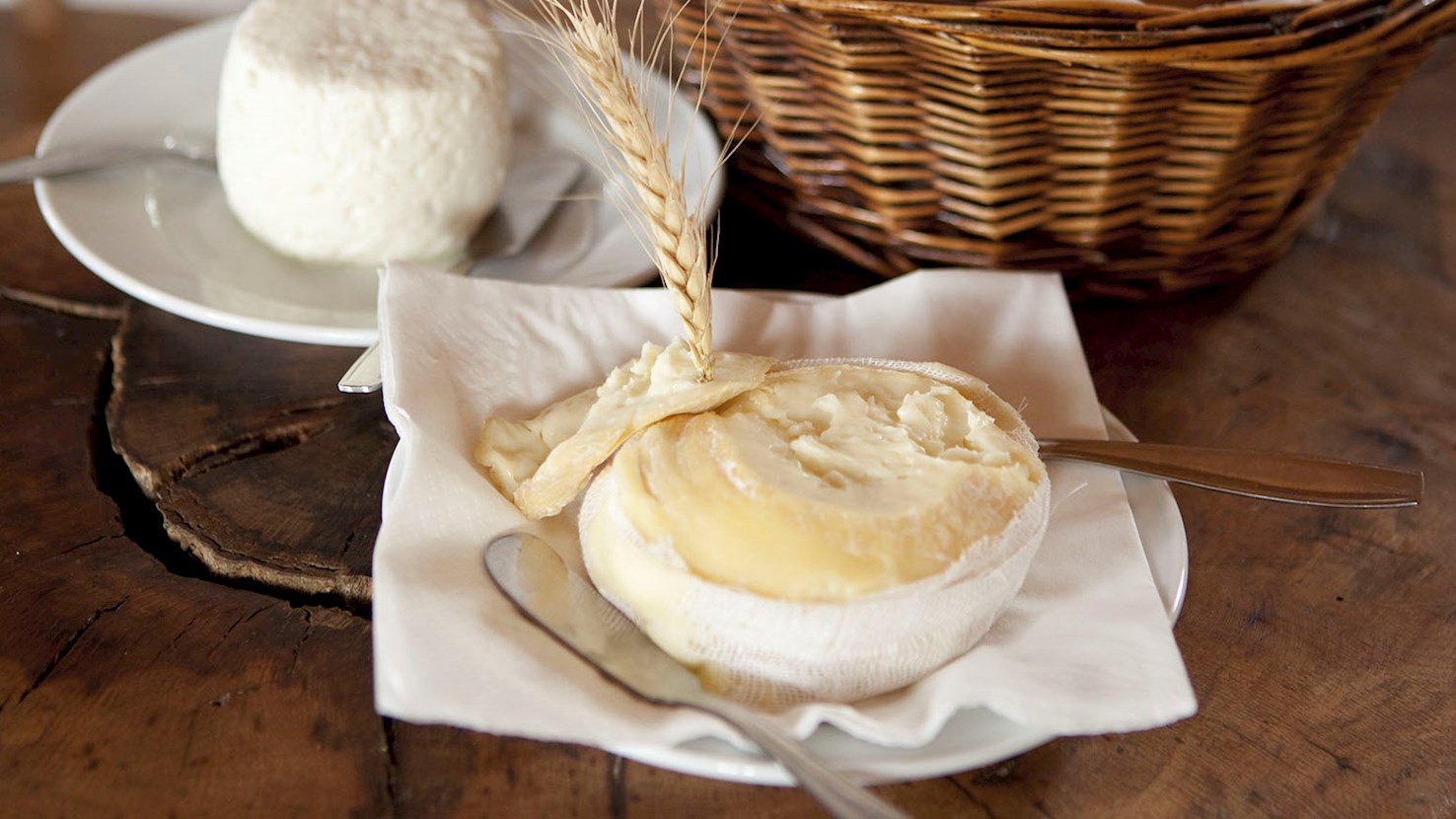
Azeitão is a semi-soft cheese made from unpasteurized sheep milk. The origins of this cheese date back to the 19th century, when Gaspar Henriques de Paiva emigrated to the town of Azeitão. Out of nostalgia for his place of birth, he imported black dairy sheep from his home town to Azeitão and brought cheesemakers from Beira Baixa to make cheeses. De Paiva's Azeitão cheeses quickly became famous throughout Portugal, winning several awards at agricultural fairs. The milk for this cheese is taken from sheep that graze on natural vegetation in the pastures of Azeitão. The sheep are milked manually, and the milk is mixed with the extract of a local variety of thistle to start the curdling process instead of animal rennet, meaning the cheese is 100% vegetarian. Salt is added to the curd, which is then manually worked and wrapped into muslin cloth bundles, called cinchos. The finished cheese is round and flat with a yellowish crust concealing a light-colored interior with a semi-solid consistency. The flavor is both sour and salty with herby undertones. This runny cheese is best served scooped onto a slice of fresh bread, and also makes a delicious dessert when paired with fruit and a semi-dry white wine.

02
Cuttlefish Dish

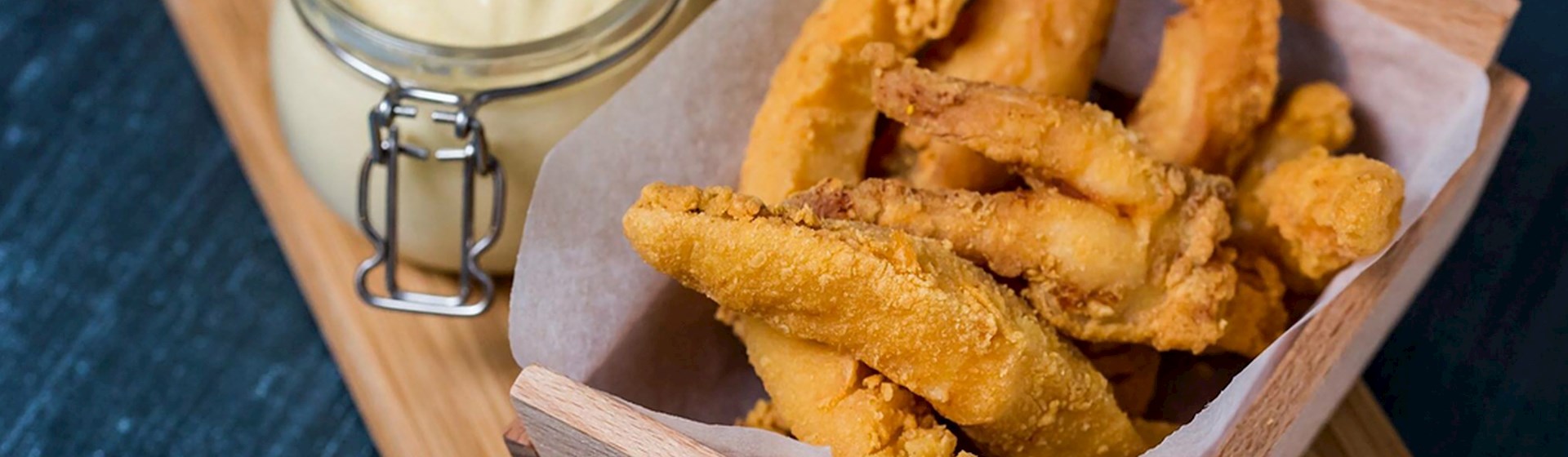
Choco frito

4.2 ·

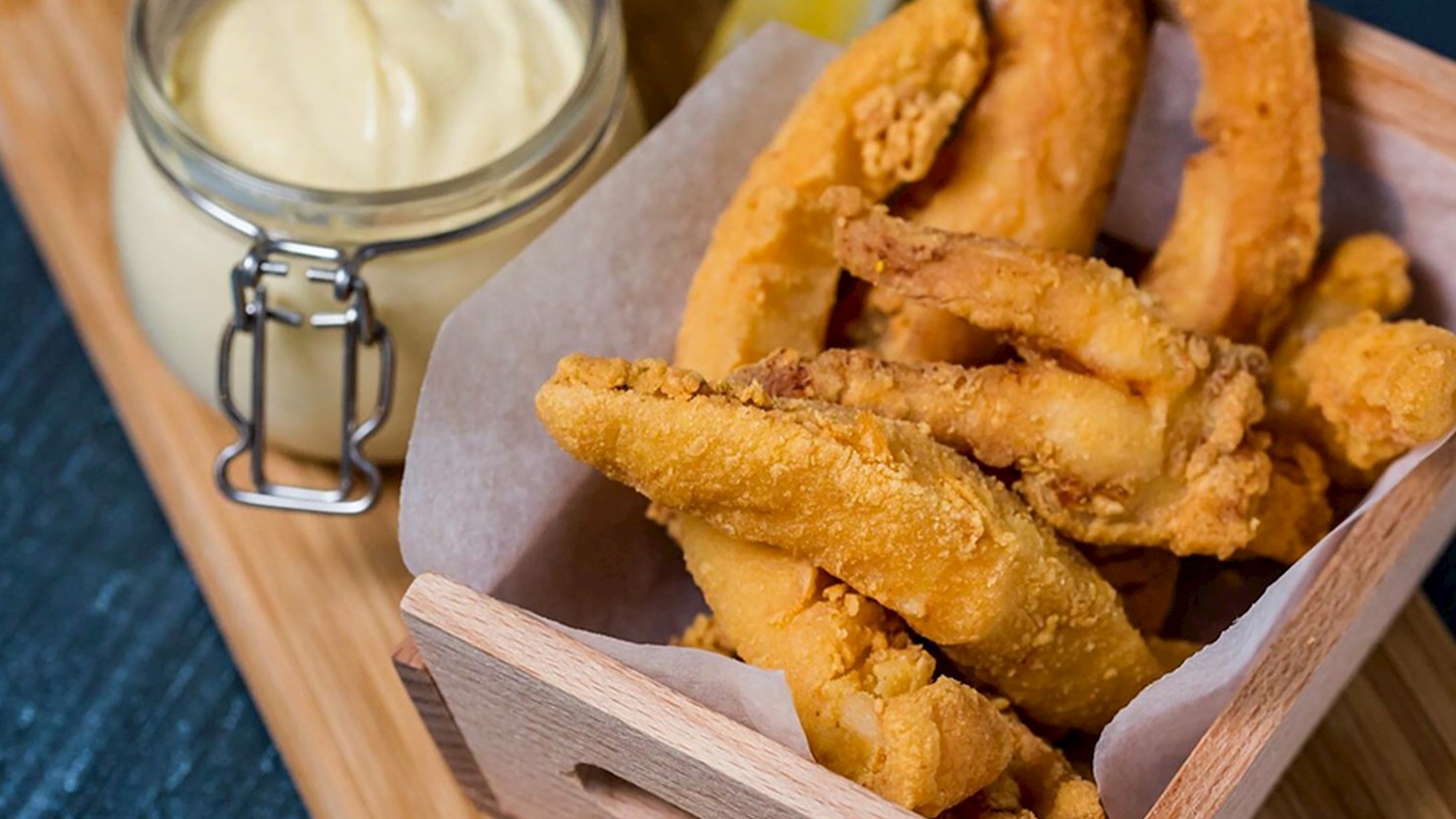
Choco frito is a traditional dish originating from Setúbal, where it's the most famous local specialty. Although one might think that the dish contains chocolate, it actually consists of fried cuttlefish that's typically served with potato chips or fries, salad, and lemon wedges for squeezing the juice onto the choco frito. The cuttlefish is most commonly boiled with garlic and bay leaves, marinated in lemon juice and wine, then coated in seasoned cornflour before it's fried to crispy perfection. Once prepared, choco frito should be chunky, succulent, and crunchy on the outside. You can often find it as a part of petiscos, the Portuguese-style bar snacks similar to tapas.

03
Soup

Sopa caramela

n/a ·

Sopa caramela is a stew made with catarino beans, either butter or wine-colored depending on preference, sausages, lean pork (rarely), and fatty cuts like ear, chispe (knuckle), head, or pork belly. These ingredients are seasoned with onion and garlic and accompanied by carrots, turnips, potatoes, cabbage, and kale—traditionally sourced from the garden. The soup is finished with a drizzle of olive oil and a bit of elbow pasta to add body and consistency. It is a traditional Portuguese soup from the Pinhal Novo area that originated in the 16th century and was brought by rural workers from Beira Litoral and Baixo Mondego, who settled there in the 19th century.

04
Dessert

Torta de Azeitão

2.9 ·

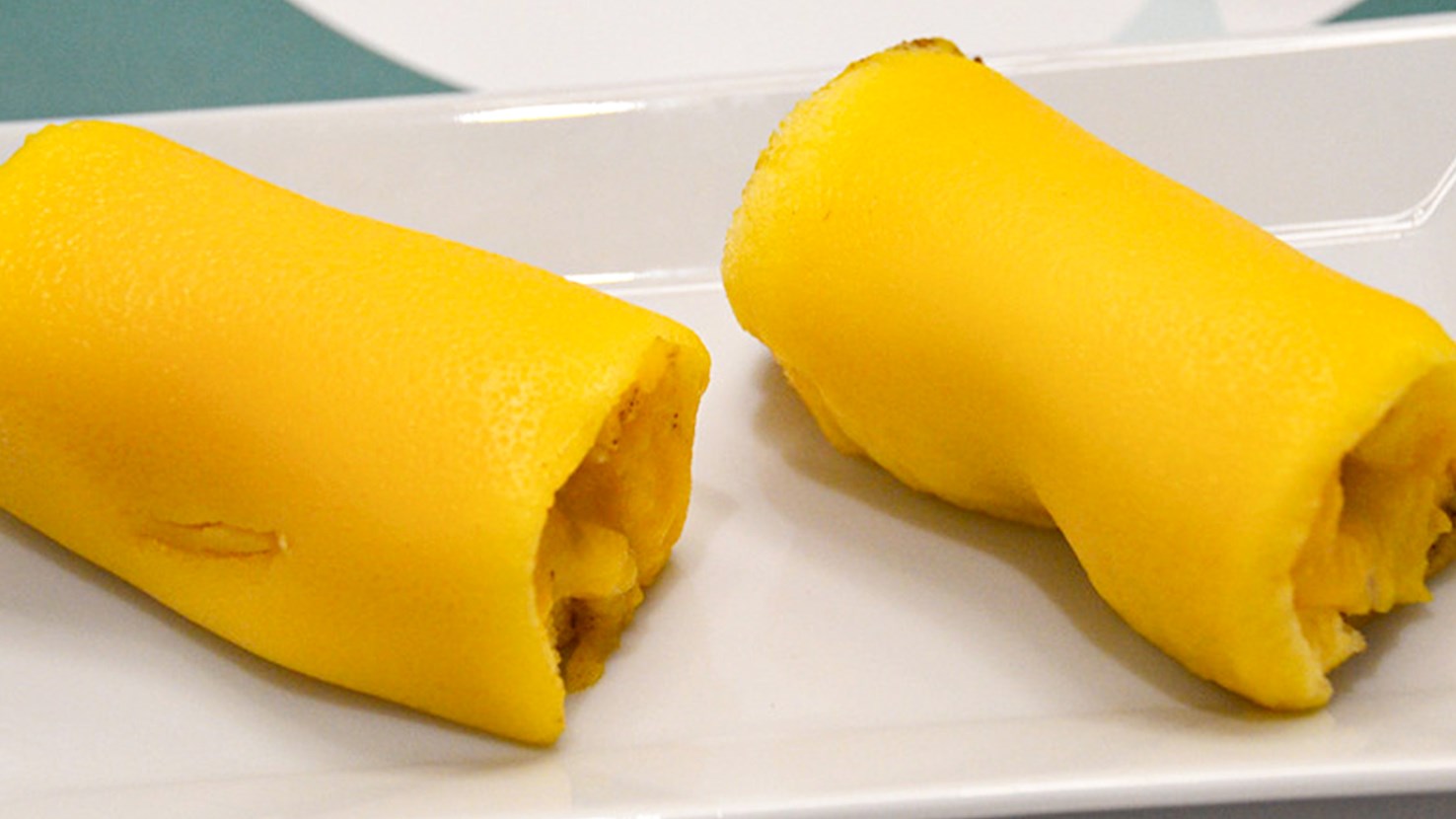
Torta de Azeitão is a traditional roll cake from Azeitão, near Lisbon. It is made from a dough of eggs, sugar, and corn flour, and filled with a rich egg yolk jam (doce de ovos). The small, yellow rolls are known for their smooth, glazed appearance and delicate sweetness. Originating in the early 1900s at the "O Cego" bakery, the recipe has been passed down through generations and remains a local specialty. Despite many variations, the original recipe is a closely guarded family secret.

05
Dessert

Farinha torrada

n/a ·

Farinha torrada, which translates as toasted flour, is a traditional dessert that originated as a long-lasting, nutritious treat that was mainly taken by fishermen to the sea. In its basic form, this dessert combines flour, sugar, and eggs into a soft dough that is nowadays often enriched with lemon zest, chocolate, and cinnamon. After it is baked, the cake is traditionally served sliced into squares. Farinha Torrada remains a local delicacy of the city of Sesimbra that was even registered by the city council. Although farinha torrada is commonly prepared at home, it is also a staple at local pastry shops.

Read more
View all
View map
About this ranking

TasteAtlas food rankings are based on the ratings of the TasteAtlas audience, with a series of mechanisms that recognize real users and that ignore bot, nationalist or local patriotic ratings, and give additional value to the ratings of users that the system recognizes as knowledgeable. For the “Top 9 Setúbal Foods” list until June 02, 2026, 155 ratings were recorded, of which 109 were recognized by the system as legitimate. TasteAtlas Rankings should not be seen as the final global conclusion about food. Their purpose is to promote excellent local foods, instill pride in traditional dishes, and arouse curiosity about dishes you haven’t tried.

The initial list of top producers was compiled based on available reviews, awards, local recommendations, media and blog coverage, and consumer reviews. The list will be updated with ratings from TasteAtlas local ambassadors and TasteAtlas users.

Similar lists