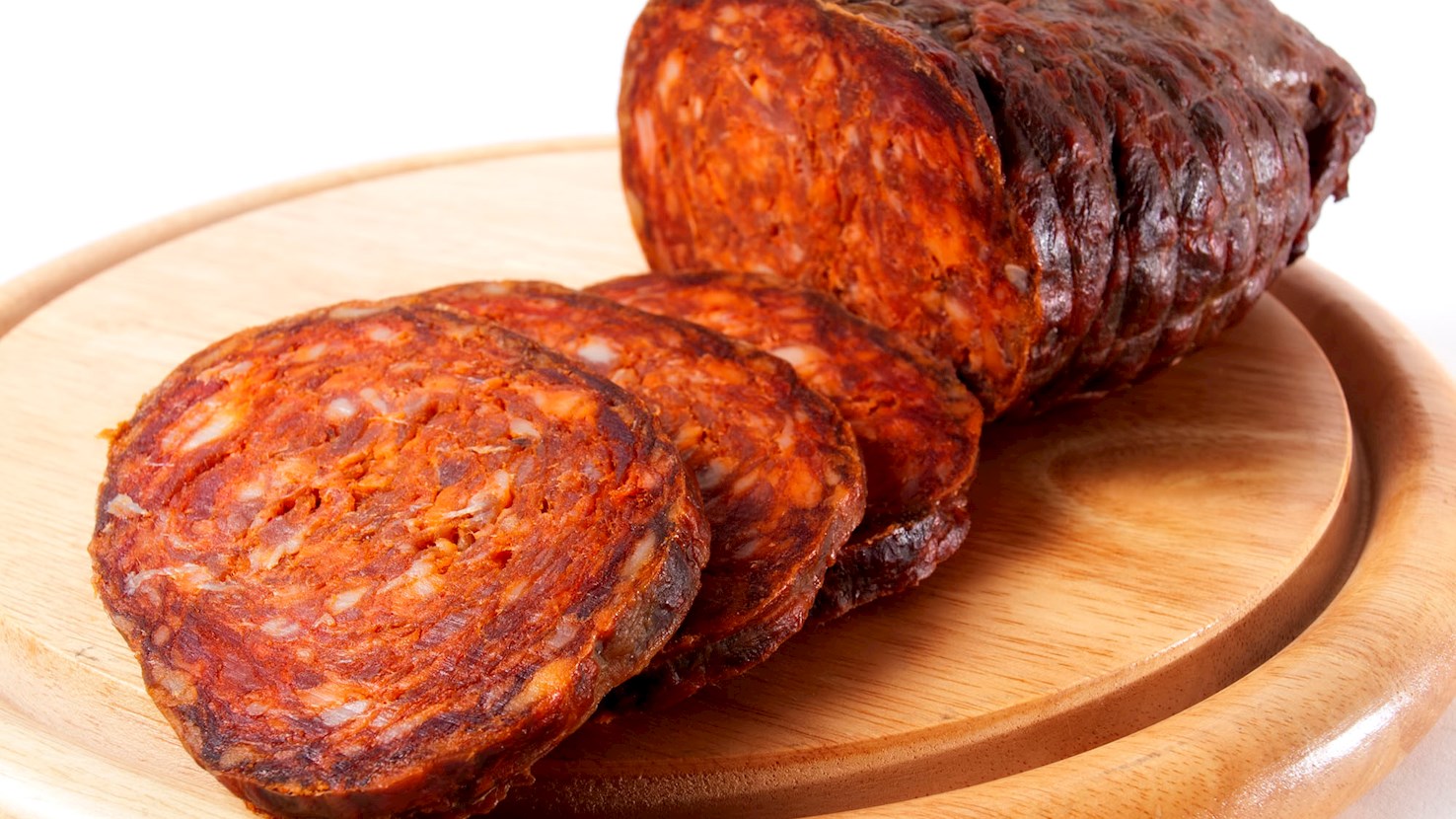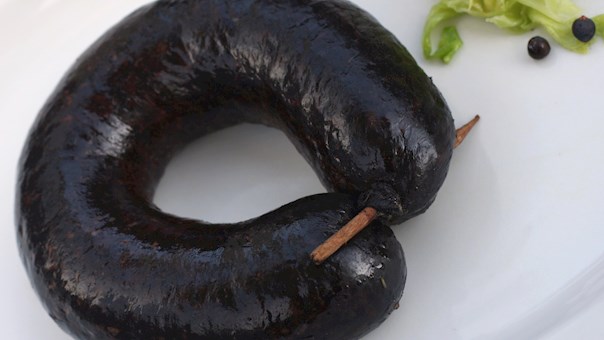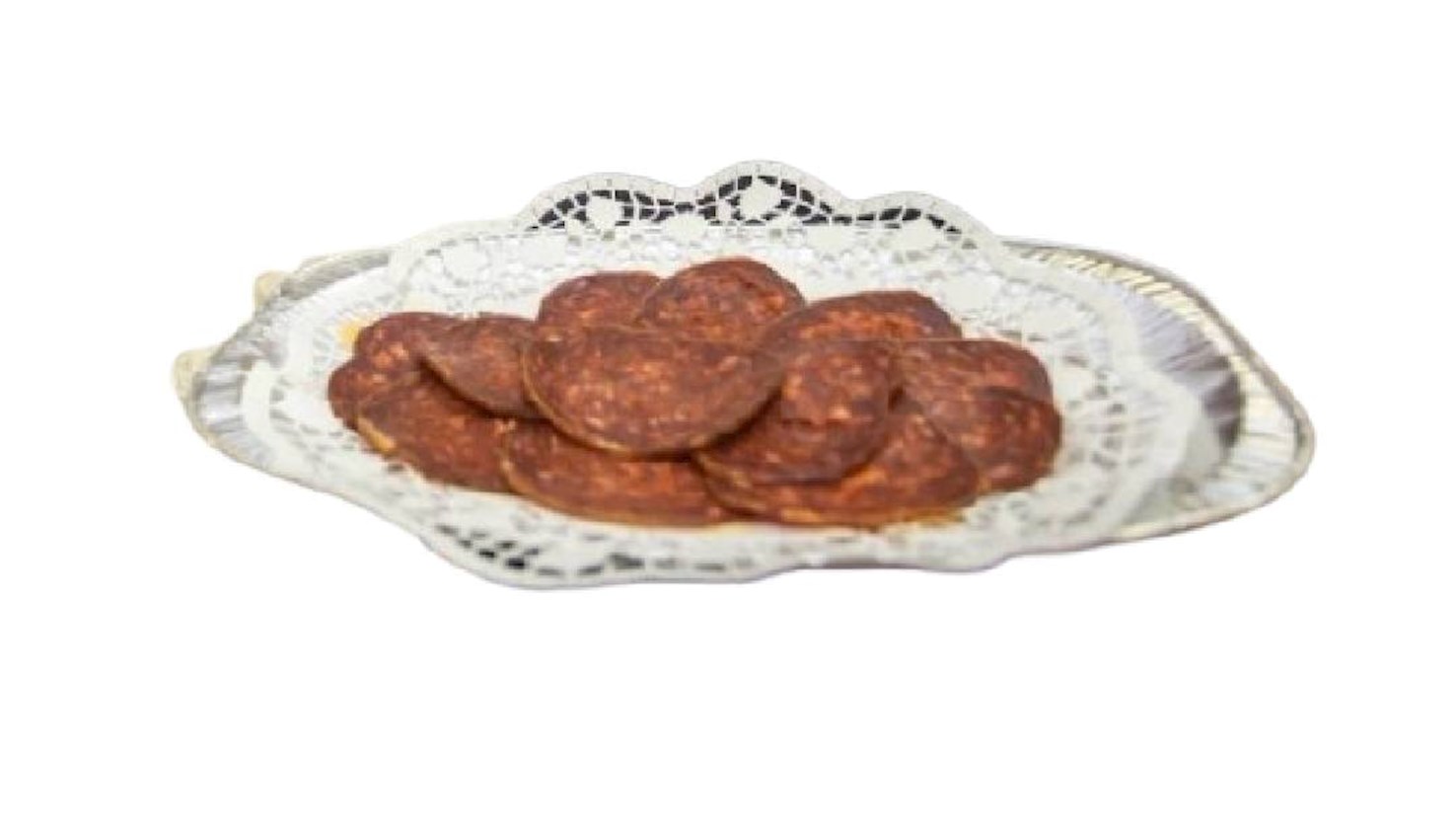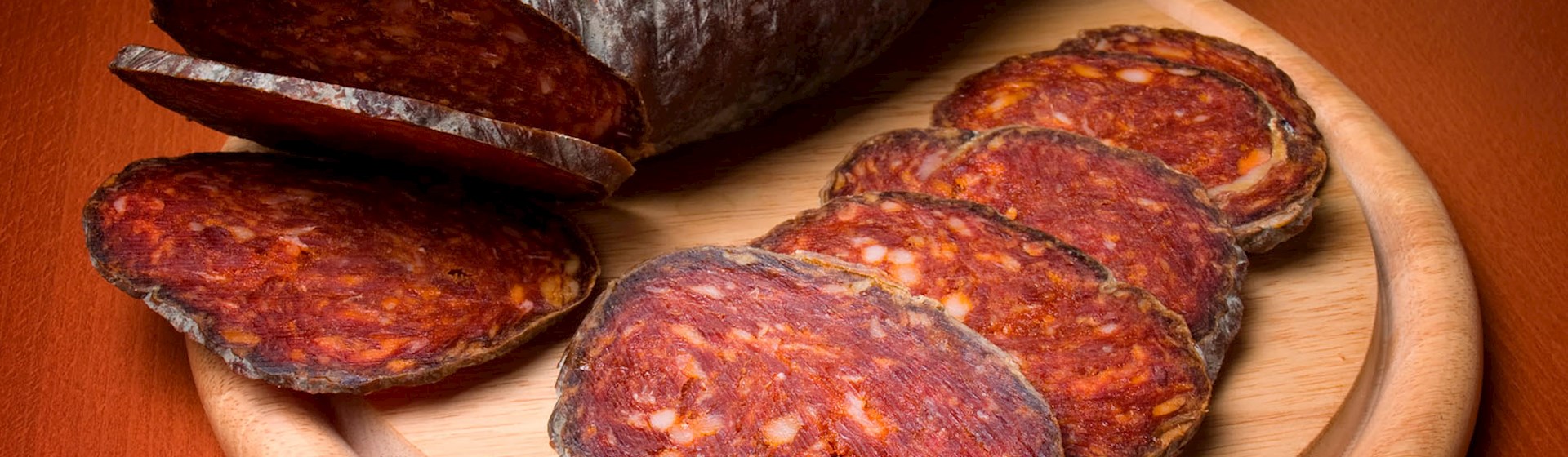
Slavonski kulen is the best-known delicacy of eastern Croatian cuisine. It is a cured sausage made from prime cuts of pork combined with carefully selected spices including red paprika and garlic. Kulen has a strong smoky flavor with the aromas of paprika and pepper. Slavonian type of kulen must be produced using the meat of pigs that have been raised in Slavonia. Only the premium cuts of pork are used in the making of this sausage and every step of the production process is kept separated from that of all other sausages. Kulen matures for several months during which it is smoked and dried. Historically, only one kulen was produced per slaughtered pig, which made it extremely rare, and the delicacy used to be served only on special occasions.
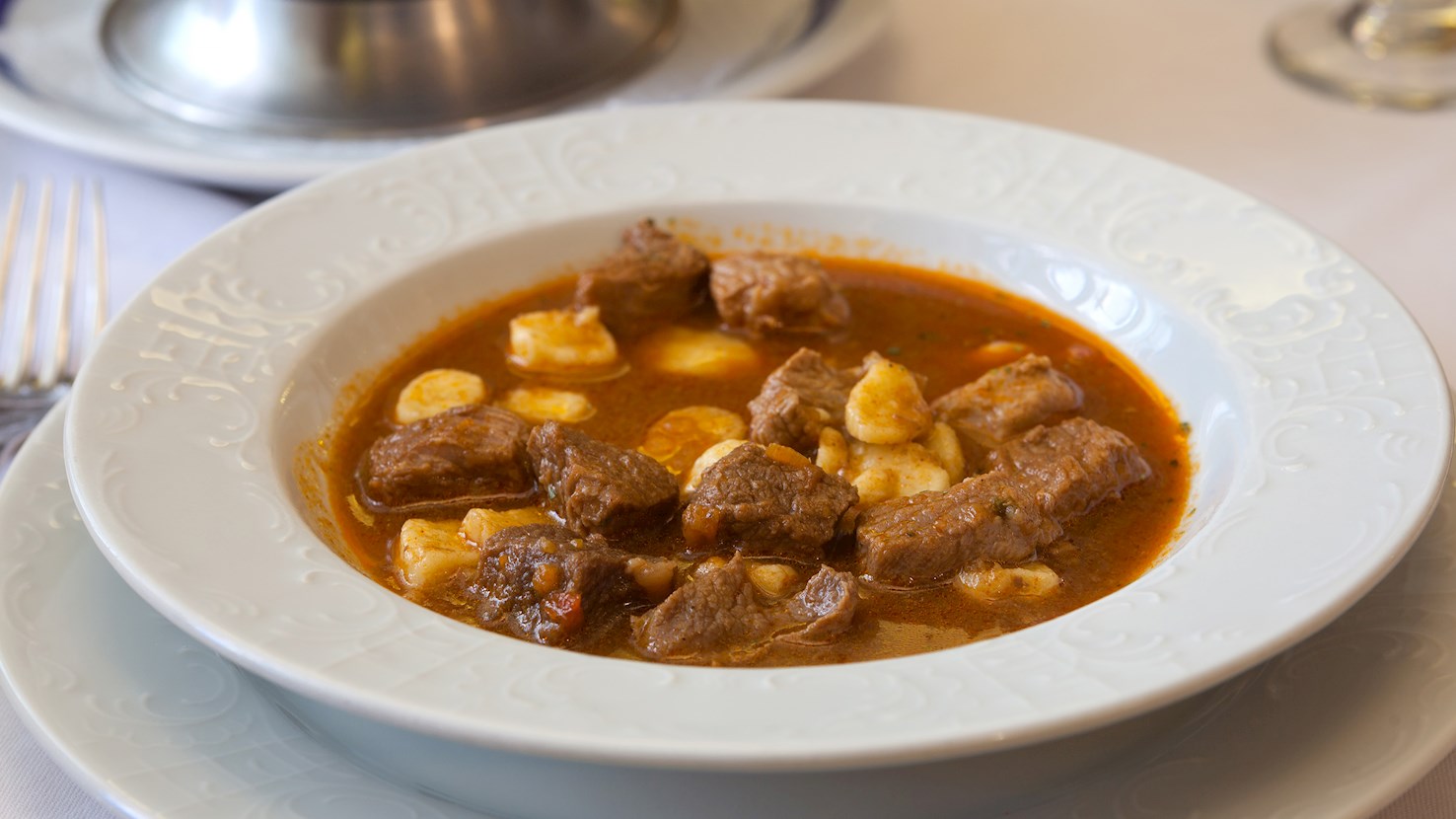
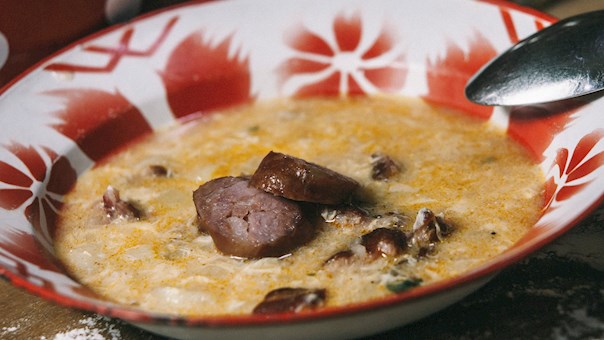
Čobanac is a traditional meat stew originating from Slavonia and Baranja, located in the eastern part of Croatia. The dish is traditionally prepared by slowly cooking all of the ingredients for several hours in a large copper pot that is strung over an open fire. Typically, it consists of a few different types of meat, from veal and pork to wild game meat, along with large quantities of onions, and a special blend of sweet and hot ground paprika which gives the stew its characteristical rich and vivid color. It is recommended to serve čobanac with a few slices of fresh, homemade bread.
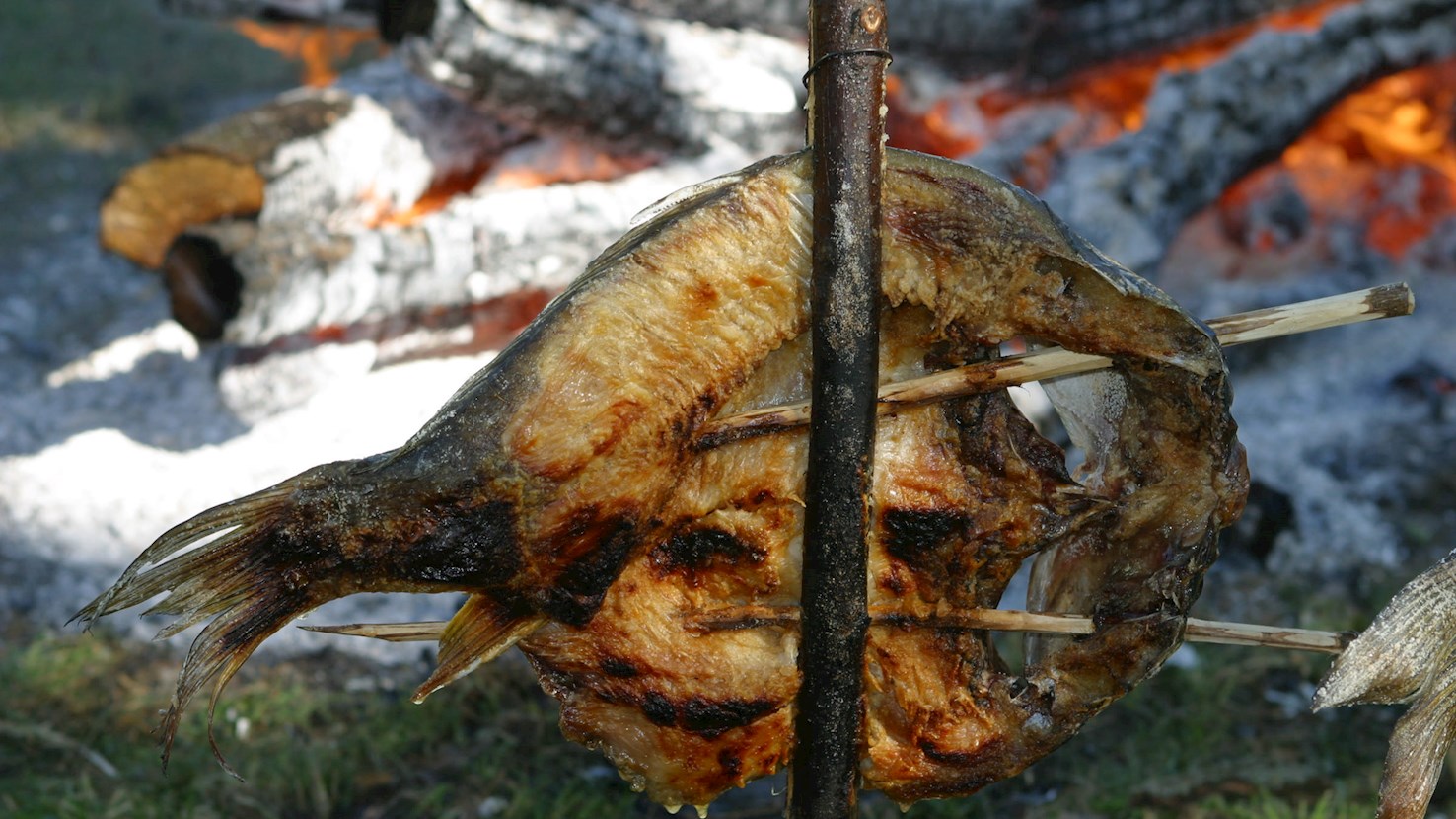
Šaran u rašljama is a traditional dish that is a specialty of the Croatian region of Baranja. It consists of a large carp that is placed in a divining rod and slowly cooked over a wood fire, giving it a unique smokiness and aroma. About ten minutes before the carp is fully cooked, it is sprinkled with salt and ground red paprika for extra flavor. It is recommended to serve the carp with spring onions, a potato salad, and a glass of white wine on the side.
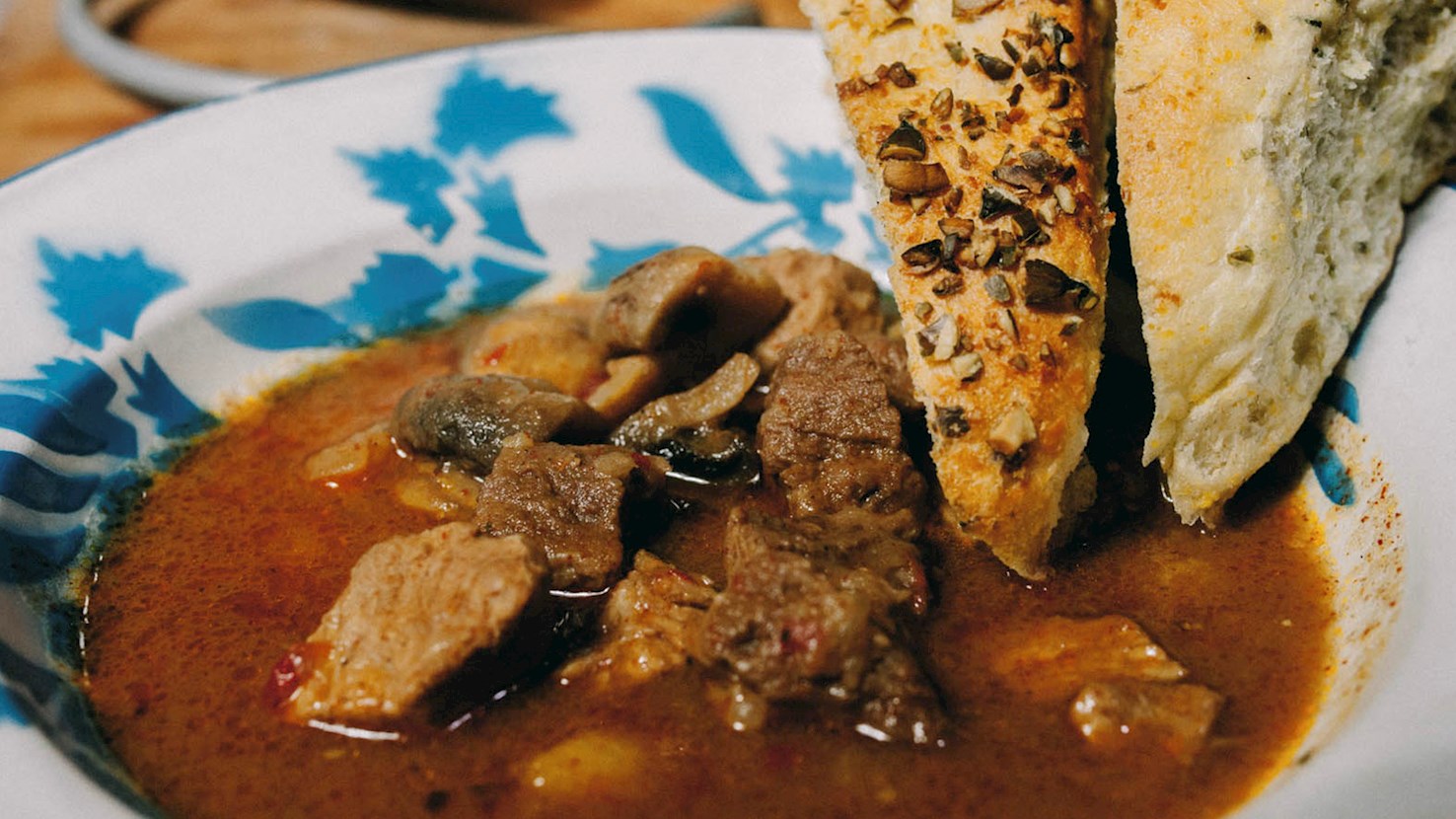
This variety of goulash comes from the Croatian region of Slavonia and Baranja. It is made with pork (sometimes pork and veal), onions, oil, mushrooms, bell peppers, tomatoes, potatoes, and sausages. Slavonski gulaš is typically flavored with salt, pepper, and hot ground paprika. The dish is usually prepared in winter, and it is recommended to serve it with gnocchi, polenta, or wide pasta noodles.
Fiš paprikaš (or hal paprikas in Hungary, with the addition of sour cream) is a traditional stew cooked in a big cauldron over an open fire. This spicy fish stew is traditionally made with a variety of freshwater fish such as catfish, starlet, pike, and carp. The stew is heavily flavored with large amounts of the region's staple – ground red paprika, which can range from mild to very hot. Fiš paprikaš is often served with homemade noodles, and it is so popular in the region that there are numerous fiš cooking competitions organized throughout the year. The dish is traditionally accompanied by hot ground paprika on the side so each person can increase the spiciness according to personal preferences.
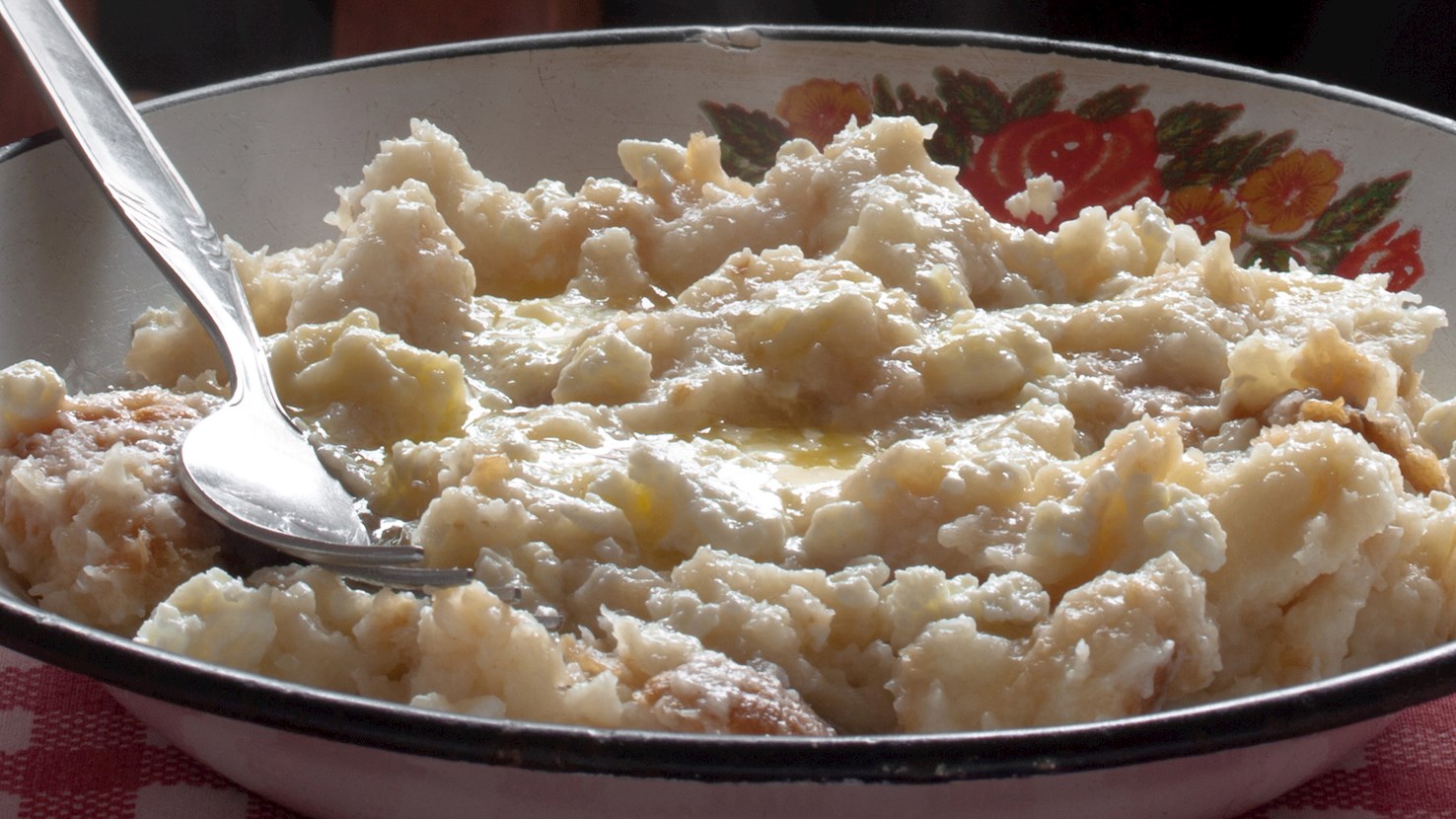
Popara, the Balkan version of bread mash, is an ancient dish that has been greatly appreciated as a quick and easy solution to use up leftover bread and to feed the whole family in the process. Since it is eaten in many countries across the region, there are many different ways of its preparation. The two crucial ingredients are bread, diced or torn into smaller pieces, and liquid, usually milk, water, or tea, that is used to blend the bread into a soft mass. The liquid is typically mixed with butter, vegetable oil, or lard to provide a more substantial meal. The bread can be shortly fried in the combination of liquid and fat, and in some versions, the heated mix is poured over the bread and stirred until it is thoroughly blended. Depending on tradition and preference, popara can be completely homogenous and creamy or it can have a coarse consistency filled with chewy bread pieces. Since plain popara is mild and neutral in taste, it can be prepared in both savory and sweet versions. Additional ingredients that are commonly used to uplift this nutritious meal include onions, garlic, full-fat cream, fresh cottage cheese, ground red pepper, or sugar in the sweet popara. It is hard to pinpoint the exact place where this simple and filling dish originated, but it is believed that it was invented out of necessity, during severe hardships, when many ingredients were scarce or hard to obtain. Today, popara remains a popular breakfast meal in many Balkan countries and regions.
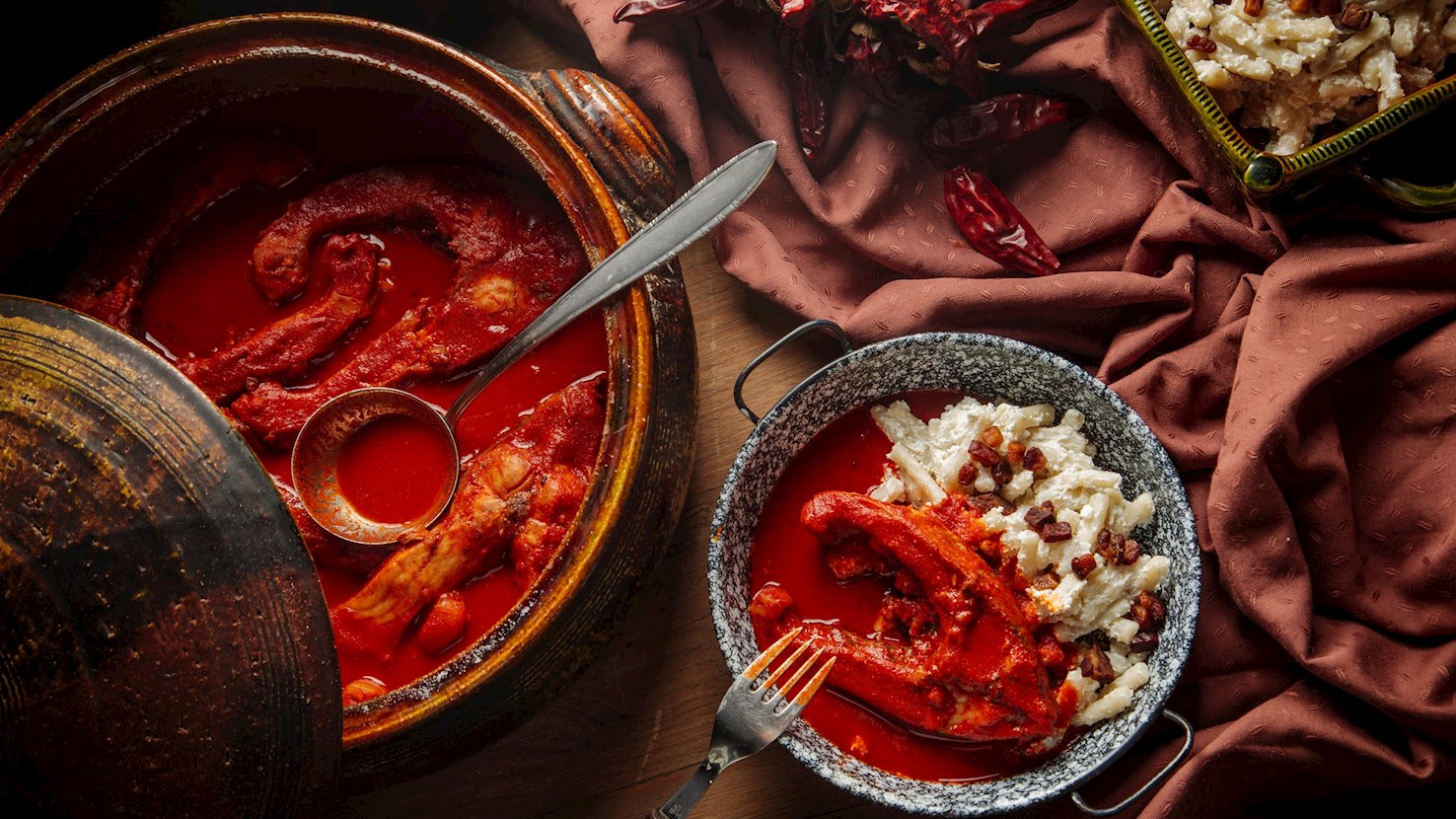
Perkelt od soma is a traditional delicacy from the Croatian region of Slavonija and Baranja, which is heavily influenced by Hungarian cuisine. This variation of the Hungarian pörkölt stew is made with sliced catfish and a combination of onions, garlic, ground red paprika (both mild and hot varieties), and bacon. After the stew has been cooked, it is traditionally served accompanied by homemade noodles mixed with cheese and bacon bits. Along with fiš paprikaš and čobanac, this flavorful stew is a staple at numerous restaurants in Baranya County.
These traditional Slavonian pastries take their name from the Croatian word salo, meaning leaf lard. Typically filled with homemade apricot or plum preserves, salenjaci are traditionally made in wintertime, especially during the pig slaughter season when there is an abundance of fresh lard available in Slavonian households. Besides leaf lard as the main ingredient, it is the method of folding the yeasted dough that is crucial in achieving the leaf-like appearance and texture of the so-called Croatian croissants. While they are still hot from the oven, salenjaci are dusted with icing sugar and eaten warm, though they will keep fresh and succulent for days.
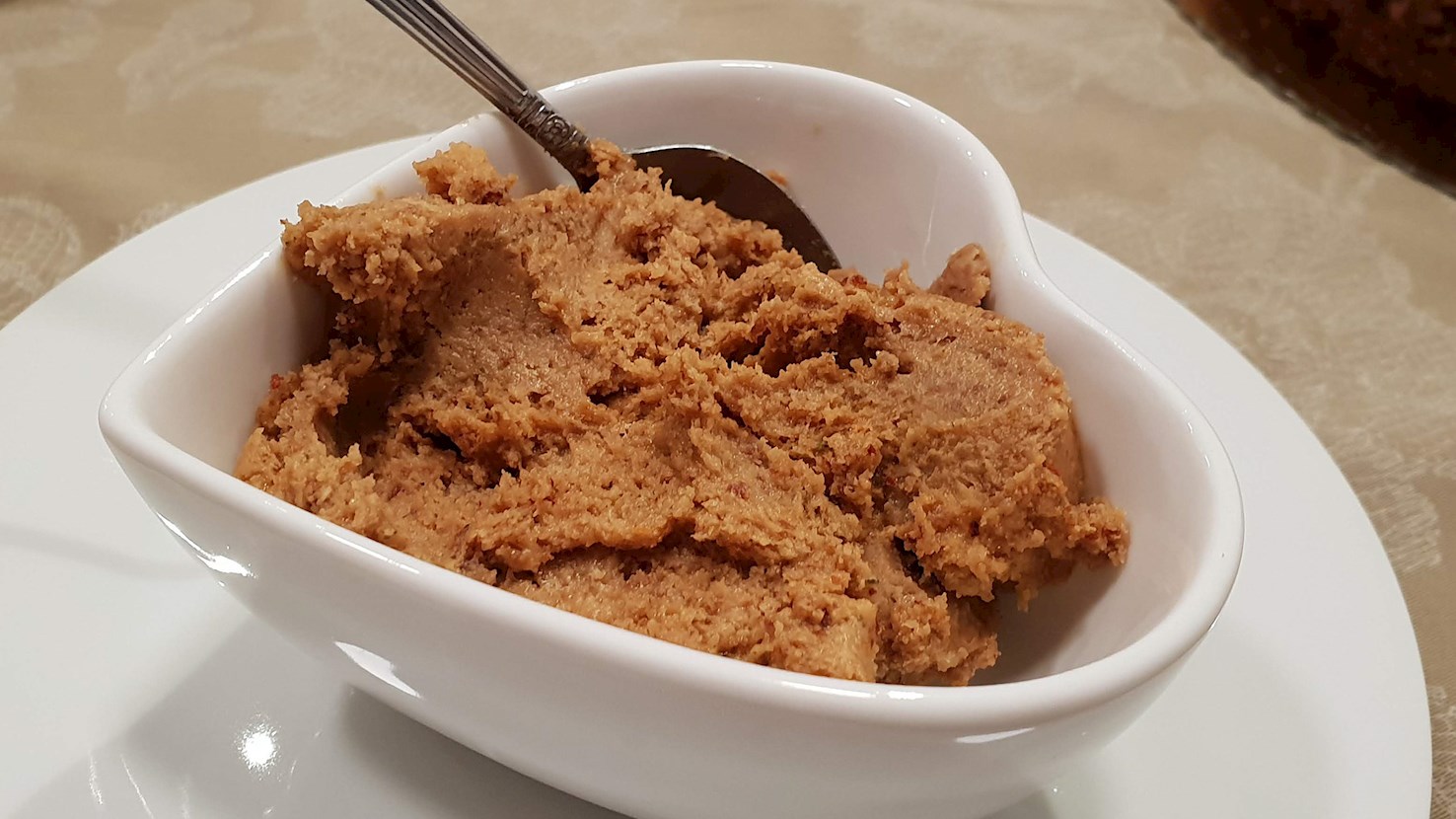
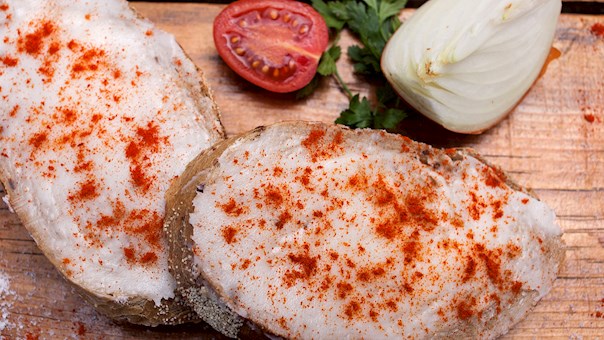
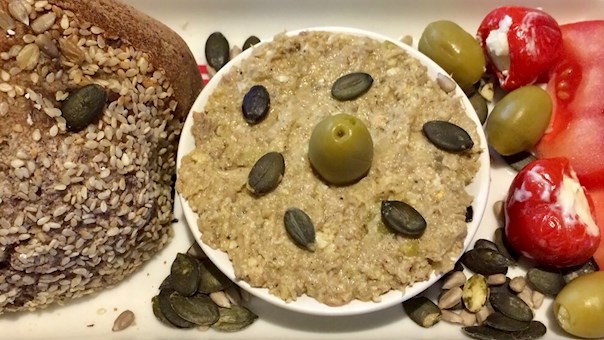
Pašteta od čvaraka is a Croatian spread made with pork rinds as main ingredients. The spread is a specialty of Slavonija and Baranja region, but in recent years, it has started to appear on the menus of restaurants throughout the country. Although the recipe may vary from one cook to another, it is usually prepared with pork rinds, pickles, hard-boiled eggs, ground red paprika, salt, and pepper. The ingredients are blended, and the spread should then be chilled before consumption. Pašteta od čvaraka is traditionally served as an appetizer with toasted garlic-rubbed bread. When eaten at home, it is often served with bread, bacon, and raw onions.
Granatir or grenadir marš is a simple meal consisting of pasta, onions, and potatoes. It is traditionally heavily seasoned with ground paprika. Due to the inexpensive ingredients and high content of carbohydrates, the dish is a representative of peasant food throughout continental Croatia, particularly in the region of Slavonia, where it is still prepared today. If the pasta is made without eggs, this dish is suitable for vegans.
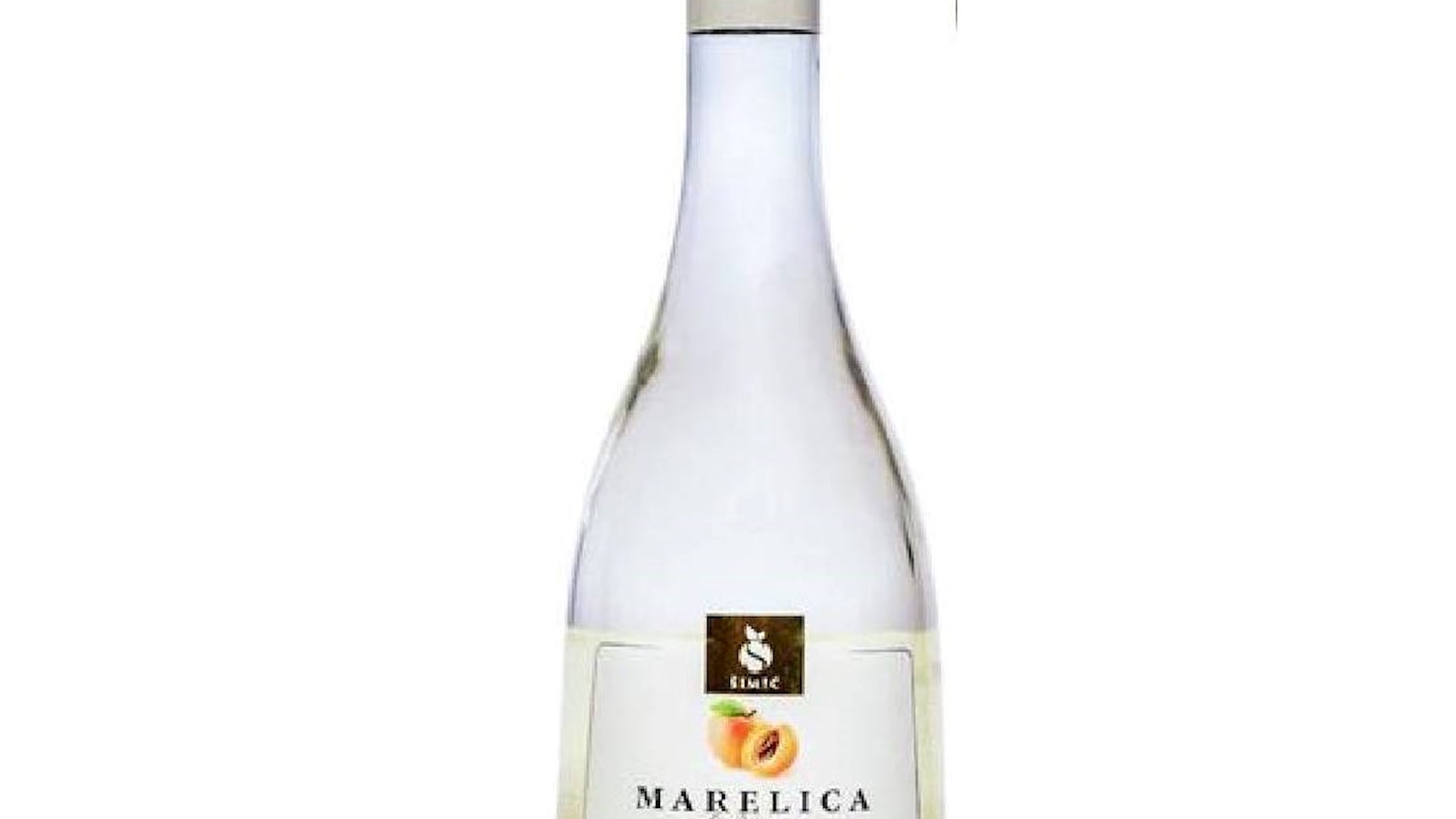
Šimić Distillery is a family-owned craft distillery dedicated to producing high-quality fruit brandies and liqueurs, grounded in tradition, knowledge, and deep respect for nature. Born out of a passion for fruit and artisanal distillation, the distillery combines decades of experience with a modern approach to deliver truly authentic flavors.
All products are made from 100% natural ingredients, carefully grown in the family’s own orchards and harvested at peak ripeness.
Each rakija is distilled in small batches using traditional copper stills, then aged in oak barrels to develop depth, aroma, and character. Every bottle reflects the family’s unwavering commitment to quality and craftsmanship.
The range includes classic brandies made from plum, pear, and apricot, as well as innovative fruit liqueurs with distinctive character. Šimić Distillery is a name synonymous with purity, balance, and flavor integrity.
Their spirits don’t just win awards—they win the hearts of those who truly appreciate the art of fine rakija.
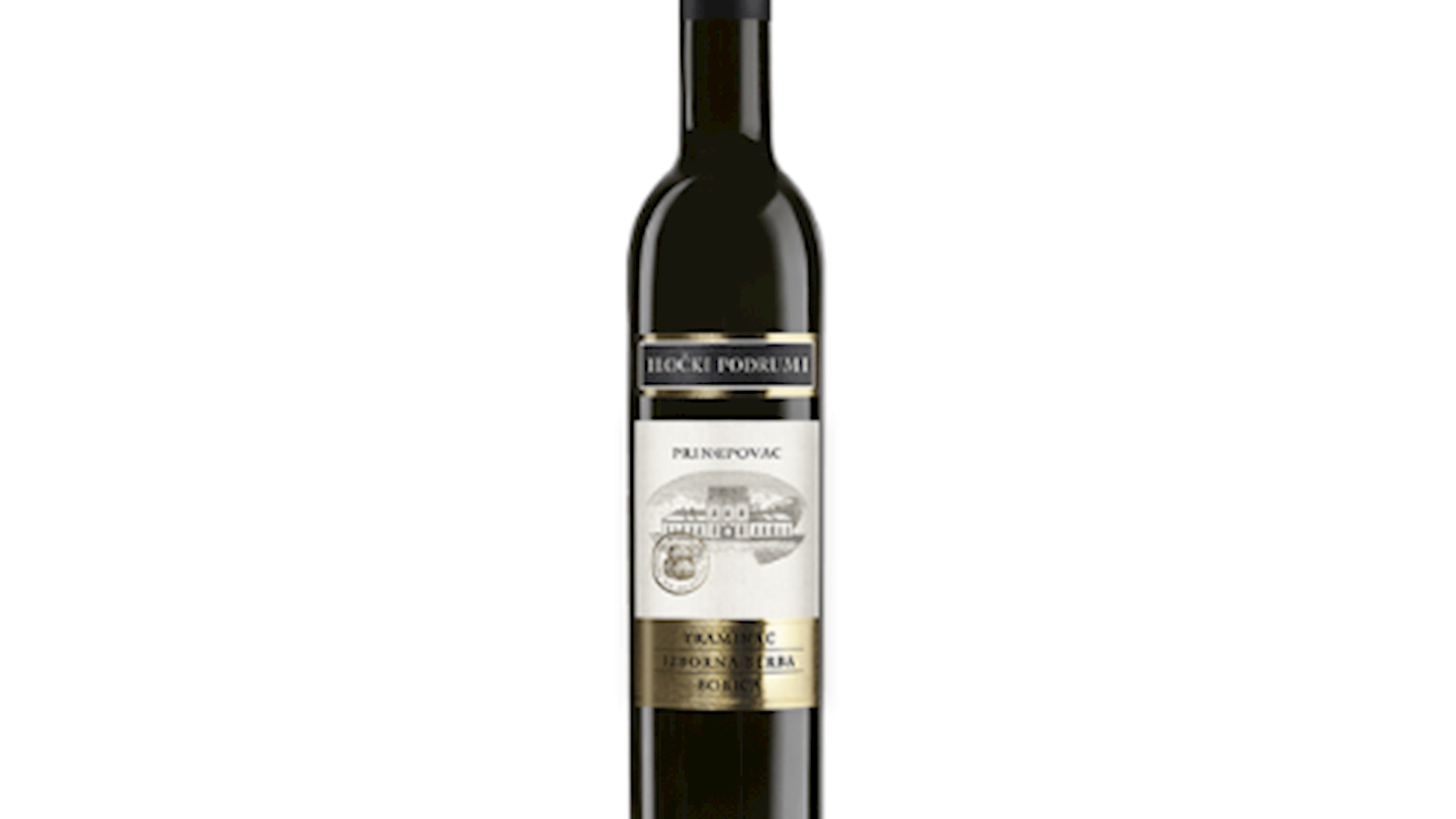
Iločki Podrumi is one of the oldest and most prominent wineries in Croatia, located in the town of Ilok in the Srijem wine region along the banks of the Danube River. The tradition of viticulture in this area dates back more than two thousand years to Roman times, while the historic wine cellars beneath the Ilok castle were established in the 15th century.
Today the winery manages extensive vineyards on notable sites such as Principovac and Vukovo, where loess soils, gentle slopes and the moderating influence of the Danube create favorable conditions for growing high-quality grapes. The winery cultivates several varieties, with Traminer (Traminac) considered its flagship grape, alongside Graševina, Chardonnay, Frankovka and Cabernet Sauvignon.
Iločki Podrumi produces several million liters of wine annually and ranks among the largest wine producers in Croatia. Its wines have received numerous international recognitions, and the winery’s Traminac holds particular historical significance, as a wine from Ilok was served at the coronation of Queen Elizabeth II in 1953.
Combining centuries-old cellar tradition with modern production and the distinctive Danube terroir, Iločki Podrumi represents an important pillar of Croatian wine heritage.
In the heart of Slavonia, in the village of Nard, lies OPG Barić, a family-run farm dedicated to preserving tradition and producing top-quality Slavonian kulen. Zvonko Barić, the recipient of numerous awards and recognitions, has been proudly crafting products for years that captivate the palates of lovers of authentic Slavonian cured meat specialties.
The kulen from OPG Barić is made according to a traditional recipe, with a strict selection of the finest ingredients.
Only the highest-quality pork from local pigs, natural spices, and meticulous attention to the smoking and curing process—lasting several months—are used to achieve the perfect balance of flavor, aroma, and texture. This dedication to detail has earned OPG Barić prestigious awards, including the title of Best Kulen at numerous kulen competitions.
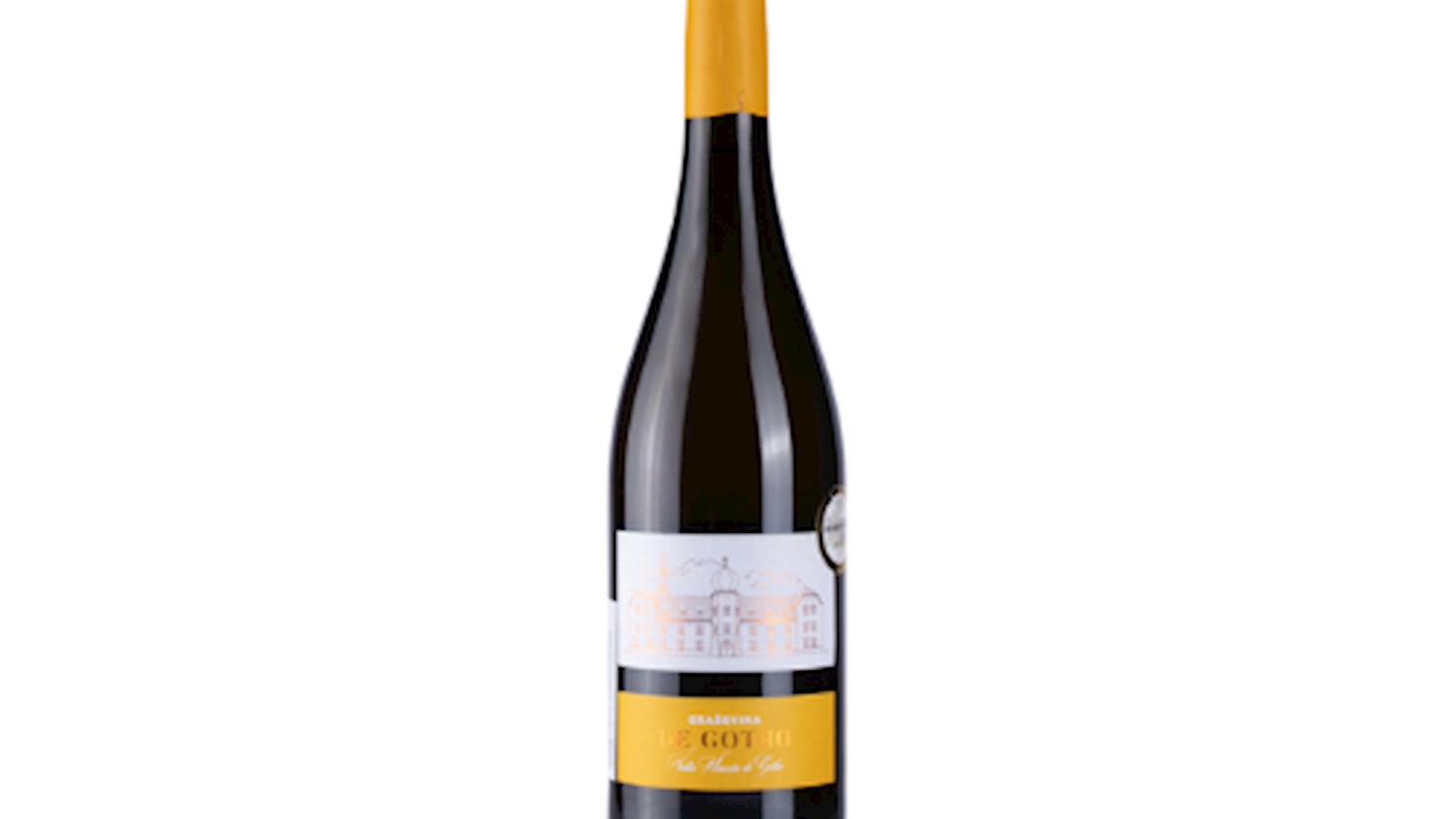
Galić Vina is a modern Croatian winery located in Kutjevo in the Slavonia region, an area historically known as Vallis Aurea or the “Golden Valley”, with a long tradition of viticulture. The winery was founded by Josip Galić with the aim of presenting the potential of the Kutjevo terroir through contemporary winemaking techniques and careful vineyard management.
The estate cultivates vineyards across several sites around Kutjevo, including Radovanci, Vetovo, Kaptol and Venje, where diverse soils and microclimates contribute to wines with a clear regional character. Graševina plays a central role in the winery’s production, reflecting the importance of this variety in Slavonia, while international grapes such as Chardonnay, Sauvignon Blanc, Merlot and Cabernet Sauvignon are also grown.
Vinification takes place in a modern cellar equipped with technology that allows precise control of fermentation and aging processes. In addition to fresh and mineral white wines, the winery also produces wines aged in oak barrels as well as sparkling wines made using the traditional method.
The portfolio includes several wine lines that present different styles and interpretations of the Kutjevo wine region. Galić wines are distributed beyond Croatia and regularly appear at international wine competitions.
The winery combines a contemporary approach to winemaking with a strong connection to the long-standing wine tradition of Slavonia. Careful vineyard work, modern cellar practices and a focus on local varieties form the foundation of its identity.
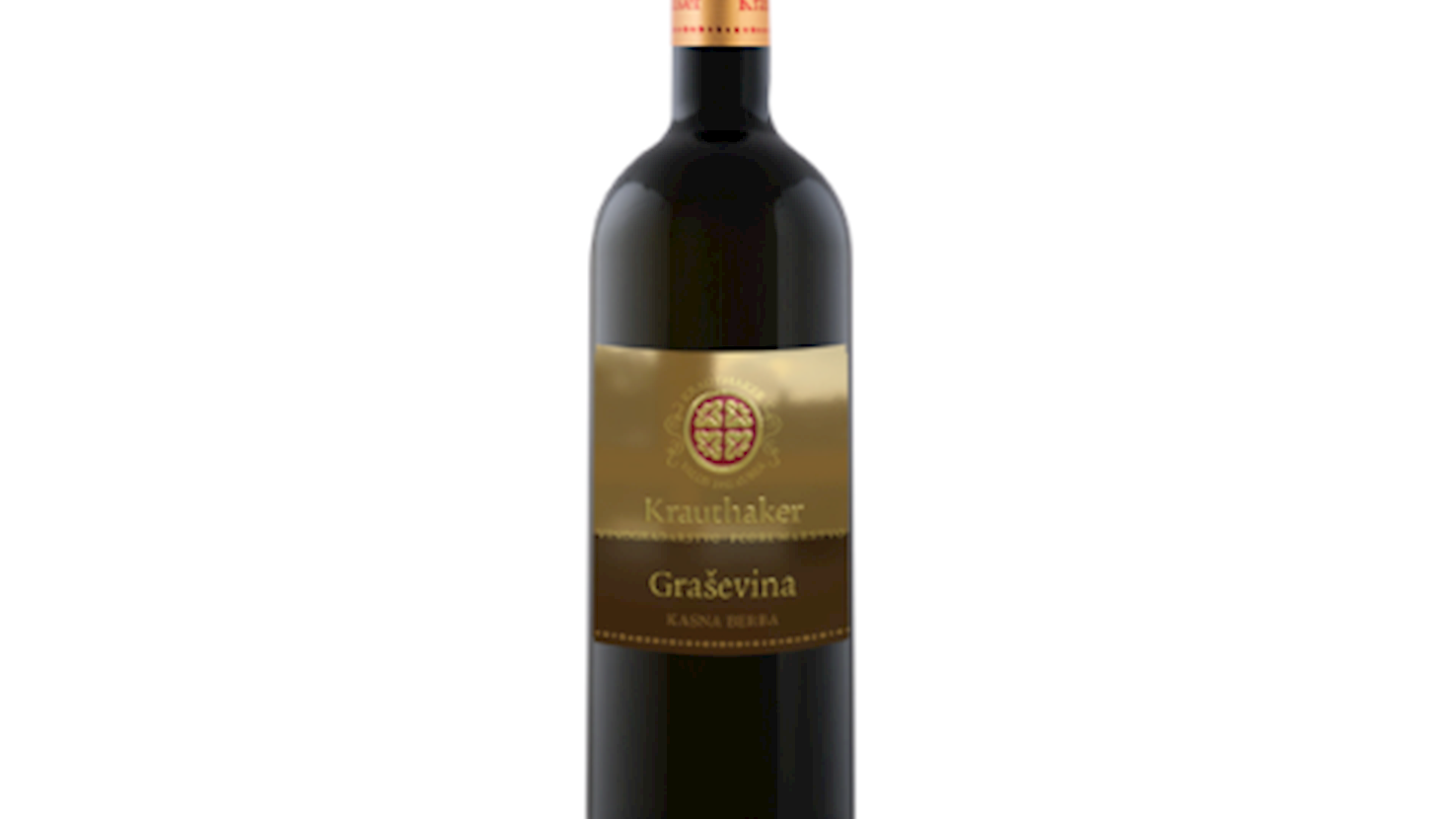
Krauthaker is a well-known Croatian winery located in Kutjevo in the Slavonia region, one of the country’s most important wine-growing areas. The winery was founded in the early 1990s by winemaker and enologist Vlado Krauthaker, who had previously worked for many years in the Kutjevo wine region before establishing his own estate.
The vineyards are situated on several notable sites around Kutjevo, including Mitrovac and other slopes of the Papuk and Krndija mountains, where continental climate conditions and mineral-rich soils provide favorable conditions for quality grape cultivation. Graševina plays a central role in the winery’s production and is considered the signature variety of both the estate and the Slavonian wine region.
In addition to Graševina, the winery cultivates varieties such as Chardonnay, Sauvignon Blanc, Pinot Gris, Merlot and Cabernet Sauvignon, as well as some traditional regional grapes. Krauthaker is also known for exploring older Central European varieties and producing wines in a range of styles, including late-harvest and predicate wines.
Winemaking combines modern vinification techniques with maturation in traditional large Slavonian oak barrels. Over the years the winery’s wines have received numerous recognitions at international wine competitions.
Krauthaker has built a reputation as one of the leading producers of Graševina in Croatia. Careful vineyard management, respect for local varieties and strong enological expertise form the foundation of the winery’s identity.
Kutjevo is one of the oldest wineries in Southeast Europe, with a winemaking tradition continuously traced back to 1232, when Cistercian monks founded a monastery and the first cellars. Located in the Požega Valley, also known as the Golden Valley, this region combines a continental climate, south-facing vineyard slopes, and mineral-rich soils, creating ideal conditions for cultivating grapevines.
Graševina is Kutjevo’s flagship variety - it produces wines with delicate aromas, clean flavors, pronounced freshness, and minerality, and this specific terroir makes it recognizable in the European wine landscape. Besides Graševina, they grow Chardonnay, Pinot Noir, Blaufränkisch (Frankovka), and other varieties, but none are as deeply tied to Kutjevo’s identity as Graševina.
The old cellar from the 13th century is still in use today, making it one of the oldest continuously operating wine cellars in Europe. The modern winery blends tradition with contemporary technology - controlled fermentation, selected yeast strains, and aging in both oak barrels and stainless steel tanks are applied depending on the wine series.
Kutjevo produces several lines, ranging from fresh, young wines to archive and barrique editions intended for long aging. A key role is played by the microclimate between the Papuk and Krndija mountains, which protect the vineyards from cold northern winds.
Vineyards are situated at elevations between 200 and 350 meters, on soils rich in marl and iron that contribute to the character of the wines. The Kutjevo brand nurtures a story of continuity – wine has been produced here for centuries, not as folklore, but as a living economic activity.
The focus is not on mass production, but on preserving the authentic style of Slavonian wine. The winery is also open to visitors, tastings, and wine tourism, strengthening its connection with local heritage and tradition.
Despite operating on an industrial scale, Kutjevo still conveys the spirit of family heritage transformed into institutional knowledge.
Awards
Decanter World Wine Awards - Platinum
(2020)
Concours Mondial de Bruxelles - Grande Médaille d'or
(2022)
Vina Belje is one of the most significant wineries in Croatia. With more than 650 hectares of its own vineyards, Belje is the country’s largest grape producer and a true symbol of centuries-old winemaking tradition.
In its state-of-the-art winery, as well as in the historic cellars – the 16th-century “gators” – Belje crafts wines that embody the authenticity of the Baranja terroir.
Graševina, the region’s most renowned variety, stands at the core of their portfolio, while reds such as Merlot, Cabernet Sauvignon, and Blaufränkisch bring elegance and international character.
Recognized and awarded at international competitions, Vina Belje successfully unites rich tradition, modern technology, and passion for wine – creating an experience that leaves a lasting impression in every glass.
Awards
Vivino - 4.0
Concours Mondial de Bruxelles - Grande Médaille d'or
(2024)
TasteAtlas food rankings are based on the ratings of the TasteAtlas audience, with a series of mechanisms that recognize real users and that ignore bot,
nationalist or local patriotic ratings, and give additional value to the ratings of users that the system recognizes as knowledgeable.
For the “Top 62 Slavonian Foods” list until July 01, 2026, 1,039 ratings were recorded, of which 546 were recognized by the system as legitimate.
TasteAtlas Rankings should not be seen as the final global conclusion about food. Their purpose is to promote excellent local foods,
instill pride in traditional dishes, and arouse curiosity about dishes you haven’t tried.
The initial list of top producers was compiled based on available reviews, awards, local recommendations, media and blog coverage, and consumer reviews.
The list will be updated with ratings from TasteAtlas local ambassadors and TasteAtlas users.