shutterstock

Top 17 Southern Dutch Foods

Last updated on July 22, 2026

Best Southern Dutch food products

01
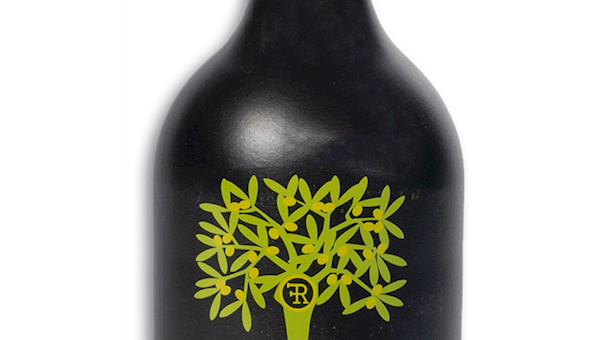
Spirit

Ron Colón Salvadoreño

5.0 ·
Awards
SFWSC - San Francisco World Spirits Competition - Double Gold (2023)
02
Cheese

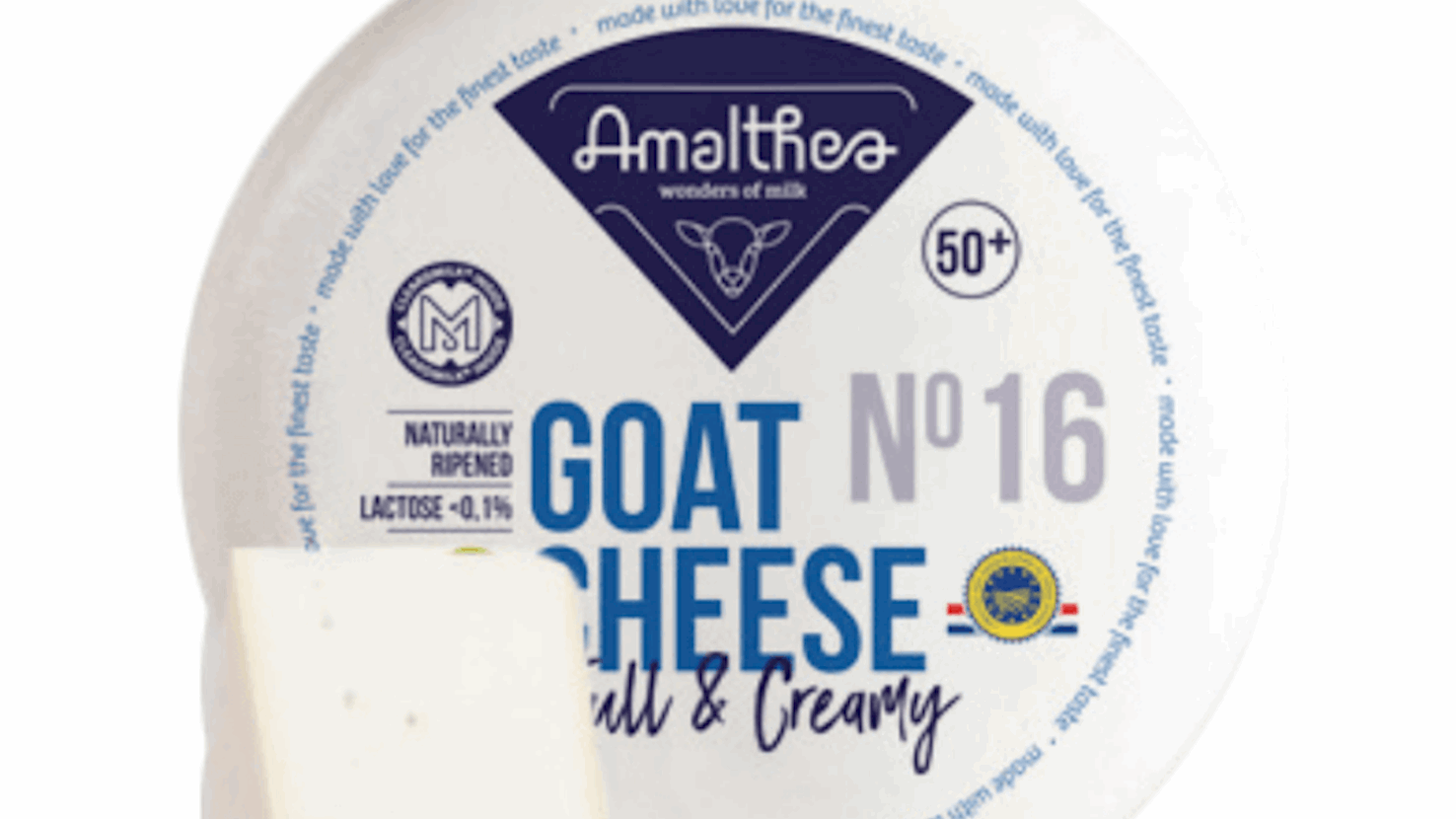
Amalthea B.v.

4.9 ·

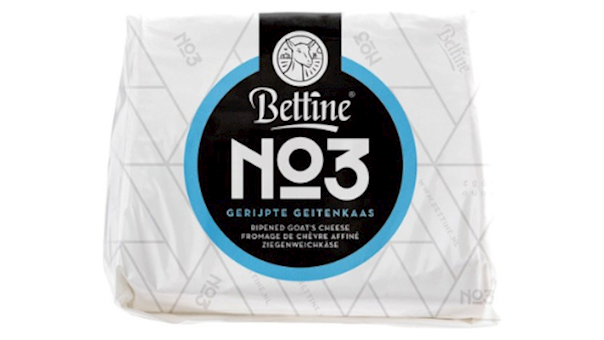
Amalthea B.V. is a cheese producer based in the Netherlands that specializes in goat cheeses. The company supplies a variety of goat cheese formats, including wheels, logs, and slices, focusing on both the domestic and international markets.

Amalthea B.V. is involved in sustainable farming practices and collaborates with local goat farmers.

Awards
World Cheese Awards - Super Gold (2022)
World Cheese Awards - Gold (2022)
03
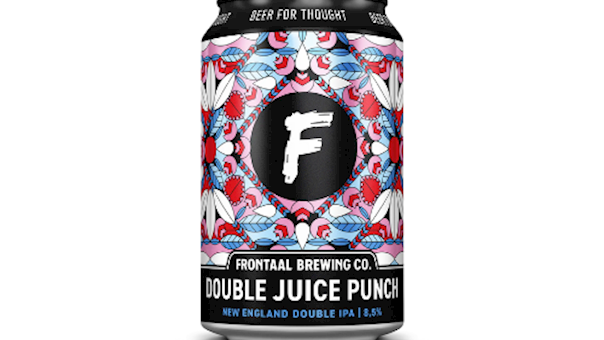
Beer

Bierbrouwerij de Koningshoeven
4.9 ·

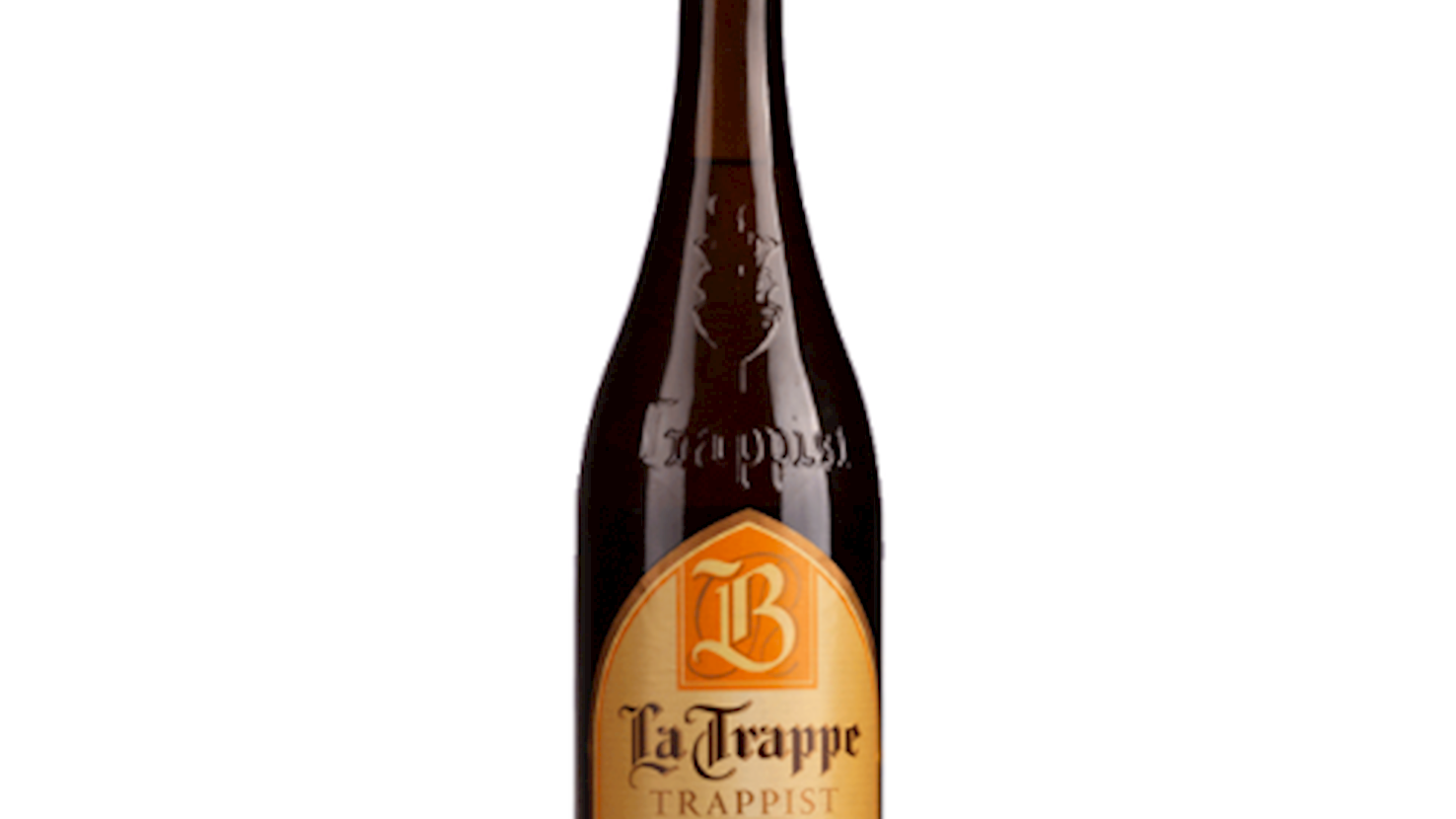
Bierbrouwerij De Koningshoeven, founded in 1884 within the Trappist monastery in Berkel-Enschot, is renowned for producing authentic La Trappe Trappist beer. The brewing takes place under the strict supervision of Trappist monks, in line with the Order’s values of sustainability and solidarity.

The process is traditional and carefully controlled – it involves spring water drawn from the abbey’s own wells, meticulously selected natural ingredients, and bottle conditioning through secondary fermentation, which provides natural carbonation and greater flavor complexity. This approach ensures the high quality and authenticity of every beer bearing the “Authentic Trappist Product” label.

The La Trappe range includes classic styles such as Blond, Dubbel, Tripel, and Quadrupel, as well as innovative variants like the organic Puur and the alcohol-free Nilis.

Awards
World Beer Cup - Gold (2024, 2016)
European Beer Star - Gold (2023, 2021, 2020)
04
Butter

Den Eelder

4.8 ·

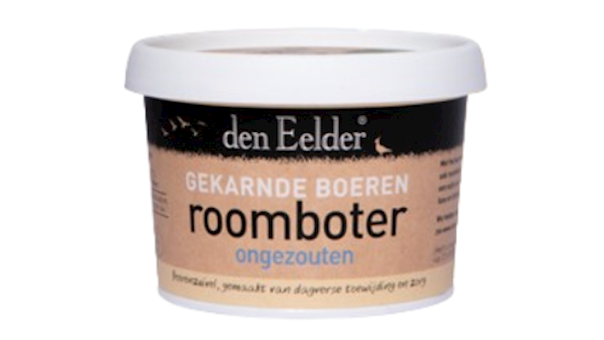
Den Eelder is a family-owned farm and dairy located in the village of Well, on the border of the Dutch provinces of Gelderland and Noord-Brabant. It was founded in 1983 by Ernst and Jacomine van der Schans, and today it is managed by their sons, Willem and Gerben.

The farm specializes in producing high-quality milk and dairy products and is known for its sustainable approach to livestock farming and dairy production. The farm is renowned for its process where the milk goes directly from the barn to the dairy, allowing for quick and efficient processing. Their product range includes milk, yogurt, cream, and other dairy products, all made without artificial additives and using only natural ingredients.

Den Eelder is also committed to sustainability, utilizing green energy and eco-friendly technologies to reduce its environmental impact.

05
Liqueur

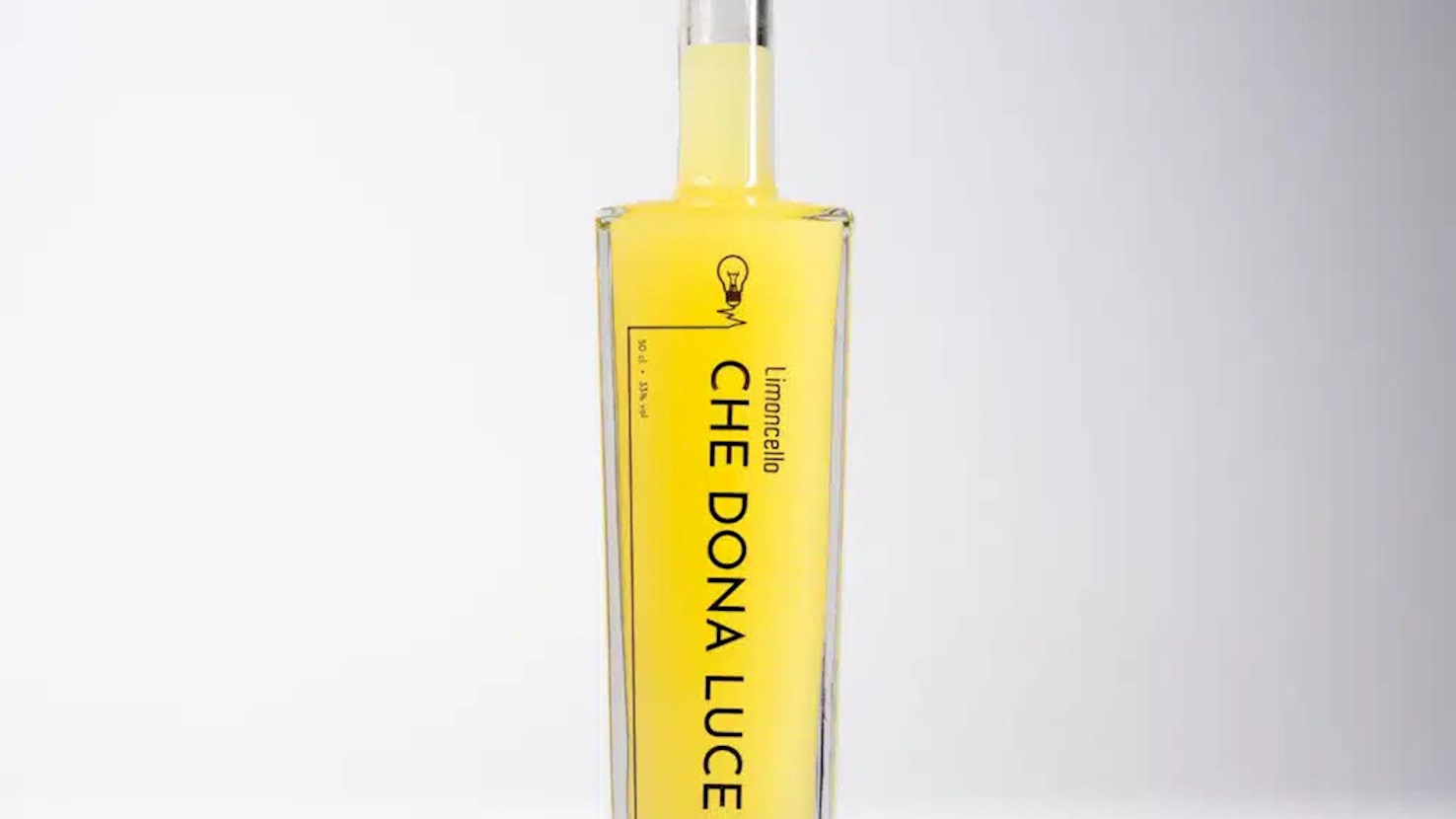
Che Dona Luce

4.8 ·
Awards
IWSC- International wine & spirit competition - Spirit Gold (2023)
06
Liqueur

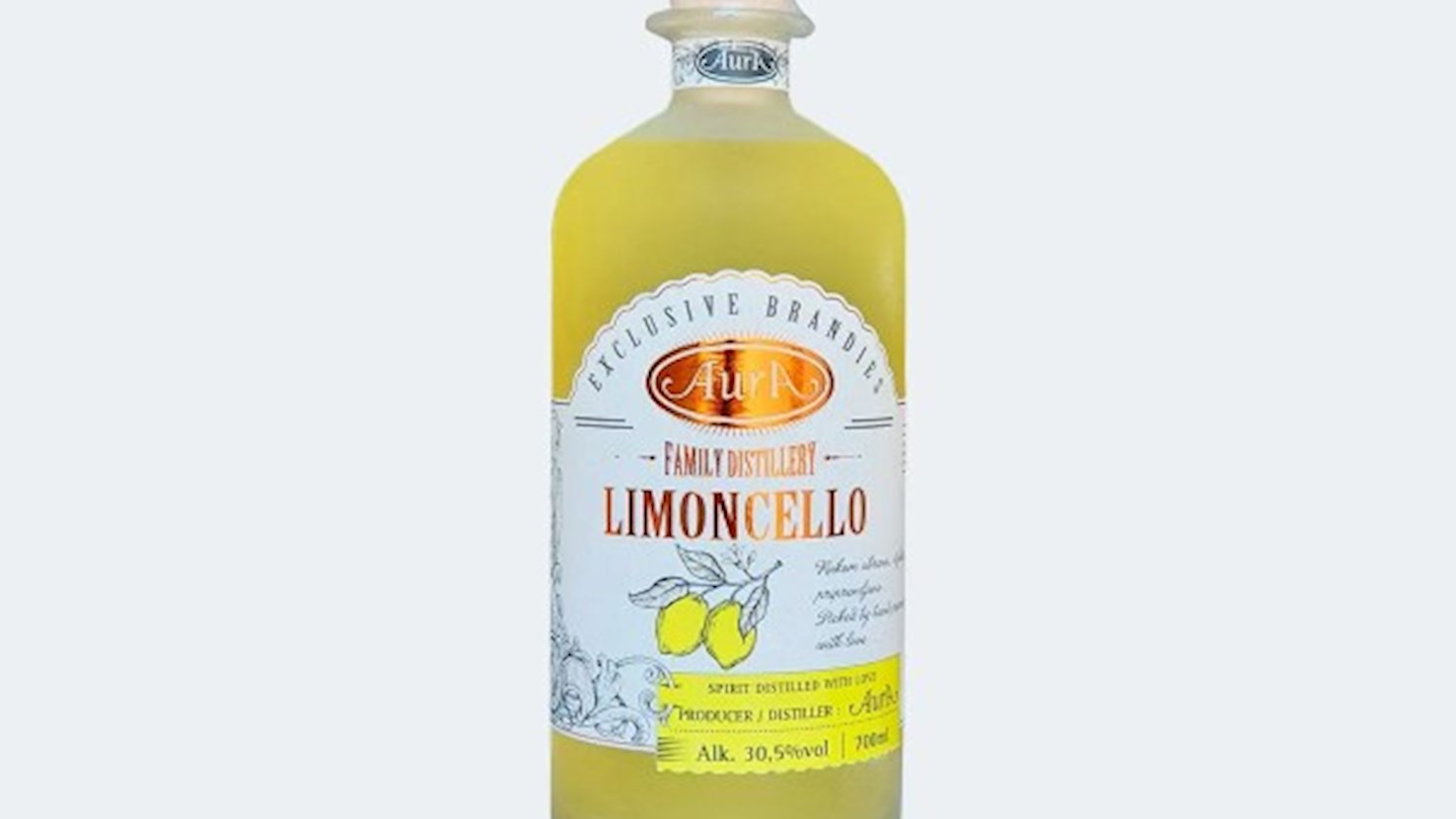
Migliore Spirits & Drinks

4.8 ·
Awards
IWSC- International wine & spirit competition - Spirit Gold (2022)
07
Liqueur

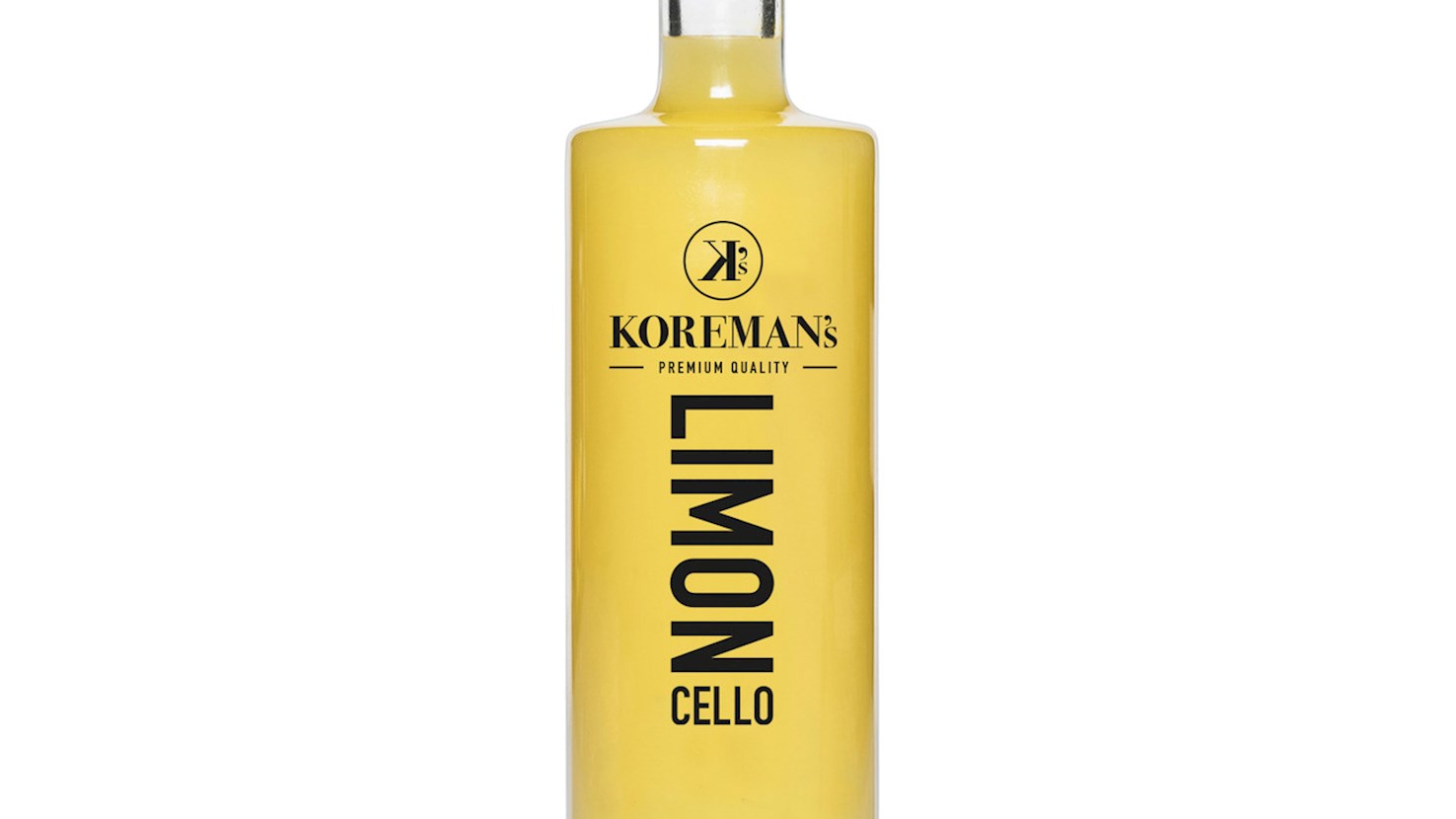
Koreman's

4.8 ·
Awards
IWSC- International wine & spirit competition - Spirit Gold (2021)
08
Spirit

Bastiaanse high spirits

4.8 ·
Awards
IWSC- International wine & spirit competition - Spirit Gold (2023)
09
Beer

Brouwerij Bravoure

4.6 ·

Brouwerij Bravoure is a small, independent brewery from Etten-Leur, in the Dutch province of Noord-Brabant, run by a family with a clear vision of crafting beers of the highest quality. Since its founding, they have focused on bold, complex styles such as imperial stouts, barleywines, IPAs, and especially barrel-aged releases.

Their work is distinguished by the patient aging of beer in carefully selected barrels, with each batch produced in limited quantities to preserve its exclusivity and character. Bravoure carefully balances the tradition of craft brewing with modern techniques, introducing innovations without compromising on quality.

Their beers often feature minimal carbonation, which further enhances the fullness of body and the expressiveness of aromas. Every bottle bears the mark of care, passion, and technical precision.

Awards
Untappd - 4.4
10
Beer

Hertog Jan

4.6 ·

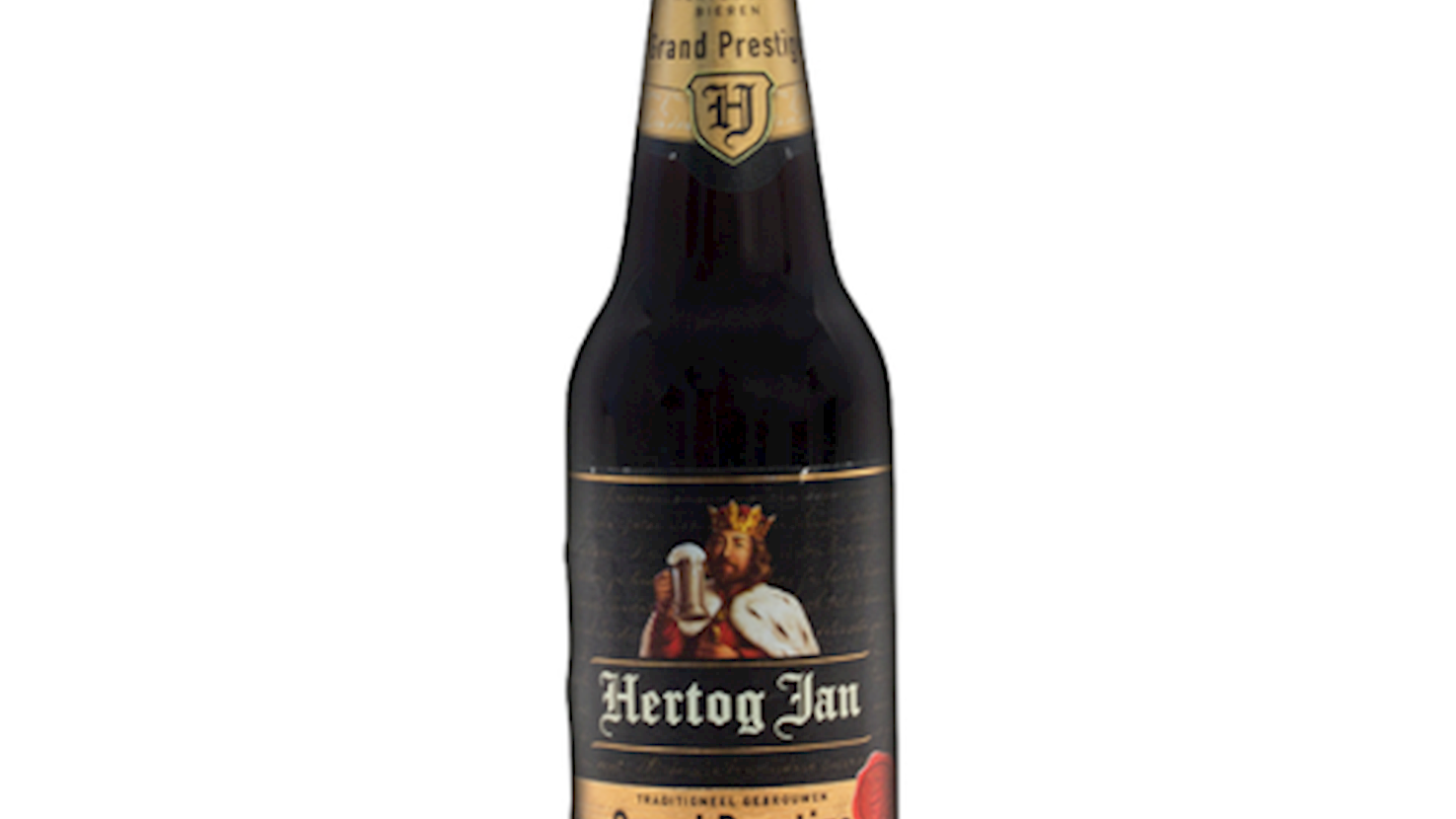
Hertog Jan Brouwerij is a renowned craft brewery located in the village of Arcen, in the Limburg region of southern Netherlands. Established with a deep respect for brewing tradition and culture, the brewery is named after Duke Jan of Brabant - an iconic historical figure known for his love of beer and widely regarded as a symbol of Dutch beer heritage.

The brewery is best known for its flagship Hertog Jan Pilsener, a crisp and clean lager with 5.1% ABV that forms the backbone of its identity. A standout in the lineup is Grand Prestige, a rich dark ale with 10% ABV, famous for its ability to mature in cellars for up to eight years, developing complex, port wine-like characteristics.

Hertog Jan welcomes visitors for guided tours of its brewing facilities, complete with tastings and the option to store personalized bottles in their on-site cellars. The brewery’s permanent range includes a variety of styles such as pils, weizener, dubbel, tripel, bock, and Grand Prestige, alongside occasional limited-edition and barrel-aged releases.

With its blend of craftsmanship, regional heritage, and modern brewing precision, Hertog Jan has earned a reputation as one of the Netherlands’ most respected breweries, celebrated both nationally and internationally.

Awards
World Beer Cup - Gold (2018)
Untappd - 3.8

Best Southern Dutch foods

01
Sweet Pastry

Nonnevot

4.3 ·

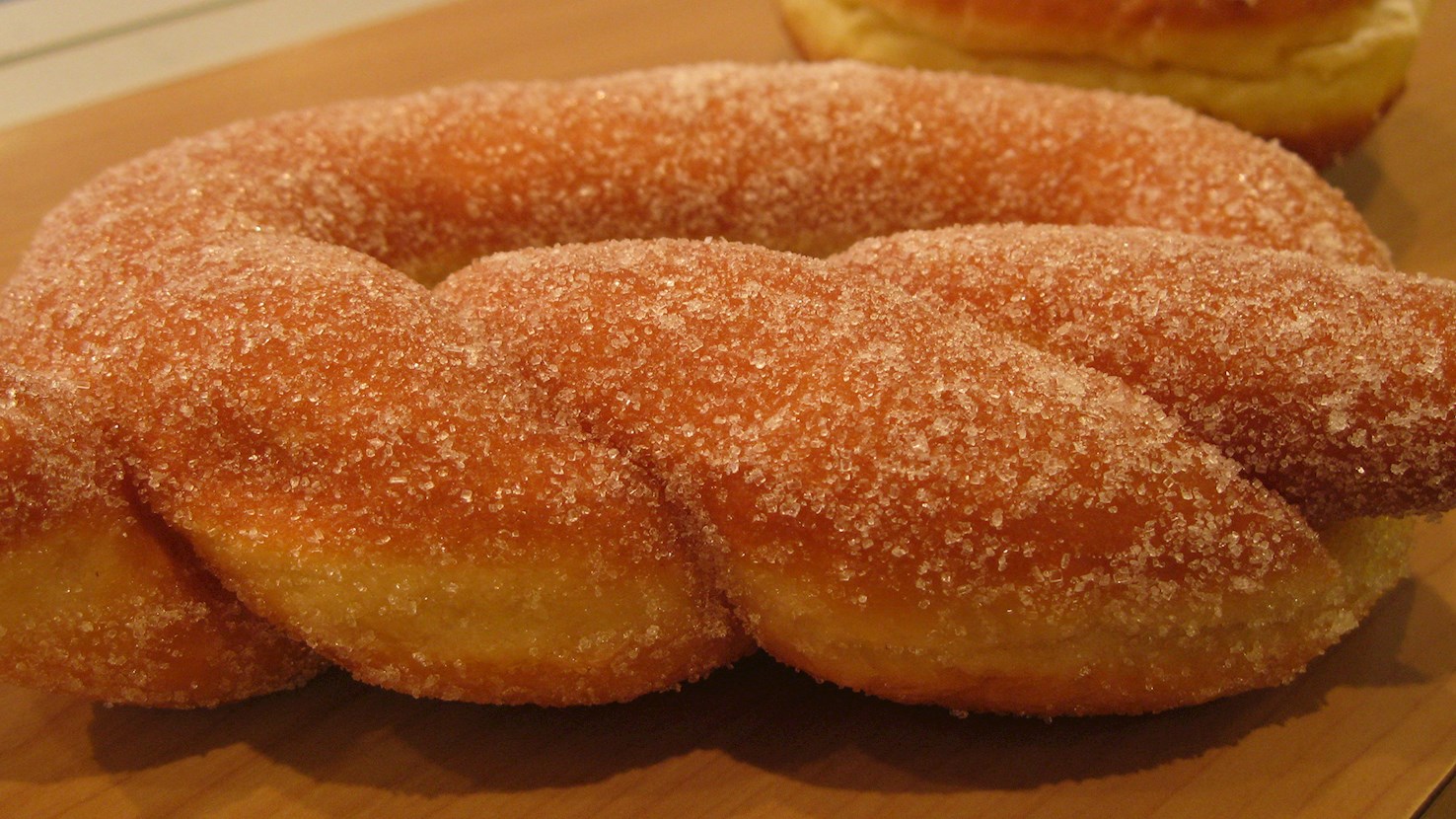
Nonnevot is a unique pastry originating from Limburg, dating back to at least the 17th century. The dough is prepared with flour, yeast, milk, salt, butter, lard, and brown sugar. It is then deep-fried until it develops a golden-brown color. Although nonnevot has traditionally been associated with the carnival, today it can be bought in many regional bakeries. The unusual name of this pastry means nun's butt, referring to its knotted shape and the knot on the back of a nun's uniform.

02
Stew

Zoervleis

4.1 ·

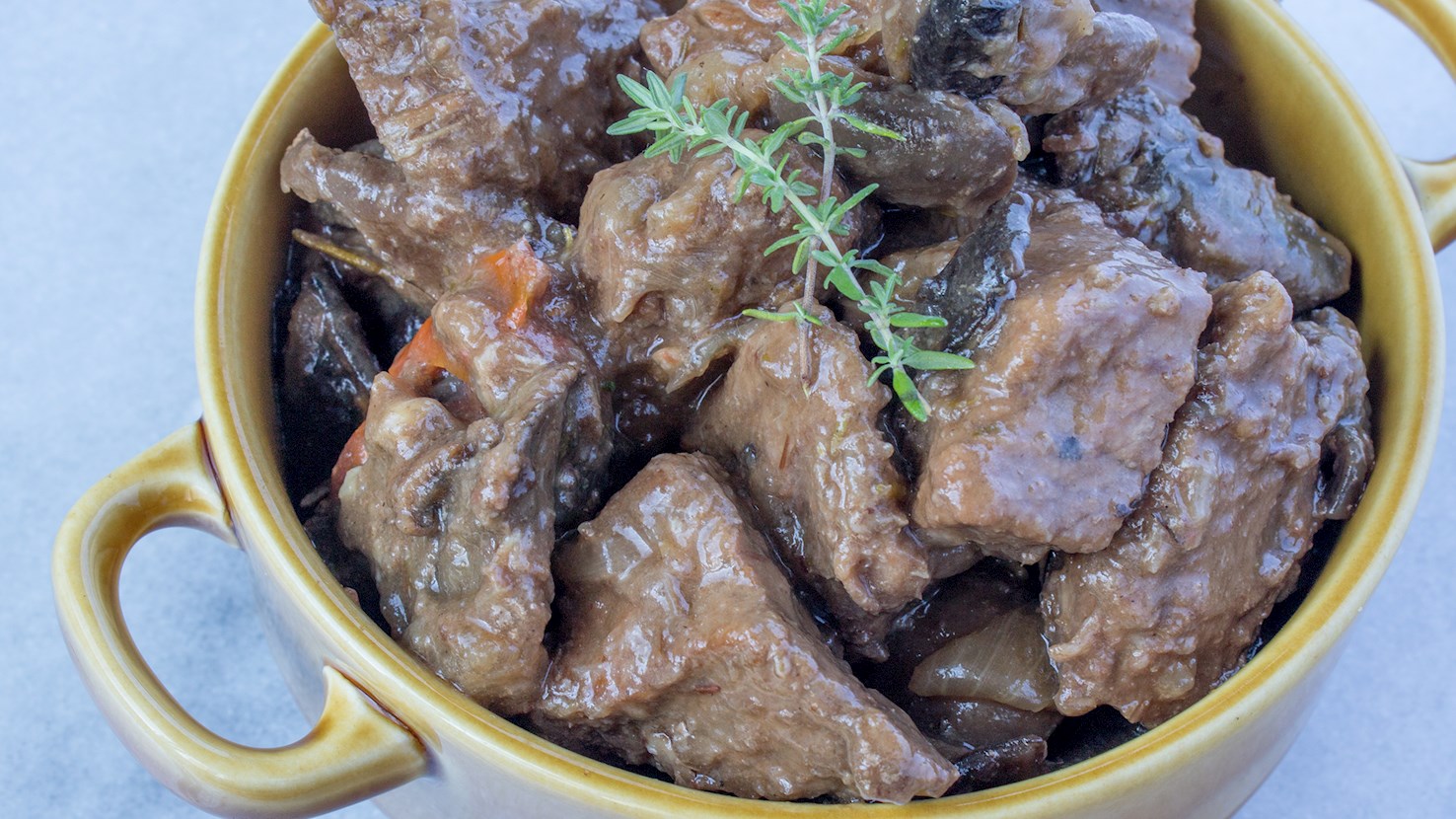
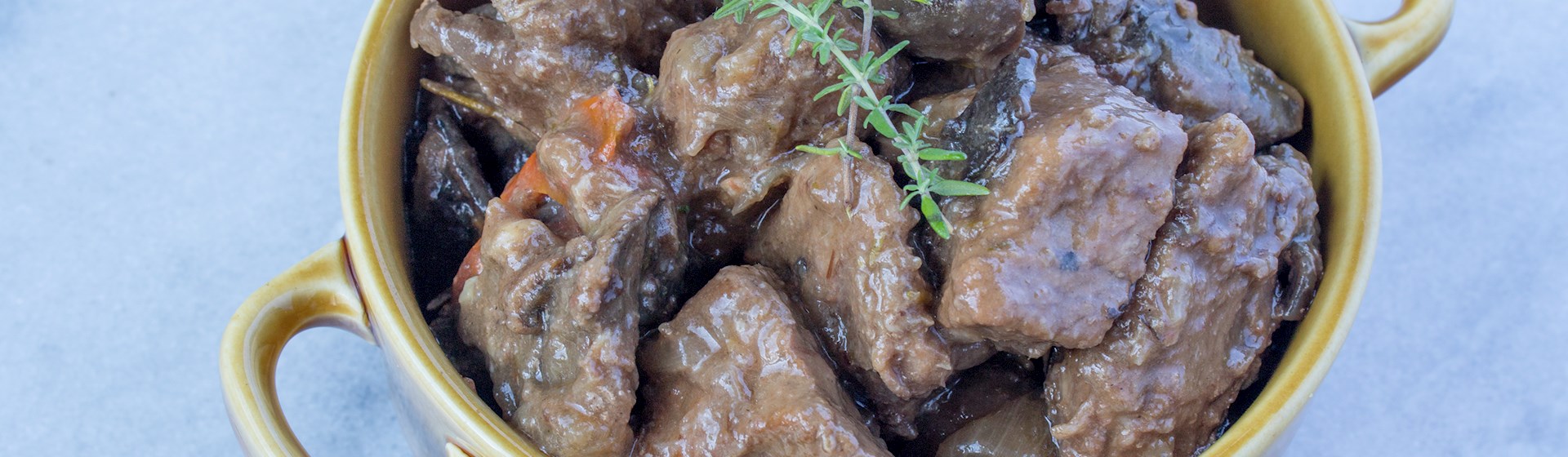
Zoervleis is an authentic delicacy originating from the province of Limburg. Although it is traditionally made with horse meat that is marinated in vinegar (hence the name, sour flesh), nowadays there are modern versions which use beef instead. The stew is additionally enriched by the addition of bay leaves, cloves, peppercorns, appelstroop (apple syrup), and pieces of Dutch gingerbread known as ontbijtkoek. Due to the formation of a thick gravy during the cooking process, zoervleis is almost always accompanied by fries, similar to the wildly popular Canadian poutine.

Best restaurants
03
Sweet Pie

Vlaai

4.0 ·

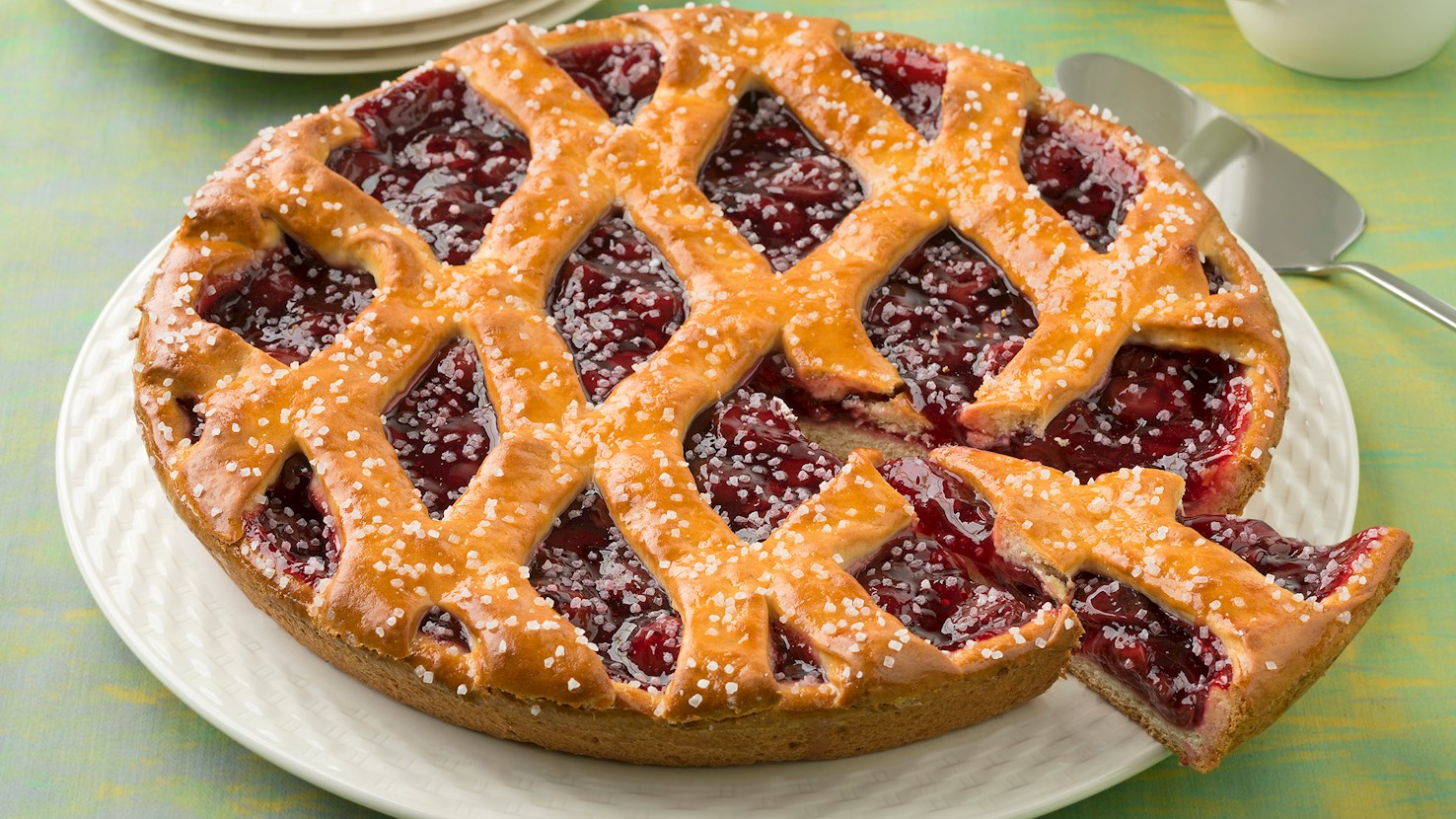
Vlaai is a sweet pie originating from the province of Limburg. It consists of a yeast pie base and a filling of creamy custard which is topped with streusel, a crumbly topping. The pie has a rich history: it was first consumed by Germanic tribes who used to drizzle the dough with fruit juice or honey, and later, it was used in monasteries as a special, sacrificial bread. Over the years, vlaai was brought over to Maastricht, where it was used for festivities and celebrations such as birthdays and weddings. Today, there are numerous varieties of vlaai–filled with chocolate, rice pudding, or fruits such as cherries, strawberries, apples, and bananas.

04
Sweet Pastry

Bossche bol

3.8 ·

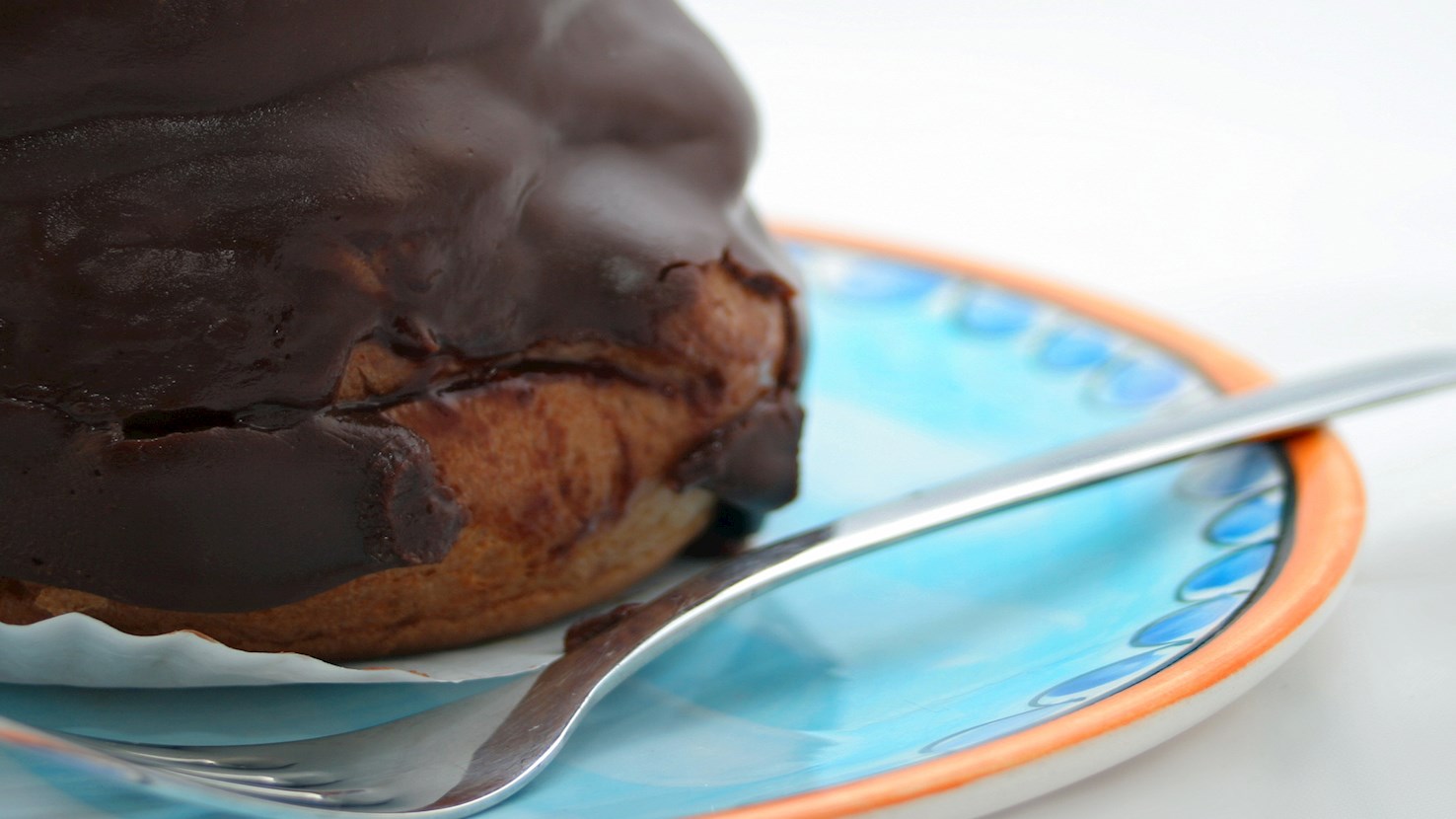
Bossche bol is a chocolate-coated, whipped cream-filled pastry from s'Hertogenbosch. These pastry balls are characterized by their large size, which is why they are often served with forks, knives, and a number of napkins to clean the inevitable mess made while consuming them. It is believed that the sweet treat was invented by Henri van der Zijde in 1920. Today, bossche bollen are traditionally paired with a cup of coffee on the side. There is also a version of Bossche bol that is twice its size, called a reuzenbol, while moorkop is a similar pastry, but much smaller.

05
Sweet Pie

Rijstevlaai

3.8 ·

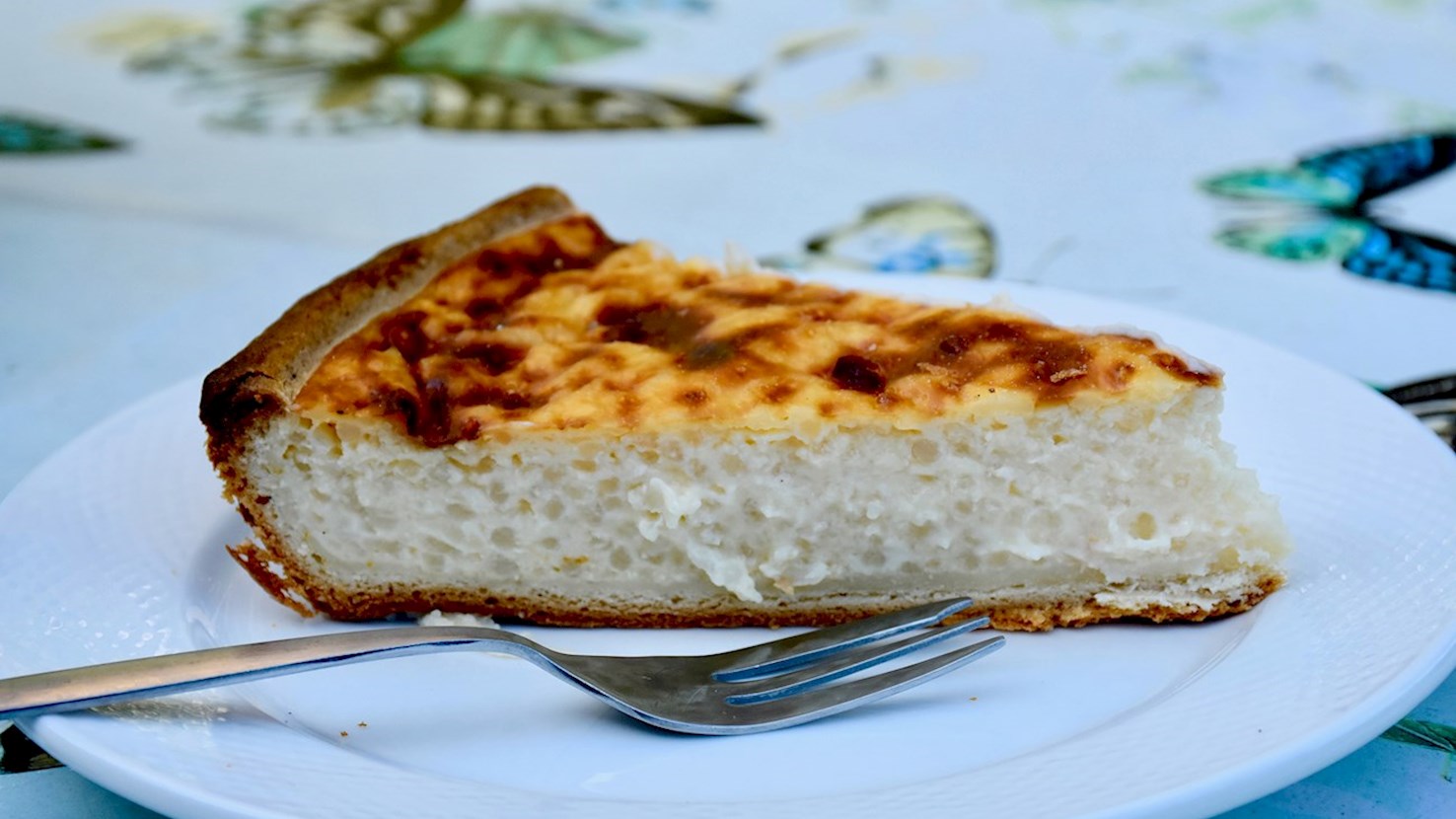
Rijestevlaai is a creamy, rice pudding-based dessert that is popular in the Netherlands, Belgium, and Germany. The cake consists of a single crust that is topped with rice pudding. Rijstevlaai is best served cold, usually on Sundays, at birthdays, weddings, and retirement parties. Vlaai, or flat pies, were originally invented by Germanic tribes who used to spread out the dough over a hot stone and top it with honey or fruit juice in order to make it more flavorful. As time went by, the dough became thinner, and the toppings larger, resulting in numerous flat pies we know and love today.

06
Snack

Brabants worstenbroodje

3.8 ·

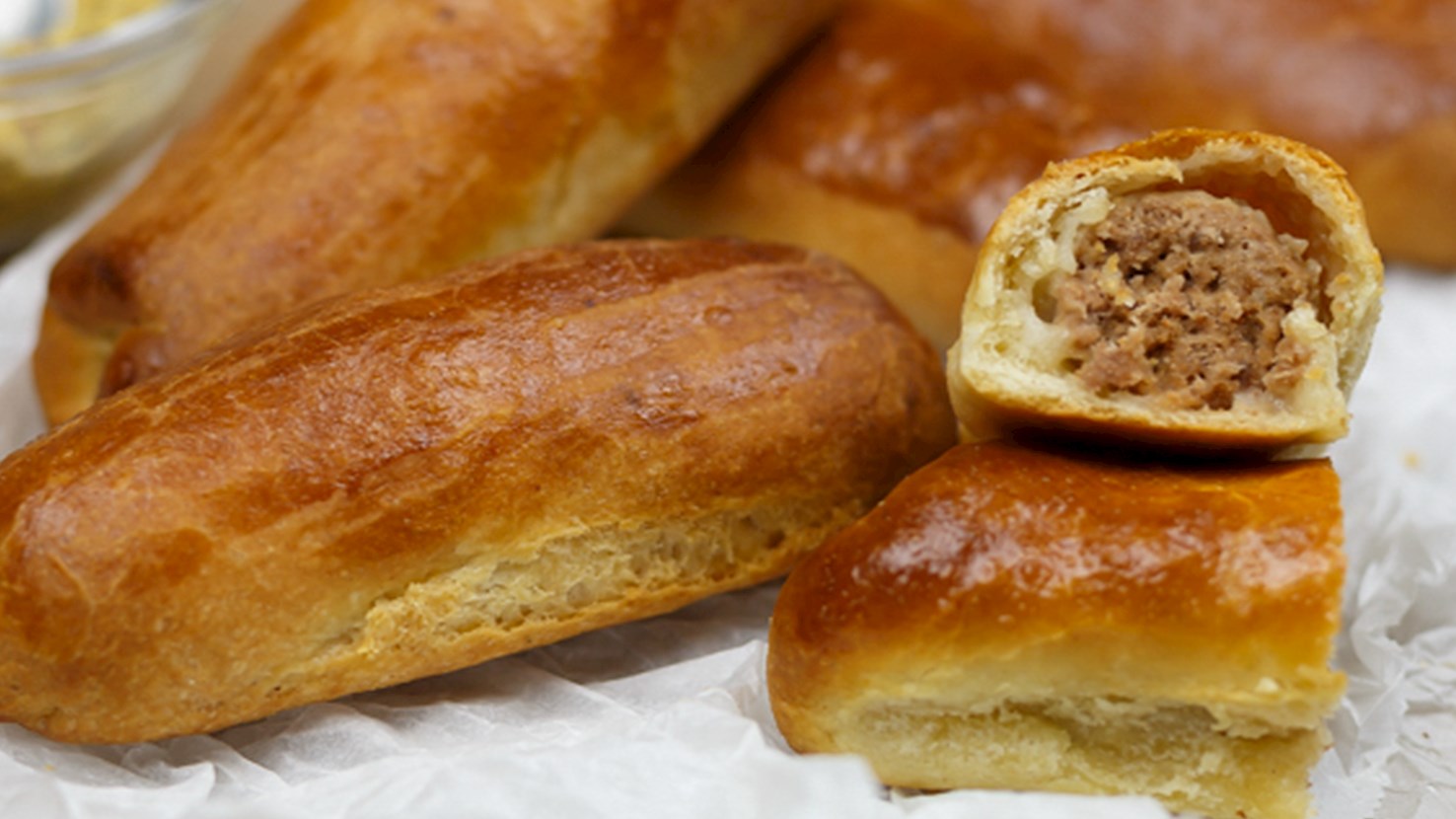
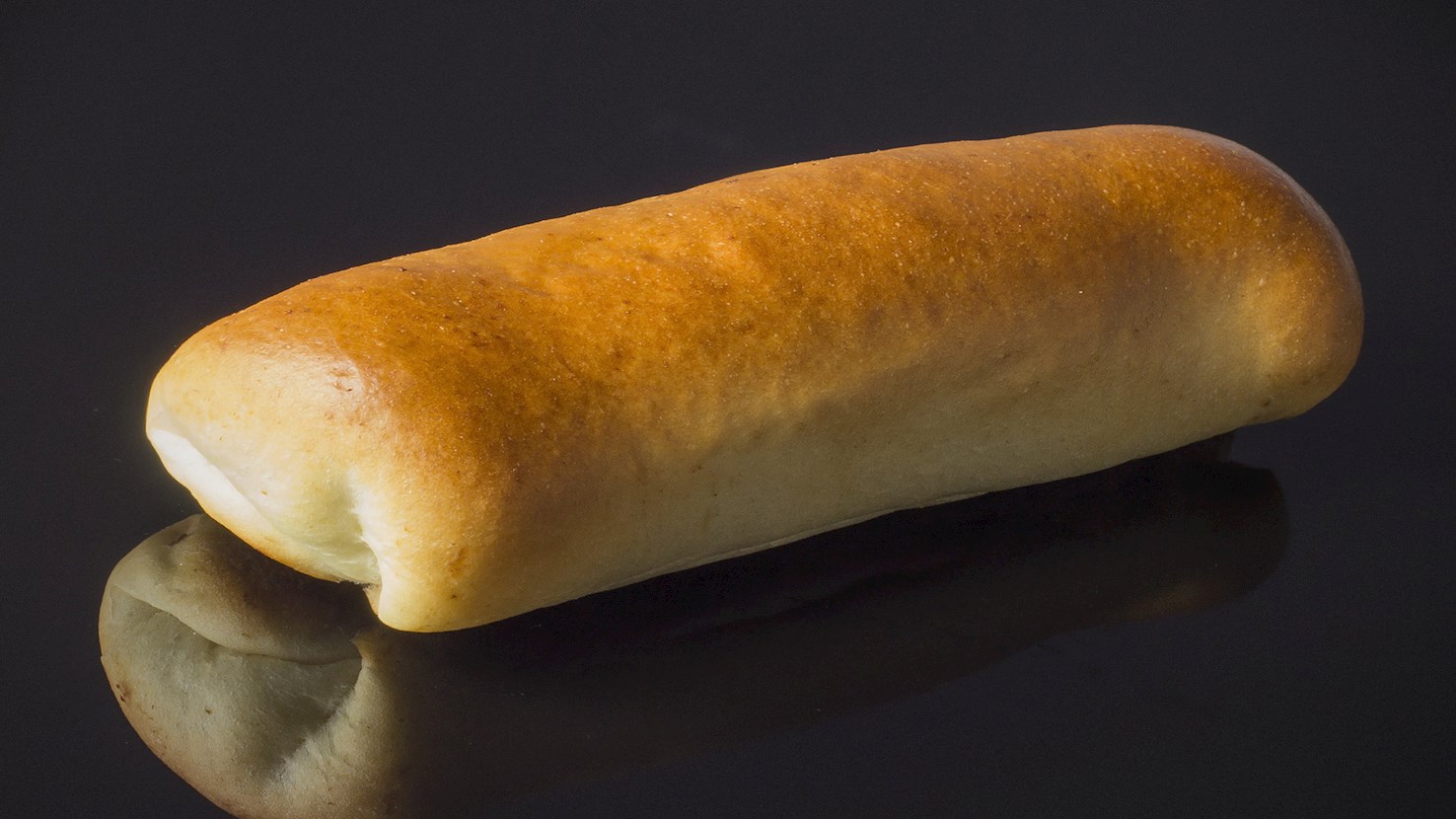
A typical snack from the Dutch province of North Brabant, worstenbroodje is a meat-filled roll that is especially popular during the colder winter months. The dough is made with flour, milk, yeast, sugar, butter, and eggs, while the filling is usually made with ground beef and pork, eggs, milk, breadcrumbs, and flavorings such as salt, pepper, nutmeg, and chopped parsley. Shaped into an elongated oval, these sausage rolls are baked in an oven until their exterior becomes golden-brown and crunchy.

Best restaurants
07
Snack

Worstenbroodje

3.8 ·

Worstenbroodjes are a Brabant specialty consisting of bread rolls filled with meat (usually ground pork and beef), spices, and herbs such as pepper, nutmeg, and parsley. These savory rolls are consumed throughout the year, but they are especially popular during the colder months in the Netherlands. It is recommended to brush the rolls with egg wash and bake them until they develop a golden-brown color on the crust.

08
Rabbit Dish

Konijn in het zuur

n/a ·

Konijn in het zuur is a vinegar-braised rabbit dish originating from southern Netherlands and Flanders, most noteably Limburg. The preparation utilizes the lean meat of the rabbit, which is slow-cooked in an acidic liquid to achieve a tender texture. This culinary staple is defined by a balanced sour-sweet profile, characteristic of the lowland territories. The transition of this dish into the regional repertoire occurred during the 19th century as a result of widespread small-scale rabbit farming. Rabbit was an accessible protein for the working class, but its lack of intramuscular fat required a moist-heat cooking method. The use of vinegar or sour beers was a functional choice to tenderize the muscle fibers while extending the shelf life of the cooked meat. The subsequent inclusion of local syrups or gingerbread to the braising liquid evolved to offset the sharp acidity, creating the specific flavor profile found in contemporary versions. Preparation begins with a long-duration soak in a marinade of vinegar, water, onions, and dry spices like cloves and bay leaves. After marination, the meat is seared in animal fat or butter and then simmered in the liquid until the connective tissues soften. A specific technical element involves adding a slice of mustard-coated bread or gingerbread to the pot; the starches and sugars dissolve to thicken the sauce into a dark, glossy gravy. The acidity of the liquid is crucial as it maintains the integrity of the lean meat during the hours of simmering. A unique outcome of this process is the infusion of the bone marrow into the sauce, which occurs due to the prolonged exposure to the acidic environment. Konijn in het zuur is consumed as a heavy main meal, often in a domestic or tavern setting. It is traditionally served with fries or salted boiled potatoes to provide a neutral base for the potent sauce. In Dutch variations, it is frequently paired with braised red cabbage and tart apples. The beverage pairing usually consists of a dark Belgian ale, such as a Dubbel, which shares the malty and slightly sweet characteristics of the gravy. It is also served with a side of fruit preserve or apple butter to further emphasize the contrast between the sour vinegar and sweet additives.

09
Meat Jelly

Zure zult

n/a ·

Zure zult is a cold, gelatinous meat product made from the head, ears, and trimmings of a pig, set in an acidic jelly and originating from the southern provinces of the Netherlands. The production of this item is rooted in the practical necessity of livestock utilization in North Brabant and Limburg, where every portion of the animal was processed to minimize caloric waste after the slaughter. The product emerged as a preservation method, as the combination of boiling, high acidity from vinegar, and the airtight seal provided by the gelatin matrix extended the shelf life of the meat during periods without mechanical refrigeration. Preparation involves simmering the pork components in a broth containing vinegar, onions, bay leaves, cloves, and peppercorns for several hours until the connective tissues undergo thermal hydrolysis. This process converts the insoluble collagen into soluble gelatin, which acts as the primary binding agent for the dish. Once the meat is tender, it is finely chopped or ground and returned to the reduced, strained cooking liquid. The mixture is then poured into molds and refrigerated until the gelatin sets into a firm, semi-translucent block. A specific property of zure zult is the high concentration of acetic acid, which provides a sharp flavor profile that distinguishes it from the milder, non-acidic head cheeses found in other European regions. Some variations include the addition of finely diced pickles or carrots within the matrix to provide textural contrast. Zure zult is eaten primarily as a cold cut or a spread, often served in thin slices on sturdy rye bread or white farmhouse bread. It remains a staple of the "koffietafel" or afternoon lunch in southern Dutch households and is frequently found at butcher shops. Functional food pairings include a layer of sharp mustard or a garnish of pickled silver onions to enhance the existing acidity of the meat. Beverage pairings are typically robust to match the vinegar content, with a glass of dark Trappist ale or a pilsner being the standard choices to cleanse the palate of the rich, fatty gelatin.

Read more
View all
View map
About this ranking

TasteAtlas food rankings are based on the ratings of the TasteAtlas audience, with a series of mechanisms that recognize real users and that ignore bot, nationalist or local patriotic ratings, and give additional value to the ratings of users that the system recognizes as knowledgeable. For the “Top 17 Southern Dutch Foods” list until July 22, 2026, 380 ratings were recorded, of which 338 were recognized by the system as legitimate. TasteAtlas Rankings should not be seen as the final global conclusion about food. Their purpose is to promote excellent local foods, instill pride in traditional dishes, and arouse curiosity about dishes you haven’t tried.

The initial list of top producers was compiled based on available reviews, awards, local recommendations, media and blog coverage, and consumer reviews. The list will be updated with ratings from TasteAtlas local ambassadors and TasteAtlas users.

Similar lists