shutterstock

Top 8 Ugandan Foods

Last updated on July 22, 2026

Best Ugandan food products

01
Spirit

Kakira Distillery

5.0 ·

Kakira Spirits is a producer of premium alcoholic beverages located in Jinja, Uganda, on the shores of Lake Victoria at the source of the Nile River. Established in 1930 by the Madhvani family, Kakira Spirits is part of the Kakira Sugar Estate, where sugarcane has been cultivated and processed for over 70 years.

The company produces award-winning spirits such as gin, vodka, and rum, using molasses derived as a by-product of sugar production. This approach reduces waste and carbon footprint while simultaneously increasing revenues.

Awards
IWSC- International wine & spirit competition - Spirit Gold (2024)
European Spirits Challenge - Gold (2024, 2023)
02
Chocolate

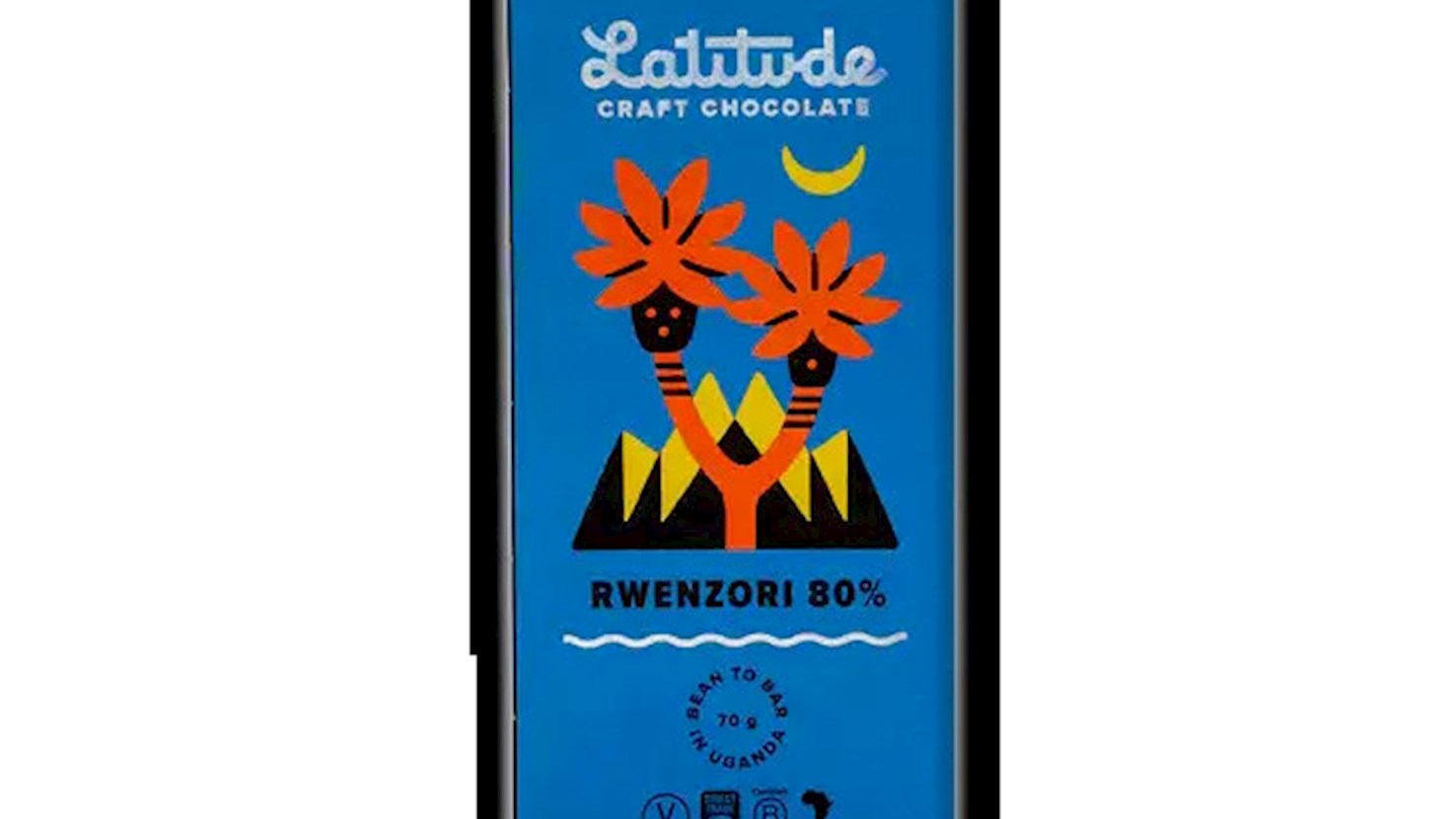
Latitude Craft Chocolate

4.2 ·

Latitude Craft Chocolate, based in Kampala, Uganda, operates with a focus on creating high-quality, ethically produced chocolate. They oversee the entire production process from bean to bar, ensuring sustainability and fair practices.

By working directly with local farmers, Latitude Craft Chocolate is able to ensure better livelihoods for these communities and maintain control over the purity and taste of their end product. They produce a variety of chocolate products that emphasize the unique flavors of Ugandan cocoa.

Awards
Great Taste Awards - 2 Stars (2021)

Best Ugandan foods

01
Salad

Kachumbari

3.6 ·

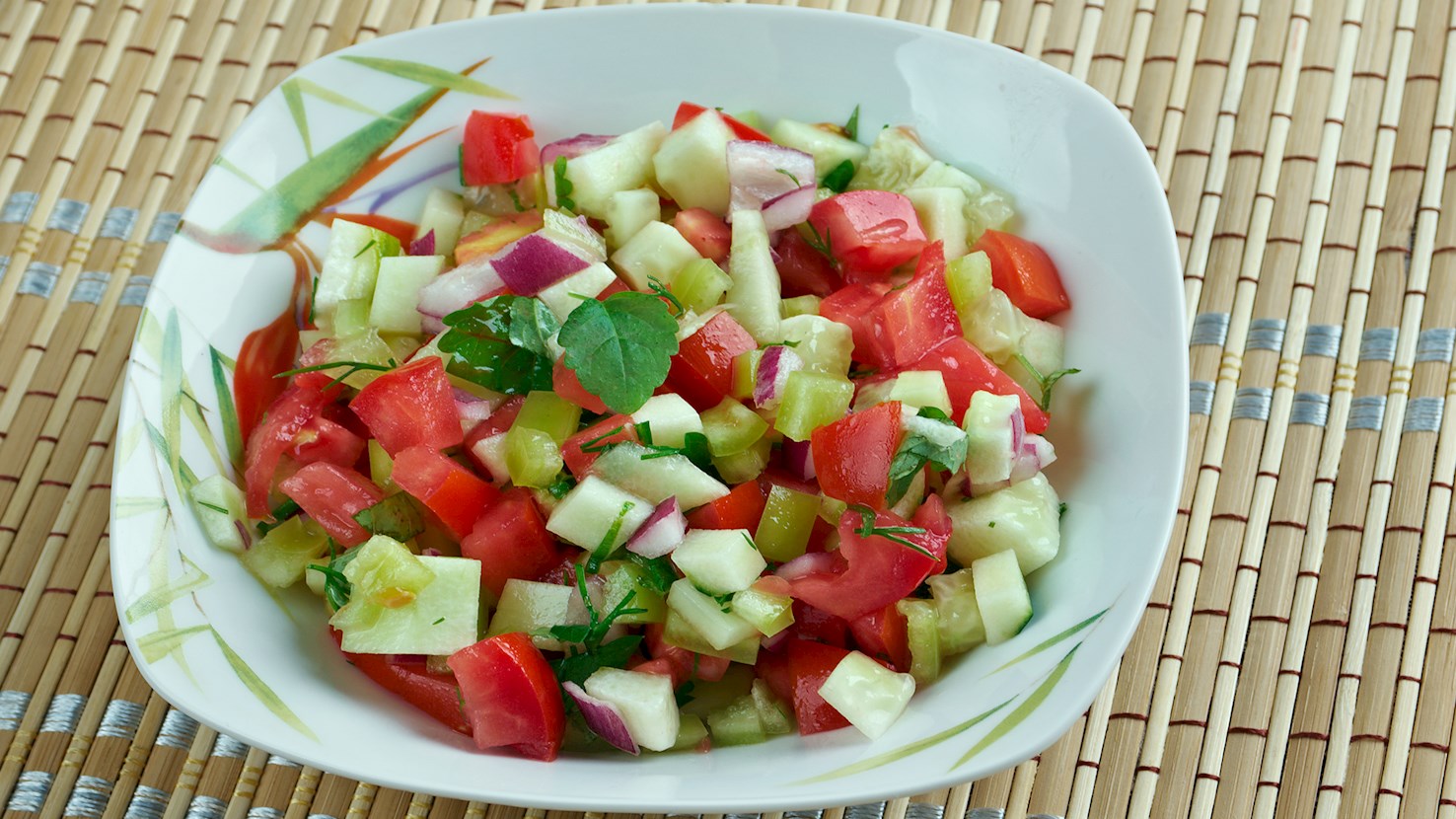
Kachumbari is a fresh vegetable salad made primarily from raw tomatoes and onions, prepared and eaten widely in East Africa, especially in Kenya, Tanzania, Rwanda, Uganda, and Burundi, where it functions as a table accompaniment rather than a standalone dish. Its development is tied to Swahili-speaking coastal foodways and inland adaptations shaped by Indian Ocean trade and regional agriculture, as tomatoes, onions, and citrus became integrated into local diets and were combined in raw form to provide contrast to grilled, fried, or stewed foods that dominate main meals. Preparation involves finely chopping ripe tomatoes and onions and mixing them with salt and a source of acidity such as lime or lemon juice, with chili peppers and fresh herbs like cilantro added in some households, producing a salad that is crisp, sharp, and lightly juicy rather than dressed or marinated. Serving is immediate, as kachumbari is meant to retain freshness, and it is placed in a small bowl or directly on the plate alongside the main dish rather than layered or chilled extensively. It is eaten at home meals, roadside eateries, and social gatherings, commonly alongside grilled meats such as nyama choma, fried fish, rice dishes like wali wa kukaanga, or stiff maize porridge, and it pairs naturally with plain water, unsweetened tea, or light beers, which complement its acidity without competing with its freshness.

02
Swallow

Posho

3.3 ·

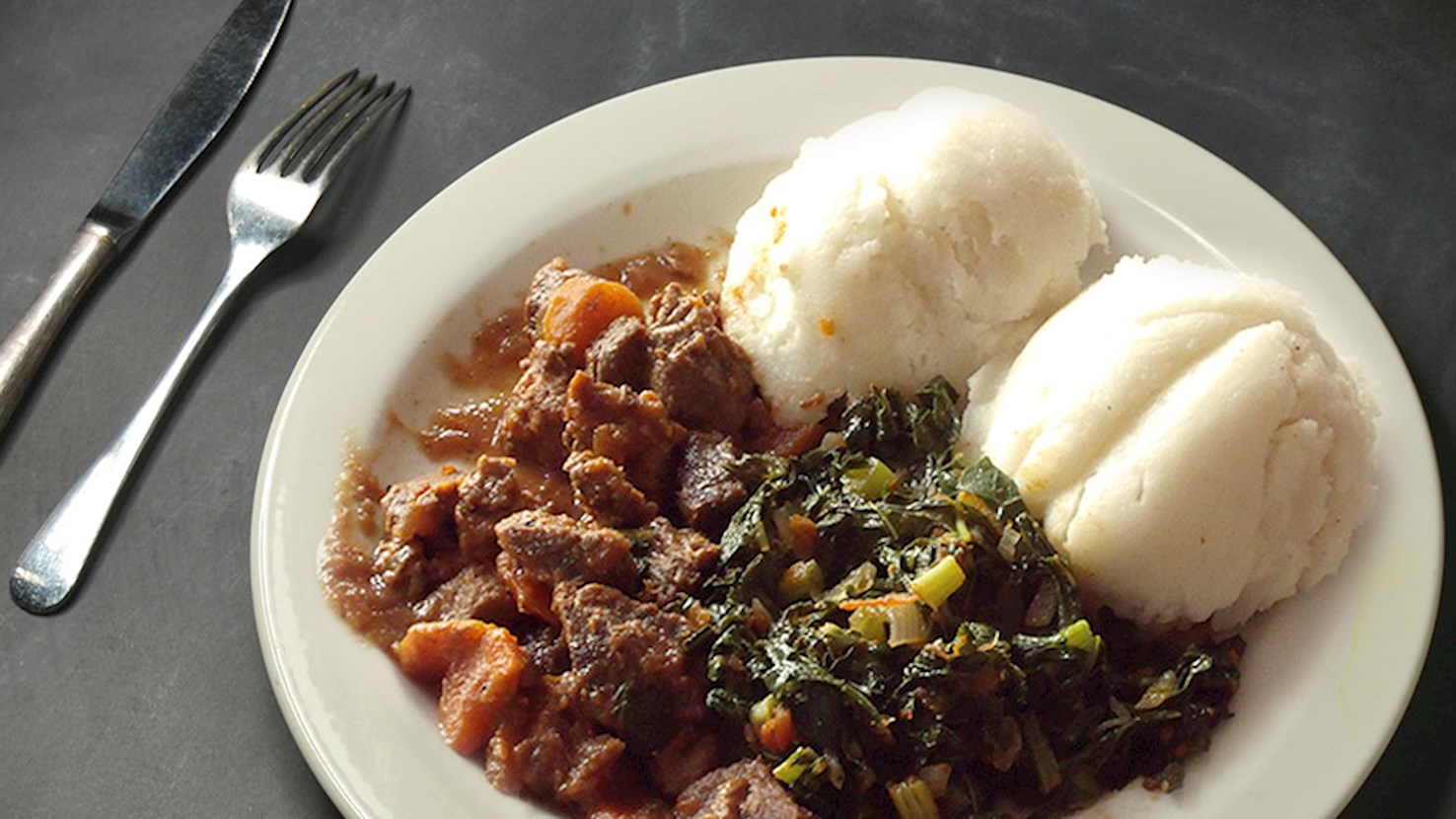
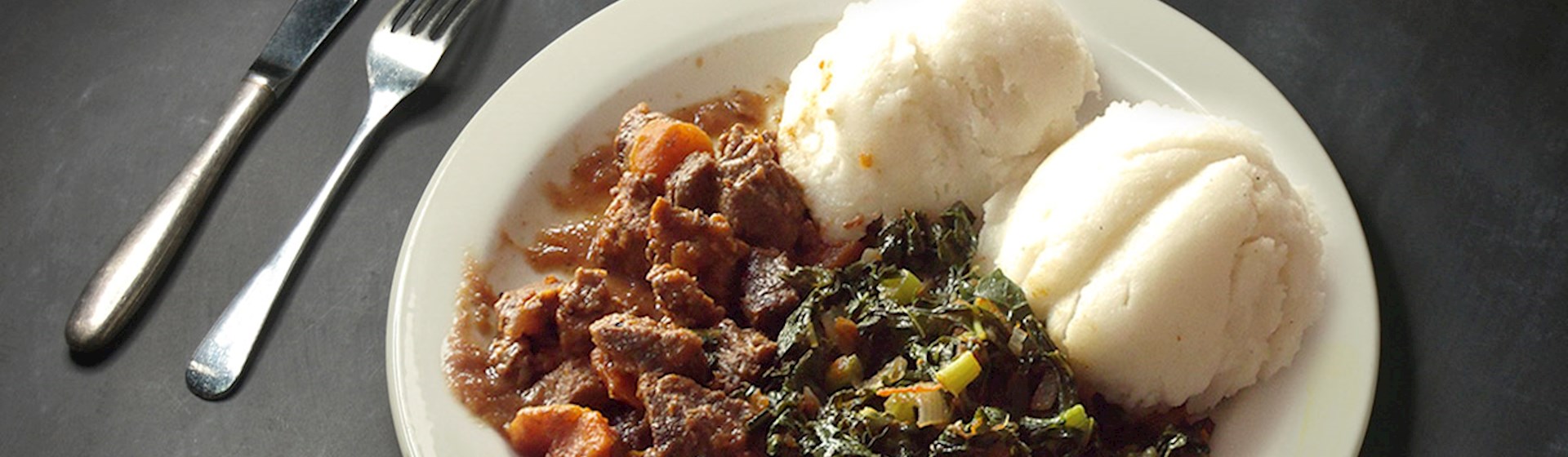
Ugali is a stiff maize-based staple food made by cooking maize flour with water into a firm mass, eaten widely across eastern and southern Africa, most prominently in Kenya and Tanzania, and also present under the same name or close variants in many other African countries, where it functions as a primary source of dietary energy rather than a side dish. Its development followed the introduction of maize to Africa from the Americas beginning in the sixteenth century, after which the crop spread rapidly because of its adaptability and yield, gradually replacing earlier millet and sorghum porridges in many areas and becoming embedded in everyday meals due to its affordability, long storage life, and compatibility with diverse local sauces. Preparation involves bringing water to a boil and steadily adding maize flour while stirring continuously to prevent lumps, then cooking the mixture until it thickens into a cohesive mass with no free liquid, a process governed more by experience and texture than by fixed measurements. Serving is immediate, with the cooked ugali shaped into a mound and portioned by hand or spoon, and it is not consumed alone but used to scoop vegetables, legumes, meat stews, or fish, acting as a neutral carrier rather than a flavored component. It is eaten primarily at lunch or dinner in homes, eateries, and communal settings, most often by hand, and it pairs naturally with leafy greens, bean dishes, grilled or stewed meats, and fish sauces, while beverages alongside are typically water, unsweetened tea, or light fermented drinks rather than sweet or acidic options, keeping attention on the accompanying foods rather than the starch itself. Nsima from Malawi, which follows the same method and role at the table and was formally recognized in 2017 when it was inscribed on the Representative List of the Intangible Cultural Heritage of Humanity by UNESCO, reflecting its central place in daily life and social practice.

03
Insect Dish

Nsenene

n/a ·

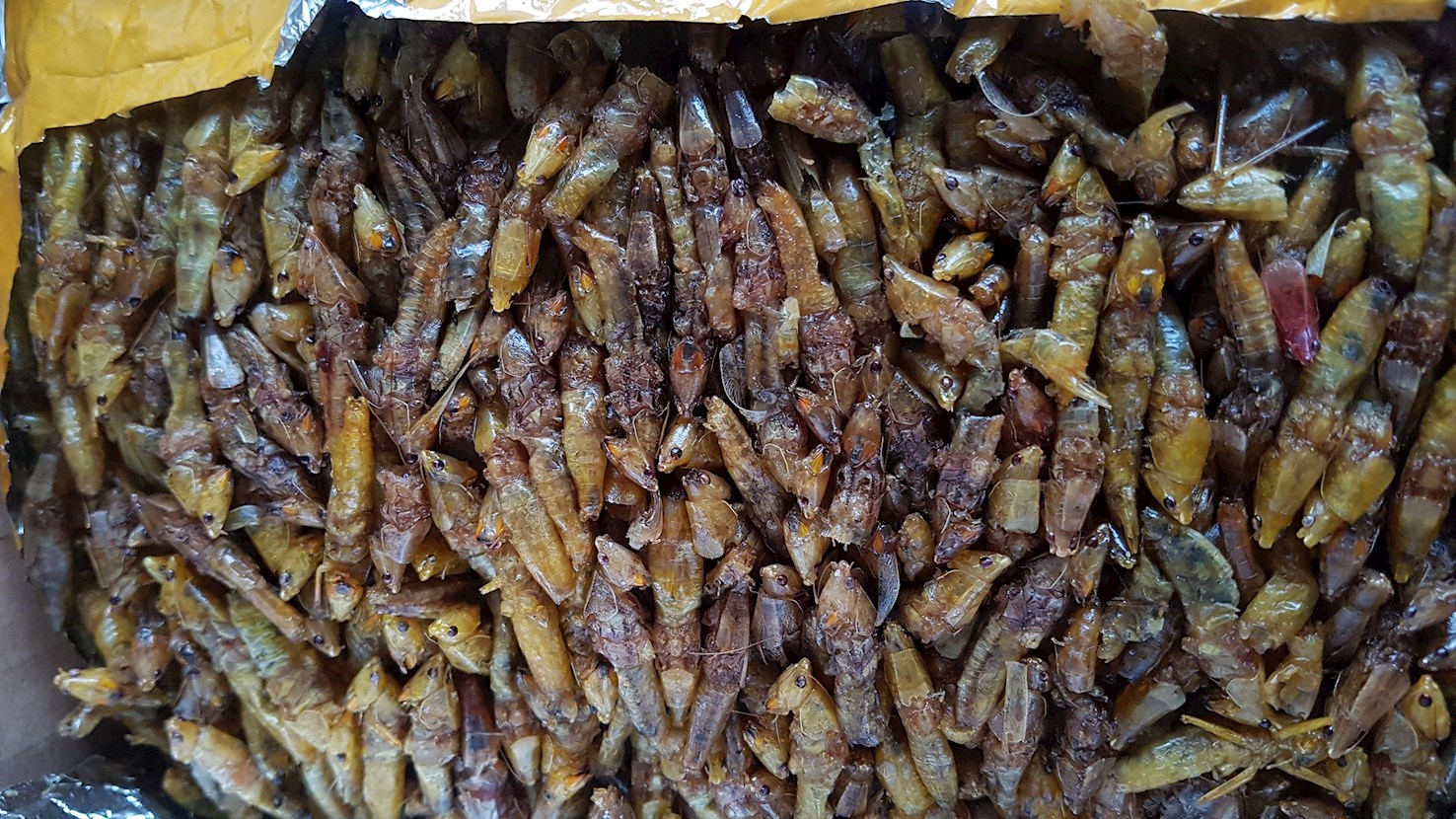
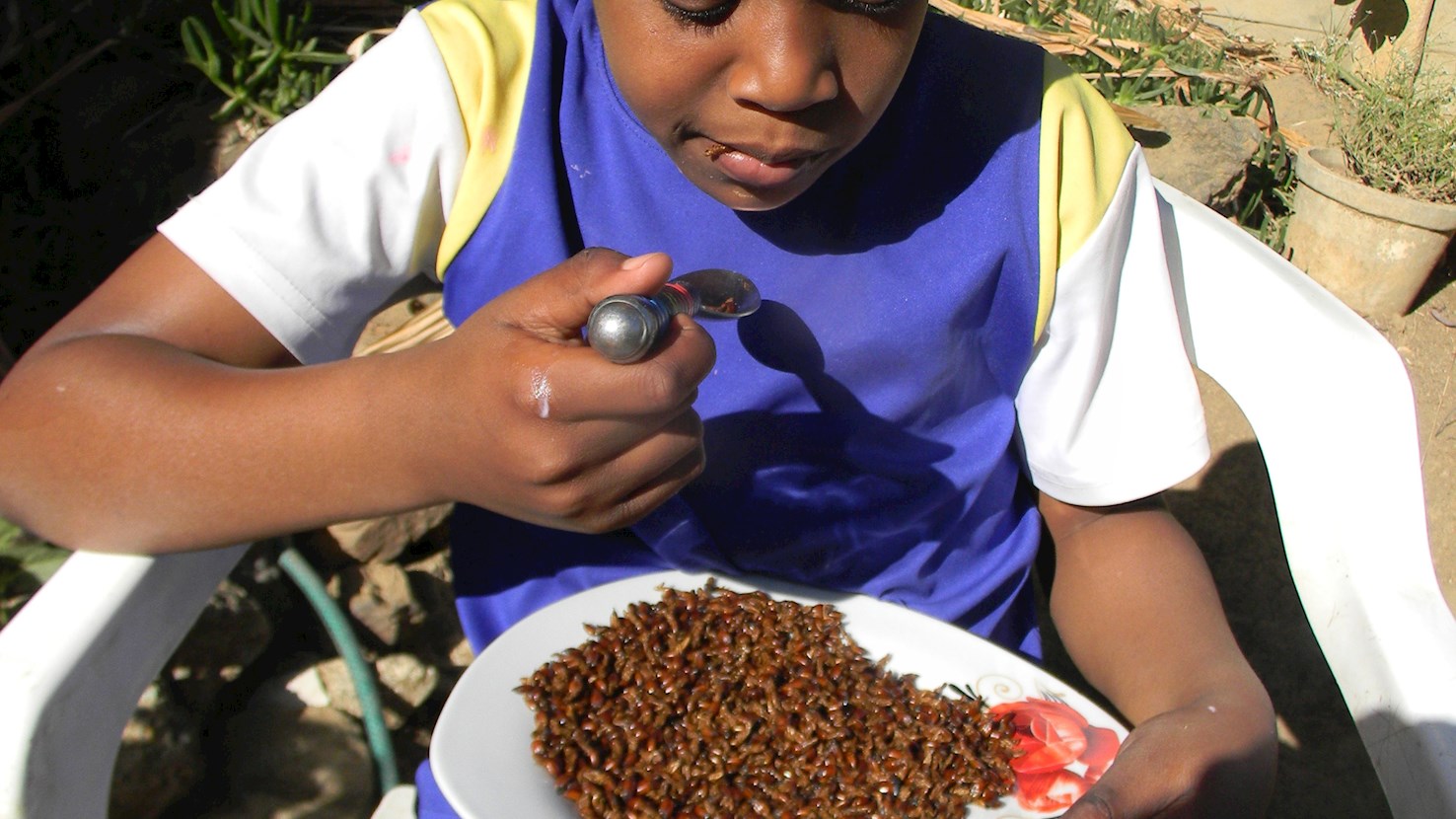
Nsenene is a seasonal specialty dish originating from Uganda. The name refers to grasshoppers (katydids) which are plucked and washed, then fried in their own fat, without cooking oil, and flavored with onions and salt. The grasshoppers can also be sun-dried or boiled, then consumed on their own or served as an accompaniment to other dishes. These crunchy insects are typically caught in November using a torchlight and a huge white sheet, and they contain high amounts of proteins, dietary fiber, and fat. During the season, in November, nsenene are typically sold at grocery stores and local markets from huge plastic buckets and served in small boxes made of carton or tinfoil.

04
Bean Dish

Kikomando

n/a ·

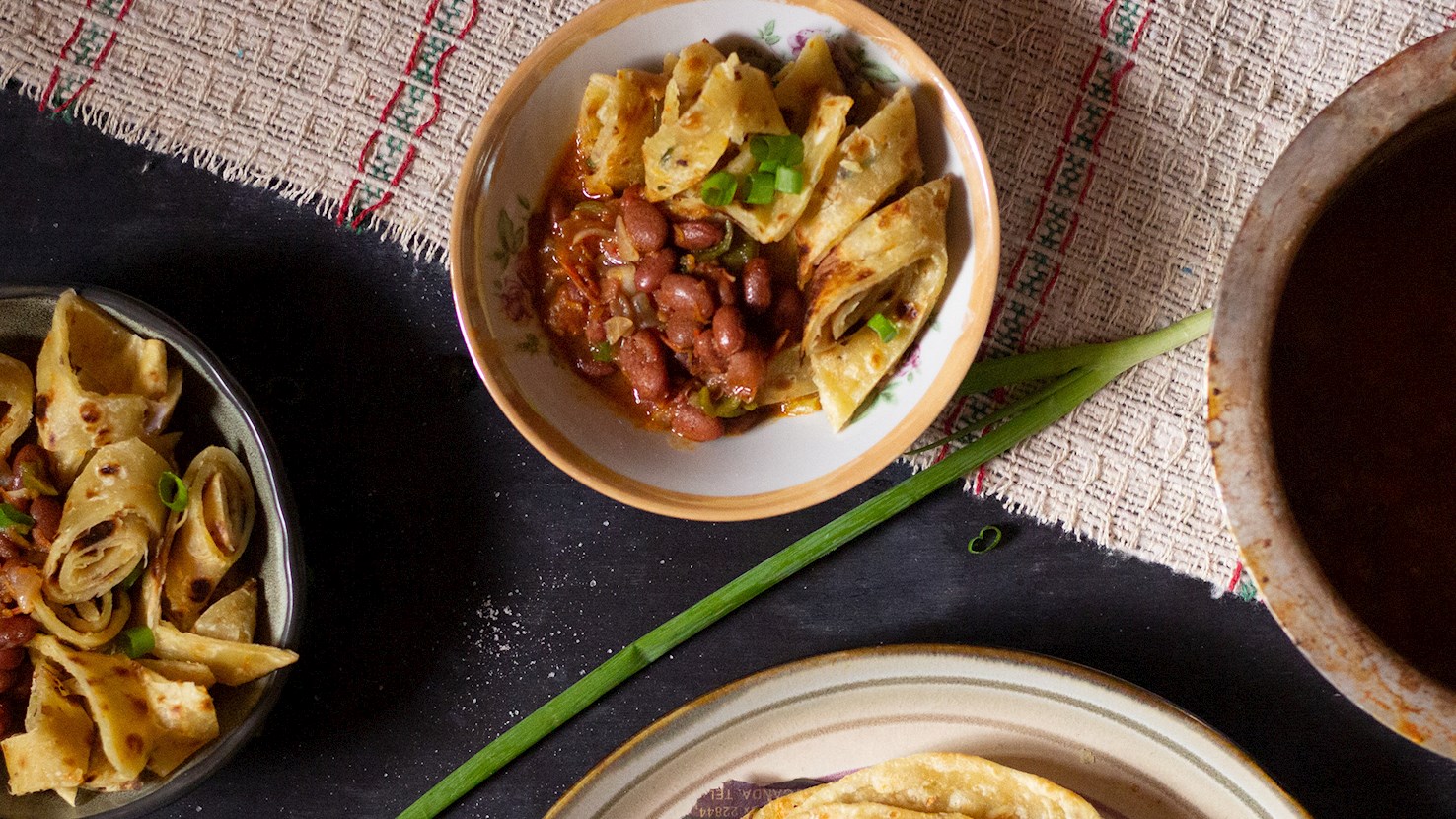
This simple, inexpensive Ugandan dish combines pieces of torn chapatti and beans. The optional addition includes avocado, while variations employ stews, chicken, or gravy. It is believed that the dish initially appeared as a popular breakfast or lunch option in the early 2000s when people simply combined the unleavened chapatti with beans. The name of the dish was inspired by the movie Commando, as it was seen as the food of the soldiers, meaning it is able to give a person lots of energy for little money and is convenient to carry around because of the way it's packed. It was later popularized by Bobi Wine, who used the term in one of his songs. Kikomando is enjoyed throughout the country and is a staple dish at many chapatti establishments. However, kikomando is by no means a restaurant meal; it's usually served in a plastic box or bag and rarely on a plate.

05
Meat Dish

Luwombo

n/a ·

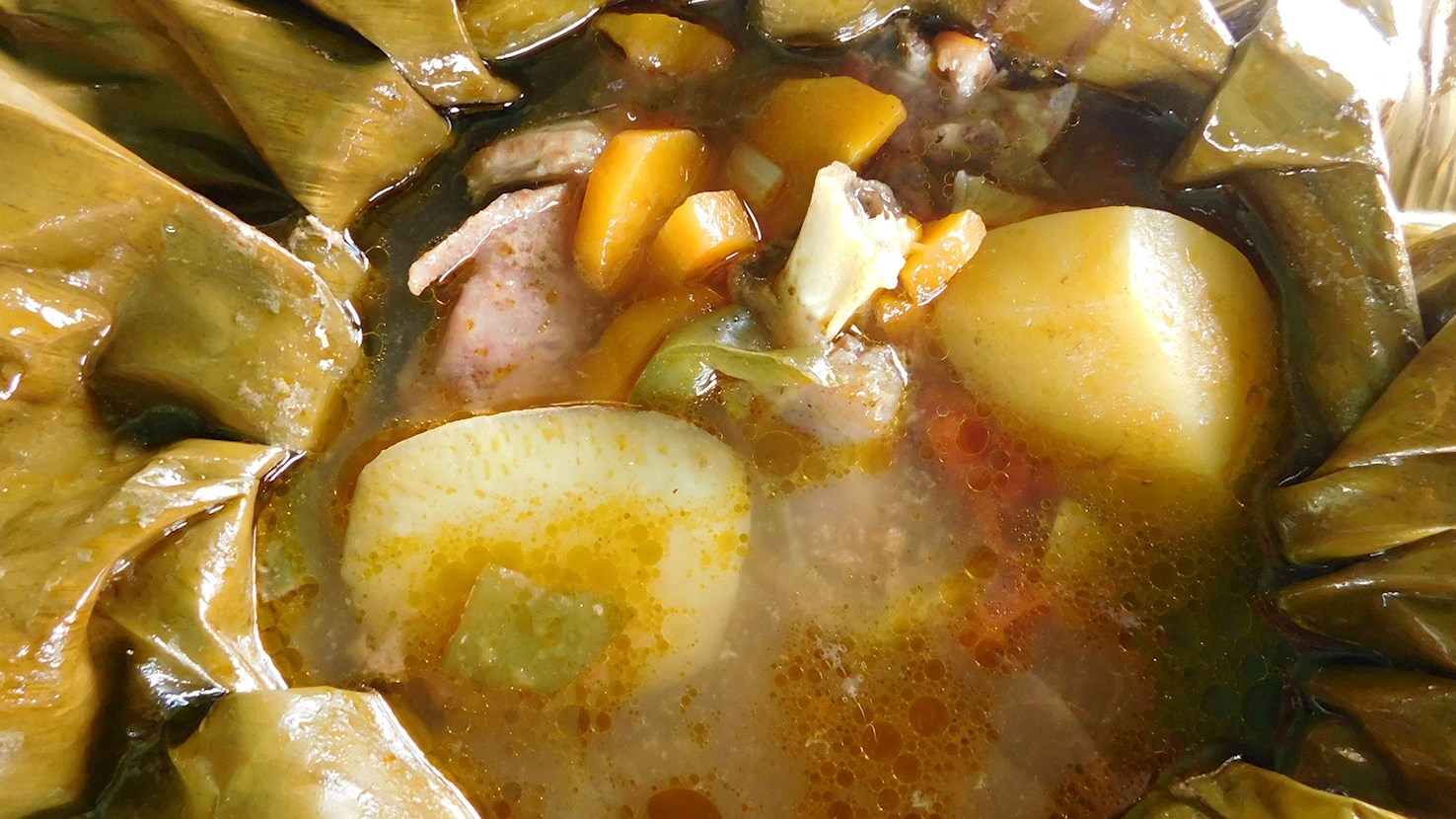
This Ugandan dish combines meat, typically beef, chicken, or goat, with a rich groundnut sauce that is occasionally enriched with mushrooms, dry fish, or smoked meat. However, luwombo can be made without groundnut sauce and have a clear broth. The elements are wrapped in banana leaves, and the parcels are then steamed for hours. Luwomobo is a Ugandan classic that is traditionally served alongside sautéed greens or mashed steamed plantains (matooke).

06
Vegetable Dish

Sukuma wiki

n/a ·
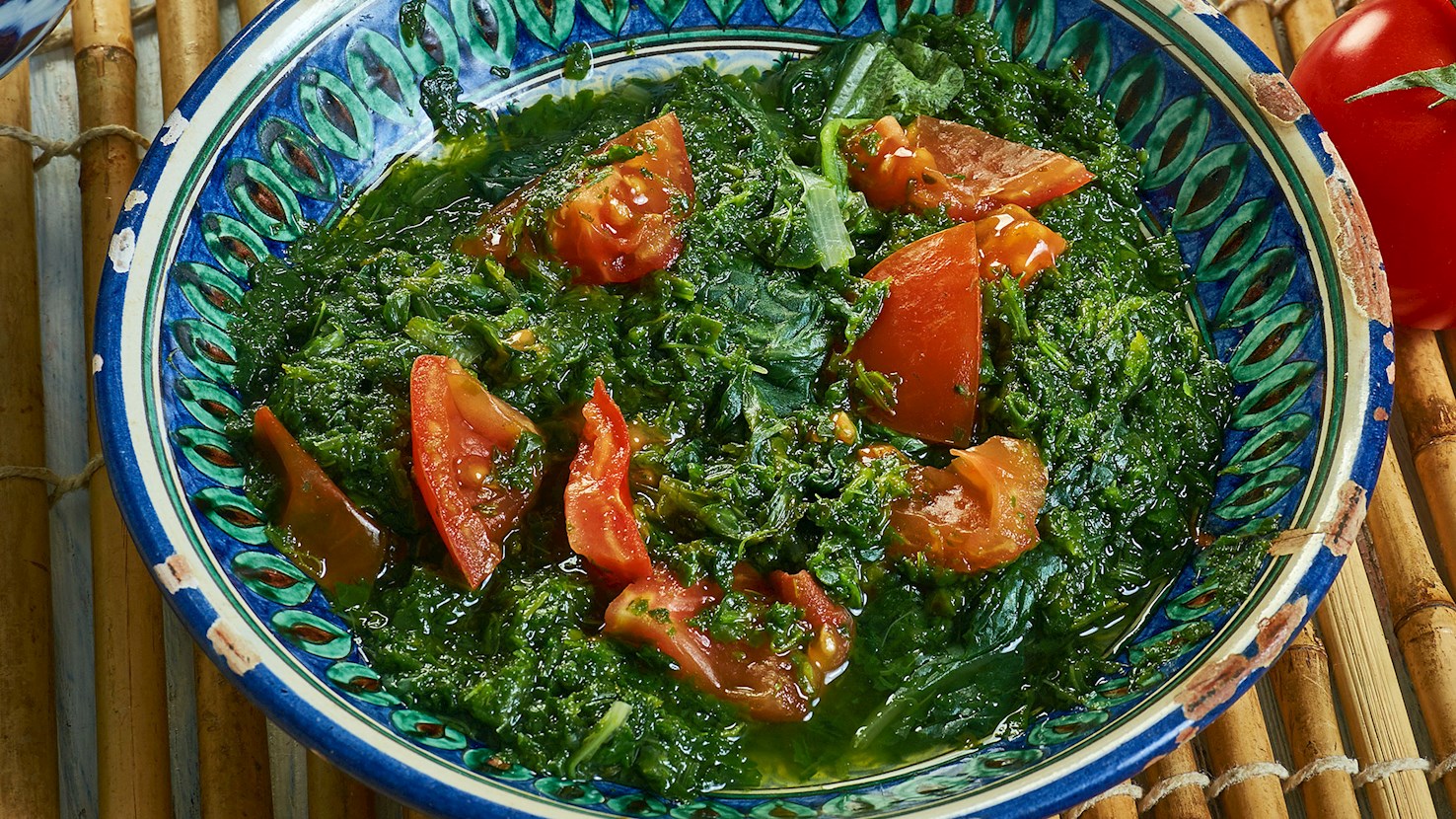
Sukuma wiki is a vegetable dish made with finely sliced collard greens or kale sautéed with onion, tomato, oil, and salt. It is especially associated with Kenya, but it is also widely eaten in Tanzania, Uganda, and other parts of the region. The name comes from Swahili and is usually translated as “push the week” or “stretch the week,” a practical reference to the way these inexpensive greens help make a meal last when money is tight. The dish is closely tied to everyday home cooking because it is cheap, filling, and easy to make with vegetables that grow well in small plots and kitchen gardens. In Kenya, the word sukuma often refers to collard greens themselves, although kale and other sturdy leafy greens are also used. The greens are usually washed, stripped of their tougher stems, stacked, and sliced into thin ribbons so they cook quickly and evenly. The work starts with heating a little oil in a pan and cooking onions until soft. Tomatoes are then added and cooked down until they loosen and form a simple base. The sliced greens go in next with salt and, depending on the cook, a little garlic, coriander, bouillon cube, chili, or other seasoning. Some versions are cooked only briefly so the greens stay bright and slightly firm, while others are left longer until they become softer and more deeply flavored. Meat is not necessary, but small pieces of beef, leftover meat, or minced meat are sometimes added when the dish is served as a more substantial meal. Sukuma wiki is most often eaten with ugali, the stiff maize porridge that is one of the region’s main staples. Other than ugali, it is also served alongside beans, stewed beef, fish, chicken, or nyama choma.
07
Street Food

Rolex

n/a ·

Rolex is a popular Ugandan street food consisting of an omelette rolled in a chapati, commonly filled with vegetables such as cabbage, tomatoes, onions, and sometimes green peppers. It originates from Uganda’s urban centers, particularly in the Busoga region and later in Kampala, where it gained widespread popularity among students and workers seeking a quick, inexpensive, and filling meal. The name comes from a local adaptation of the phrase “rolled eggs,” which, when spoken quickly, became “rolex.” It emerged in the early 2000s as street vendors began selling chapatis with eggs and vegetables cooked together, a combination that evolved into a national snack. To prepare it, a chapati is first cooked on a flat metal griddle until lightly browned. Separately, eggs are beaten with chopped vegetables and fried on the same griddle, forming a thin, round omelette. While still warm, the omelette is placed directly on the chapati and rolled tightly, forming a compact wrap that can be eaten by hand. Vendors often adjust the ingredients to a customer’s preference, sometimes adding cooked meats, cheese, or even potatoes. It is typically made to order and served hot, often wrapped in paper for easy takeaway. Its preparation requires minimal equipment and ingredients, making it accessible to vendors operating from small roadside stalls. In Uganda, it is eaten at any time of day, commonly for breakfast, lunch, or as a late-night meal. It is frequently enjoyed with soft drinks, tea, or fruit juice, and in some areas, it is paired with avocado slices or accompanied by roasted meat sold by nearby vendors.

08
Insect Dish

Nswaa

n/a ·

Nswaa is a traditional insect-based snack originating from Uganda. During the rainy season, people harvest the termites, then roast them with spices. One common way of preparation uses nswaa termites, garlic, tomatoes, canola oil, onions, chili, and salt. The onions are sautéed, followed by the tomatoes, salt, garlic, and chili, The termites are then fried with the other ingredients and served in a plate. The dish is enjoyed by squeezing some lemon juice over it, or eating it with ugali. Due to the high nutritional value of the termites, this snack is loved by many people all over the country.

Read more
View all
View map
About this ranking

TasteAtlas food rankings are based on the ratings of the TasteAtlas audience, with a series of mechanisms that recognize real users and that ignore bot, nationalist or local patriotic ratings, and give additional value to the ratings of users that the system recognizes as knowledgeable. For the “Top 8 Ugandan Foods” list until July 22, 2026, 85 ratings were recorded, of which 64 were recognized by the system as legitimate. TasteAtlas Rankings should not be seen as the final global conclusion about food. Their purpose is to promote excellent local foods, instill pride in traditional dishes, and arouse curiosity about dishes you haven’t tried.

The initial list of top producers was compiled based on available reviews, awards, local recommendations, media and blog coverage, and consumer reviews. The list will be updated with ratings from TasteAtlas local ambassadors and TasteAtlas users.

Similar lists