shutterstock

Top 24 Traditional Foods
in the Valtellina

Last updated on June 24, 2026

Best Valtellina foods

01
Appetizer

Sciatt

4.2 ·

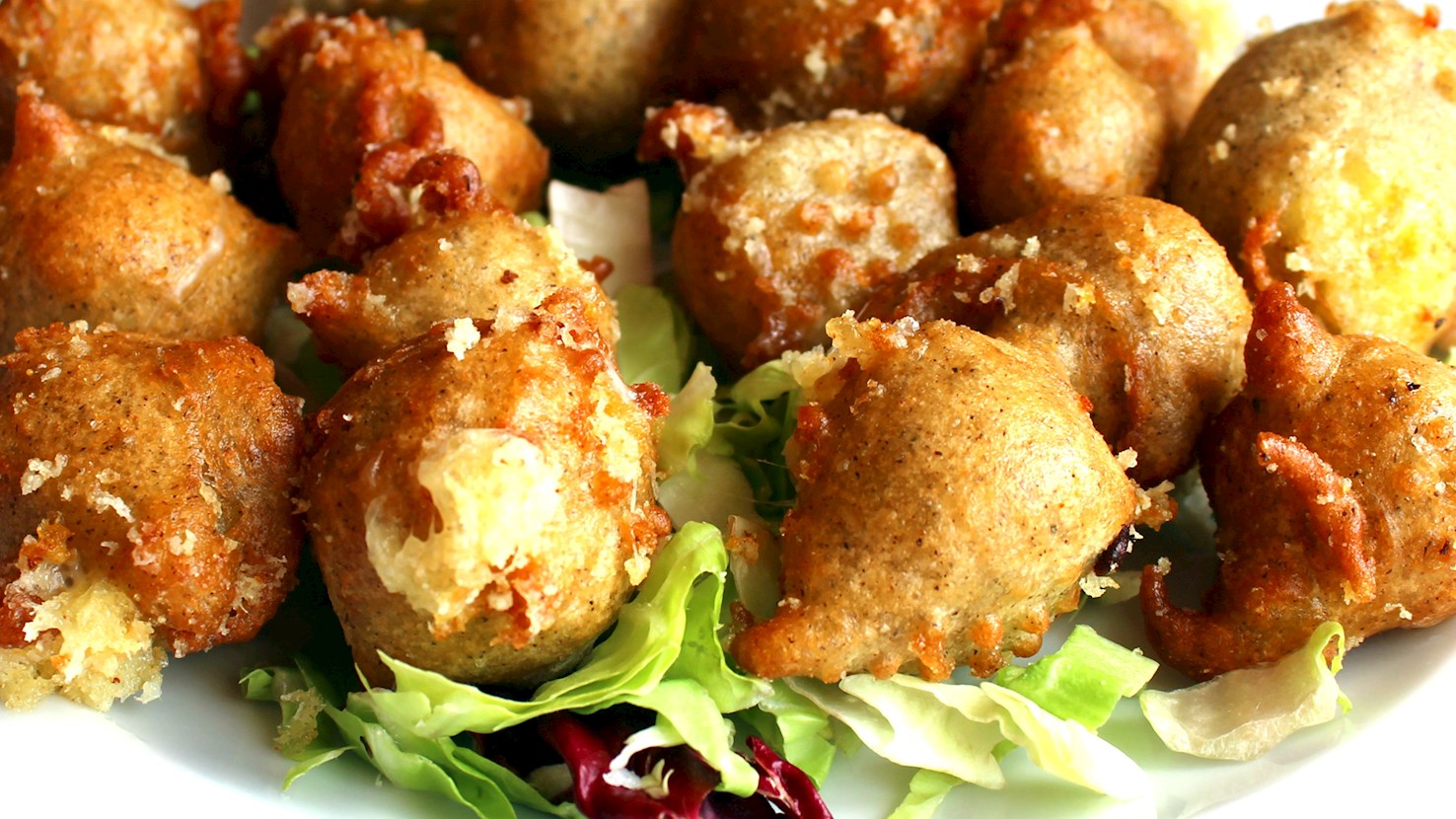
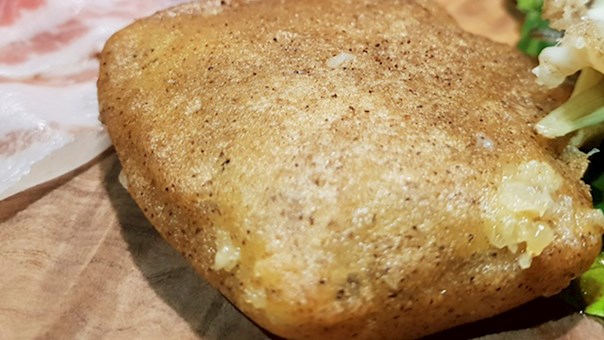
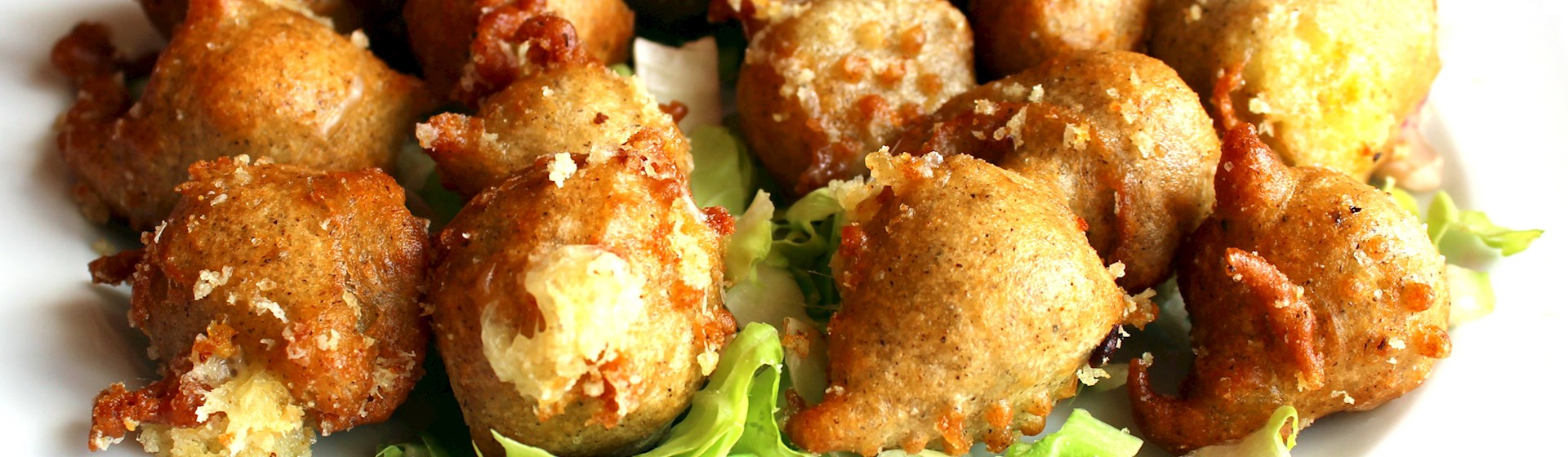
These irregularly-shaped buckwheat fritters are a traditional delicacy of the Valtellina valley, where buckwheat has been used since the 1600s. They are prepared with a thick batter that employs buckwheat, beer, and a splash of grappa, while the final addition is diced cheese, preferably the local Valtellina Casera. It is believed that they were named sciatt, denoting a toad in the local dialect, because of their unusual shape and dark color. They are traditionally served on a bed of fresh seasonal salads and are enjoyed as an appetizer or a snack.

02
Pasta

Pizzoccheri alla Valtellinese

4.1 ·

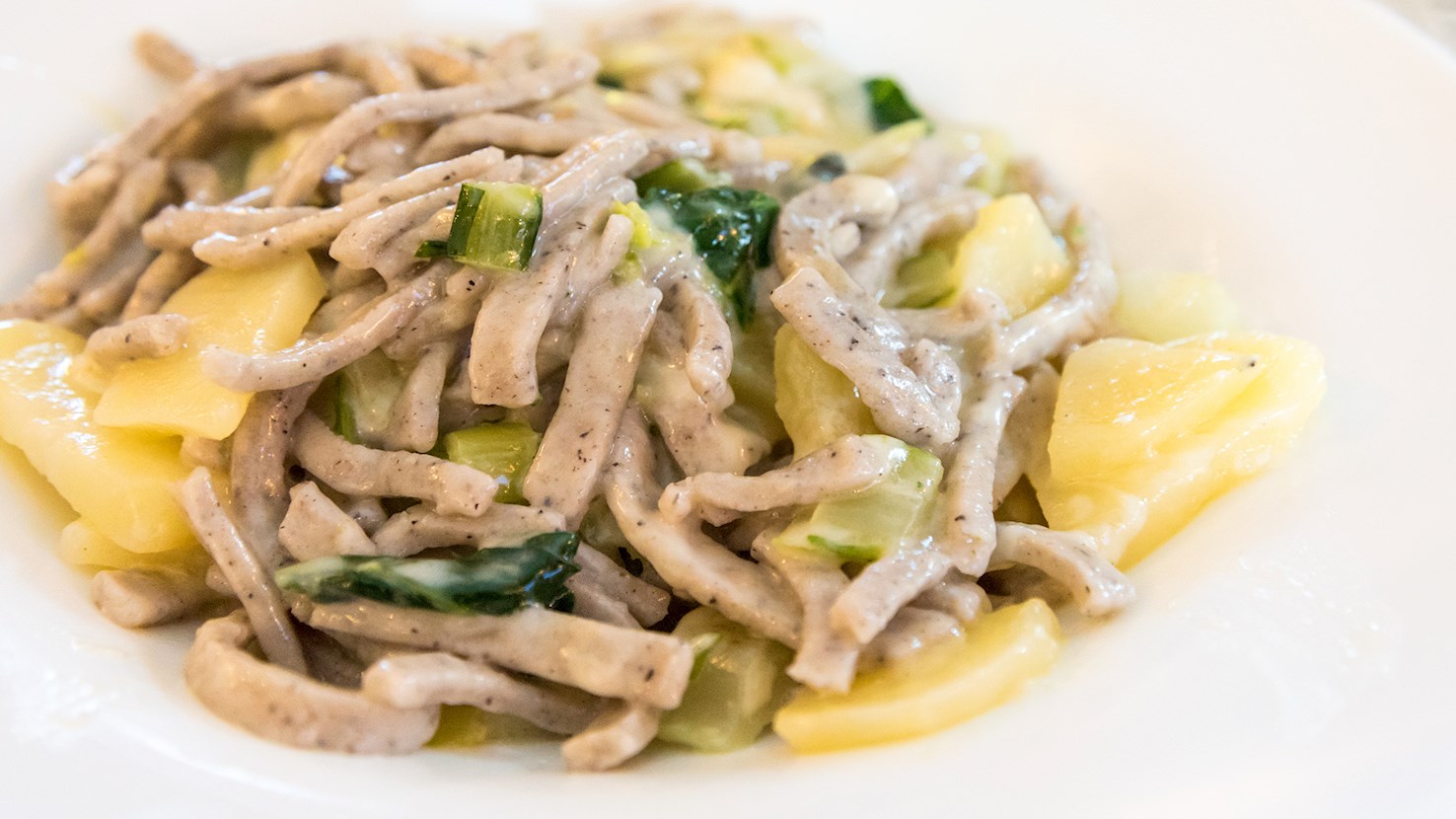
This traditional pasta dish combines buckwheat pizzoccheri pasta with potatoes and cabbage, which is seasonally replaced by swiss chard or green beans. All of the ingredients are cooked together and are typically layered with grated Parmigiano Reggiano and Valtellina Casera cheese and garlicky melted butter. Before serving, pizzoccheri alla Valtellinese is shortly baked, allowing the cheese to melt and all of the ingredients to combine. Not much is known about the origin of this Italian classic, but it is presumed that it was invented following the introduction of pizzoccheri pasta in the 16th century. As the name suggests, the dish originated in the Valtellina valley, from where it spread to other parts of Italy.

03
Cured Beef

Bresaola della Valtellina

4.1 ·

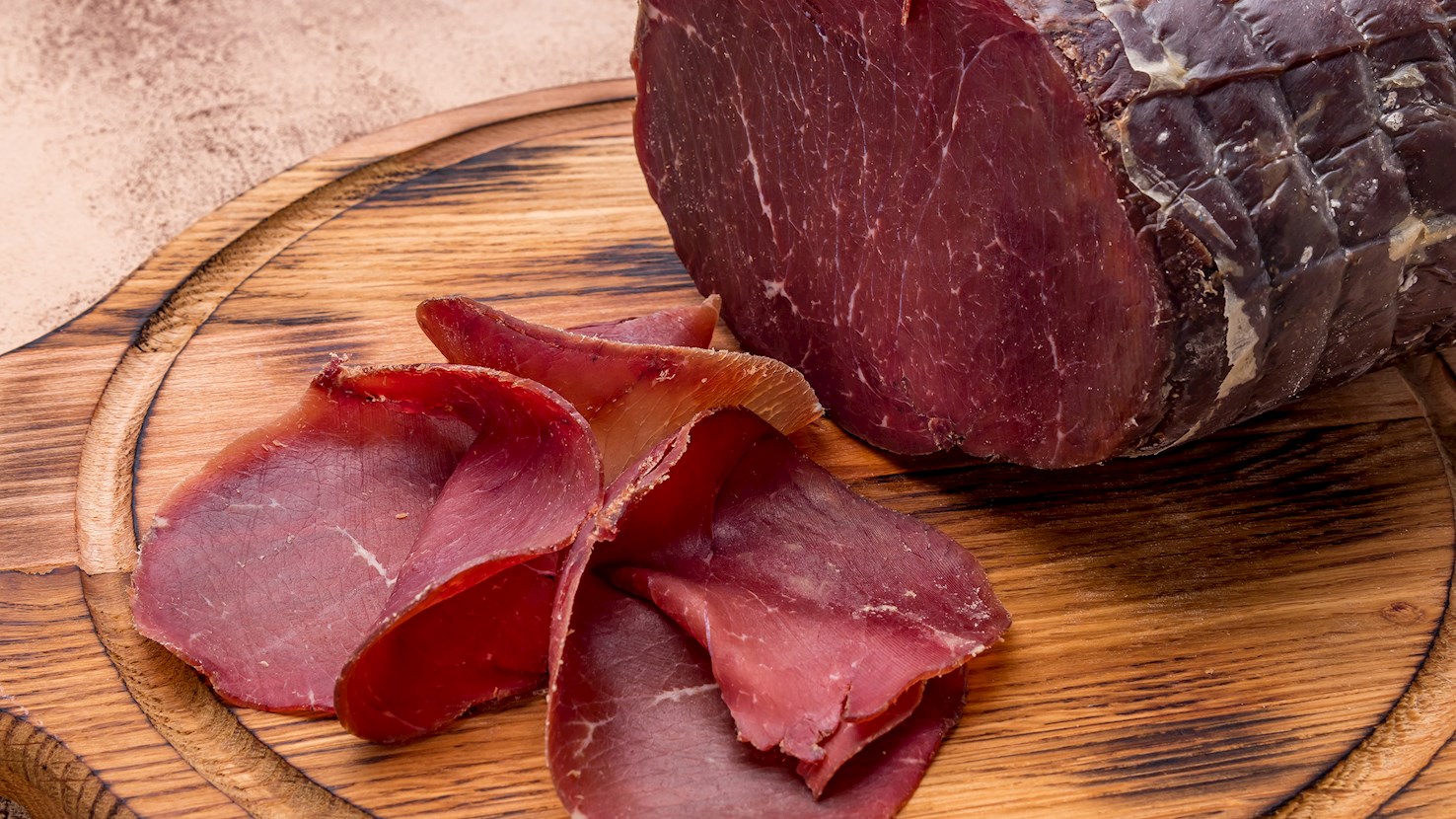
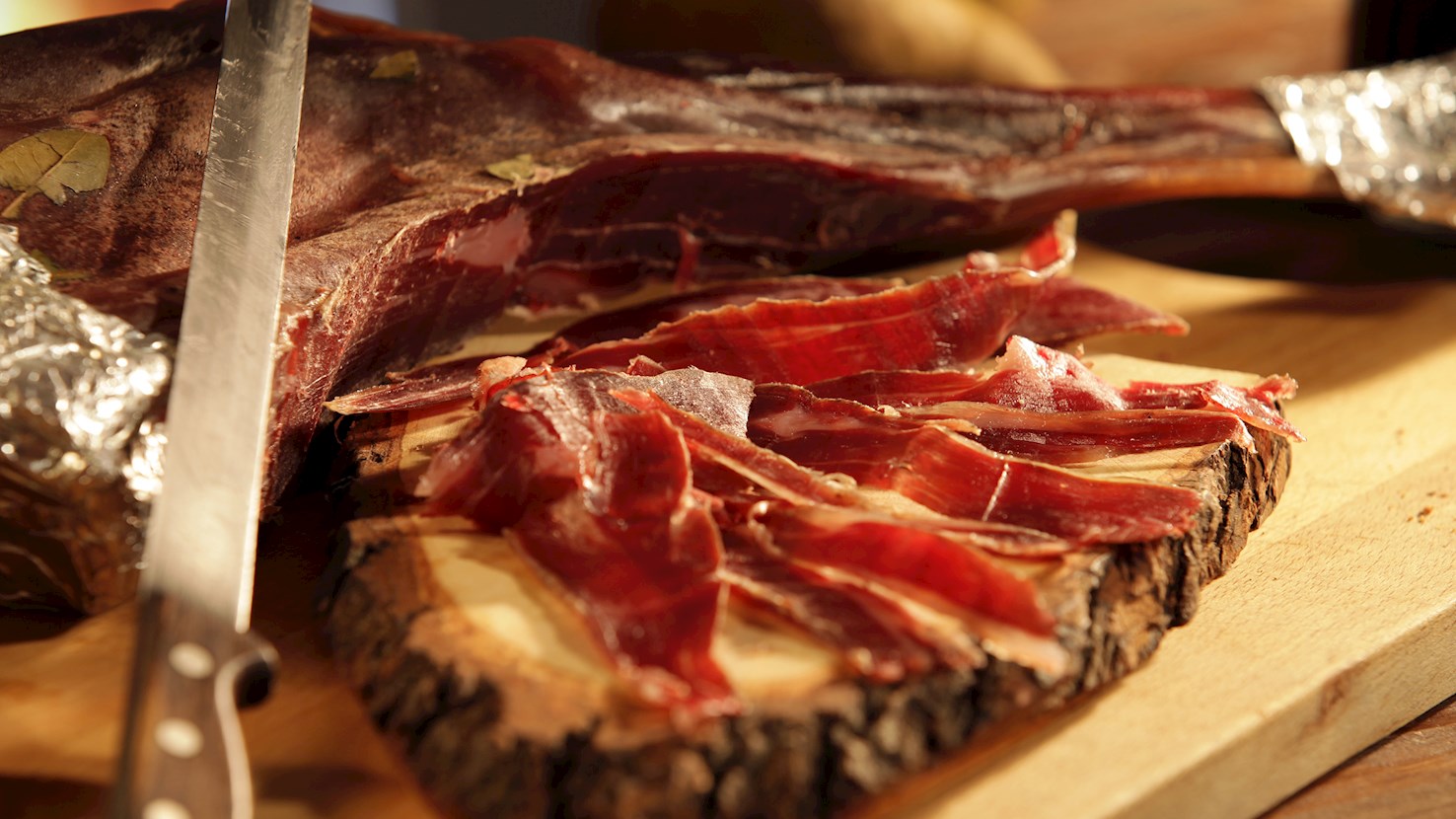
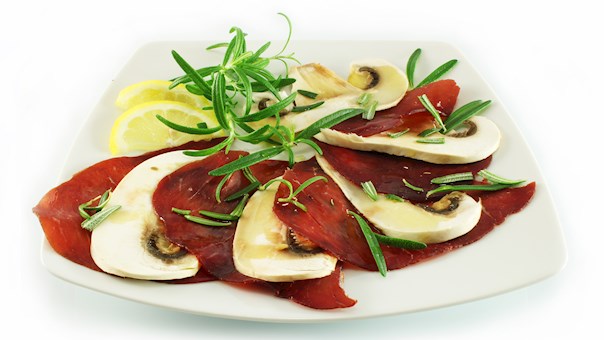
The origins of this air-dried, salted beef charcuterie can be traced back to the late Middle Ages, when the techniques of preserving beer, lamb and game had already spread throughout the Lombardian Valtellina valley and Alps. This lean and tender beef cut comes in five different varieties: Punta d’Anca (loin), Sottofesa (top beef), Magatello (round roll), Sottosso (silverside), and Fesa (rump). The meat needs to age for about two to three months, until it completely dries out, becomes hard and turns dark red. Bresaola has a particularly sweet and musky aroma, and it is best enjoyed in traditional Lombardian starter dishes such as Bresaola della Valtellina Santa, where the meat is thinly sliced and served on rye bread with curls of juniper butter. Another famous local dish is Carpaccio di Bresaola della Valtellina, drizzled with extra virgin olive oil and lemon, and served with parmesan cheese shavings.

Best producers
04
Porridge

Polenta taragna

3.9 ·

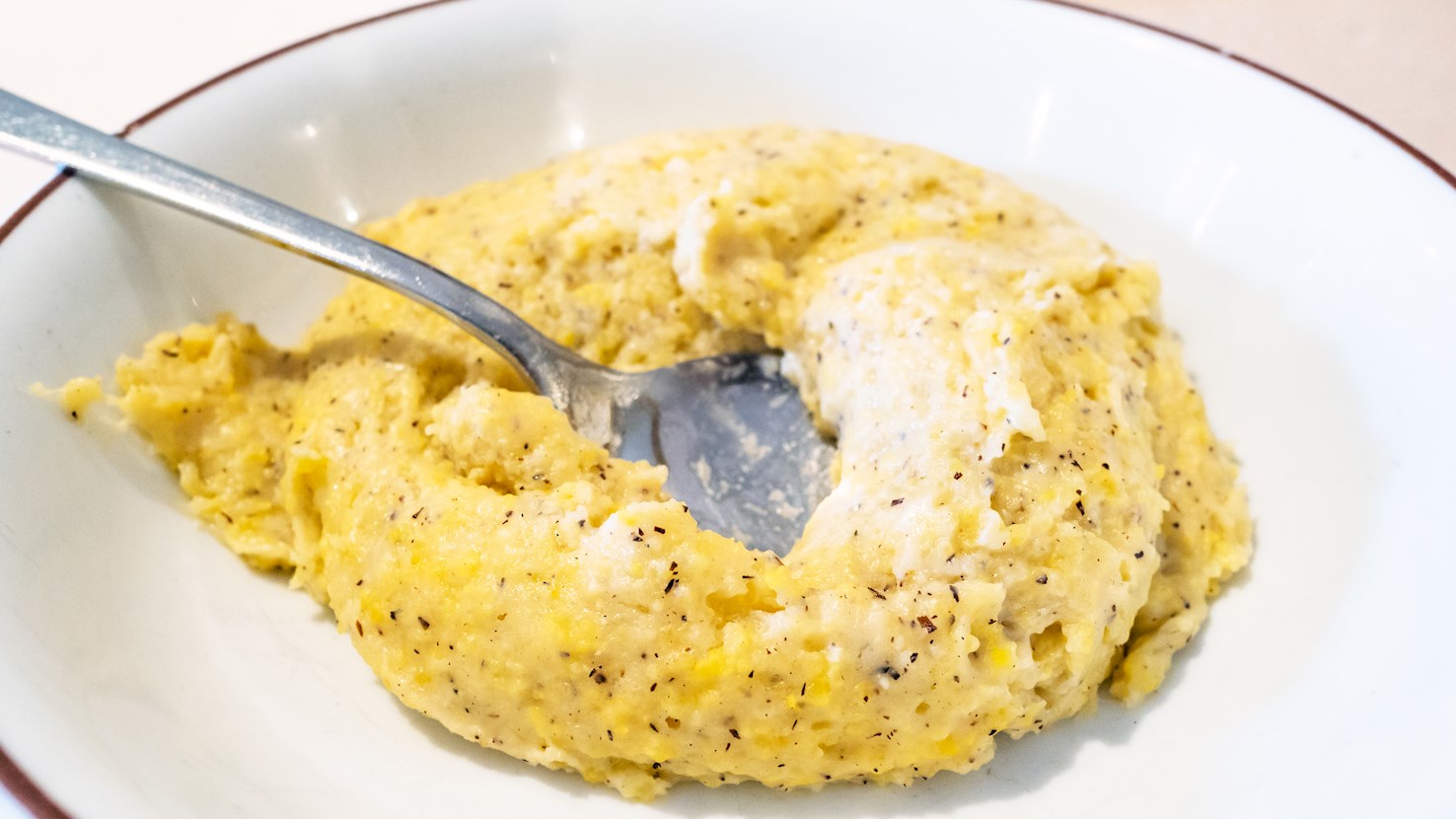
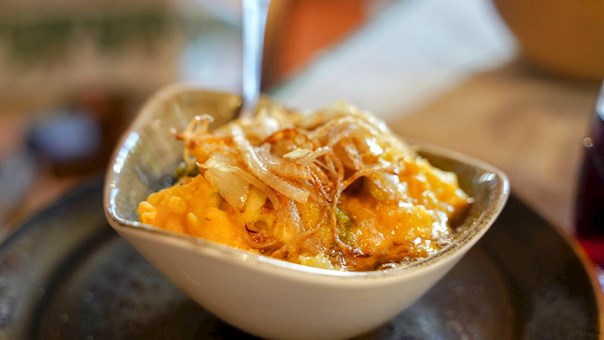
Polenta taragna is an elaborate polenta spin-off made with a mix of yellow cornmeal and buckwheat flour, enriched with butter and cheese that are mixed in right before serving. The name comes from the word tarai or tarel, referring to the wooden tool traditionally used to stir the polenta that's cooked in a copper pot hung inside the fireplace. The main characteristics of polenta taragna are its dark grayish color, due to the use of buckwheat flour, and rich creaminess coming from the cheese. The cheeses used in the dish may vary, but they’re commonly local, semi-fat, medium-ripened cow-milk cheeses such as Valtellina Casera, Bitto, Branzi, or Fontina. Polenta taragna can be enjoyed on its own, as the main course, or served alongside cold cuts and Italian pickles. Buckwheat production in Valtellina dates back to the 1600s, so it is no surprise that it is used in many traditional local dishes such as this one.

05
Cheese

Valtellina Casera

3.7 ·

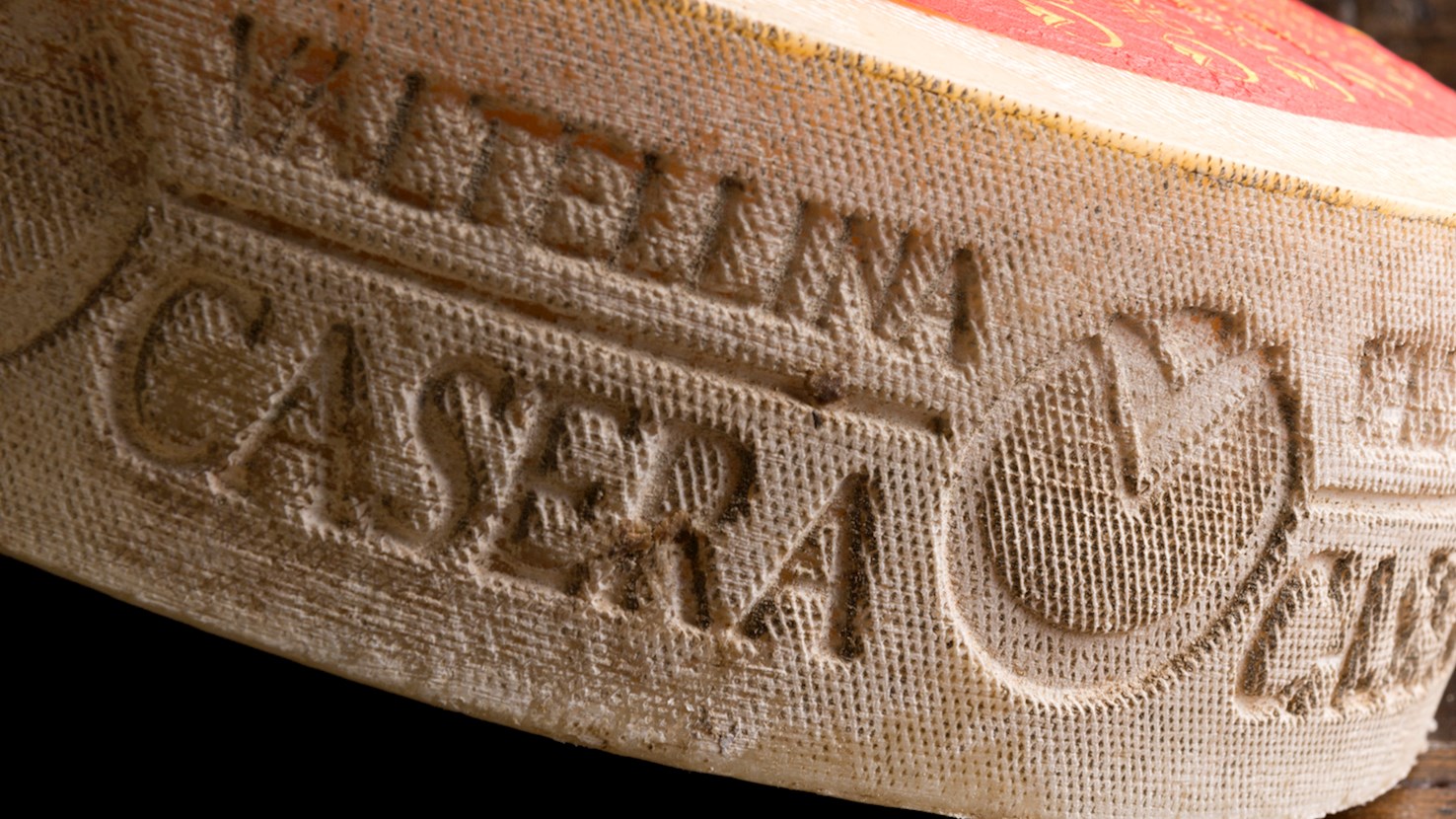
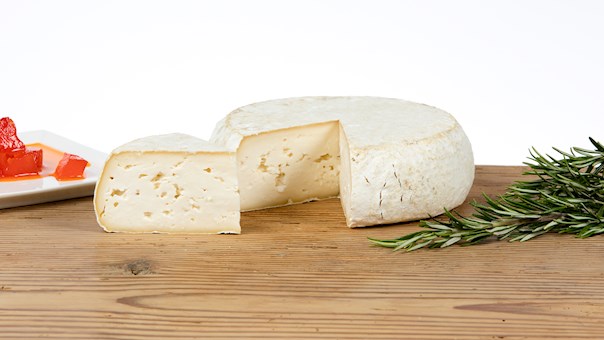
The origins of this Lombardian cheese can be traced back to the 1500s when the first cooperative dairies appeared in Valtellina valley. Derived from Latin words for cheese (caseus or casei), the word Casera was used to denote a cellar where cheeses were stored for ripening. Traditionally, the milk collected in the evening was first left to rest and then partially skimmed the next morning in order to make butter, while the milk obtained in the morning was added whole. Valtellina Casera is a semi-hard or hard cheese with a straw-colored rind, slightly rough to the touch, with a white to pale yellow paste. The taste of Casera is quite sweet, with a hint of dried fruit, and becomes more intense as the cheese matures. Depending on the ripening stage, there are three varieties of Casera: Giovane (70 days to 6 months), Stagionato (6 to 10 months), and Stravecchio (10 months and more).

06
Cured Goat Meat

Violino di Capra

n/a ·

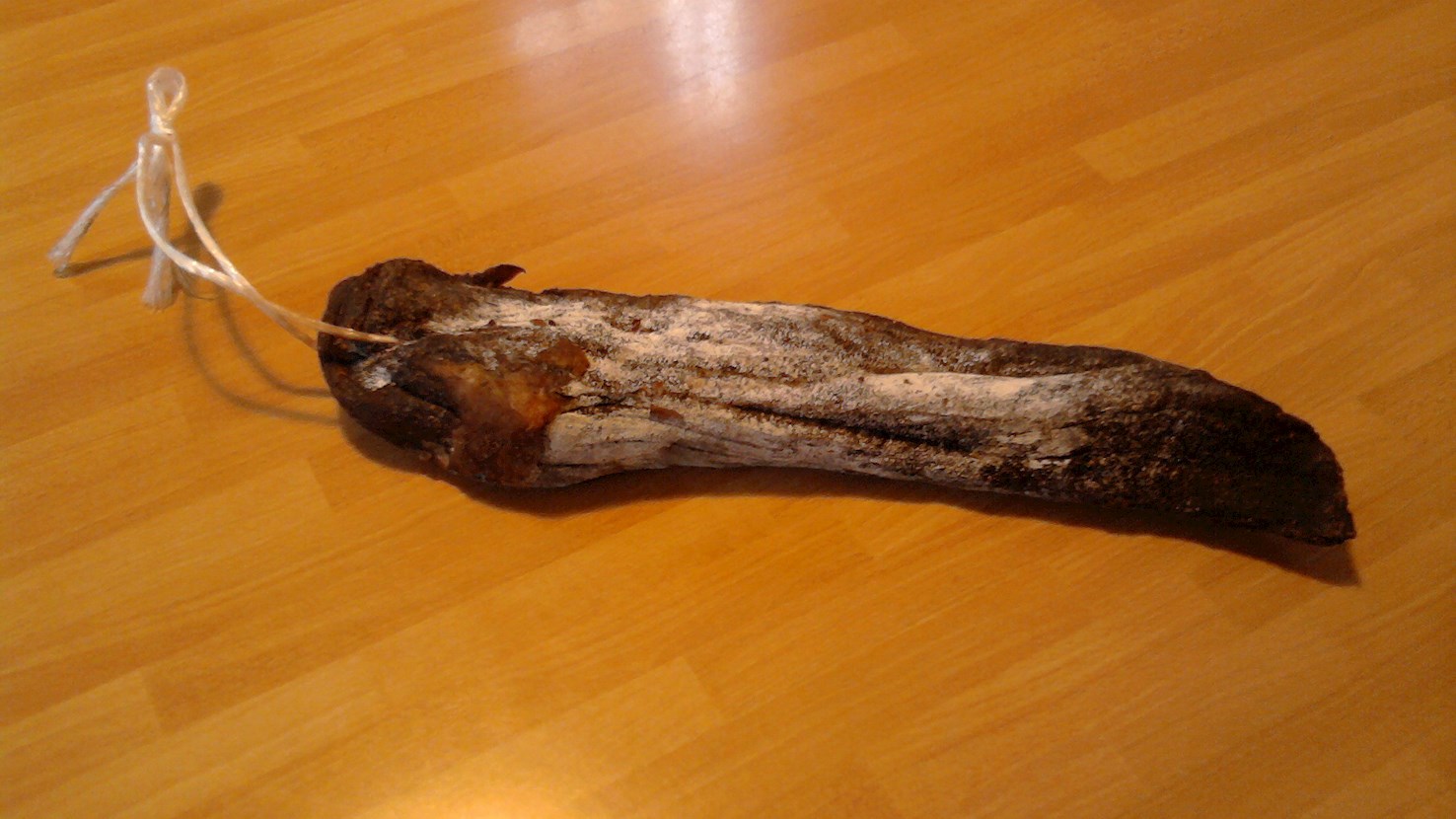
Violino di capra, literally meaning goat violin, is an Italian goat prosciutto produced in the area surrounding the Northern Italian town of Chiavenna. The name comes from its shape, reminiscent of the violin, and the fact that the traditional method of slicing suggests placing it on a napkin under the chin with one hand while cutting it using a knife with the other - an action that truly resembles that of a violinist using his bow. Made with goat’s shoulder or thigh preserved in brine and flavored with garlic, spices, and red wine, violino di capra is shortly smoked, then aged in natural alpine cavities known as crotti. This Italian delicacy is best enjoyed thinly sliced, accompanied by homemade bread and a glass of red wine.

07
Pancake

Crespelle al Bitto

n/a ·

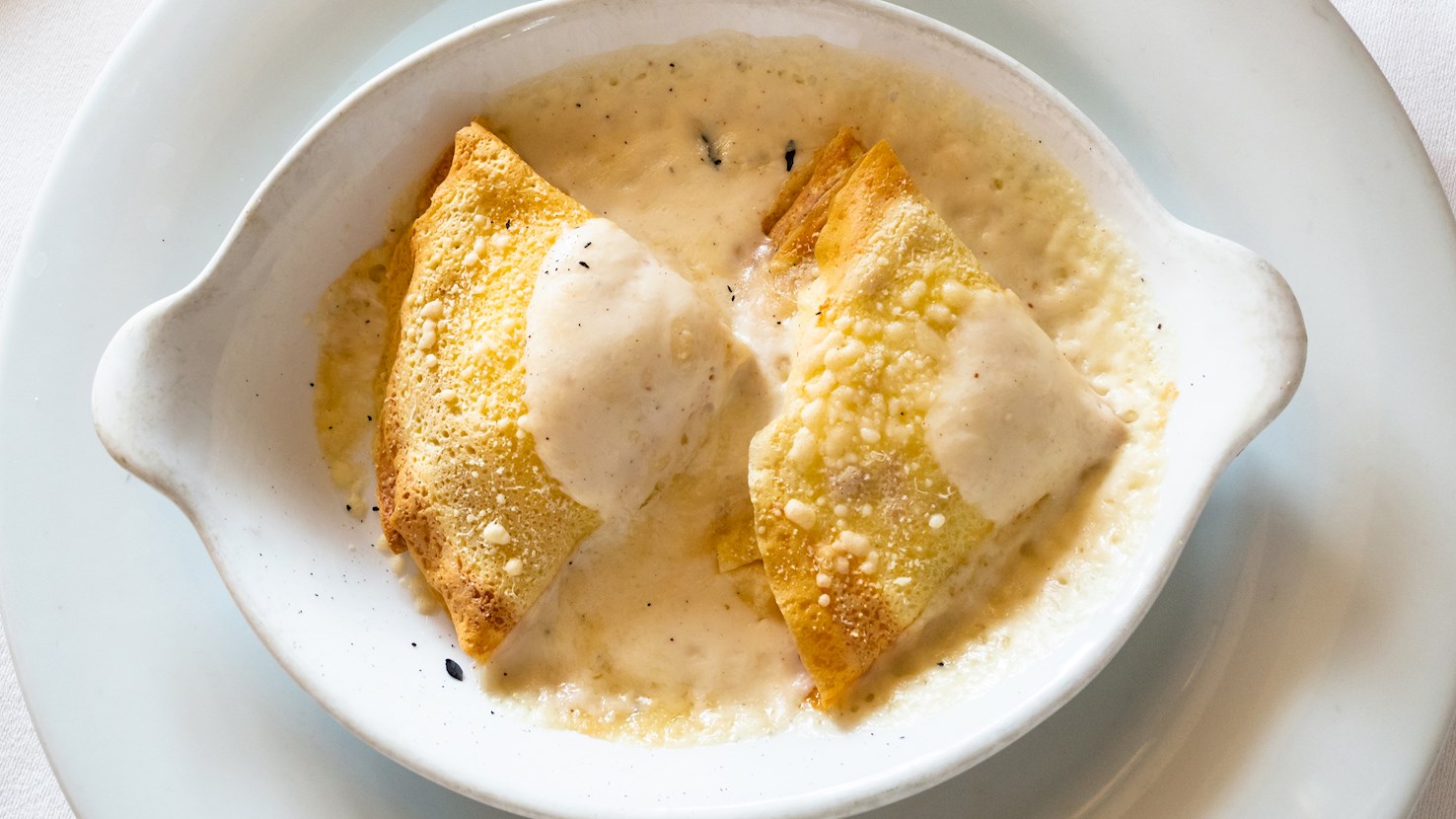
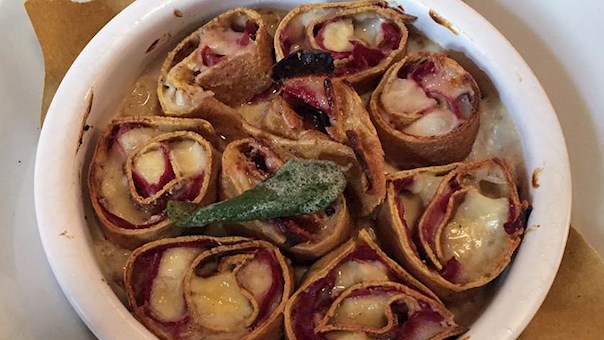
Crespelle al Bitto are rustic buckwheat pancakes filled with melted Bitto cheese, traditionally prepared in Valtellina. This simple dish truly celebrates locally produced ingredients: buckwheat and one of the most renowned local cheeses, Bitto. The filling is sometimes additionally enriched with parmigiano or some other type of cheese - bresaola, mushrooms, or pancetta can also be added to the mixture. Once filled, crespelle al Bitto are sprinkled with parmigiano, then baked in the oven until the cheese melts. They are best enjoyed warm, drizzled with melted sage-flavored butter right before serving.

08
Cheese

Storico Ribelle

n/a ·

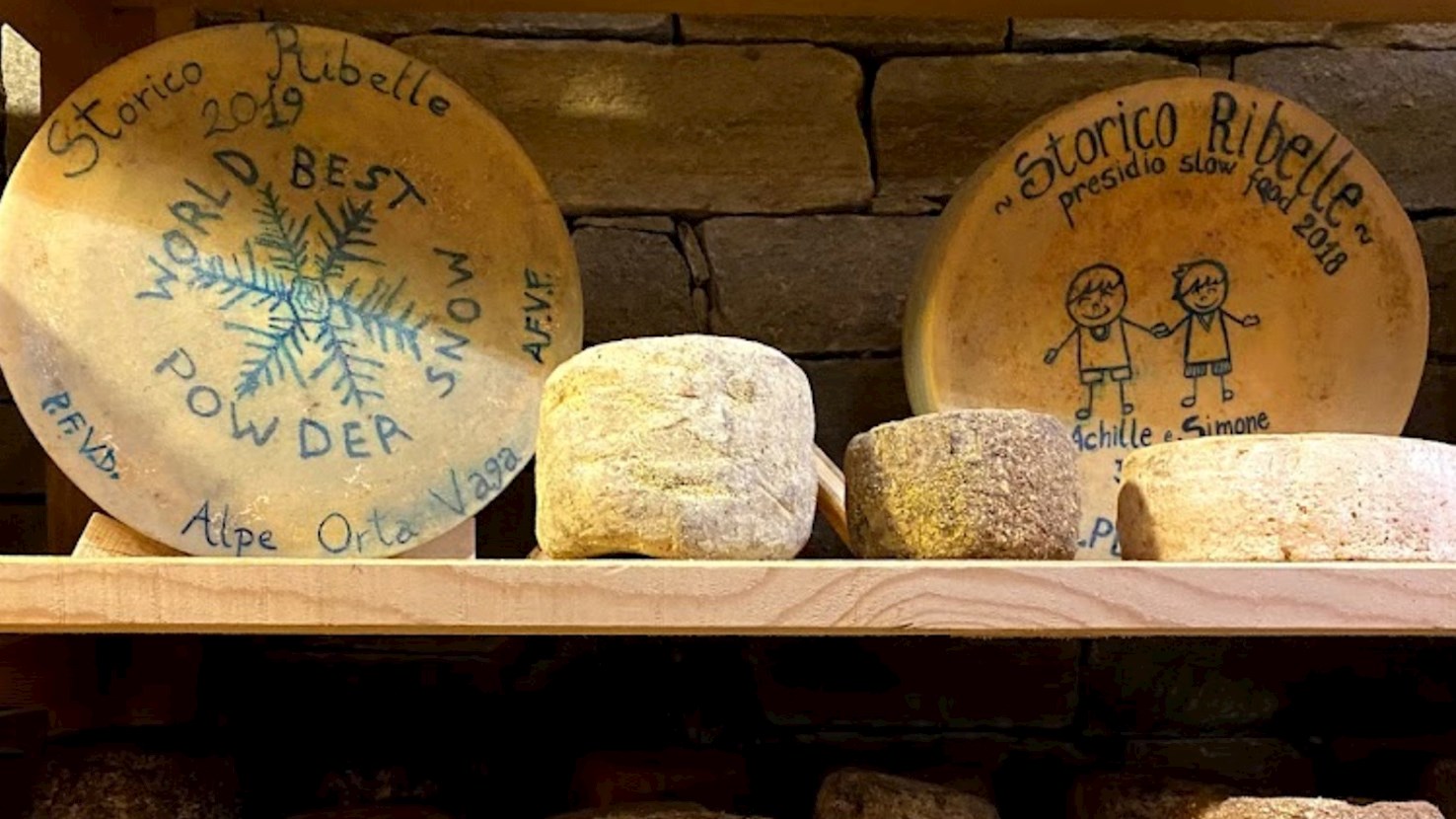
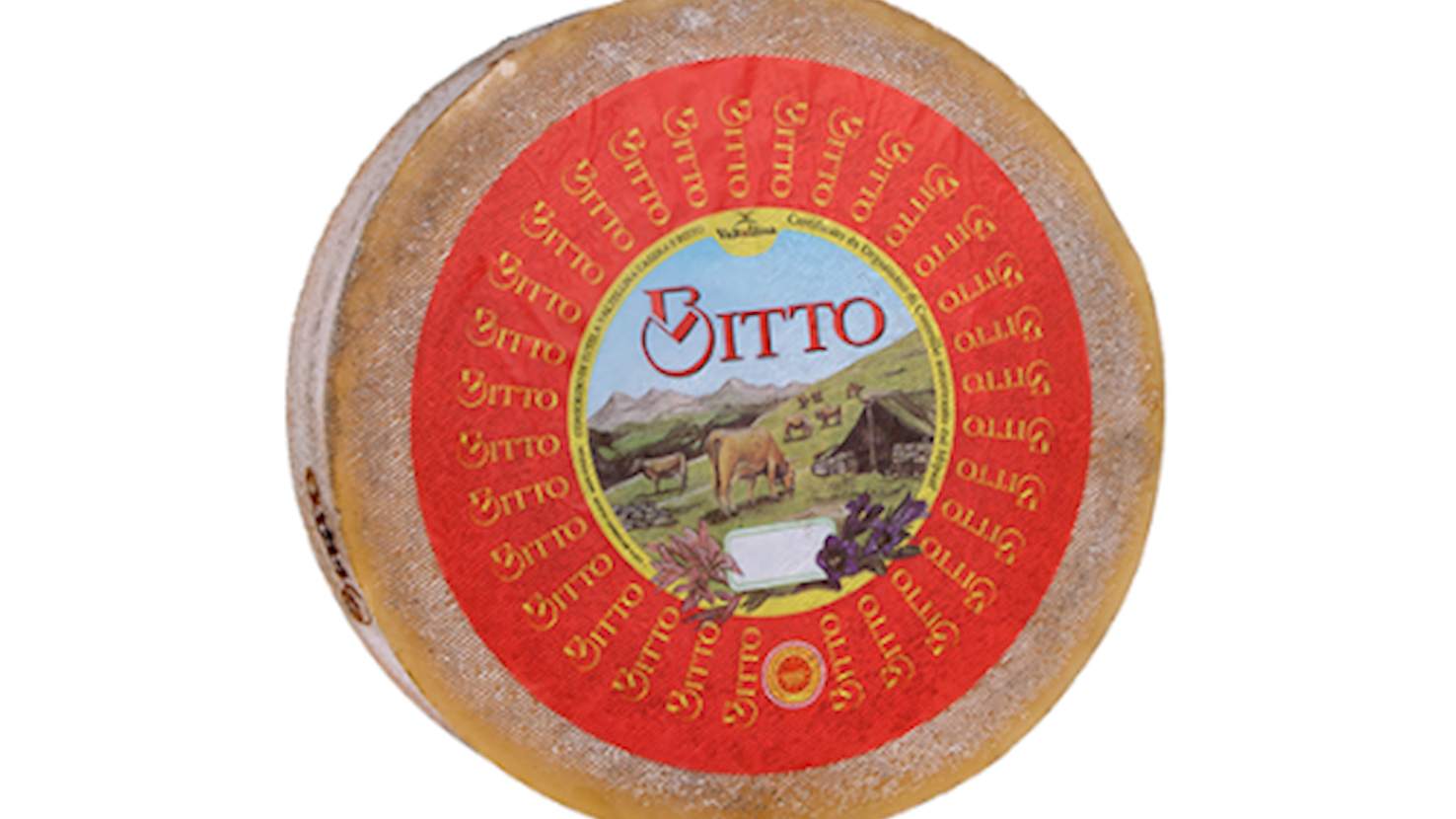
Storico Ribelle is a traditional type of Italian Bitto cheese originating from the Valgerola area of Valtellina. The cheese is made from a mixture of raw cow's and Orobic goat's milk and it's left to age for a minimum of 70 days. However, some wheels are left to age for over 10 years. The cheese is produced in summer months and the cattle and goats feed on mountain pastures, which is why the milk is rich and the cheese has unique organoleptic characteristics. The texture is hard and dry with very fine eyes. The aromas are grassy, floral, and milky, while the flavors are rich and intense. It's recommended to serve the cheese with blueberry jam, rye bread, chestnut honey, and typical valtellinese delicacies such as pizzoccheri and sciatt (stuffed buckwheat fritters). Pair Storico Ribelle with a glass of full-bodied red wine.

09
Game Dish

Salmì di cervo

3.9 ·

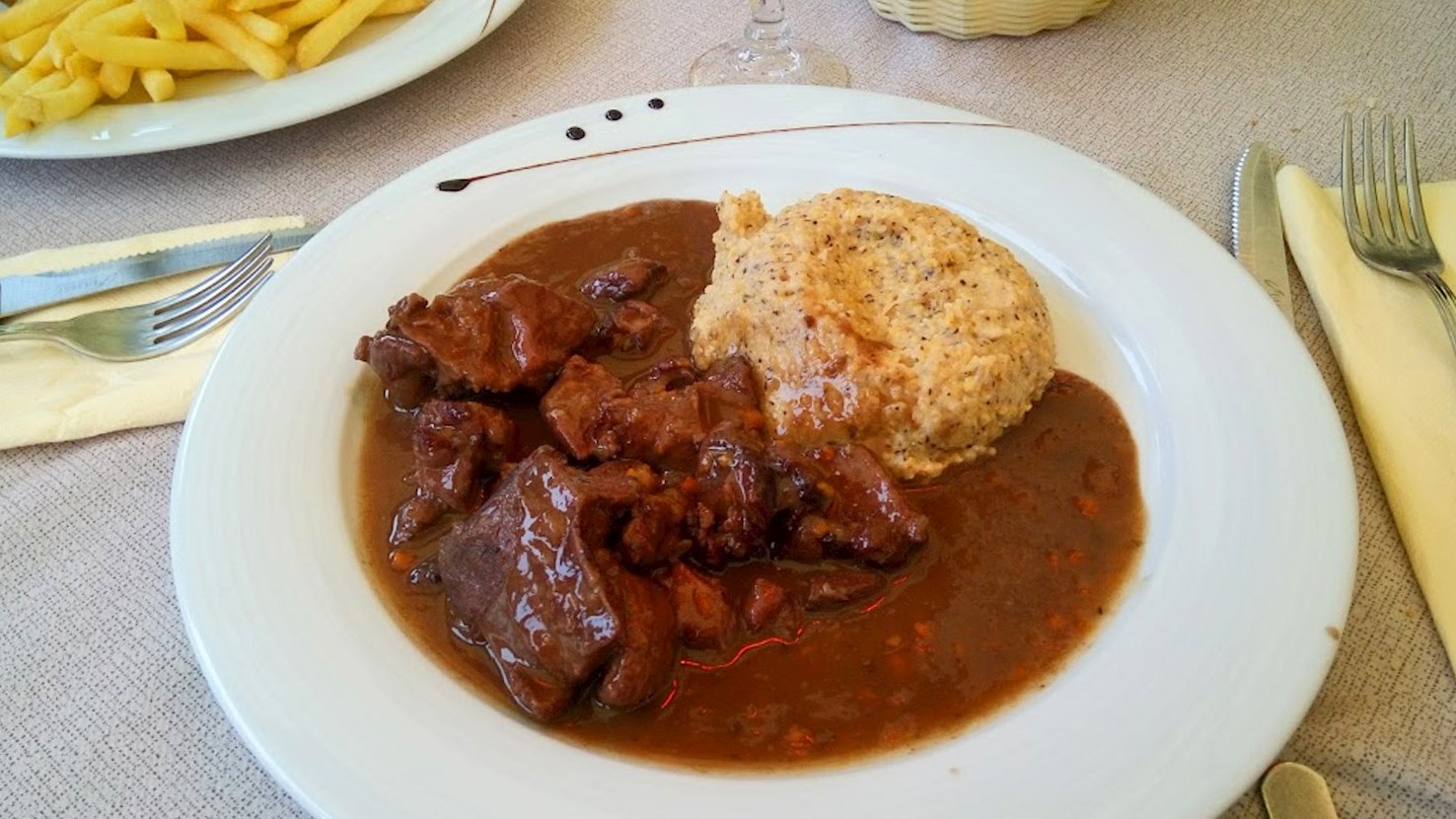
Salmì di cervo is a traditional dish originating from the Valtellina valley. Although there are variations, the dish is usually made with a combination of venison, red wine, pancetta, carrots, onions, garlic, celery, butter, olive oil, and herbs and spices such as nutmeg, cloves, bay leaves, sage, rosemary, thyme, juniper berries, peppercorns, salt, and pepper. Some recipes also use flour, tomatoes, pig blood, and mushrooms for extra flavor. The meat is cut into pieces and marinated in wine with the spices and herbs, carrots, onions, and garlic. The pancetta is sautéed in butter and olive oil, and the meat is browned in the same pan. Nutmeg, cloves, and salt are added to the dish, while the drained vegetables from the marinade are cooked into a sauce that's blended and reduced. The dish is served hot and it's typically accompanied by polenta on the side.

Best restaurants
10
Cured Beef

Slinzega

n/a ·

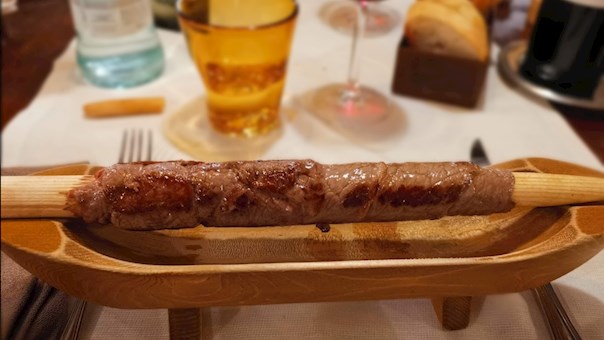
Slinzega is a variety of dark red, air-dried salted beef charcuterie produced in the Italian province of Sondrio. Flavored with cinnamon, salt, cloves, pepper, garlic, bay leaves, and red wine, it is similar to another local product, the slightly more famous bresaola, but made with smaller, finer cuts of meat (leg and the topside or rump, covering the tenderloin), which results in a much stronger flavor. The origins can be traced back to the 1400s - some sources claim that it was originally prepared with horse meat rather than beef. Nowadays, many varieties exist, the most common being those made with beef, deer, or pork. Slinzega can be used as a flavor enhancer in cooking, or eaten on its own, thinly sliced or cut into little cubes and served with bread. For a slightly more sophisticated version, thin slices can be flavored with extra-virgin olive oil, salt, pepper, and lemon juice, a combination that additionally highlights the decisive flavor of this aged delicacy.

Best Valtellina food products

01
Cheese

Latteria Sociale Valtellina

5 ·
Latteria Sociale Valtellina is a dairy cooperative based in the Valtellina valley in Lombardy, founded in 1969 with the aim of uniting local milk producers and safeguarding the alpine dairy tradition of northern Italy. The cooperative brings together farmers working in mountainous areas, where cows graze on high-altitude pastures that strongly influence the quality and aromatic profile of the milk. Its production is deeply rooted in the territory and reflects a close relationship between landscape, agriculture, and local know-how. Latteria Sociale Valtellina is especially known for cheeses and dairy products typical of the region, alongside butter, cream, ricotta, fresh cheeses, and yogurt. The cooperative model allows for consistent quality while supporting small-scale farmers and preserving traditional practices. Modern processing standards are combined with respect for seasonality, animal welfare, and sustainable use of alpine resources. Through this approach, Latteria Sociale Valtellina plays a key role in maintaining the gastronomic identity and cultural heritage of the Valtellina region.
Awards
Italian Cheese Awards - Nominee (2022, 2019)
02
Liqueur

Amaro Bràulio

4.9 ·
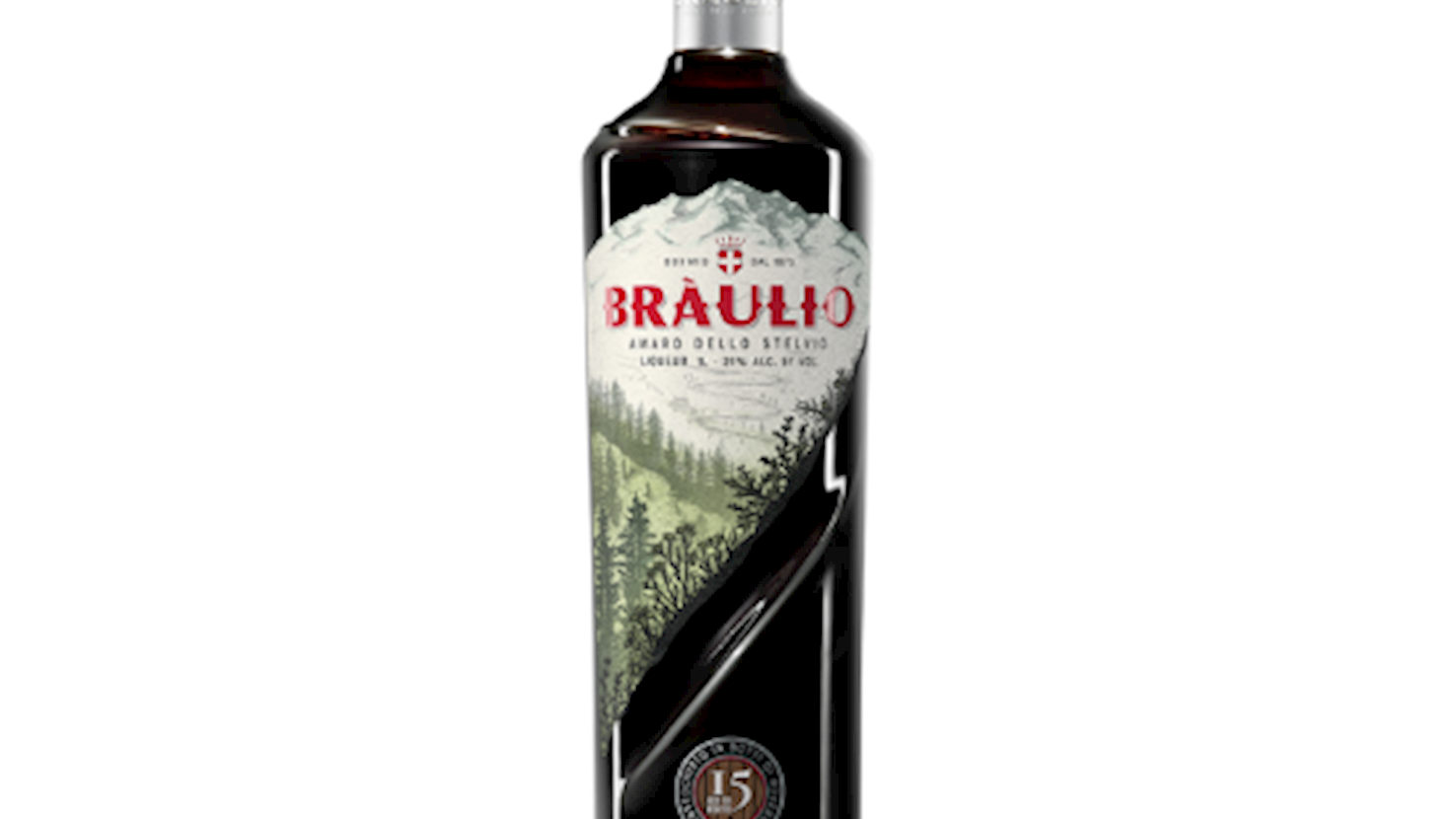
Amaro Bràulio is a brand that embodies the tradition, authenticity, and unique alpine identity of the Valtellina valley. Its story began in 1826, when pharmacist and botanist Francesco Peloni created a secret recipe based on more than twenty mountain herbs, roots, and berries. Production started in 1875 in Bormio, where, almost 150 years later, the process of crafting this amaro still takes place in the historic cellars of the Peloni family. Bràulio stands out among Italian liqueurs for its distinctly herbal character, fresh menthol notes, and harmonious balance of bitter and sweet tones that reflect the natural environment from which it originates. The brand has remained true to its roots while adapting to modern markets, preserving traditional methods and its recognizable visual identity. Today, Bràulio is not just a drink but an ambassador of alpine culture and lifestyle, with initiatives such as Casa Bràulio in Bormio, where visitors can experience the brand’s full story through cellar tours and tastings.
Awards
IWSC- International wine & spirit competition - Spirit Gold (2024)
The Liqueur Masters - Master (2023)
03
Beer

Birrificio 1816

3.8 ·
Birrificio 1816 is an Italian craft brewery located in the alpine town of Livigno in the Lombardy region, at an altitude of 1,816 meters above sea level, which inspired its name. The brewery originates from a project launched by brewer Andrea Rocca, who began producing beer in 2001 under the brand Echo, often promoted as one of the highest-altitude beers produced in Europe. In 2009 the project evolved into 1816 – La Birra di Livigno, highlighting the strong connection between the brewery and its mountain environment. The brewery produces a range of craft beers that includes styles such as helles, weizen, and various seasonal specialties brewed directly in Livigno. Its identity is closely linked to the alpine setting, where the high altitude and local environment form part of the brewery’s narrative and branding. The facility also includes a brewpub restaurant where visitors can taste the beers alongside regional dishes and learn about the brewing process through guided visits and tastings. Over time the project expanded beyond beer, introducing craft spirits such as gin and developing a whisky that matures in the high-altitude conditions of Livigno. Birrificio 1816 has become one of the distinctive craft beer projects in the Italian Alps, combining local identity, tourism, and artisanal brewing.
Awards
Untappd - 3.4
04
Wine

Azienda Agricola Folini di Francesco Folini

3.7 ·
Awards
Frankfurt International Trophy - Grand Gold (2024)
05
Cheese

Latteria di Livigno

n/a ·
Latteria di Livigno is a unique, tourism-oriented dairy cooperative located at around 1,800 meters above sea level in Livigno, in the Lombardy region. It brings together 25 small-scale milk producers from the surrounding Alpine pastures, where cattle are grazed at high altitudes during the summer months. Throughout the year, milk processing follows strict quality controls and rigorous transformation procedures to create distinctive local dairy products. The cooperative’s mission is to preserve the authenticity of mountain milk and support the local economy. In addition to producing a range of high-quality dairy products and cheeses, Latteria di Livigno also operates as a multifunctional tourist center: visitors can explore workshops and a small museum, observe the milk processing, and taste the products. More than just a producer, the Latteria offers an immersive experience tied to the region’s traditions and Alpine terroir. During a visit, guests can witness the production process firsthand, sample local specialties, and gain insight into the cultural value of this mountain-based cooperative - making it a standout destination in Livigno.
06
Meat Product

Salumificio da Alberto

n/a ·
Da Alberto is a traditional delicatessen and cured meat producer based in Livigno, a mountain town in the Alta Valtellina area of Lombardy in northern Italy. The company has been producing local specialties since 1978, focusing on typical Alpine charcuterie that reflects the culinary traditions of the Valtellina region. Its production includes a variety of cured meats prepared according to traditional methods, with bresaola being one of the most recognizable specialties associated with the area. Alongside bresaola, the assortment features salami, pancetta, guanciale, lardo, juniper-flavored speck, and products made from game such as slinzega, a type of dried meat typical of the Alpine valleys. In addition to its own cured meats, Da Alberto also offers a selection of regional products from Alta Valtellina, including cheeses, honey, jams, flours, and traditional sweets. With retail locations in Livigno, including one in the historic town center, the company combines artisanal production with the promotion of local gastronomic heritage typical of the Alpine region.
07
Meat Product

Alpe Livigno

n/a ·
Alpe Livigno is a family-run alpine farm and food producer located in Livigno, in the Alta Valtellina area of Lombardy in northern Italy. The company focuses on a short supply chain model in which livestock farming, milk production, and food processing are closely connected and carried out within the same local territory. Animals are raised in the mountain environment surrounding Livigno, including alpine pastures during the summer months, which contributes to the distinctive character of the milk and meat used in production. Alpe Livigno produces a variety of traditional Alpine foods, particularly cheeses made from mountain milk and cured meats prepared according to regional methods typical of the Valtellina area. The philosophy of the farm is based on maintaining a strong link between agriculture, landscape, and gastronomy, while ensuring traceability and control over the entire production process. By combining livestock breeding, dairy production, and artisanal food processing, Alpe Livigno represents a model of local mountain agriculture that preserves the culinary traditions of the Alpine region.
About this ranking

TasteAtlas food rankings are based on the ratings of the TasteAtlas audience, with a series of mechanisms that recognize real users and that ignore bot, nationalist or local patriotic ratings, and give additional value to the ratings of users that the system recognizes as knowledgeable. For the “Top 24 Traditional Foods in the Valtellina” list until June 24, 2026, 212 ratings were recorded, of which 163 were recognized by the system as legitimate. TasteAtlas Rankings should not be seen as the final global conclusion about food. Their purpose is to promote excellent local foods, instill pride in traditional dishes, and arouse curiosity about dishes you haven’t tried.

The initial list of top producers was compiled based on available reviews, awards, local recommendations, media and blog coverage, and consumer reviews. The list will be updated with ratings from TasteAtlas local ambassadors and TasteAtlas users.

Similar lists