Steppe & Wind Meadery is a craft meadery from Orenburg and one of the most renowned and respected in Russia. Founded with the idea of combining traditional beekeeping with a modern approach to fermentation, this meadery has grown from a small family project into a brand producing over 150 different varieties. Their meads cover a wide spectrum of styles - from light session meads to rich dessert and experimental versions infused with fruits, spices, and herbs. They use locally sourced honey and often emphasize the origin of their ingredients, highlighting a strong connection to the Russian steppe landscape that inspired their name. Their taproom in Orenburg serves as both a tasting room and a shop, giving visitors insight into the production process. Steppe & Wind Meadery stands today as a symbol of the modern Russian approach to mead - a harmonious blend of tradition, innovation, and local identity captured in every bottle.
Try Wild is a craft cidery from Izhevsk in the Udmurt Republic, founded in 2021, which has quickly established itself as an innovative player on the Russian cider scene. Their philosophy is based on using local Udmurt apples and fermenting with wild yeasts, without filtration, pasteurization, or preservatives, preserving the natural character of the drink. They place special emphasis on long fermentation and aging on the lees, which adds extra complexity and depth to their ciders. Try Wild combines rustic authenticity with modern experimental techniques, offering a range of styles from dry, sparkling varieties to special releases that highlight the distinct terroir character. The production facility is located on Votkinskoye Highway in Izhevsk, and the cidery is also known for its close engagement with its consumer community. The brand positions itself as a fresh and bold voice in the Russian craft cider movement, dedicated to preserving natural quality while showcasing the potential of local fruit.
La Foire is a cidery from Nizhny Novgorod that grew out of the personal passion of its founder, Vadim Degtyaryuk, for cider and winemaking. The idea first emerged in 2008 during his travels abroad, when he was introduced to the world of cider more seriously. After an internship in Asturias in 2017, Vadim gained hands-on experience in traditional Spanish cider houses, which laid the foundation for the brand’s further development. By 2019, the first large-scale batch of five tons of cider had been produced, marking the professional start of La Foire. In 2022, the cidery became part of a registered company, giving the brand institutional support and a stable basis for growth. La Foire positions itself as a cider producer that combines French traditions with a distinct Russian identity. The fruit and berries used come from local orchards and private farms in the Nizhny Novgorod region, with a frequent emphasis on heirloom and local apple varieties that add unique character to the ciders. Their range includes a wide spectrum of styles, from dry and sparkling to unfiltered and experimental, as well as special blends enriched with berries or herbal extracts. Their communication emphasizes transparency, local sourcing, and a strong commitment to preserving the natural character of the fruit.
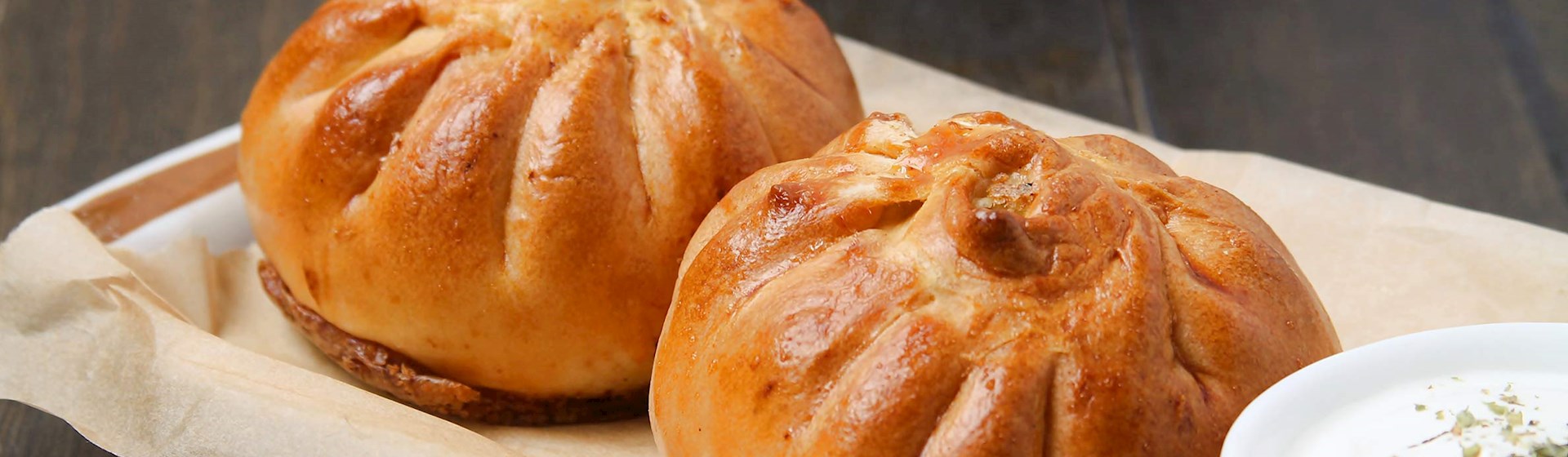
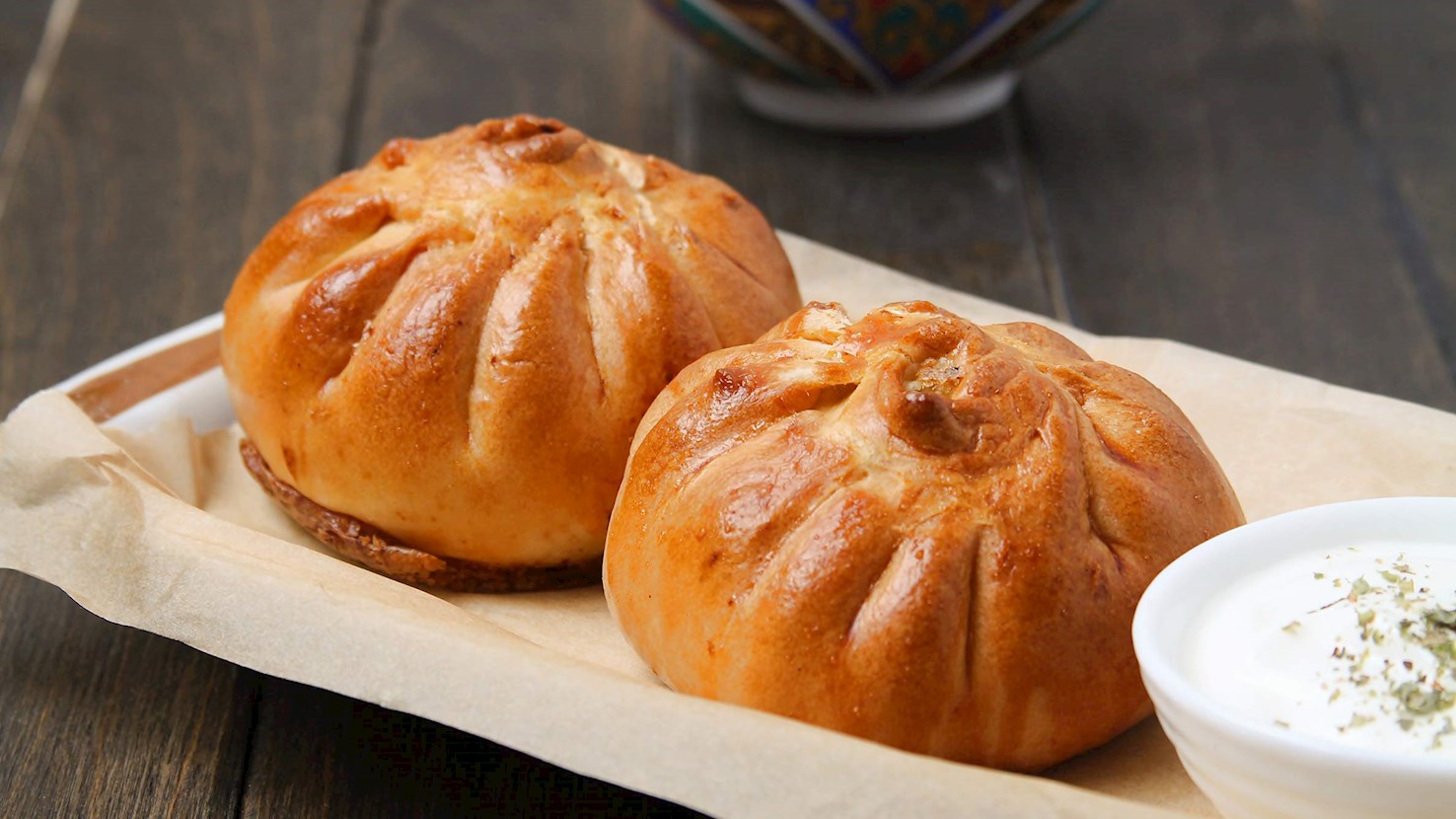
Elesh is a traditional pastry originating from Tatarstan. This Tatar pastry consists of dough that's usually stuffed with chicken, onions, salt, pepper, and potatoes. The dough is made with a combination of flour, eggs, sugar, salt, baking powder, butter, and sour cream. Once stuffed, the dough is wrapped up around the filling in the shape of a circle with a lid on top (similar to echpochmak, which is rectangular). The pastry is baked until done, and it is then served with meat broth on the side that's poured in the hole on top of the pastry in order to make it juicier.
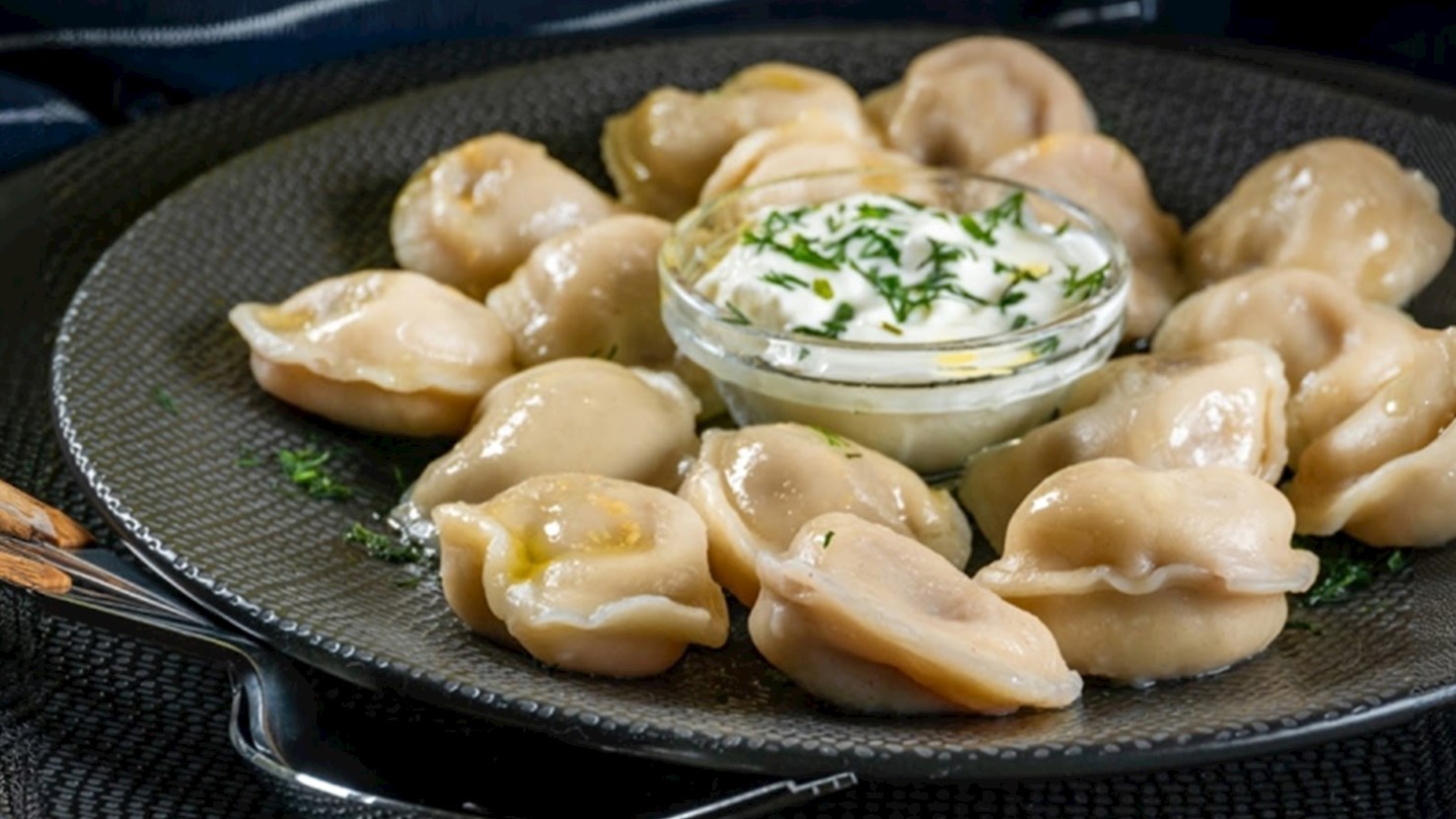
Pelmeni s gribami is a traditional dish consisting of dumplings filled with mushrooms. For the perfect filling, mushrooms should be soaked in water overnight, and then cooked and sautéed with fried onions. They can also be combined with rice or mashed potatoes. Pelmeni s gribami can be paired with broth, sour cream, yogurt, or grated cheese.
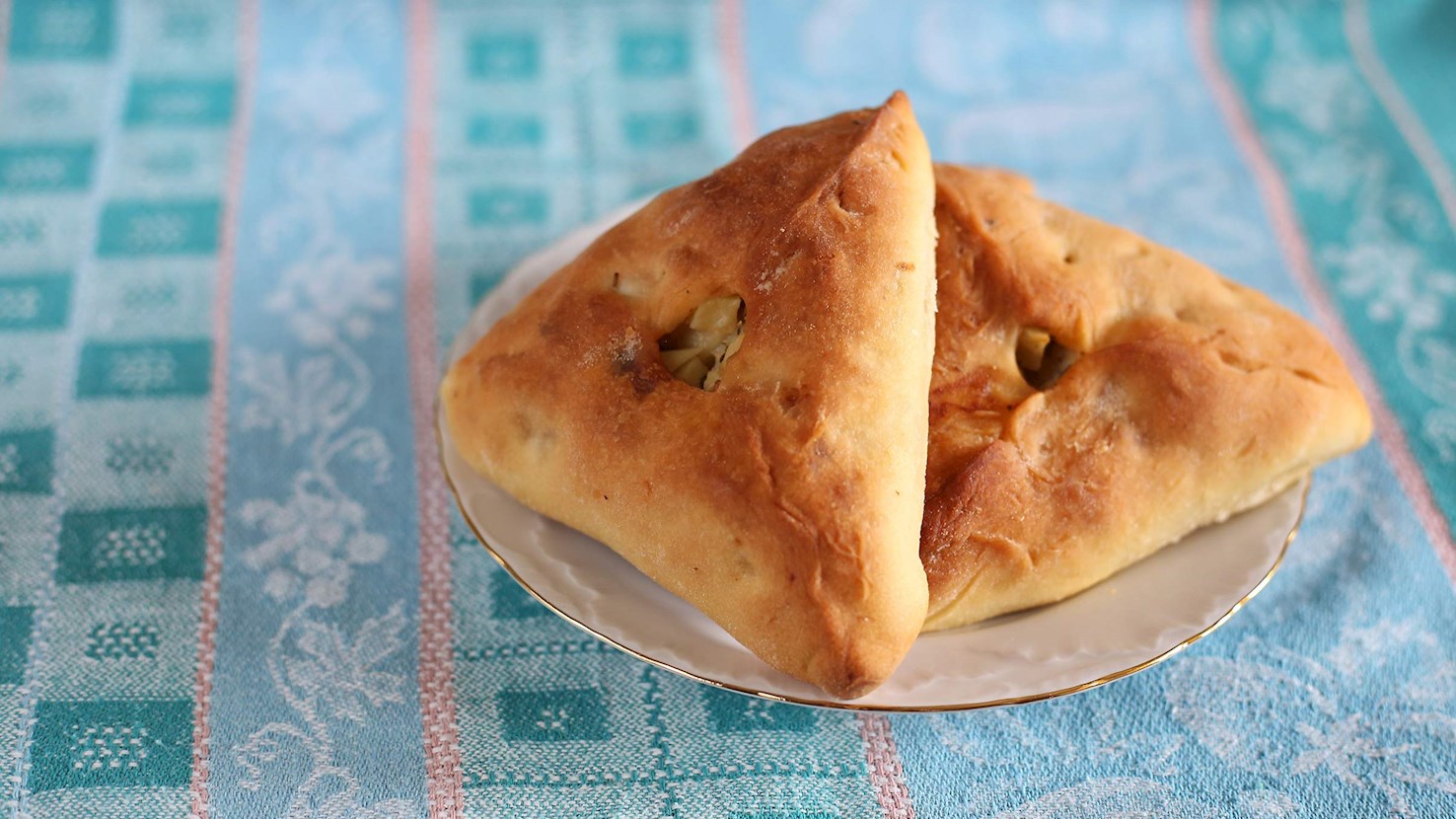
Echpochmak is a traditional pastry originating from Tatarstan. This Tatar and Bashkir pastry consists of yeasted dough that's stuffed with potatoes, meat, and onions. The dough is usually made with a mixture of milk, eggs, flour, butter, sour cream, salt, sugar, and yeast, while the filling contains lamb, potatoes, onions, salt, pepper, butter, and cumin. Once stuffed, the dough is folded into triangles with a hole in the middle and baked until done. When the echpochmak are done, melted butter or meat stock is traditionally poured into each hole. In the past, these pastries were enjoyed in the open air during military campaigns. It's recommended to serve echpochmak with tea on the side.
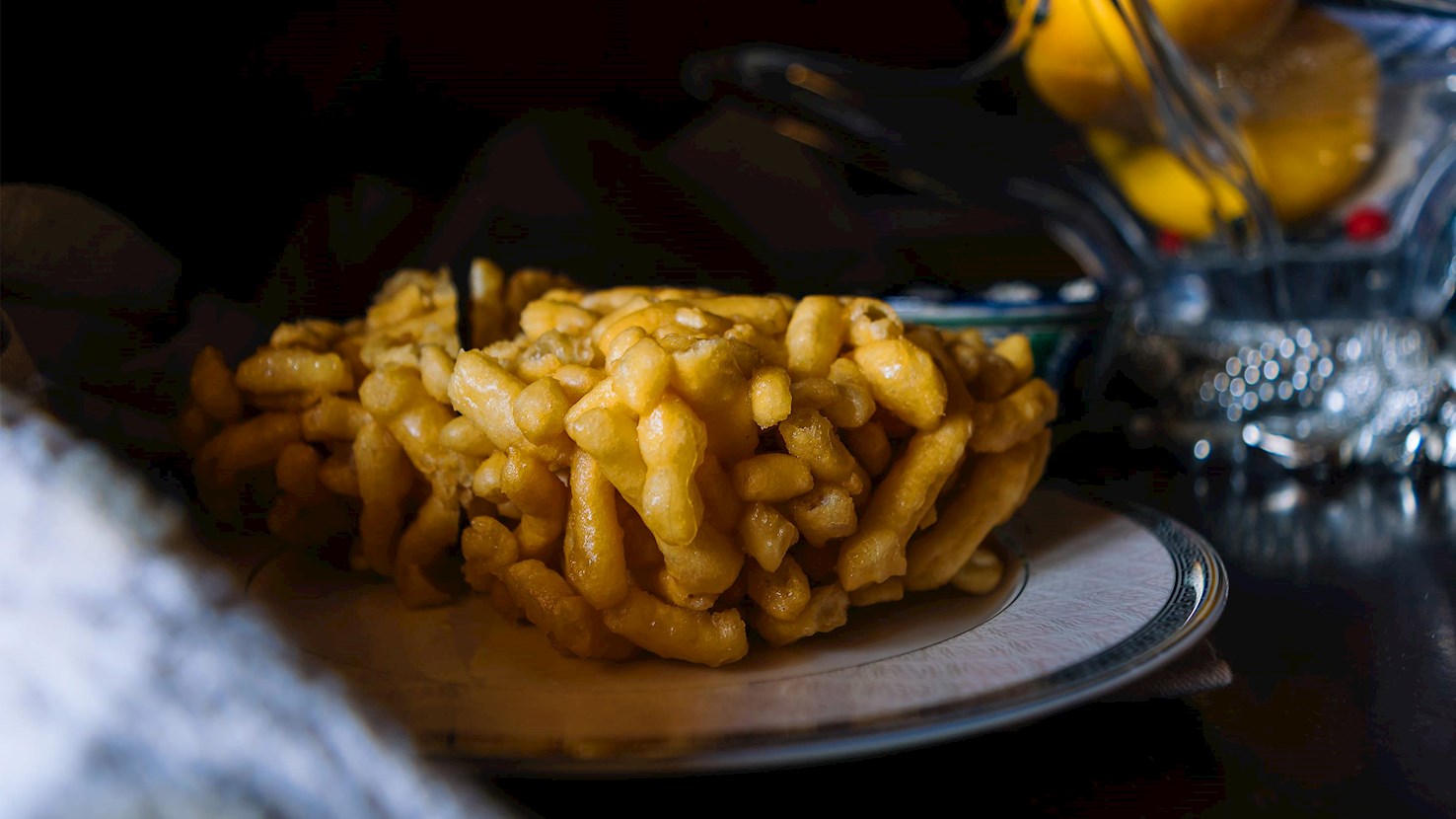
Çäkçäk or chak-chak is a traditional dessert originating from Tatarstan. It's usually made from unleavened dough that's cut and rolled into small balls, and the balls are then deep-fried in hot oil. Dried fruits and hazelnuts are sometimes added to the dough. Once fried, these small balls are stacked in a mound and drizzled over with hot honey. Once this sticky dessert cools, it can be garnished with dried fruits and hazelnuts, if desired. Çäkçäk is often made for special occasions such as weddings.
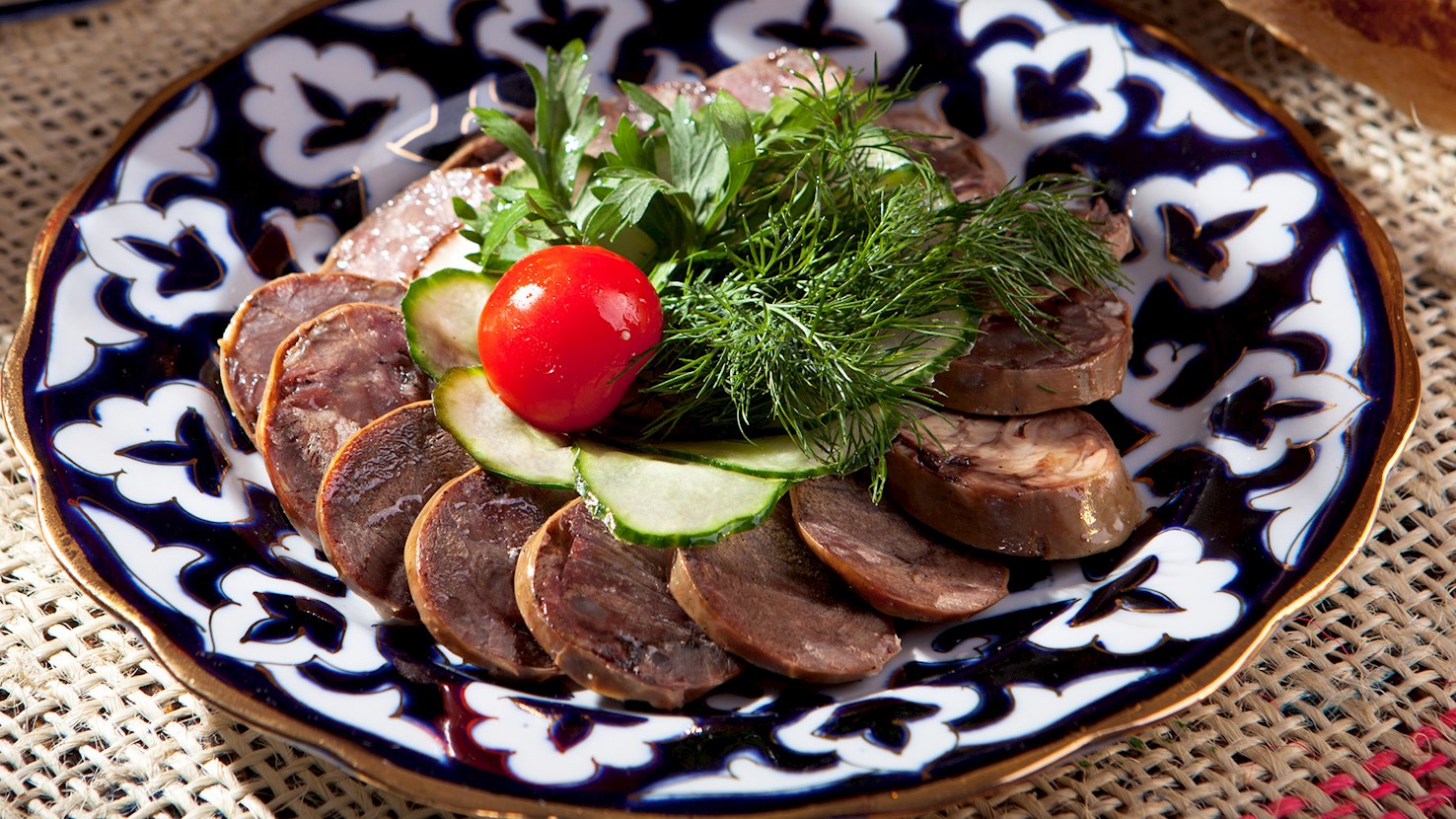
Qazı is a sausage made from horse rib meat and fat, prepared and consumed across Central Asia with its strongest identification in Kazakhstan, where it is regarded as a formal meat item associated with guest meals and ceremonial tables rather than daily cooking. Its formation is rooted in steppe pastoral systems in which horses played a central role in transport, economy, and food supply, and where slaughtering a horse was an infrequent but socially significant event that required preserving valuable cuts in ways that maintained both nutritional value and structure, leading to the development of whole-cut sausages that relied on salting, drying, and boiling rather than grinding or heavy seasoning. Preparation begins by separating rib meat and attached fat from the horse, cutting it into long strips, seasoning primarily with salt and occasionally black pepper or garlic, then stuffing the pieces tightly into cleaned horse intestines, tying the casing at intervals, and allowing the sausage to dry for a controlled period before being slowly boiled until fully cooked, with care taken to avoid splitting so the fat remains enclosed. Serving typically involves slicing the cooked qazı into thick rounds and arranging it prominently on a platter or incorporating it into dishes built around dough and broth such as beshbarmak, while in some contexts it is cooled and served in thinner slices as part of a cold meat spread. What distinguishes qazı is that it is made from intact muscle and fat rather than minced meat, preserving a visible pattern inside each slice and linking the product directly to a specific anatomical cut, a practice that reinforces its status and limits substitution with other meats. It is eaten during large family gatherings, weddings, commemorative meals, and honored guest occasions, shared communally and often served early in the meal, and it pairs naturally with flat noodles or dough sheets, onions softened in broth, and clear soups, while beverages such as black tea, fermented mare’s milk, or lightly salted broth accompany it to balance its richness without adding sweetness or acidity.
Tabani is a traditional flatbread originating from the region of Udmurtia. This type of thick pancake or flatbread is based on a sourdough batter that can be made from wheat or buckwheat flour. Other ingredients include water or milk, yeast, sugar, salt, and butter. The batter is typically cooked in a cast-iron pan in a wood-fired brick stove. During the process, the tabani puffs up, and when it's taken out of the stove it becomes flat once again. Once done, tabani is served with various toppings such as meat, mushrooms, or apples. A sauce called zyret is often served on the side and it's made with a mixture of milk, flour, salt, sugar, and butter.
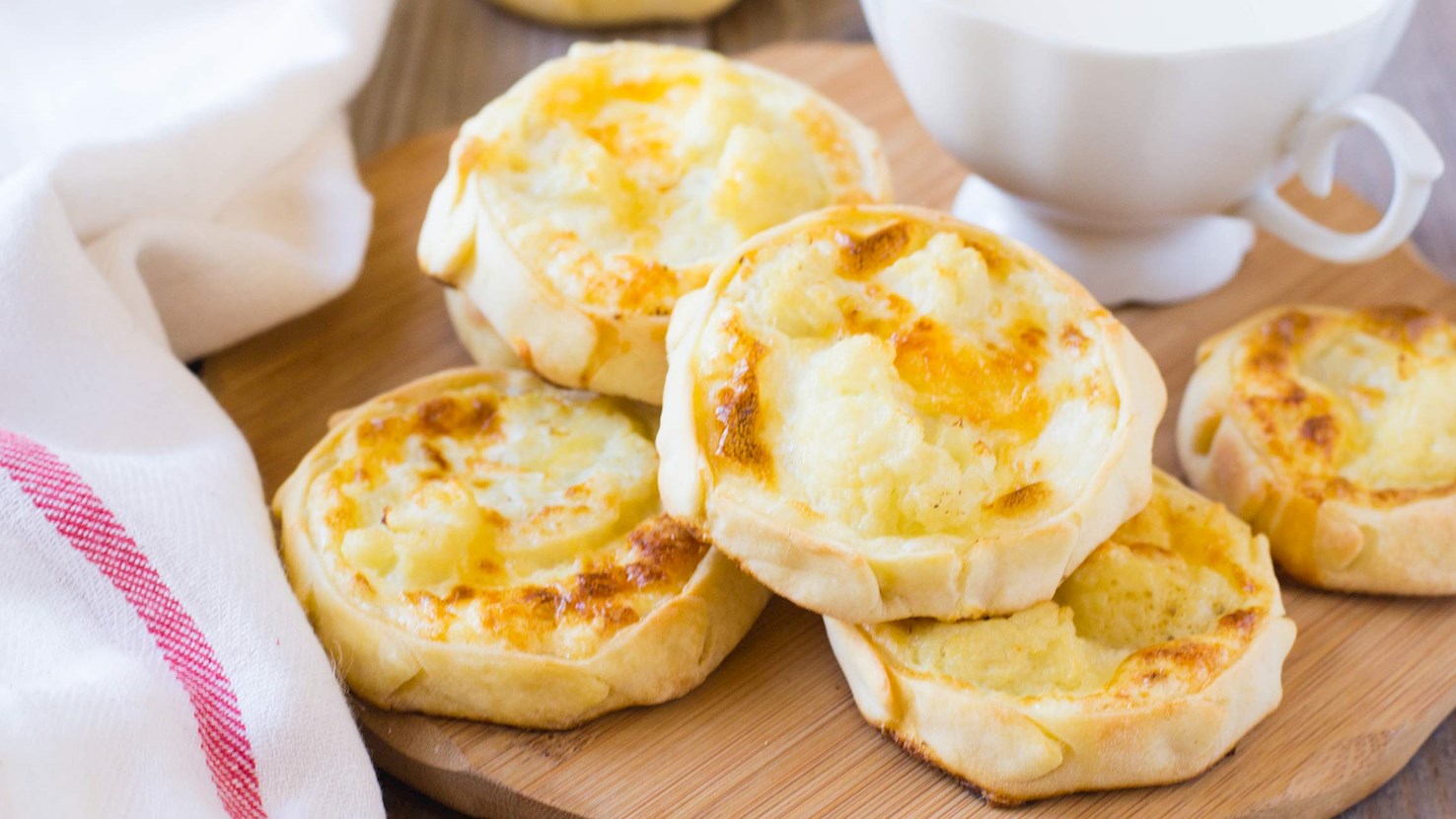
Perepechi is a traditional pie originating from the region of Udmurtia. These open Udmurt pie shells have pinched edges and are filled with various ingredients such as ground beef, mushrooms, eggs, onions, milk, salt, and pepper. The shells are usually made with butter, eggs, rye flour, wheat flour, salt, and sugar. The open-faced pies are baked in the oven, and if properly prepared, they should be soft and slightly crispy, while the filling should always be rich and tender. The name perepechi means something baked behind the oven, because they were initially baked in stoves over a low fire. Originally, the dough was made with rye flour, but nowadays plain wheat flour is used more often than not.
Talkish kaleve is a traditional dessert originating from Tatarstan. These small pyramids are usually made with a combination of wheat flour, butter, honey, sugar, and water. The butter and flour are cooked in a pan, and the combination is then mixed with honey, water, and sugar. The complicated process of making talkish kaleve involves chilling the mass until it thickens, and it's then stretched, folded, and stretched again until it splits into thin white fibers.. The fibers are placed in small cups and left to chill before they're taken out of the cups and served.
TasteAtlas food rankings are based on the ratings of the TasteAtlas audience, with a series of mechanisms that recognize real users and that ignore bot,
nationalist or local patriotic ratings, and give additional value to the ratings of users that the system recognizes as knowledgeable.
For the “Top 8 Volgan Foods” list until June 17, 2026, 727 ratings were recorded, of which 514 were recognized by the system as legitimate.
TasteAtlas Rankings should not be seen as the final global conclusion about food. Their purpose is to promote excellent local foods,
instill pride in traditional dishes, and arouse curiosity about dishes you haven’t tried.
The initial list of top producers was compiled based on available reviews, awards, local recommendations, media and blog coverage, and consumer reviews.
The list will be updated with ratings from TasteAtlas local ambassadors and TasteAtlas users.