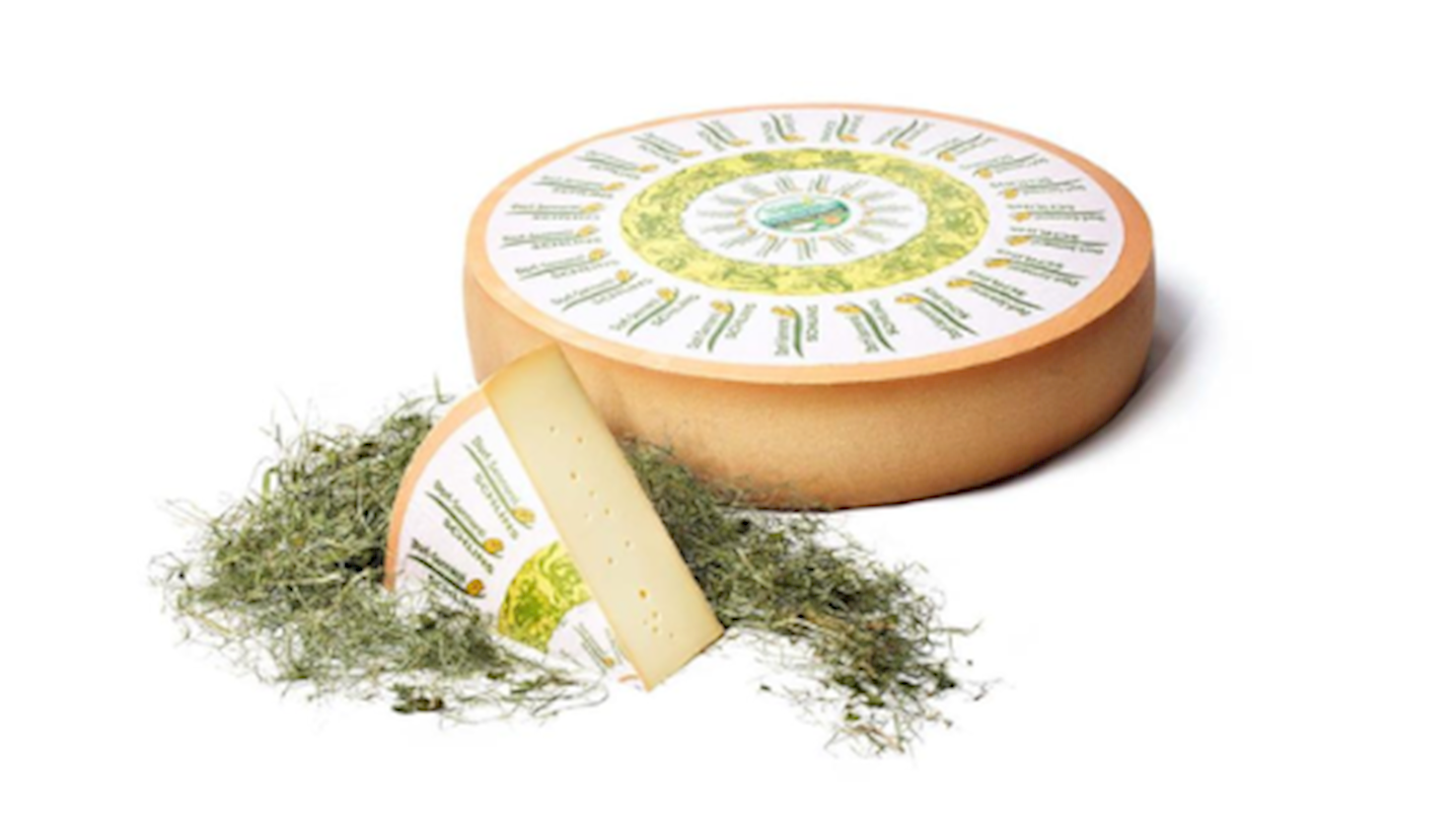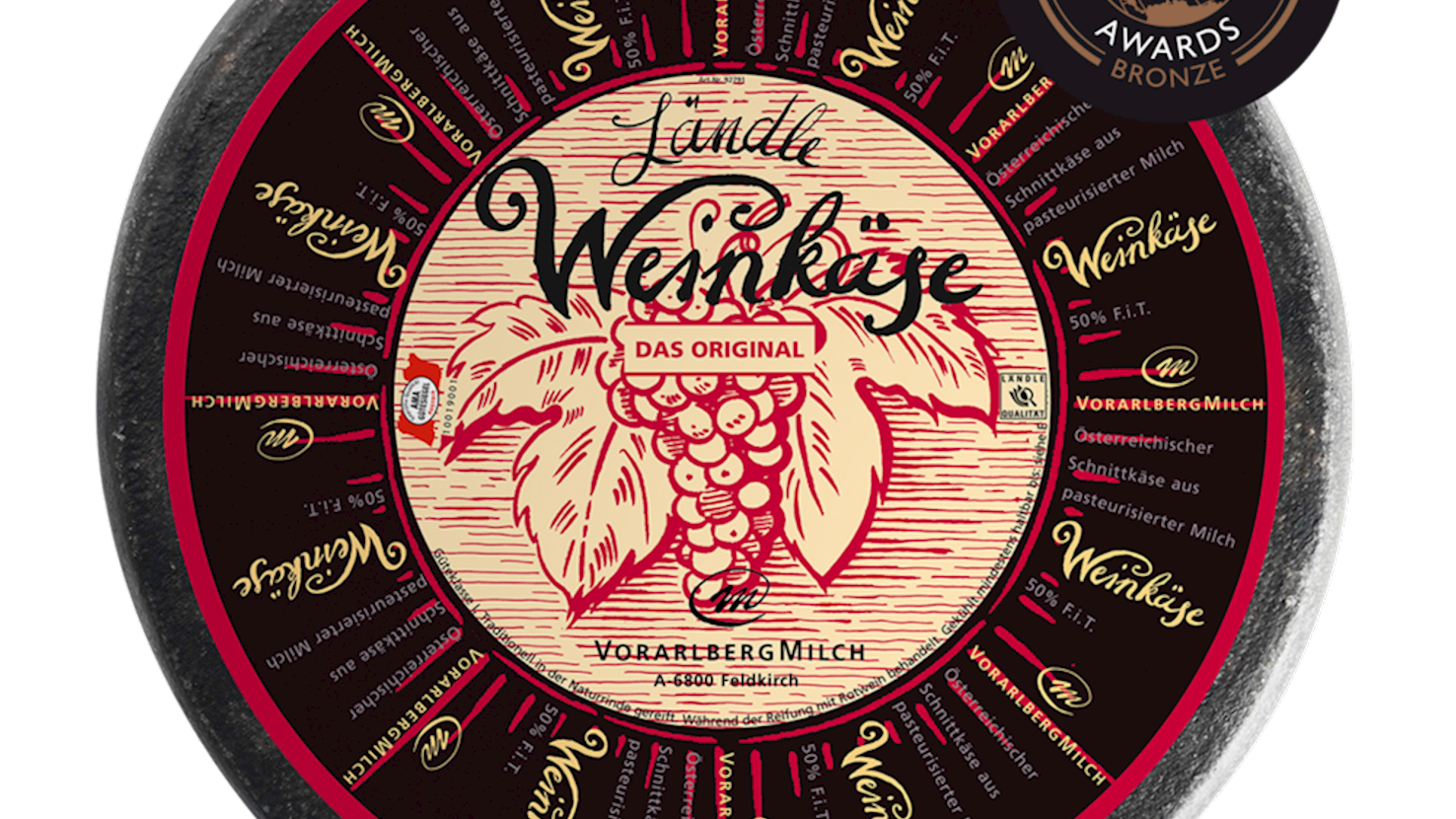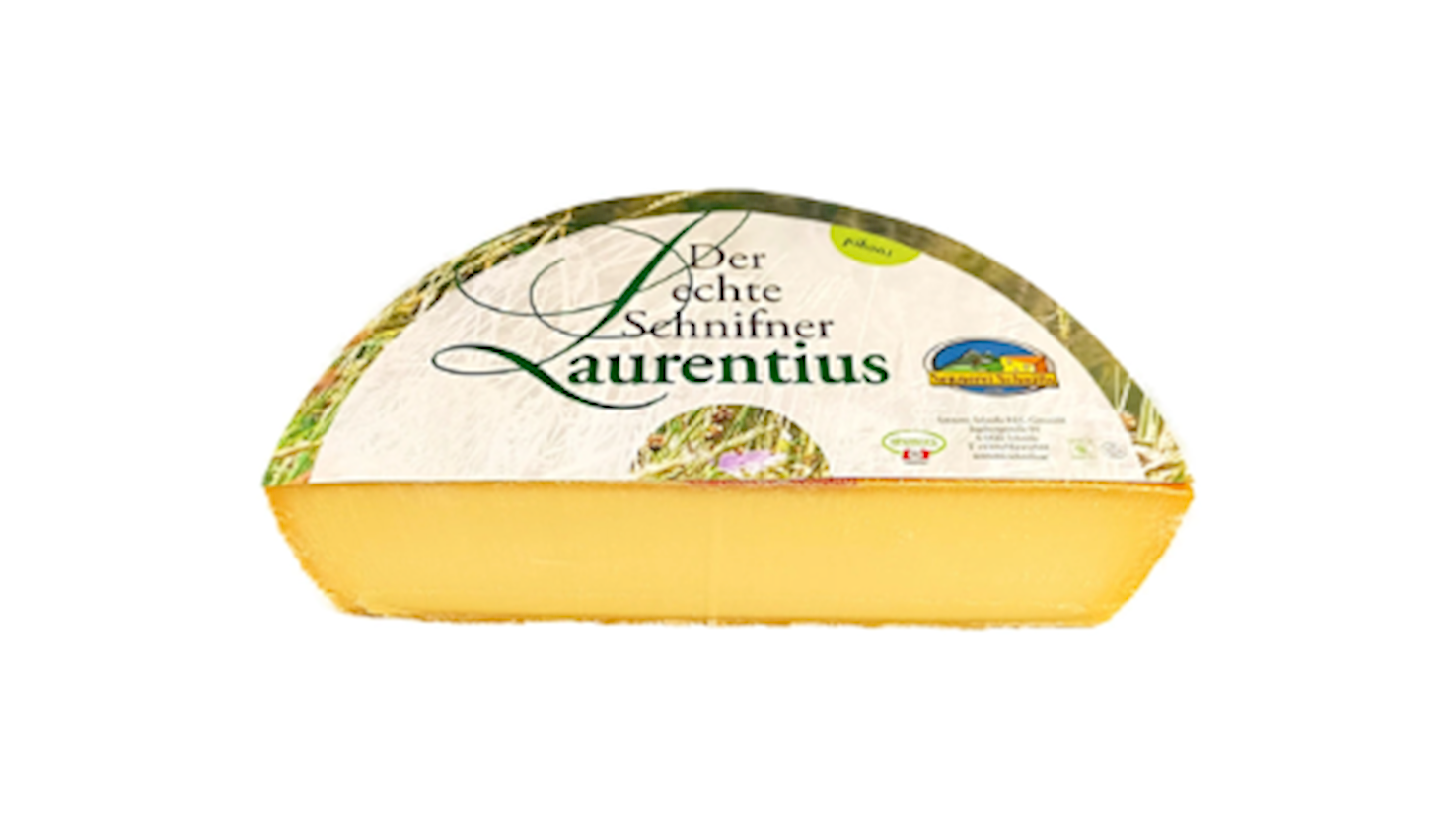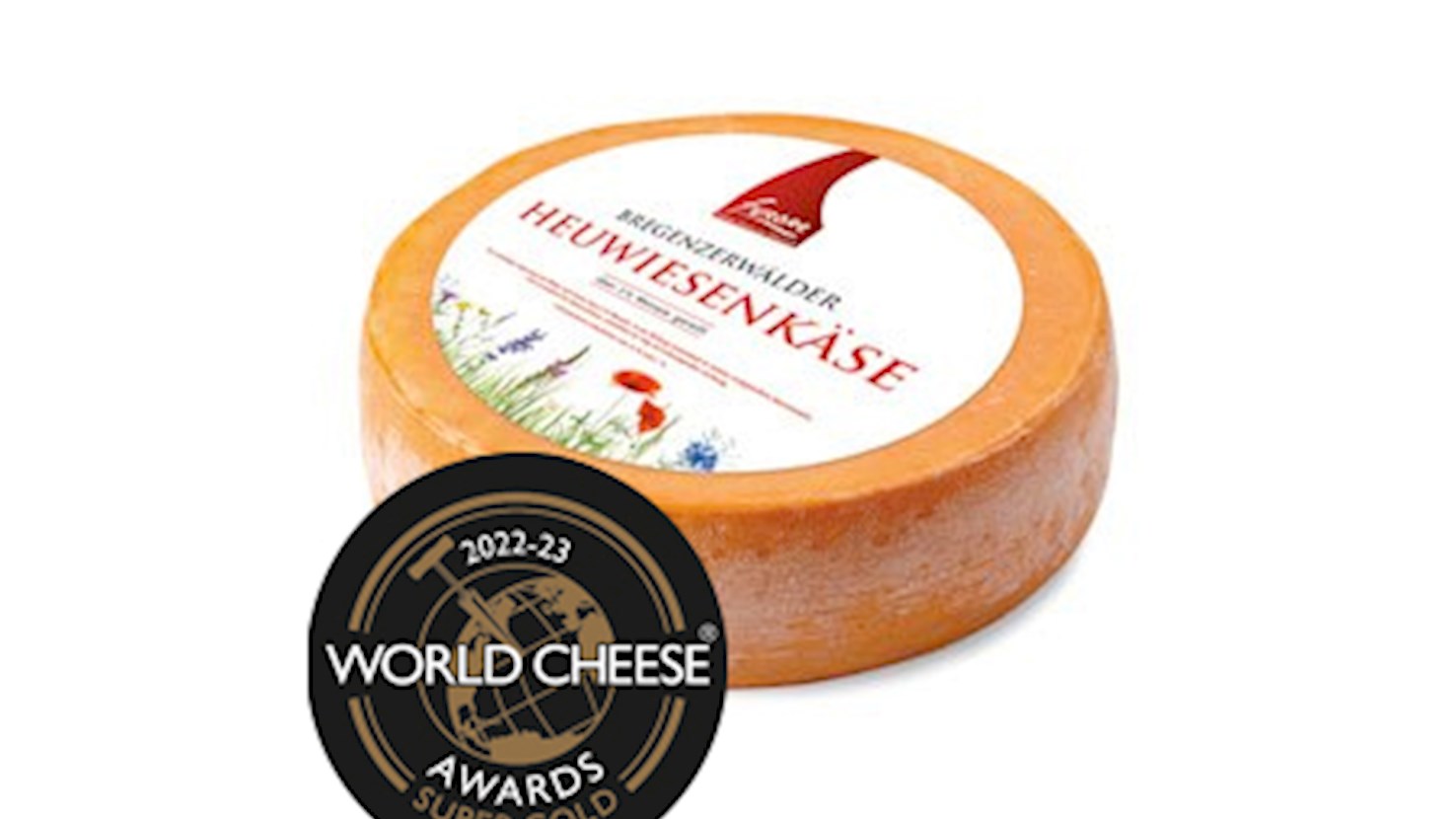
Dorfsennerei Schlins-Röns und Umgebung is a cooperative cheese producer located in Austria, specifically serving the Schlins and Röns region. The cooperative focuses on producing traditional Austrian cheeses using milk sourced from local dairy farmers. They employ methods that combine both modern and traditional cheese-making techniques to preserve the artisanal quality of their products.
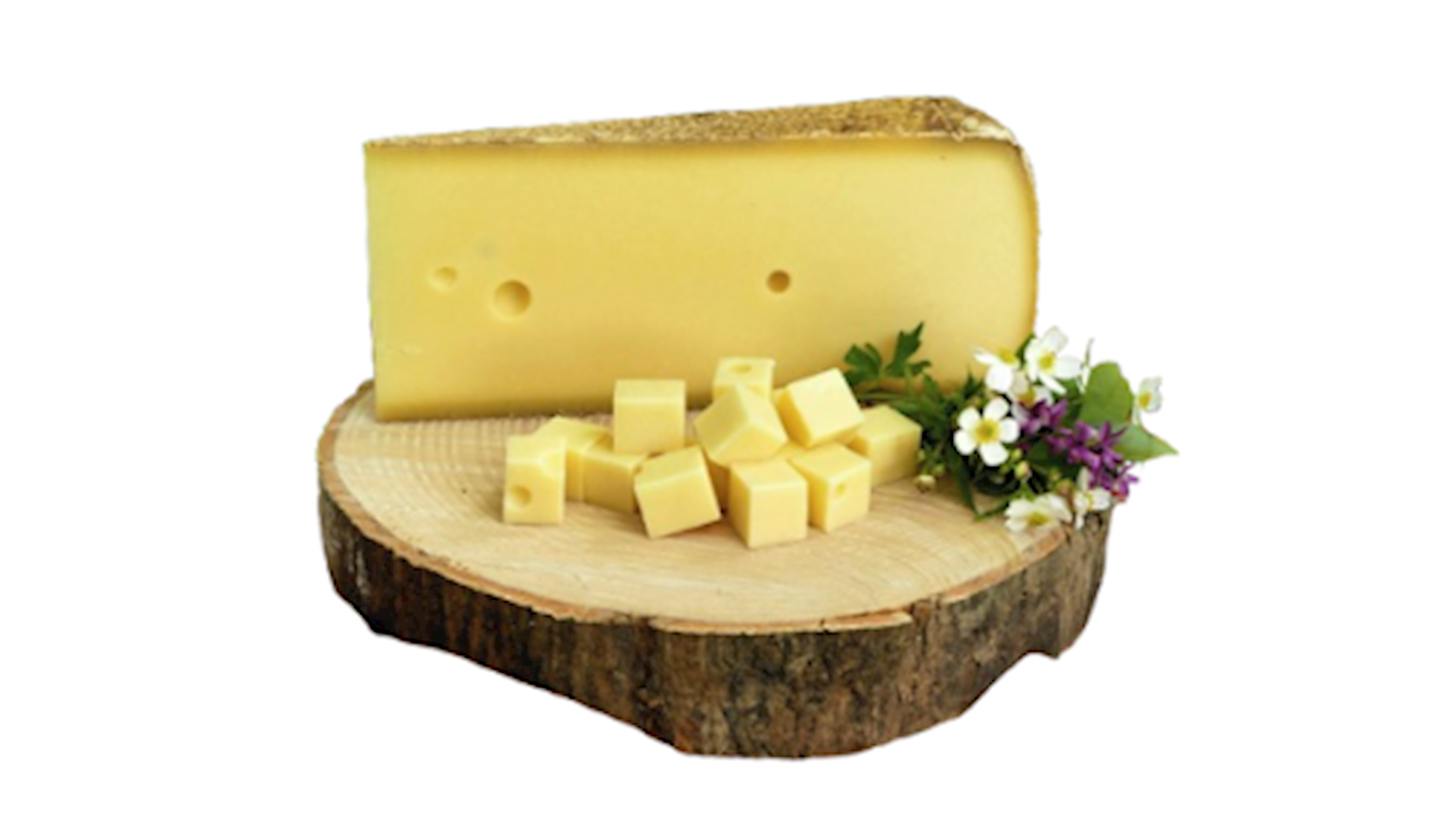
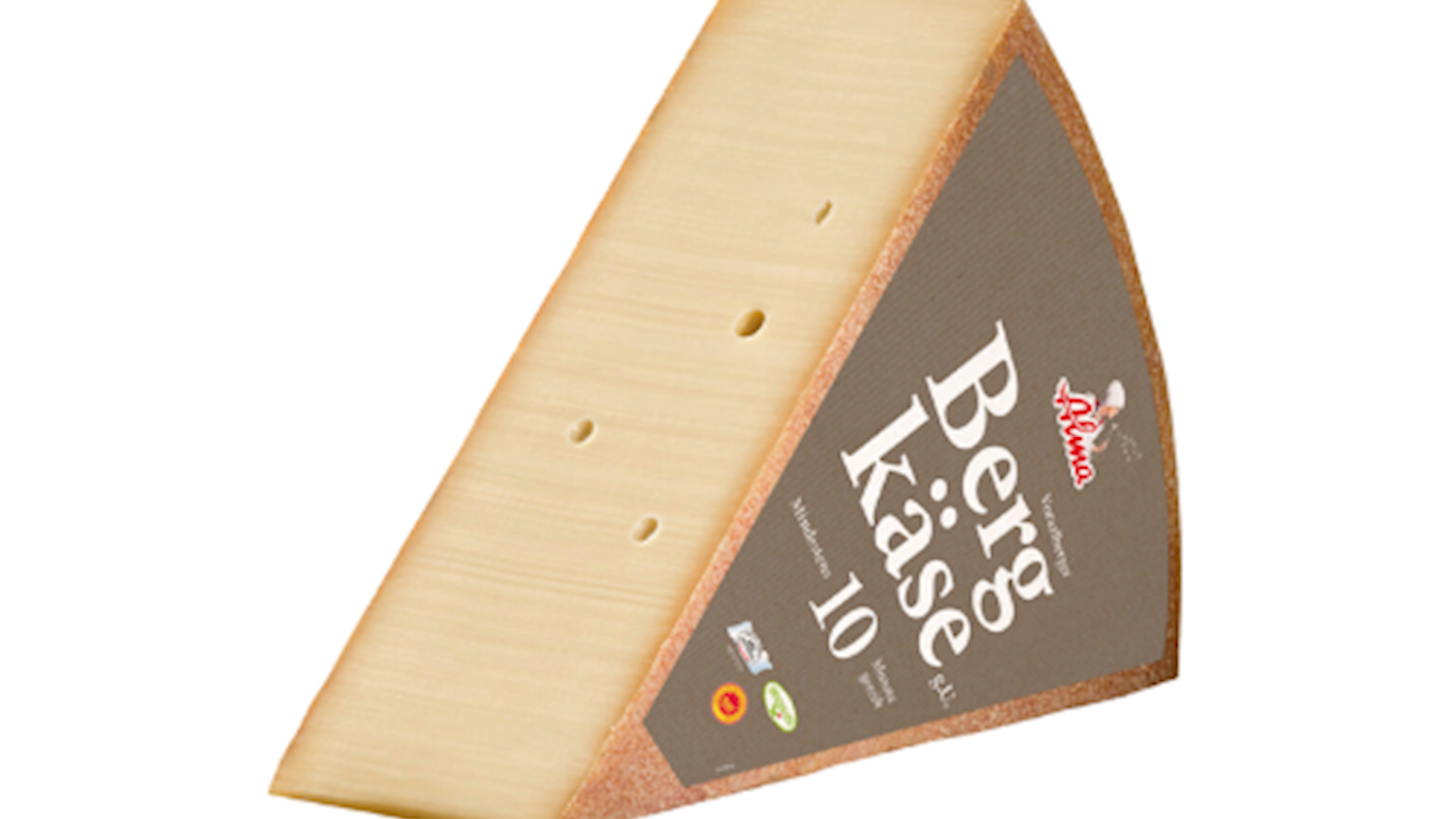
Sennerei Andelsbuch is a traditional cooperative dairy located in the village of Andelsbuch, in the Bregenzerwald region of Austria’s Vorarlberg province, with a long-standing tradition rooted in the collective work of local milk producers. Founded in the early 20th century, it brings together numerous family farms that supply exclusively hay-fed milk, produced without silage, forming the basis of certified Heumilch quality. The milk comes from alpine pastures rich in diverse grasses and herbs, which directly shape the aromatic profile of the cheeses. Sennerei Andelsbuch is especially known for its mountain cheeses such as Bergkäse, Emmentaler, and other long-aged, characterful varieties with pronounced depth and structure. Production combines traditional cheesemaking knowledge with modern quality control, in line with strict regional standards. The dairy is part of the KäseStrasse Bregenzerwald initiative, which promotes the preservation of local cheese culture and rural identity. Strong emphasis is placed on sustainability, including energy-efficient production and a responsible approach to natural resources. The facility includes an on-site shop offering direct sales, as well as a vending machine that allows customers to purchase products around the clock. Today, Sennerei Andelsbuch is regarded as a representative example of Alpine cheesemaking tradition, successfully uniting community cooperation, terroir expression, and long-standing artisanal expertise.
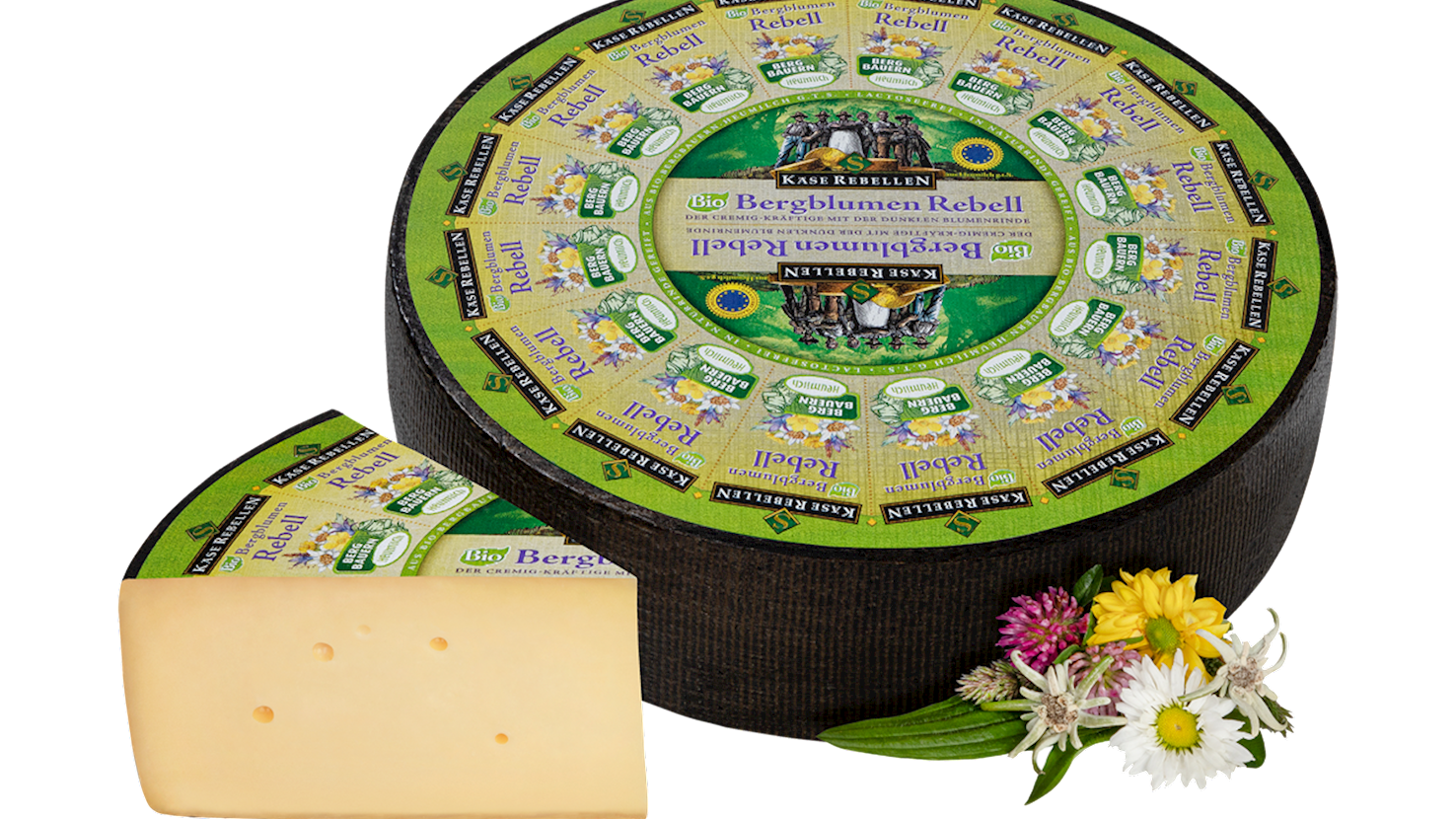
Sulzberger Käserebellen Sennerei GmbH, located in Sulzberg, Germany, is known for producing organic cheeses using milk from cows that are not dehorned. This practice is based on the belief that preserving the natural state of the cows enhances the quality of the milk. The dairy emphasizes sustainable practices and animal welfare in its cheese production processes.
Sennerei Schnifis is a cheese production cooperative located in Schnifis, Austria. The cooperative specializes in producing traditional Austrian cheese varieties and focuses on utilizing local milk from surrounding farms.
Awards
World Cheese Awards - Gold
(2024)
World Championship Cheese Contest - Best of Class
(2018)
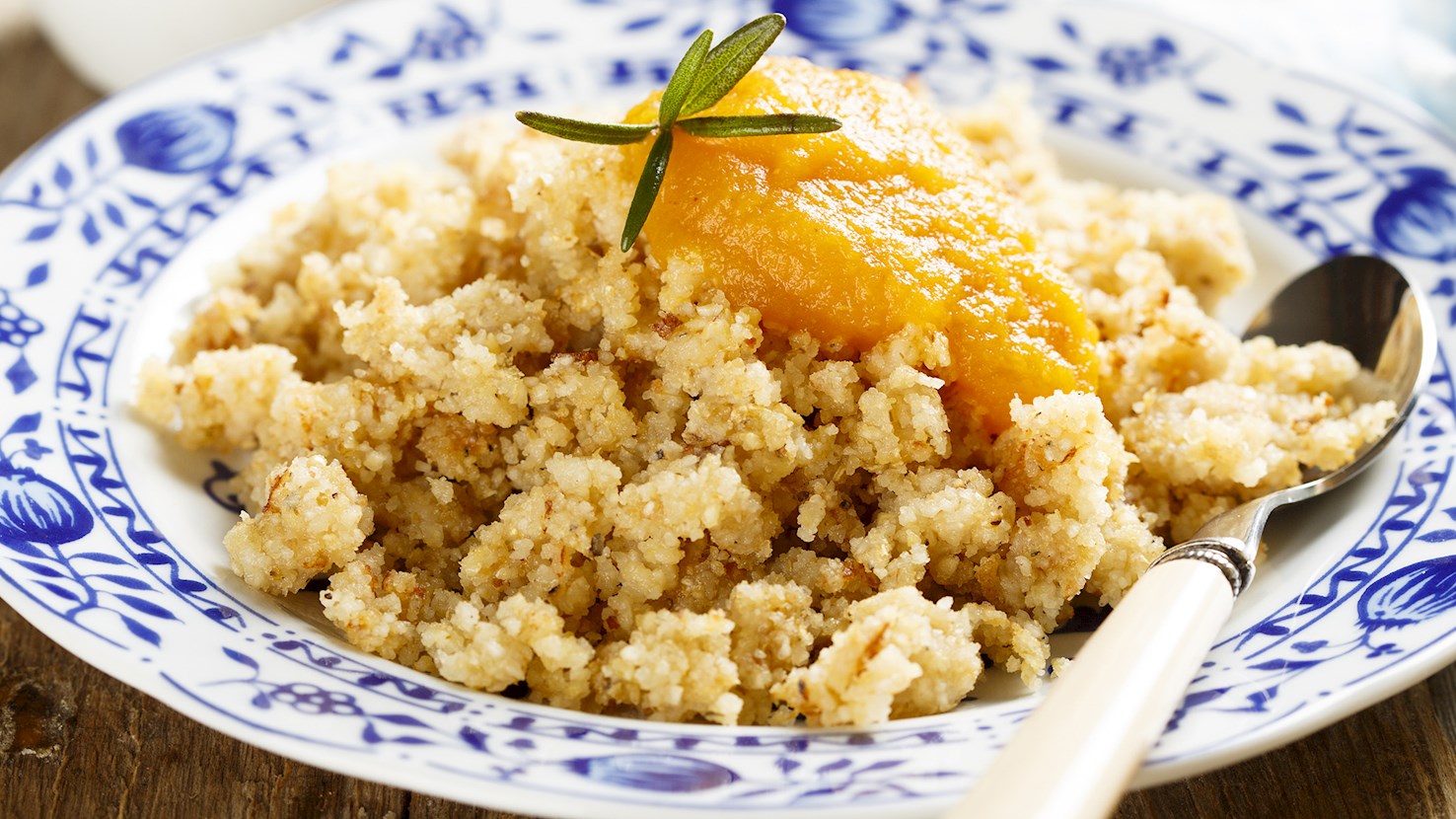
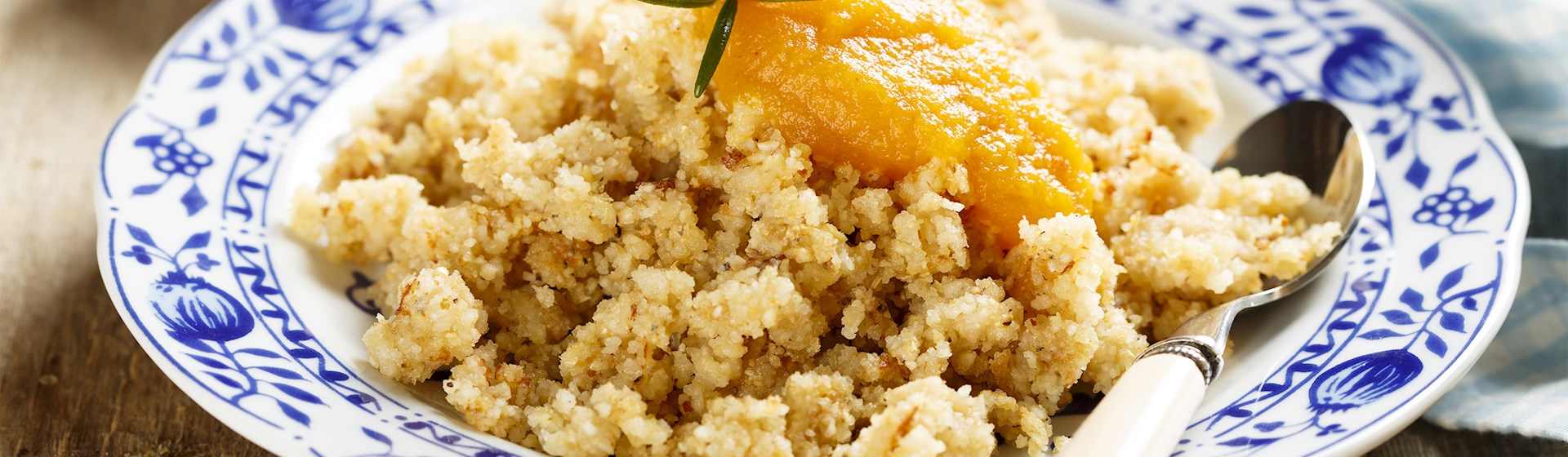
Riebel is a traditional dish originating from Vorarlberg. The porridge is made with a combination of cornmeal, milk, butter, and salt. The combination is left to simmer on the stove for a long time until it swells significantly. It is then fried in clarified butter while poking and cutting the mass into smaller pieces, usually with a large wooden spoon. This dish is traditionally served with stewed fruit, local cheese, or applesauce. Interestingly, until the 1970s, Riebel was a filling breakfast staple of farmers and poor families, but today it's usually prepared for dinner or lunch. Although sweet dessert versions are more classic than the savory ones, Riebel can also be enriched with mushrooms and cheese, and it is then served as an accompaniment to meat.
Räßkäse is a semi-hard cheese from the Vorarlberg region in Austria and neighboring areas in Switzerland. The term "räß" is an Alemannic word meaning "sharp" or "pungent," reflecting the cheese's strong, tangy flavor. Produced from pasteurized cow's milk, räßkäse undergoes a maturation period of approximately five months in natural cellars, during which it develops its characteristic robust taste and aroma. The cheese has a firm, slightly moist texture with a natural brown rind and a pale yellow interior, often featuring small holes. Its intense flavor makes it a key ingredient in regional dishes such as Vorarlberger käsespätzle (cheese noodles) and käsefladen (cheese flatbread). Räßkäse is also enjoyed on its own or as part of a cheese platter, appreciated by those who favor strong, aromatic cheeses.
Alps Rebel is an Austrian cheese originating from Sulzberg, where it’s produced by Sulzberger Käserebellen Sennerei. The cheese is made from raw milk of cows that feed on a diet of dried hay, grains of corn, and herbs. Underneath its natural rind, the texture is semi-hard, open, and creamy. The aromas are milky, nutty, and fruity, reminiscent of vanilla, roasted chesnuts, and malt, while the flavors are milky, buttery, piquant, and slightly citrusy.
Even though the basis for the production process of Vorarlberger Alpkäse was established during the Thirty Years' War (1618-1648), its name has been in use only since the 1700s. This Alpine cheese originates from Bregenzerwald, a forested Bregenzer Ach river basin nestled in Voralberg, Austria's westernmost region. Produced only during summer months, Vorarlberger Alpkäse is a hard cheese made from raw milk collected from cows that graze on a variety of herbs and grass on Alpine pastures. During the ripening stage, the cheese wheels are periodically hand-rubbed with salt and aged on pine boards for three to five months. Vorarlberger Alpkäse has a distinctive Alpine milk aroma and a tangy flavor.
Käsdönnala is a traditional cheese tart or pie typically made with a yeast dough base topped with a mixture of cheese, onions, and eggs. The filling often includes locally produced cheeses, making the dish rich and flavorful. It is baked until golden brown and is enjoyed as a savory treat, often served with a side salad or as part of a larger meal.
Hay Flower Rebel is an Austrian cheese hailing from Sulzberg, where it’s produced by Sulzberger Käserebellen Sennerei. The cheese is made from raw milk of cows that feed on a diet of dried hay, grains of corn, and herbs. Underneath its natural rind, the texture is semi-hard, firm, and creamy. The aromas are woody and floral, while the flavors are grassy, creamy, and floral, with an aftertaste of honey and young wood. This cheese has won a bronze medal at the World Cheese Awards in 2014.
Käsknöpfle is a cheese noodle dish from Liechtenstein and the neighboring alpine regions of western Austria, especially Vorarlberg. It consists of small, soft dumplings made from egg, flour, and water, layered with grated cheese and topped with fried onions. The name comes from the German word “Knöpfle,” meaning “little buttons,” referring to the round shape of the noodles, which are smaller and denser than the longer Swabian Spätzle found in southern Germany. It is one of the most recognizable dishes of Liechtenstein’s everyday cooking and represents the hearty, modest style of mountain cuisine shaped by local ingredients and climate. Its origins lie in the rural cooking of the Alpine valleys, where wheat flour, eggs, and dairy formed the foundation of many household meals. In an environment where fresh produce was limited in winter, dishes built around flour and cheese became central to sustenance and comfort. The dough-based dumplings were quick to prepare and filling, and as cheese-making developed in the mountain pastures, cooks began combining the two. Käsknöpfle evolved as a natural result of this pairing, reflecting the self-sufficient habits of small farming communities where every ingredient came from nearby. Over time, it became a common meal both at home and in local taverns, carrying with it a sense of familiarity and balance between richness and simplicity. The preparation begins by mixing flour, eggs, salt, and a bit of water into a smooth but thick batter. The dough is pressed through a special tool called a Knöpflehobel or scraped with a knife into boiling salted water, where the pieces quickly rise to the surface once cooked. They are then drained and layered in a large bowl with grated cheese, often a blend of mountain cheeses like Montafoner, Räßkäse, or Bergkäse, so that the heat of the noodles melts the cheese into a cohesive, creamy mass. The dish is completed with browned onions scattered over the top, adding sweetness and texture that balance the richness of the melted cheese. Some cooks stir a small amount of butter or cream into the mixture to loosen it, but the essence of the dish relies on the quality of the cheese and the right texture of the Knöpfle. Käsknöpfle is eaten across Liechtenstein and parts of Austria, often as a main course at family gatherings, festivals, or casual taverns. It is commonly served with a simple green salad or apple sauce, which lightens the meal and contrasts with the richness of the cheese. Some prefer a glass of dry white wine or beer alongside it, both of which cut through the fat and emphasize the nutty flavors of the melted cheese.
Lüneberg is an Austrian Alp-style cheese originating from Vorarlberg. The cheese is made from cow's milk with added saffron, giving it a yellowish color and a distinct flavor. The milk is warmed, and the curd is then cut into smaller pieces that are heated while stirring. After the press, the cheeses are turned and taken to a cellar to mature. The rind is salted, rubbed, and washed during the maturation process. Once ripe, Lüneberg is usually described as a cross between Emmental and Limburger. When cut, it is characterized by numerous irregular eyes dispersed throughout its body.
Bregenzerwälder Bergkäse is a hard, alpine cheese produced in the Bregenzerwald region of Vorarlberg, the westernmost province of Austria. It is manufactured exclusively from raw cow’s milk sourced from farms located within this specific mountainous geography. The systemic production of this cheese evolved through a land-use pattern known as Alpine transhumance, where livestock are moved between different altitudes depending on the season. By the eighteenth century, the region transitioned from a focus on flax cultivation and weaving to large-scale dairy farming, necessitated by the high yield of nutritious grasses in the Bregenzerwald mountains. This shift led to the development of specialized alpine dairies, or Sennalpen, situated at high elevations where milk was processed immediately into large wheels to facilitate long-term storage and transportation down the mountain slopes. The preparation of Bregenzerwälder Bergkäse begins with the heating of raw milk in copper vats, to which natural rennet and starter cultures are added to initiate curdling. The resulting curd is cut into grain-sized pieces using a cheese harp and then heated to temperatures between 50 and 54 degrees Celsius, a process that determines the cheese’s final moisture content and texture. Once the curd is separated from the whey, it is pressed into circular molds and subsequently immersed in a brine bath for approximately two days to develop the rind and enhance flavor. The maturation process takes place in specialized cellars with high humidity, lasting anywhere from three to eighteen months or longer. During this time, the rinds are regularly rubbed with salt water. A unique aspect of the production is the strict prohibition of fermented fodder, which ensures the milk has a specific bacterial composition that allows for long aging without the risk of unwanted gas formation. In culinary applications, the cheese is often featured as the primary ingredient in Vorarlberger Kässpätzle, where it is layered with fresh flour dumplings and fried onions. It is also served as a central component of a Brettljause, a selection of cold meats and bread served on a wooden board. The flavor profile, which ranges from mild and nutty in younger wheels to sharp and spicy in older ones, pairs effectively with regional beverages such as dry white wines, particularly Grüner Veltliner, or full-bodied red wines like Blaufränkisch. It is also frequently consumed alongside naturally cloudy apple juice or local craft beers that provide a malty contrast to the saltiness of the aged cheese.
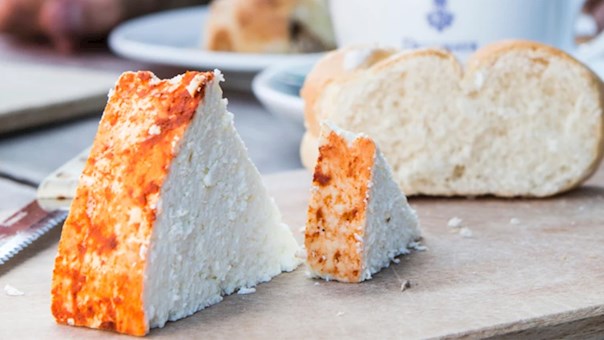
Bachensteiner is a semi-soft, washed-rind cow’s milk cheese from the Bregenzerwald region of Vorarlberg in western Austria. The production of Bachensteiner begins with fresh, pasteurized cow’s milk, which is coagulated and formed into loaves before undergoing a smear-ripening process. During this stage, the surface is regularly washed with brine or treated to encourage the growth of specific bacteria, which give the cheese its reddish-orange rind and distinctive aroma. The loaves are aged for about three weeks, during which the interior develops into a light yellow to white paste that is creamy, silky smooth, and melts effortlessly on the palate. The result is a cheese with a soft, supple texture and a flavor profile that evolves as it matures — from fruity and delicately floral to slightly piquant and gently tart. Subtle notes of biscuit and white bread contribute to its complexity, making it both comforting and refined. Bachensteiner is most commonly served as part of a cheese platter, accompanied by rustic rye or dark bread, pickled onions, or thinly sliced charcuterie. It also pairs beautifully with crisp white wines or light beers, which complement its richness and highlight its layered flavors. In alpine kitchens, it is often melted over boiled potatoes or added to warm dishes, where its creamy texture enhances simple, comforting meals.
TasteAtlas food rankings are based on the ratings of the TasteAtlas audience, with a series of mechanisms that recognize real users and that ignore bot,
nationalist or local patriotic ratings, and give additional value to the ratings of users that the system recognizes as knowledgeable.
For the “Top 18 Traditional Foods in Vorarlberg” list until June 07, 2026, 19 ratings were recorded, of which 11 were recognized by the system as legitimate.
TasteAtlas Rankings should not be seen as the final global conclusion about food. Their purpose is to promote excellent local foods,
instill pride in traditional dishes, and arouse curiosity about dishes you haven’t tried.
The initial list of top producers was compiled based on available reviews, awards, local recommendations, media and blog coverage, and consumer reviews.
The list will be updated with ratings from TasteAtlas local ambassadors and TasteAtlas users.