dreamstime

Top 8 Traditional Foods
in Westphalia

Last updated on June 07, 2026

Best food products

01
Spirit

Franz Fies Schwarzwälder Edelobstbrennerei

5 ·
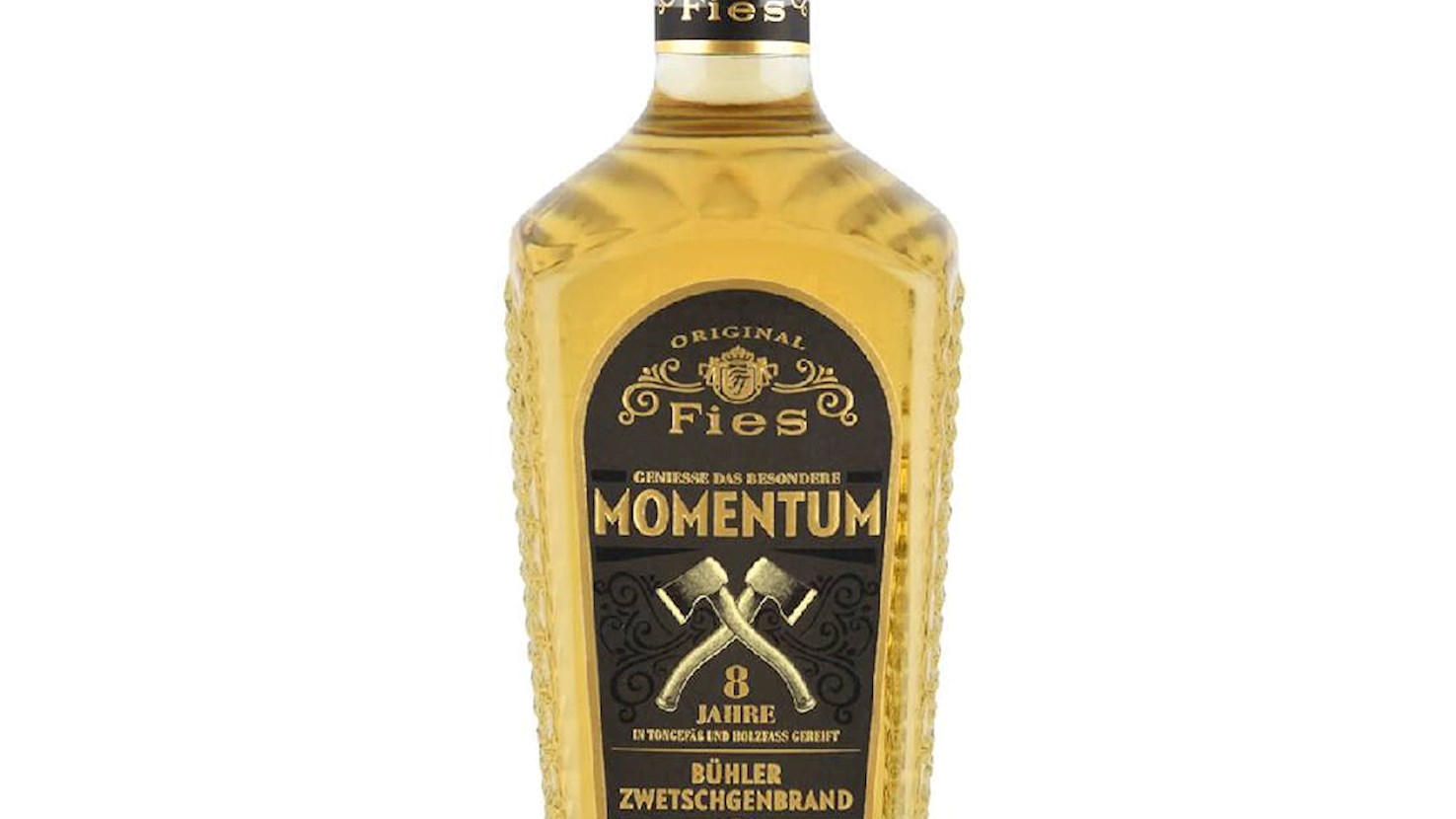
Franz Fies Schwarzwälder Edelobstbrennerei, founded in 1948 by Franz and Elise Fies, is a family-owned distillery located in Oberkirch-Ringelbach, in the heart of the sun-kissed Ortenau region of Germany's Black Forest. The distillery specializes in crafting premium fruit brandies and liqueurs, utilizing traditional methods to transform locally sourced fruits into high-quality spirits. Their product range includes the "Original Fies" line of fruit brandies, the "CHRONUM" series, and the "MOMENTUM" collection, each offering unique flavor profiles that reflect the rich heritage of the Black Forest. Committed to excellence, the distillery is certified according to the International Food Standard (IFS), ensuring that each bottle meets rigorous quality standards. Visitors are welcome to tour the distillery to experience firsthand the meticulous craftsmanship that defines Franz Fies Schwarzwälder Edelobstbrennerei.
Awards
European Spirits Challenge - Gold (2023)
European Spirits Challenge - Silver (2023)
02
Cheese

Molkerei Söbbeke

4.9 ·
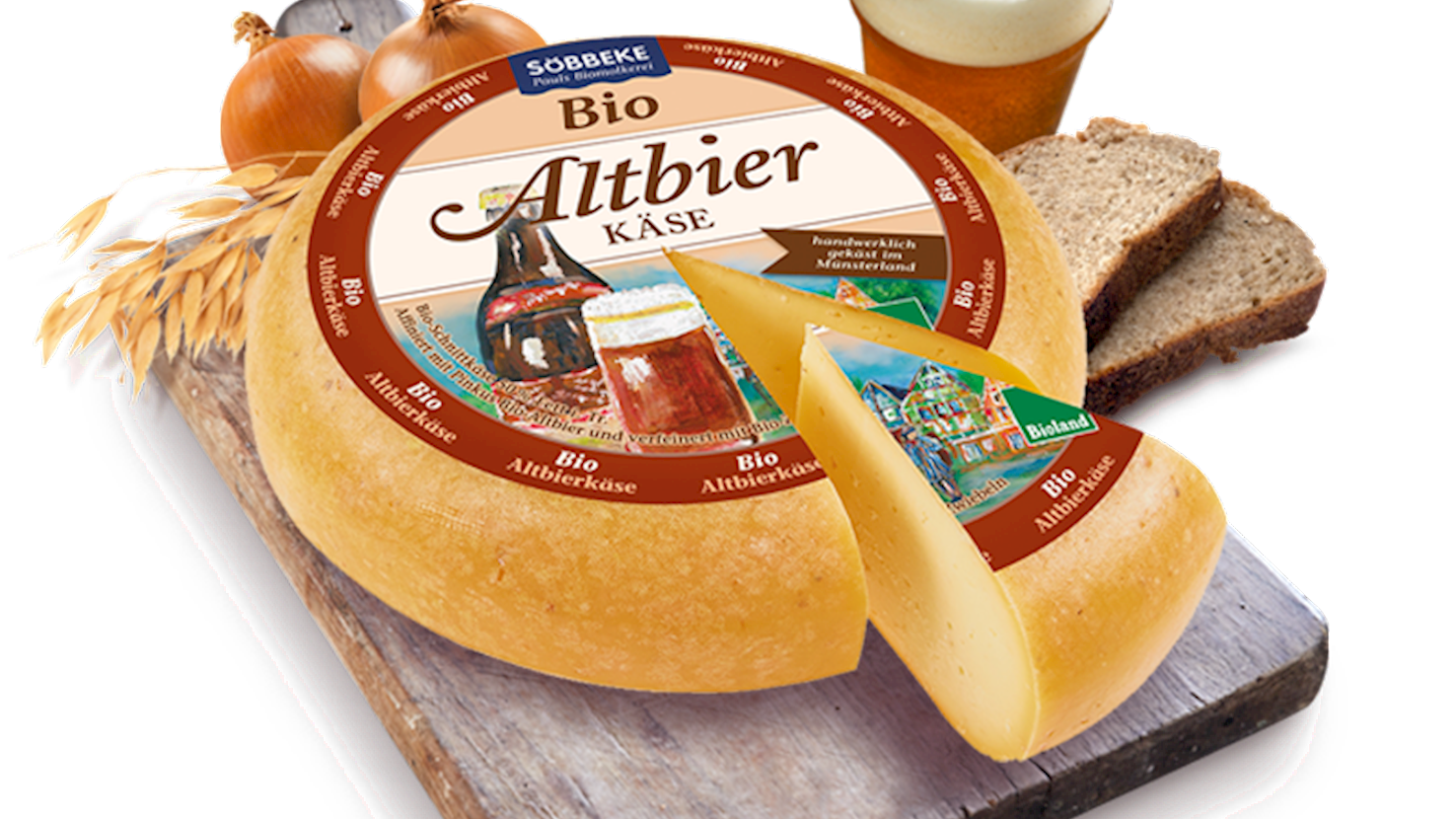
Molkerei Söbbeke is a dairy company based in the town of Epe, Germany. It specializes in producing organic dairy products, including a variety of cheeses, yogurts, and milk. The company emphasizes sustainability and the use of organic milk from local farms in its production processes.
Awards
World Cheese Awards - Super Gold (2022)
World Cheese Awards - Gold (2024, 2023)
03
Spirit

Skiclub Kampen GmbH

4.8 ·
Awards
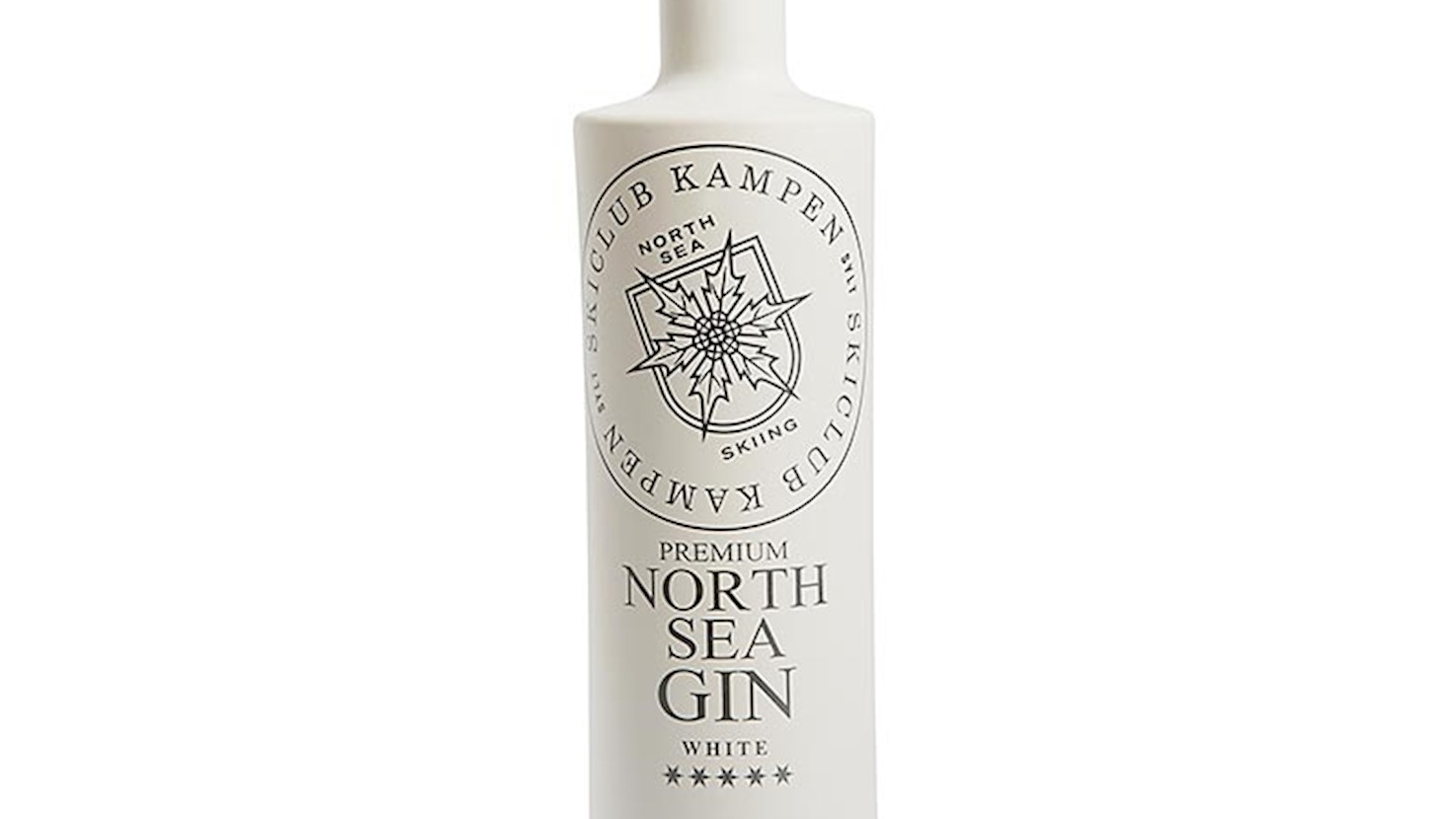
ISC-International Spirits Challenge - Gold trophy (2019)
04
Chocolate

Pott Au Chocolat

4.7 ·
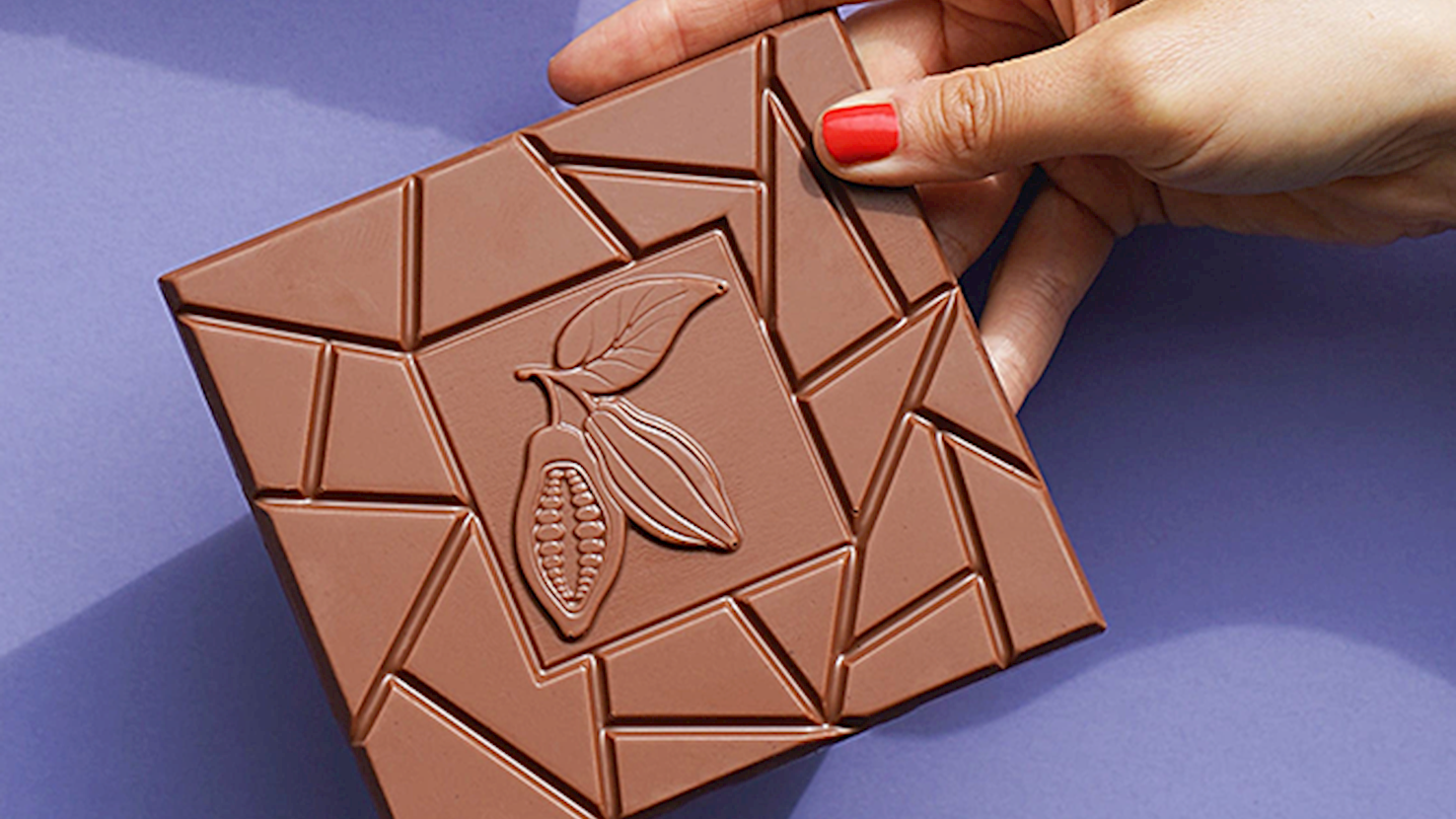
Pott au Chocolat is a chocolate producer based in Dortmund, Germany, known for crafting handmade, luxurious chocolates. The company utilizes high-quality, often organic ingredients, providing a range of products from pralines to chocolate bars and seasonal specialties. Pott au Chocolat also offers chocolate workshops where participants can learn about chocolate making.
Awards
Academy of Chocolate - Silver (2021)
Academy of Chocolate - Bronze (2021)
05
Chocolate

Naschkatze Münster

4.7 ·
Awards
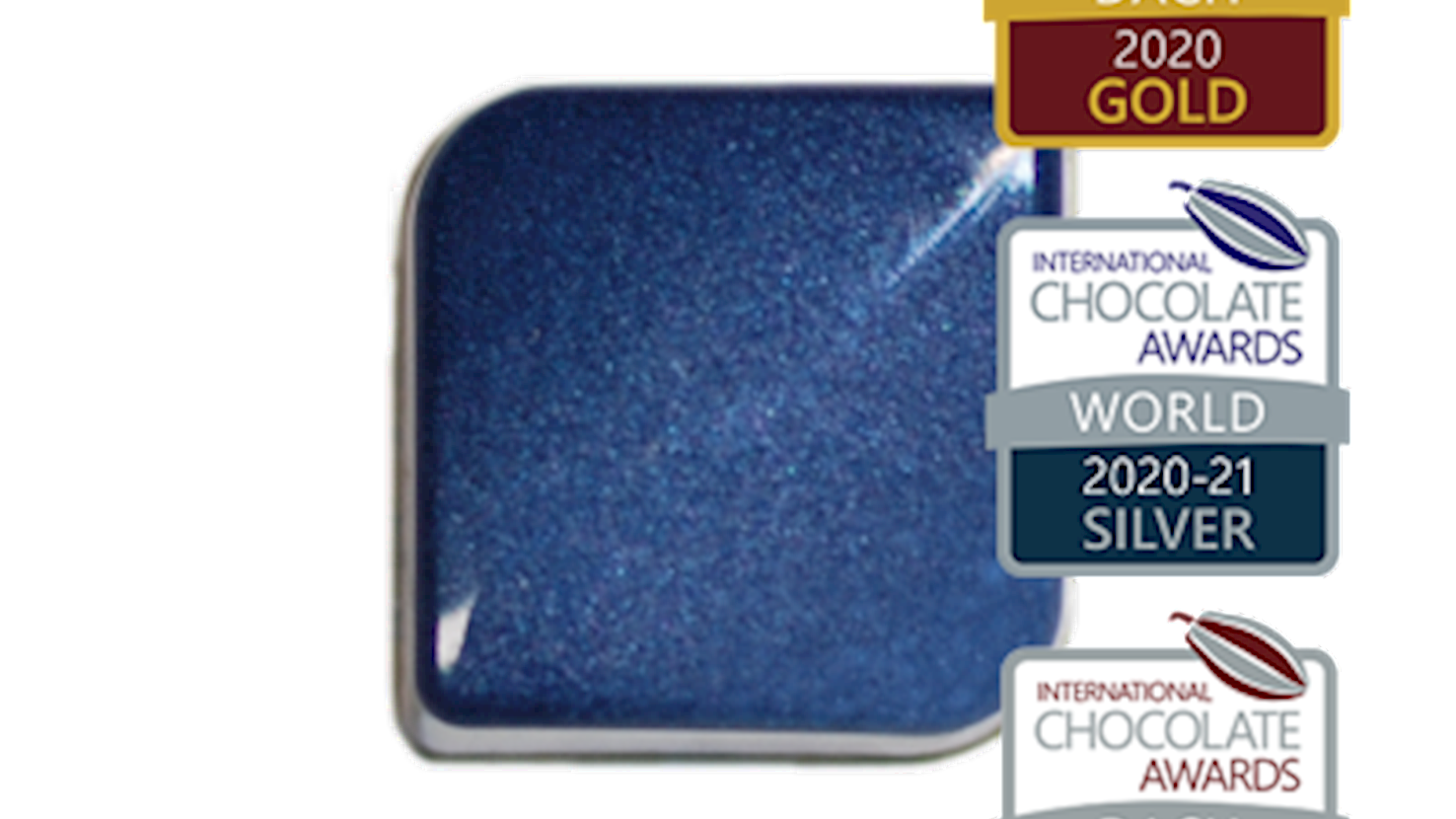
International Chocolate Awards - Silver (2020)
06
Spirit

Sauerländer Edelbrand

4.5 ·
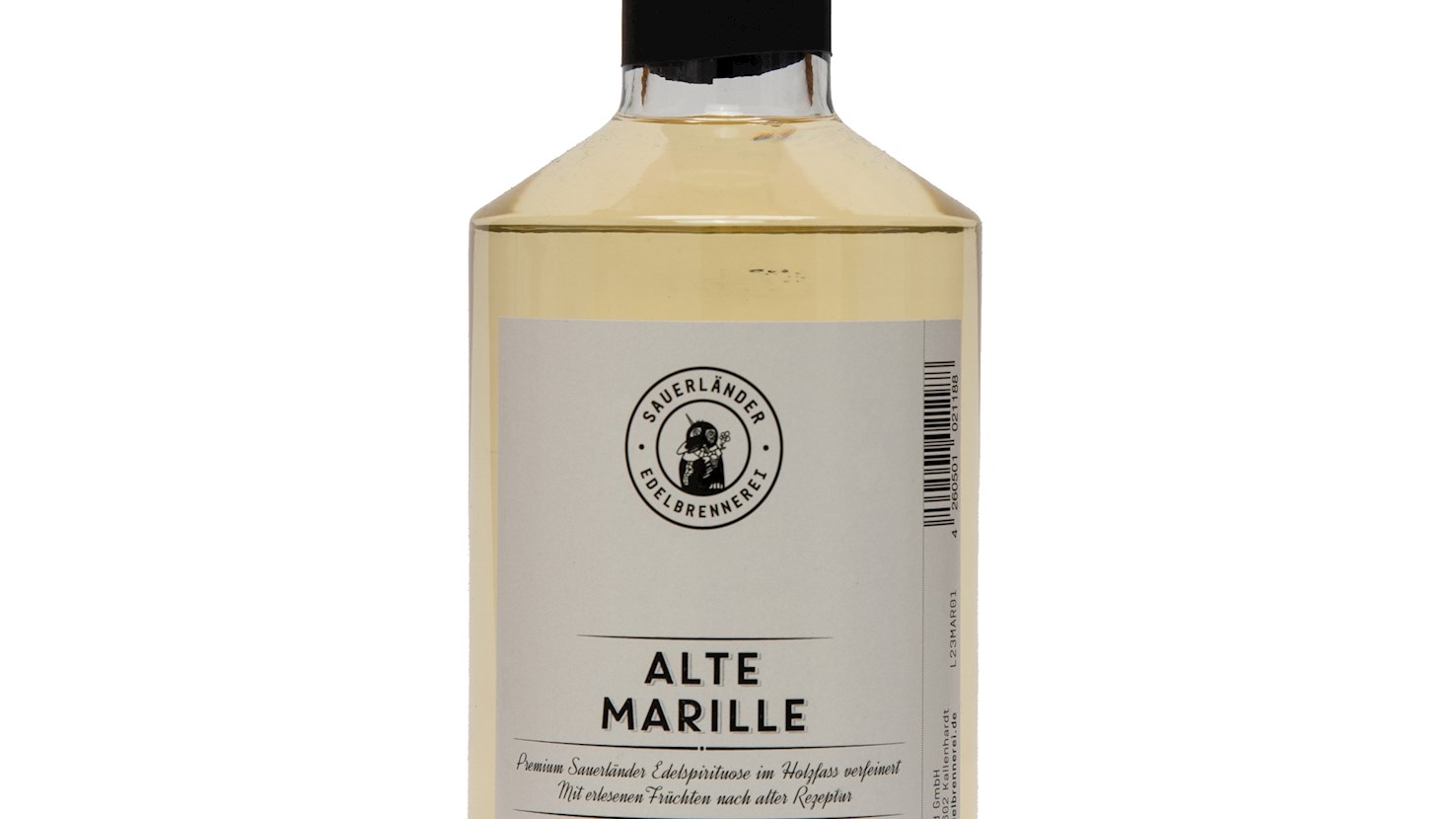
Sauerländer Edelbrennerei is a renowned distillery located in the scenic region of North Rhine-Westphalia, Germany. Known for its artisanal approach, the distillery produces high-quality spirits, including gin, whisky, and fruit brandies. Using locally sourced ingredients and traditional distillation methods, Sauerländer Edelbrennerei emphasizes craftsmanship and sustainability. Their products reflect the purity of the Sauerland region, with a focus on natural flavors and meticulous attention to detail, making them a standout in both national and international markets.
Awards
Best Fruit Brandy - Winner (2020)
07
Soft Drink

Goldberg & Sons

4.5 ·
Goldberg & Sons is a renowned producer of premium carbonated beverages, especially known for its bitter lemonades and high-quality mixers. The company is part of MB Holding GmbH & Co. KG, further confirming its commitment to quality and innovation in the beverage industry. These drinks are designed to perfectly complement high-quality spirits, and with their high carbon dioxide content, they provide a refreshing and intense taste experience. Goldberg & Sons products are highly favored by internationally renowned bartenders who rely on their quality when creating their signature cocktails.
Awards
Crystal Taste Award - 3 stars (2024)
08
Spirit

LiquorMacher

Gin

4.5 ·
Awards
World Gin Awards - Country Winner (2020)

Best foods

01
Dry-cured Ham

Westfälischer Knochenschinken

3.7 ·

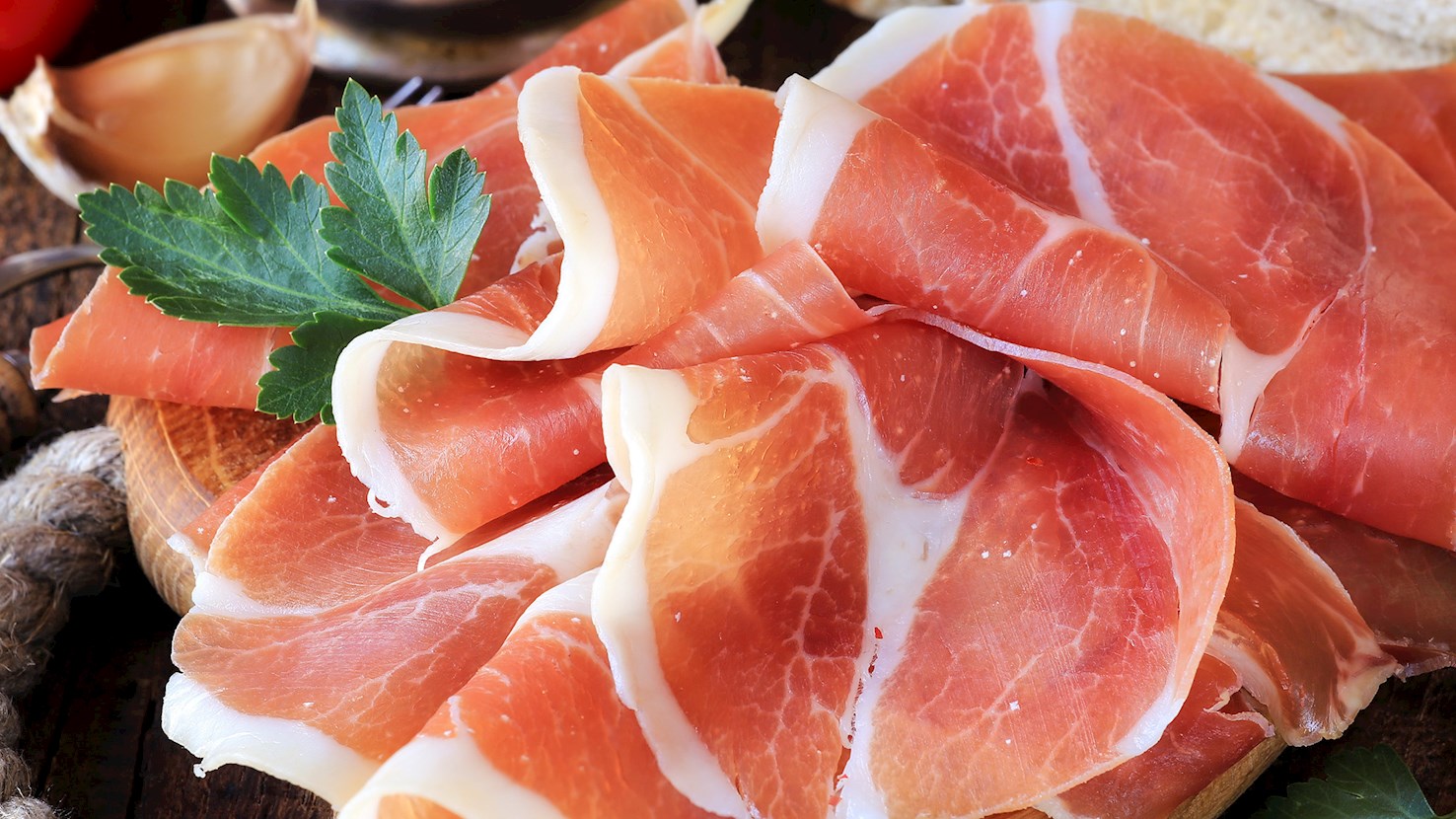
The pork used to make this ham originates from the region of Westphalia, which is known for its traditional pig farming. The recipe is guarded as a trade secret, and every step in the production process is carried out entirely by hand. The process begins by rubbing salt of a special consistency with added herbs or spices into the ham and bone, which is then left to cure and dry in aging rooms for an extended period of time. To produce the smoked version, the hams are left in a smoking chamber over a beech and juniper wood fire. This process may take time, but it results in a characteristic dark red meat, golden-yellow rind, and a particularly mild and nutty flavor. To enjoy this delicacy, slice it thinly and serve it as an appetizer with pretzels and cheese.

02
Rye Bread

Westfälischer Pumpernickel

3.3 ·

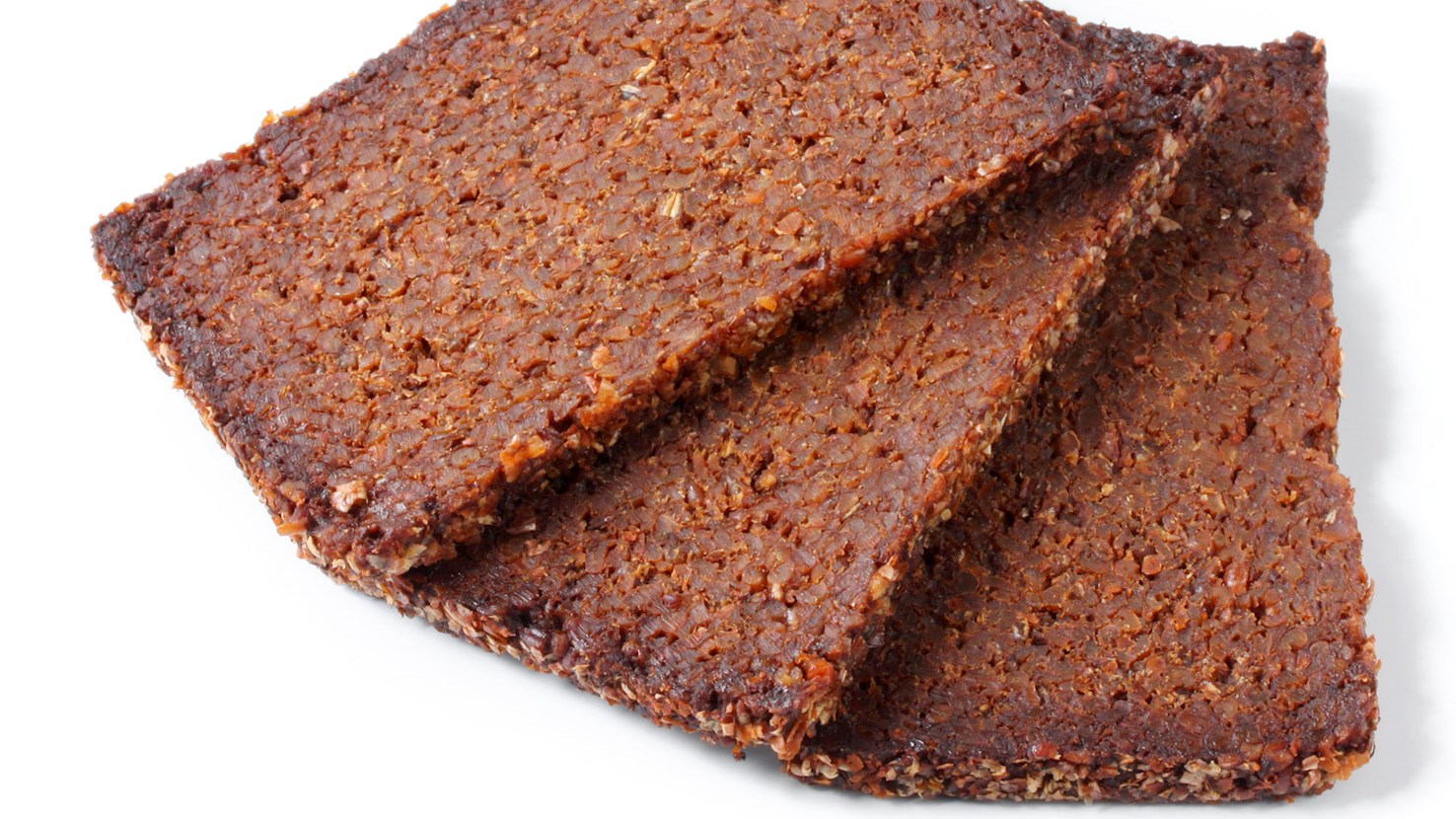
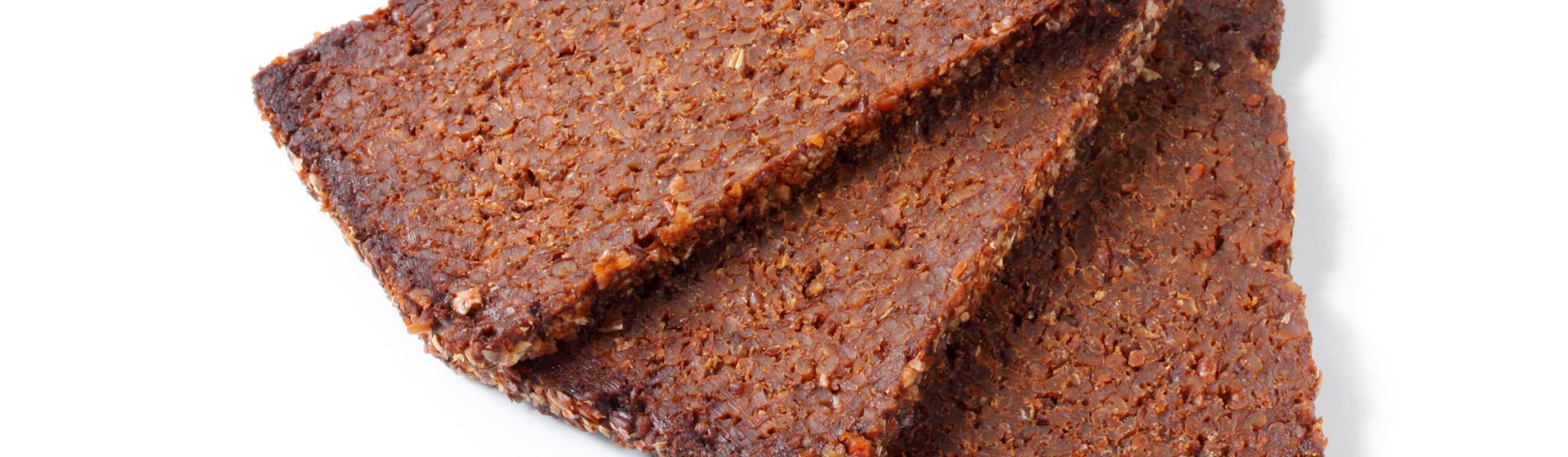
First described in 1450 as the black bread of Westphalia, the famous Westfälischer Pumpernickel is a traditional all-rye bread made with either coarsely ground rye meal or a combination of rye flour and whole rye kernels. It can also be flavored with malt or sugar beet syrup. The loaves are placed in lidded pans and baked slowly at a low temperature in steam-filled ovens for anywhere from 16 to 24 hours, which gives pumpernickel its characteristic deep brown, almost black color. Pumpernickel has little or no crust, a pronounced earthy aroma, and a distinctive bittersweet flavor. It is quite dense and moist, and it has an extremely long shelf-life – when shrink-wrapped, it stays fresh for months, while canned pumpernickel can be stored for as long as two years. Even though the unique flavor and texture of pumpernickel goes well with both sweet and savory spreads, the Westphalians typically enjoy it with a thick smear of butter and a topping of ham or liver sausage.

03
Stew

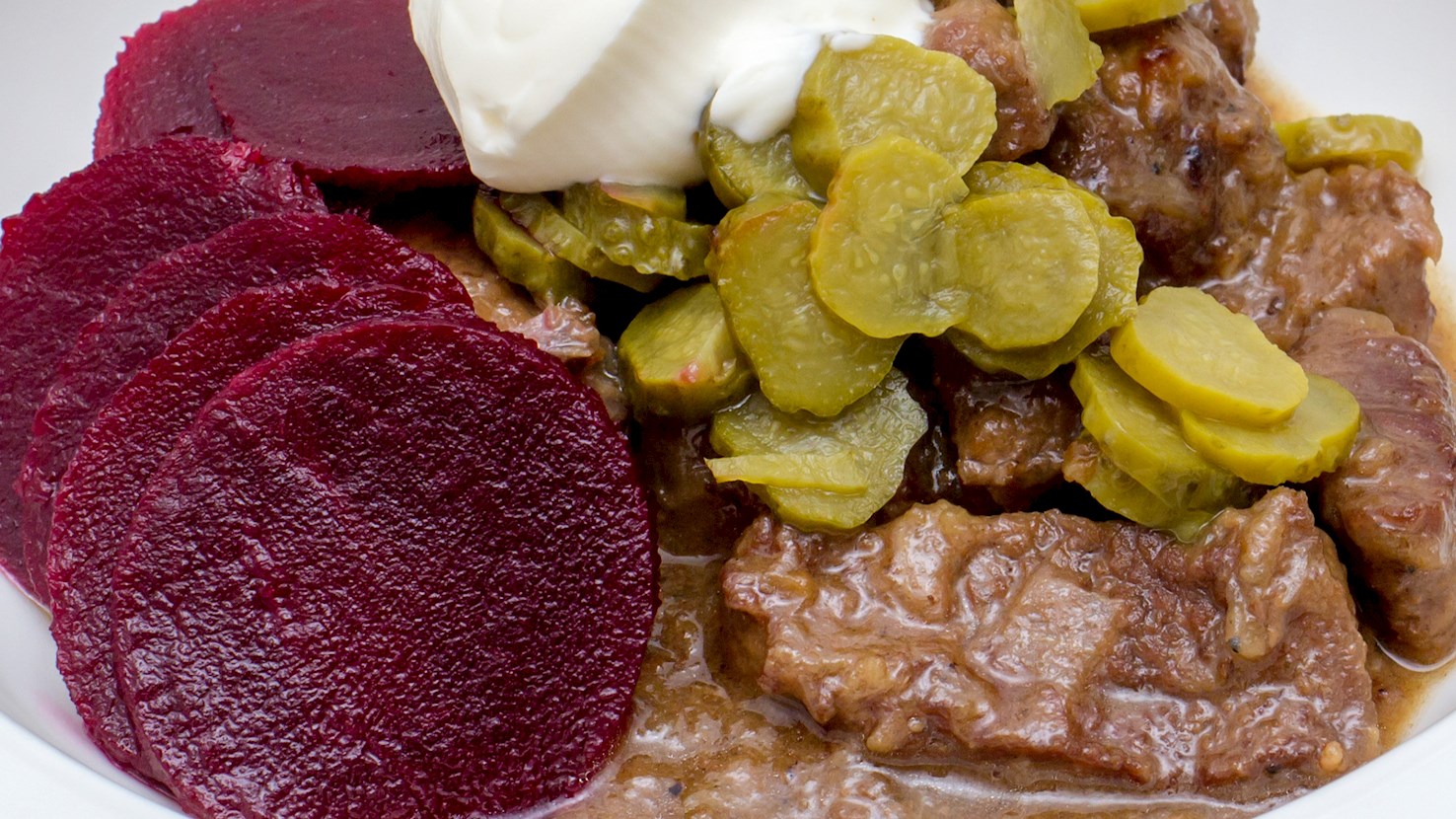
Pfefferpotthast

2.9 ·

Pfefferpotthast is a traditional meat stew hailing from Westphalia. It consists of pieces of beef that are simmered in a seasoned broth along with onions, soup vegetables, spices, and herbs. The meat is typically first browned in a little oil or lard before it's cooked with the other ingredients, and the broth is usually thickened with crumbled bread, traditionally with the classic Westphalian pumpernickel rye bread. Spices such as cloves, juniper berries, allspice, bay leaves, salt, and pepper are typically used for seasoning the broth. Warming and flavor-packed, the dish is perfect for a chilly fall or winter lunch or dinner, and it is usually accompanied by pickled gherkins, salt potatoes (Salzkartoffeln), beetroots, and a German beer on the side. The first mention of this Westphalian specialty dates back to 1378 in Dortmund, where an annual Pfefferpotthast Festival is held each September, usually at the end of the month.

04
Cheese

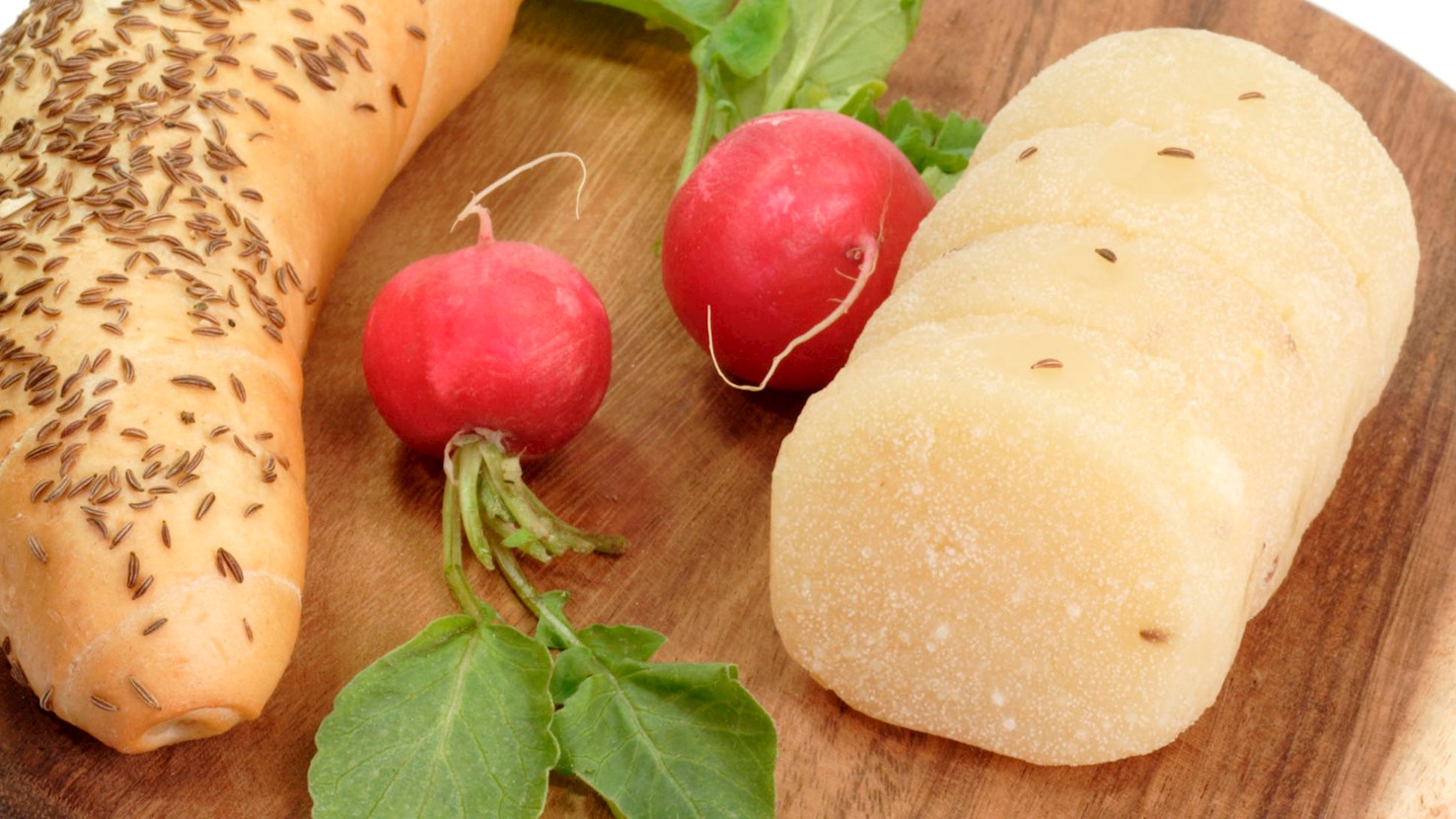
Nieheimer Käse

n/a ·

This cheese from Nieheim in Ostwestfalen-Lippe is made from low-fat sour cow's milk quark using a traditional recipe. After ripening for a few days, the cheese is rubbed with a mixture of salt, cumin, and water. Nieheim cheese tends to become stronger and harder over time, which makes it perfect for grating. Its flavor is slightly sour, pungent, and spicy with a hint of caraway. Despite its low fat content (less than 1%), it develops an exceptionally rich flavor. The production and sale of this hand cheese is strictly controlled. The 1927 guidelines for making this cheese, which are on display the Museum of the Nieheim cheese, are still partly enforced. Every two years, a cheese fair known as the German Cheese Market is held in the town of Nieheim on the first weekend in September, and it attracts up to 60,000 visitors to the city.

05
Pancake

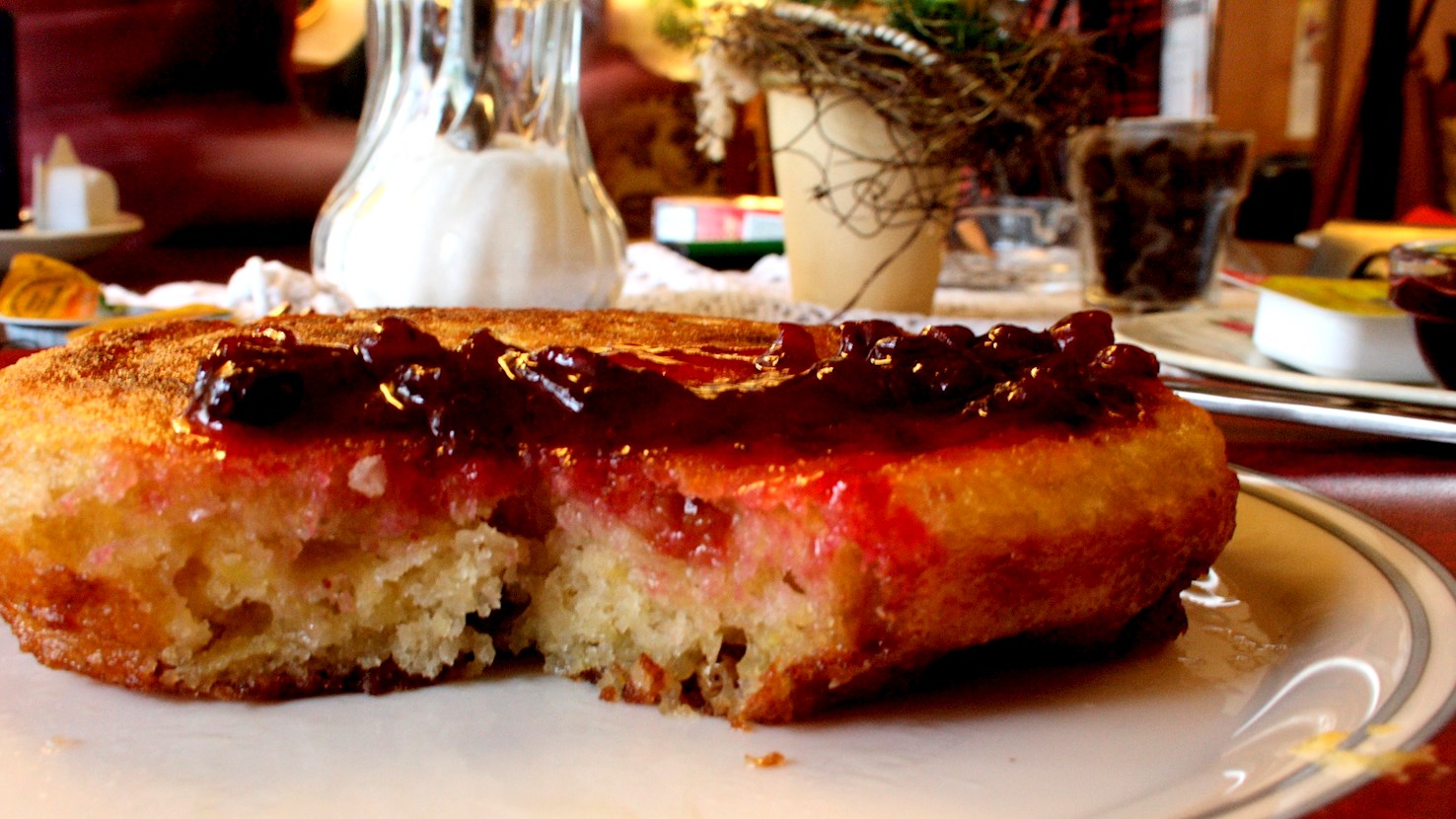
Pickert

n/a ·

Pickert is a German dish originating from Westphalia. It can best be described as a combination of a fritter, a potato pancake, and a waffle. The key ingredients include flour, grated potatoes, eggs, milk, yeast, salt, sugar, oil, and raisins. When the batter is prepared, pickert can be fried or baked. In the past, it was a peasant dish because it is inexpensive and nourishing, just about right for a day of hard work in the fields. Nowadays, people consume it with fruit compotes, sugar, cinnamon, or even leberwurst liver sausage.

06
Dessert

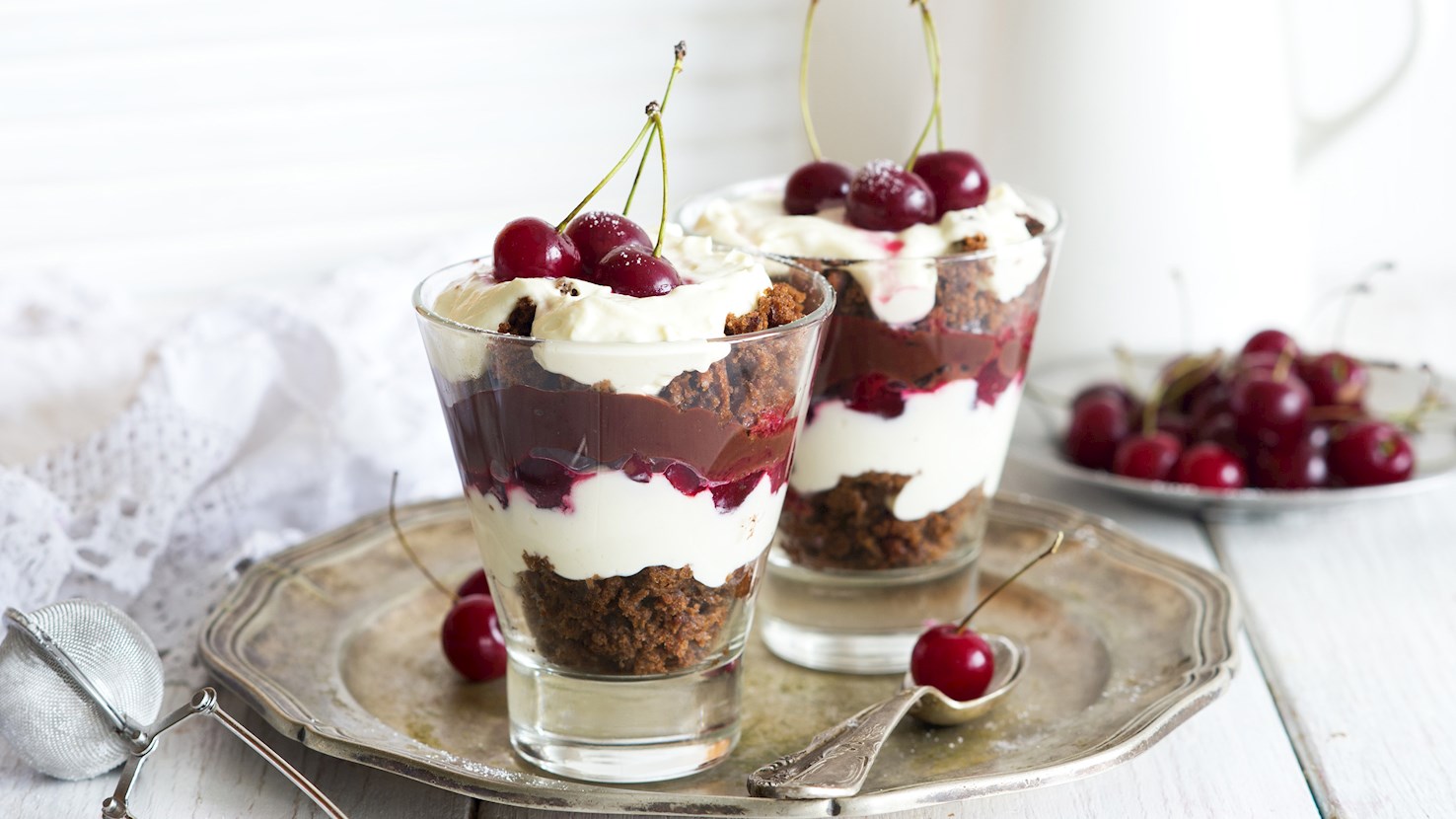
Westfälische Quarkspeise

3.1 ·

Westfälische quarkspeise is a trifle dessert with layers of creamy German quark and whipped cream, tart cherries (such as morello cherries), and crumbled pumpernickel (slightly sweet dark rye bread). Typically flavored with kirsch, amaretto, or rum and vanilla sugar, the dessert is usually assembled in a glass serving dish and enjoyed chilled, and it is often enhanced with chopped or shredded semisweet chocolate. Although quick and easy to make, this cold layered dessert packs quite a punch of flavor, especially after several hours of setting, which allows for the flavors to combine. This simple sweet treat uses two traditional German ingredients - German quark and Westphalian pumpernickel - which (combined with the tart cherries and additional flavorings) contribute to the dessert’s unique blend of sweet, slightly sour, earthy, and fruity flavors.

07
Blood Sausage

Möpkenbrot

n/a ·
Möpkenbrot is a cooked sausage from the Westphalia region, made from pork belly, pork head meat, pork rind, pork blood, grated rye or wheat flour, apples, and raisins. It is first boiled, then sliced, and often pan-fried. The sausage developed in Westphalia as part of local meat processing and slaughterhouse cooking, where cooks combined available pork cuts, blood, and grains into a cooked sausage that could be stored, sliced, and served hot. Preparation begins by mixing the minced pork, bacon, blood, grated flour, apples, and raisins into a homogeneous dough, filling the mixture into casings or shaping it into a loaf, then boiling it until fully cooked and firm, after which it is cooled, sliced, and often pan-fried before serving. Common variations include differences in the amount of apples or raisins, small shifts in seasoning, and slight changes in grain type, while the defining elements of pork, grain, and fruit in a cooked sausage remain the same; the East Westphalian variant called Wöpkenbrot is prepared with coarser grain and served occasionally with other local dishes. Möpkenbrot is eaten hot and served in homes, taverns, and at regional events in Westphalia, most often with side dishes such as boiled potatoes, turnip greens, or other greens, and it is commonly paired with beer or other hearty beverages.
08
Bread Roll

Dortmunder salzkuchen

n/a ·

Dortmunder salzkuchen is a bread roll from the city of Dortmund. It has a compact round shape with a lightly crisp crust, a dense but tender crumb, made from wheat flour, yeast, water, salt, and fat, with coarse salt and caraway pressed onto the surface before baking. The bread developed in Dortmund during the nineteenth century as the city grew into an industrial center, where simple baked goods suited to beer drinking and workers’ meals became common and bakery products were shaped by the need for durability and straightforward flavor. Preparation begins with a yeast dough mixed from flour, yeast, water, salt, and a small amount of fat, which is kneaded until smooth, allowed to rise, divided into small portions, shaped into round rolls, and brushed lightly with water so that coarse salt and caraway seeds adhere before baking at high heat until the rolls are fully baked and lightly browned. Common variations include differences in size, the amount of caraway used, and occasional omission of fat in the dough, while sweet or filled versions are not typical. The rolls are eaten fresh, often split open, and are served in bakeries, pubs, and homes, most commonly as an accompaniment to beer, cured meats, cheese, or simple spreads, and they are closely associated with beer hall culture and informal meals in Dortmund.

About this ranking

TasteAtlas food rankings are based on the ratings of the TasteAtlas audience, with a series of mechanisms that recognize real users and that ignore bot, nationalist or local patriotic ratings, and give additional value to the ratings of users that the system recognizes as knowledgeable. For the “Top 8 Traditional Foods in Westphalia” list until June 07, 2026, 86 ratings were recorded, of which 68 were recognized by the system as legitimate. TasteAtlas Rankings should not be seen as the final global conclusion about food. Their purpose is to promote excellent local foods, instill pride in traditional dishes, and arouse curiosity about dishes you haven’t tried.

The initial list of top producers was compiled based on available reviews, awards, local recommendations, media and blog coverage, and consumer reviews. The list will be updated with ratings from TasteAtlas local ambassadors and TasteAtlas users.

Similar lists