shutterstock

Top 10 Yunnan Foods

Last updated on June 24, 2026

Best Yunnan food products

01
Wine

Yunnan Zangditianxiang Wine

4.9 ·
Awards
IWSC- International wine & spirit competition - Gold (2024)
02
Spirit

Shangri-La Youyun Distilling Company
4.8 ·
Awards
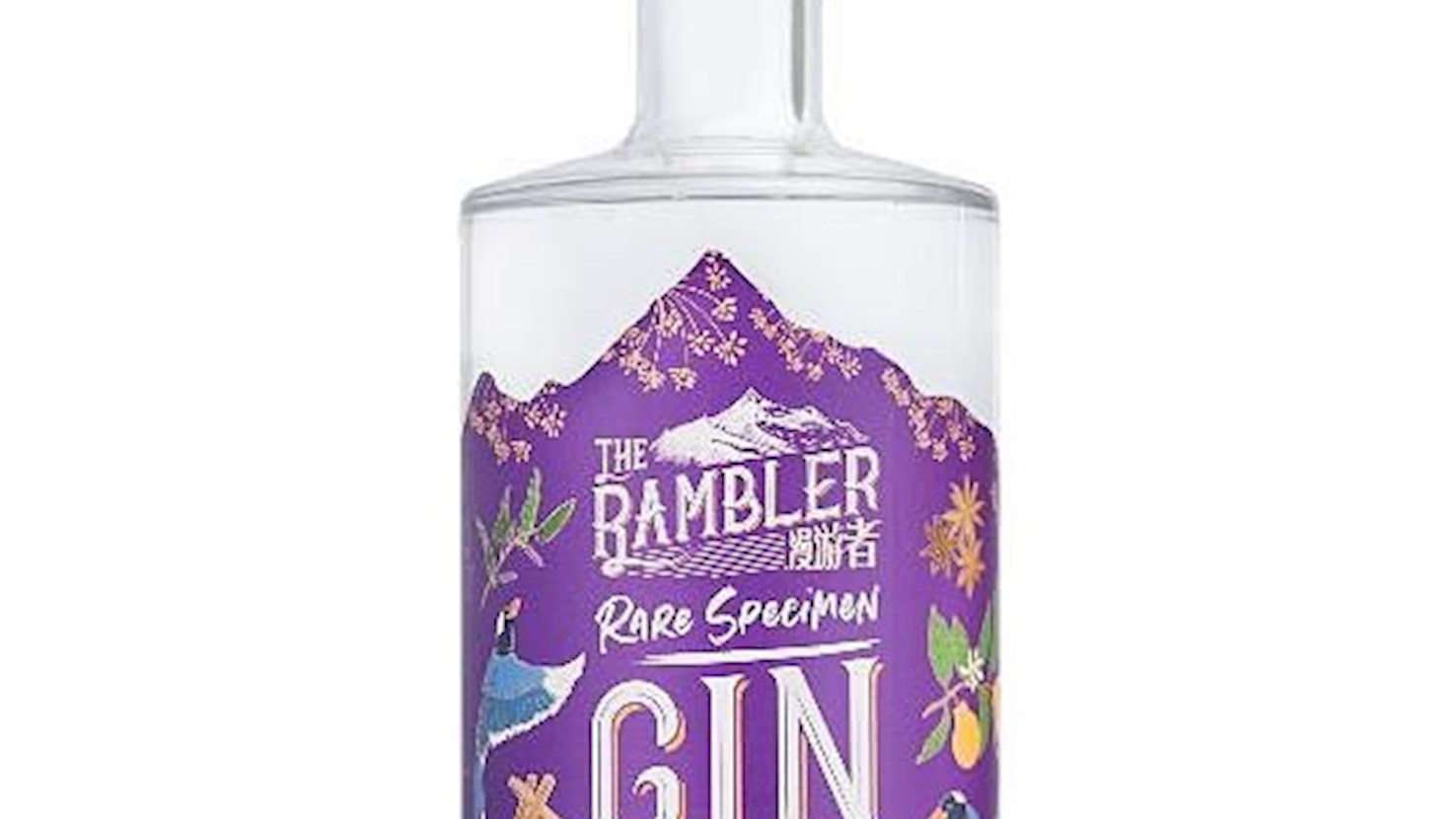
World Gin Awards - Country Winner (2024, 2022, 2021)
IWSC- International wine & spirit competition - Spirit Gold (2021)
03
Spirit

Yunnan Yunzhique Co.

4.8 ·
Awards
IWSC- International wine & spirit competition - Spirit Gold (2022)
04
Wine

Xiao Ling

4.7 ·
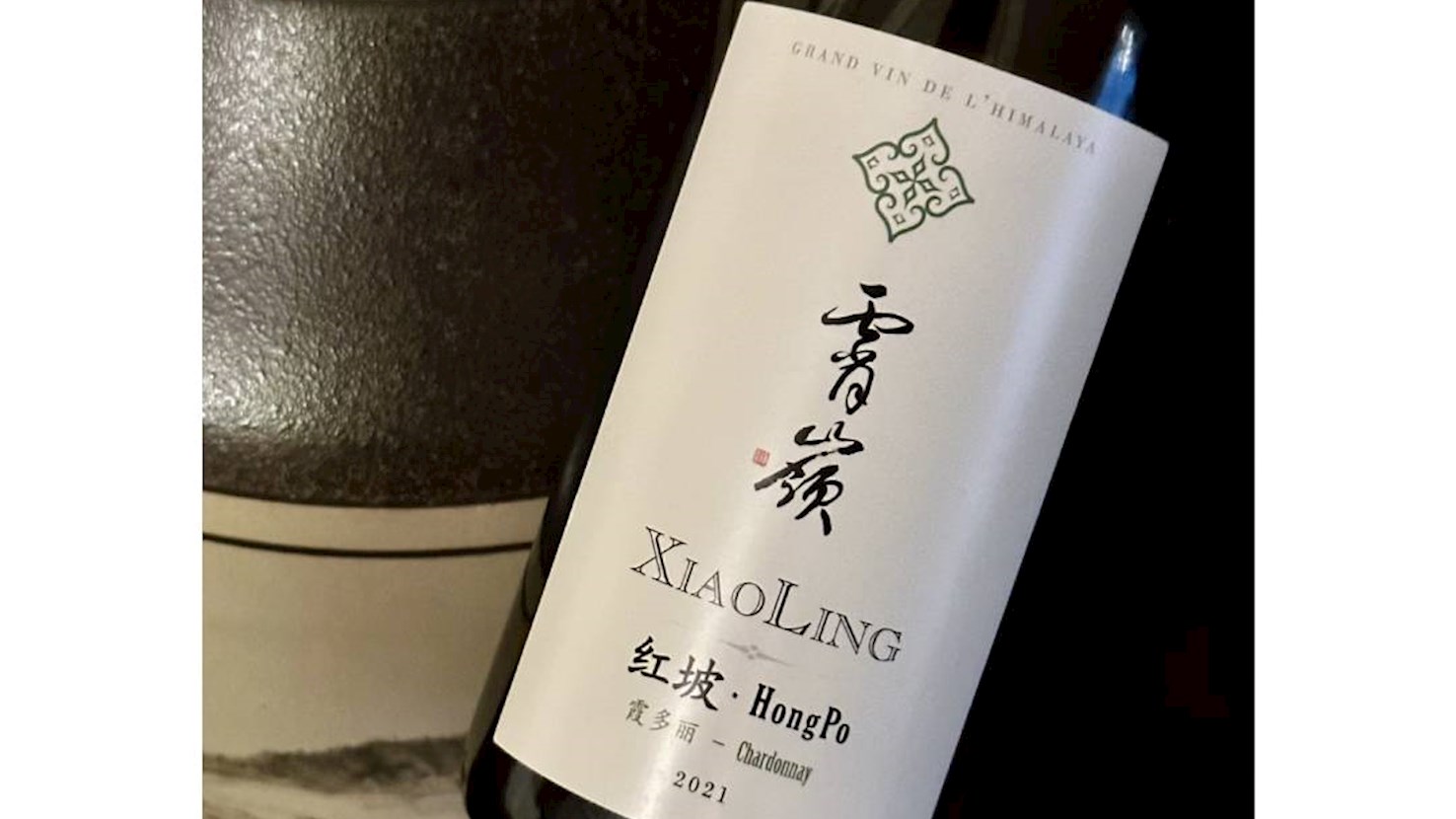
Xiaoling Estate is a winery located in the complex and steep region of the Tibetan border in Yunnan Province, China. It is situated near the Kawa Kharpo mountain range, a sacred site for Tibetan Buddhism, with peaks reaching nearly 7,000 meters and forming a natural boundary with Tibet. The name "Xiaoling" in Mandarin translates to "cloudy mountain peak," reflecting the majestic landscape and the spirit of the proud inhabitants of this region. The winery is dedicated to producing high-quality wines that elegantly express the nature and labor of the people from these remote villages. The vineyards are located at an altitude of 2,000 meters, with diverse soil compositions, including alluvial rocks in the lower areas, marl in the higher sections, and limestone throughout the layers. The varietal selection includes Cabernet Sauvignon, Carménère, and Merlot.
Awards
James Suckling - 97 points (2024)
James Suckling - 96 points (2024)
05
Wine

Domaine Muxin

4.7 ·
Domaine Muxin, located in the picturesque region of Yunnan, is quickly gaining recognition as one of China's standout wineries. Founded and led by owner and winemaker Mu Chao, the estate benefits from his extensive experience and expertise, honed during his studies in Burgundy and his work at prestigious wineries such as Clos de Tart, Clos des Fées, Jean-Louis Chave, and Vérité. Specializing in small-batch, meticulously crafted wines, Domaine Muxin produces an elegant, Cabernet-based red wine renowned for its harmonious balance, depth, and refined structure. Additionally, their mineral-driven Chardonnay stands out for its liveliness and vibrant character, offered in extremely limited quantities. Experience the artistry of Mu Chao’s winemaking and discover the exceptional wines of this breathtaking region through a special tasting and dinner, showcasing the unique terroir and vision behind Domaine Muxin.
Awards
James Suckling - 96 points (2024)
06
Tea / Infusion

Menghai Tea Factory

4.6 ·
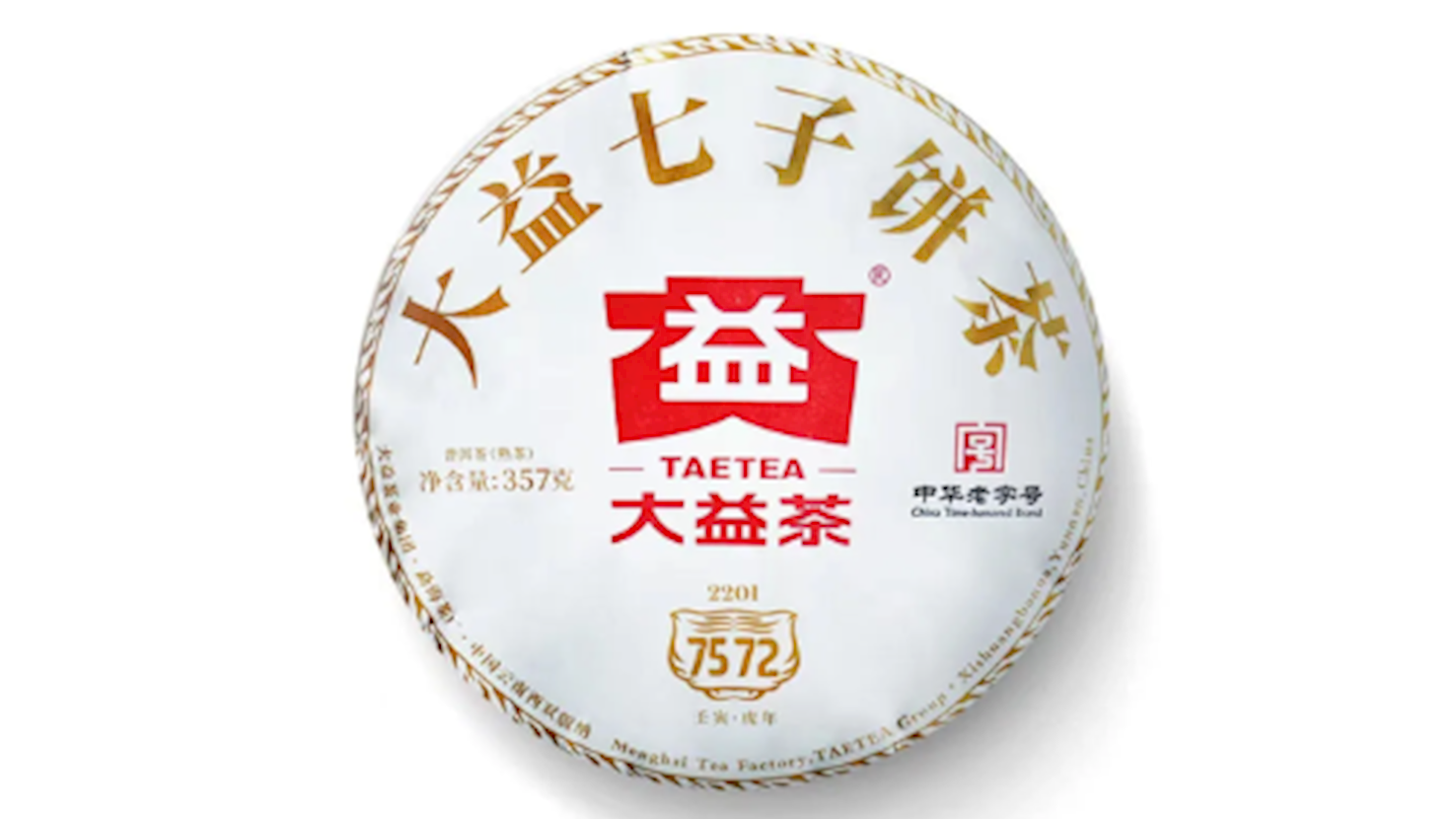
Menghai Tea Factory is one of the most renowned and influential tea producers in China, best known for its pu-erh teas from the Xishuangbanna region in Yunnan Province. Founded in the 1940s, it became a key state-run factory in the 1970s, playing a central role in developing modern pu-erh fermentation methods, especially the shou technique widely used today. The factory operates under the Dayi (Taetea) brand, which has become synonymous with high-quality, standardized, and collectible pu-erh tea. Menghai Tea Factory sources its leaves from the distinctive mountainous areas of Yunnan - including Menghai, Mengla, and nearby villages - where Camellia sinensis var. assamica trees grow, known for their large leaves and strong character. Their teas are recognized for their unique flavor profile that includes earthy, woody, sweet, and umami notes, as well as exceptional aging potential, which makes them highly valued among collectors. Today, the factory combines traditional craftsmanship, scientific control of fermentation, and large-scale production, maintaining its position as one of the leading authorities in the world of pu-erh tea.
07
Tea / Infusion

Kunming Tea Factory

4.6 ·
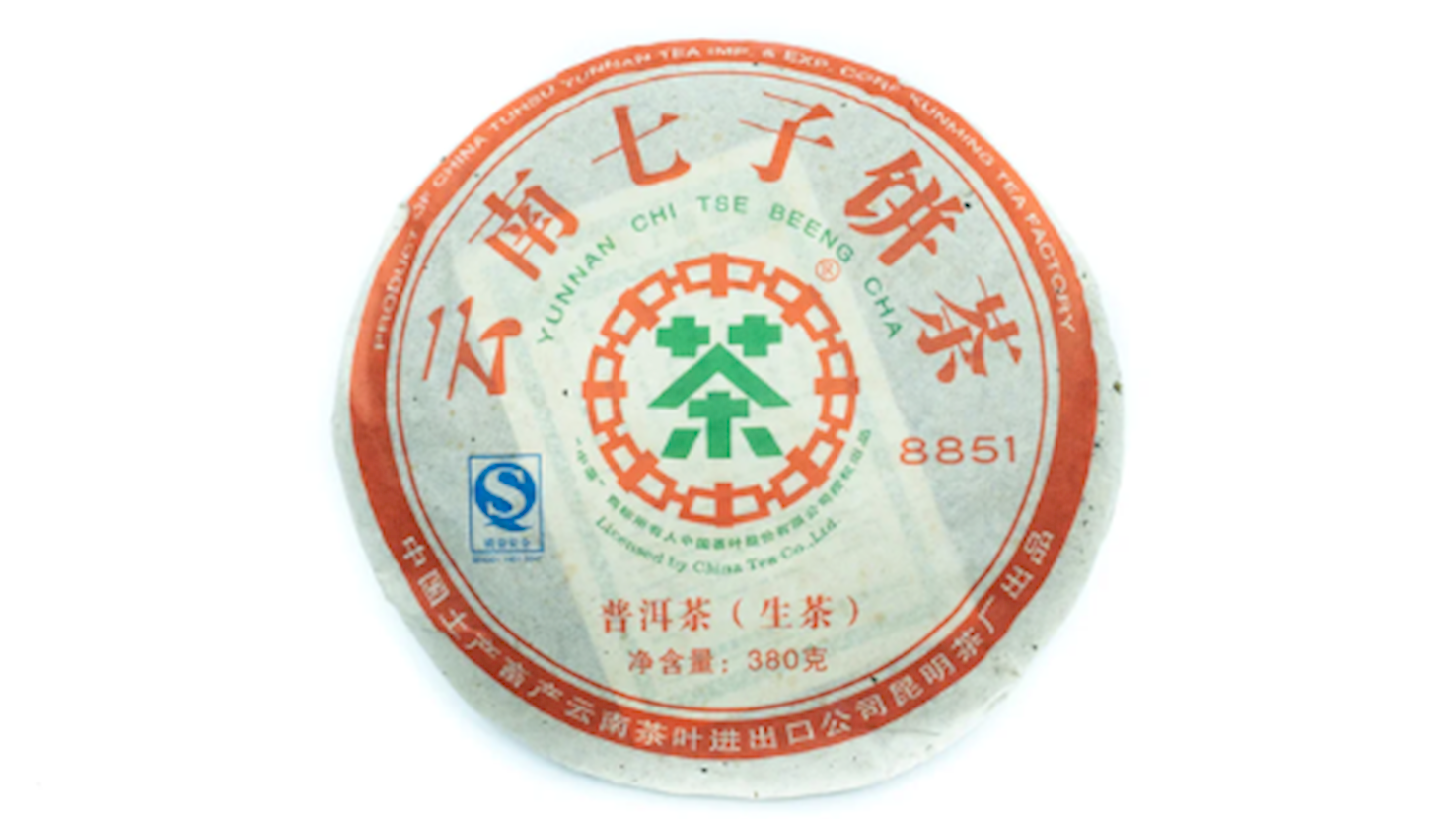
Kunming Tea Factory is one of the oldest and most influential tea institutions in China, founded in 1938 and widely recognized for its pioneering role in the development of modern pu-erh tea. During the 1970s, together with Menghai Tea Factory, it helped establish the foundations of the accelerated shou pu-erh fermentation technique, making this traditionally long-aged tea more accessible to a broader audience. The factory was an important state producer until its temporary closure in the mid-1990s, and its revival in 2006 restored continuity in producing classic recipes. Kunming teas are known for their dark color, earthy and woody notes, stable fermentation, and good aging potential, making them appealing to collectors and enthusiasts of traditional shou profiles. Today, the factory remains an important witness to the evolution of the pu-erh industry, maintaining its historical significance and preserving traditional processing methods.
08
Tea / Infusion

Xiaguan Tea Factory

4.6 ·
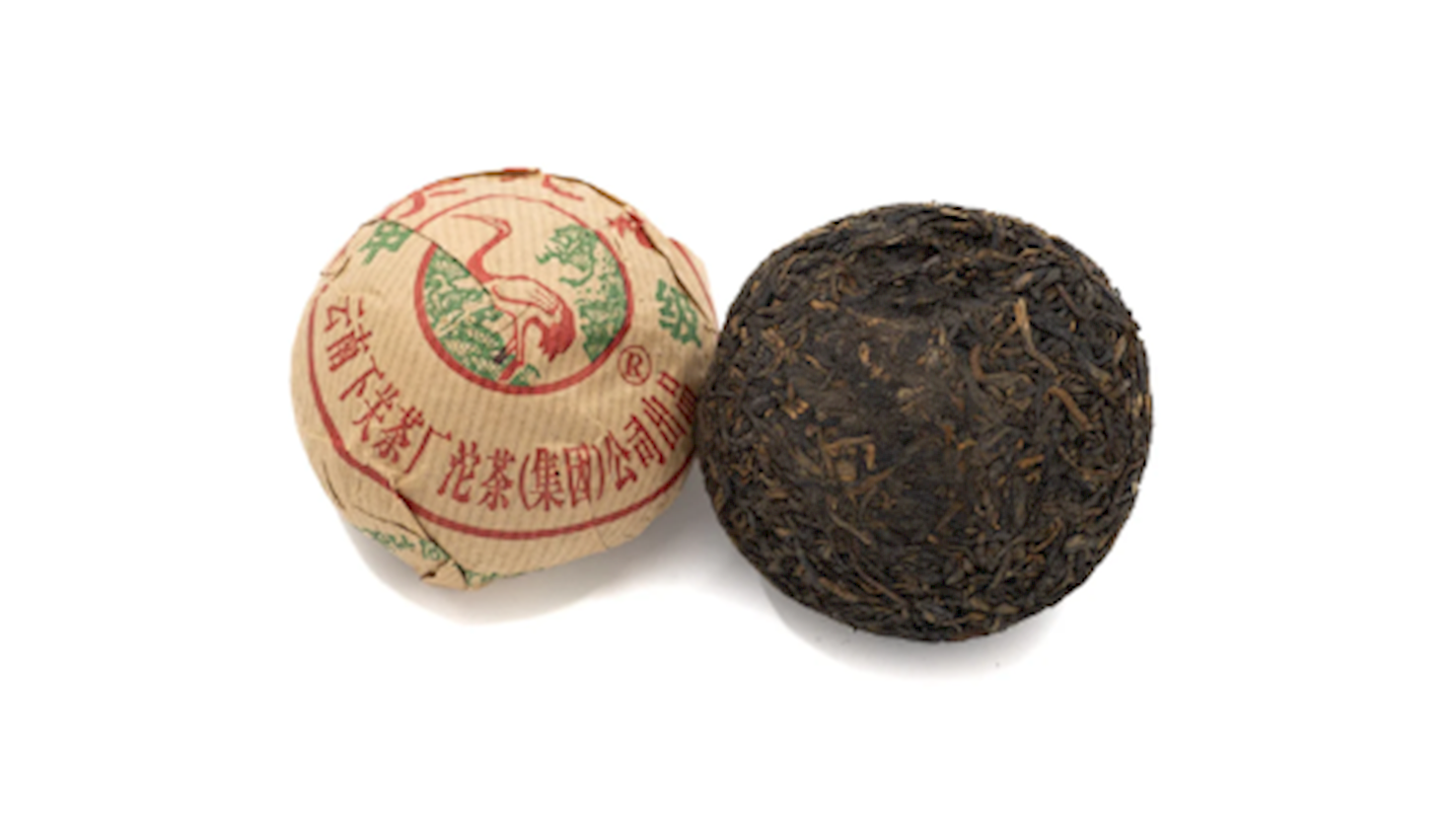
Xiaguan Tea Factory is one of the most renowned Chinese producers of pu-erh tea, with a history spanning more than a century and a distinct identity shaped by its unique methods of compression and processing. Founded in 1902 in the city of Dali in Yunnan Province - an area known for its cool climate, high altitude, and strong winds from Erhai Lake - the factory developed a characteristic style deeply influenced by local environmental conditions. Xiaguan is especially famous for its iconic tuocha, as well as its tightly compressed cakes and bricks designed for long-term, stable aging. The factory produces both sheng and shou pu-erh, but it is particularly recognized for the vibrant, powerful profile of its young sheng pu-erh, which often features lively, slightly smoky, sharp characteristics with distinct herbal and mineral notes. As Xiaguan teas mature, they develop deeper, warmer aromas and a more complex sweetness, making them highly valued among collectors. Today, Xiaguan Tea Factory remains a symbol of traditional Yunnan tea craftsmanship, with a strong reputation for consistency, authenticity, and a recognizable style cherished both in China and internationally.
09
Wine

Ao Yun

4.6 ·
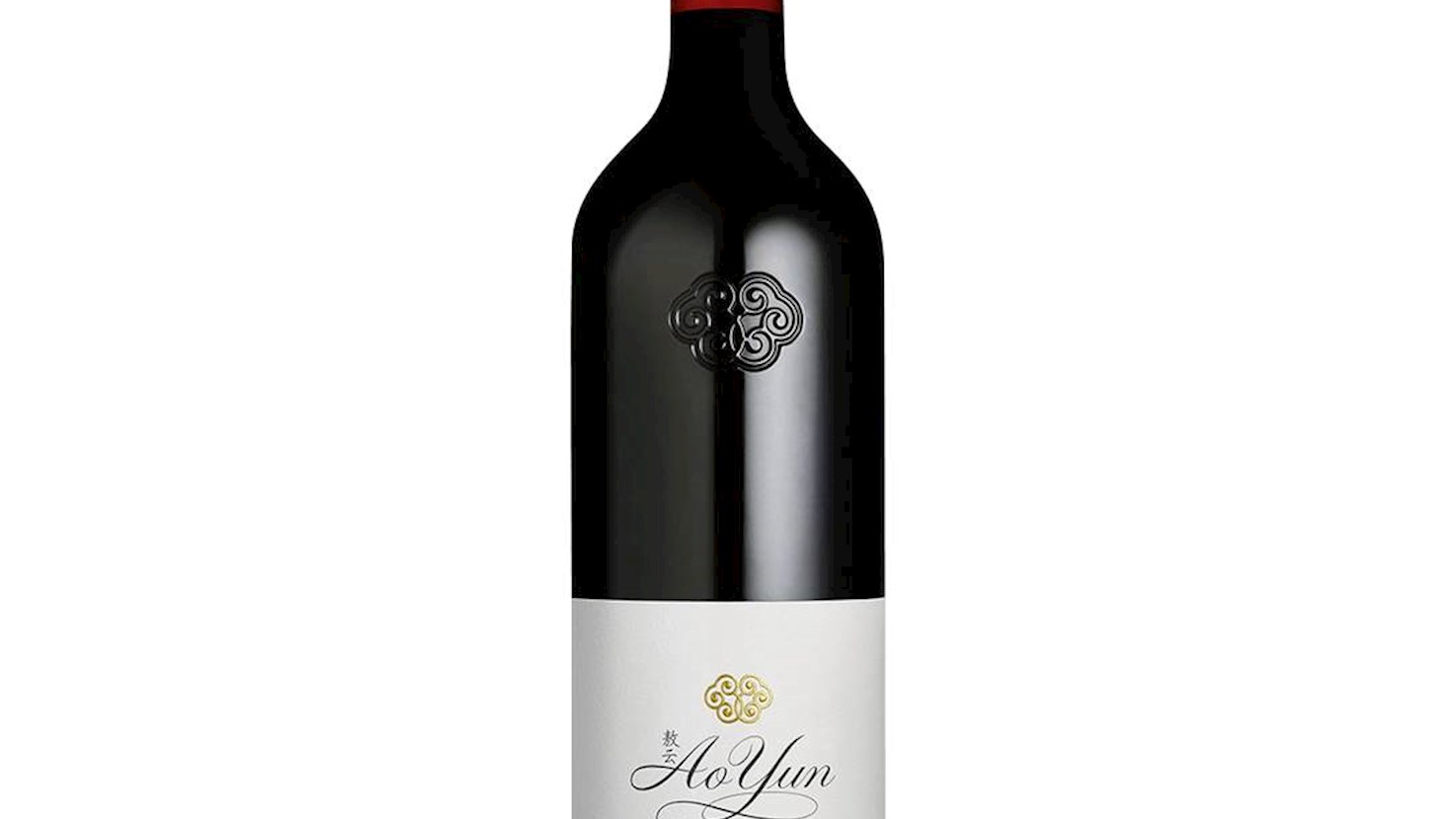
Ao Yun is a distinguished winery located in the Himalayan region of Yunnan, China. The name "Ao Yun" translates to "flying above the clouds," reflecting its unique high-altitude vineyards situated between 2,200 and 2,600 meters above sea level. Established by Moët Hennessy, Ao Yun embarked on an ambitious journey to craft world-class wines in China. After a four-year search for the ideal terroir, the vineyards were planted in 2013 across four villages: Xidang, Sinong, Shuori, and Adong. These locations offer diverse soil types, sun exposure, and microclimates, contributing to the complexity and distinctiveness of Ao Yun's wines. Ao Yun's wines are celebrated for their harmony, elegance, and complexity. The high-altitude conditions result in grapes with thicker skins, leading to wines with soft, dense tannins and a long, salty mineral finish. The winery's meticulous approach to viticulture and winemaking, combined with the unique Himalayan terroir, has positioned Ao Yun as a pioneer in the Chinese wine industry, producing wines that have garnered international acclaim.
Awards
James Suckling - 99 points (2024)
Vivino - 4.1
10
Wine

Shangri-la Winery

4.0 ·
Awards
James Suckling - 93 points (2024)

Best Yunnan foods

01
Noodle Dish

Guo qiao mi xian (Crossing-the-bridge noodles)

3.6 ·

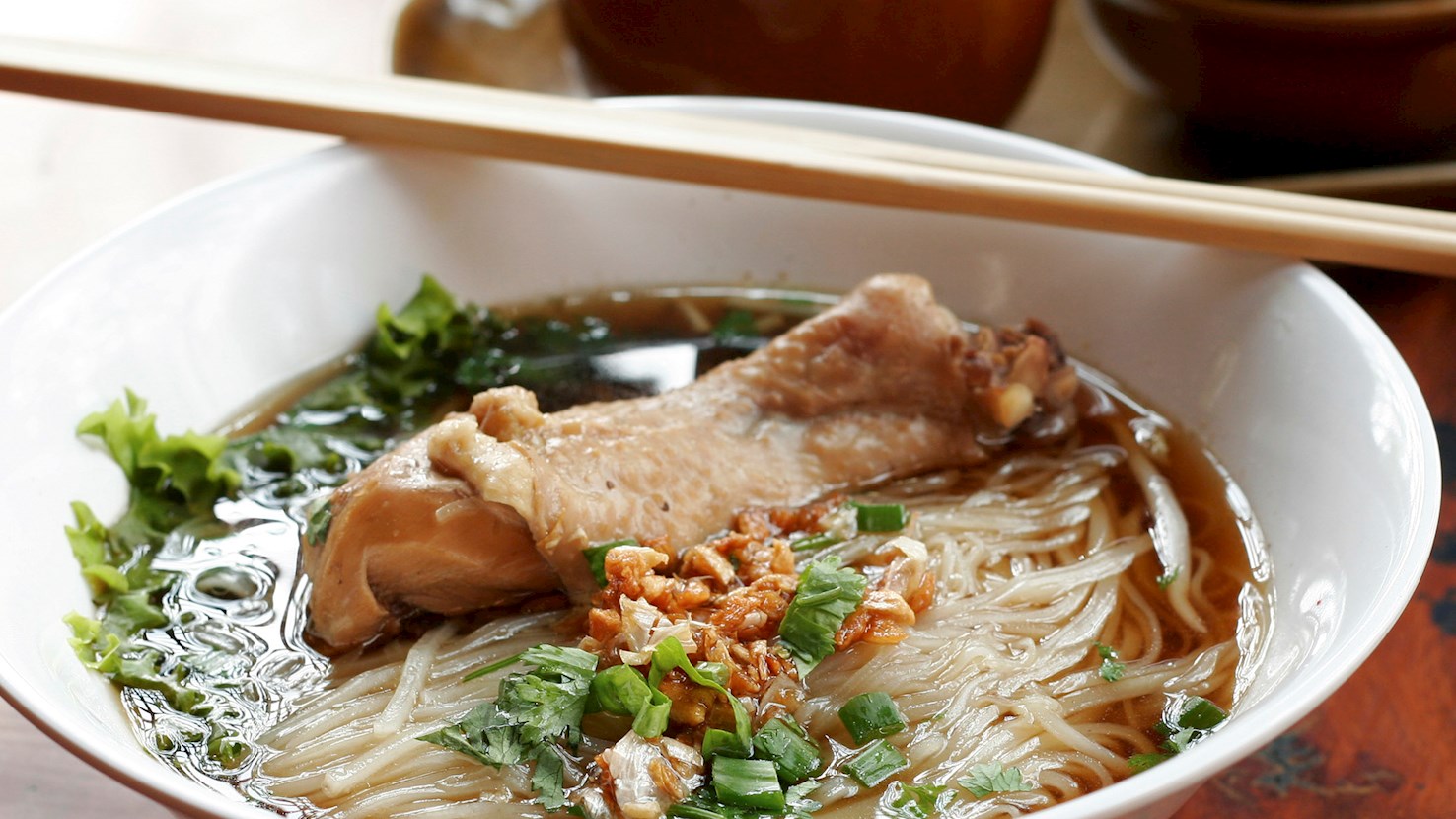
Over the bridge rice noodles (guo qiao mi xian) is a rice noodle soup, a specialty of Yunnan cuisine. When broken into segments, the soup consists of chicken soup, rice noodles, sliced meat, and vegetables, as well as some additional ingredients used for garnishing and seasoning. The dish originated from Mengzi County over 100 years ago. What's peculiar about this soup is the way in which it is prepared; a bowl of hot soup, a bowl of rice noodles, and a platter with sliced ingredients are brought to the table where the dish is assembled and cooked. Ingredients are added one by one, starting with meat. Next are quail eggs, squid, and tofu skin, followed by vegetables, often only bok choy, Chinese mushrooms, and herbs. Rice noodles are saved for the end, and the finished soup gets divided into individual bowls. Given that the soup can be somewhat bland, the taste can be adjusted to personal preference with soy sauce, vinegar, pickled vegetables, and chili sauce. The rice noodle soup is often served in restaurants and sold by street vendors, but the price is determined by the number of ingredients - the more, the pricier.

02
Dry-cured Ham

Xuanwei huotui (Xuanwei ham)

n/a ·

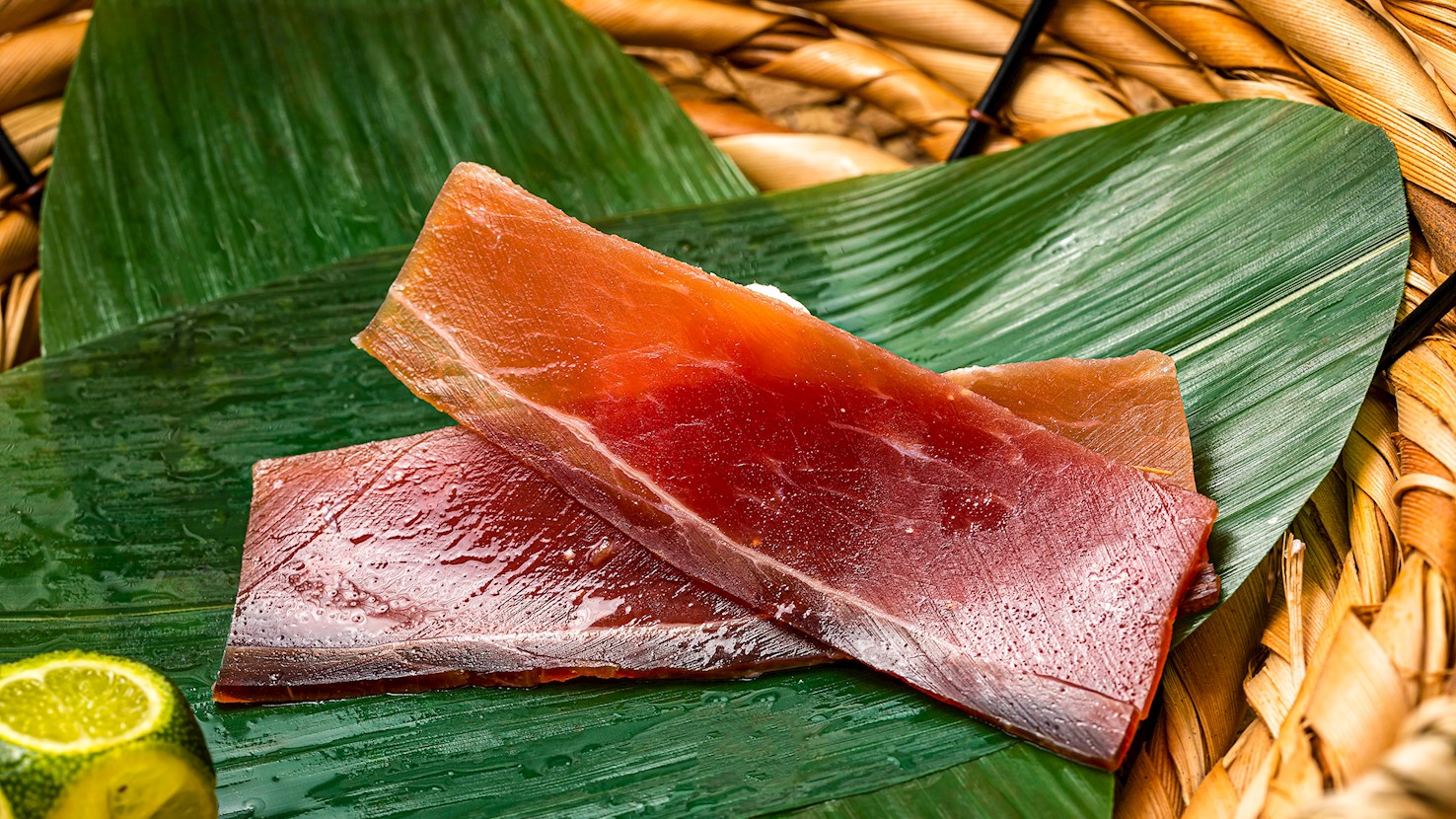
Xuanwei ham is a traditional dry-cured ham from Qujing prefecture, China’s most famous ham-producing region. The Xuanwei ham was first produced some 250 years ago, in 1766. It is made with local Wujin pigs with a high fat percentage. Once cleaned, the ham is generously salted about three times, then hung in a well-ventilated room and left to cure for about a year. At about 5 months, the ham will start to grow a powdery mould, which simply means it’s been cured properly. The ham is very sensitive to weather conditions, meaning any changes will impact its flavor, so it’s important to always check and adjust the moisture in the room in which the ham is stored. Xuanwei ham is aged for a minimum of 8 months, and once it’s been aged for 3 years, it can be eaten raw. Since the Chinese are not prone to eating raw meat, Xuanwei ham is usually used in soups, stews, and braised dishes.

03
Salad

Gui ji (Ghost chicken)

n/a ·

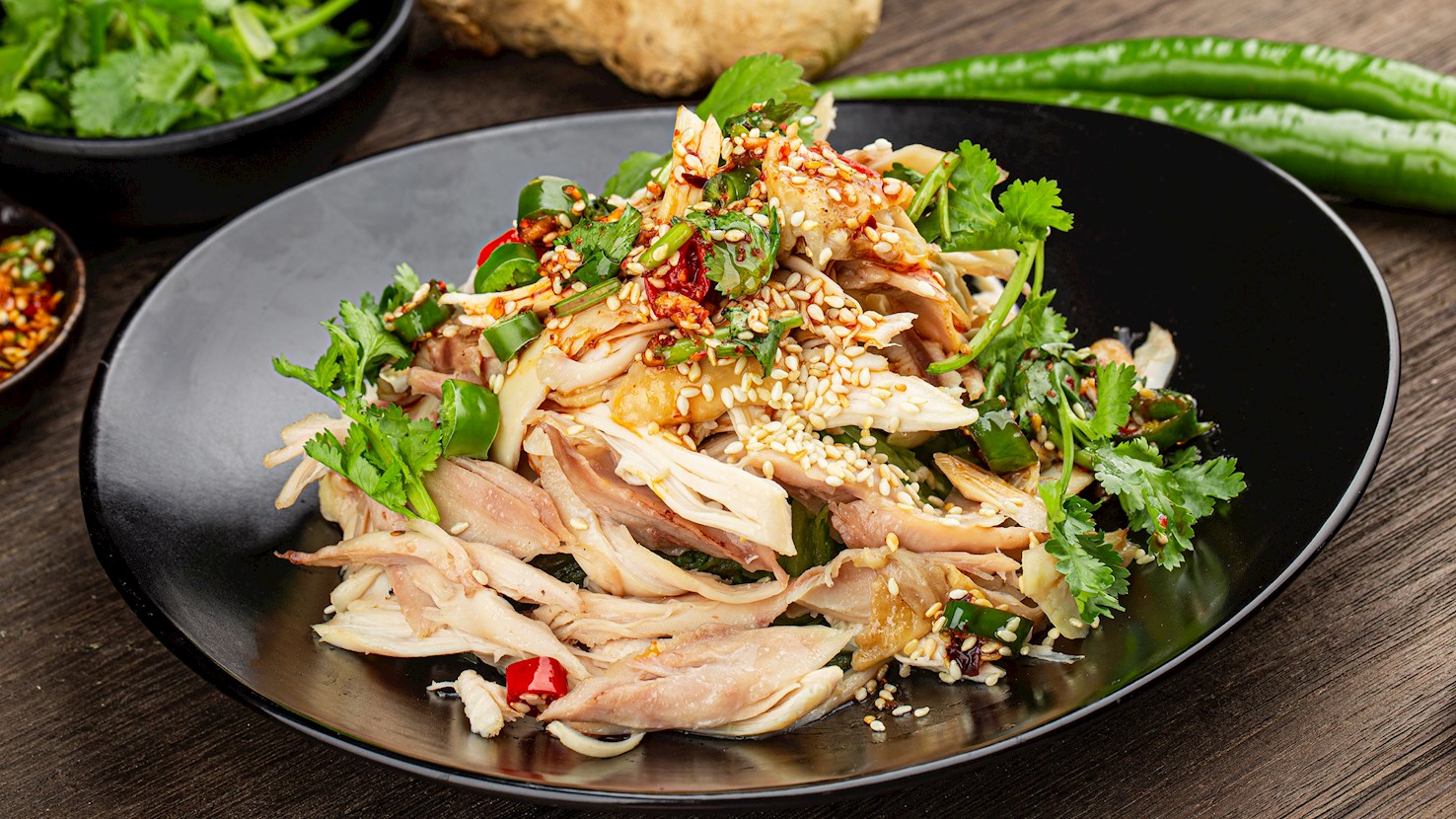
Ghost chicken is a salad from the Yunnan province, consisting of shredded chicken, herbs such as sand ginger, basil, coriander, Thai bird's eye chili, sawtooth, and cardamom, and lime juice. The chicken is the local black-skinned chicken which is boiled and then shredded. The meat and the skin are mixed with herbs and lime juice. Traditionally, the chicken feet and the head are also used in the salad. Also, the use of aromatics shows the influence of Southeast Asian flavors, as the province borders Myanmar, Laos, and Vietnam.

04
Savory Pastry

Yuntui yuebing (Yunnan ham mooncake)

n/a ·

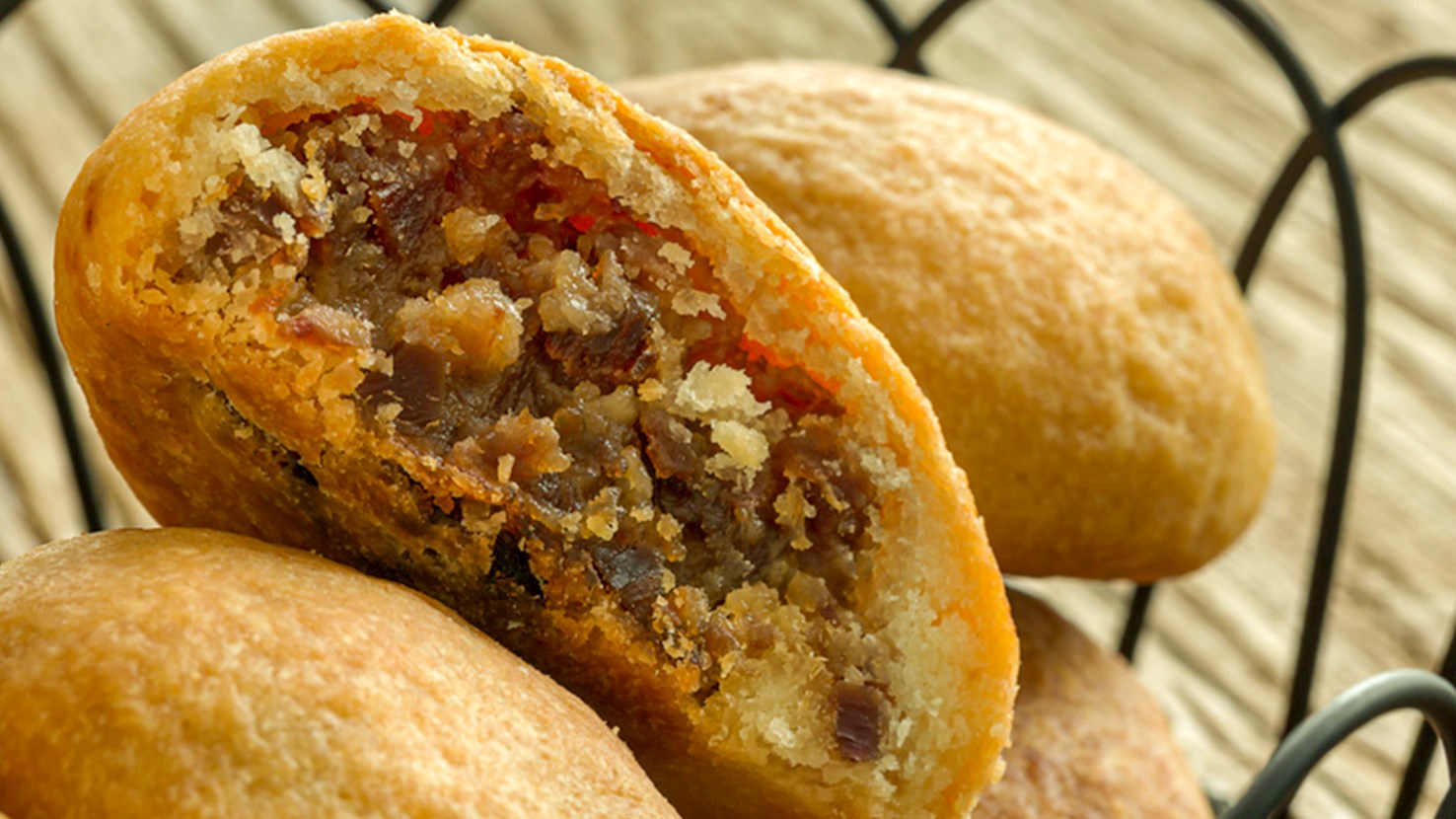
Yunnan ham mooncake incorporates the famous Yunnan ham into its filling, creating a savory treat that's rich and flavorful. Yunnan ham, renowned for its savory, umami, and somewhat sweet flavor, is frequently used in various Chinese dishes to impart a deep, meaty taste. The mooncake itself might be reminiscent of other savory meat-filled mooncakes, with a rich, perhaps slightly flaky or tender crust enveloping the hearty ham filling inside. The usage of Yunnan ham presents a regional twist, reflecting local flavors and ingredients in a traditional festive delicacy. This variant might be particularly enjoyed by those who prefer a less sweet, more robustly savory treat amidst the generally sweet-dominated array of typical mooncakes available during the Mid-Autumn Festival.

05
Cheese

Rushan

n/a ·

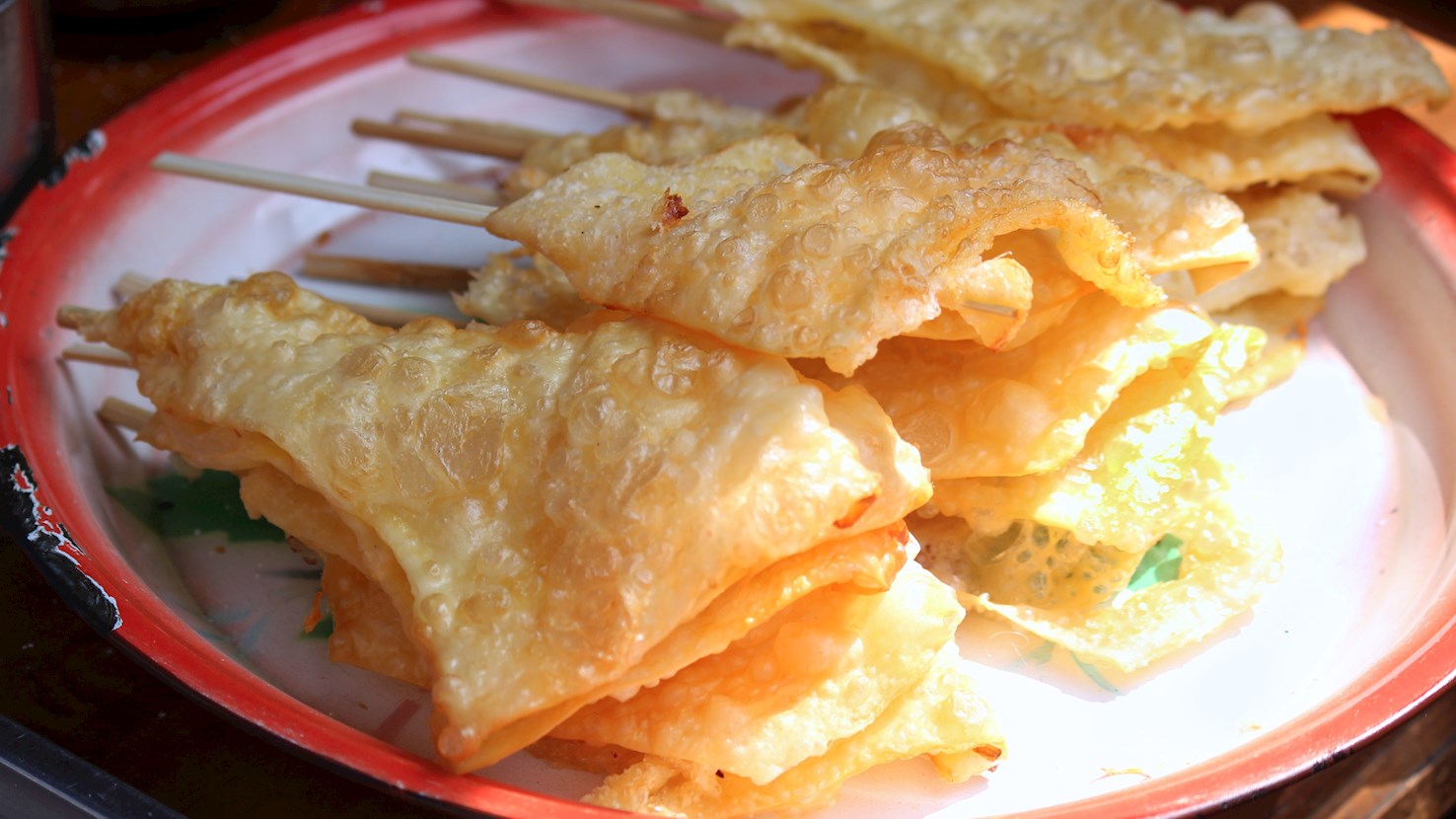
Rushan is a flat Chinese cheese with a leathery texture, originating from the Chinese province of Yunnan, where it is traditionally prepared by the Bai people who refer to it as nvxseiz. It is made from cow’s milk. The cheese can be either grilled or deep-fried. When grilled, usually at street food stands, rushan is typically served on a stick, topped with fruit preserves, chocolate syrup, or condensed milk. When deep-fried, its texture changes and the cheese becomes slightly flaky.

06
Cheese

Rubing

n/a ·

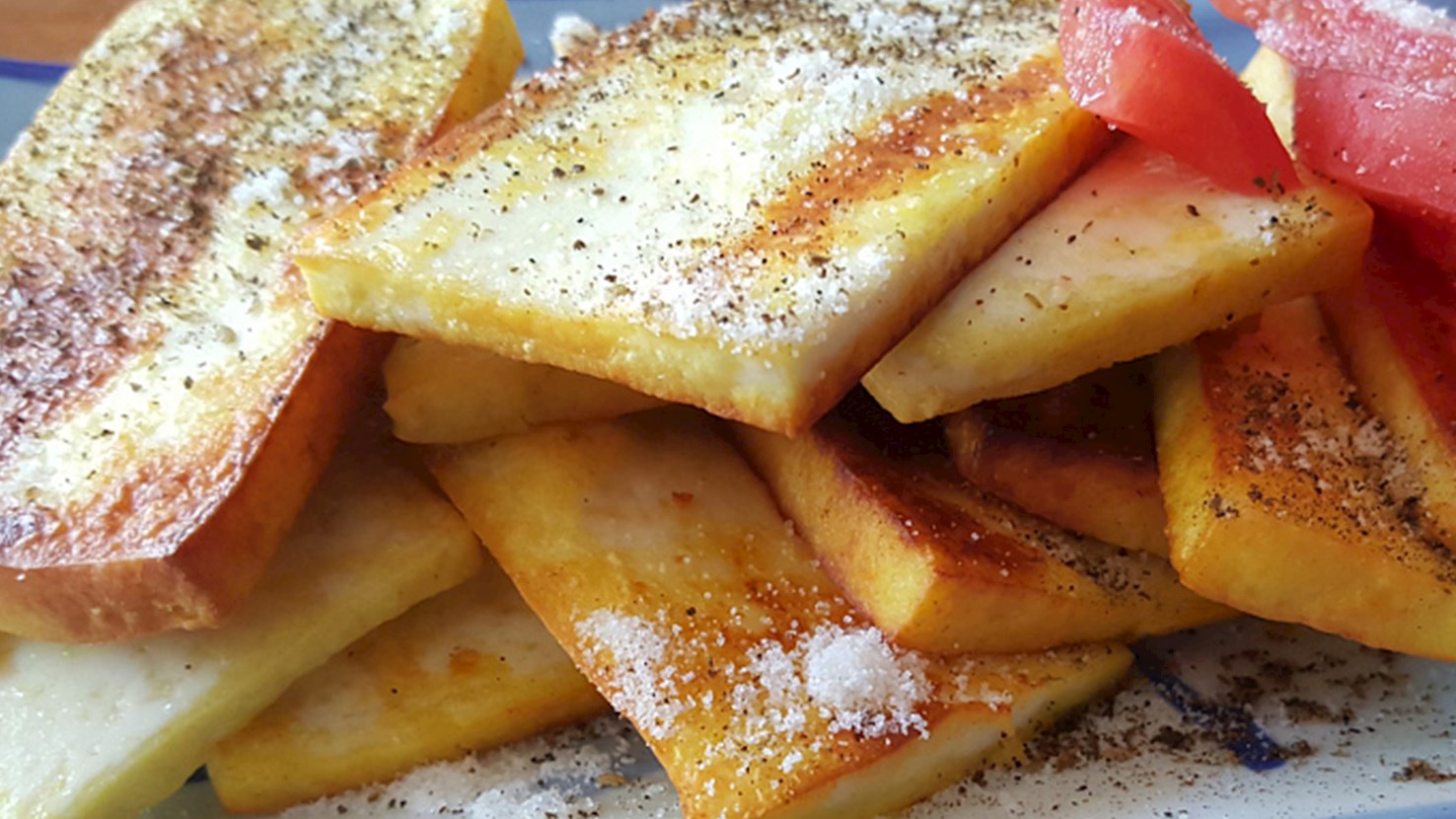
Rubing is a fresh white cheese originating from the Chinese province of Yunnan, where it is made from goat’s or sheep’s milk, usually by ethnic minorities such as Naxi, Bai, and Sani. The cheese doesn’t melt, so it is typically steamed with rice wine, grilled, or stir-fried with tomatoes, carrots, and broccoli. Before serving, it can be sweetened or salted.

07
Meat-based Sauce

Sapie

n/a ·

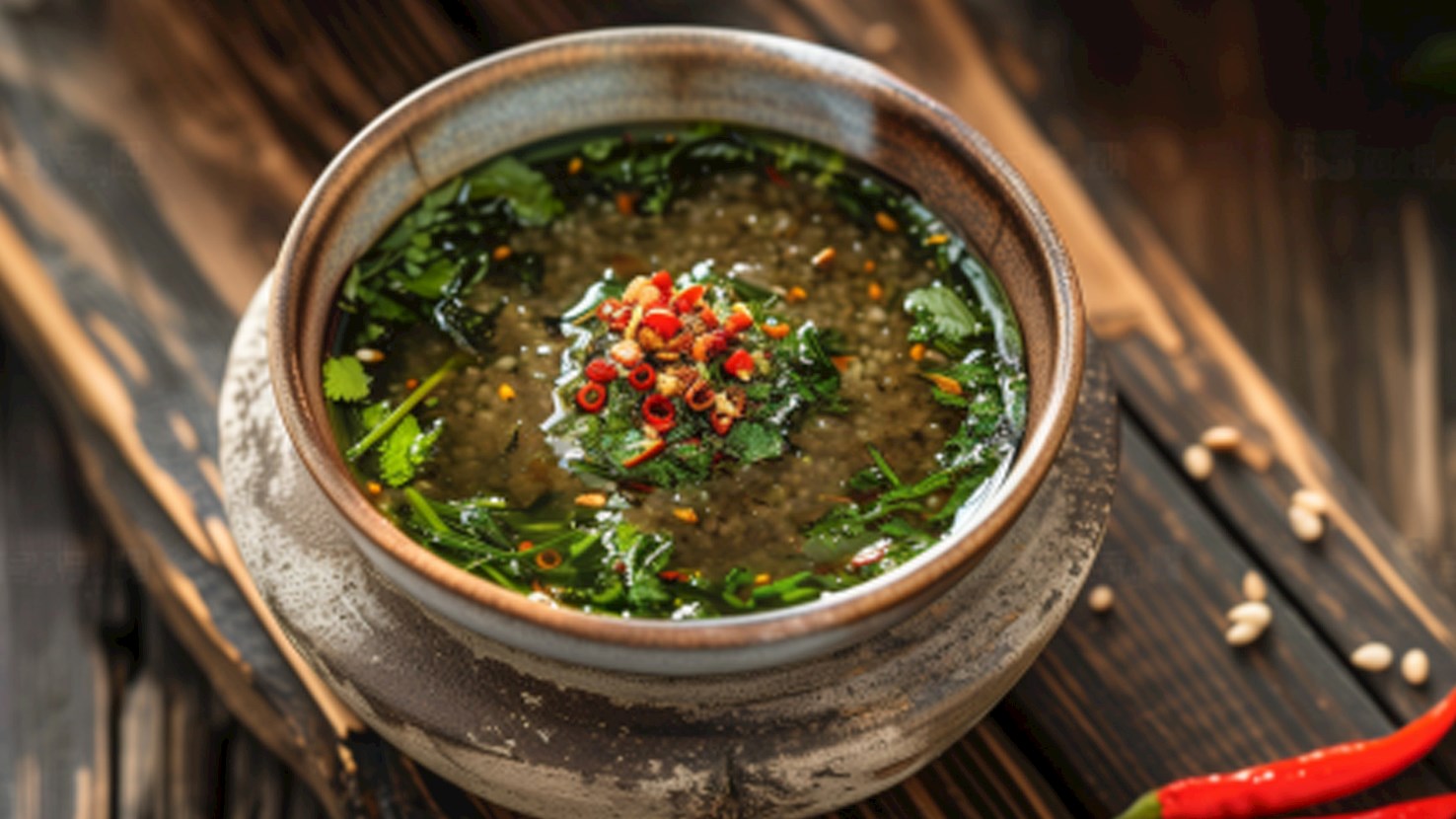
Sapie is a Dai dish from the Yunnan province consisting of a dipping sauce and various cold ingredients that are dipped into the sauce before consumption. The sauce is made with raw beef, spices such as knotweed, culantro, ramson, garlic, and bovine bile, the bile giving it a bitter taste. The so-called cold ingredients are usually rice noodles, tripe, grilled intestine, hot peppers, cabbage, and smoked beef jerky. There are many variations of this dish, most notably the lemon sapie that has lemon juice instead of bovine bile, sapie with ants, fish sapie, and sapie with coagulated pork blood.

08
Sauce

Nanpie

n/a ·

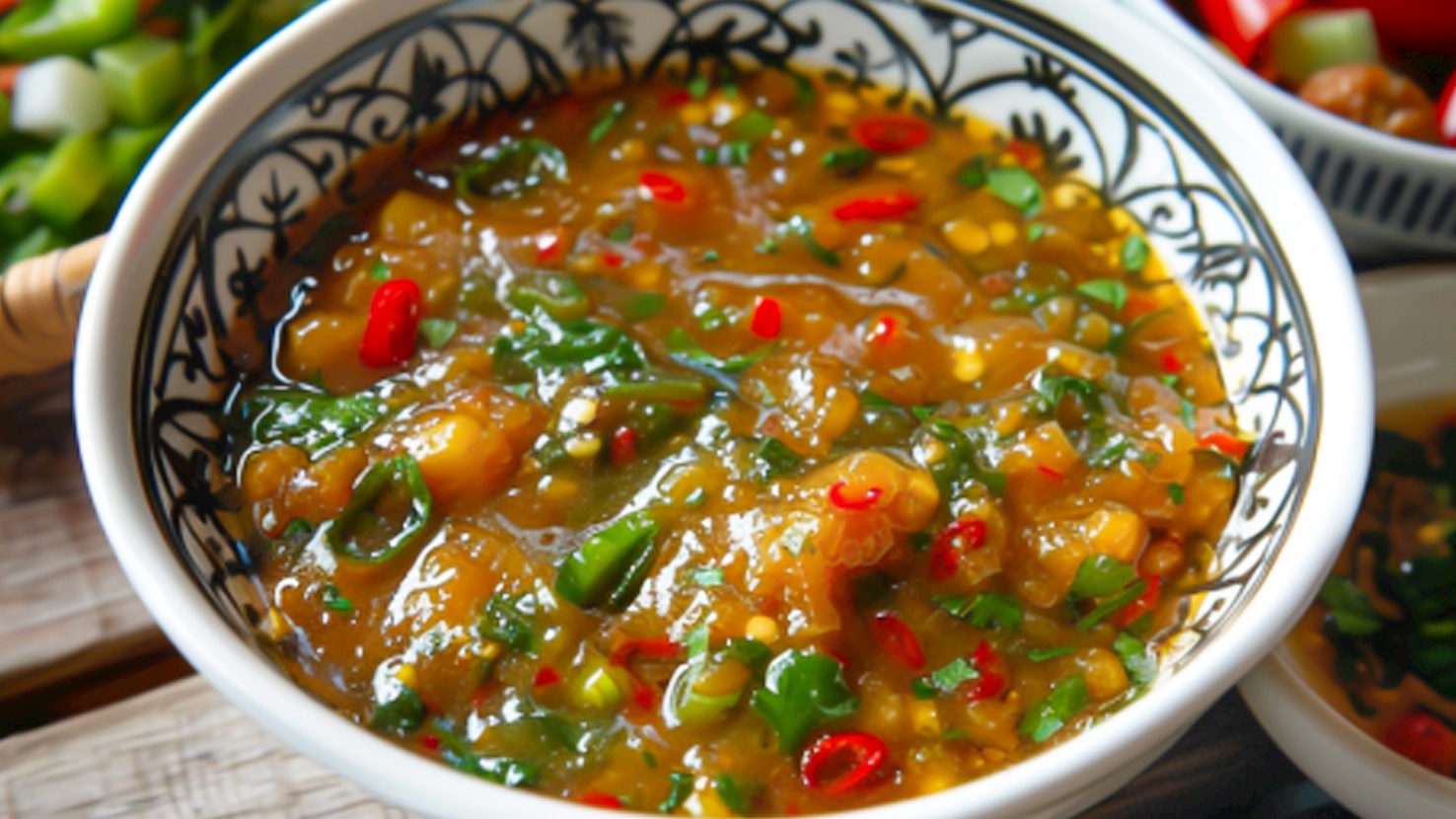
Nanpie or nanmi is a spicy and sour Dai dipping sauce that is prepared using a mortar and pestle — the ingredients are crushed until they turn into a mash. It can be made with a myriad of different ingredients, from vegetables and berries to fish, which are combined with a host of herbs and spices such as garlic, ginger, coriander, chili, tea tree leaves, and basil. Some of the better-known kinds are tamarillo nanpie, goby nanpie and black nightshade nanpie. Prior to mashing, the vegetables or berries are roasted or fried while the fish is grilled. Nanpie can taste differently, either salty, sour, spicy, numb, sweet, or bitter, depending on the recipe. A traditional Dai banquet will have several dishes served, each accompanied by its own nanpie. The more nanpie you see served, the more significant and tasty the meal is.

Read more
View all
View map
About this ranking

TasteAtlas food rankings are based on the ratings of the TasteAtlas audience, with a series of mechanisms that recognize real users and that ignore bot, nationalist or local patriotic ratings, and give additional value to the ratings of users that the system recognizes as knowledgeable. For the “Top 10 Yunnan Foods” list until June 24, 2026, 31 ratings were recorded, of which 23 were recognized by the system as legitimate. TasteAtlas Rankings should not be seen as the final global conclusion about food. Their purpose is to promote excellent local foods, instill pride in traditional dishes, and arouse curiosity about dishes you haven’t tried.

The initial list of top producers was compiled based on available reviews, awards, local recommendations, media and blog coverage, and consumer reviews. The list will be updated with ratings from TasteAtlas local ambassadors and TasteAtlas users.

Similar lists