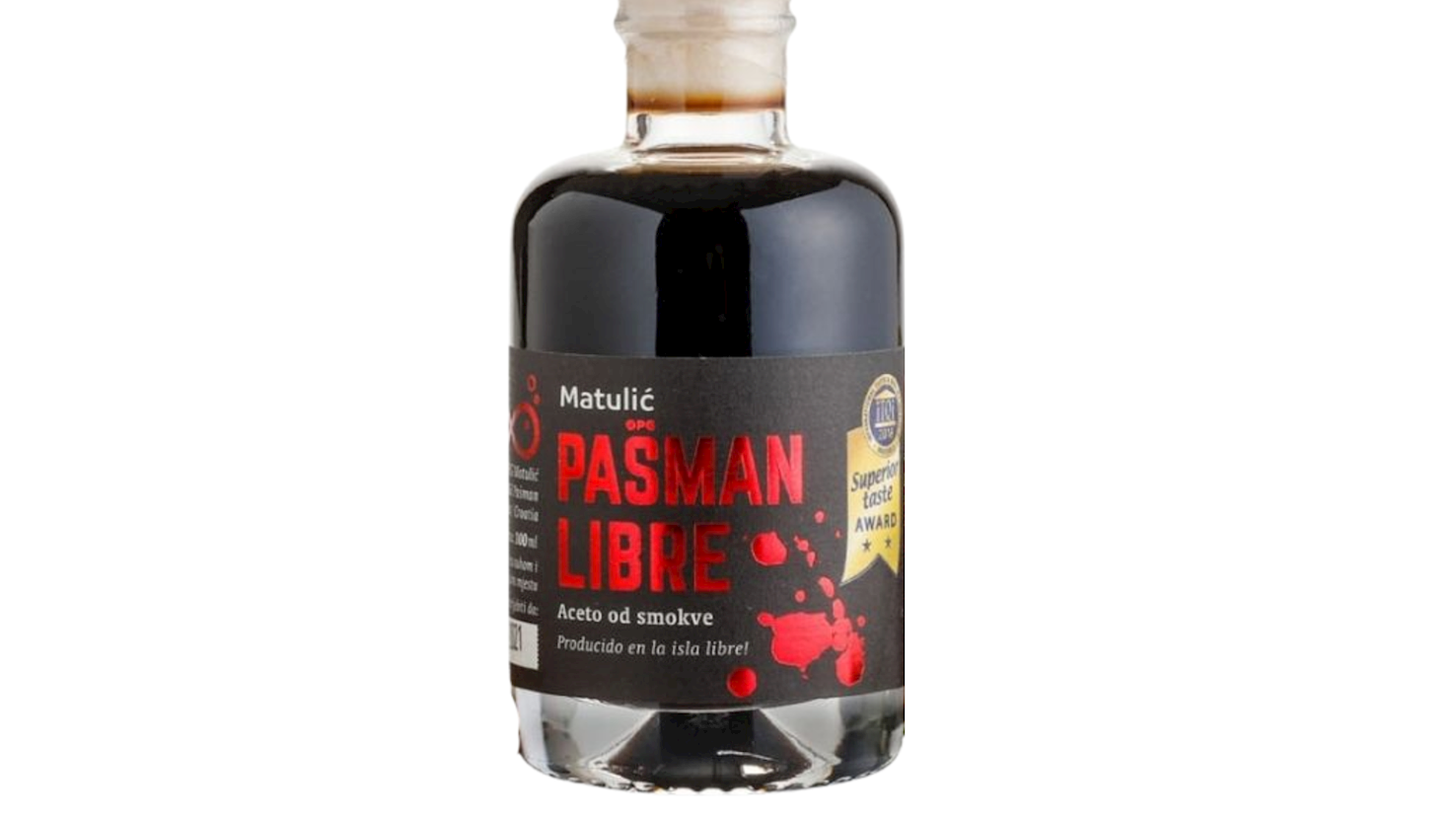
OPG Matulić is a family-owned agricultural producer based on the Croatian island of Pašman, specializing in handcrafted gourmet food products and natural cosmetics inspired by the island’s Mediterranean environment. Founded by Ana and Krsto Matulić, the business combines traditional craftsmanship with locally grown ingredients such as olives, figs, chili peppers, aromatic herbs, and wild island plants. The company began developing its first products in 2012 and opened its own retail shop on Pašman in 2014. Its product range includes hot sauces, flavored vinegars, infused olive oils, seasoning salts, jams, artisan chocolates, soaps, creams, and other skincare products made with olive oil and natural botanical ingredients. OPG Matulić places a strong emphasis on sustainable production, handmade manufacturing, and preserving the authentic character of the island. OPG Matulić represents one of Croatia’s best-known island producers, combining local heritage with innovation while promoting the culinary and natural traditions of Pašman far beyond Croatia.
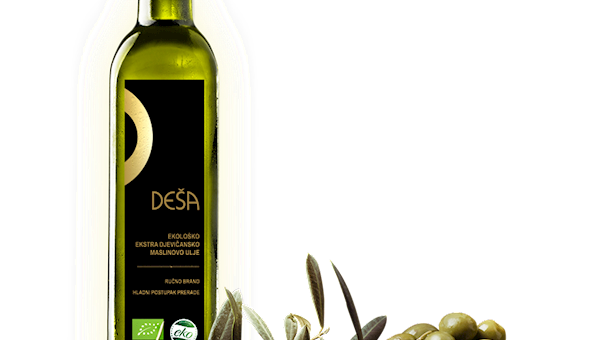
OPG Pedic is an olive oil producer based in Zadar, Croatia. The family-run business cultivates olives and produces extra virgin olive oil.
They are known for using traditional methods in olive oil production, ensuring high quality and authentic flavor. The farm also offers tastings and tours to visitors, allowing them to experience the olive oil-making process firsthand.
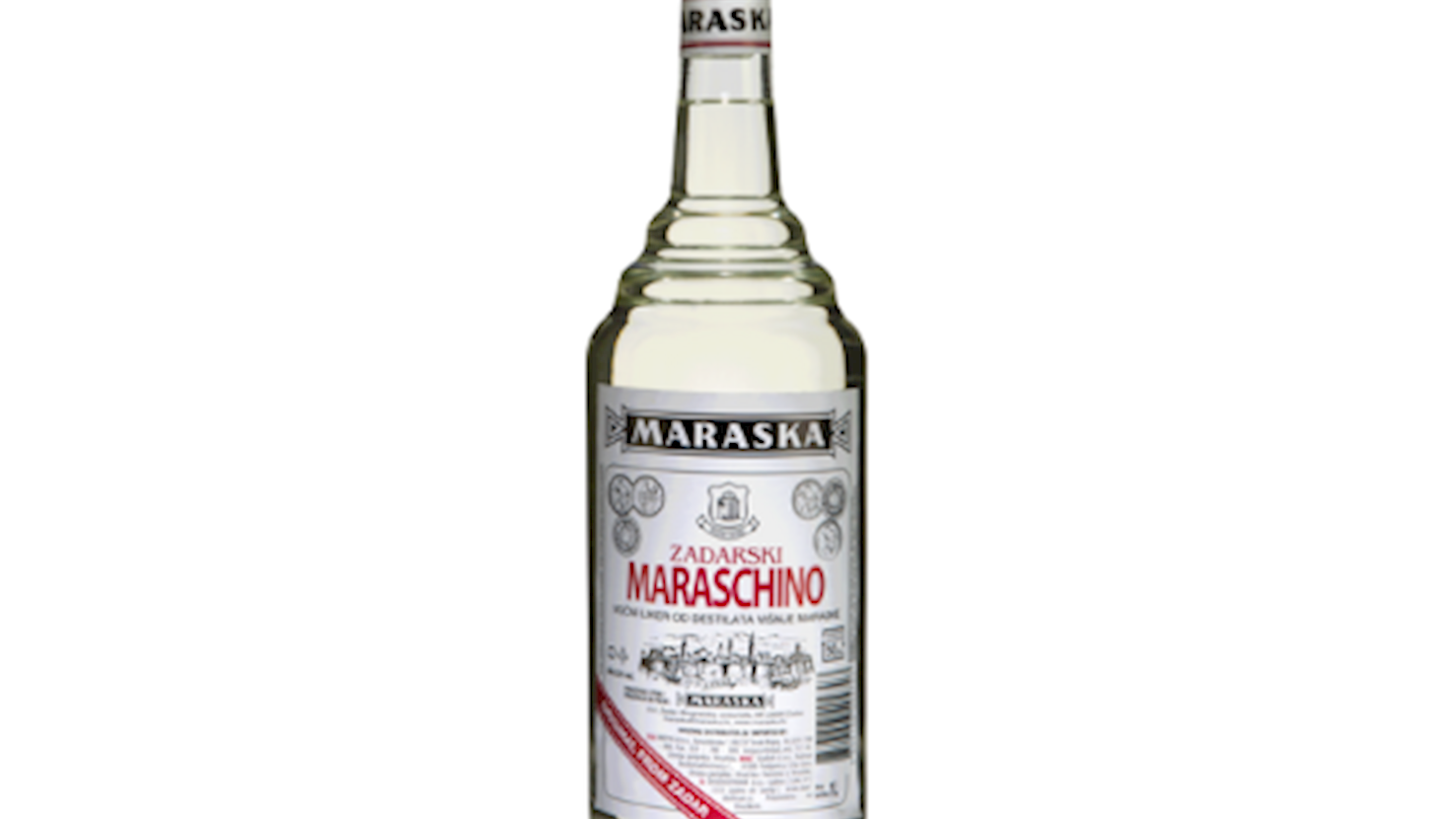
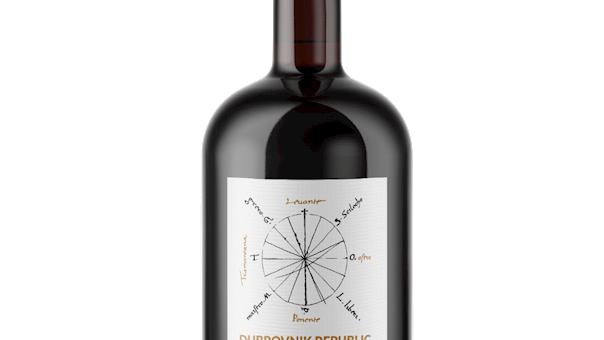
Maraska is a Zadar-based distillery with centuries of tradition in crafting liqueurs and beverages made from the indigenous marasca cherry, the key ingredient in its most famous product - Maraschino liqueur. The company blends historical recipes and local heritage with modern technological processes, enabling the production of a wide range of alcoholic and non-alcoholic drinks, including fruit liqueurs, brandies, syrups, and juices.
Maraschino is produced by distilling ripe marasca cherries together with their pits, stems, and leaves, which creates its characteristic almond-like aroma and rich fruity complexity. Today, Maraska operates from a modern facility in Zadar and is part of the Stanić Group, contributing to the brand’s stability and international reach.
Maraska remains recognized as a custodian of Dalmatian liqueur-making tradition, offering products that combine authenticity, quality, and a long continuity of craftsmanship.
OPG Nives Morovic is an olive oil producer based in Zadar, Croatia. They specialize in crafting high-quality extra virgin olive oil.
The producer is known for employing traditional methods of olive cultivation and harvesting. OPG Nives Morovic emphasizes sustainable and organic farming practices.
They operate in the region renowned for its favorable climate and soil for olive cultivation.
Based in Zadar, Croatia, OPG Lalin is an olive oil producer that cultivates olives in the Dalmatian region. They focus on traditional agricultural practices to produce extra virgin olive oil.
OPG Lalin frequently participates in local and regional olive oil competitions. The company prides itself on the quality and authenticity of its products, derived from native olive varieties.
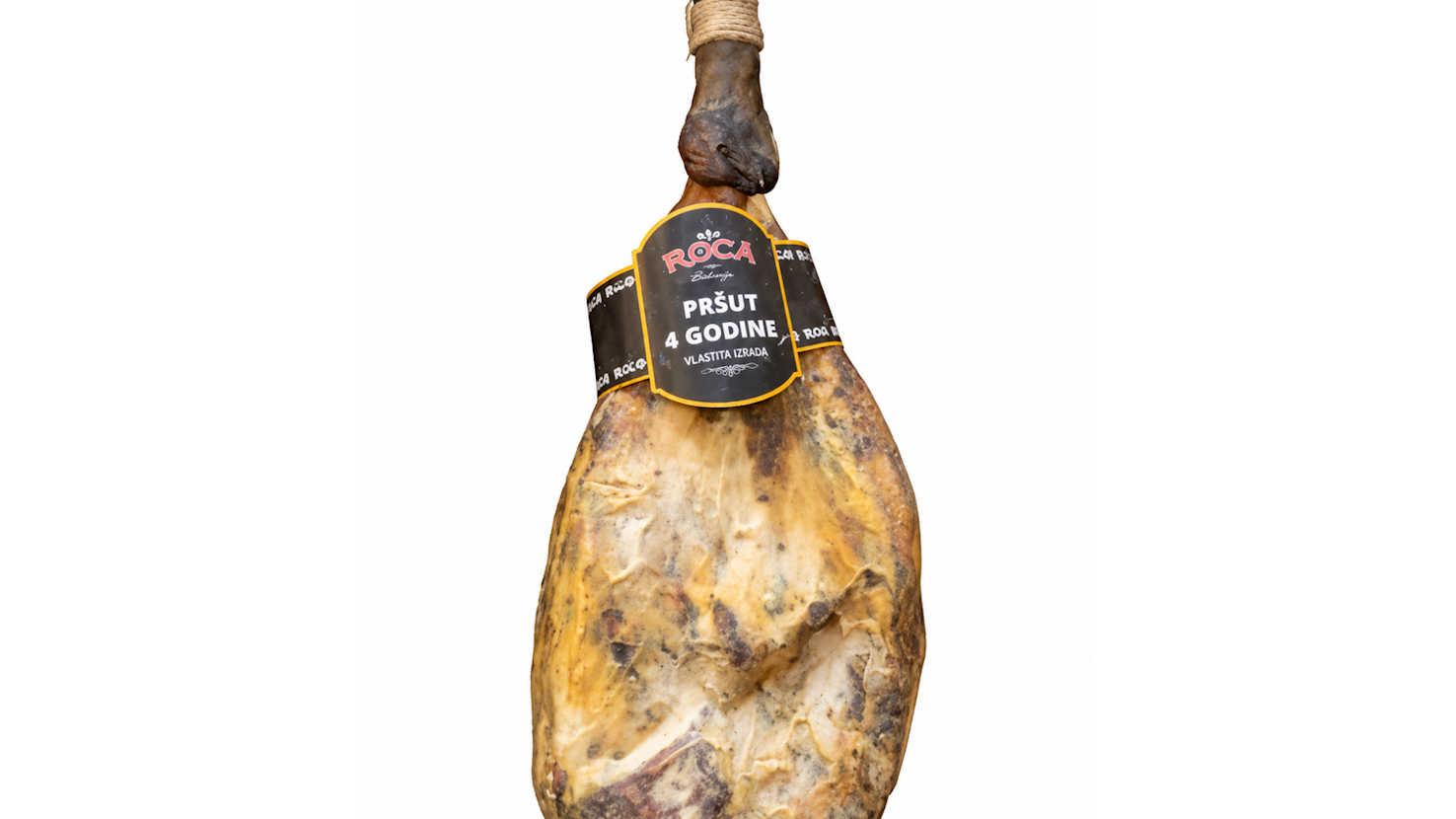
Gospodarstvo Roca is a family-run agricultural and tourist estate located in the village of Velim near Stankovci, in the hinterland of Vodice and Šibenik, Croatia. Ante and Silvana Roca have been developing the estate for around two decades, combining pig farming, the production of Dalmatian cured meats, viticulture, olive growing, and an authentic hospitality experience.
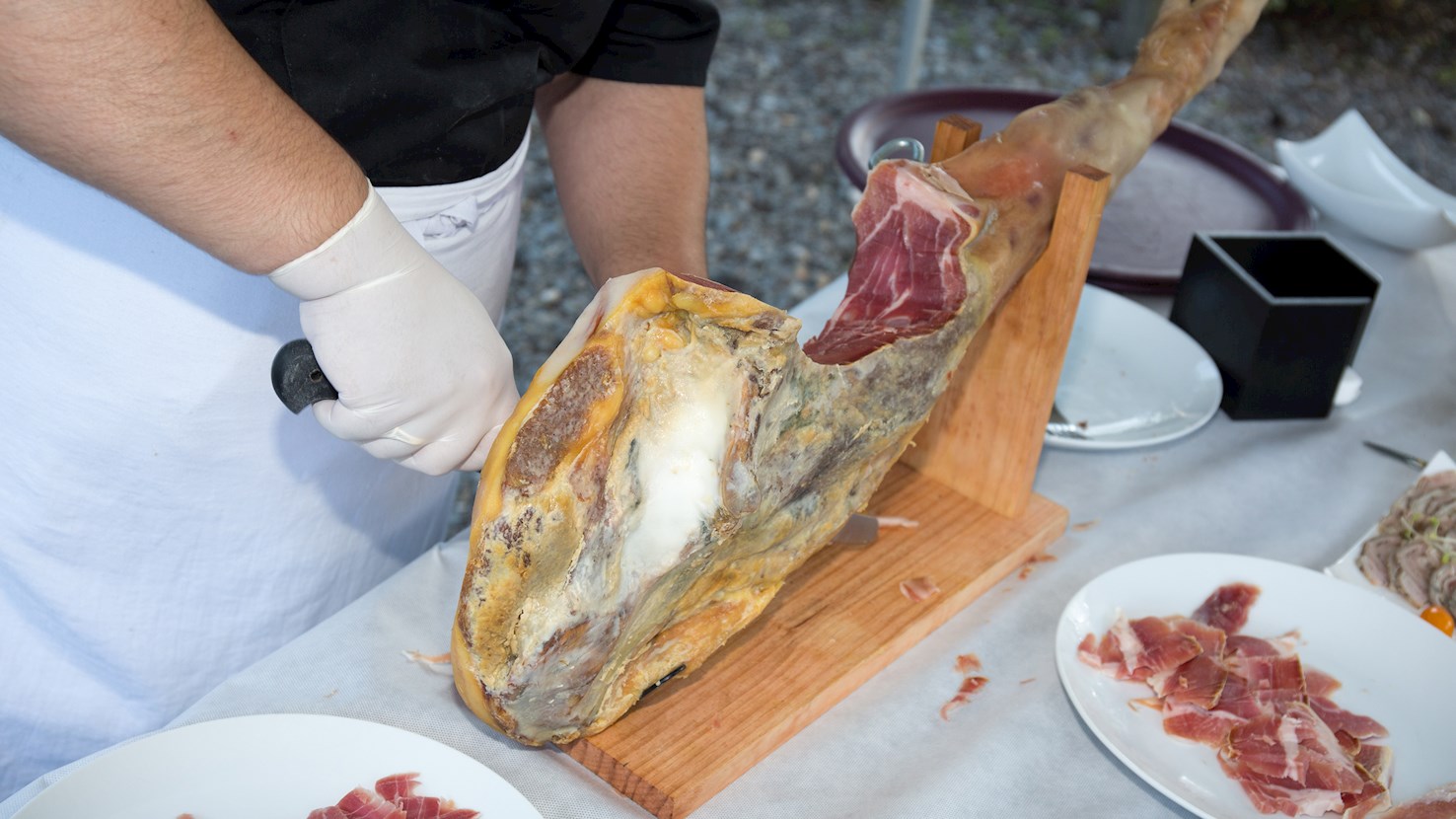
Its operations are centered on an on-site pig farm and prosciutto-curing facility, giving the family control over much of the process, from raising the animals to serving the finished products. The estate raises Black Slavonian pigs, also known as Fajferica, as well as crossbreeds of Duroc, Landrace, and Yorkshire pigs. Approximately 1,200–1,300 prosciutto hams are processed annually. Some of the raw material comes from the estate’s own farm, while carefully selected pork legs are also sourced from trusted partners in Slavonia. The hams are traditionally salted, smoked, and matured over an extended period, with those made from estate-raised pigs aged for up to three years.
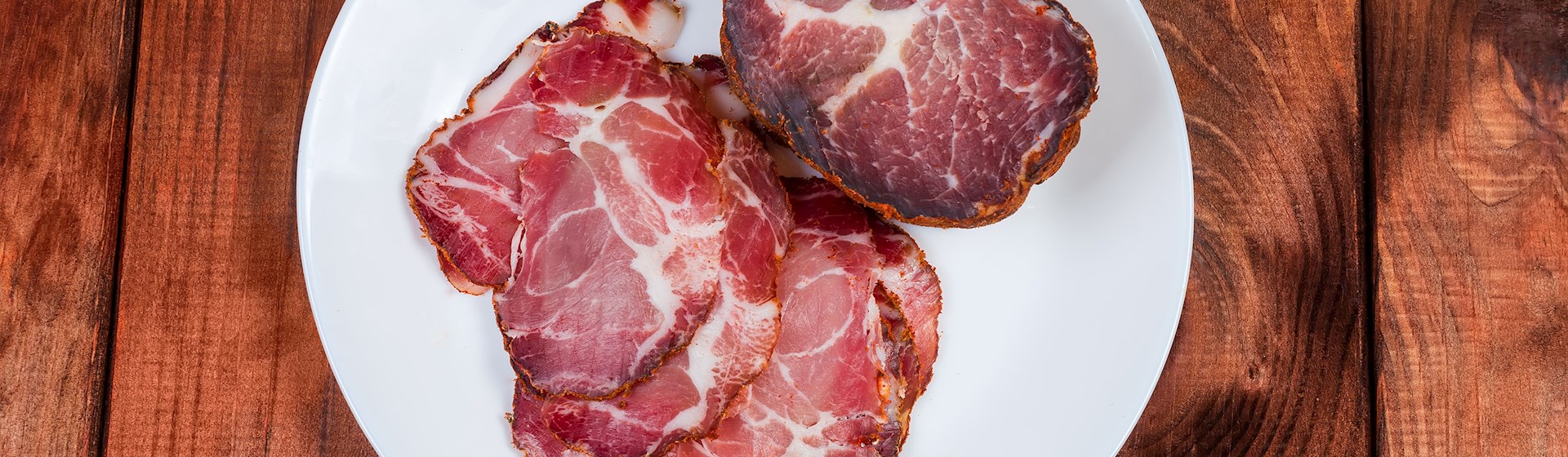
In addition to Dalmatian prosciutto, the range includes pancetta, cured pork loin and neck, kulen, sausages, and several varieties of salami. The estate also produces wine from indigenous grape varieties, olive oil, fruit brandy, figs, and other Mediterranean products, primarily for its restaurant and visitors.
Today, Gospodarstvo Roca is recognized as a gastronomic and rural tourism destination welcoming approximately 10,000 visitors annually. A large proportion of its guests come from abroad, particularly the United States. Its products are sold through the estate’s restaurant and shop, as well as at local fairs and markets.
OPG Plastić Denis is an olive oil producer based in Benkovac, Croatia. The farm specializes in the cultivation and production of high-quality olive oil.
They use traditional methods combined with modern techniques to ensure the purity and flavor of their oil. Their focus is on sustainable and eco-friendly farming practices.
Posedarski pršut is a variety of Dalmatian prosciutto that has been traditionally prepared in Posedarje. This Croatian gourmet delicacy is typically made from the hind legs of a high-quality pig. The meat is entirely free from any additives or preservatives, and it is seasoned only with sea salt before it is pressed, dried, and allowed to mature for at least 12 months. The drying process of the prosciutto usually involves smoking with juniper wood and drying naturally in the fierce Dalmatian bora wind, which is said to infuse the meat with droplets of pure sea salt directly from the sea as well as with the scent of fresh mountain air coming from the nearby Velebit Mountain. With a flavor and quality said to be unrivaled, the prosciutto is typically sliced paper-thin and paired with cheese and a glass of fine wine, or drizzled with olive oil and eaten with slices of fresh bread.
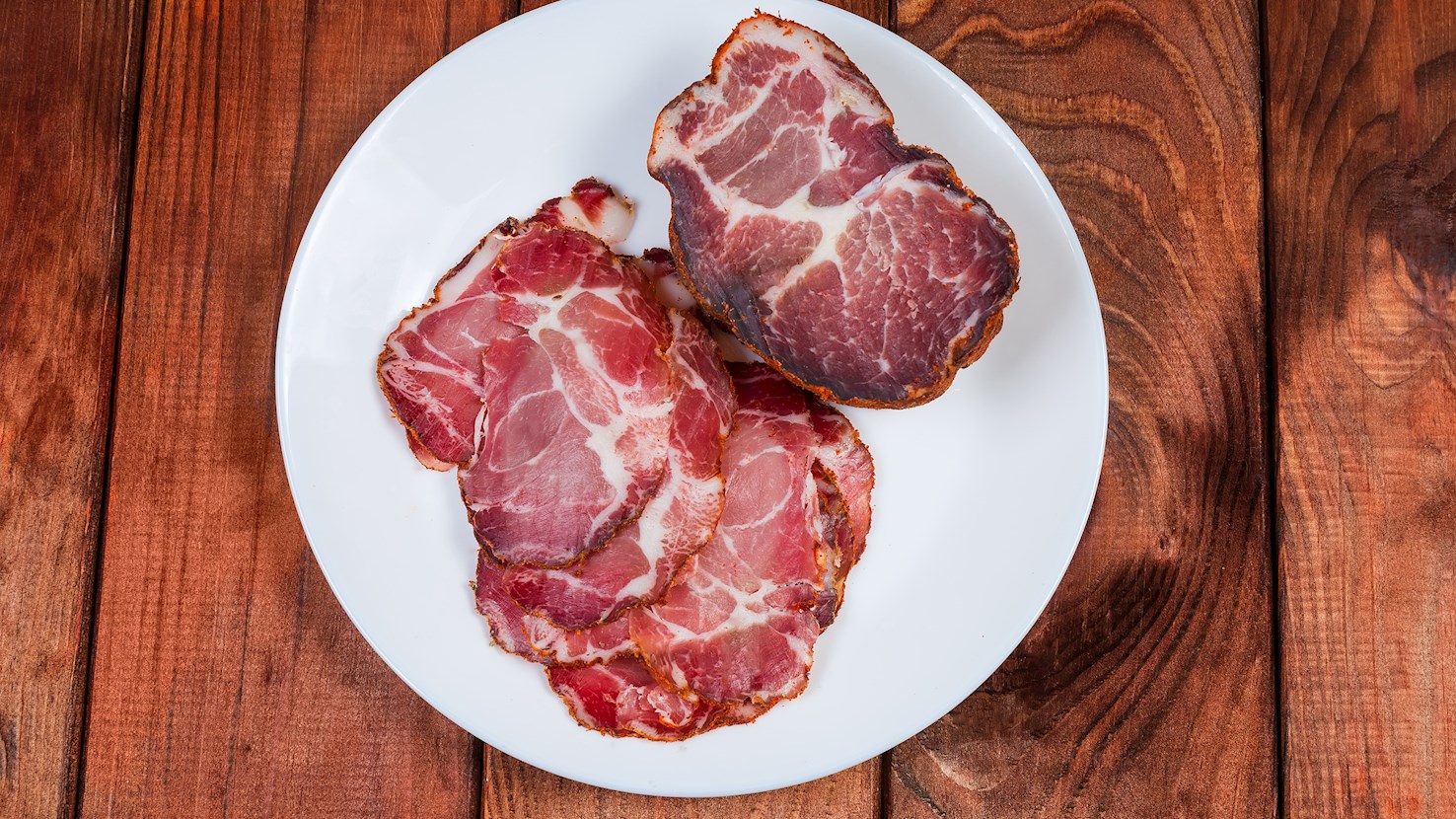
Ninski šokol is a traditional dried and cured meat product originating from Nin in Croatia. It's made from pork neck according to secret family recipes, some of which are over 300 years old. The meat is placed in local Nin sea salt (Ninska sol) and it's soaked and cooked in red wine, seasoned with spices such as cloves, cinnamon, pepper, nutmeg, and many more, then stuffed into pork or beef casings. The šokol is smoked and dried in the bora wind for six months before it's ready for consumption. During holidays and special occasions, šokol is usually sliced and served as a cold starter in local restaurants and homes. Every year, during the third week in July, a festival called Šokolijada is held in honor of this unique local product.
Zadarska torta is a traditional flourless cake from the city of Zadar in the Dalmatian region. It is made primarily with oranges and ground almonds, combining the fresh, citrusy zest with rich, nutty flavor and a dense texture. A key ingredient in the cake is Maraschino, a cherry liqueur that originated in Zadar, which adds a distinctive sweetness and aroma. The cake contains no flour, making it naturally gluten-free and emphasizing the almond flavor. The preparation involves mixing the ground almonds with sugar, eggs, orange pulp, and Maraschino liqueur, then baking the mixture to create a moist, flavorful cake. Zadarska torta is usually served in thin slices, often dusted with powdered sugar or topped with a light glaze, and is traditionally enjoyed as a dessert or with coffee during special occasions.
Tunj na kaljski is a traditional dish originating from Kali near Zadar. The dish is usually made with a combination of tuna, garlic, parsley, flour, tomatoes, bay leaves, olive oil, salt, and pepper. The tuna is cut into thin steaks that are sprinkled with flour and fried in olive oil. The steaks are removed from the pan, and garlic, tomatoes, and a bit of water are added to the same pan. The mixture is simmered with chopped parsley and bay leaves until the sauce thickens. Once strained, the sauce is mixed with the tuna steaks, and the combination is then cooked for a few more minutes. Once done, the dish is often served with mashed potatoes on the side.
Vranske žabe is a traditional dish originating from the area of Vransko jezero (Vrana Lake). The dish is usually made with a combination of frogs, parsley, potatoes, butter, white wine, lemon juice, garlic, olive oil, sunflower oil, onions, salt, and pepper. The onions are diced and sautéed in both types of oil in an earthenware pot. The frogs and garlic are added to the pot, seasoned with salt and pepper, covered with wine, and simmered for about half an hour. The new potatoes are boiled, added to the pot with butter, and the dish is cooked for a bit longer until everything is tender. Vranske žabe are sprinkled with chopped parsley and served in the earthenware pot.
Iški lopiž is a traditional dish originating from the island of Iž, famous for its pottery. The dish is made with a combination of lamb, vegetables such as potatoes, carrots, peas, artichokes, onions, and garlic, aromatic herbs such as bay leaves and rosemary, along with white wine, tomatoes, oil, salt, and pepper. The name of the dish can refer to the dish itself, but lopiž is also a clay pot in which this dish is traditionally prepared, giving it a unique flavor. The ingredients are slowly simmered until the vegetables and the meat become tender. It's recommended to serve this ancient specialty with a glass of local white wine on the side.
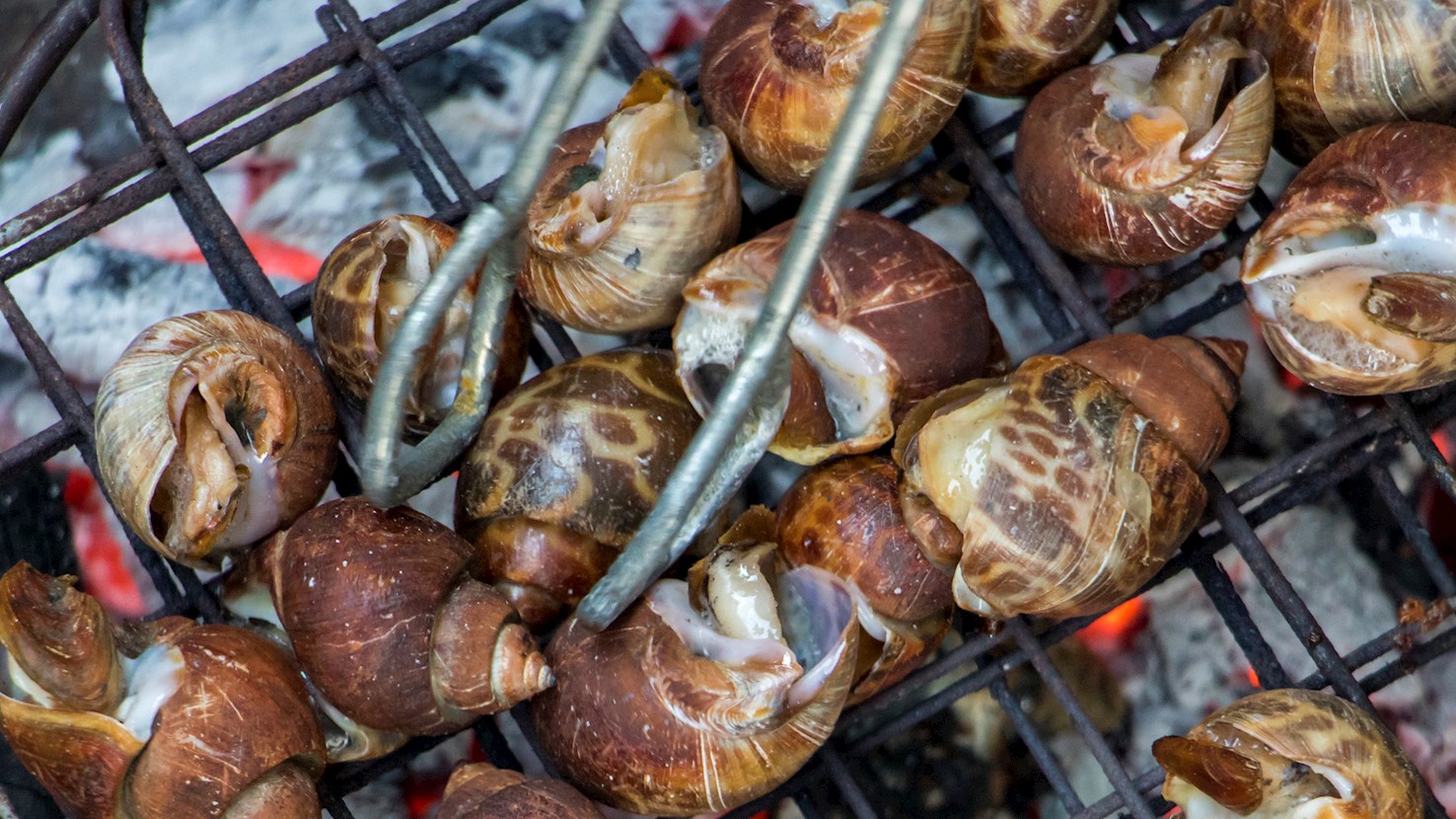
Puževi na gradele are a grilled snail specialty associated with Benkovac and the surrounding Ravni Kotari area of northern Dalmatia, where land snails have long been prepared in several straightforward ways, including boiling, cooking under the bell-shaped cooking vessel peka, and grilling directly over fire. The name describes the method exactly: gradele are the metal grill placed over hot coals, and in this preparation the snails are cooked in their shells until heated through and their characteristic foamy liquid has been released, after which they are seasoned simply with salt, black pepper, and ground paprika. Snail cooking in the Benkovac countryside did not develop around a restaurant recipe or a documented individual creator, and there is no reliable date that can be assigned to the dish. It belongs instead to a broader rural practice of collecting edible land snails when weather conditions brought them out in large numbers and turning an ingredient available in the surrounding landscape into a meal with very little additional expense. Grilling was especially well suited to this kind of cooking because it required no elaborate sauce or cookware and could be done outdoors over the same charcoal or wood fire used for meat and vegetables. The strength of the association between snails and Benkovac is evident in Puževim korakom, a food event first organized in the town in 2012 specifically to present the area’s established snail cookery. From its first edition, participating teams prepared snails na gradele, lešo, under the peka, and in other local variations; later editions continued to describe these methods as part of the food culture of the Benkovac area. Preparation begins well before the grill is lit. Collected snails are first kept so that their digestive systems clear, then thoroughly cleaned before cooking; descriptions of the Benkovac preparation specify a purging period of at least fifteen days. Once the gradele are properly heated, the snails are arranged on the grill and cooked in their shells. As they heat, liquid and foam emerge from the shell openings, and cooking continues until this stage has passed and the meat is cooked. The finished snails are seasoned with salt, pepper, and paprika rather than covered with a heavy sauce, so the flavor produced by the fire remains noticeable. This direct method distinguishes them clearly from lešo puževi, where water provides the cooking medium, and from snails under the peka, where the enclosed cooking environment and other ingredients can create a softer and richer result. On the grill, the heat is more immediate, the exposed shells become very hot, and the snail meat takes on the stronger roasted character associated with charcoal cooking. The seasoning is deliberately restrained: paprika adds mild sweetness and earthiness, black pepper provides heat, and salt sharpens a flavor that can otherwise be quite delicate. Another preparation documented in connection with Benkovac takes the idea further by removing or arranging the snails on skewers with pancetta and bell peppers before grilling them. The pancetta contributes fat and smoke, while the pepper adds sweetness, but this should be regarded as a related grilled variation rather than the basic form of puževi na gradele. The simpler version remains centered on snails, fire, and seasoning, with little else introduced to the cooking process. The dish also reflects a wider Dalmatian habit of treating snails as seasonal food rather than disguising them beneath complicated preparations. Elsewhere along the Dalmatian coast, grilled snails are similarly prepared with very little intervention and served with bread, cheese, olive oil, or vinegar, showing how naturally the method fits the region’s outdoor cooking culture. Puževi na gradele are generally served hot, still in their shells, and eaten informally by extracting the meat with a small fork, skewer, or toothpick. Because each snail has to be removed individually, they suit a shared table particularly well and are more commonly treated as an appetizer, snack, or part of a larger meal than as a substantial main course. Fresh crusty bread works well alongside them, especially if olive oil or a little wine vinegar is served at the table, while young or mildly aged sheep’s or cow’s cheese can make the plate more substantial without masking the snails. A simple salad of tomatoes, peppers, or onions also fits the preparation, particularly during the warmer months when grilling is most common. The paprika-seasoned version can handle slightly stronger accompaniments than boiled snails, but very rich sauces tend to work against the point of cooking them directly over the coals. For wine, a dry northern Dalmatian white with good acidity is a natural match, while a dry rosé also works well when the snails are more heavily seasoned with paprika or paired with grilled peppers. A light red can accompany the pancetta-and-pepper skewer variation, but the basic version benefits most from a wine that remains fresh and does not overwhelm the relatively subtle meat. In Benkovac, the most characteristic setting remains the communal one: a hot grill, a large quantity of snails, simple seasoning, and people eating them one by one while they are still warm—the same uncomplicated format that has kept puževi na gradele recognizable among the area’s better-known foods.
Lešo puževi are a Benkovac specialty in northern Dalmatia, made by boiling land snails and serving them simply seasoned, usually with olive oil, wine vinegar, salt, and pepper. In a region better known for lamb, cured pork, cheese, and food cooked over fire, snails form a smaller but well-established part of the cooking of Benkovac, Bukovica, and Ravni Kotari, where they are prepared not only lešo—boiled—but also on the grill, under the peka, in brudet, and in more recent dishes such as risotto. Local tourism organizations have repeatedly presented snail cookery as part of the rural food culture of the Benkovac area. Since 2012, the town has organized the Puževim korakom festival, where local teams prepare snails in numerous ways, and visitors taste the results. The festival did not create the custom; from the beginning, it promoted an already familiar local way of eating snails, and reports from later editions consistently describe lešo preparation alongside snails cooked on gradele and under the peka. No securely documented date or specific village can be identified as the birthplace of lešo puževi, and the method itself belongs to the wider Mediterranean practice of collecting and cooking edible land snails. What distinguishes the Benkovac version is less a complicated recipe than the directness of the preparation and its continuing place in the food culture of the surrounding countryside. Before cooking, freshly collected snails must be properly purged and cleaned to empty the digestive tract; they are then washed thoroughly, placed in water, and boiled until the meat is tender. Local descriptions of Benkovac-style lešo snails call for restrained seasoning: olive oil, homemade wine vinegar, salt, and black pepper, keeping the flavor and firm, slightly chewy texture of the snail meat central. Some versions also finish the snails with ground paprika, while vinegar may be added either during cooking or afterward as part of the dressing. Unlike preparations in which the meat is removed from the shells and incorporated into a sauce, lešo puževi are generally served in their shells, making eating them part of the dish itself. In Benkovac, they are commonly picked from the shell with a toothpick, a simple serving method that suits the informal character of the food. Restrained seasoning also sets them apart from richer local snail preparations: grilled snails take on smoky flavors from the fire, those cooked under the peka can absorb fat and juices from other ingredients, and brudet turns them into a saucier main course, while lešo puževi remain essentially boiled snails dressed only after cooking. This makes the quality and cleaning of the snails particularly important, because little sauce or spice can conceal their natural flavor. They are most often eaten as a snack, appetizer, or part of a larger outdoor or communal meal rather than as a substantial dish on their own, and events in Benkovac have helped preserve this social way of serving them, with large quantities cooked for sharing and tasting. One edition of Puževim korakom reportedly used about 350 kilograms of snails prepared by 27 teams for more than a thousand visitors, illustrating how strongly the ingredient has become associated with the town’s public food events. Fresh bread is a useful accompaniment for the olive oil and vinegar left in the serving dish, while raw or lightly dressed seasonal vegetables work well without overpowering the snails. Their mild flavor and acidic dressing pair particularly well with a dry, fresh white wine from northern Dalmatia, while a light rosé also works when paprika or more olive oil is used. For a non-alcoholic pairing, cold mineral water with lemon is enough; lešo puževi are best when the accompaniment stays as uncomplicated as the dish itself.
Priška is an unleavened bread originating from the Croatian city of Benkovac. It consists of flour, salt, and water. In order to prepare it, the dough should be rolled in a circle, with a thickness of about 2 centimeters. The dough is then placed on a wooden surface with a long handle, called lopar, and it is baked under the lid called peka for about 30 minutes. Traditionally, the bread is torn into pieces by hand while it is still warm.
Benkovački prisnac is an authentic local delicacy from a small Croatian town called Benkovac. The dough for this flavorful bread-like pie consists of flour, eggs, sour cream, salt, oil, and fresh cheese. Traditionally, it is baked under a lid covered with hot embers (called peka), and that is the main reason why prisnac has a round shape. It can be prepared in a sweet version as well, when salt is replaced with sugar. In the past, prisnac was prepared on Sunday, when the whole family was together. Today, the dish is an attraction, and it has recently been prepared in a large version, with a diameter of 2 meters, 20 kilos of cheese, and 100 eggs.
TasteAtlas food rankings are based on the ratings of the TasteAtlas audience, with a series of mechanisms that recognize real users and that ignore bot,
nationalist or local patriotic ratings, and give additional value to the ratings of users that the system recognizes as knowledgeable.
TasteAtlas Rankings should not be seen as the final global conclusion about food. Their purpose is to promote excellent local foods,
instill pride in traditional dishes, and arouse curiosity about dishes you haven’t tried.
The initial list of top producers was compiled based on available reviews, awards, local recommendations, media and blog coverage, and consumer reviews.
The list will be updated with ratings from TasteAtlas local ambassadors and TasteAtlas users.












What People Say