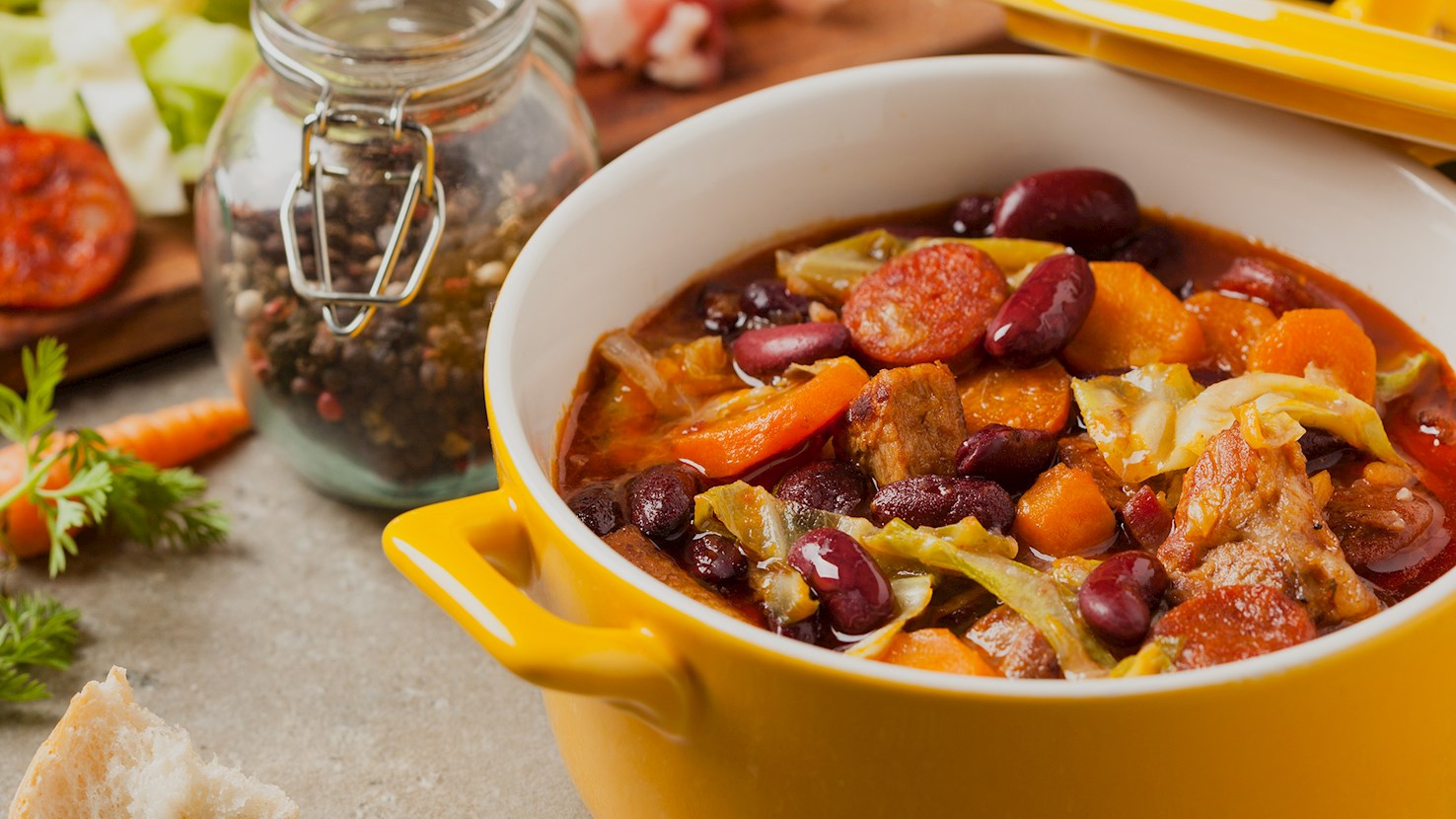
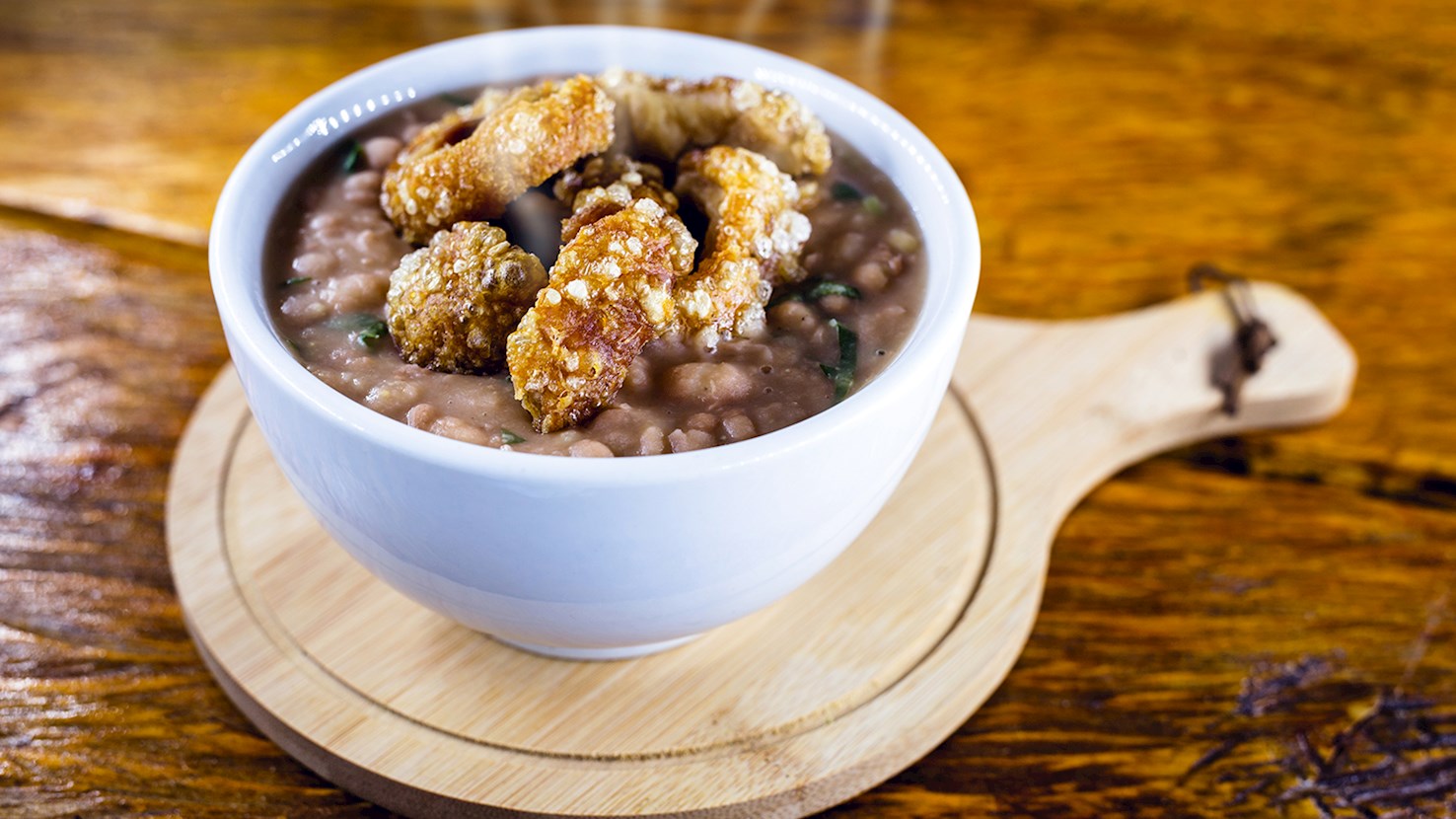
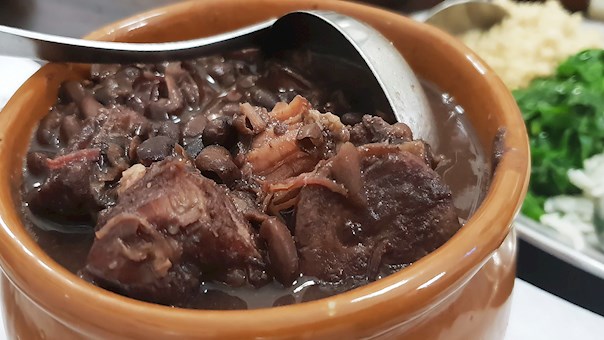
Although it translates as stone soup, this hearty Portuguese dish is actually a combination of beans and sausages such as chouriço and morcela (blood sausage), as well as pork belly, pig’s ear, and potatoes, while different regional varieties may also include pasta, carrots, and cabbage. There's a legend saying that a monk in need wanted to prepare soup by using merely stones and water. When he asked for additional ingredients to supposedly flavor the soup, the family who'd hosted him was more than willing to provide some pork cuts, beans, sausages, and vegetables, and the monk ended with a rich and nutritious dish without any stones inside. Similar stories exist in various European countries, but the moral of each always revolves around sharing and compassion. It is believed that sopa da pedra originated in Almeirim, which has been dubbed the capital of stone soup.
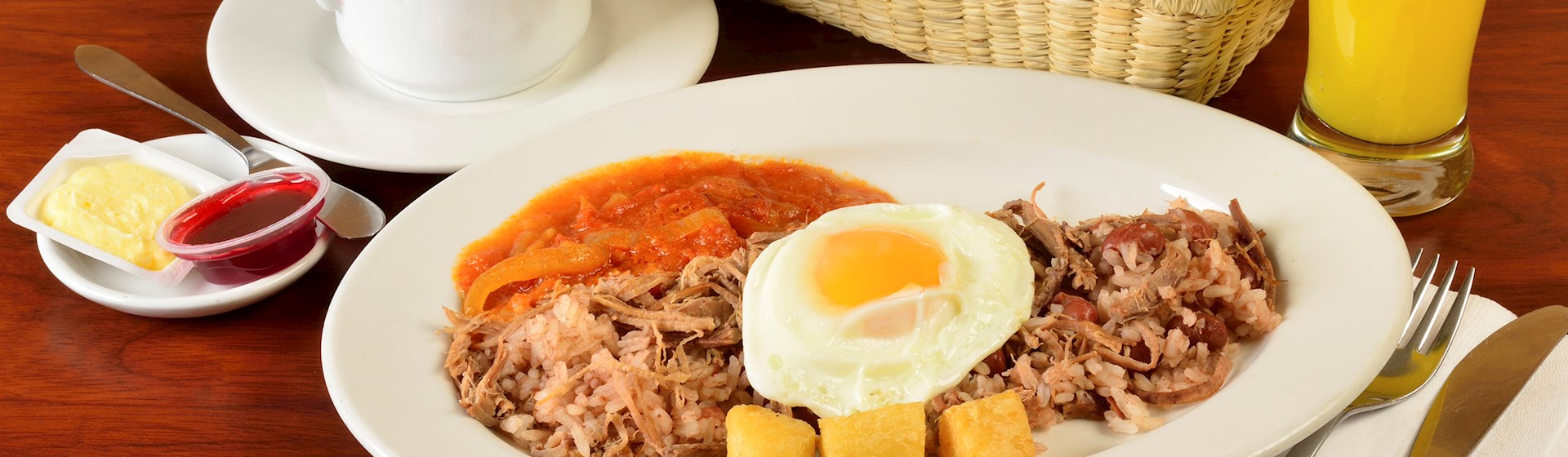
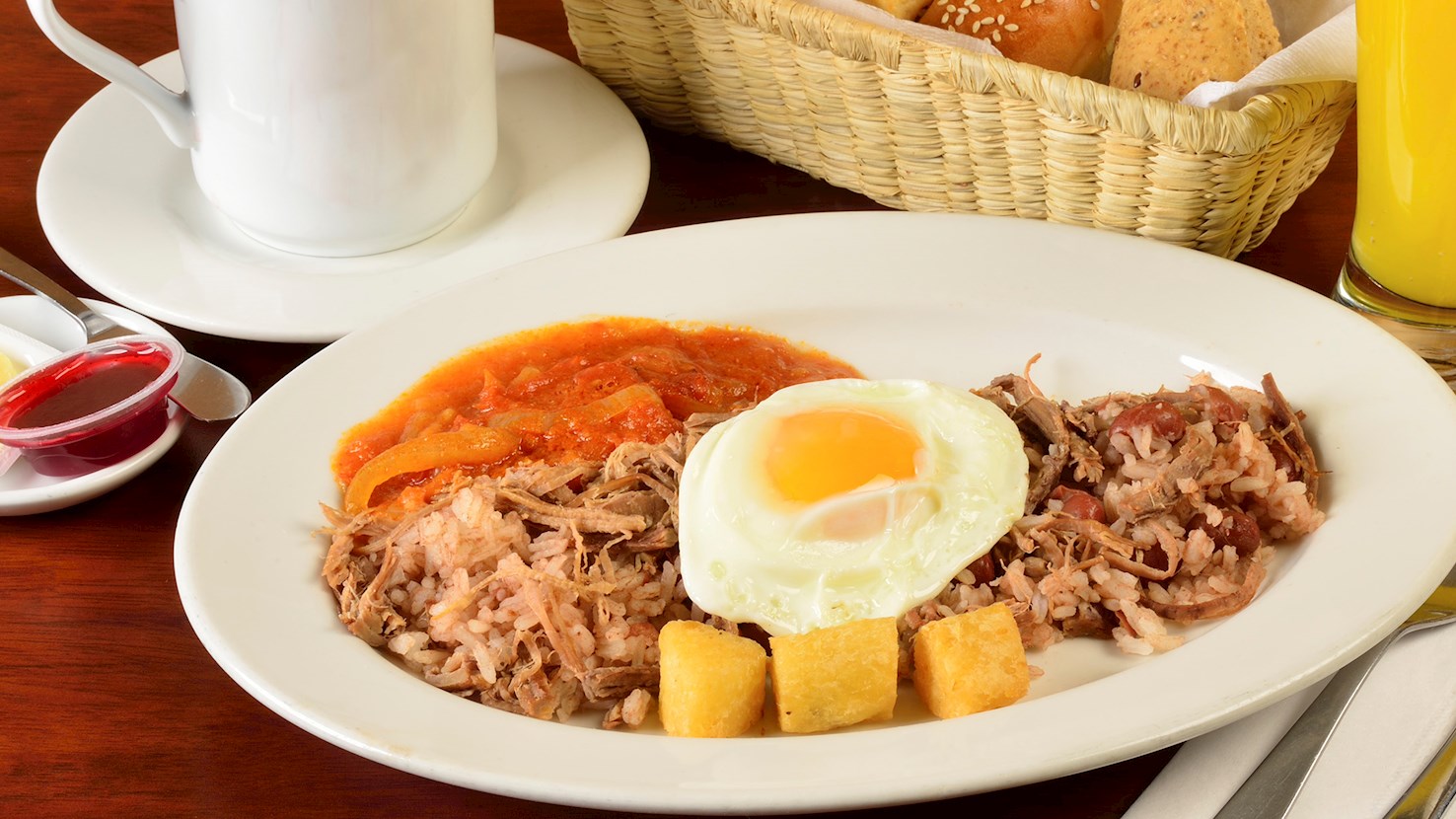
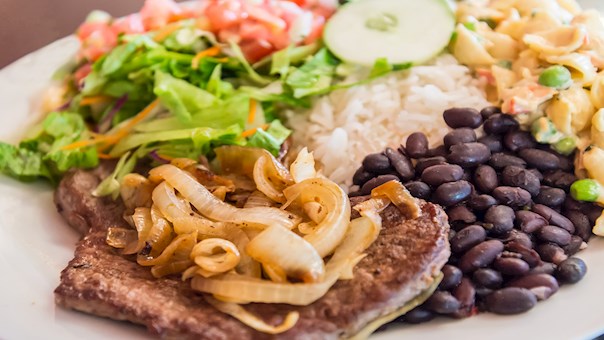
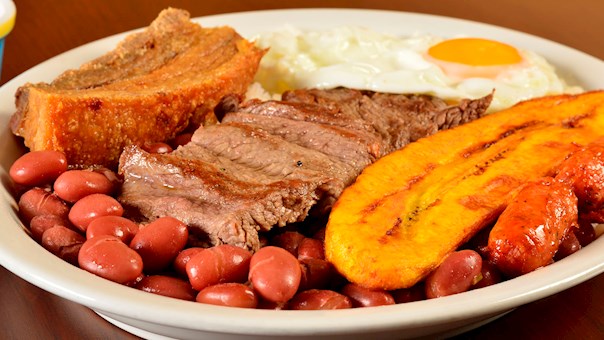
Calentado is a traditional breakfast consisting of last night's leftovers that are simply reheated. It stems from the past, when much of the Colombian population lived in poverty and nothing was wasted. This hearty breakfast usually includes rice, beans, plantains, steak, fried eggs, and arepas. Some people like to add other ingredients as well, such as sausages or chicharrónes. Nowadays, calentado is typically served on weekends due to the sheer amount of food, and it is recommended to serve it with coffee or a cup of hot chocolate on the side. The name calentado means heated, referring to the process of reheating leftovers.
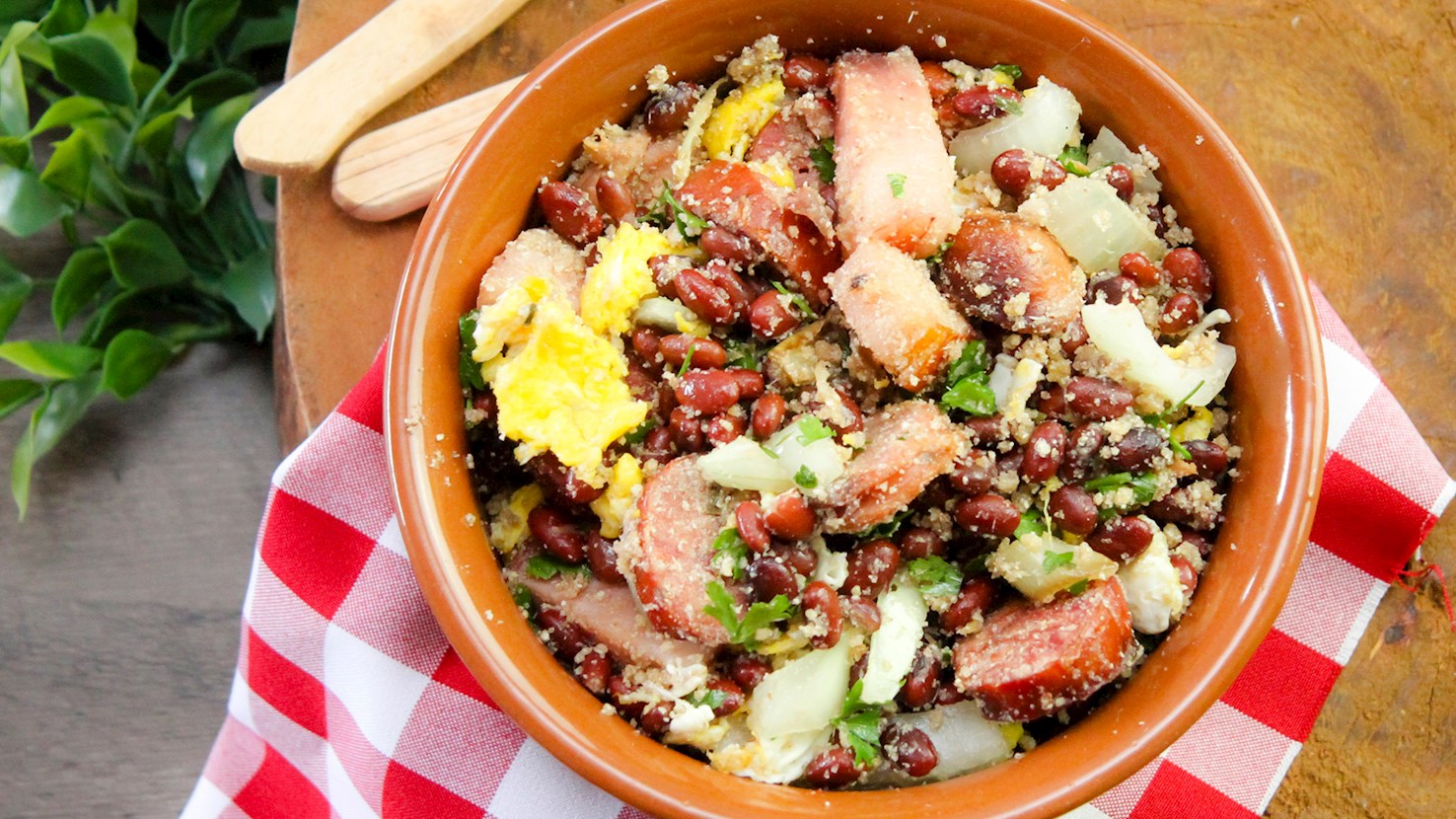
Feijão tropeiro is a traditional dish from the Brazilian state of Minas Gerais. A favorite dish of cattle rangers (tropeiros), it consists of beans that are cooked with salted or dried meat, manioc flour, and various flavorings, herbs, and vegetables. Today, there are numerous variations on the dish, so the type of beans and meat vary from one part of the country to the next. It is believed that the dish was invented during the Brazilian Colonial period, when tropeiros used to sell things while traveling on horses, bringing beans, manioc flour, and dried meat with them on long journeys.
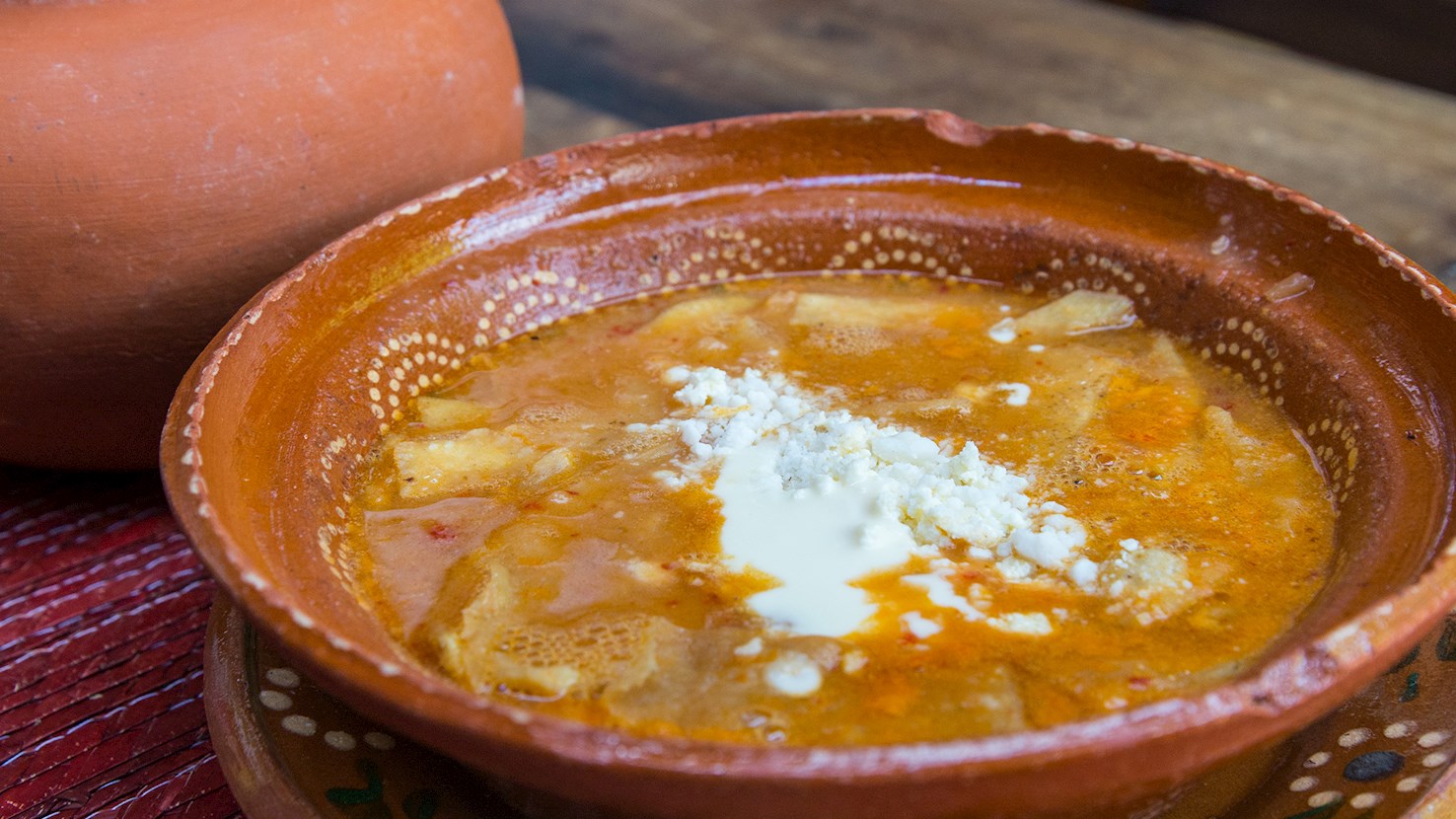
Tarascan puréed bean soup hails from the Mexican state of Michoacán, home of the Tarascan or Purépecha people — one of the major pre-Columbian civilizations of Mesoamerica. Their culture flourished from 1100s to the early 1500s, but by the 1530, Purépecha people had succumbed to the Spanish conquistadors who eventually named them Tarascos, hence the name sopa Tarasca. Apart from the beans — which are usually cooked together with tomatoes in a simple chicken broth — this dish is a great source of both fresh and dried chili peppers, most of which are native to the New World like the smoked pasilla de Oaxaca, which imparts not only a delicate heat but also adds a nice smoky flavor to this hearty soup.
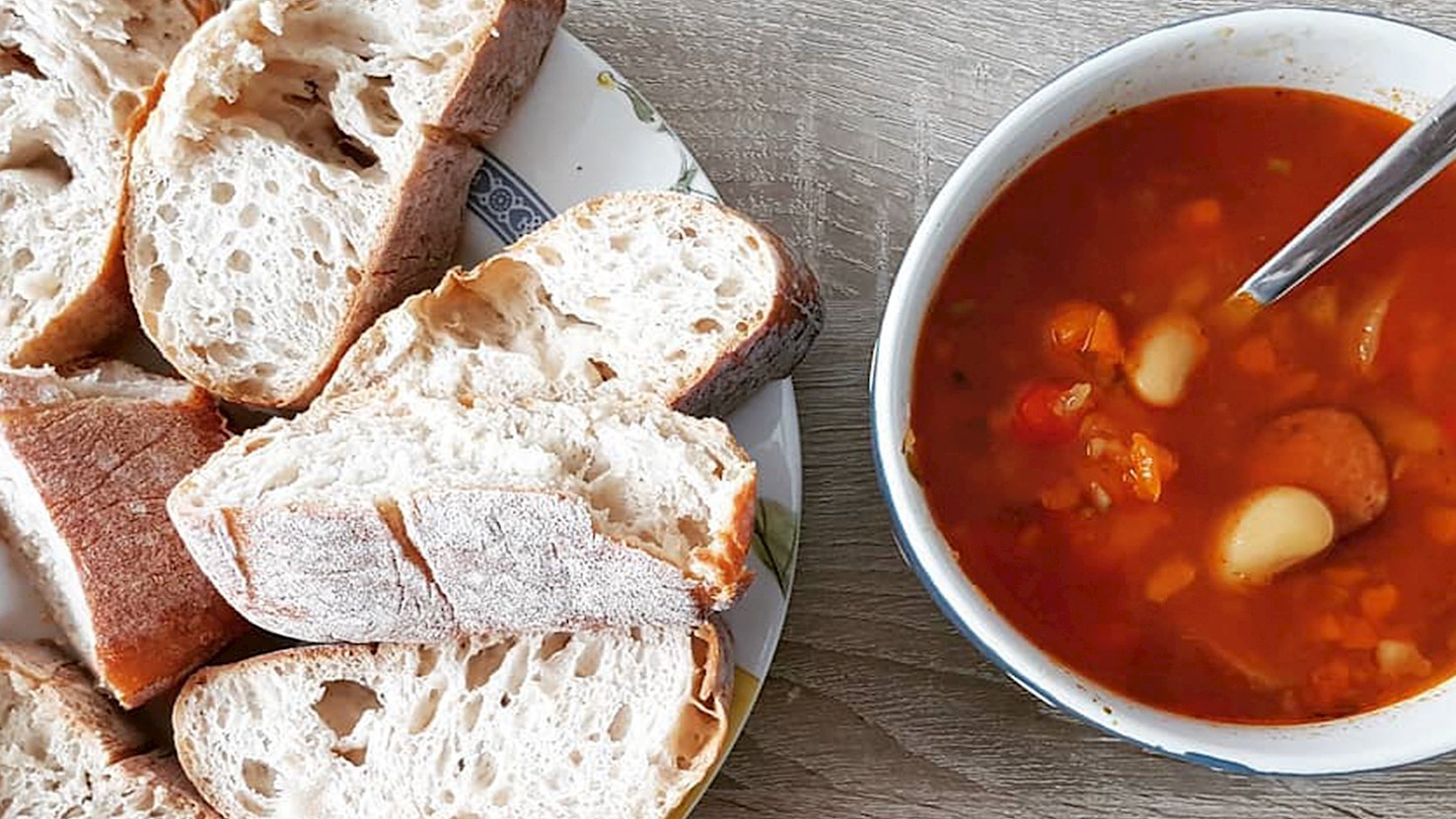
Rich and smoky, this white bean soup with smoked meat is a staple in most Romanian households. It consists of boiled dry white beans enriched with chunks of smoked meat such as pork knuckles or ribs, ham, or bacon, as well as root vegetables. Typical vegetables include celery root, onions, parsley roots, carrots, and bell peppers. The soup is traditionally seasoned with either celery leaves and parsley, lovage, or tarragon. Warm and filling, the soup is perfect for the winter season. It is typically consumed with a salad of red onions, pickled chilis, and slices of fresh bread or thick polenta.
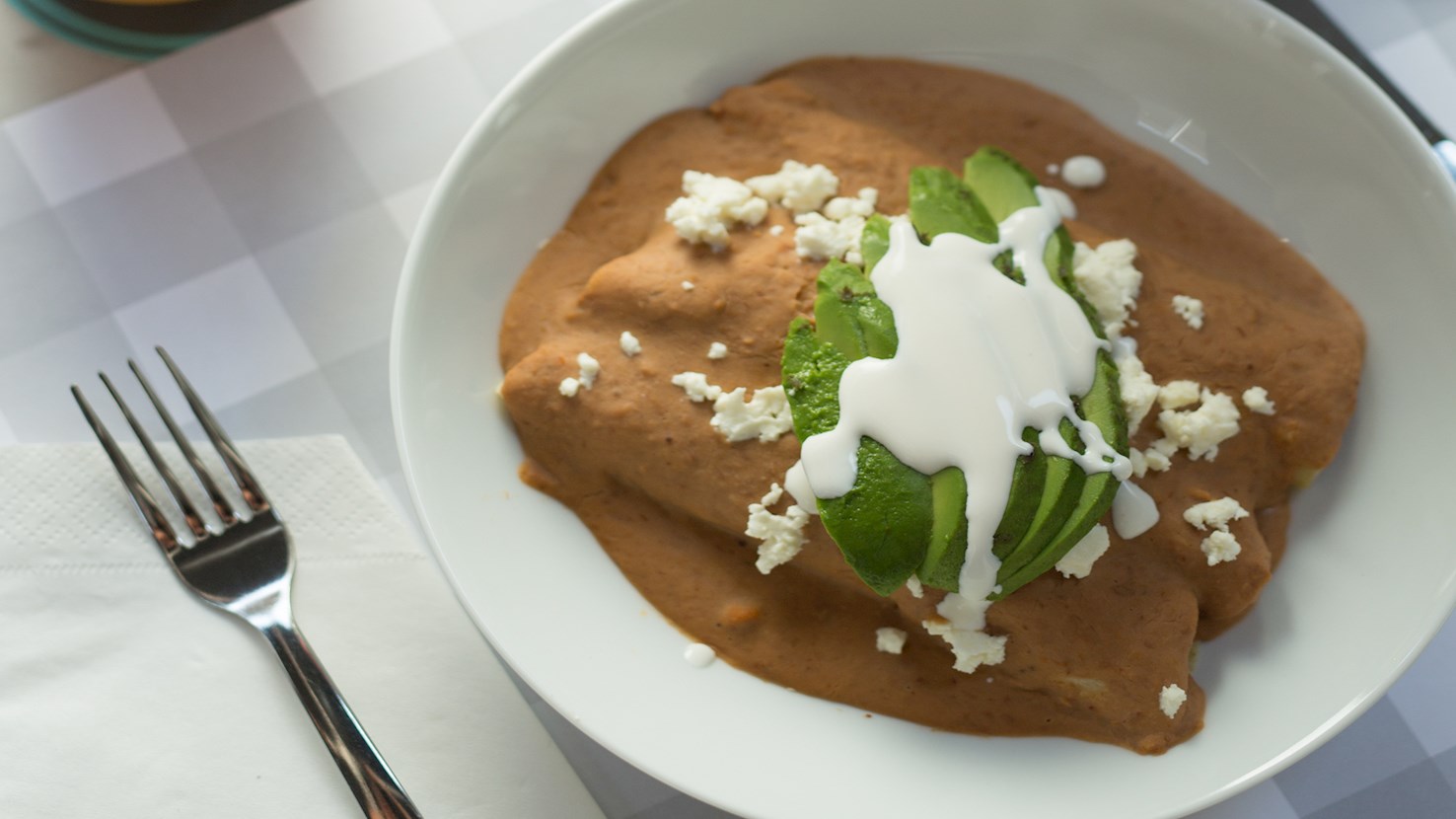
An enfrijolada is a warm, slightly fried corn tortilla heavily saturated in a smooth, savory bean puree, then folded in half or rolled around a central filling. This everyday staple serves primarily as a sustaining breakfast or early-afternoon meal. The history of this combination stretches back centuries across Mesoamerica, serving as a resourceful way to use leftover beans and stale tortillas long before European colonization introduced dairy and domestic livestock to the continent. Putting the meal together starts with the beans themselves, typically dried black or pinto varieties that have been boiled for hours until completely tender. These soft legumes go into a blender along with a splash of their dark cooking liquid, fresh garlic, white onion, and often a toasted dried chili, such as a chipotle or pasilla, for a subtle, smoky background heat. The mixture is pureed until completely smooth, then poured into a wide, hot skillet, where it simmers and thickens to a velvety, gravy-like consistency. While the sauce bubbles, fresh corn tortillas are quickly passed through hot vegetable oil or melted lard. This brief frying step creates a physical barrier that stops the corn from instantly dissolving into mush once it hits the wet sauce. The pliable tortillas are then submerged directly into the hot bean puree, ensuring both sides are thoroughly coated. Once saturated, they are transferred to a flat plate and either folded into simple half-moons or rolled into tight cylinders. A standard filling consists simply of crumbled fresh cheese, though many households and restaurants stuff the center with shredded roasted chicken, spicy crumbled chorizo, or softly scrambled eggs. After arranging three or four of these folded bundles on the plate, a final ladle of the hot bean sauce is poured over the top to ensure no dry spots remain. Customizing the final flavor depends entirely on the garnishes scattered over the wet tortillas right before eating. Heavy drizzles of tangy sour cream and generous handfuls of salty, crumbly white cheese, such as cotija or queso fresco, go directly on top to balance the earthy depth of the beans. Thinly sliced raw white onions, sprigs of fresh cilantro, and wedges of ripe avocado are frequently added to introduce a crisp, bright contrast to the dense, starchy base. Because the hot puree quickly softens the fried corn, the meal must be eaten immediately with a fork and knife.
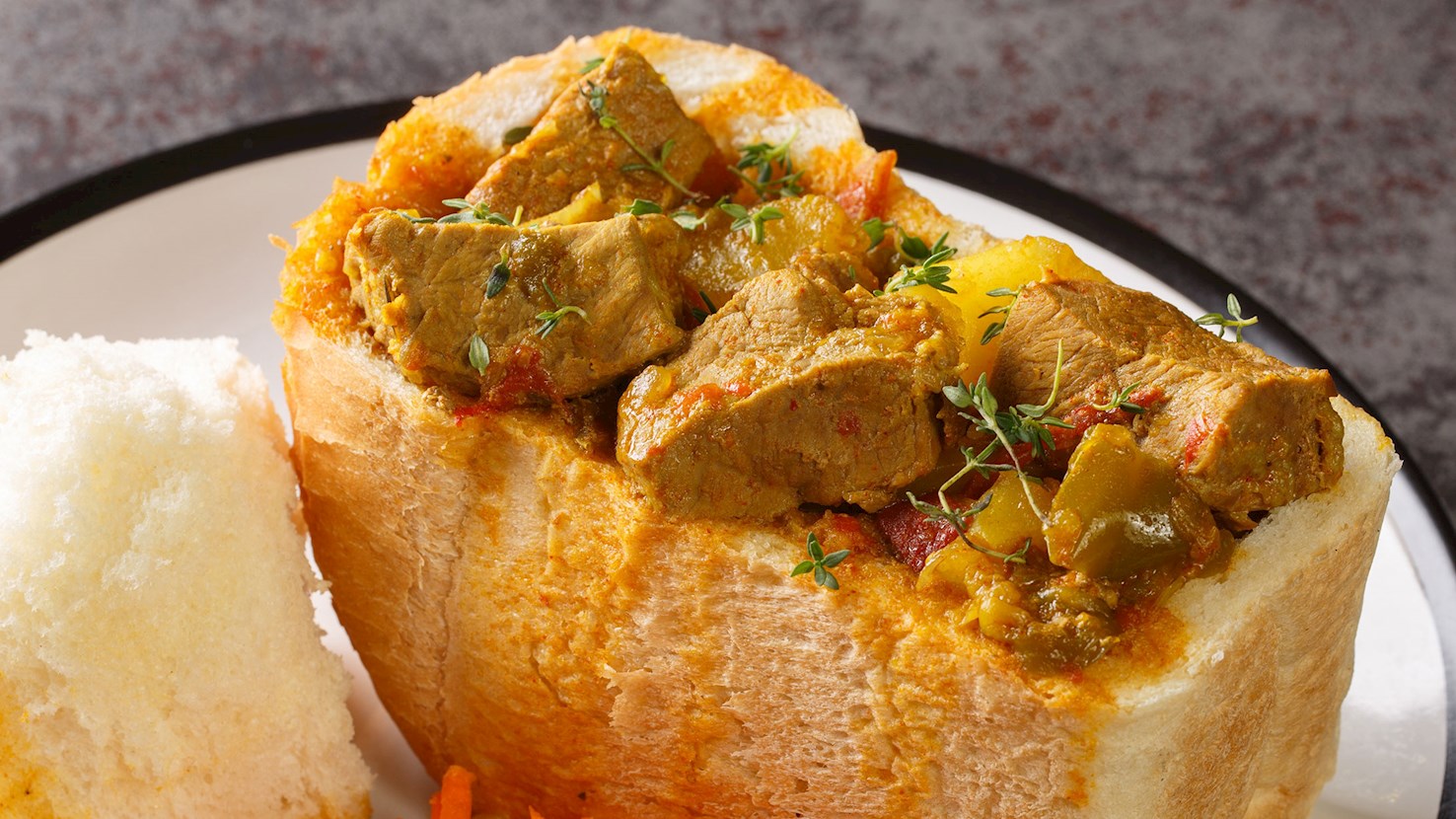
Bunny chow is a substantial fast-food meal made by hollowing out a section of an unsliced white loaf and filling the cavity to the top with hot curry. The bread serves as both container and accompaniment: its soft interior absorbs the gravy, while the surrounding crust holds the filling together long enough for it to be eaten by hand. Bunny chow originated within Durban’s Indian community, most likely during the first half of the twentieth century. The 1940s firmly established it, but no surviving document identifies a single inventor, restaurant, or exact date. Several connect its development with the Grey Street commercial district, plantation workers, golf caddies, factory laborers, and takeaway service during racial segregation. One influential explanation links the meal with Gujarati Bania merchants who operated cafés, grocery shops, and restaurants in Durban. Under this theory, bunny developed from the word Bania, while chow was already used in local English slang for food or eating. The etymology is plausible and widely repeated, but it has never been proved. Other explanations connect the name with buns, bread, or achar, although these are generally considered less convincing. The claim that bunny chow was invented specifically because black factory workers were legally barred from entering Bania restaurants is also difficult to confirm in full. Durban had discriminatory municipal and colonial restrictions long before apartheid became official national policy in 1948, and racial barriers affected where customers could enter, sit, and receive service. One account holds that curry was passed through side doors or back windows in hollowed bread because conventional plates and bowls were impractical for takeaway service. This may have contributed to the format, but it should not be treated as the single documented origin. Another account places the meal among workers who needed a portable lunch for sugar estates, factories, docks, shops, or construction sites. A hollowed loaf was cheap, filling, easy to carry, and required no plate. The bread absorbed curry more effectively than roti, which could soften, tear, and leak during transport. These stories all reflect the meal’s strong working-class roots, even though none can be verified as the sole explanation. Early bunny chows were probably filled mainly with bean curry rather than meat. Broad beans and sugar beans were inexpensive, nourishing, and well suited to long simmering. Meat fillings became increasingly prominent later, with mutton developing into the most celebrated and often most expensive option. The bread must be an unsliced, rectangular white loaf with a soft crumb and a crust strong enough to contain the curry. It is cut vertically into quarters, halves, or occasionally left as a full loaf. A quarter loaf is the standard individual portion, while a half loaf is considerably larger and may be shared. The soft central crumb is pulled out in one substantial piece rather than scraped away completely. Enough bread must remain along the sides and bottom to prevent the gravy from escaping. The removed section is often called the virgin. It is placed over the filled cavity like a lid or served beside the loaf for dipping. The curry must contain enough gravy to soak into the bread but should not be so thin that it immediately destroys the crust. Durban-style curries are usually richly spiced, hot, and cooked until the onions, tomatoes, and potatoes contribute natural thickness. The curry commonly begins with onions fried in oil until soft and browned. Fresh ginger and crushed garlic are added, followed by a spice mixture that may contain turmeric, coriander, cumin, fennel, chili powder, dried chilies, garam masala, or a locally blended curry masala. Whole spices such as cinnamon, cloves, cardamom, star anise, cumin seeds, or bay leaves may also be used. There is no single compulsory spice formula. The spices are briefly fried in hot oil to release their aroma before tomatoes are added. Bone-in mutton, lamb, chicken, beef, beans, lentils, or vegetables then simmer in the seasoned base. Potatoes are especially common because they absorb the curry and release starch as they soften, helping create the thick gravy needed for the bread container. The finished curry is ladled into the hollow loaf while extremely hot. Gravy is added first so that it reaches the bottom and begins soaking into the crumb. Meat, beans, and potatoes follow, with additional gravy poured over the top. The cavity is filled generously, often until the curry rises slightly above the cut edge. The virgin is then placed over or beside it. A beans bunny may contain broad beans, sugar beans, or another dried bean simmered with onions, tomatoes, potatoes, chilies, and spices. Broad beans produce a thick, earthy filling, while sugar beans develop a creamy interior and a reddish-brown gravy. Both remain among the least expensive and most established forms. Mutton bunny chow is widely regarded as the benchmark version. Bone-in mutton is simmered slowly until tender, giving the gravy fat, gelatin, and concentrated meat flavor. Bones can release some marrow when cut or cracked, but marrow is not the only source of the curry’s richness. Potatoes are usually added late enough to retain their shape while still thickening the sauce. A well-filled order should include a fair distribution of meat rather than mainly bones, potatoes, and gravy. Chicken provides a quicker and somewhat lighter filling. Bone-in chicken contributes more flavor, while boneless pieces are easier to eat inside the loaf. Beef, lamb, tripe, trotters with beans, dhal, mixed vegetables, chickpeas, and fish also appear, along with modern versions containing cheese, mince, or other additions. The bread container remains essentially unchanged regardless of the filling. Portion size and filling are often combined into a compact order. A quarter mutton means one-quarter of a loaf filled with mutton curry, while quarter beans indicates the same amount of bread with bean curry. A half mutton or half beans uses half a loaf. Full-loaf versions exist but are unusually large and often intended for sharing. Bunny chow is best eaten soon after filling. Resting for a few minutes allows the gravy to enter the crumb, but a long delay can make the walls excessively soft and cause the loaf to split. Earlier takeaway versions were often wrapped in newspaper, while modern shops usually use cardboard boxes or other containers that support the bread and retain heat. Eating it by hand is typical, although using a fork or spoon is not forbidden. The virgin is torn into pieces first and dipped into the curry. As the level of the filling drops, sections of the gravy-soaked inner walls are pulled away and used to scoop up meat, beans, potatoes, and sauce. The firmer outer crust is eaten last. The bread must be handled carefully as it softens. Metal utensils do not automatically cause the structure to collapse, but vigorous cutting can puncture the soaked base or split the side walls. Tearing the bread gradually from the top downward keeps the remaining section intact and allows the curry to stay contained. Bunny chow is frequently accompanied by sambal, a sharp raw salad that cuts through the fat and chili heat of the curry. One common version combines grated carrot, sliced onion, chopped green chilies, salt, and white vinegar. Tomato, cucumber, cabbage, coriander leaves, lemon juice, or sugar may also be added. The exact mixture varies from one shop to another. Mango pickle, lime pickle, mixed vegetable achar, or other sour condiments may be served alongside the sambal. These additions provide acidity, salt, and crunch against the soft bread and dense gravy, although a well-made bunny can also be served without any side.
Tutu de feijão is a traditional dish originating from the region of Minas Gerais. The dish is made with a combination of puréed beans (traditionally black beans) and cassava flour that's used as a thickening agent. Other ingredients used in the dish include onions, garlic, olive oil, parsley, and bay leaves. Although there are many variations on the dish, it's usually served accompanied by pork sausages, rice, eggs, or sometimes kale.
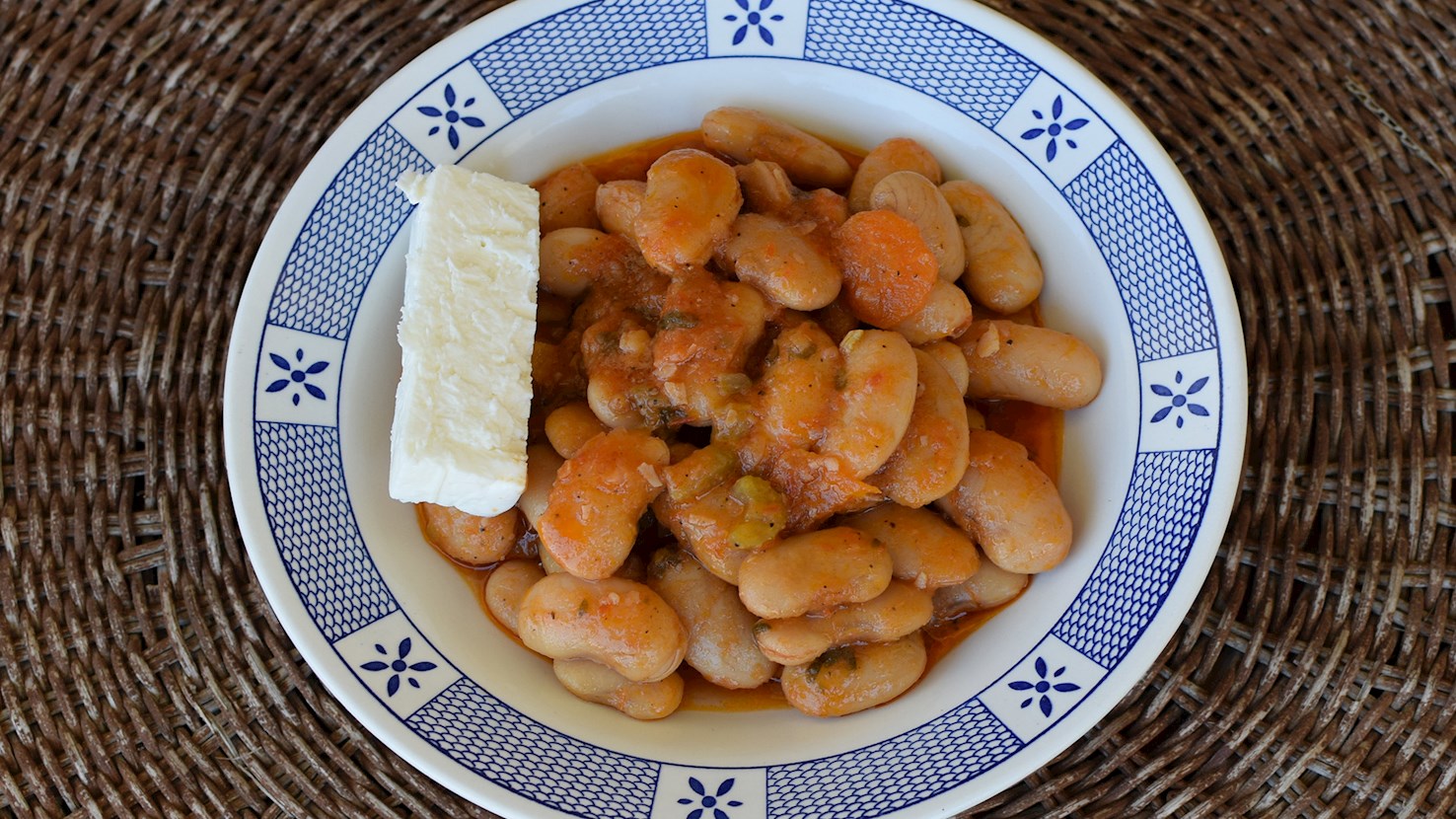
This Greek classic consists of large white beans that are cooked and then baked in a flavorful tomato sauce, which is usually seasoned with various herbs such as oregano, parsley, and mint. The dish calls for the use of fasolia gigantes, an authentic Greek variety of beans characterized by their large size, hence the name (gigantic). Gigantes plaki can be enjoyed as the main course, but it is also a common meze dish that is best served with bread on the side.
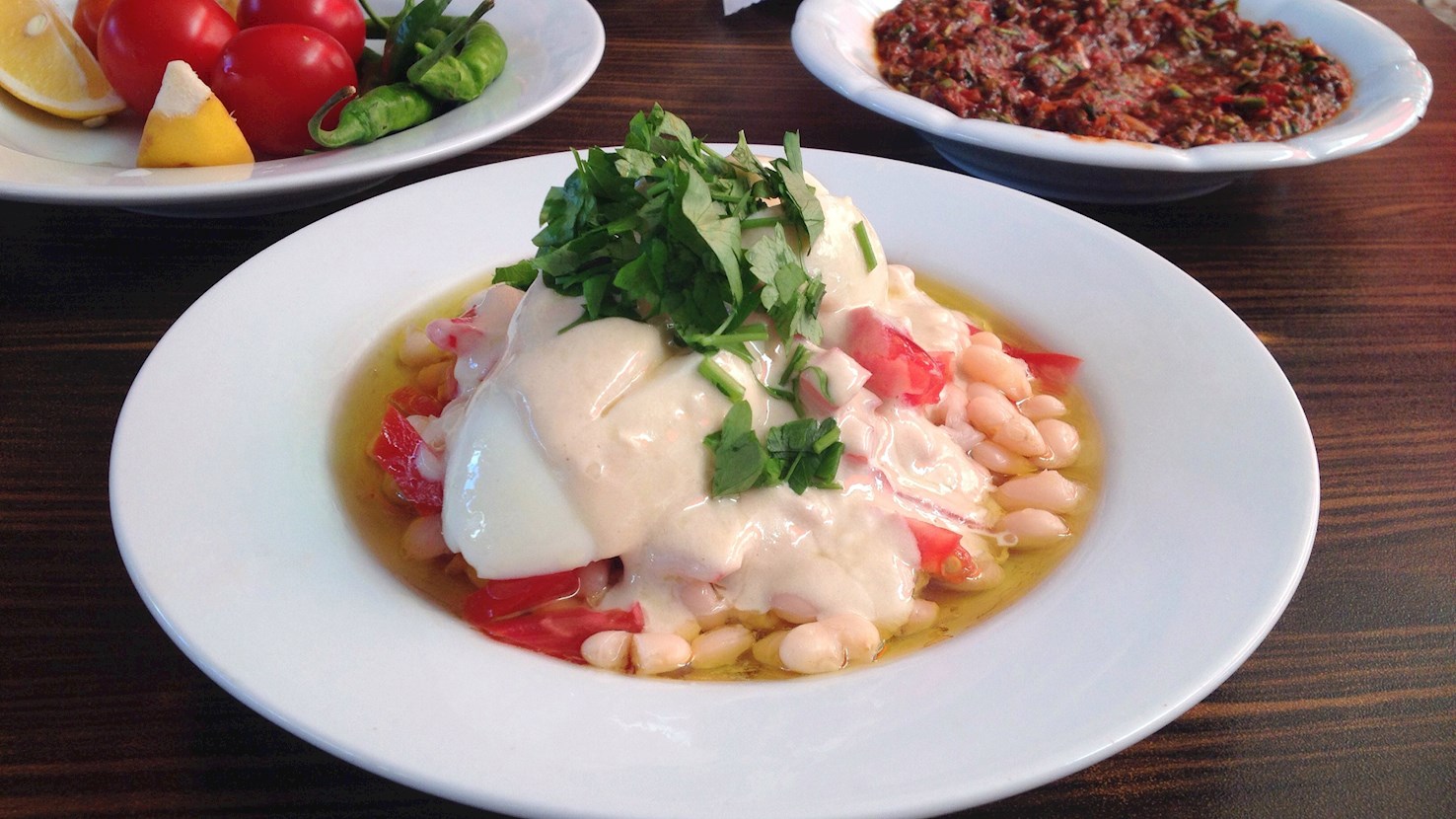
Piyaz is a traditional salad. In most of the country, it's a general term for a dish of dried beans, parsley, onions, and sumac. In Antalya, however, piyaz also contains a rich and smooth sauce consisting of tahini, lemon juice, and vinegar. The beans are topped with the sauce, and the dish is usually dressed with chopped tomatoes, sliced onions, hard-boiled eggs, olive oil, and parsley. Piyaz is often eaten as an accompaniment to köfte and similar grilled meats, but it can also be included in a meze selection.
TasteAtlas food rankings are based on the ratings of the TasteAtlas audience, with a series of mechanisms that recognize real users and that ignore bot,
nationalist or local patriotic ratings, and give additional value to the ratings of users that the system recognizes as knowledgeable.
For the “100 Best Rated Dishes with Beans” list until August 17, 2026, 1,026,063 ratings were recorded, of which 678,656 were recognized by the system as legitimate.
TasteAtlas Rankings should not be seen as the final global conclusion about food. Their purpose is to promote excellent local foods,
instill pride in traditional dishes, and arouse curiosity about dishes you haven’t tried.










What People Say