

shutterstock

100 Best Rated
Dishes with Cabbage

Last updated on May 22, 2026
01

Zhēngjiǎo

4.6 ·

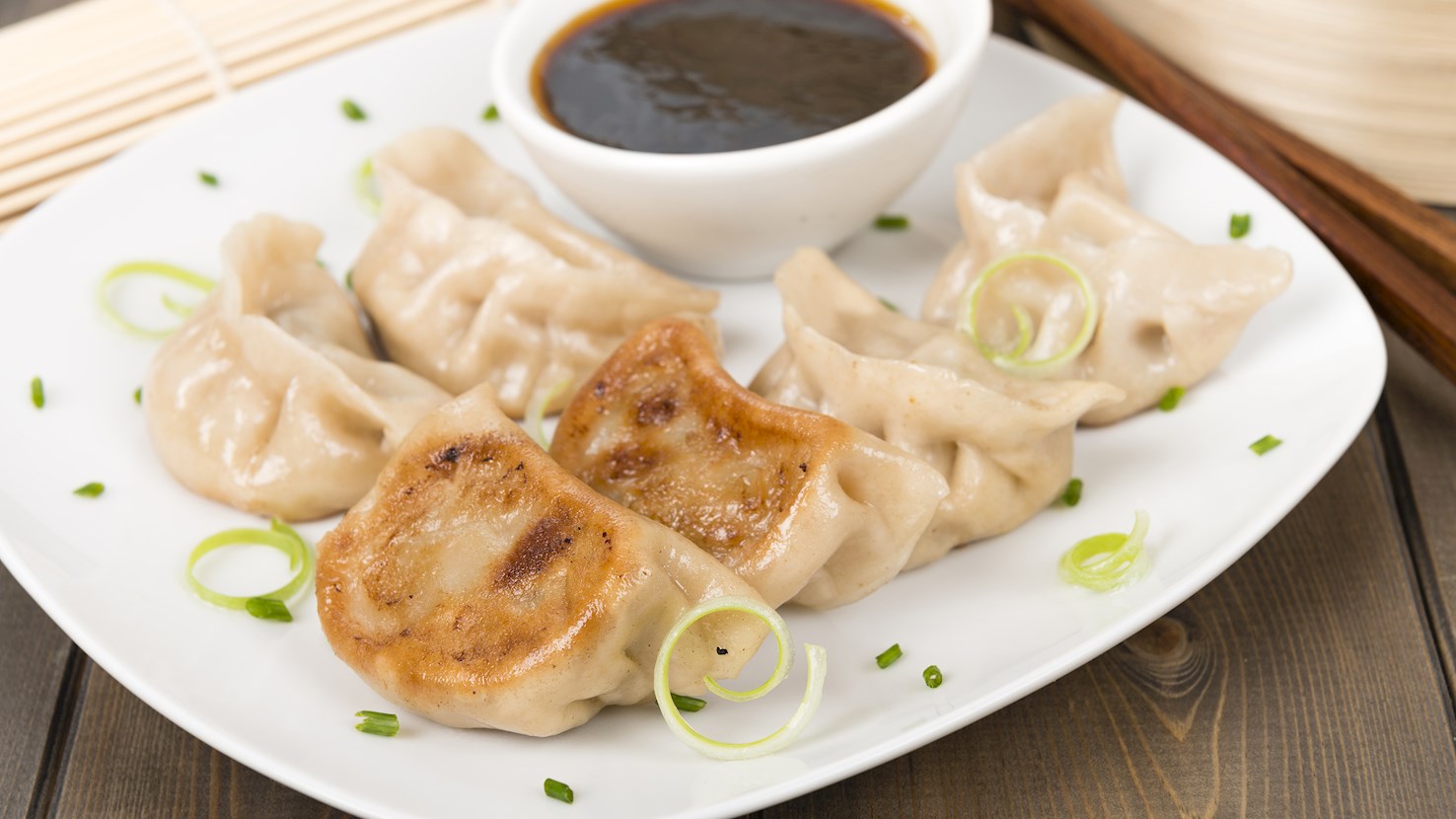
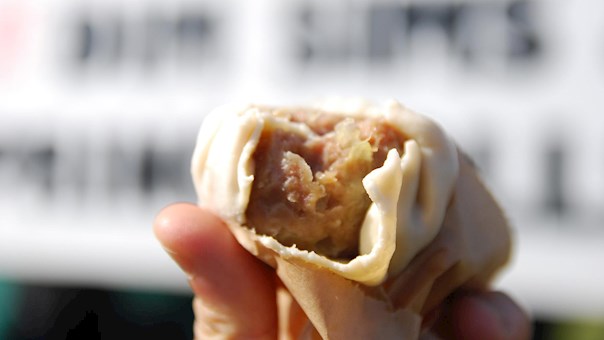
Zhēngjiao is a traditional dish consisting of steamed dumplings. The texture is somewhere between the crinkly and tender skins of boiled dumplings (shui jiao) and the crisp-bottom, chewy top style of pan-fried dumplings (guo tie or jian jiao or potstickers). Once steamed, these dumplings will have a translucent wrapper covering the filling, which usually consists of pork and chives, cabbage, shrimp, or a combination of different vegetables. When served, zhēngjiao dumplings are often served with soy dipping sauce on the side.

Best restaurants
02

Hamamatsu gyoza

4.5 ·

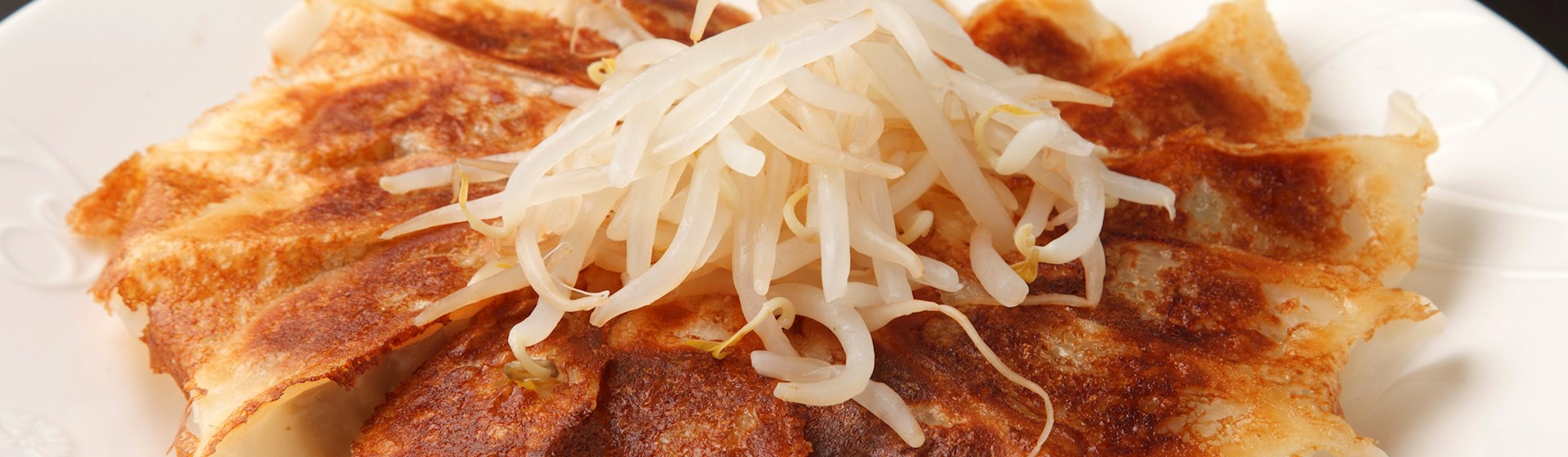
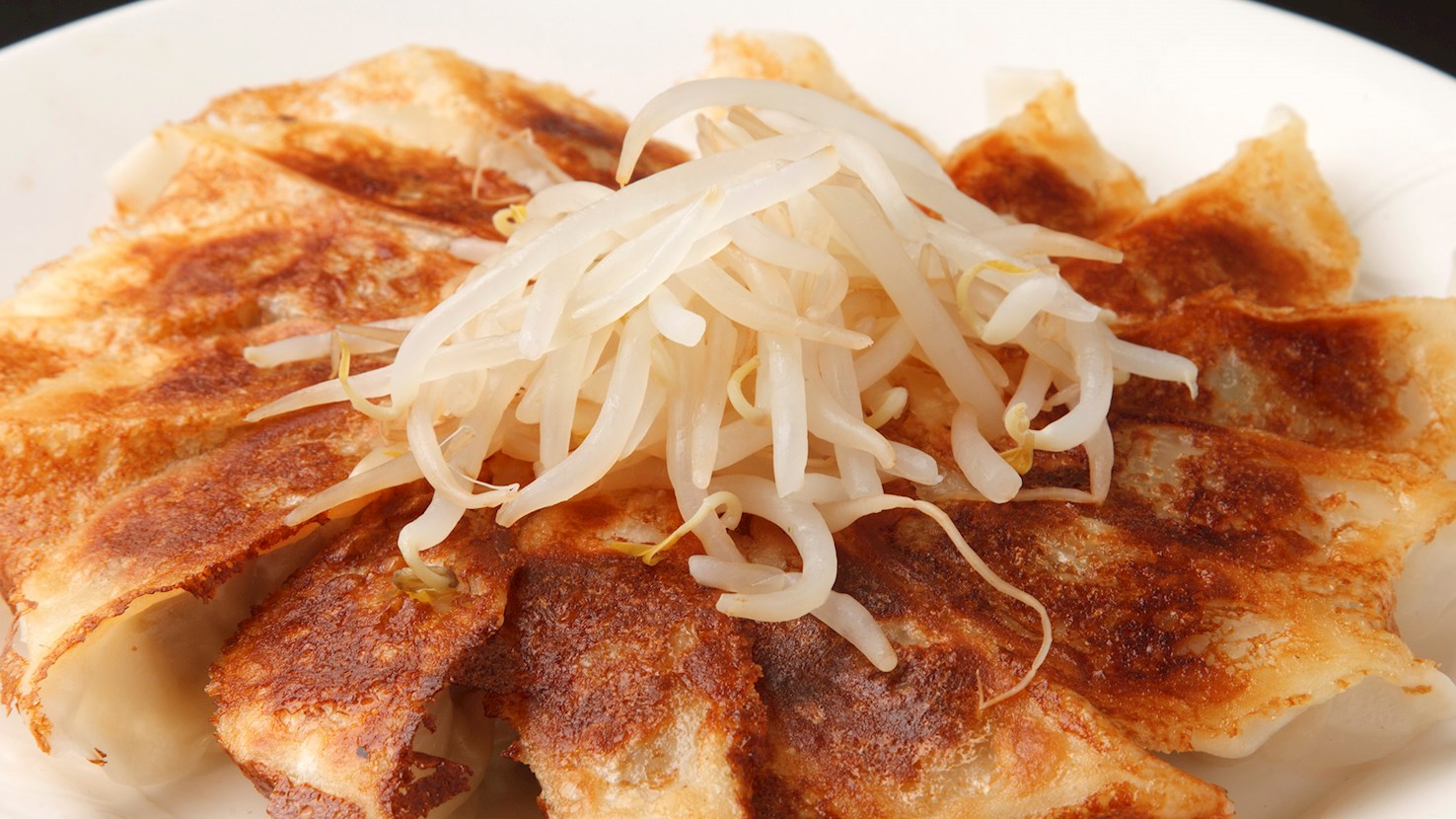
Hamamatsu is a popular variety of Japanese gyoza filled with cabbage, onions, pork, and selected seasonings. It is characterized by a unique frying style in which cooks arrange gyoza in a circular pattern (hanetsuke, a technique in which a crispy bottom connects all the gyozas) so that they can fry as many snacks as possible at the same time. It is very popular to pair Hamamatsu gyoza with a topping of bean sprouts.

Best restaurants
03

Niúròu miàn (Beef noodle soup)

4.3 ·

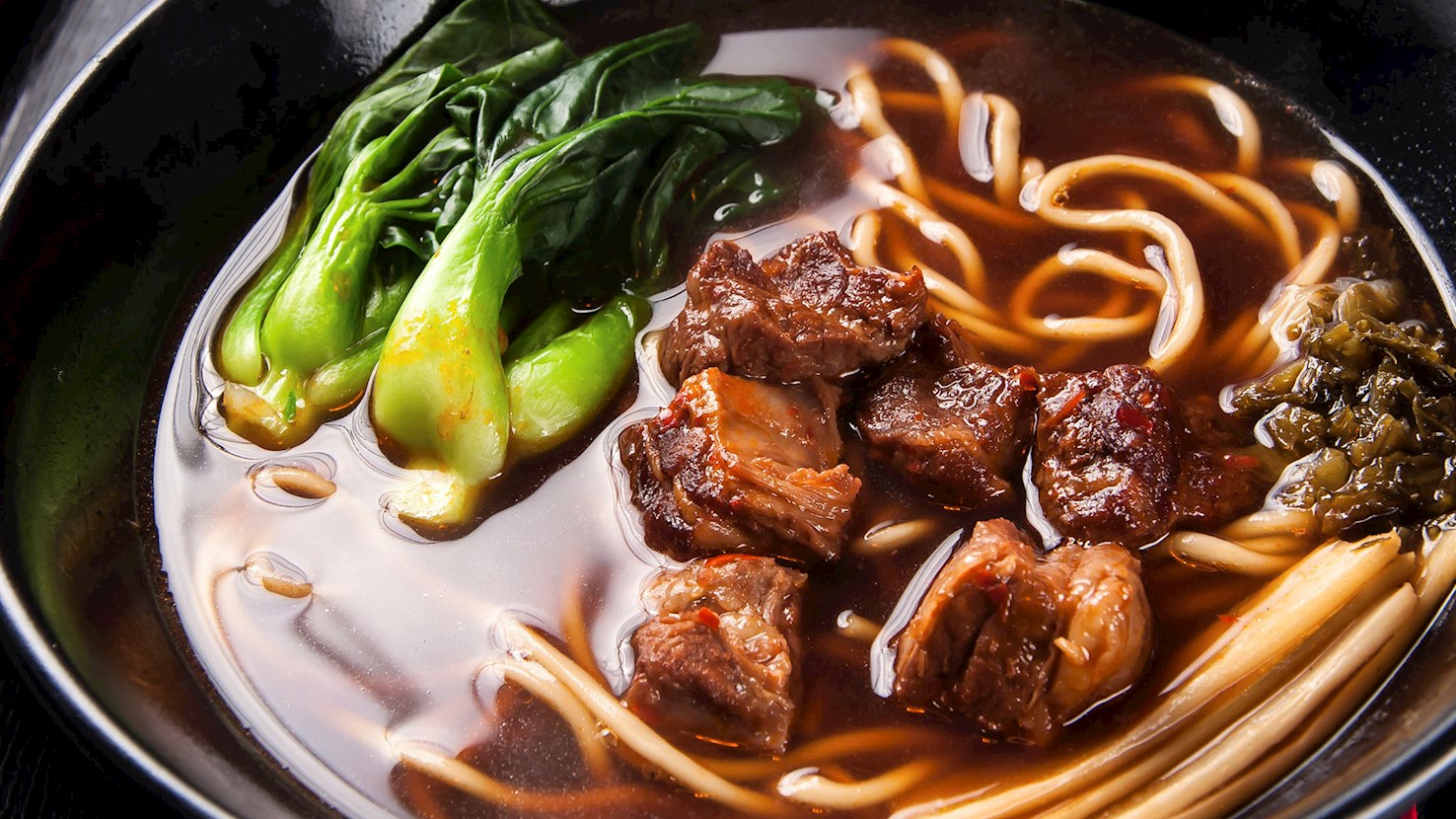
The savory, spicy beef noodle soup is the national dish of Taiwan and the source of immense pride for the locals. The dish is an ideal winter comfort food, typically consisting of beef, broth, vegetables, noodles, and spices. Beef noodle soup has a great Sichuan influence dating back to the 1940s, when China was in civil war and many Chinese people moved to Taiwan, creating this cross-provincial dish and incorporating chili bean sauce and Sichuan peppercorns into it along the way. Variations are endless when making this long-simmering stew, and in Taiwan, there are numerous side dishes to accompany it, such as seaweed and braised dried tofu. Today, there is even an annual Beef Noodle Festival held in Taipei, where various restaurants and cooks compete for the prestigious title of Best Beef Noodle.

04

Dak Galbi

4.3 ·

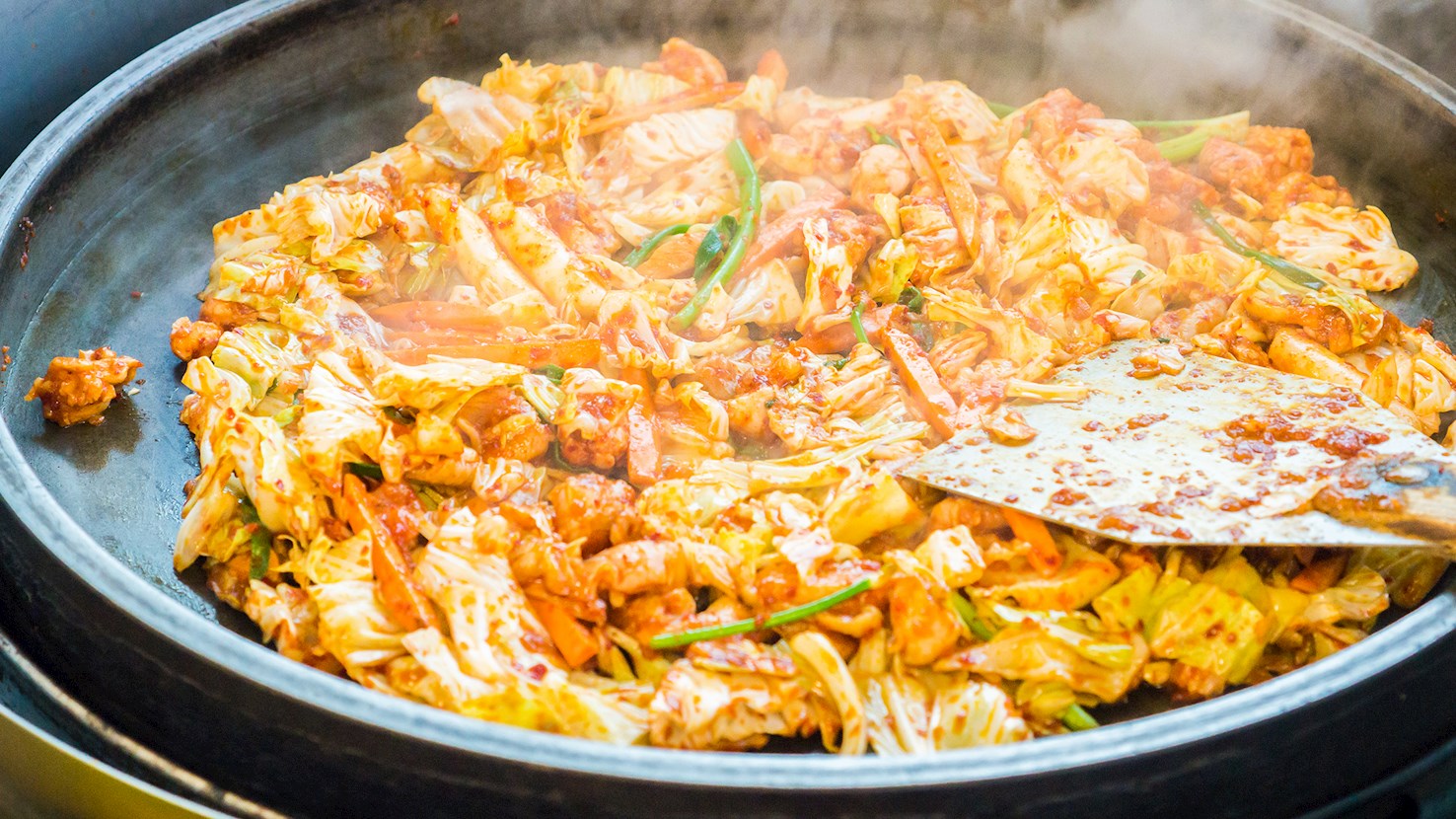
Dak galbi is the South Korean variety of stir-fried chicken. It is a communal dish that's cooked tableside, on large cast iron skillets. Typical elements in dak galbi include various chicken cuts, cabbage, tteok rice cakes, carrots, chili peppers, and sweet potatoes. When served in restaurants, the server will bring all the ingredients and cook the dish for the guests. Occasionally, perilla leaves are incorporated into dak galbi, but the final addition is always a generous amount of spicy sauce made with spicy chili paste, chili flakes, soy sauce, garlic, ginger, and onions. It is put on top of dak galbi and mixed until all the elements are completely coated in it. At the end of the meal, when there is still some food left in the skillet, a common tradition is for the server to add rice into the skillet and create an unusual variety of fried rice. Several vegetable side dishes are usually served alongside dak galbi, and lettuce or perilla leaves are occasionally used instead of utensils as crunchy wrappers. Dak galbi is now considered a Korean classic, but it originated as a frugal dish in the 1960s. Since then, it has spread from Chuncheon to other parts of South Korea. Although it can be prepared at home, it is typically eaten in specialized dak galbi restaurants.

05

Zelnik (Banitsa with cabbage)

4.3 ·

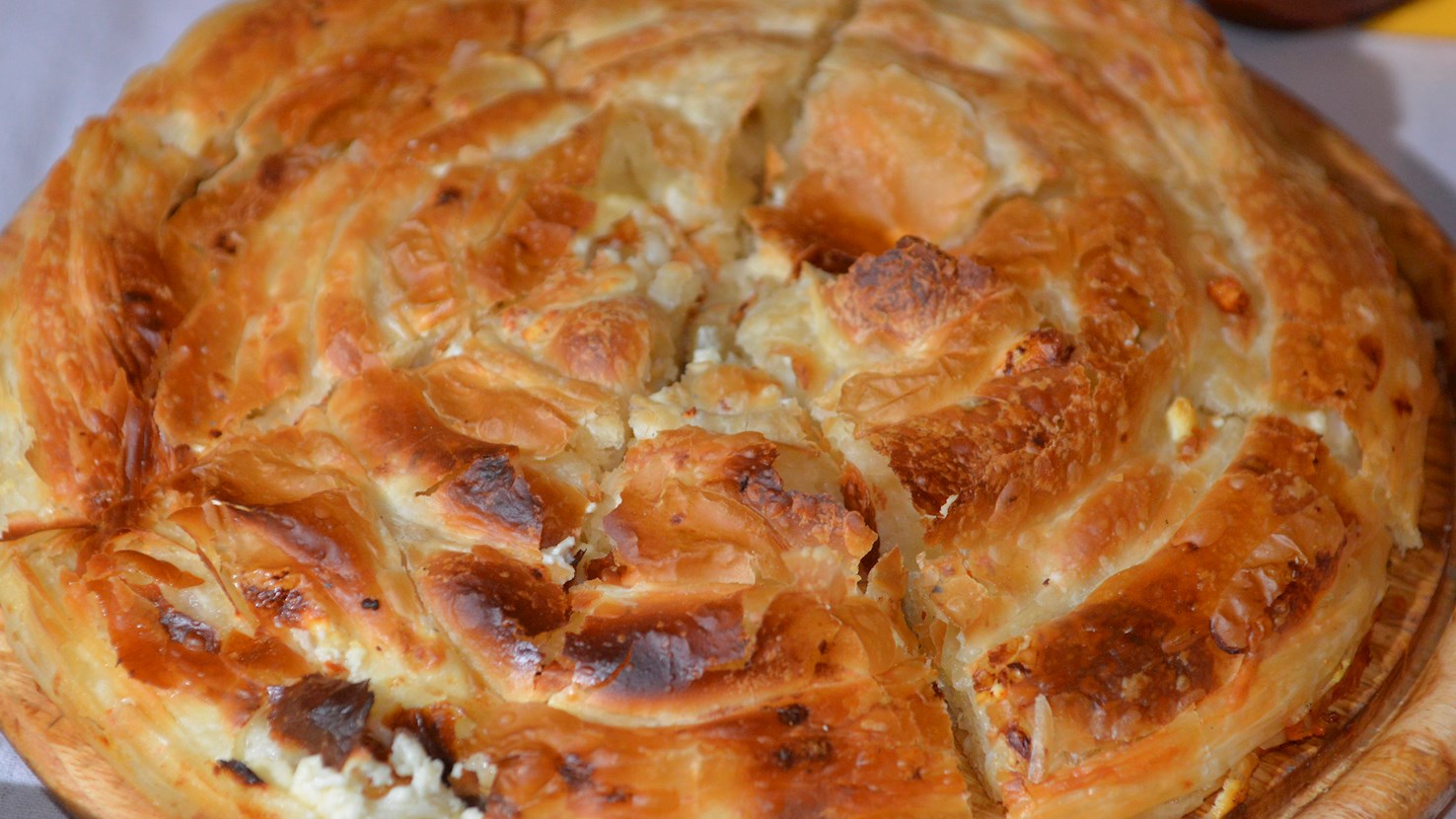
Zelnik is a traditional North Macedonian pie that can be filled with a variety of different ingredients such as cheese, spinach, eggs, meat, leeks, or cabbage. For the best result, zelnik should be brushed with butter and oil before baking, so that the pie develops a golden-brown color. Zelnik is best when served warm, and it is recommended to pair it with a glass of yogurt.

06

Sarma

4.2 ·

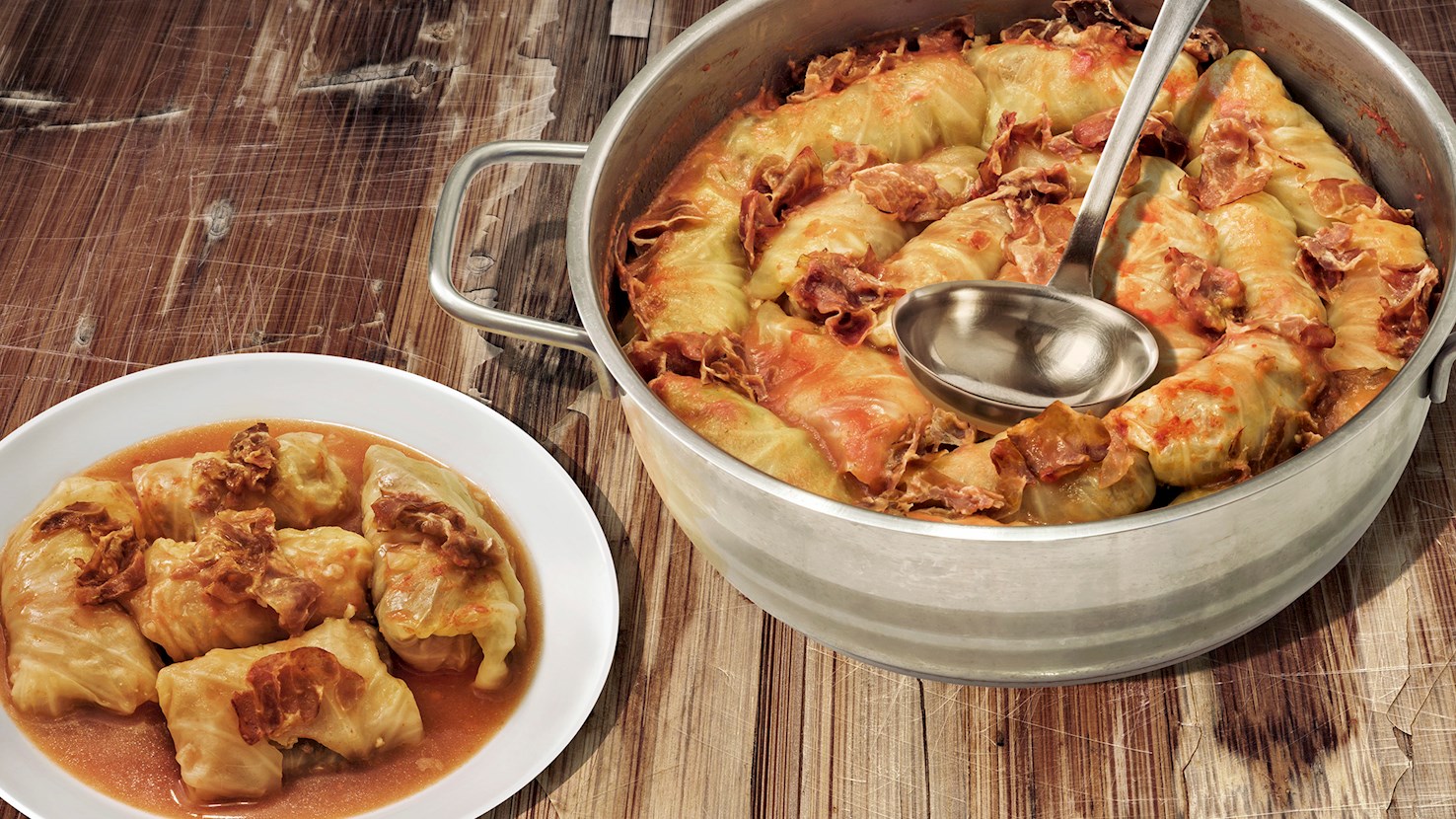
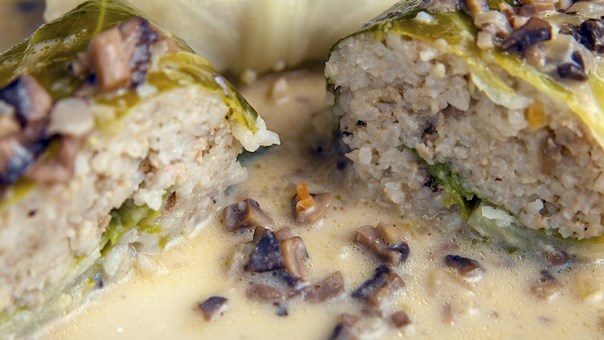
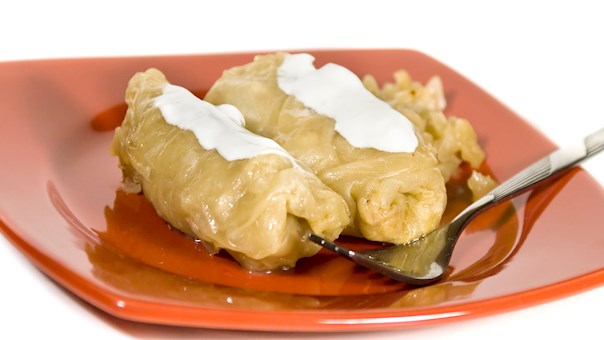
One of the staples of traditional Turkish cuisine, sarma consists of a filling that is snugly surrounded by leaves or leafy vegetables. There are numerous versions of this dish but the mixture typically combines ingredients such as minced meat, rice or bulgur, various herbs, seasonings, red pepper, paprika, ground sumac, or tomato sauce, while the typical wrapping usually includes vine, cabbage, or sauerkraut leaves, or a variety of leafy vegetables such as collard greens and swiss chard. Having its roots in the Ottoman Empire, sarma is also traditionally consumed in the Balkans, the countries of Central Europe, the South Caucasus, and the Middle East. Although it is commonly enjoyed as a filling lunch or dinner (typically during the winter season), sarma is often prepared on special occasions and holidays. The dish is usually accompanied by plain yogurt, mashed potatoes, and crusty bread on the side.

07

Huíguōròu (Twice-cooked pork)

4.2 ·

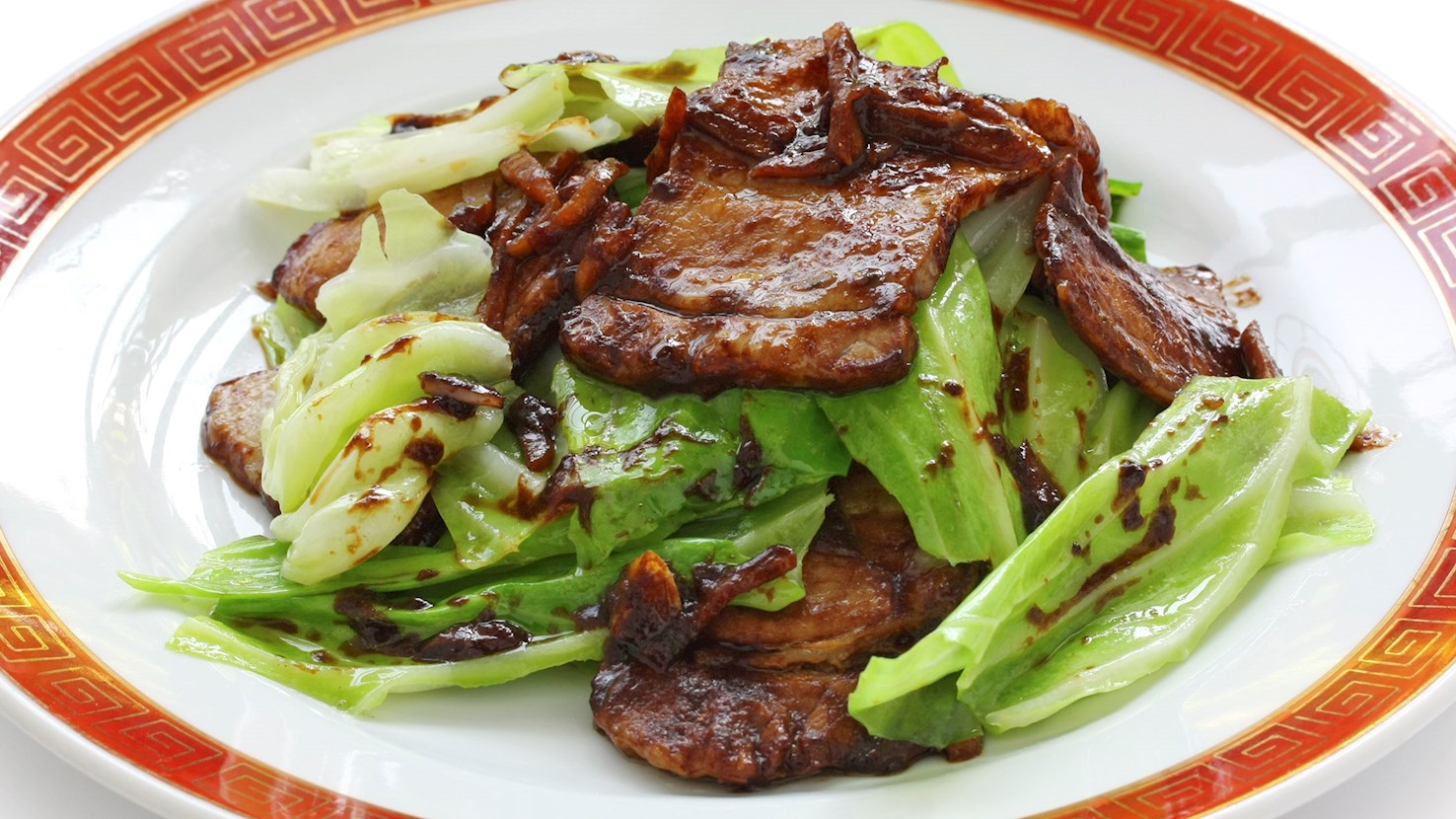
Twice cooked pork is a Sichuan specialty prepared by cooking fatty pork leg or belly (with the skin intact) in two different ways. Pork is first simmered in a pot and cooled in the refrigerator in order for the meat and fat to firm up. After that, the meat is sliced and stir-fried with vegetables such as cabbage, bell peppers, leeks, and mushrooms until it develops a brown color and the skin gets crispy on the edges. Ingredients may vary from one cook to another, but most of them add a sauce made with rice wine, soy sauce and various other condiments to the wok along with meat and vegetables. It is believed that the dish was invented during the Song Dynasty period by a poet who was preparing a pork dish for his friend. He cooked the meat in a pot and forgot about it, and when he returned, he saw that the liquids had evaporated, and the meat was sizzling in its own fat, thus a new dish was created. Today, the people of Sichuan traditionally have a feast on every 1st and 15th lunar month, where twice cooked pork is prepared as the main star of the festivities.

08

Thüringer Klöße

4.2 ·

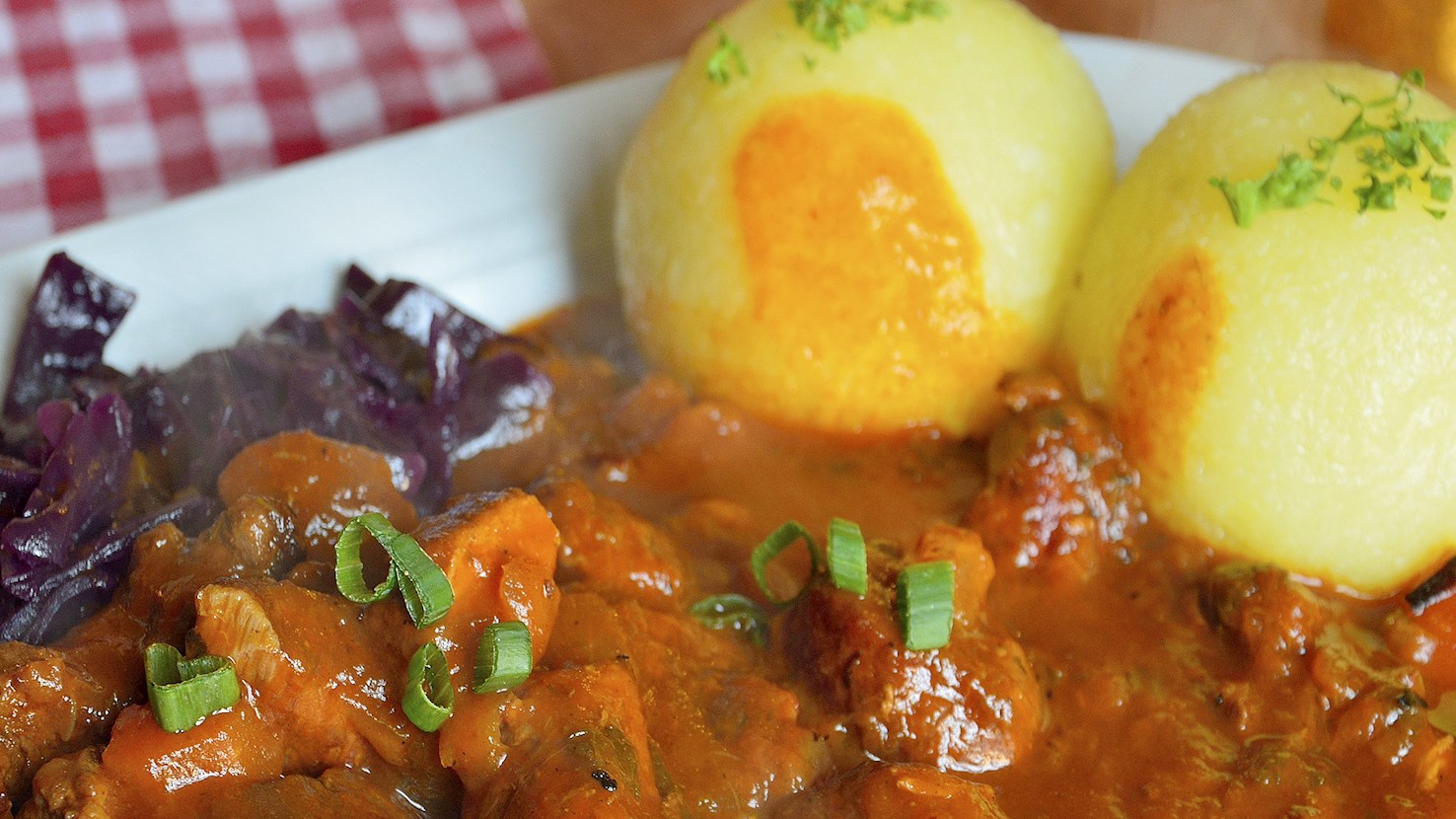
A quintessential specialty hailing from Thuringia, Thüringer klöße is a simple potato dumpling that consists of a mixture of grated raw potatoes and mashed cooked potatoes filled with crunchy cubes of bread. The dumplings are typically cooked in simmering water, but they can also be lightly browned in butter for extra flavor. These traditional Thuringian potato dumplings are a great accompaniment to a variety of German meat delicacies, and they are often served with dishes such as meat roulades, roasted meat, stuffed cabbage rolls, red cabbage, or sauerkraut. Large and perfectly rounded, these German potato dumplings used to be prepared on Sundays and were once considered to be food for the poor. In Heichelheim, there is a Thuringian Dumpling Museum (Thüringer Kloßmuseum) that honors these dumplings. Nowadays, Thüringer klöße are a staple of numerous traditional restaurants in the region.

09

Muthia

4.1 ·

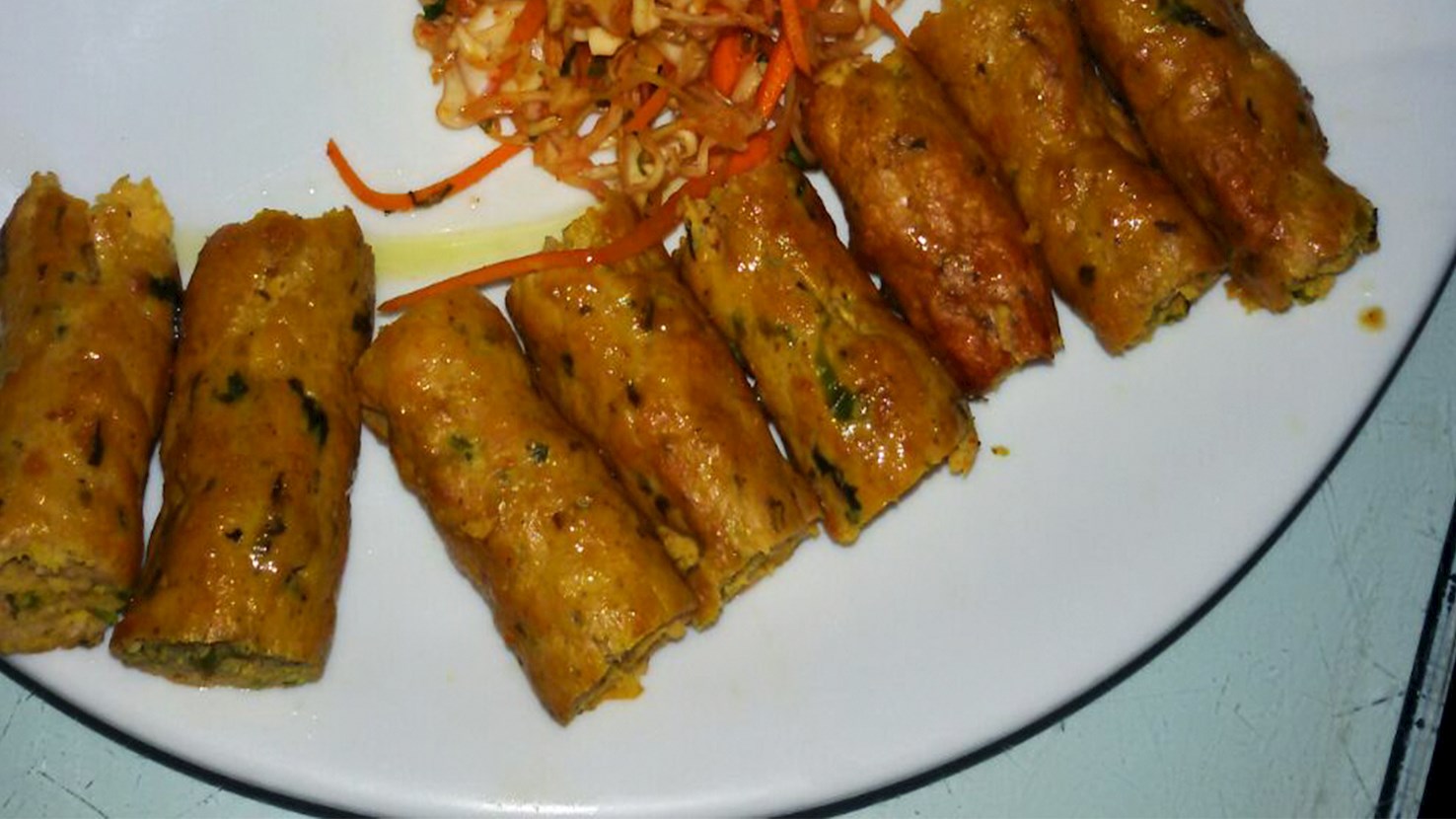
Muthia is an Indian dumpling or a fritter consisting of chickpea flour, turmeric, chili powder, fenugreek, and salt. Sometimes, the combination is additionally bonded together with oil, or sweetened with sugar. Once shaped, muthia can be either fried or steamed, depending on personal preferences. Although this is a Gujarati staple, there are many varieties of muthia, made with spinach, cabbage, or gourds. Whether steamed or fried, muthia is typically garnished with mustard seeds, sesame seeds, and chopped coriander.

Best restaurants
10

Hiroshima-Style Okonomiyaki

4.1 ·

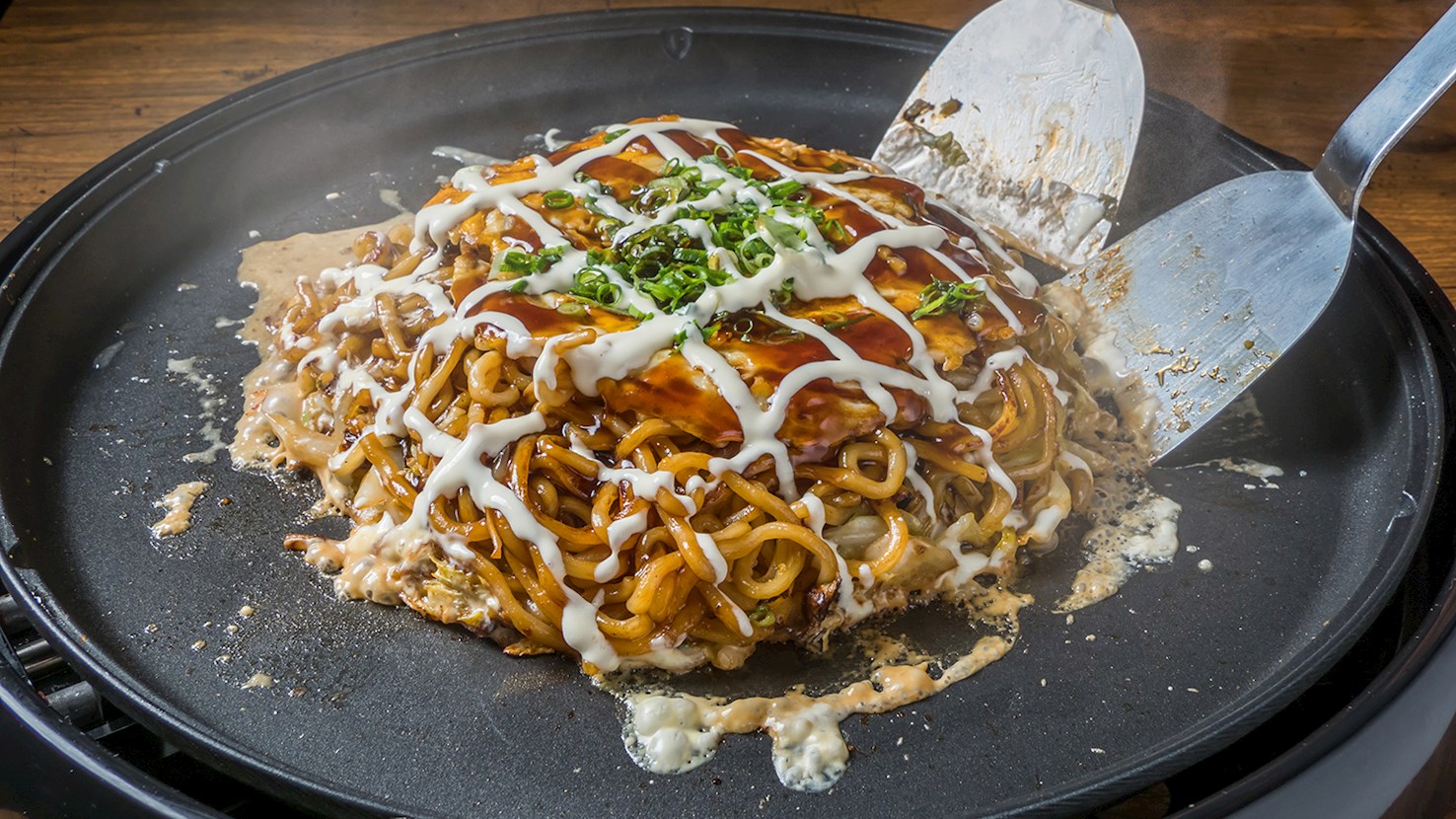
Okonomiyaki is a traditional dish that consists of batter and shredded cabbage. Two main variations come from Osaka (Kansai-style) and Hiroshima. The Hiroshima-style okonomiyaki is not prepared by mixing the ingredients together like the Osaka-style variety. Instead, the batter is cooked just like a thin pancake and all the ingredients are cooked separately and layered. Ingredients such as fried eggs, scallions, dried bonito flakes, bean sprouts, and sliced pork belly are placed on the pancake with the toppings, and the dish is served on top of yakisoba (or sometimes udon) noodles. Typical toppings include Japanese mayonnaise, dried green seaweed (aonori), and the sweet and sour okonomi sauce. This style of okonomiyaki has been around since the 1950s.

Best restaurants
About this ranking

TasteAtlas food rankings are based on the ratings of the TasteAtlas audience, with a series of mechanisms that recognize real users and that ignore bot, nationalist or local patriotic ratings, and give additional value to the ratings of users that the system recognizes as knowledgeable. For the “100 Best Rated Dishes with Cabbage” list until May 22, 2026, 989,150 ratings were recorded, of which 646,958 were recognized by the system as legitimate. TasteAtlas Rankings should not be seen as the final global conclusion about food. Their purpose is to promote excellent local foods, instill pride in traditional dishes, and arouse curiosity about dishes you haven’t tried.

Similar lists