

100 Best Rated
Dishes with Cured Meat

Last updated on May 22, 2026
01

Paçanga böreği

4.3 ·

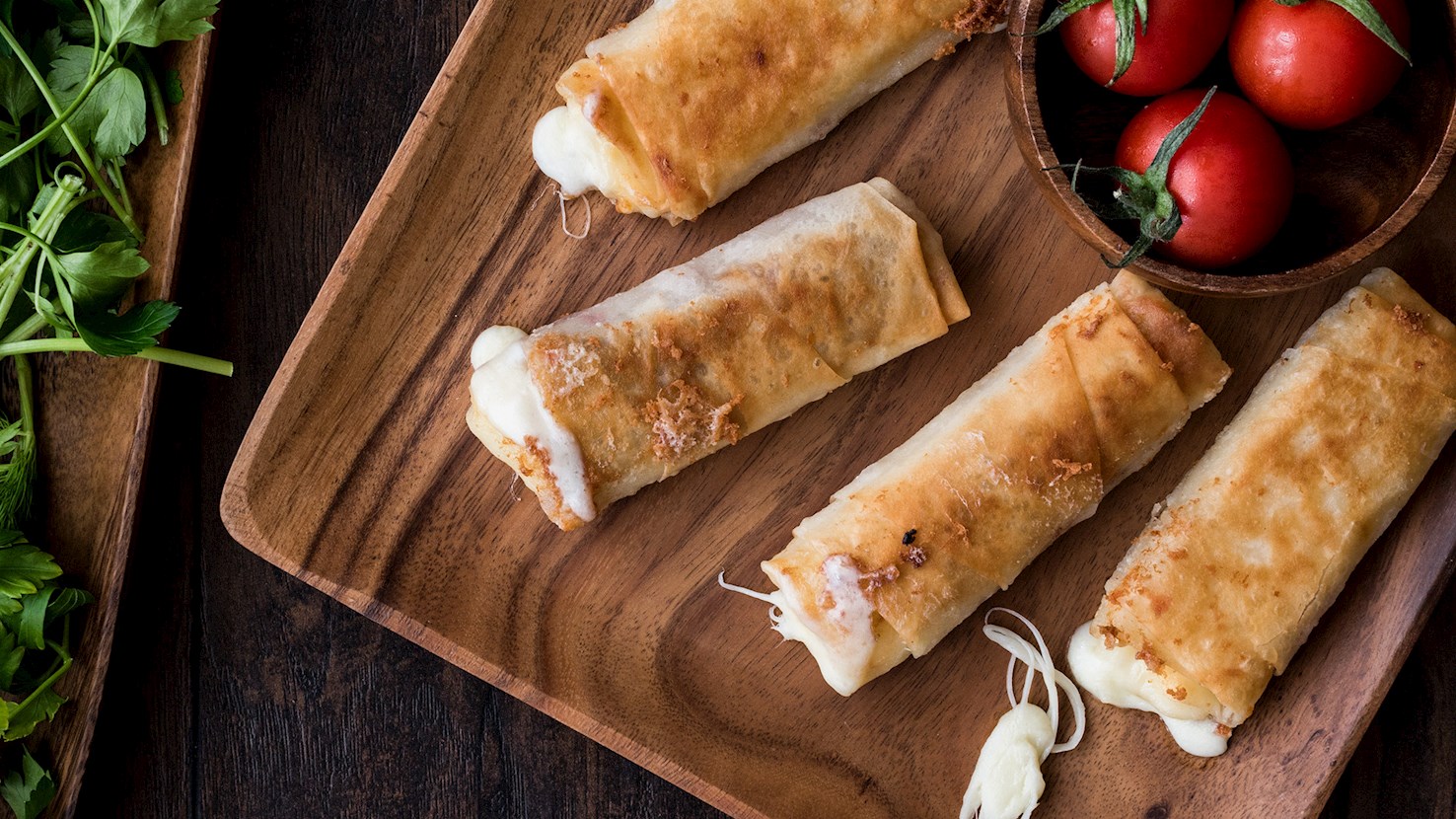
Paçanga böreği is a Turkish börek variety that's especially popular in the region of Anatolia and in Istanbul, where it's regarded as a traditional Sephardic Jewish specialty of the city. It's made by stuffing yufka or phyllo pastry with pastirma (salted, aged, dried beef) and kasar cheese. Apart from the basic ingredients, some people also like to add peppers and tomatoes to the filling. The dough is rolled, cut into rectangles, then fried. This börek can also be baked, but frying is the traditional method. Paçanga böreği is served hot and it's typically eaten as an appetizer.

02

Carbonara

4.3 ·

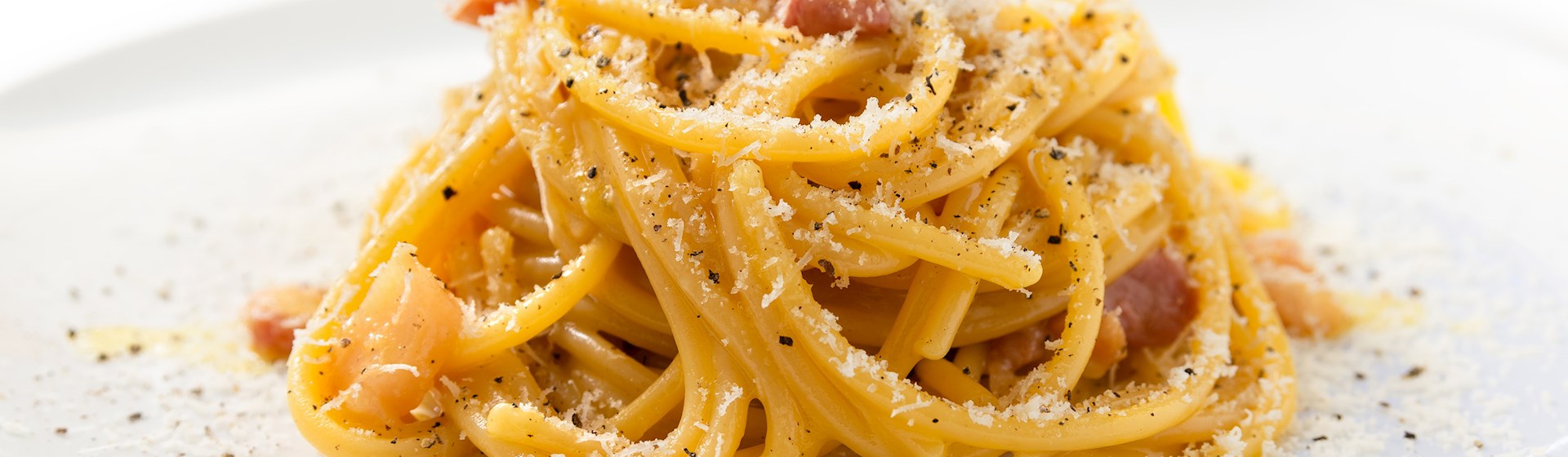
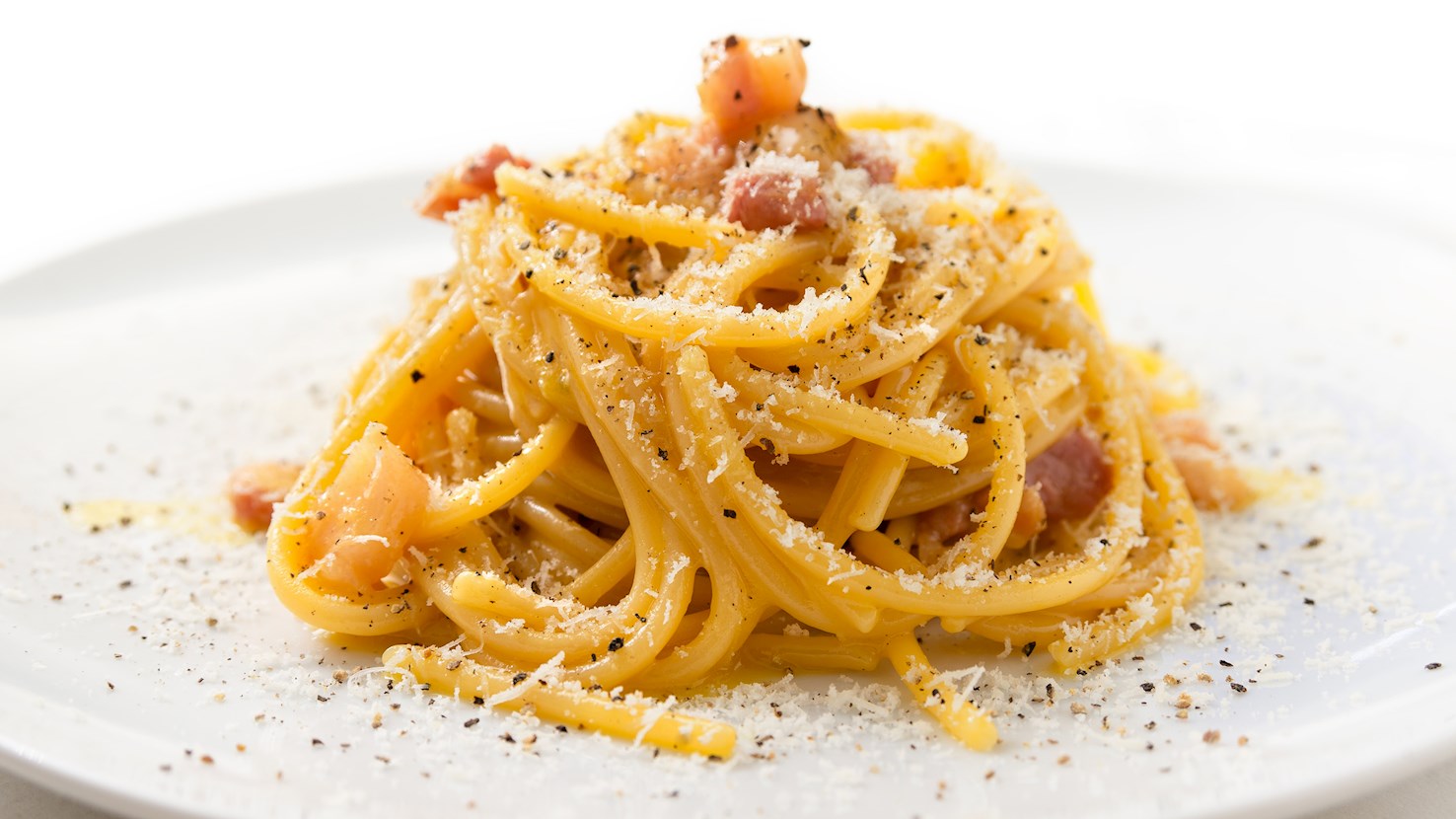
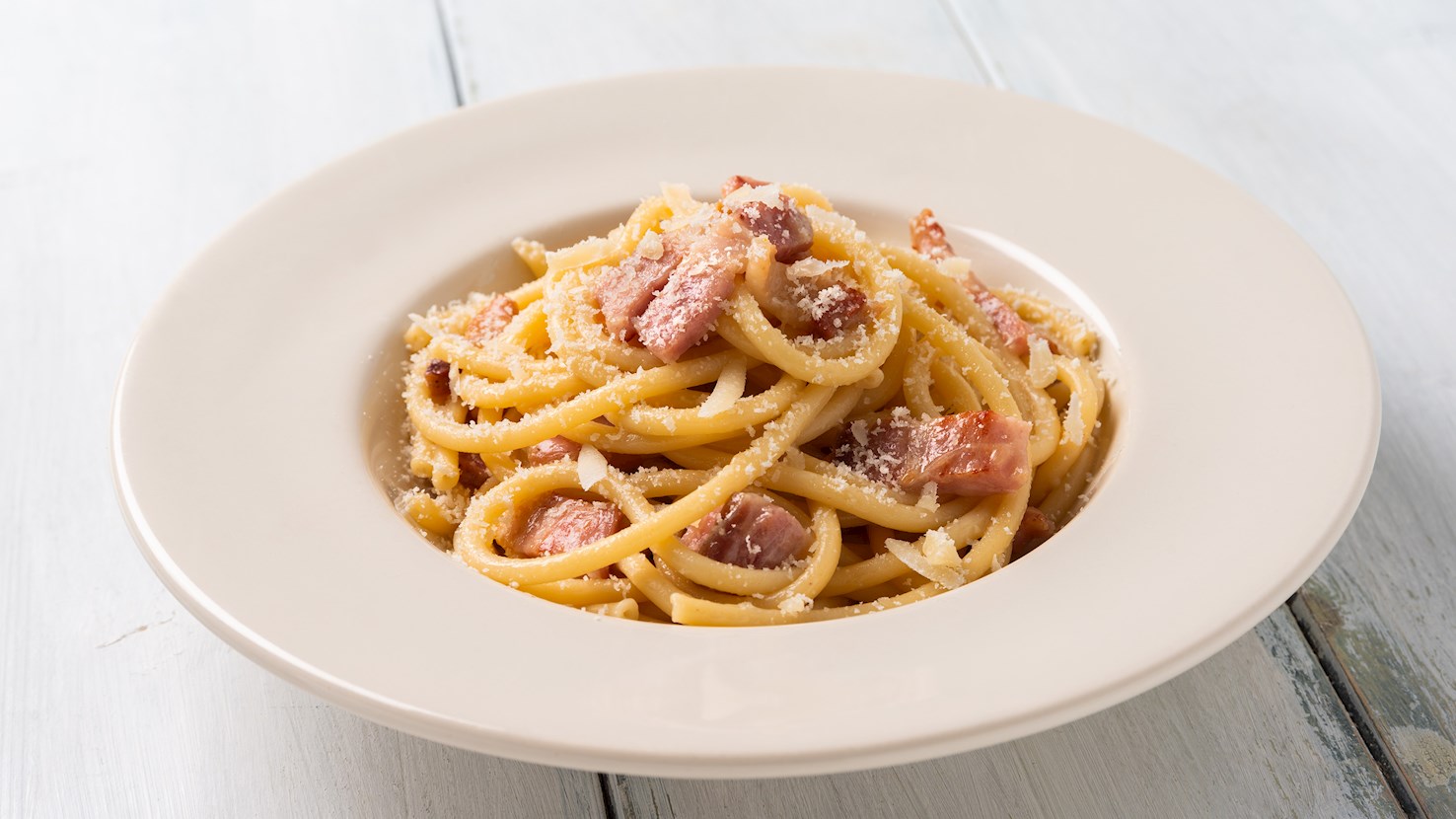
The carbonara we know today is prepared by simply tossing spaghetti with guanciale (cured pork jowl), egg yolks, and Pecorino Romano cheese. Despite its simplicity, this dish remains one of Rome's favorites, equally popular throughout the country. Even though carbonara is considered a typical Roman dish today, its origins are quite vague and often disputed. The name is said to have been derived from the carbonari, woodcutters and charcoal-makers who lived in the Appenine mountains northeast of Rome, and who supposedly cooked their pasta over a hardwood charcoal fire and tossed it with eggs and cheese. Another popular theory claims that carbonara was invented after the liberation of Rome in 1944, when food shortages were so severe that Allied troops distributed bacon and powdered eggs, which the local population would then mix with water to make pasta sauce.

03

Sopa da pedra

4.3 ·

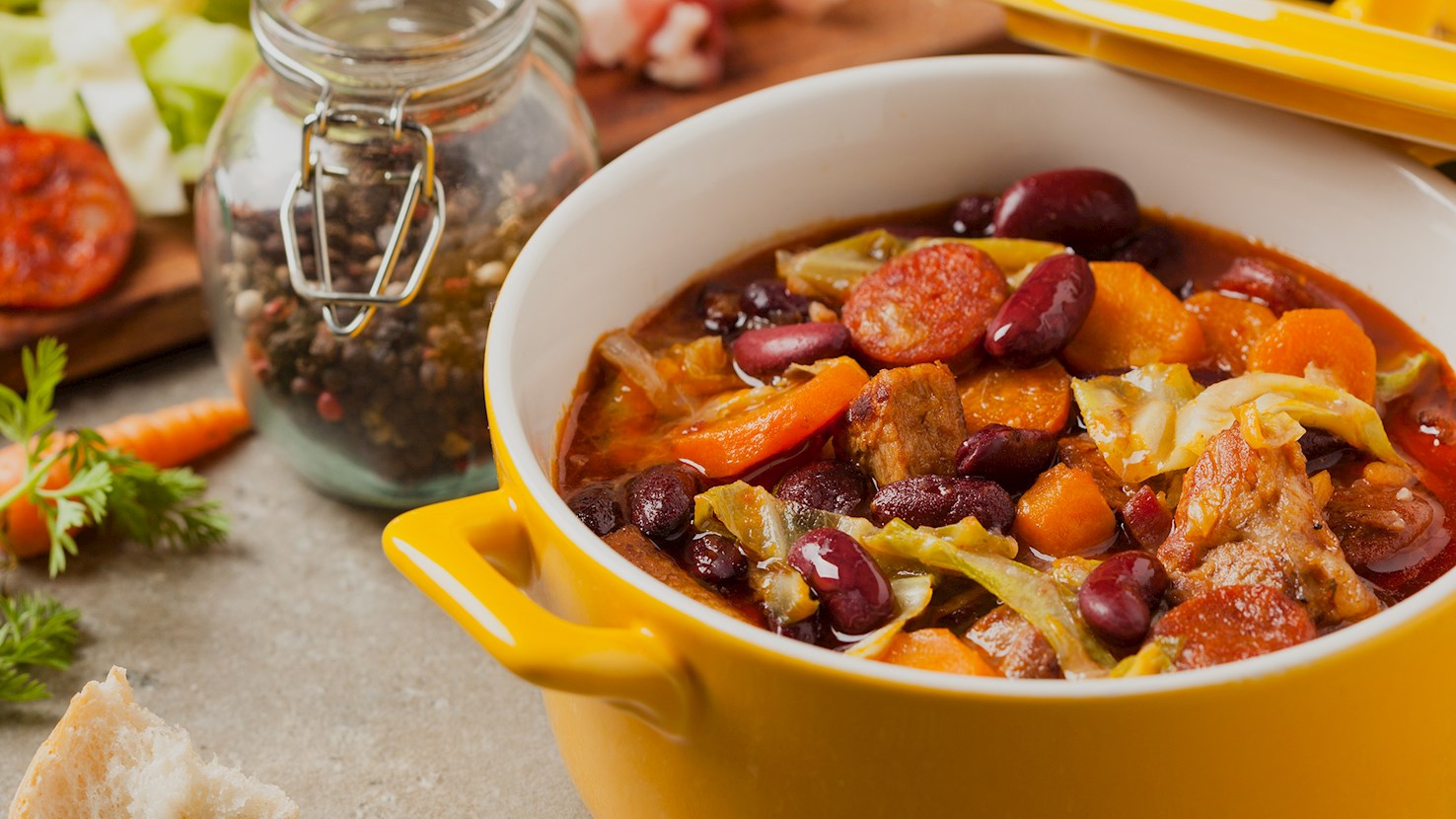
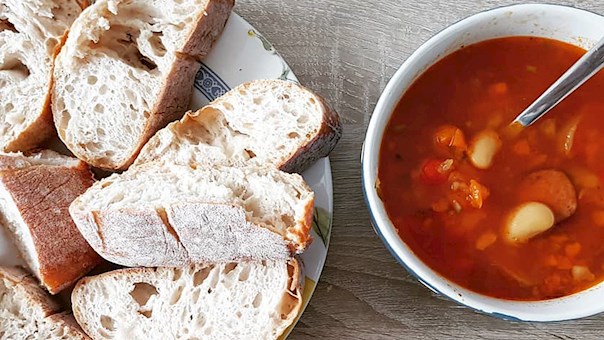
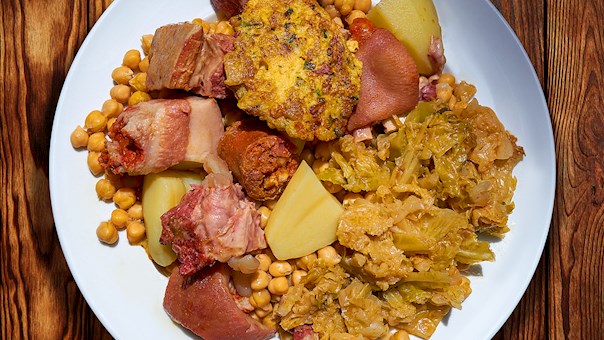
Although it translates as stone soup, this hearty Portuguese dish is actually a combination of beans and sausages such as chouriço and morcela (blood sausage), as well as pork belly, pig’s ear, and potatoes, while different regional varieties may also include pasta, carrots, and cabbage. There's a legend saying that a monk in need wanted to prepare soup by using merely stones and water. When he asked for additional ingredients to supposedly flavor the soup, the family who'd hosted him was more than willing to provide some pork cuts, beans, sausages, and vegetables, and the monk ended with a rich and nutritious dish without any stones inside. Similar stories exist in various European countries, but the moral of each always revolves around sharing and compassion. It is believed that sopa da pedra originated in Almeirim, which has been dubbed the capital of stone soup.

04

Pasta alla gricia

4.3 ·

As with so many classic Italian dishes, the story of pasta alla gricia is one of unclear and often disputed origin. Pasta alla gricia is sometimes called amatriciana bianca (lit. white amatriciana), which reflects the common root of these two pasta dishes, though gricia is known to be older than the tomato-based amatriciana sauce. Moreover, gricia is said to have originated in Grisciano, a small hamlet not far from Amatrice, the birthplace of spaghetti all'amatriciana. These two mountain towns nestled in the Apennine peaks between the neighboring regions of Lazio and Abruzzo have long been known as home to semi-nomadic shepherds, who were often credited with inventing this simple sauce. While tending herds during their long months of transhumance, the shepherds used guanciale (cured pork jowl) and tangy pecorino cheese tossed with pasta to prepare quick and humble meals like cacio e unto (lit. cheese and lard), as gricia sauce was once called. Even today, the list of ingredients goes no further than guanciale, pecorino, and black pepper — more than enough to result in the divine flavor of pasta alla gricia, which is typically served with bucatini, spaghetti, or rigatoni.

05

Pizza alla pala

4.3 ·

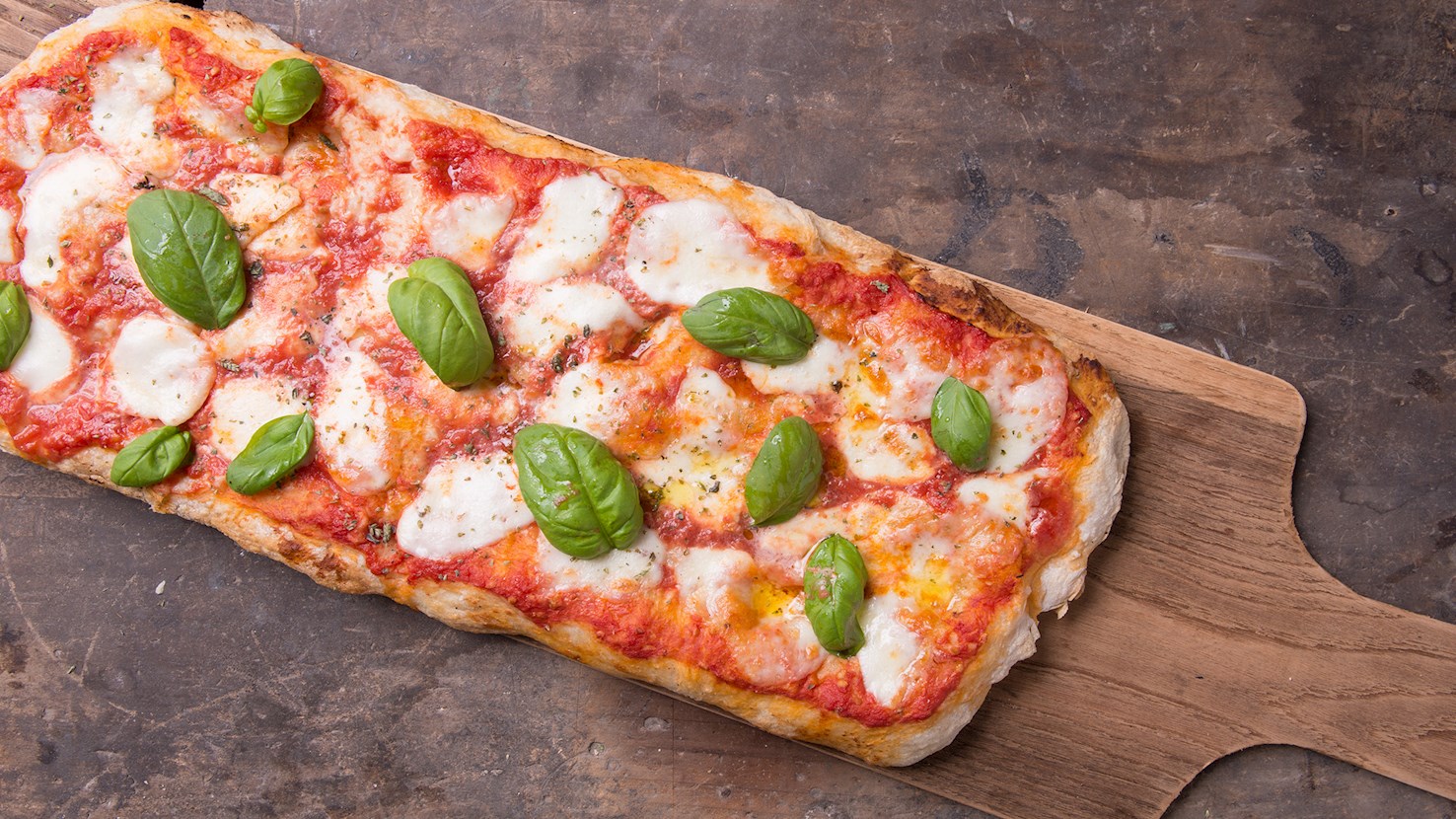
Typically shared among groups and consumed by the slice, the Roman invention known as pizza alla pala is a long, oval-shaped flatbread made with a high-hydration, long-rising dough. It is baked in electric ovens, transferred to a wooden board called pala, then topped with various fresh ingredients. The pizza is characterized by a thick crust and a tender, fluffy interior, while the toppings can be anything from prosciutto and cherry tomatoes to various cheeses, olives, and spicy salami.

06

Montreal smoked meat

4.3 ·

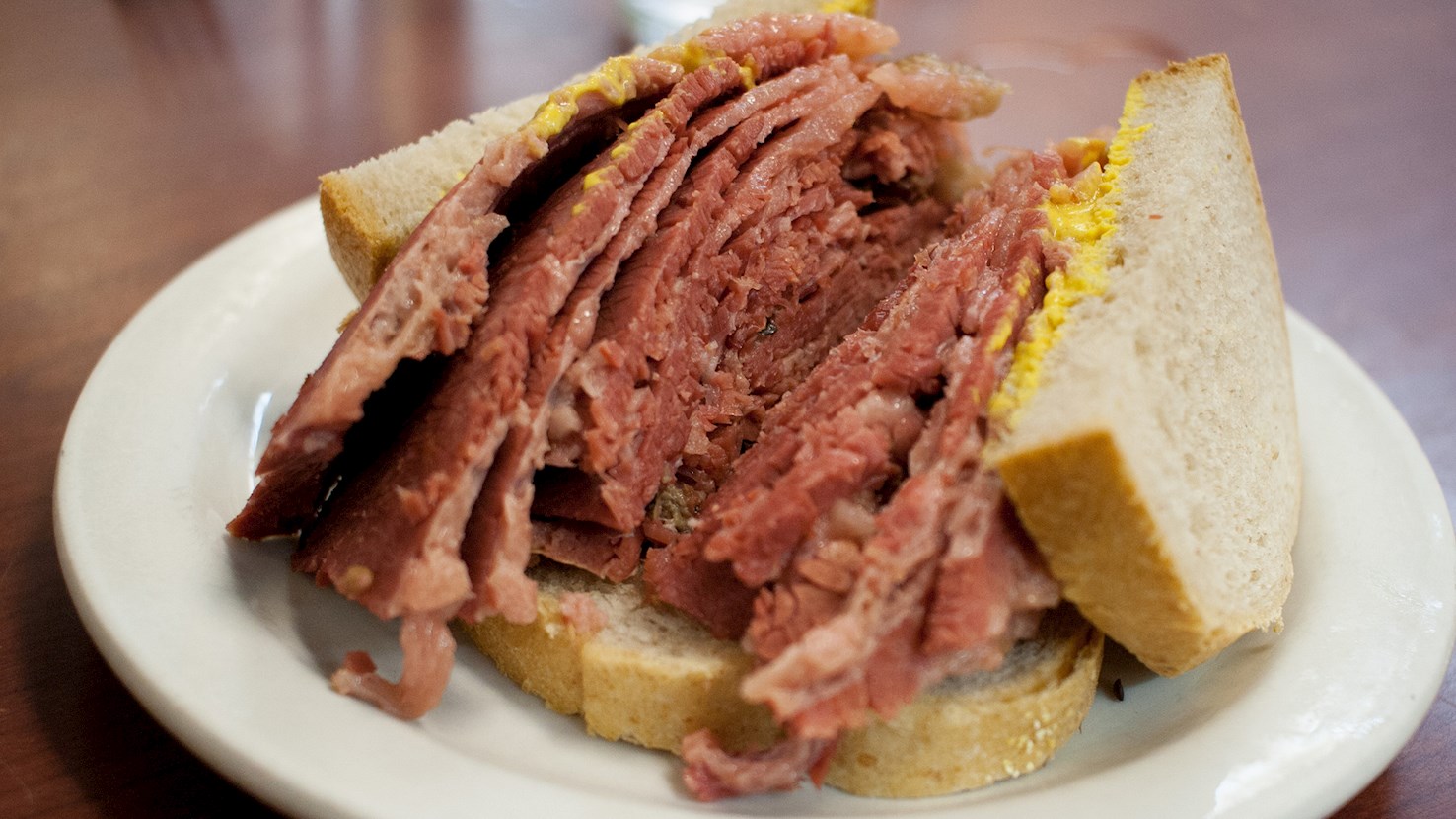
Montreal smoked meat is a type of deli meat sandwich that originated in Montreal, Canada. It's similar to corned beef and pastrami sandwiches, but the meat used has its own distinct preparation process and flavor profile. Pastrami was invented in Romania, a cured beef product prepared by pickling and smoking the fatty and succulent cuts of brisket, then covering them with a coating of various spices and peppercorns. Reuben Schwartz, a Romanian immigrant, started making smoked meat in Montreal in 1928, a product similar to the original pastrami. Called viande fumé in the Quebec province, it is a much sturdier product with an intense, smoky flavor. Prime beef brisket is marinated for at least ten days in a mixture of herbs and spices, and is then smoked, hand-sliced, and placed in delicious, mouth-watering rye-bread sandwiches, accompanied by French fries, pickles, coleslaw, yellow mustard, peppers, or olives. It is no wonder that there are huge lines in front of Schwartz's Deli in Montreal because everyone wants to try this world-famous smoked meat sandwich.

07

Butifarra

4.3 ·

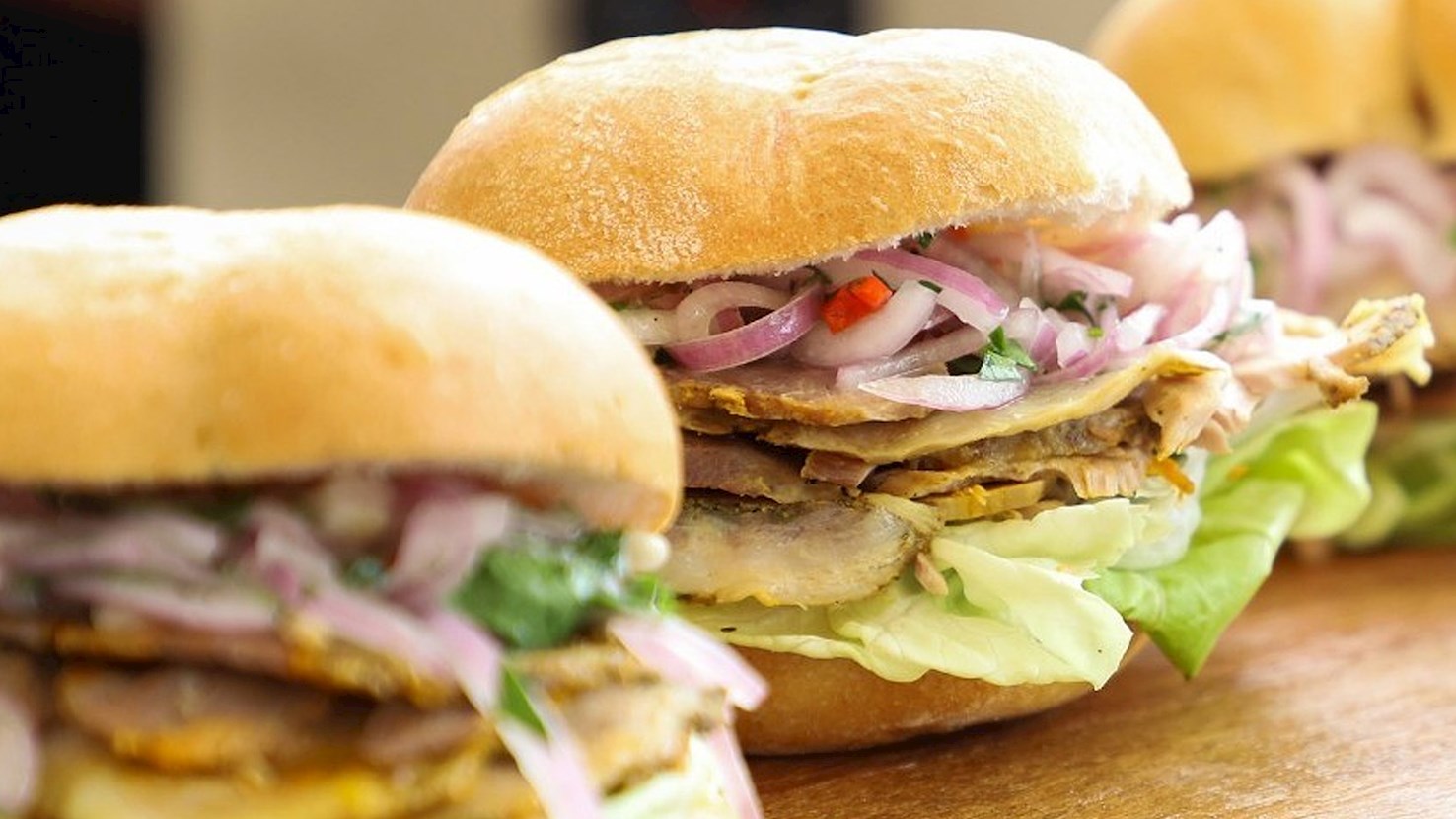
Butifarra is the essential Peruvian sandwich that originally consisted of a crusty white bread (pan frances, michetta or ciabbata) filled with jamón del país (garlic-infused peppery ham), salsa criolla, lettuce, and aji peppers. Over time, some ingredients were added, while others were removed. Jamón del pais is the key ingredient in this sandwich, made from boiled pork loin, garlic, oil, ají chili, and red peppers. It is believed that butifarra was first sold during bullfights in early Republican Lima. Today, the sandwich is a staple at birthday parties and it is often served as a part of a typical Peruvian breakfast. It can also be found in sangucherías – Peruvian sandwich shops.

08

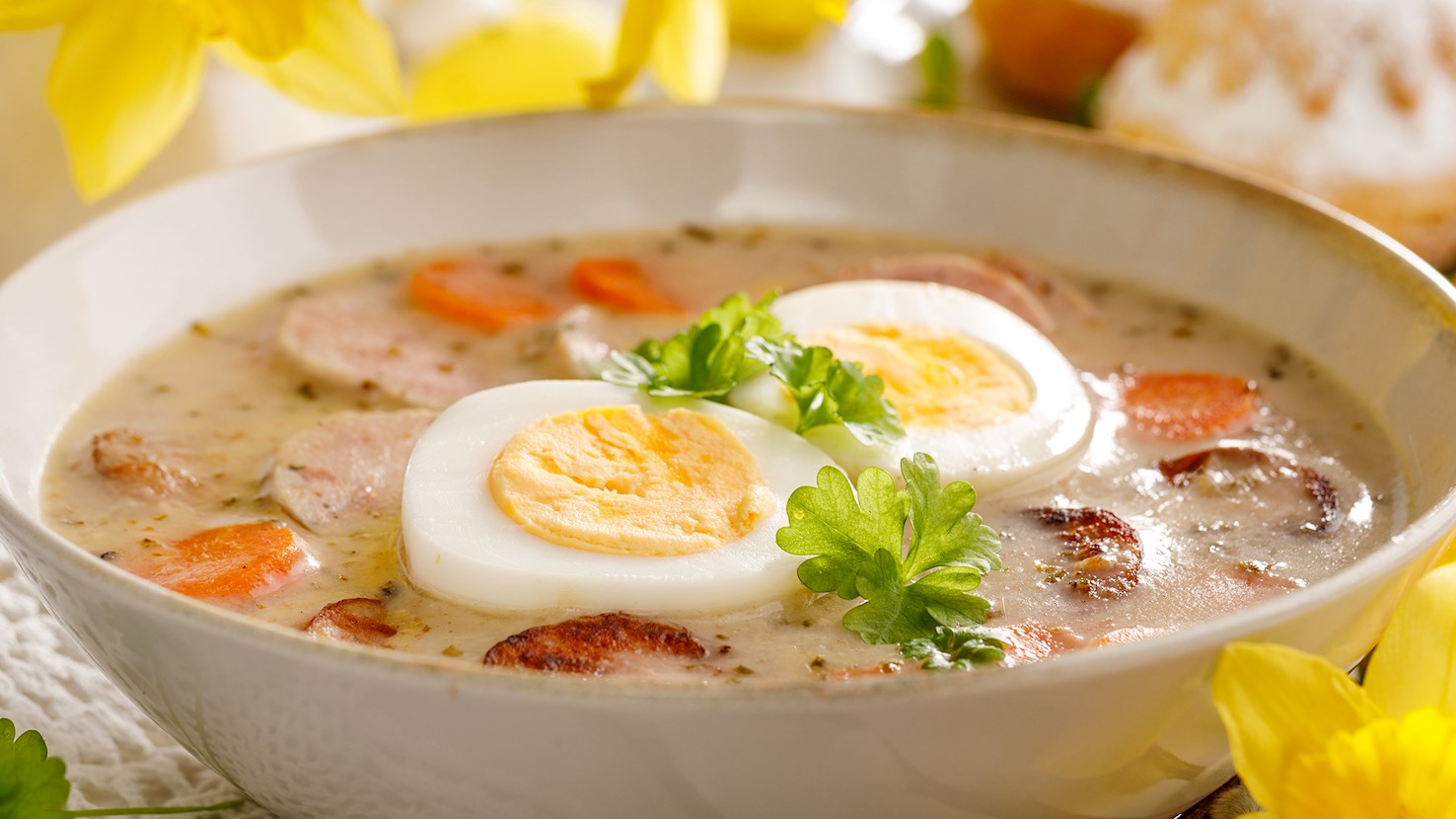
Żurek

4.3 ·

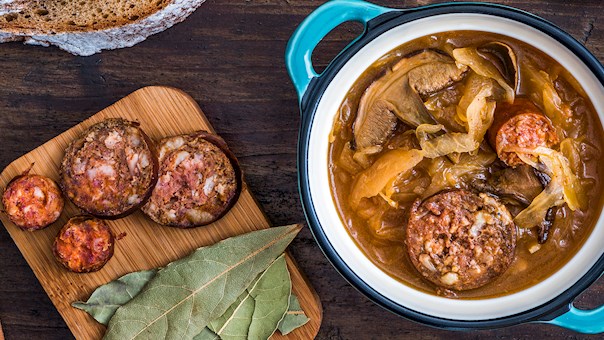
Żurek is a traditional soup characterized by its distinctively sour taste, which comes from sour leavening, or the fermentation of bread and rye flour. The soup also contains meats such as sausages, bacon, or ham, and vegetables such as potatoes and mushrooms. Although it is extremely popular throughout Poland, each region has its own version of the dish. It is sometimes served in an edible bowl made of bread, when it is common to add halves of hard-boiled eggs on top of the soup as garnish. Żurek is traditionally prepared and consumed during Easter. There is a popular version of the soup called barszcz bialy, made with wheat flour instead of rye flour. The name żur is derived from the German word sur, or sauer, meaning sour, referring to the typical flavor of this popular, hearty soup.

09

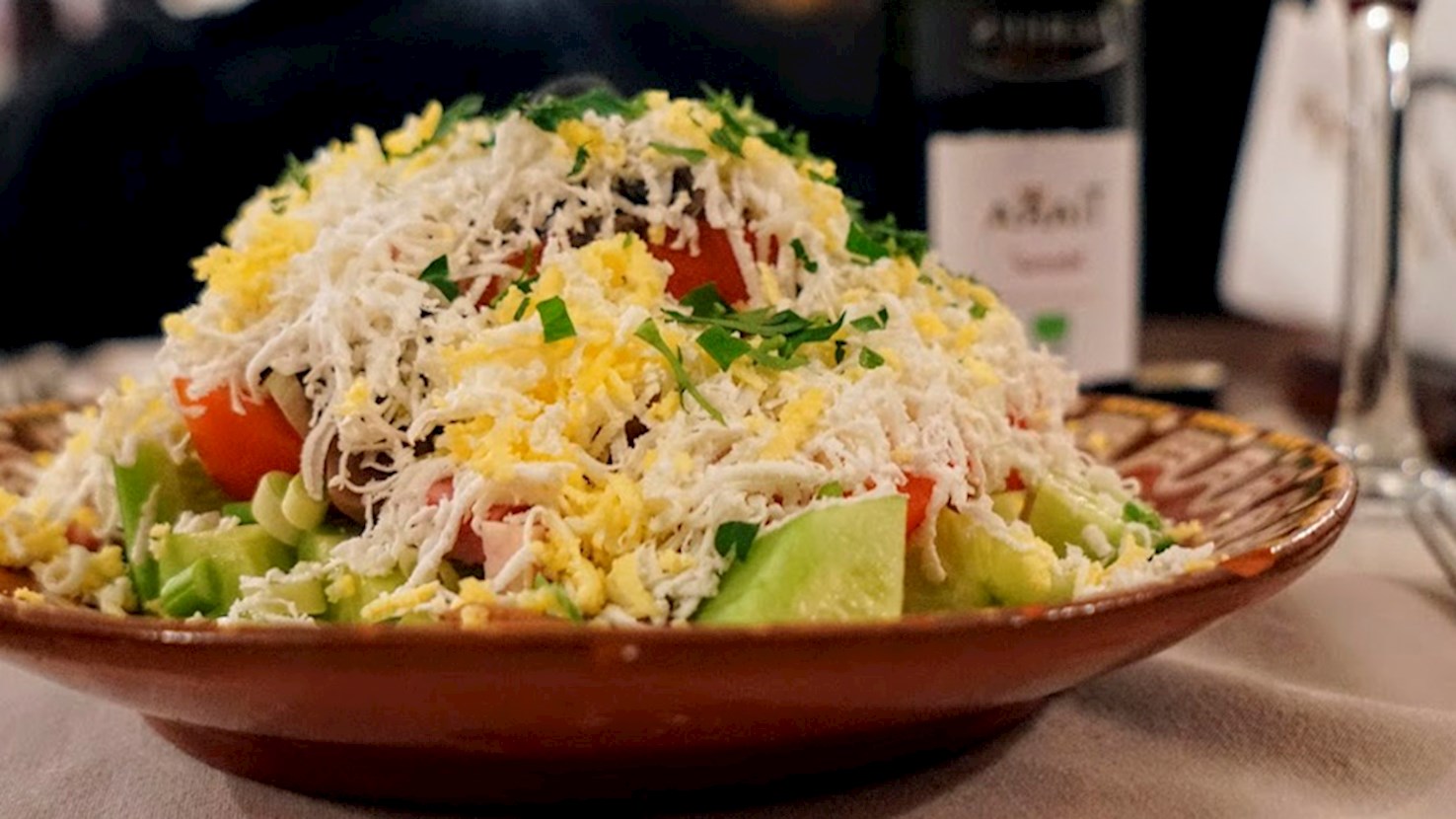
Ovcharska salata

4.3 ·

Ovcharska salata is a simple variation of the famous Shopska salata. Essentially, it is Shopska salata (cucumbers, tomatoes, onions, peppers, and cheese) with the addition of mushrooms, eggs, and ham. The salad is typically tossed with vegetable oil, left to rest for a few minutes, and it is then ready for consumption. It is especially popular in summer due to its refreshing flavors and the usage of seasonal vegetables.

10

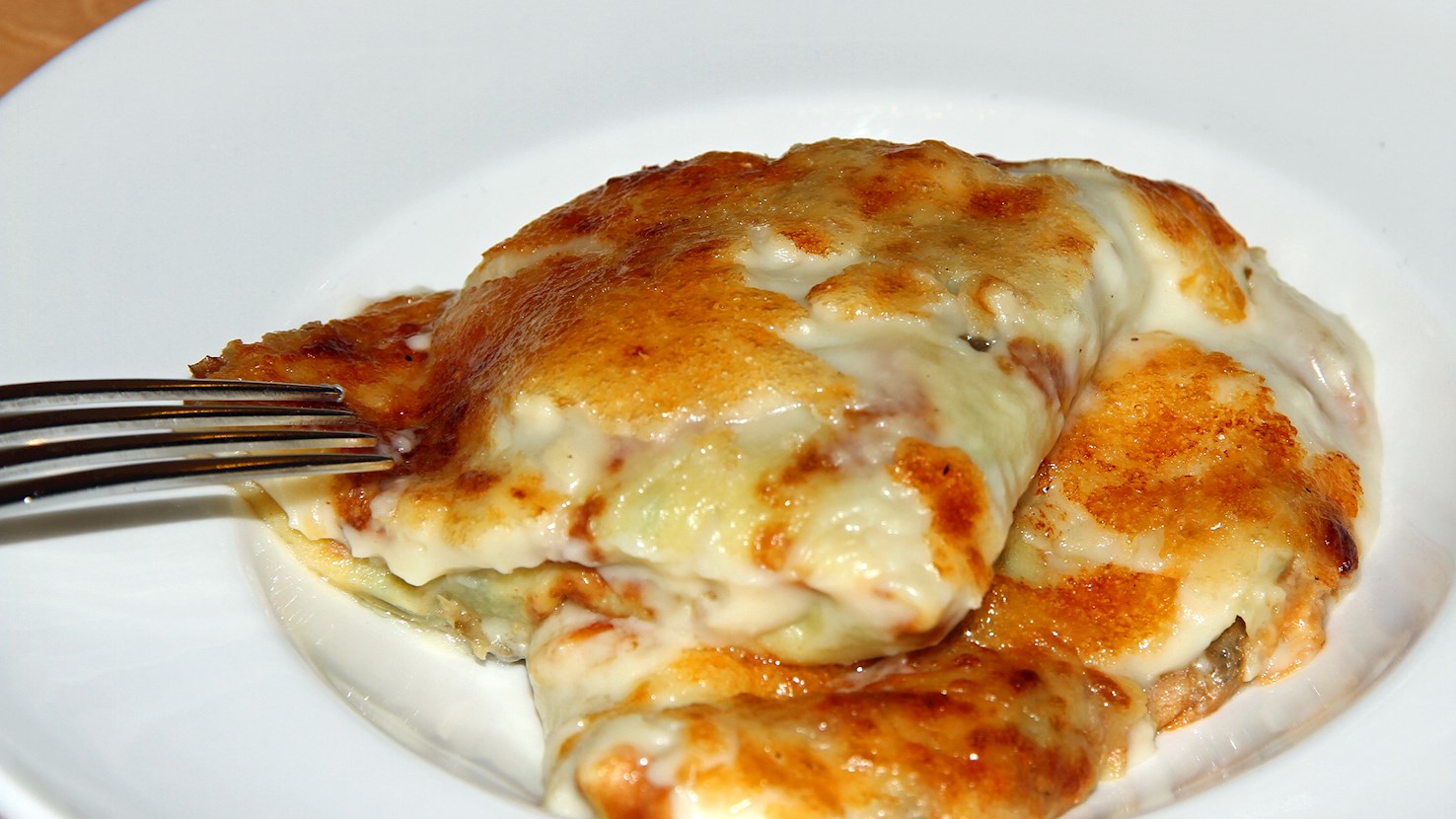
Crespelle alla Valdostana

4.2 ·

Hailing from the Aosta Valley, crespelle alla Valdostana is an Italian specialty that consists of savory, stuffed crêpes smothered in gooey Fontina cheese and béchamel sauce. The batter for the crêpes is made with a combination of flour, milk, eggs, melted butter, salt, and pepper, while the filling typically includes diced or sliced Fontina cheese, cooked ham (such as gran biscotto ham), and (sometimes) mushrooms. Once fried to perfection, the crêpes are filled, then rolled or folded into a fan shape and placed snugly into a baking dish before being baked with additional cheese, béchamel sauce, and knobs of butter on top. This traditional dish can be served on its own or as an accompaniment to grilled meat, and it pairs well with wines such as Blanc de Morgex or Erbaluce di Caluso.

About this ranking

TasteAtlas food rankings are based on the ratings of the TasteAtlas audience, with a series of mechanisms that recognize real users and that ignore bot, nationalist or local patriotic ratings, and give additional value to the ratings of users that the system recognizes as knowledgeable. For the “100 Best Rated Dishes with Cured Meat” list until May 22, 2026, 989,158 ratings were recorded, of which 646,966 were recognized by the system as legitimate. TasteAtlas Rankings should not be seen as the final global conclusion about food. Their purpose is to promote excellent local foods, instill pride in traditional dishes, and arouse curiosity about dishes you haven’t tried.

Similar lists