




shutterstock

100 Best Rated
Dishes with Fruit

Last updated on July 17, 2026
01

Strudel (Trentino-Alto Adige)

4.5 ·

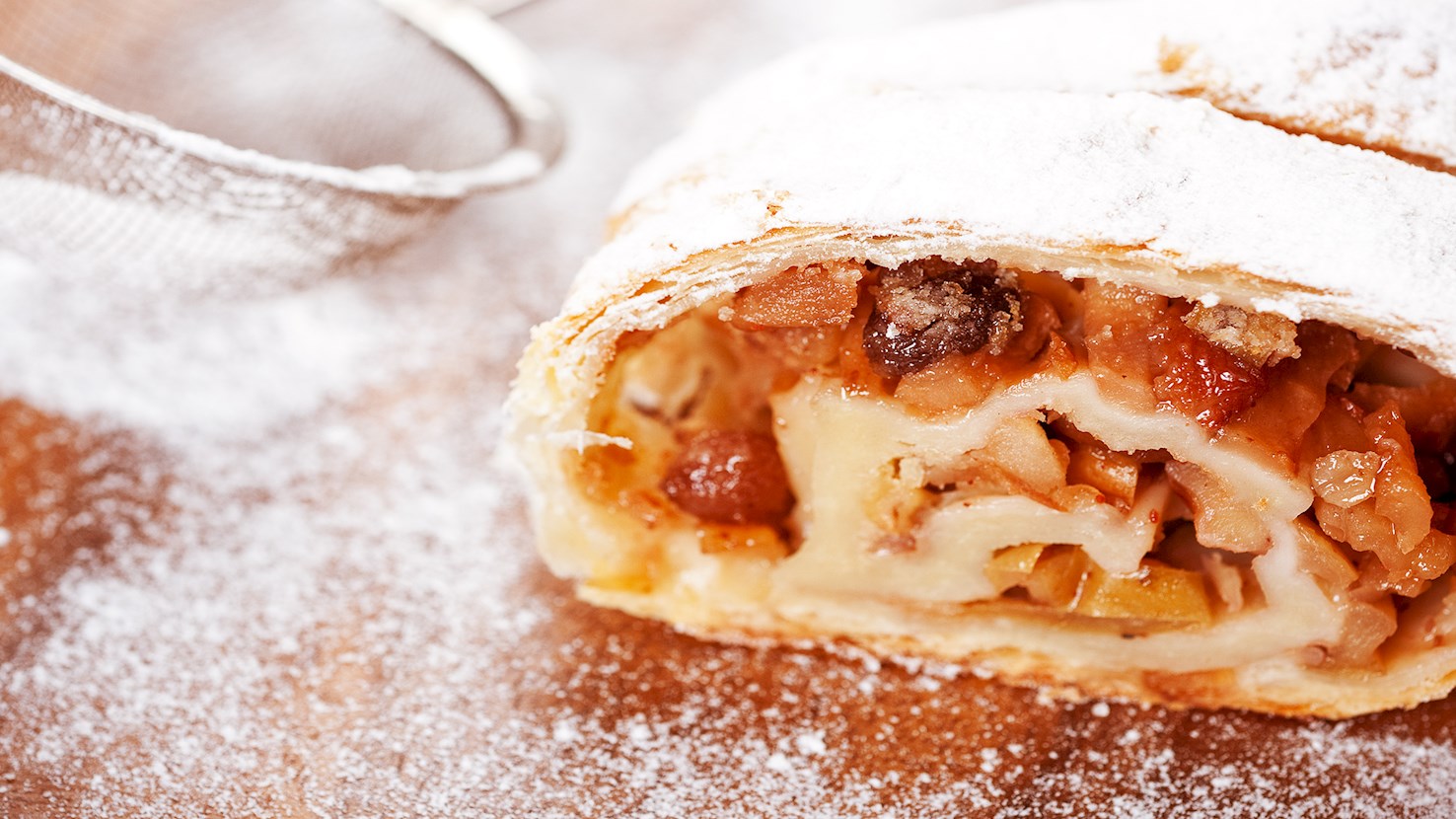
You may not think of strudel as a classic Italian dish, but Trentino Alto Adige, especially the region around Val di Non valley is renowned for their strudel. Rolling and stretching delicate sheets of paper-thin strudel pastry requires skills obtained through many years of practice, but the resulting flaky, crispy dessert is surely worth the effort. Strudel can be prepared with various fruit, but given the fact that this area is renowned for their tasty apples, the most popular variety is strudel con le mele, usually prepared with Golden Delicious apples, due to the fact that they are available all year round. Besides apples, the traditional filling includes raisins, sugar, butter, cinnamon, and pine nuts. The strudel is best enjoyed when it is still warm and generously dusted with powdered sugar.

02

Sinigang na baboy

4.4 ·

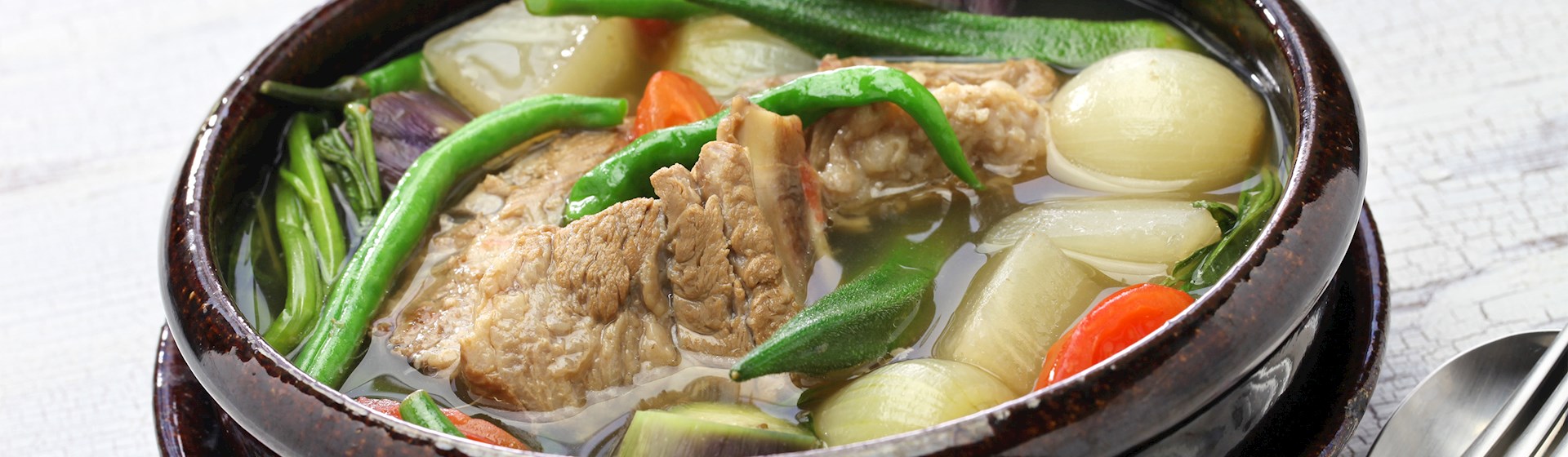
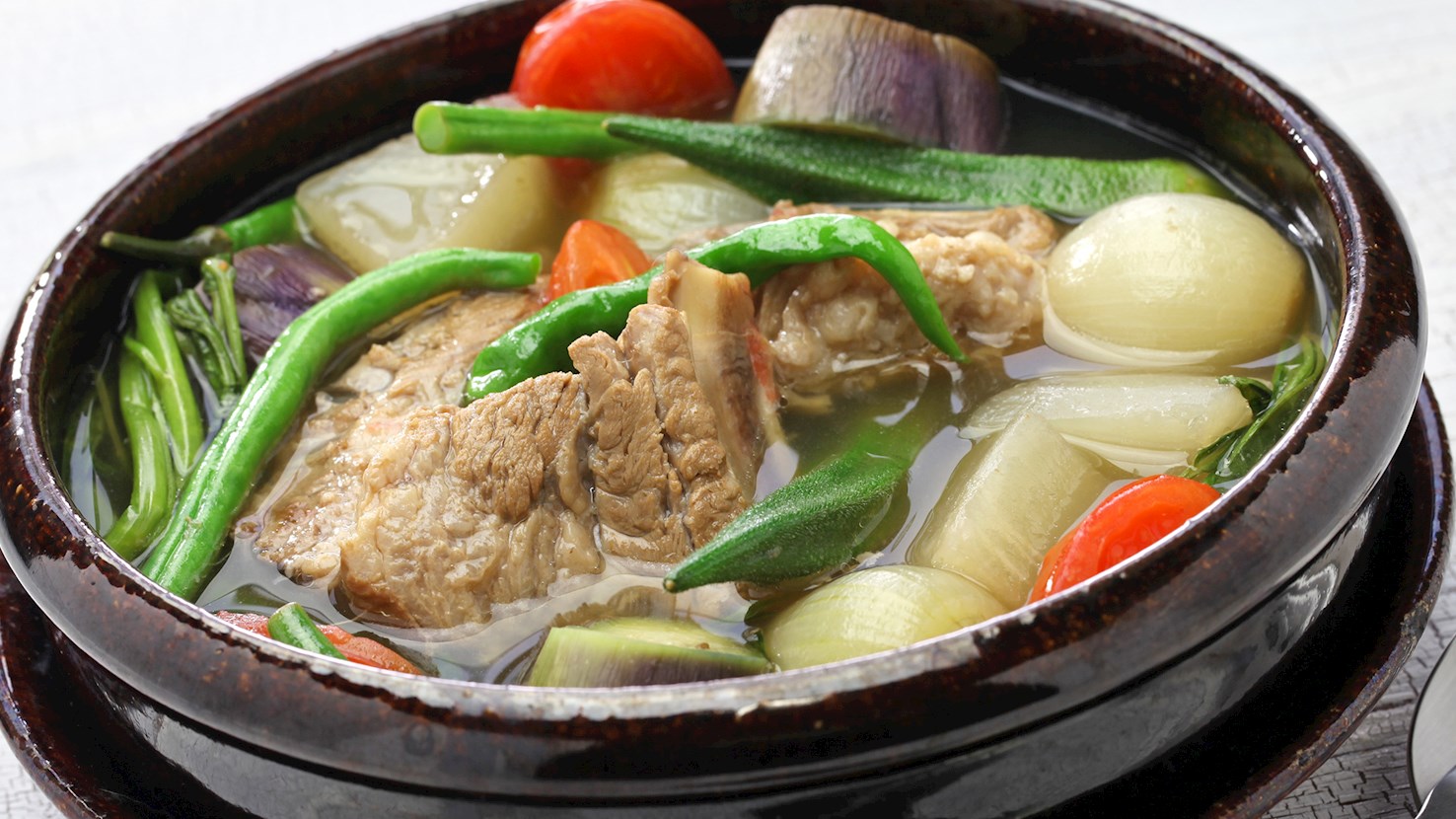
This variety of sinigang - Filipino savory and sour soup - consists of various pork cuts that are simmered along tamarind fruit. Tomatoes, onions, garlic, okra, white radish, water spinach and green long peppers are also commonly used for this soup. There is also a similar dish in Malaysian cuisine called siniggang. A version of the pork sinigang is sinigang na miso, which uses the Japanese seasoning made from fermented rice and barley or soybeans. Nowadays, sinigang mix is available in supermarkets, but enjoying the dish made from scratch represents the full experience.

03

Sinigang

4.4 ·

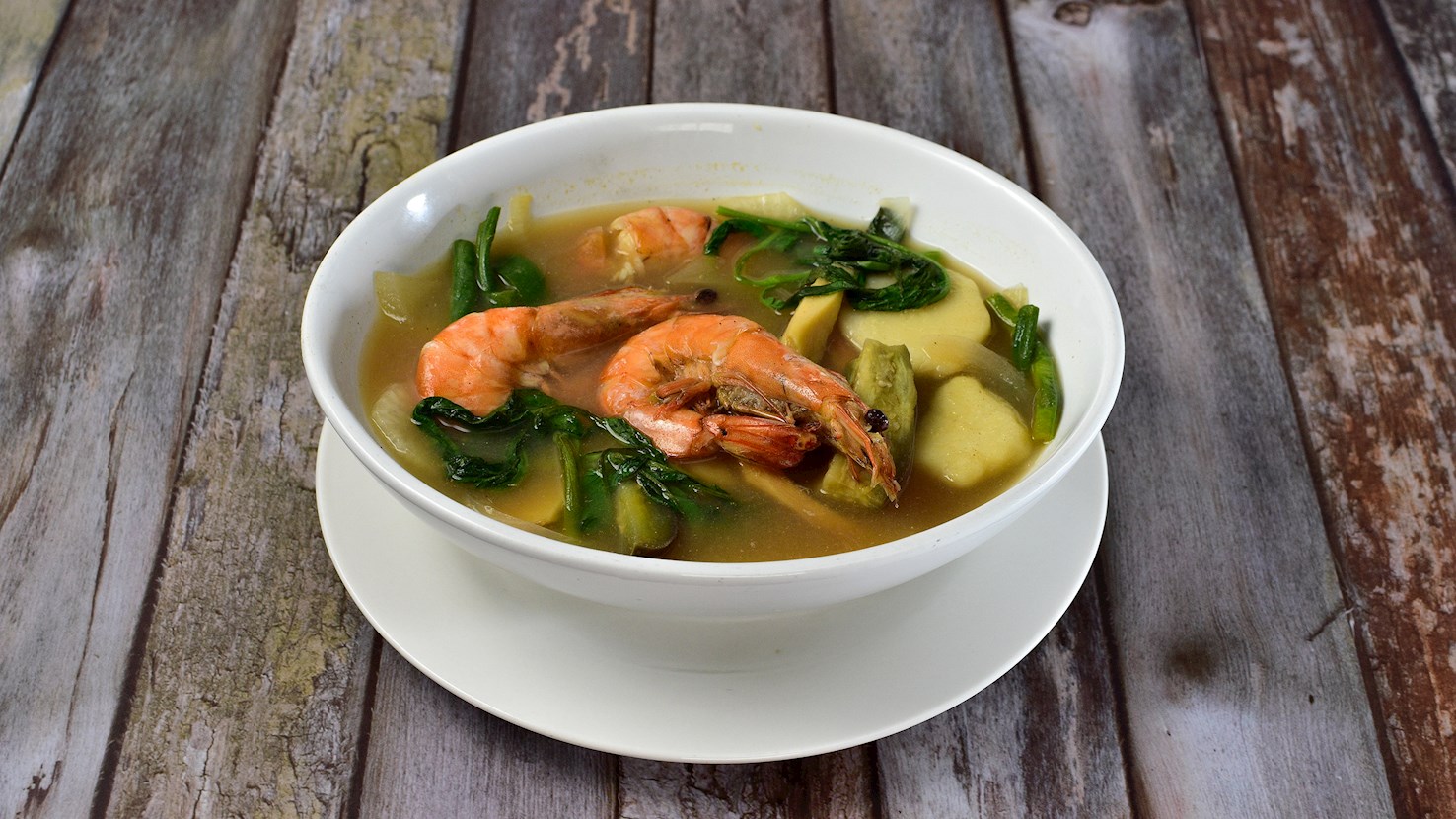
Sinigang is a sour Filipino soup consisting of sampalok (fruits of the tamarind tree), water spinach, hot peppers, cabbage, broccoli, eggplant, diced tomatoes, sliced onions, ginger, garlic, green beans, fish sauce, and salt. The basic broth usually consists of rice washing, with the addition of a souring agent. Ingredients such as pork, fish, milkfish, shrimp, chicken, or beef may also be added to the soup. Sinigang is traditionally served piping hot as a main dish, with rice as its accompaniment. It's an often seen dish at special occasions such as birthdays or weddings, and over time, as the dish became more popular, there were new variations that used guava or raw mango instead of sampalok, and each region developed their own version of the popular soup. With its sour lightness perfectly matching the harsh tropical heat of the country, sinigang is a unique soup that is a true representative of Filipino cuisine.

04

Narsharab

4.4 ·

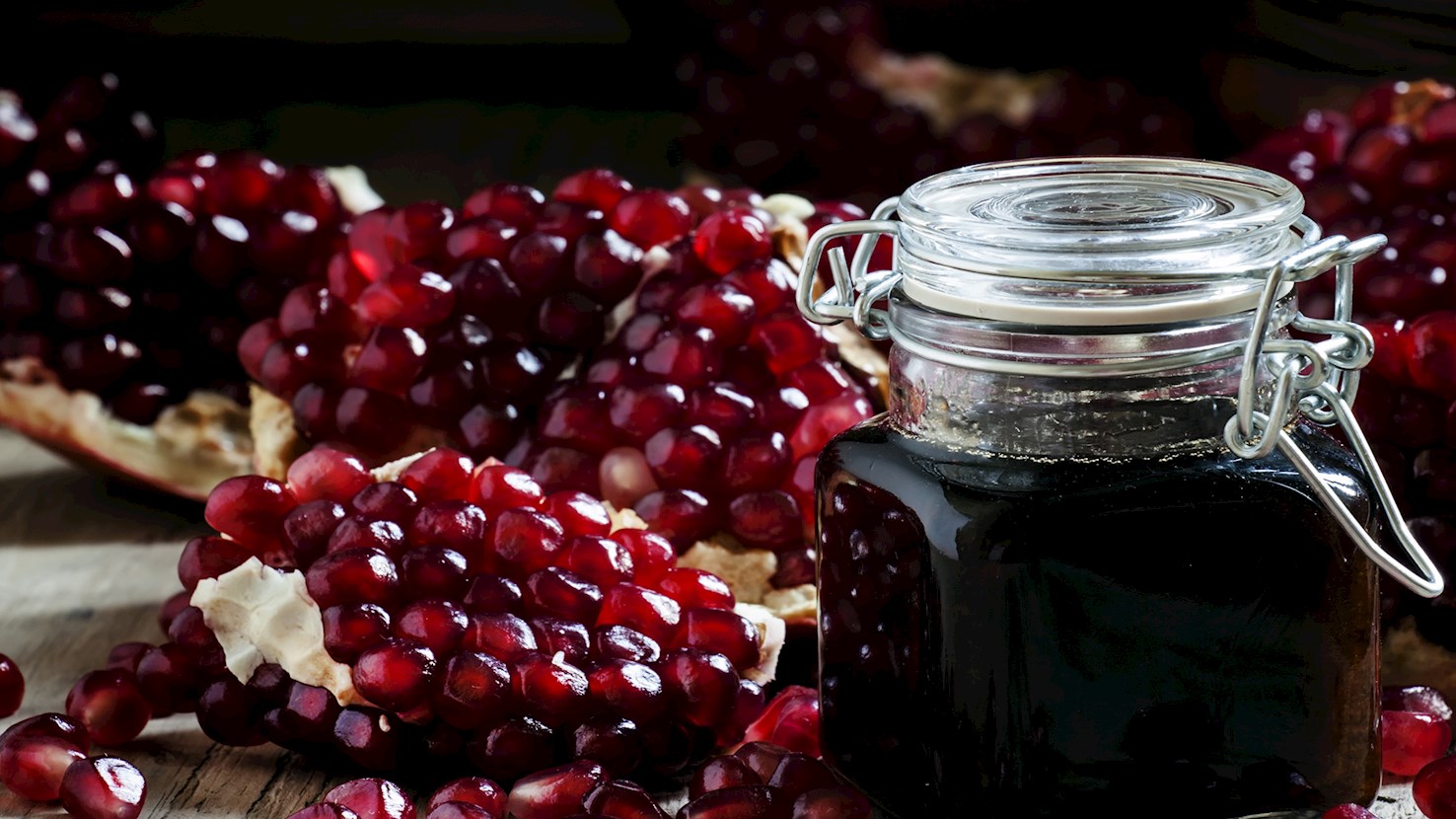
Narsharab is a unique Azerbaijani sauce consisting of evaporated pomegranate juice that is combined with sugar and spices such as basil, cinnamon, coriander, salt, and ground black pepper. Its flavor is best described as tangy and sour. It is recommended to use narsharab with meat and fish dishes, but it can also be used as a marinade or as a dressing for various salads, while some people like to add the sauce into desserts.

05

Arepa reina pepiada

4.4 ·

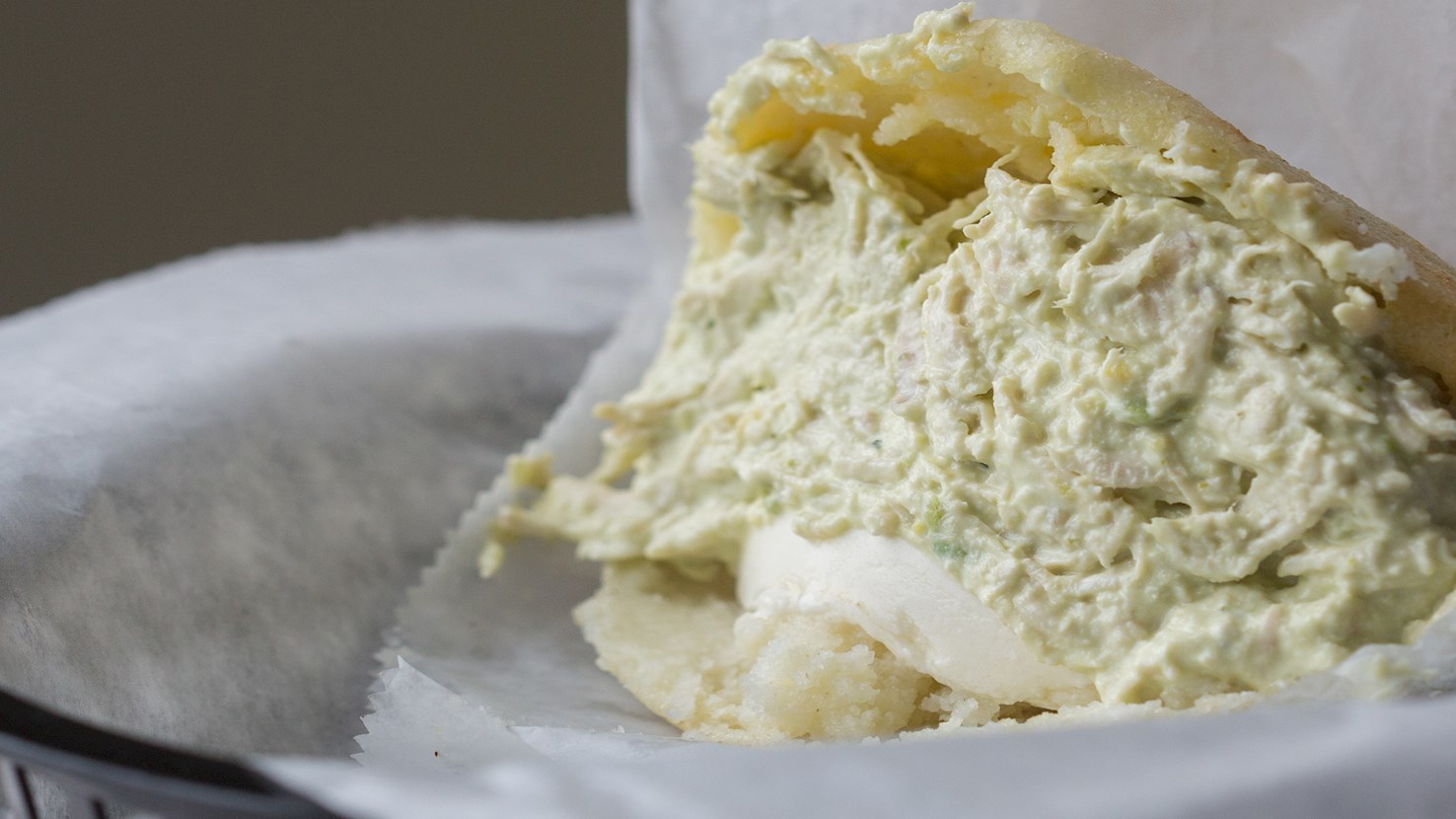
Arepa reina pepiada is one of the most famous arepa varieties in Venezuela. This type of arepa is stacked and filled with a combination of avocado, shredded chicken pieces, lime, coriander, mayonnaise, and optional peas. The dish was invented by Heriberto Alvarez, an empanada kiosk owner. The name is concocted in honor of Susana Duijm, the first Venezuelan representative to win the Miss World crown. In those days, curvy women like Susana were called pepiada, so reina pepiada (curvy queen) is a logical choice for the name of this flavorful arepa variety.

06

Wachauer Marillenknödel

4.4 ·

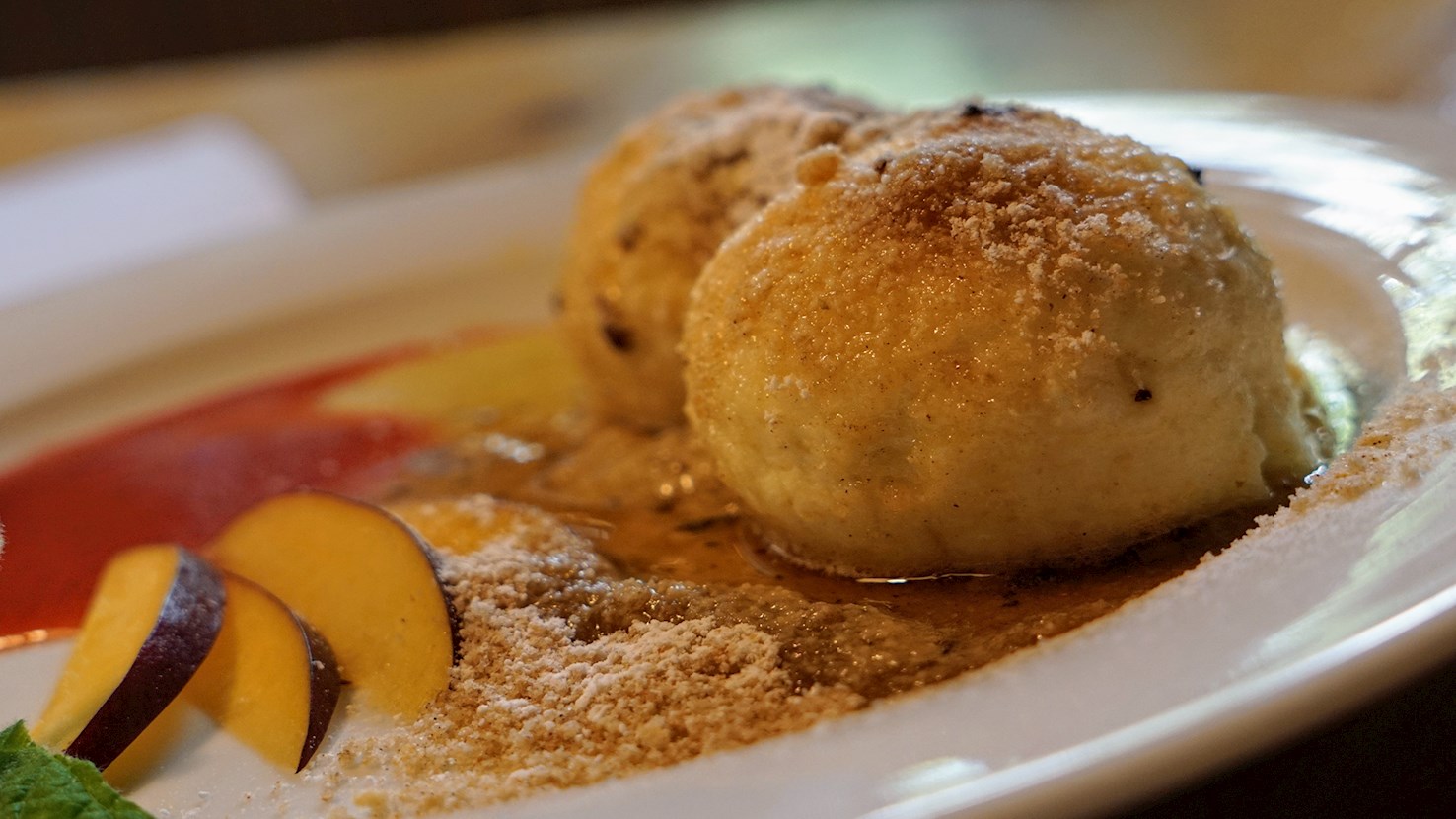
Wachauer marillenknödel is a classic Austrian dish consisting of a depitted Wachau apricot that is encased in a light dough which is then shaped into a dumpling, cooked, and rolled in breadcrumbs that have been fried in butter. The dough can be made either with soft cheese or potatoes, while the breadcrumbs are often seasoned with powdered cinnamon. Although the delectable Wachau apricot dumplings are served generously dusted with icing sugar, some might think that they are served as a dessert, but the dumplings are traditionally consumed as a main dish.

07

Ceviche

4.4 ·

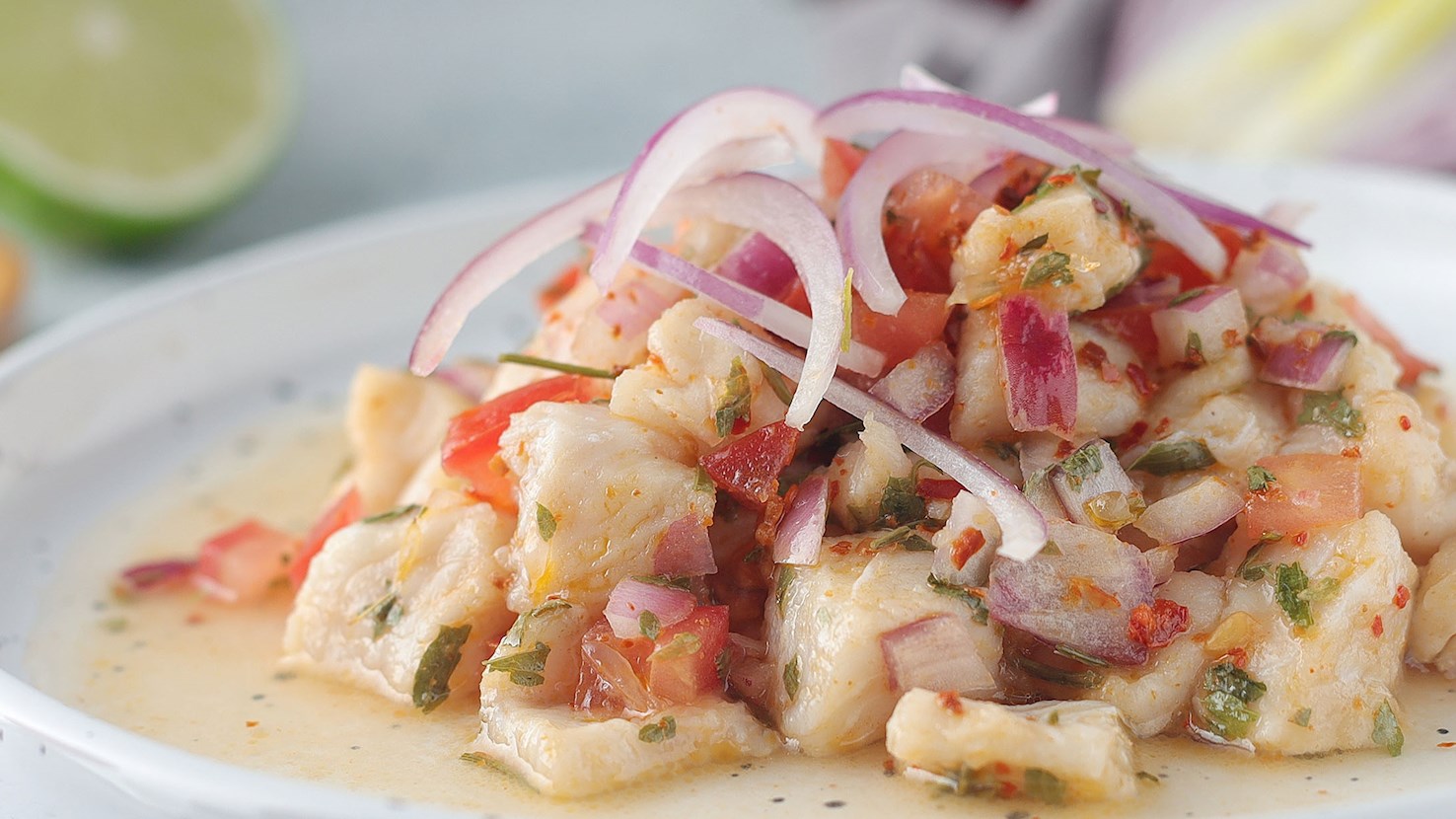
Ceviche is the national dish of Peru consisting of slices of raw fish or shellfish that is spiced with salt, onions, and chili peppers, then marinated in lime juice. Due to the acidity of lime juice, the texture of the fish changes, as does its color – from pink to white. The acidic marinade, also known as leche de tigre (lit. tiger's milk) "cooks" the meat without any heat involved in the process. For ceviche, fresh fish is an imperative, as fish and shellfish that are not fresh can cause food poisoning. Peruvians are used to fresh ingredients, so the fish will sometimes be prepared for ceviche less than an hour after being caught. Fish for ceviche can be divided into three categories: firm, medium, and soft. The dish was originally made by the natives who marinated fish and amarillo chiles in the juices of a native fruit called tumbo, which was replaced by lime juice when the Spanish brought limes and onions to the country. The flavors of ceviche are slightly acidic and spicy, with an intense aroma of the sea. Traditionally, it is served on a bed of lettuce with tiny pieces of corn, chunks of sweet potato, and boiled yuca. Cancha, a variety of popcorn made from large corn kernels toasted in salt and oil provides an ideal side dish. The dish is traditionally served at cevicherias, specialized ceviche restaurants that can be found all over the country, and it is so popular that it even has its day, known as National Ceviche Day.

08

Galbi

4.4 ·

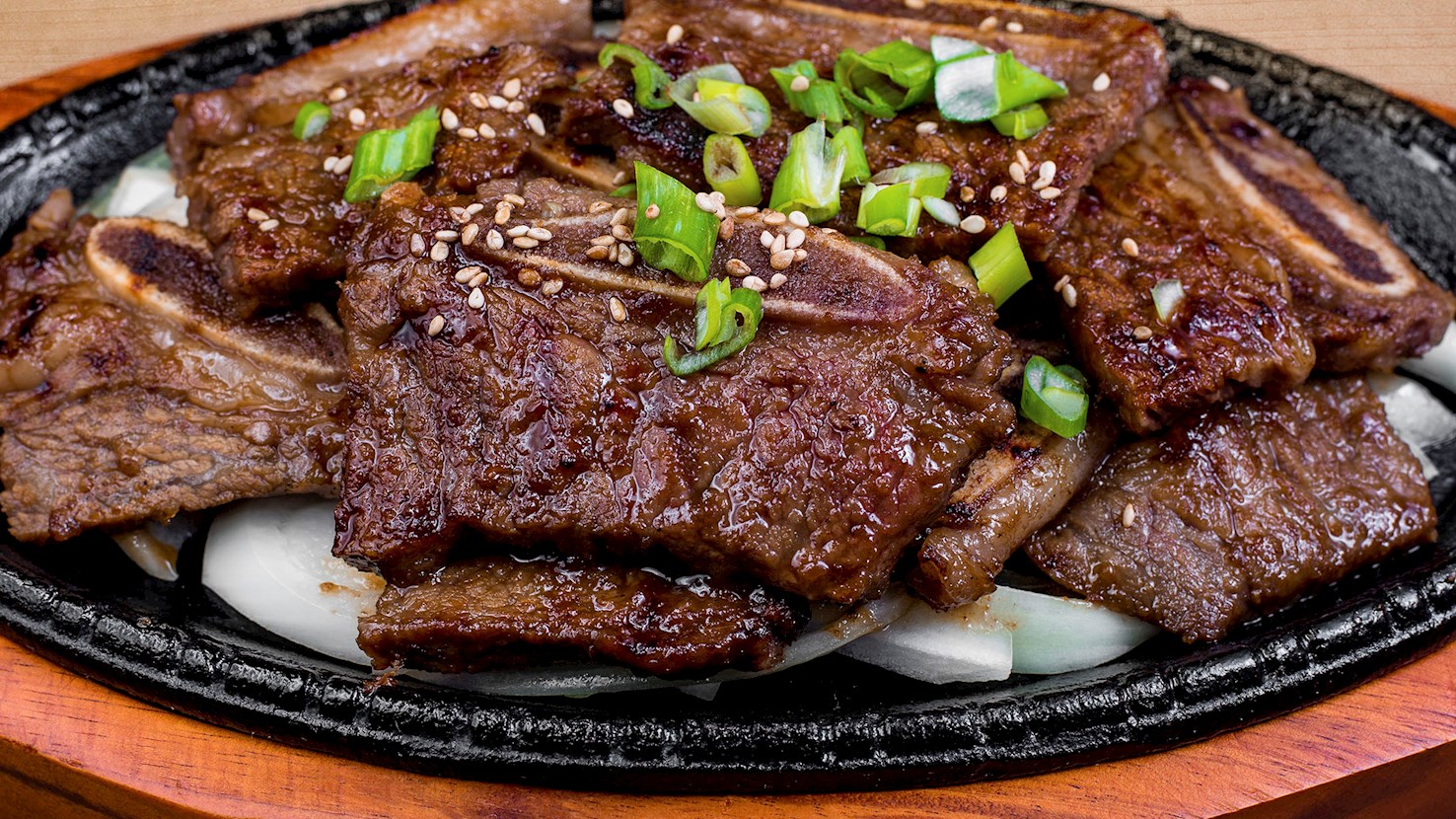
Galbi or kalbi refers to a variety of grilled beef short ribs dishes popular in South Korea. The ribs are marinated in a sweet sauce consisting of soy sauce, sugar, rice wine, sesame oil, and garlic. Although the name of the dish translates to ribs, chicken or pork meat can also be used. The dish originates from 18th-century Korea, when killing cows was strictly forbidden. As workers were building the Hwa Castle, they needed to be well-fed, so King Jeongjo allowed the opening of only one slaughterhouse in the whole country to process beef and feed the hungry workers. Of course, it didn't stop at just one slaughterhouse, and that is the best recommendation for trying the dish for yourself. Galbi is typically accompanied by kimchi, red bean paste or rice, but it can also be wrapped up in lettuce leaves with a variety of other vegetables. Due to galbi's great balance of sweet and savory flavors and rising popularity, the dish even has its own annual festival since 1995, called the Suwon Galbi Festival, offering the visitors a chance to indulge in this celebrated delicacy.

09

Pisang goreng

4.4 ·

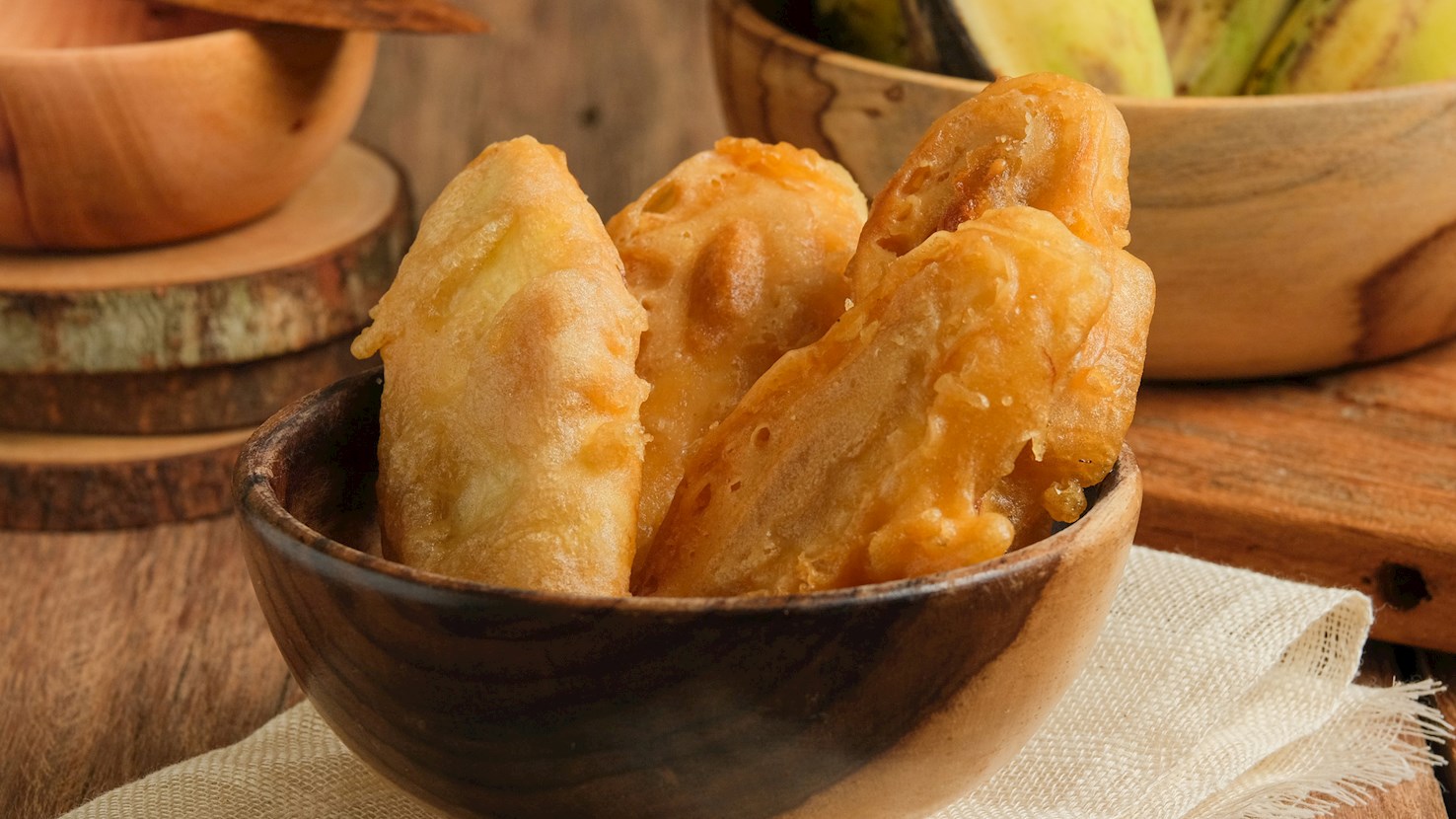
Fried bananas or plantains are a common everyday snack eaten throughout Indonesia. They come in numerous versions in which the fruit is simply fried in shallow oil, but more often sliced banana pieces are coated in batter before they are fried until golden. Besides numerous other varieties, fried bananas also appear under different names such as godoh biu on Bali or gedhang gorèng on Java. They are traditionally sold at street stalls and carts and belong to a group of gorengan dishes—Indonesian deep-fried snacks. The more elaborate version of pisang goreng are served dusted with powdered sugar and cinnamon, drizzled with chocolate, or accompanied by jams or ice cream. Similar banana-based dishes are found in other Southeast Asian regions and countries such as Singapore, the Philippines (maruya) and Malaysia (kuih kodok).

10

Cremolada

4.3 ·

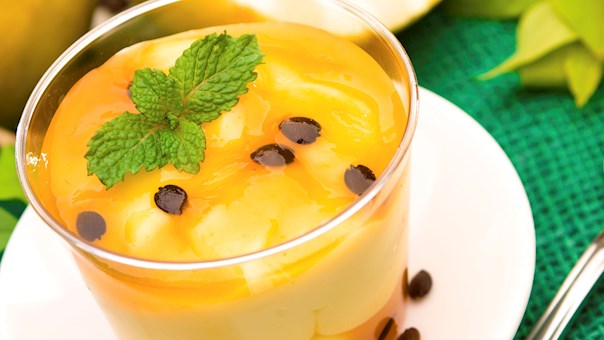
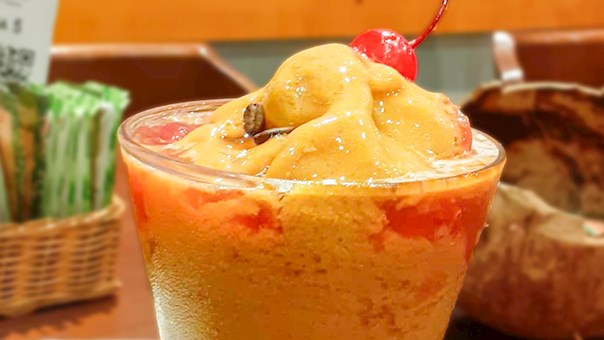
Cremolada is a popular frozen dessert from Peru, often described as a cross between a smoothie and shaved ice. It's made by blending fresh fruit pulp with sugar and water, then freezing the mixture. Sometimes, a bit of lime or lemon juice might be added to enhance the fruit's natural flavors. Once it's frozen, the cremolada is scraped or shaved into a granulated texture, similar to a granita or a slushie. Cremolada is typically served in cups or glasses and is consumed with a spoon or a straw. It's especially popular in the hot months as a refreshing treat.

11

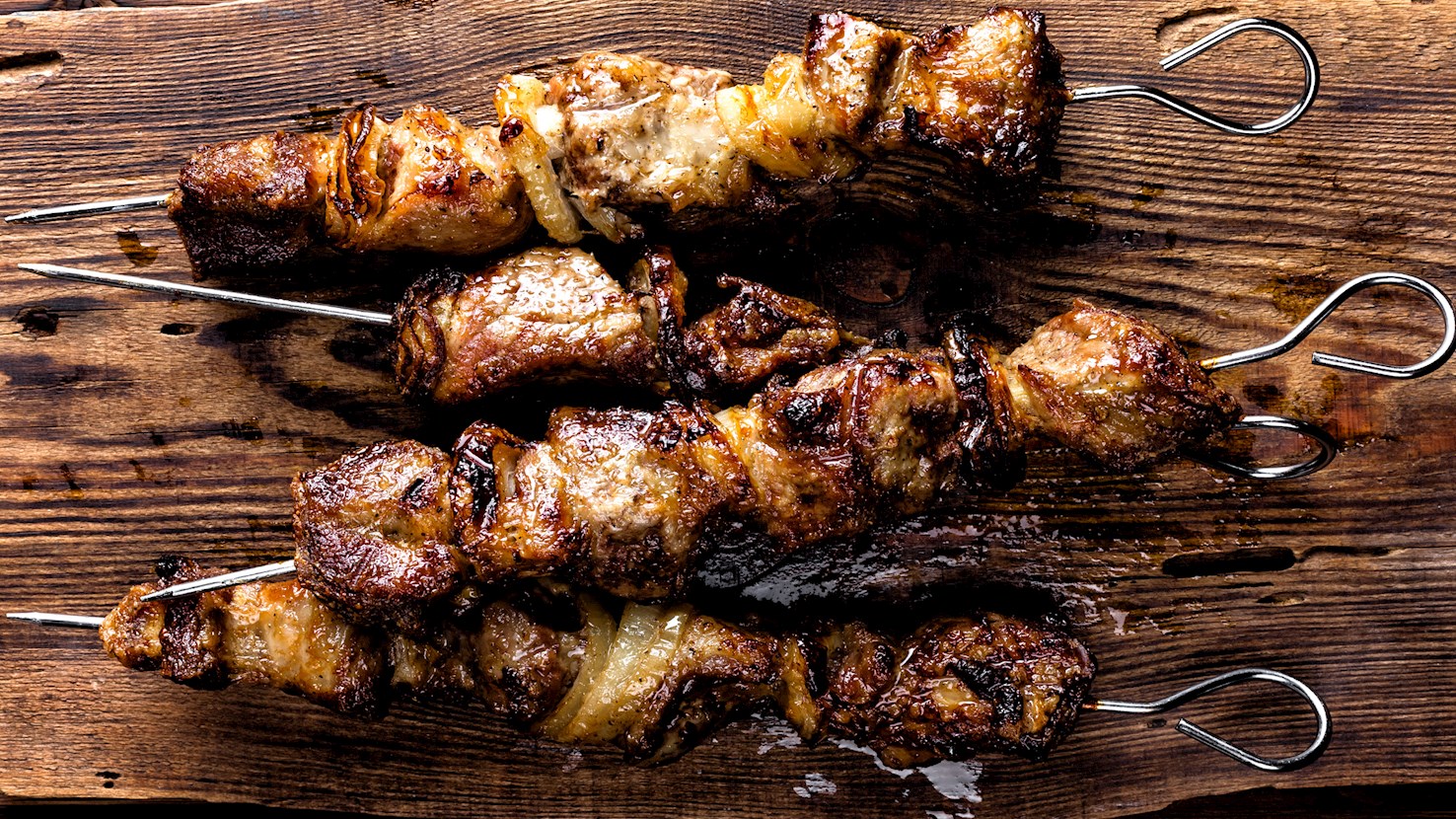
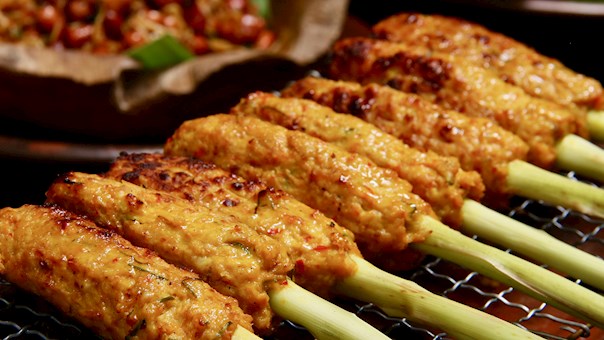
Shish kebab

4.3 ·
14

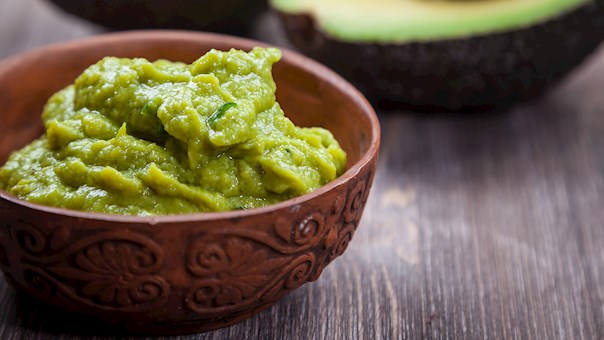
Guacamole

4.3 ·
15

Kulfi

4.3 ·
18

Salsa de palta

4.2 ·
19

Appeltaart

4.2 ·
20

Chifle

4.2 ·
About this ranking

TasteAtlas food rankings are based on the ratings of the TasteAtlas audience, with a series of mechanisms that recognize real users and that ignore bot, nationalist or local patriotic ratings, and give additional value to the ratings of users that the system recognizes as knowledgeable. For the “100 Best Rated Dishes with Fruit” list until July 17, 2026, 1,011,265 ratings were recorded, of which 666,015 were recognized by the system as legitimate. TasteAtlas Rankings should not be seen as the final global conclusion about food. Their purpose is to promote excellent local foods, instill pride in traditional dishes, and arouse curiosity about dishes you haven’t tried.

Similar lists