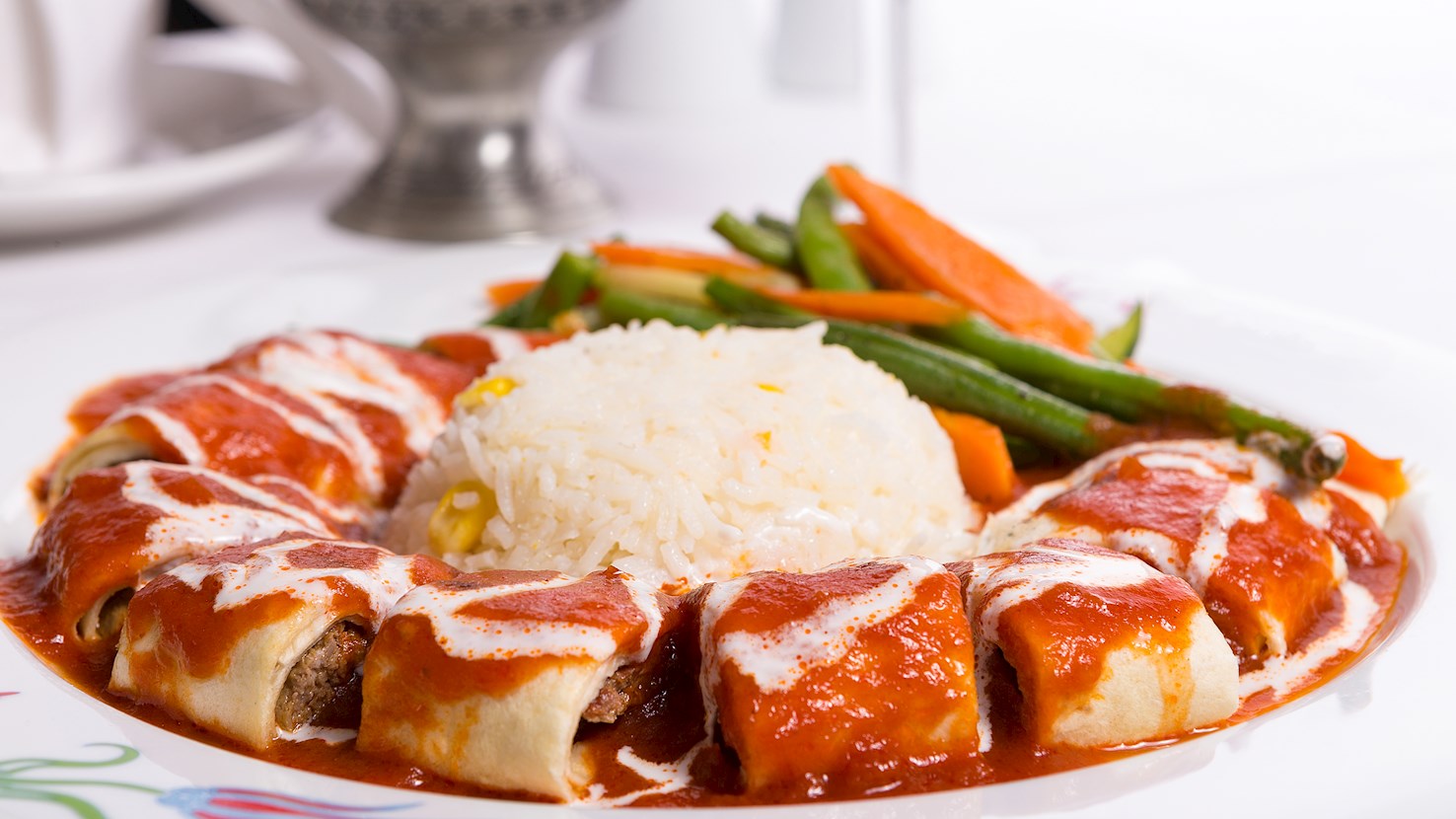
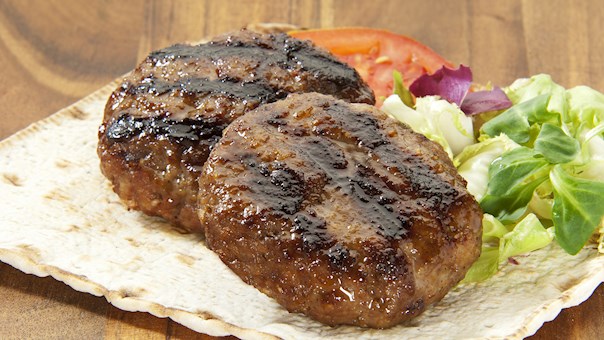
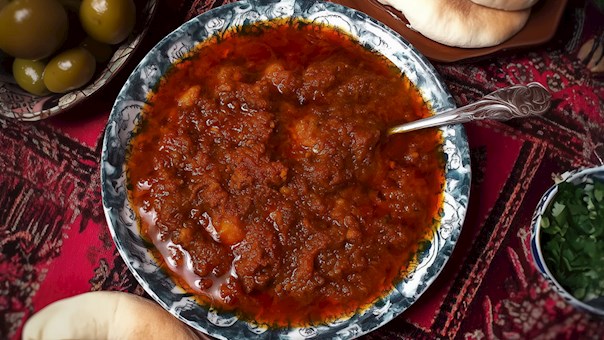
Beyti is a traditional kebab variety originating from Istanbul. It consists of ground lamb or beef that's seasoned with spices, grilled on a skewer, then served wrapped in lavash, cut into pieces, and topped with tomato sauce and yogurt. The ground meat is typically mixed with onions, eggs, garlic, cumin, coriander, salt, breadcrumbs, paprika, and black pepper. Lavash or phyllo pastry is brushed with butter, then wrapped around the grilled kebabs into a roll. The rolls are cut diagonally, then topped with a sauce consisting of tomatoes and butter, while the yogurt is usually served in the center of the rolls or on the side. Some people serve the dish with bulgur or steamed rice, while garnishes might include ghee and pistachios. This kebab variety was named after Beyti Güler, a restaurant owner from Istanbul who invented the dish in 1961.
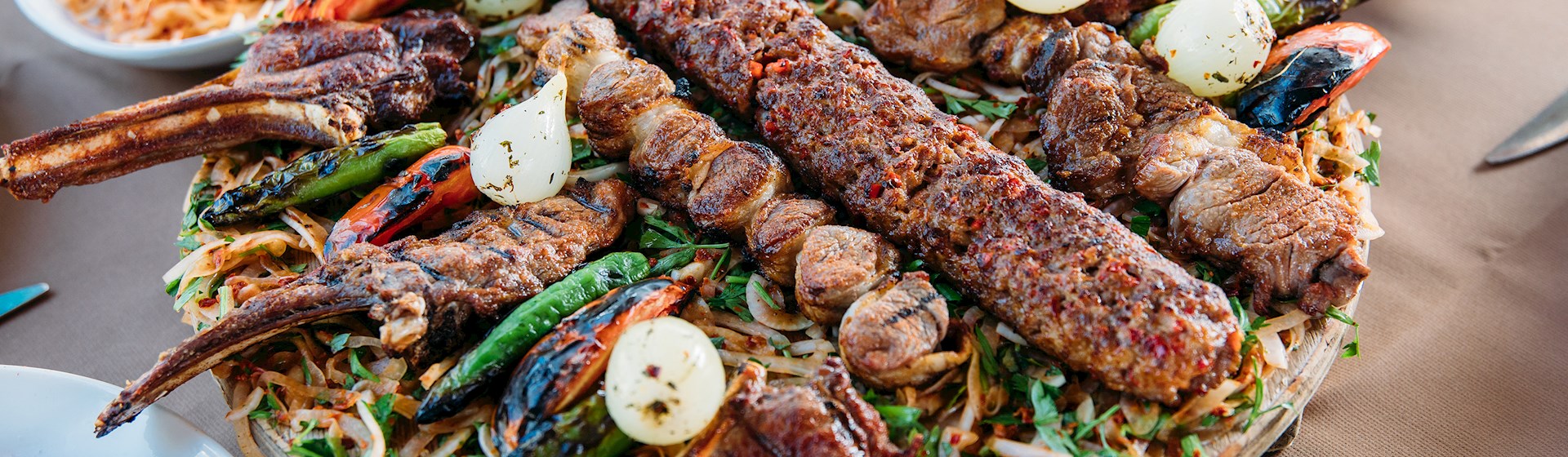
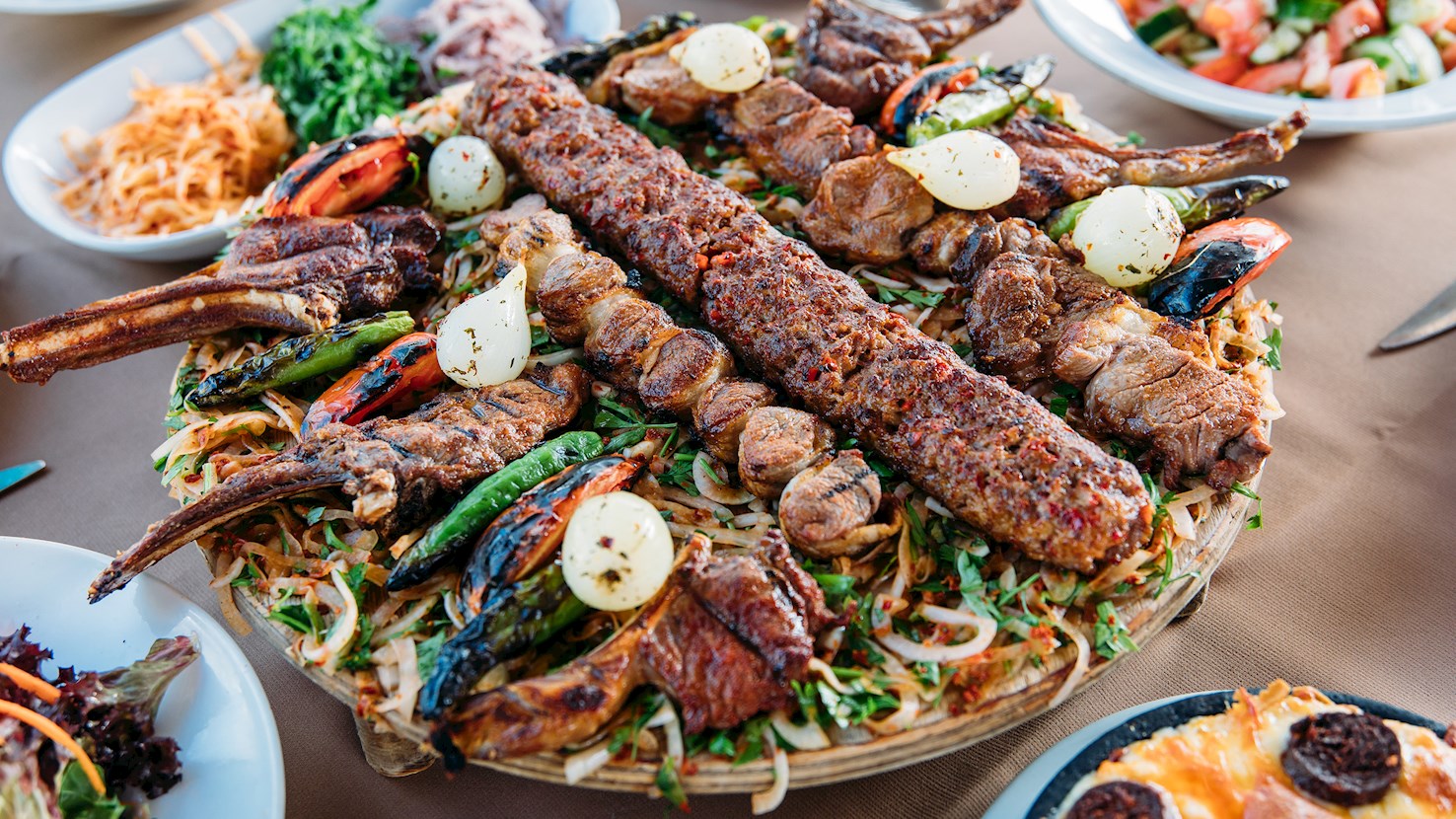
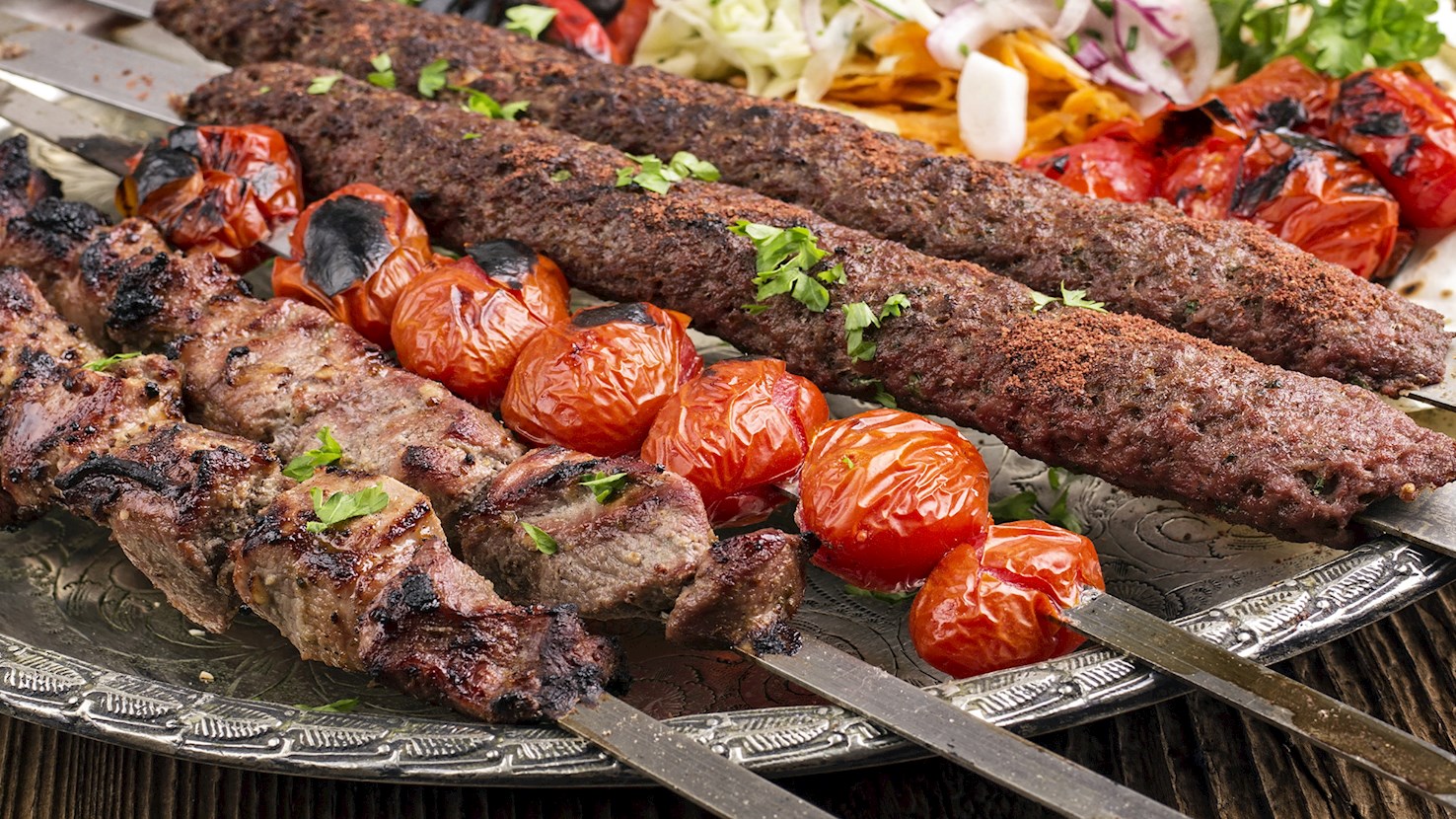
Adana kebap is a popular skewered meat dish named after one of the most famous kebab cities in the country, Adana. This kebab is made with ground lamb and tail fat that are kneaded together with garlic, onion, paprika, and hot red pepper flakes, giving it a deep red color and a spicy flavor. The whole concoction is typically placed around large and flat metal skewers, then grilled. Once it's done, the grilled meat is traditionally served on a platter over flatbreads, peppers, and tomatoes, or stuffed into pita bread along with a salad consisting of parsley and red onions. Before the pita is rolled, the meat is usually topped with roasted chilies, salt, cumin, and sumac. It is recommended to pair Adana kebap with ayran – a slightly salty, yogurt-based beverage or şalgam, a non-alcoholic fermented beverage made from vegetables and red carrots.
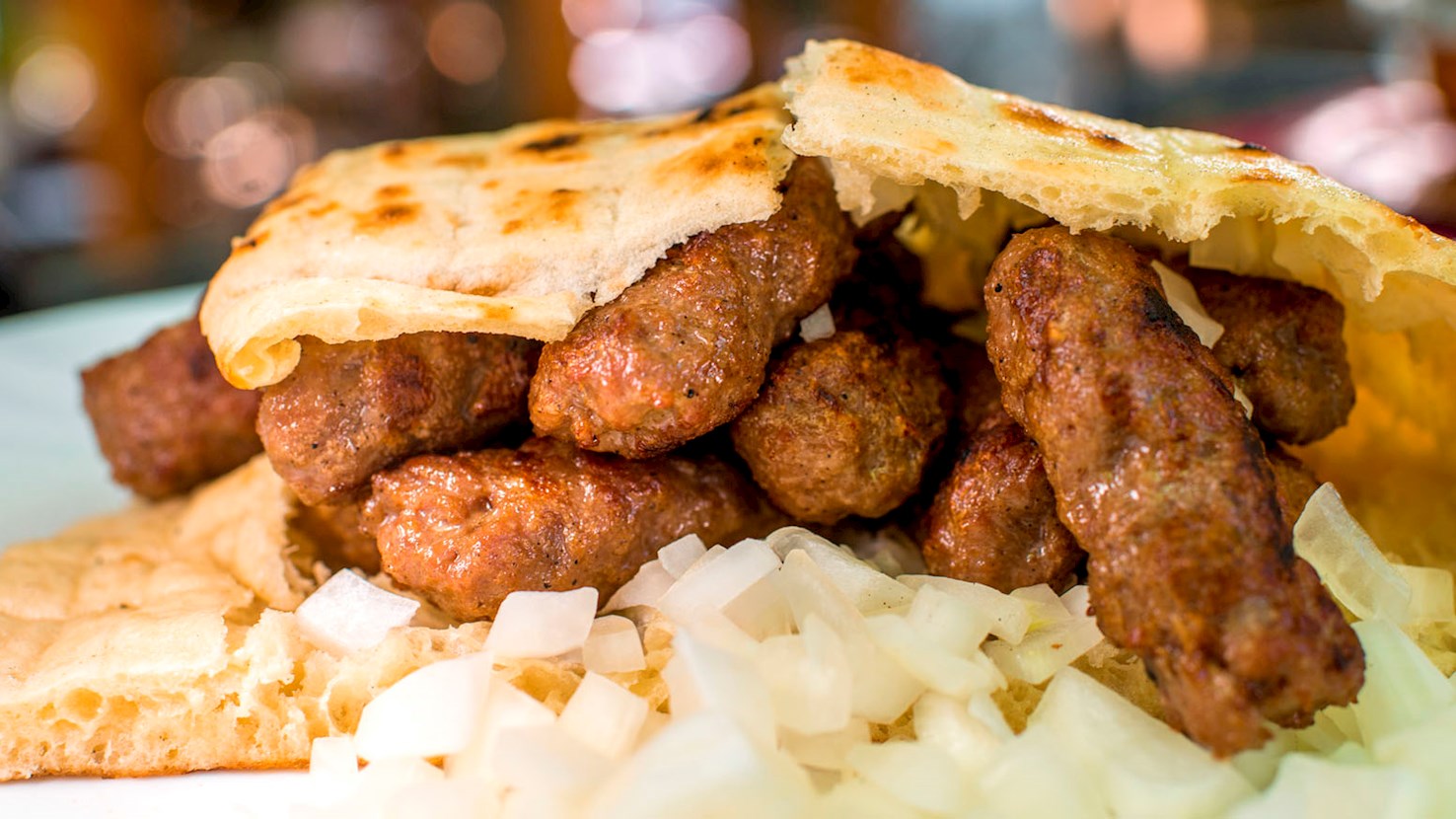
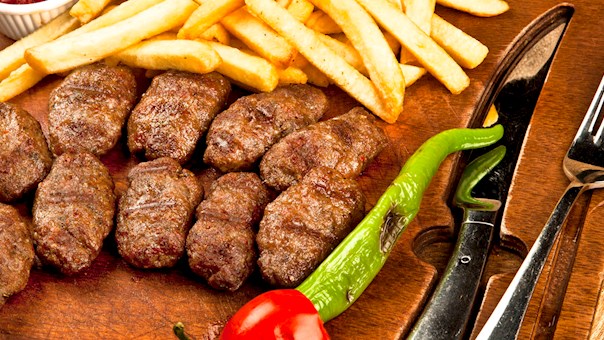
Despite their clear Turkish provenance, Bosnian ćevapi are a source of great national pride and the country's favorite dish. These tiny, hand-rolled minced meat sausages are commonly made with ground beef - or a mix of beef mince with other meats such as veal or lamb - seasoned with a mix of different spices; usually garlic, salt, black pepper, and sometimes paprika or hot red pepper flakes. After they have mellowed for a couple of hours, ćevapi are barbecued over charcoal. Traditionally, one portion of the dish consists of ten pieces of ćevapi tucked in a soft, moist, slightly grilled flatbread called lepinja or somun, and a variety of accompaniments such as kajmak, a type of clotted cream spread, roasted red pepper and eggplant relish called ajvar (especially popular in Croatia and Serbia), and raw onions.
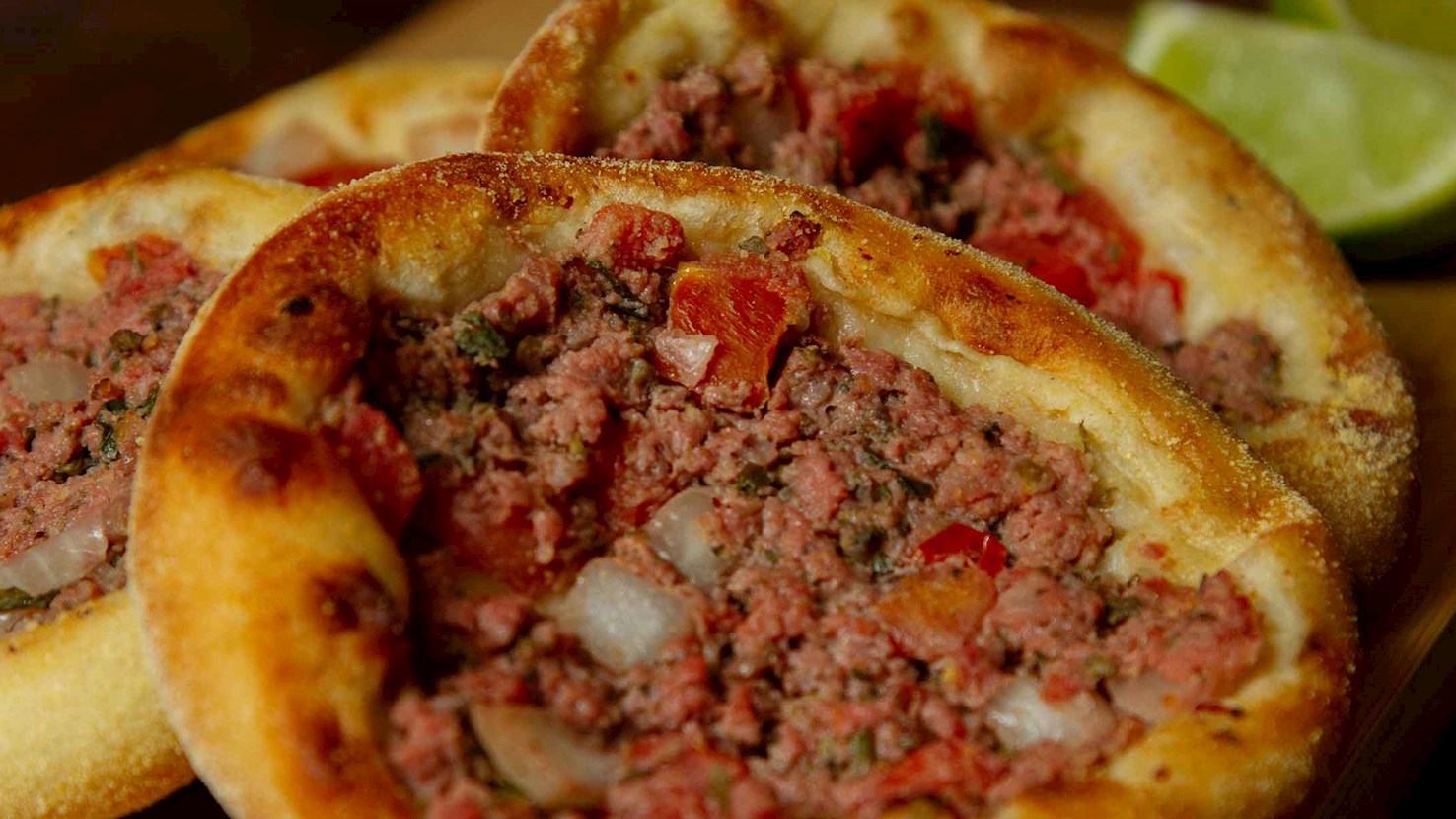
Sfiha, or lahm bil ajĩn (lit. meat on dough) is an Arabic specialty that dates back to the 15th century, when it first appeared in today's Eastern Lebanon. The traditional open-faced meat pie is popular throughout the Arab region, its main ingredients usually including minced lamb (or lamb), chopped onions and tomatoes, spices, olive oil, and yogurt. Originally, the dish was prepared by stuffing ground lamb and spices in brined grape leaves, but it evolved over time. Sfiha is also popular in Brazil and Argentina, where it was brought over by Levantine immigrants. It is usually consumed hot as a snack, accompanied by tahini sauce or a bowl of yogurt, while pomegranate seeds, coriander, or chopped cucumbers are often used as garnishes. In Turkey, sfiha is known as pide.
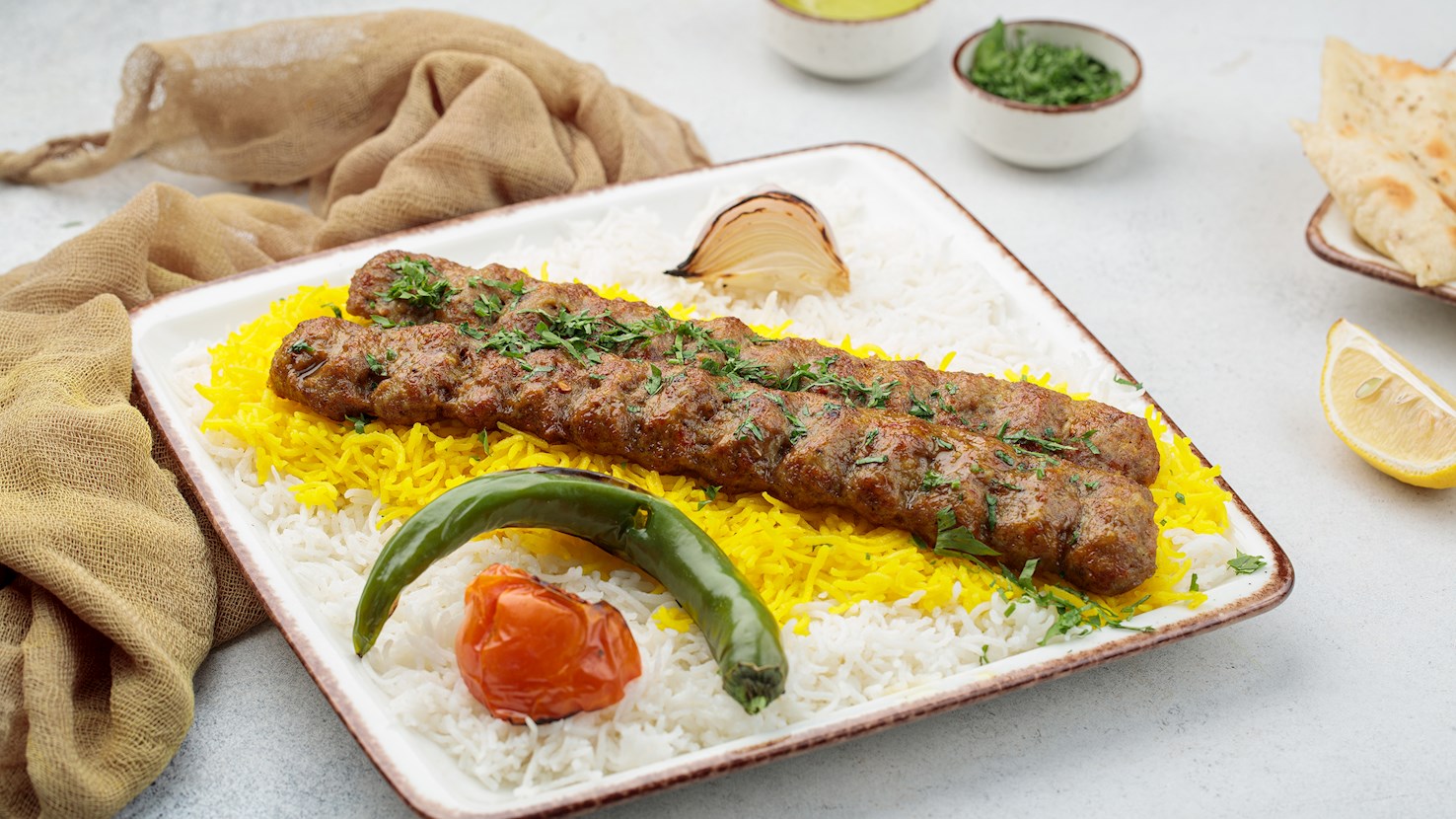
Chelo kebab is a dish of steamed saffron rice with skewered, grilled meat, most often ground lamb or beef, served alongside accompaniments such as grilled tomatoes, butter, and raw onion. The name “chelo” refers to the delicate white rice, which is prepared separately from the kebab and finished with a drizzle of melted butter and a sprinkling of saffron-infused water. This pairing of rice and kebab has become a defining feature of Persian cuisine, regarded as a benchmark of culinary skill and a popular choice for both everyday meals and special gatherings across Iran. The preparation begins with soaking long-grain rice, typically high-quality Iranian varieties, to remove excess starch. The rice is then parboiled, drained, and steamed until each grain is separate and tender. Meanwhile, the meat for the kebab is seasoned simply with salt, pepper, and sometimes grated onion for moisture and flavor. It is shaped onto wide, flat metal skewers and grilled over hot charcoal until charred on the outside and juicy inside. The most popular form is koobideh, made with ground meat, but other cuts like barg, prepared with marinated strips of tenderloin, are also common. Chelo kebab is served by placing the meat skewers next to the mound of rice, often with a raw egg yolk on top and a slab of cold butter that melts into the grains. Grilled tomatoes and fresh herbs are included on the side, and sumac powder is offered for sprinkling over the kebab. This combination balances the richness of the grilled meat with the delicacy of the steamed rice and the acidity of the tomato. Beyond Iran, chelo kebab has become a symbol of Persian hospitality, featured in Iranian restaurants worldwide and recognized as one of the country’s most famous dishes. In Tehran and other cities, dedicated kebab houses specialize in preparing it to order, often with open charcoal grills visible to customers. Chelo kebab is also a frequent feature of celebratory meals, where it is presented in generous portions and shared among family and friends.
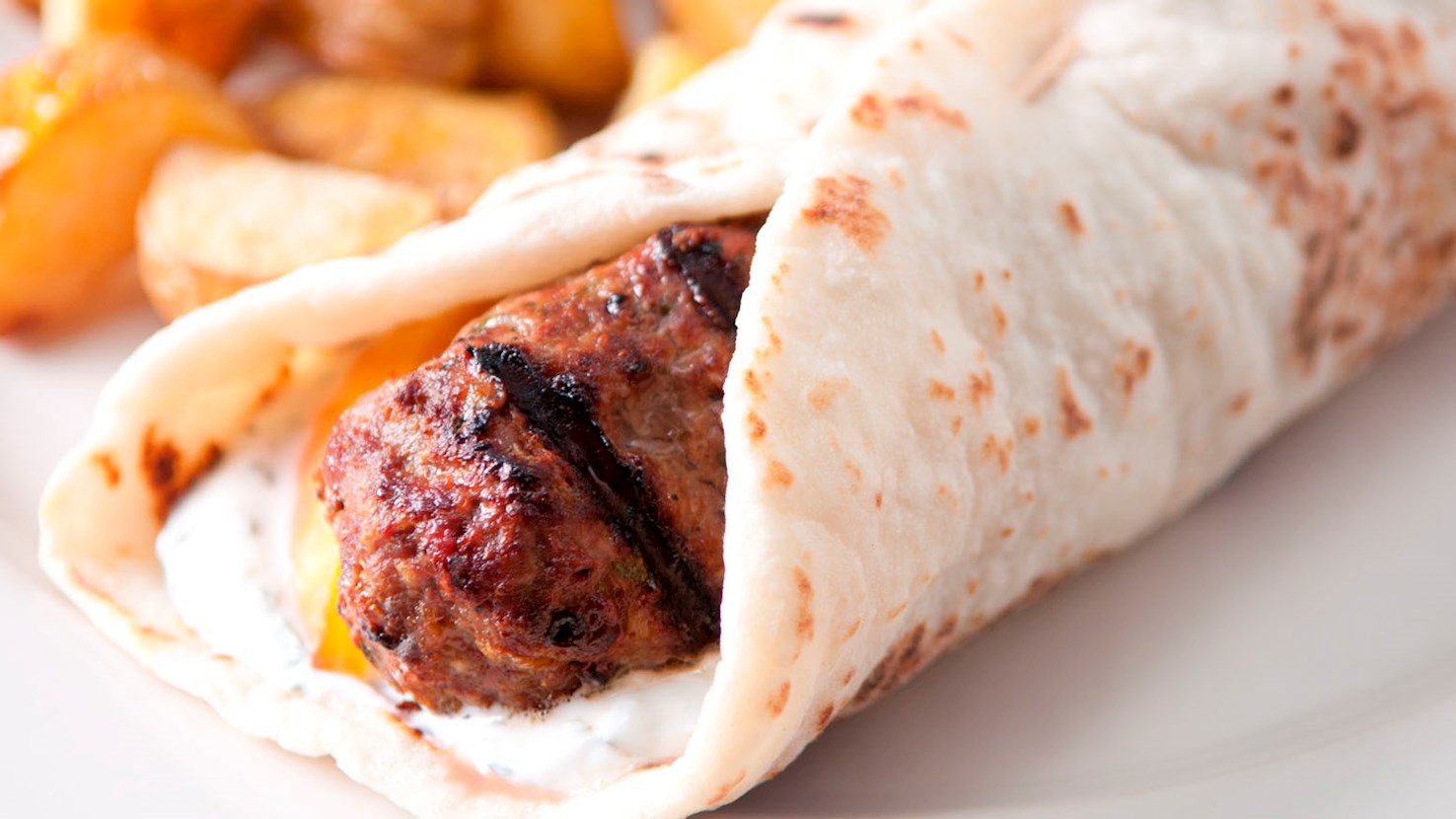
This traditional Cypriot sausage is made from a mixture of minced pork and lamb, chopped red onion, and parsley wrapped in caul fat, a thin fatty membrane that lines the stomach of cows, sheep, and pigs. There are two theories as to how the dish got its name – either from the Turkish word şeftali, which means peach, most likely as a reference to its texture, or from the name of the street vendor who is credited with having invented it. The meat mixture is seasoned with salt, pepper, and cinnamon, and then formed into small sausages which are skewered and grilled. As the meat cooks, the caul fat renders, giving the sausages a crispy, caramelized exterior while keeping the meat on the inside tender and juicy. Sheftalia is commonly served in a pita, topped with salad and tzatziki, a sauce made with yogurt, cucumber and olive oil.
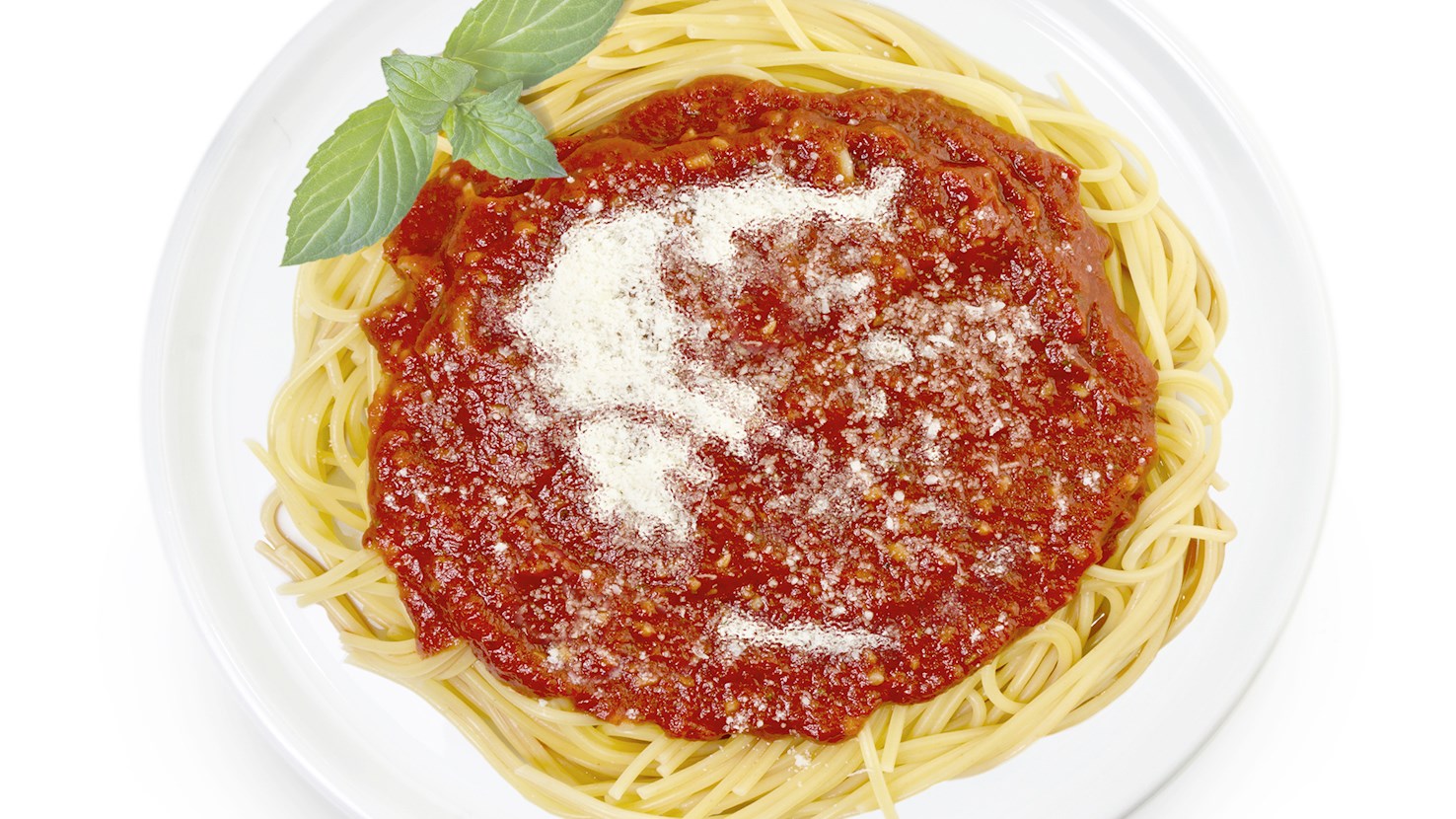
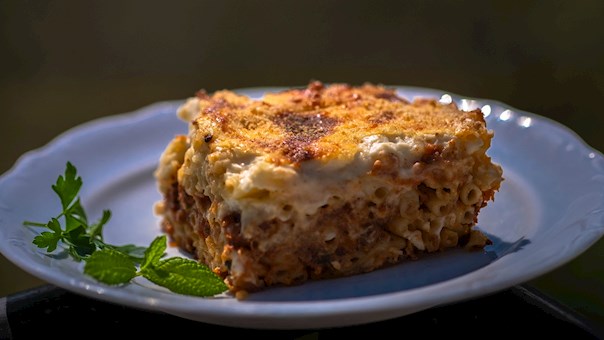
This Greek version of pasta and a tomato-based meat ragù is a traditional dish that appears in numerous versions across the country. Although makaronia me kima is incredibly versatile and can be easily adapted with additional ingredients, it is usually distinguished by the use of fragrant spices such as cinnamon or cloves in the meat ragù. It is a classic comfort dish that is typically garnished with grated cheese.
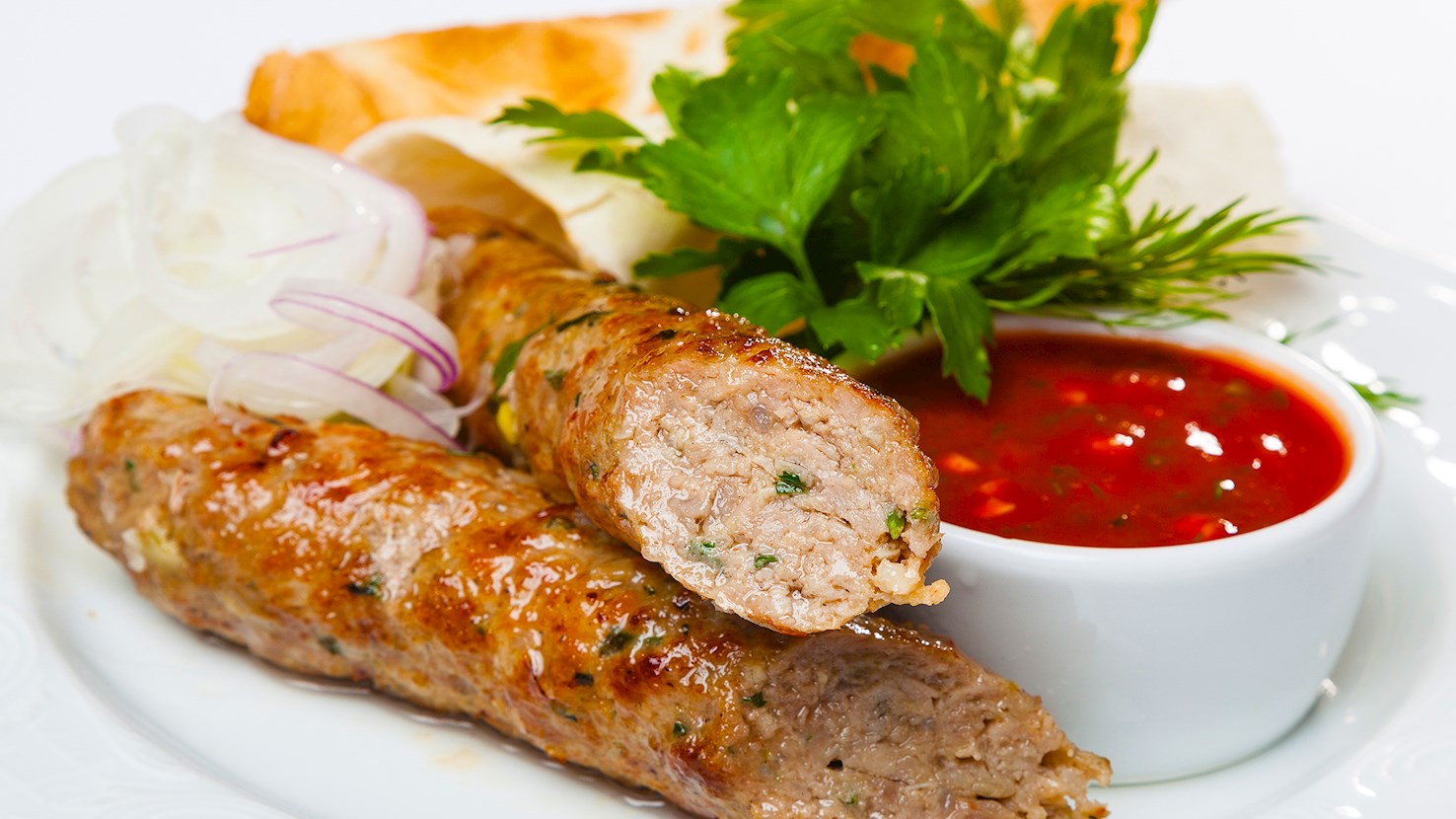
Lyulya kebab is a unique kebab variety popular throughout the Caucasus region. It typically consists of ground lamb combined with finely chopped onions. The mixture is seasoned with salt and black pepper, then skewered and grilled. Other types of meat such as fish and poultry can also be used in the preparation of lyulya. What makes this kebab variety so unique is the process of kneading the meat for a long time so that it becomes denser and does not fall apart. The dish dates back to the 2nd century, and it was even praised by the famous Roman historian Pliny the Elder, as well as the famous Roman scientist Ptolemy. It is recommended to pair lyulya with grilled vegetables, thinly sliced onions, sumac, and lavash.
Kebab koobideh is a type of Iranian minced meat kebab prepared by combining ground lamb, beef, or a blend of both with grated onion and simple seasoning before shaping the mixture onto wide metal skewers and grilling it over hot coals. This kebab is among the most widely consumed in Iran, appearing in restaurants, street stalls, and homes where it is often served with chelo, a mound of steamed saffron rice, or with flatbreads, grilled tomatoes, and fresh herbs. The word “koobideh” comes from the Persian verb “koobidan,” meaning to beat or mash, referring to the practice of kneading and working the meat mixture until it becomes sticky enough to hold together on the skewer. Preparation begins by finely grating onion and squeezing out as much moisture as possible to avoid excess water, which can cause the kebab to fall apart. The onion is then mixed with freshly ground meat and seasoned simply with salt and black pepper. Unlike many other types of kebabs, koobideh does not include herbs or complex spices, focusing instead on the flavor of the meat itself and the subtle aroma developed during grilling. The mixture is kneaded thoroughly by hand until it becomes tacky, an essential step for ensuring that the kebabs adhere properly to the skewers. Once shaped onto wide, flat metal skewers, the kebabs are grilled over a bed of hot charcoal, where they cook quickly, developing a lightly charred exterior while staying juicy inside. The heat must be steady and even to avoid burning or drying out the meat. As the fat renders, it bastes the kebab, contributing to its tender texture and savory flavor. The kebabs are usually served hot, laid across mounds of rice or wrapped in thin flatbread alongside grilled tomatoes, raw onions, and sumac for sprinkling. Kebab koobideh has been embraced throughout Iran as an everyday meal as well as a popular choice for gatherings. It is often prepared in large quantities for family events, picnics, or communal feasts. In Iranian cities, specialized kebabi shops prepare koobideh fresh to order, sometimes offering variations made exclusively with lamb or leaner blends for a lighter taste.
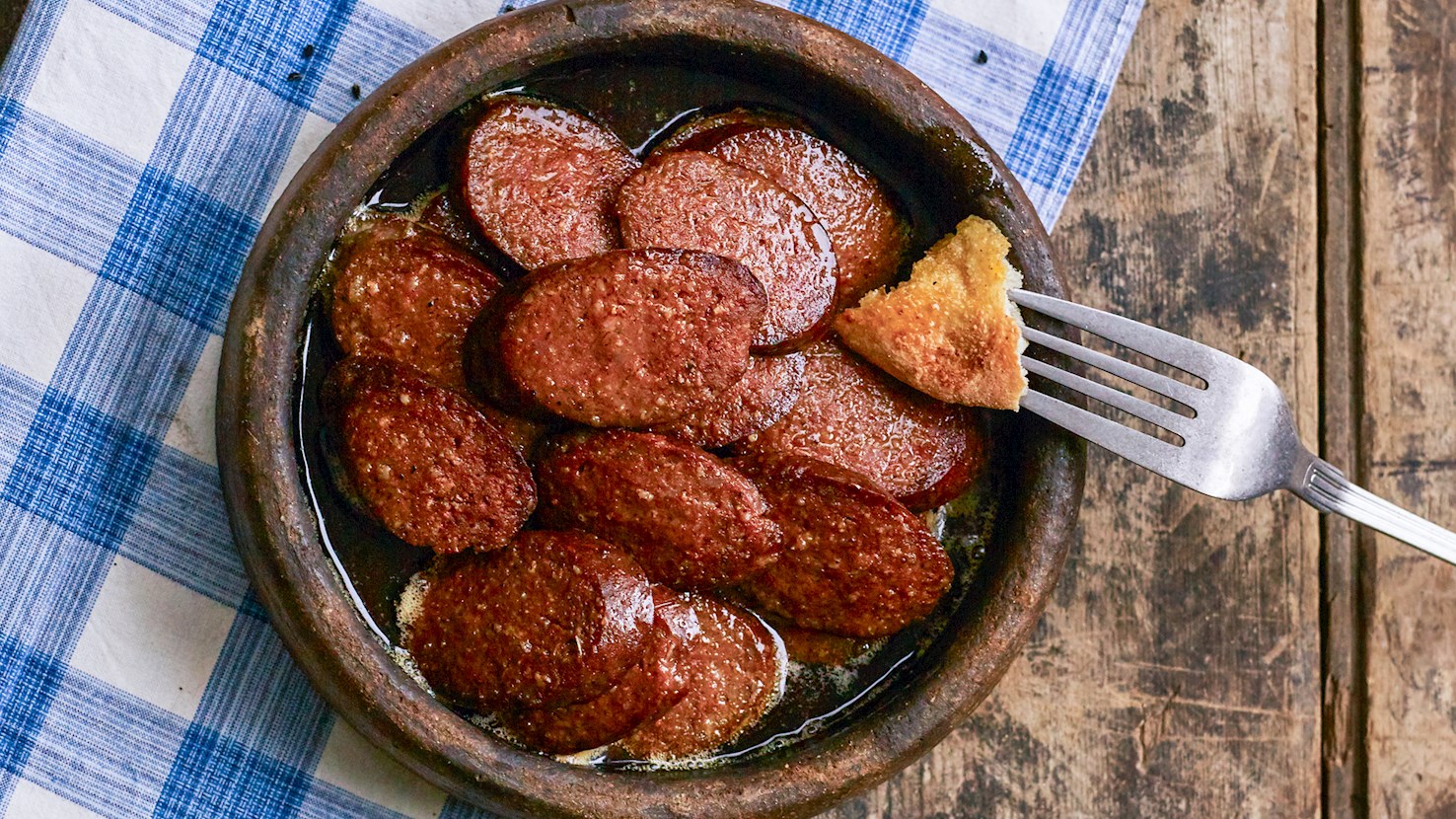
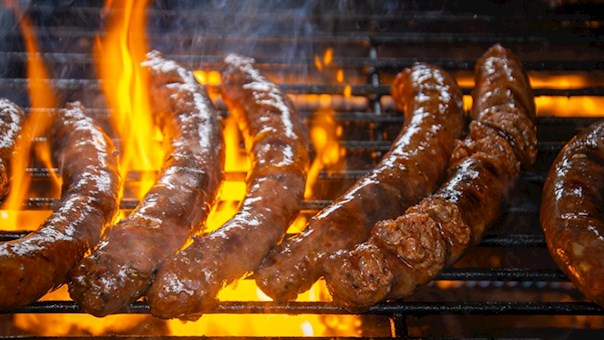
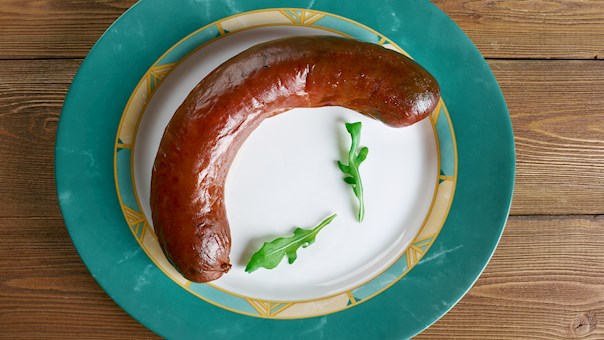
Sucuk or sujuk is a dry, cured sausage made primarily from beef or lamb and seasoned heavily with garlic and spices, produced and consumed across Anatolia, the Caucasus, and the eastern Mediterranean, with strong associations in Turkey, Armenia, and parts of the Levant, where it appears as a household staple rather than a delicatessen item. Its development followed patterns of meat preservation in regions with seasonal slaughter and limited refrigeration, relying on salting, spicing, and air-drying to stabilize minced meat, with spice blends evolving according to local availability, particularly paprika, cumin, and garlic, which also served functional roles in preservation alongside flavor. Preparation begins with finely ground beef (or lamb) mixed with salt, crushed garlic, paprika, cumin, and sometimes fenugreek, kneaded until cohesive, then stuffed into natural casings, pressed flat to encourage even drying, and left to cure under controlled airflow until firm and shelf-stable, after which it is stored whole and sliced as needed rather than cooked in advance. Serving involves slicing the cured sausage and cooking it briefly, most commonly pan-fried without added fat, as sucuk releases its own oils, and it is often cooked until the edges crisp while the interior remains dense, sometimes paired with eggs or incorporated into simple hot dishes rather than eaten on its own. A defining characteristic of sucuk is its flat shape and strong spice concentration, which allows small amounts to season a dish effectively without additional aromatics, and its cured state means it transitions directly from storage to pan without intermediate preparation. It is eaten at breakfast or lunch in homes and casual eateries, alongside flatbread, eggs, tomatoes, or cheese, and pairs well with plain yogurt, fresh vegetables, unsweetened tea, or black coffee, which offset its salt and spice without competing with its intensity.
TasteAtlas food rankings are based on the ratings of the TasteAtlas audience, with a series of mechanisms that recognize real users and that ignore bot,
nationalist or local patriotic ratings, and give additional value to the ratings of users that the system recognizes as knowledgeable.
For the “67 Best Rated Dishes with Ground Lamb” list until June 17, 2026, 1,000,987 ratings were recorded, of which 657,348 were recognized by the system as legitimate.
TasteAtlas Rankings should not be seen as the final global conclusion about food. Their purpose is to promote excellent local foods,
instill pride in traditional dishes, and arouse curiosity about dishes you haven’t tried.