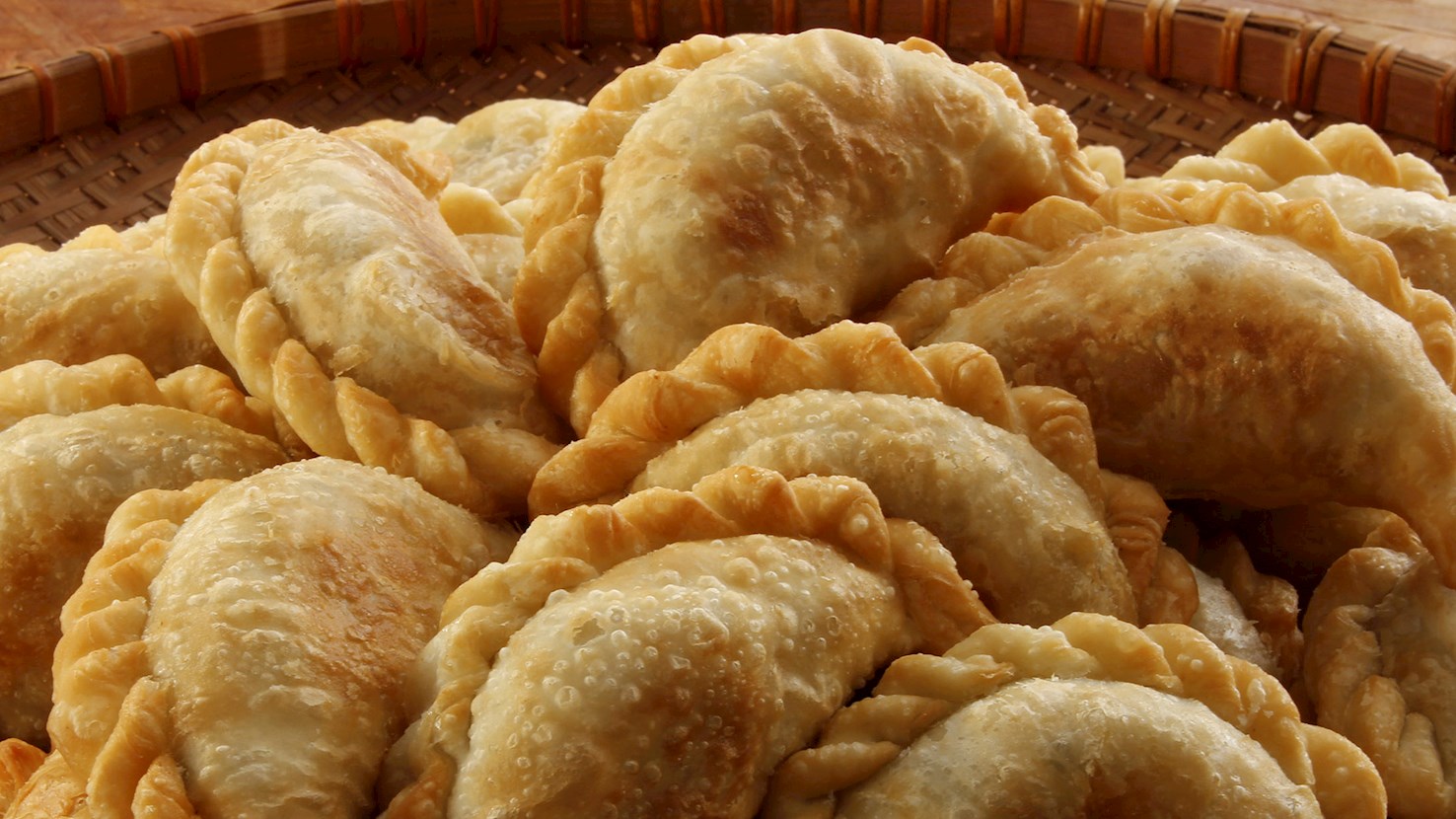
These empanadas are a specialty of the region of Tucumán, and they are quite different than numerous empanadas found in Buenos Aires. Tucumanas are typically handmade according to old, traditional recipes, and are characterized by a crispy dough and ideal proportions of dough and fillings. The dough is made with wheat flour and beef fat, and it is then usually filled with beef, chicken, or tripe, along with other ingredients such as onions, hard-boiled eggs, paprika, and cumin. Authentic Tucumanas should be baked in a clay oven, and it is best to enjoy them with a glass of local wine on the side.
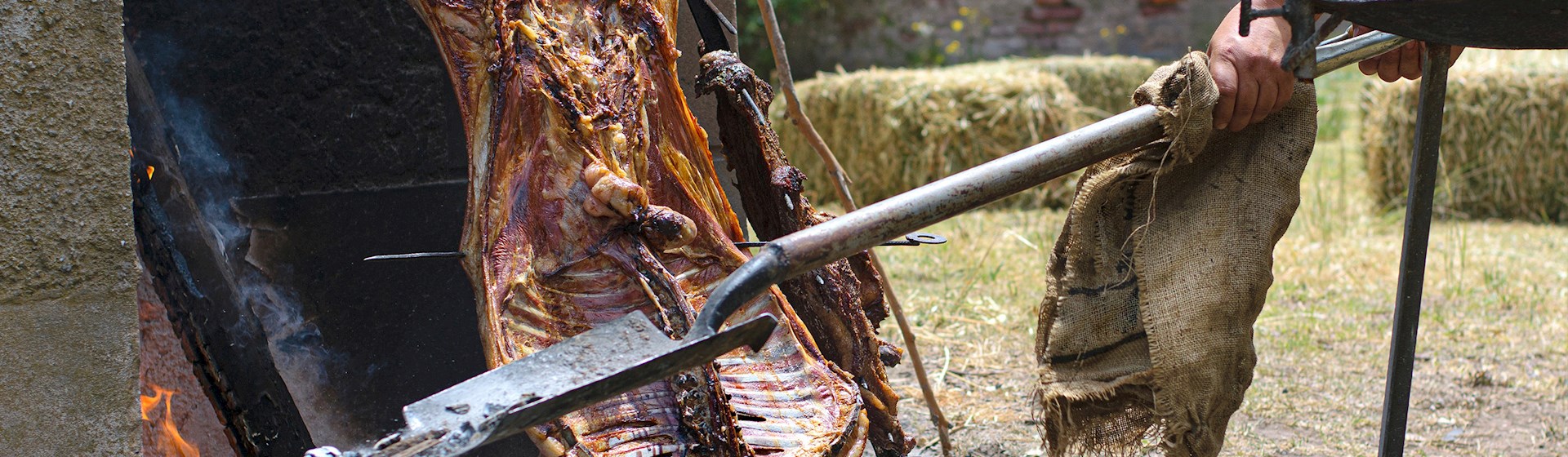
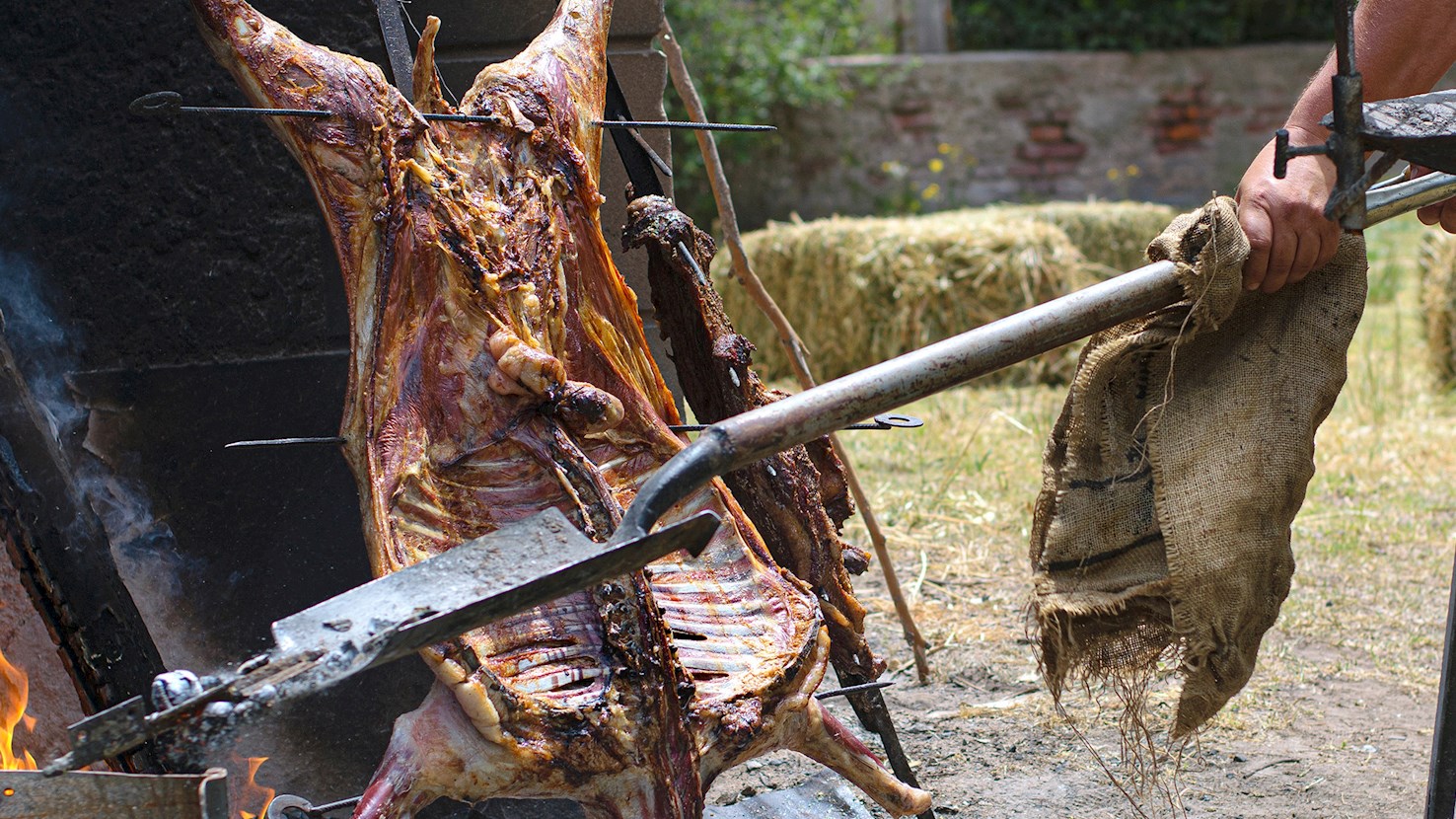
Cordero asado is a popular Castillan dish made by roasting a whole lamb over an open fire. The lamb is usually marinated with lemon, garlic, and various fresh herbs such as rosemary and thyme. Once it is properly cooked, cordero asado is typically accompanied by roasted potatoes and onions on the side. The dish is especially popular during the Christmas season.
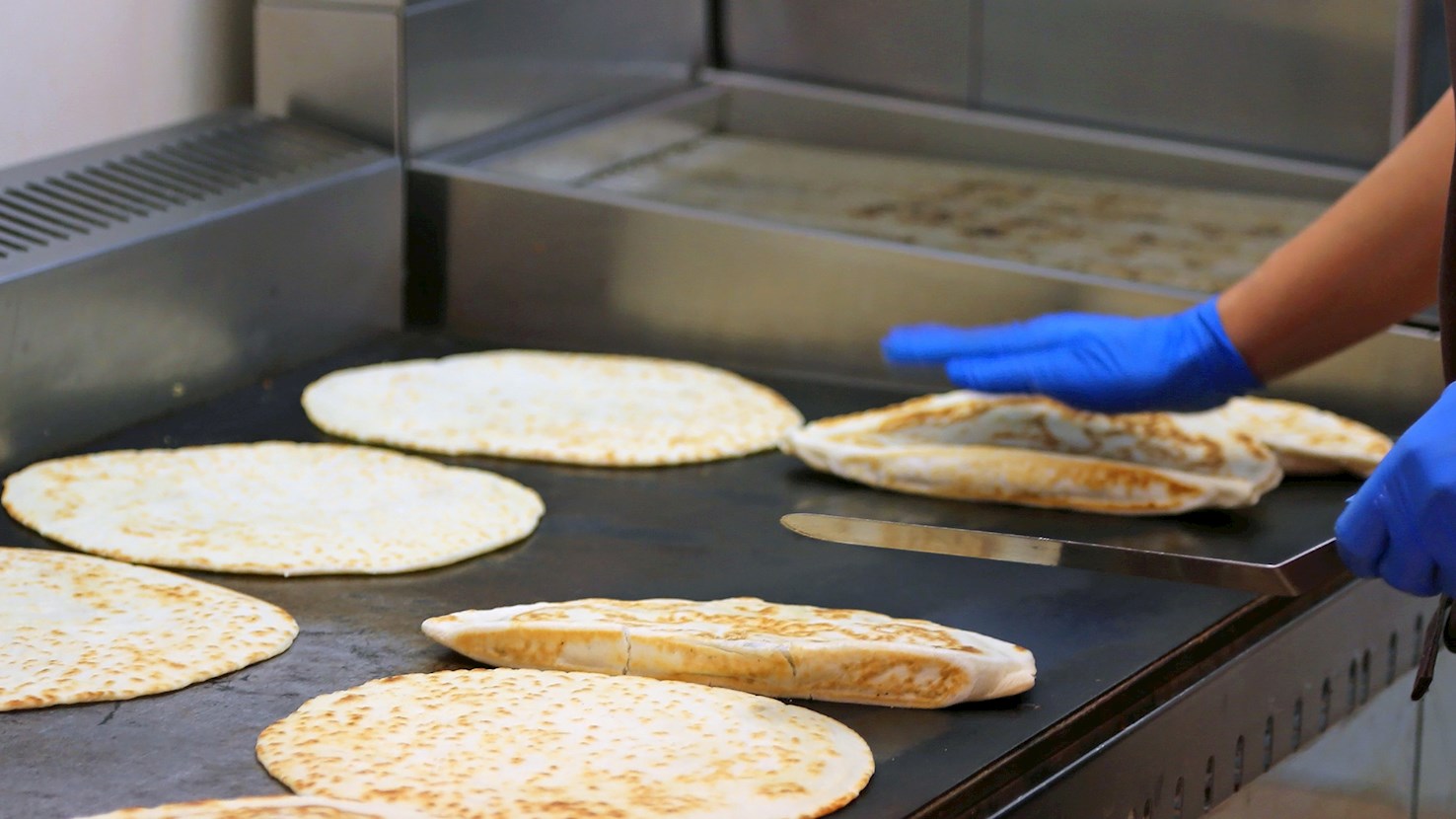
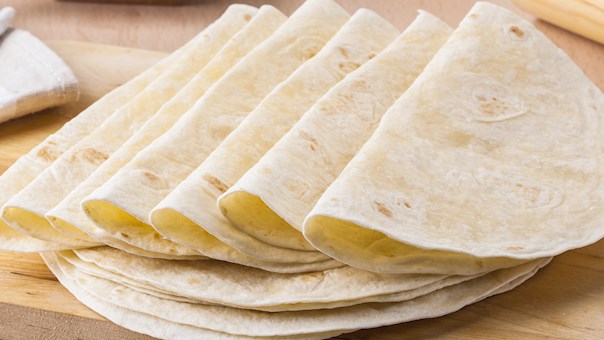
Even though today this griddled Italian flatbread is typically enjoyed as a sandwich (one of the most popular fillings includes prosciutto, creamy soft cheeses like squacquerone, tomatoes, and a handful of peppery wild arugula), Piada or piadina Romagnola was once merely a staple of the poor, often made with maize flour and called la pjida ad furmantoun in Romagnolan dialect. In his poem entitled La Piada, which is sort of an ode to the beloved Romagnolan piadina, a 19th century Italian poet Giovanni Pascoli calls it "the bread of poverty, humanity, and freedom", describing it as "smooth as a leaf and as big as the moon." Since then, the humble, rustic piadina has come a long way and even today takes a special place in the regional cuisine, having been awarded the Protected Geographical Indication status. Le piadine, in plural, can take virtually any ingredients as their filling, and they can be easily found freshly prepared at numerous street kiosks called piadinerie, as it is best to eat a piadina only minutes after it comes off the cast-iron griddle while it's still pliable and warm - the perfect frame for the almost-melting soft cheese and delectable, thinly sliced charcuterie.
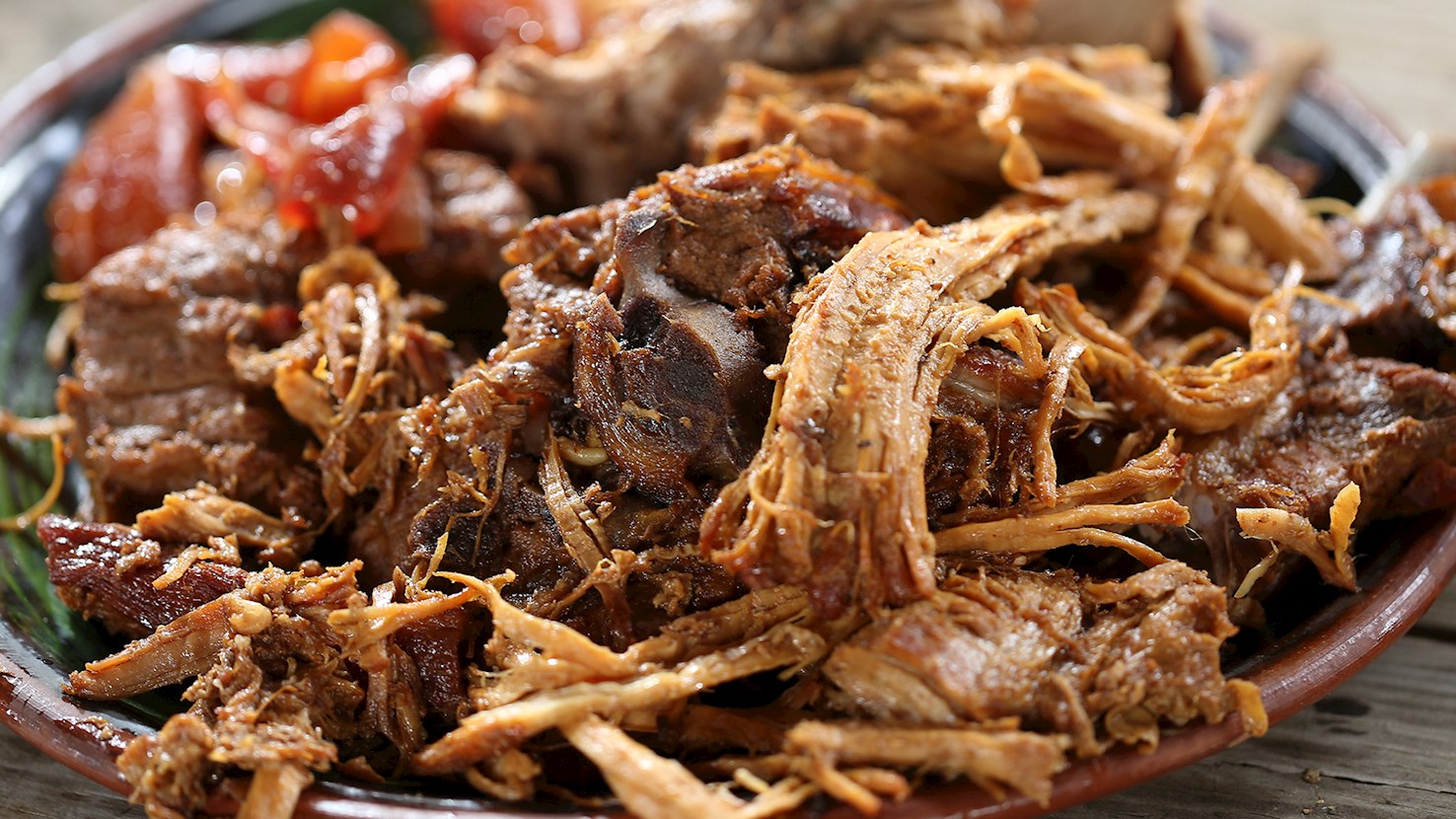
Originating from the Mexican state of Michoacán, carnitas is a flavorful dish made from pork (usually front sections or pork shoulder) that is braised, roasted, or slow-cooked in its own fat for a long time until fully tender and succulent. The heat is then turned up until the meat is crispy on the exterior and can be shredded. Carnitas, which translates to little meats, is often served with tortillas, accompanied by salsas, beans, guacamole, lime, or fresh vegetables. In Michoacán, carnitas are found everywhere from street stalls to upscale restaurants, although the dish is more often made for special occasions such as Christmas, anniversaries, or birthdays. Tender, fresh, and tasty, carnitas are a special treat for meat lovers worldwide.
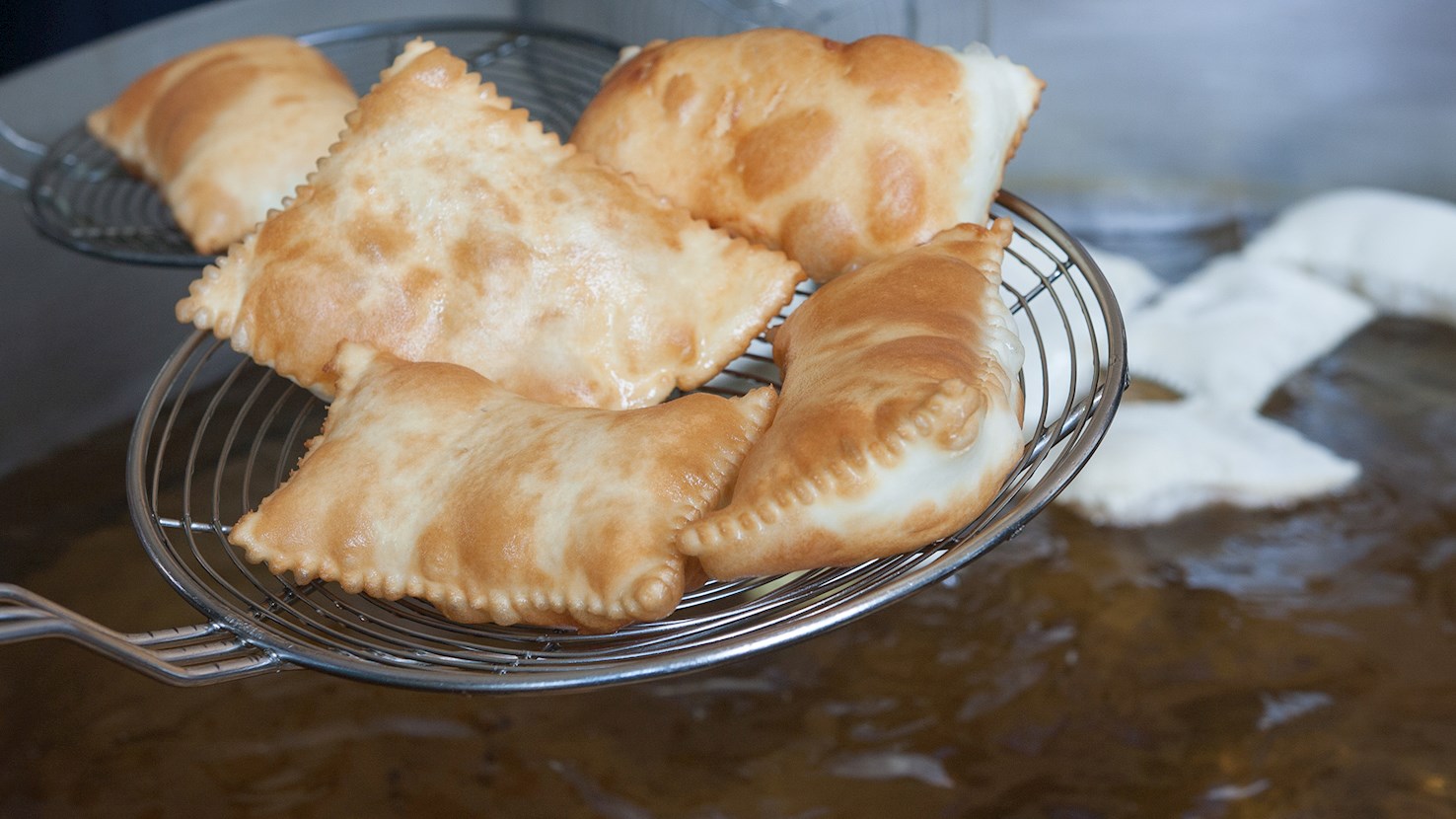
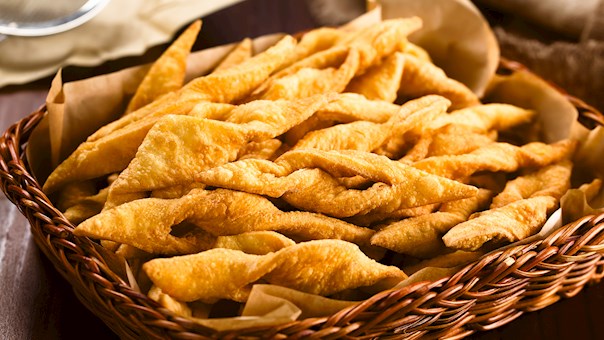
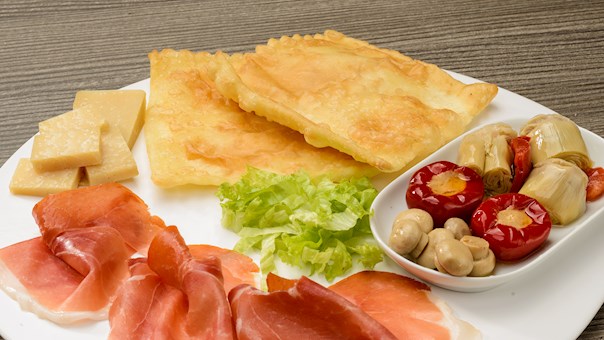
Gnocco fritto is a traditional pastry consisting of flour, lard, salt, and a leavening agent. The dough is traditionally shaped into little rectangles by flattening it with the palm of one's hand. Often times, people make small holes in the middle of the dough with their fingers, and fry the dough on lard in a pan. Gnocco fritto is traditionally served warm and paired with cheese or cured, sliced meats. In the past, it was very popular with farmers who consumed it during the days of hard labor in the fields.
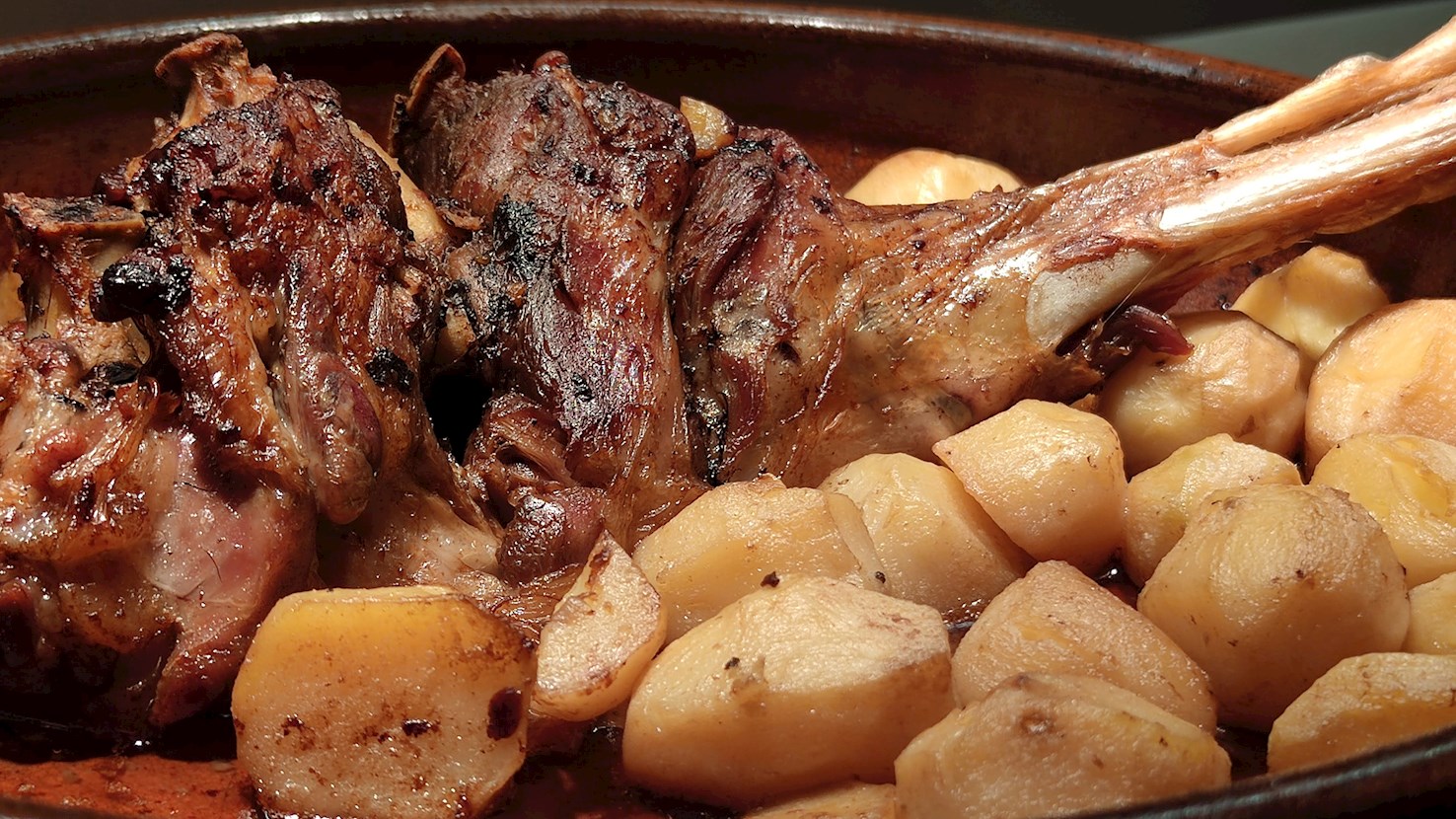
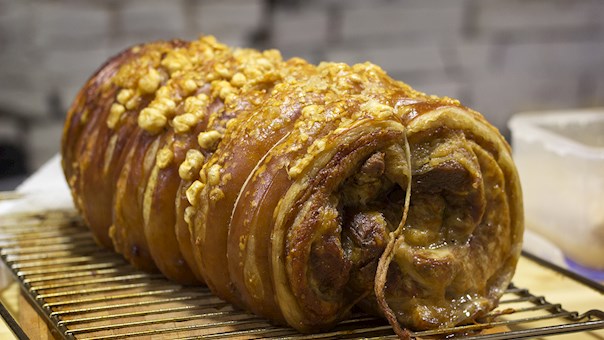
Lechazo is a roasted, unweaned milk-fed lamb prized for its exceptionally tender meat and crackling, brittle skin. The foundation of this meal relies heavily on strict criteria regarding the animal itself; the lamb must be under thirty-five days old, weigh between nine and twelve kilograms, and have consumed absolutely nothing but maternal milk. This diet guarantees a mild flavor and prevents the development of tough muscle fibers. The origins of roasting such young livestock stretch back to the Celtic and Roman eras across the high-altitude plains of the Iberian Peninsula, specifically within the Duero basin. Shepherds navigating the harsh climate relied heavily on massive flocks of sheep, and using dome-shaped clay ovens fueled by local oak branches became the most efficient way to turn young lambs into a robust source of calories. Prepping the meat involves splitting the animal lengthwise down the spine into quarters. These pieces are arranged bone-side down inside wide terracotta earthenware vessels. A small amount of water is poured directly into the bottom of the container to generate continuous steam, keeping the flesh moist, while the exterior skin is vigorously rubbed with coarse salt and occasionally a thin layer of pork lard. The clay pot sits inside a scorching wood-fired oven for a couple of hours. As it roasts, the internal fat renders completely, bathing the meat in its own juices until the outer layer transforms into a golden, blistered crust. While the minimalist approach, using only salt, water, and heat, defines the baseline in Castile and León, regional variations actively alter the flavor profile. Certain recipes add crushed garlic, fresh parsley, and a generous splash of white wine or lemon juice to the roasting pan to baste the meat. Additionally, thick slices of potato are frequently layered beneath the quarters to absorb the rendered fat as the lamb bakes. When pulled from the flames, the hot terracotta vessel is carried straight to the dining table. Because the meat achieves an incredibly soft texture, it separates from the bone effortlessly, requiring no specialized carving knives to dismantle. Slices of crusty bread and a simple side salad of crisp lettuce and white onions, dressed lightly with oil and vinegar, almost always accompany the warm meat, providing a sharp, acidic contrast to the rich, heavy fat.
Pasticciotto is a popular Italian dessert consisting of a shortcrust pastry filled with flavorful pastry cream. Traditionally, the crust is made with lard, so that it is moister and softer than the regular crust prepared with butter. It is recommended to consume pasticciotto fresh out of the oven when it is still piping hot. Many believe that the dessert was invented in the 18th century by Andrea Ascalone, a chef from Galatina.
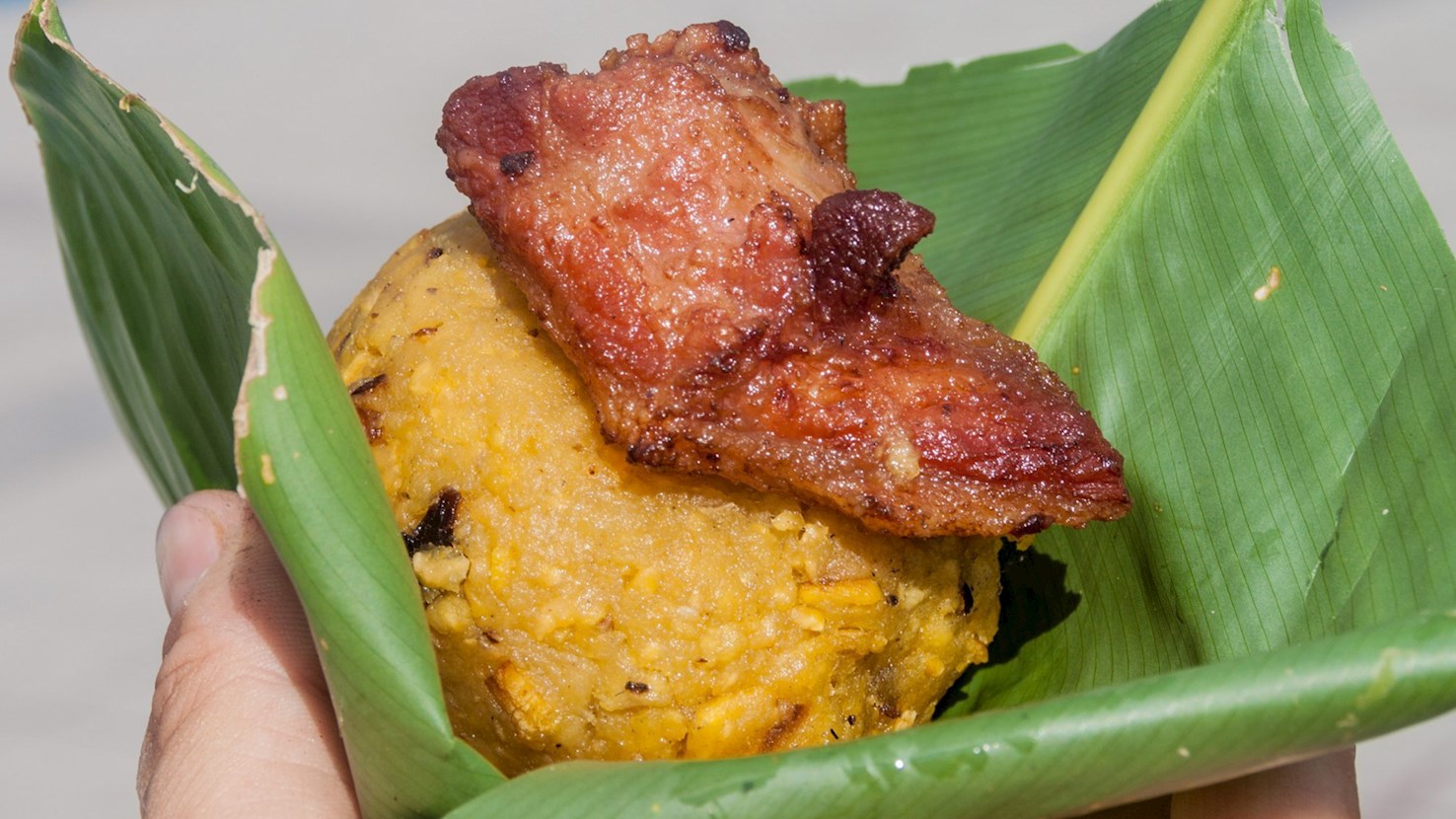
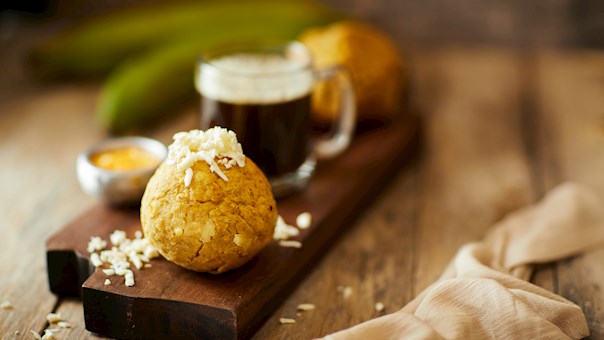
Tacacho is a traditional meal that is typically served for breakfast. It originates from the Amazonas region, where the natives boil or grill the plantains, peel them, then mash them in a large wooden mortar. When mashed, the plantains are combined with lard, salt, and tiny pieces of pork rind. The combination is then rolled into a ball and served with chorizo, various freshly harvested regional vegetables, and salted dried pork known as cecina. There is also the Ecuadorian version of tacacho, known as bolón de verde. Even though this dish can easily be found in Lima, it is recommended to also try it in Madre de Dios, San Martín, and Iquitos.
Pollo encacahuatado is a Mexican dish believed to have originated in Puebla. It consists of chicken pieces that are cooked in a delicious peanut sauce made with lard, tomatoes, onions, garlic, peanuts, chilis, cinnamon, and chicken stock. The meat is slowly simmered in the sauce until all the flavors are thoroughly combined. When done, the dish is typically served in shallow bowls and accompanied by warm tortillas or rice and beans.
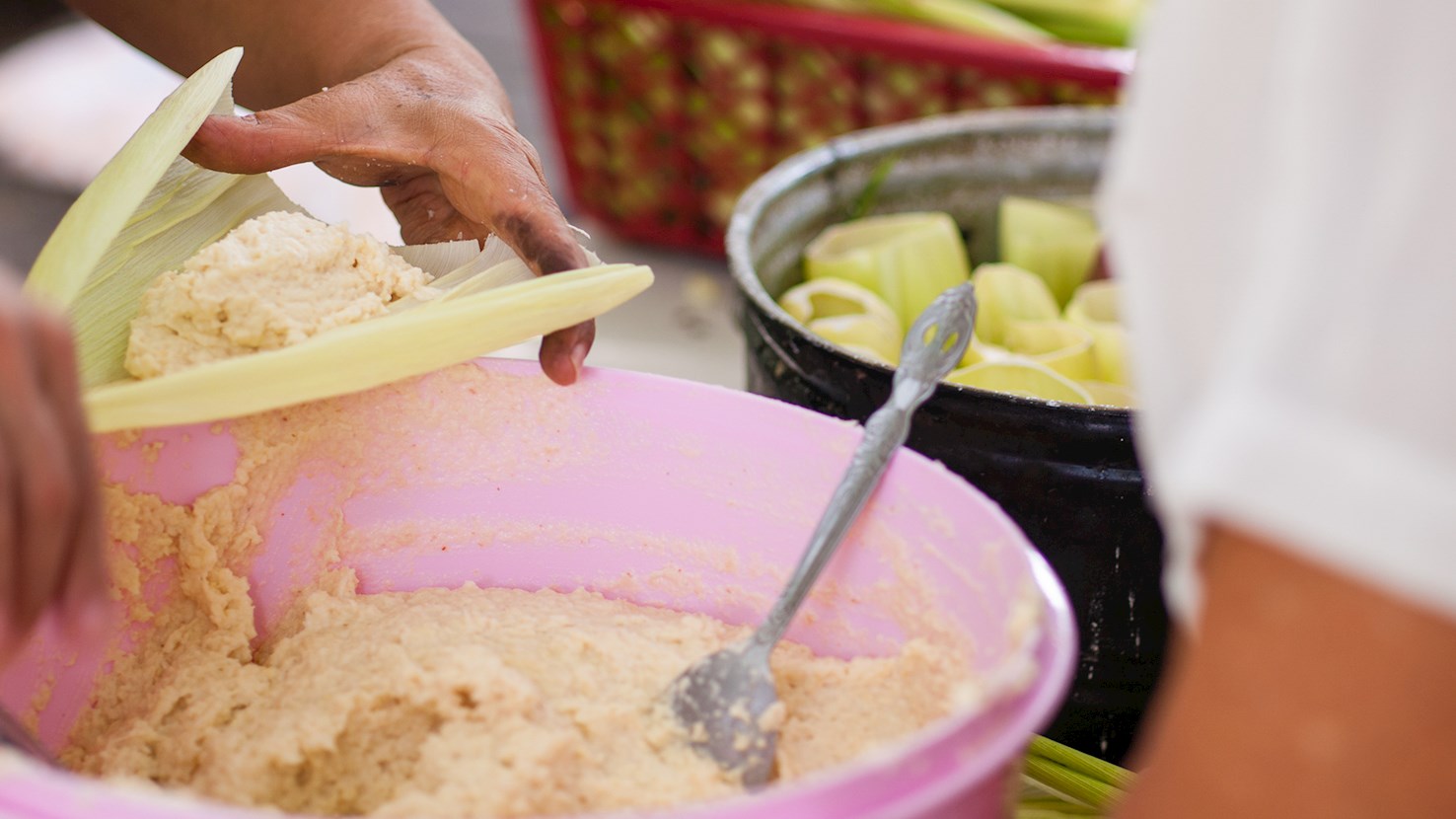
Tamalito is the Peruvian version of tamales. They are smaller and drier than tamales, but both are prepared in a similar fashion. Green maize is first combined with lard, and the combination is then filled with various ingredients and wrapped in corn leaves before being tied with a string and steamed in a pot. Tamalitos are traditionally served as a light appetizer or a tasty side dish. It is recommended to pair them with salsa criolla.
TasteAtlas food rankings are based on the ratings of the TasteAtlas audience, with a series of mechanisms that recognize real users and that ignore bot,
nationalist or local patriotic ratings, and give additional value to the ratings of users that the system recognizes as knowledgeable.
For the “100 Best Rated Dishes with Lard” list until June 17, 2026, 1,000,987 ratings were recorded, of which 657,348 were recognized by the system as legitimate.
TasteAtlas Rankings should not be seen as the final global conclusion about food. Their purpose is to promote excellent local foods,
instill pride in traditional dishes, and arouse curiosity about dishes you haven’t tried.