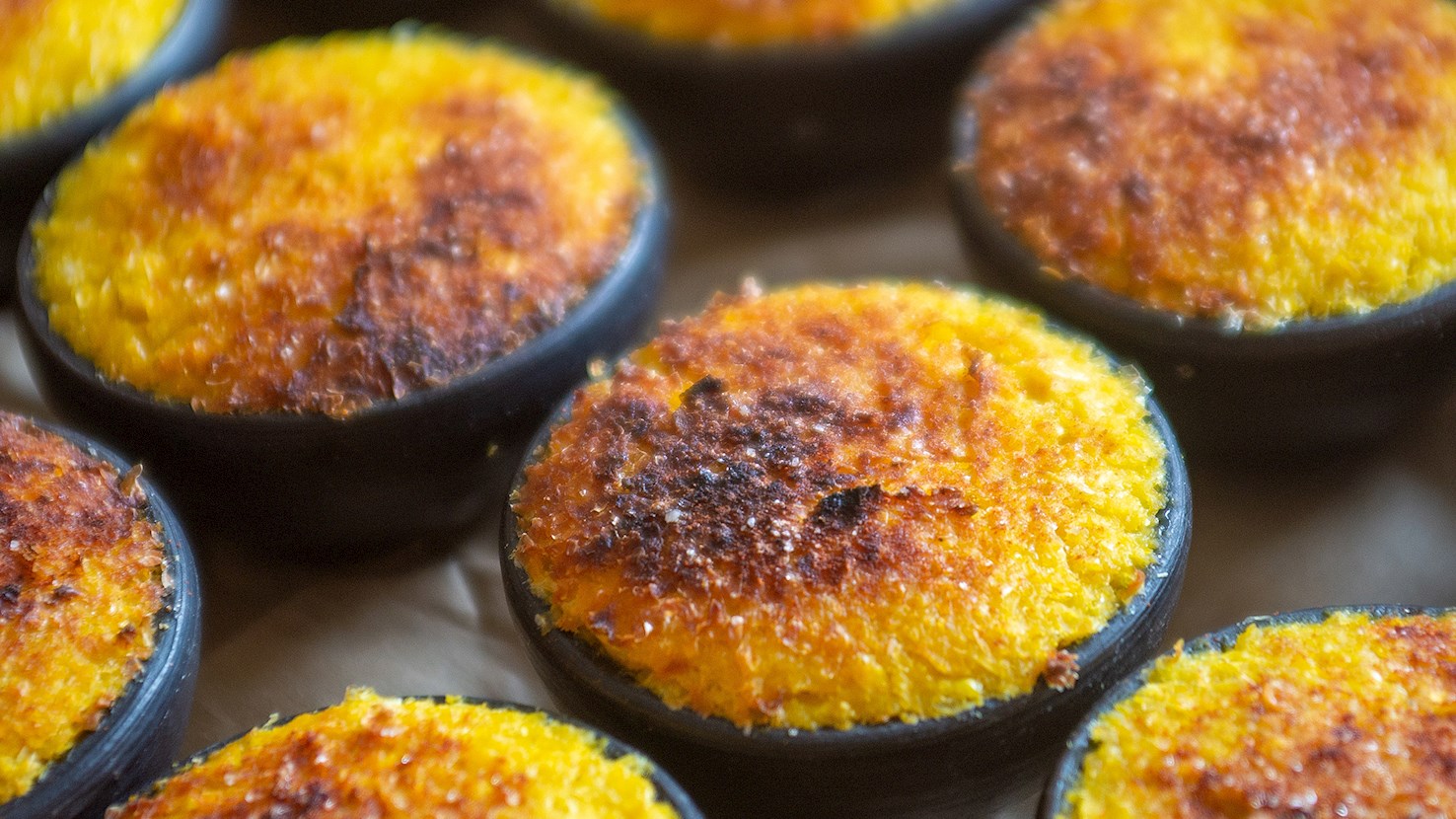
Chile's favorite home-cooked meal, the soft and creamy pastel de choclo is a casserole-like pie that is also popular in Peru, Argentina and Bolivia. It consists of ground beef, chicken, black olives, onions, hard-boiled eggs, and dough made from fresh grinded corn called choclo. Corn plays a key role in the dish, and unsurprisingly so – it was worshipped by the ancient Incas whose most important god was the Corn God. Corn was so important to Incas that their chief, believed to be a descendant of the gods, planted the first corn seeds every year. According to anthropologists, the dish probably originates from the Spanish conquerors who hired tribal cooks to make them a meal as a reminder of home. The cooks implemented corn dough into a dish similar to empanadas, and pastel de choclo was born. Nowadays, large raisins are sometimes incorporated into the pie, while the pie itself gets sprinkled with sugar before baking, ensuring that a caramelized crust develops on top. All that's left is to enjoy it while it's hot and consume a delicious slice of culinary history.
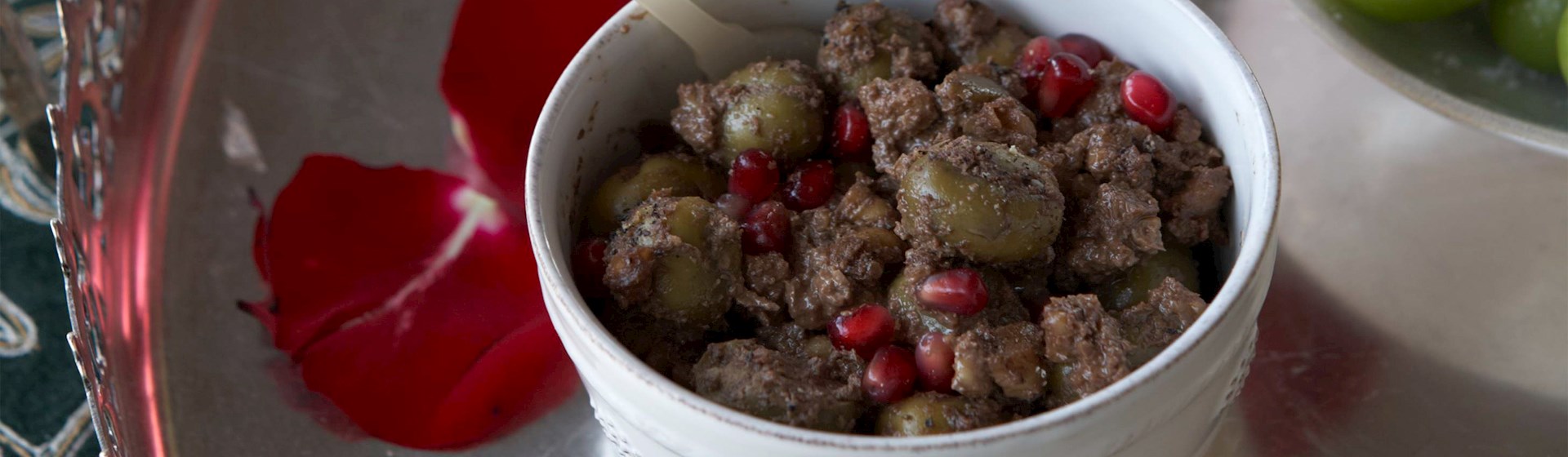
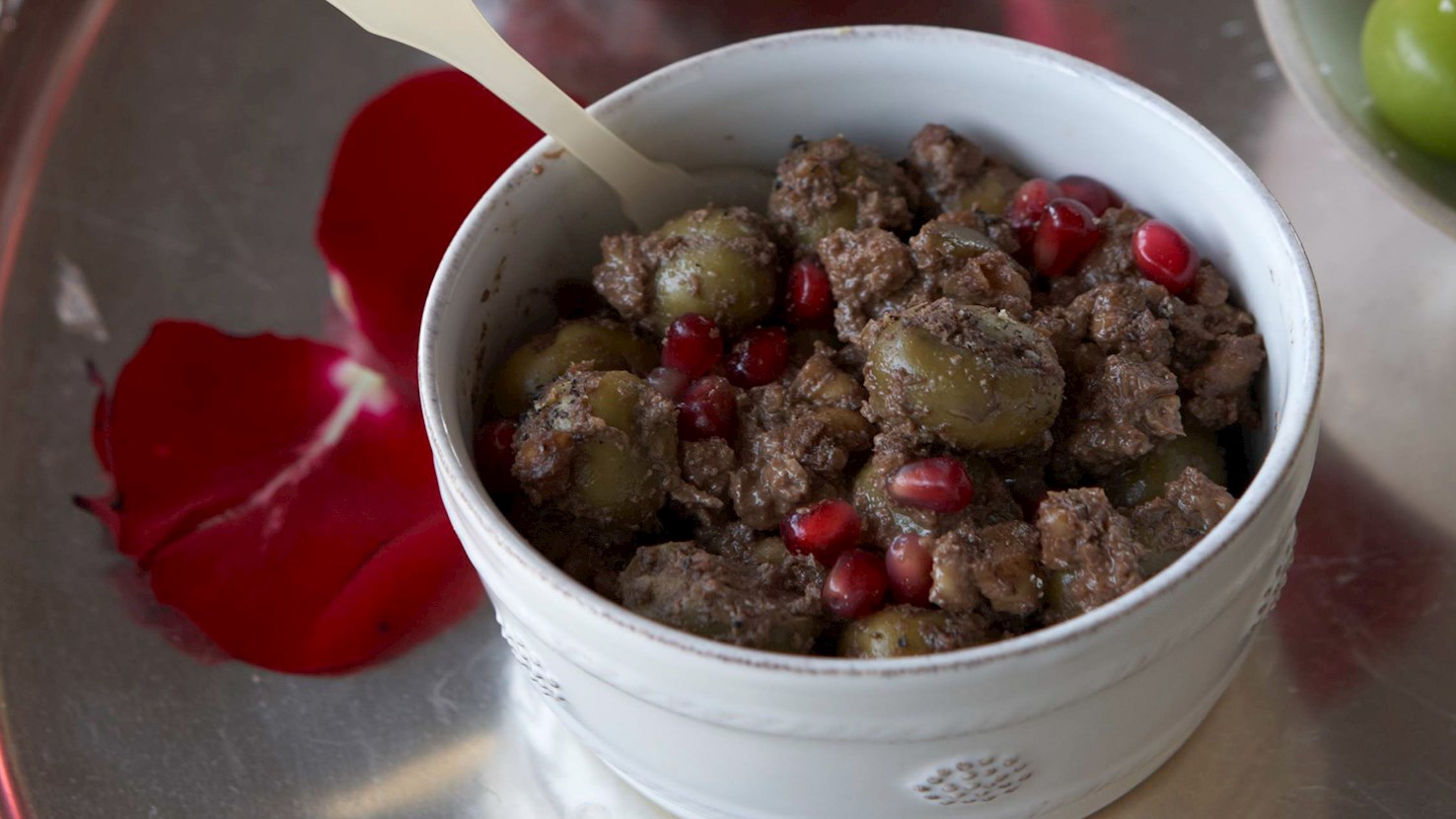
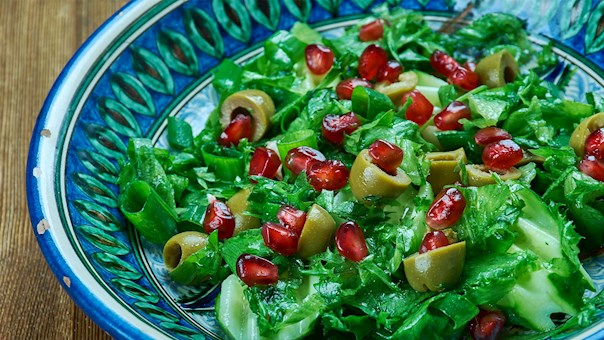
Zeytoon parvardeh is an olive-based appetizer originating in Iran’s northern Caspian region, particularly the province of Gilan. Known for combining pitted green olives with pomegranate molasses, walnuts, garlic, and herbs, it balances tangy, earthy, and aromatic notes that reflect the diverse agricultural produce of the area. The dish belongs to the group of flavorful mezze and accompaniments that characterize Gilani cuisine, where local olives are cultivated in abundance near the coastal plains. The history of zeytoon parvardeh is tied to the long-standing cultivation of olives and pomegranates in northern Iran. The Caspian provinces have been centers of horticulture for centuries, benefiting from humid subtropical weather and fertile soils. Olives were introduced to the region many generations ago and became a staple crop, integrated into recipes that made use of other locally available ingredients such as walnuts and aromatic herbs. Over time, families developed their own versions of the seasoned olive mixture, often preparing it in small batches to serve with meals or offer to guests. Preparation starts with high-quality green olives that are rinsed, drained, and sometimes pitted, depending on preference. Walnuts are finely ground or chopped to a coarse texture, then mixed with crushed garlic and fresh herbs, usually mint and sometimes savory or cilantro. Pomegranate molasses is stirred in to create a sweet and sour base that clings to the olives. A touch of salt, sometimes a squeeze of fresh lemon juice, and a drizzle of olive oil complete the mixture. The ingredients are combined thoroughly so that the flavors soak into the olives, then the dish is covered and left to rest in the refrigerator for several hours or overnight. In Gilan, zeytoon parvardeh is a common feature of meals served alongside rice dishes, kebabs, or fish. Some households also offer it as an appetizer with flatbread. The dish stands out for its combination of textures: the firmness of the olives, the crunch of walnuts, and the syrupy richness of the pomegranate molasses. Although it is sometimes prepared fresh, many cooks believe it tastes better after sitting for a day so the flavors meld. Today, zeytoon parvardeh remains widely eaten in northern Iran and has gained popularity in other parts of the country as a specialty product often sold in jars at markets or brought home as a souvenir from trips to the Caspian coast. It is enjoyed both at family gatherings and in restaurants that showcase Gilani cooking, where it is valued for its vibrant taste and connection to the region’s agricultural traditions.
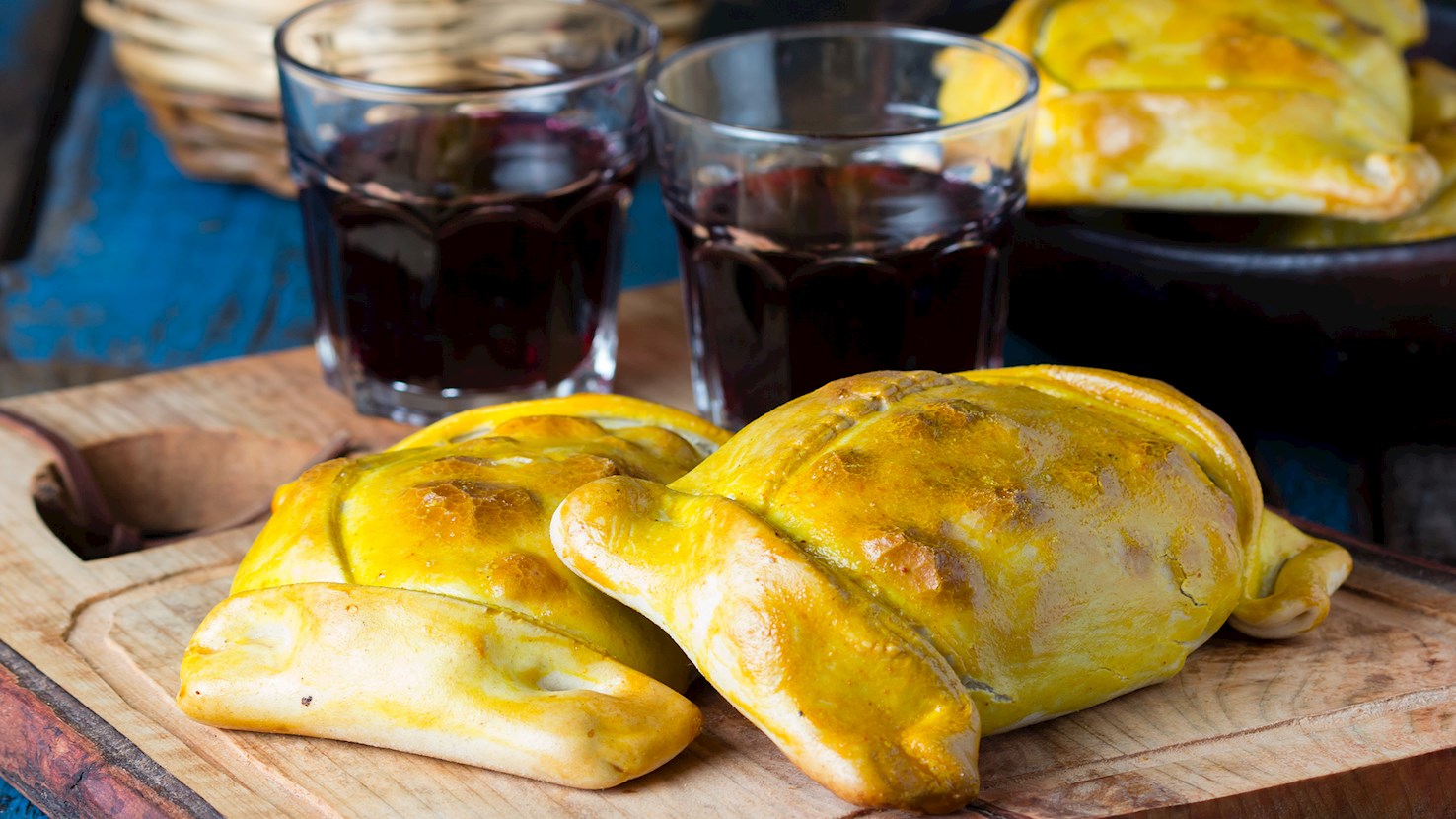
Most commonly, Chilean empanadas are made with wheat flour dough that is filled with onions, ground beef, olives, raisins, and hard-boiled eggs. These semicircular pies are typically baked in the oven. Although they are prepared and consumed throughout the year, Chilean empanadas are especially popular during the Fiestas Patrias in September. During the Easter festivities, beef is forbidden due to religious reasons, so these empanadas are usually filled with cheese and seafood in that period. It is recommended to pair Chilean empanadas with a glass of red wine.
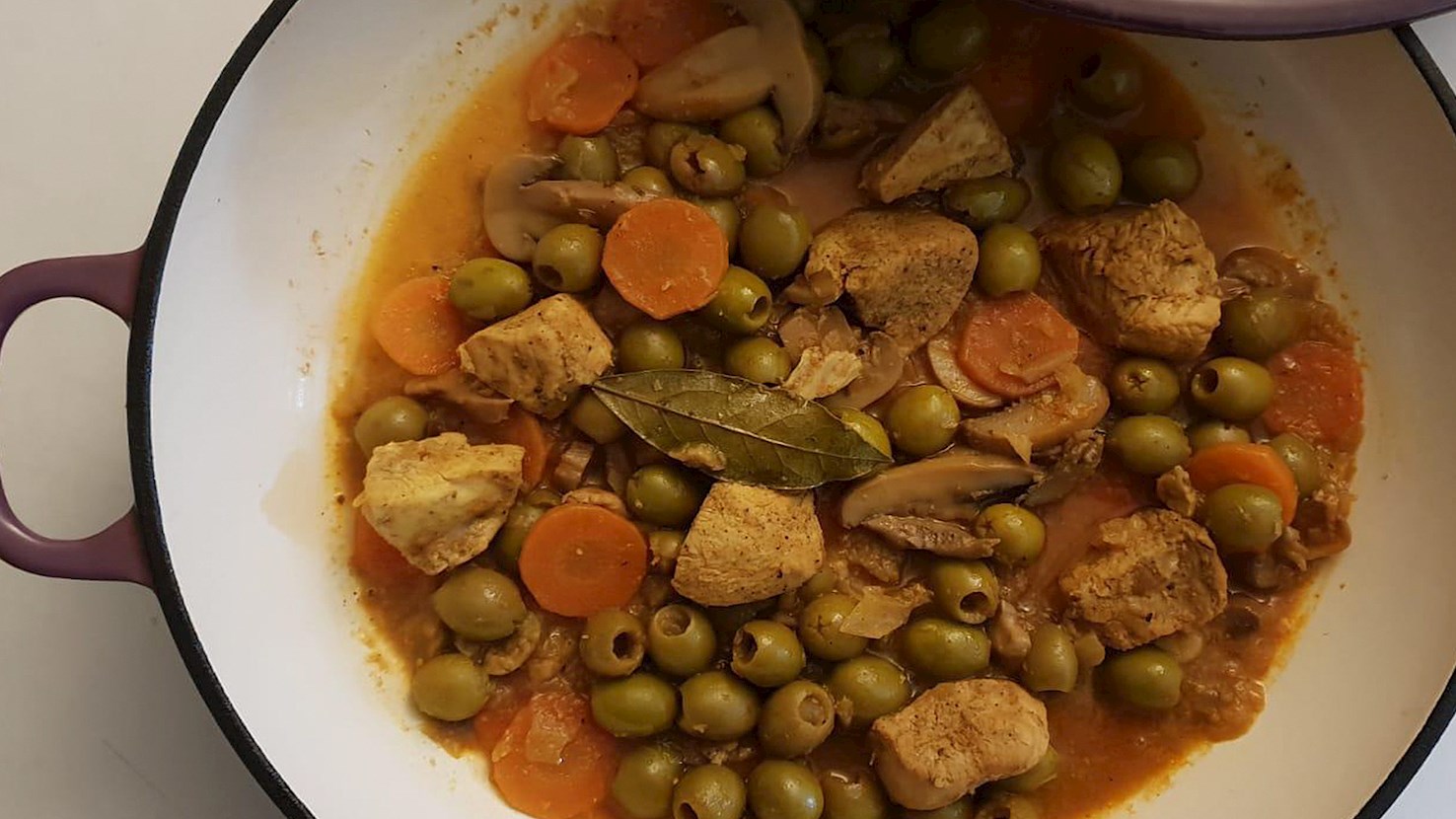
Tajine zitoune is a traditional dish made with a combination of chicken pieces, olives, onions, carrots, mushrooms, thyme, bay leaves, lemon juice, and saffron or turmeric. The olives are blanched and dried, while at the same time, the chicken is browned with onions and spices. The meat is cooked in water with vegetables, mushrooms, and olives, and the combination is simmered until tender. Near the end of cooking, flour and lemon juice are mixed in and poured over the chicken. The dish is usually cooked in a tagine, and it is recommended to garnish it with cilantro and serve it hot with saffron rice on the side.
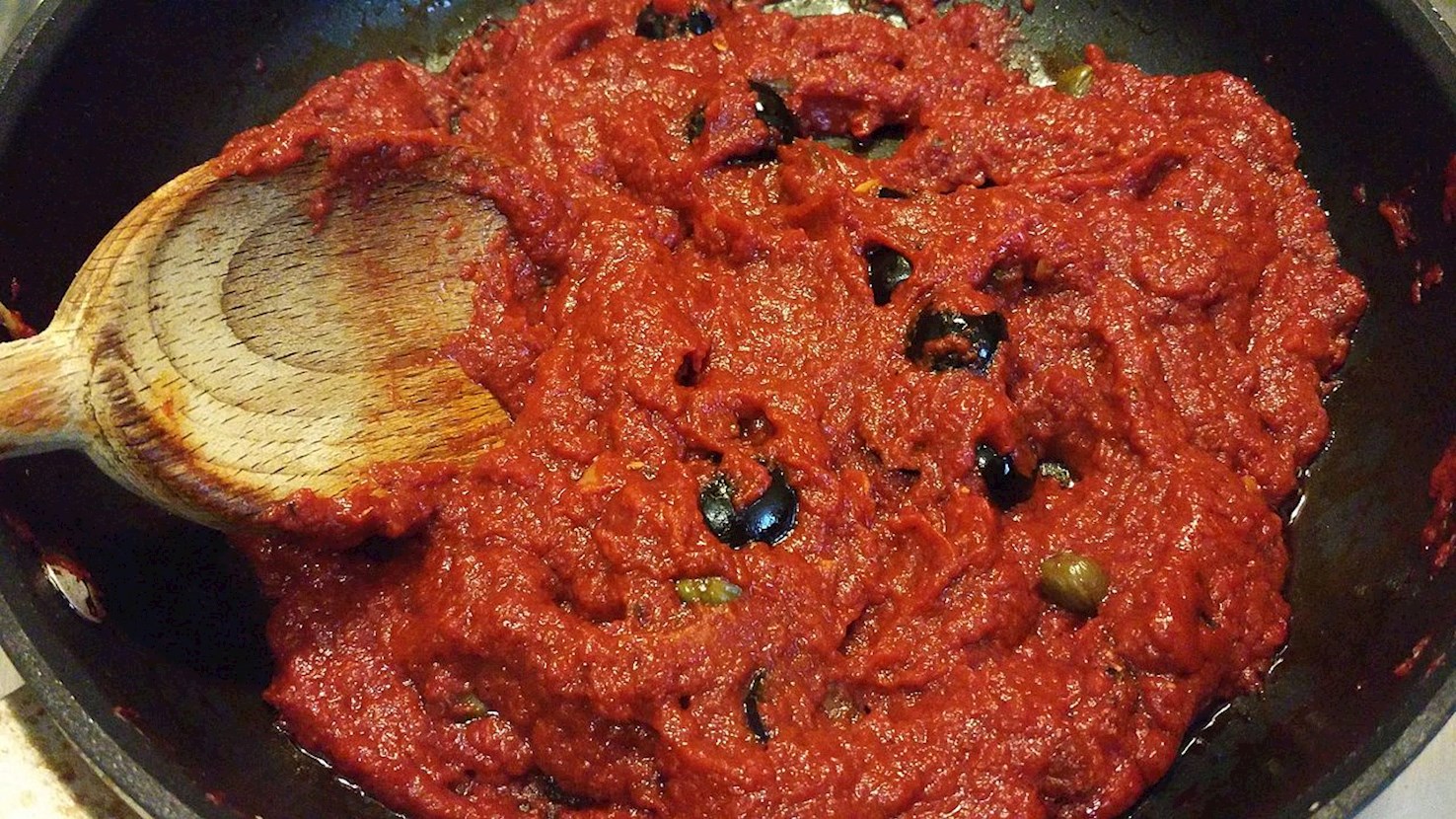
Sugo alla puttanesca is a robust Italian sauce typically made with kalamata olives, capers, anchovies, tomatoes, and crushed red pepper flakes. The combination is sautéed in olive oil until thick and fragrant, and it is usually seasoned with salt and pepper, with the optional addition of sugar, garlic, and herbs such as parsley, dried oregano, or basil. Although its origins are not entirely clear, the sauce is believed to have originated in Naples in the mid-20th century. Interestingly, when translated from Italian, the name alla puttanesca means in the style of a prostitute from the Italian word puttana, meaning prostitute or whore. Traditionally, the sauce is enjoyed with spaghetti, but it can also be used with other pasta types such as penne, linguine, or bucatini.
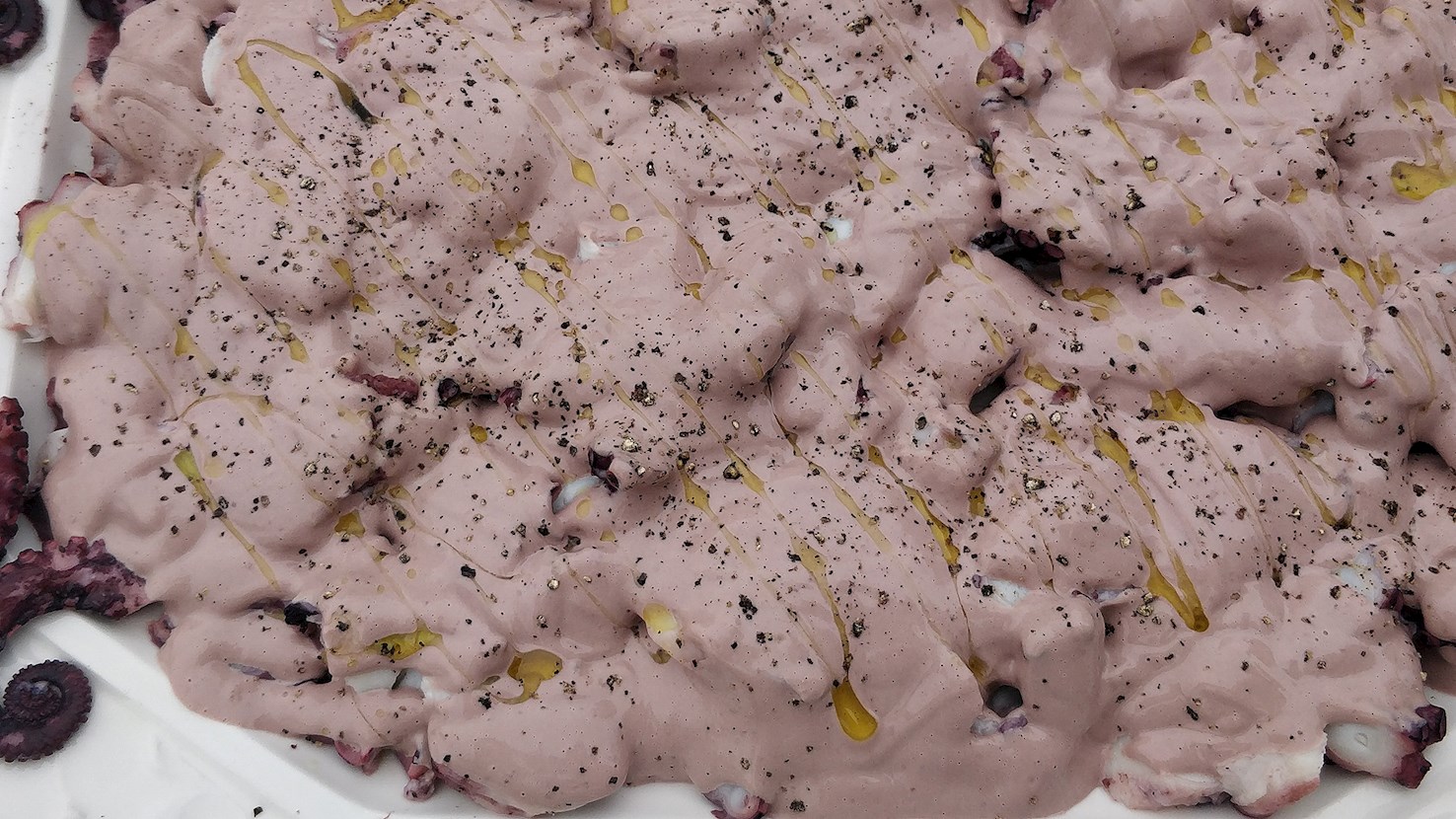
Pulpo al olivo is a traditional meal that is served as an appetizer or main dish. The dish consists of octopus in olive sauce. The sauce is usually made with botija olives, growing in the southern part of the country. Although there are many variations on this dish, it is typically prepared with octopus, olives, lime or lemon juice, olive oil, eggs, and garlic. The octopus is boiled, then covered with the sauce made by blending the olives with mayonnaise. It is recommended to serve this Peruvian delicacy with boiled potatoes on the side.
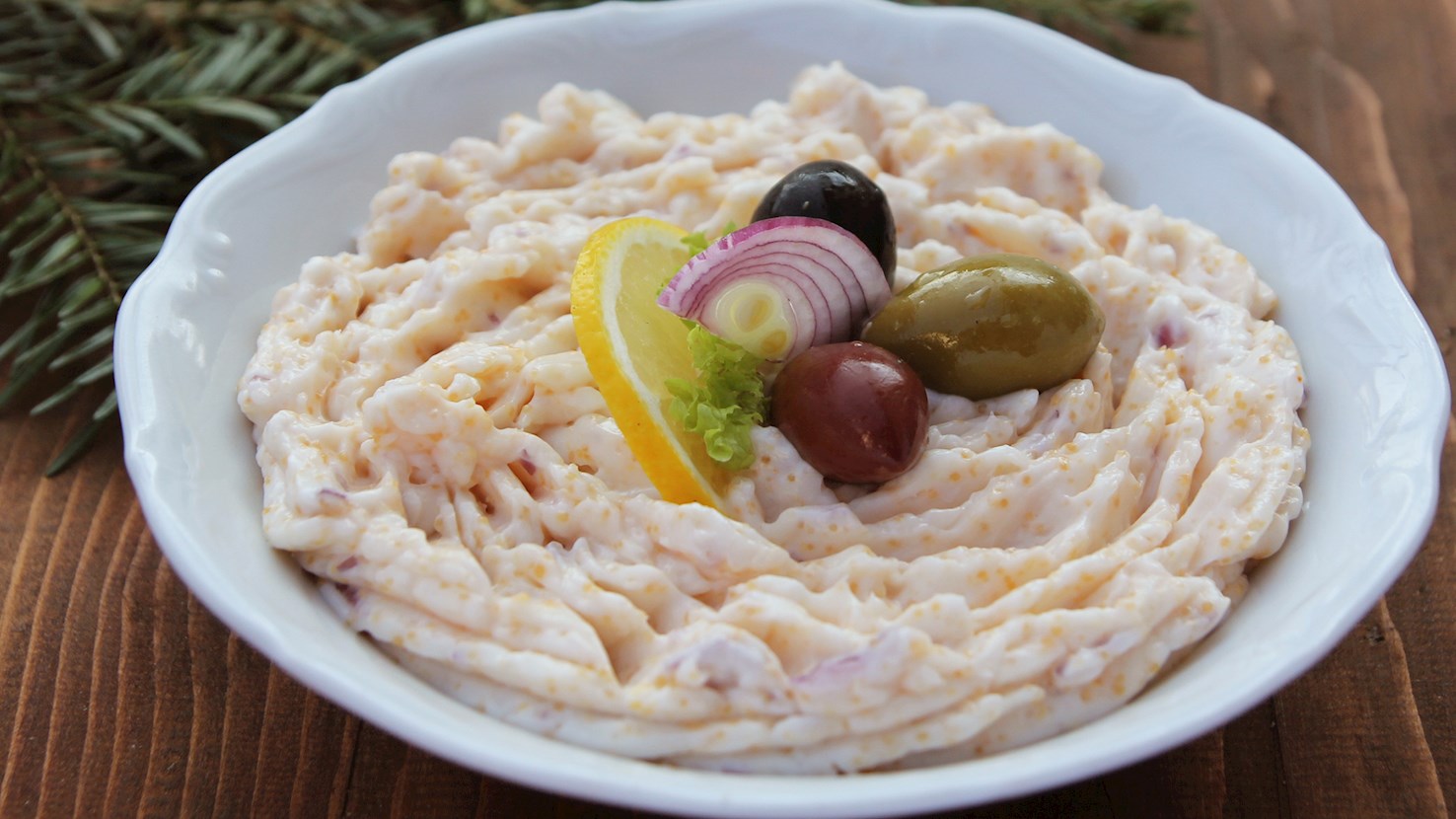
Salată de icre is a Romanian fish roe salad that combines carp or pike roe with oil, lemon juice, and sparkling water. Finely diced shallots or red onions can be added to the salad for extra flavor. This light and fluffy dish is typically prepared as an appetizer for holidays and on special occasions, or smeared on a slice of bread and topped with chopped red onions and olives.
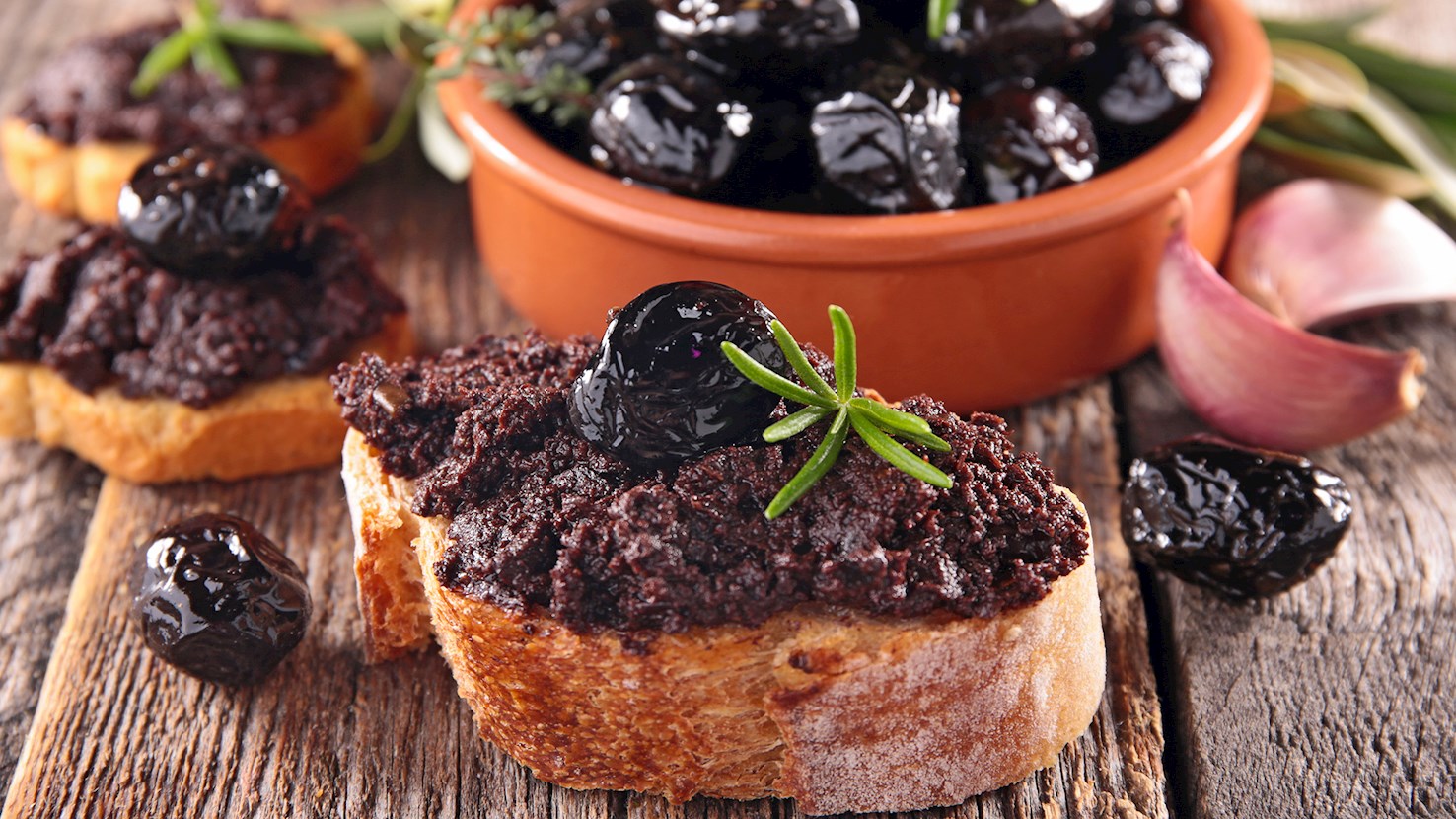
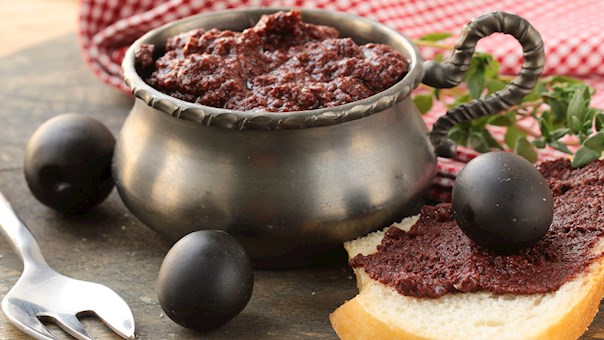
The Provençal spread tapenade–made from either black or green olives–is often used in making canapés, as well as any other type of hors d'oeuvres. Most recipes use baguette slices, but cucumber slices, potato slices, and even, in some cases, watermelon slices are used instead. Goat cheese, prosciutto, tuna, smoked salmon, sun-dried tomatoes, and figs are frequently added either to the spread itself or just as a topping with tapenade.
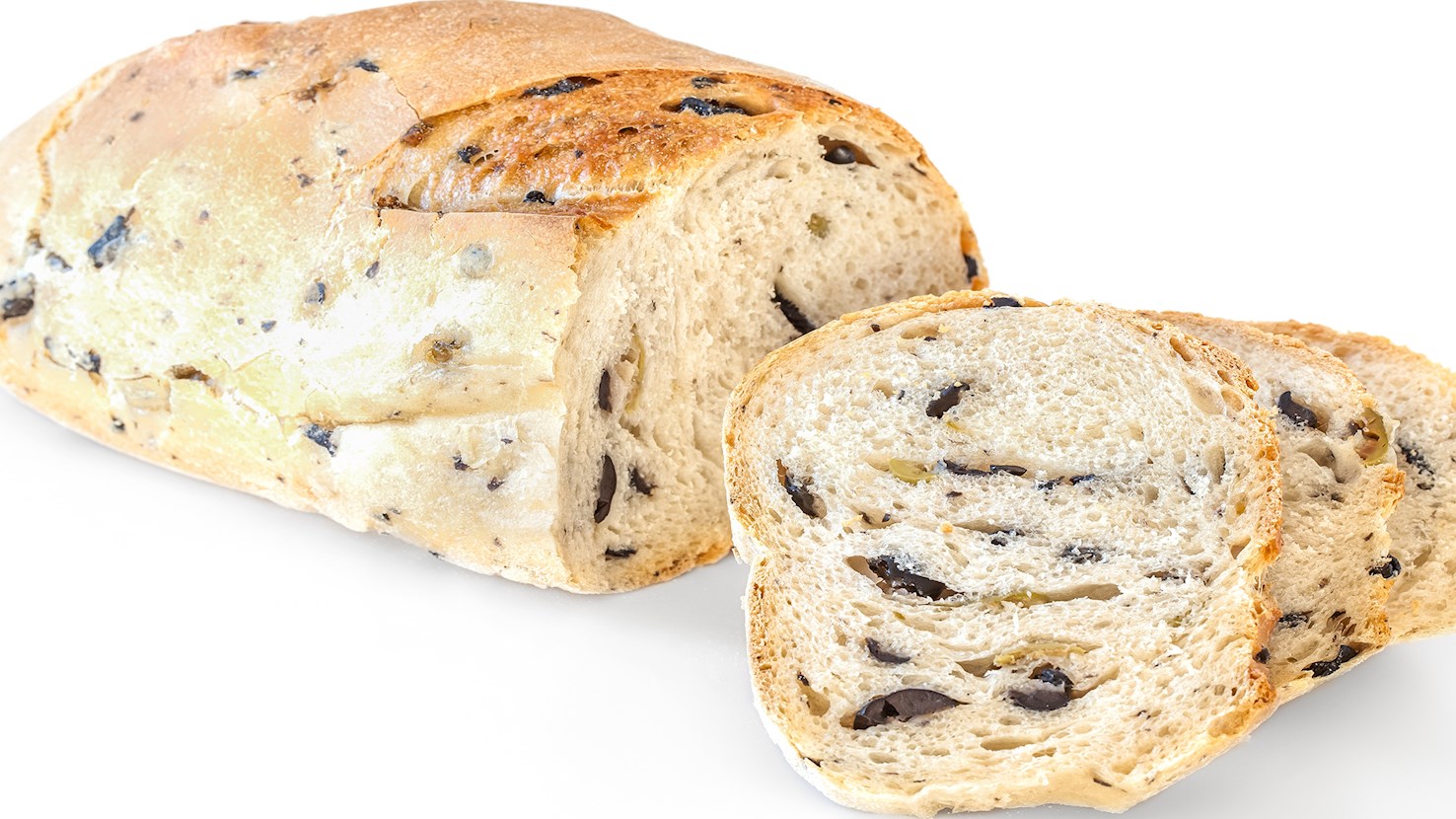
Eliopsomo is a traditional bread made with flour, water, yeast, salt, black olives, and flavorings such as honey and rosemary. The saltiness of the olives pairs extremely well with the slightly sweet honey bread dough. The bread can be used for the preparation of sandwiches, paired with feta cheese and olive oil, or it can be used for dipping it into a combination of olive oil, oregano, salt, and pepper.
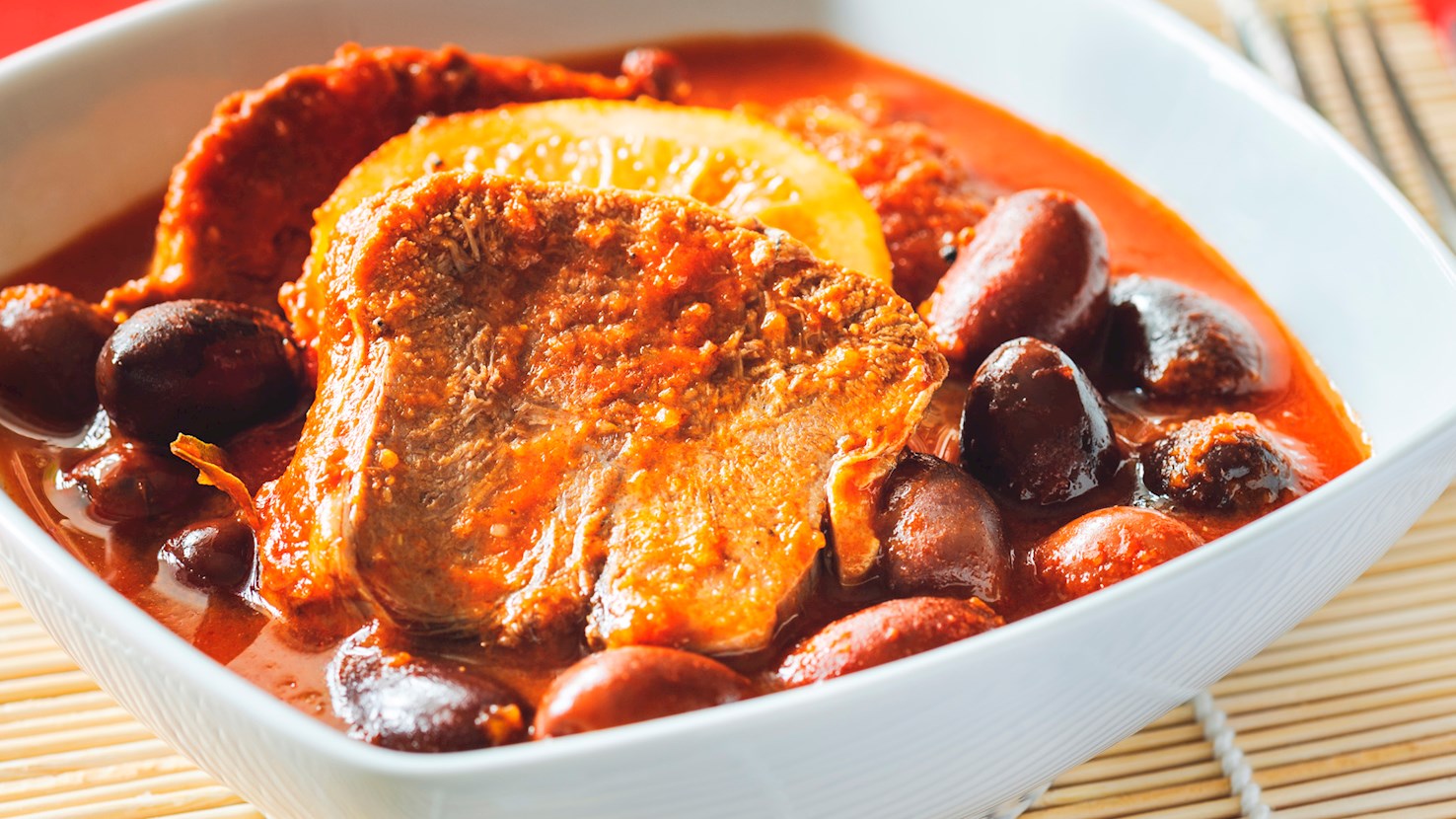
Limbă cu măsline is a traditional stew based on beef tongue and olives. The stew typically consists of slices of cooked beef tongue stewed with tomato sauce and pitted olives. It is usually seasoned with lemon juice and a handful of freshly chopped parsley or chives. Soft and juicy slices of beef tongue topped with an aromatic and robust tomato sauce with olives make for a classic Romanian dish, commonly eaten as an appetizer on festive occasions, such as New Year’s Eve. Served both hot and cold, the stew is usually accompanied by mashed potatoes, rice, pasta, or bread.
TasteAtlas food rankings are based on the ratings of the TasteAtlas audience, with a series of mechanisms that recognize real users and that ignore bot,
nationalist or local patriotic ratings, and give additional value to the ratings of users that the system recognizes as knowledgeable.
For the “50 Best Rated Dishes with Olives” list until July 17, 2026, 1,011,265 ratings were recorded, of which 666,015 were recognized by the system as legitimate.
TasteAtlas Rankings should not be seen as the final global conclusion about food. Their purpose is to promote excellent local foods,
instill pride in traditional dishes, and arouse curiosity about dishes you haven’t tried.








What People Say