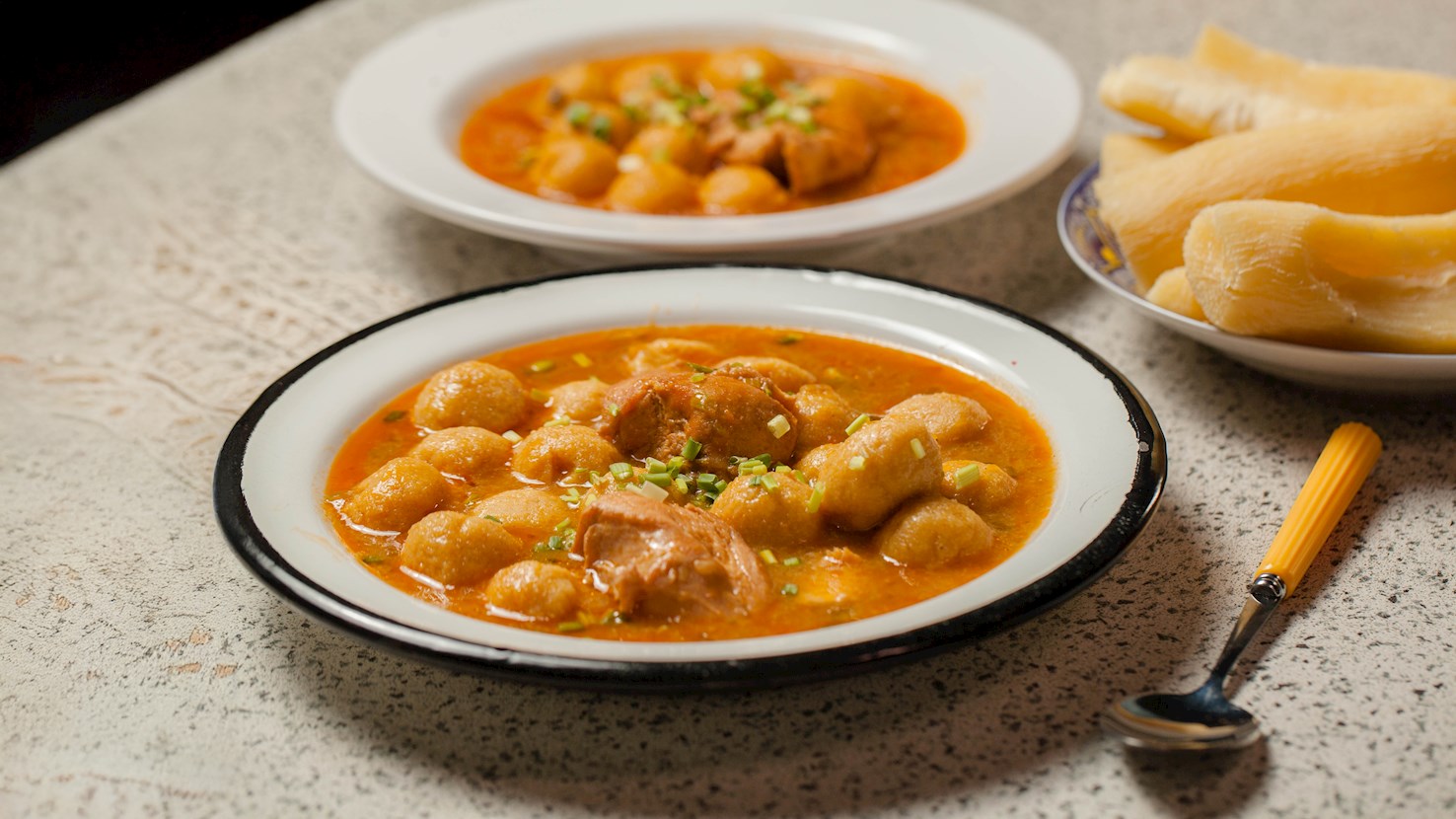
Vori-vori is a soup from Paraguay made with small balls of cornmeal and cheese cooked in a broth that often includes chicken, vegetables, and herbs, and it is recognized as a staple dish across the country’s rural and urban regions. Its development is linked to the long-standing use of corn and poultry in Guaraní and later mixed culinary practices documented in household cooking records and regional accounts from the eighteenth and nineteenth centuries, where corn-based doughs were shaped into dense dumplings to stretch ingredients during periods of limited supply. Preparation involves mixing finely ground cornmeal with grated cheese and a small amount of fat or broth to form a firm dough, shaping it into small spheres, and poaching them gently in a simmering broth until they swell and soften; the soup is seasoned with onions, garlic, parsley, and occasionally peppers, and served as soon as the dumplings reach a uniform texture. A notable feature is the density of the dumplings, which absorb broth while retaining their structure, giving the dish a thickened consistency without flour or other thickeners. Vori-vori is eaten throughout Paraguay in home kitchens, rural gatherings, and small restaurants, often as a main meal during cooler weather, and it pairs well with simple accompaniments such as mandioca, fresh salads, mild cheeses, herbal teas, and lightly flavored nonalcoholic beverages, with some households serving it alongside light beers or local wines depending on the occasion.
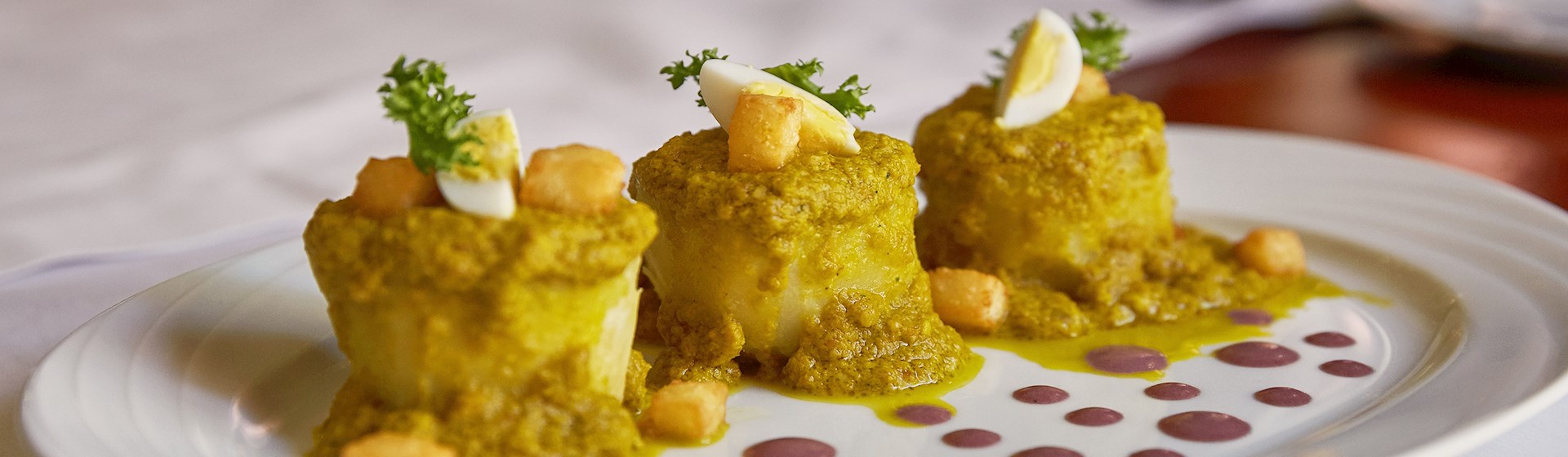
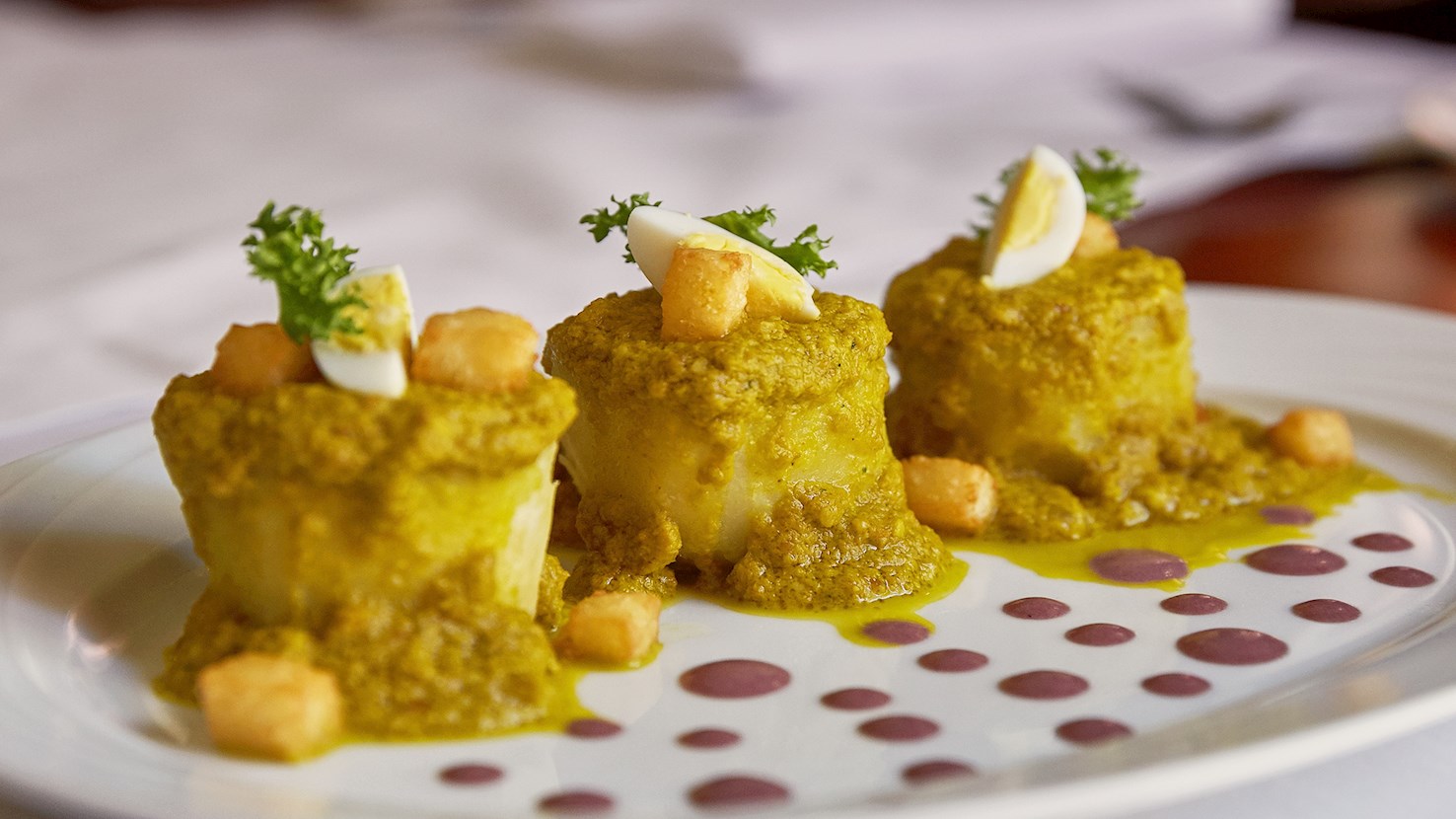
Salsa ocopa is a popular Peruvian sauce originating from Arequipa. It is made with queso fresco, aji amarillo chilis, milk, and huacatay, also known as Peruvian black mint, giving the sauce a unique flavor. The salsa is traditionally served with boiled potatoes, but it can also accompany pasta dishes, meat, fried yucca, hard-boiled eggs, or tequeños.
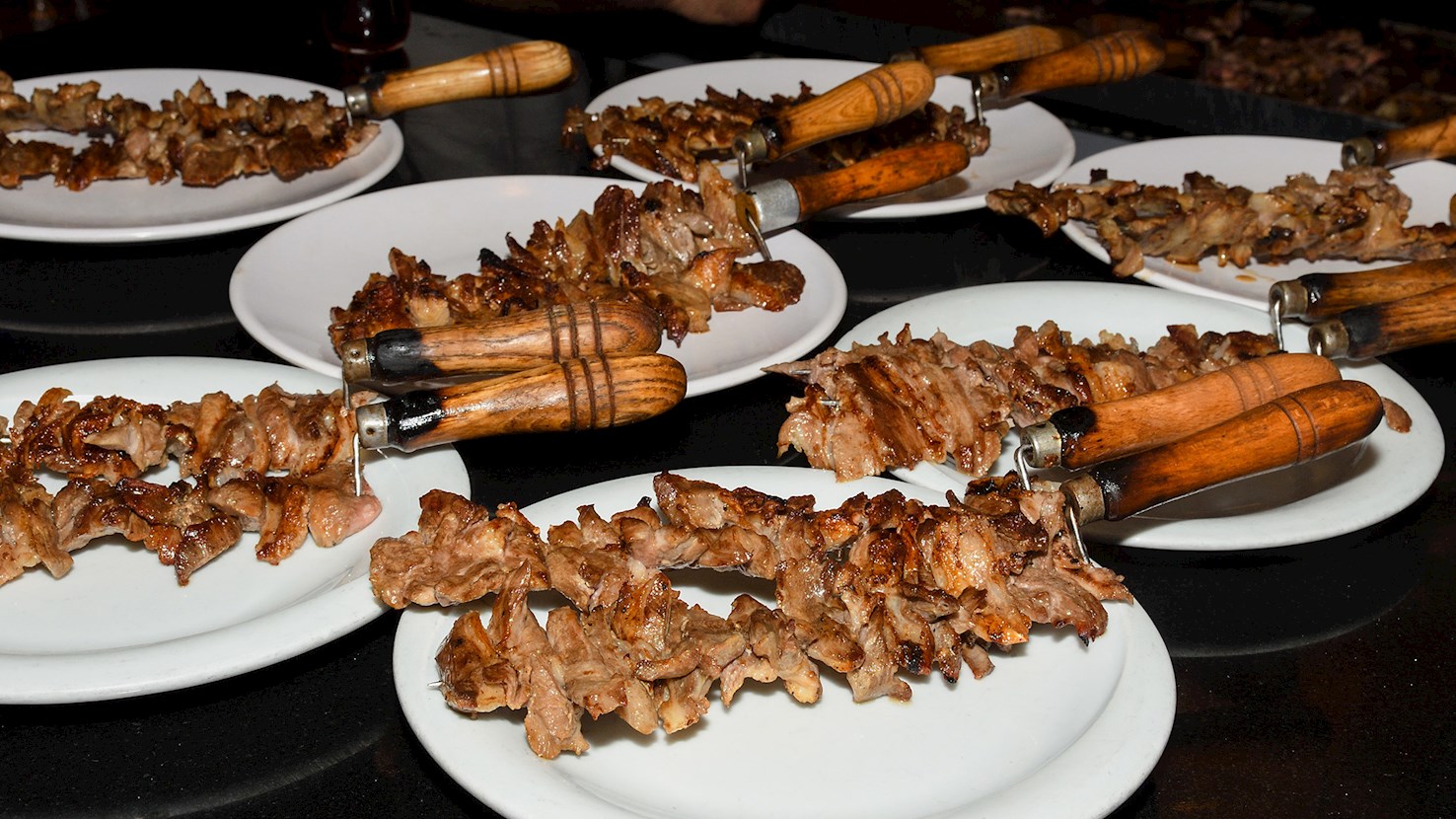
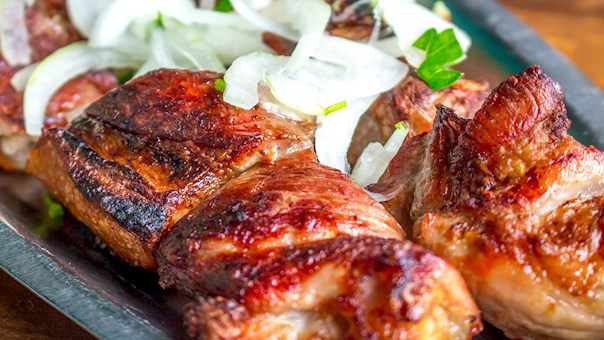
Oltu cağ kebabı is a horizontally roasted lamb kebab identified with the Oltu district of Erzurum Province in northeastern Türkiye, where the product took shape and continues to be defined by local practice and oversight. The kebab’s emergence is tied to sheep and lamb husbandry in Oltu and its surroundings, the availability of young lamb with a balanced fat profile, and a cooking method adapted to regional conditions that favored slow, controlled roasting on a horizontal spit rather than vertical stacking; over time, the name “Oltu” became inseparable from the product, and the name Oltu cağ kebabı is recorded in linguistic sources and in world culinary literature, a point that distinguishes it from similar regional preparations that may share techniques but not designation. Preparation centers on marinating carefully selected lamb, typically shoulder and leg cuts, with salt and restrained seasonings, then layering the meat onto a horizontal skewer and roasting it gradually over wood embers so the fat renders evenly and bastes the meat; as the exterior reaches doneness, thin slices are shaved off and served immediately, a service rhythm that prioritizes temperature and texture over batch holding. Serving is characteristically done on the cağ skewer itself, which functions both as utensil and presentation, and portions are often accompanied by flatbread and simple sides that do not compete with the meat; the method produces slices that balance exterior browning with a moist interior, and the horizontal orientation allows steady heat exposure that differentiates the cut and mouthfeel from vertical-spit kebabs. The product’s naming and oversight are formalized by the authorized supervisory body (Oltu Chamber of Commerce and Industry), which maintains standards tied to geographic identity and production criteria. Oltu cağ kebabı is commonly eaten as a shared table order served in successive cağs rather than a single plated portion, and it is paired most often with ayran, plain yogurt drinks, or lightly acidic beverages that refresh the palate, while bread and onions remain the customary accompaniments.
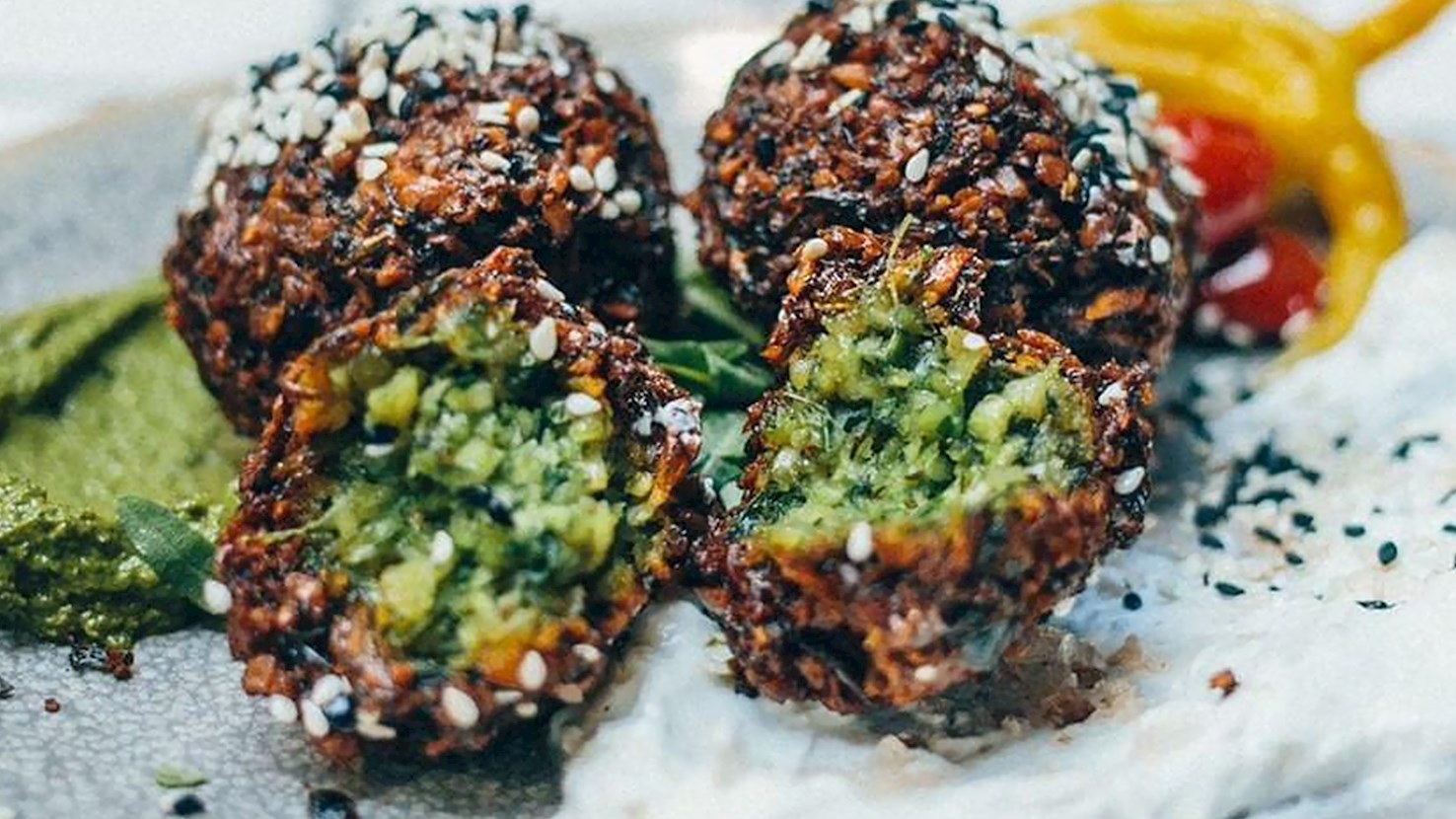
Often touted as the original version of falafels, taameya is an Egyptian variety of the Middle Eastern fritter that calls for fava beans instead of chickpeas. While the exact origin of falafel is debatable, most scholars and food historians agree that taameya has its roots in the Egyptian cuisine. The fava bean mixture is typically flavored with leeks, onions, fresh coriander, parsley, and cumin, and the fritters are usually coated with sesame seeds before frying. Taameya are known for having a lighter, fluffier, and moister texture than other falafel varieties thanks to the use of fava beans. Although they are eaten year-round and are a common street food fare in Egypt, taameya fritters are especially popular during Ramadan. They’re commonly stuffed in warm pita bread sandwiches and paired with accompaniments such as fresh or pickled vegetables, fried eggplants, minty yogurt sauces, hummus dip, and tahini dip.
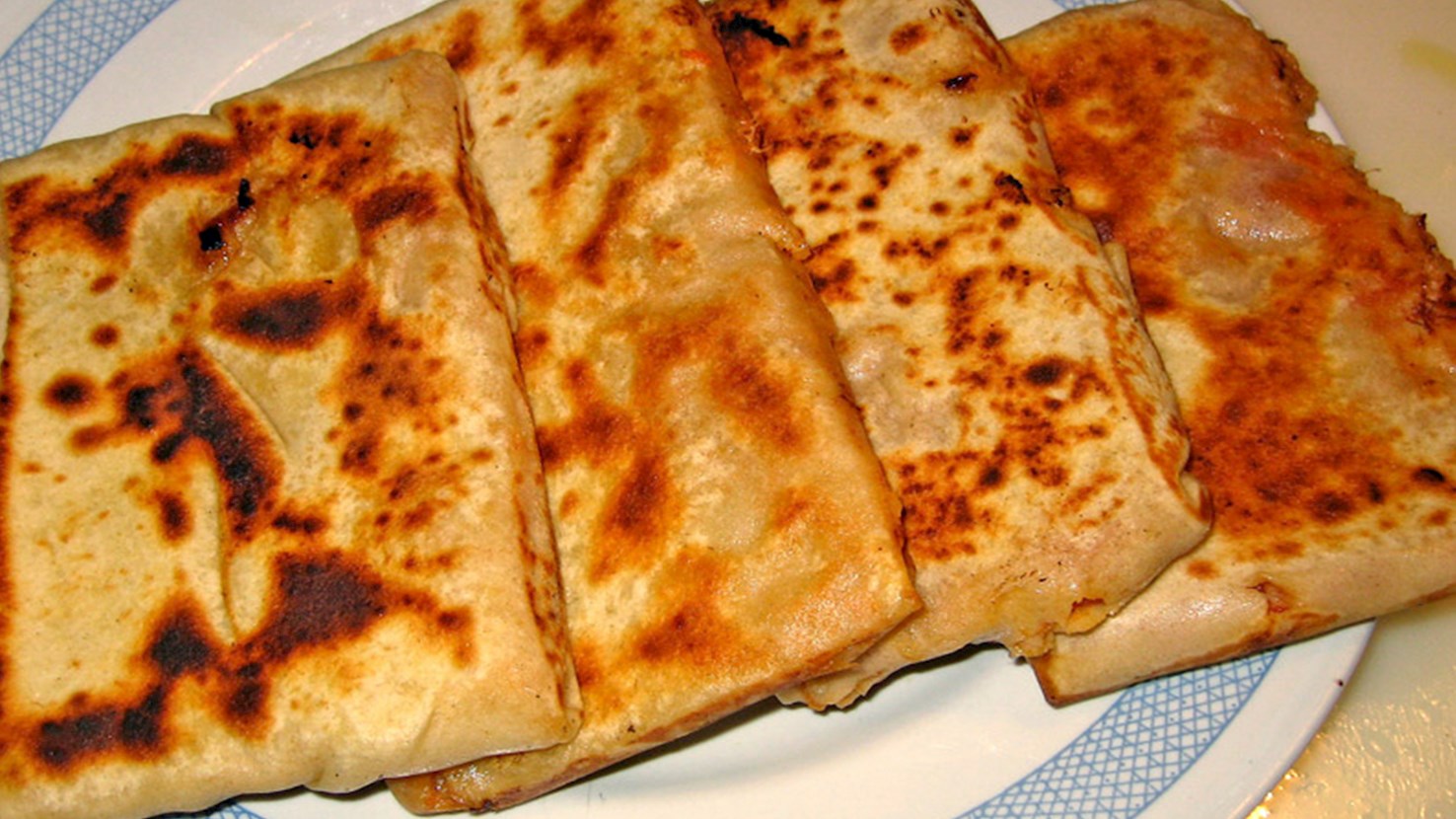
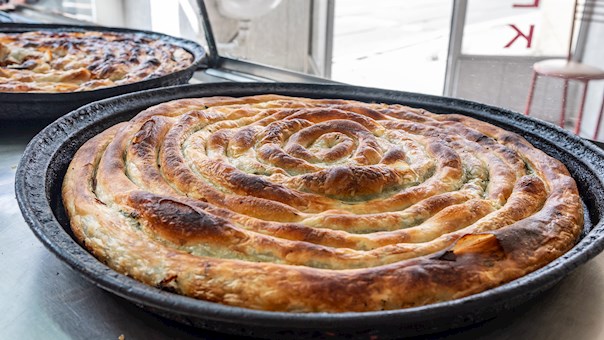
Mahjouba is a traditional flatbread that is one of the most popular street food items in the country. These thick and flaky crepe-like flatbreads are made with semolina, then filled with a combination of tomatoes and caramelized onions. Mahjouba is often paired with harissa sauce on the side, but the condiment is completely optional.
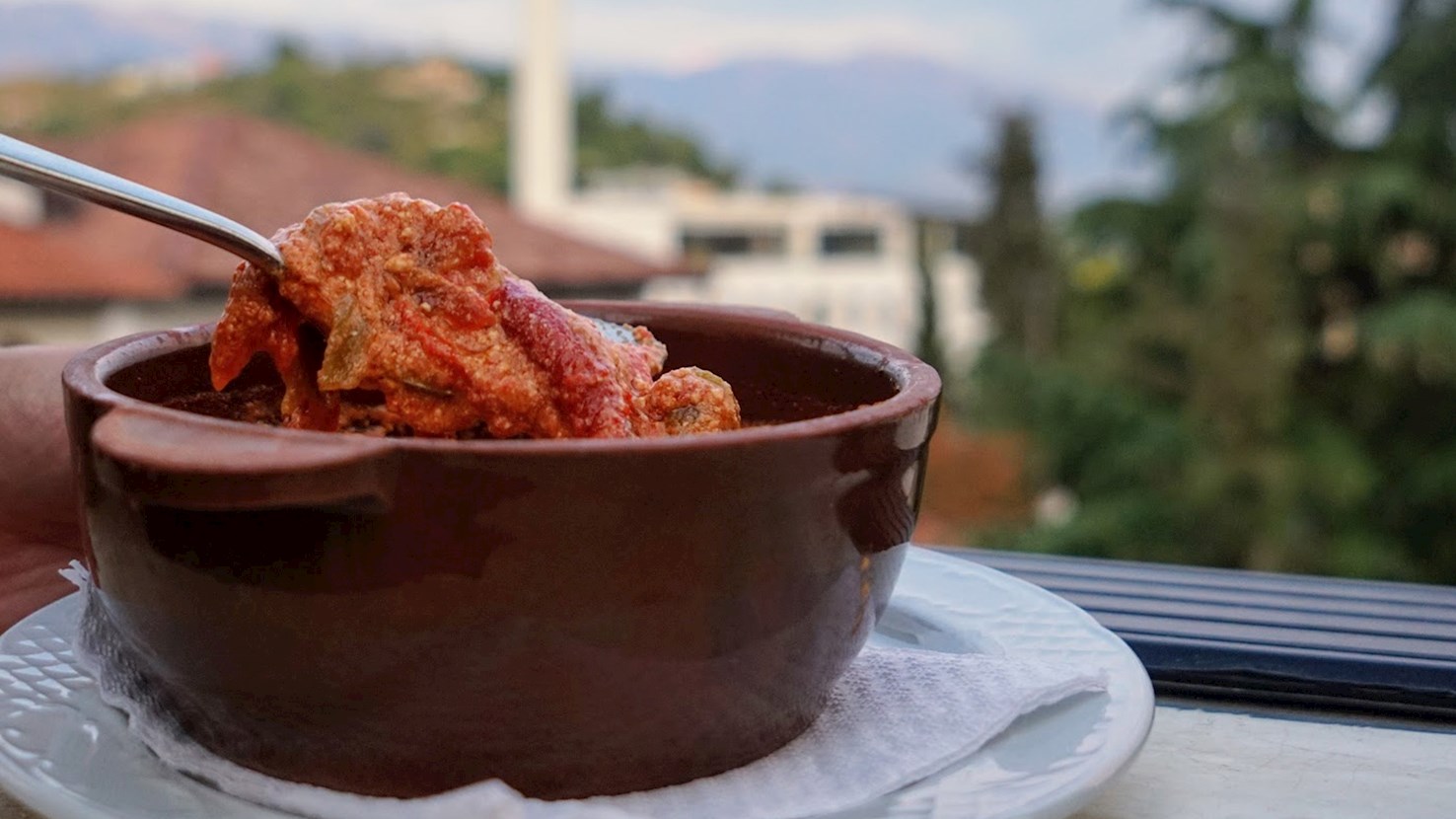
One of Albania's national dishes, fërgesë tirane is a baked vegetable and cheese specialty originating from the capital of Tirana. Traditionally, this recipe uses bell peppers, onions, tomatoes, locally made salted cottage cheese (or feta cheese as a substitute), basil, butter, flour, and olive oil. The vegetables are sautéed, while the butter and flour make a roux in a separate pan, and the cheese is set to melt over it. All the ingredients are mixed in small clay pots, seasoned, and baked in the oven. After the dish has slightly cooled down, it is served with crusty bread on the side. The vegetable version of this specialty is referred to as fergesë e tiranës me speca or fergesë e tiranës me piperka in Albanian. Another version of this dish, named fërgesë me melçi or tavë dheu me mëlçi, is created by adding chopped liver and garlic to the mixture, and the veal version is known as fergesë e tiranës me mish viçi. While the vegetarian version is mostly served as a side dish, the version prepared with meat is often served as the main course.
Peruvian ceviche de conchas negras is a type of ceviche made with black clams (concha negra) said to have aphrodisiac properties, traditionally sourced from the Tumbes region. The clam meat and its juices are meticulously cleaned, then seasoned with a vibrant mix of ají limo peppers, finely diced red onions, salt, pepper, and garlic paste. This concoction is allowed to marinate briefly in fresh lime juice, intensifying its flavors. It's traditionally served with choclo (Peruvian large-kernel corn) and a slice of sweet potato, adding a delightful contrast to the dish's spicy zest. Some other serving options include toasted corn nuts cancha and crispy chifle or fried plantain chips.
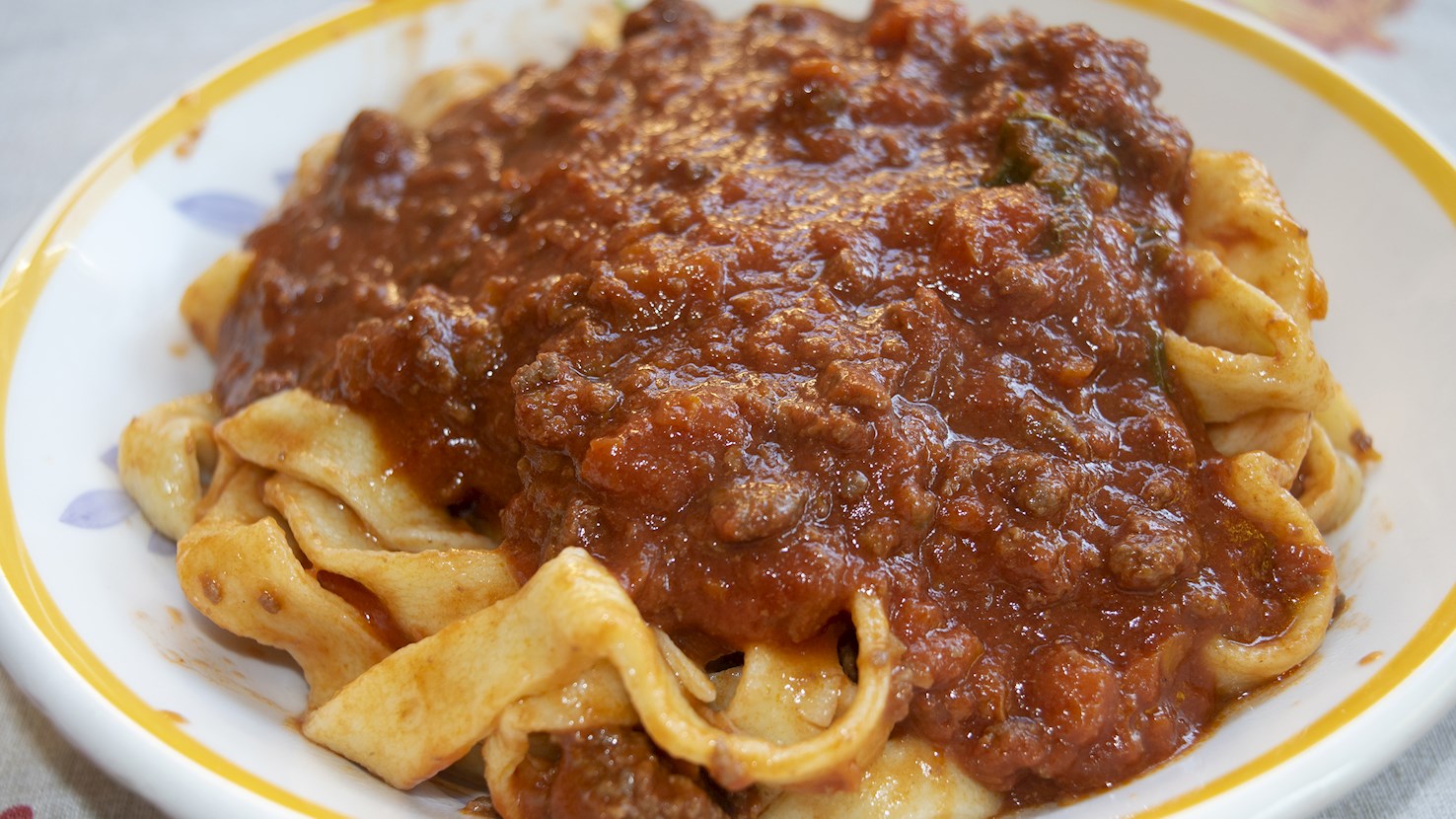
Ragù di cinghiale is a traditional meat sauce hailing from Tuscany, but it's also prepared in other Italian regions such as Veneto and Umbria. The ragù is made with a combination of cinghiale (wild boar) meat, tomatoes, red wine, carrots, onions, celery, garlic, olive oil, and spices and herbs such as bay leaves, sage, and rosemary. Once prepared, this hearty meat sauce is traditionally served with pappardelle pasta, and not that often with tagliatelle. The pasta and the suace are tossed together, then sprinkled with grated cheese.
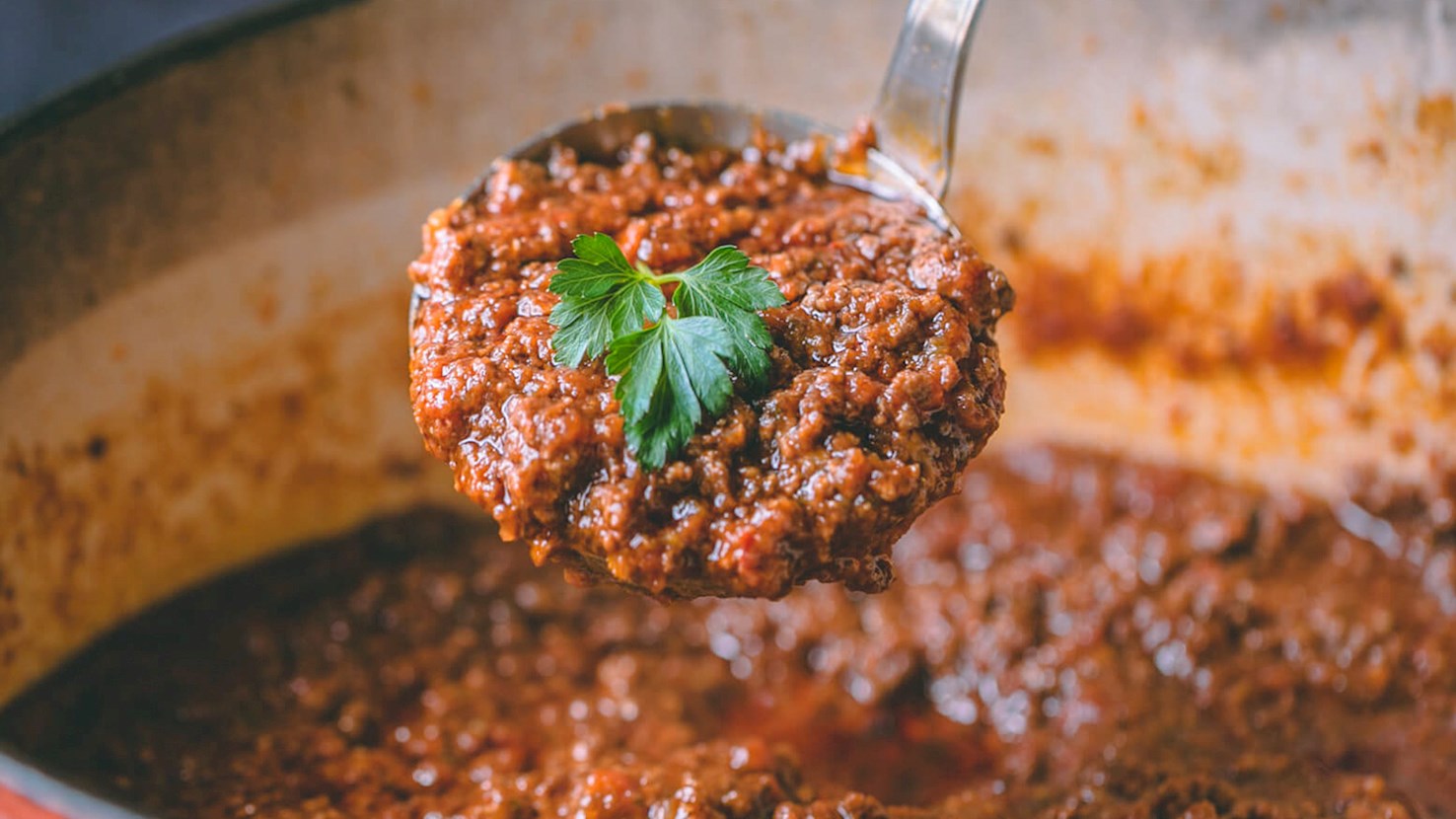
This traditional Italian meat sauce consists of ground beef, pork, or a combination of both, that is sautéed alongside a sofrito of onions, carrots, and celery, a splash of red wine, and canned tomatoes. The mixture is traditionally seasoned with salt and pepper, and it can optionally be enhanced with tomato paste and porcini mushrooms. Sugo di carne is typically enjoyed over pasta dishes such as penne, rigatoni, tagliatelle, fetuccine, or pappardelle, which are often sprinkled with freshly grated parmesan cheese on top. This traditional meat sauce is also frequently used in the preparation of lasagna.
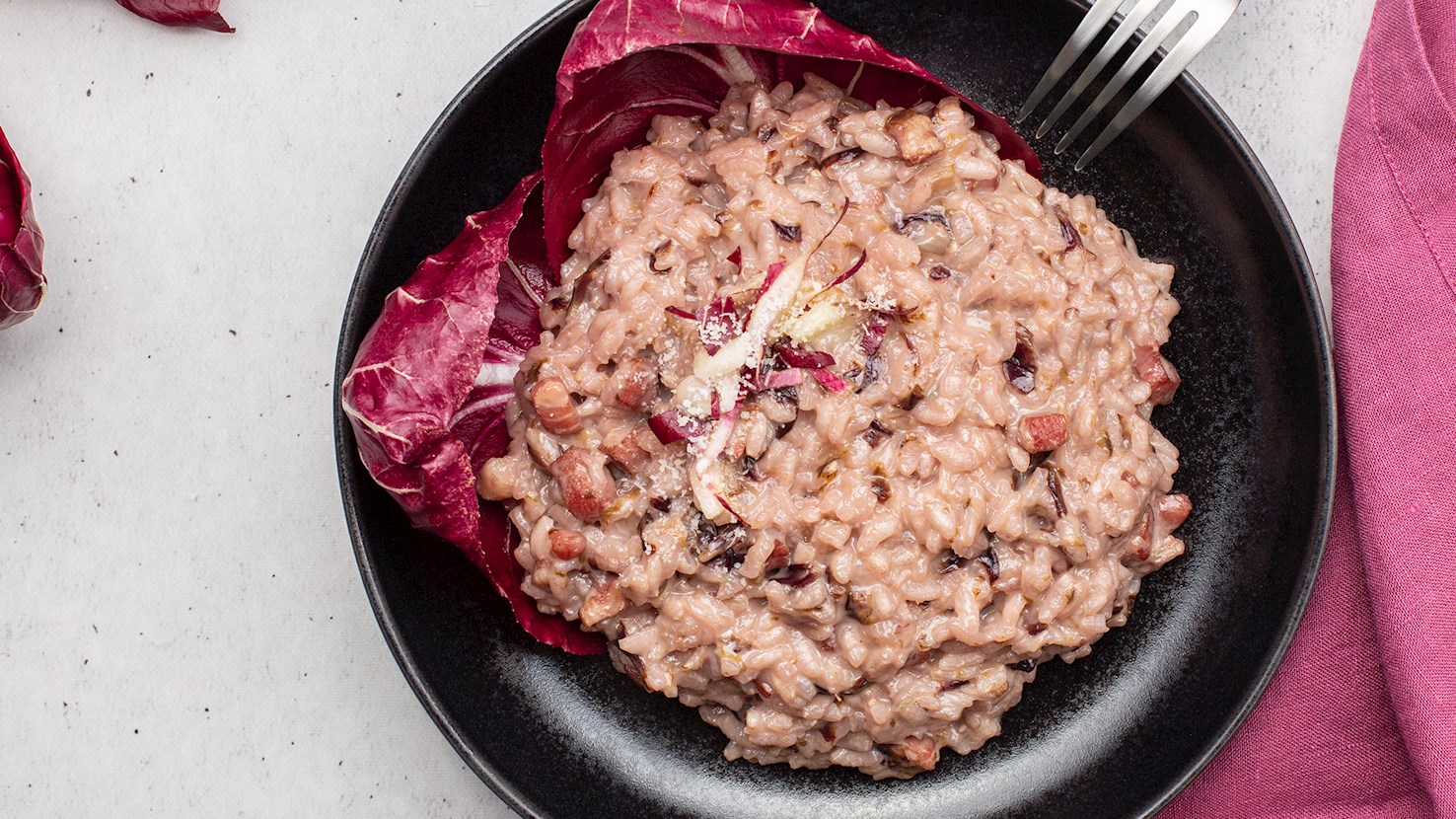
Risotto alla trevigiana is a traditional dish hailing from Treviso. It's prepared with thinly cut local radicchio, oil, rice, onions, sparkling wine, and stock. The radicchio is sautéed in olive oil with onions, then the rice is added with the wine and stock until the risotto is done. Before serving, it's usually enriched with a knob of butter and a sprinkle of grated Parmigiano-Reggiano. In the Veneto region, risotto is typically served all'onda, meaning with waves, referring to the fact that it should be slightly more on the thinner, liquid side. Serve the dish with a glass of prosecco.
TasteAtlas food rankings are based on the ratings of the TasteAtlas audience, with a series of mechanisms that recognize real users and that ignore bot,
nationalist or local patriotic ratings, and give additional value to the ratings of users that the system recognizes as knowledgeable.
For the “100 Best Rated Dishes with Onion” list until June 17, 2026, 1,000,987 ratings were recorded, of which 657,348 were recognized by the system as legitimate.
TasteAtlas Rankings should not be seen as the final global conclusion about food. Their purpose is to promote excellent local foods,
instill pride in traditional dishes, and arouse curiosity about dishes you haven’t tried.