

shutterstock

100 Best Rated
Dishes with Offal

Last updated on May 22, 2026
01

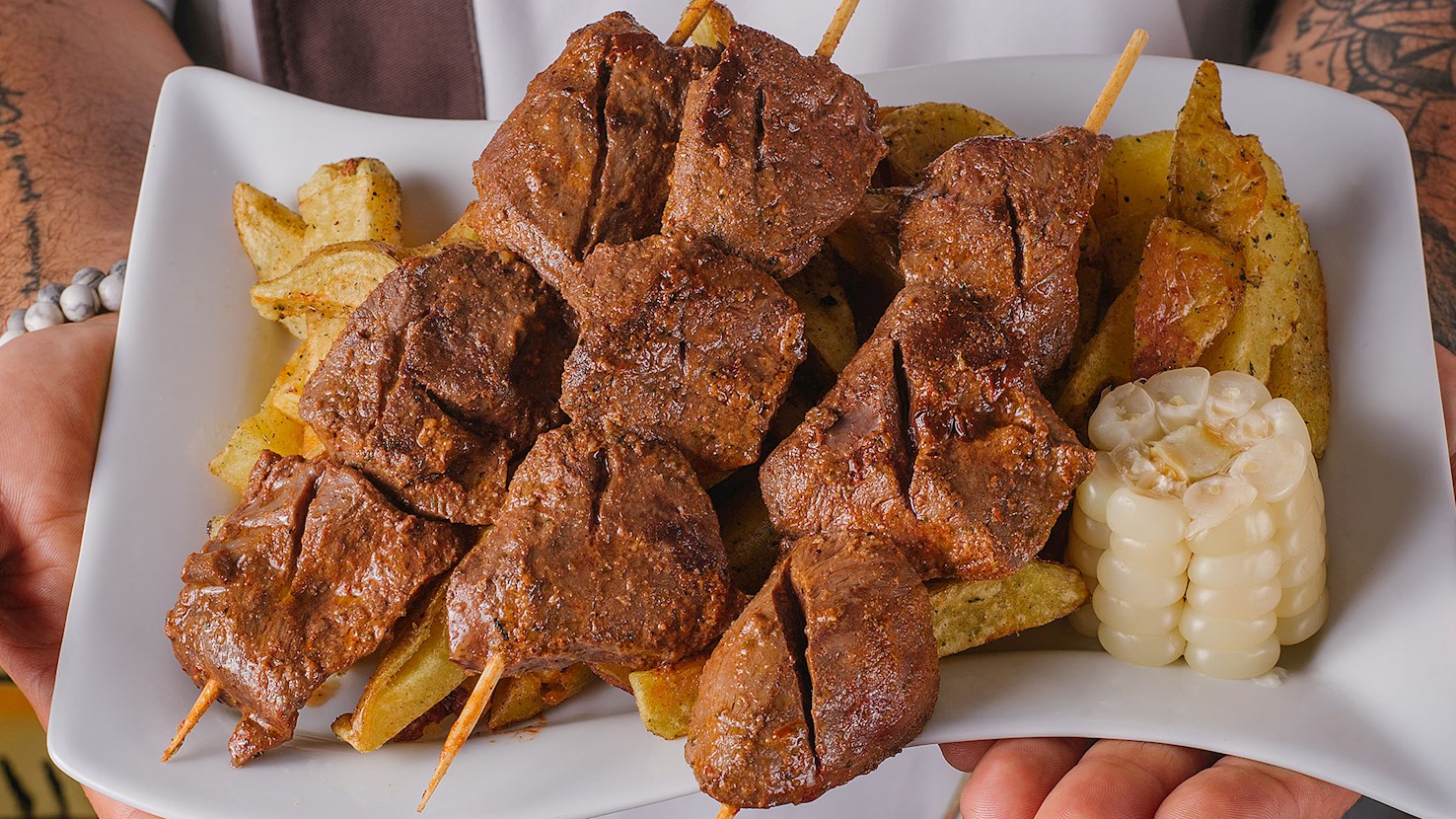
Anticuchos de corazon

4.5 ·

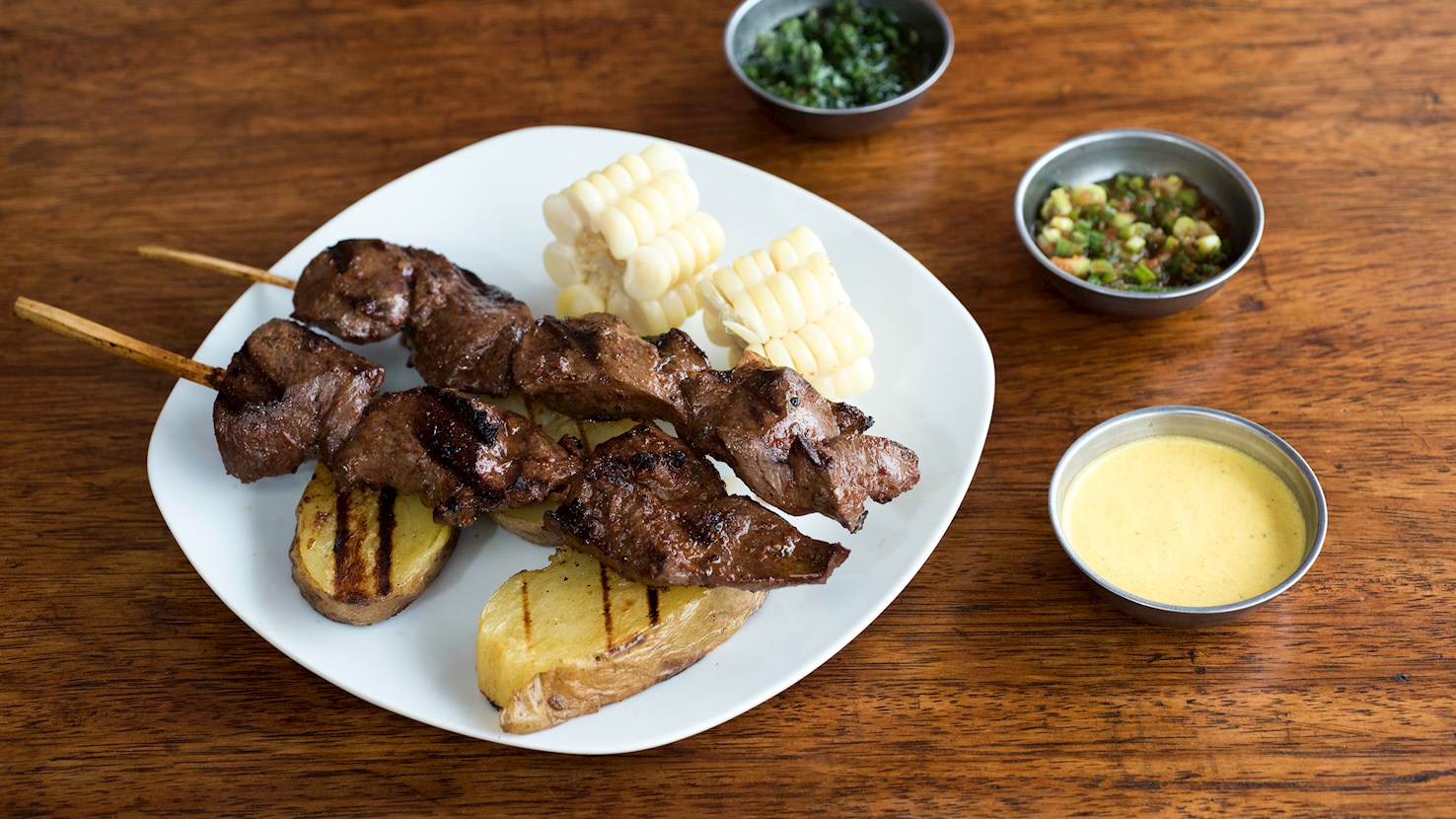
Anticucho de corazon is a traditional dish originating from Peru, consisting of beef heart skewers. The dish is made with a combination of beef heart, oil, red wine vinegar, garlic, oregano, cumin, salt, and aji panca hot pepper paste. The beef heart is cut into cubes and marinated in a combination of all other ingredients. The cubes are then skewered and grilled until fully cooked and slightly charred. These beef heart skewers are traditionally served with accompaniments such as thick slices of boiled potatoes, corn, and aji amarillo sauce on the side as a dip. It's recommended to enjoy anticucho de corazon with a bottle of ice-cold beer.

02

Soto Betawi

4.4 ·

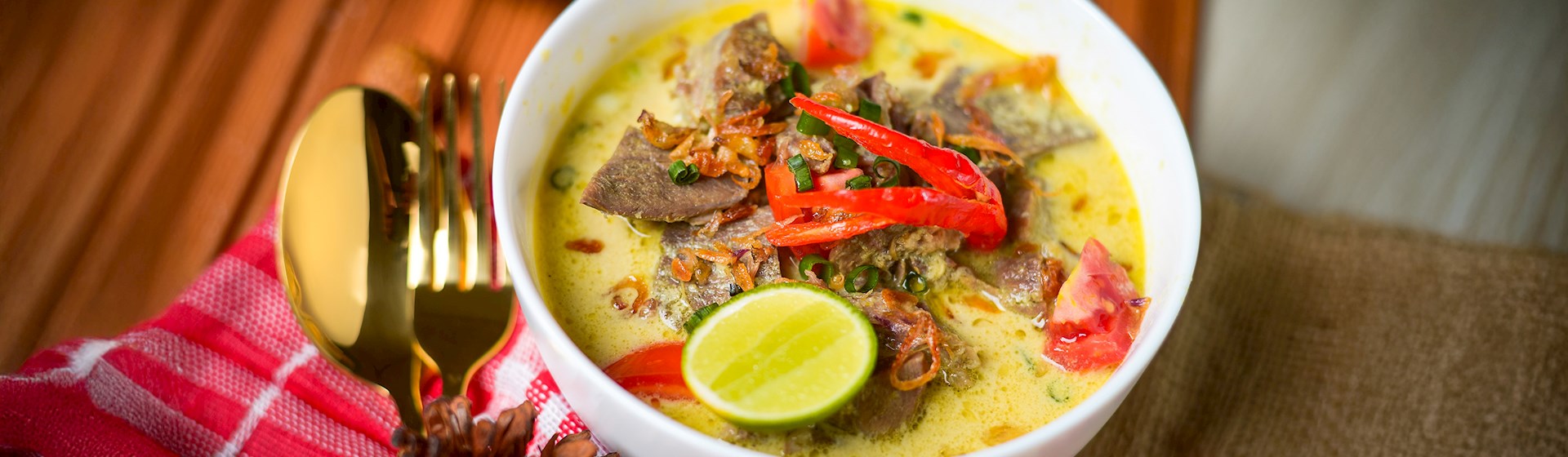
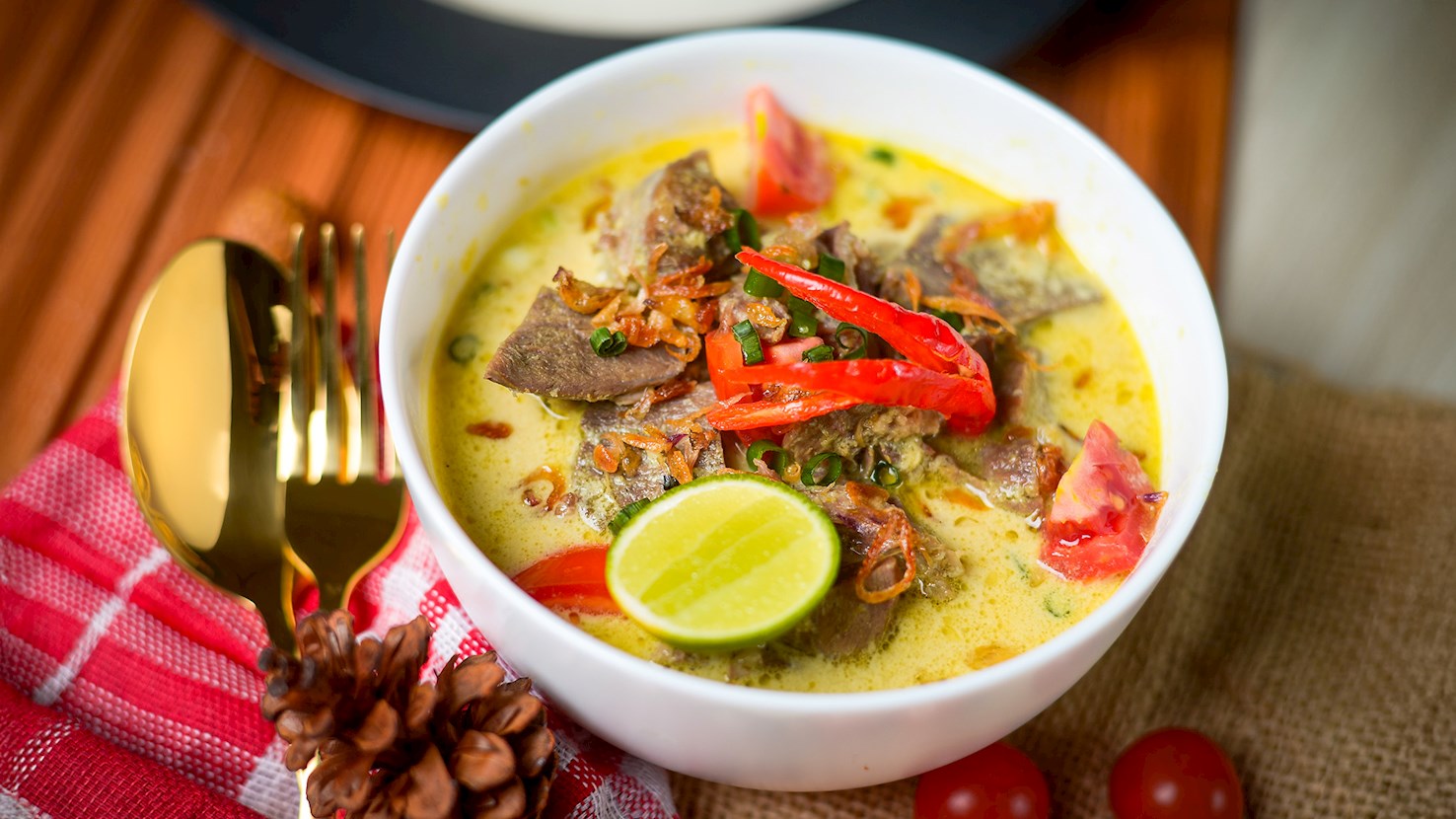
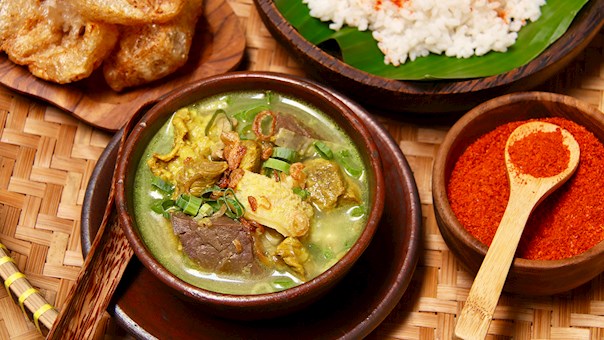
Soto Betawi is a hearty beef soup consisting of chunks of meat and offal that are slowly simmered in a coconut milk broth, which is usually enriched with various spices such as lemongrass, turmeric, galangal, kefir lime leaves, and coriander. When served, the soup is accompanied by different condiments that typically include tomatoes, scallions, sweet soy sauce, and emping crackers. Because of its name, it is believed that the dish originated in Jakarta among the Betawi people, and today it is one of the most popular dishes in the city, usually sold at various street stalls, restaurants, or hawker-style establishments. Soto Betawi is traditionally enjoyed with steamed rice and pickled acar on the side.

03

Sate Padang

4.4 ·

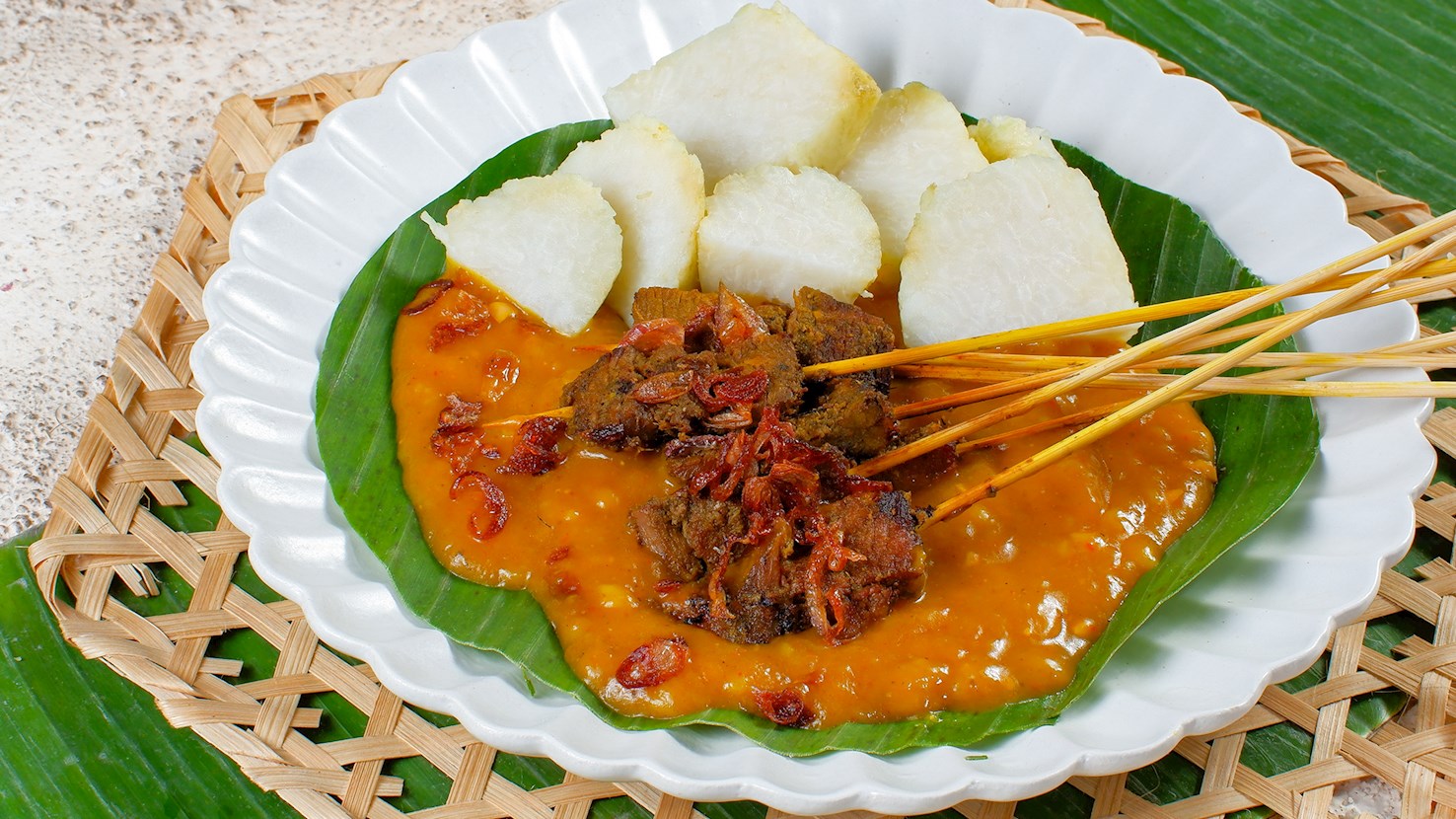
Padang satay is a spicy, rich, and aromatic Indonesian satay originating from Padang, West Sumatra, known for its thick, flavorful curry-based sauce. Unlike other Indonesian satay varieties that use peanut sauce or sweet soy sauce, Padang satay is distinct for its bold, turmeric-infused, and mildly spicy gravy, made from beef broth, rice flour, and a blend of local spices. The skewered meat—usually beef, beef tongue, or offal like intestines and heart—is first boiled in spiced broth until tender, then grilled over charcoal to achieve a smoky, caramelized crust. The signature thick, golden-brown sauce is made by reducing the broth used to cook the meat, thickened with rice flour, and enhanced with galangal, turmeric, coriander, cumin, lemongrass, and chilies, giving it a savory, slightly spicy, and deeply aromatic flavor. Padang satay is typically served on banana leaves, accompanied by steamed rice cakes (ketupat or lontong) and topped with crispy fried shallots, adding a final layer of crunch and fragrance.

04

Barbacoa

4.3 ·

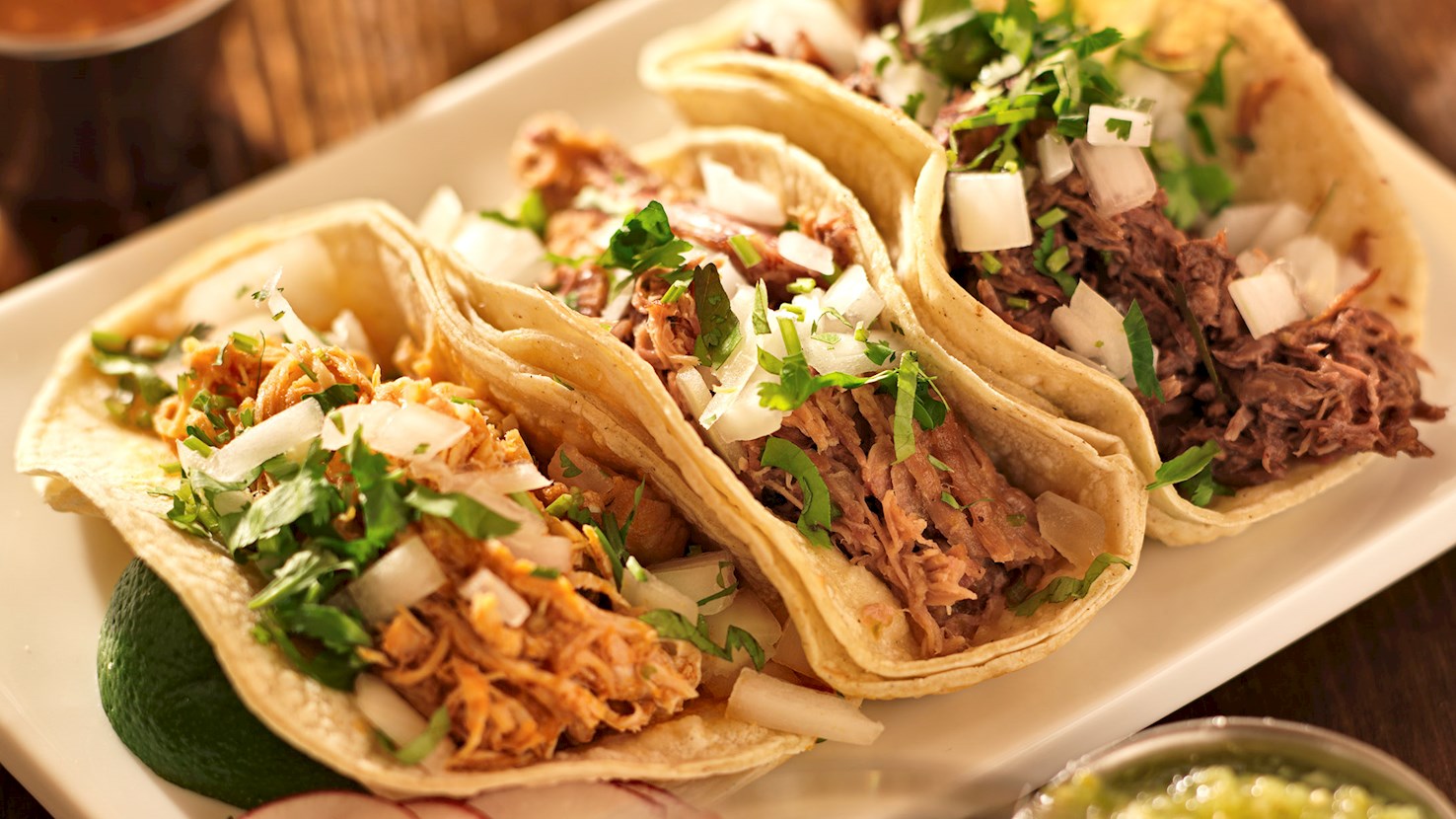
Barbacoa is a term that is mostly associated with Mexico and refers to an ancient technique of cooking meat in underground ovens. There are numerous regional varieties, which usually differ in the type of meat or the cut, but the most common options include lamb, goat, or mutton—and animal heads are traditionally regarded as a favorite barbacoa specialty. Mexican barbacoa involved digging a hole in the ground, lining the bottom and the sides with rocks, and adding a layer of burning wood, which would then be covered with agave leaves. They would then place the meat on the leaves, and the hole would be covered and sealed. An additional flame would be lit on top to keep animals away, and the meat would be left to cook overnight. Throughout history, the word barbacoa has been associated with numerous meanings. The first mention of the word had Caribbean origins, where it was used for a contraption created with a framework of sticks. Another popular belief is that the word barbecue has its roots in the same word. Mexican barbacoa tradition is believed to have its origins in the ancient Mayan and Aztec cultures. However, they did not use the name barbacoa. In some parts of Mexico, the words pibil, tatema, and birria are used to describe similar dishes cooked under the ground, but it is believed that they are all babacoa styles. Barbacoa is particularly popular in northern Mexico and the southern United States regions. Due to health and safety regulations, the original barbacoa is becoming increasingly rare.

05

Sìchuān huǒguō (Sichuan hot pot)

4.3 ·

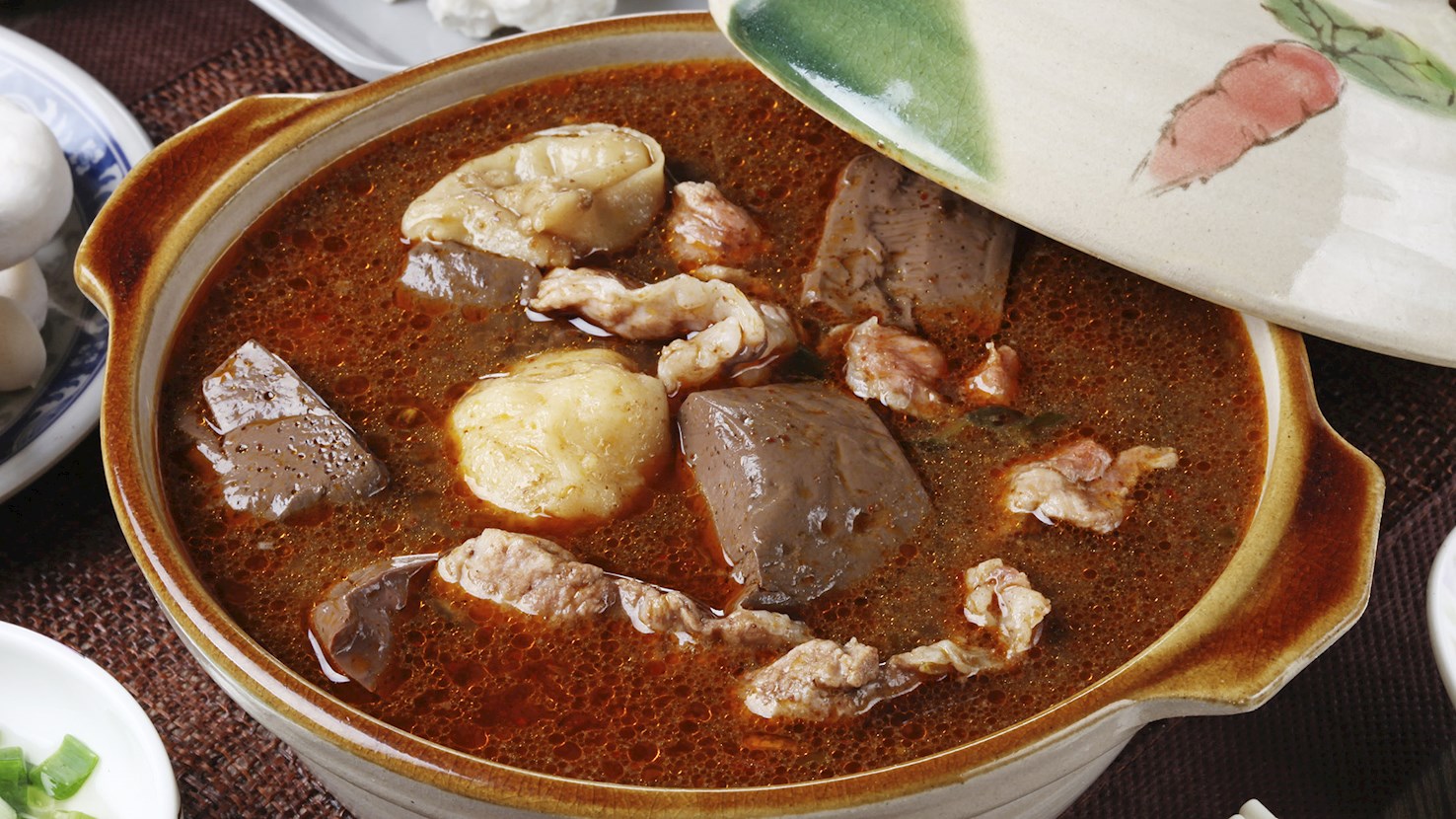
Sichuan hotpot is a numbingly hot and spicy dish made by poaching raw ingredients in a pot of boiling broth. The ingredients might include sliced meat, offal, seafood, vegetables, noodles, and most importantly, Sichuan peppercorns. Consuming hotpot is a communal affair, so people usually gather around the pot while socializing and adding the ingredients into it. As its name suggests, the dish was invented in Sichuan at the beginning of the 20th century. Originally, fisherman and port workers from the region could not afford regular cuts of meat, so they used offal, which was cooked in a spicy broth in order to disguise its pungent aromas. Over time, the dish evolved and became extremely popular throughout China and in the United States of America, due to the addition of fragrant spices and other flavorful ingredients such as ginger, garlic, cinnamon, and Sichuan bean paste. Although the dish is consumed throughout the year, it is most popular during winter because it warms the body and improves circulation.

06

Kokoretsi

4.2 ·

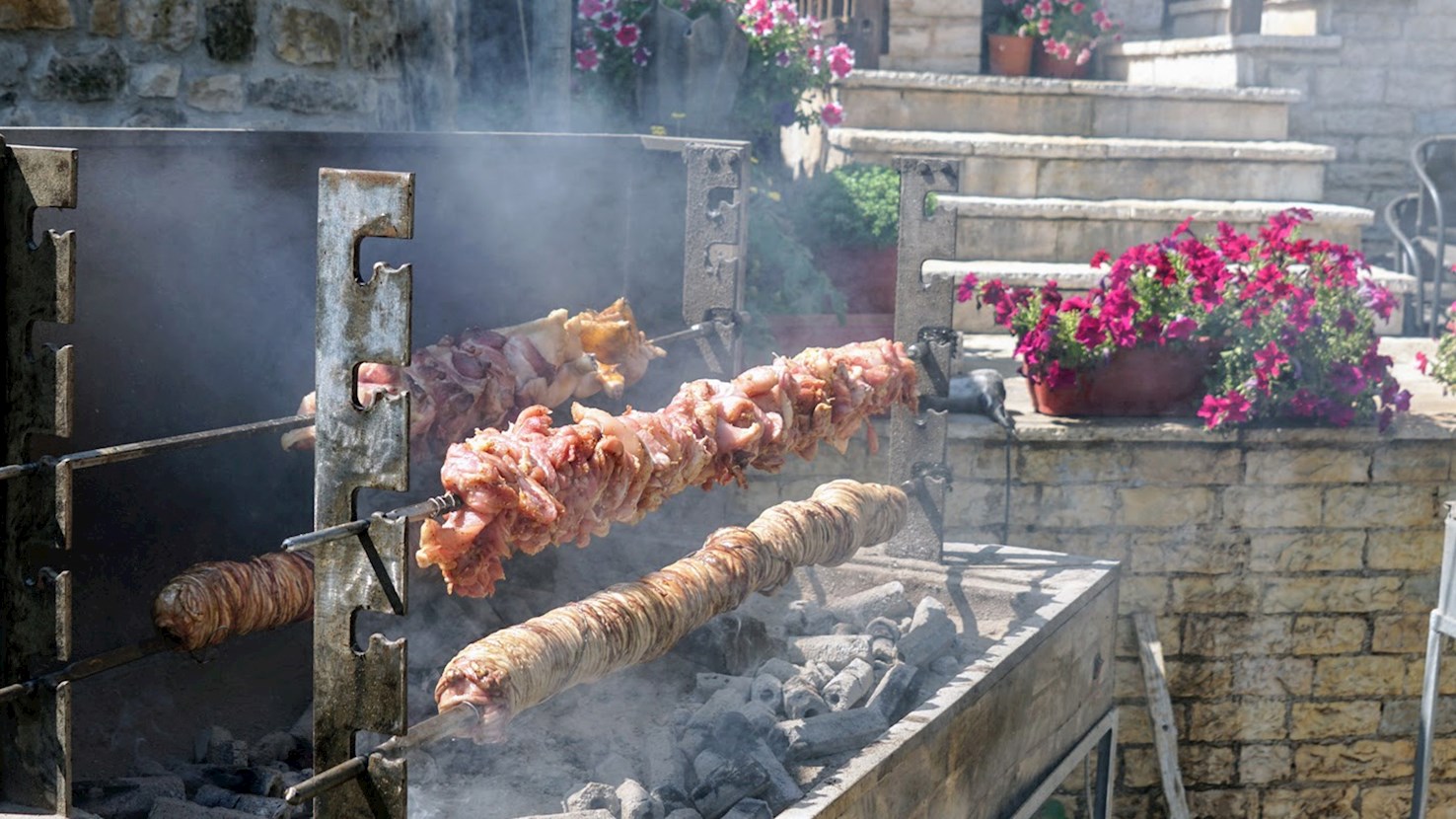
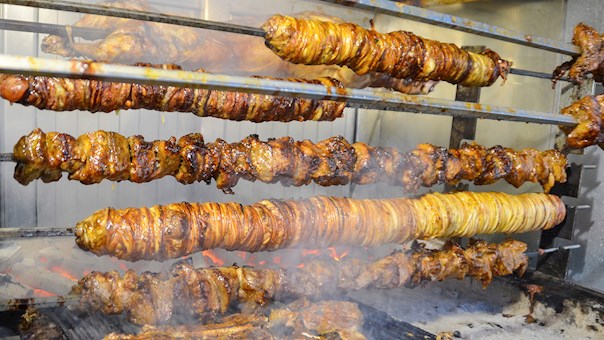
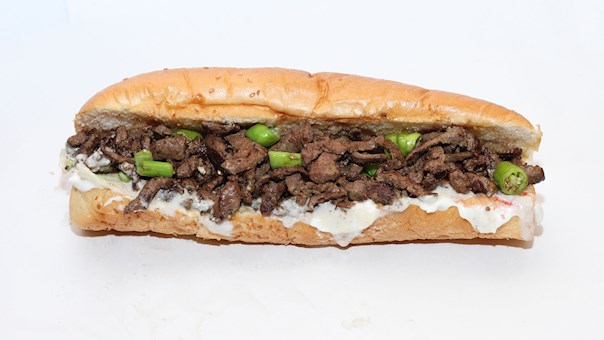
Kokoretsi is a traditional dish consisting of lamb or goat offal that is chopped into tiny pieces, seasoned with lemon juice, olive oil, salt, and pepper. The offal is then skewered, covered with caul fat to keep the pieces in place, and cooked over charcoal. It is traditionally consumed as an appetizer or meze on Easter Sunday in Greece. Although it is associated with Easter, it can usually be found throughout the year across the country. Kokoretsi is also popular throughout the Balkans, and the name of the dish comes from the Albanian word kukurec, meaning tripe. Being an internationally popular dish, kokoretsi is sometimes served as a sandwich on a flatbread, when it is topped with numerous spices and tomatoes, while others like to put it into a baguette with pickles and bell peppers.

07

Picante a la tacneña

4.2 ·

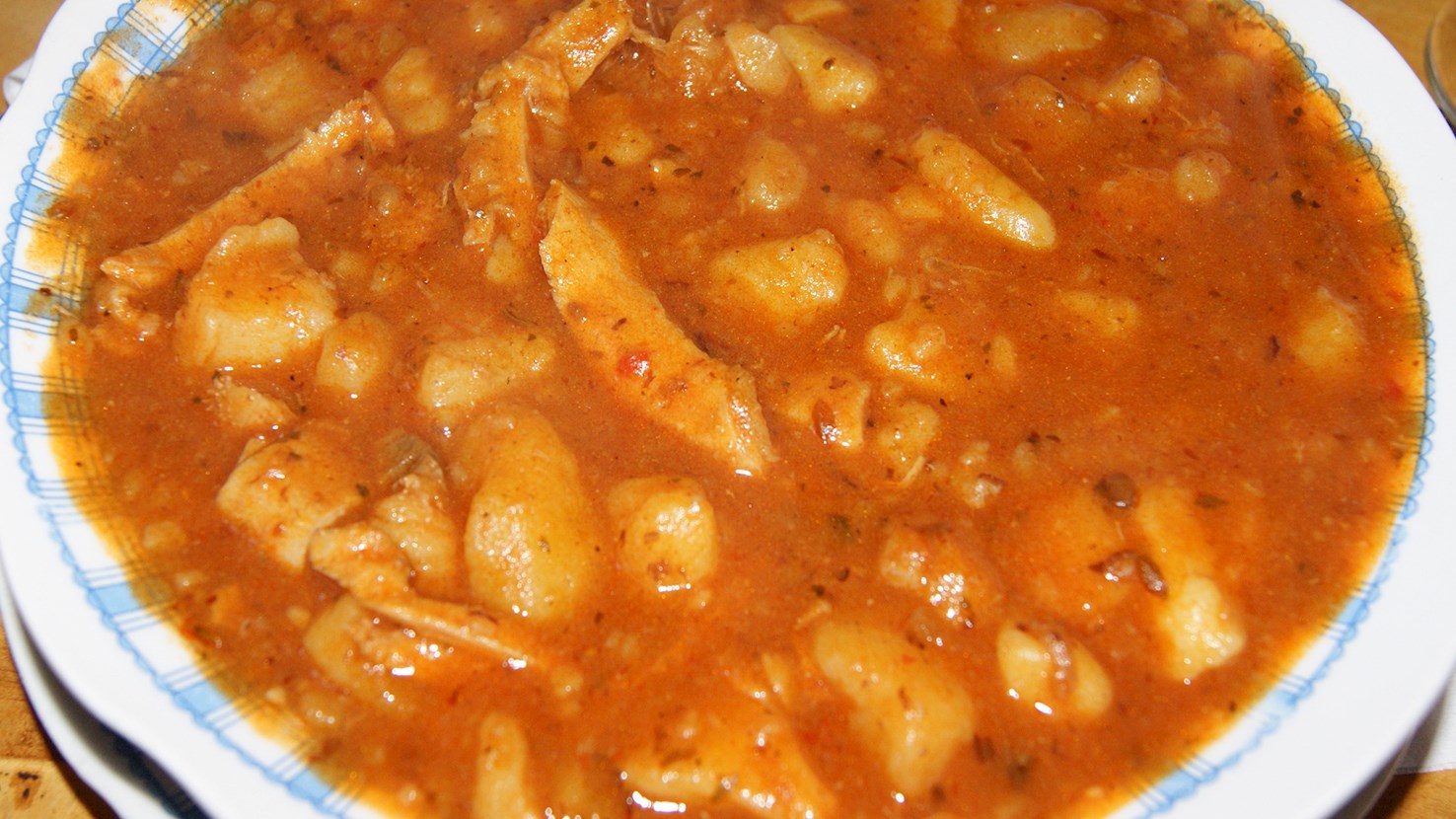
Picante a la tacneña is a traditional dish originating from Tacna. It is made with tripe, chili peppers, dried meat (lamb or llama), cow's foot, and local papa negra (also known as mariva) potatoes. The chili peppers are first cooked in water with garlic and cumin until the sauce develops a thick texture. It is then combined with meat, while the potatoes are added later. When the dish is fully cooked, it is usually served with marraqueta bread and a glass of dry red wine on the side.

08

Anticuchos

4.2 ·

Anticucho is a meat dish consisting of small pieces of skewered and grilled meat, the most popular of them made with beef heart, called anticuchos de corazón. Incan in origin, the dish quickly gained popularity throughout South and Central America. The first written recipe dates back to the 16th century, referring to a meal of marinated llama meat cooked directly over a fire. When the conquistadors encountered the dish, they modified it to make it their own, replacing the llama meat with beef, which was skewered on sugar cane stalks. Today, the meat is typically marinated in red wine vinegar and spices such as garlic, cumin, and aji pepper - developing a fruity flavor when roasted. Anticucho can be found throughout Peru and has spread to other South American countris (especially popular in Bolivia) on numerous street carts and street food stalls, called anticucheras. Typical accompaniments to the dish include corn or boiled potatoes.

09

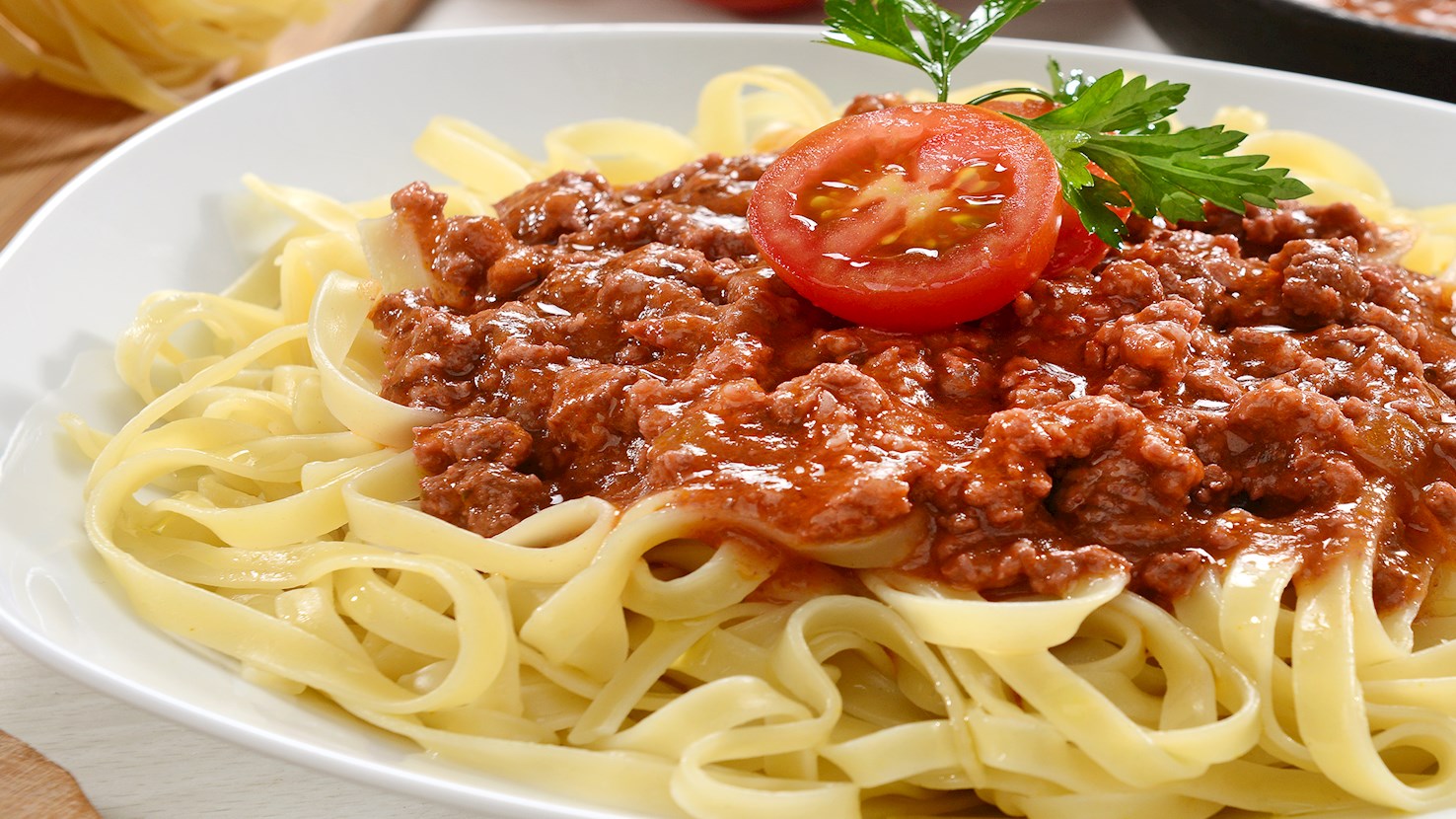
Ragù alla Romagnola

4.2 ·

This traditional Romagna-style ragù consists of ground veal and diced chicken livers that are sautéed alongside onions, pancetta, carrots, celery, salt, pepper, fresh tomatoes, and red or white wine. Though similar to the ragù alla Bolognese, according to the Italian Academy of Cuisine, ragù alla Romagnola does not employ cream or milk. The sauce is typically served over various types of pasta such as tagliatelle or penne.

10

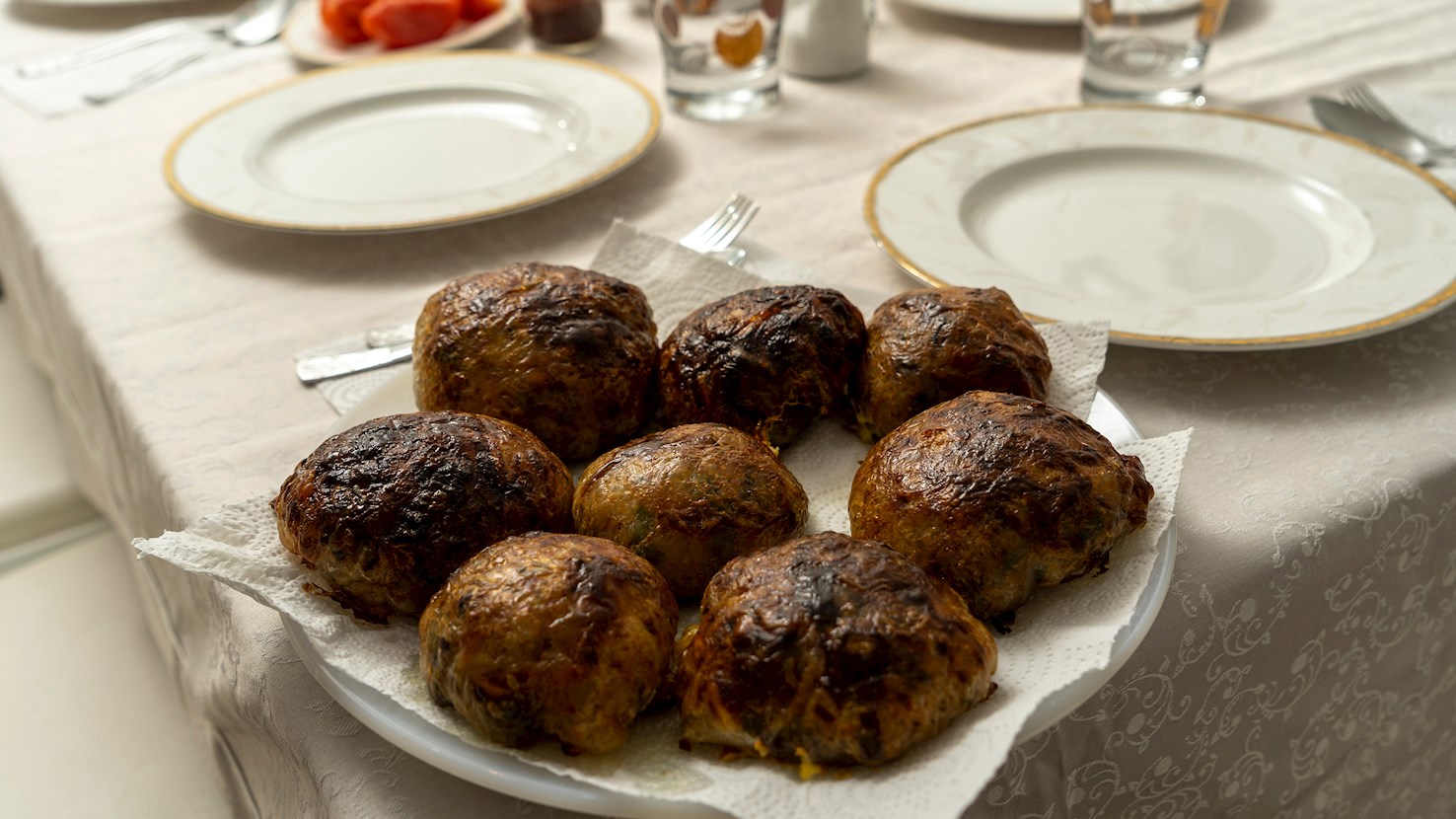
Ciğer sarma

4.2 ·

Ciğer sarma is a dish consisting of lamb liver and rice mixed with pine nuts, currants, onions, and spices wrapped in softened lamb caul fat. The dish is baked until golden brown, with the caul fat keeping the filling moist and enhancing the flavor. Traditionally served during special occasions, ciğer sarma reflects the culinary heritage of the region, combining aromatic ingredients and meticulous preparation. Its presentation, with the caul fat enclosing the spiced filling, makes it both visually appealing and deliciously satisfying. This dish is a hallmark of Edirne's rich gastronomic culture.

11

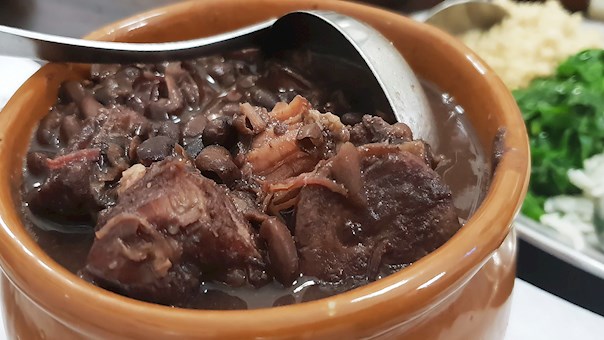
Feijoada

4.1 ·
13

Kokoreç

4.1 ·
15

Gyutan

4.1 ·
18

Kuchmachi

3.9 ·
20

Drob po selski

3.9 ·
About this ranking

TasteAtlas food rankings are based on the ratings of the TasteAtlas audience, with a series of mechanisms that recognize real users and that ignore bot, nationalist or local patriotic ratings, and give additional value to the ratings of users that the system recognizes as knowledgeable. For the “100 Best Rated Dishes with Offal” list until May 22, 2026, 989,147 ratings were recorded, of which 646,955 were recognized by the system as legitimate. TasteAtlas Rankings should not be seen as the final global conclusion about food. Their purpose is to promote excellent local foods, instill pride in traditional dishes, and arouse curiosity about dishes you haven’t tried.

Similar lists