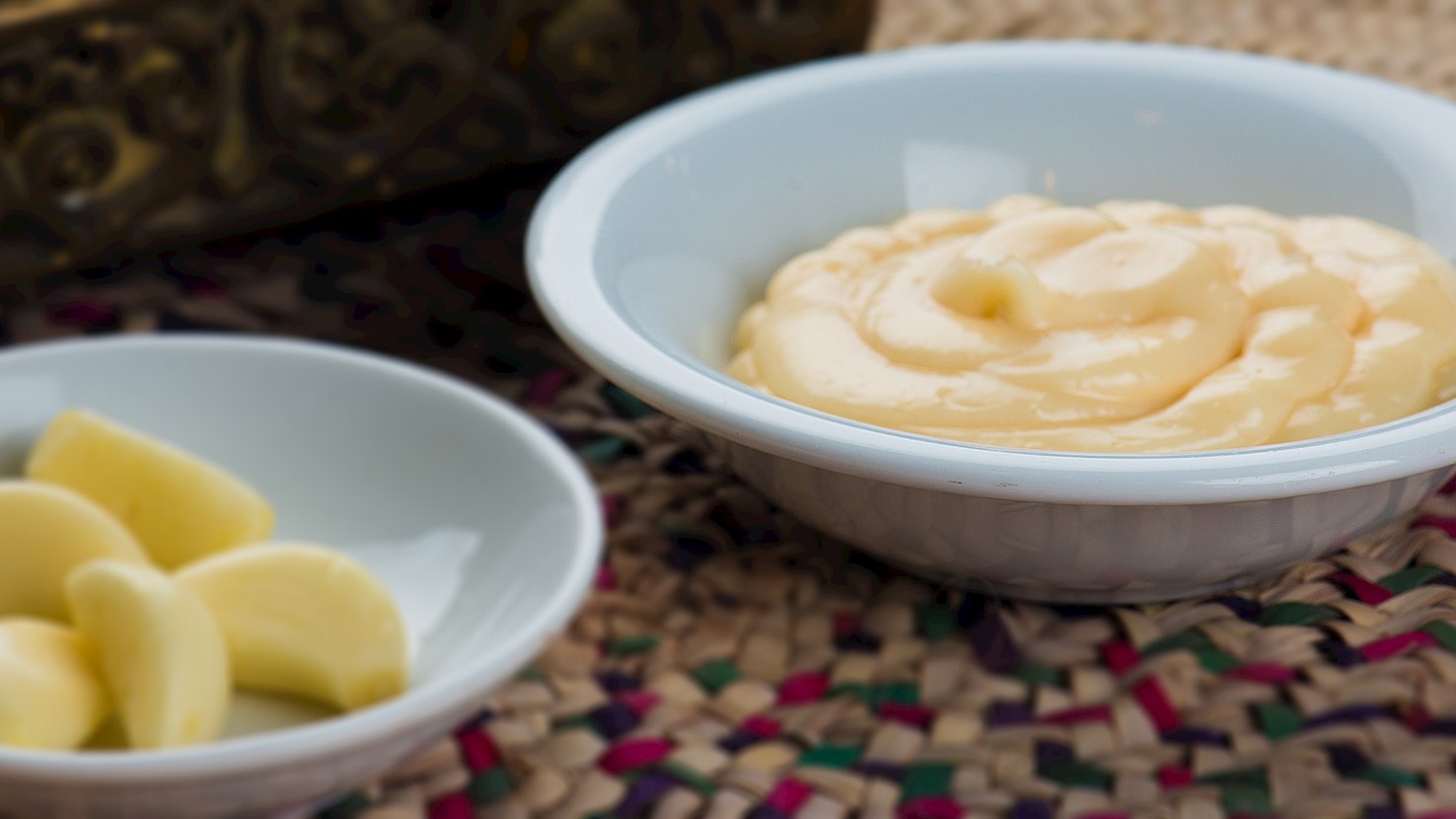
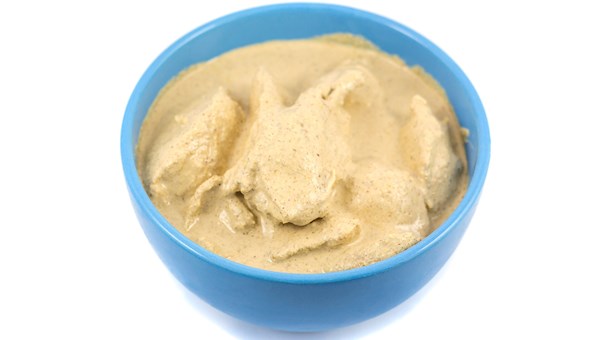
Toum is an authentic Lebanese and Syrian garlic paste. It is made with whole garlic cloves, which are slowly crushed using a mortar and pestle, or nowadays simply ground in a food processor. During this process, oil (preferably neutral oil such as canola, or the flavorful olive oil) is gently added to create a homogeneous garlic paste with an unusual, fluffy texture. Finally, salt and lemon juice are added to the mix, giving the paste a salty flavor and ivory color. Toum is used for marinades, sauces, and dips, and can enrich any meal. It is usually combined with chicken in traditional dishes such as roast chicken, chicken skewers or chicken shawarma, but is also commonly combined with beef, lamb, or goat meat. It is often used as a spread in the famous Lebanese pita sandwiches and wraps, or as a simple spread over bread, which is served as a starter or a snack. Toum can be made in advance and can keep up as long as three weeks. Since it is highly versatile, numerous ingredients, such as mint, can be added to diversify its flavor and texture. This delightful, pungent garlic spread and its adaptations can also be found in eastern Mediterranean countries, Egypt, and Iraq.
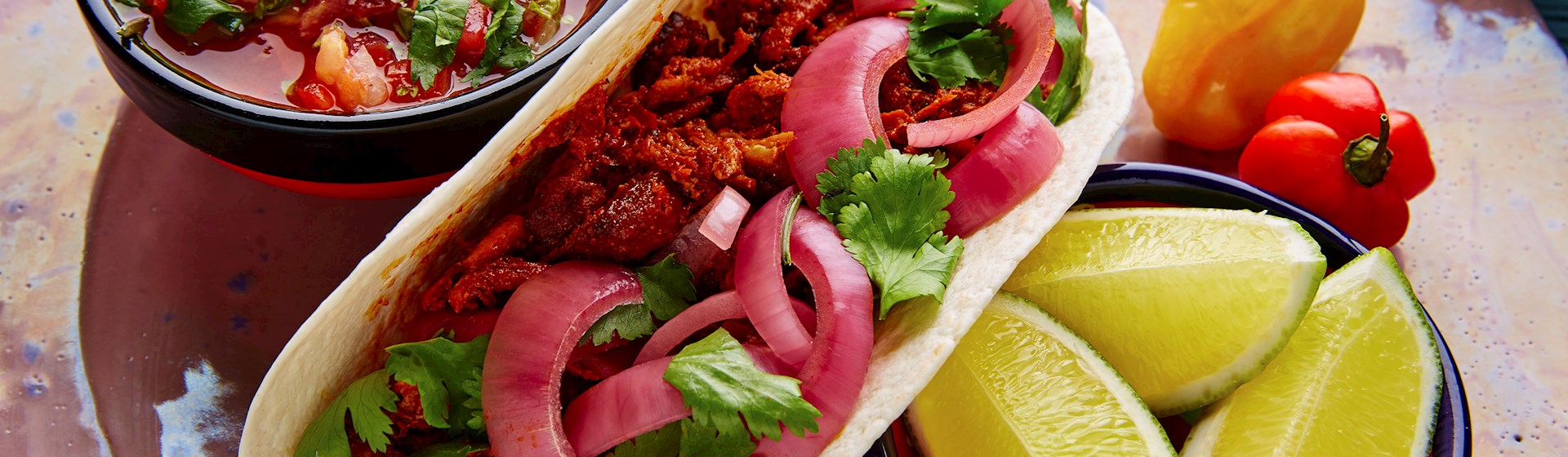
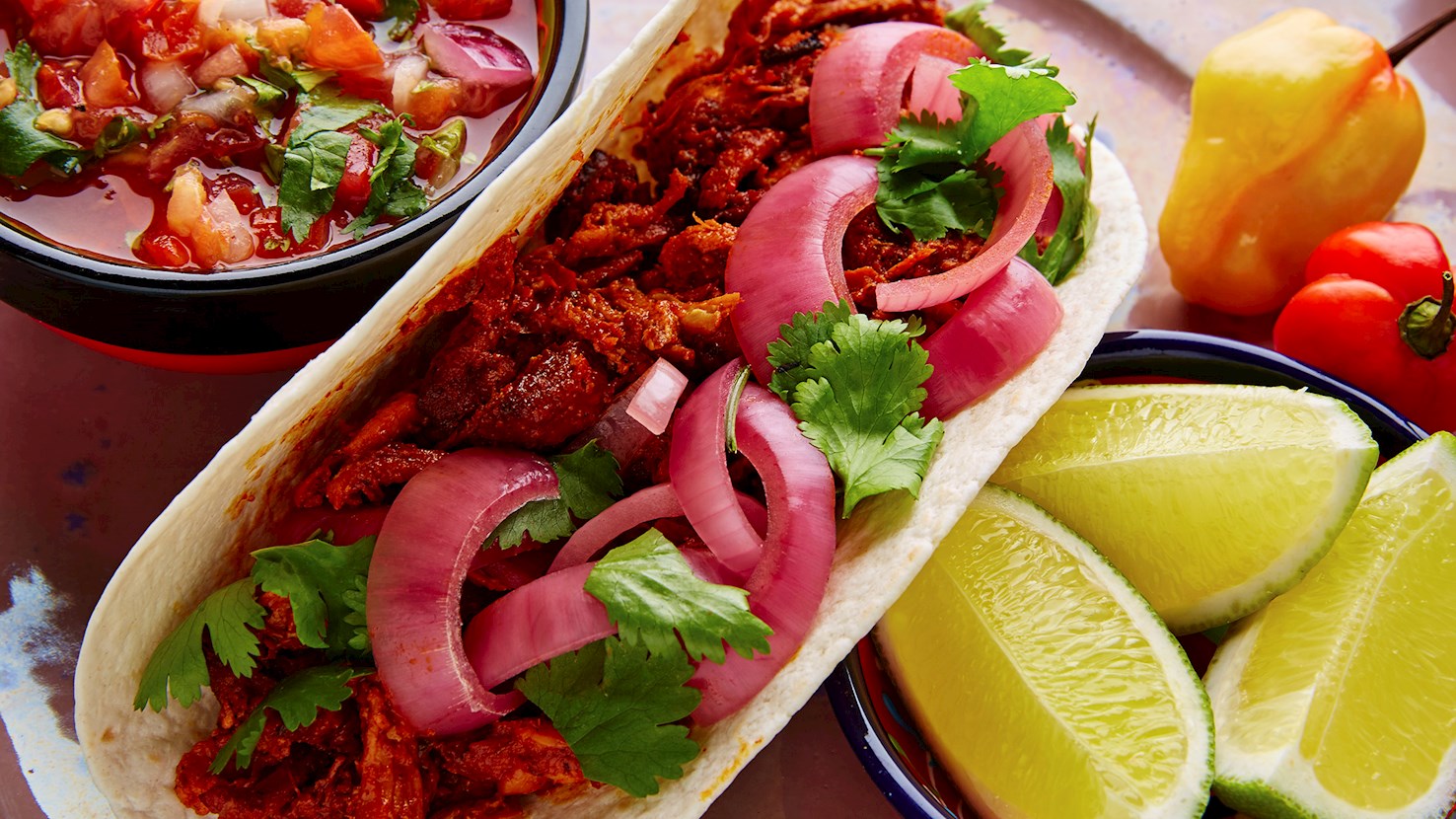
Cochinita pibil is a Mexican pork dish originating from Yucatan. Pork is marinated in a combination of annatto paste, bitter orange juice, and garlic. It is slowly baked and then shredded and served on tortillas, tacos, or on its own with shallots, pickled onions, salsa, and various roasted vegetables. Cochinita pibil is characterized by the red color of the meat, imparted by the annatto seeds from the marinade. Originally, pork was wrapped in banana leaves prior to baking, but today a foil or any other suitable wrapping can be used instead. Since cochinita means baby pig, and pibil means buried or underground, it acts as a proof that the original recipe used a whole suckling pig that was buried in a pit for roasting. This Mayan-influenced dish is most often served on weekends in many Mexican homes, usually as a Sunday family ritual.
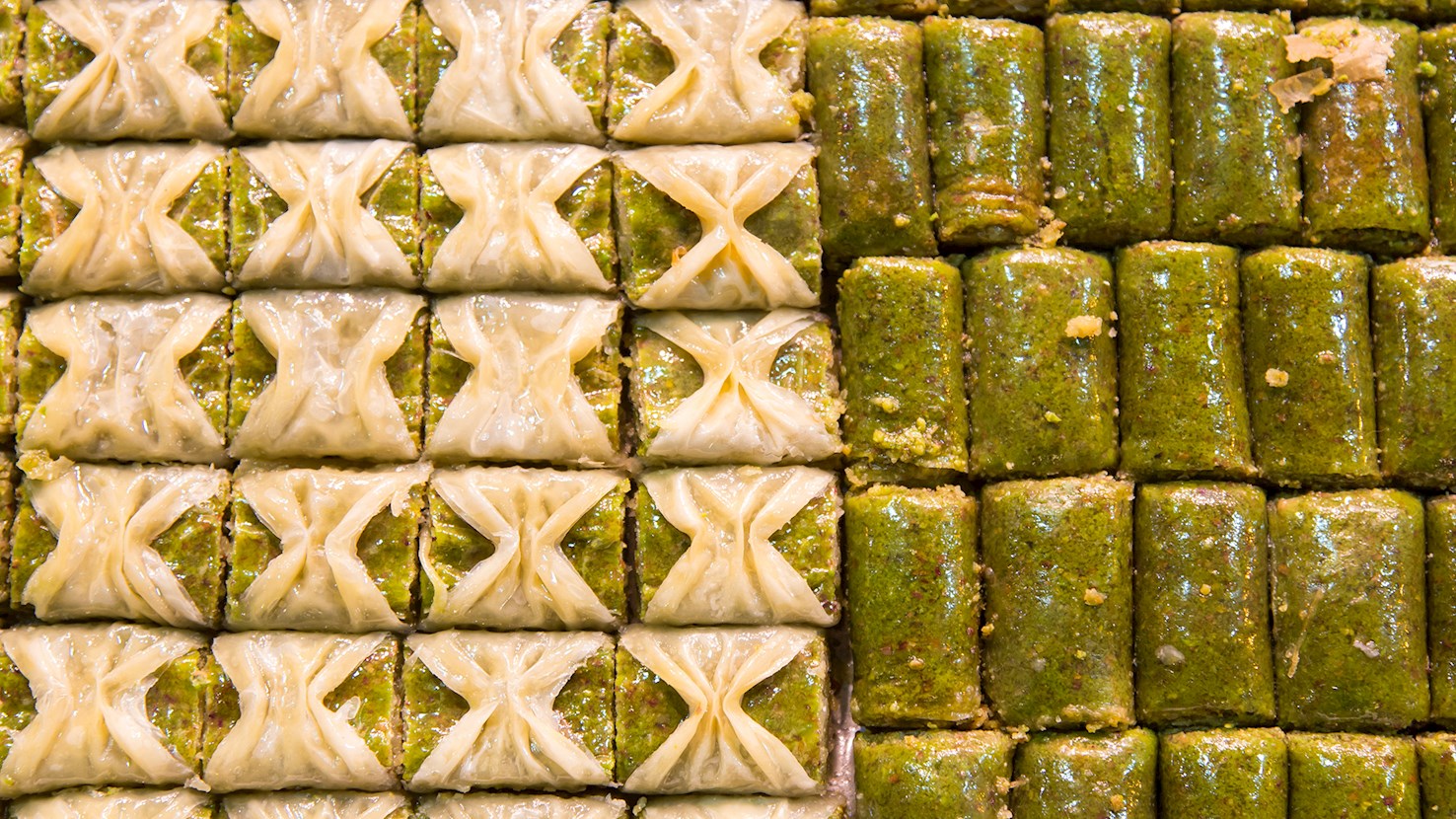
This Turkish sweet is made with a smooth, green, paste-like filling known as fıstık ezmesi (lit. pistachio butter). It is like a pistachio version of marzipan, and its bright green color is all-natural—it comes from the early-harvested Gaziantep pistachios. The delicious pistachio paste is wrapped around a single sheet of phyllo dough, just to hold its green goodness together, which is why this type of baklava is called either fıstıklı sarma or fıstıklı dürüm, meaning pistachio wrap or pistachio roll.
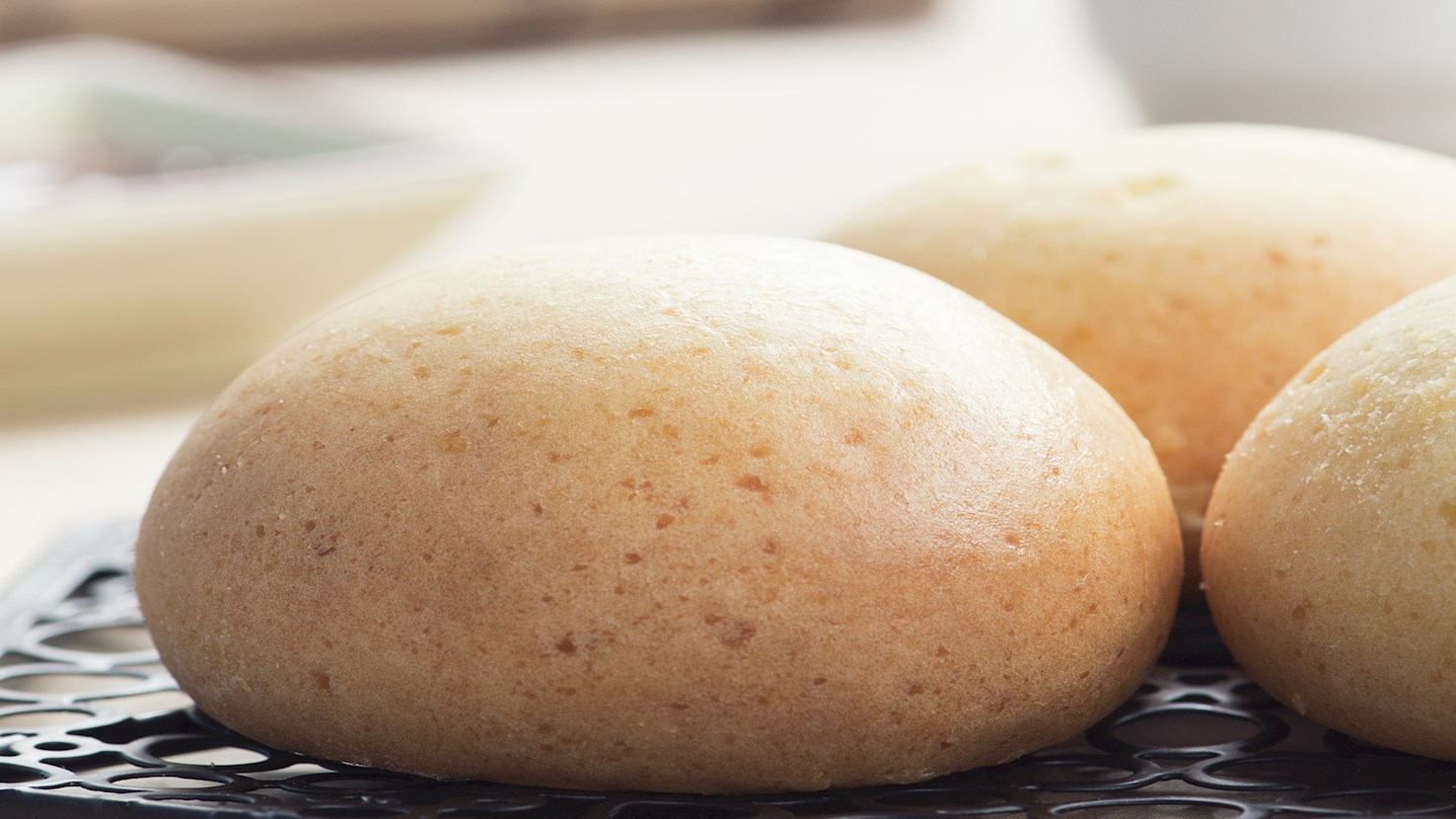
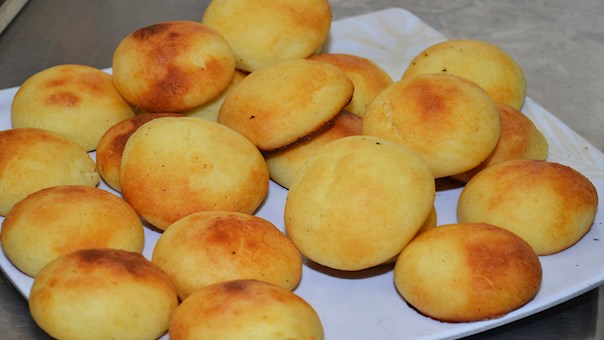
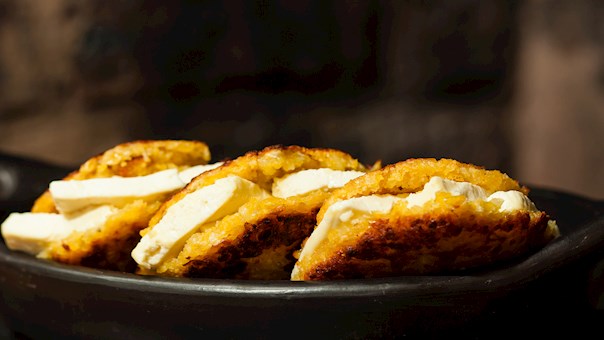
Almojábana is a traditional and Puerto Rican bread (although it is also popular in other countries of Latin America) that is very similar to pandebono. Pandebono is usually made with yuca flour and costeño cheese, while almojábanas are made with cuajada white cheese and cornmeal flour. Almojábanas are baked until they develop a spongy texture and a golden brown color of the exterior. This small, round bread is traditionally served warm.
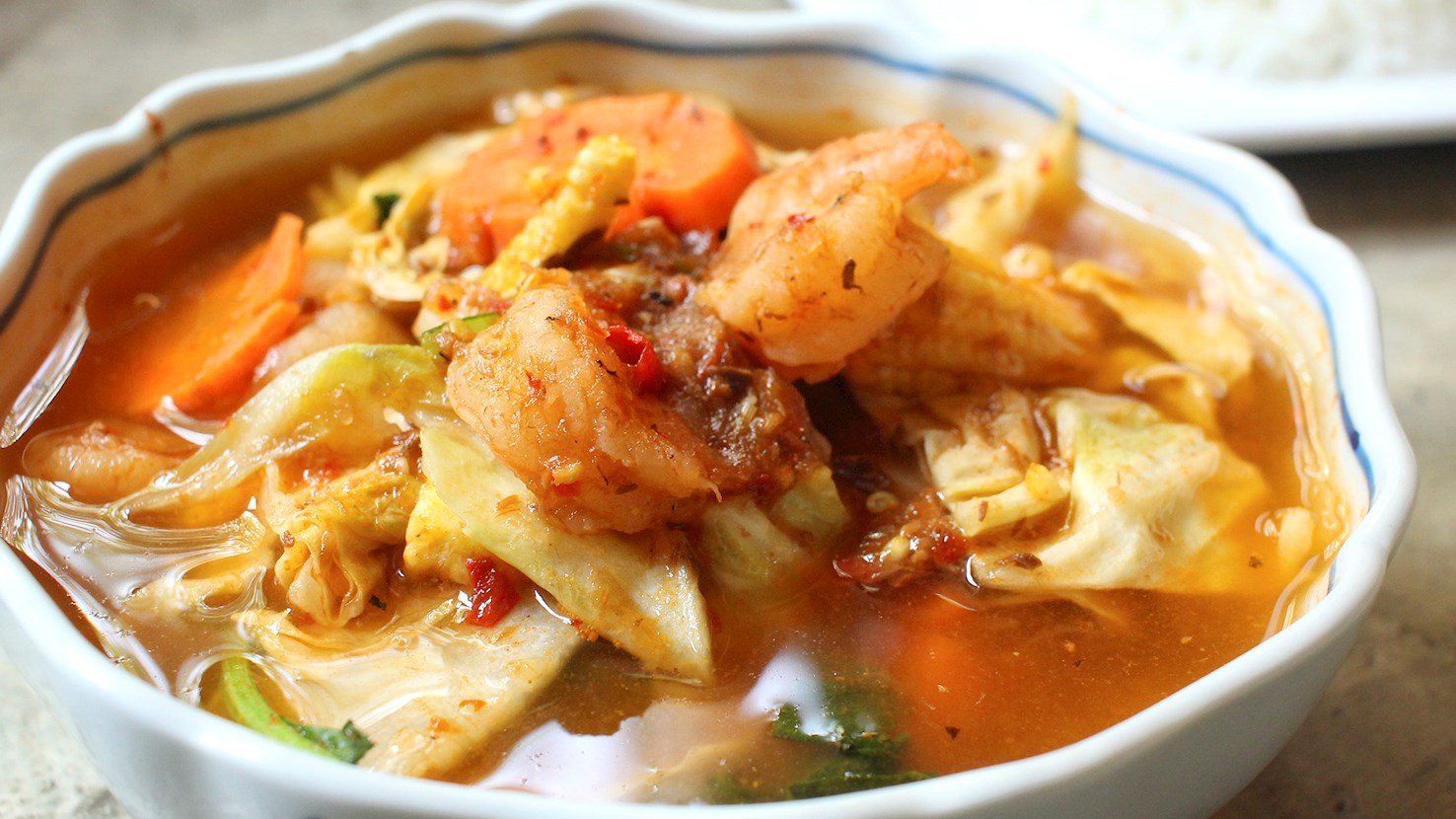
Gaeng is a Thai word for the world-famous Thai curry paste, either yellow, red, or green in color, sorted by the order of spiciness where yellow curry is slightly spicy and green curry is the spiciest. Yellow curry consists of coconut milk as its base and toasted and powdered variety of spices such as turmeric, anise, cinnamon, dried chilis, bay leaves, ginger, coriander, cumin, and fermented shrimp paste. Yellow curries are often prepared with bits of beef, lamb or chicken, onions, potatoes, and pineapple. Red curries consist of coconut milk, red chili powder, white pepper, cumin, nutmeg, coriander, garlic, lemongrass, ginger, and grated kaffir limes. The sauce pairs well with roasted pork, beef, shrimp, duck, eel, bamboo shoots, Thai basil, and pumpkin. Green curries consist of coconut milk, hot green chilis, lemongrass, ginger, coriander, cumin, white pepper, onions, palm sugar, grated kaffir lime, garlic, and holy basil (Thailand's beloved pungent herb). This devilishly hot curry pairs well with beef or chicken and Thai eggplants. There is also a popular Thai curry that is not linked with a specific color - massaman curry, consisting of cumin, caraway, cloves, anise, cinnamon, cardamom, white pepper, ginger, nutmeg, cashews, lime, garlic, lemongrass, and the extremely hot bird's eye chilis. Massaman curry is a legacy of Muslim spice traders, so it is not usually paired with pork, but with tamarind, bitter oranges, potatoes, pineapples, chicken, or beef, which is the reason why it is more aromatic than spicy in the end. One might wonder why most curries are served with rice on the side, and the reason is that beverages and liquids spread the spicy, hot oils all over the surface of the tongue while rice is used to "mop them up" - so the next time you eat a hot and spicy curry, try eating more rice instead of drinking a cold beverage to soothe the palate.
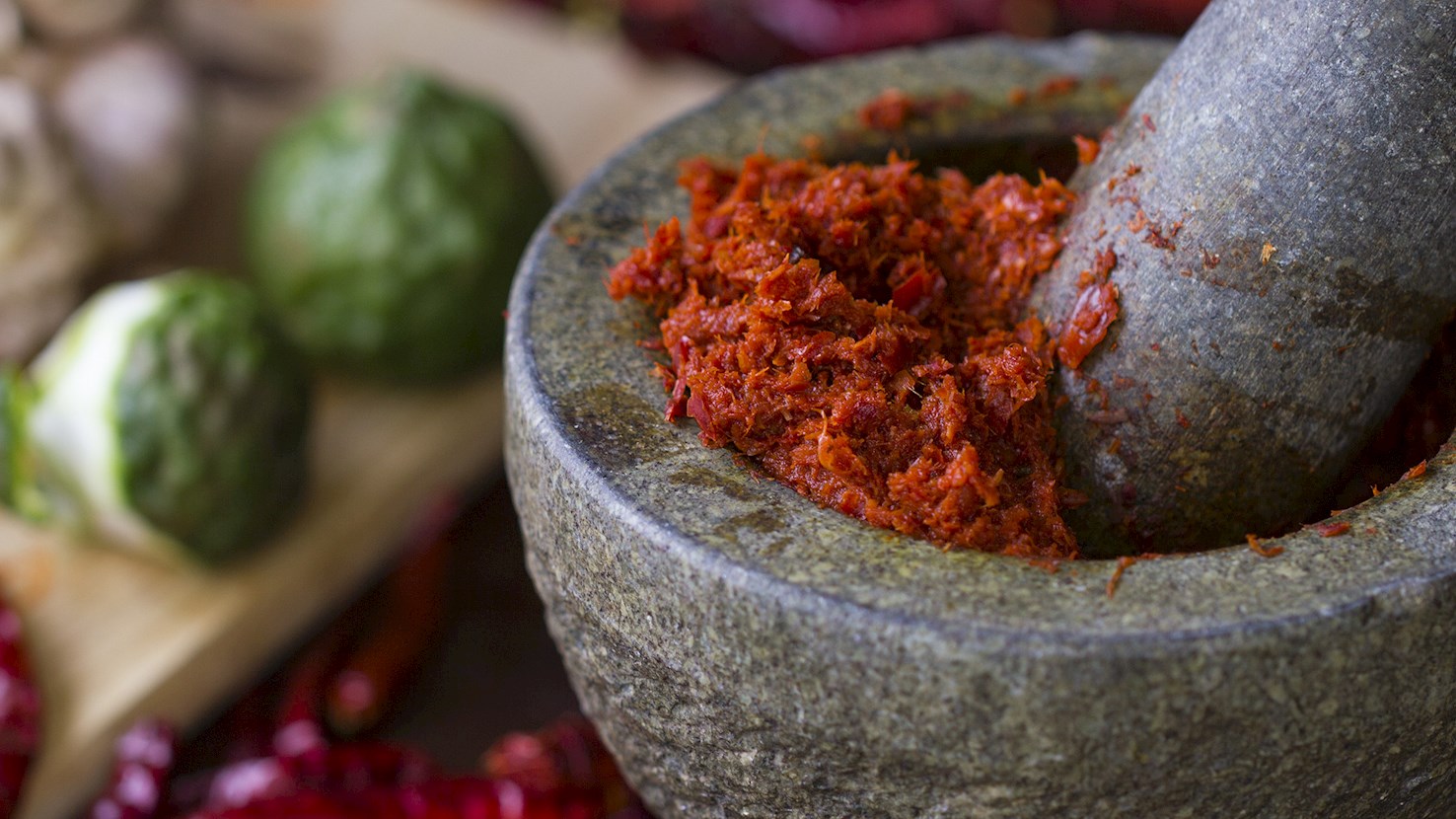
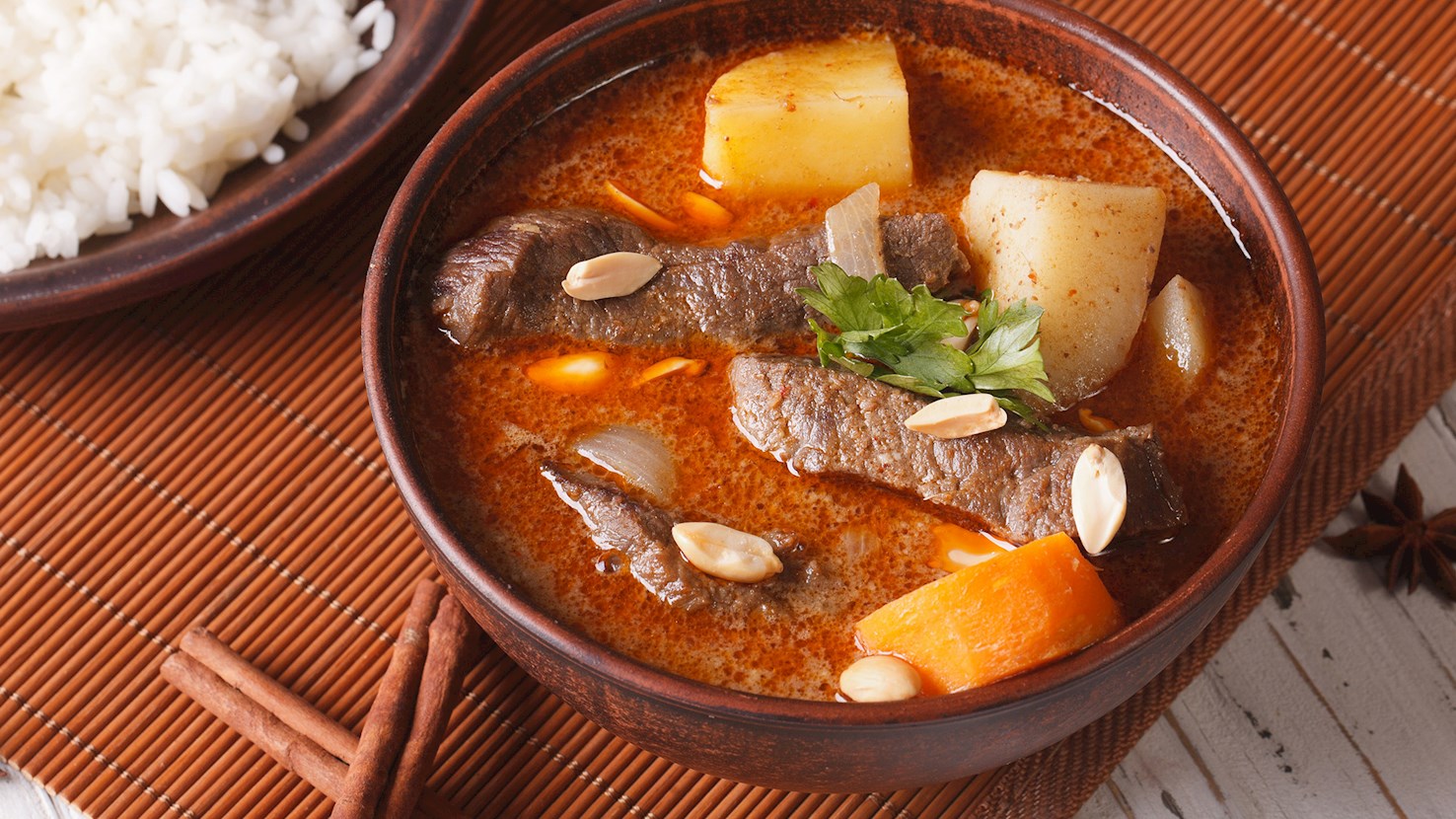
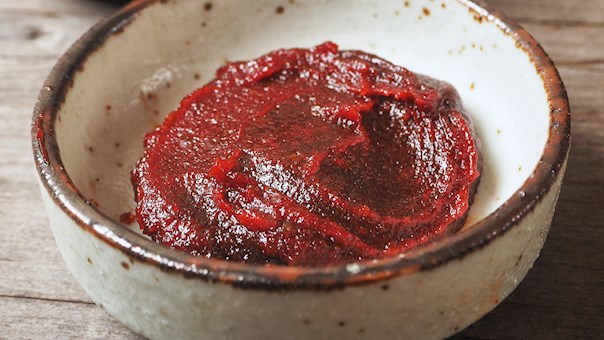
Out of all Thai curry varieties, massaman curry stands out as the mildest, sweetest, and the most unusual type. It is a combination of creamy coconut milk, meat, potatoes, and a curry paste made with roasted spices. Coconut milk is the authentic Thai element of the dish, providing a rich base for the rest of the ingredients. Since it is cooked for a long time, massaman curry usually employs thicker cuts of beef or bone-in chicken, and occasionally lamb or mutton. The list of spices commonly used in massaman is versatile and extensive. It usually employs a combination of dry spices such as cumin, coriander, cloves, cinnamon, and peppercorns, mixed with fresh garlic, chili, galangal, lemongrass, tamarind paste, and palm sugar. The dark red, thick spice paste is simmered with other ingredients and gives the dish an incredibly complex and layered flavor. It is still not clear if massaman curry originated in South or Central Thailand, but it is certain that it owes its name and origin to Muslim traders from the Middle East and the Indian subcontinent. This is the reason why massaman curry employs a variety of fragrant oriental spices that are not common in the region. Massaman curry is usually accompanied by a bowl of steamed rice and ajad, the famous pickled cucumber side dish. Chopped or whole peanuts can also be incorporated into the dish or sprinkled on top right before serving.
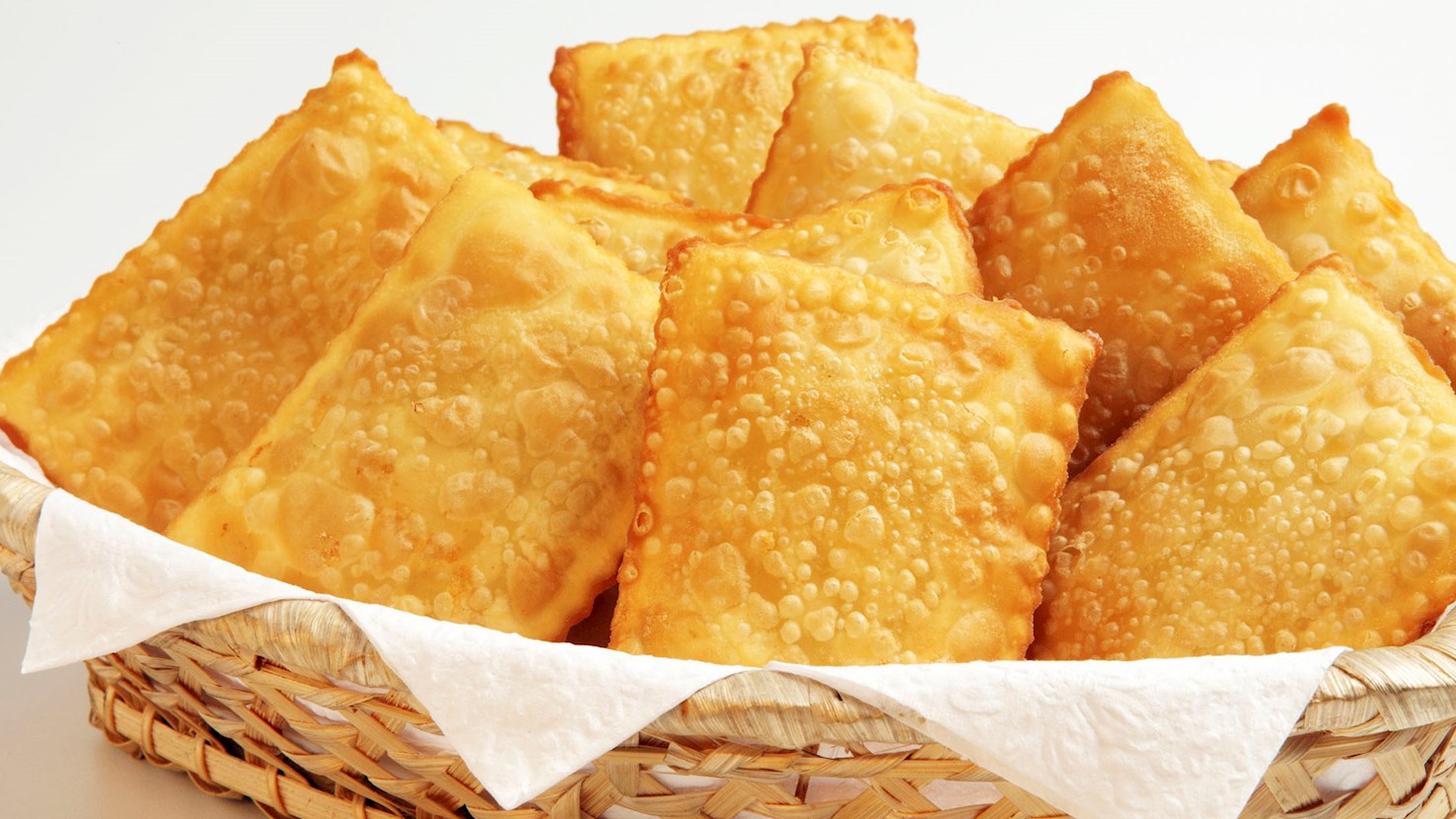
One of the most common fast food items in Brazil is known as pastel, a deep-fried, stuffed pastry. This half-circle or rectangle-shaped miniature pie is stuffed with a variety of ingredients, most commonly shredded chicken, ground beef, mozzarella, or small shrimps. Sweet varieties also exist, and they are usually made with chocolate, bananas, or guava jam, but they are not as common as their savory counterparts. The exact origin of the dish is not familiar, but it is believed that pastel evolved from the Chinese spring roll, which was brought to Brazil by Japanese immigrants. The shape and the ingredients changed, but pastel retained its thin and crispy outer layer. They are usually served hot and are most commonly accompanied by beer or a glass of sugarcane juice. It is a snack that is usually sold in snack bars, and it is almost always meant to be eaten by hand.
Thai curry is usually a soupy dish consisting of coconut milk or water, meat, and curry paste. Unlike the thicker Indian curries, Thai curries have a more soup-like consistency, and the cooks prefer to use fresh herbs and aromatic leaves instead of spice blends that are prevalent in Indian curries. In many Thai homes, curry is consumed on a daily basis, and the cooks can choose from two varieties of Thai curry: water-based or coconut milk-based curries. The most popular water-based curry is sour curry, or gaeng sohm plah, which is often prepared with fish or seafood, while the sour flavor comes from tamarind. Some of the spiciest Thai curries are water-based since there is no coconut milk in the dish to subdue the heat. Coconut-based curries are more popular in the West, such as red, green, yellow, or panangcurry.
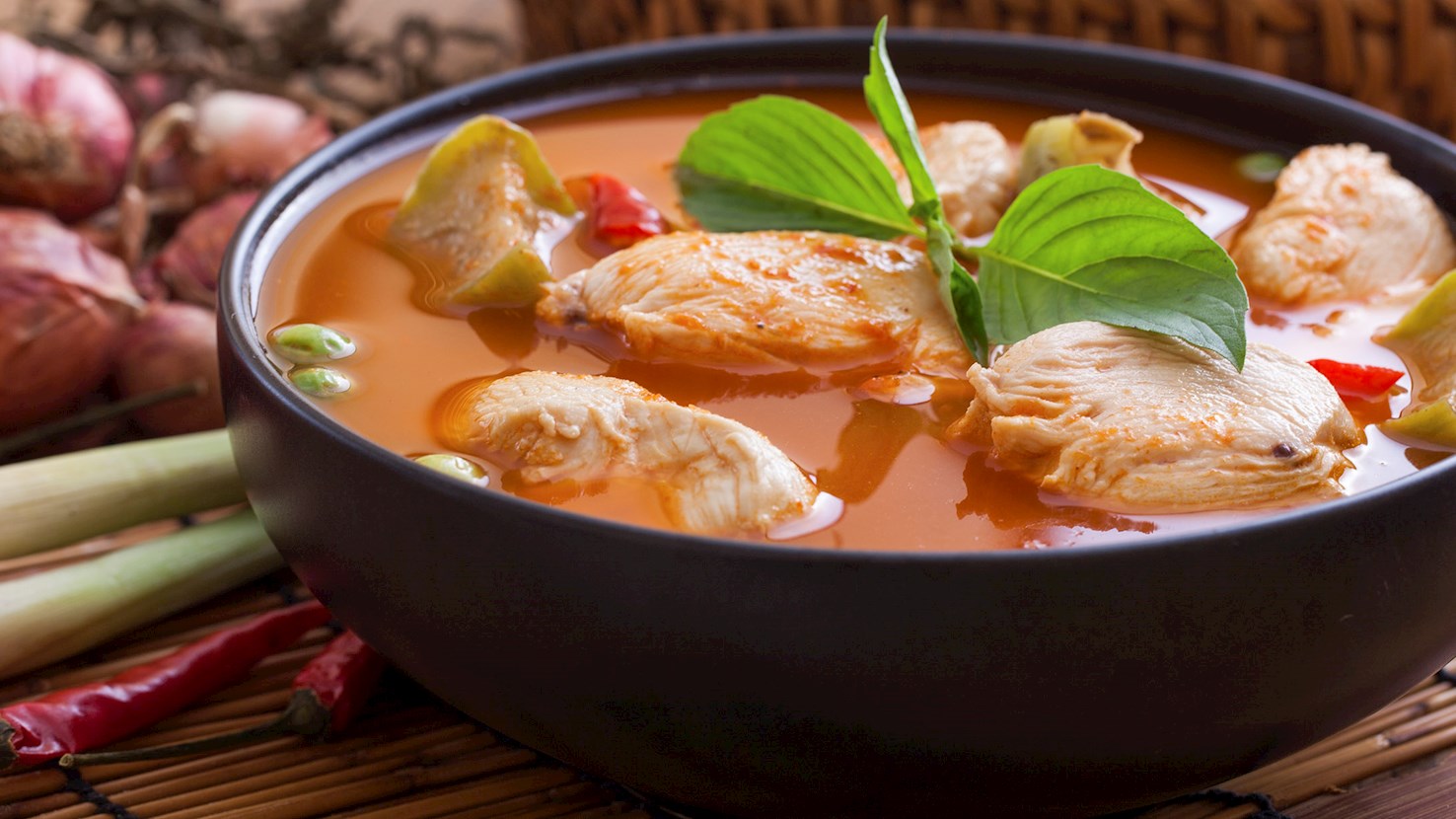
Red curry is one of the most common curry varieties in Thailand. It combines red curry paste, coconut milk, vegetables and meat into a delectable and hearty meal. Red curry paste and coconut milk are the foundations of the dish, and their combination results in a perfectly balanced, creamy and spicy broth. The paste is created with dry red chilis which are mixed and ground with fragrant Thai spices such as shallots, garlic, galangal, kaffir lime leaves, lemongrass, shrimp paste, coriander, and cumin. When creamy red curry broth is created, other ingredients, which might include meat, seafood or tofu, and various vegetables are added and cooked in the broth to infuse all the fragrant aromas. Red curry differs from typical Indian curries since the broth is thin and almost soup-like. Even though it is spicy, the main features of red curry are its freshness and a smooth, creamy taste. The dish is eaten everywhere in Thailand and can be found at high-end restaurants or casual, authentic eateries. Red curry is usually served over plain rice and it is mainly eaten for lunch or dinner.
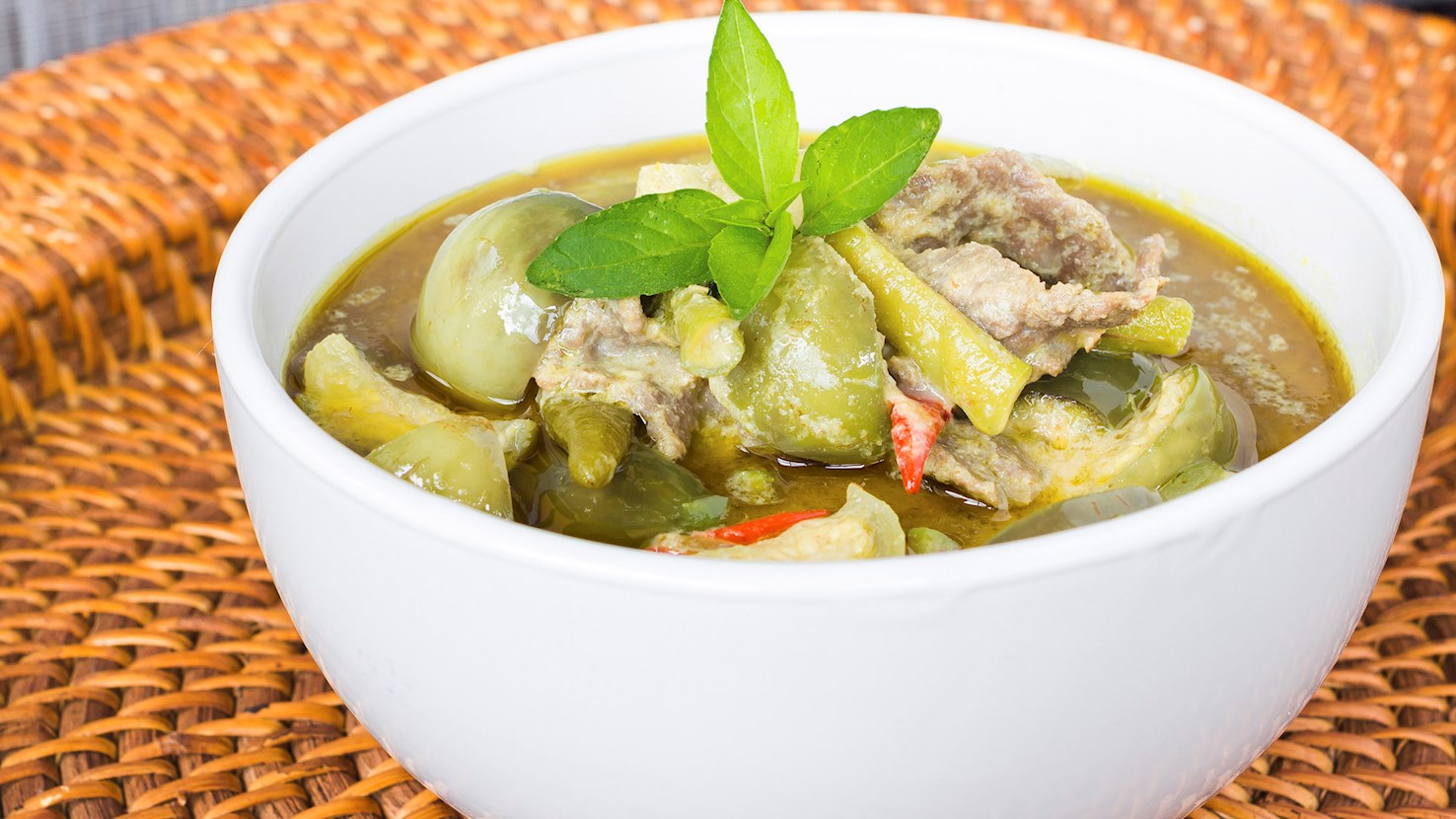
Kaeng khiao wan is a traditional name for the fiery green curry. Although the name translates to sweet green curry, it merely refers to the color, which is known as sweet green. Thai green curry is a dish based on fragrant and spicy green chilis, brought to Thailand by Portuguese missionaries in the 16th century. Fresh chilis are ground into a paste and mixed with ingredients such as galangal, shrimp paste, lemongrass, garlic, turmeric, coriander, kaffir leaves, and whole peppercorns. The paste is the heart of every green curry, a foundation which determines the final flavor of the dish. Another essential ingredient is coconut milk, which perfectly balances the spiciness of green chilis, but it also provides creaminess and a subtle sweetness. Although green paste can be easily found in specialized stores and regular supermarkets, the freshness of ingredients is the key in green curry, so it is always recommended to use fresh spices which should be ground in a mortar. Additional ingredients in the green curry are highly versatile. They usually include a protein, meat or seafood, and a variety of vegetables. When served, the dish is decorated with sliced green chilis and fresh kaffir leaves. Plain steamed rice, fragrant Jasmin rice, traditional rice noodles, and fried vegetables are often served on the side. Green Thai curry is a dish which originated in Central Thailand, but nowadays it is regarded as one of Thailand’s signature dishes. It can be found in high-end restaurants and local eateries across the country.
TasteAtlas food rankings are based on the ratings of the TasteAtlas audience, with a series of mechanisms that recognize real users and that ignore bot,
nationalist or local patriotic ratings, and give additional value to the ratings of users that the system recognizes as knowledgeable.
For the “100 Best Rated Dishes with Paste” list until October 17, 2026, 1,046,806 ratings were recorded, of which 695,538 were recognized by the system as legitimate.
TasteAtlas Rankings should not be seen as the final global conclusion about food. Their purpose is to promote excellent local foods,
instill pride in traditional dishes, and arouse curiosity about dishes you haven’t tried.













What People Say